A day in Seoul? Here’s how to spend it
Seoul moves with a rhythm all its own. It sits at the crossroads of past and future. Hanok houses are tucked between glass towers, independent cafés exist alongside vast department stores, and food culture is woven into the fabric of daily life. It is a city of constant renovation and reinvention, shaped as much by long-standing traditions as by the creative energy that drives its fashion, art and music scenes. Whether you come for the architecture, the cafés or the shopping, Seoul doesn’t waste time in making an impression.
In 24 hours, you can experience a snapshot of that energy. From early-morning pastries in former industrial spaces to contemplative tea rooms, lively boutiques, and clubs that stay busy until sunrise. This guide distils the essentials, offering a route through the Korean capital that's grounded, design-minded and true to the city’s spirit.
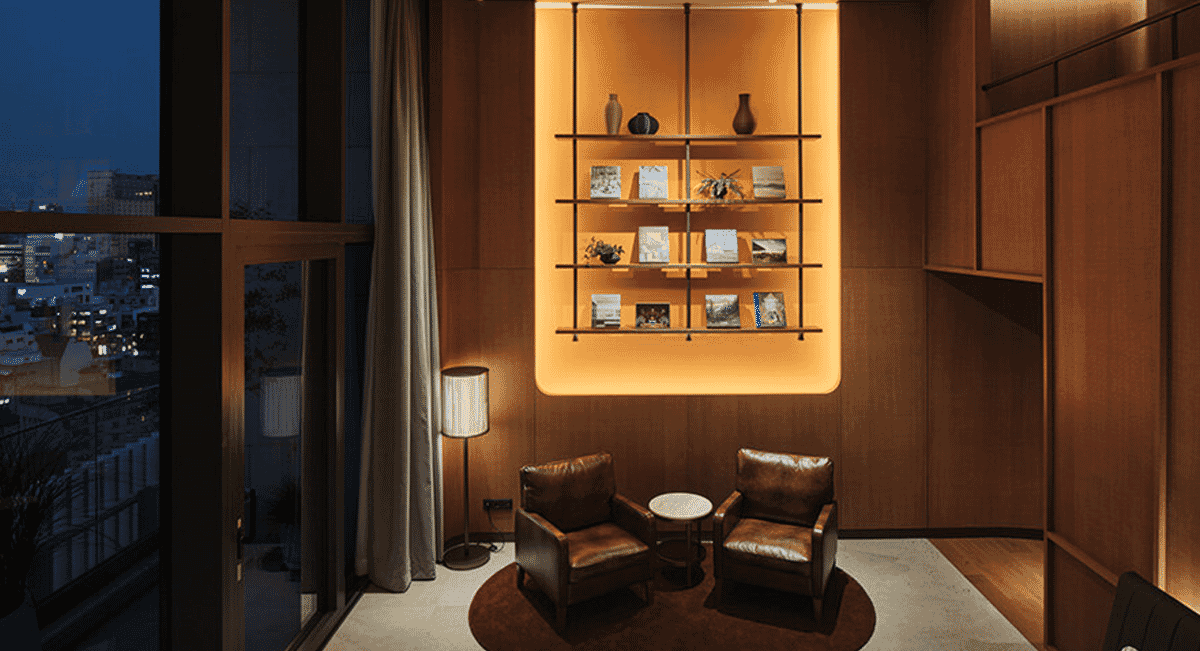
Table of Contents
- A day in Seoul? Here’s how to spend it
- Where to stay
- Where to get breakfast
- Where to grab a coffee
- Where to shop
- Where to grab a drink
- The must-see attraction
- Where to have dinner
- Where to dance
Where to stay
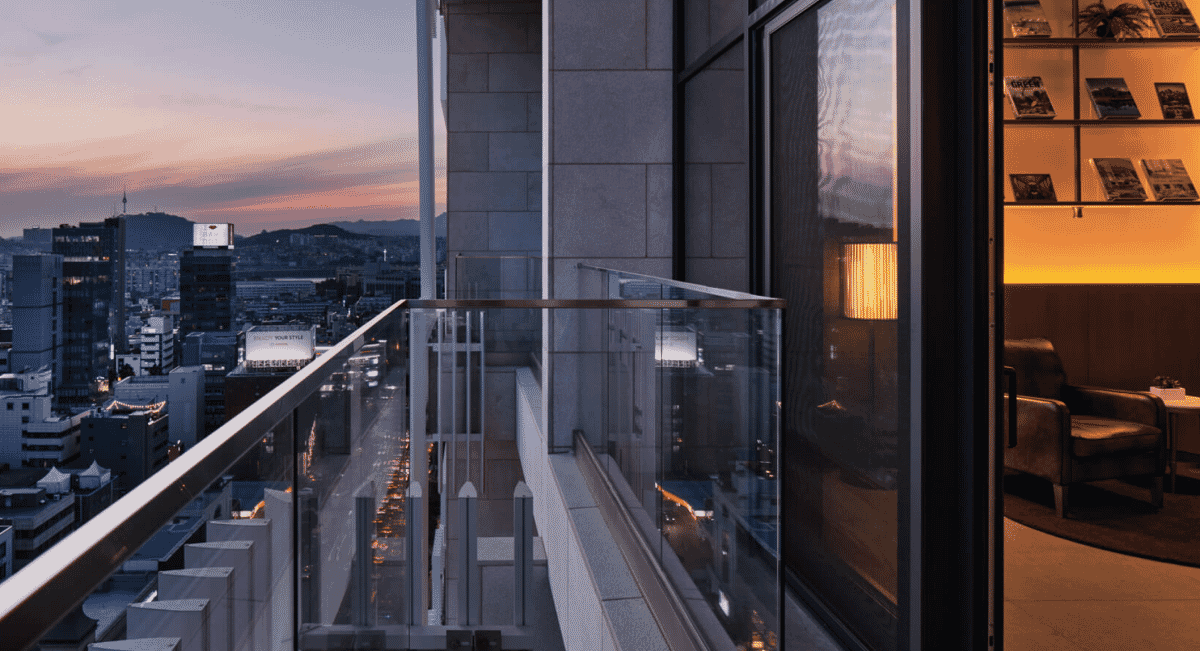
Settle into The Ananti at Gangnam, a strikingly composed retreat to decompress above one of the city’s busiest districts. Each room is arranged over two levels, with sleeping areas tucked on mezzanines and balconies overlooking the skyline. The brick annex at the rear introduces a different mood altogether, with arched forms, indoor and outdoor pools and a sauna that nods to the structure of a medieval monastery.
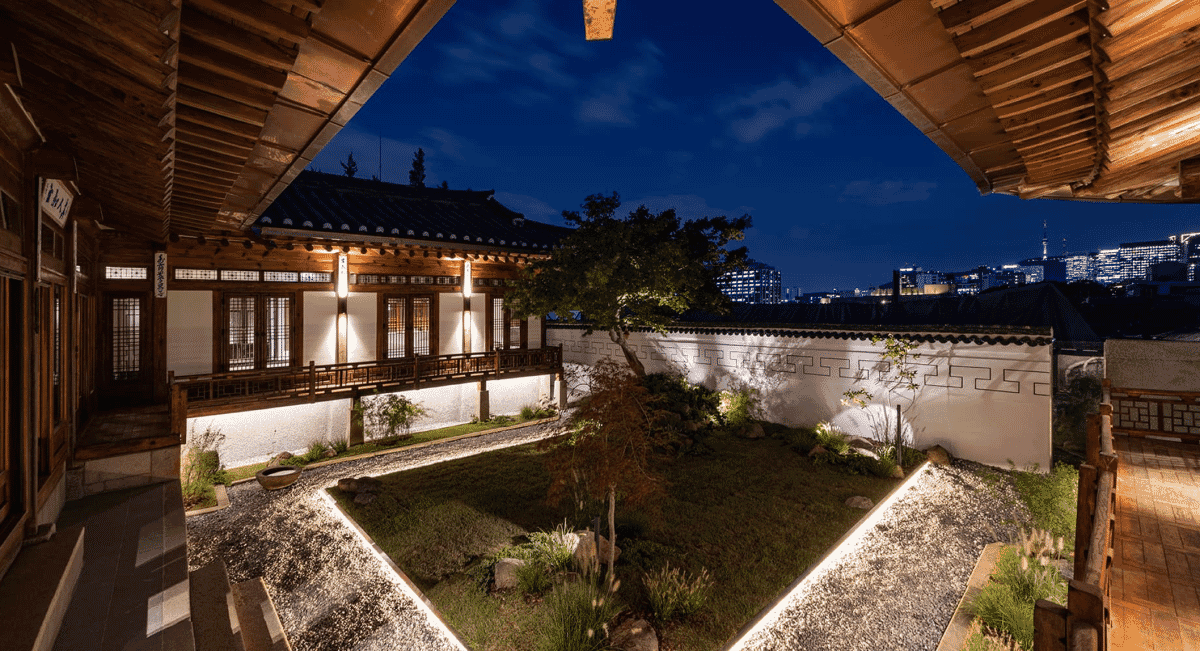
For something quieter and more intimate, Hillo Jae offers a contemporary reworking of a traditional hanok house. The rooms are arranged around a calm central courtyard, and the interiors pair natural materials with modern comforts and works by local artists. It feels rooted in place without slipping into nostalgia.
Where to get breakfast
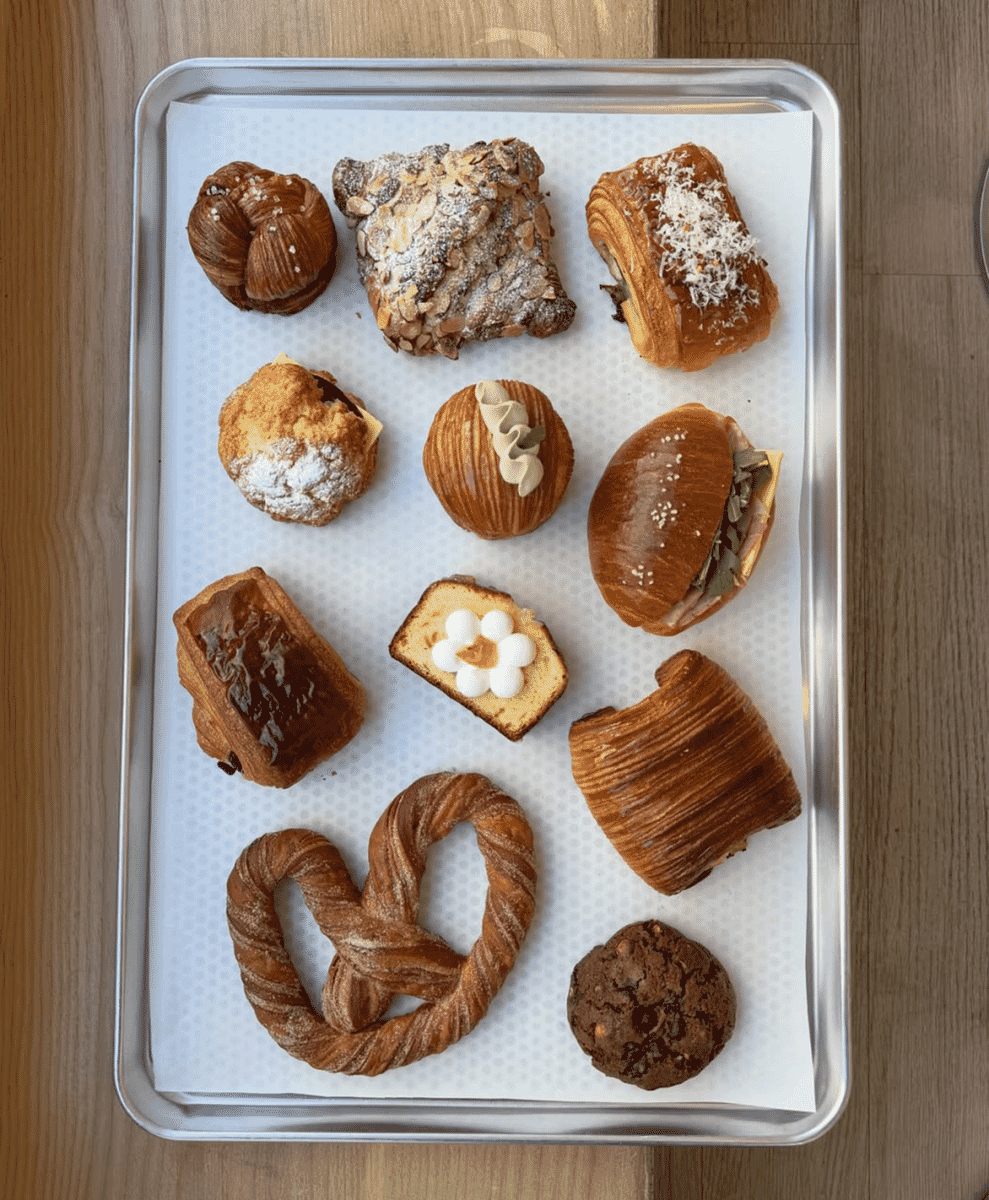
Begin the day in Seongsu at Onion, the first outpost of a now-famous café brand. Fabrikr, the design studio behind the project, preserved much of the existing structure, leaving exposed brickwork and the patina of its past life intact. The contrast between the raw interior and the elaborate pastries has become part of its appeal: pandoro dusted with confectioners’ sugar, squid-ink brioche with a crisp shell, avocado bread and seasonal creations that draw early queues. Take a seat on the roof terrace for views across the district’s still-industrial edges.
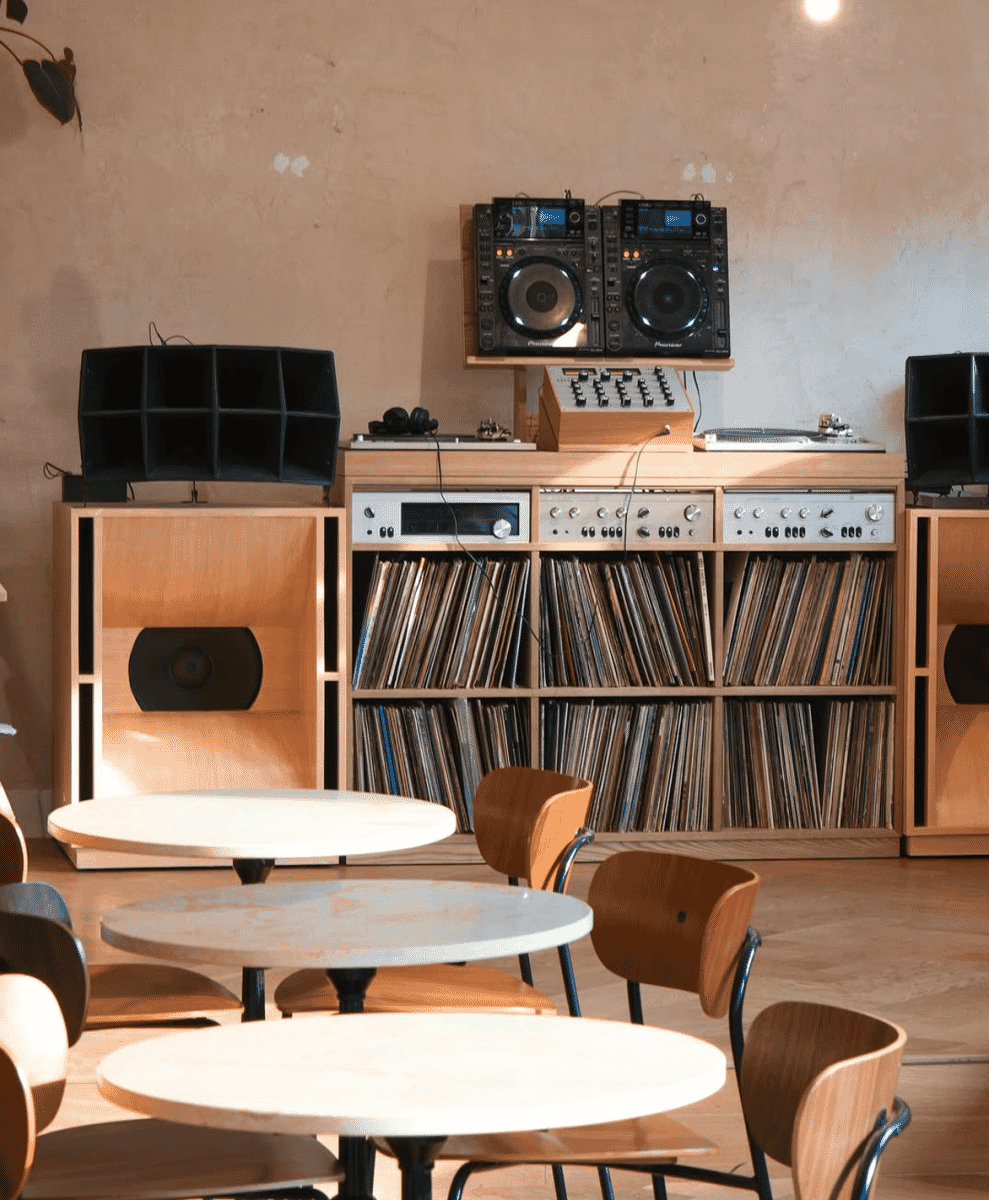
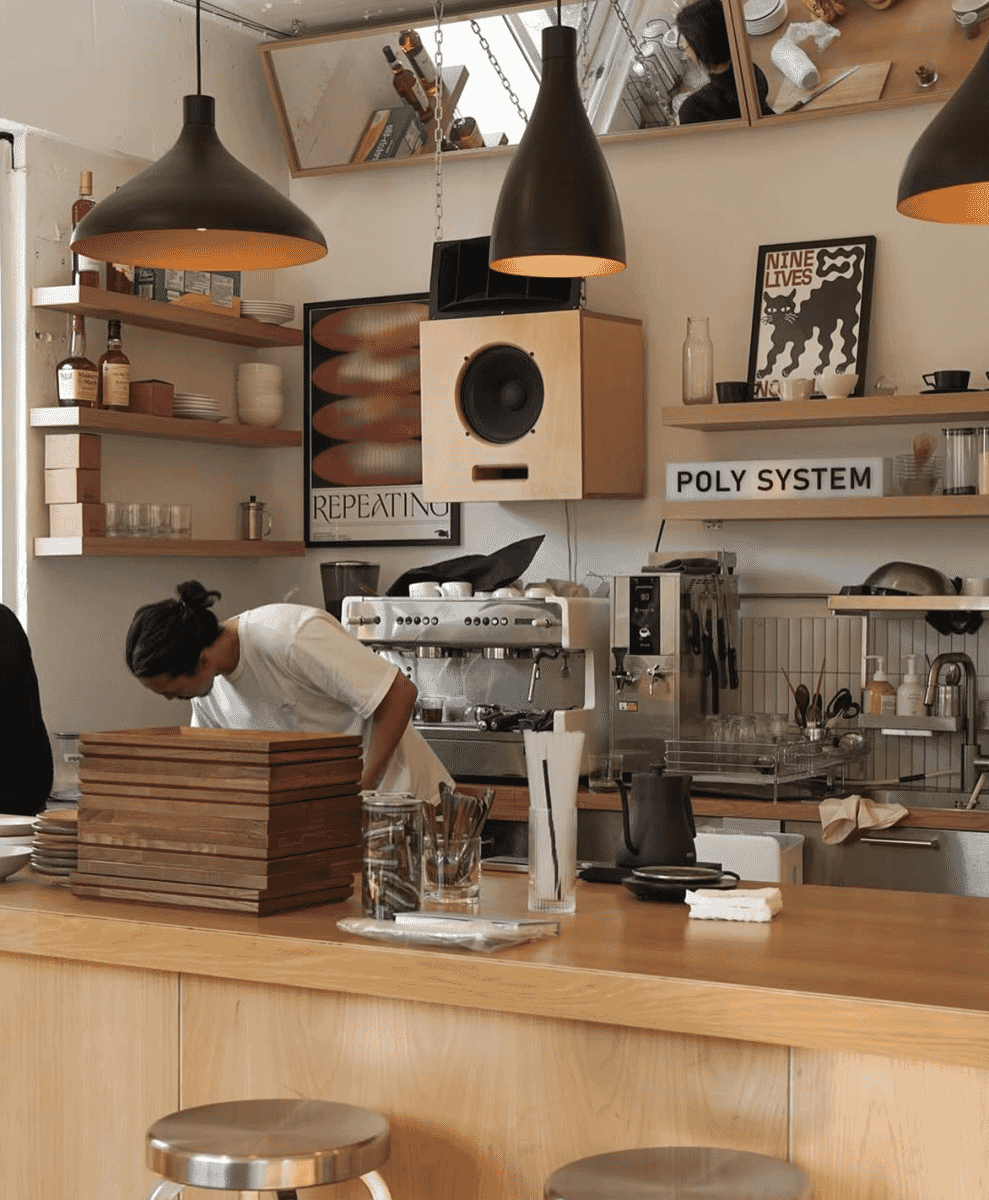
Alternatively, for something a little quieter, head to Poly Café and Bakery in Mapo-gu, for rich coffee, a curated vinyl collection, warm timber interiors and a welcoming slow-listening vibe
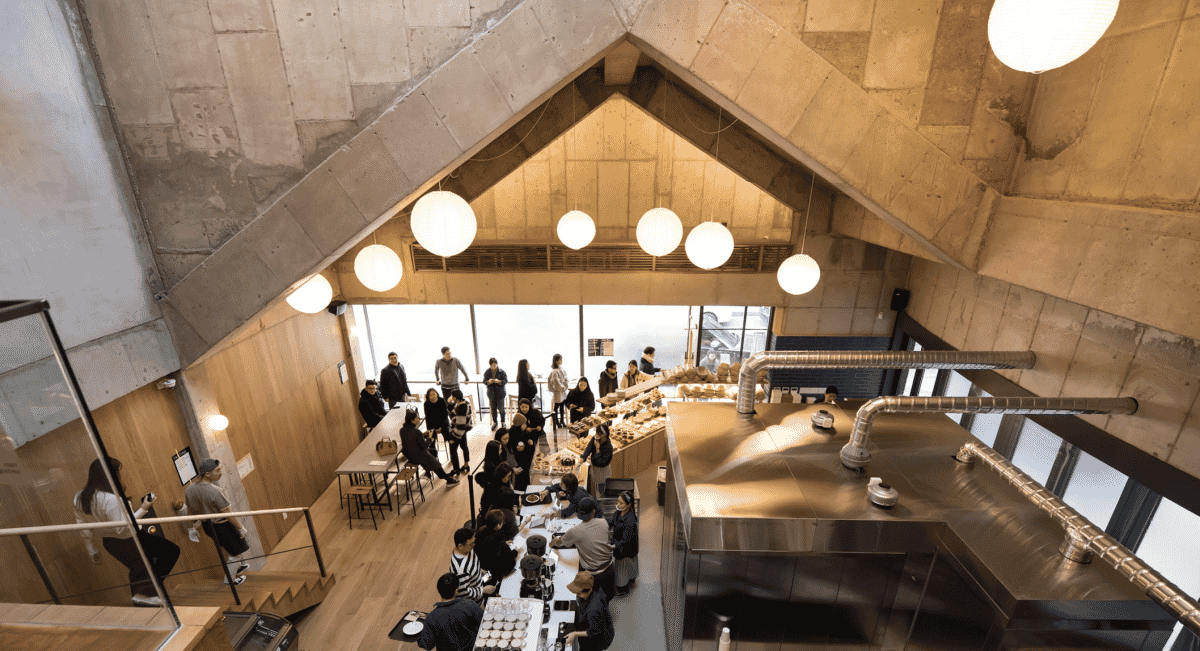
In Hannam, the double-height Tartine bakery brings San Francisco’s sourdough culture to Seoul. The team bakes everything on site and collaborates with its US counterparts on dishes that bridge Californian and Korean flavours. Including a bulgogi sandwich made with Jeju tangerine juice and multigrain makgeolli bread. It is a bright, dependable stop in a neighbourhood favoured by the city’s creative crowd.
Where to grab a coffee
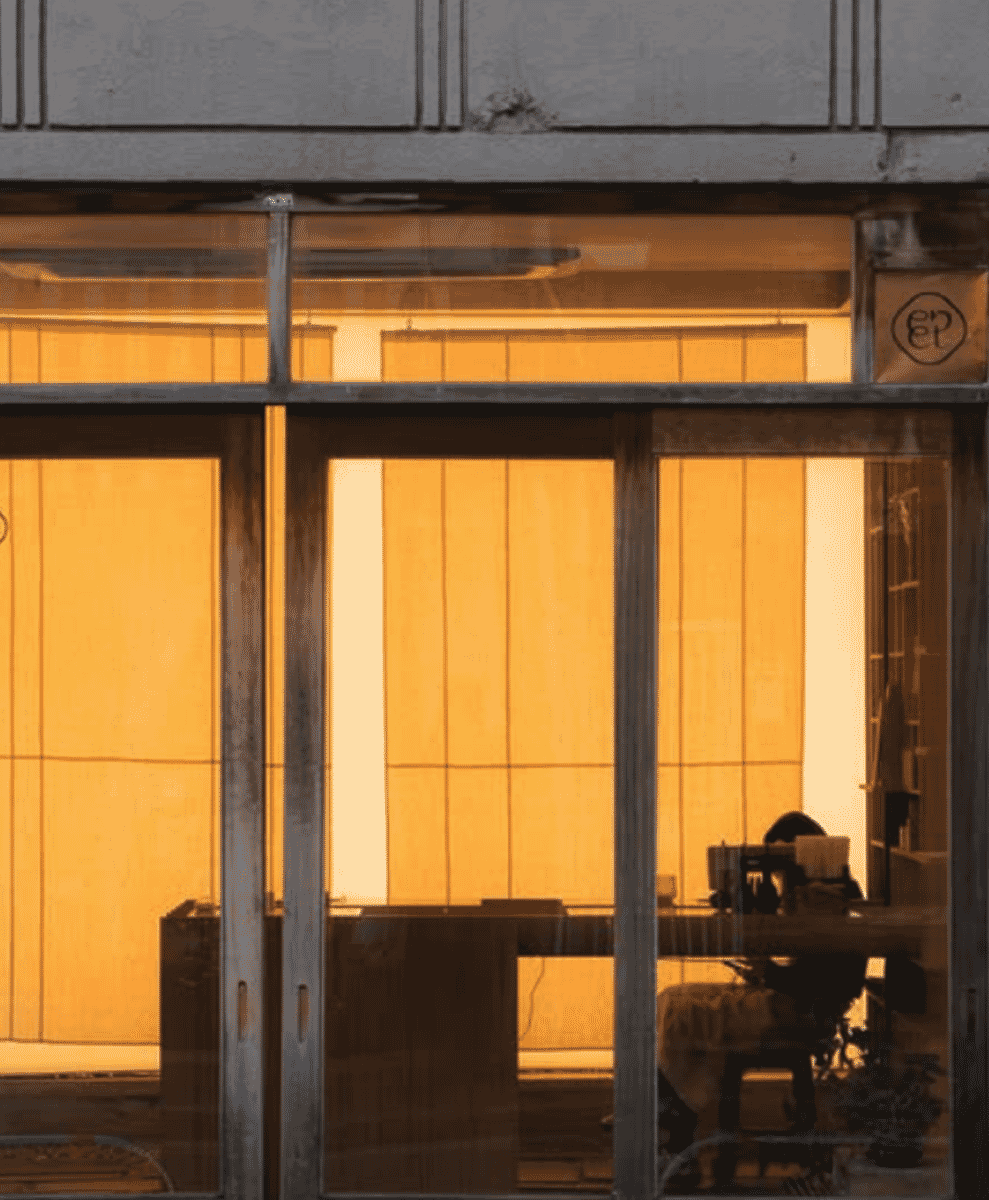
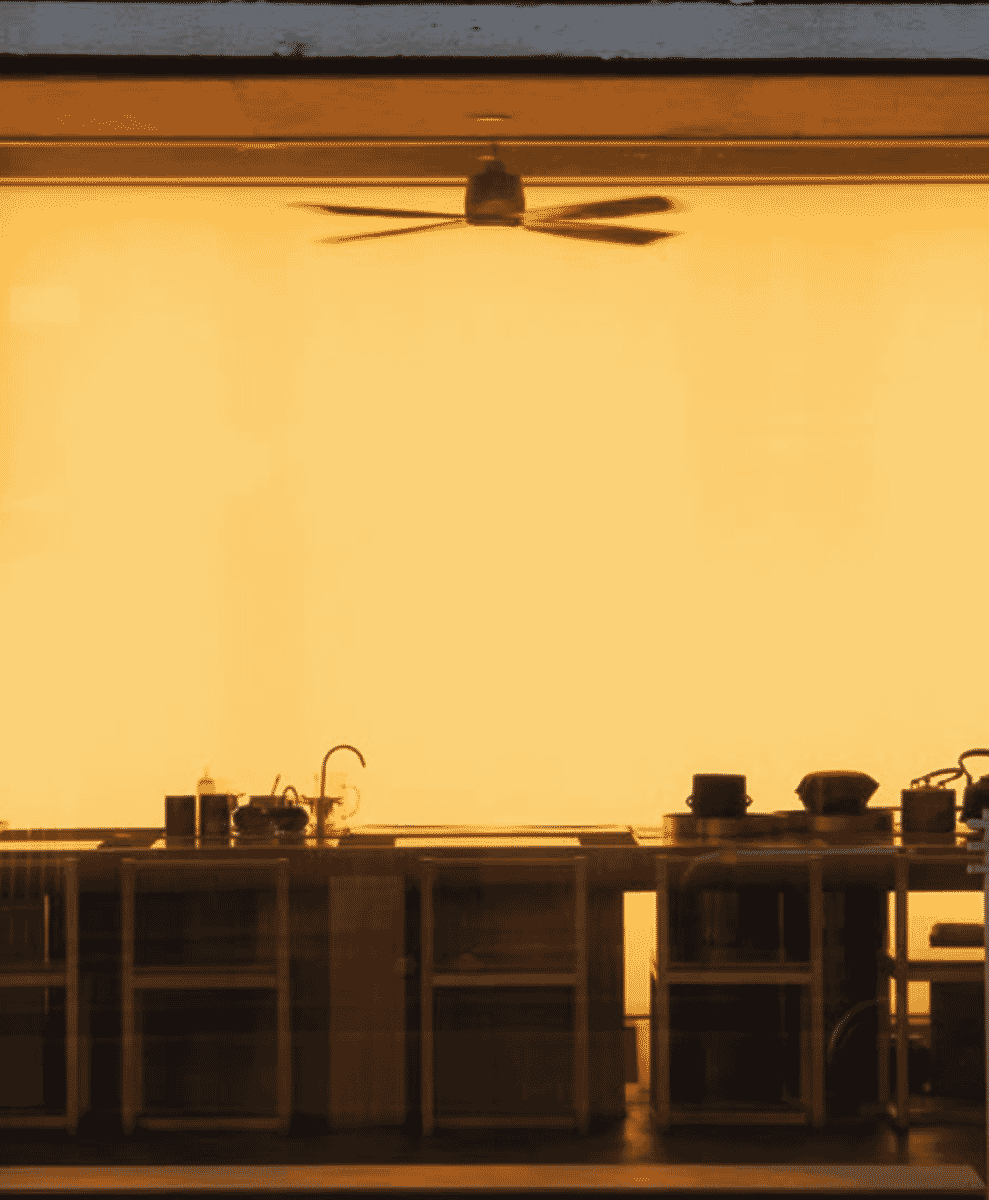
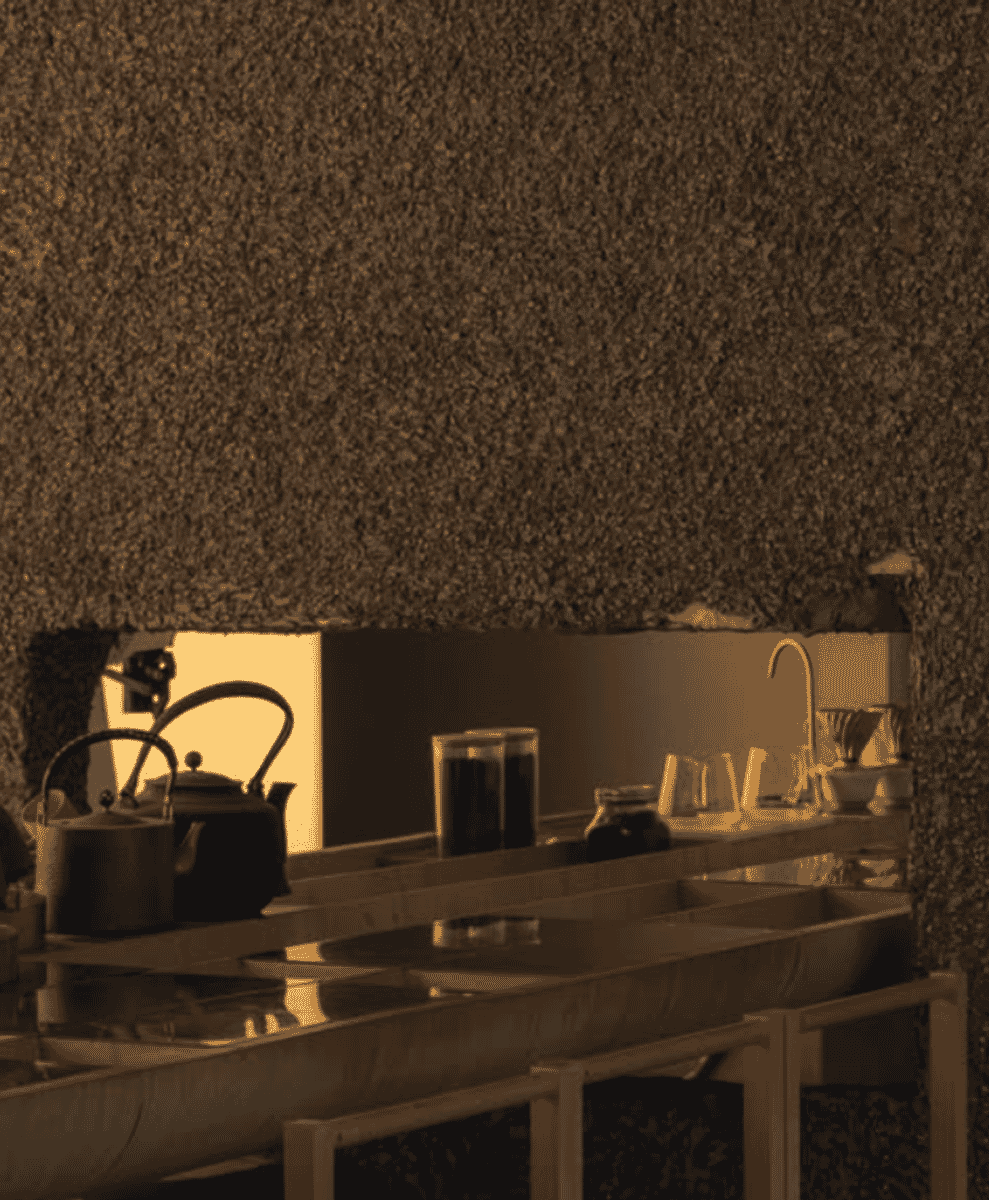
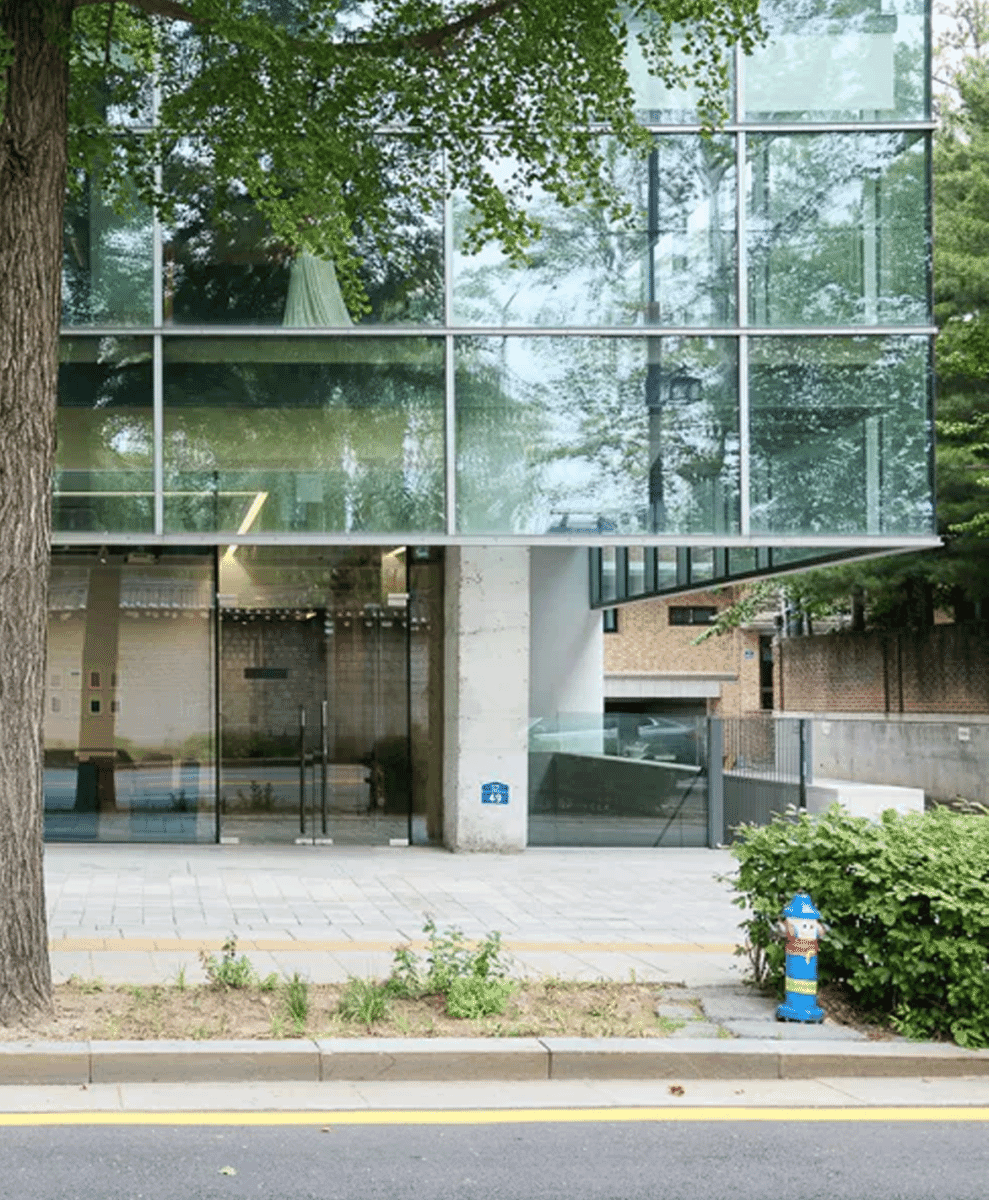
Take a quieter moment in Mangwon at Eert, a tearoom designed to encourage a slower pace. Workment, the local architecture practice, opened up the 1970s concrete building and allowed natural light to wash across a long wood-and-copper counter where staff prepare tea and coffee against a warm, glowing wall. Upstairs, the space remains deliberately unfinished, with raw materials and minimal seating. It is contemplative and peaceful, with seasonal desserts that reward a pause.
You could also head towards Sangsu and visit Anthracite, housed in what was once a shoe factory. The building’s industrial bones remain visible, and the focus is on well-roasted, house-blended coffee served without fuss. Many locals stop by after lunch for a takeaway cup, which is both excellent and priced with refreshing restraint.
Where to shop
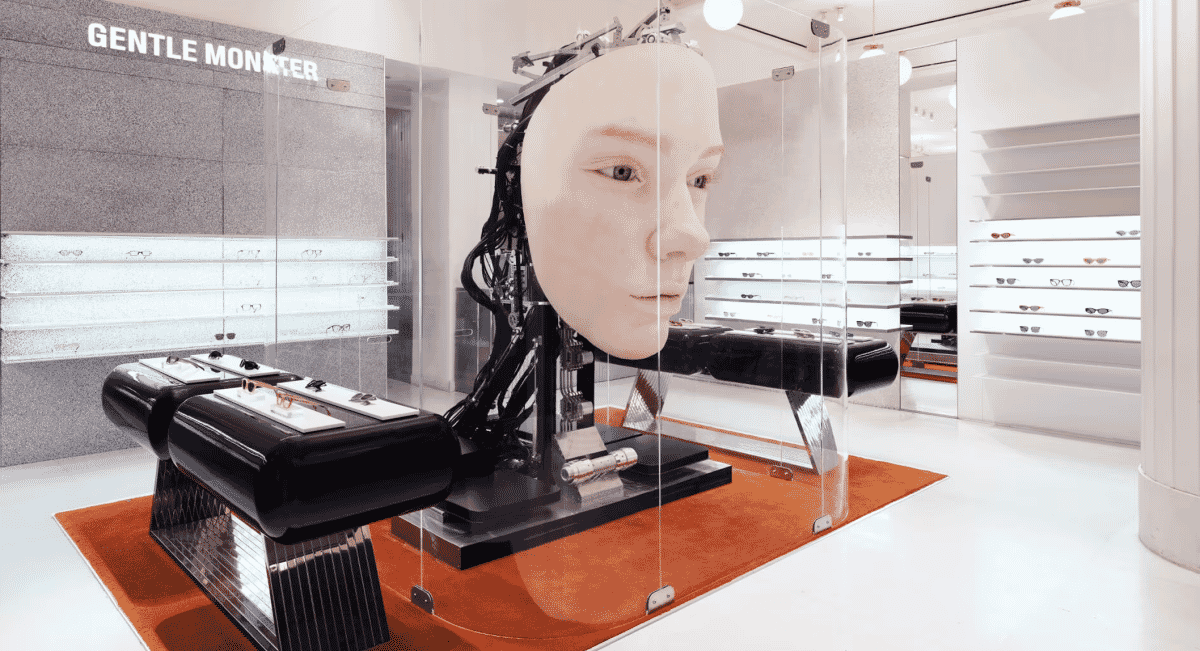
Seoul’s fashion industry is anchored in Apgujeong, a district defined by luxury flagship stores, editorial headquarters, PR agencies and showrooms. It holds everything from Hermès to Palace, but the area’s retail identity is shaped just as much by ambitious Korean brands. Gentle Monster’s HAUS in Dosan exemplifies this approach. The eyewear label has built a global profile not just through its designs but through its immersive retail environments, which change frequently and often feature robotics-driven installations. The brand now runs four locations in the city, including its experimental flagship in Hongdae.
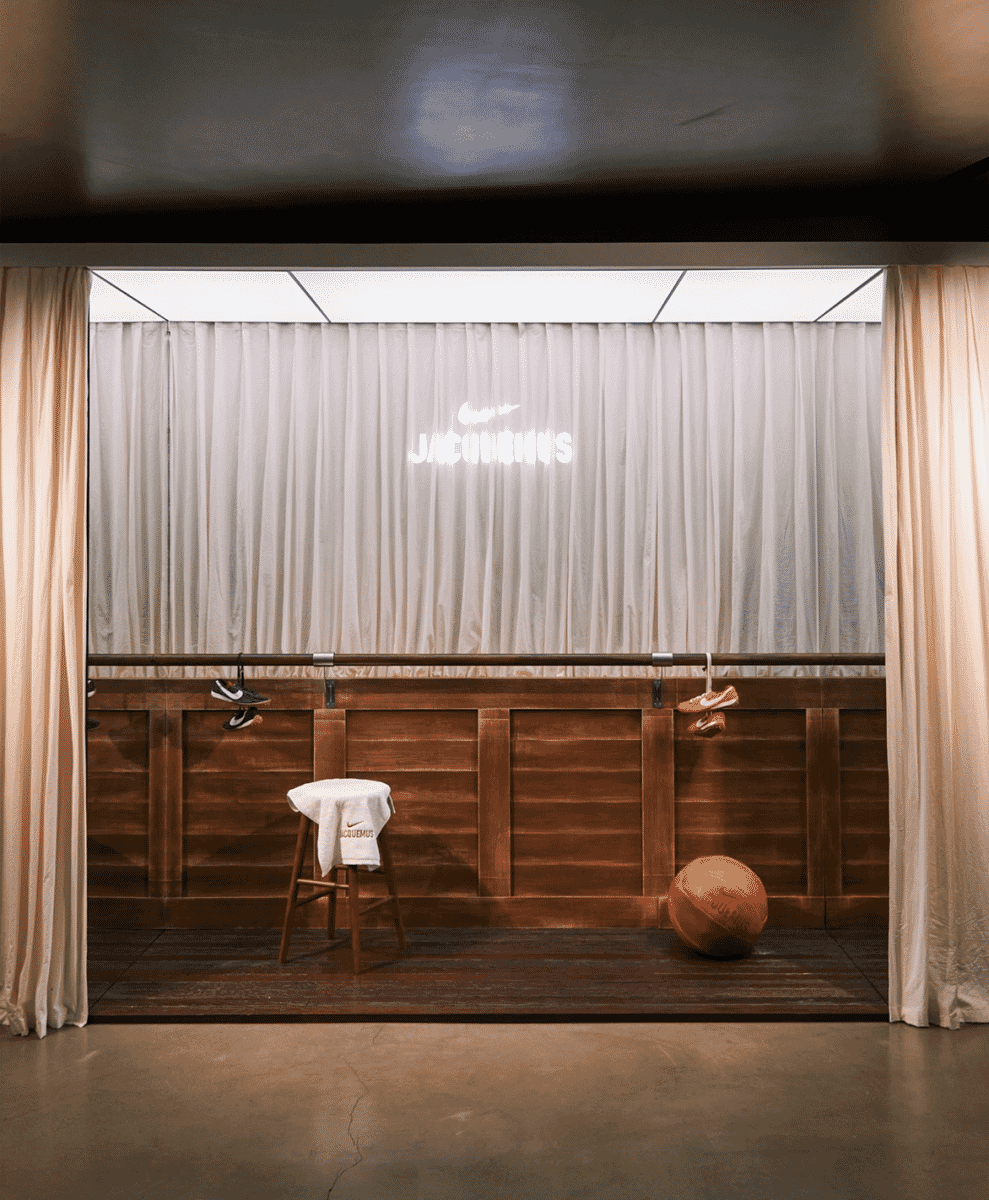
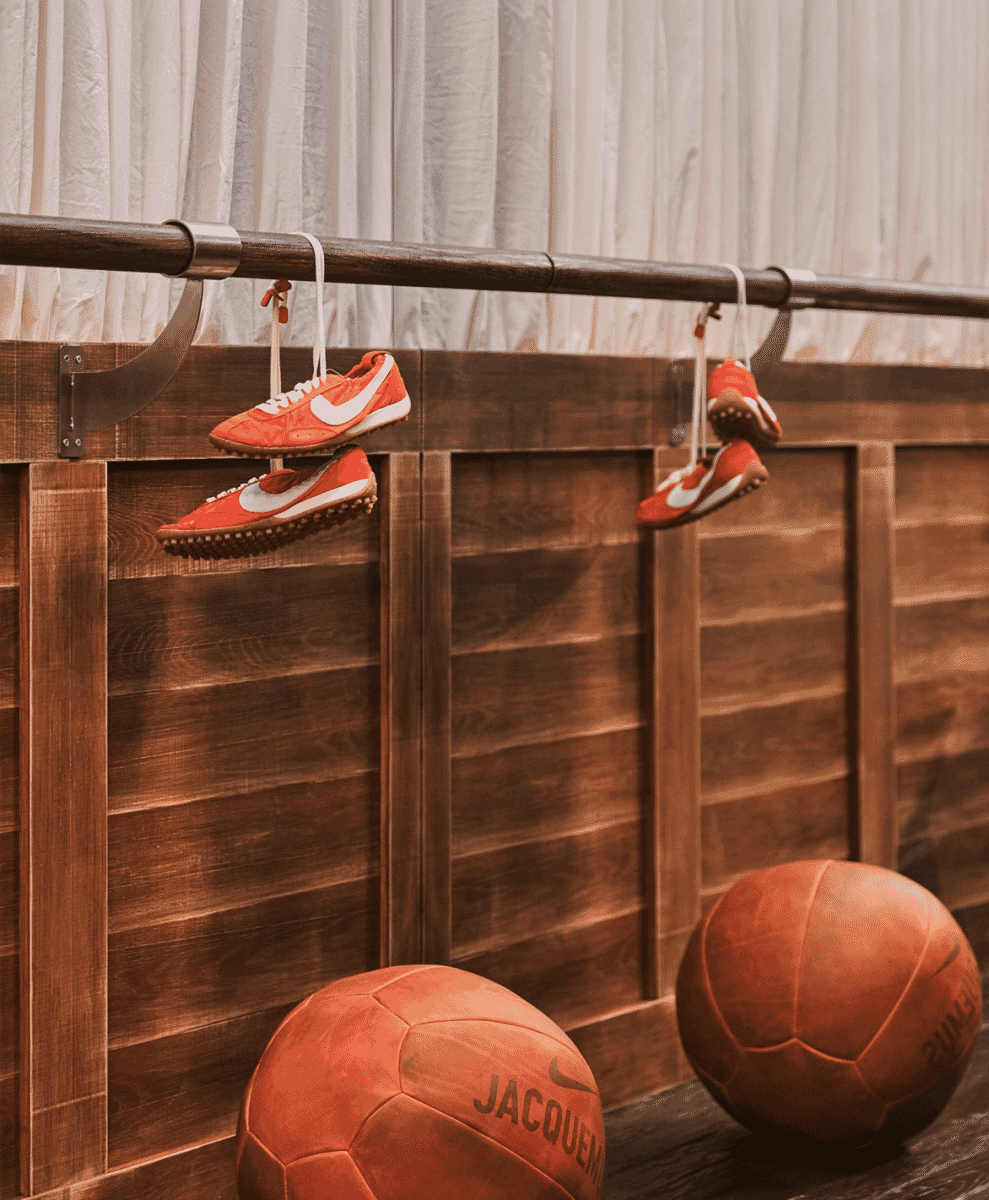
Beyond that, Apgujeong is home to Boon the Shop, Tom Greyhound, Casestudy, Unipair, WORKSOUT and PalPal Skates, each offering a different lens on Korean and international fashion. Expect an audience of stylists, editors, designers and those who orbit the industry.
Where to grab a drink
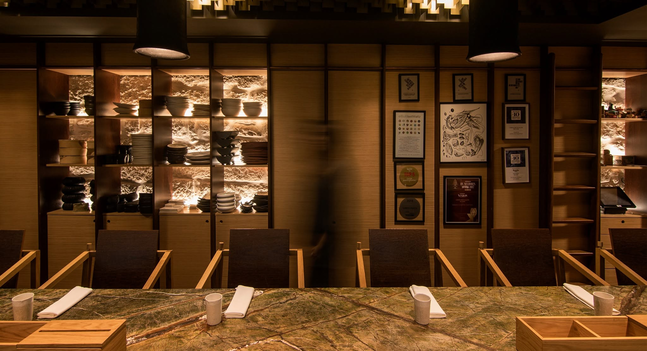
In the centre of the city, SookHee in Jung District is a discreet spot tucked inside an ordinary office building. The entrance is unassuming, but inside you’ll find a warm, low-lit room with jazz drifting across oriental chairs and wooden tables. The cocktails lean on local ingredients and are designed to showcase regional flavours without theatrics. It is an ideal place to start the evening, especially if you prefer a bar with atmosphere rather than spectacle.
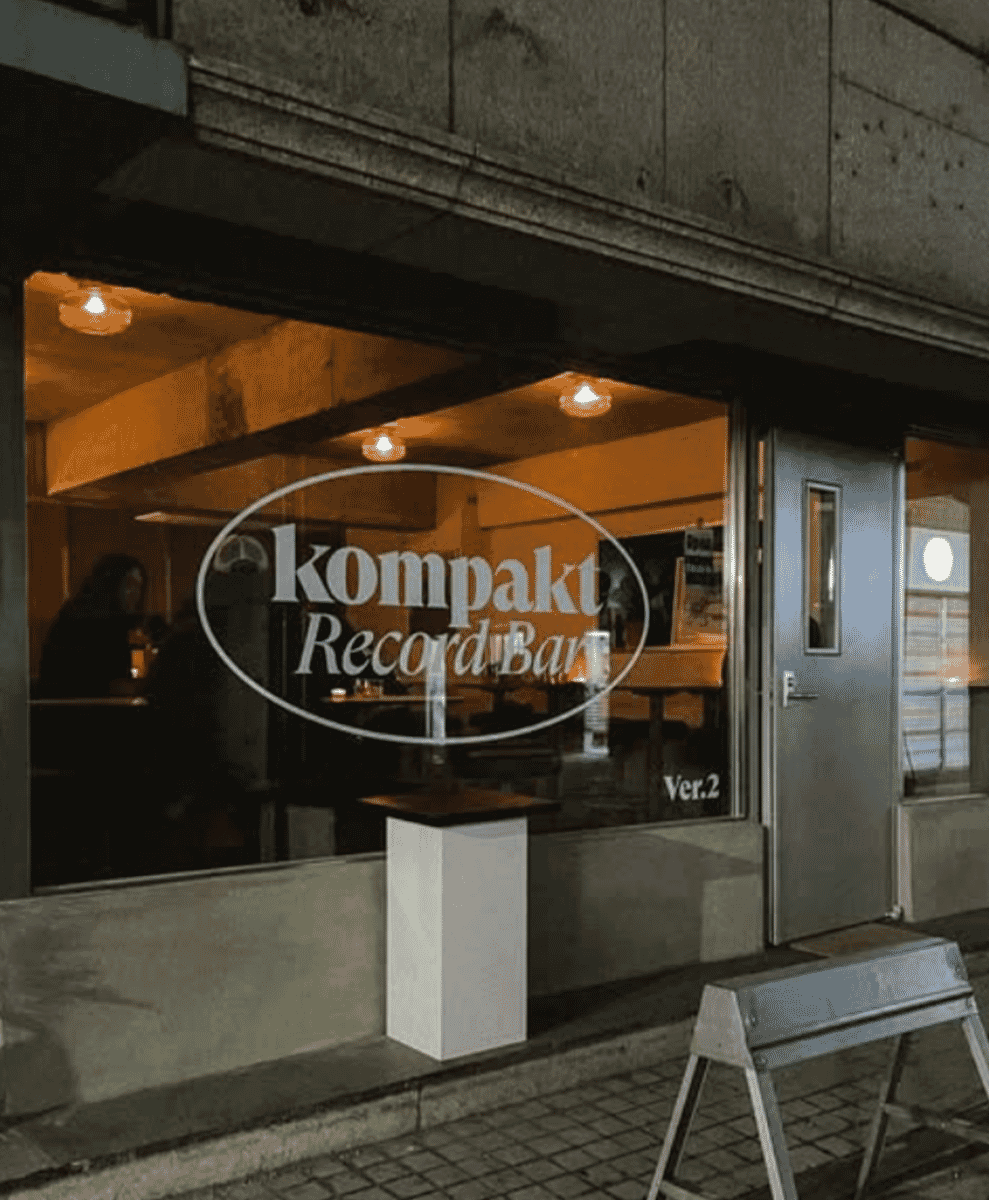
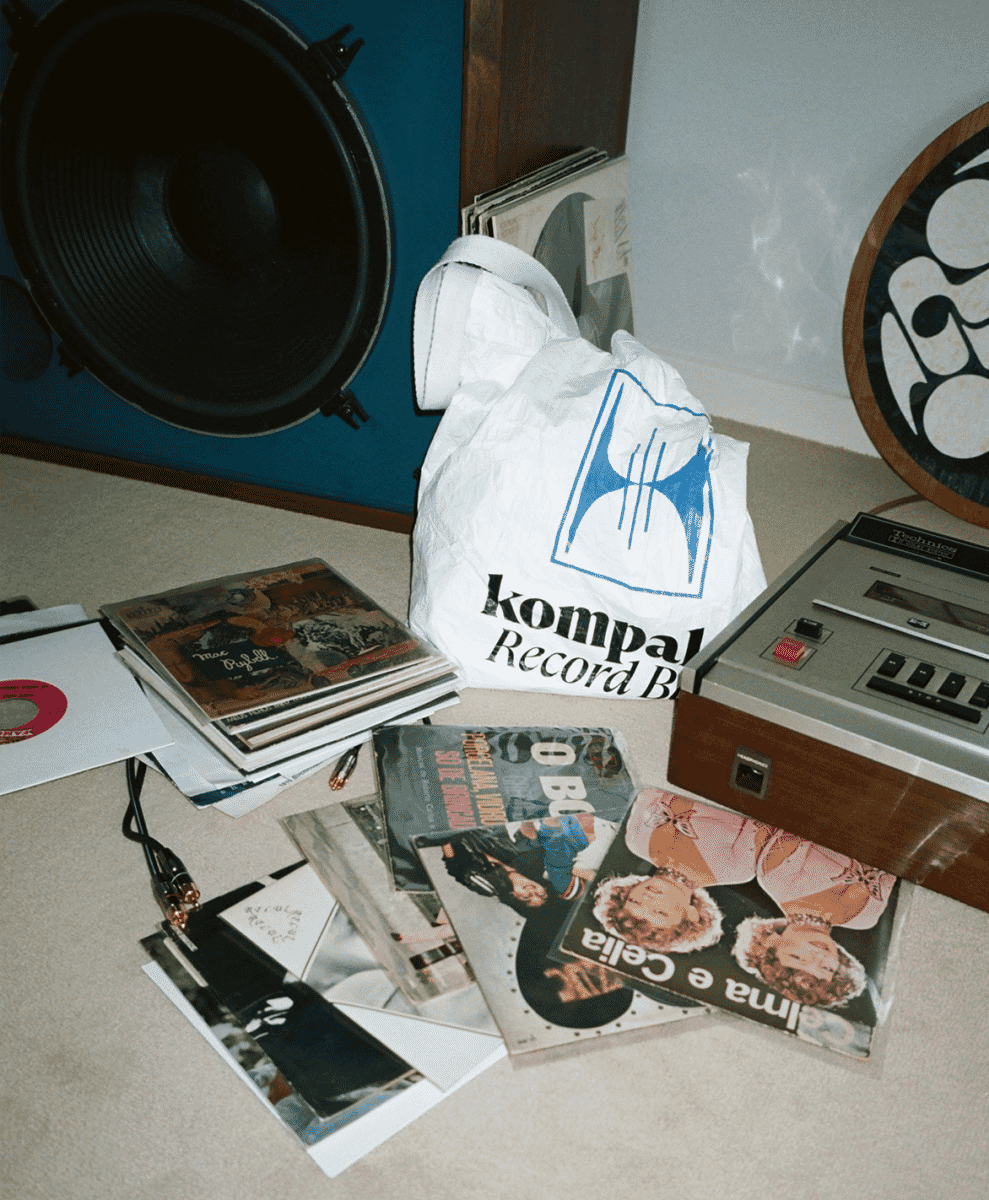
Later, head to Kompakt Record Bar, run by graphic designer Jinmoo of the DJ collective 360sounds. The room draws a steady crowd of music lovers, creatives and regulars who come for its analogue feel, deep record collection and sets from some of Korea’s most respected DJs. It is social, energetic and designed for listening as much as drinking.
The must-see attraction
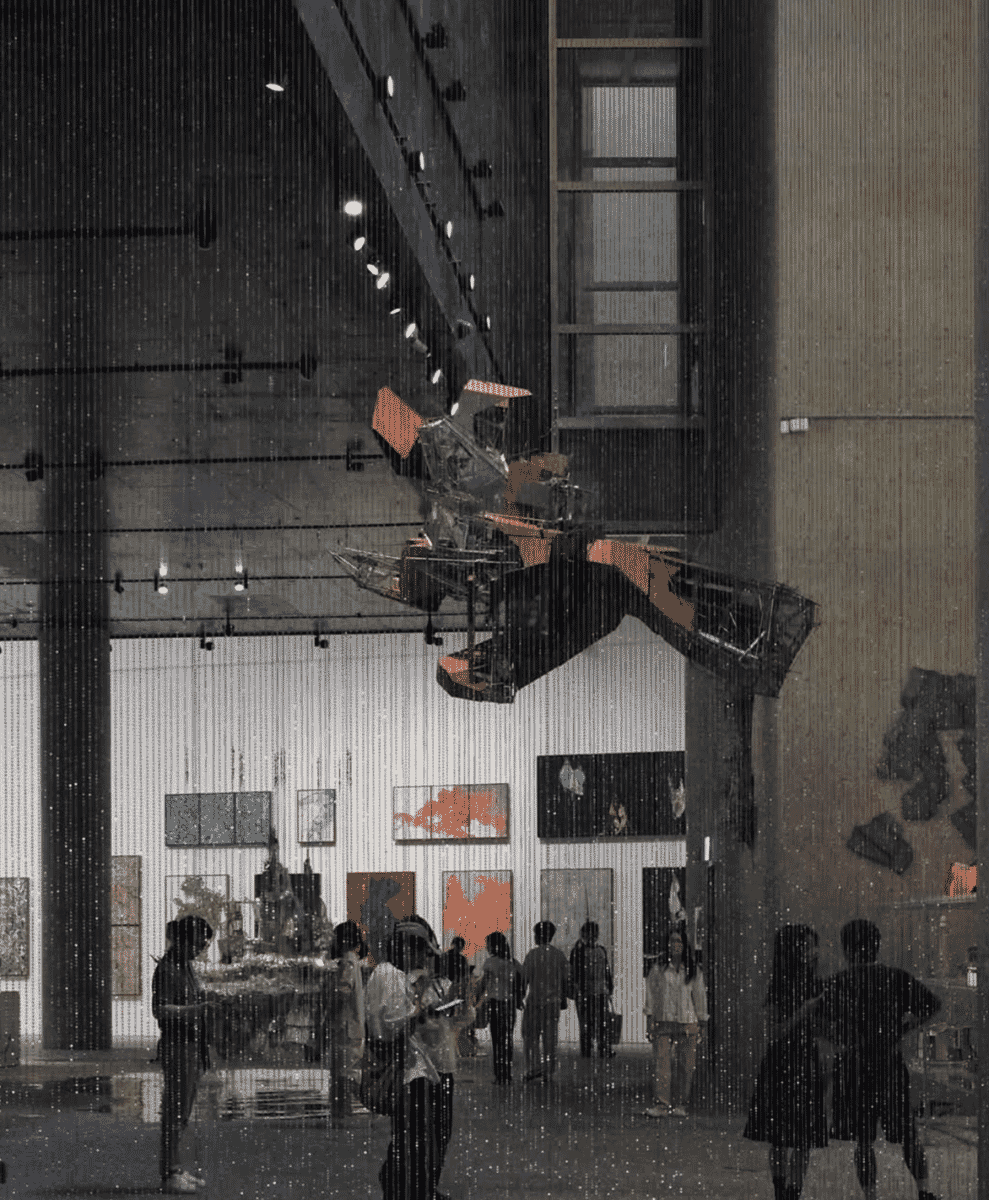
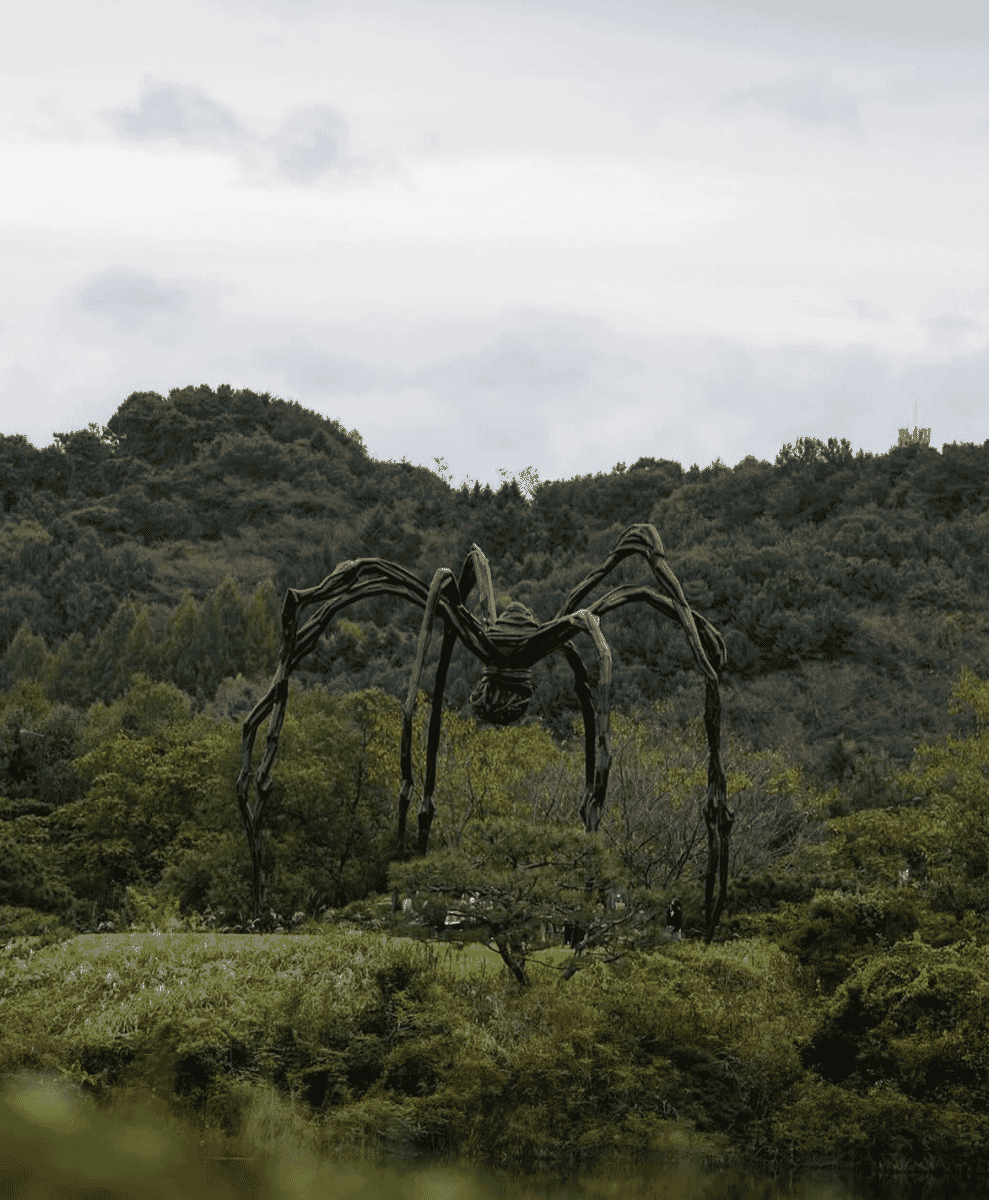
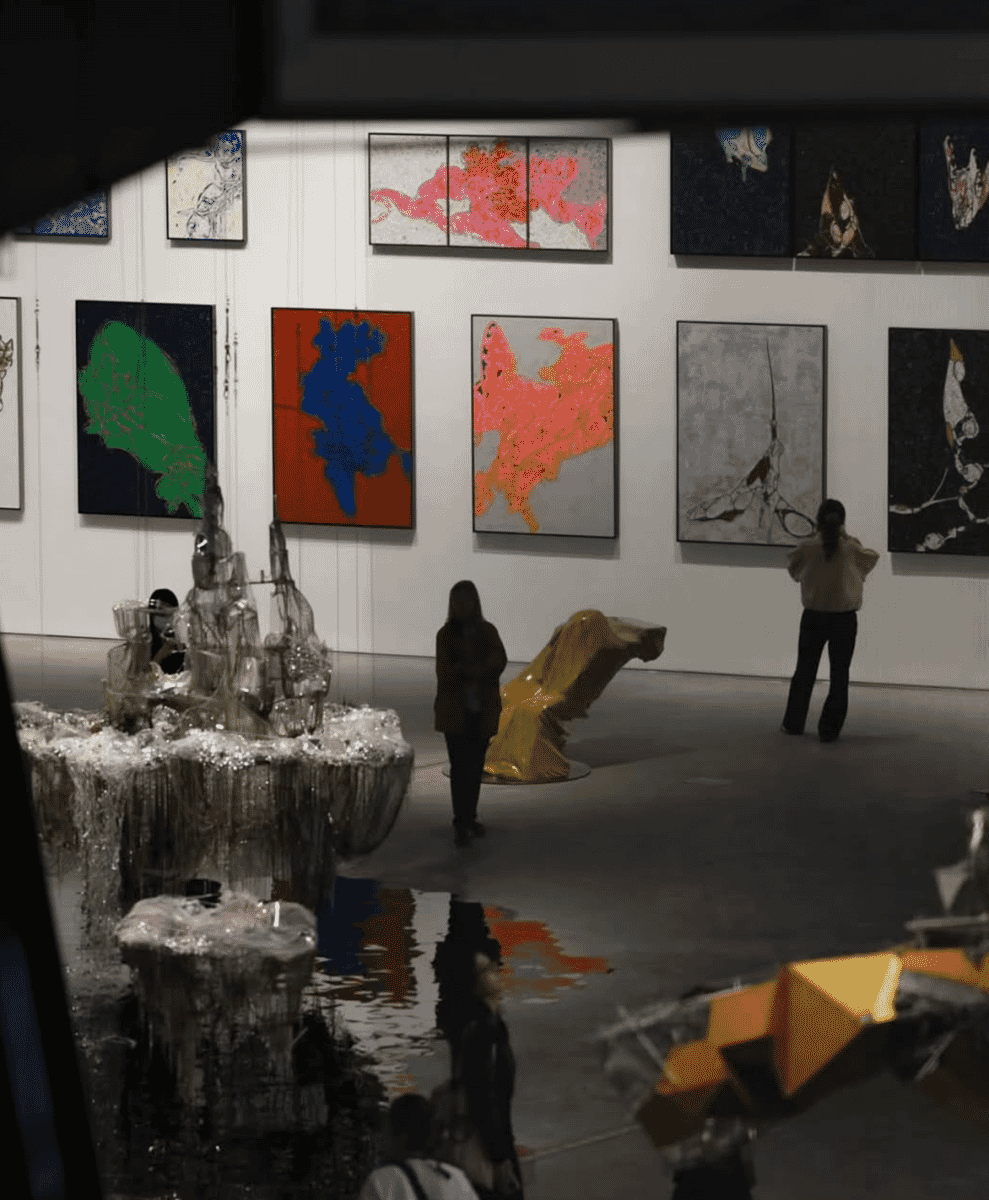
Make time for the Leeum Museum of Art in Hannam, which brings together traditional Korean works, global contemporary art and a trio of architecturally distinct buildings by Mario Botta, Jean Nouvel and Rem Koolhaas. The collection is strong, but the experience is equally shaped by the museum’s structure, circulation and interplay of materials. It offers a calm, precise counterpoint to the nearby streets.
For something more low-key, take a walk through Bukchon, where restored hanok houses sit on sloping lanes with views across the city. It is a quieter architectural moment that shows another side of Seoul’s layered identity.
Where to have dinner
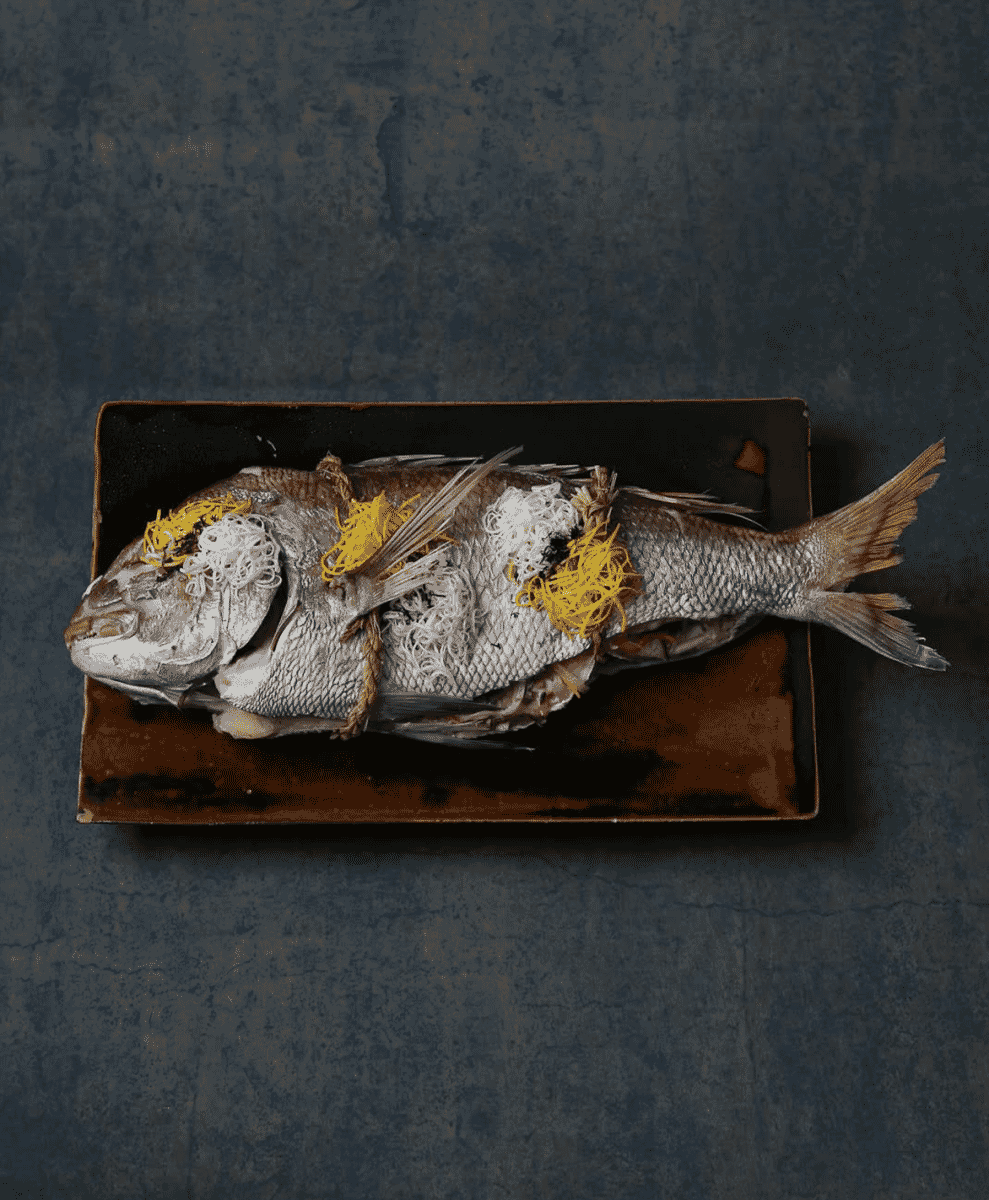
In Itaewon, Sigol Bapsang is a reminder of an earlier version of the district. The restaurant is small, with only a handful of tables, and has kept its format unchanged for decades. Bapsang is served in its most traditional form here: rice, soup and an abundance of banchan, often more than twenty dishes of vegetables, pickles and small bites that can be supplemented with seafood omelette or bulgogi. It is unfussy, comforting and open around the clock, making it well suited to any point in your itinerary.
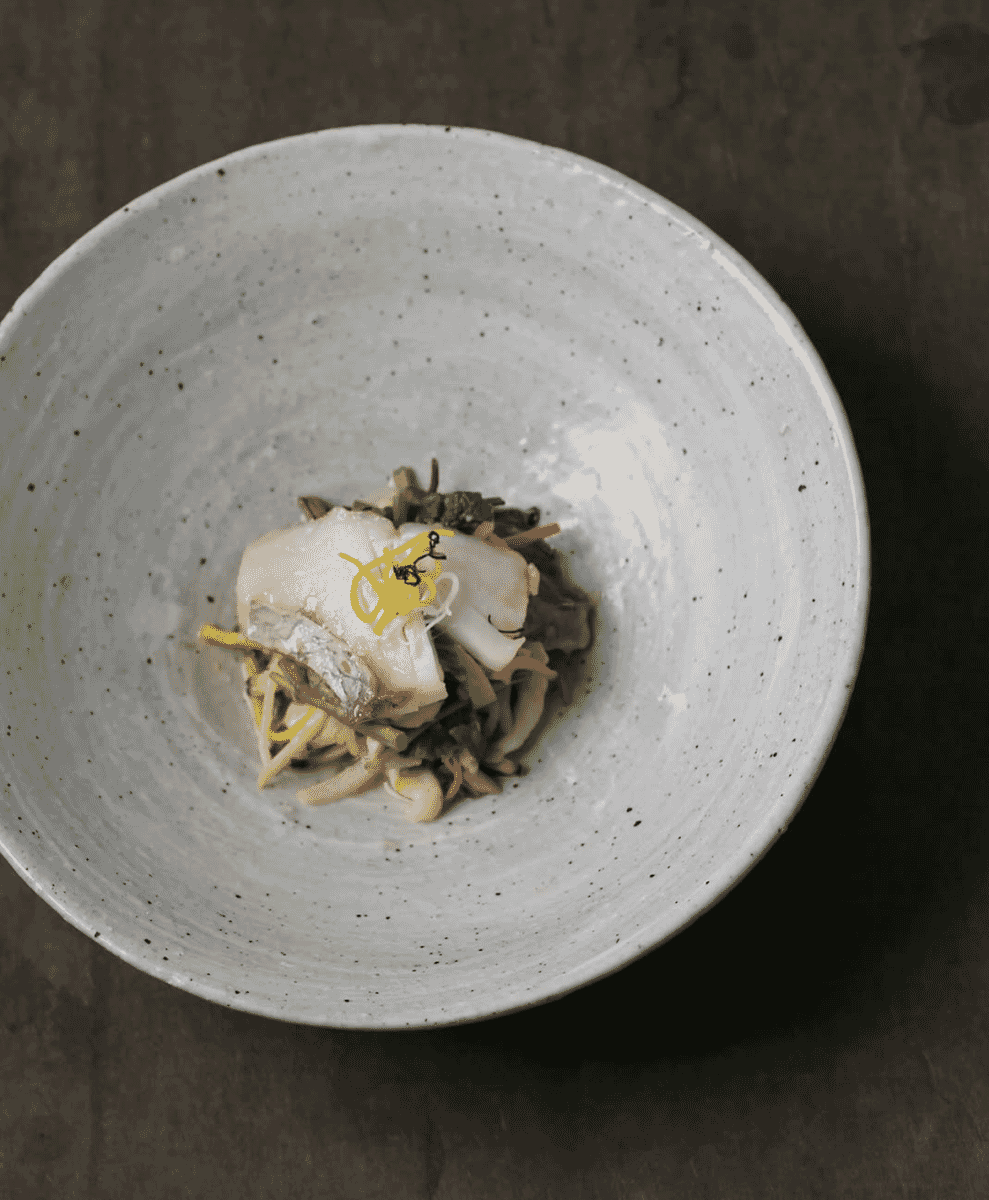
You could also treat yourself to an elevated experience just a few metro stops away at Onjium, where centuries-old Korean court cuisine is reinterpreted with precision and flair in a refined setting.
Where to dance
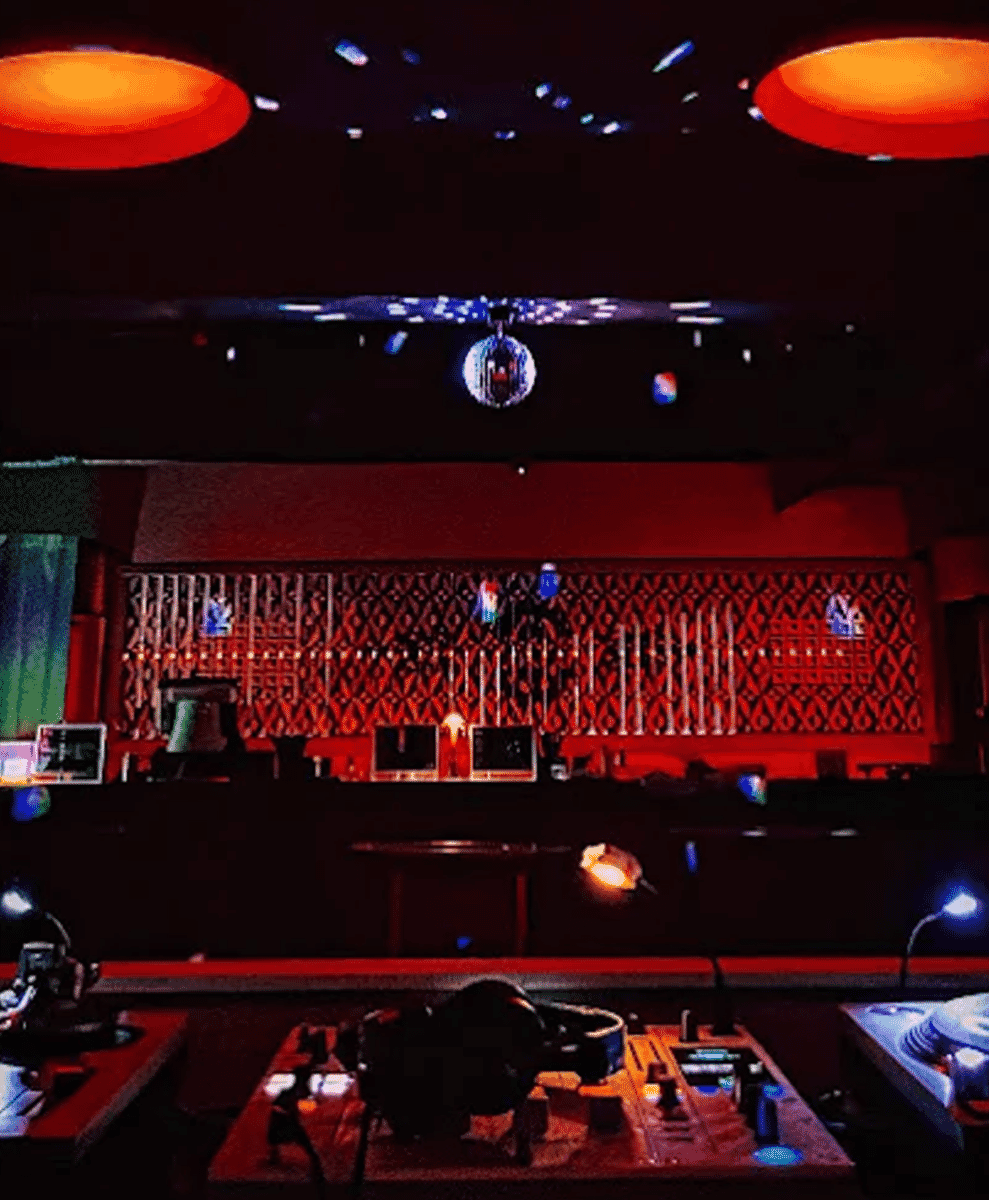
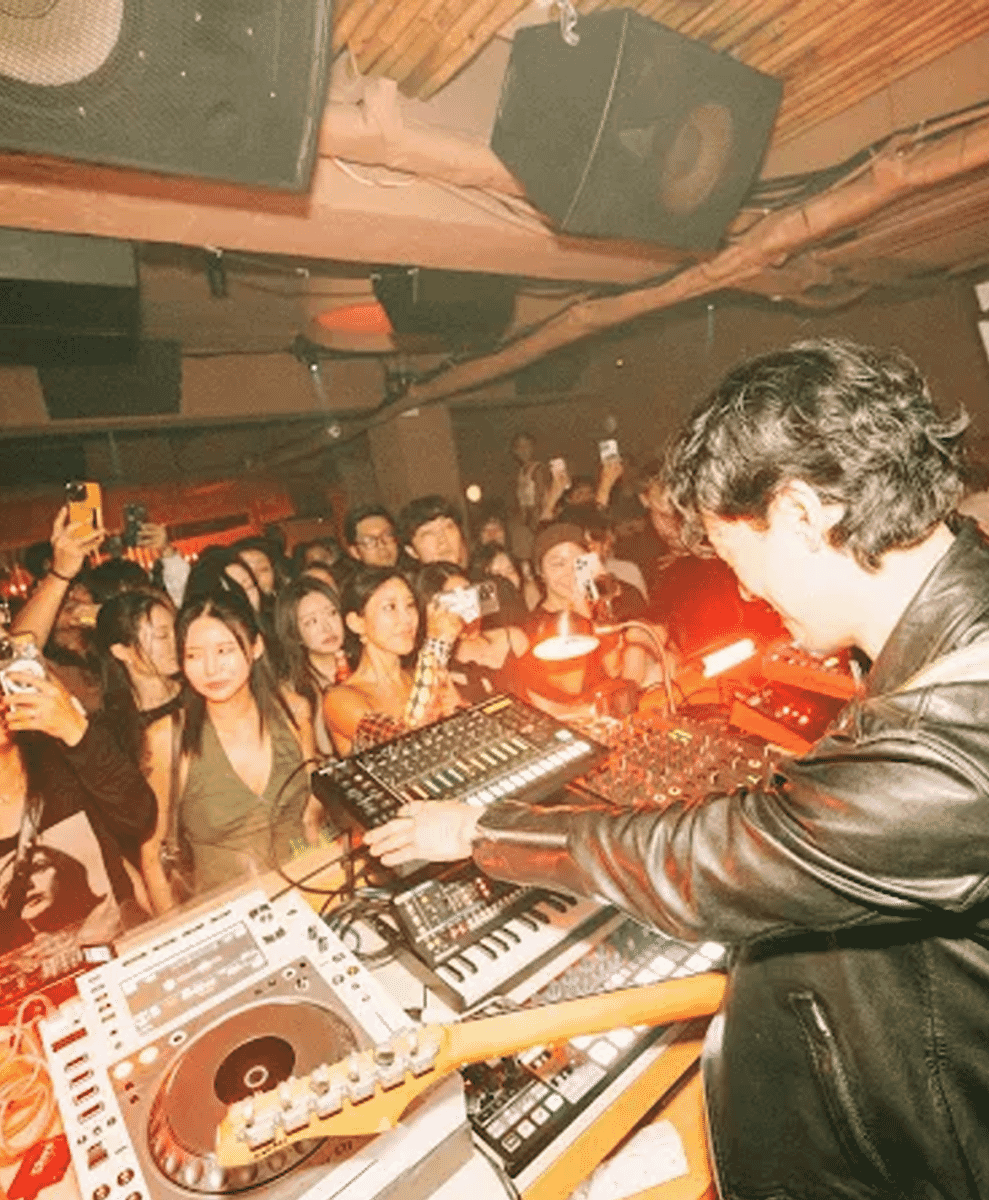
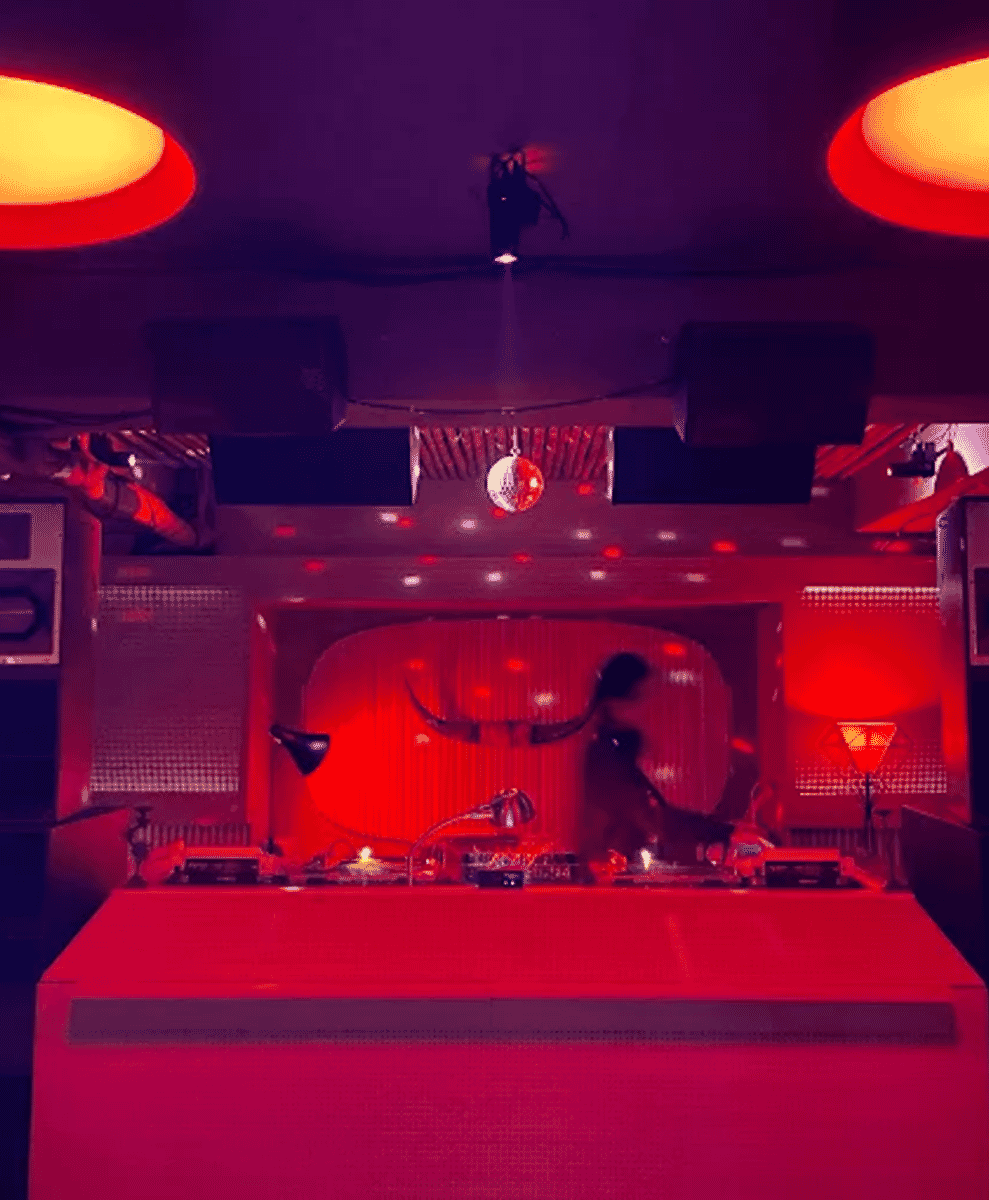
Arga Club offers an intimate counterpart to Seoul’s mega-venues - Itaewon’s dedicated home for house, disco, Balearic and indie dance, with sunrise sets, no-frills underground charm and a steady rotation of events that keep the energy evolving.
If you want to see Gangnam at full volume, go to Octagon. Located beneath the New Hilltop Hotel, the club holds thousands and is equipped with a Funktion-One sound system, vast LED screens and lighting that nods to its past life as a multi-storey karaoke lounge. Despite the scale, it retains a warehouse atmosphere that recalls the city’s early rave culture.
For a different mood, Cakeshop in Itaewon remains one of Seoul’s most influential underground venues. It has built a reputation on electronic music that sits outside the mainstream, championing local scenes, visiting selectors and genres that shift as quickly as the city itself. It is an essential stop if you want to understand Seoul after dark.