The Cotswolds rewards stillness. Light shifts slowly across fields, stone walls hold warmth long after the sun drops, and time is measured less by schedules than by meals, walks and weather. This is not a postcard landscape frozen in amber, but a working patchwork of farms, villages and workshops shaped by routine and seasonality. Come here to slow down, not to tick things off.
In 24 hours, the aim is not coverage but immersion. A morning that begins quietly, a long walk that sets the pace for the day, food that reflects where you are, and an evening that ends by the fire rather than on a dancefloor. This guide follows that rhythm, offering a considered route through the Cotswolds that favours craft, landscape and a sense of continuity.
Where to stay
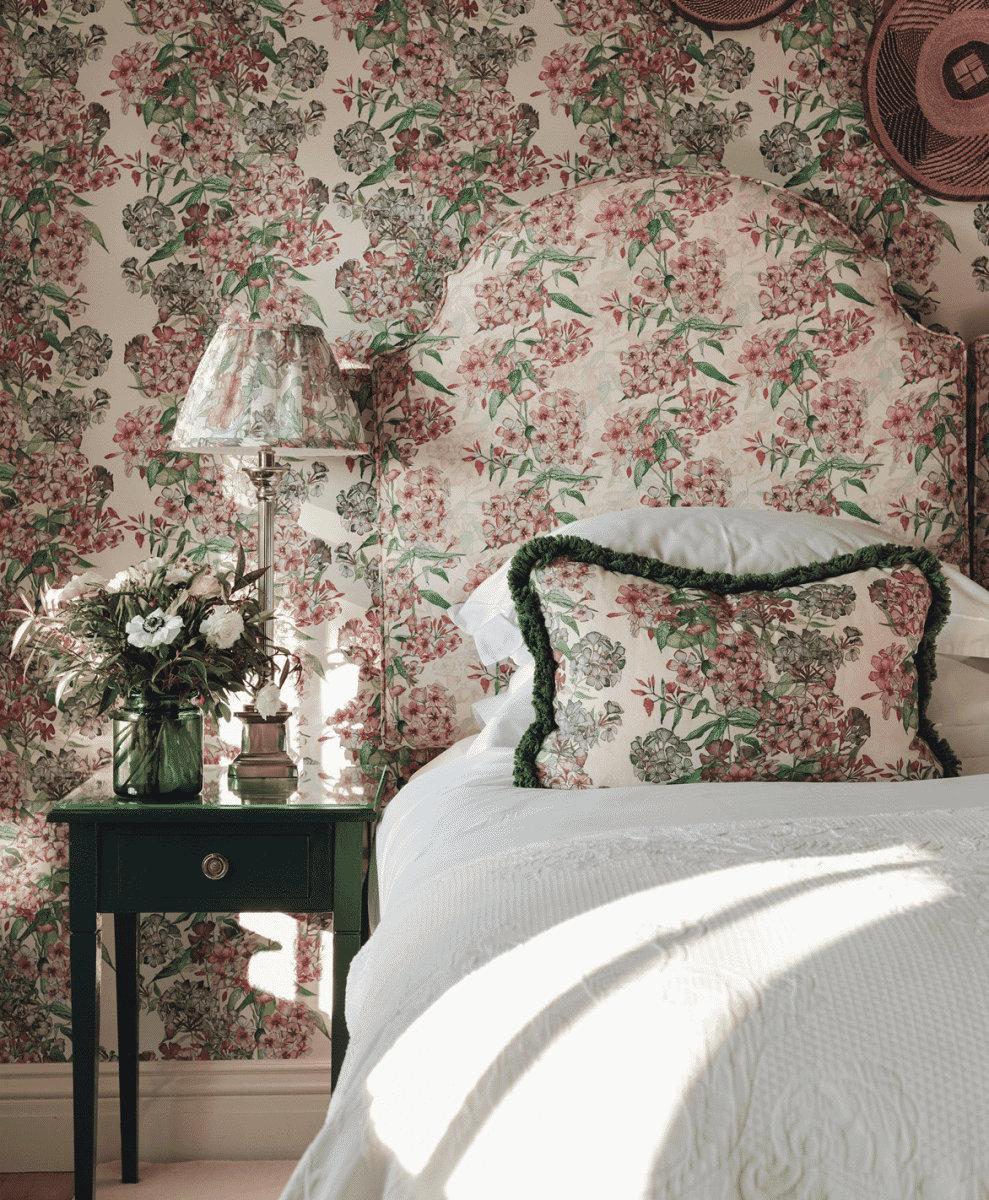
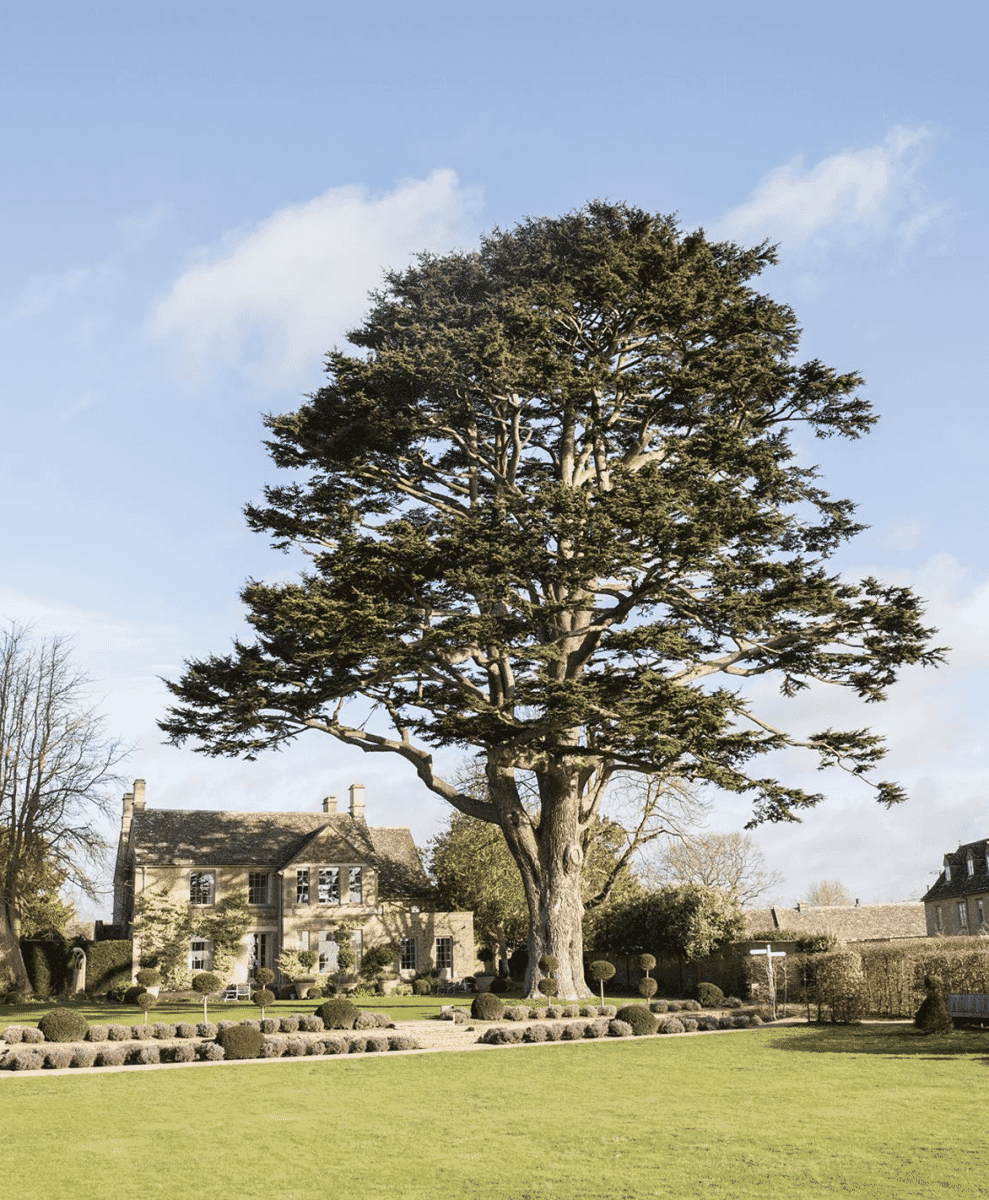
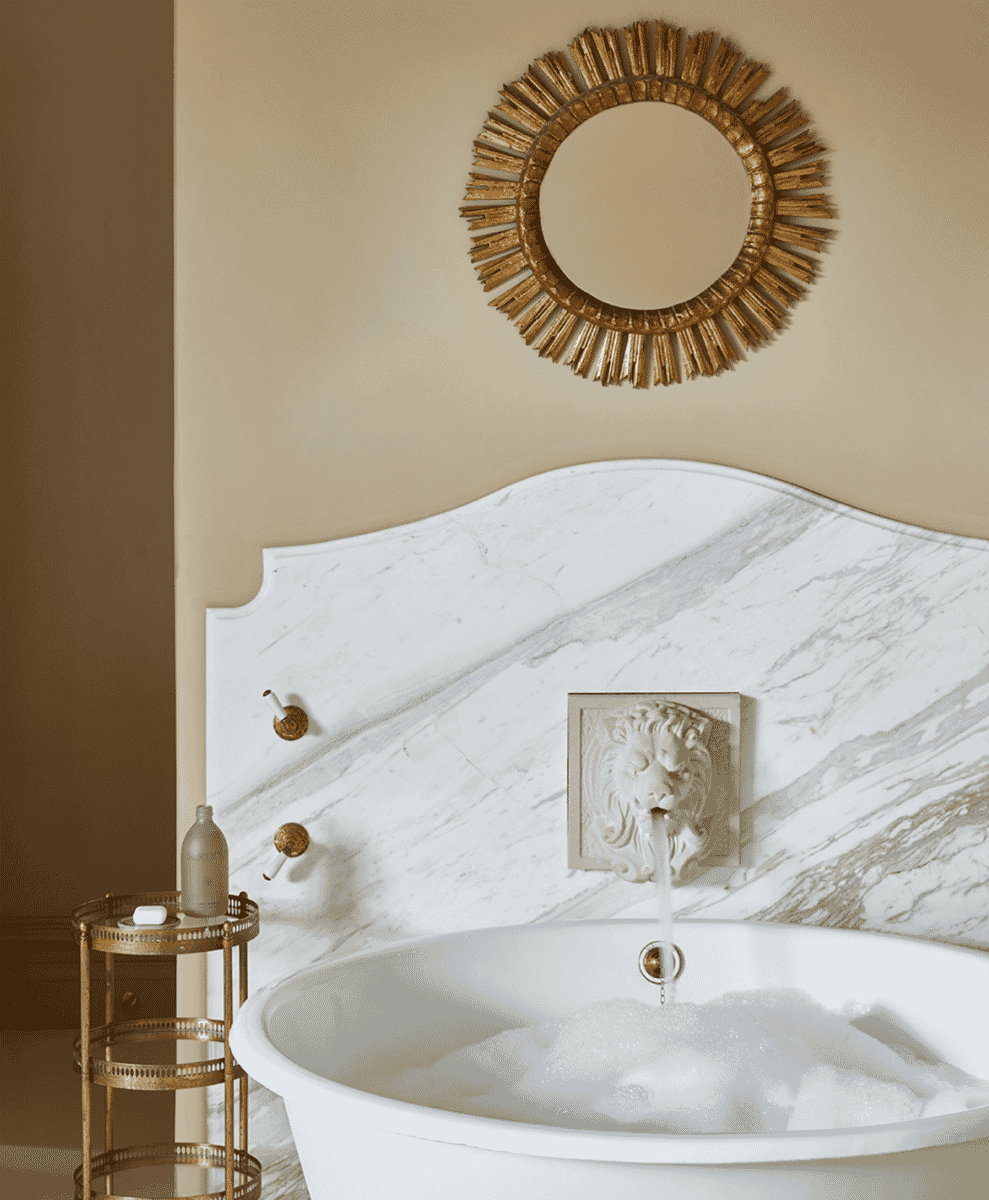
Make Thyme your base, a carefully restored estate on the edge of the Gloucestershire countryside that feels more like a lived-in village than a hotel. Rooms are spread across old farm buildings and cottages, with interiors that balance restraint and warmth, drawing on natural materials and a muted palette. Mornings here begin quietly, with light coming through small windows and coffee taken at an unhurried pace. The surrounding meadows and kitchen gardens reinforce the sense that you are part of the landscape rather than passing through it.
For a slightly different mood, The Swan at Ascott offers a more traditional inn setting, but with thoughtful interiors and a calm, village-centred atmosphere. It is the sort of place that feels settled and dependable, without leaning on nostalgia.

Where to get breakfast
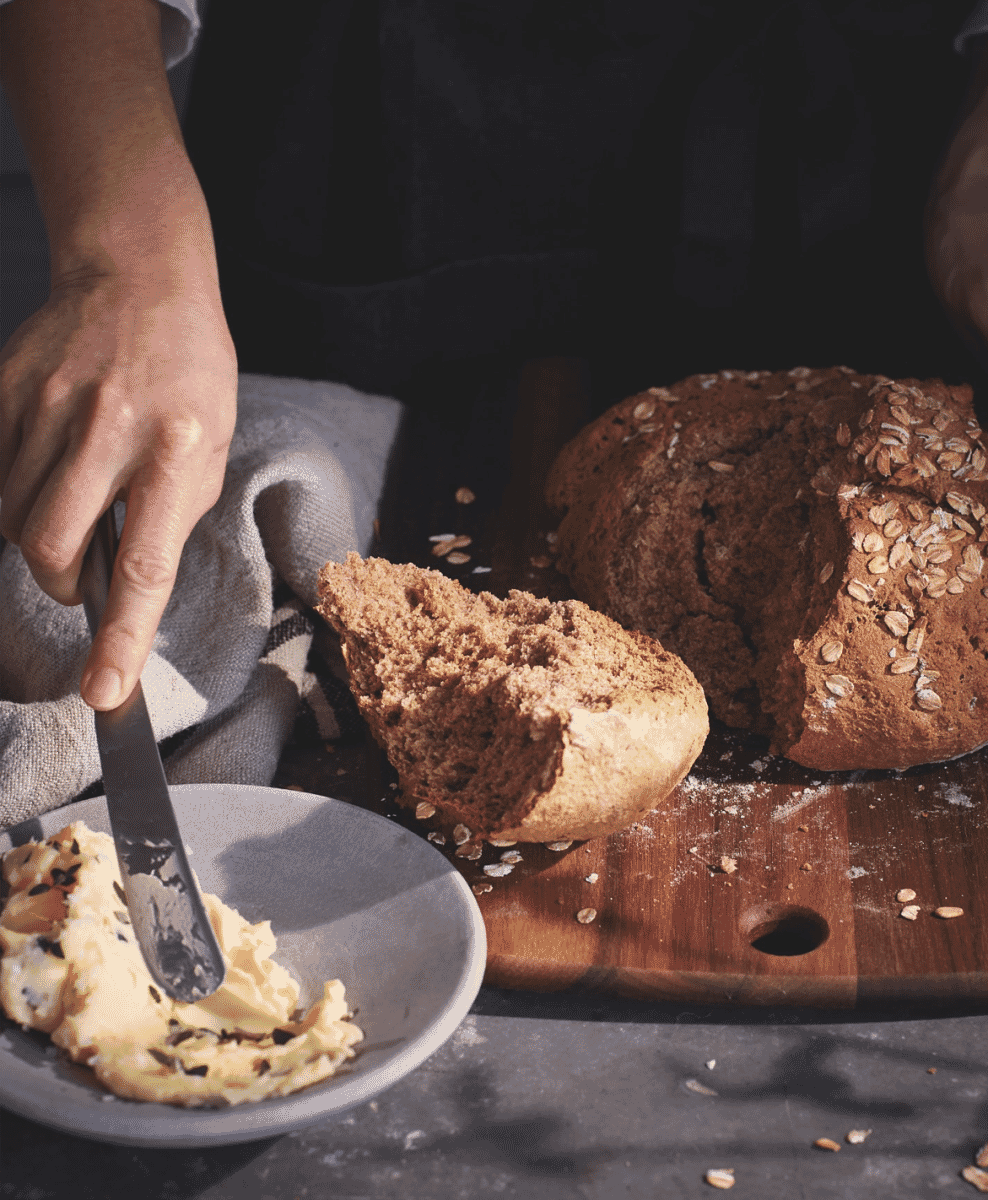
Breakfast is best taken where you are staying. At Thyme, the day begins with produce drawn from the surrounding estate and nearby farms, served simply and without ceremony. It is less about choice and more about rhythm, sitting down, eating well, and letting the morning unfold naturally.
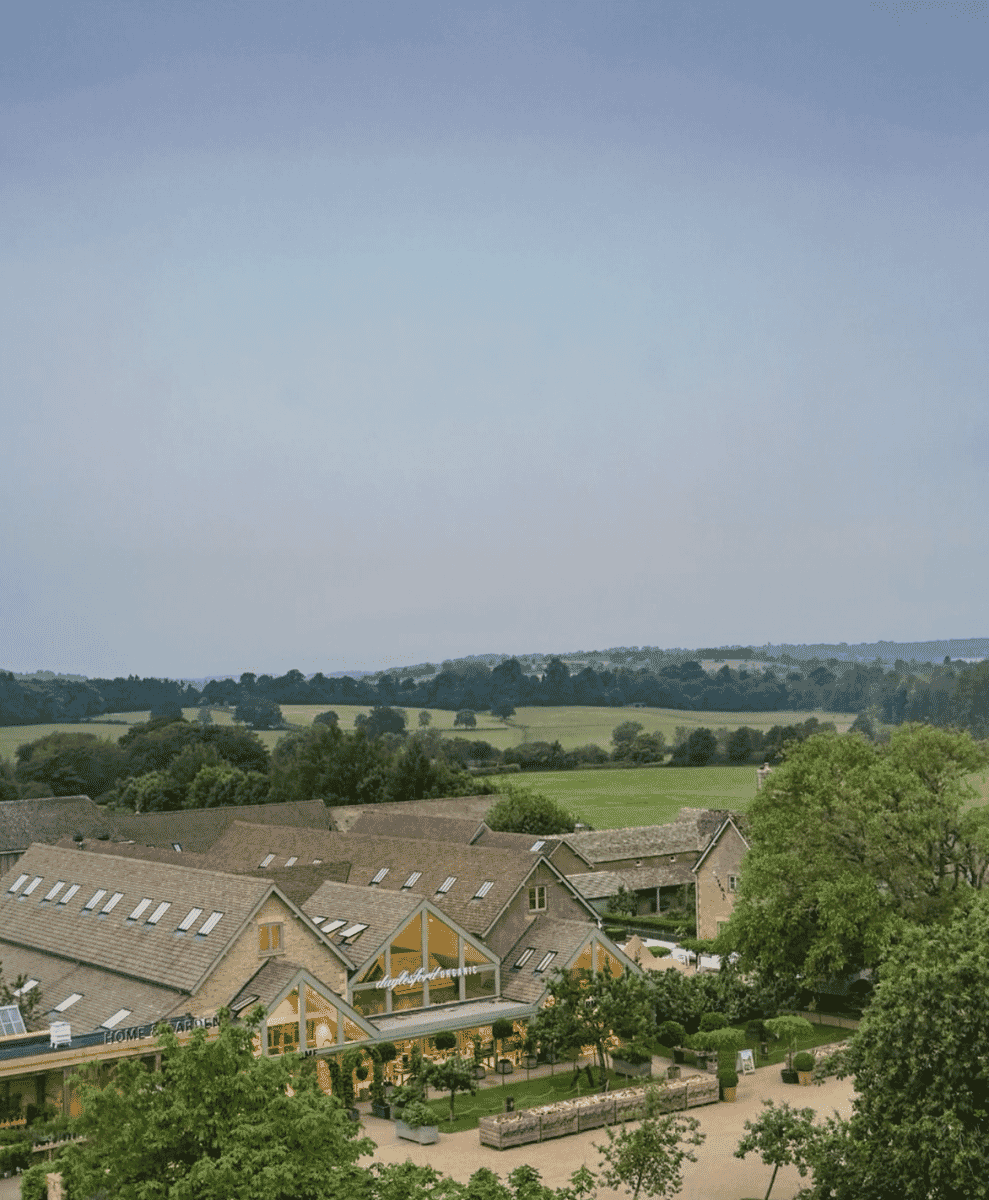
If you do head out, Daylesford Organic Farm is a worthwhile stop. The café opens early and serves a short, seasonal menu that reflects the working farm around it, from fresh bread and eggs to vegetables pulled from the fields outside. It feels purposeful rather than performative, which is precisely the point.
Where to grab a coffee
Many of the best moments come from smaller village cafés that do little to advertise themselves. A cup of coffee taken at a wooden table, with a view of fields or a quiet lane, often feels more in keeping with the area than anything overtly branded.
Where to shop
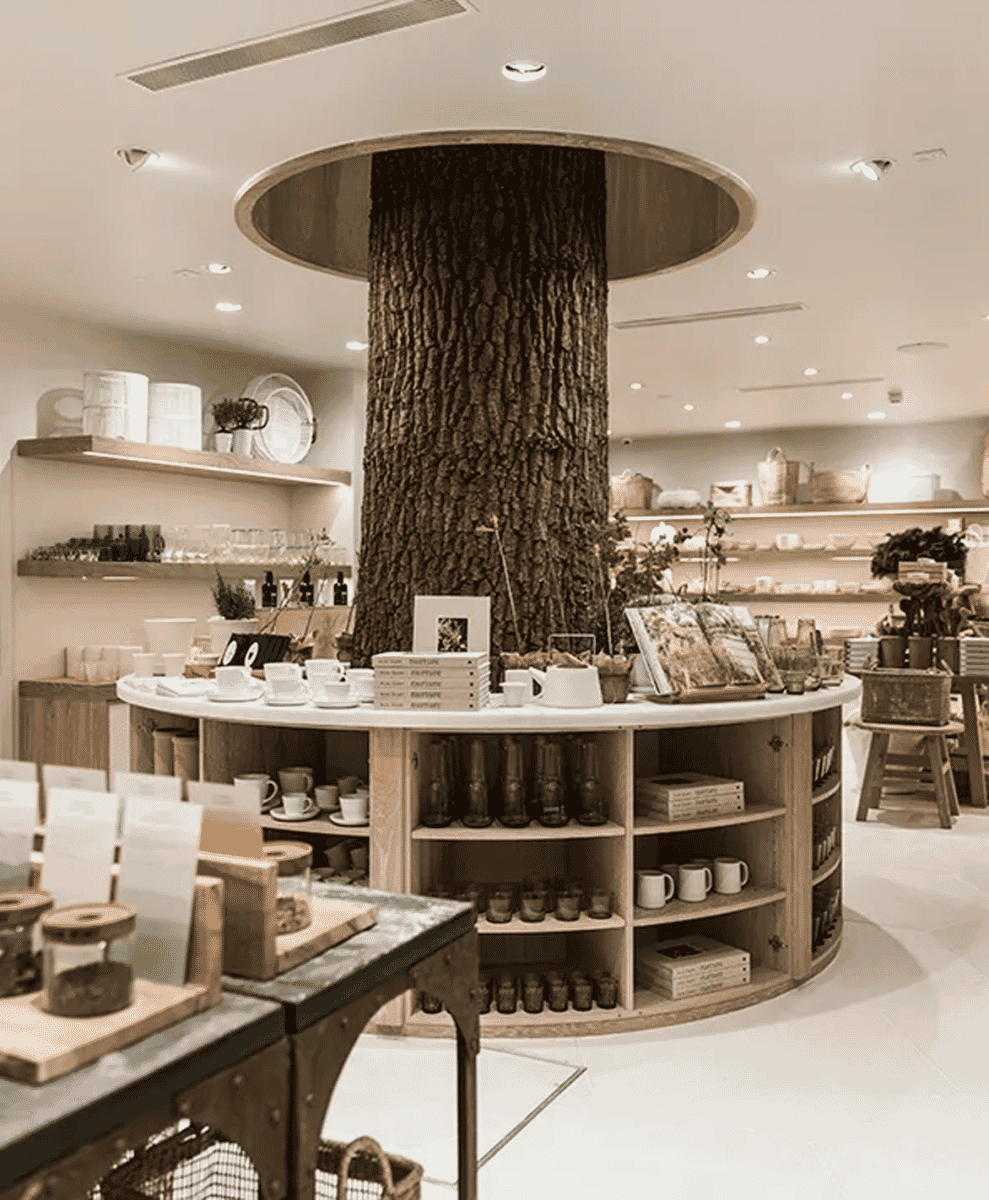
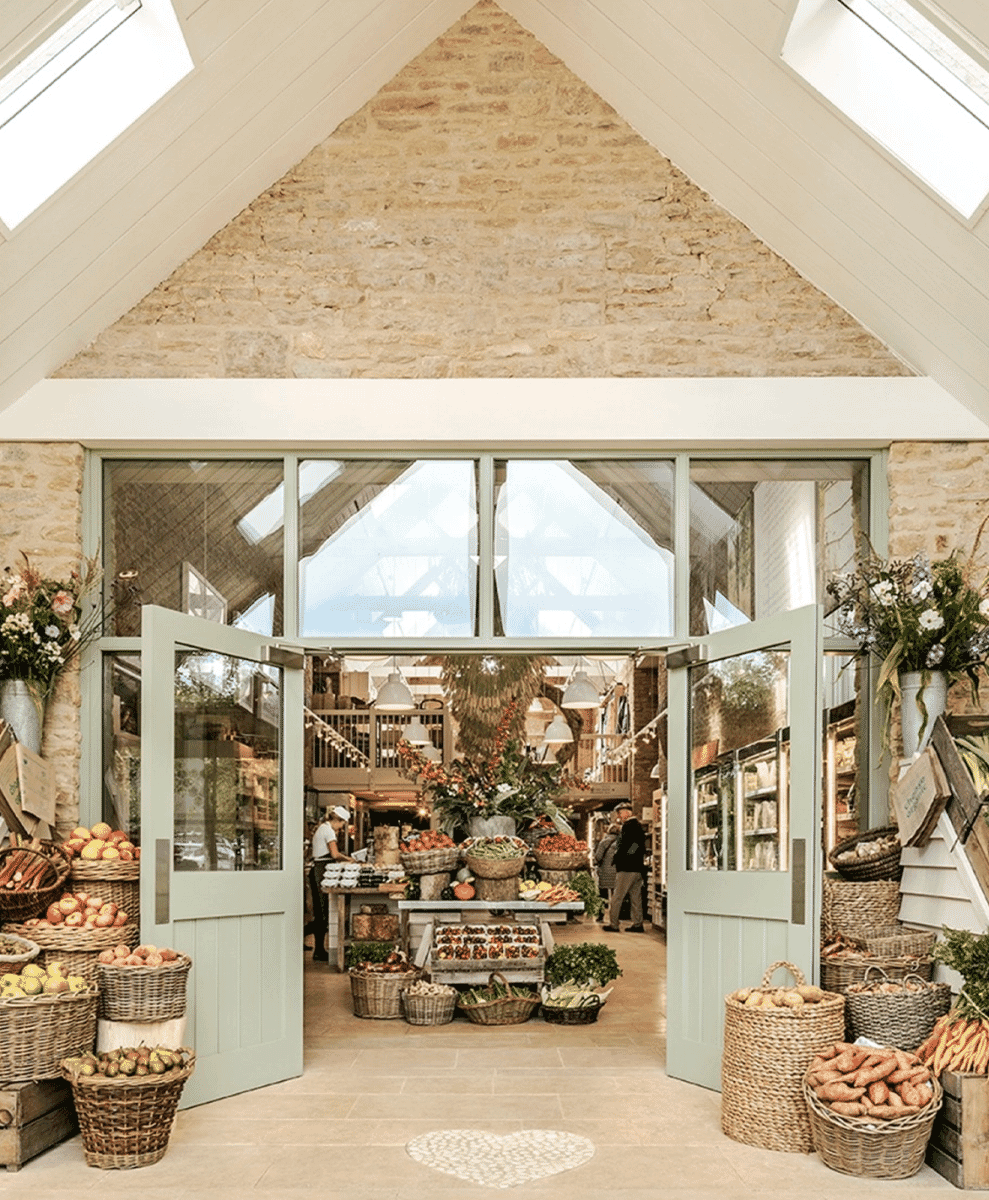
Shopping in the Cotswolds is about objects with a sense of longevity. Daylesford’s farm shop is an obvious starting point, but beyond food it also offers ceramics, linens and tools that reflect a commitment to quality and use rather than decoration.
Moreton-in-Marsh market, held every Tuesday, is one of the region’s longest-running and most grounded institutions. Farmers, bakers, cheesemakers and growers from across the surrounding countryside gather here to sell what they actually produce, week by week. It is practical, sociable and unpolished in the best possible way, offering a clear sense of seasonality and local life rather than anything curated for visitors.
Antique dealers and small craft studios are scattered across the region too, often operating quietly from barns or village high streets. The pleasure lies in finding something unexpected and well made, rather than hunting for souvenirs.
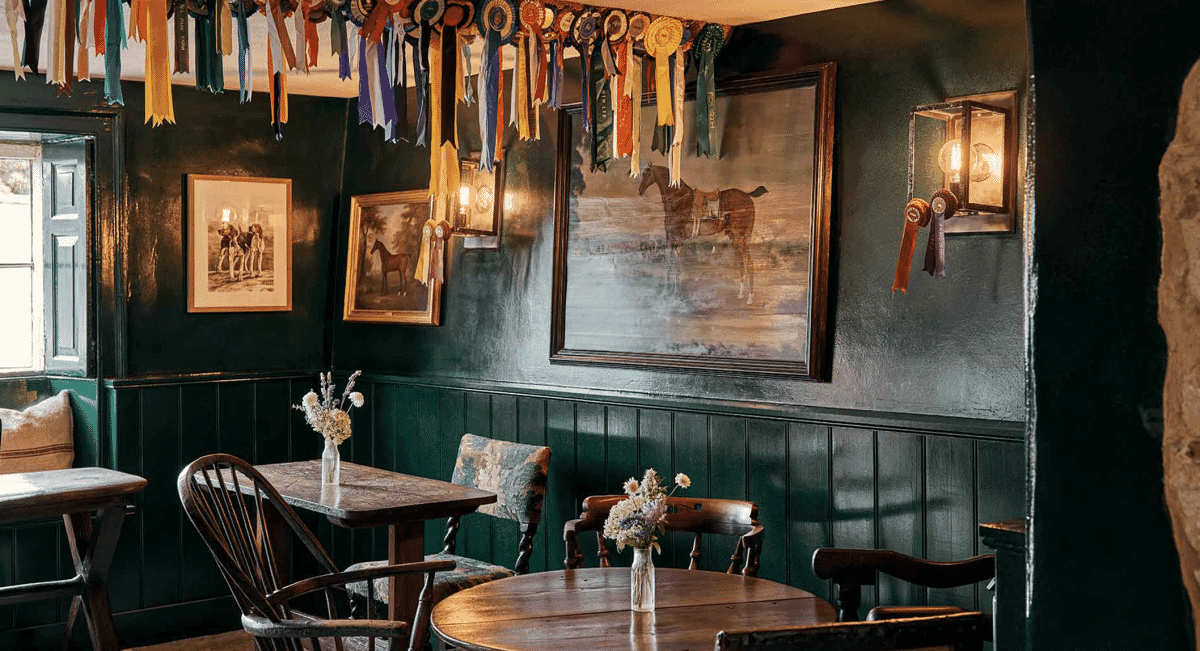
Where to grab a drink
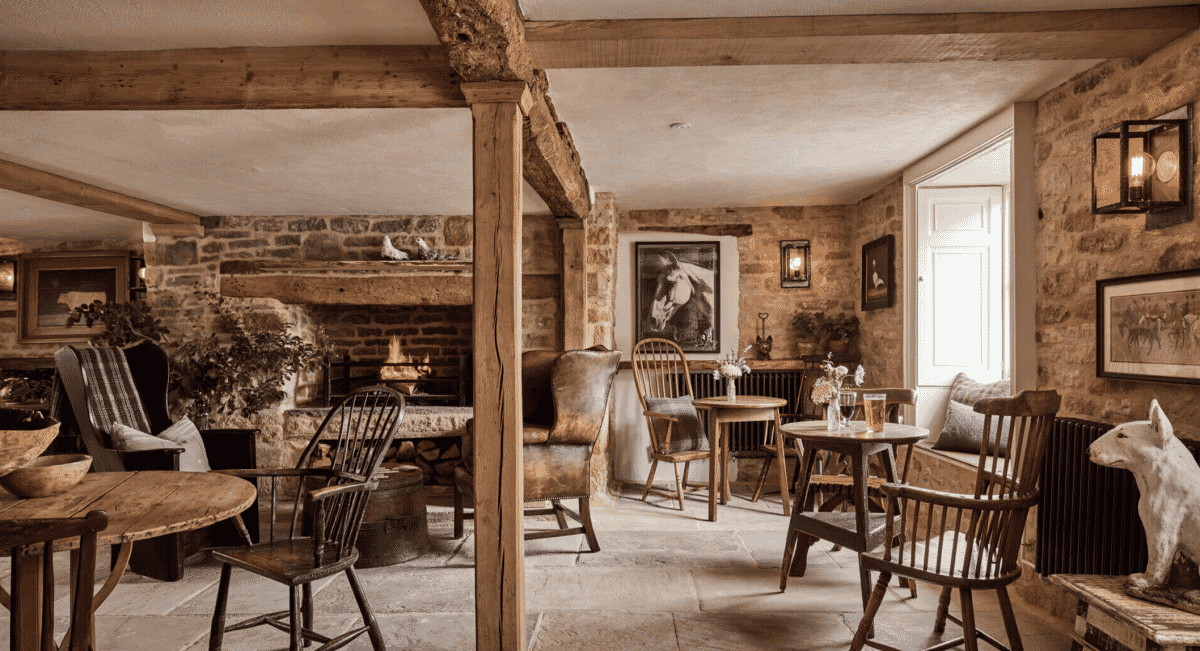
A proper pub remains central to life in the Cotswolds. The Double Red Duke, just outside Clanfield, is a restored coaching inn that manages to feel both assured and relaxed. Interiors are thoughtful without being showy, with low lighting, worn textures and a bar that invites you to settle in rather than move on. The drinks list is well judged, favouring good beer, wine and cider, and the room tends to fill with a mix of locals and those who have made the trip deliberately. It’s an easy place to lose track of time.
If you prefer something quieter, The Fox at Oddington offers a similarly grounded atmosphere, with low ceilings, open fires and a sense that the pub exists first for the village it serves.
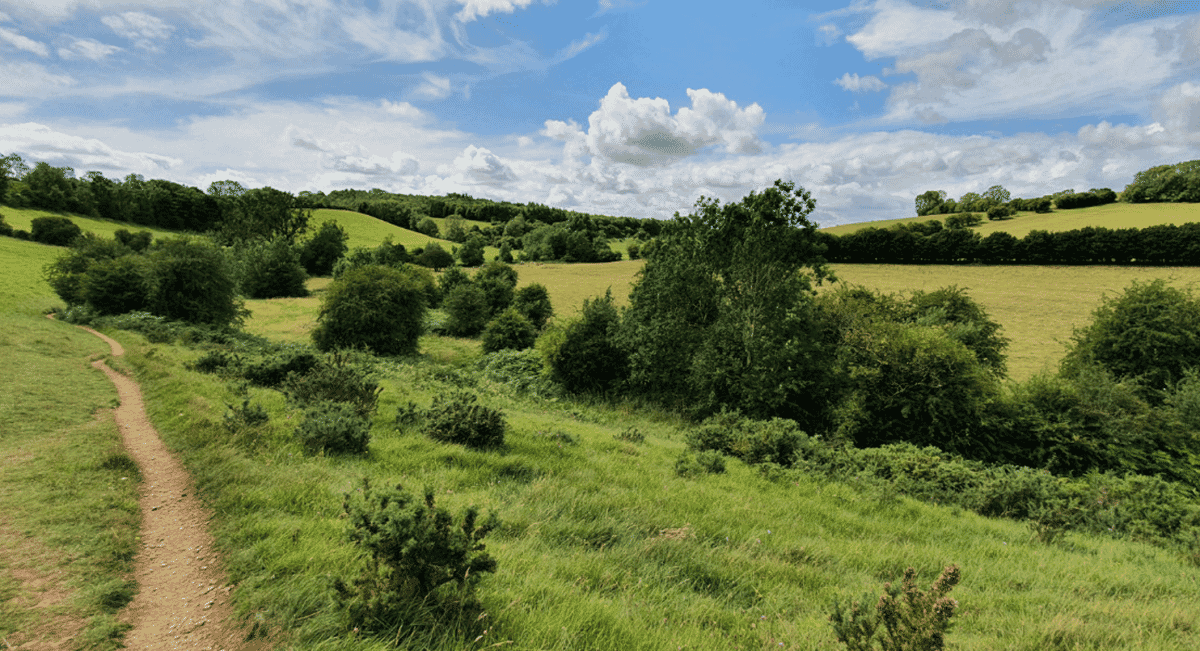
The must-see attraction
Rather than a landmark, make time for a walk. The Windrush Valley offers gentle routes that take in meadows, rivers and small villages, with paths that feel used rather than curated. Walking here is not about distance or difficulty, but about settling into the landscape and noticing its details, the sound of water, the texture of stone, the way fields open and close.
For a more literary route, the Slad Valley provides a similarly understated experience, its lanes and hills shaped as much by farming as by the legacy of writers who once lived there.
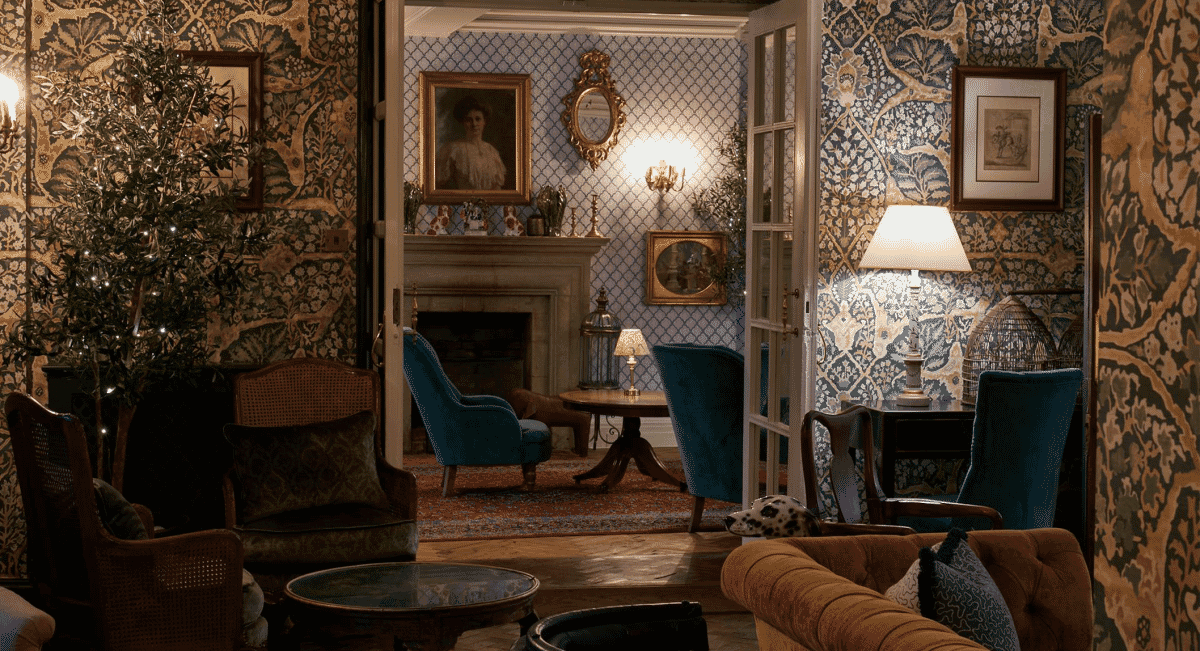
Where to have dinner
The Old Bell at Malmesbury offers a dinner setting rooted in continuity rather than novelty. Often cited as England’s oldest hotel, it remains quietly confident, with stone floors, open fires and rooms that feel shaped by use over centuries. The cooking leans towards classic British dishes, handled with restraint and an emphasis on quality ingredients. It suits an evening that unfolds slowly, without pressure or performance.
If you prefer something smaller and more village-focused, The Halfway at Kineton offers a gentler close to the day. The room is modest and welcoming, with a clear sense of local life, well-kept beer and food that is honest and unfussy. It’s the sort of place where dinner naturally drifts into conversation, rather than feeling like a destination in itself.
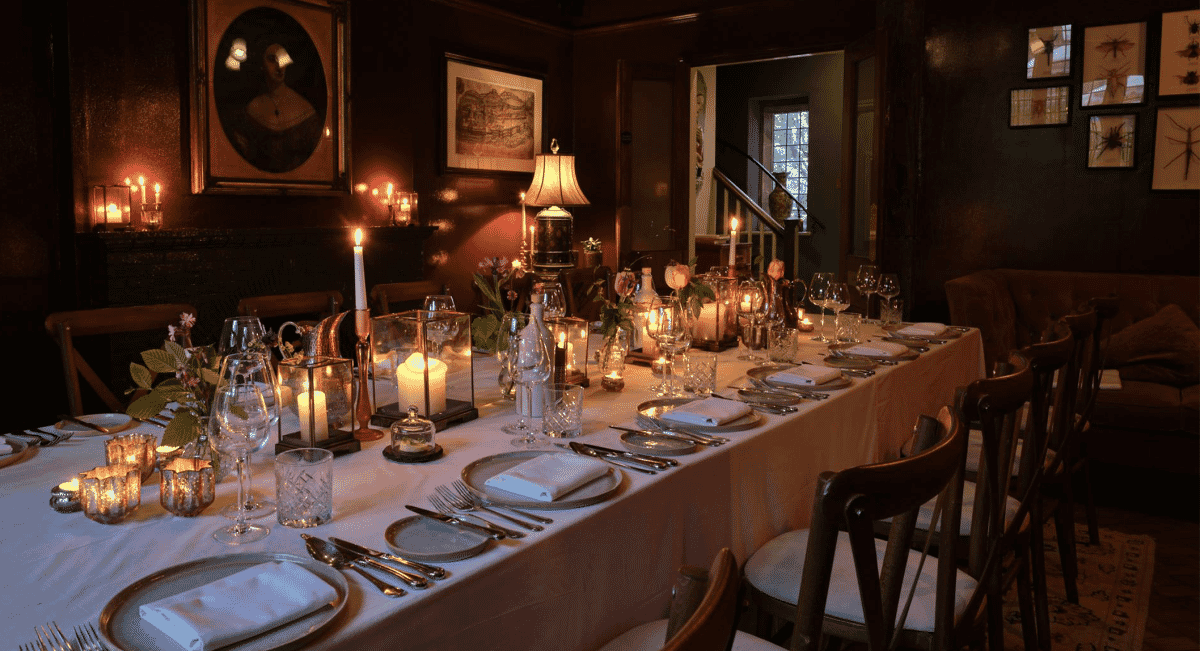
Where to dance
Dancing, here, is less literal. It might take the form of live folk music in a pub back room, or a small gathering in a village hall where locals and visitors blur together. More often, it is an evening spent by the fire, drinks on the table, conversation stretching late into the night. In the Cotswolds, this quiet ritual feels like the most fitting way to end the day.
Next up: 24 hours in Seoul with OPUMO.