Winter running demands more than motivation. When temperatures drop, daylight disappears, and rain or wind becomes a constant, the right winter running kit makes the difference between staying consistent and quietly losing momentum. Dressing properly for cold weather running isn't about wearing more layers, but choosing the right running clothing and accessories to stay warm, manage sweat, and remain comfortable across changing conditions.
This guide to winter running gear breaks down what to wear for winter running, from base layers and jackets to shoes, gloves, and visibility essentials. It focuses on practical choices that help you keep logging miles through cold, wet, and dark months, without overcomplicating things


Base layers for winter running
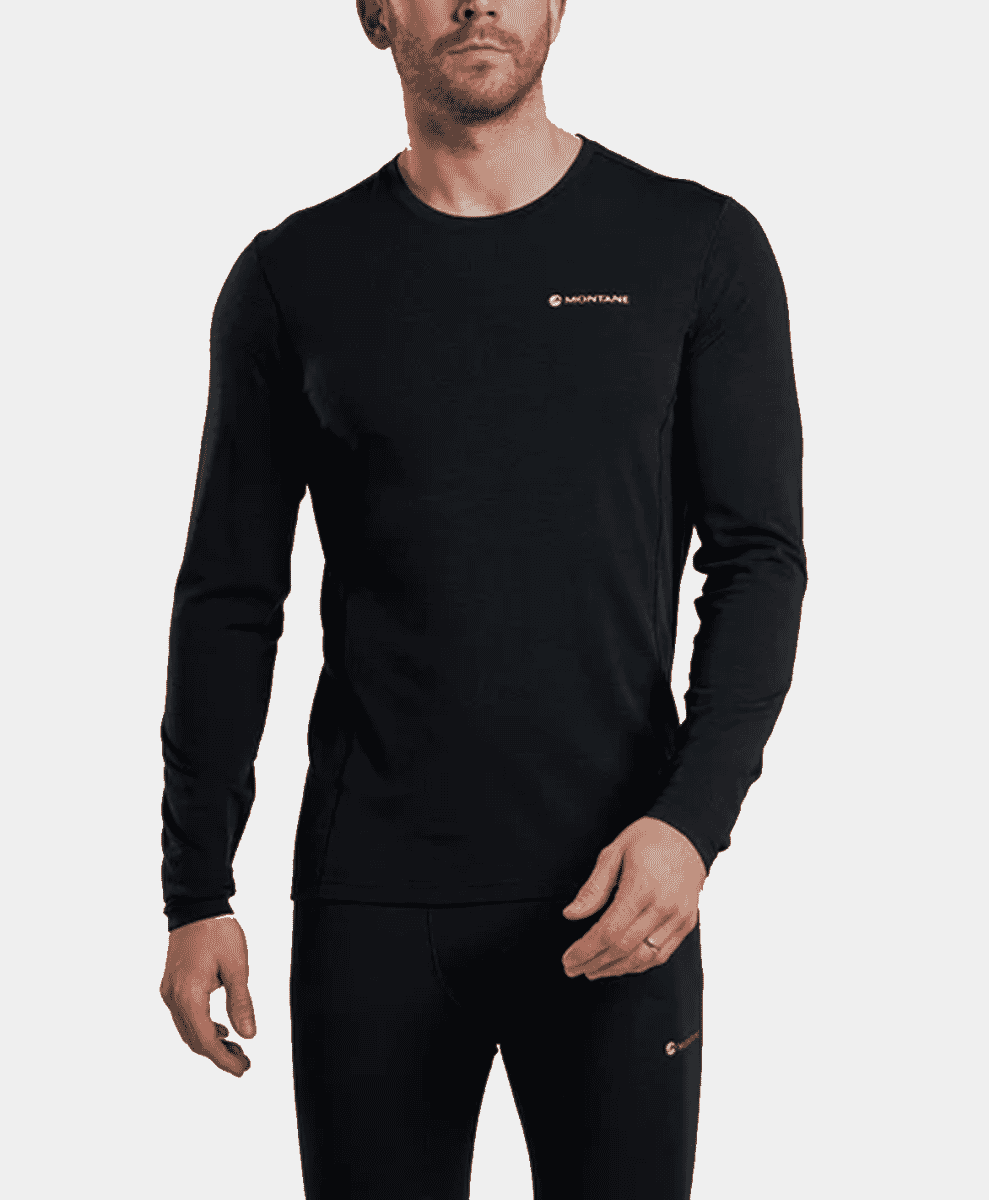
The most important piece of winter running kit is the layer closest to your skin. Cold weather running demands effective temperature regulation, not added bulk.
A good winter running base layer manages sweat, dries quickly, and sits close enough to the body to prevent cold air circulating. Thickness matters less than fabric choice and fit.
Merino wool is popular for winter running because it stays warm when damp and resists odour on longer runs. Synthetic base layers tend to dry faster and feel lighter, but can feel clammy if poorly fitted. Both can work well. Cotton does not. Once wet, it stays wet, drawing heat away from the body and making winter conditions feel harsher than they need to be.
If there is one area to prioritise when building a winter running kit, this is it.
Mid layers for cold weather runs
Not every winter run requires a mid layer, and wearing too much is one of the most common cold weather running mistakes.
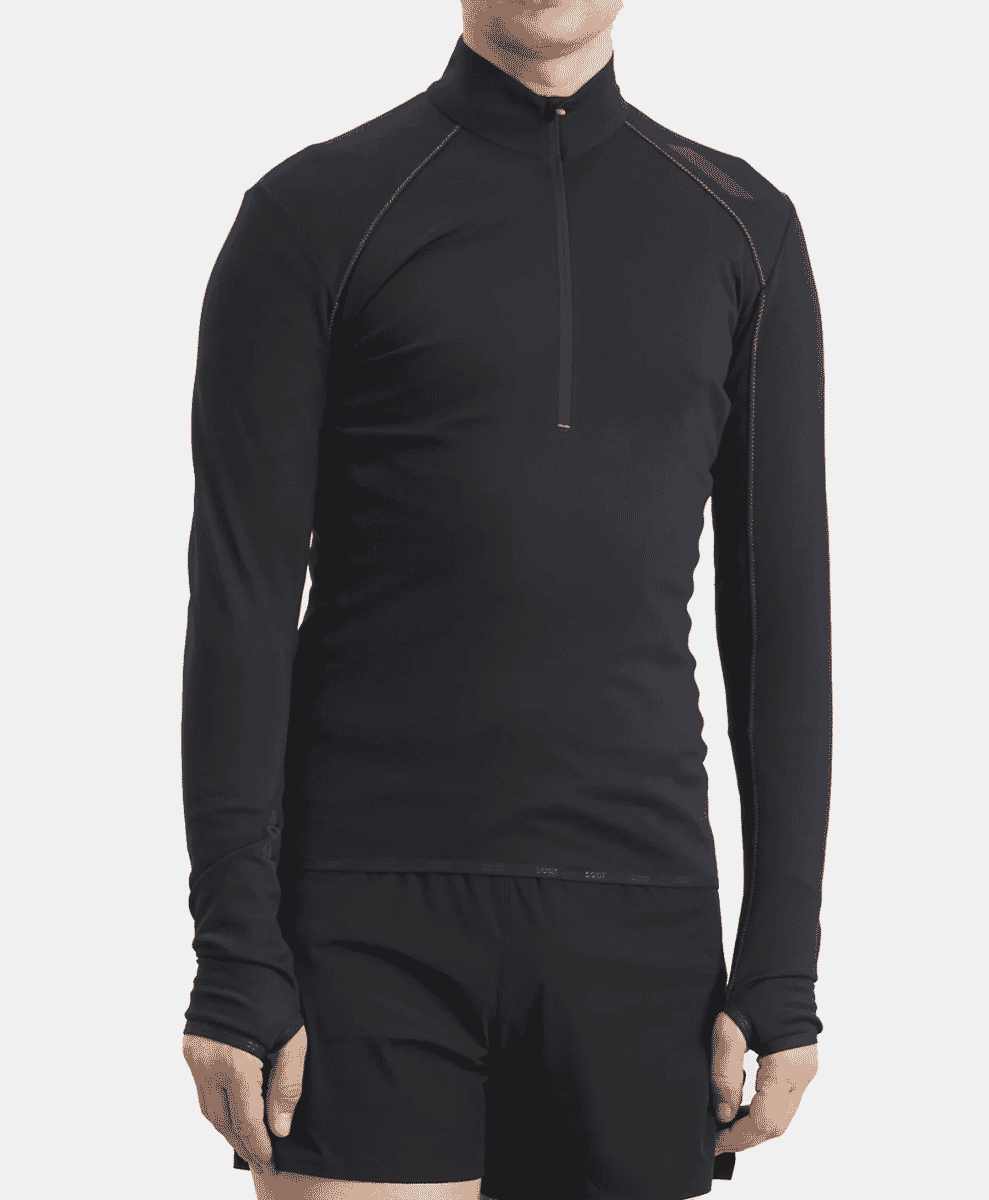
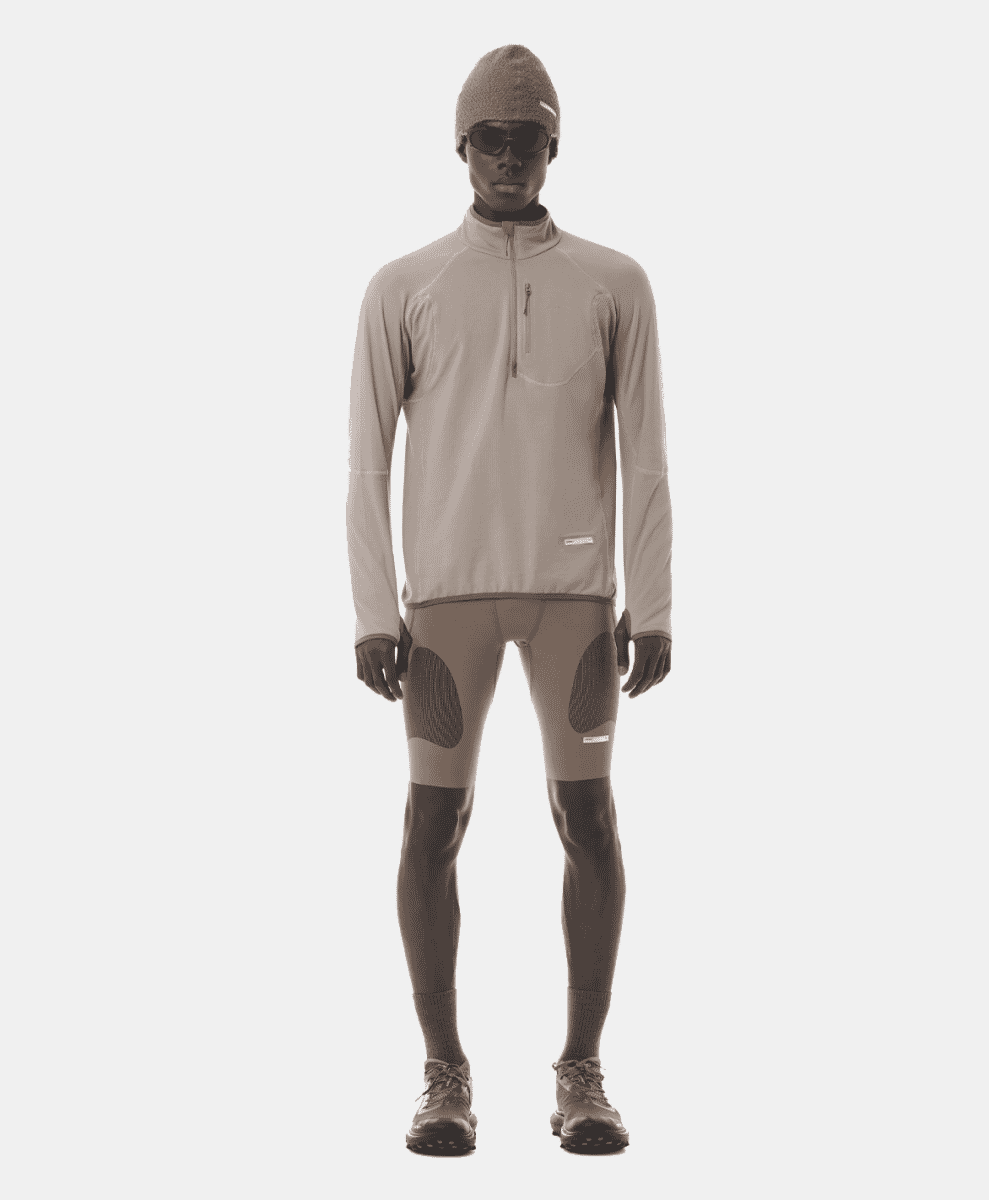
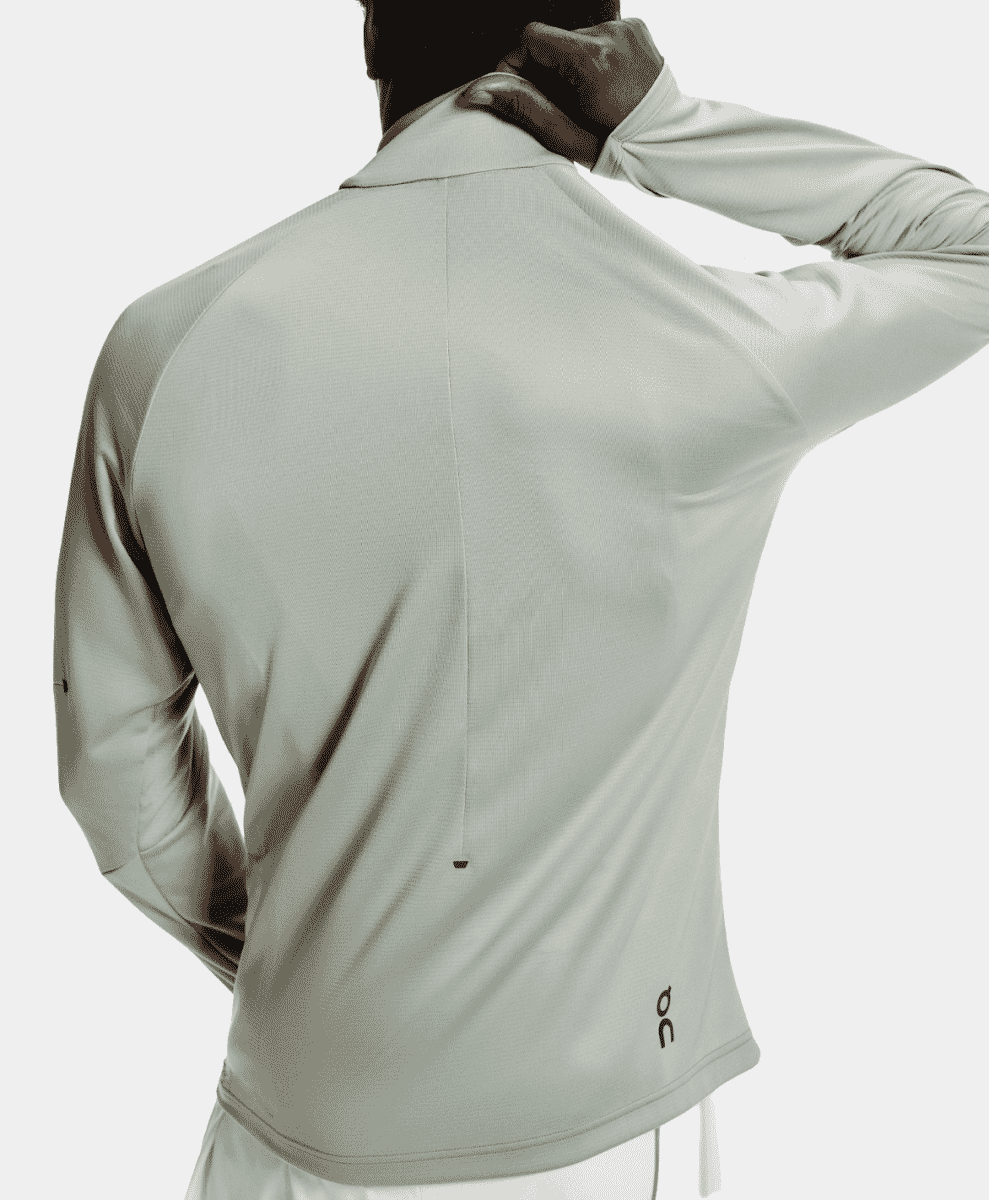
Mid layers are useful when temperatures drop low enough that a base layer and outer shell are no longer sufficient on their own. Lightweight fleece tops, thermal long sleeves, and brushed fabrics provide insulation while still allowing heat to escape.
The aim is to feel slightly cool at the start. If you feel warm before you begin running, you will likely overheat within the first kilometre. The best mid layers for winter running offer warmth when damp and remain comfortable as effort levels change.
Winter running jackets and outer layers
Winter running jackets are often overkill. High waterproof ratings and heavy fabrics promise protection but frequently trap heat and moisture during harder efforts.
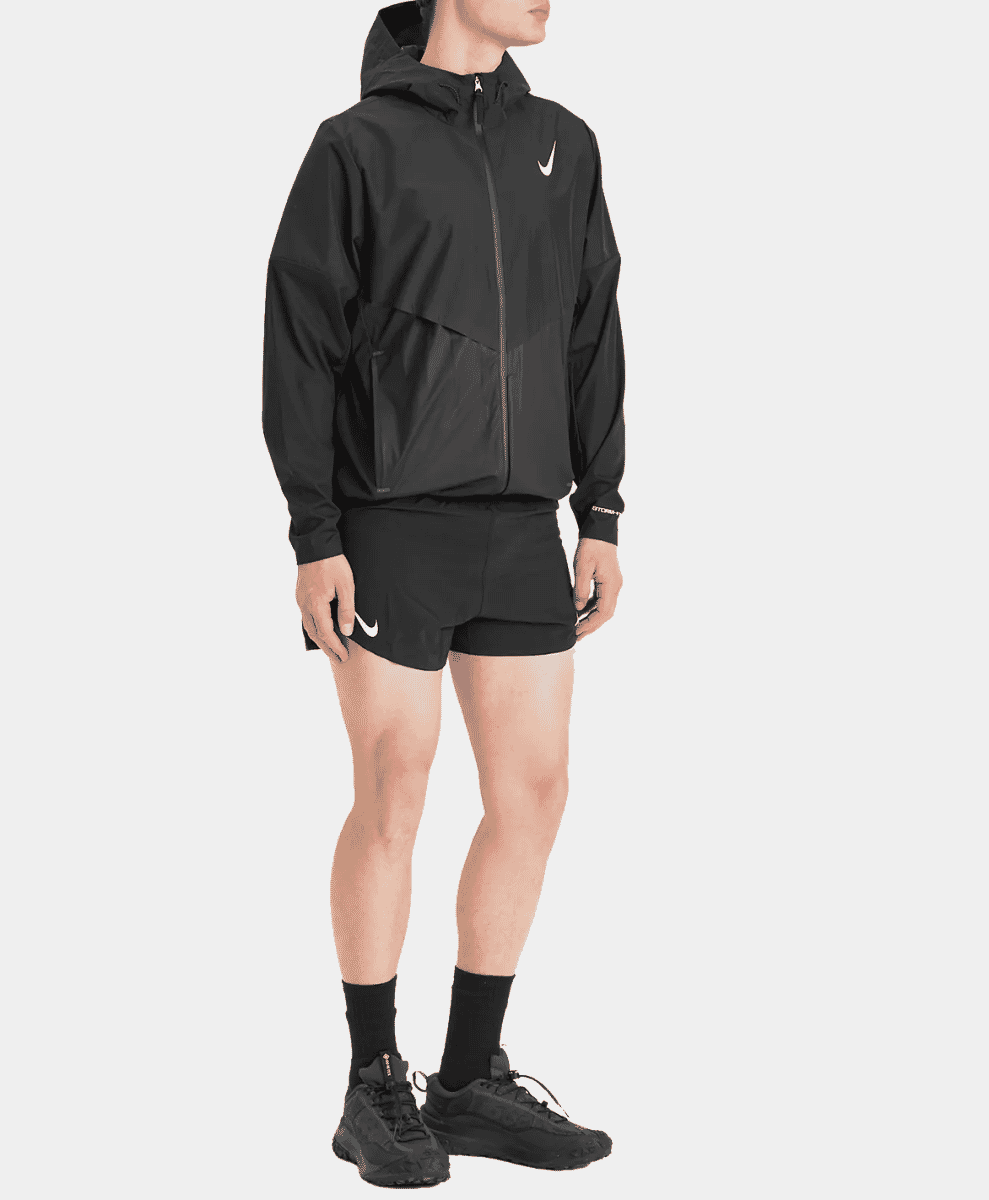
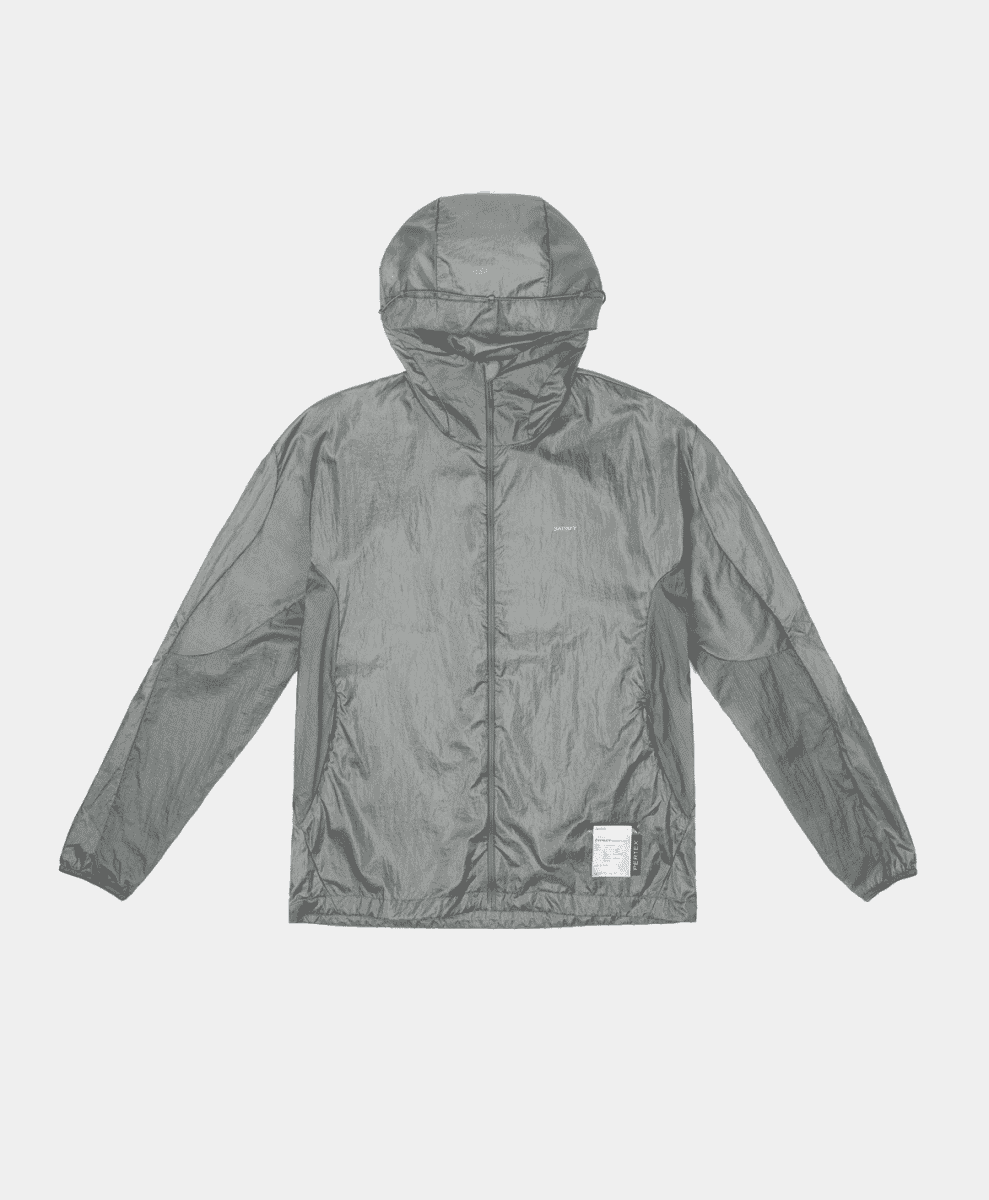
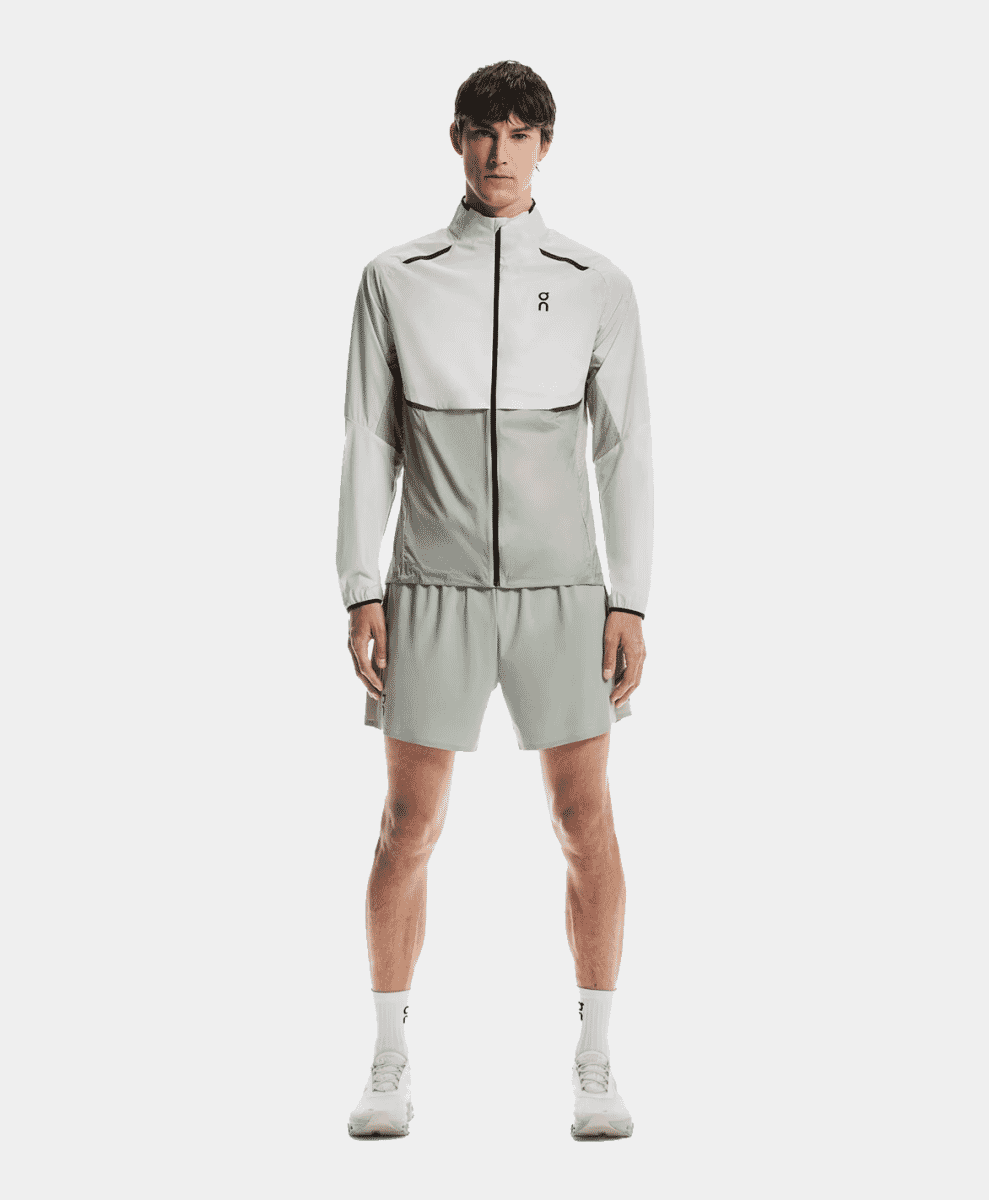
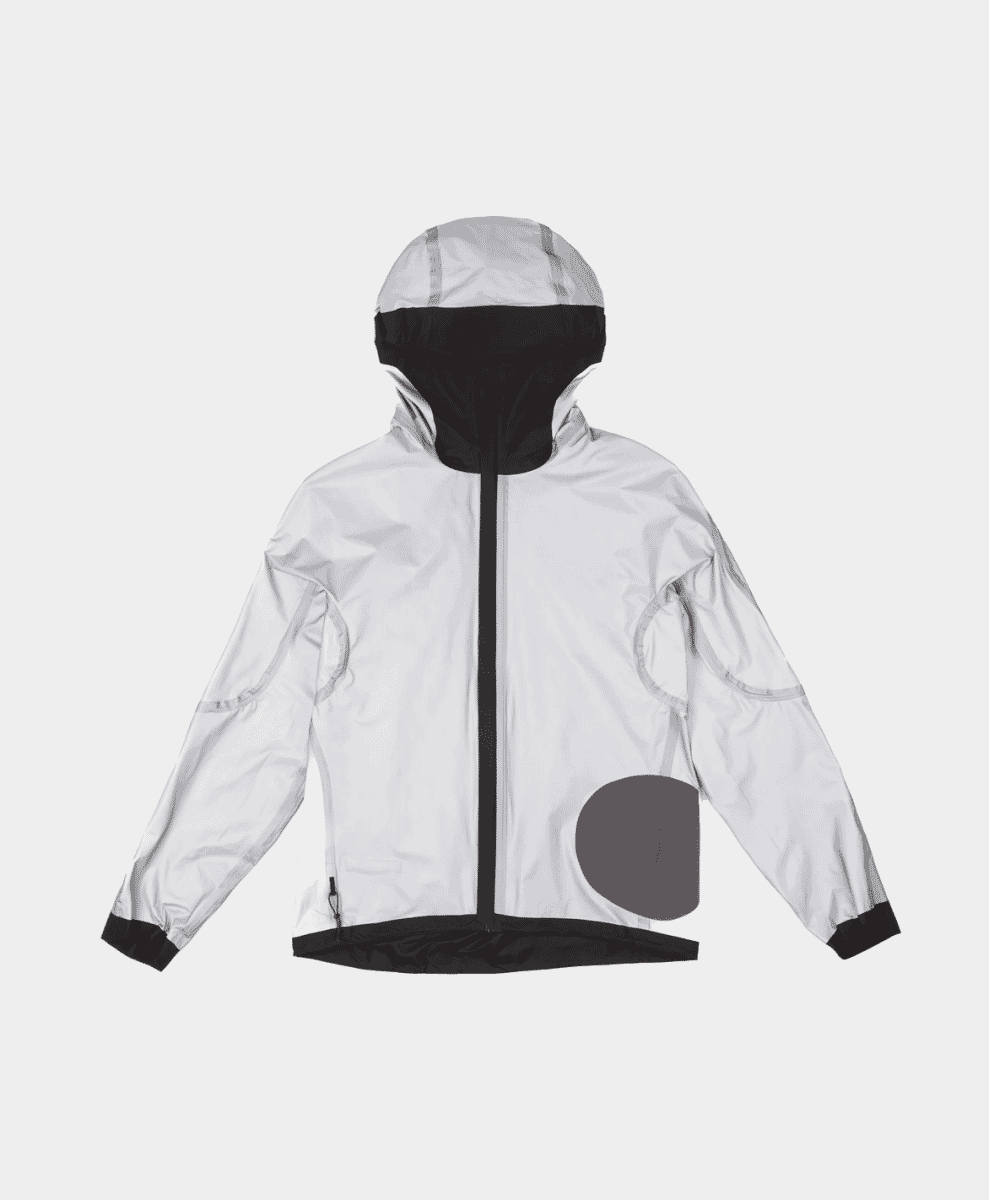
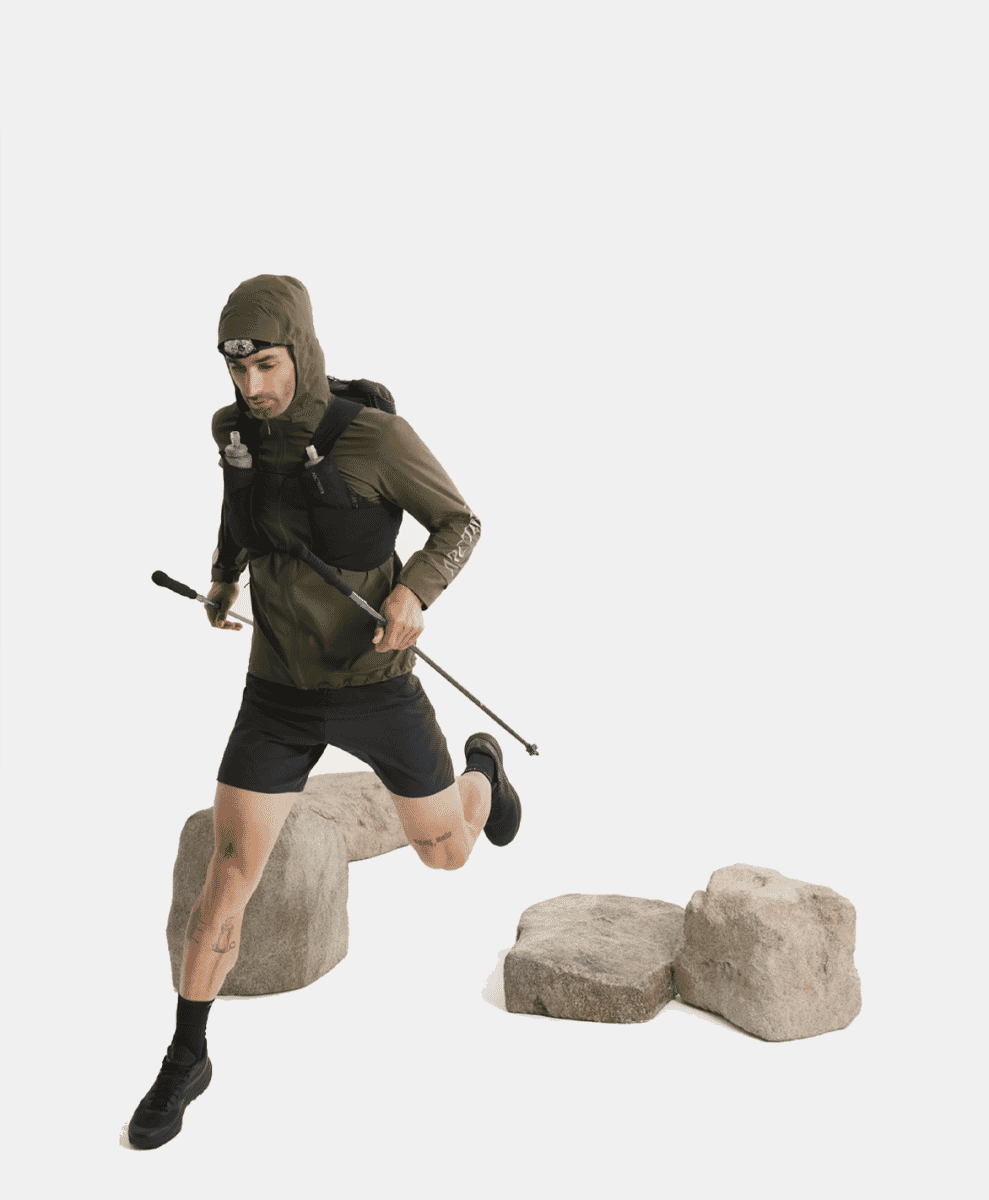
For most winter runs, wind resistance and breathability matter more than complete waterproofing. A good cold-weather running jacket cuts the wind, sheds light rain, and allows sweat to escape. You will get wet in winter. Comfort comes from managing that reality rather than fighting it.
Fit and simplicity matter. A winter running jacket should move quietly, stay close to the body, and remain easy to adjust with cold hands. Excess features rarely improve the run.
Legwear for winter running
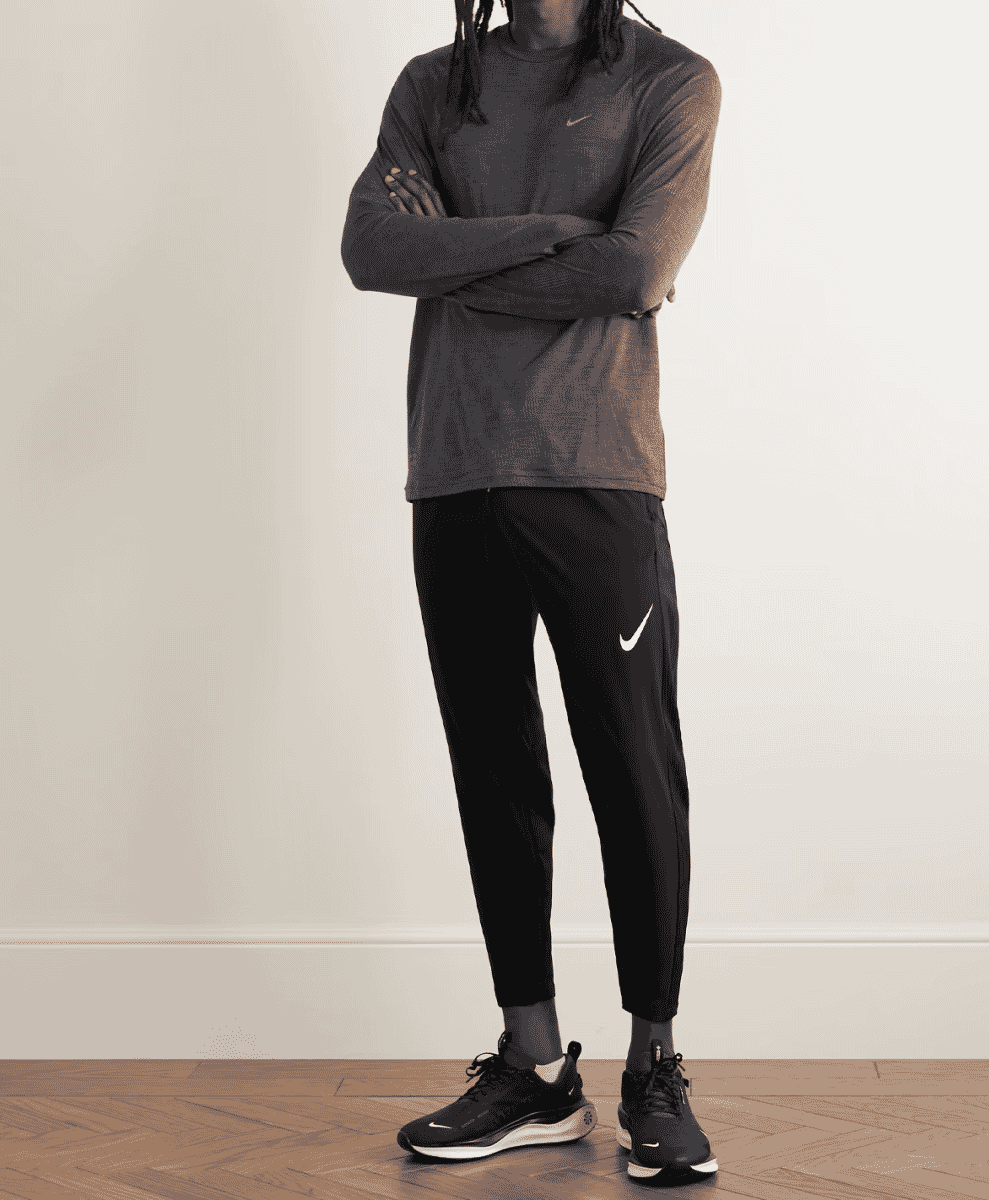
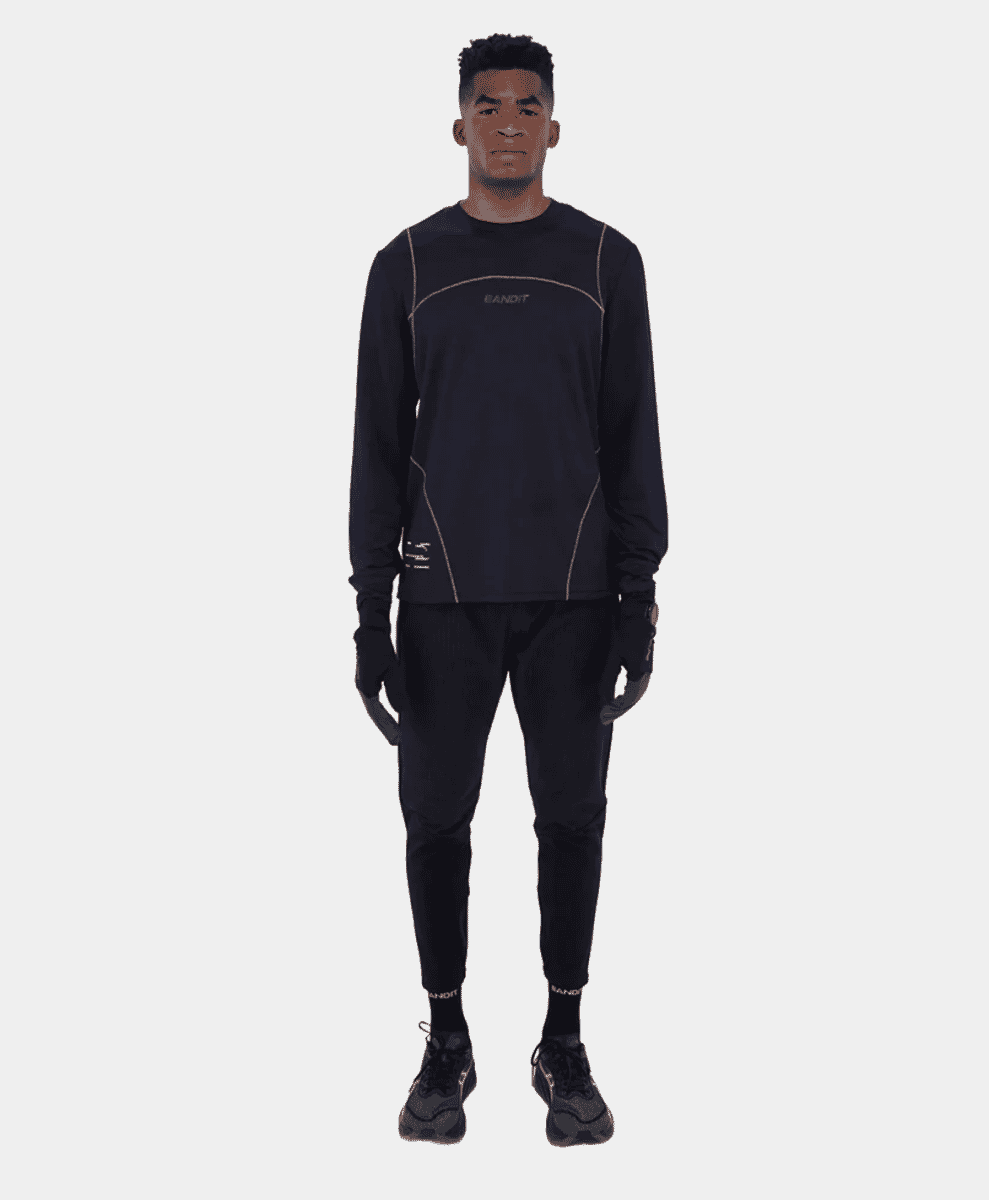
Legs tolerate cold better than the upper body, which is why winter running tights are often about wind protection rather than insulation.
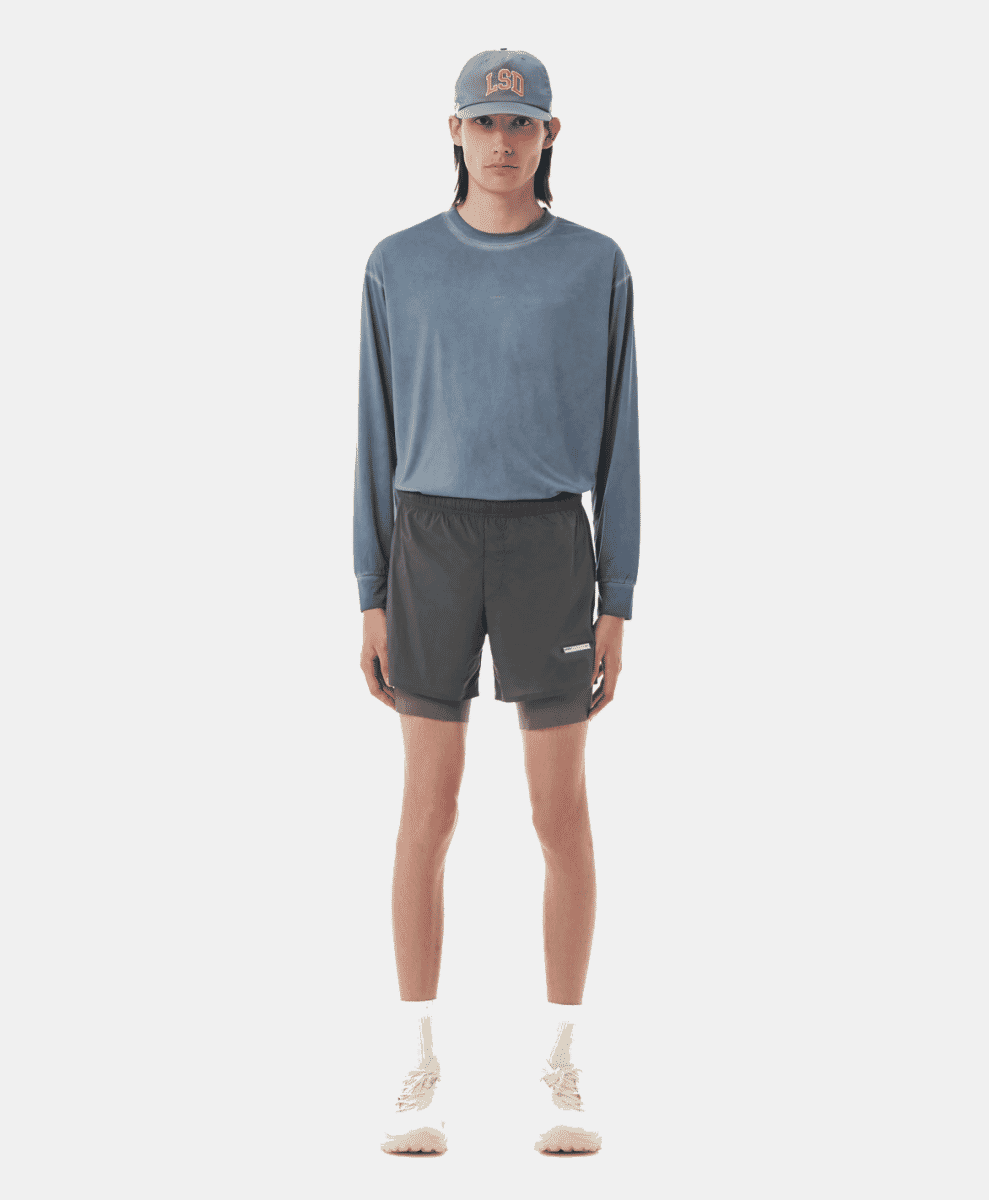
Full-length tights are the default winter running choice because they reduce decision-making and provide consistent coverage. Lightweight tights work across a surprisingly wide temperature range, while thicker, brushed options are best reserved for genuinely cold days.
Some runners prefer layered options such as half tights combined with thin undershorts, or tights with wind-resistant panels at the front of the legs. The best winter running legwear is the option you stop thinking about once you are moving.
Winter running shoes and socks
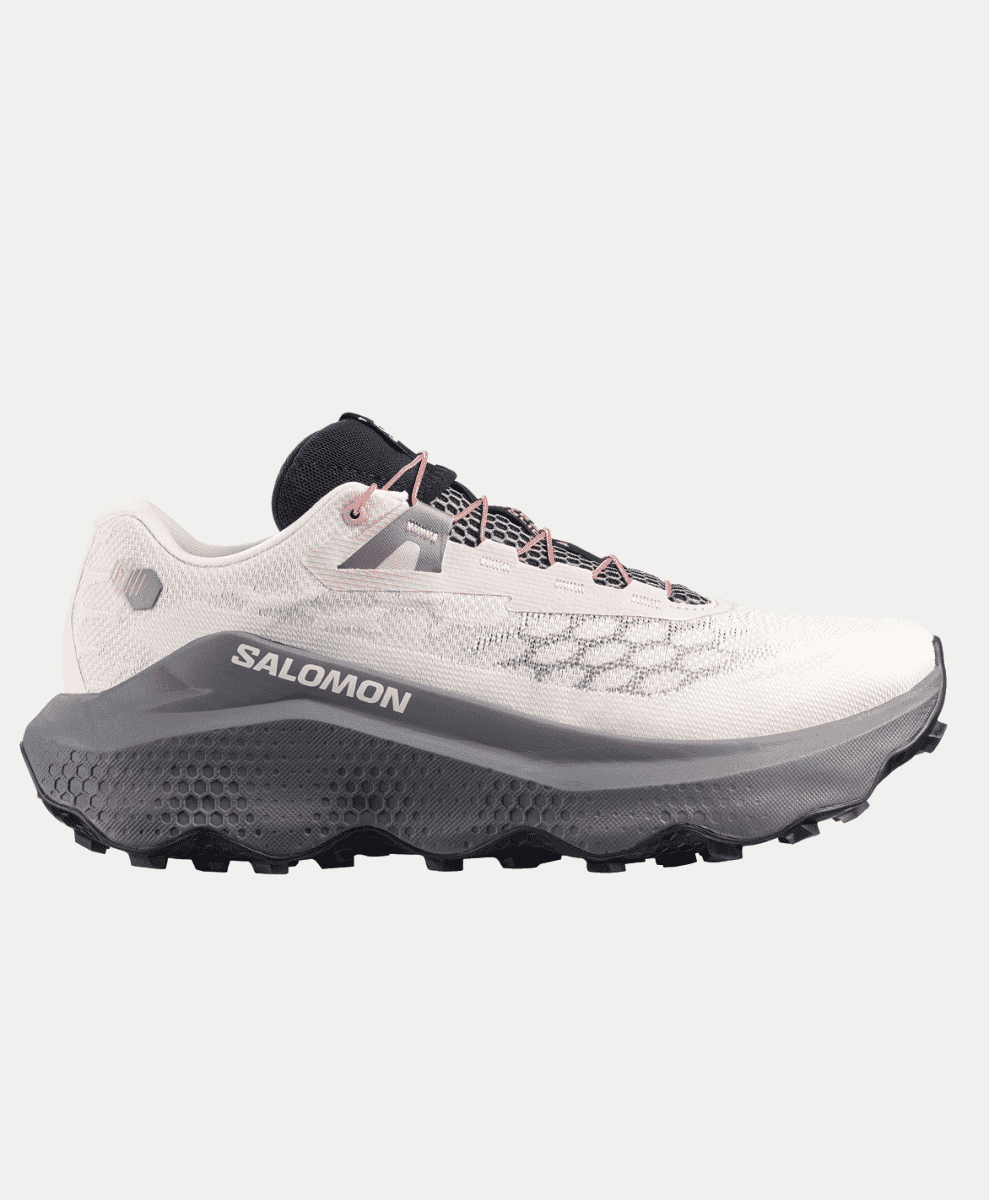
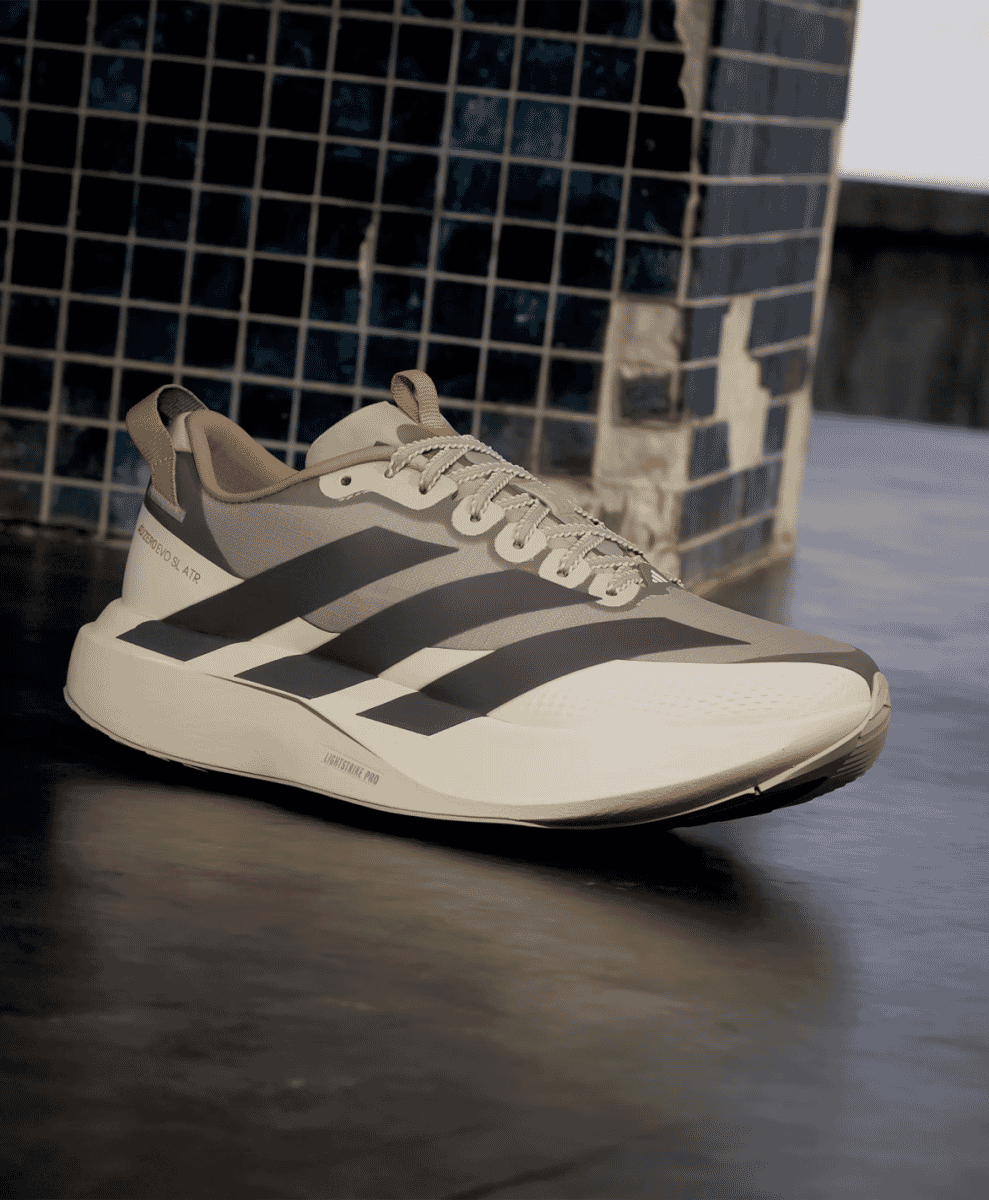
Keeping feet comfortable in winter is about managing moisture and maintaining confidence on slippery surfaces.

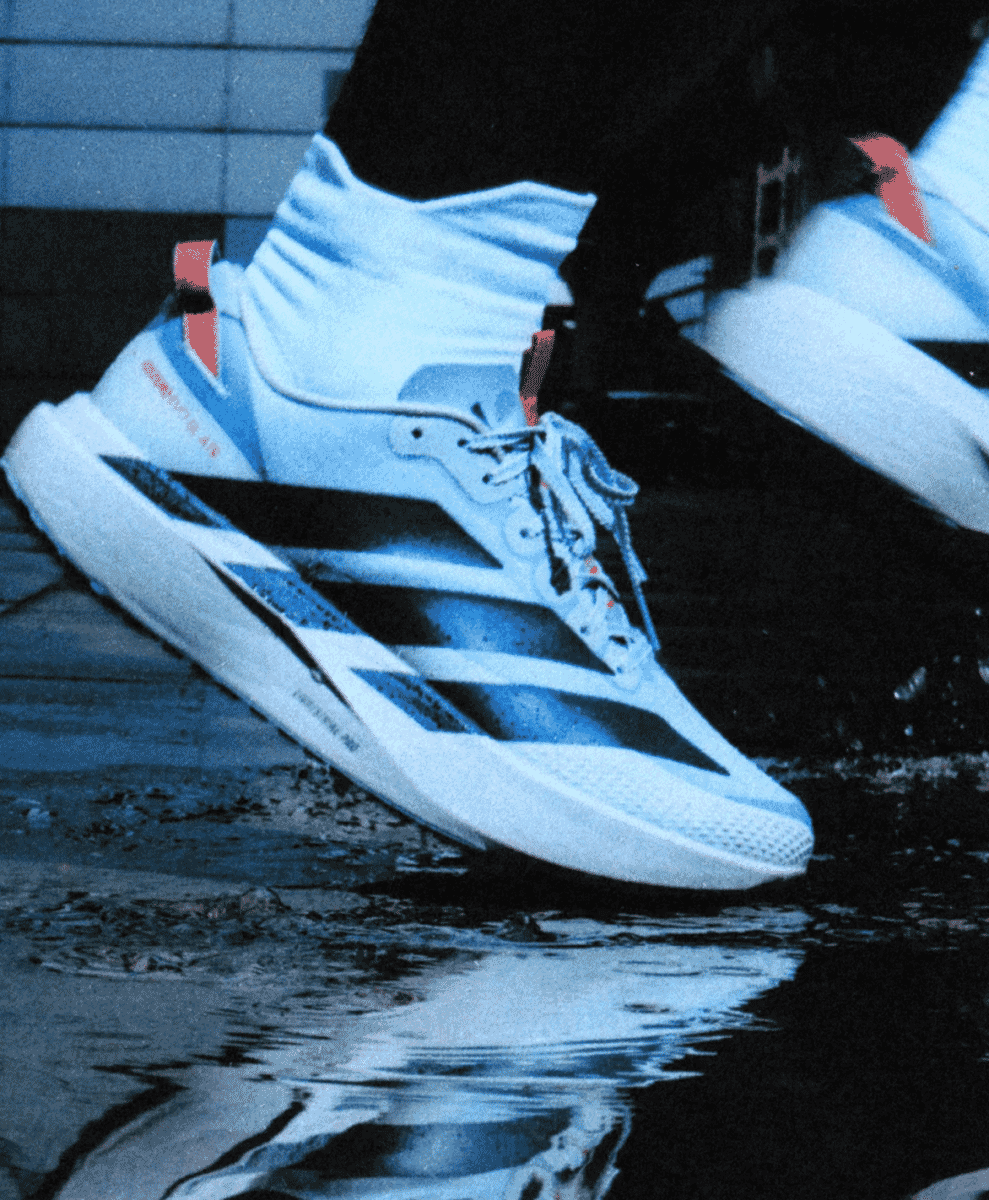

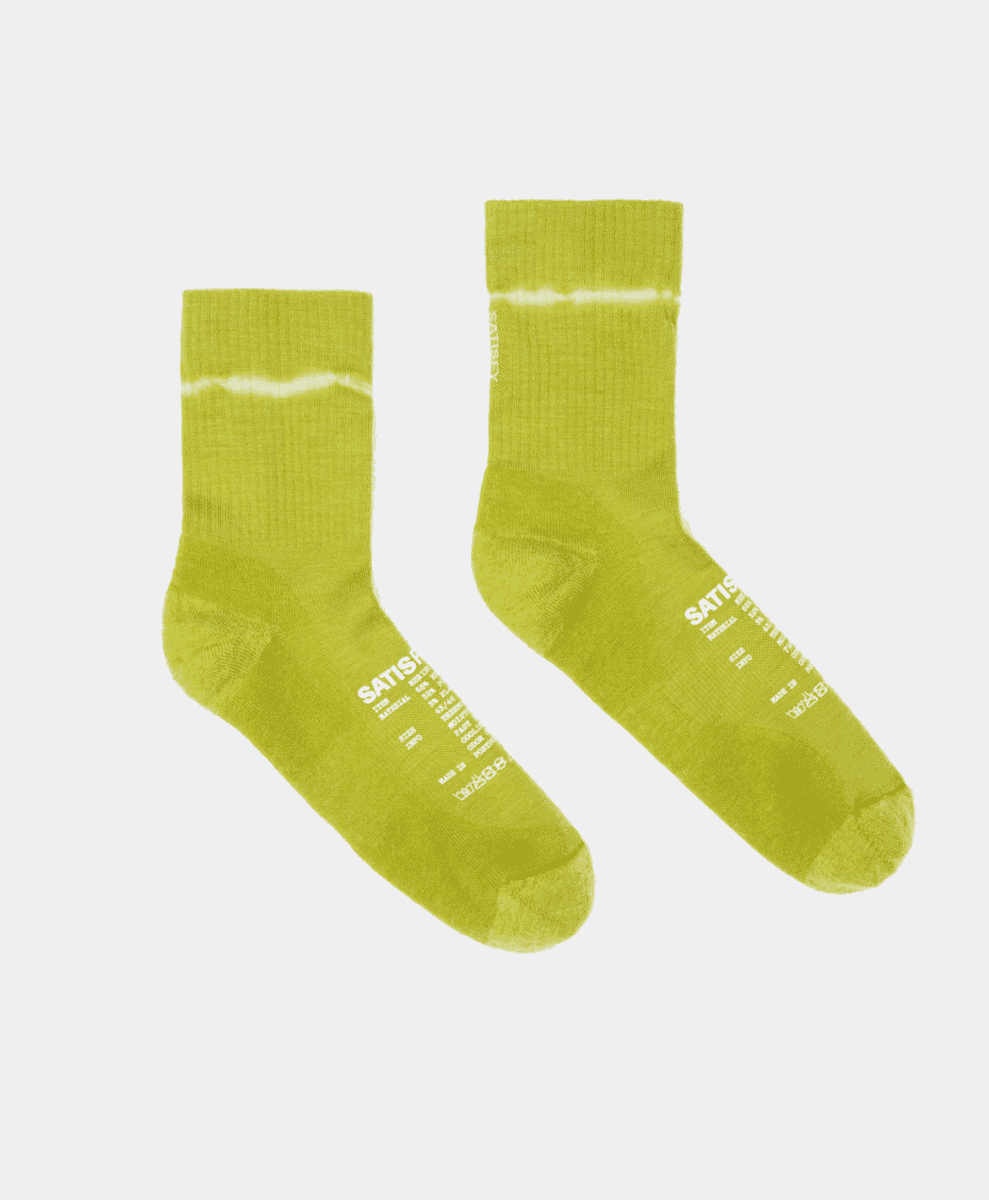
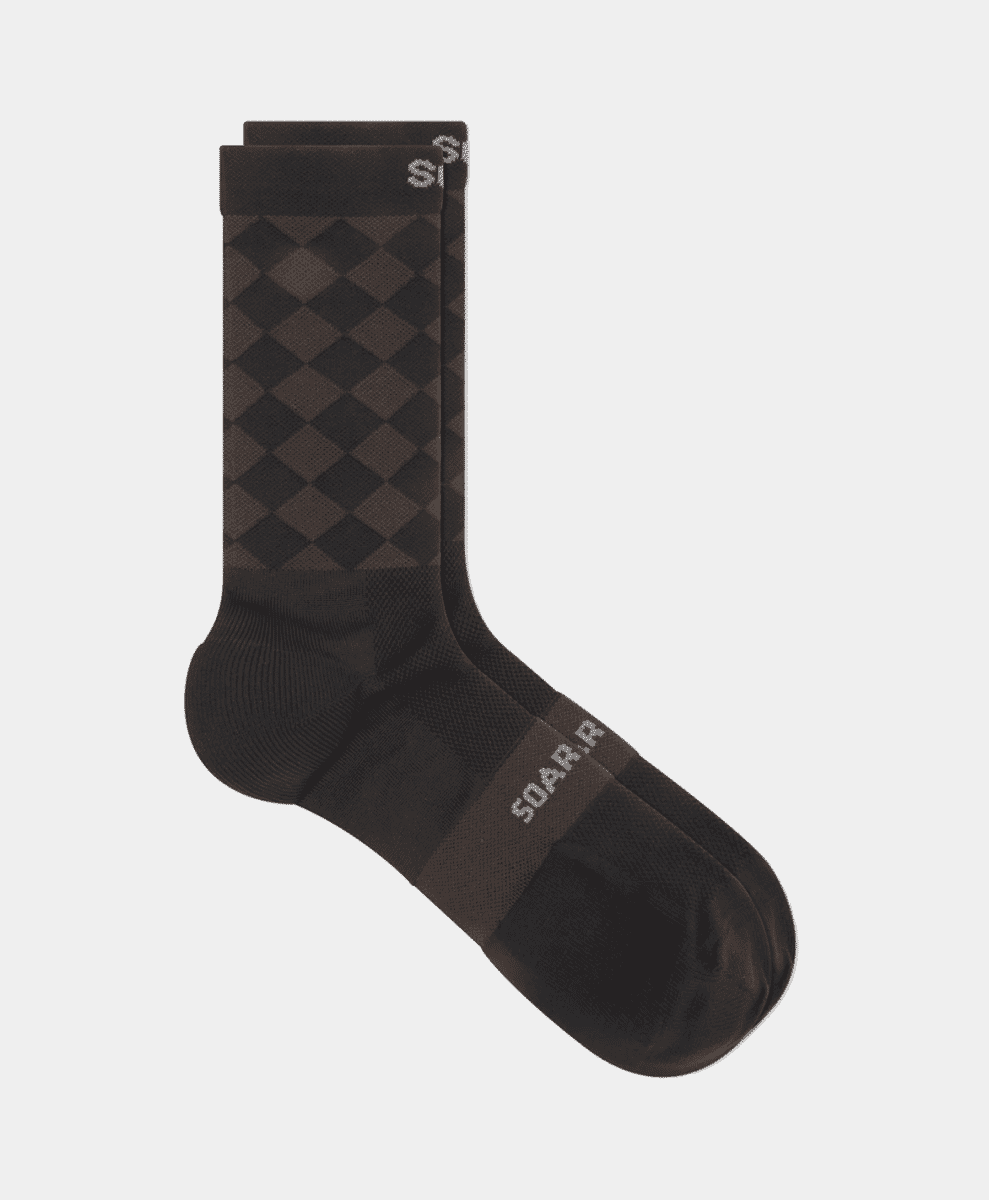
Winter running socks matter more than many runners realise. Merino blend socks offer warmth without excessive thickness and cope well with damp conditions. Very thick socks often hold moisture and can make cold feet worse over time.
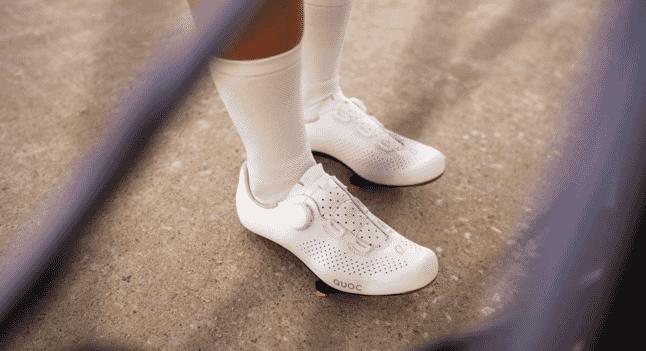
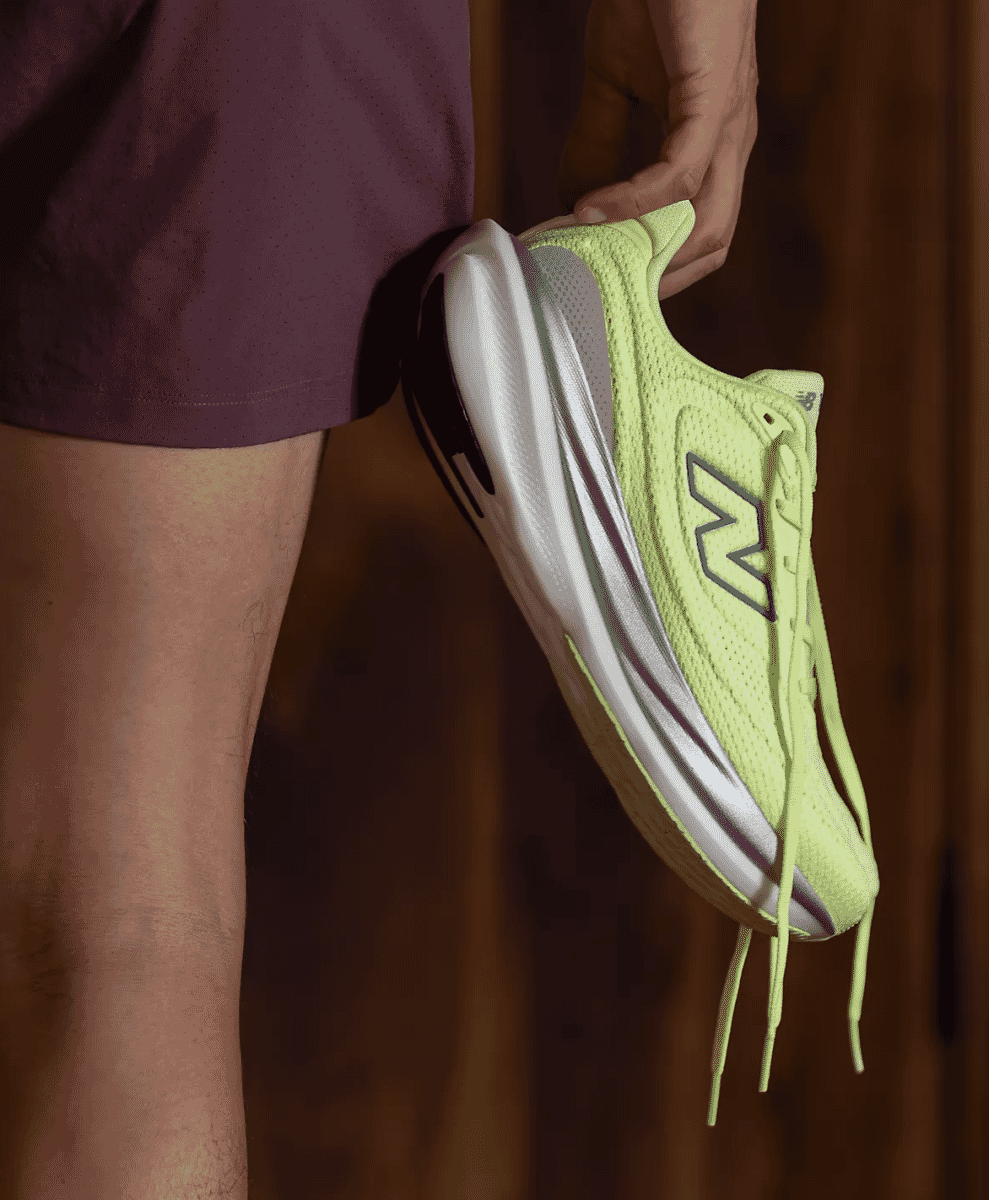
Shoes should prioritise grip and stability. Wet roads, muddy paths, and leaf-covered pavements all change how you run. Slightly more aggressive outsoles can help, but excessive tread can feel awkward on dry stretches. Wet feet are part of winter running. Accepting that often leads to better choices.

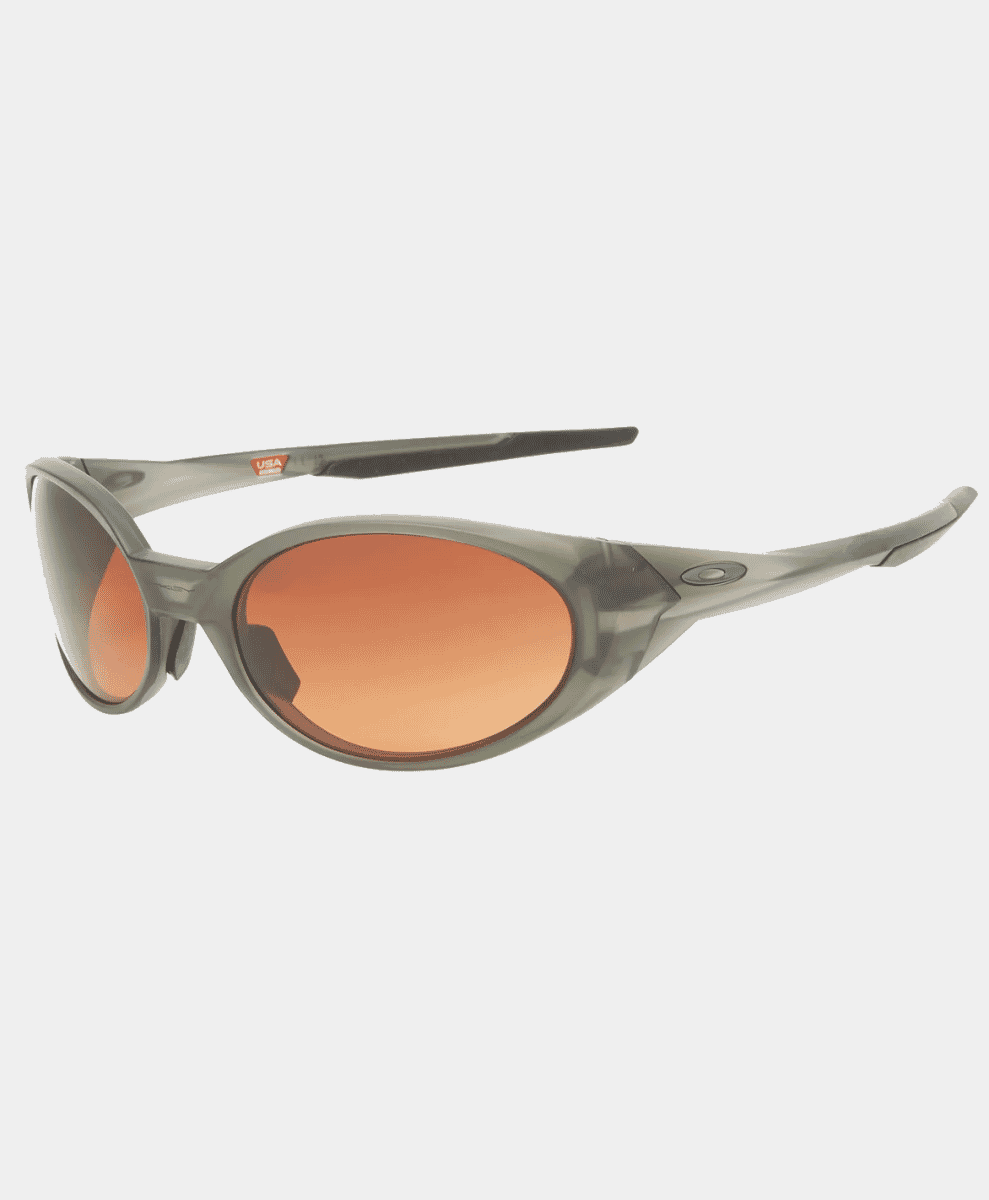
Gloves, hats, and winter running accessories
Small accessories have an outsized impact in cold weather running.
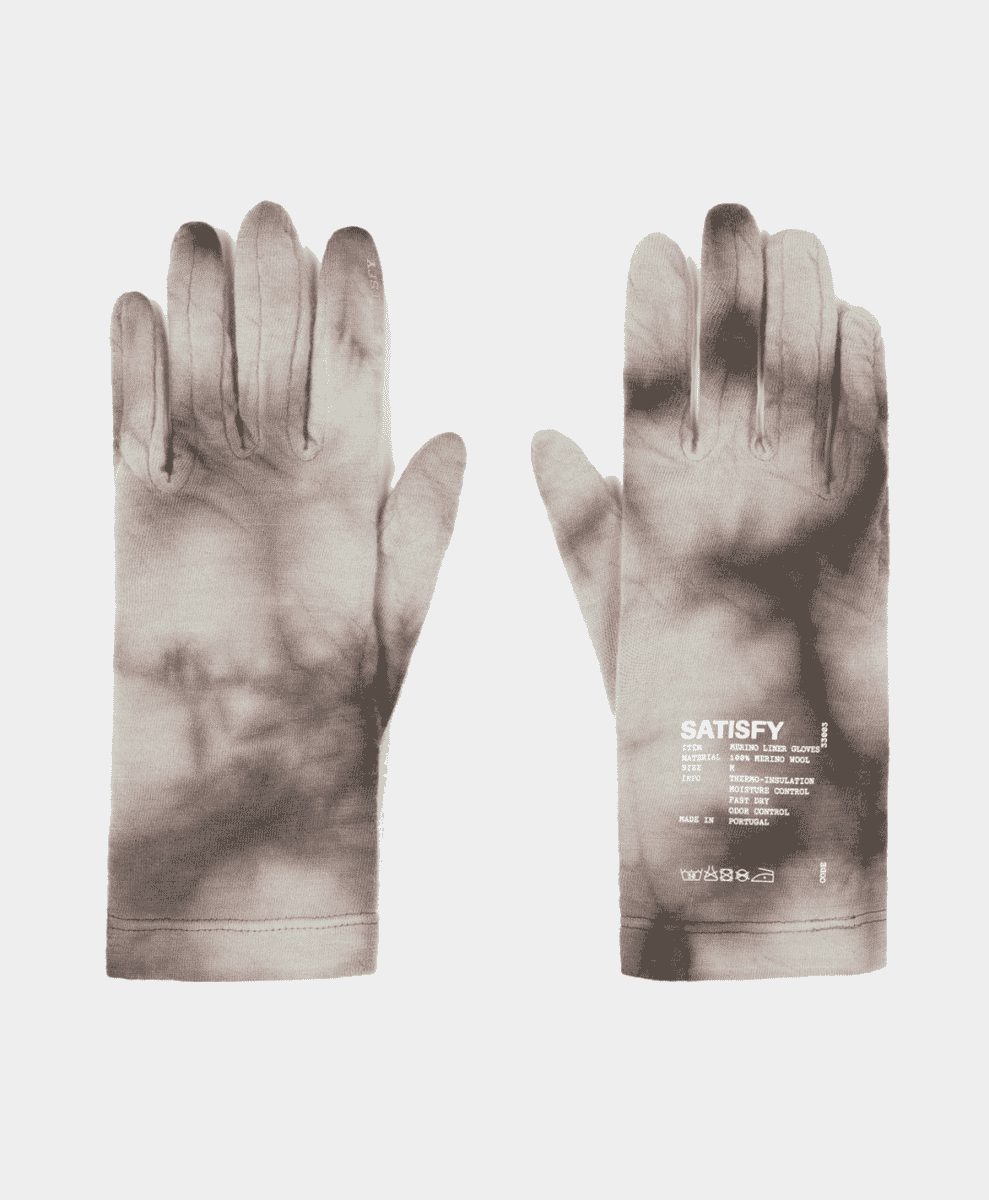
Cold hands can make an entire run feel uncomfortable, regardless of how well the rest of your kit performs. Lightweight running gloves cover a wide range of winter conditions and are easy to carry if you warm up. Mitts offer more insulation for colder days, at the cost of dexterity.
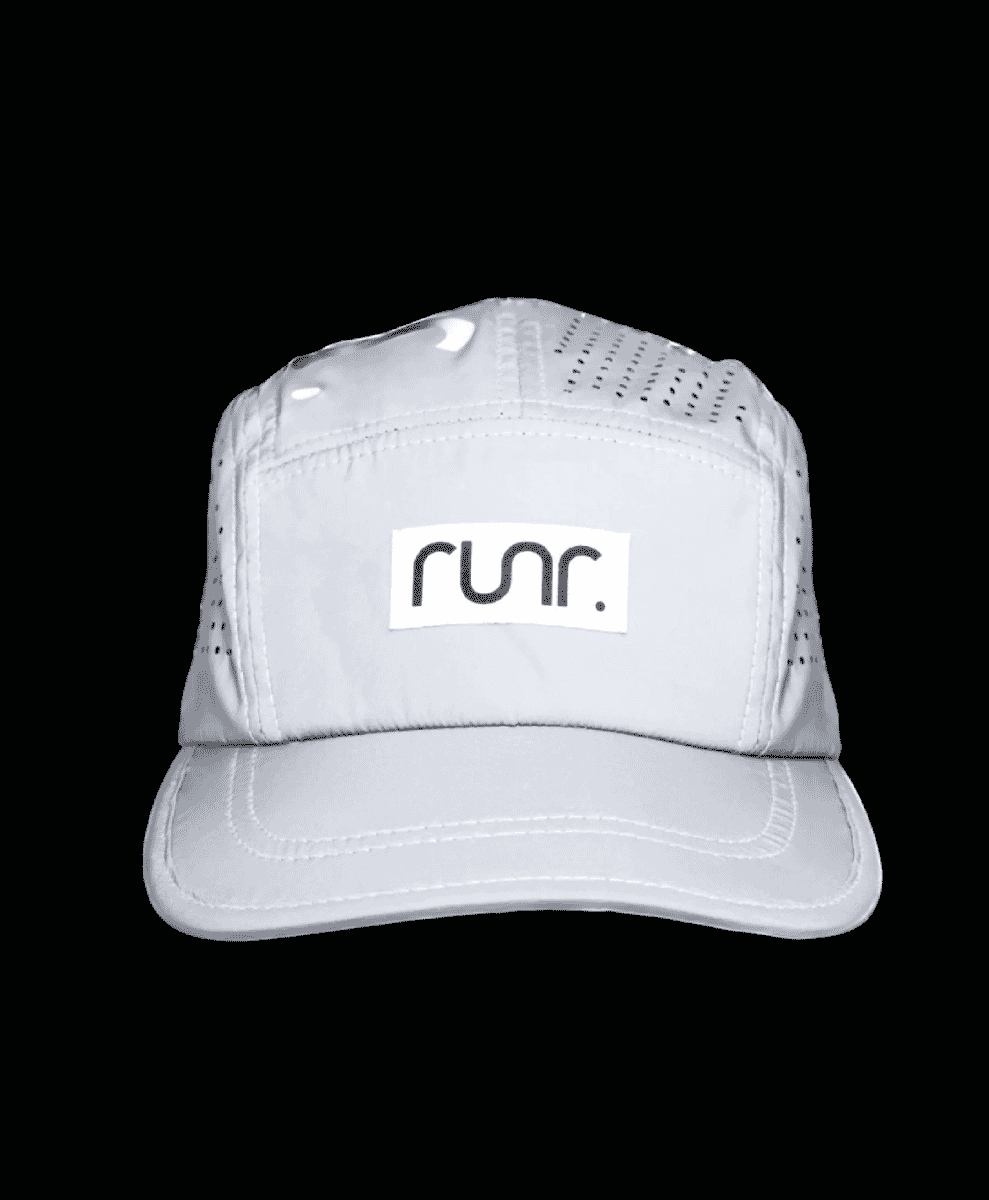
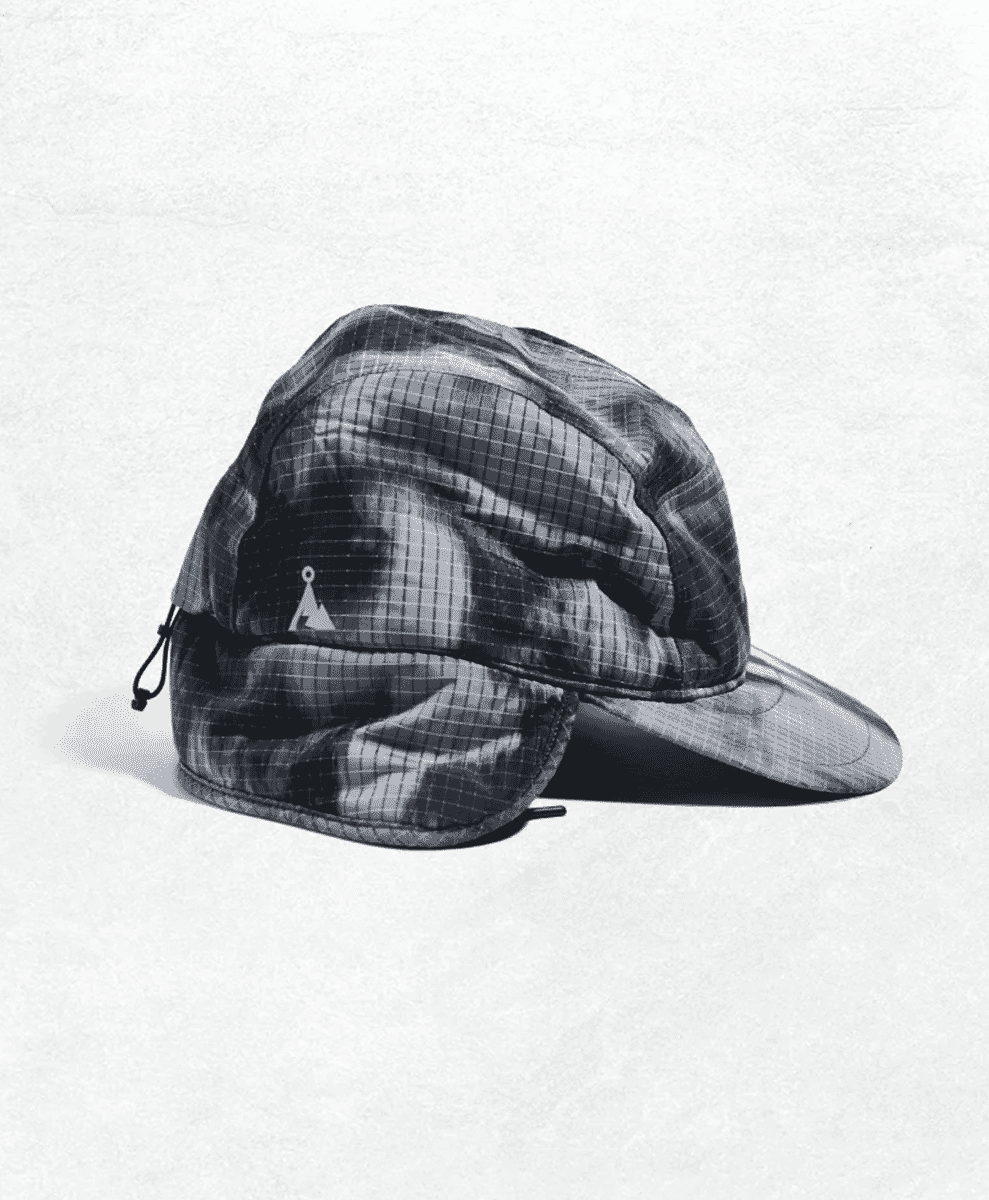
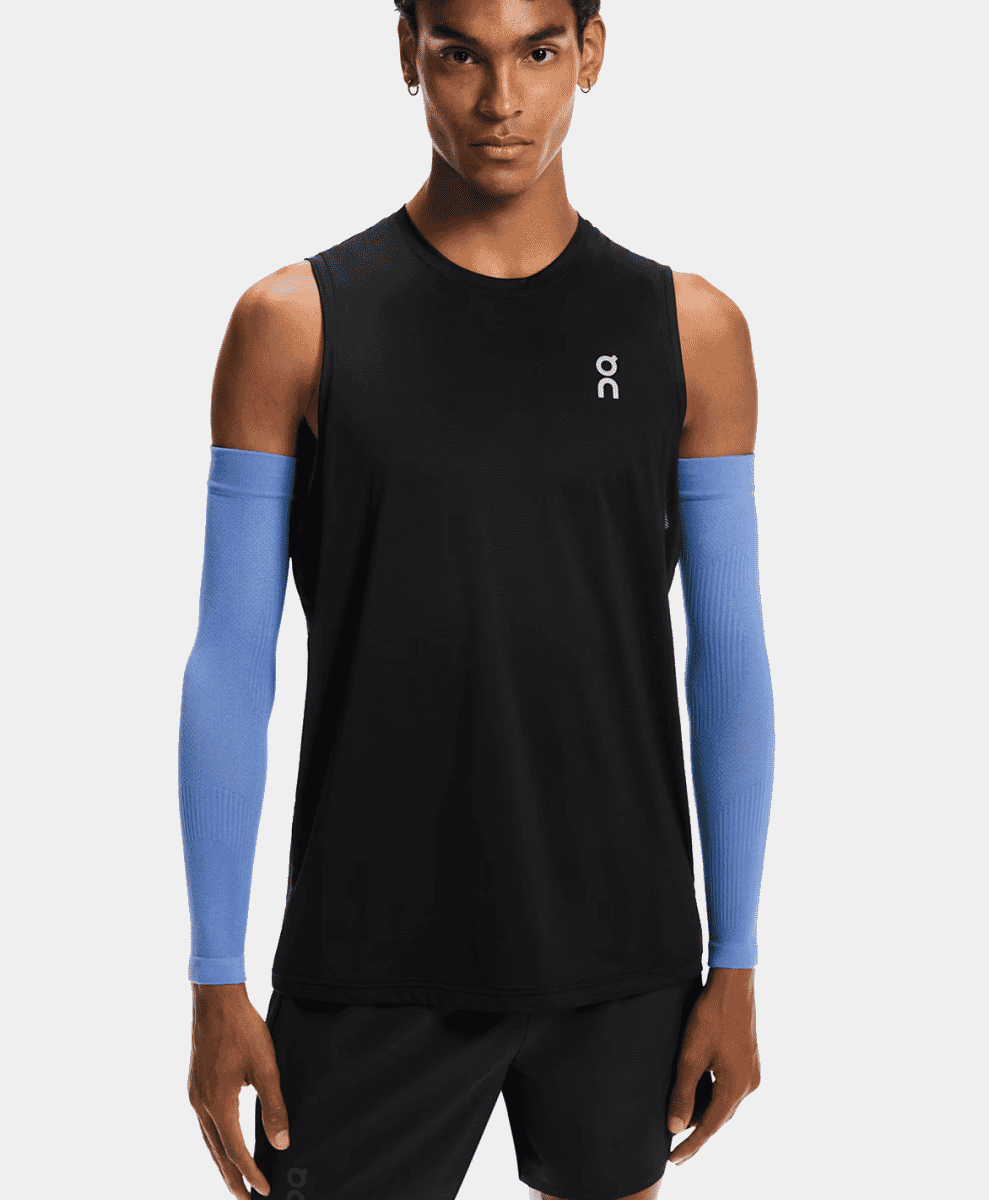
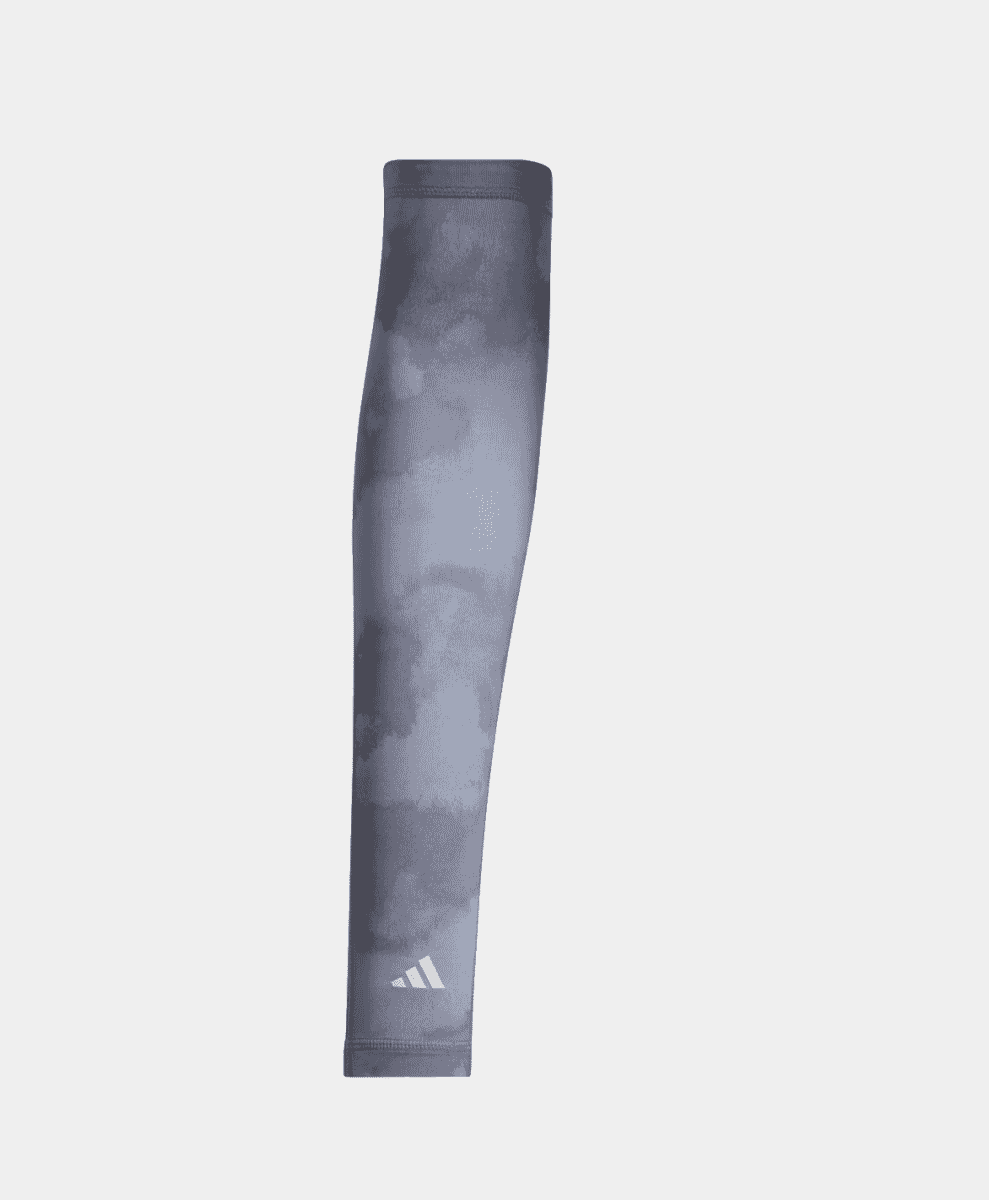
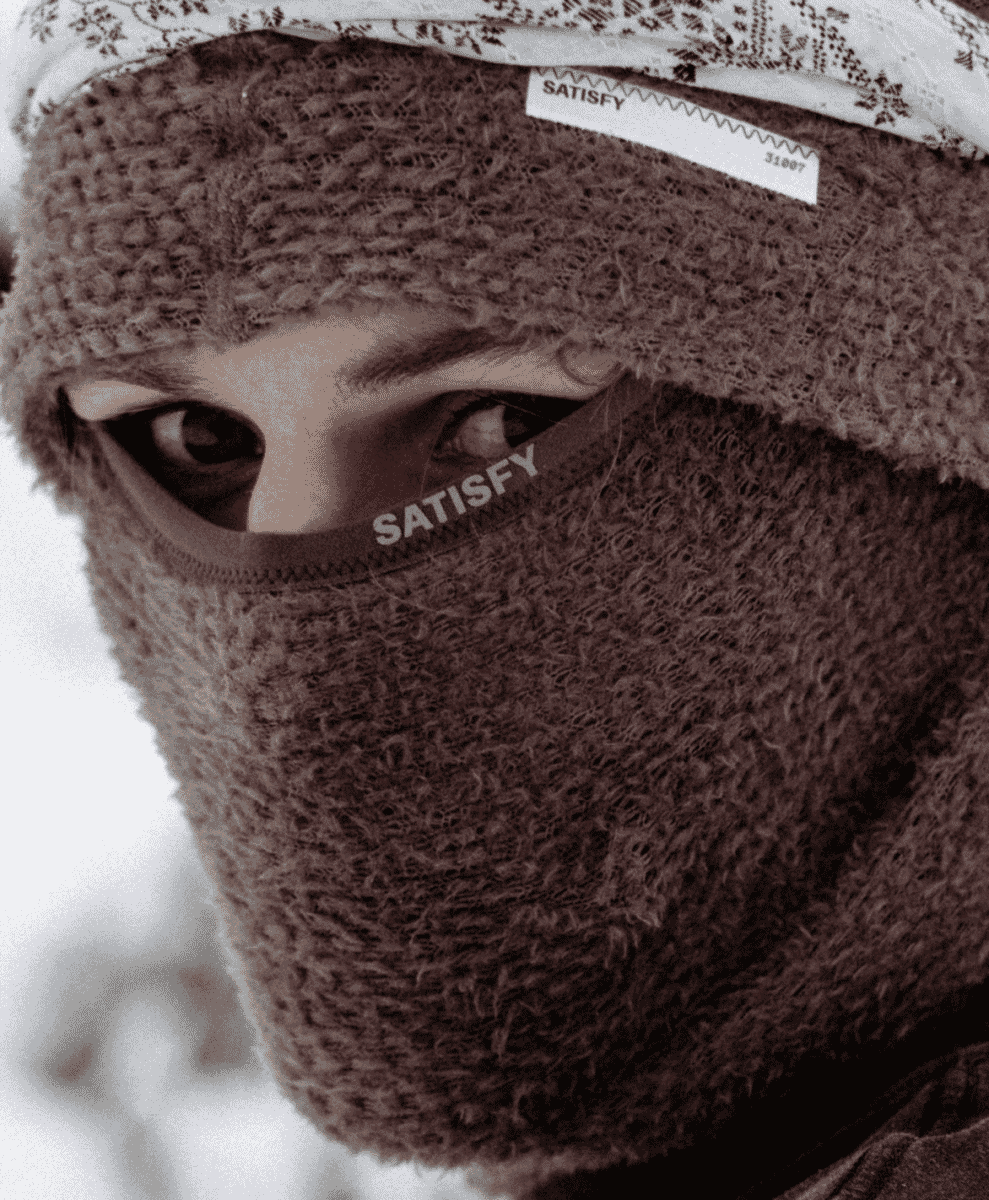
Hats, headbands, and neck tubes help manage heat loss and protect exposed skin from wind and rain. These are the pieces of winter running kit you notice most when they are missing.

Visibility and safety in winter running
Winter running often means running in the dark, either early in the morning or late in the evening.
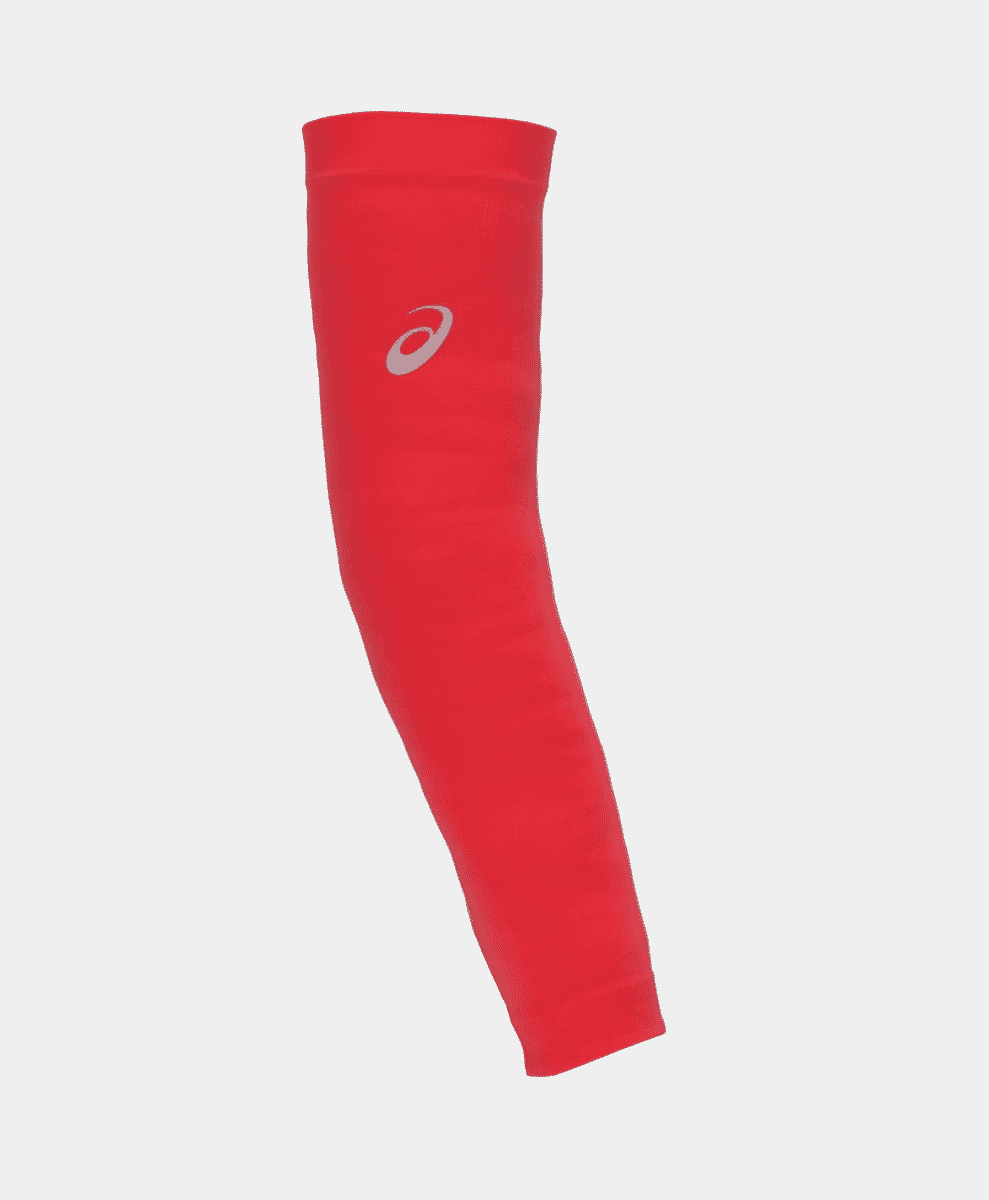
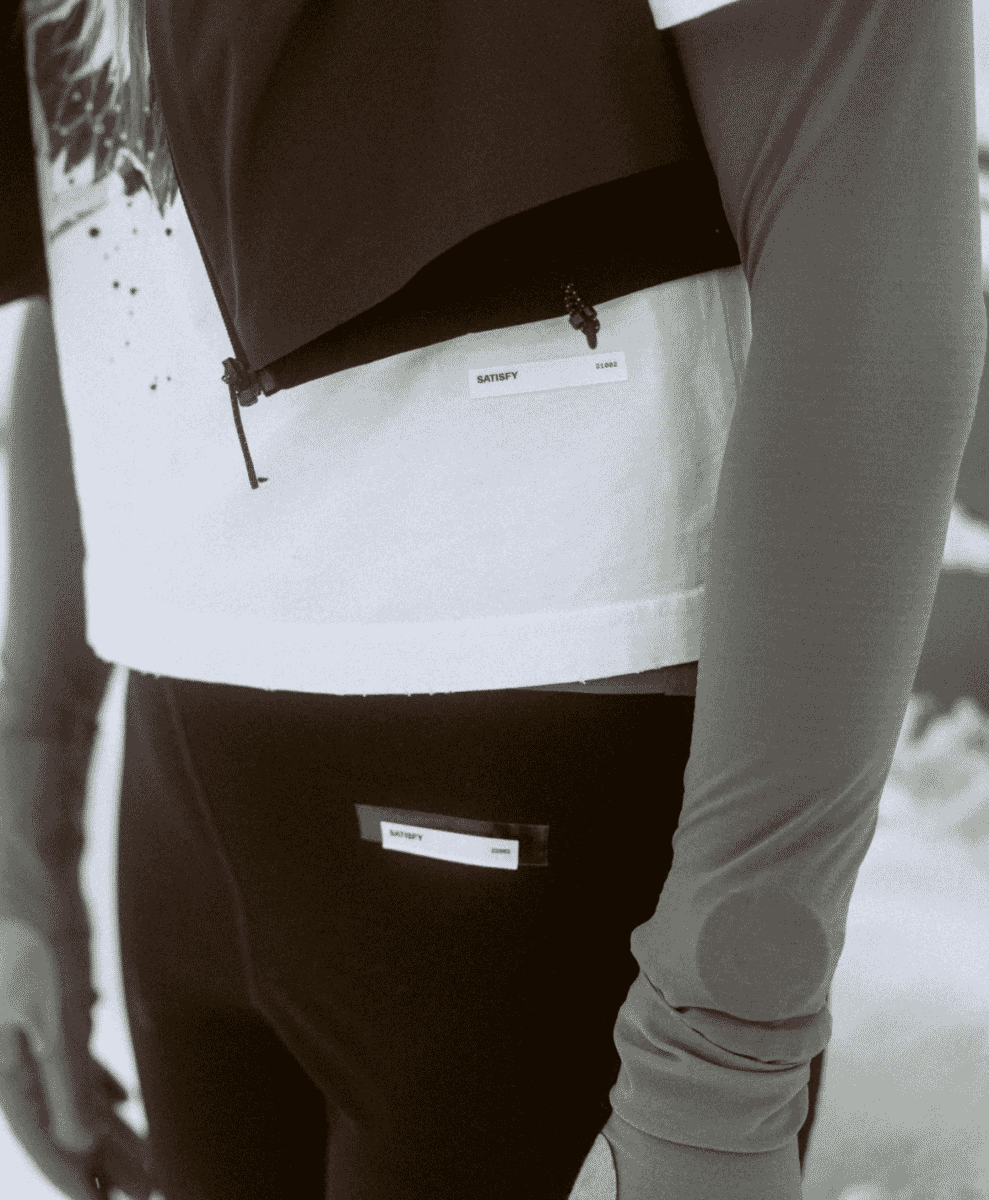
Visibility does not need to be excessive to be effective. Reflective details placed on moving parts of the body are easier for others to recognise than large static panels. Small running lights add reassurance and improve safety without feeling intrusive.
The aim is to be seen as a person in motion, not to overwhelm.
Why winter running kit matters
Good winter running kit does not make you faster. It makes you consistent.
When you are dressed properly, the weather becomes background noise rather than a reason to stay indoors. That consistency is where fitness is maintained and habits are protected.
Winter running is rarely dramatic. It is quiet, repetitive, and often uncomfortable in small ways. The right cold weather running gear does not eliminate those challenges. It simply removes the unnecessary ones.
And that is usually enough to keep the miles ticking over until spring returns.
Winter running FAQs
What should I wear for winter running?
Winter running clothing should be built around layers. A moisture-wicking base layer, an insulating mid layer when needed, and a breathable outer layer that cuts wind and sheds light rain. Add tights or wind-resistant legwear, appropriate socks, and small accessories like gloves and a hat to manage heat loss. The aim is comfort and consistency, not staying completely dry.
How many layers do you need for winter running?
Most winter runs require two layers on the upper body, with a third added in colder conditions. If you feel warm before you start running, you are probably overdressed. It is normal to feel slightly cool at the beginning of a winter run, as your body will warm quickly once you are moving.
What is the best fabric for winter running clothes?
Merino wool and technical synthetic fabrics are the best options for winter running clothing. Merino stays warm when damp and resists odour, while synthetics dry quickly and feel lighter. Cotton should be avoided, as it absorbs sweat and increases heat loss in cold weather.


Do you need a waterproof jacket for winter running?
For most winter runs, a fully waterproof running jacket is not essential. Breathable, wind-resistant outer layers are often more comfortable, especially at higher effort levels. Light rain and drizzle are usually manageable without full waterproofing, while heavy rain can overwhelm even the best jackets.
Should you wear tights or shorts for winter running?
Tights are the most common choice for winter running because they provide wind protection and reduce heat loss. Lightweight tights work across a wide temperature range. Some runners prefer shorts or half tights with layers underneath, depending on personal comfort and conditions.
What shoes are best for winter running?
Winter running shoes should prioritise grip and stability. Slightly more aggressive outsoles can help on wet roads, muddy paths, or leaf-covered pavements. There is rarely a need for dedicated winter shoes unless you regularly run on trails or in icy conditions.

How do you keep your feet warm when running in winter?
Keeping feet warm in winter is more about socks than shoes. Merino blend running socks help regulate temperature and cope well with damp conditions. Very thick socks can hold moisture and make cold feet worse over time.
Are gloves necessary for winter running?
Gloves make a significant difference in cold weather running. Cold hands can affect overall comfort, even if the rest of your kit is well chosen. Lightweight gloves cover most winter conditions, while mitts offer more warmth for colder days.
How do you stay visible when running in winter?
Running in winter often means running in the dark. Reflective details on clothing and small running lights improve visibility without being distracting. Visibility is about being recognisable as a moving person, not overwhelming drivers or other road users.
Next up: The alternative running brands you need to know.