From Fallingwater to Manhattan’s Guggenheim Museum, Frank Lloyd Wright’s architecture has a unique place in the American design psyche. His ideas of organic architecture, merging with and emerging from nature, the so-called Usonian communities of private, idealised middle class homes, the influences from other ancient cultures, all testify to a unique vision. And then there is the unbuilt work: 582 structures that remain on the drawing board. Until now, that is, when digital designer David Romero realised these visions in hyper-real renderings. And yes, wow is the appropriate response.
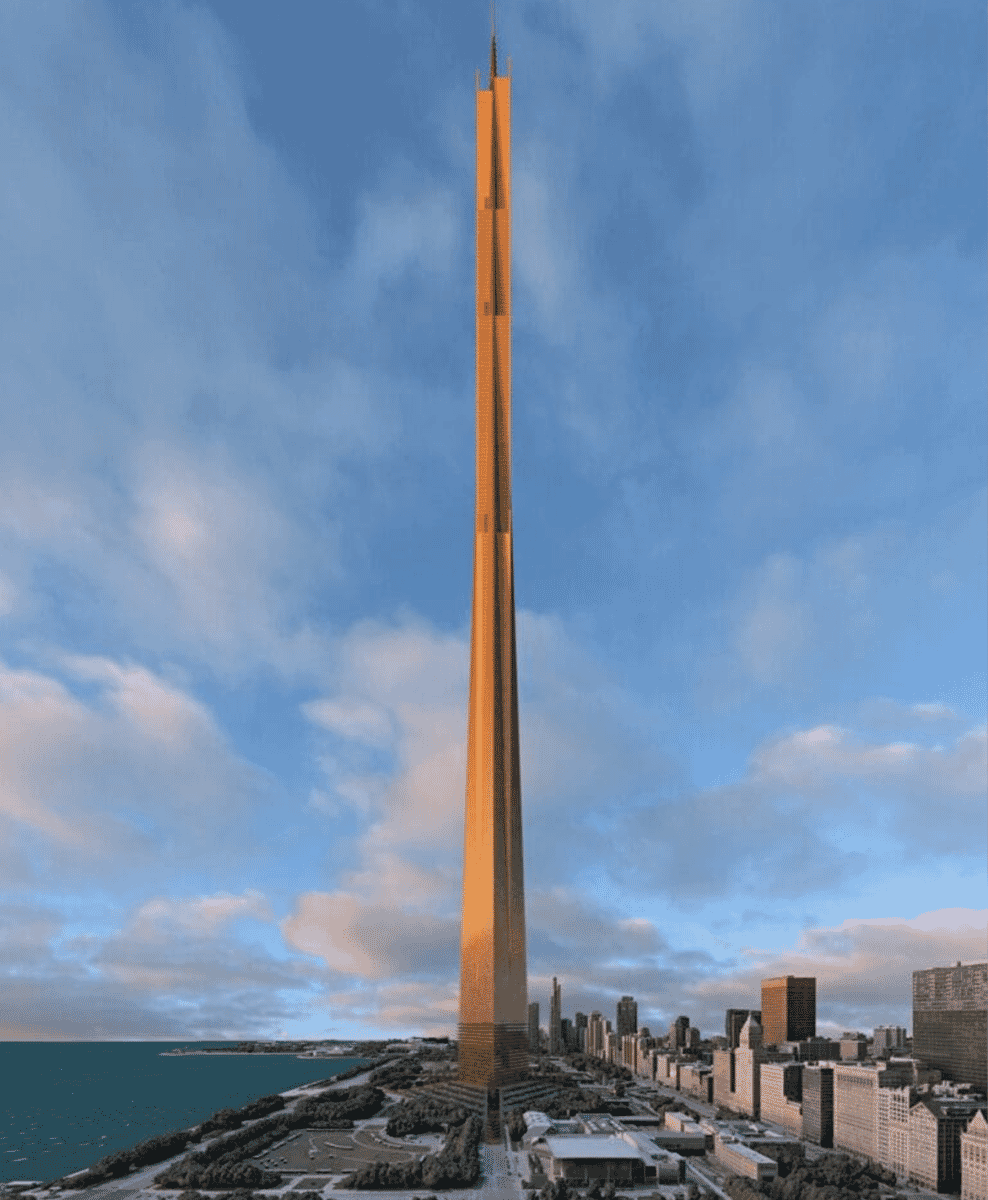
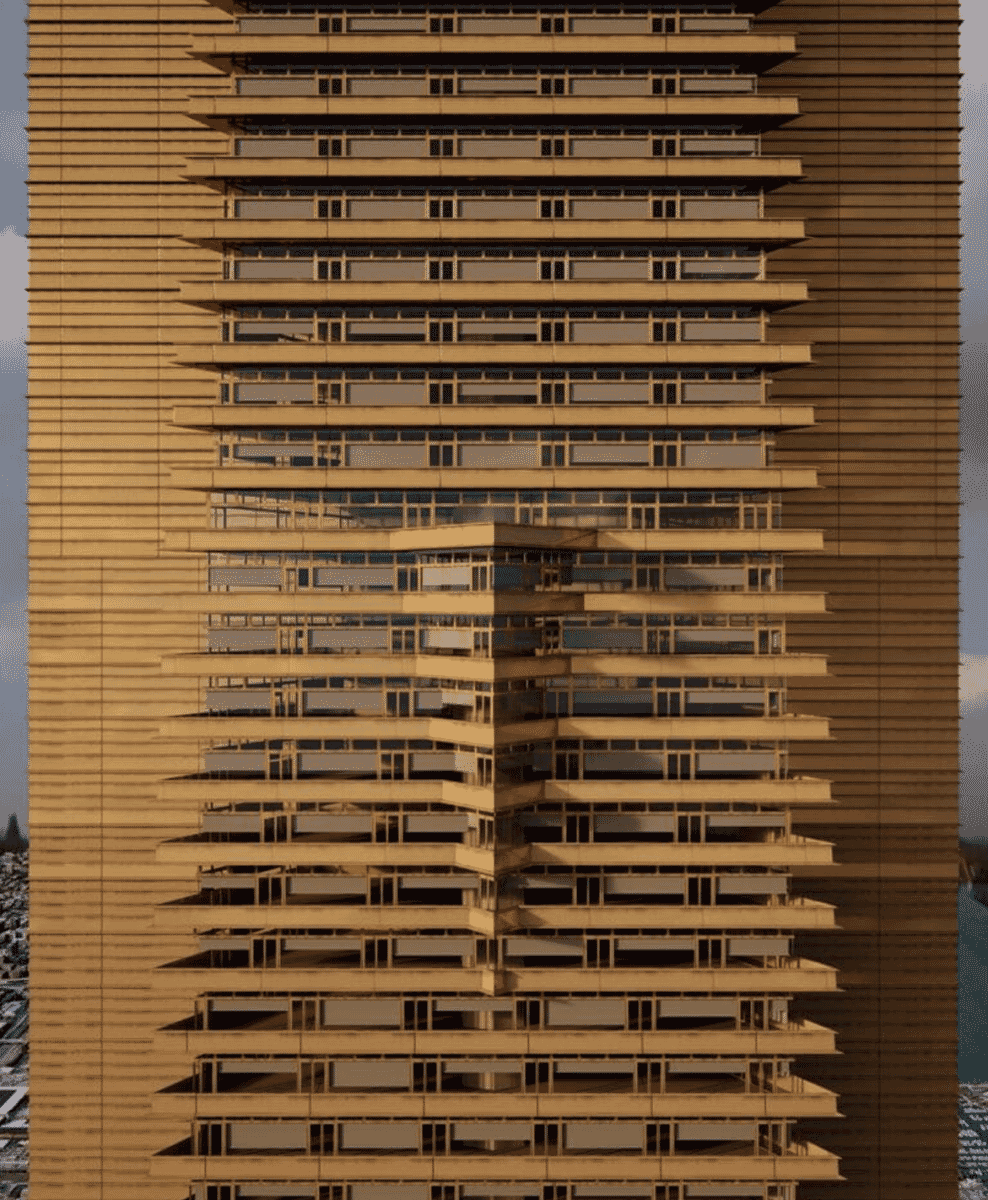
So far Madrid-based Romero, an architect and 3D designer, has worked on two dozen or so of these pieces. Some look so real that we’ve been tempted to look up locations or call up estate agents for a tour. Most startling is what was planned for Chicago. A mile-high residential skyscraper for a city that became famous for tall buildings. None as high as this one. 'The Illinois’ was to have 528 storeys, four times as high as the Empire State Building, with the architect insisting, even in 1957, that it was structurally possible. Romero’s detailing takes us close-up to apartment windows.
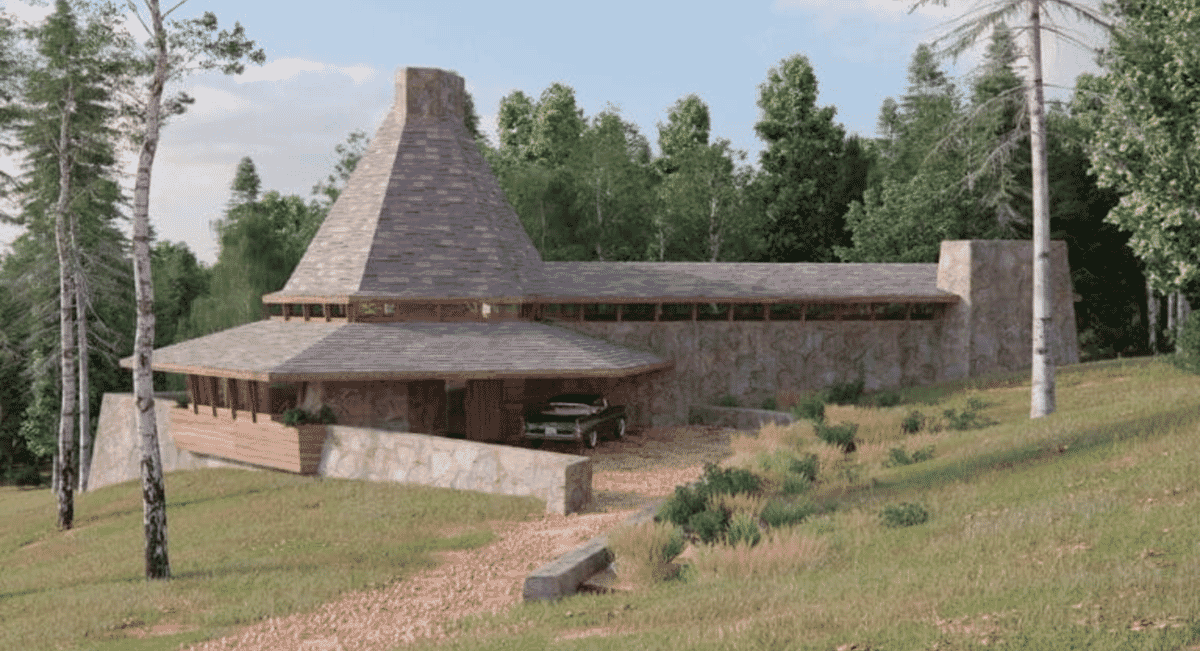
Morris House from 1955 rises out of its San Francisco cliffside in sci-fi art deco majesty, vertiginously clinging to its supporting rocks. Then there are the Mayan-inspired homes. Smith House, planned for Piedmont Pines in Oakland California, seems more monument than residence. Its design is jaw-dropping today. Even more so when you realise that this was drawn by the great architect in 1922. Lea House sports a car port - reminding us that Frank Lloyd Wright coined that phrase. The home is built from local stone, and its soaring roof again recalls structures from antiquity.
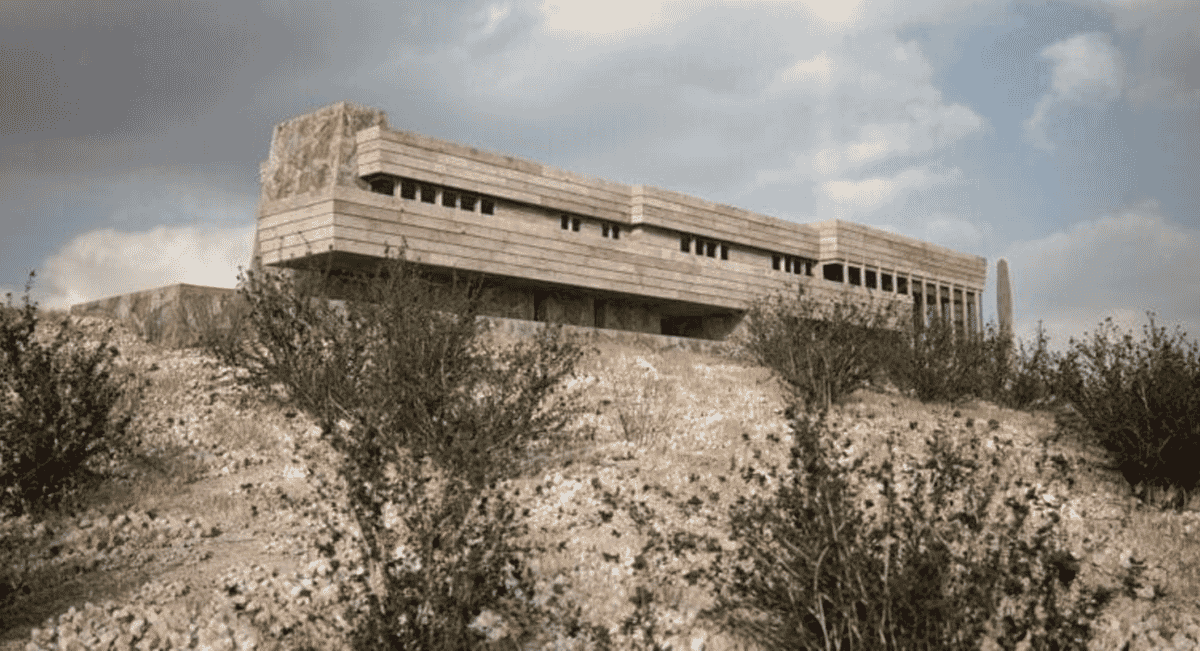
There’s a striking almost neo-Gothic proposed headquarters for an insurance company, again from the 1920s, that could easily grace the City of London today. Pauson House from 1942 and proposed for Phoenix Arizona, rises out of the desert as if it’s always been there. Arizona fascinated Frank Lloyd Wright, who said the architect should "go to school to the desert … and humbly learn harmonious contrasts or sympathetic treatments that would, thus, quietly, belong”.
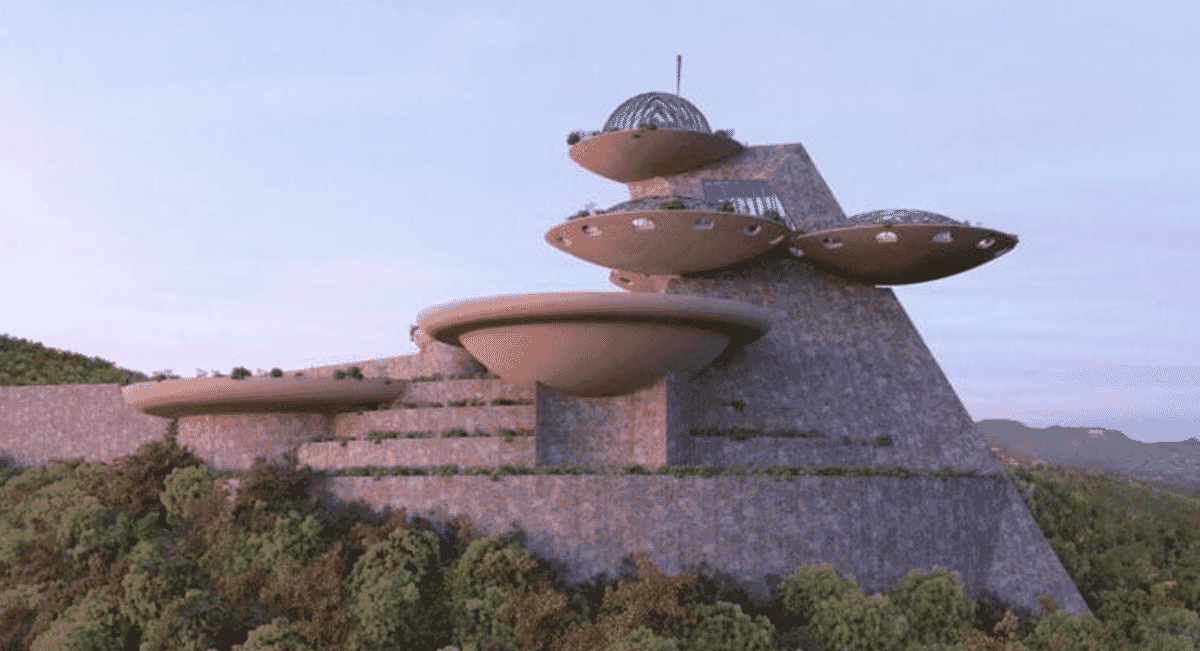
Far from quiet is Frank Lloyd Wright’s 1947 designs for the billionaire Huntington Hartford, who had a vision for a sports club and resort in California. David Romero’s rendition has huge circular dishes emerging from a terraced edifice, again echoing Mayan influences and perhaps foreshadowing the designs of the upcoming space age.
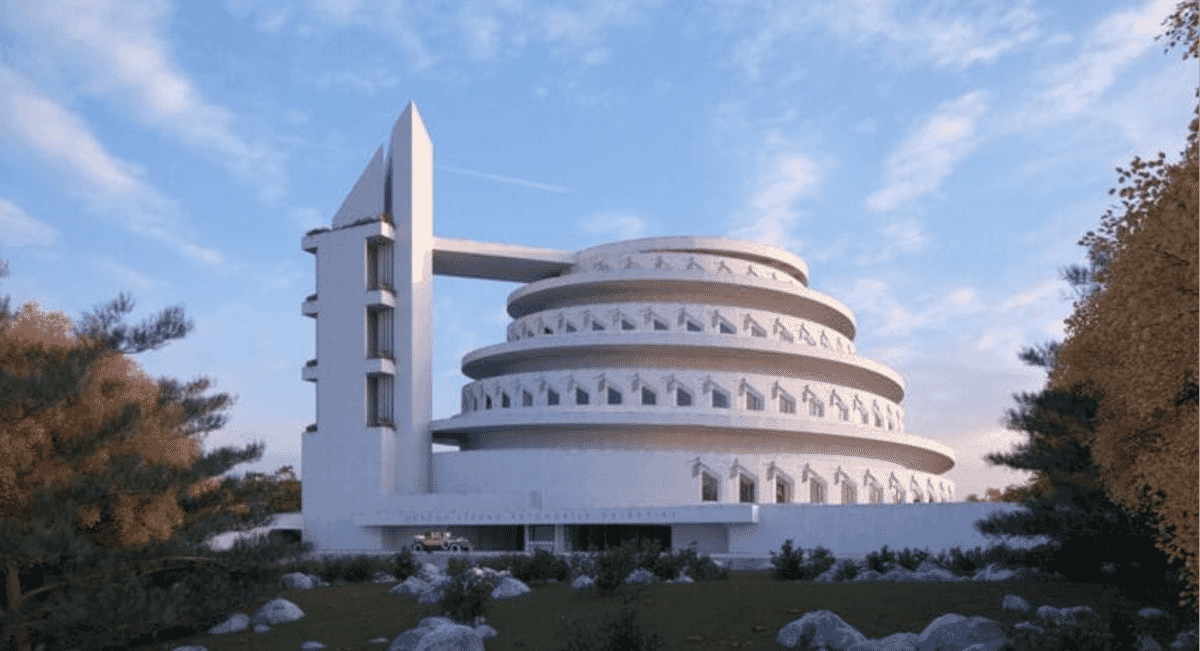
Want one? David Romero through his Hooked On The Past website has copies for sale, at a very reasonable £10 or so. If you’re keen on the real thing you're going to have to pay just a little more. The remarkable Circular Sun House in Phoenix Arizona is one such: yours for £6.4-million. Ten pounds for a print? Six and a half million for the real thing? Or one of each?