Old money style is having a moment. Again. Scroll through social media and you'll find endless mood boards featuring Ivy League campuses, vintage sports cars, sprawling country estates and men dressed as though they're on their way to spend the afternoon sailing somewhere off the coast of New England. The problem is that much of what's sold as "old money" style misses the point entirely.
At its core, old money dressing isn't about flashing wealth. Quite the opposite. It's built on timeless clothing, quality materials and a certain sense of restraint. Think Oxford shirts instead of logo tees, loafers instead of sneakers, and well-cut tailoring that looks as relevant today as it did fifty years ago.
The good news is that you don't need a trust fund, a family crest or a summer house in the Hamptons to pull it off. These are the key pieces, brands and styling principles to know.
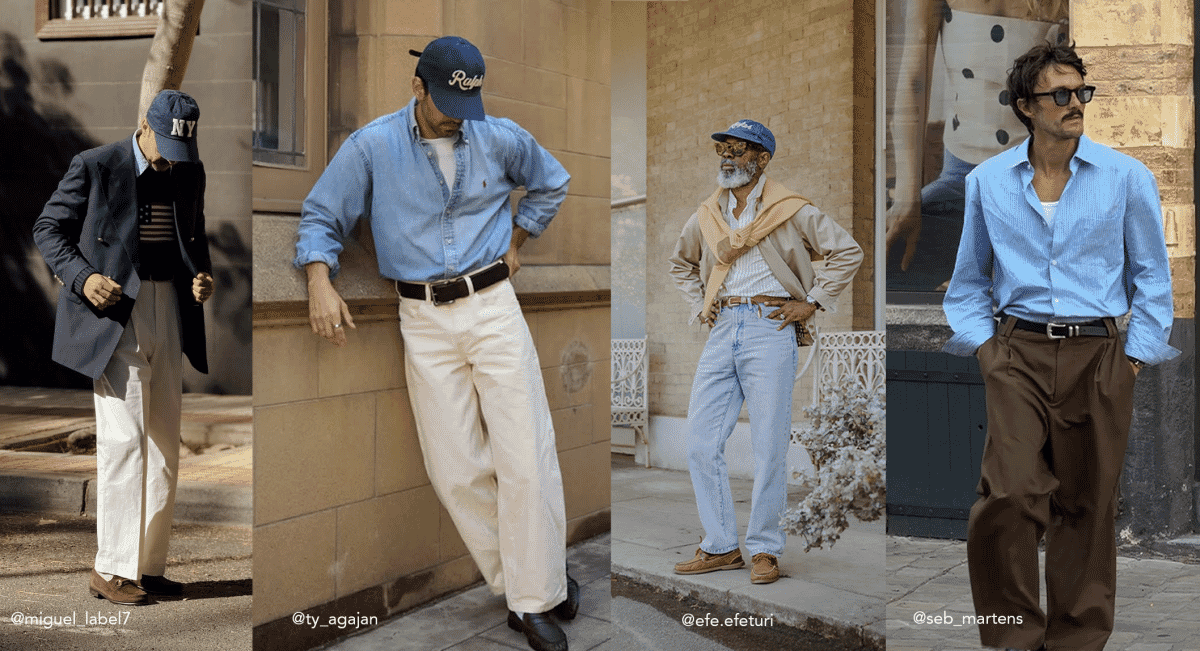
Left to right, @miguel_label7, @ty_agajan, @efe.efeturi, @seb_martens,
What is old money style
Despite what social media might suggest, old money style isn't really a style at all. It's a way of dressing that emerged from a specific social class, shaped by generations of privilege, education, geography and tradition rather than any conscious attempt to look wealthy.
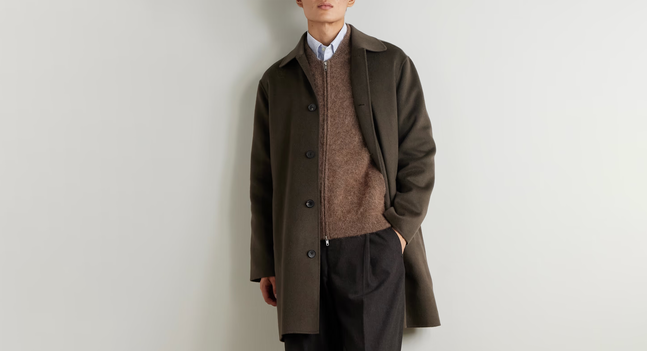
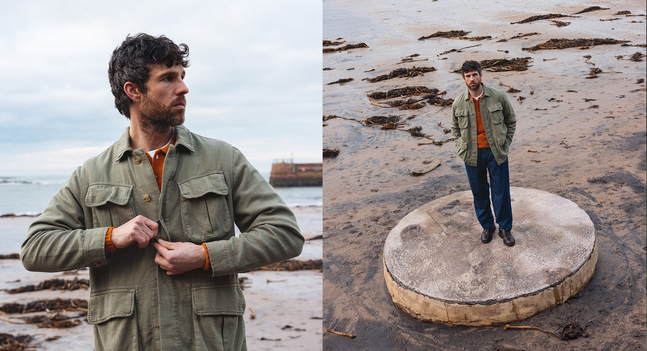
What people now call "old money style" is essentially a blend of Ivy, prep, British country clothing and classic tailoring. Oxford cloth button-down shirts, navy blazers, loafers, Shetland sweaters, chinos, tweed jackets and rugby shirts all fall under the umbrella. These weren't originally luxury items. They were simply practical clothes worn in schools, universities, country clubs and holiday destinations frequented by affluent families.
The defining characteristic isn't expense, but restraint. The clothes tend to be understated, free from obvious branding and rooted in tradition rather than trends. A well-worn Barbour jacket or faded Oxford shirt often fits the aesthetic better than something brand new and obviously expensive.
That's also why many online interpretations miss the mark. Old money style isn't about looking rich. It's about dressing in a way that suggests you never felt the need to prove you were.
11 Old Money Style Brands that Won't Break the Bank
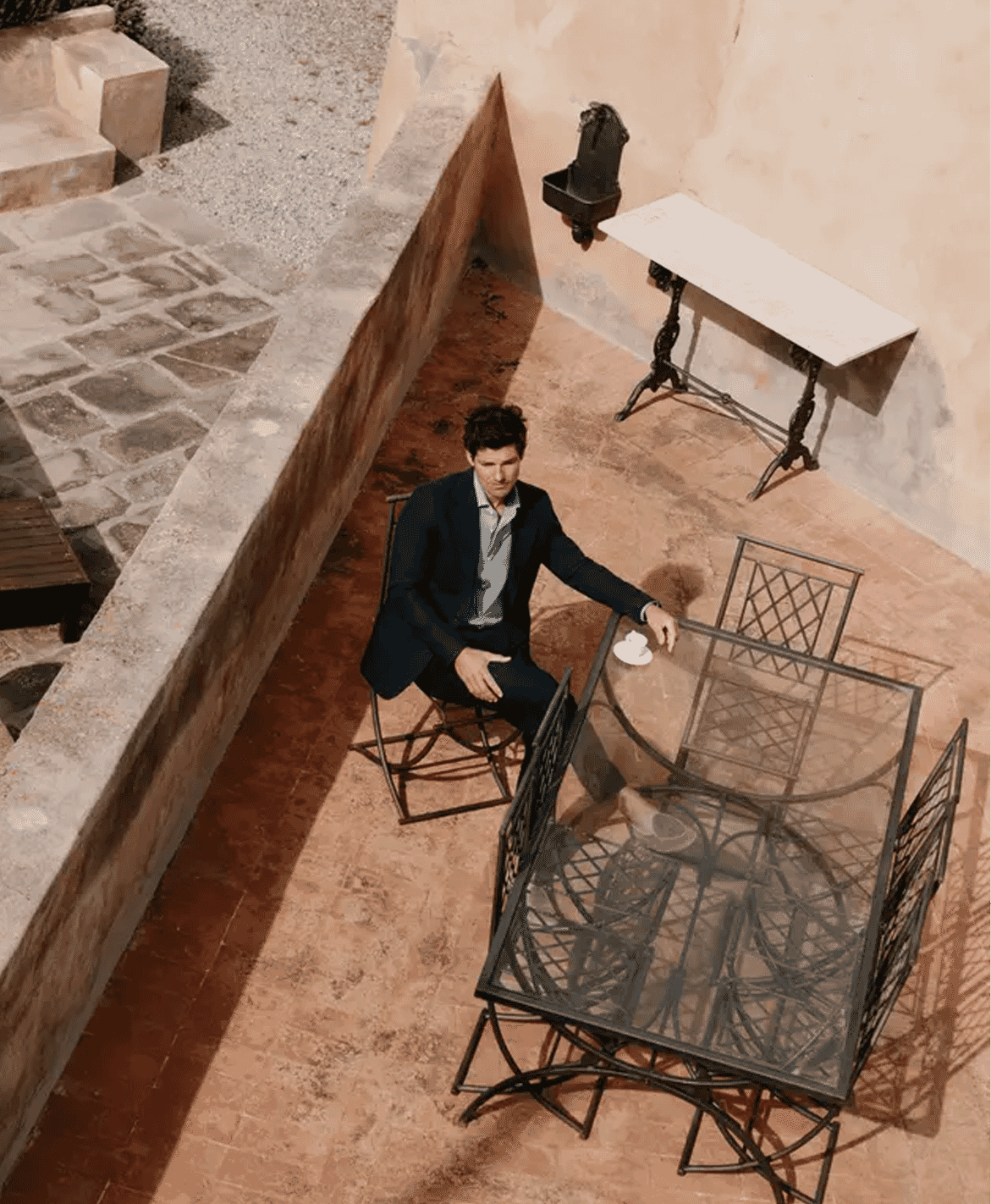
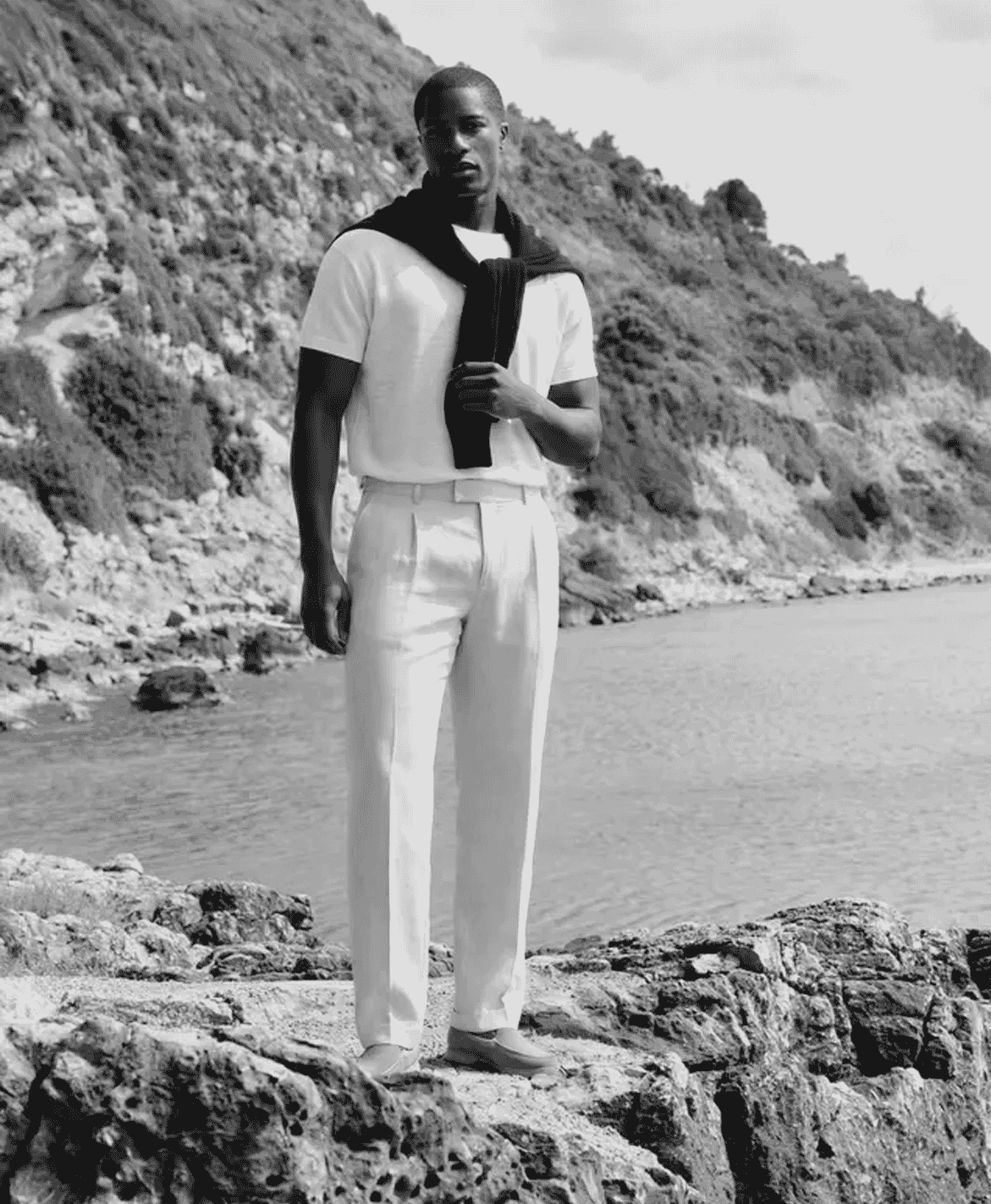
Luca Faloni
Luca Faloni promises the finest materials sourced from prestigious Italian producers, including pure cashmere, silk-cashmere, linen, and brushed cotton. Each design is crafted with sustainability and durability in mind, ensuring timeless pieces that elevate any wardrobe.
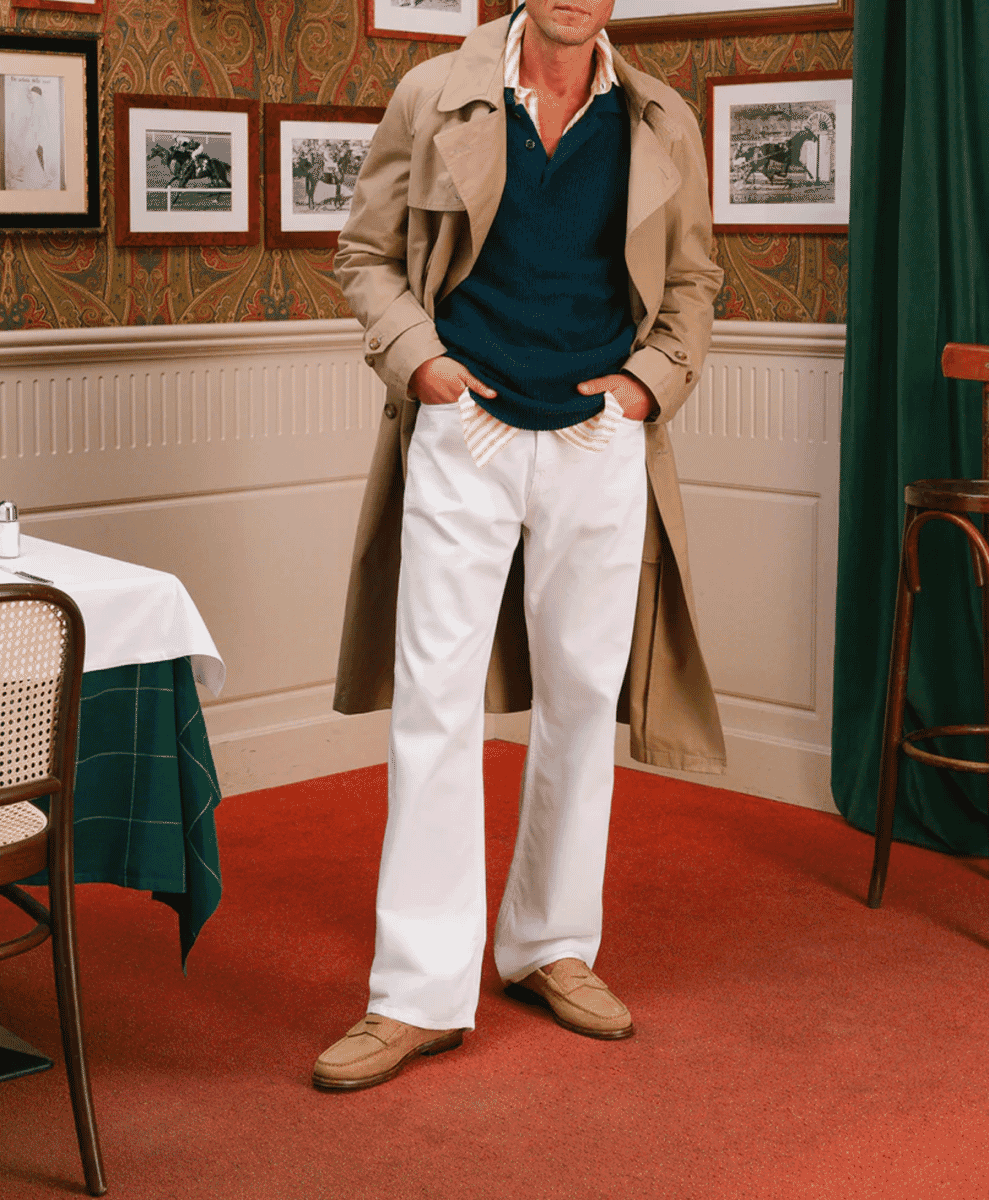
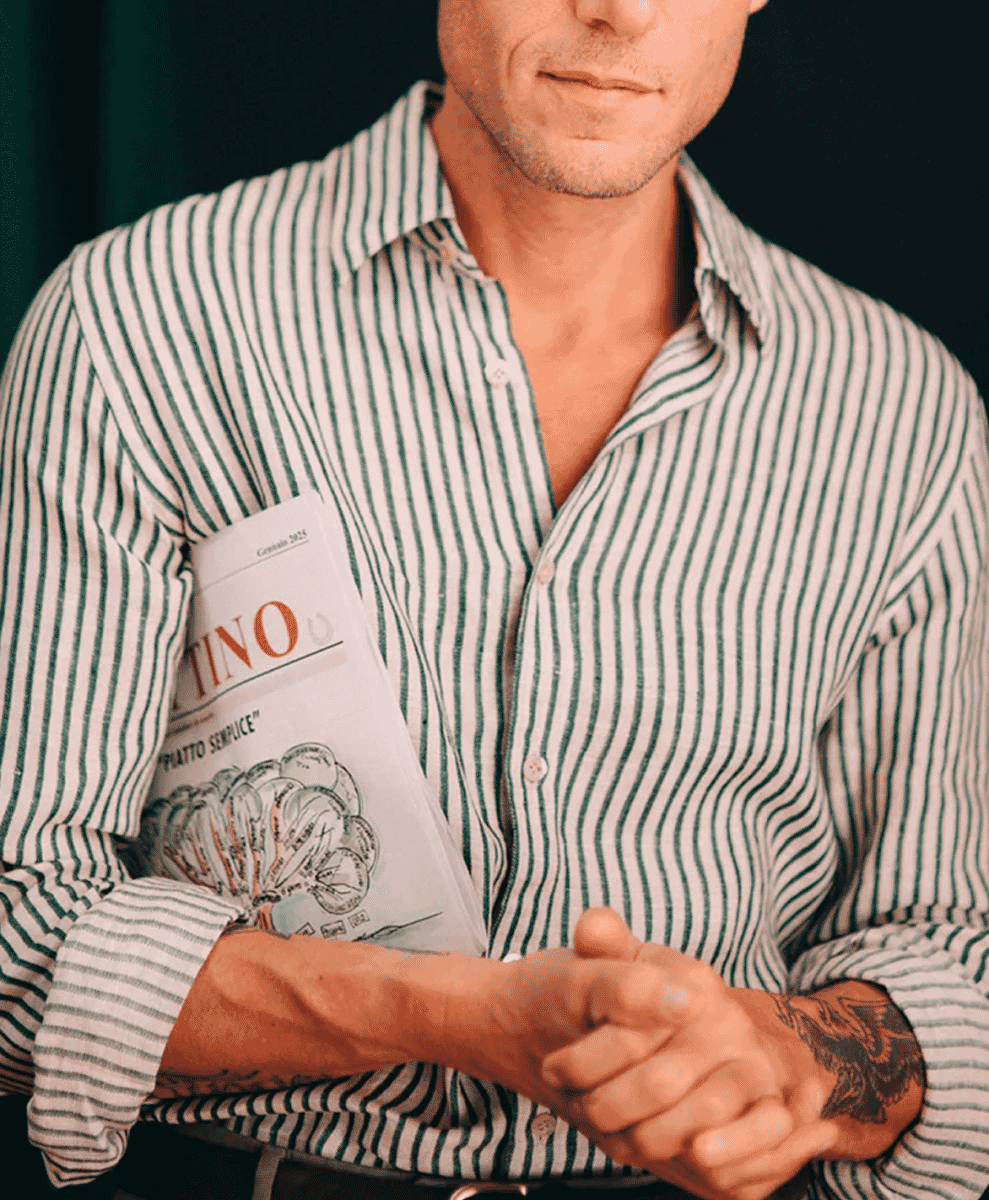

Velasca
Embracing the beauty of artisanship and timeless design, Velasca delivers footwear and clothing that transcends fashion trends. With a focus on freedom and quality, Velasca celebrates craftsmanship and heritage, offering pieces that stand the test of time.

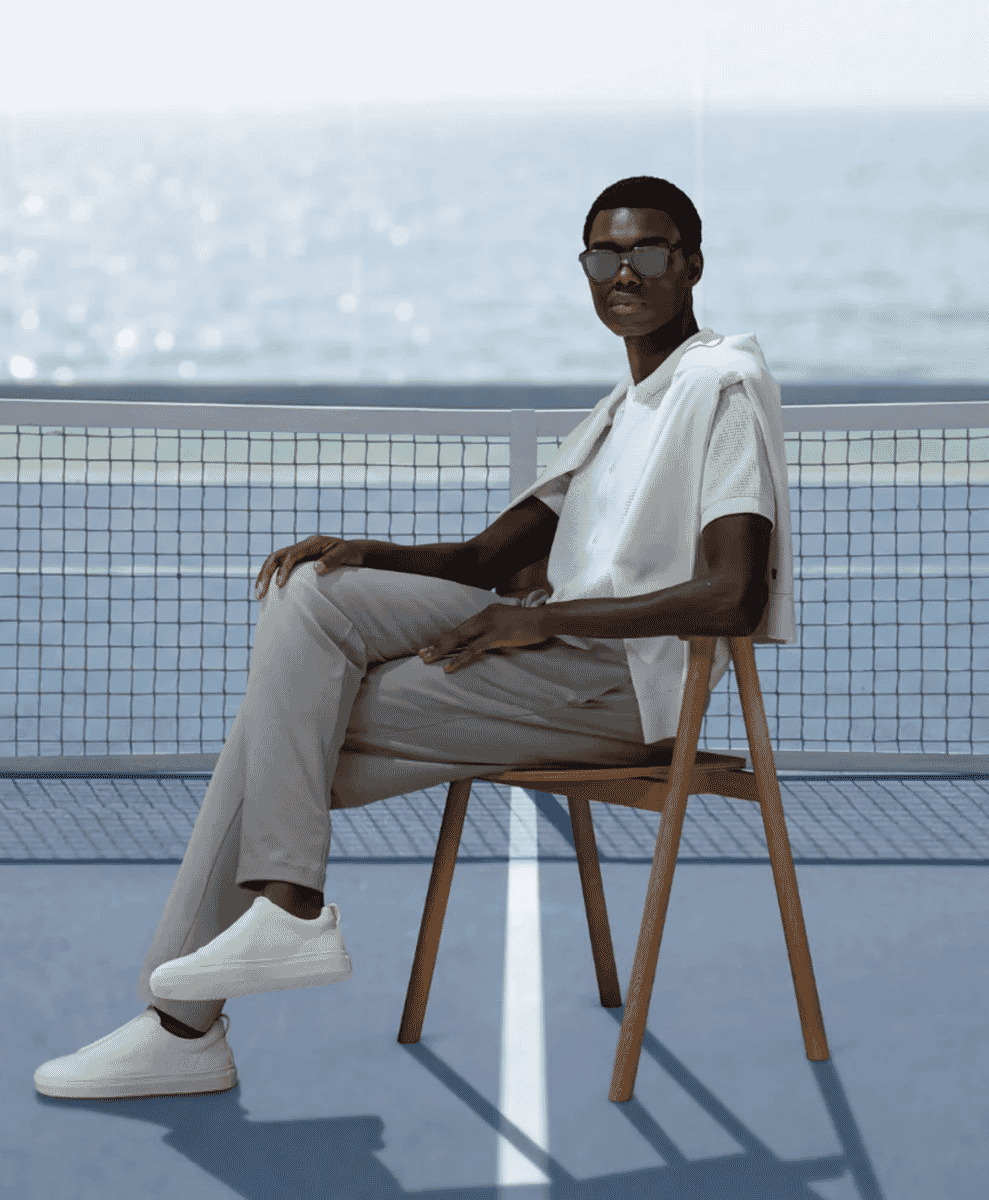
WAHTS
WAHTS brings a more modern edge to old money dressing. Clean, understated and quietly refined, the brand focuses on elevated essentials that sit somewhere between smart casual and off-duty luxury. Think soft tailoring, premium knitwear, sharp outerwear and everyday pieces that feel polished without trying too hard. A more contemporary take on quiet wealth.
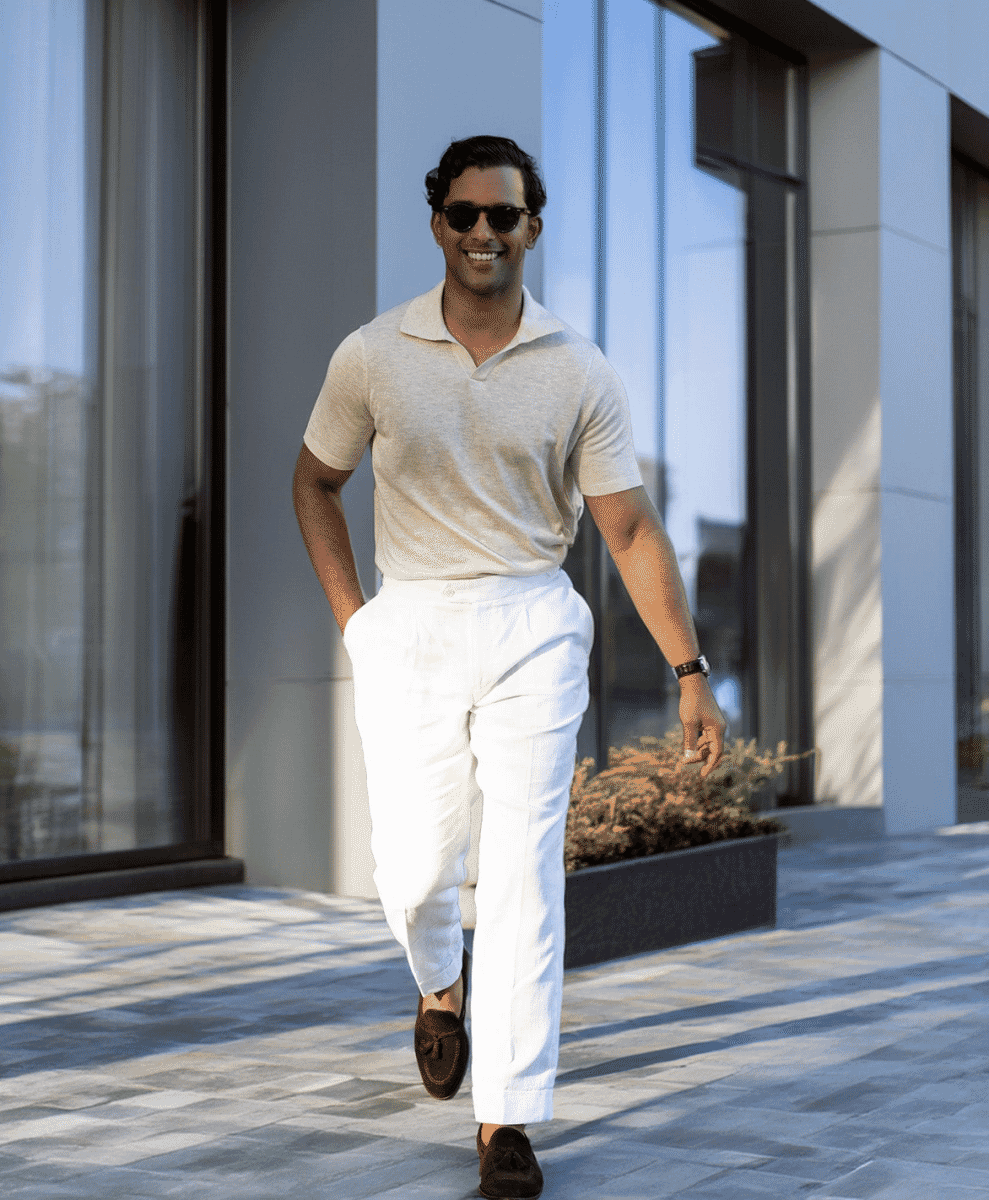

Collars & Co.
For the gentleman who values comfort without sacrificing style, Collars & Co. offers luxury polos designed to resemble dress shirts. Made from lightweight, wrinkle-resistant polyester, these polos provide the perfect blend of sophistication and comfort for the modern man.
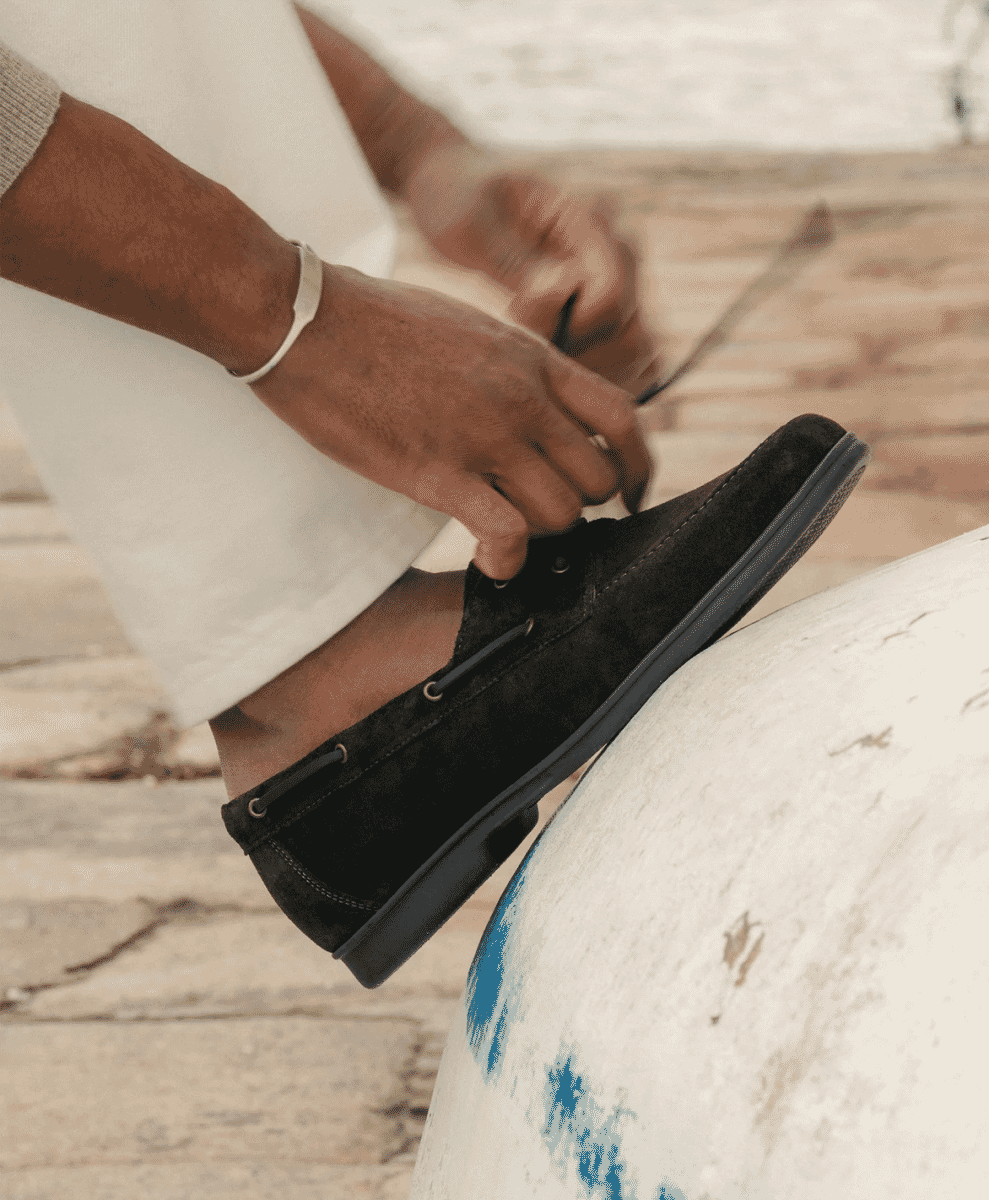
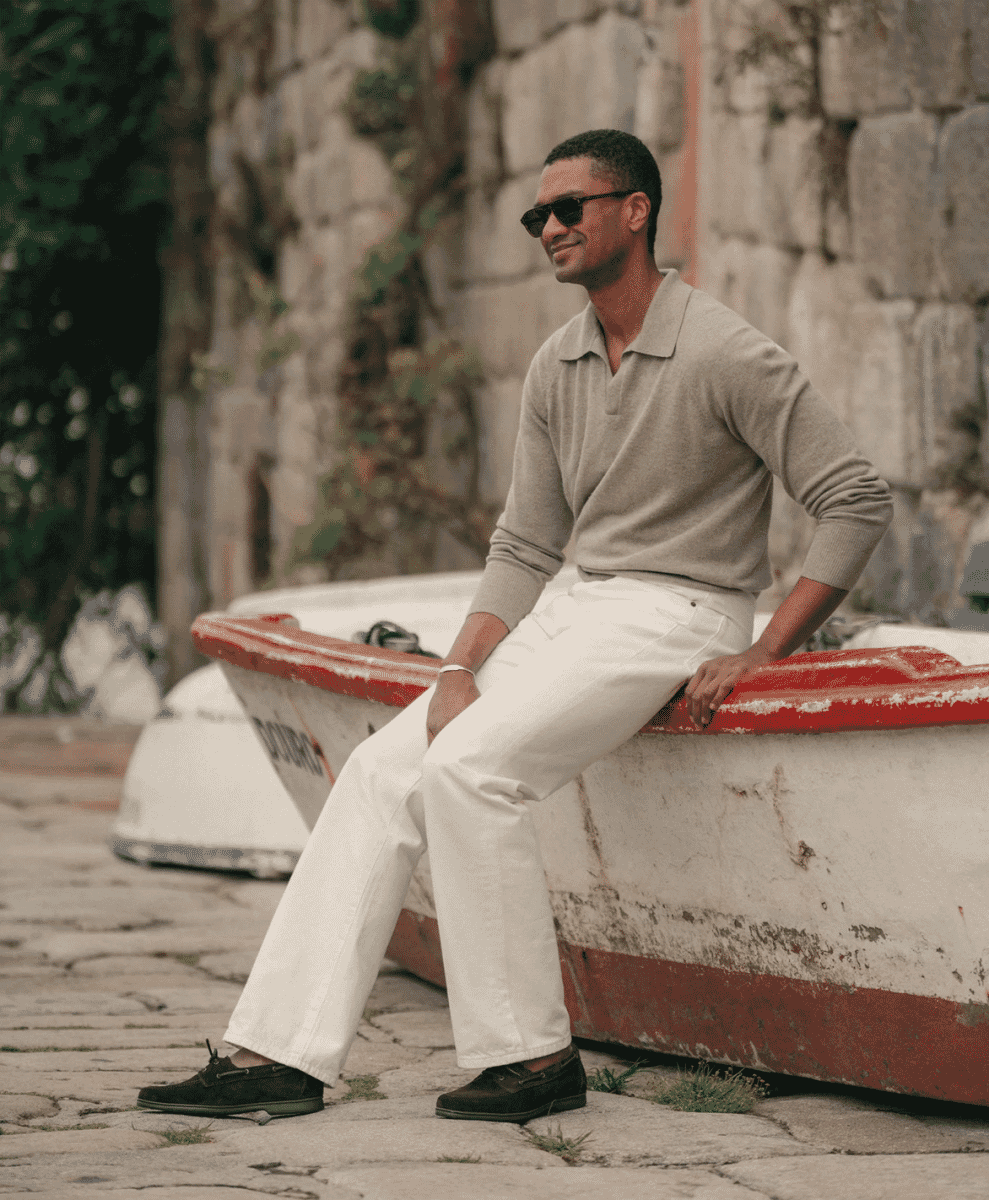
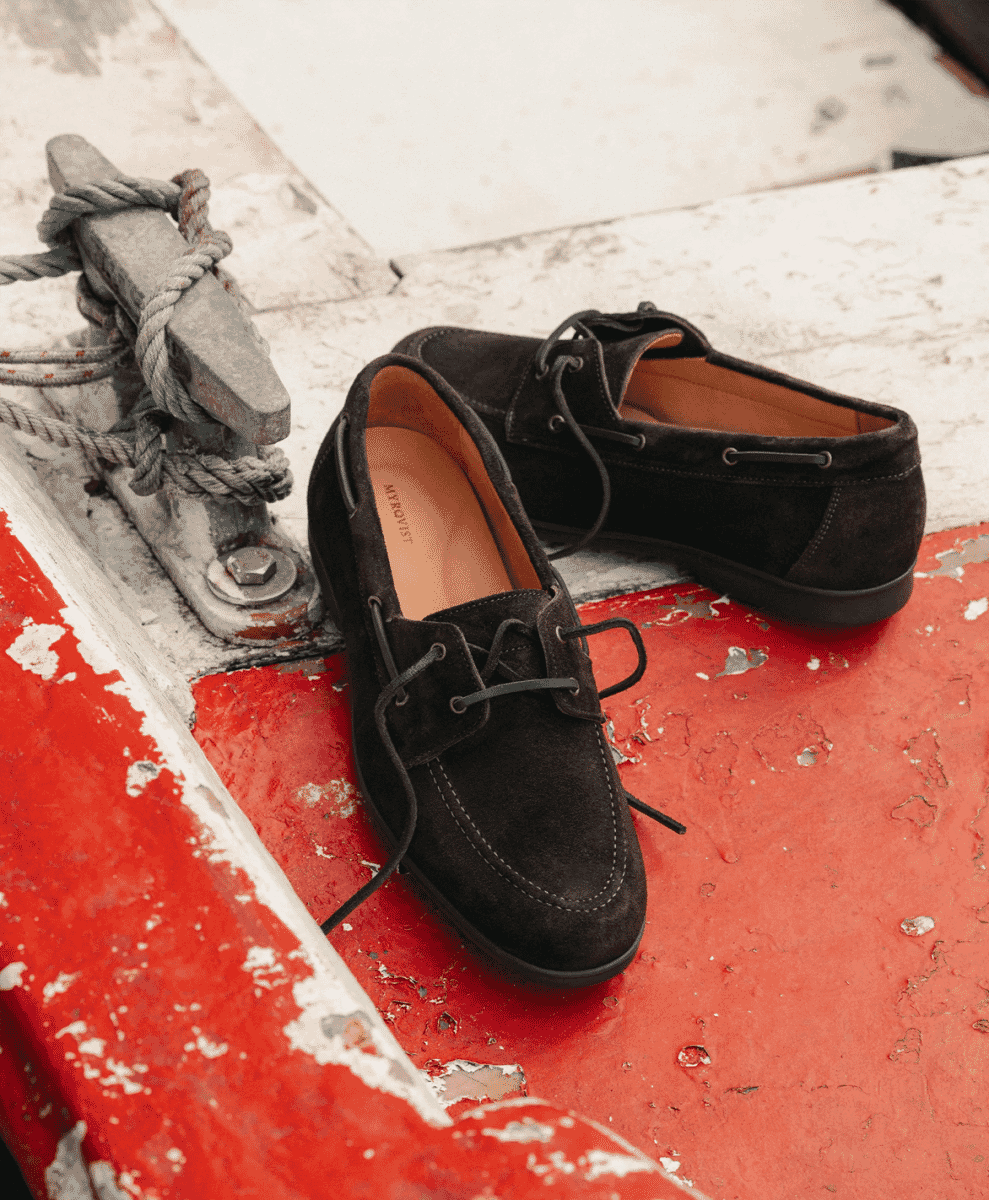
Myrqvist
Myrqvist brings Scandinavian restraint to old money dressing. Clean, refined and beautifully understated, the brand focuses on timeless footwear made to sharpen everyday outfits. Think penny loafers, suede derbies, classic boots and polished shoes that sit neatly beneath tailored trousers, denim or chinos. Quiet, considered and built to last.
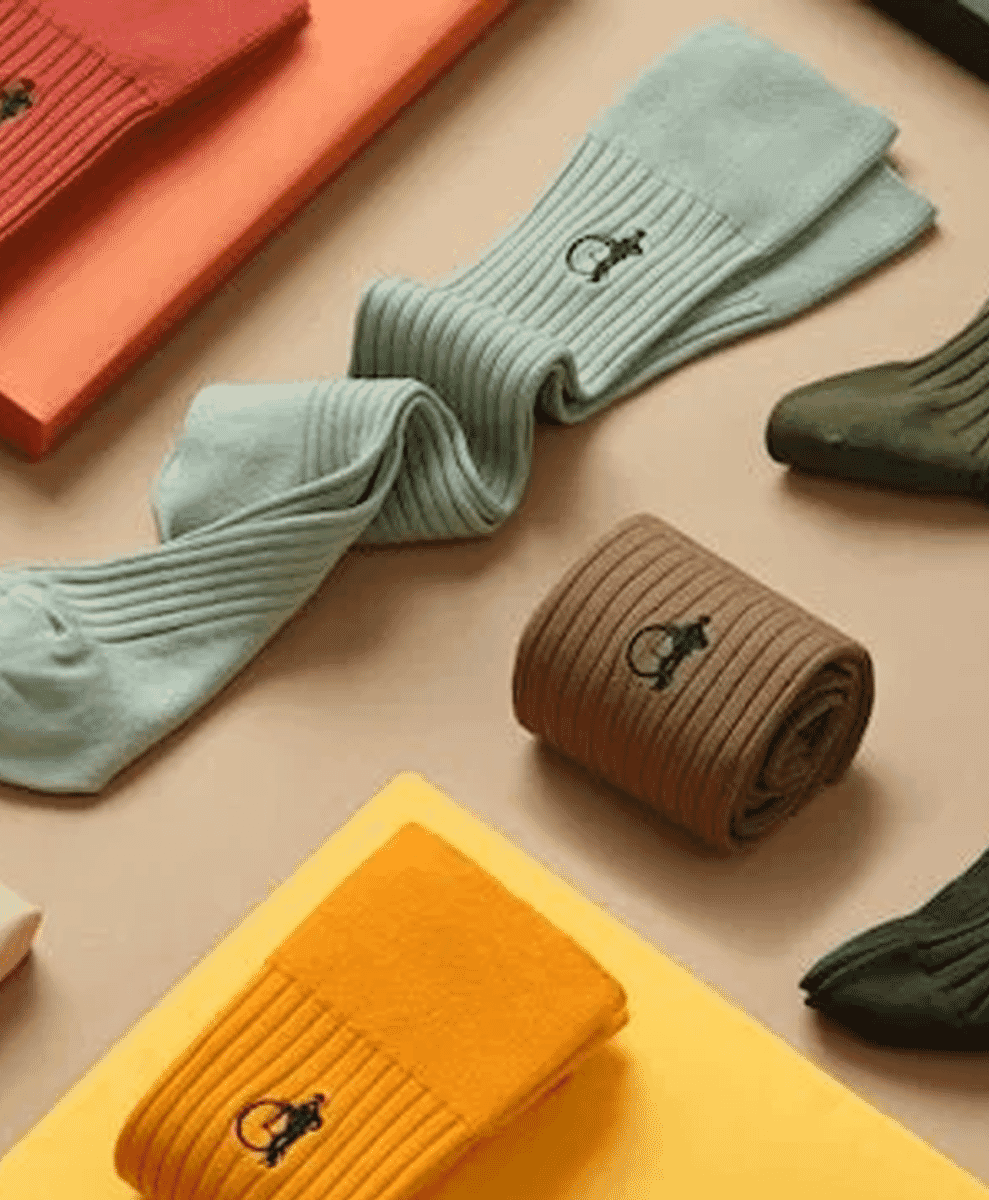
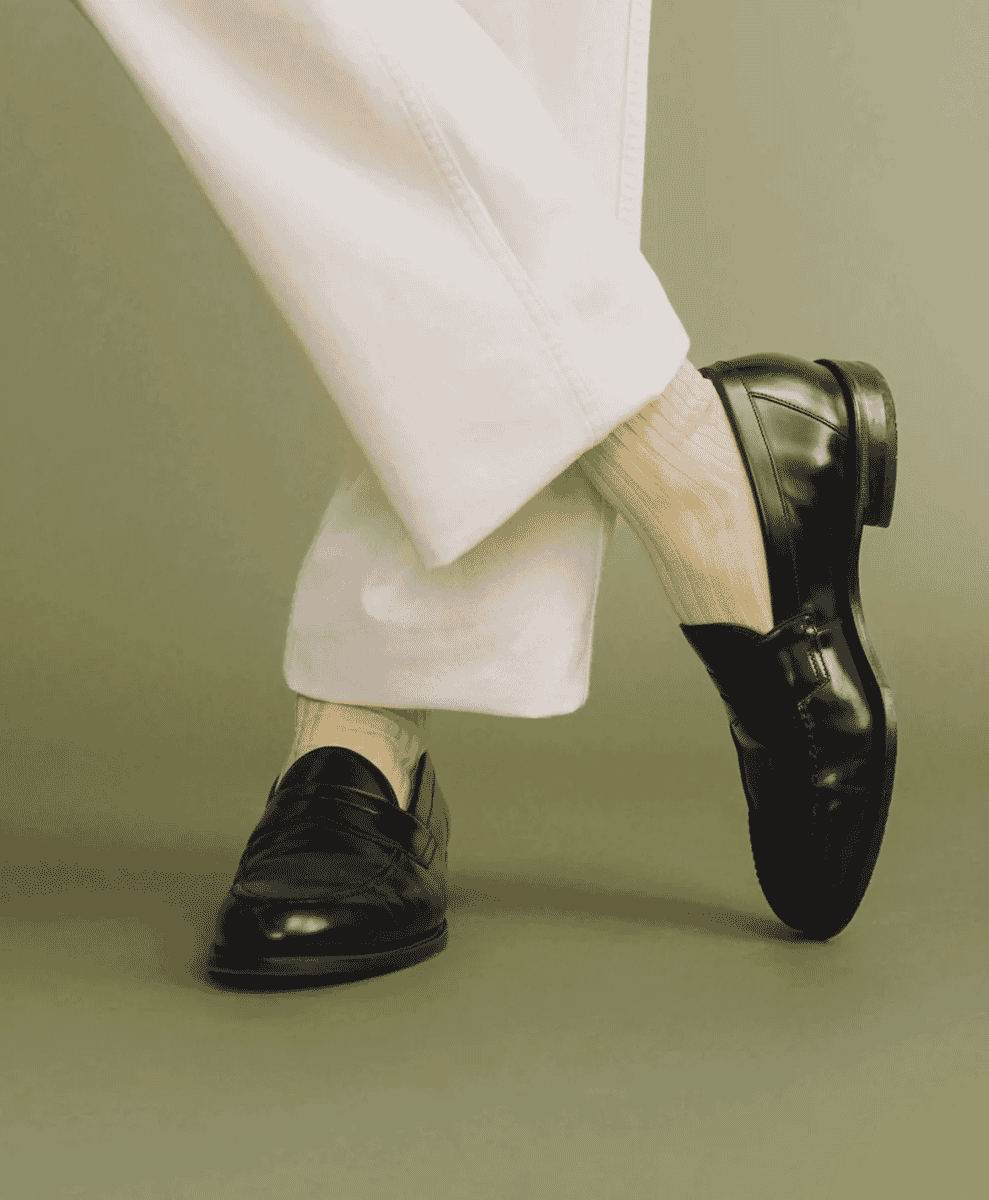
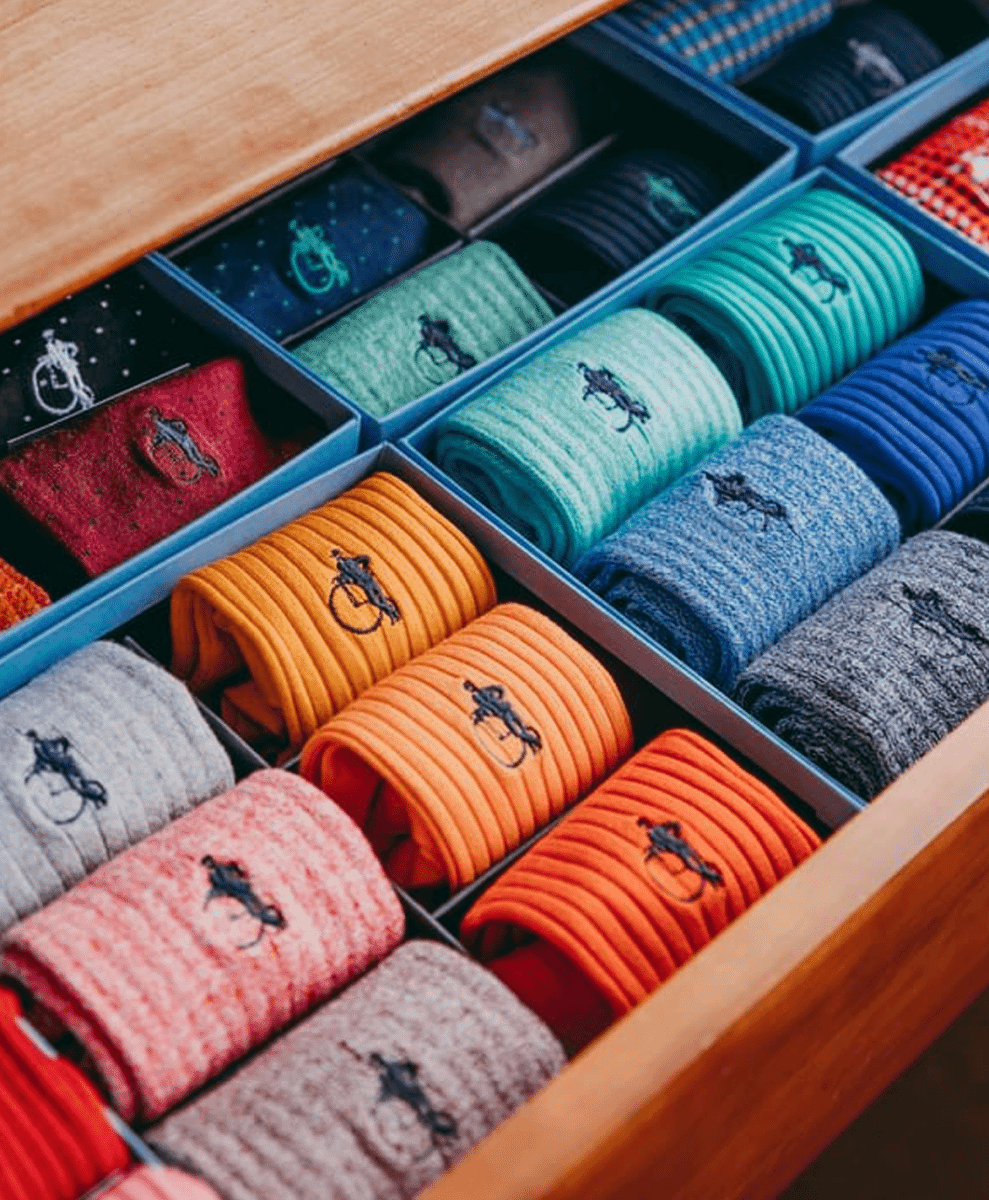
London Sock Company
Founded in 2013 by Ryan Palmer and Dave Pickard, London Sock Company built its name on the idea that socks should be more than an afterthought. Fine cotton, rich colours and quietly confident patterns bring a considered finish to tailoring, loafers and weekend dressing. Old money style, right down to the ankles.
Ralph Lauren
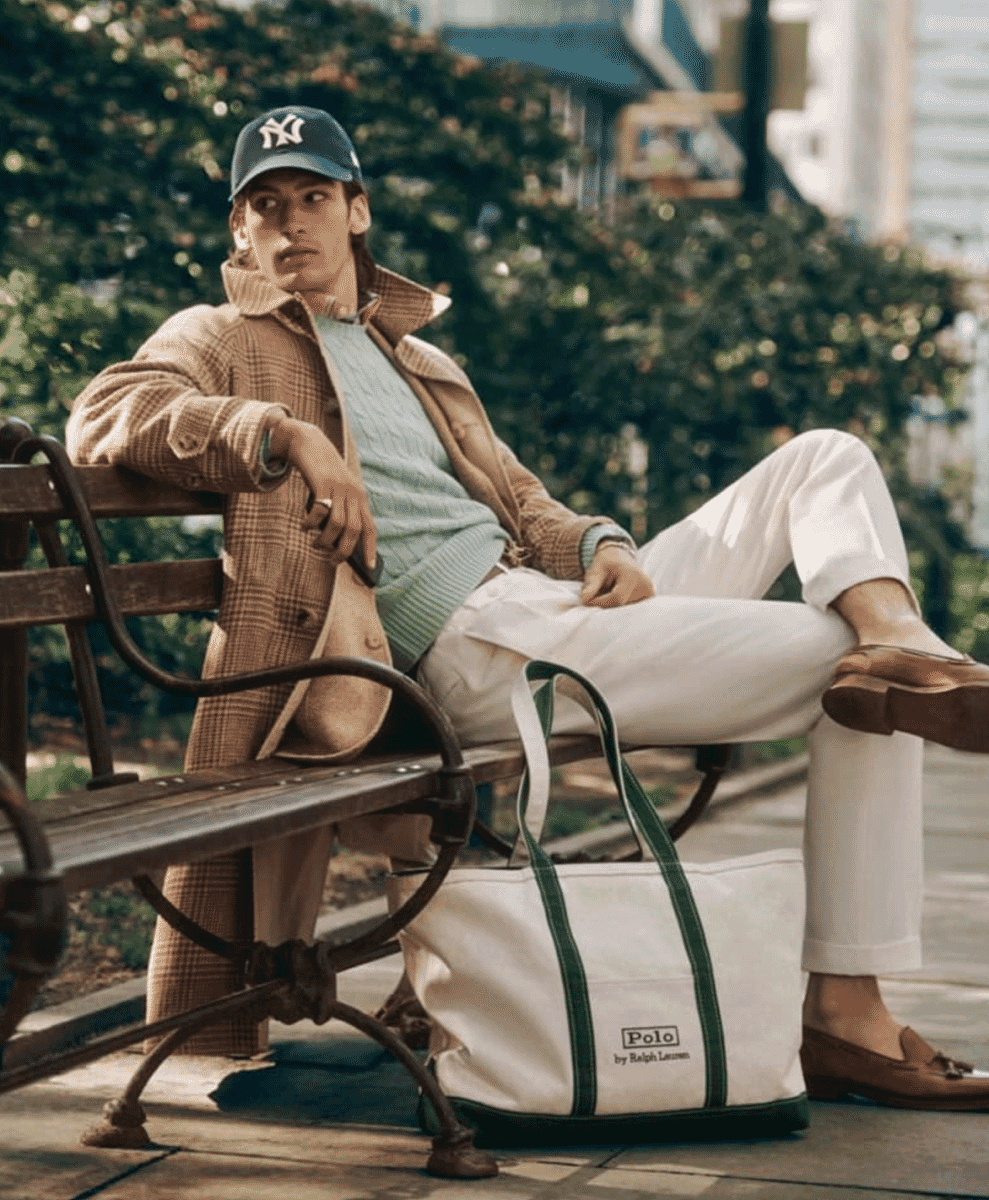
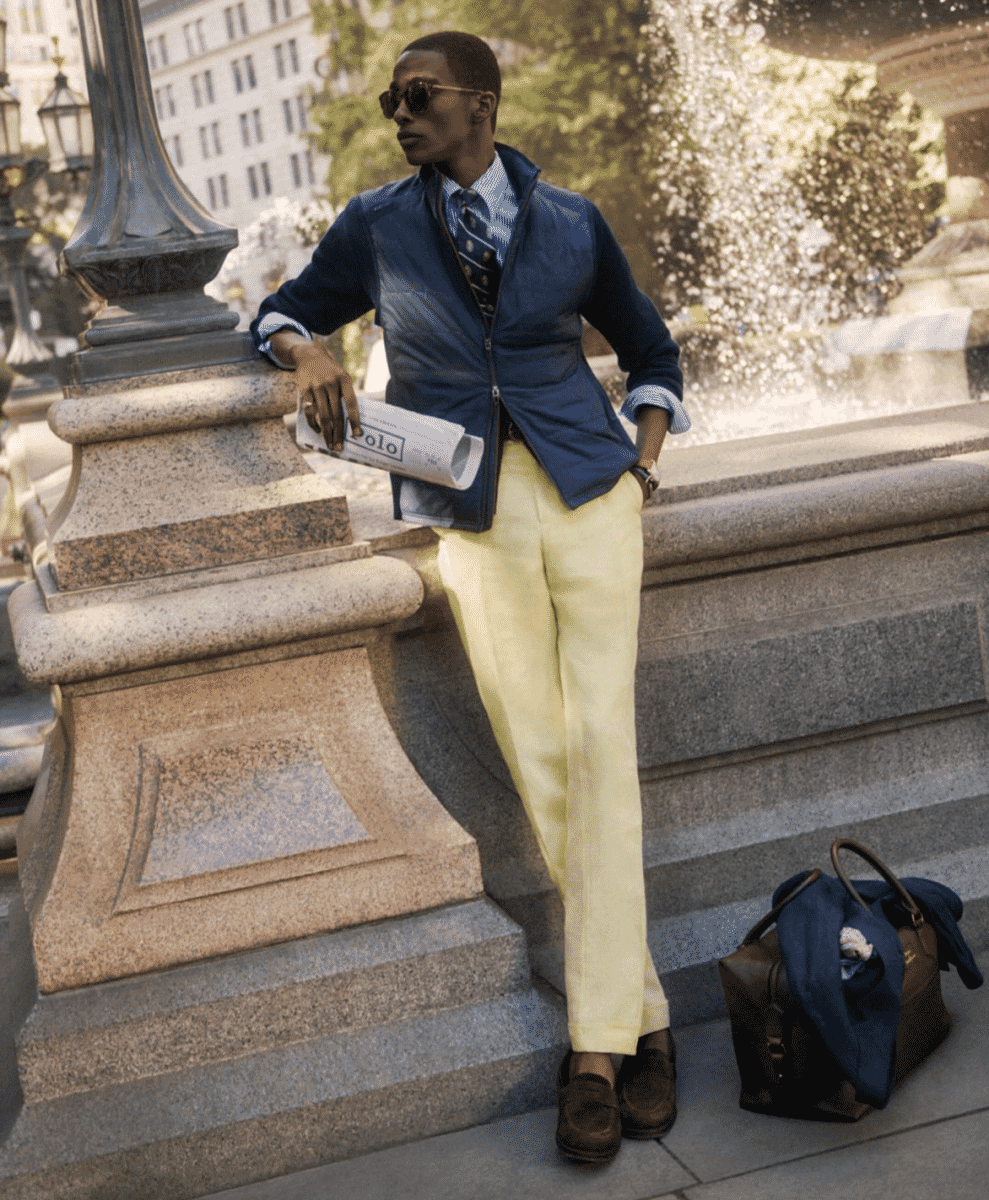
With a legacy rooted in timeless American style, Ralph Lauren has long defined the look of modern old money dressing. From Oxford shirts and cable-knit jumpers to tailored blazers and classic polo shirts, the brand offers polished wardrobe staples that feel effortless, refined and quietly confident. Think heritage prep, country-club ease and pieces that never need to shout.

Barbour
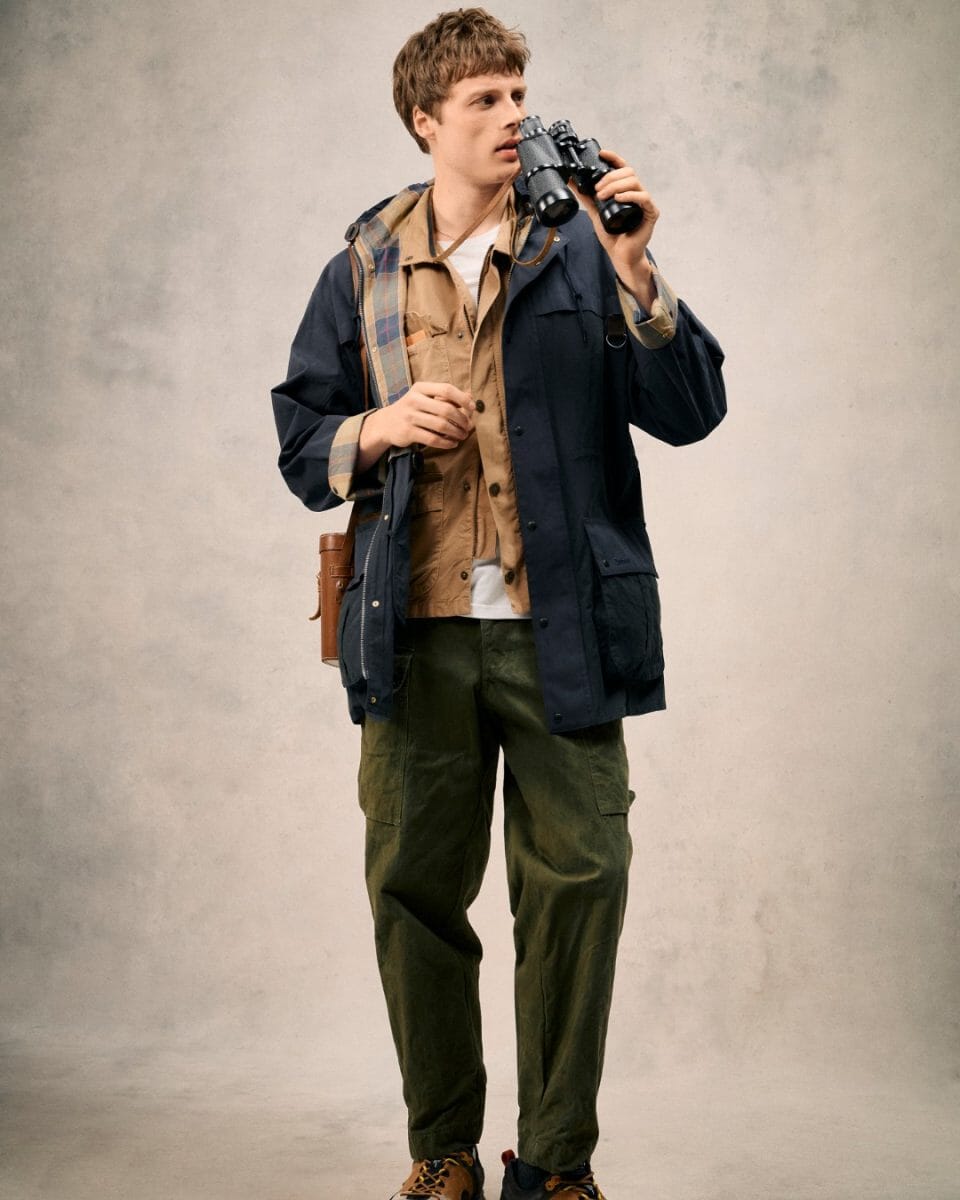
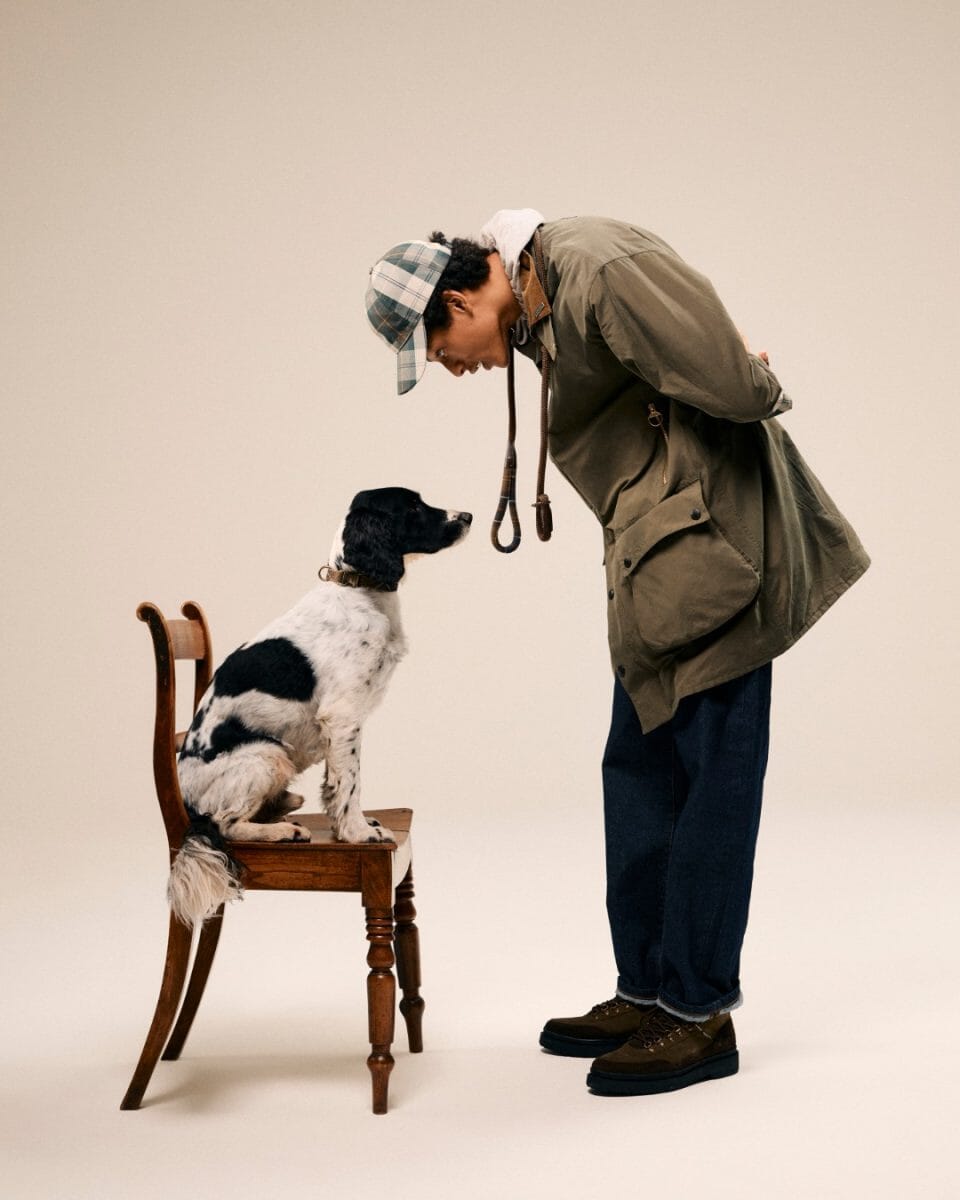
Born in the British countryside, Barbour has built its name on clothing made for weather, work and weekends outdoors. Its waxed jackets, quilted gilets and checked shirts carry a quiet kind of polish. Practical, familiar, and unmistakably classic. Less showy old money, more inherited Land Rover energy.

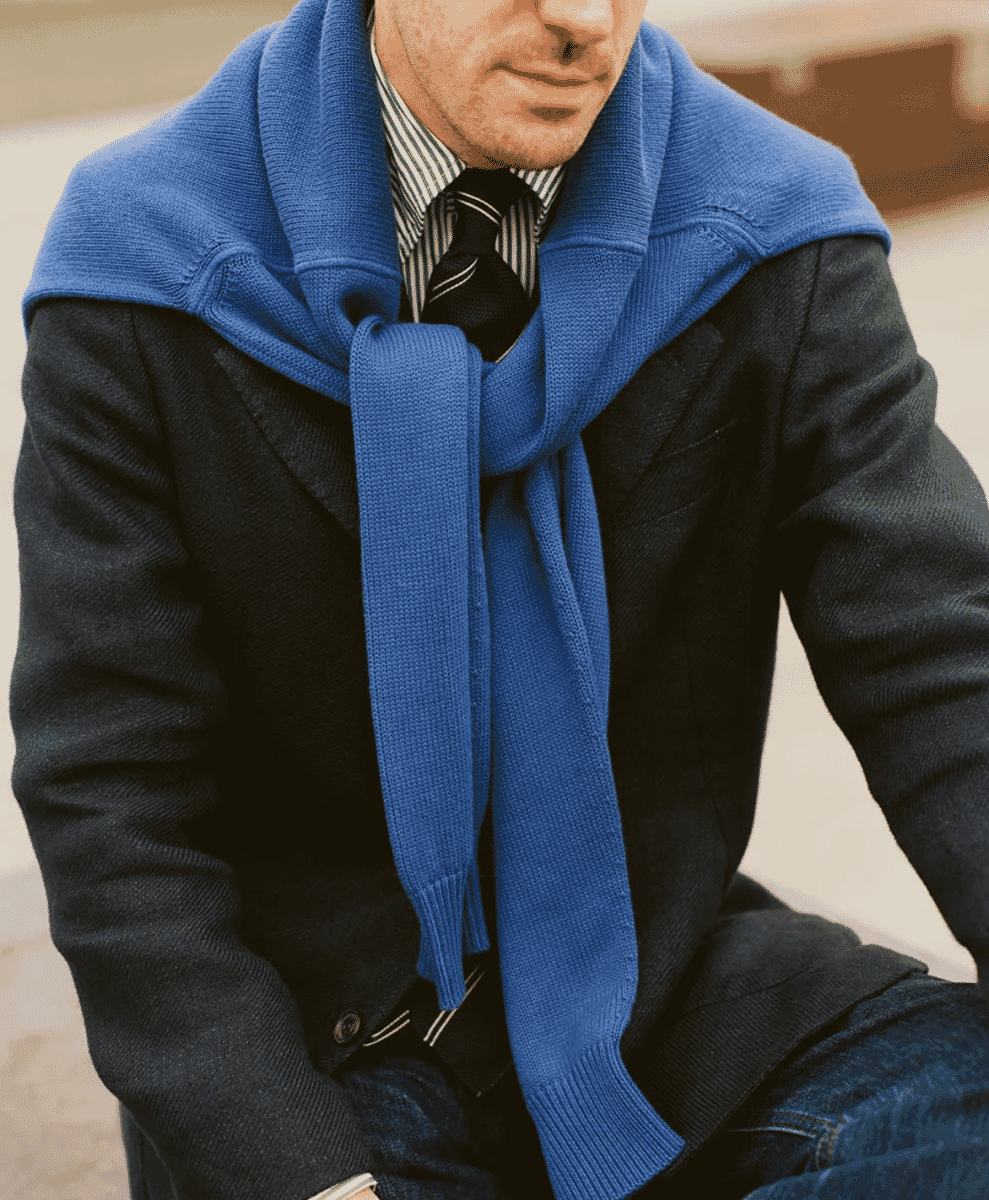

Drake's
Before Drake’s became a cult name in modern menswear, it was an East London maker of scarves, shawls and, later, handmade silk ties. That explains the appeal: colour, texture and craft, worn with the ease of someone who knows exactly what they’re doing. Old money style, but with better taste in ties.

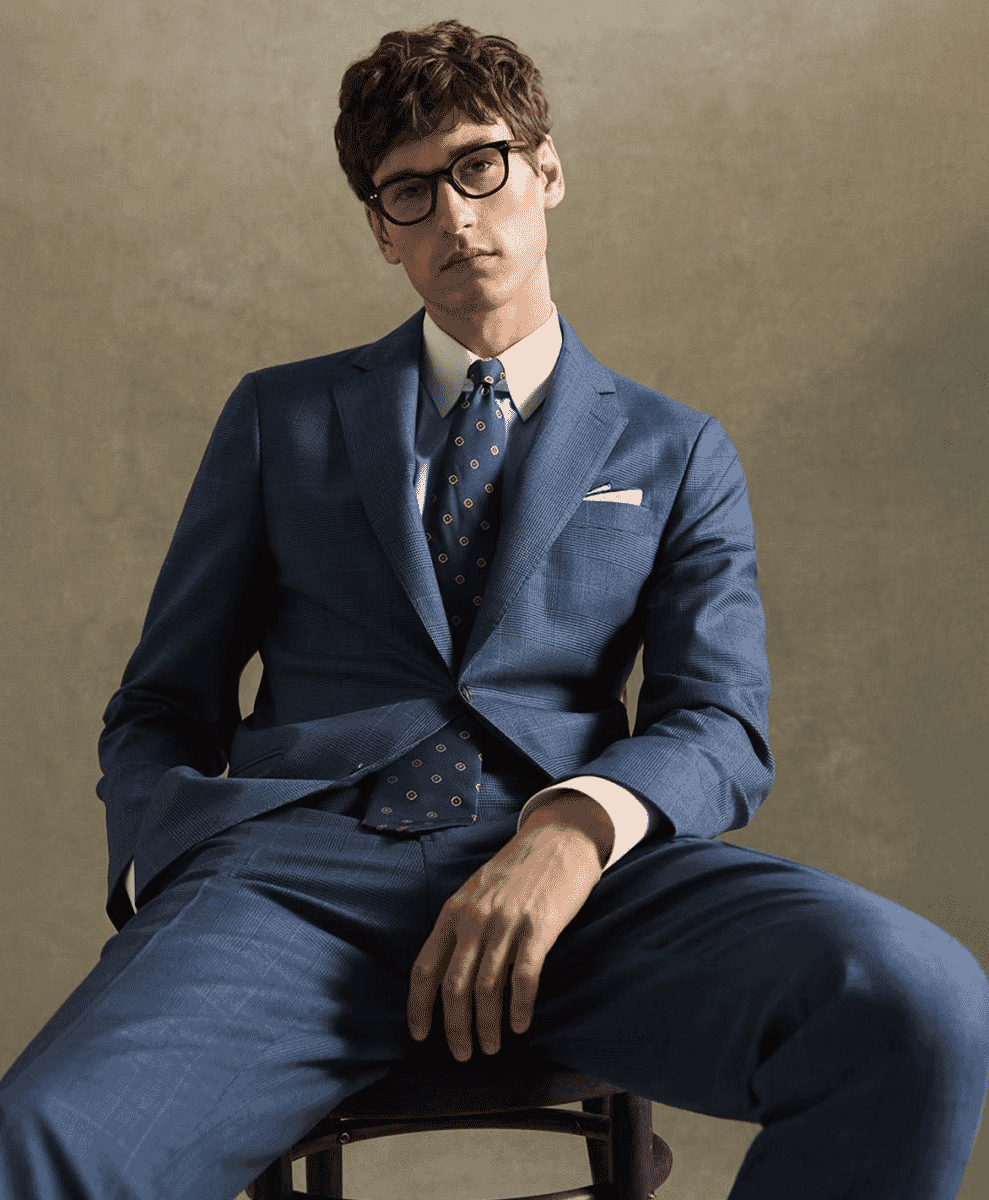
Brooks Brothers
Founded in New York in 1818, Brooks Brothers is one of the original names in American old money style. The brand helped introduce ready-to-wear tailoring to the US and gave the world the button-down collar after John E. Brooks spotted polo players pinning down their collars in England. Think Oxford shirts, navy blazers, chinos and tailoring with Ivy League polish.
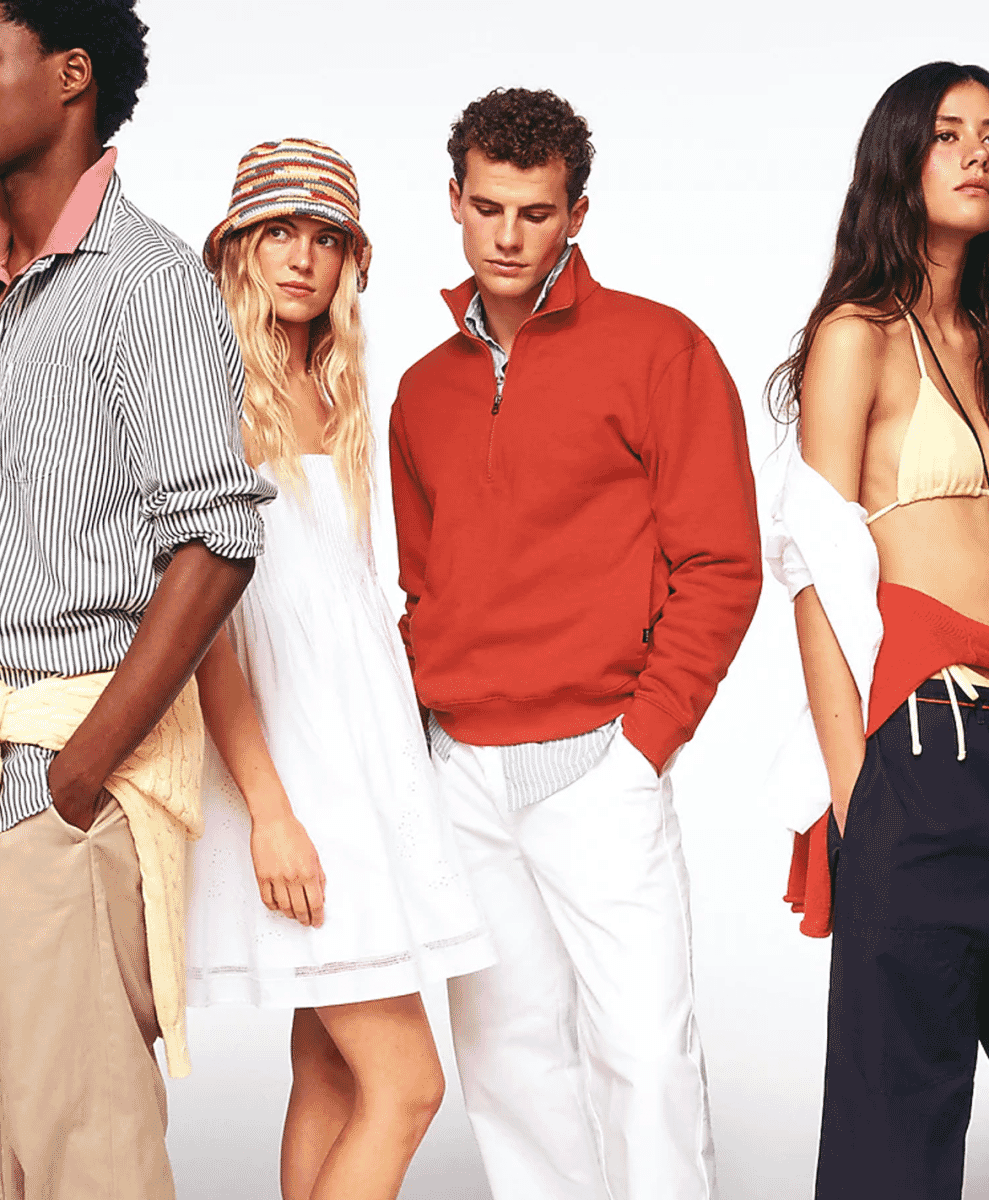
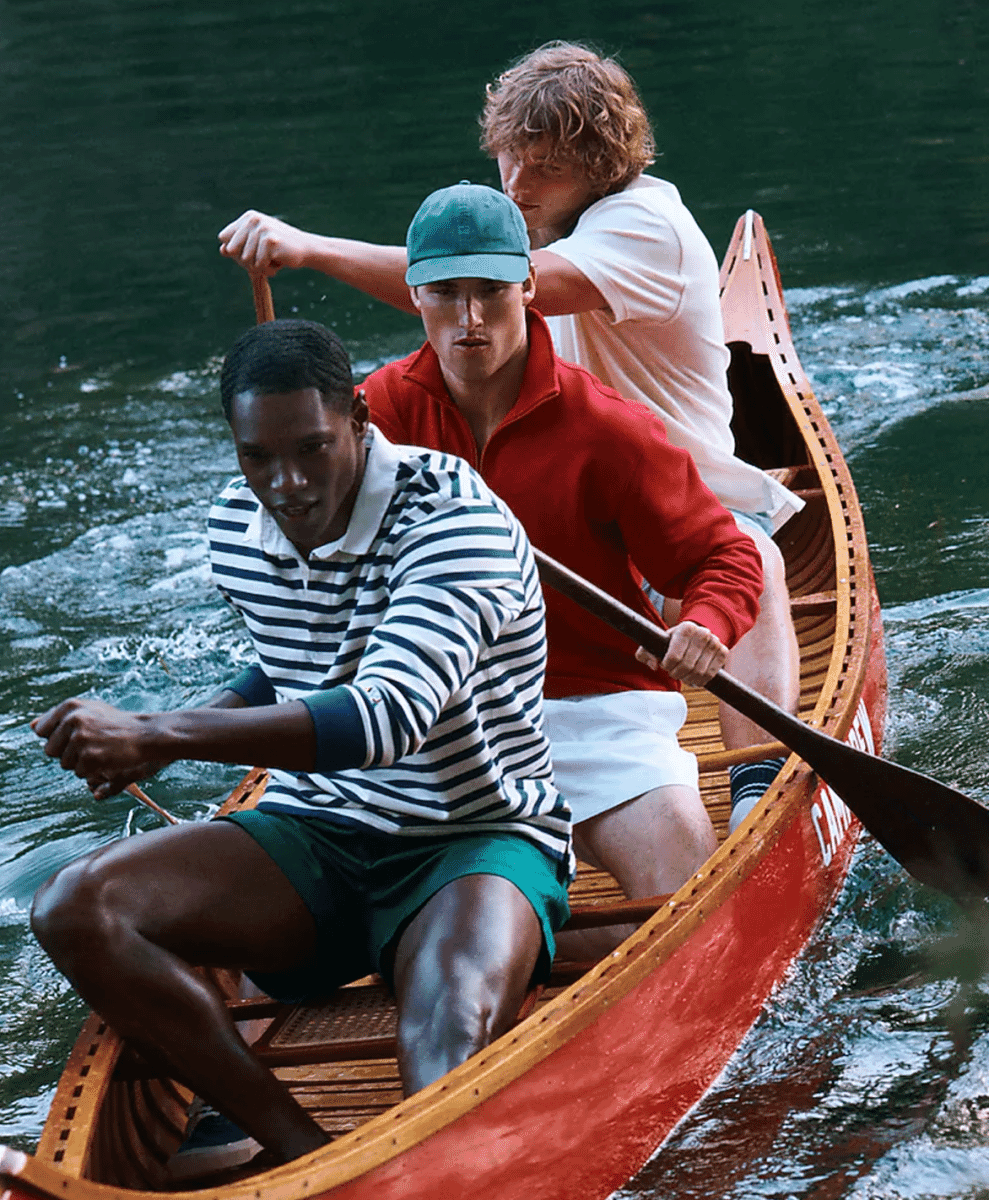

J.Crew
J.Crew does old money with a distinctly American accent. Born from the golden age of catalogue dressing, the brand built its name on preppy staples that felt less boardroom, more weekend in Martha’s Vineyard. Oxford shirts, chinos, rugby tops, cotton jumpers and softly tailored jackets. Familiar pieces, worn with just enough nonchalance.