Look down. Assuming you’re wearing shoes, you are probably staring at a product that took approximately 200 individual steps across multiple factories to produce. And that’s for the upper alone. As far as Swiss running brand On is concerned, that’s pretty inefficient. Which is why it has developed LightSpray – a cutting-edge robotic production technique that can create one of the super-lightweight uppers for the brand’s new LightSpray Cloudmonster 3 Hyper shoes in around three minutes.
To create the shoe, a robotic arm sprays roughly 1.5 kilometres of filament directly onto a mould, building a seamless upper in one continuous motion. No stitching, no layering, no excess.
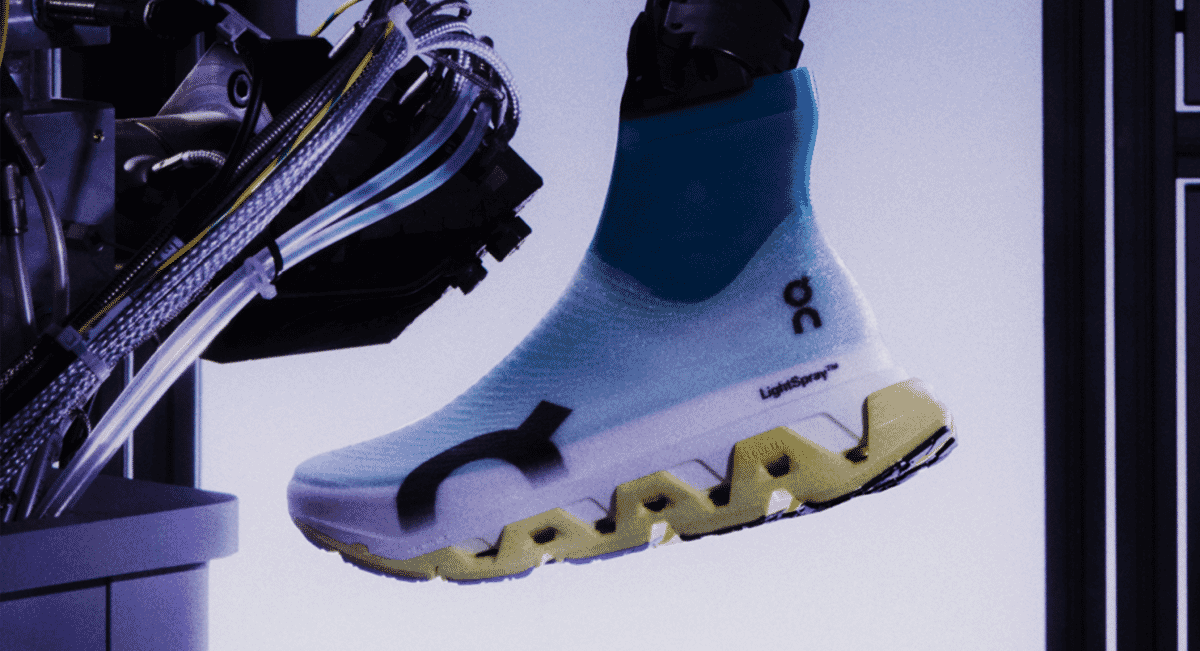
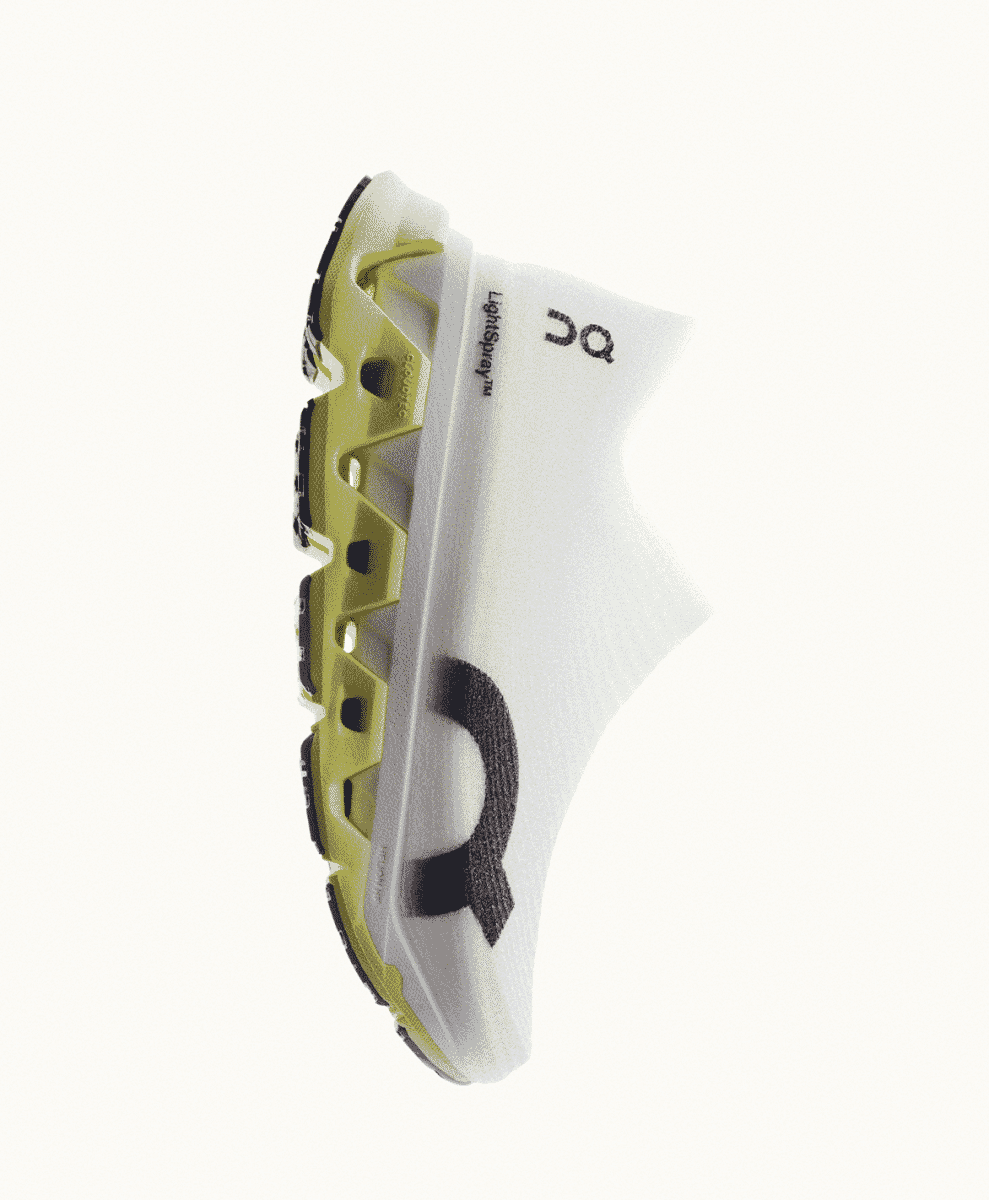
The result is a shoe that feels closer to a space-age slipper than a conventional trainer. The On LightSpray Cloudmonster 3 Hyper weighs in at just 190 grams and ditches laces entirely, relying instead on a one-piece construction designed to wrap the foot like a second skin. It’s positioned as an all-round training shoe – albeit with a focus on faster efforts – but the emphasis is clearly on efficiency. Less weight, less bulk, less interference between you and the run.
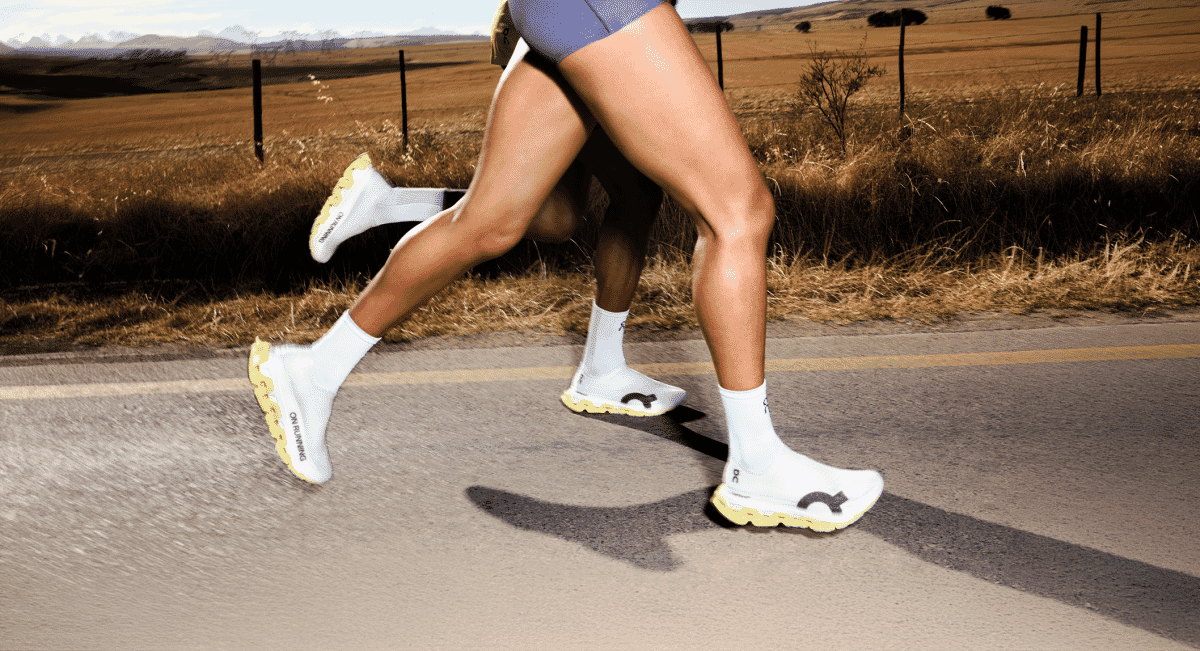
Underfoot, it’s business as usual for On, which means a generous helping of cushioning thanks to the brand's trademark 'pods' and a ride tuned towards responsiveness. The ‘Hyper’ tag isn’t subtle. This is built for faster sessions, higher intensity work and the sort of marginal gains that start to matter for those who take their running seriously.

The future is sprayed
LightSpray has been in development for four years, with On gradually building out the infrastructure to support it. Production has now scaled significantly with a second facility in South Korea, signalling that this isn’t just a concept or a limited experiment. It’s something the brand intends to roll out more widely.
There’s also the environmental angle, which On is keen to push. Fewer steps mean less energy, less material waste and a smaller spatial footprint. The brand claims a lower carbon impact compared to its existing racing models, based on internal lifecycle assessments. As ever, those claims are worth taking with a pinch of salt, but the direction of travel is clear.

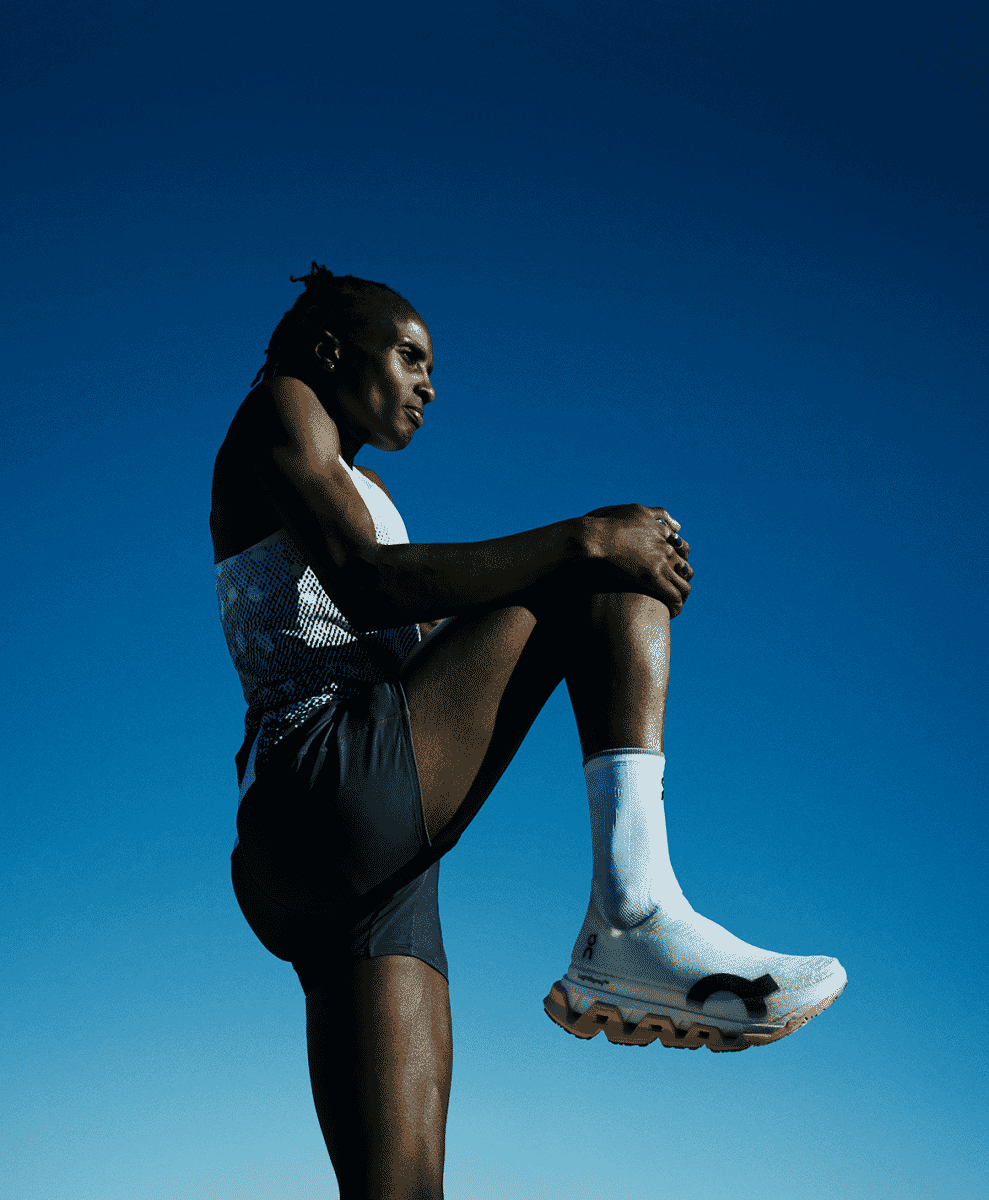
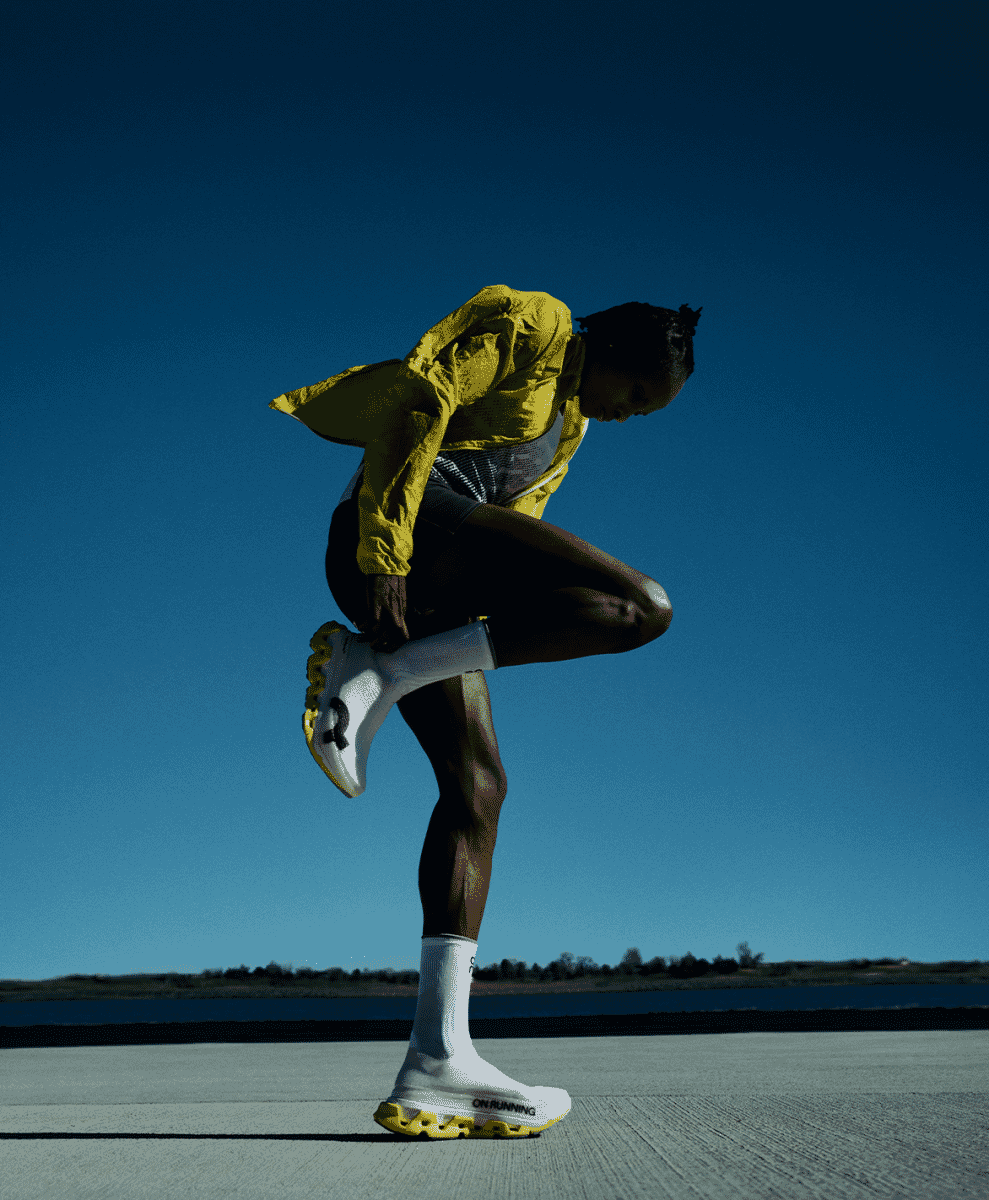
For context, this isn’t happening in isolation. The same process was used to create the On LightSpray Cloudboom Strike, the brand’s lightest race-day shoe to date at 170 grams. That one is aimed squarely at the marathon distance. This new model broadens things out, bringing the technology into everyday training territory.
Whether LightSpray represents the future of footwear or just a particularly slick bit of engineering remains to be seen. But as far as On is concerned, reducing a 200-step process to three minutes isn’t just innovation for the sake of it. It’s a rethink of how a running shoe gets made in the first place.