Defender Rally has unveiled the Defender Dakar D7X-R. It's the vehicle it will take into the 2026 Dakar Rally and its first full World Rally-Raid Championship season. It is a meaningful move for a brand that has been steadily redefining what modern capability looks like. Dakar is where that ambition gets tested in full view.
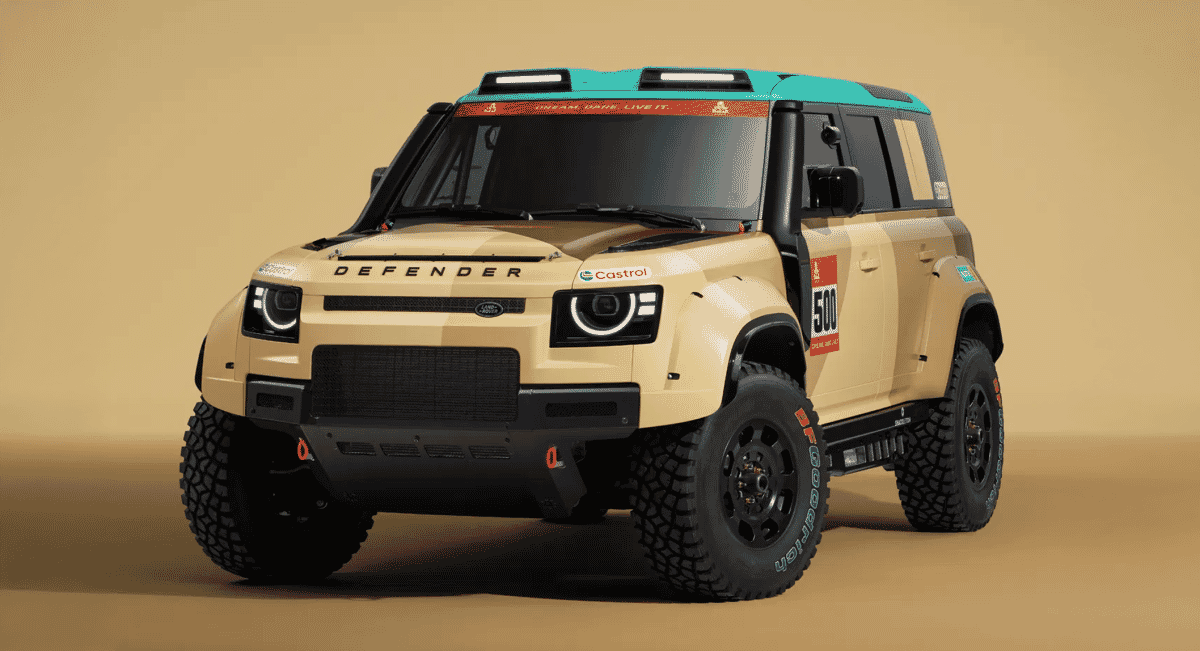
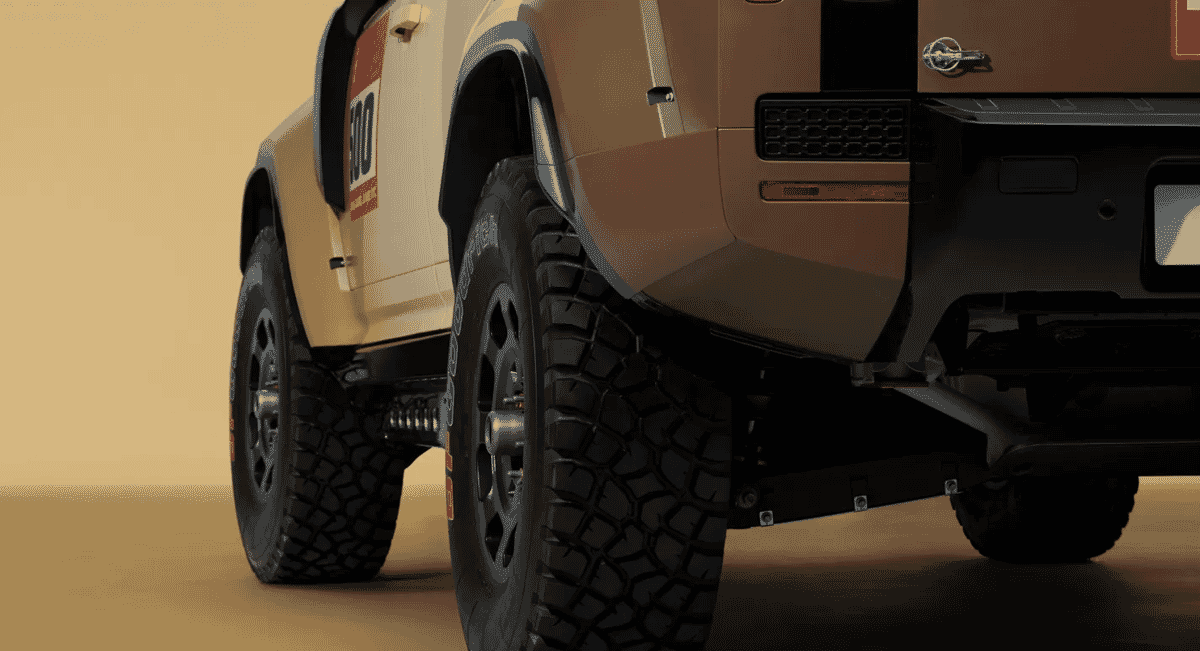
The D7X-R begins life on the same production line as the Defender OCTA in Slovakia. Stock-category rules require the core architecture to remain unchanged. As such, the aluminium D7x body structure, driveline layout and 4.4-litre twin-turbo V8 all stay in place. Everything around that foundation has been adapted for rally-raid conditions. There is a wider track, more ride height, reshaped panels for better approach and departure angles and heavy under-floor protection. The rear seats are replaced with a 550-litre fuel tank secured within an FIA roll cage.
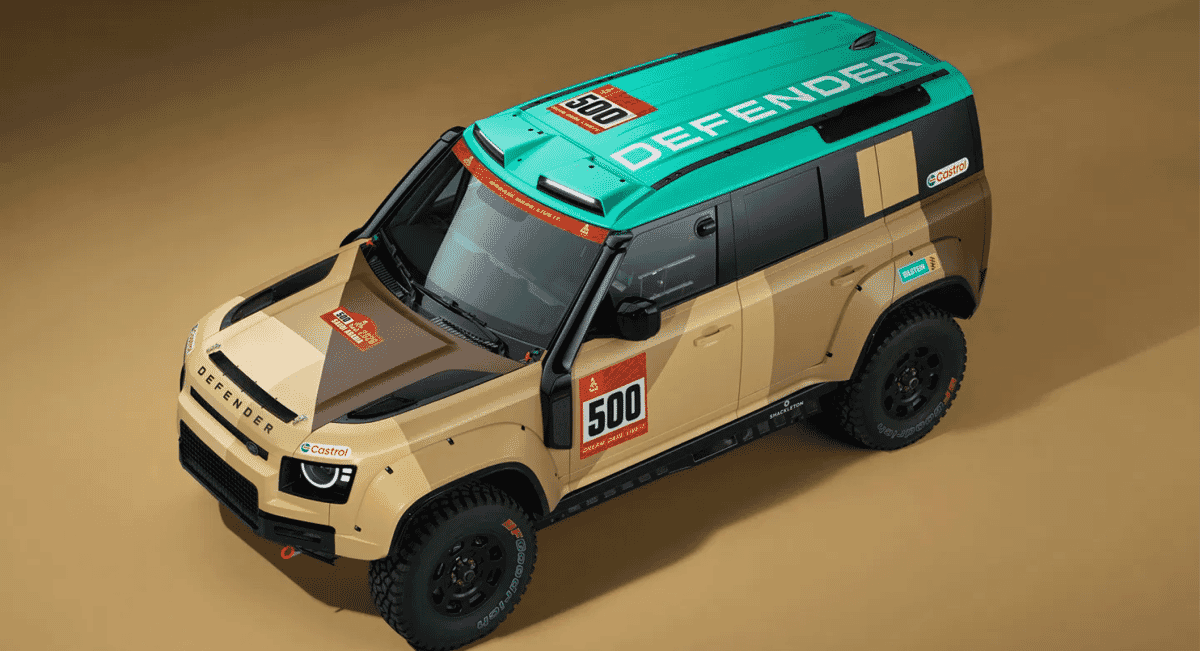
Bilstein has developed a suspension package that can cope with long, punishing days in the desert. A single front coil-over and twin rear dampers work together to manage impacts, while an upgraded cooling system uses a single large radiator, revised airflow and sand filtration to keep temperatures under control. A new Flight Mode manages torque distribution when the car is airborne, helping ensure smoother landings.
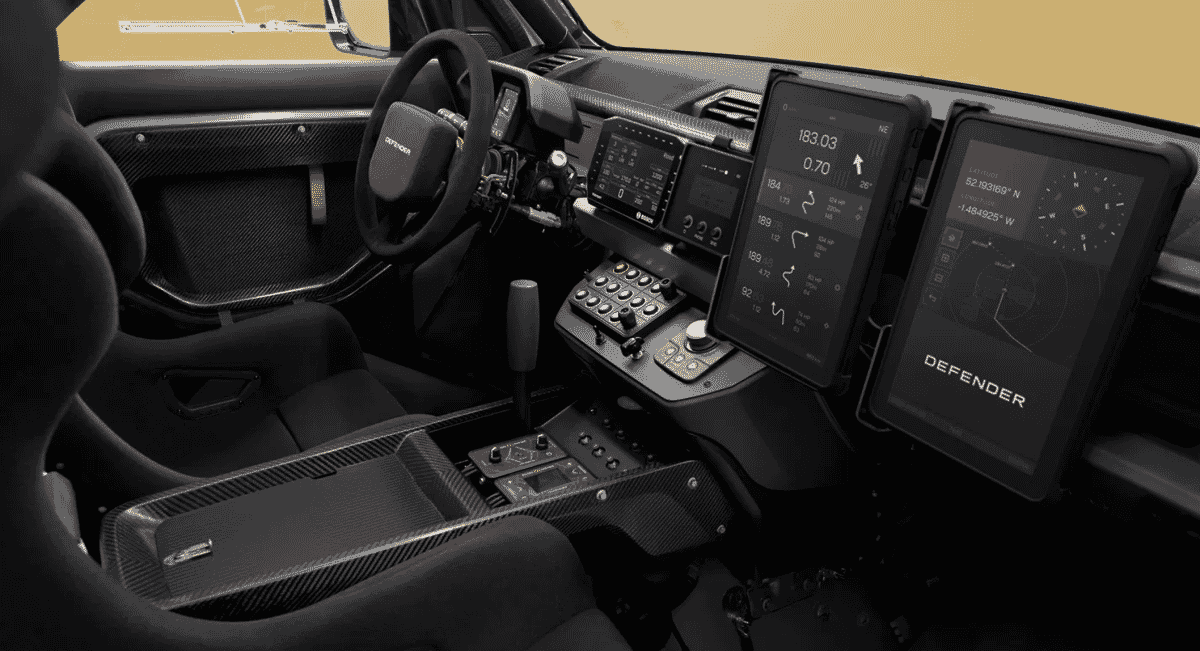
Inside, the D7X-R is pared back but focused. FIA navigation, six-point seating, a simplified dashboard and storage for tools and water signal every element has a clear purpose.
Three crews will compete in the new Defender: Stéphane Peterhansel with Mika Metge, Rokas Baciuška with Oriol Vidal, and Sara Price with Sean Berriman. After more than 6,000 km of testing, the team will take on the Dakar Rally from 3 January, putting the toughest Defender yet into the environment it was built for.
Next up: Check out these classic Landies by Phoenix Restorations.