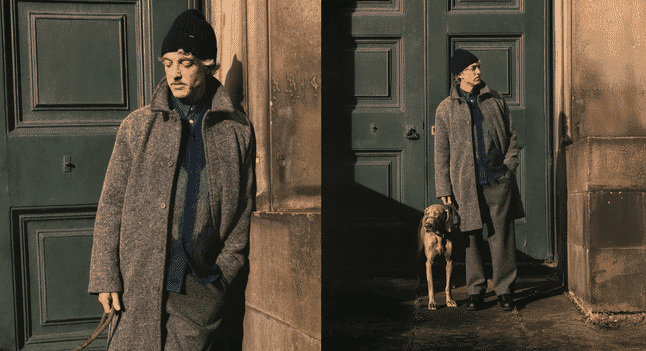
Over the past two decades, Copenhagen has become shorthand for a particular way of dressing: pragmatic but not dull, design-led but rarely theatrical, informed by workwear and sport yet comfortable in polite company. The success of that formula lies in discipline. Good fabrics. Functional cuts. Branding that understands the power of restraint. The best Danish menswear brands embody all of this.
Of course, the scene is broader than the stereotype. Alongside the reliable everyday wardrobe staples sit experiments in silhouette, technical futurism and the occasional sideways cultural detour. What unites them is seriousness of intent, and an knack for minimalism that rarely veers into boring. Here are our favourite examples.
Mismo
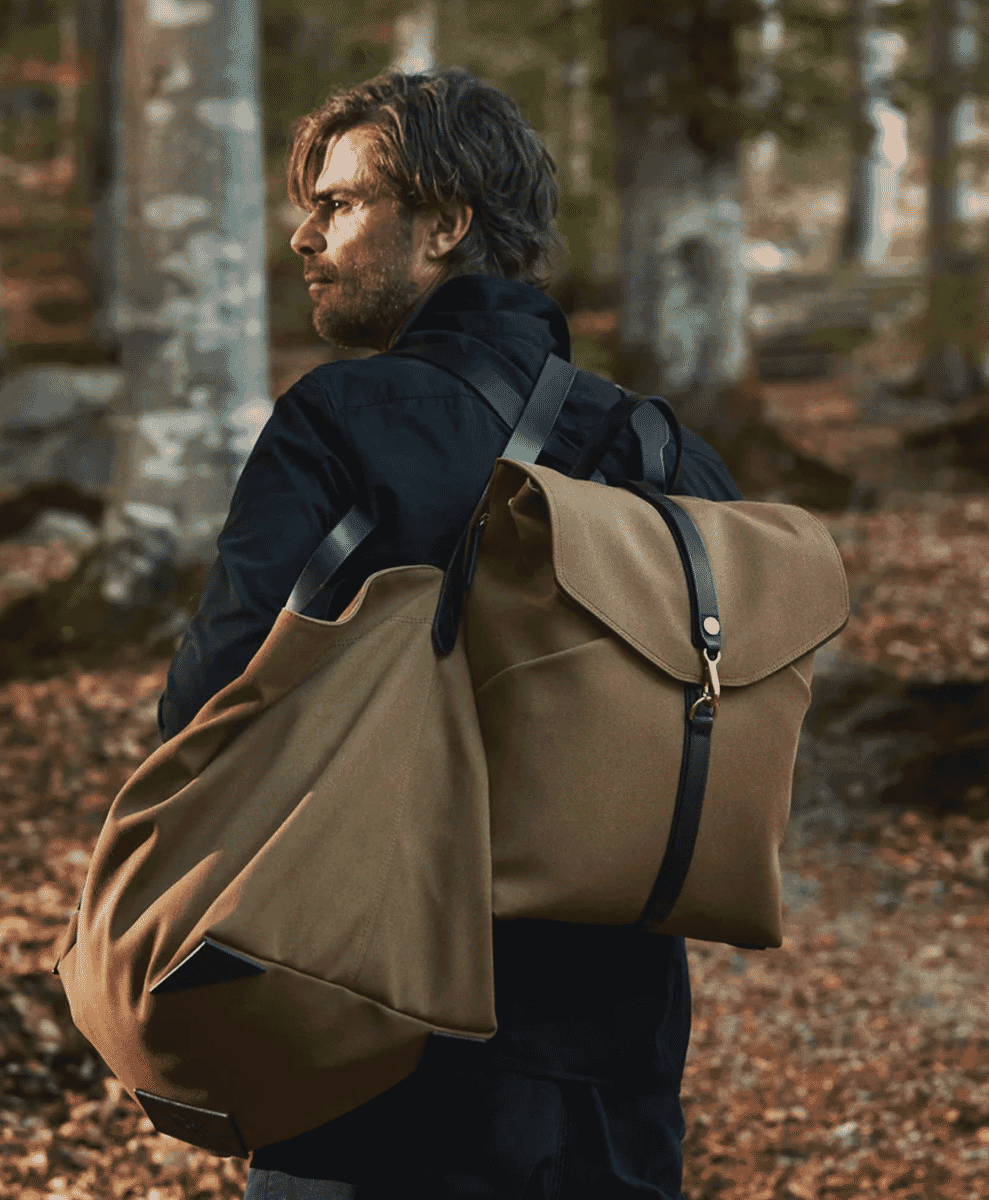
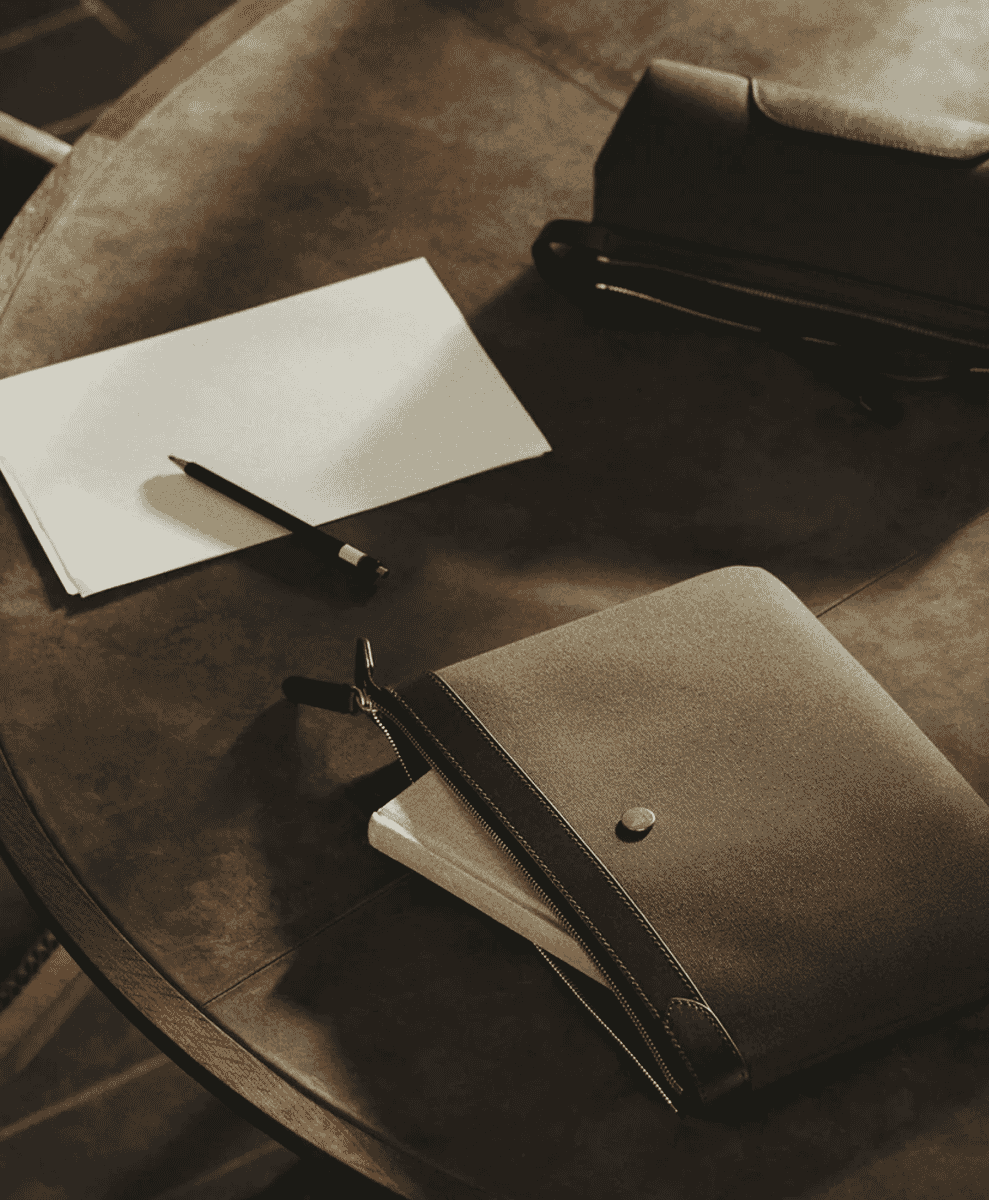
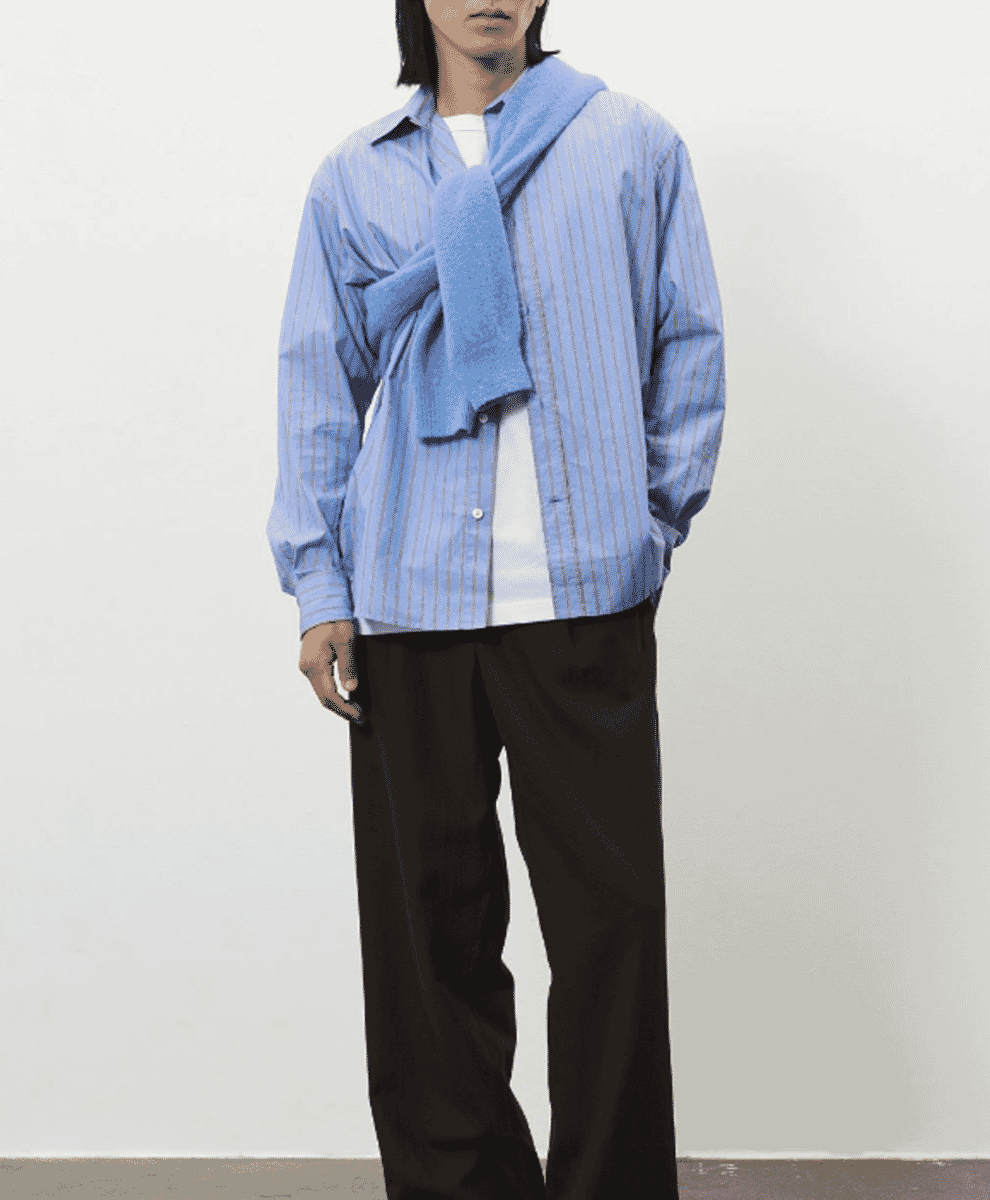
Mismo occupies that sweet spot between Scandinavian restraint and old-world leather seriousness. Founded in Copenhagen but produced largely from Italian materials, the brand has built a reputation on bags that feel architectural without becoming sterile. The shapes are simple, the hardware discreet, the materials chosen to age with dignity. Nothing relies on logos to make its case. Instead you get proportion, finish and a quiet sense that someone obsessed over the details.
Norse Projects
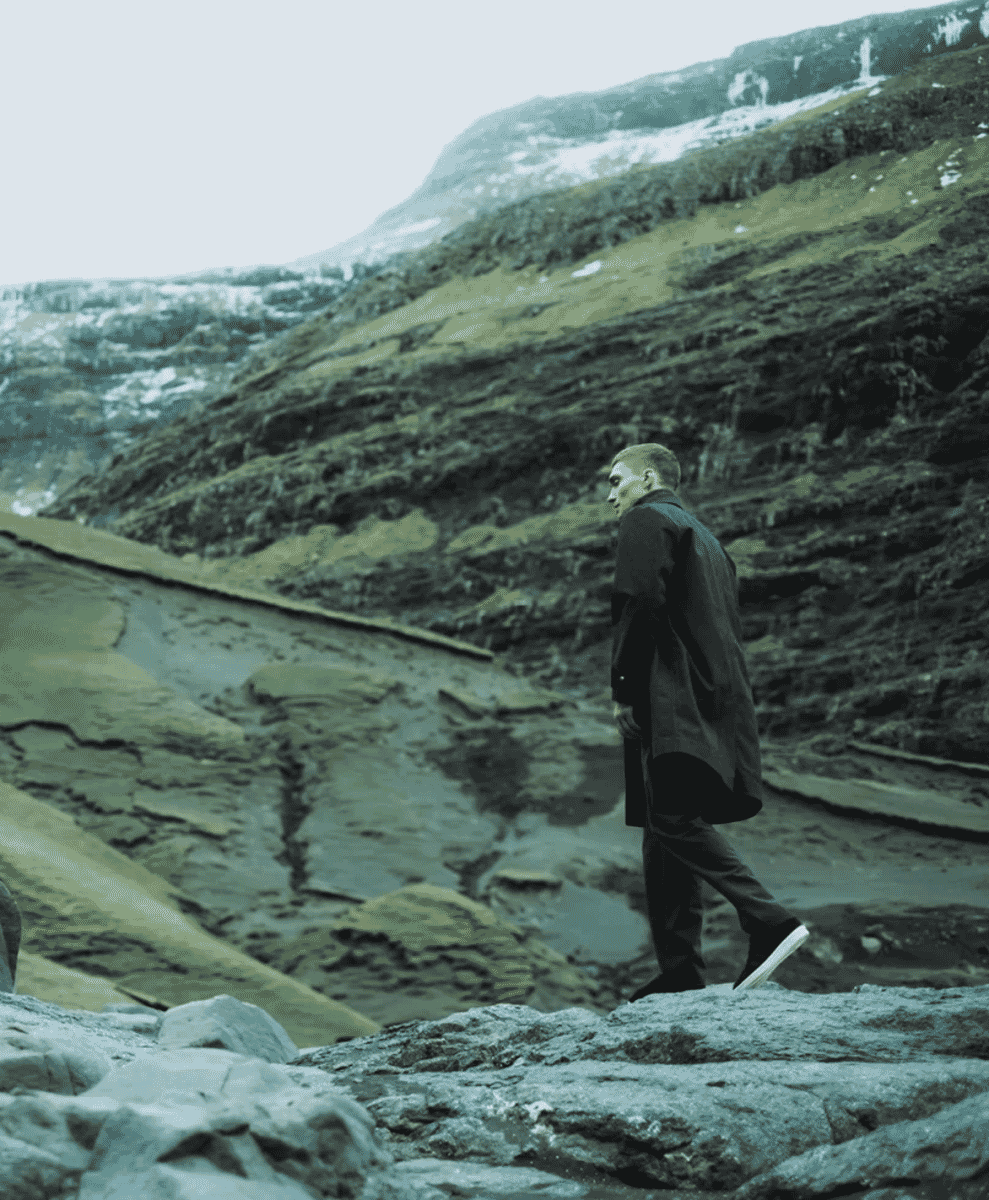
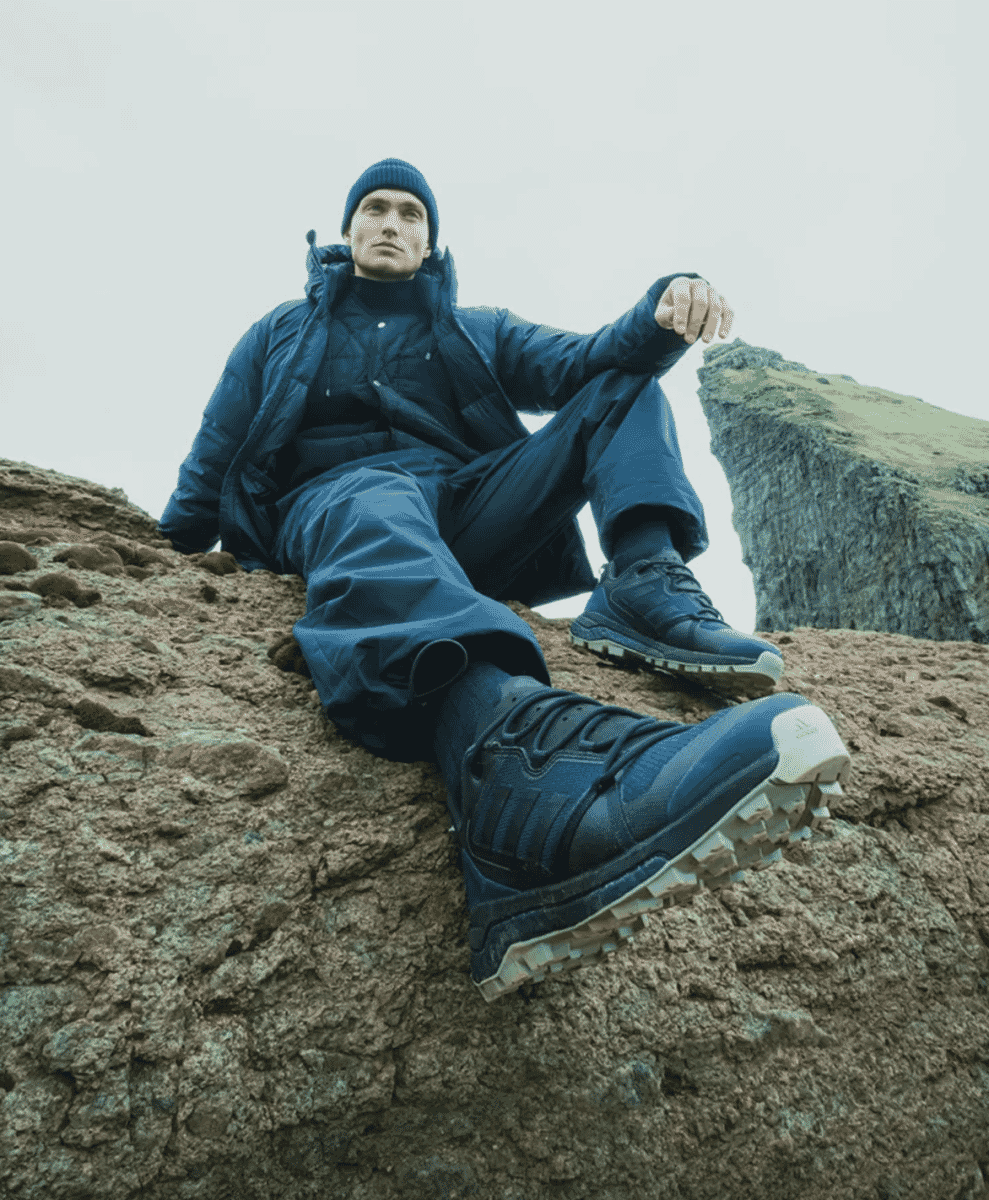
Norse Projects helped define the modern idea of Nordic menswear: pragmatic, functional, allergic to fuss. The clothes take cues from military, work and outdoor gear, then refine them into something city-ready. Fabrics are often the headline, whether weather-resistant shells or reassuringly dense knits. Branding stays out of the way. What you are left with are garments that slot easily into daily life and quietly outperform trend pieces. It is design by subtraction, executed with enough rigour to keep it from feeling anonymous.
Mfpen
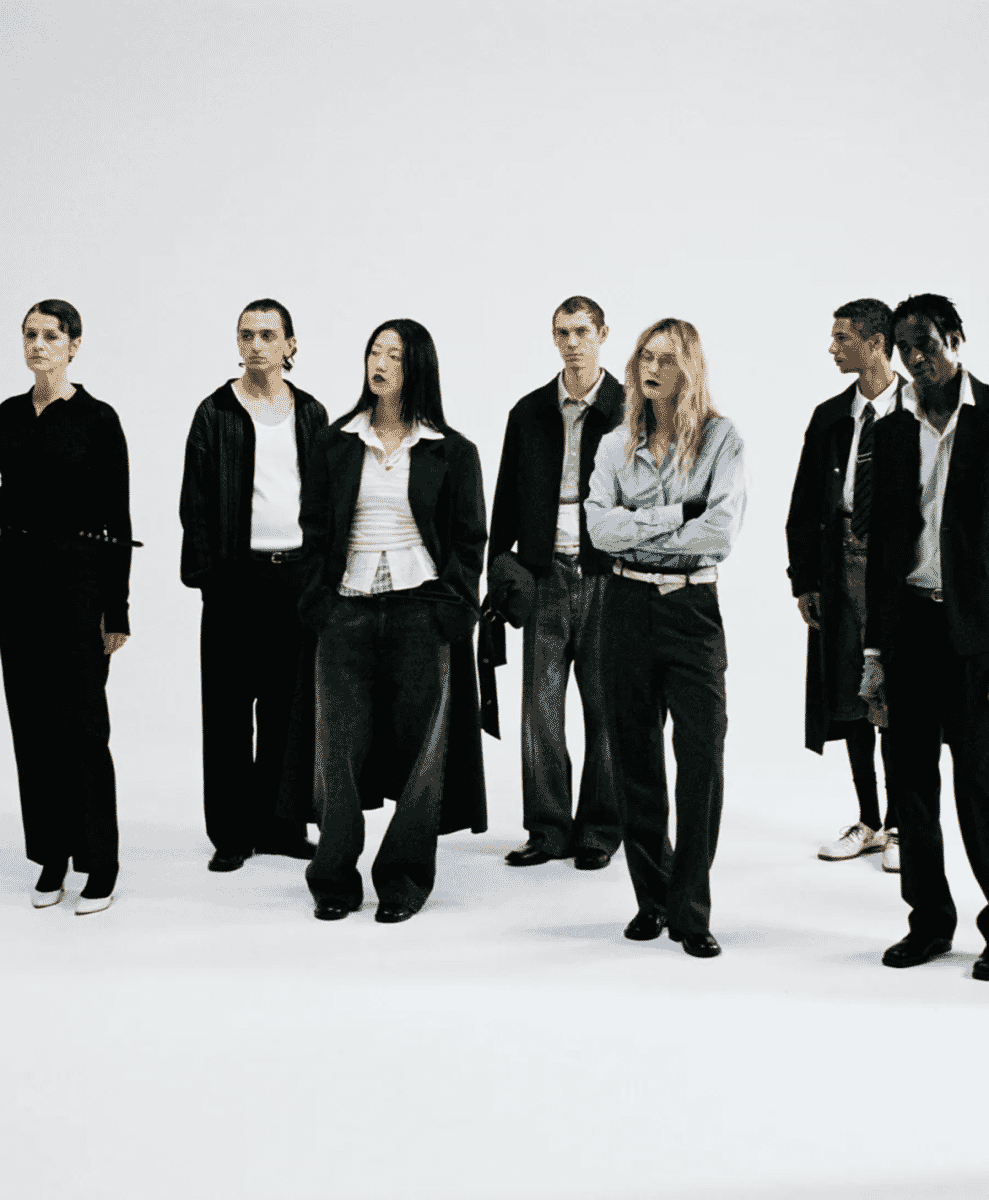
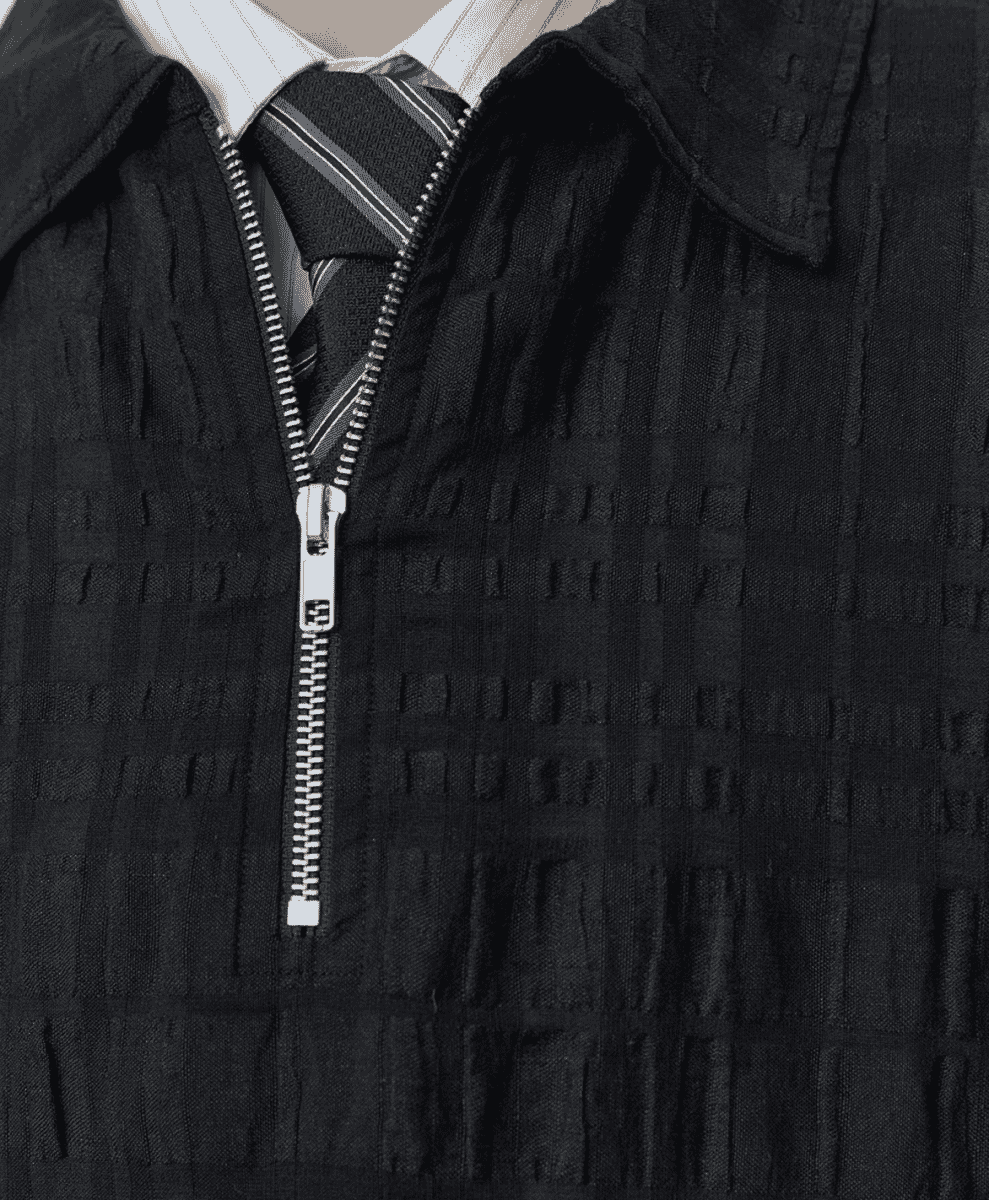
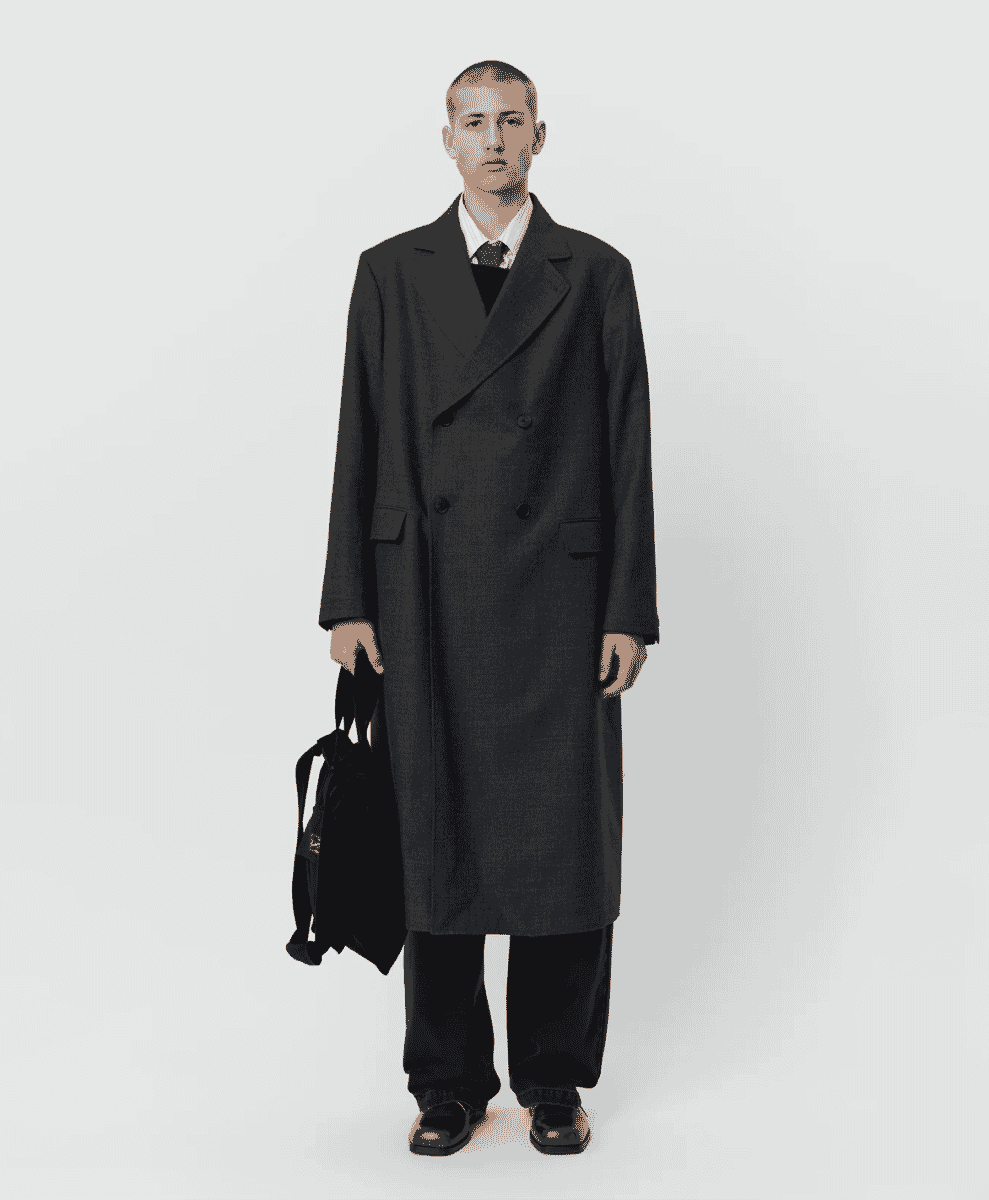
Mfpen is what happens when Scandinavian minimalism develops a conscience. The brand is known for deadstock fabrics, soft tailoring and silhouettes that drift away from rigid ideas of fit. Nothing screams, but everything has intent. Jackets slope, trousers fall with a certain indifference, shirts feel lived in from the start. There is intellect behind the looseness, a studied approach to how men actually wear clothes. If classic Nordic design can sometimes feel too tidy, mfpen provides a persuasive argument for rumpling it slightly.
Pas Normal Studios
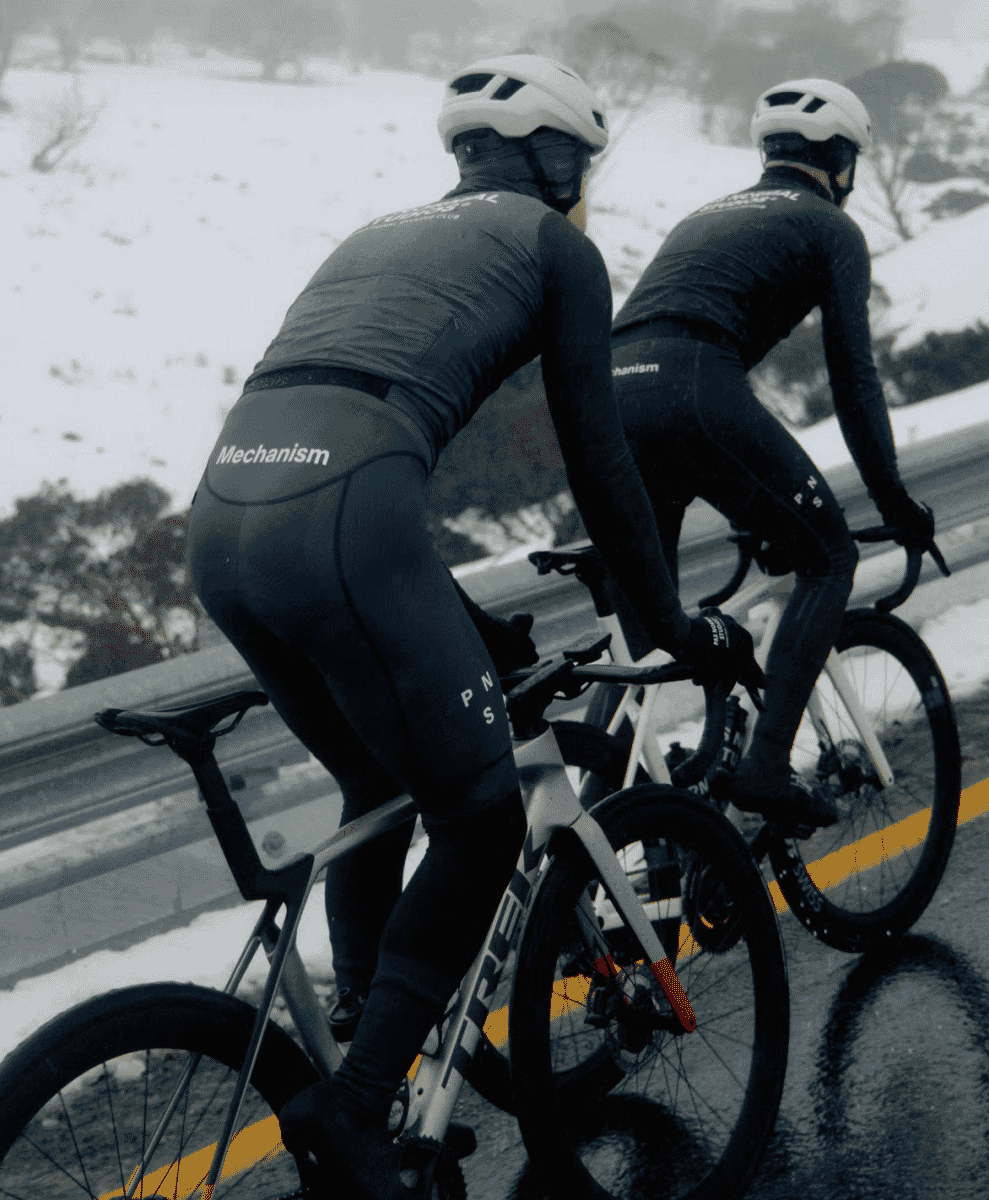
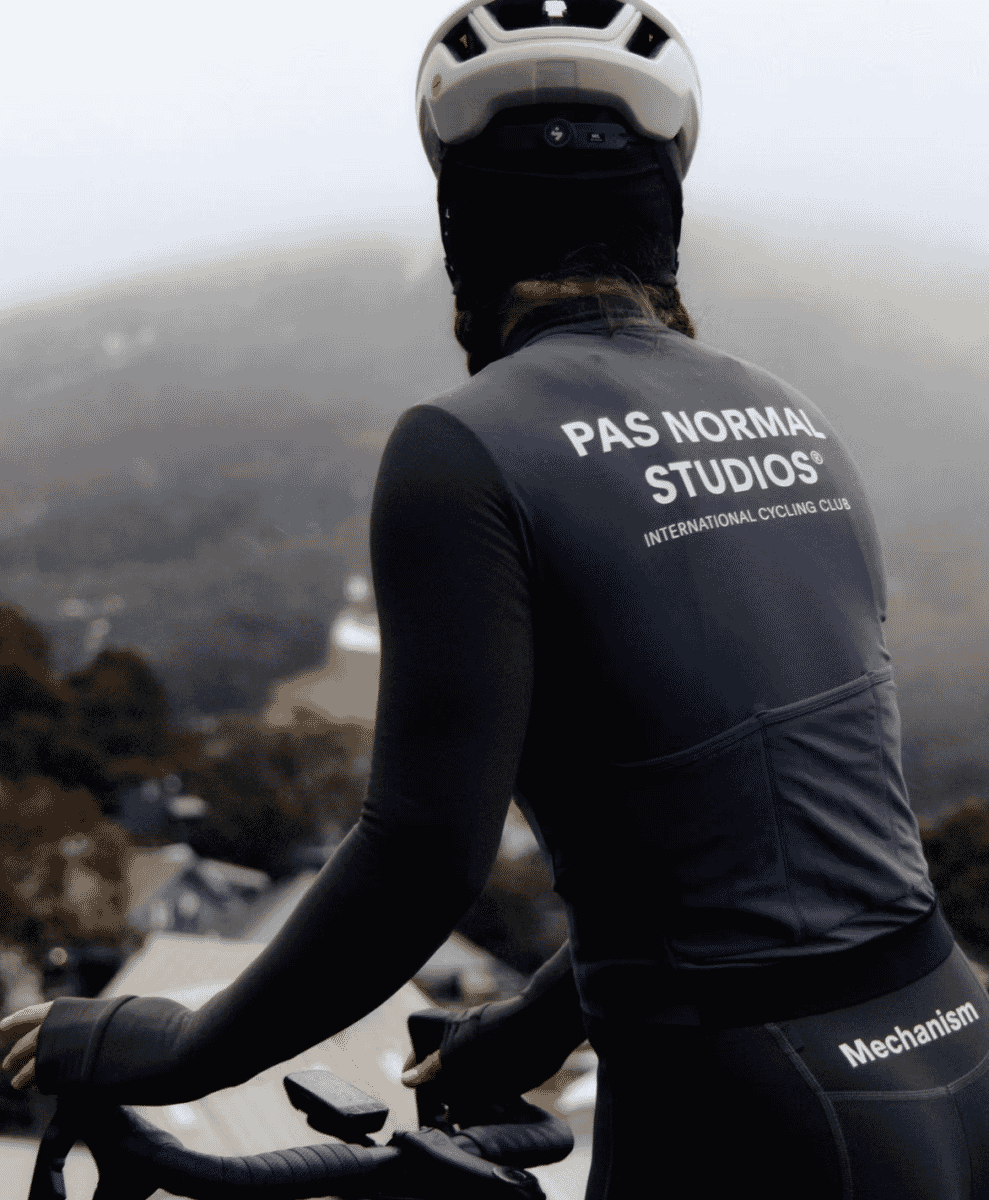
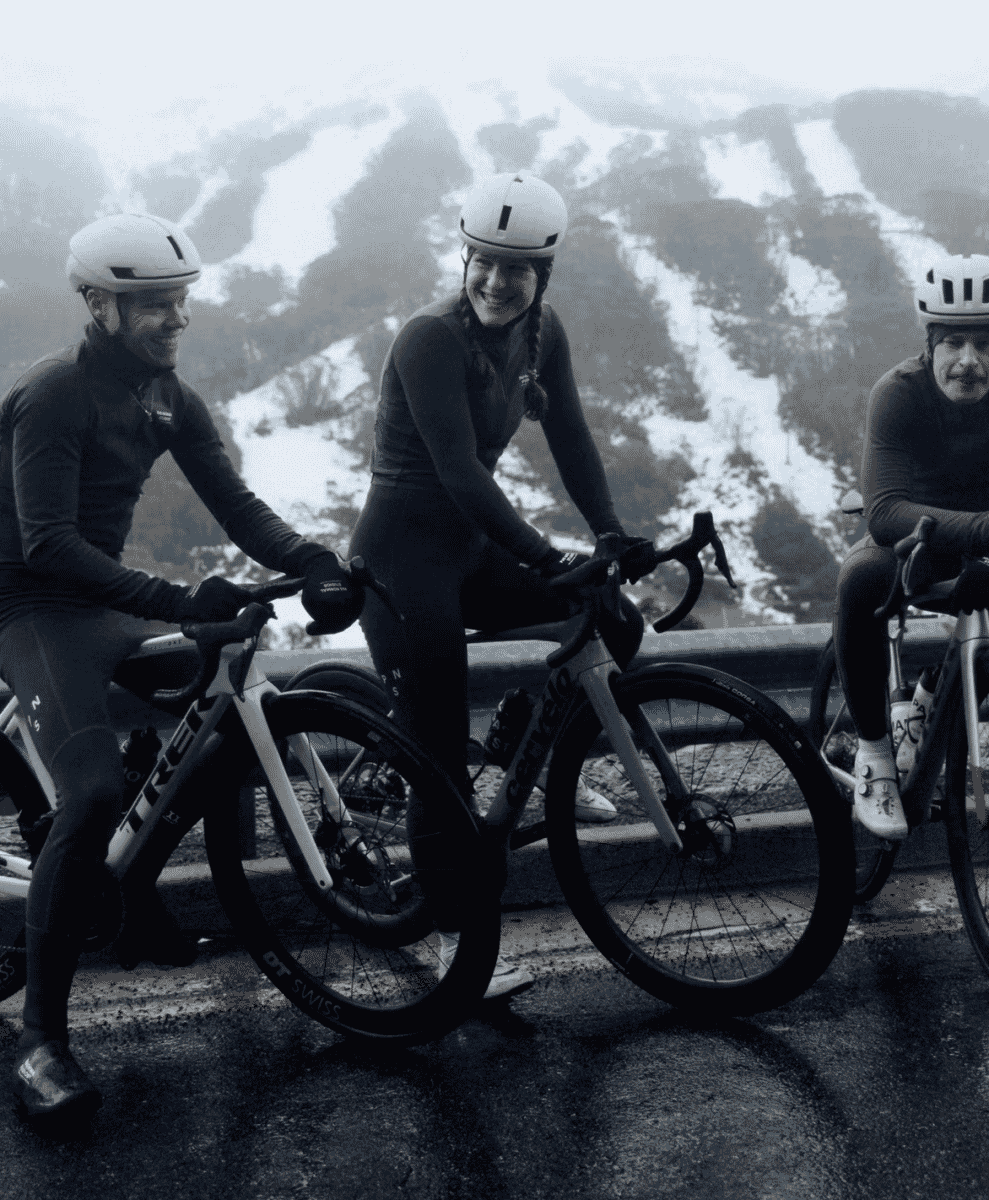
Pas Normal Studios treats cycling kit as part of a broader aesthetic life rather than a costume for suffering. The design language is crisp, modern, disciplined, yet it never forgets performance. Cuts are aerodynamic, fabrics technical, pockets placed with purpose. Off the bike, the brand extends that sensibility into clothing that understands the cyclist’s habit of moving between worlds. It is serious equipment presented with cultural awareness. In short, sport rendered adult.
NN.07
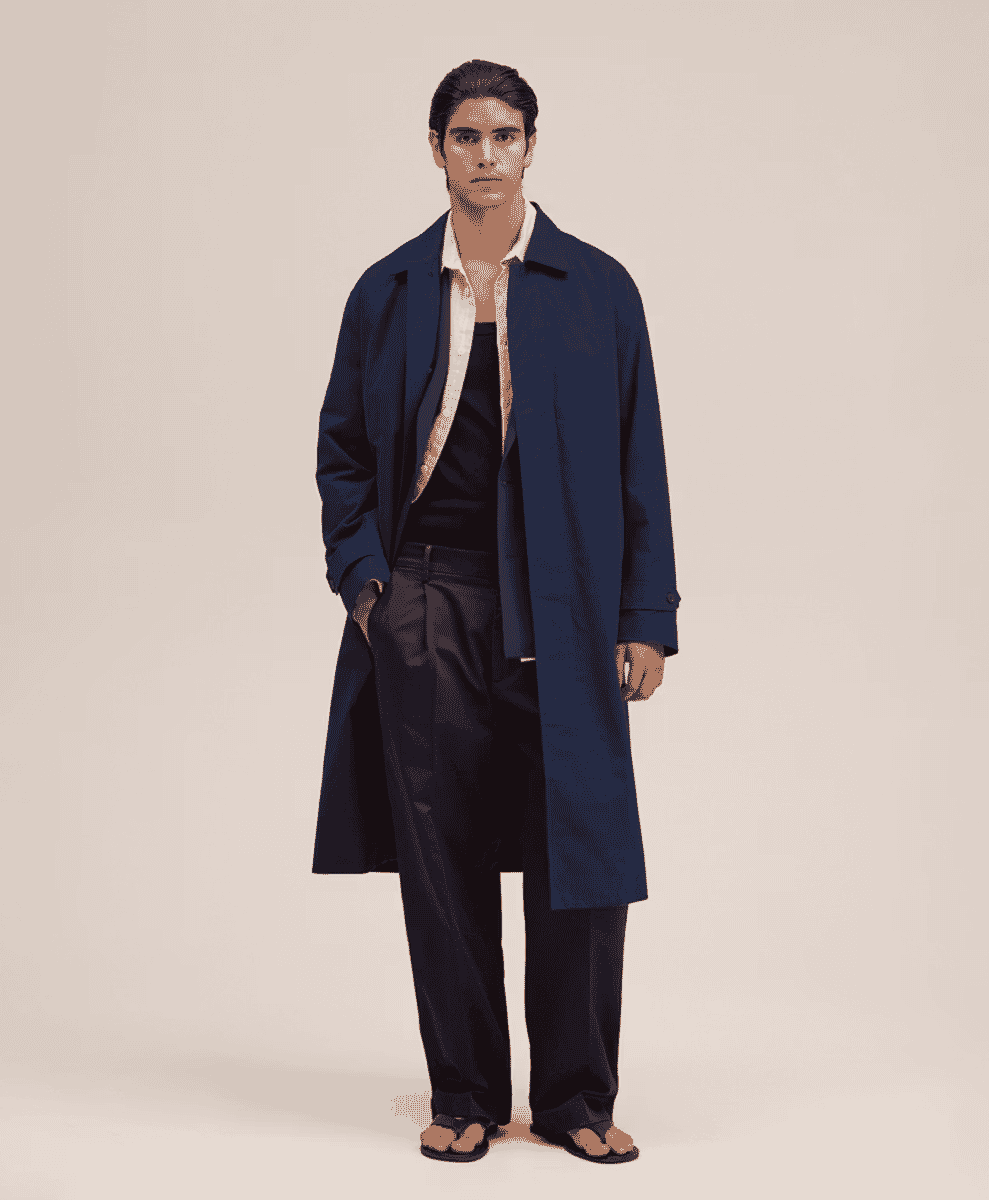
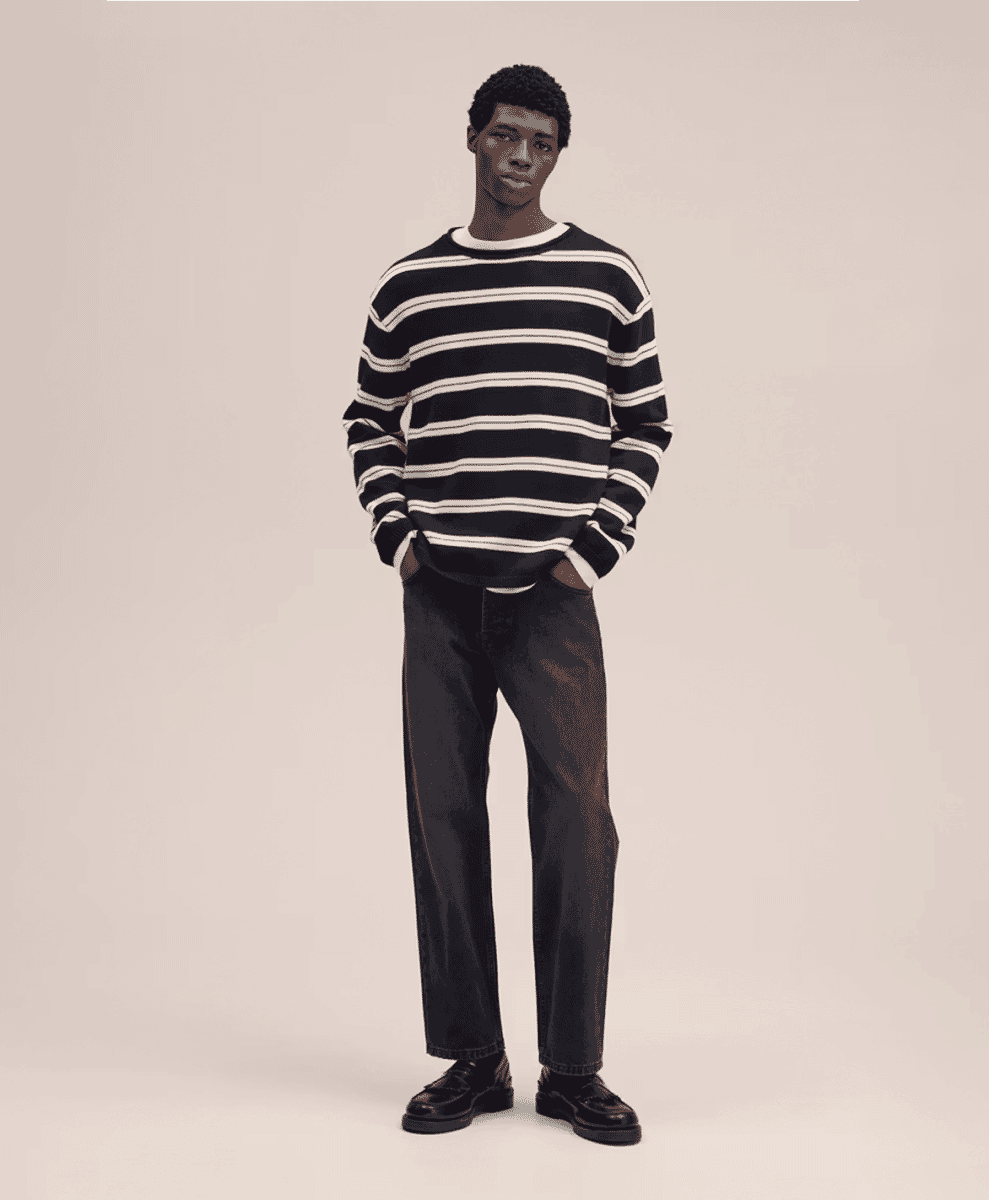
NN.07 built its business on reliable modern staples, the kind of garments men reach for without needing a manifesto. Think well-cut trousers, competent shirting, outerwear that nods to utility without turning theatrical. The ambition is not to reinvent masculinity but to service it competently. That may sound modest, yet it is harder than it appears. Consistency, fabric quality and proportion carry the line. The result is clothing that earns trust over time, which is its own form of luxury.
S.N.S. Herning
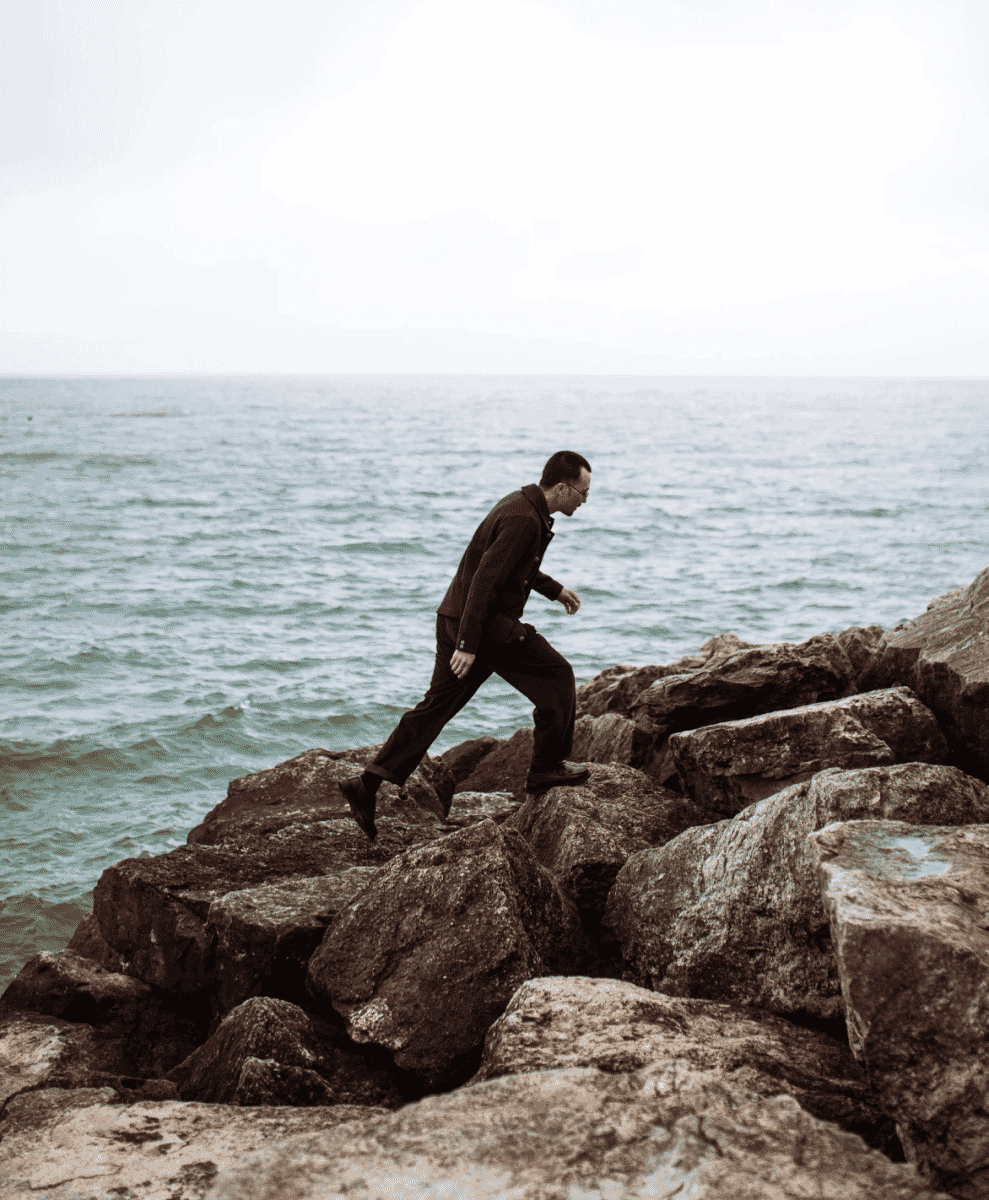
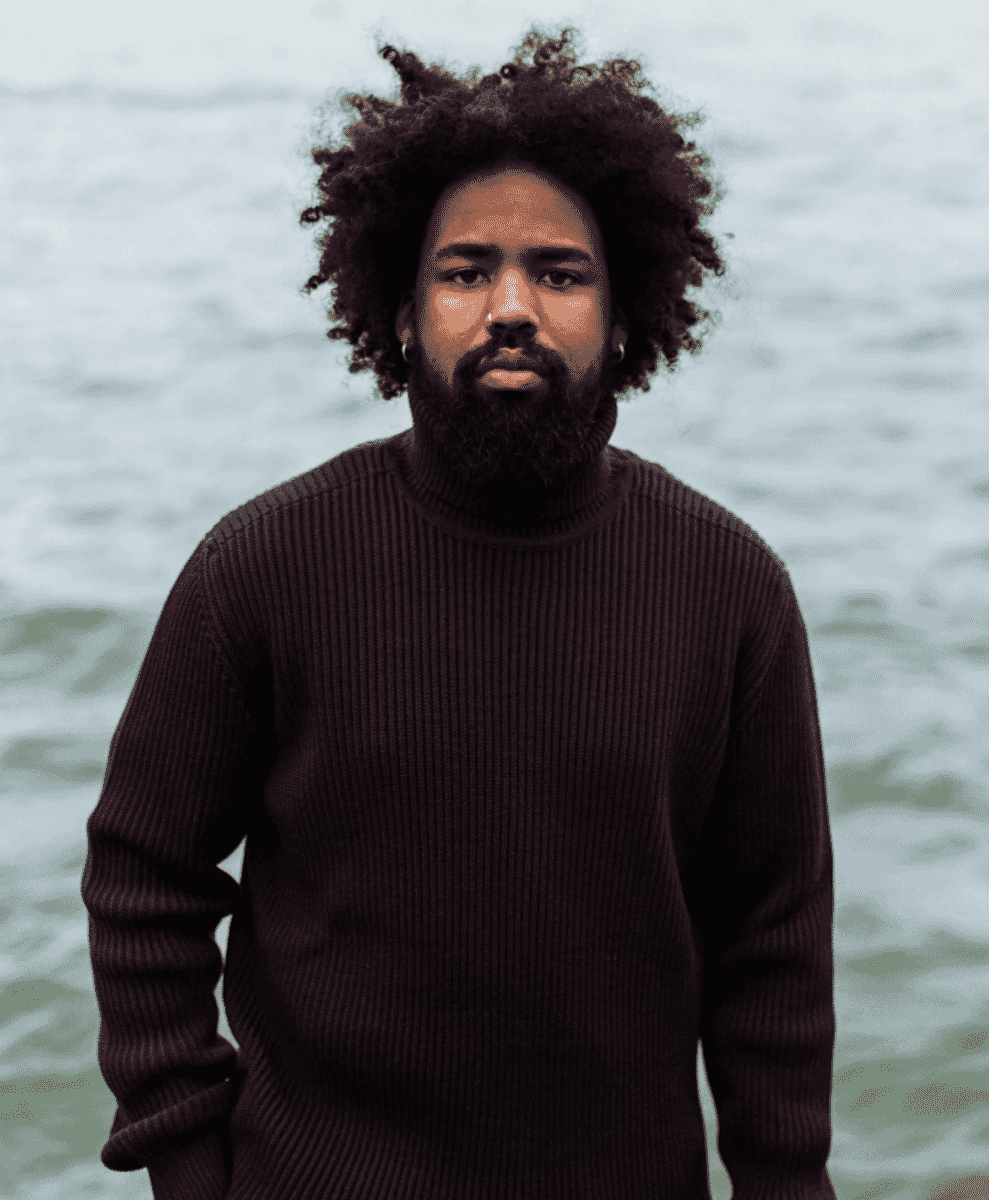
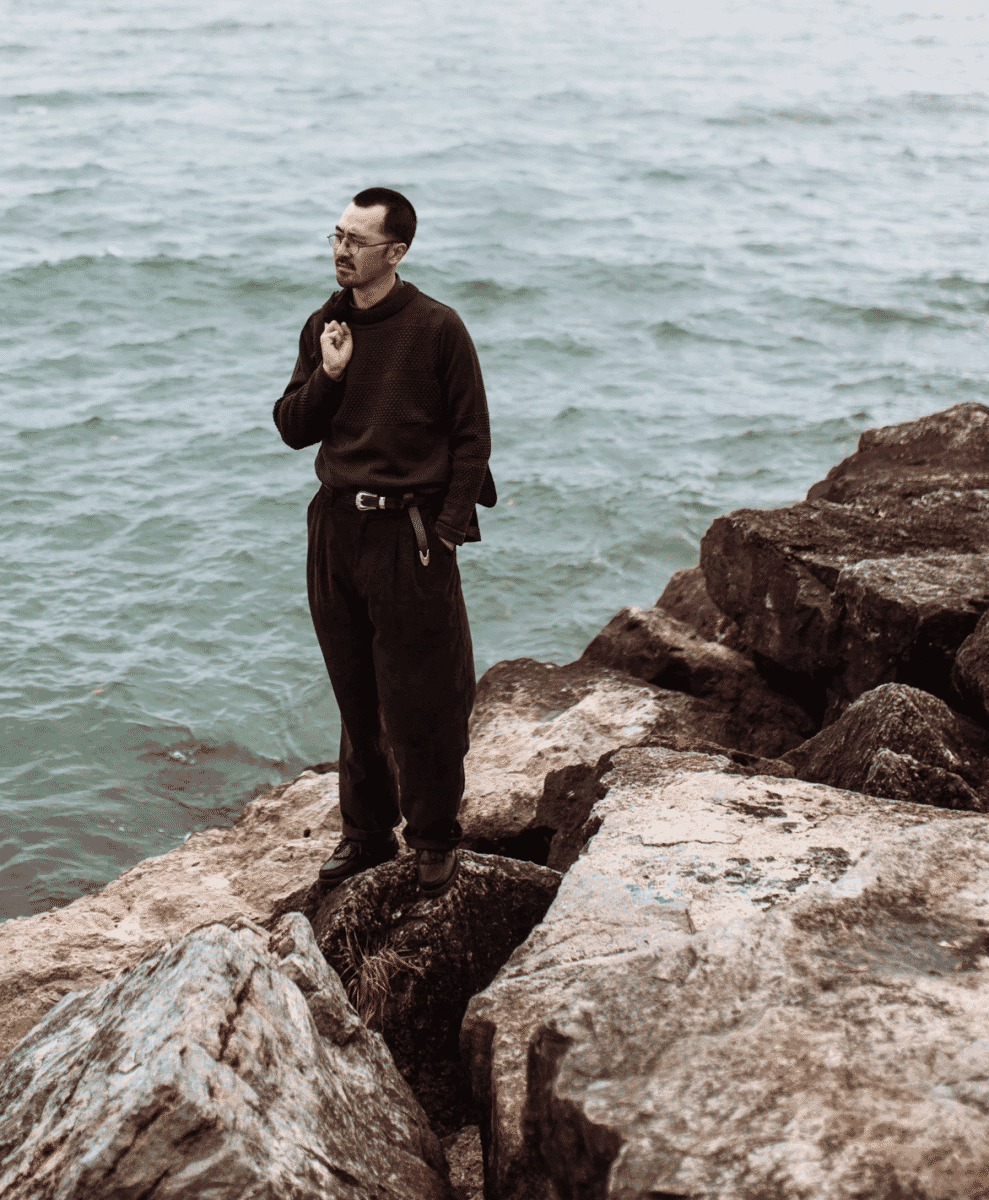
S.N.S. Herning is beloved for sweaters that look as though they could repel weather on moral principle alone. Founded in the early 20th century, the brand developed dense knit structures for North Sea fishermen and has wisely avoided diluting that identity. Heavy ribs, graphic patterns, real substance. When people talk about authenticity, this is the sort of lineage they hope to find. The pieces have presence, durability and a reassuring refusal to modernise beyond recognition.

Tekla
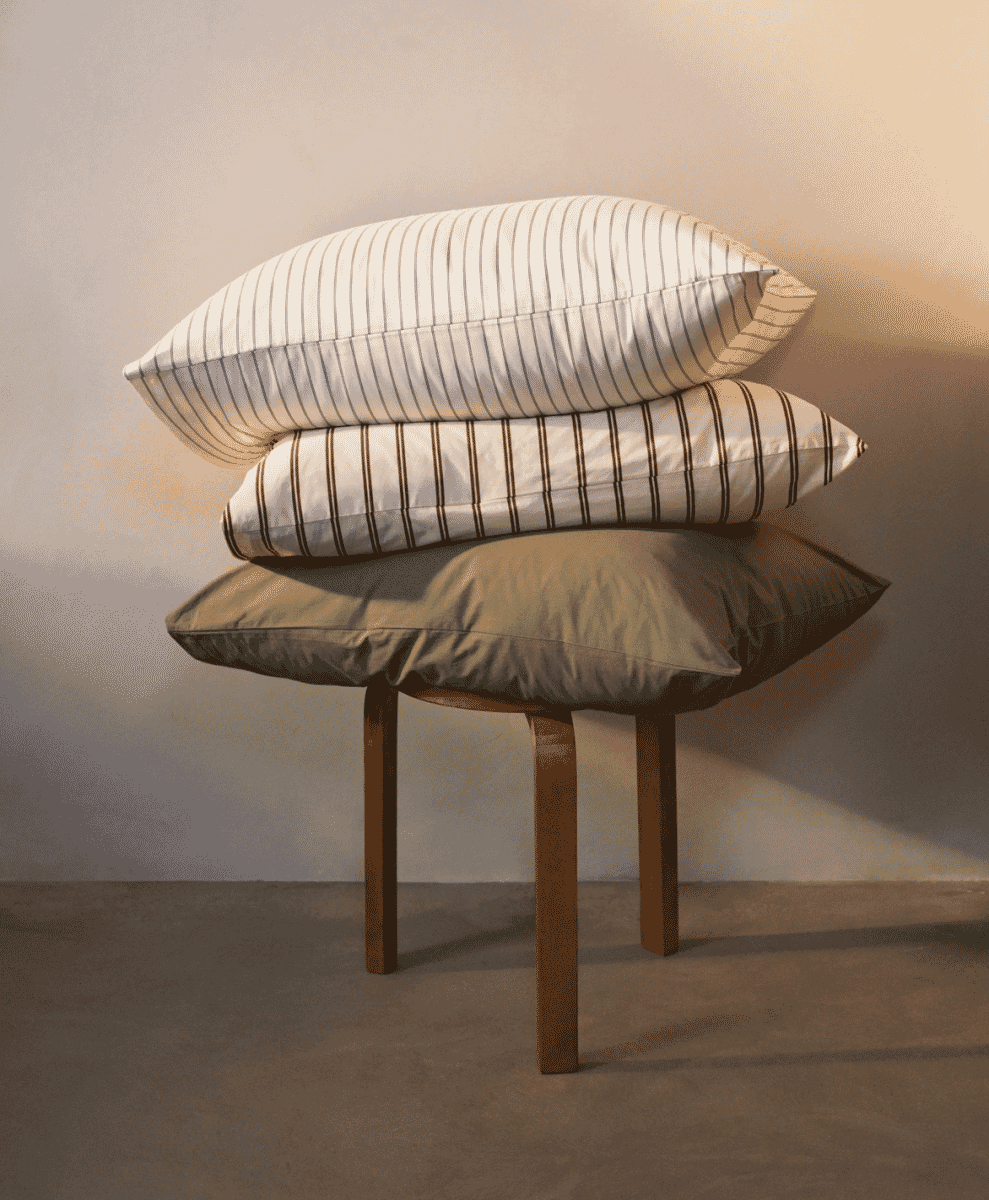
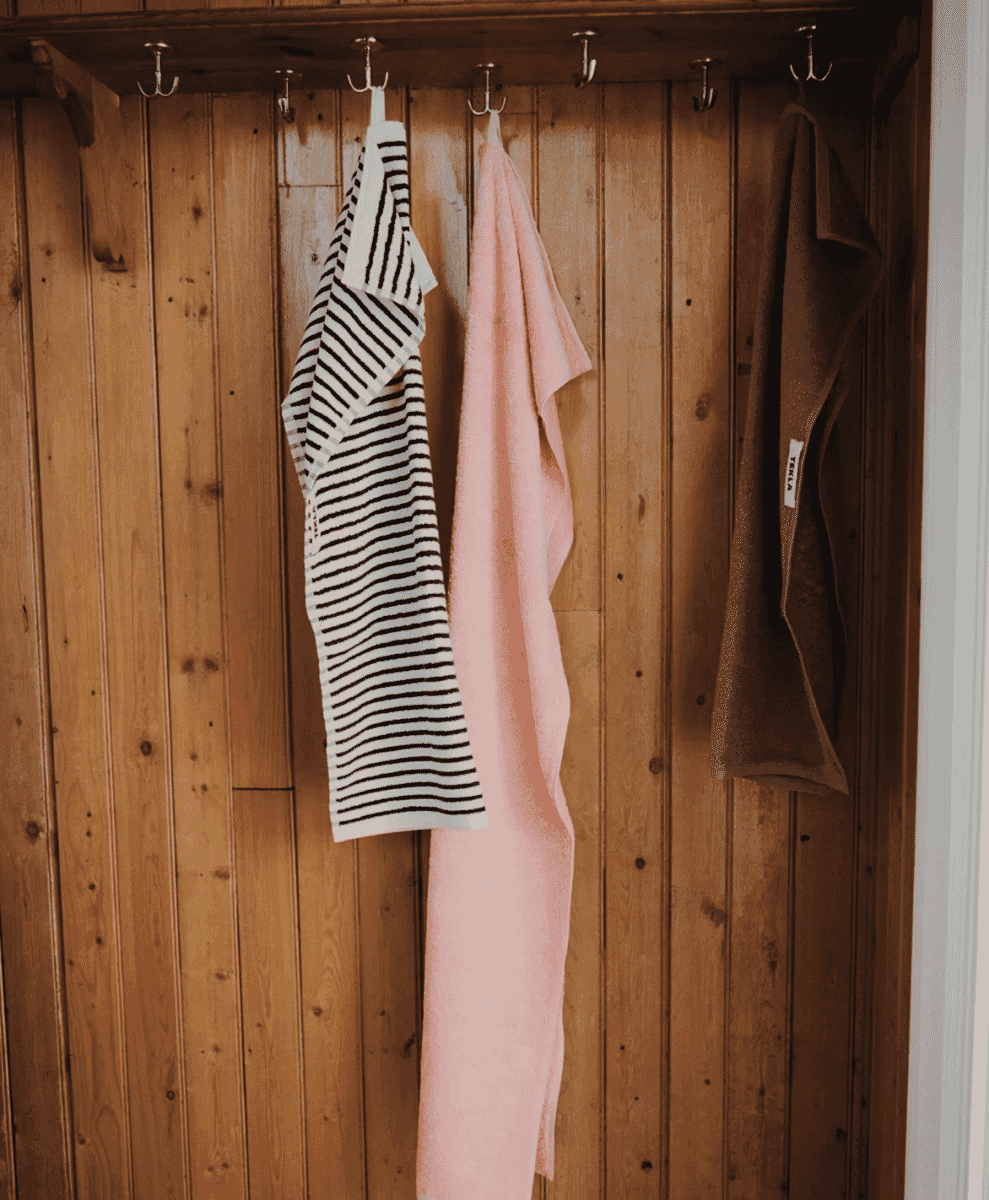
Tekla took the language of fashion minimalism and applied it to the home, with quietly confident results. Organic cotton, restrained palettes, silhouettes that hover between sleepwear and daywear. The appeal lies in clarity. Nothing is overdesigned, yet everything feels considered, from weight to finish. In an industry that often confuses luxury with ornament, Tekla argues for reduction and material honesty. It is lifestyle without the usual hysteria.
Heliot Emil
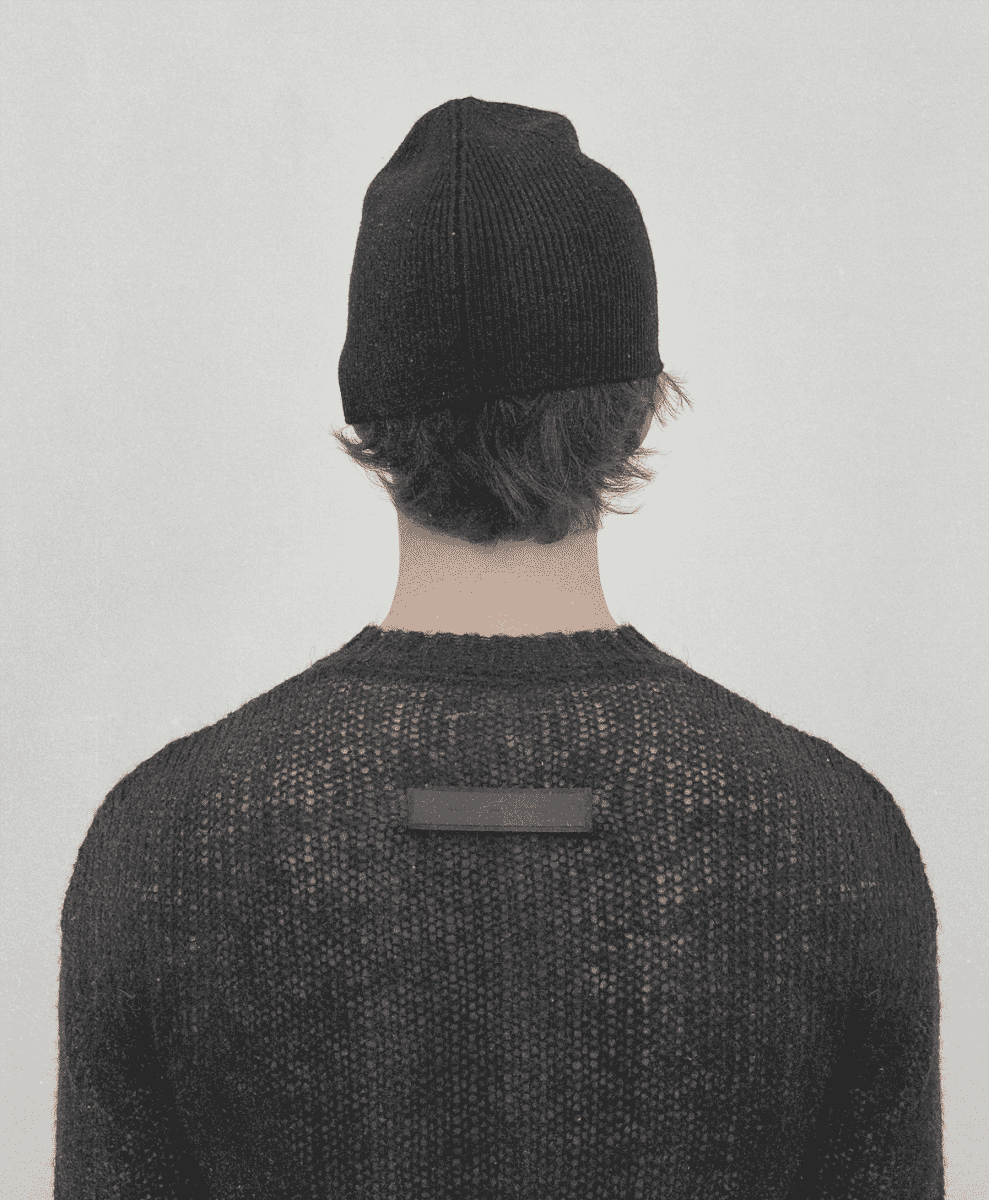
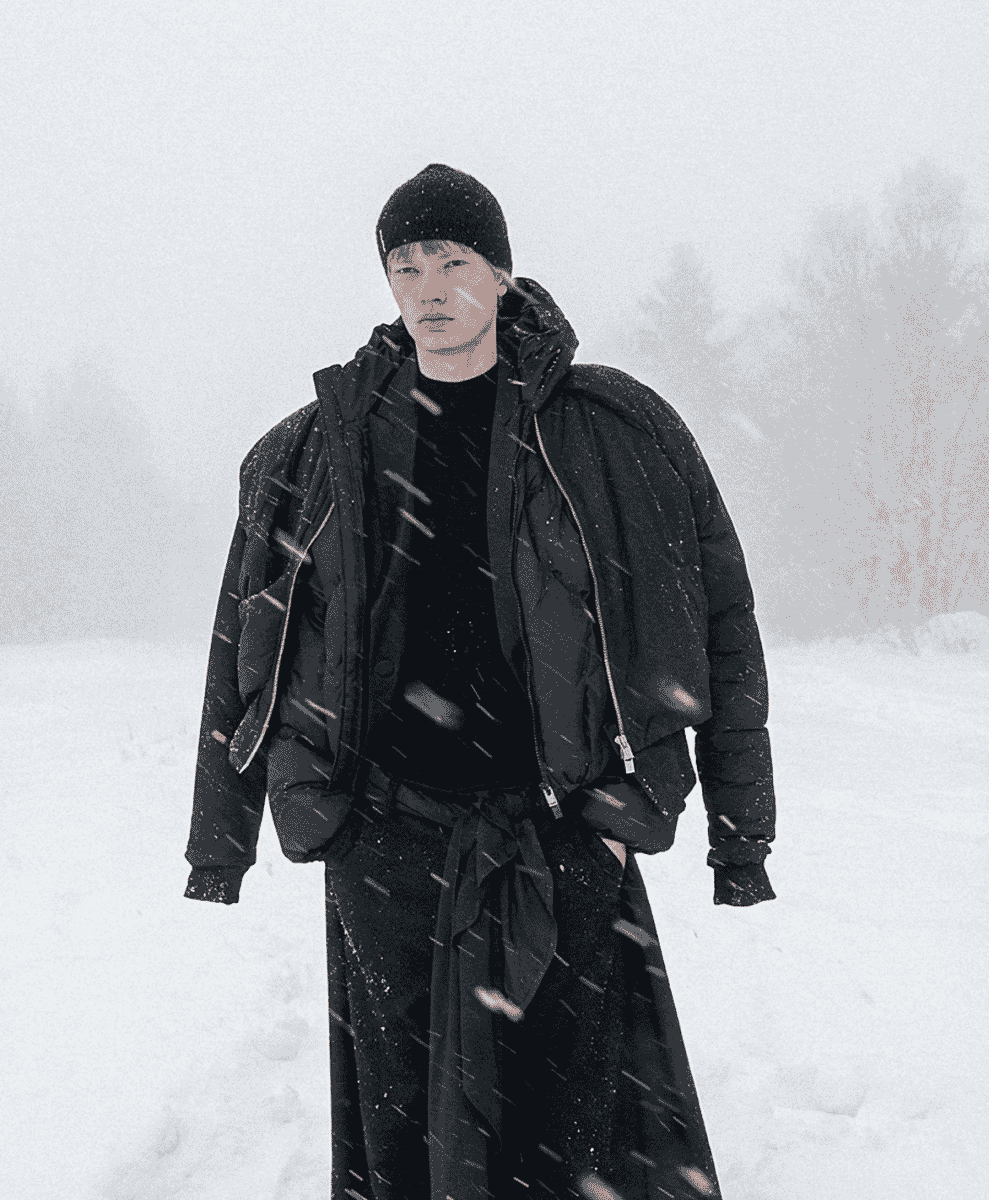
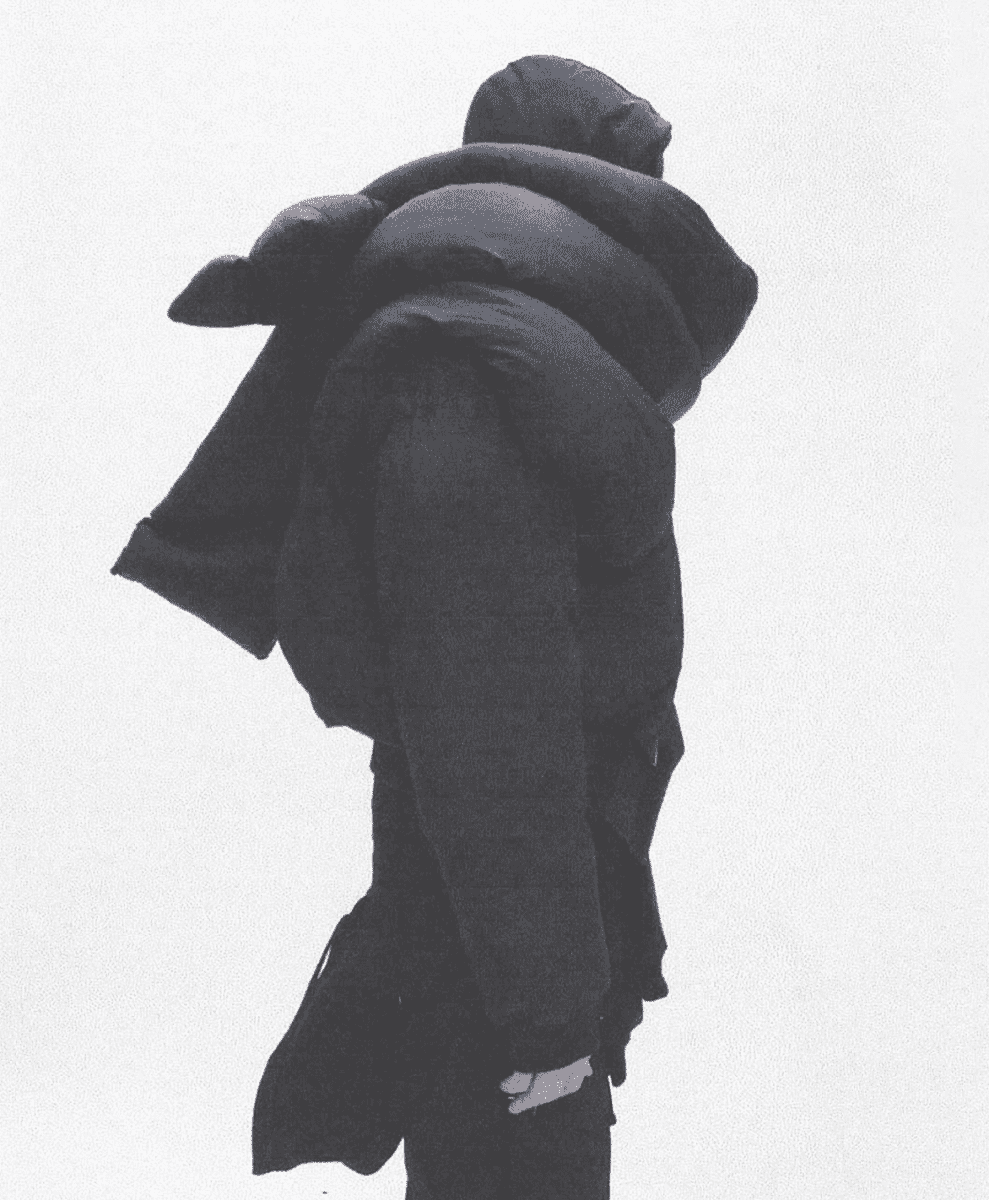
Heliot Emil operates at the sharper end of Copenhagen’s spectrum. Technical fabrics, industrial references, a monochrome discipline that borders on severity. Yet beneath the drama sits real pattern work and material research. The garments are engineered, not merely styled. While some avant-garde fashion relies on shock, Heliot Emil builds credibility through construction. It imagines a future and then makes clothes capable of surviving in it.
Soulland
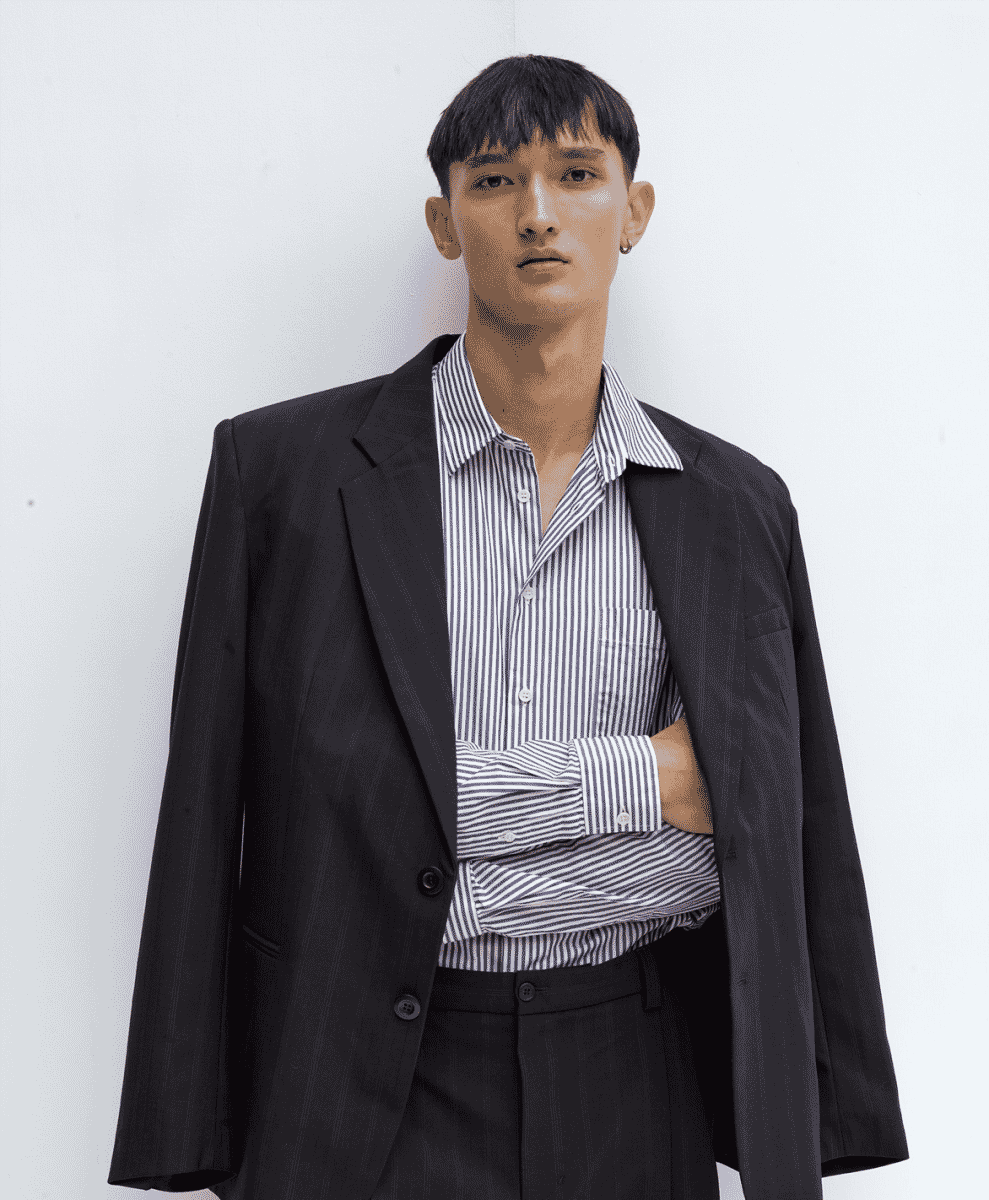
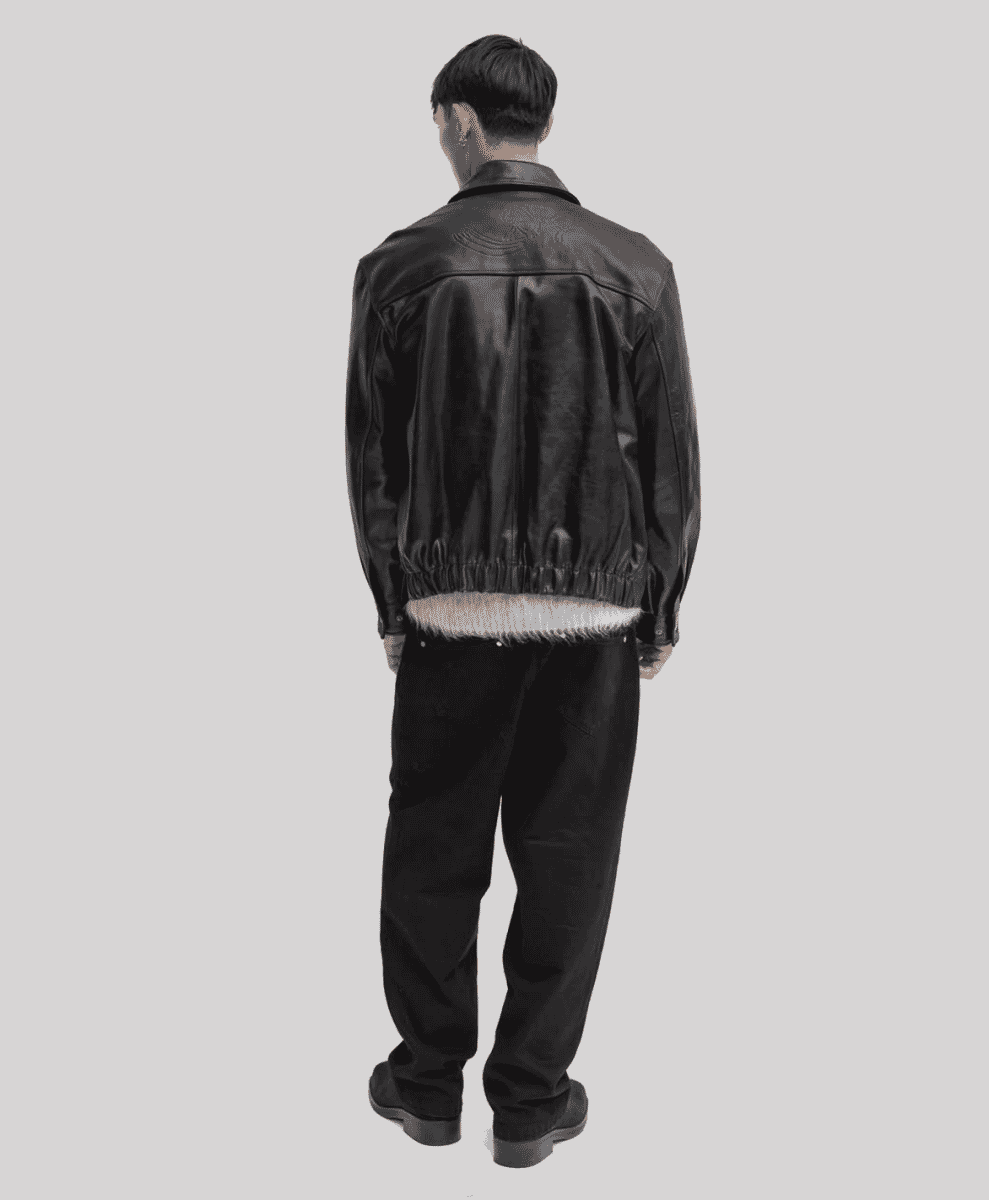
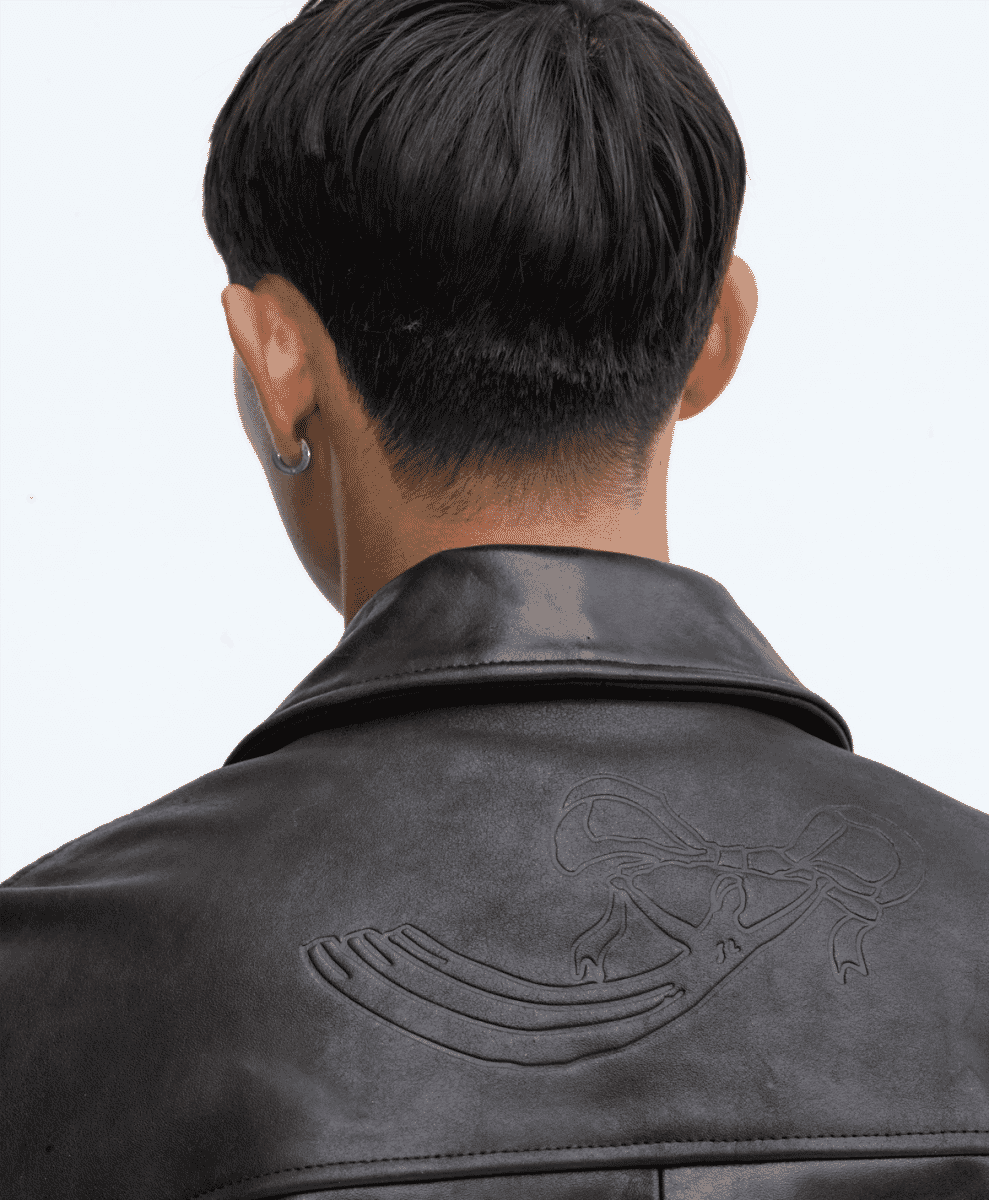
Soulland has long balanced Scandinavian cleanliness with global cultural curiosity. Streetwear informs the posture, but tailoring, craft and collaboration complicate the picture. Prints and graphics appear, yet they rarely overwhelm the garment beneath. There is a sense of dialogue at work, Denmark in conversation with the wider world. The brand’s strength lies in that negotiation, keeping things accessible while allowing room for ideas.
Samsøe Samsøe
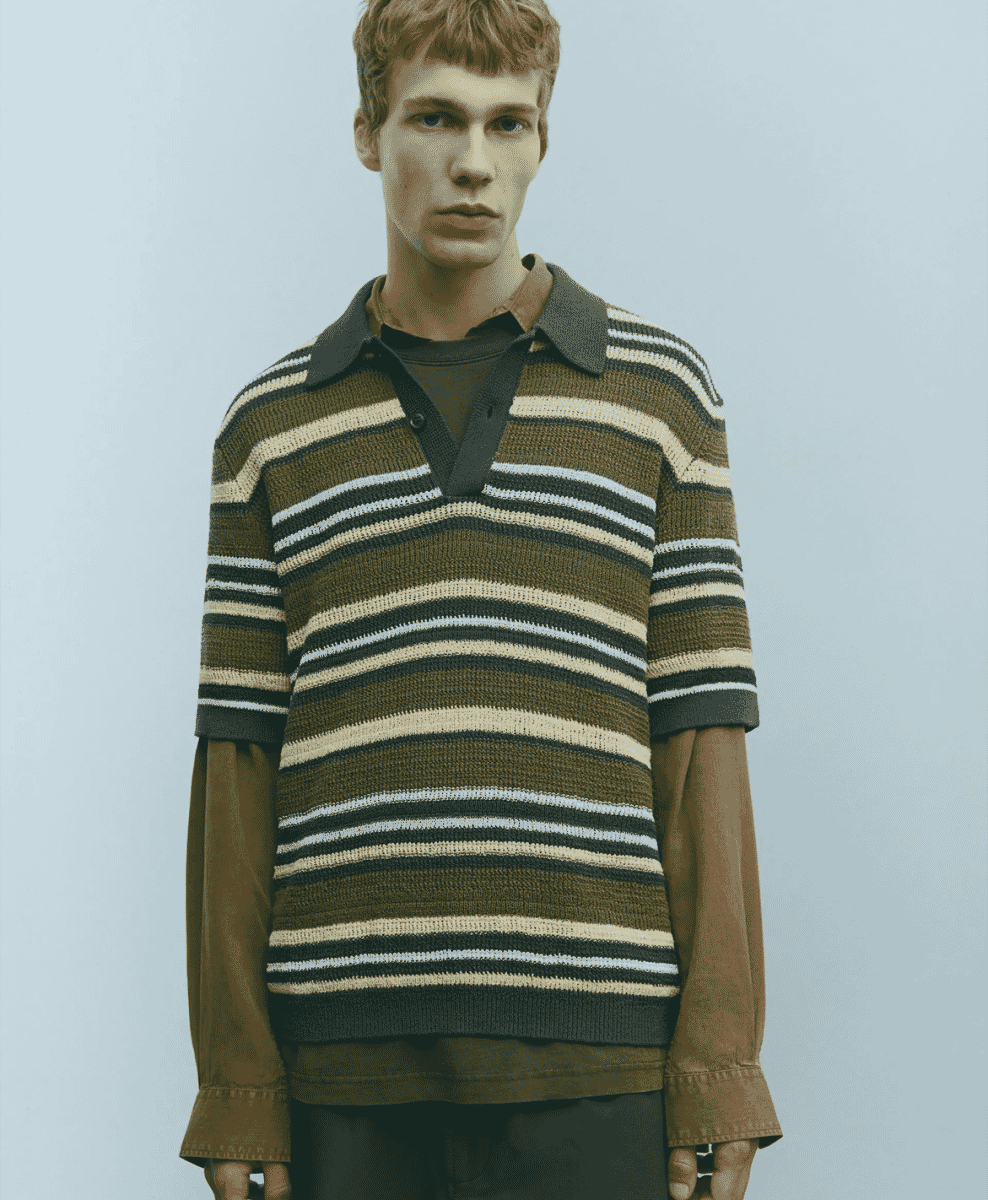
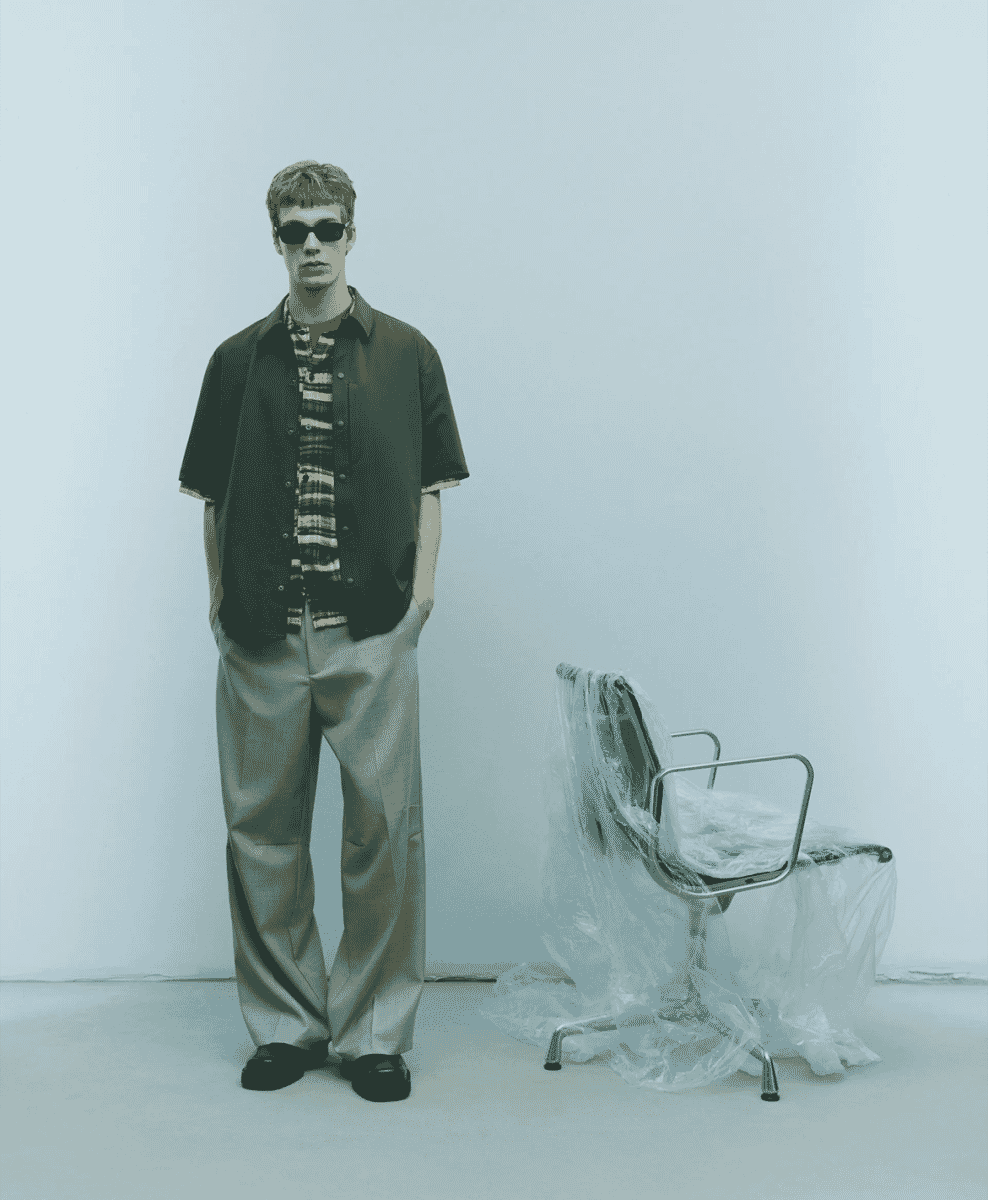
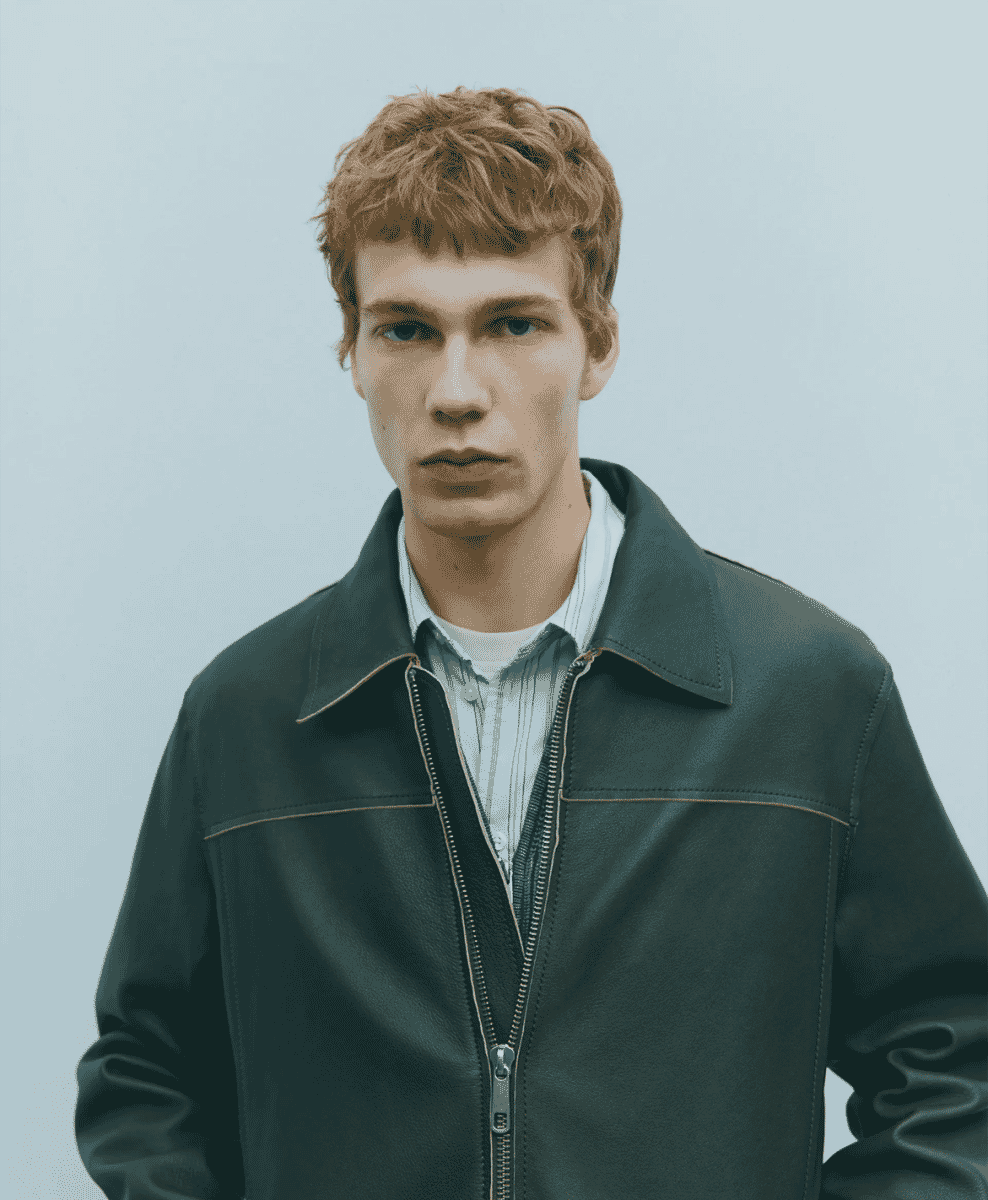
Samsøe Samsøe specialises in democratic Scandinavian style, well designed pieces offered at prices that encourage participation. The lines are clean, the colours wearable, the mood contemporary without panic. You could dismiss that as safe, but reliability is underrated. The brand understands that most wardrobes are built on repetition, not spectacle. Provide good fabrics, sensible fits and enough freshness to avoid boredom, and customers will return. Often.
Next up: 24 Hours in Copenhagen.