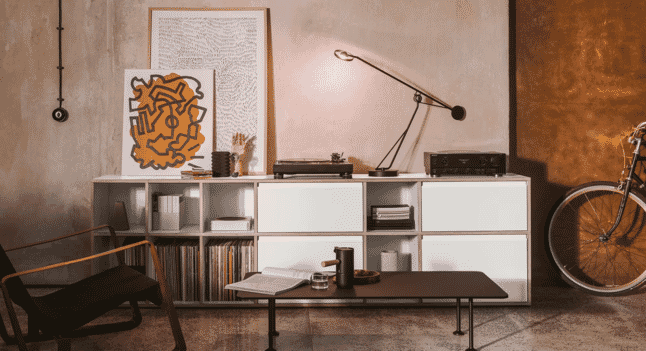
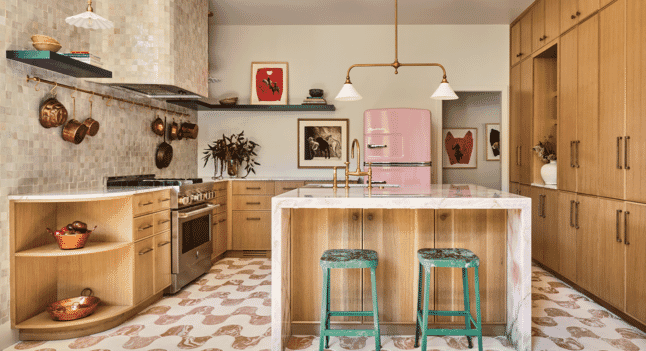
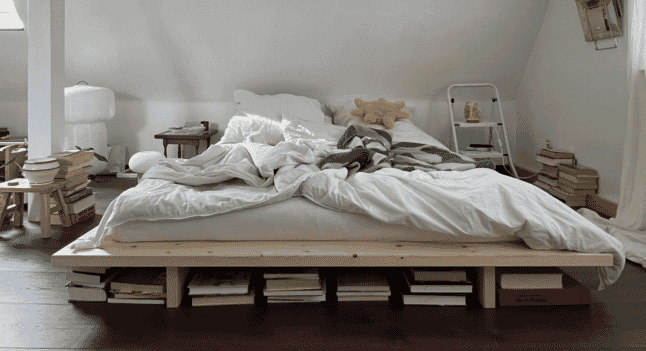
A room can be perfectly arranged and still feel unfinished. The proportions are right, the colours behave, the furniture sits where it should, yet something is missing. Often, that something is texture.
Texture in interior design is what slows a space down. It introduces resistance to the eye and the hand, encouraging pause rather than consumption. It is found in the grain of wood, the drag of woven wool, the chalky depth of plaster, the softened edge of stone that has actually been used rather than just admired. These are quiet details, but they carry weight.
In considered interiors, texture rarely announces itself. It works subtly, shaping atmosphere rather than style. An otherwise simple room becomes warmer, more human, more memorable not through excess, but through the presence of materials that ask to be touched and lived with. This guide explores how thoughtful objects and furniture can introduce that tactility, turning an ok space into one that feels quietly extraordinary.
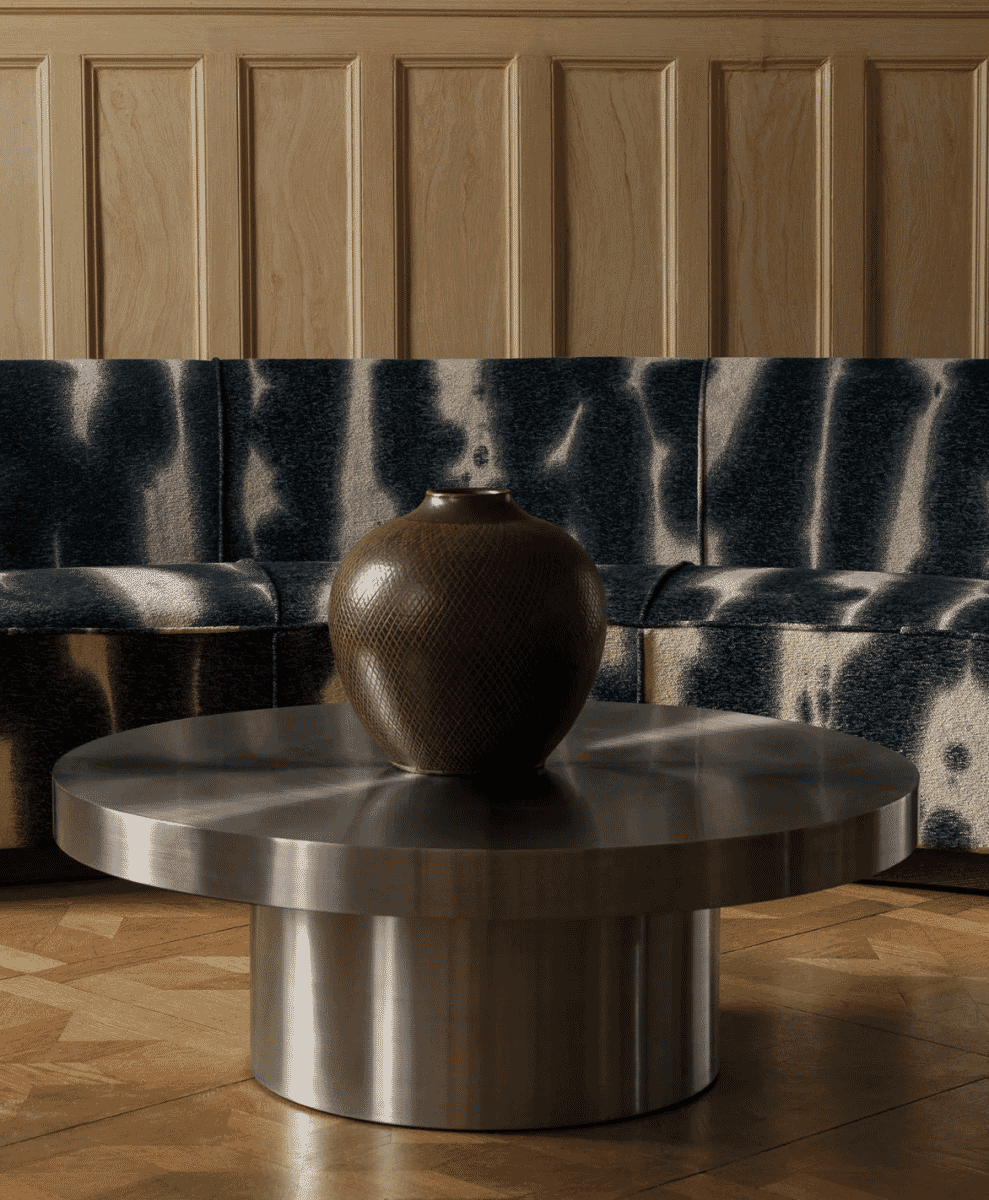
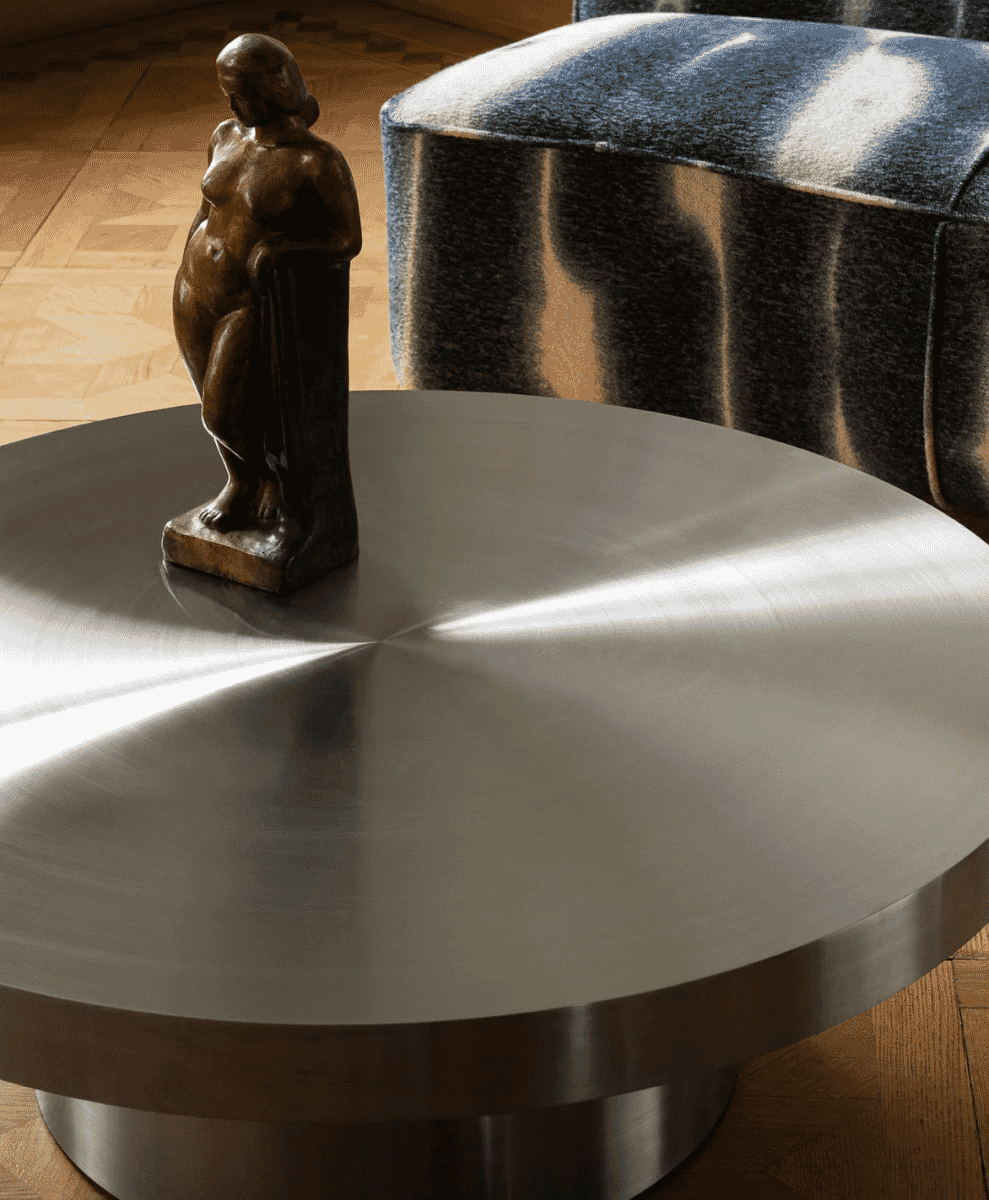
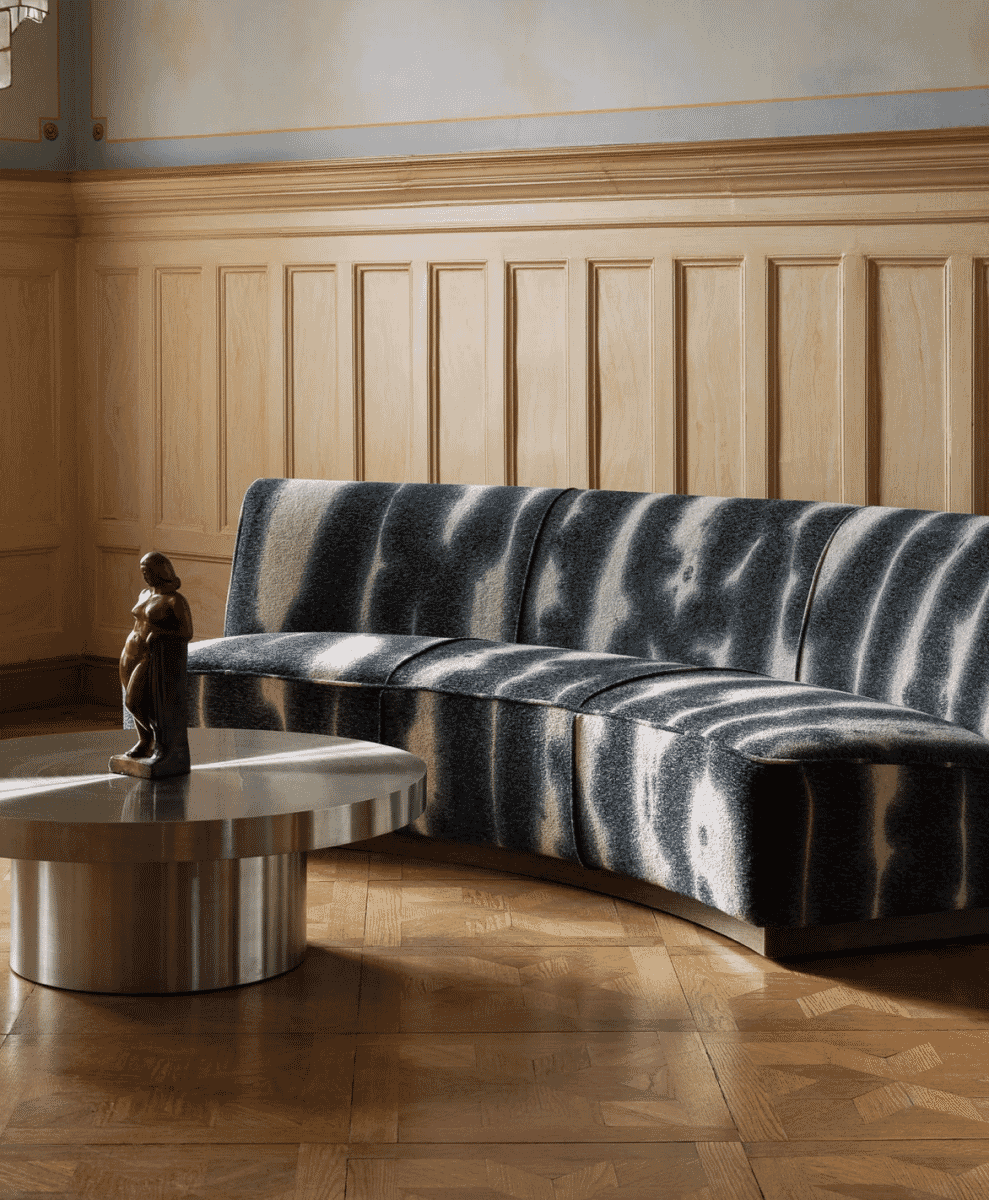
A single tactile anchor
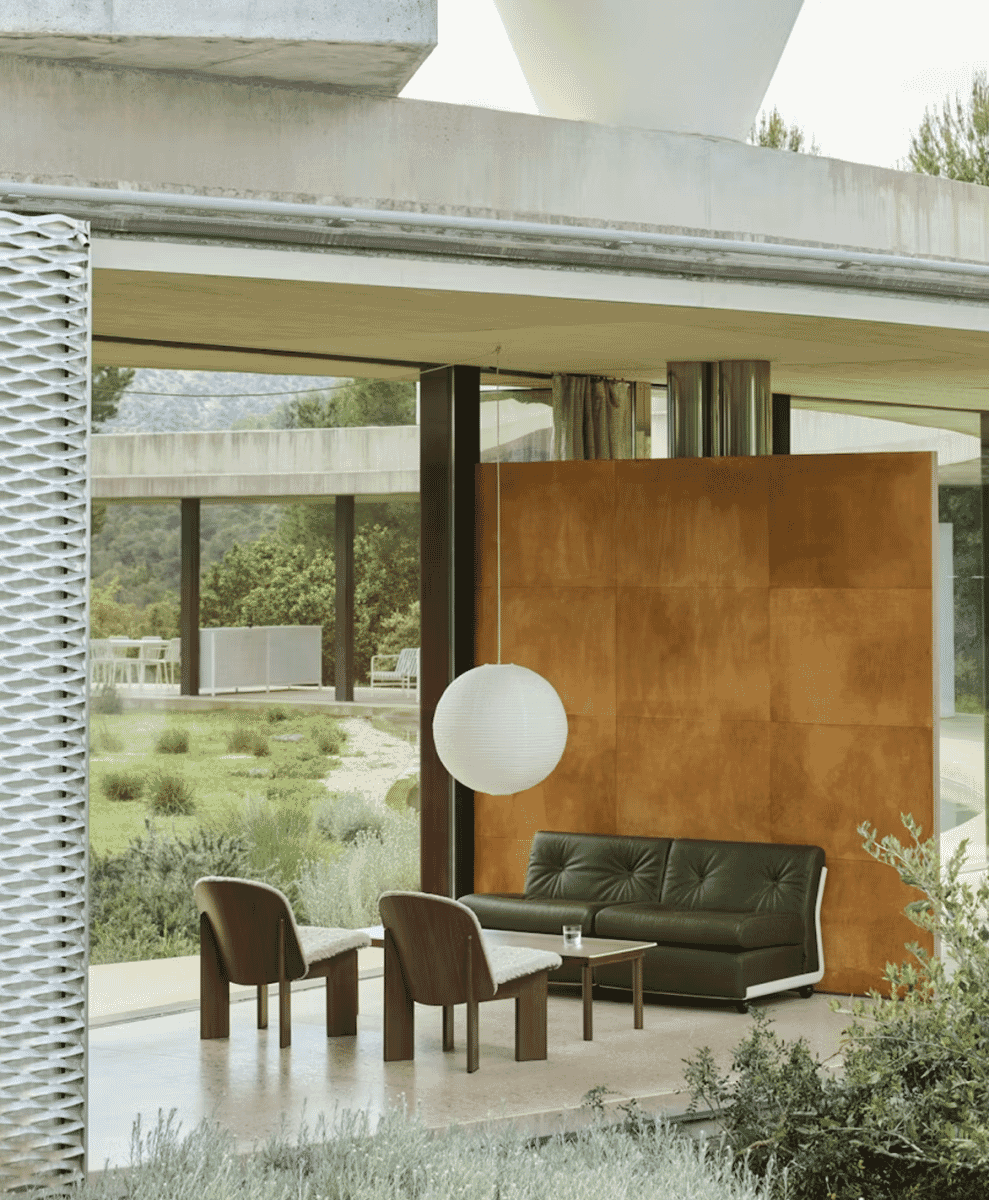
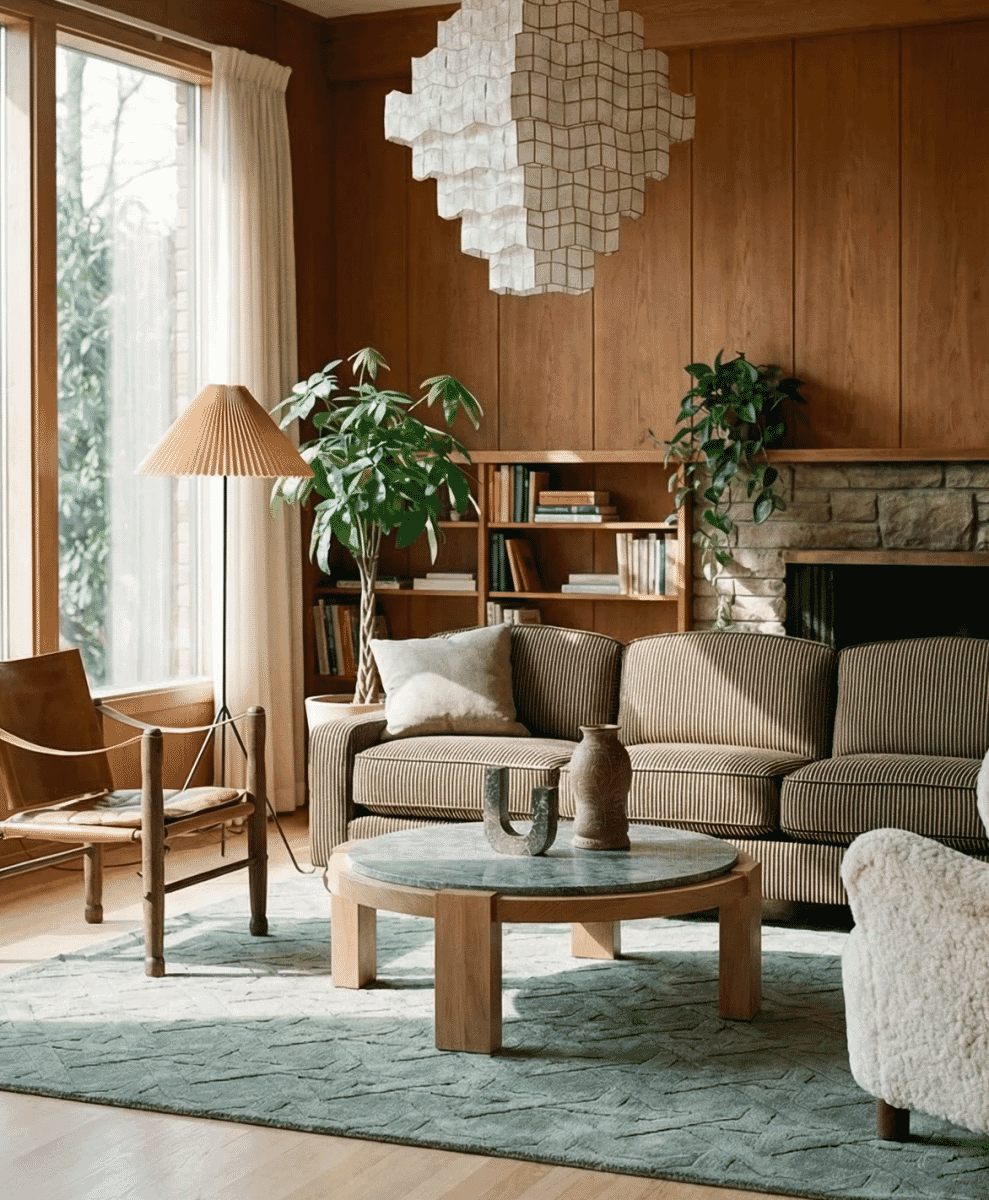
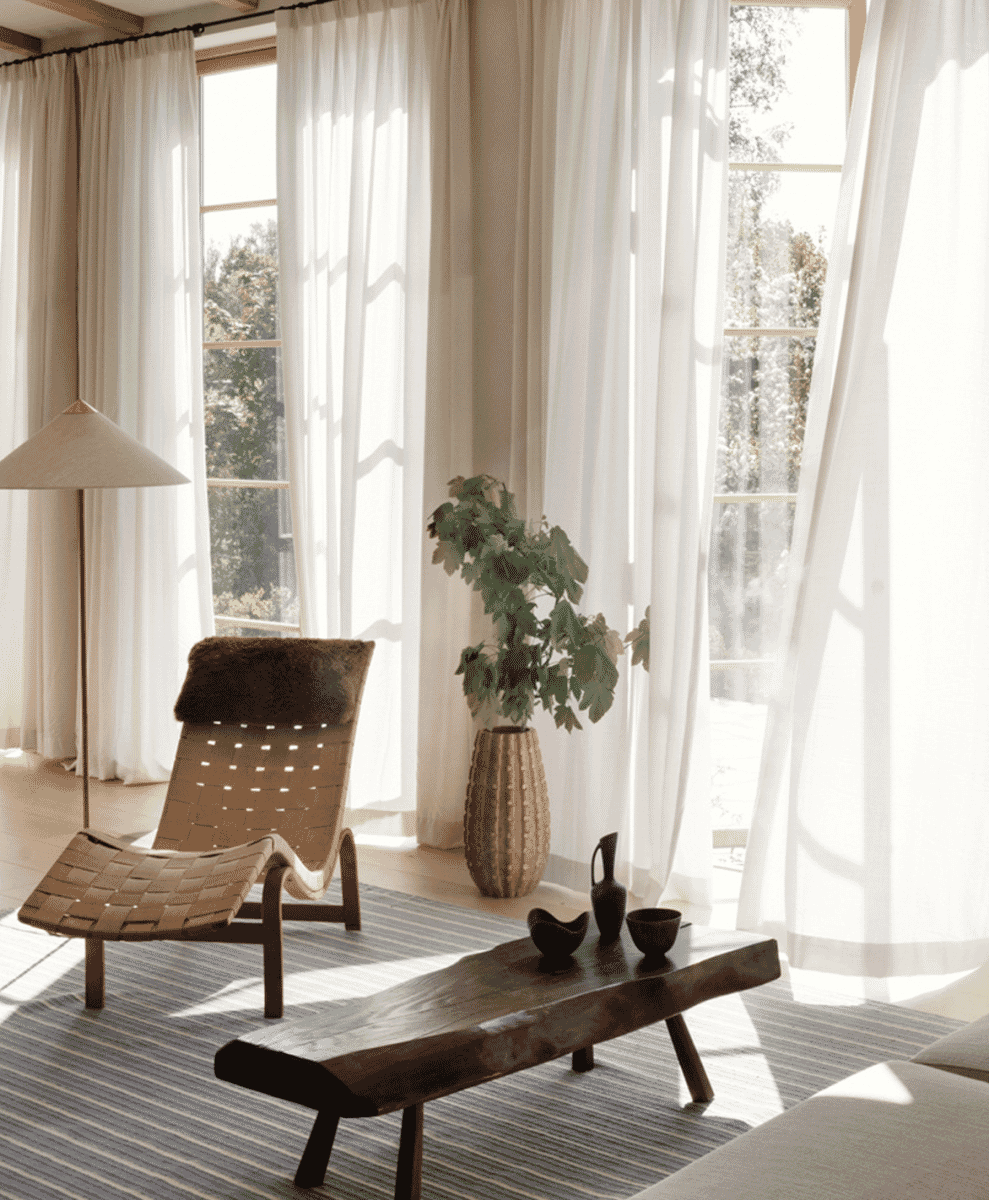
Most rooms benefit from one object that establishes a material mood. A heavy timber table with open grain. A sculptural coffee table that feels almost architectural. A generously upholstered armchair that invites touch before use. This piece sets the tone. Everything else can respond to it, rather than compete.
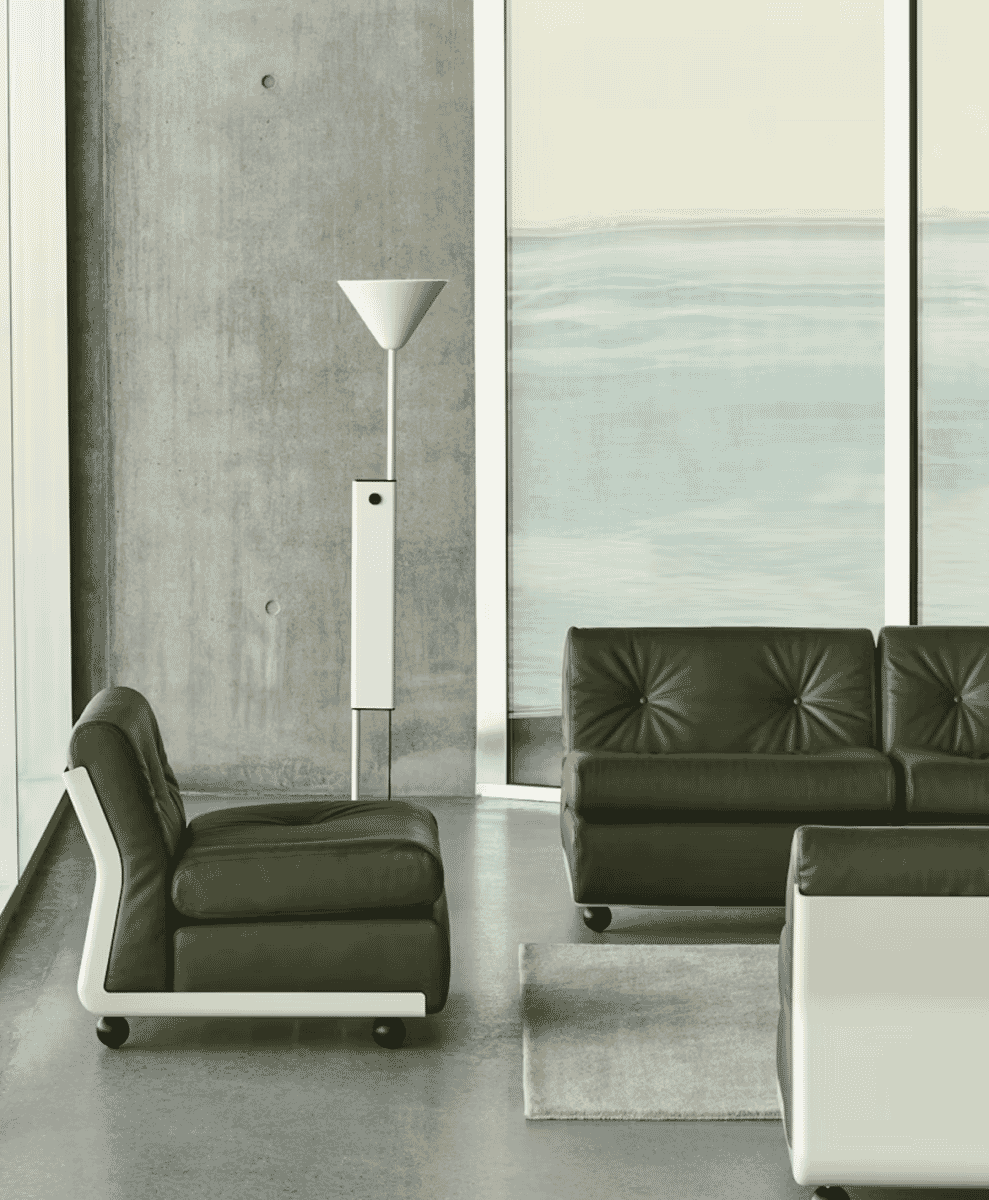
Materials that show their age
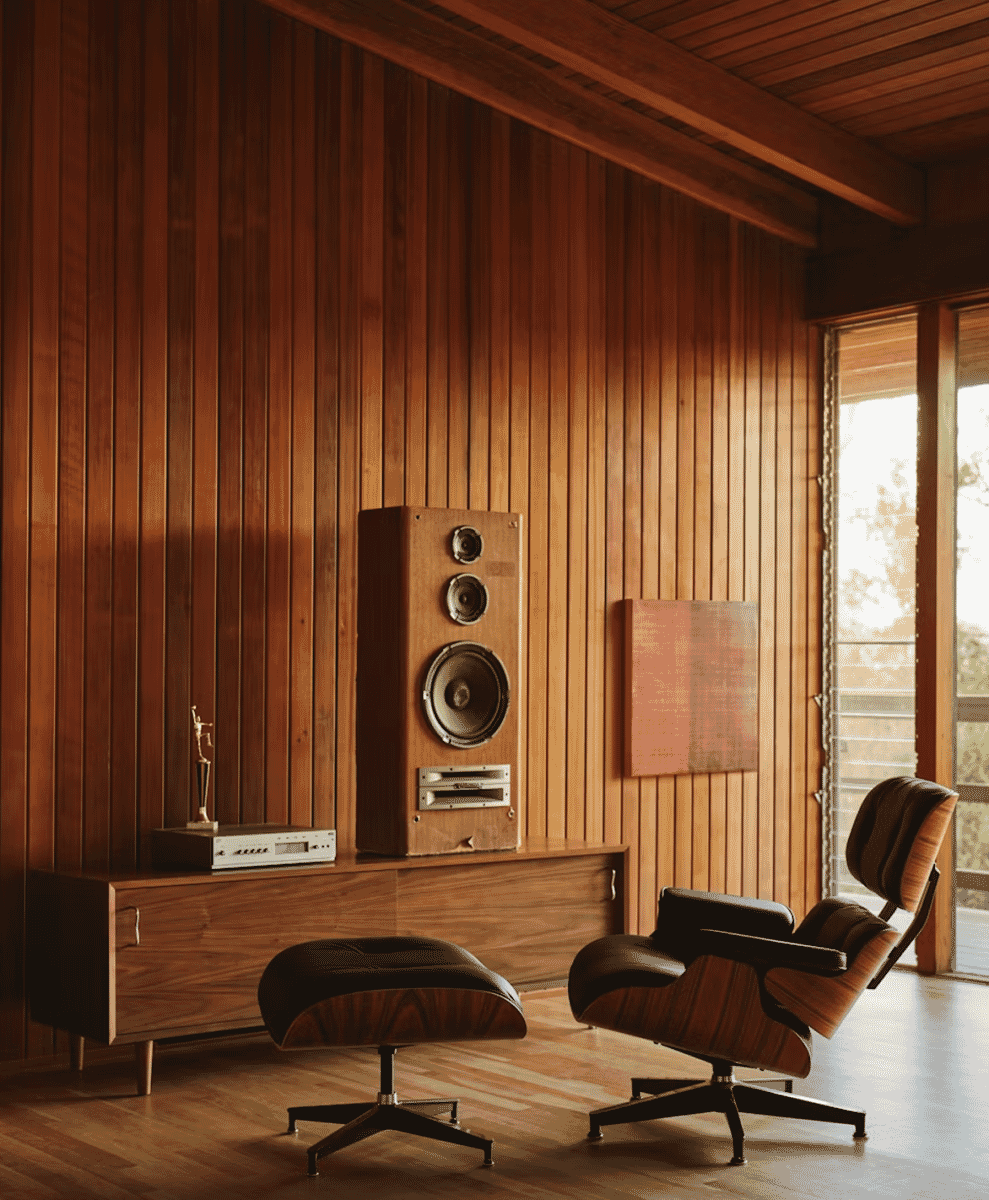
Some surfaces only reveal themselves over time. Leather softens, brass dulls, wood edges round off almost imperceptibly. Choosing materials that wear rather than resist wear gives a room a sense of continuity. It suggests patience, and an acceptance that homes are shaped by use, not just design intent.
Furniture that balances hard and soft
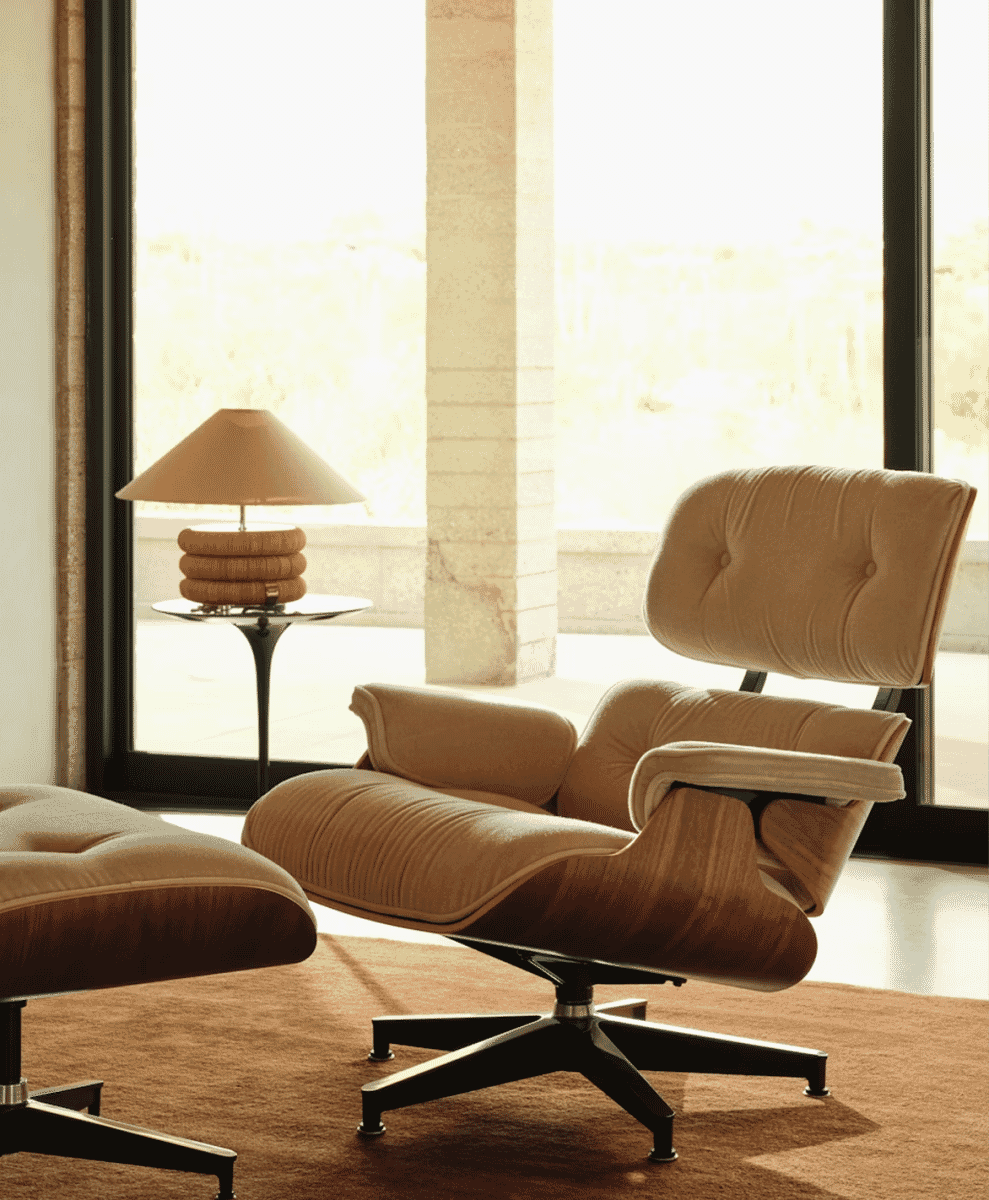
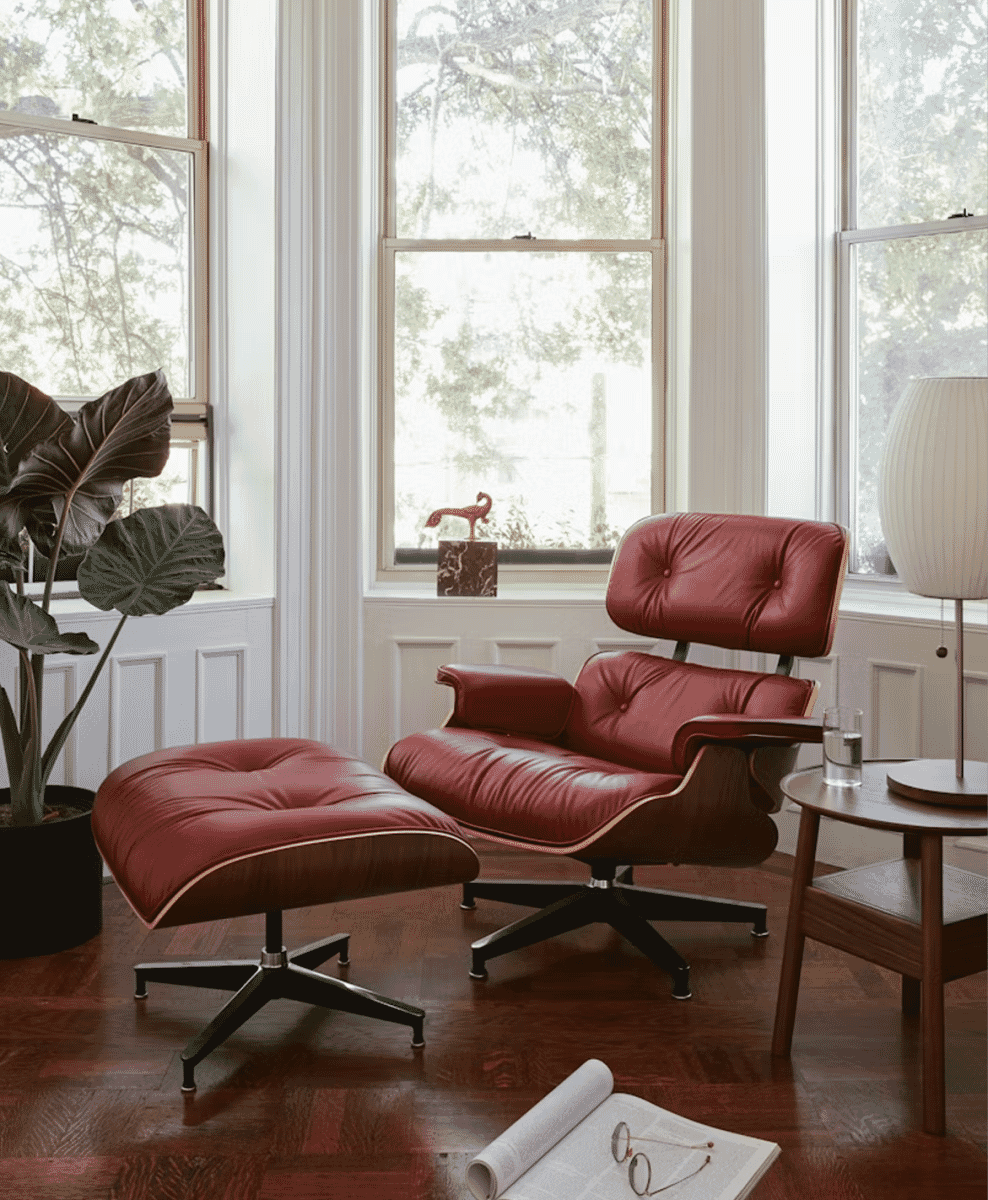
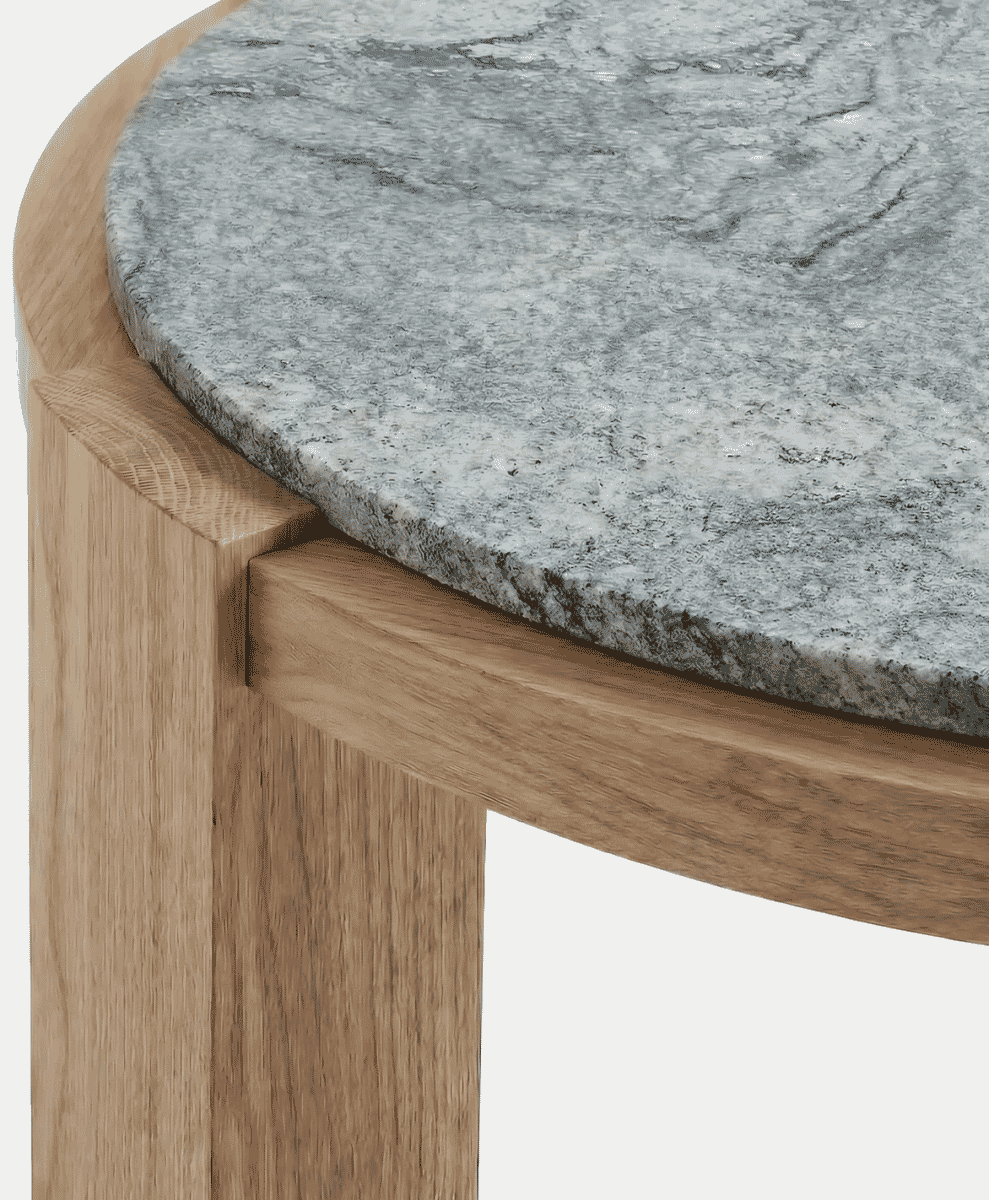
Contrast works best when it is built into the object itself. A marble top paired with a timber base. A steel frame softened with a wool or felt seat. When hardness and softness coexist within a single piece, the room feels considered without relying on layers of decoration.
Looking beyond upholstery
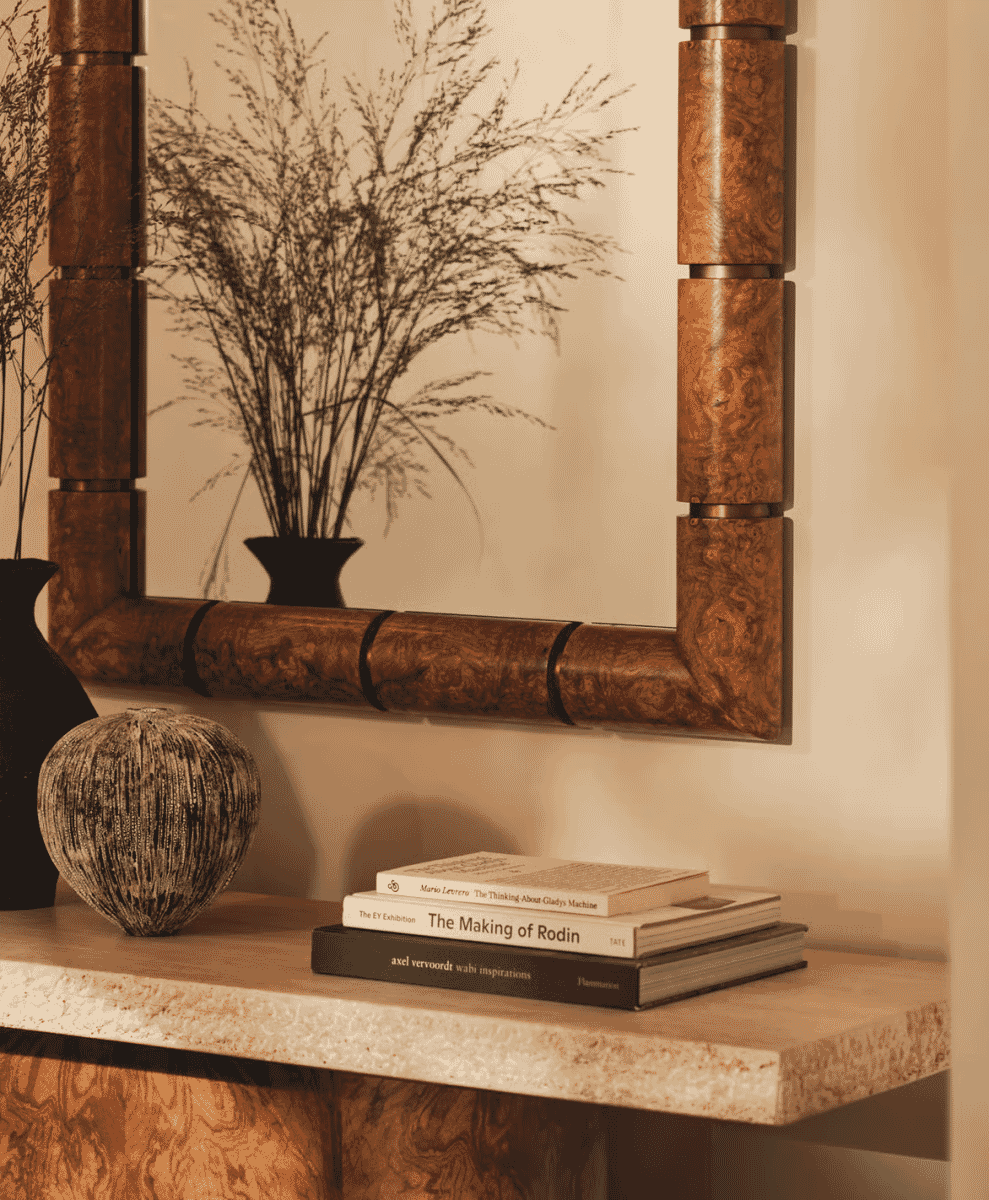
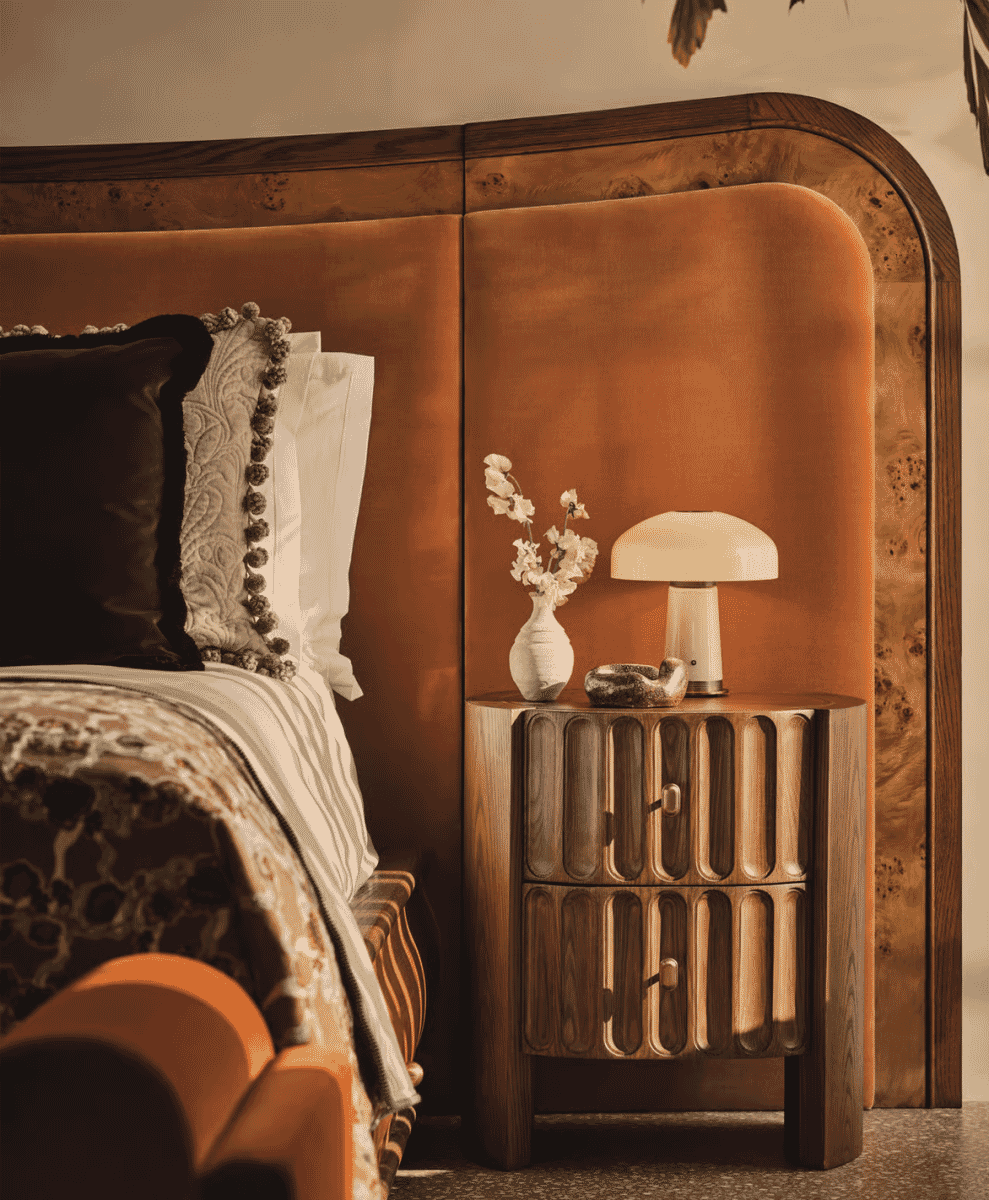
When well executed, texture in interior design is often hiding in plain sight. Ribbed glass cabinet doors, carved drawer fronts, woven cane panels, or the quiet irregularity of hand-thrown ceramics. These elements add depth without clutter, and tend to reward closer attention rather than announce themselves immediately.
Repetition as restraint
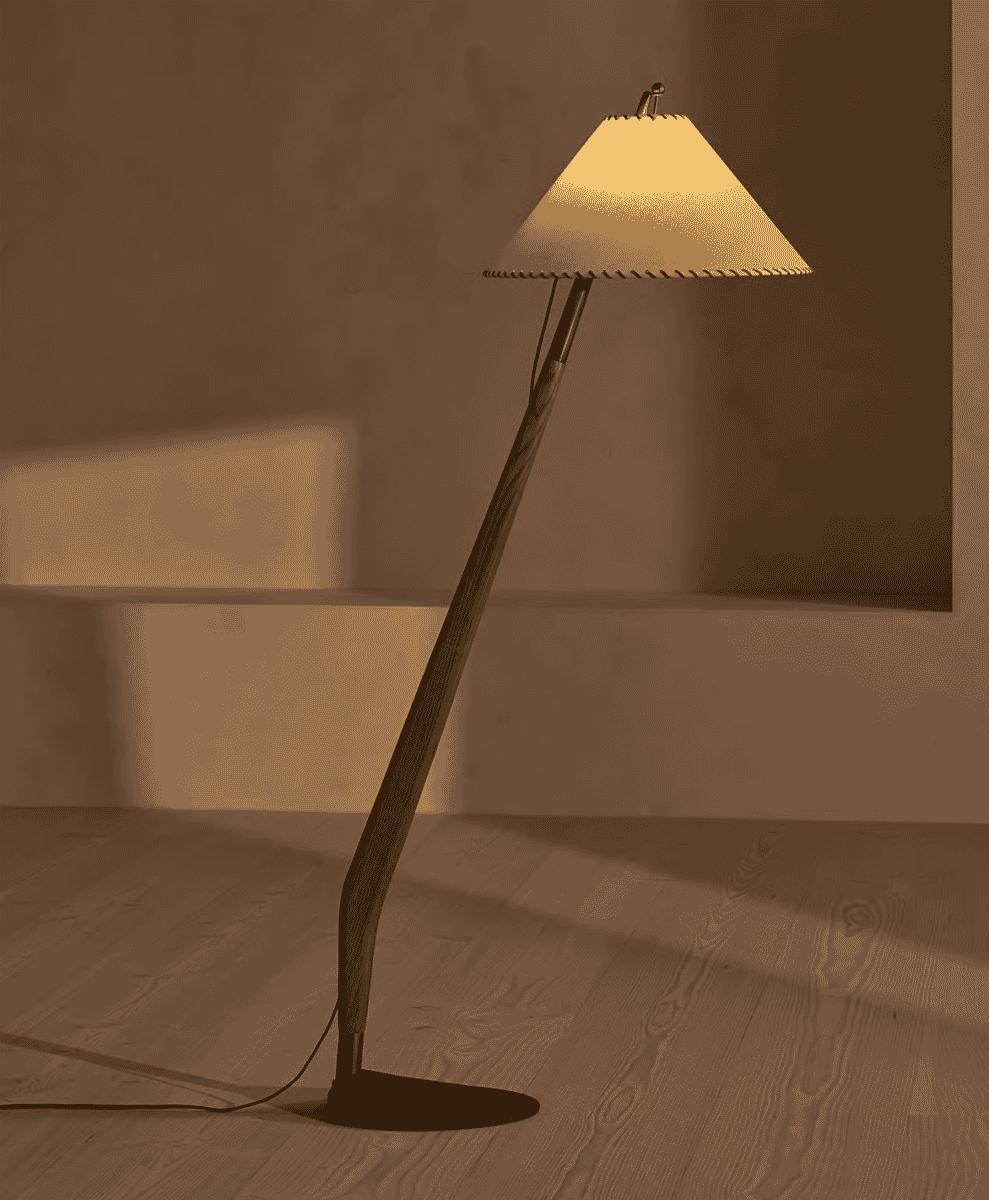
Rather than introducing many different materials, repeating one or two textures can be more effective. The same timber used across shelving, seating, and a small stool. The same stone echoed in a plinth and a tray. Repetition creates rhythm, and rhythm creates calm.
The value of imperfection
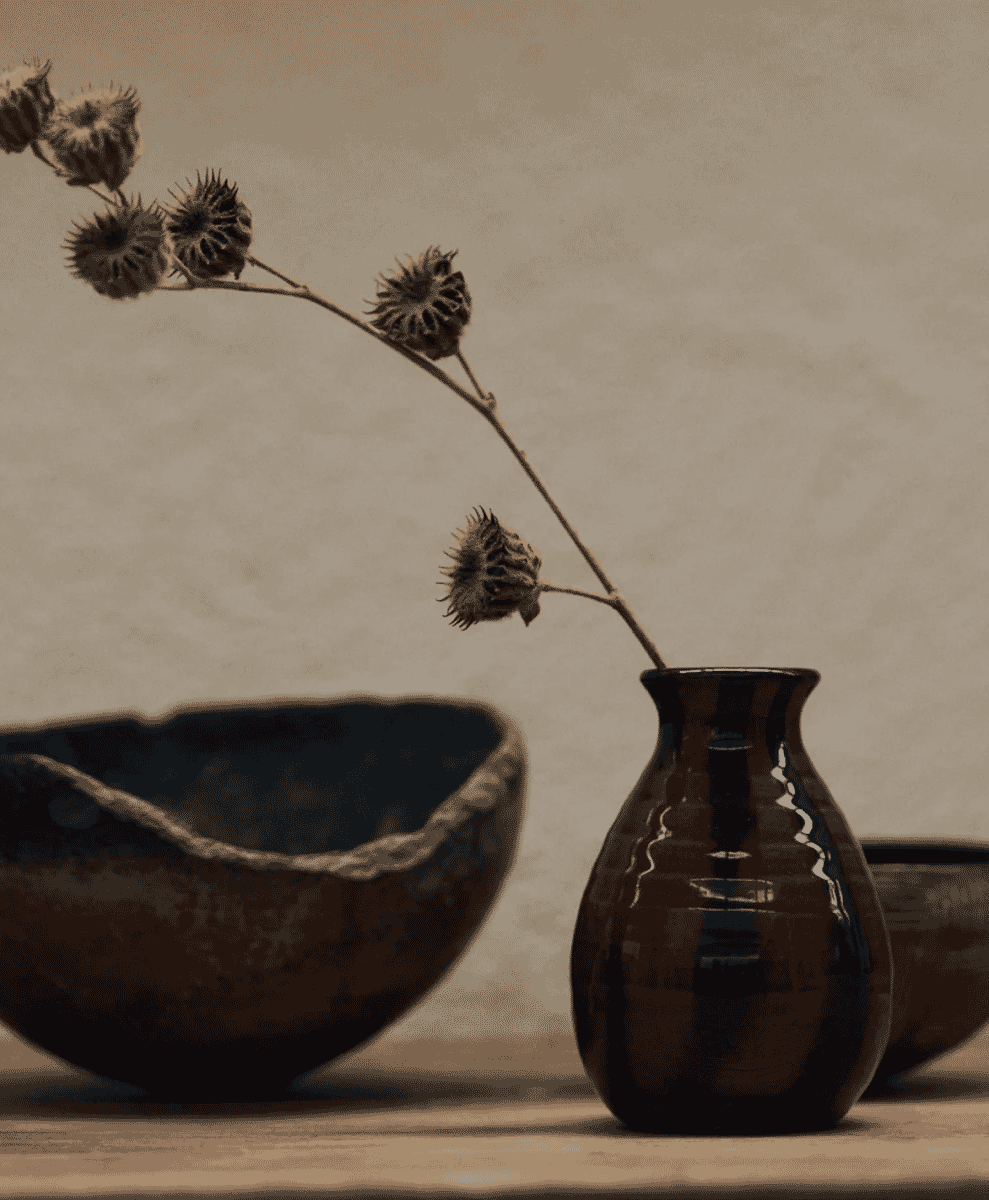
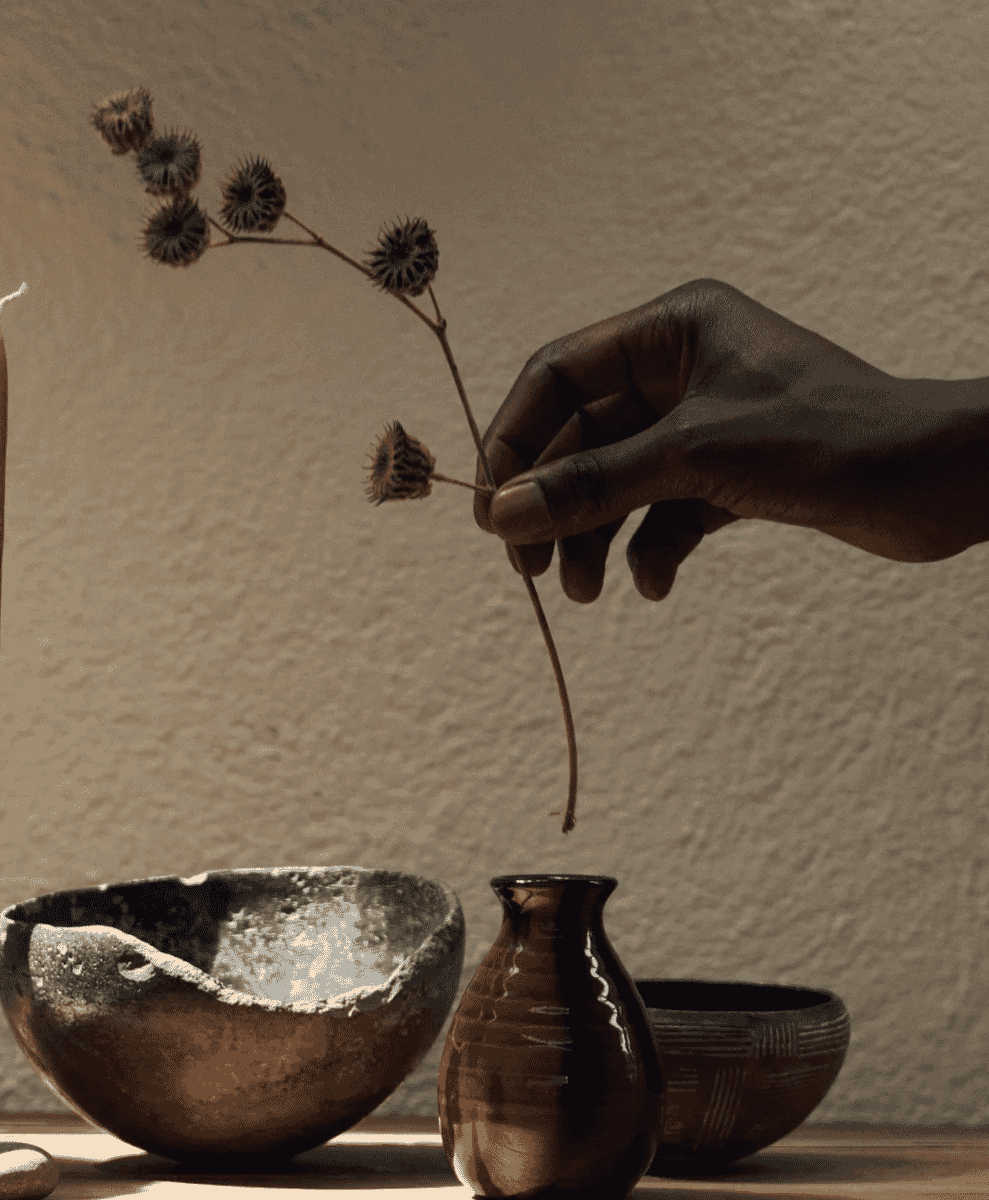
Handmade objects bring subtle variation that machine-made pieces cannot replicate. A slightly uneven glaze, a visible join, a hand-finished edge. These details soften a space and make it feel inhabited. The aim is not rustic charm, but quiet humanity.
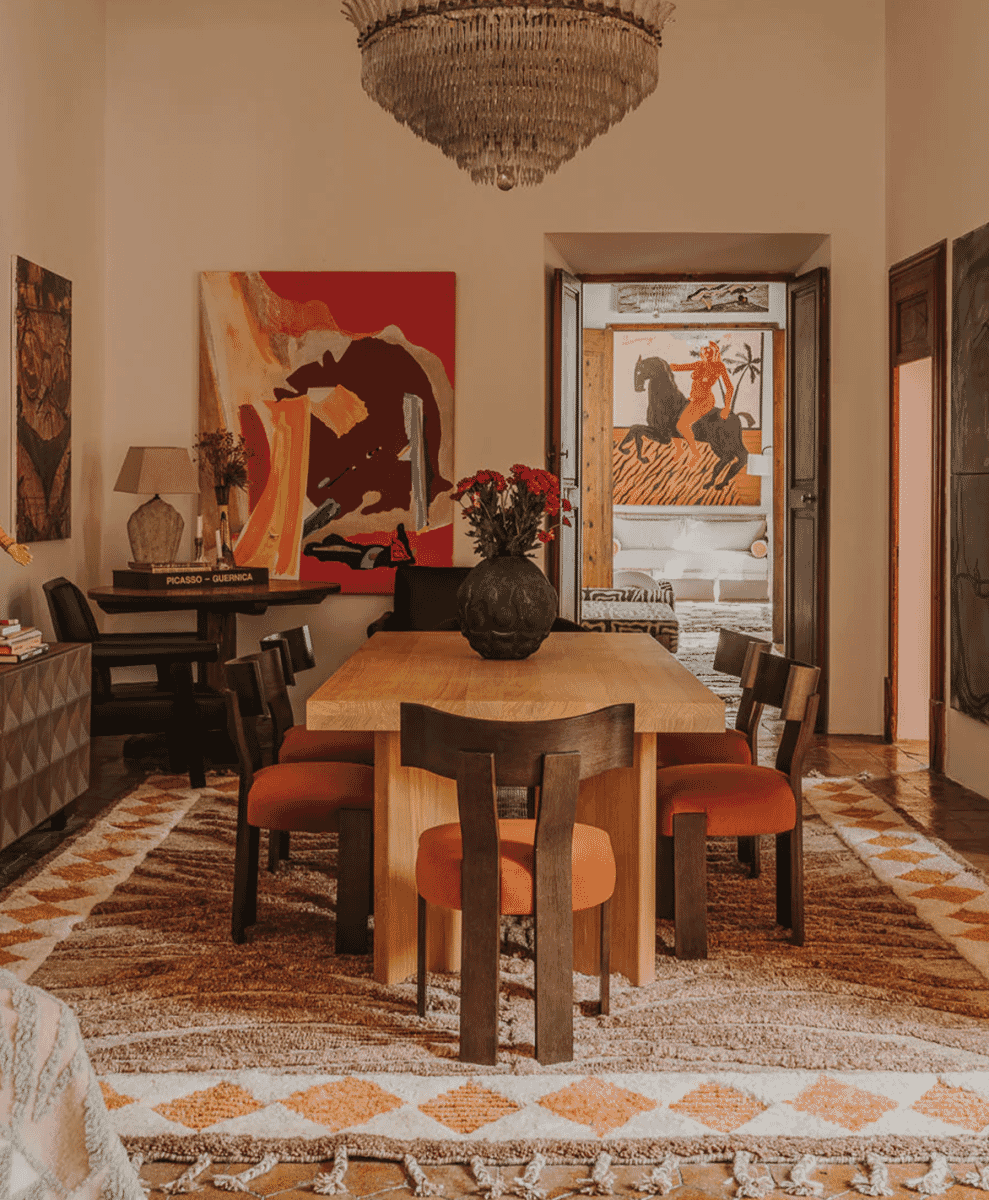
Texture at scale
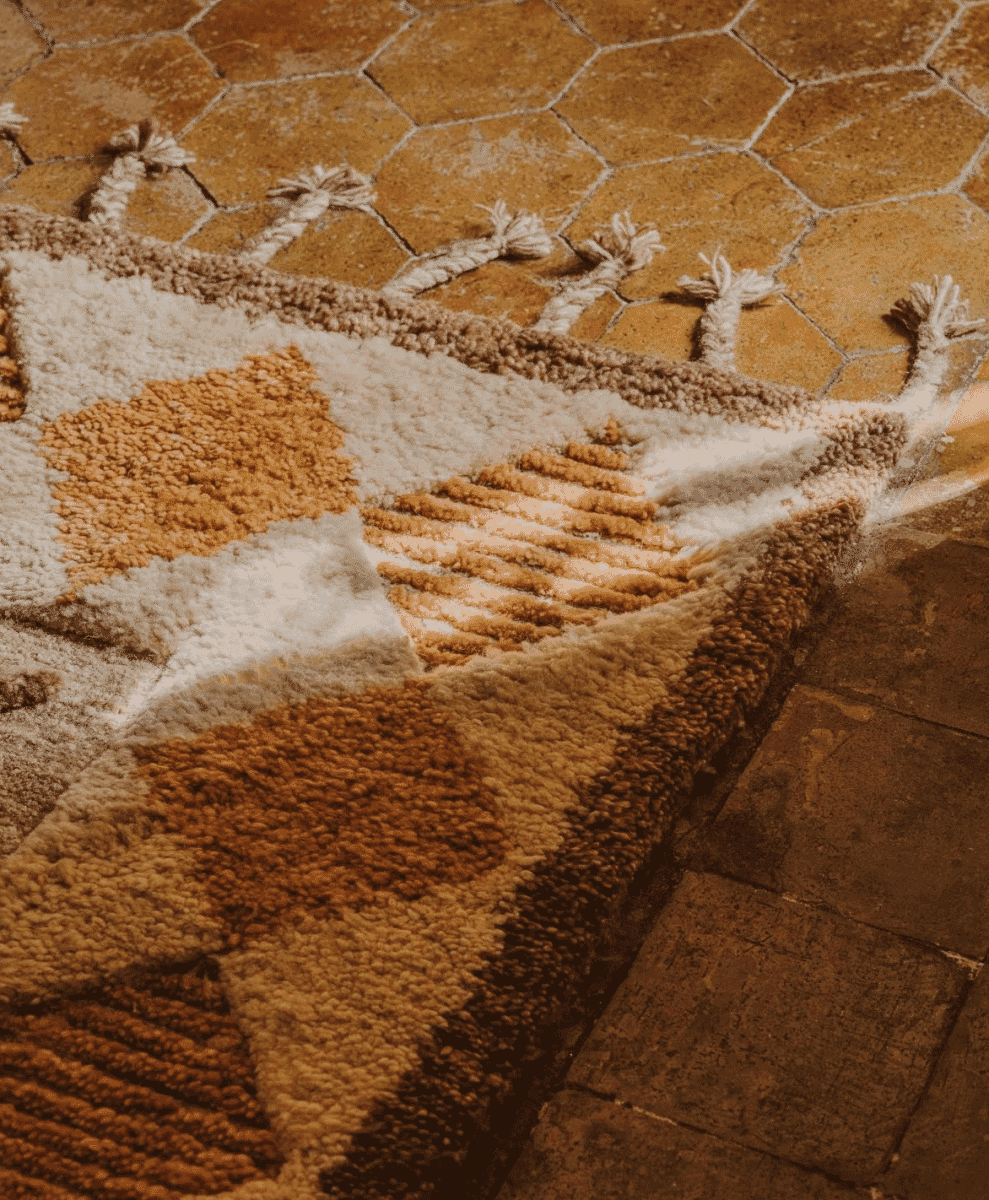
The larger the surface, the more powerful texture becomes. A heavily plastered wall, a deeply grained timber floor, a large woven rug. When texture operates at an architectural level, it stops feeling like decoration and starts to shape the room itself.
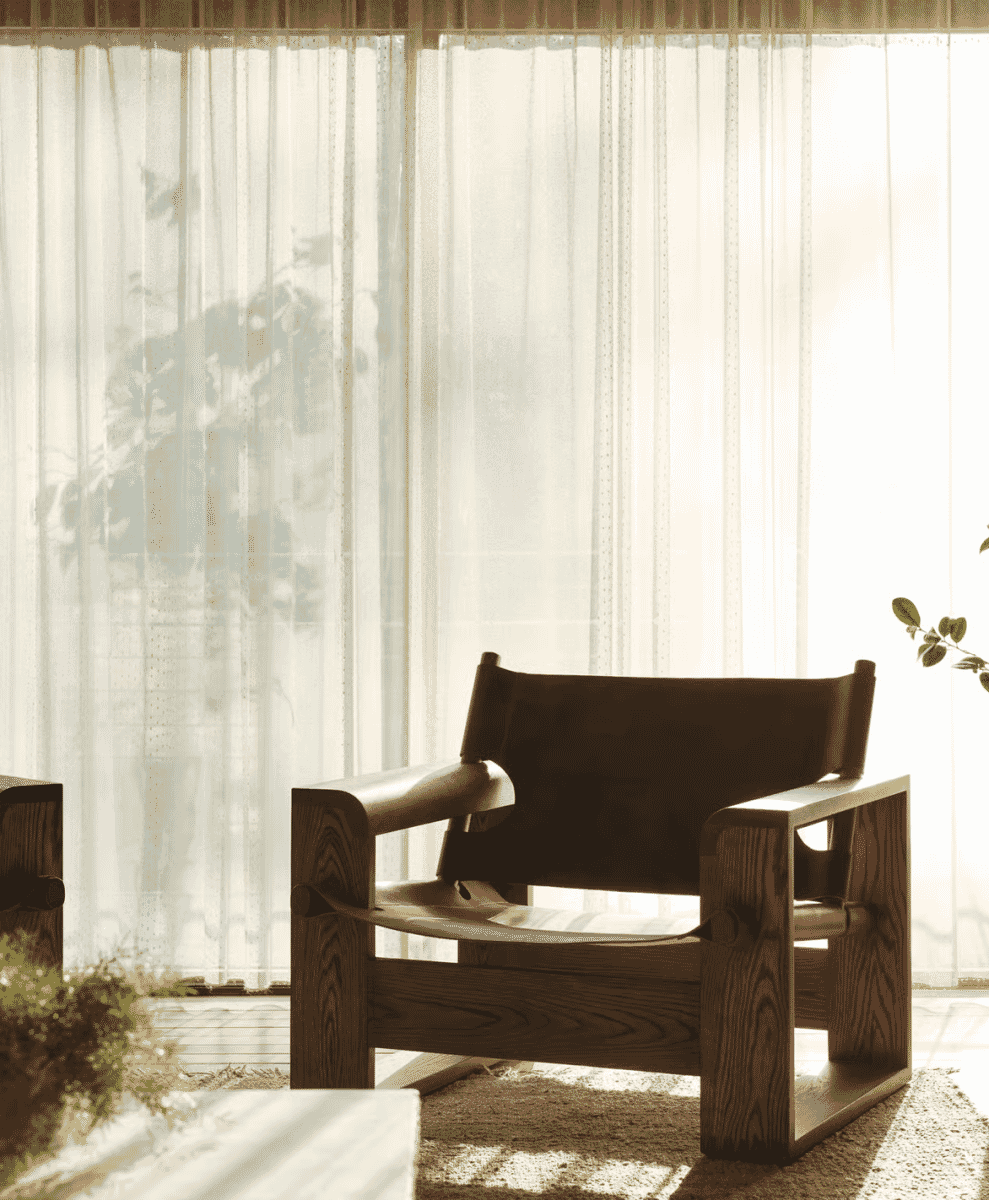
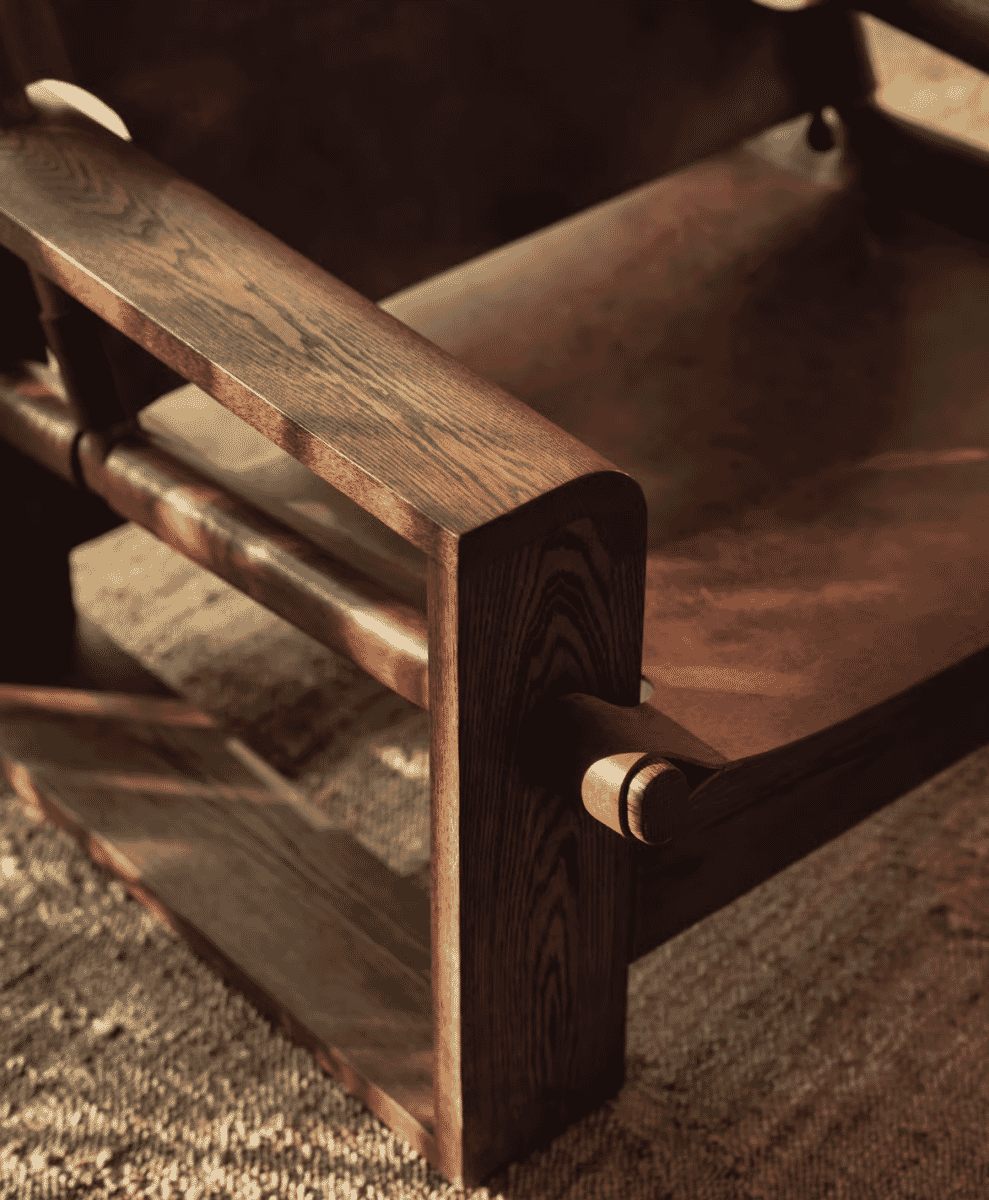
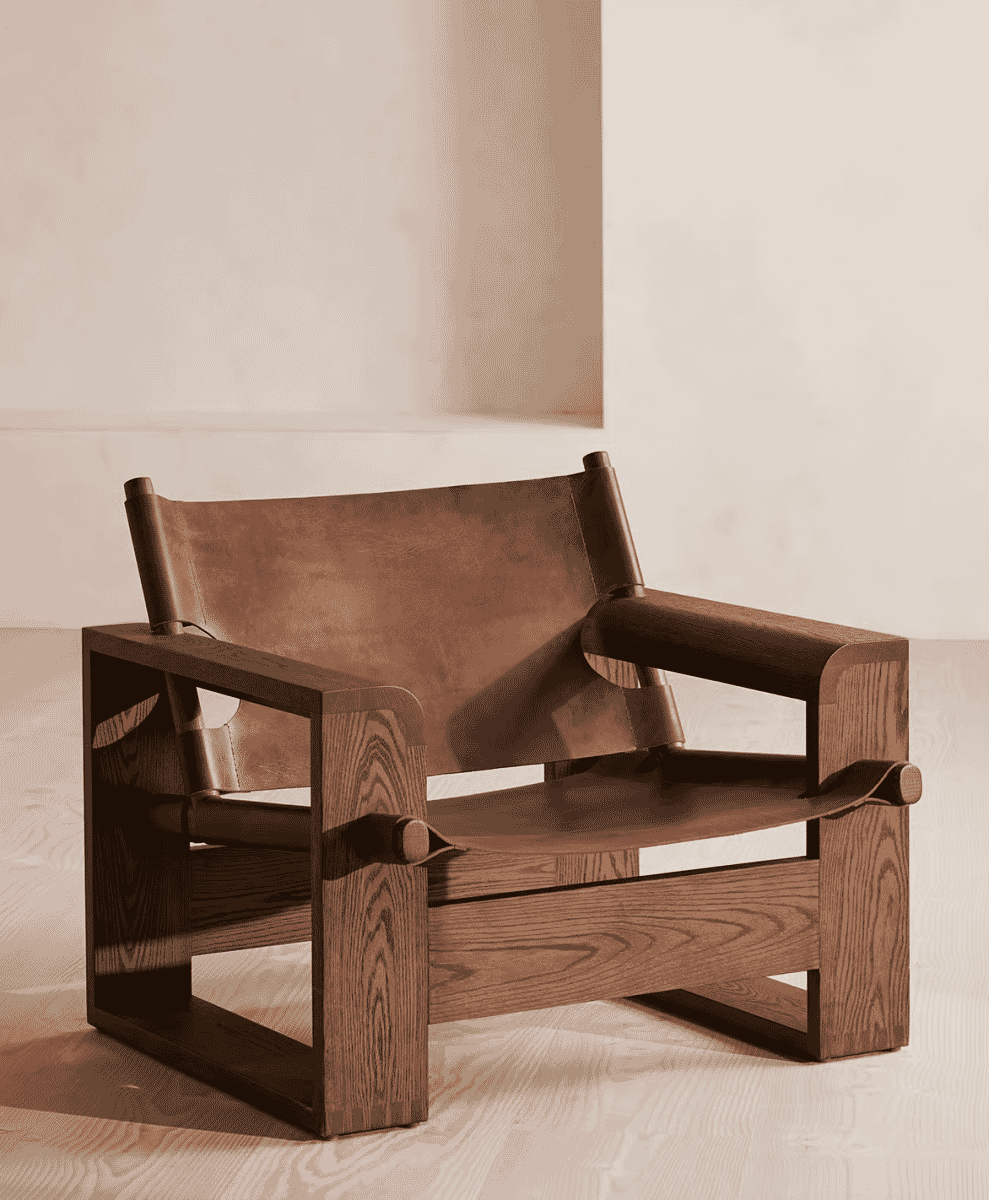
Letting furniture lead
When furniture has strong material presence, fewer objects are needed. A sculptural chair, a solid coffee table, a well-proportioned bookcase. Spaces often feel calmer when furniture carries the weight, rather than accessories trying to add character after the fact.
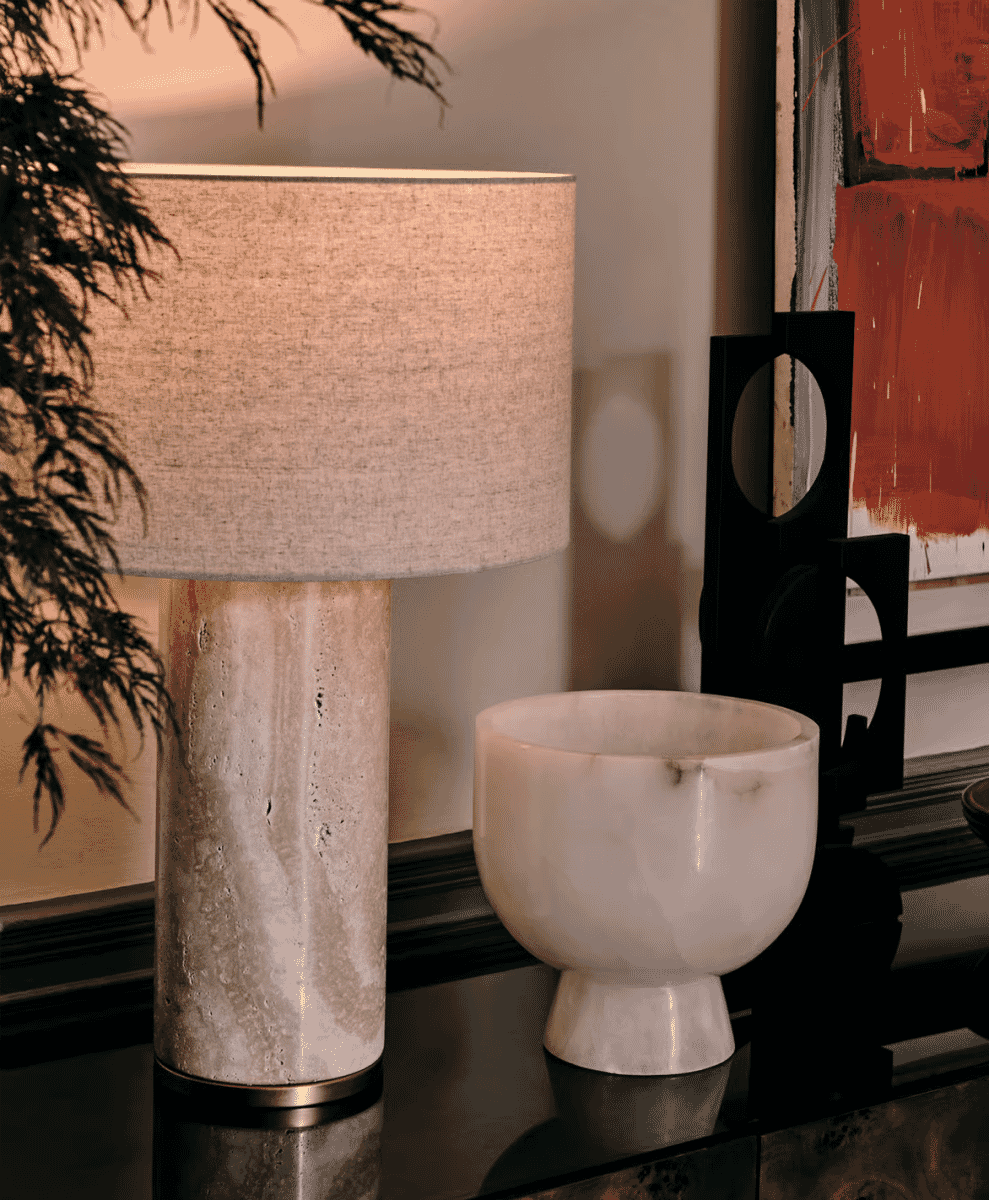
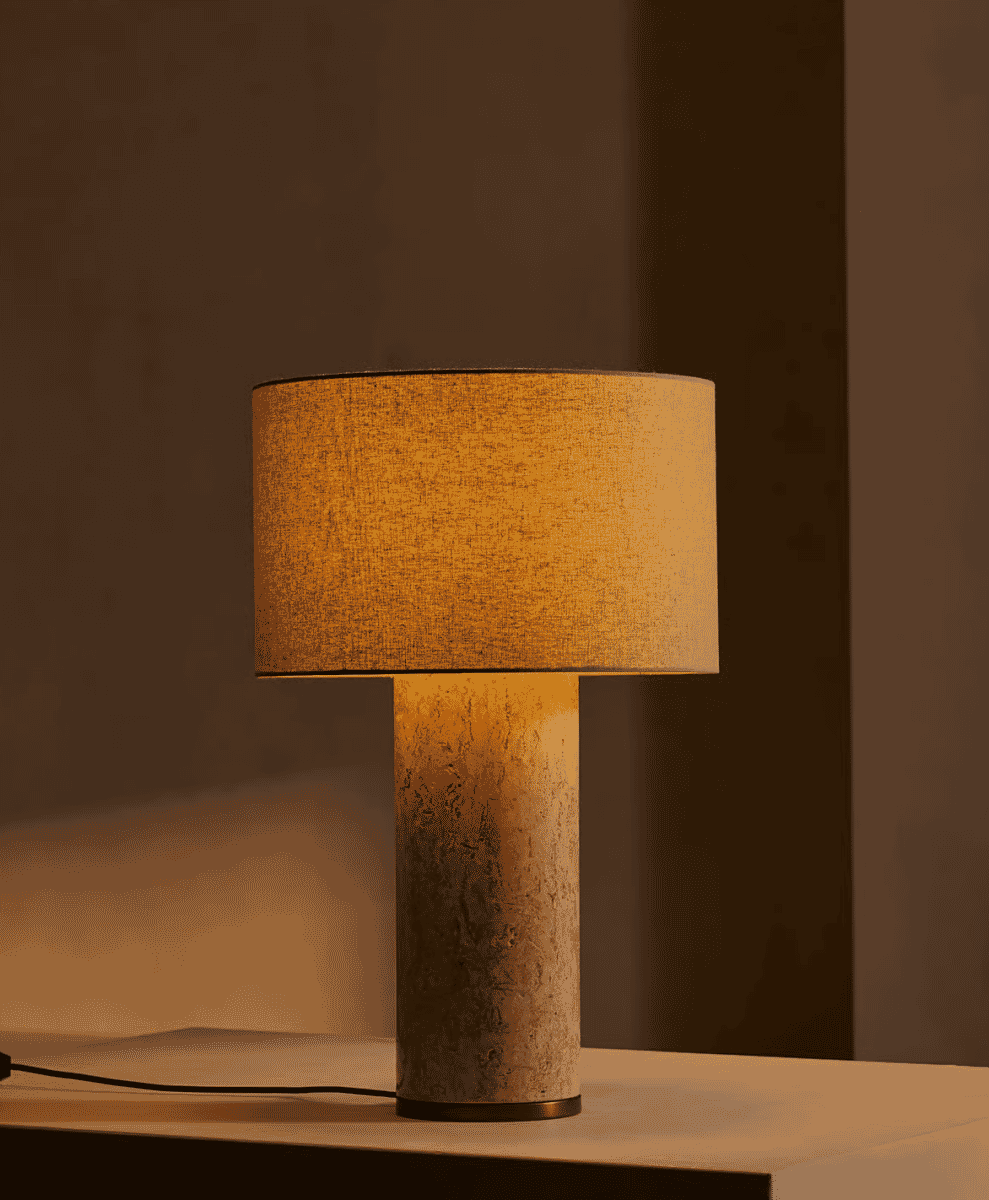
Refined forms, rough finishes
Clean, restrained silhouettes benefit from tactile contrast. A minimalist sofa upholstered in a nubby fabric. A precise table finished in raw stone. This tension adds depth and prevents a space from feeling overly polished or emotionally distant.
Editing as a final step
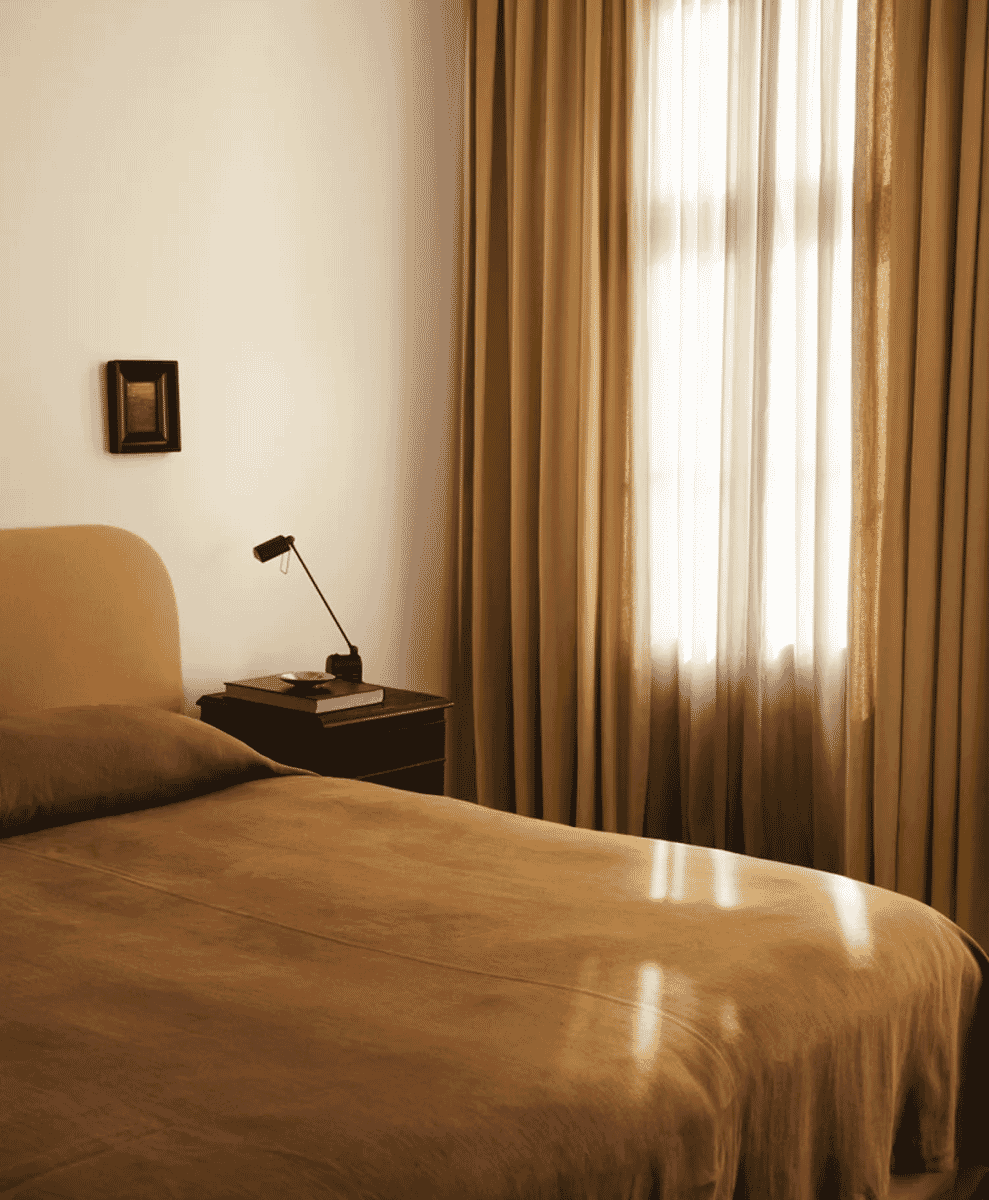
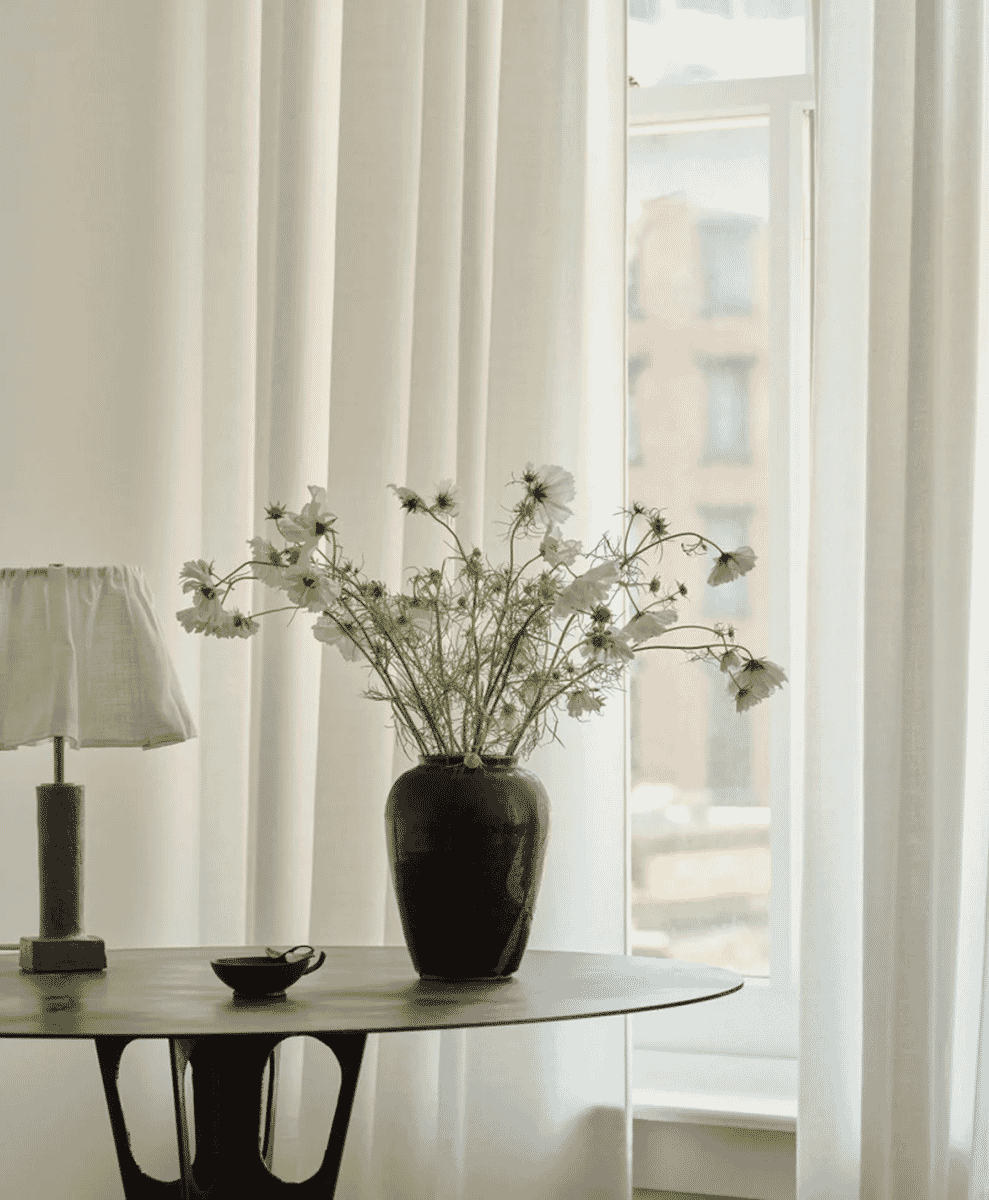
Texture is easiest to appreciate in rooms that are not overcrowded. Removing pieces often does more than adding new ones. When surfaces are allowed to breathe, materials can be seen, felt, and understood. The extraordinary is usually already there, once the noise is stripped away.
Next up: How to maximise space in your studio apartment.