Founded in 1973 by Yvon Chouinard, Patagonia began less as a business and more as an extension of a climber’s habits. Chouinard was part of a generation that treated the outdoors as something to move through lightly, not conquer, and that ethos shaped the product. Early on, Patagonia shifted from making climbing hardware to clothing, partly because steel pitons were damaging rock faces. The solution was softer, less destructive gear, which set a precedent.
What distinguishes Patagonia is how consistently it has treated environmental concern as a design constraint rather than a marketing angle. The brand popularised fleece through Synchilla, invested in organic cotton when it was commercially inconvenient, and has long encouraged customers to repair rather than replace. Even its famous “Don’t Buy This Jacket” campaign was less provocation than plain accounting. In a market built on churn, Patagonia operates more like a company trying to justify its own existence.
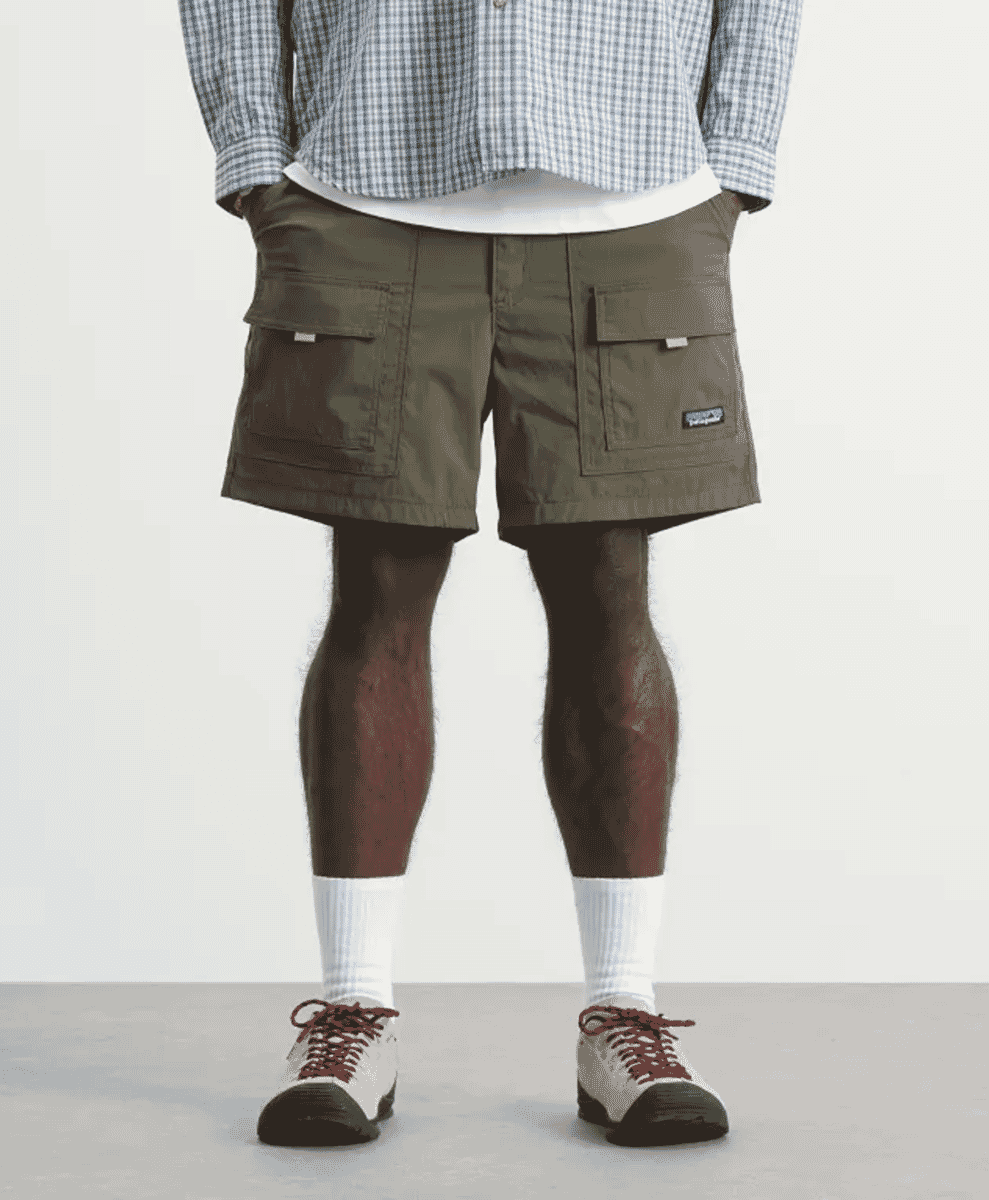
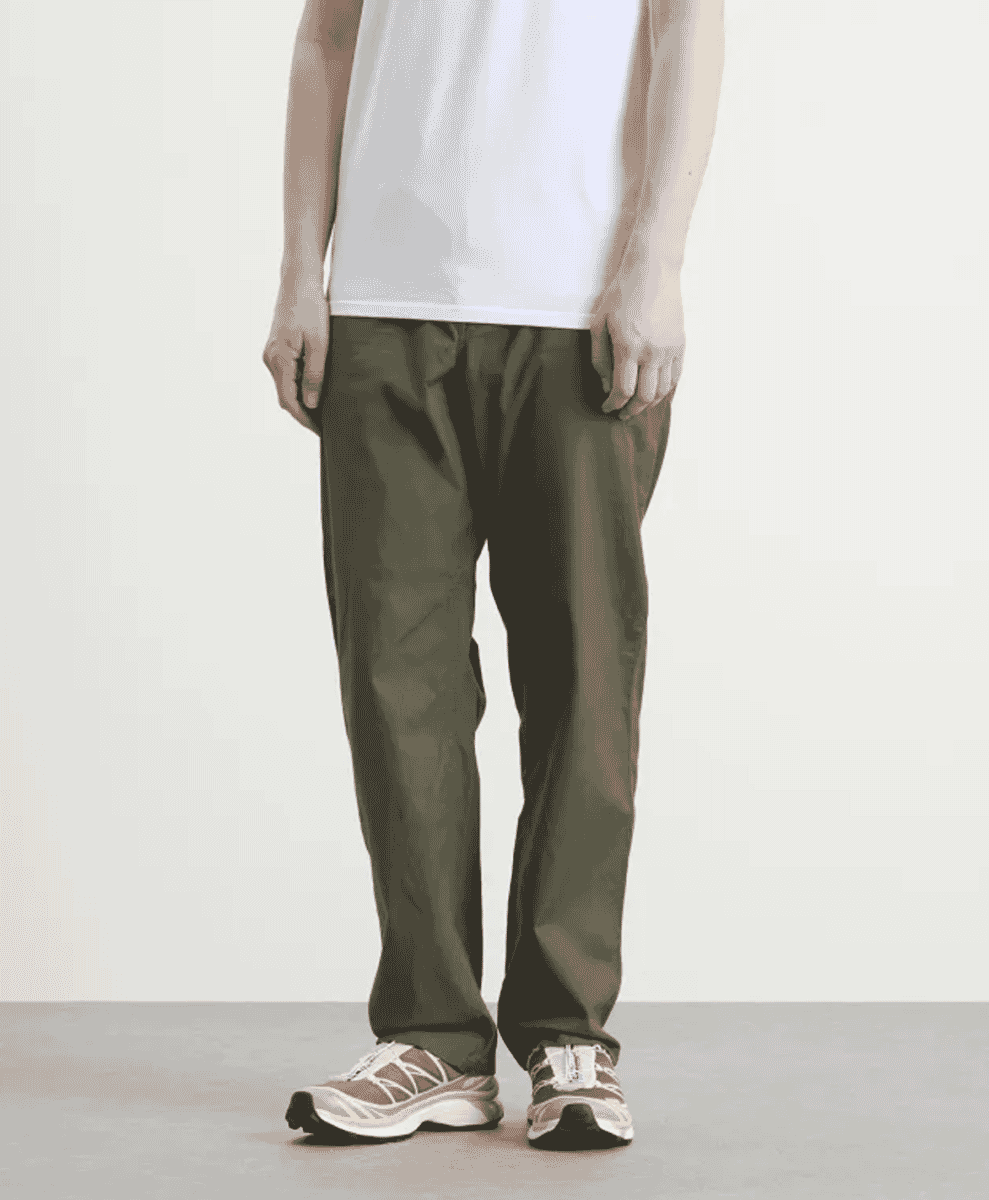
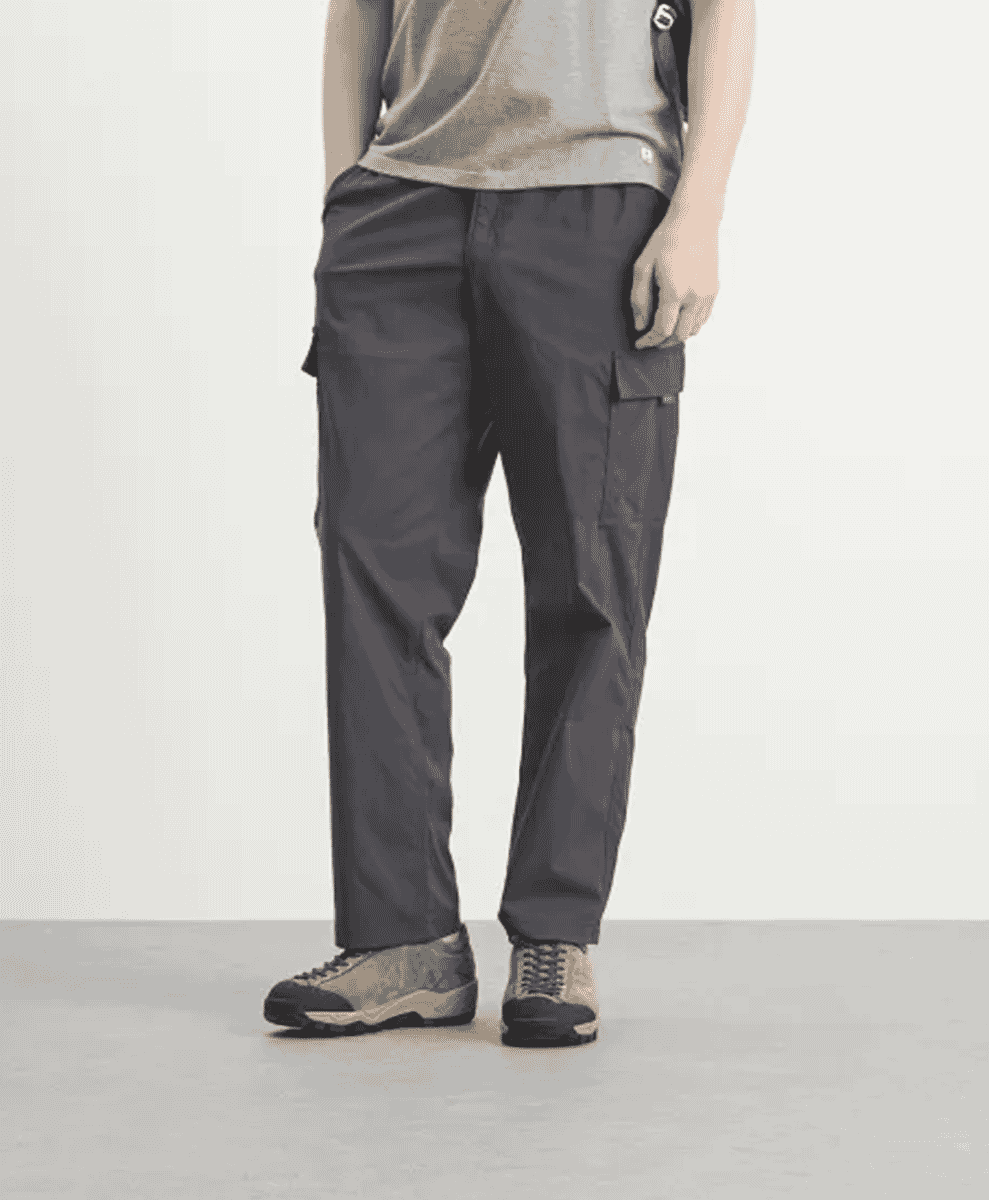
Patagonia sizing is mostly true to size. However some items - notably shorts and trousers - are cut larger than a usual size, so if in doubt consider going a size down. Helpfully, the label also adds a guide to how a garment is designed to fit, on a scale from form-fitting to relaxed.
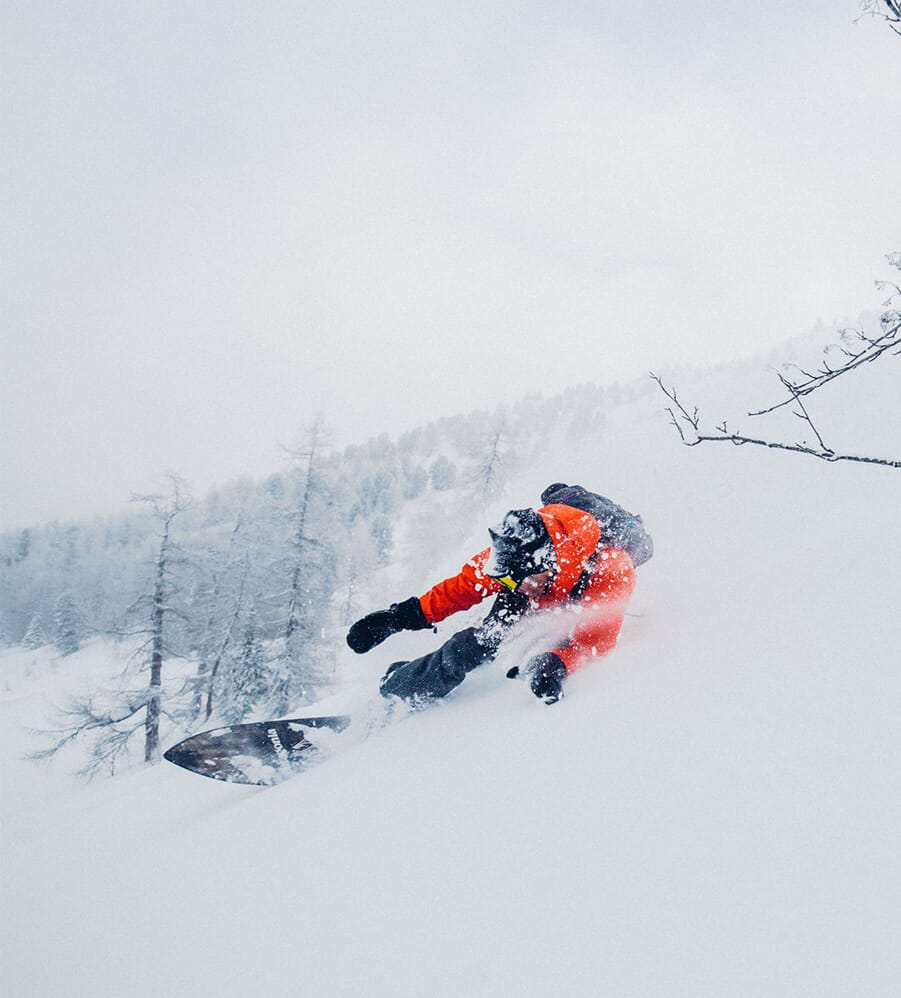
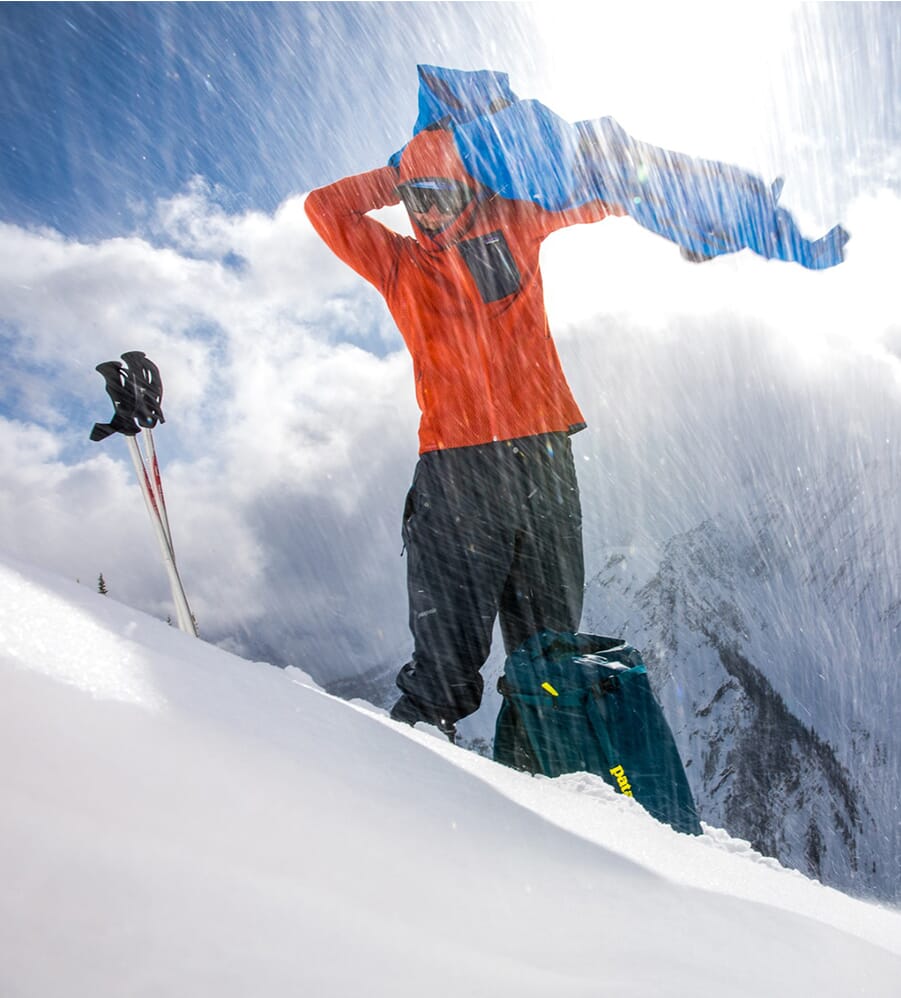
Patagonia sizing notes
- Some Patagonia garments are cut larger, if in doubt go a size down
- Along with conventional sizing, Patagonia adds a useful guide on how its items are designed to fit
- If you're in any doubt, consider ordering two sizes to find your ideal Patagonia fit
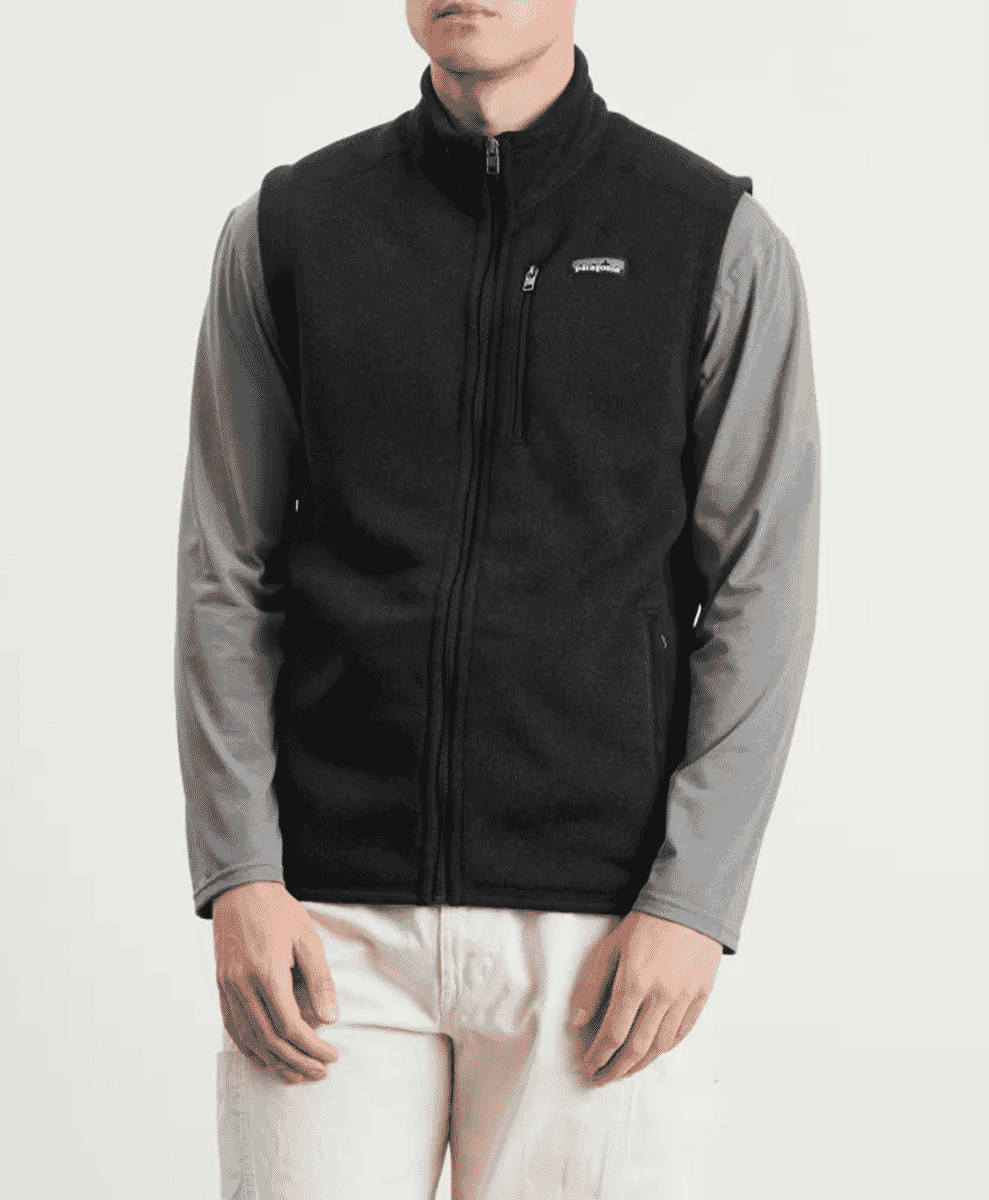
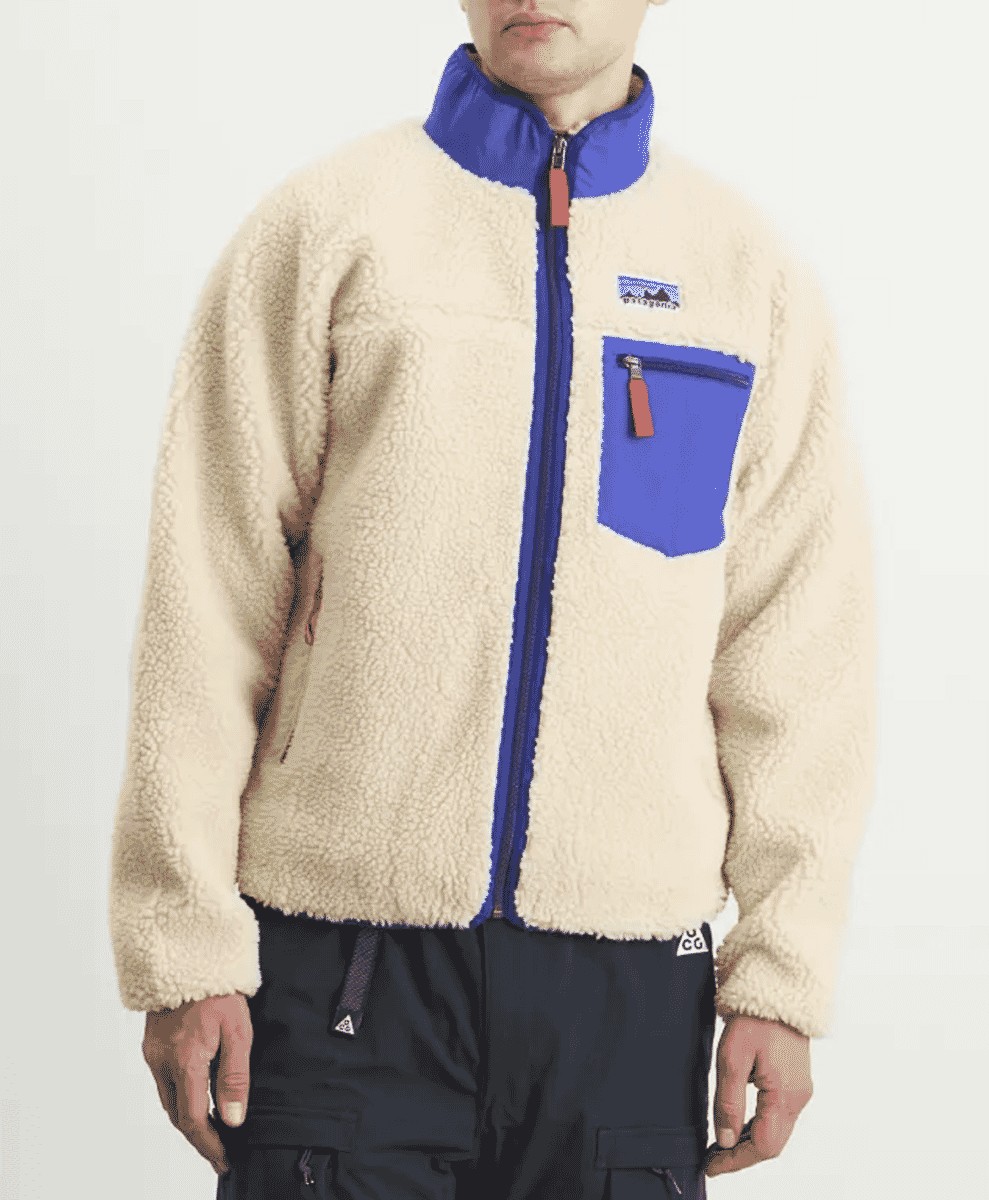
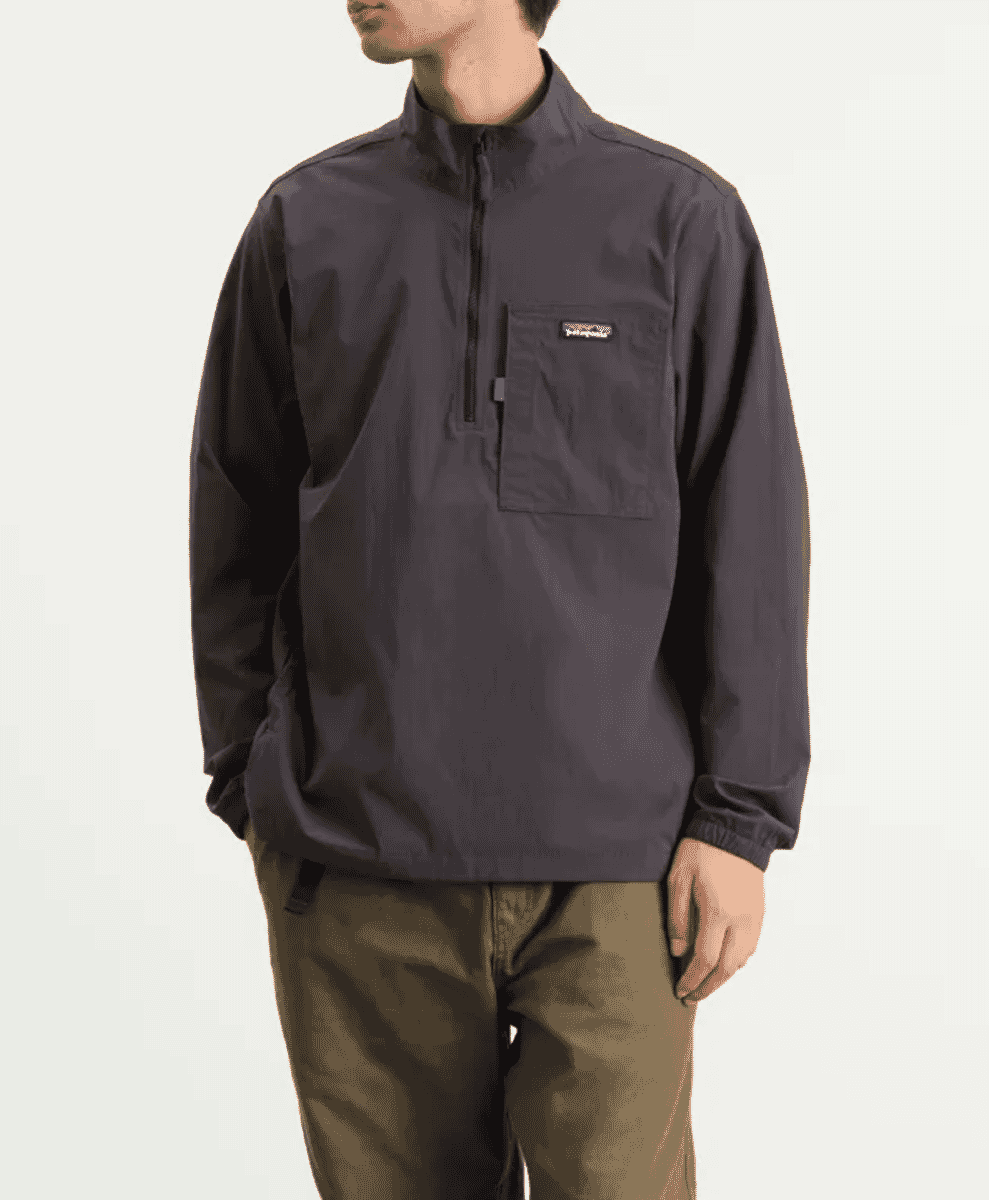
Patagonia size charts
Tops and jackets
| Your usual size | Patagonia size |
| 33" chest | XXS |
| 35" chest | XS |
| 37" chest | S |
| 40" chest | M |
| 44" chest | L |
| 47" chest | XL |
| 50" chest | XXL |
| 56" chest | XXXL |
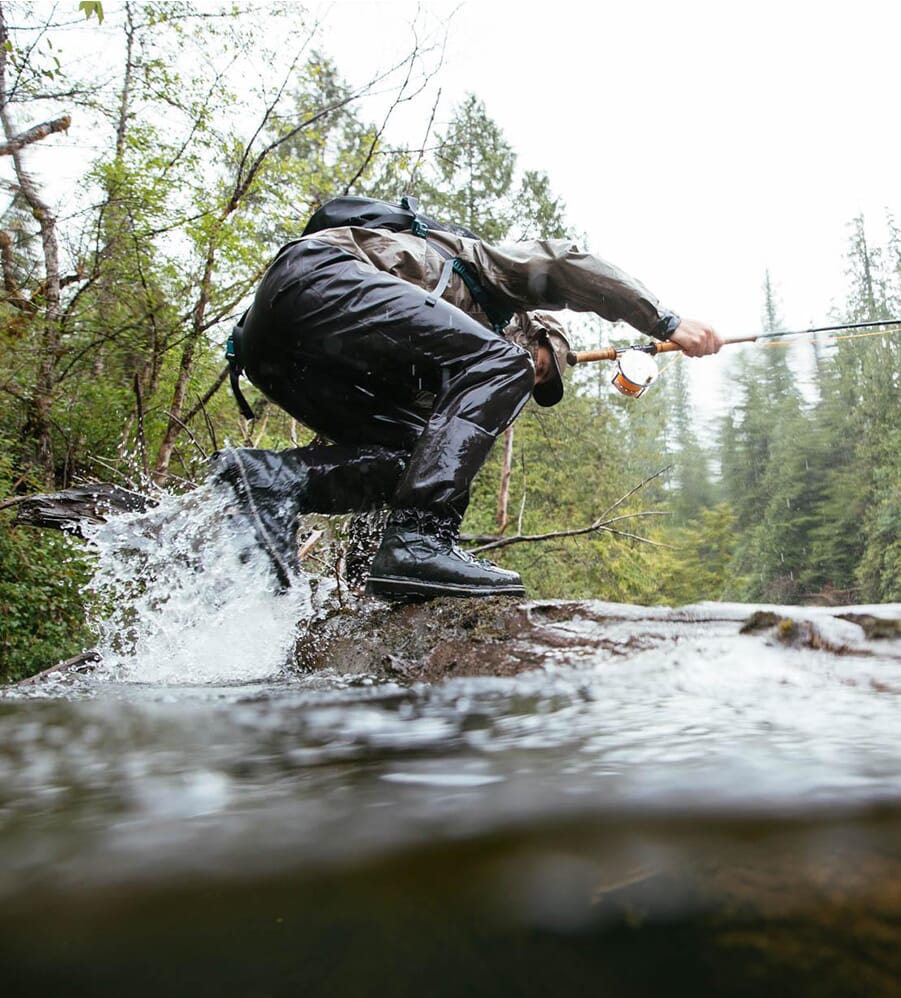
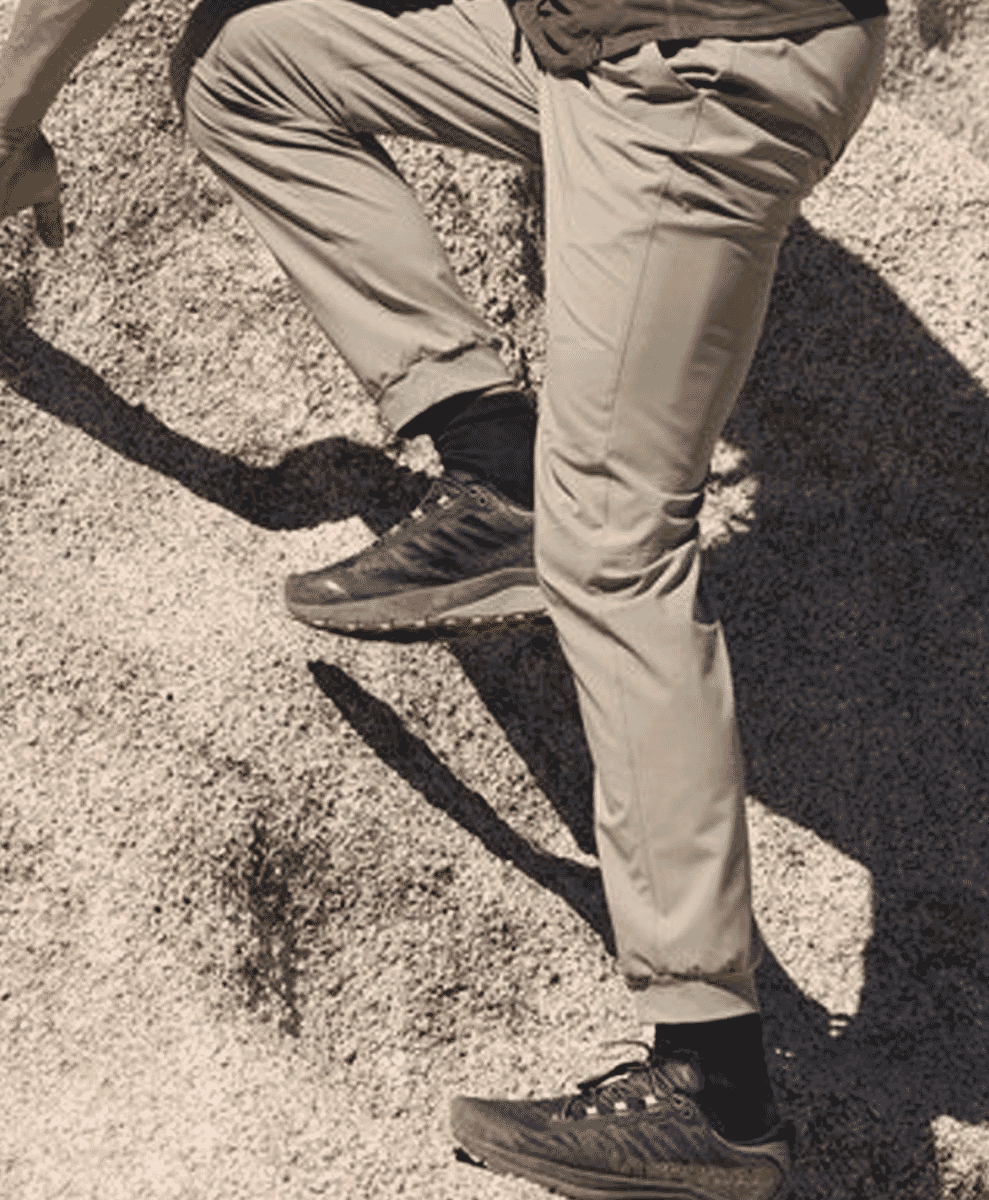
Trouser and shorts
| Your usual size | Patagonia size |
| 26" waist | XXS |
| 28" waist | XS |
| 30" waist | S |
| 33" waist | M |
| 36" waist | L |
| 39" waist | XL |
| 42" waist | XXL |
| 45" waist | XXXL |
Trousers and shorts, numerical sizing
| Your usual size | Patagonia size |
| 29" waist | 28 |
| 30" waist | 29 |
| 31" waist | 30 |
| 32" waist | 31 |
| 33" waist | 32 |
| 34" waist | 33 |
| 35" waist | 34 |
| 36" waist | 35 |
| 37" waist | 36 |
| 39" waist | 38 |
| 41" waist | 40 |
| 42" waist | 43 |
| 44" waist | 45 |
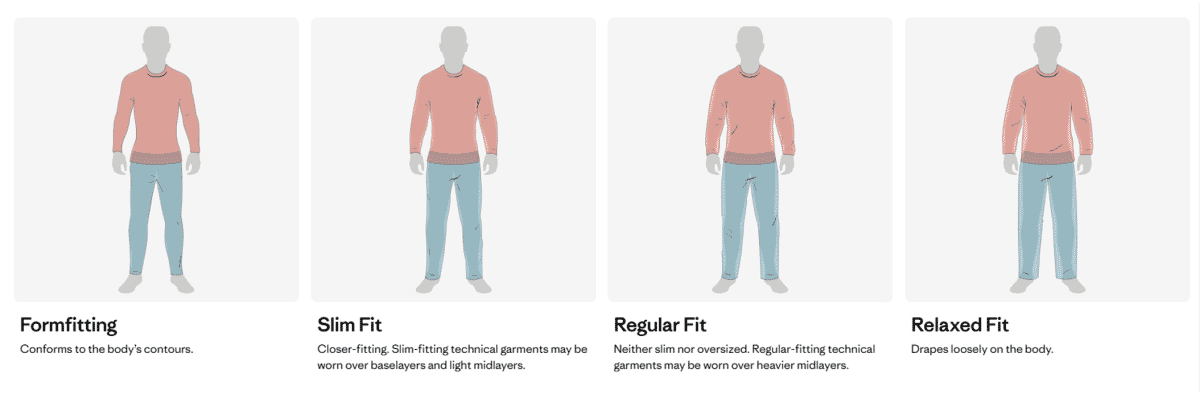
Fit guide, for many Patagonia pieces
- Form-fitting - follows your body contours
- Slim fit - close fit, can be worn over form-fitting base layers
- Regular - not over-sized or slim, can be worn over heavier base layers
- Relaxed - fit is loose over the body
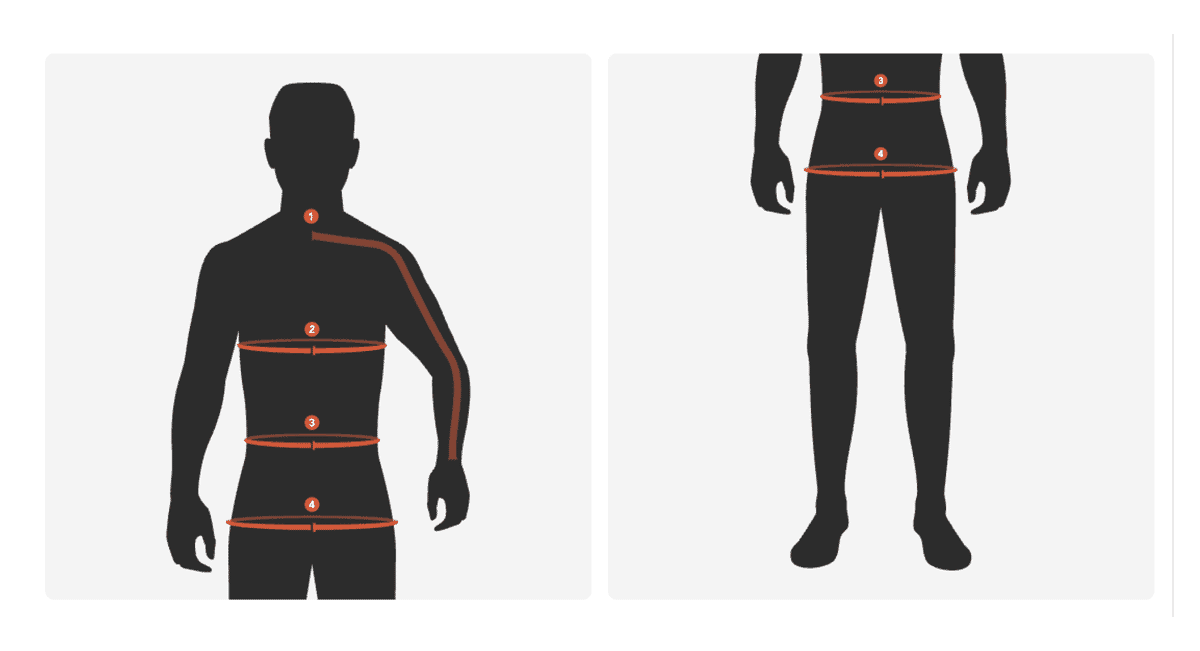
How to Measure for Tops and Bottoms
1. Measure your arm length
With elbow bent, measure from the center (back) of neck to elbow and down to wrist.
2. Measure your chest
Relax your arms, then measure around the fullest part of your chest/bust.
3. Measure your waist
Bend slightly to one side to find your natural waist. (This will be the crease created from bending). Then, stand erect and measure around your body at the crease points.
4. Measure your hips
Stand relaxed with feet shoulder-width apart. Now, measure around the fullest part of your hips and seat.
1. Measure your waist
Bend slightly to one side to find your natural waist. (This will be the crease created from bending). Then, stand erect and measure around your body at the crease points.
2. Measure your hips
Stand relaxed with feet shoulder-width apart. Now, measure around the fullest part of your hips and seat.
For more outdoor wear, find your perfect Norse Projects fit.