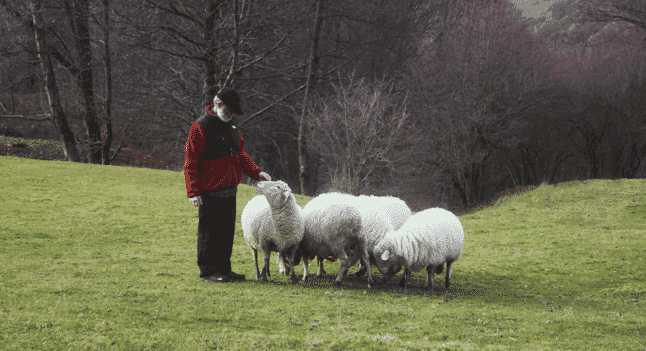
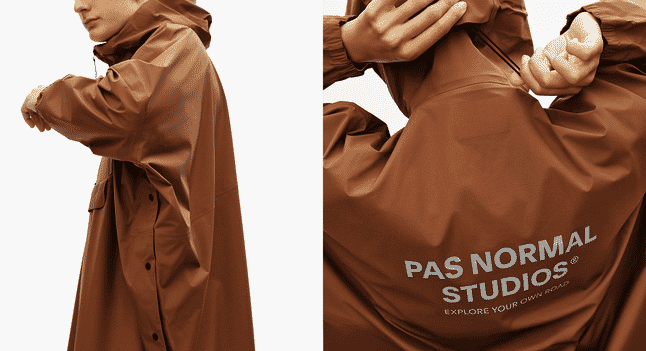
Waxed jackets have long occupied a unique space in menswear. Practical without being purely technical, rugged without feeling costume-like, they sit comfortably between a technical waterproof and classic workwear. Once worn out of necessity by sailors, farmers and motorcyclists, the waxed jacket has become a modern wardrobe staple, valued for its durability, weather resistance and ability to age with character rather than decline.
What is a waxed jacket
A waxed jacket is typically made from cotton that has been treated with a wax coating to make it water resistant. Unlike synthetic waterproof shells, waxed cotton retains breathability while offering protection from wind and rain. The surface has a dry, matte appearance and a slightly stiff handle when new, which softens over time.
One of the defining features of a waxed jacket is how it wears. Creases, scuffs and fading are not flaws but part of the appeal, creating a patina that reflects how the jacket has been used. Rewaxing restores water resistance while preserving that lived-in look, which is why many waxed jackets last for decades rather than seasons.

A short history of waxed jackets
Waxed outerwear has its roots in maritime clothing. Sailors originally treated cotton sails with oils to repel water, then adapted the same technique for garments. These early oilskins were heavy and pungent, but they worked.
By the late nineteenth and early twentieth centuries, British manufacturers refined the process, creating lighter waxed cotton suitable for countryside pursuits such as hunting and shooting. From there, waxed jackets spread into motorcycling and outdoor workwear, eventually becoming icons of utilitarian style. Over time, they moved from purely functional garments into everyday wardrobes, without losing their original purpose.

Why waxed jackets are popular today
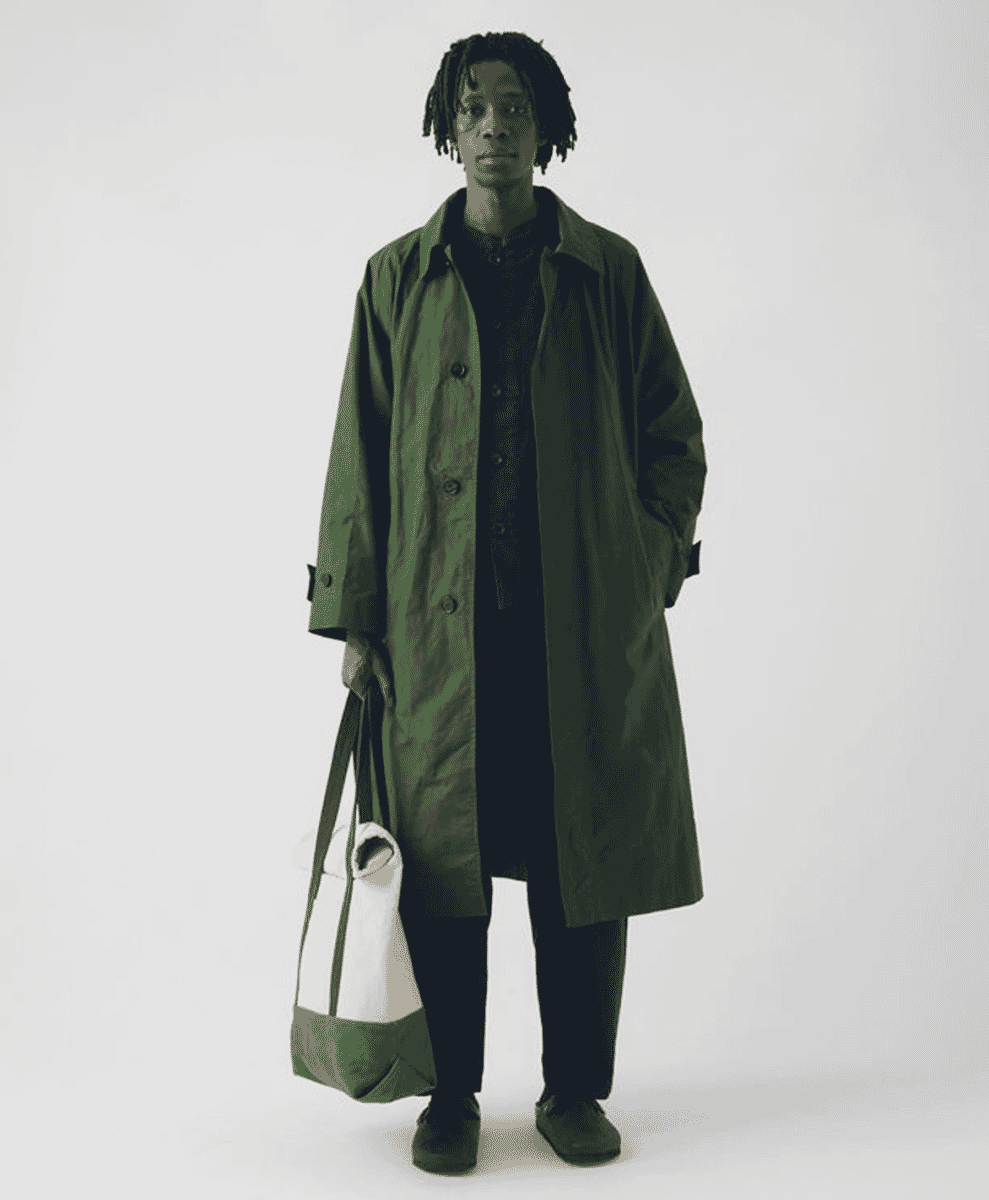
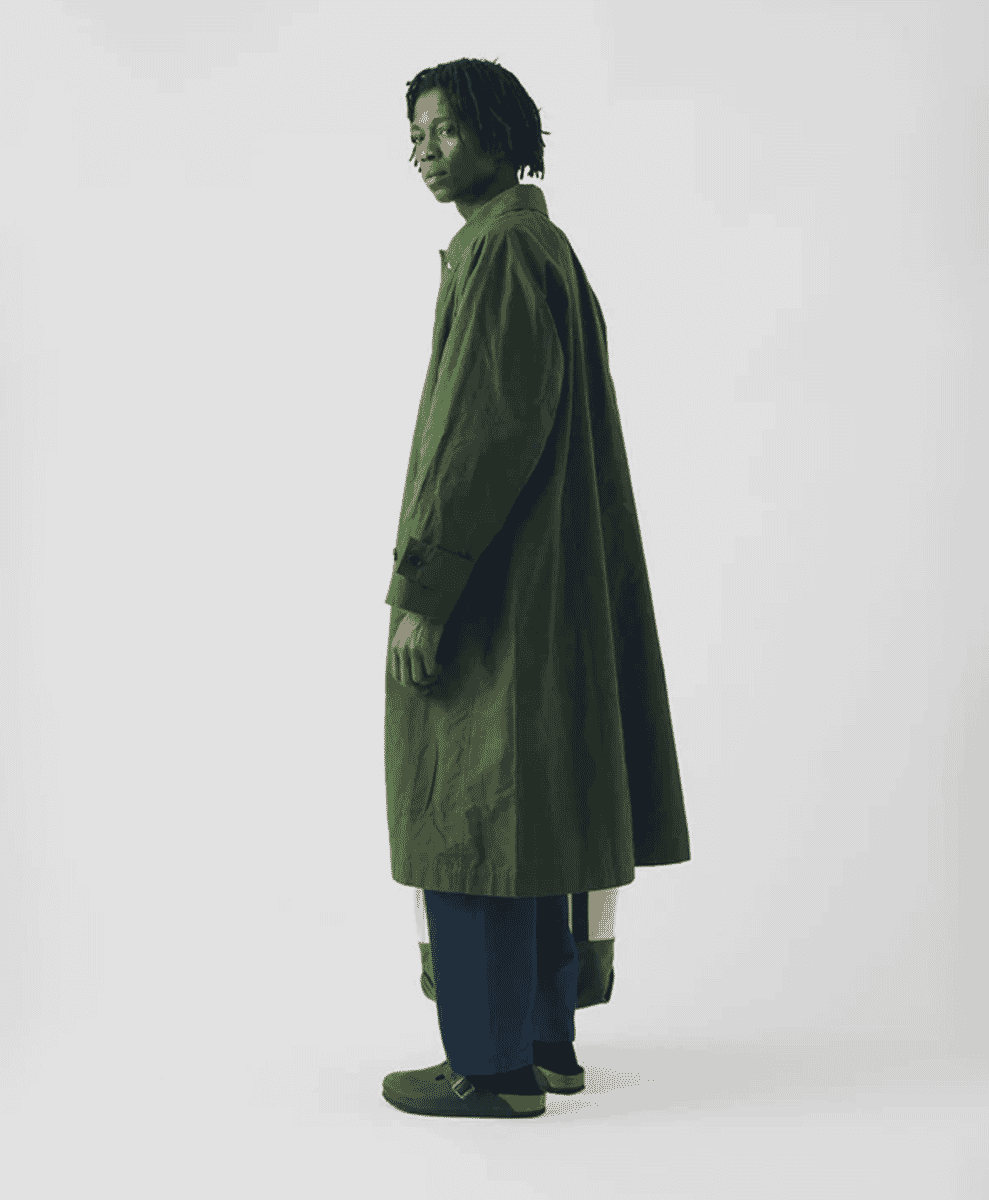
The renewed interest in waxed jackets is tied to a broader shift towards longevity and repairability. They offer weather protection without the shiny, technical look of modern synthetics. They work just as well with selvedge denim and knitwear as they do with tailoring. Importantly, they reward ownership. The more you wear one, the better it tends to look.
There is also a sustainability argument. Waxed jackets are made from natural fibres, can be repaired, and are designed to be rewaxed rather than replaced. In a market saturated with disposable outerwear, that has real appeal.
Key waxed jacket brands
Barbour
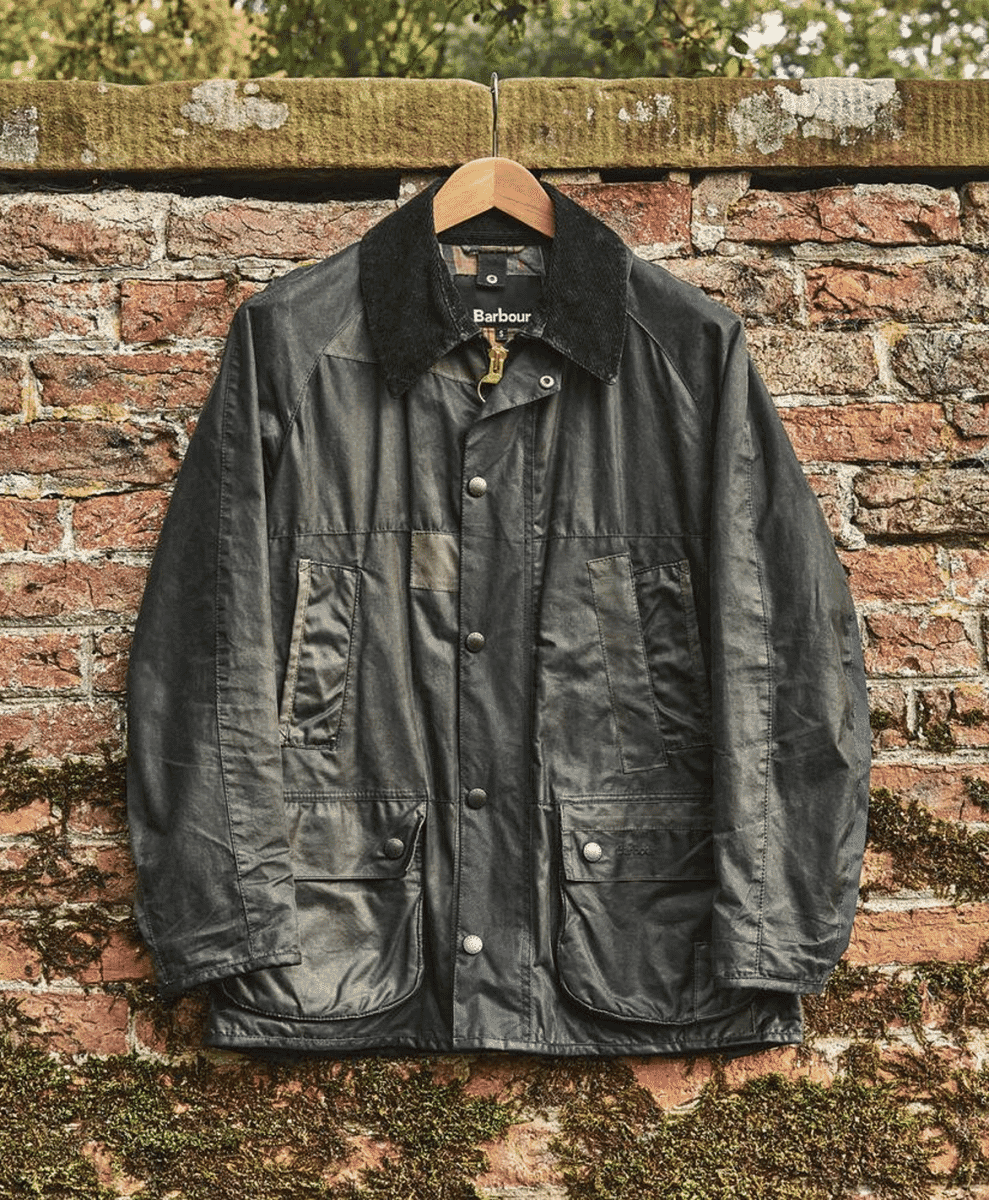
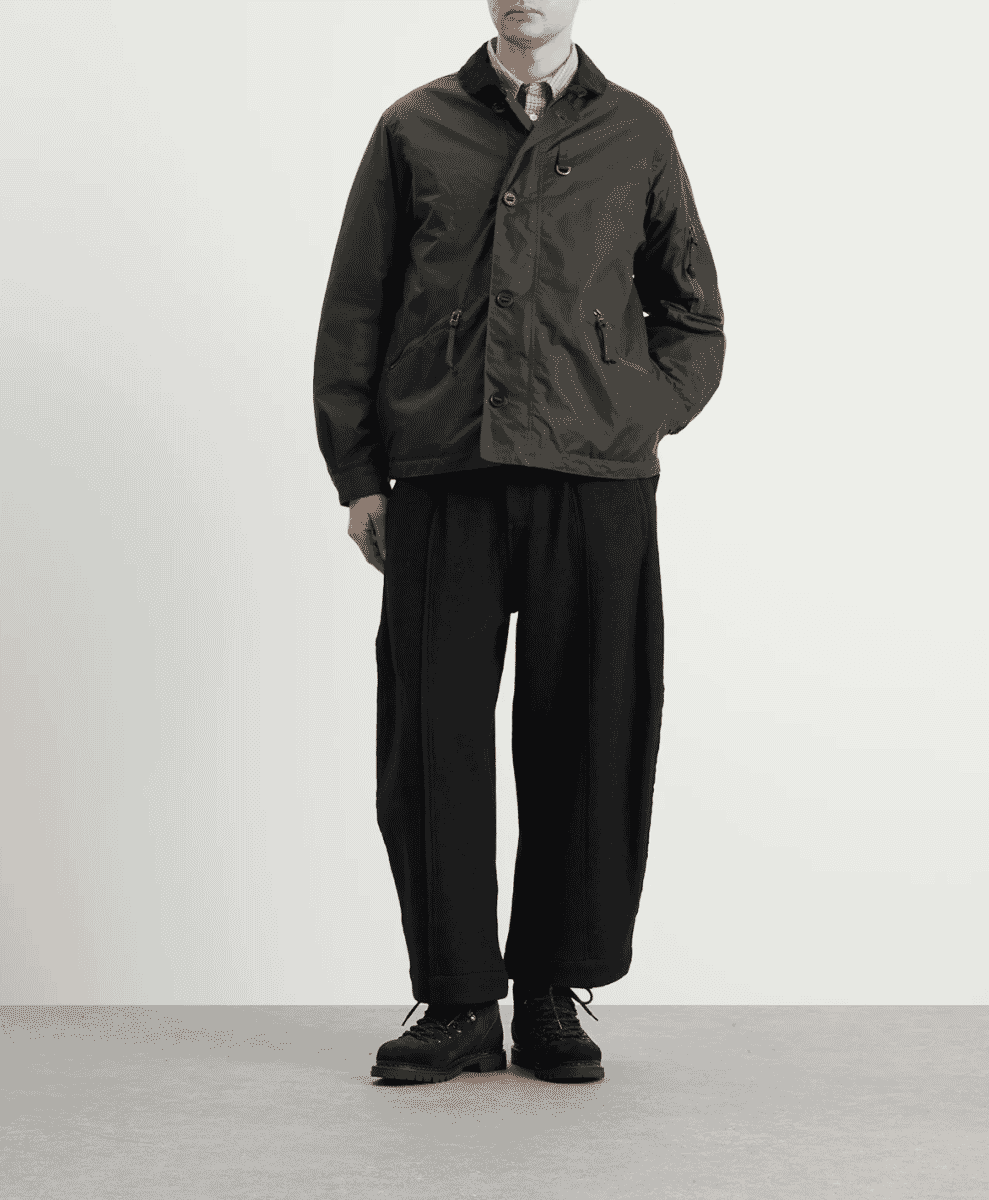
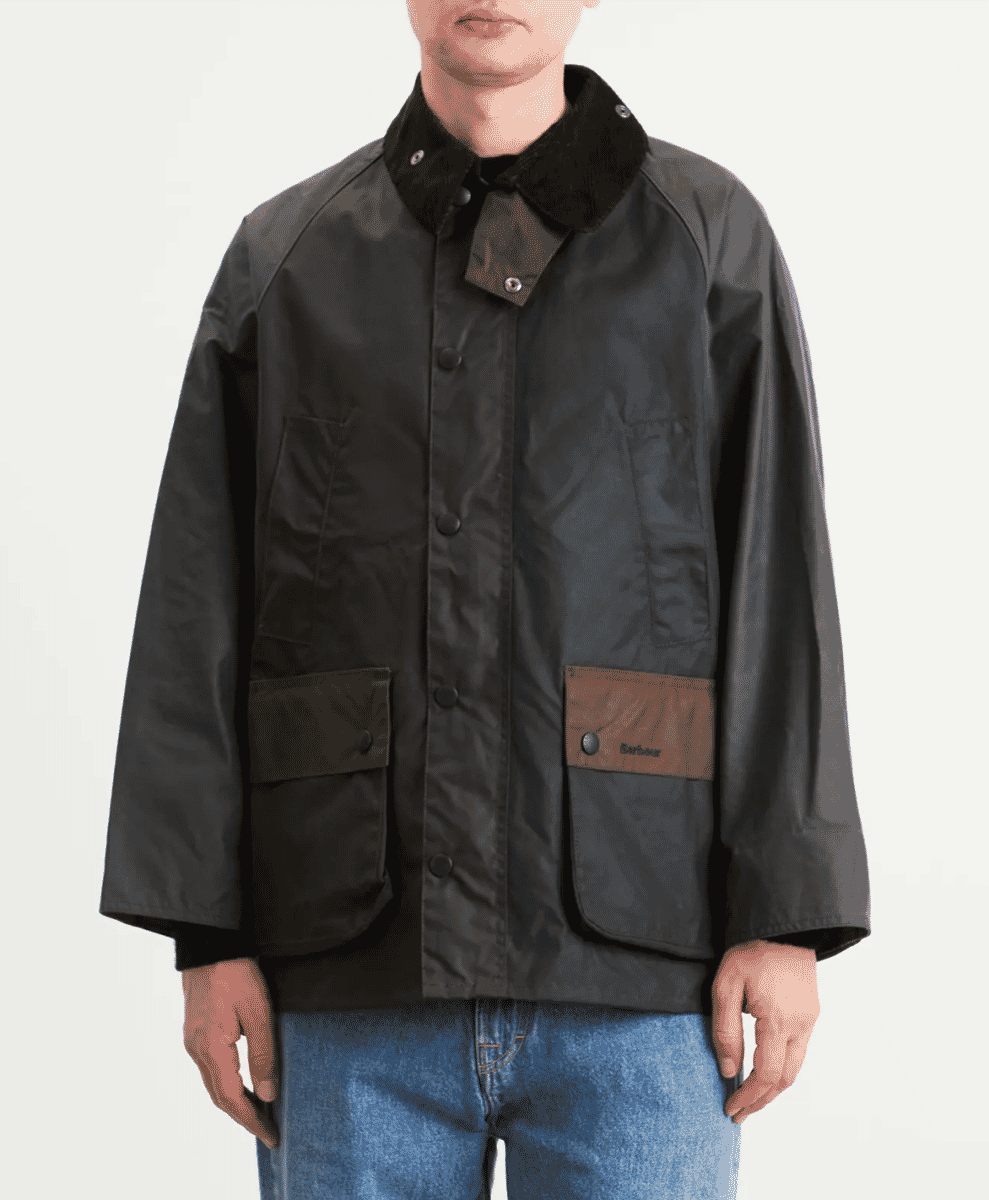
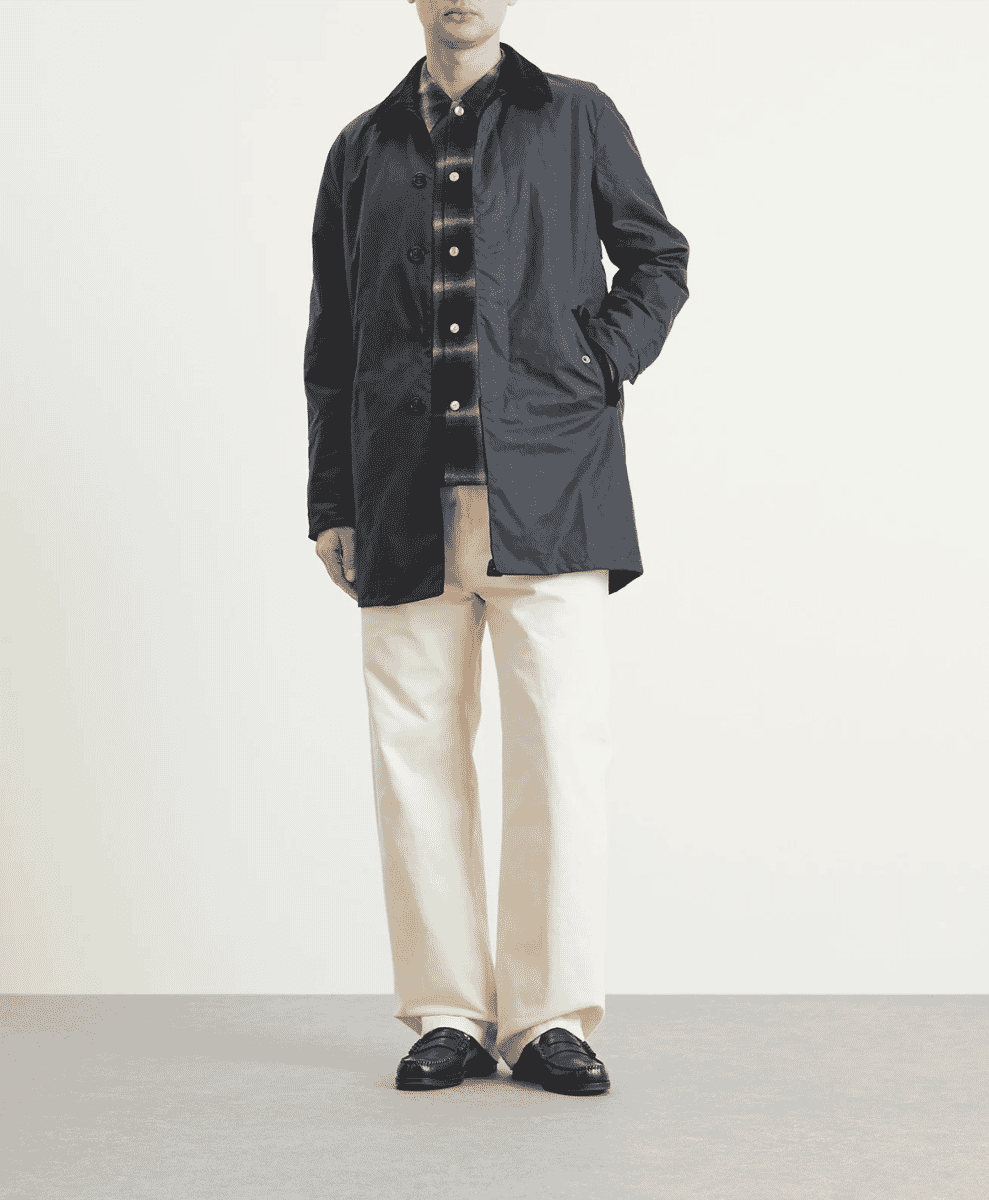
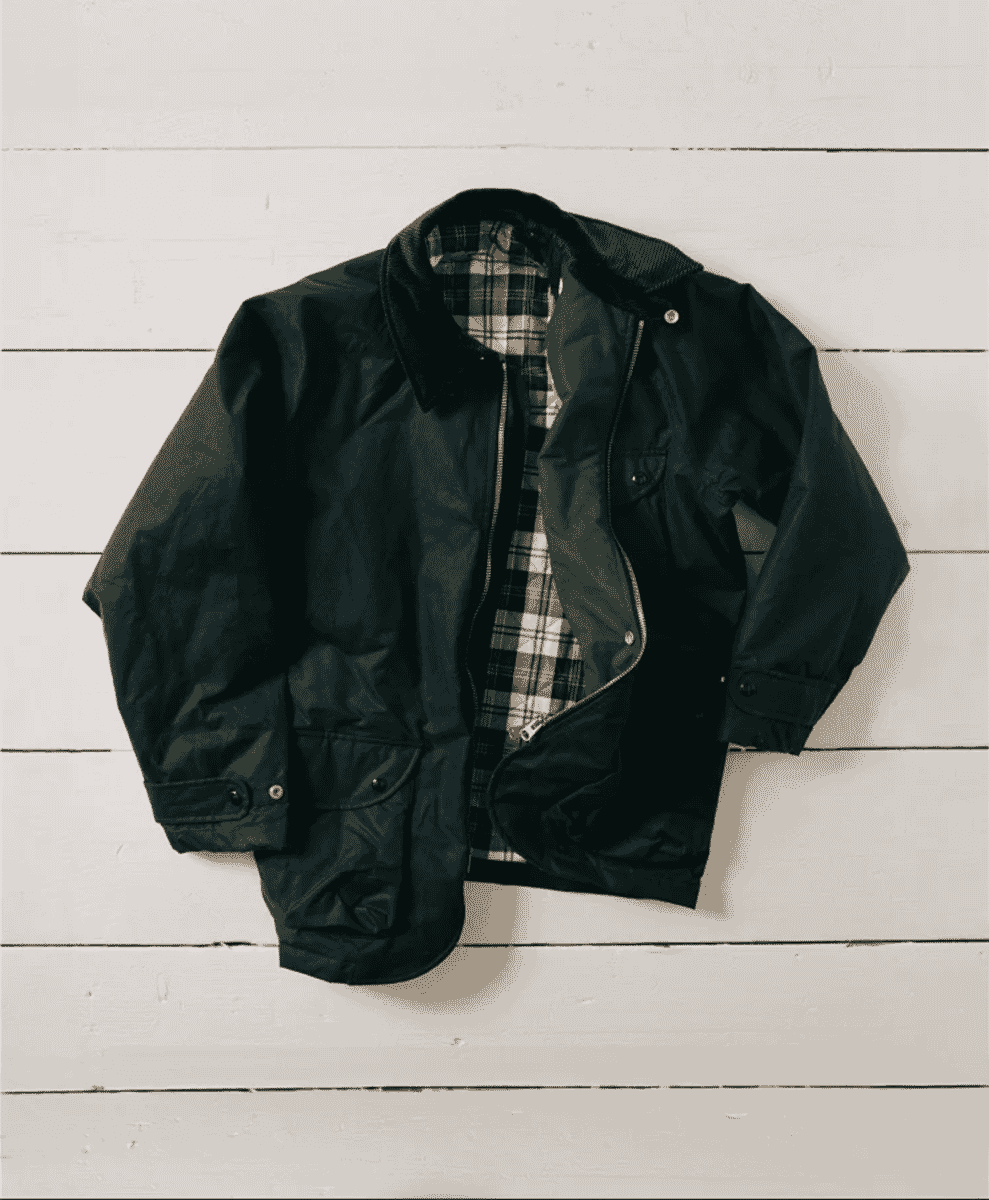
Founded in 1894, Barbour is the reference point for waxed jackets. Based in South Shields, the brand built its reputation on clothing for sailors and rural workers. Styles like the Bedale and Beaufort have become classics, defined by robust waxed cotton, corduroy collars and generous pocketing. Barbour jackets are practical, recognisable and deeply tied to British countryside culture.
Belstaff
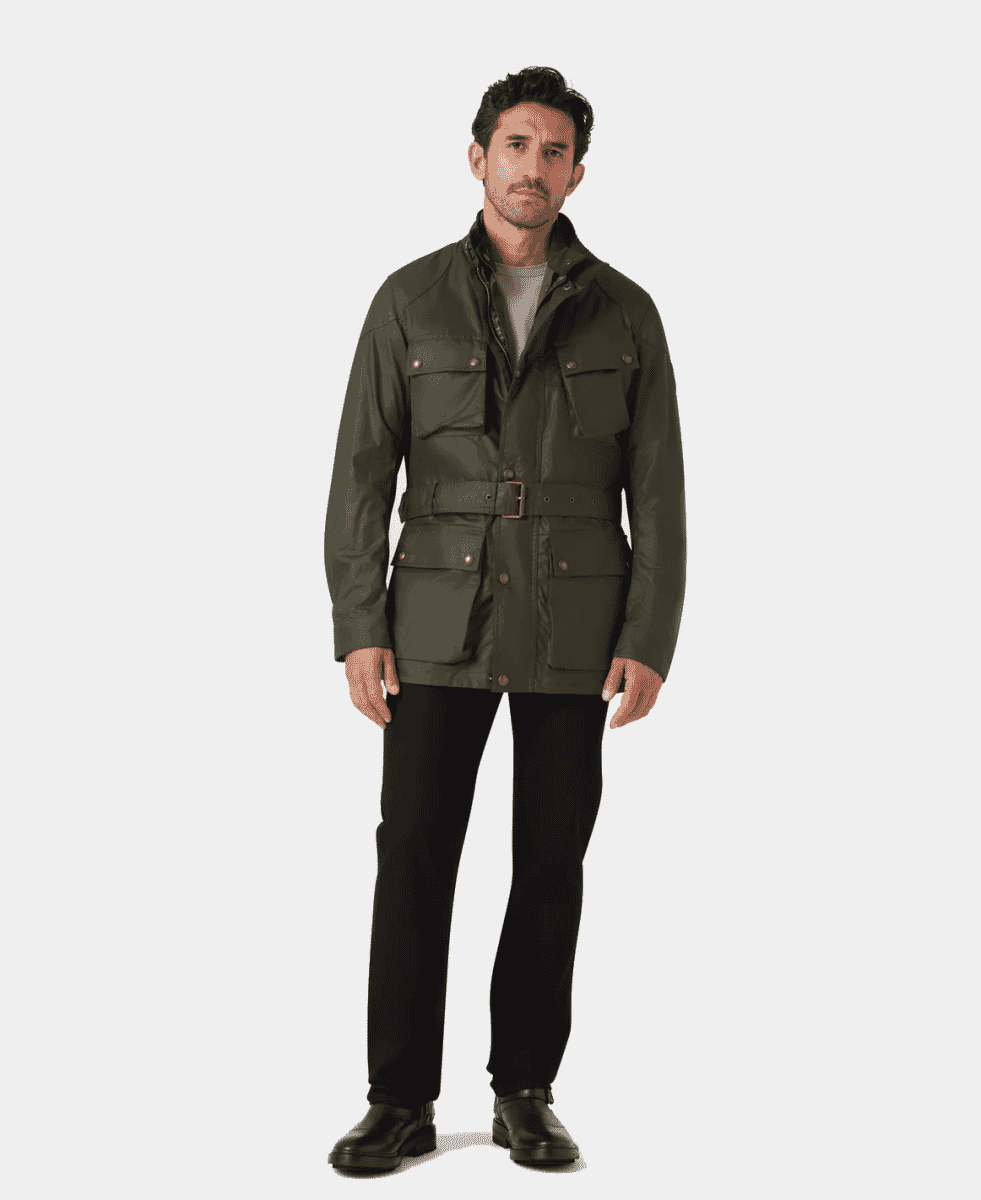
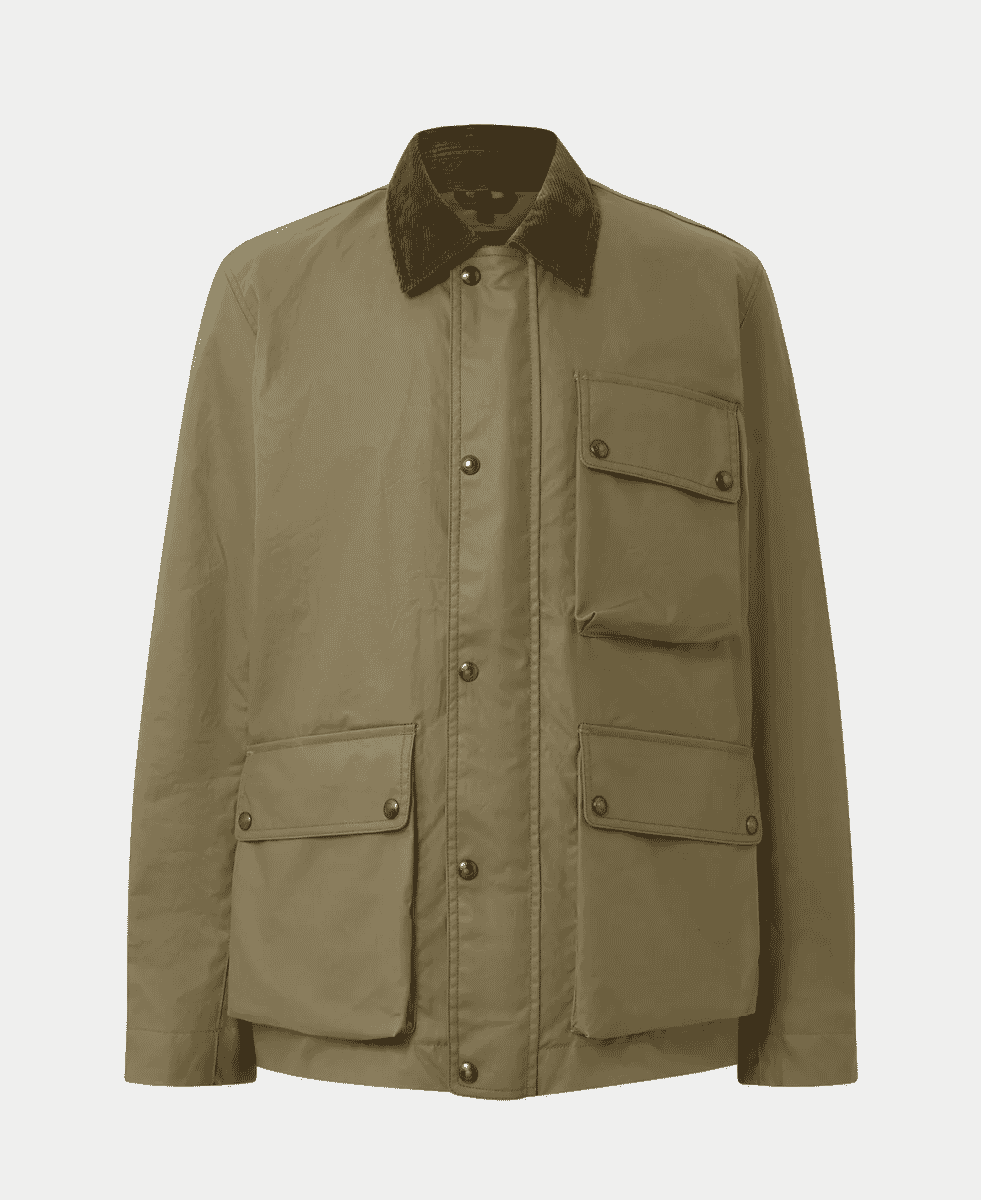
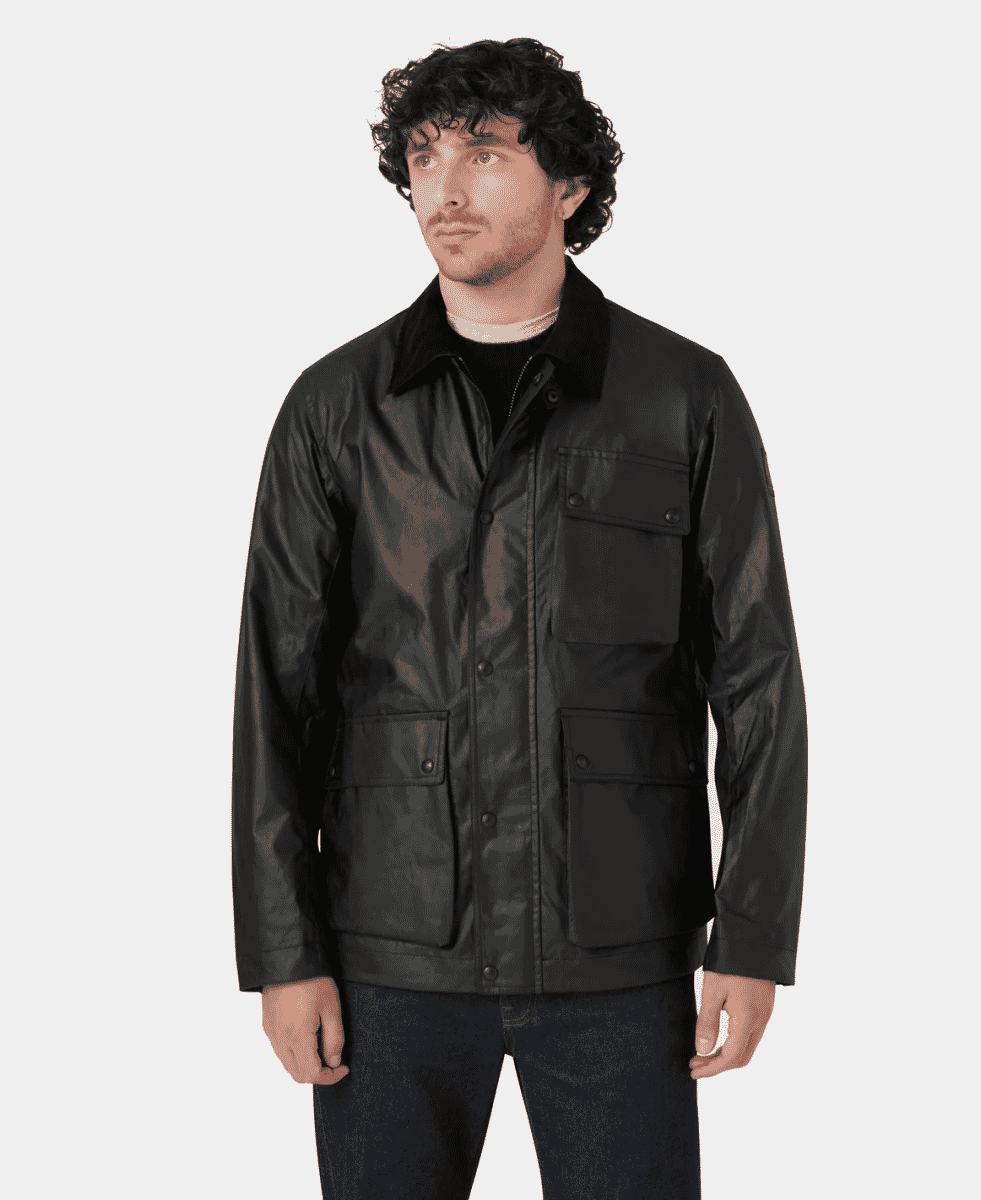
Belstaff’s waxed jackets are rooted in motorcycling rather than farming. The brand became known for protective outerwear that balanced durability with mobility, most famously through the Trialmaster jacket. Compared to traditional country styles, Belstaff’s designs are often slimmer and more structured, with a slightly more urban edge.

Fjällräven
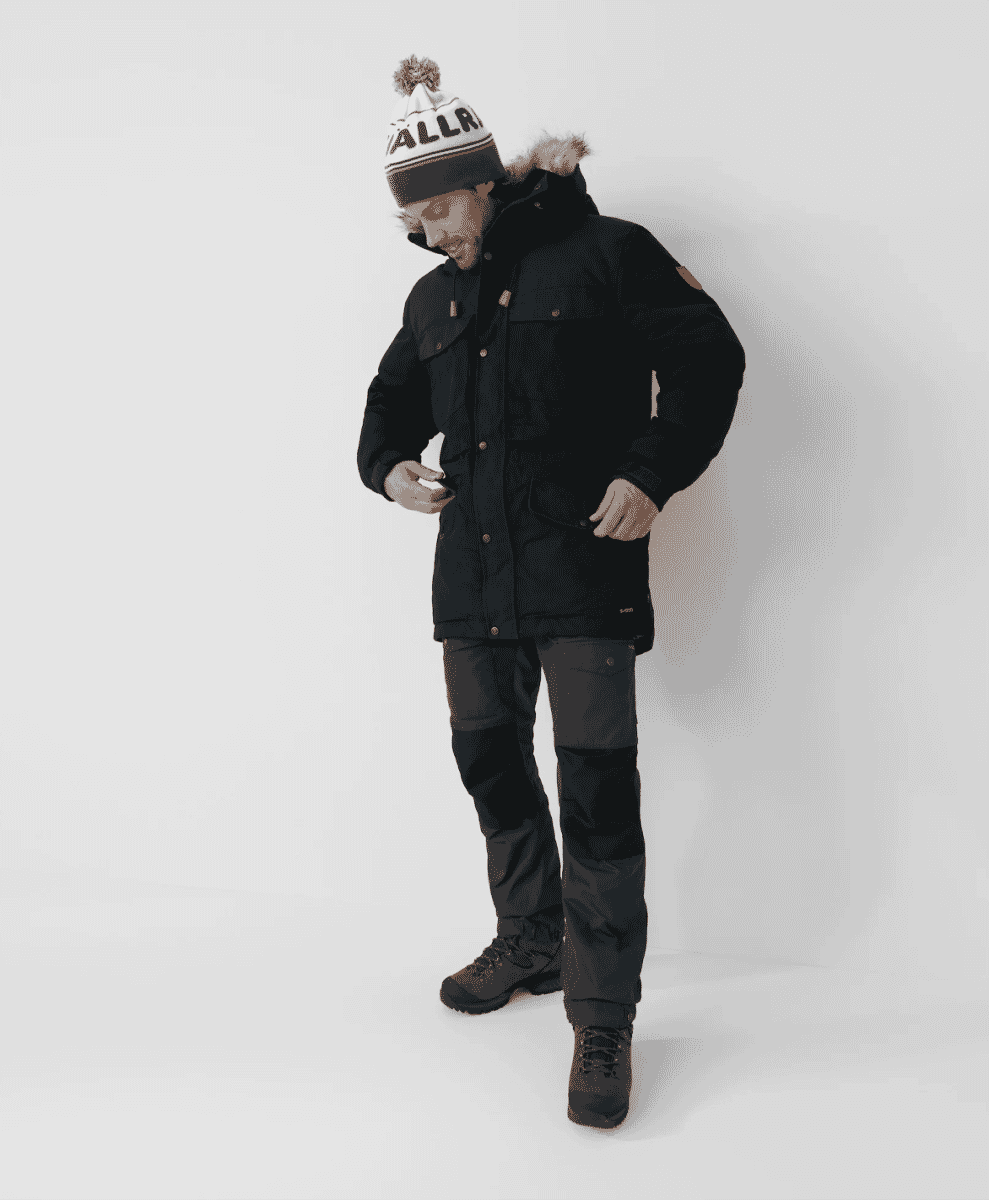
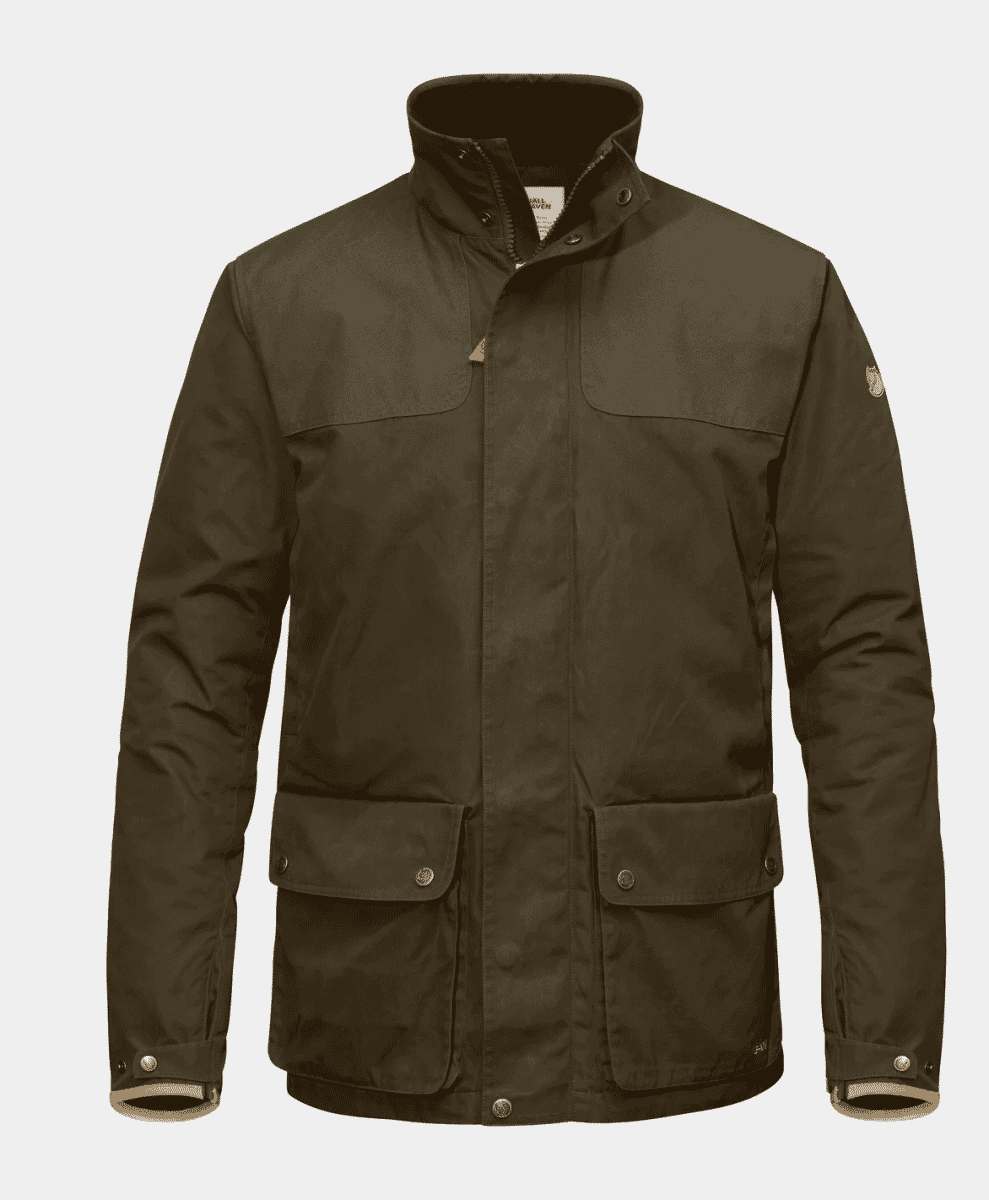
Fjällräven approaches waxed jackets through a Scandinavian lens. Its Greenland Jacket, made from G-1000 fabric, is designed to be waxed by the wearer using Greenland Wax. The result is a system that allows you to tailor weather resistance to your needs. The focus is on versatility, longevity and environmental responsibility rather than heritage aesthetics alone.
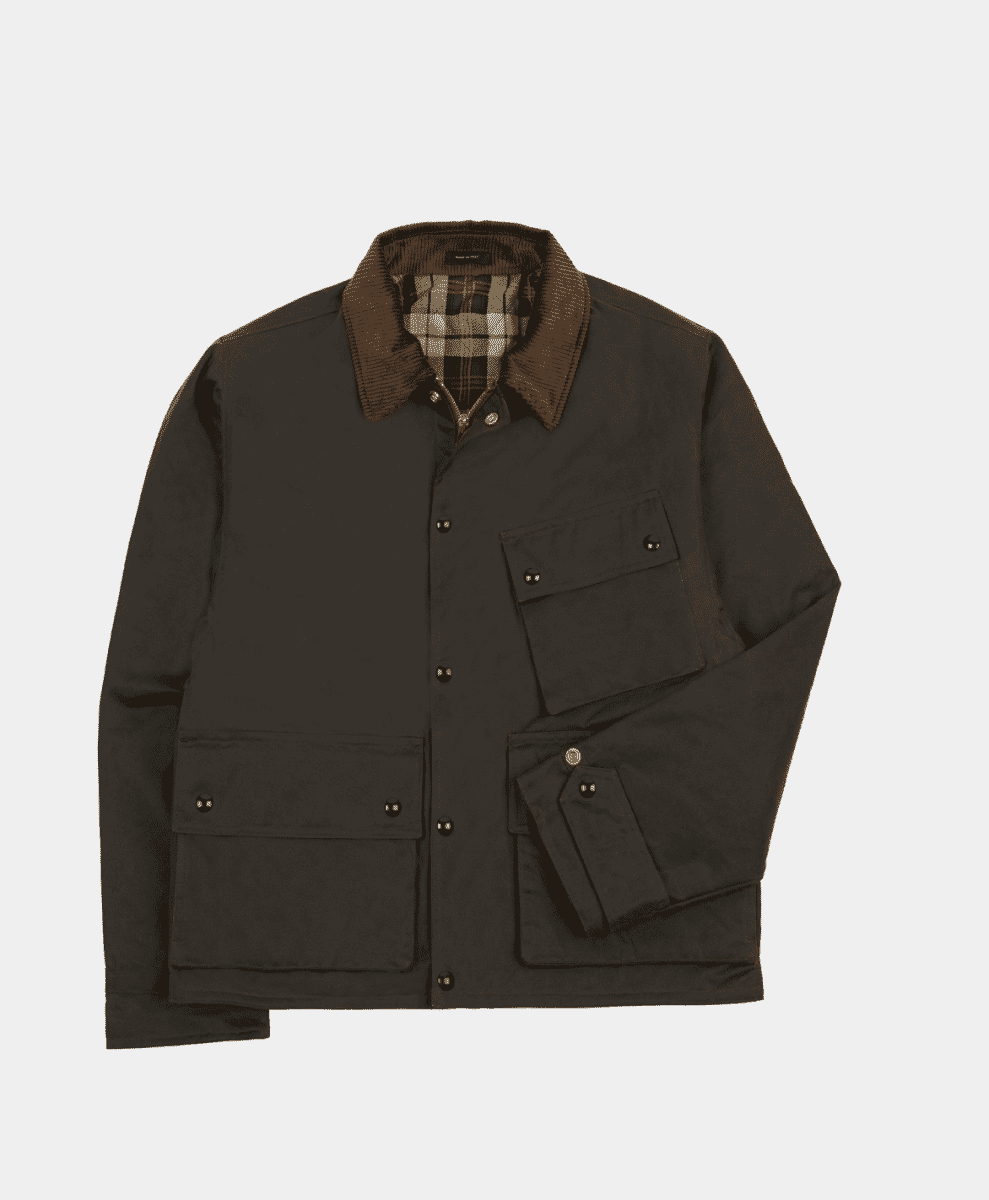
Drake’s
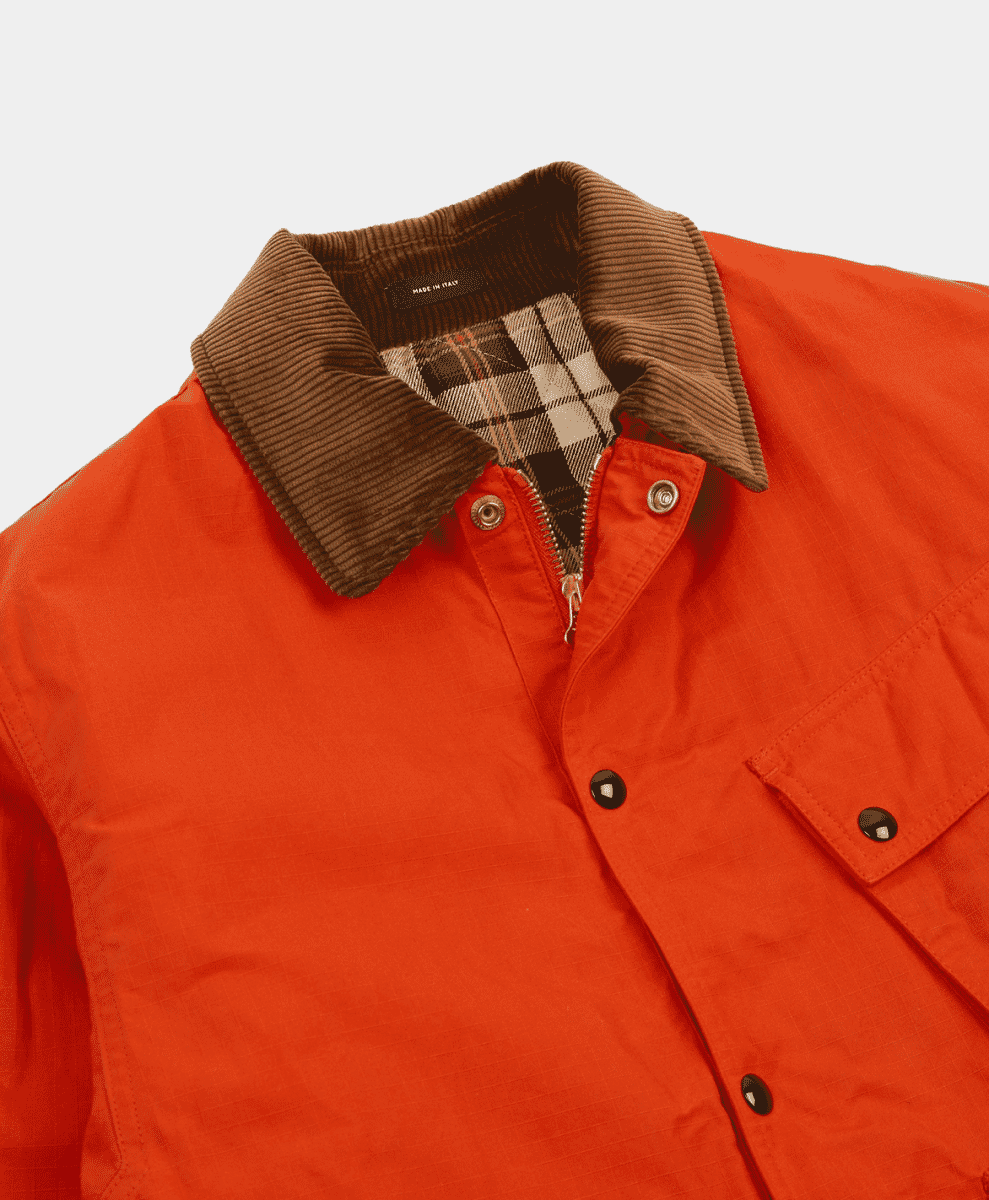
Drake’s brings a more refined sensibility to the waxed jacket. Known for tailoring and soft-shouldered jackets, the brand applies the same attention to proportion and fabric to its outerwear. Drake’s waxed jackets are understated and elegant, designed to sit comfortably over tailoring as well as casual layers.
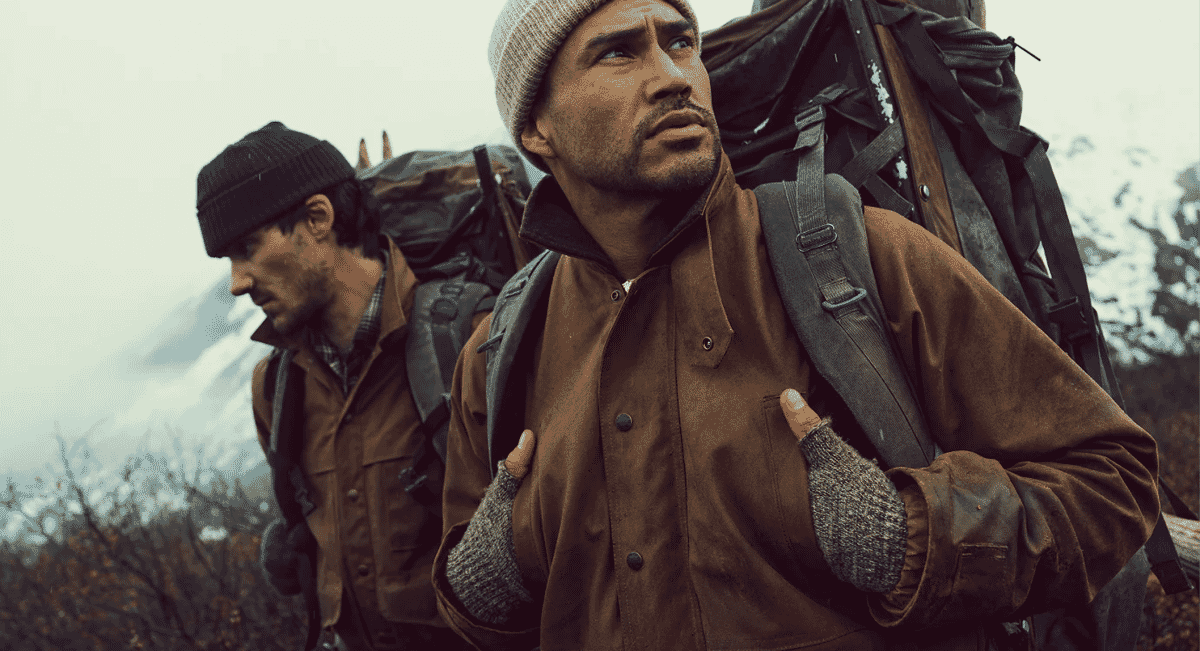
Filson
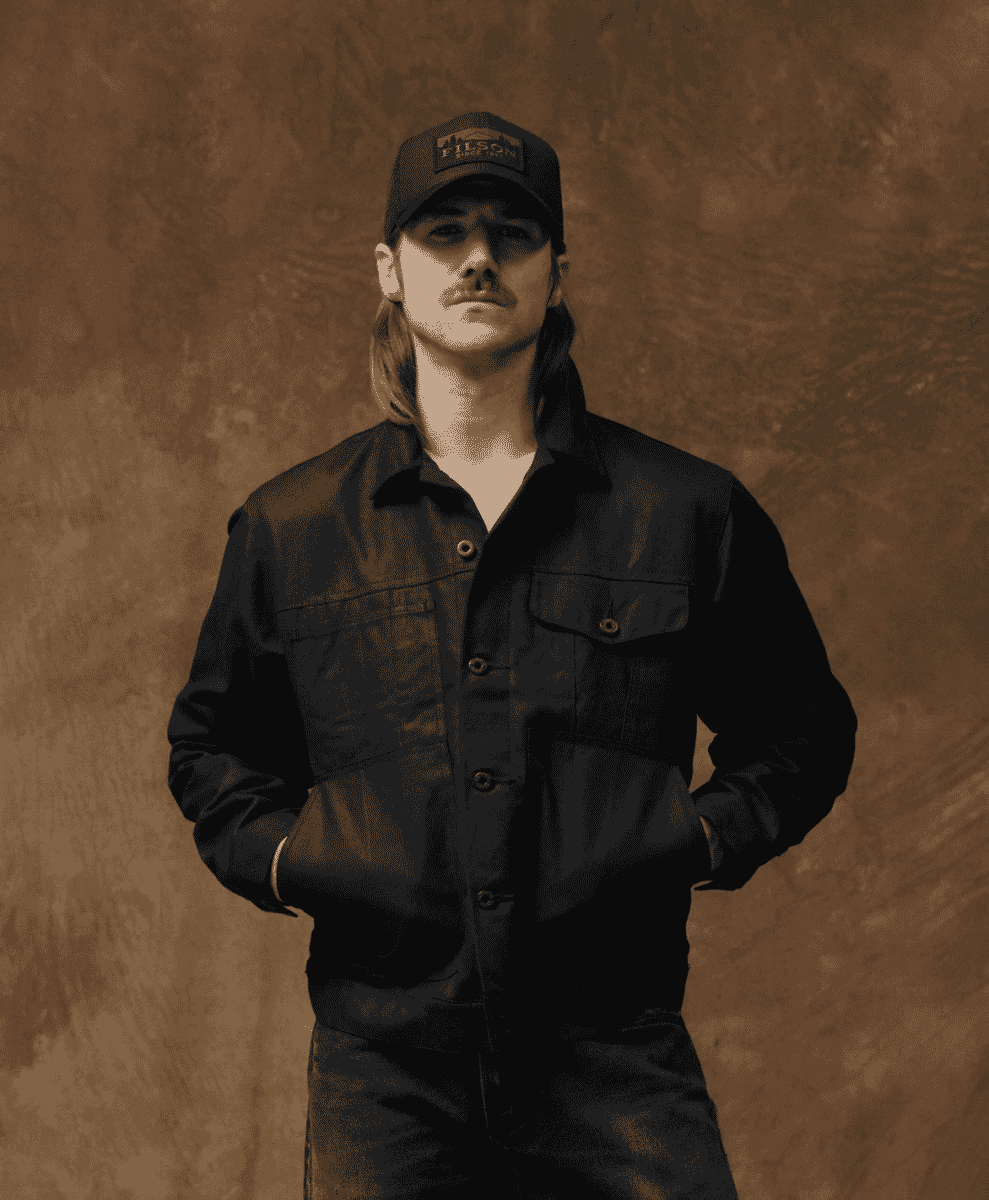
Filson’s waxed jackets are unapologetically robust. The brand’s Tin Cloth outerwear was developed for loggers and prospectors, and that toughness remains central today. These jackets are heavier, more structured and built for hard use, with a distinctly American workwear feel.
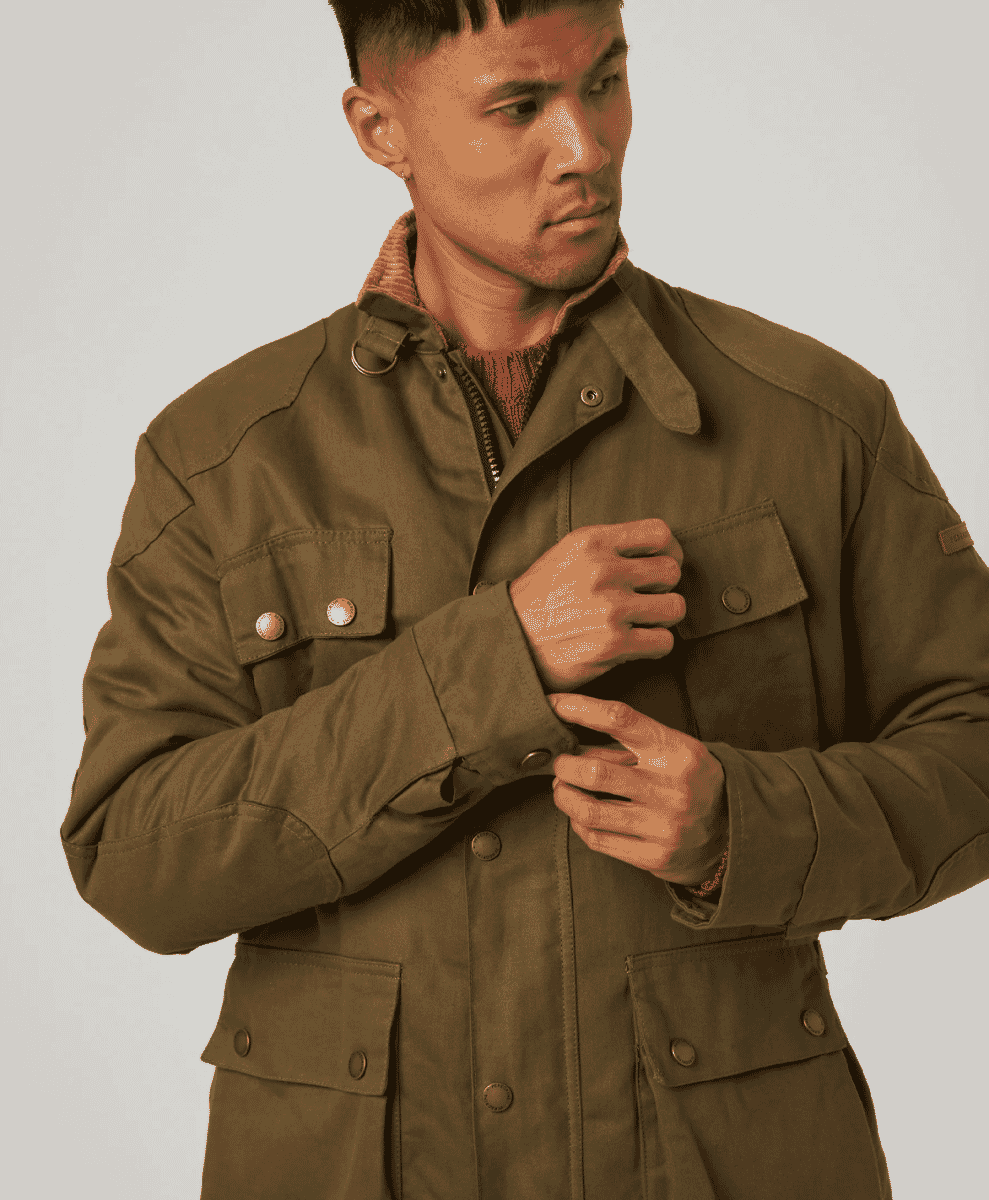
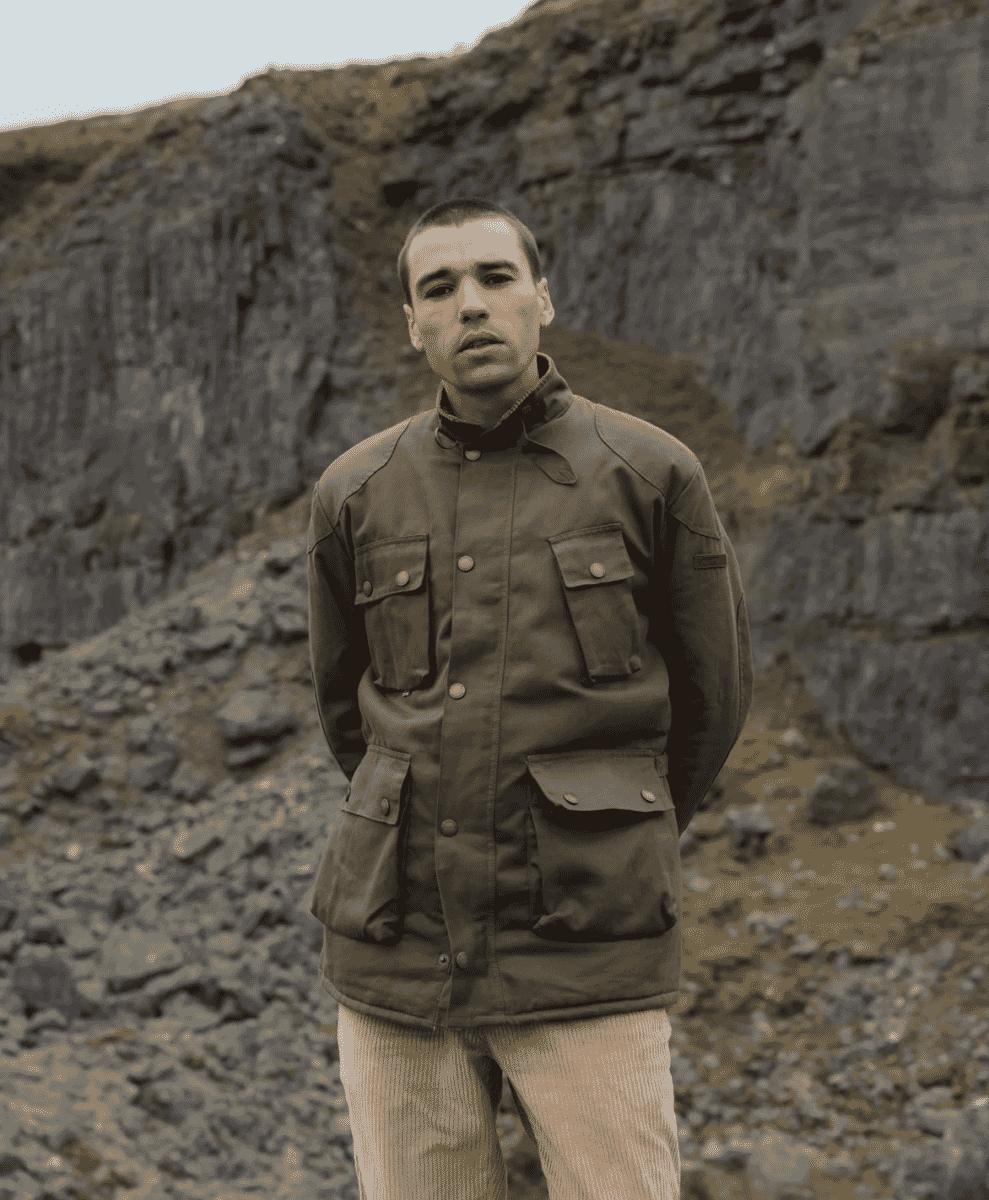
Peregrine
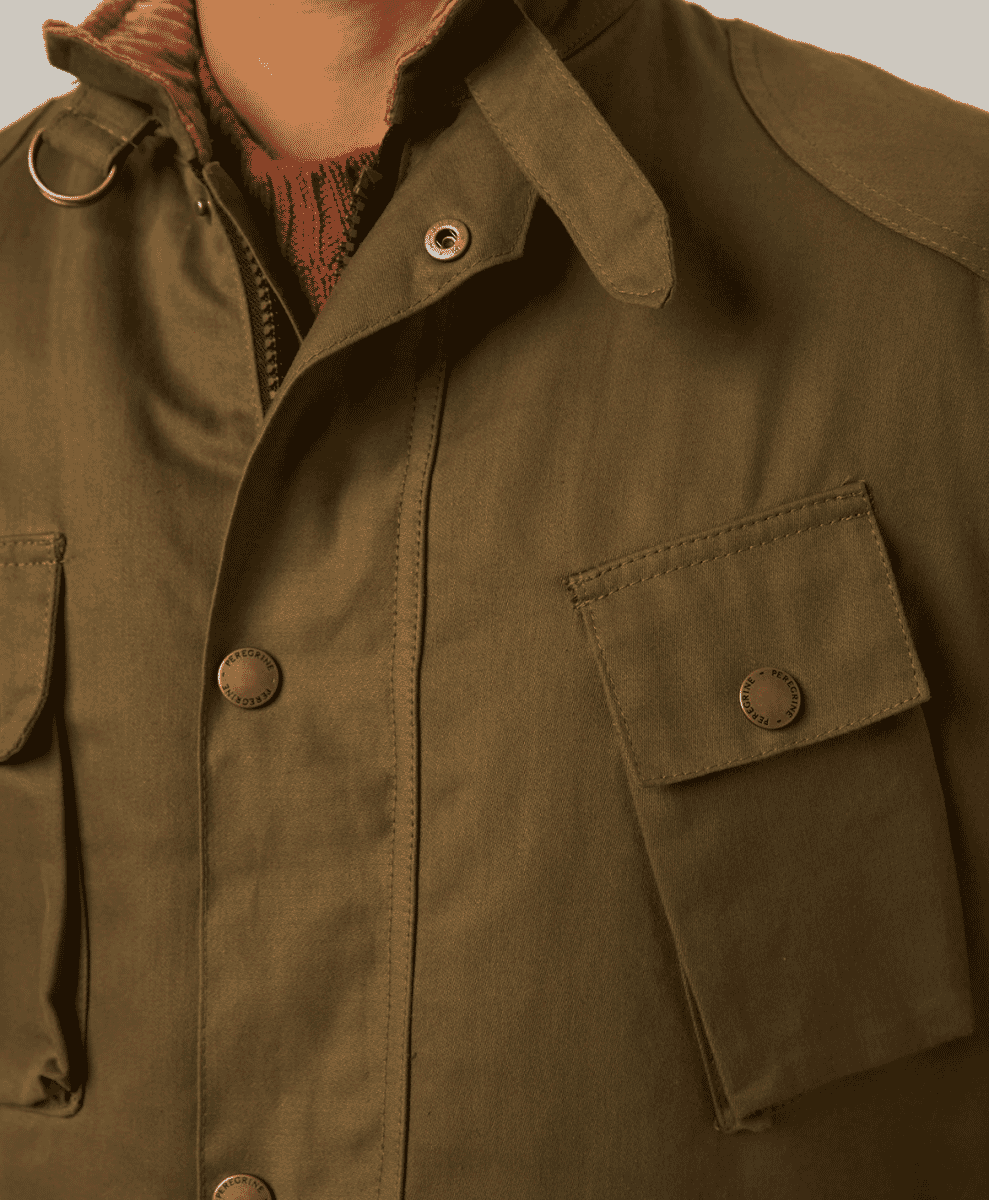
Peregrine is a British brand with a long history in knitwear and outerwear. Its waxed jackets lean into traditional craftsmanship while offering more contemporary fits. The appeal lies in quality materials, careful construction and a quieter take on heritage style.
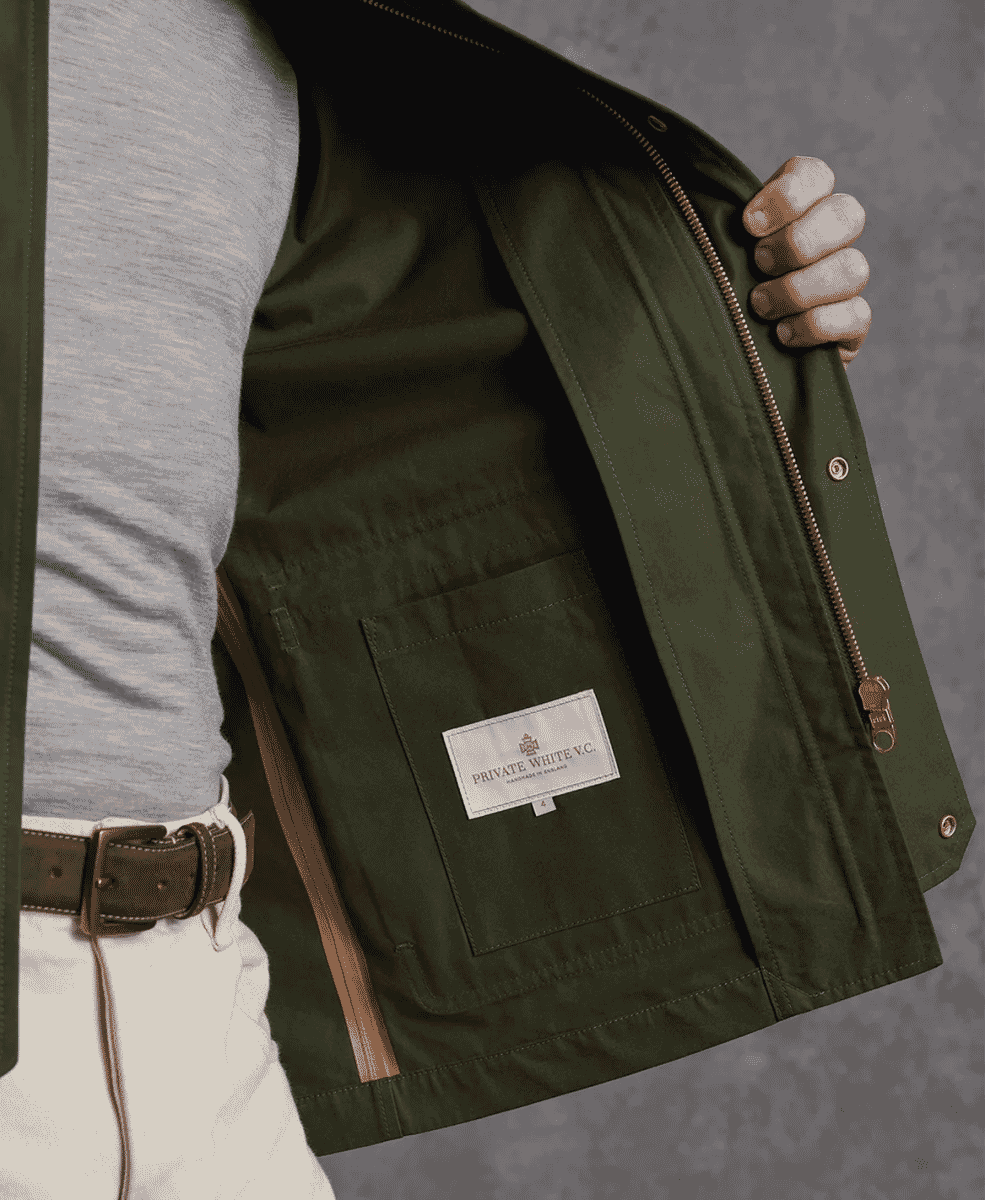
Private White V.C.
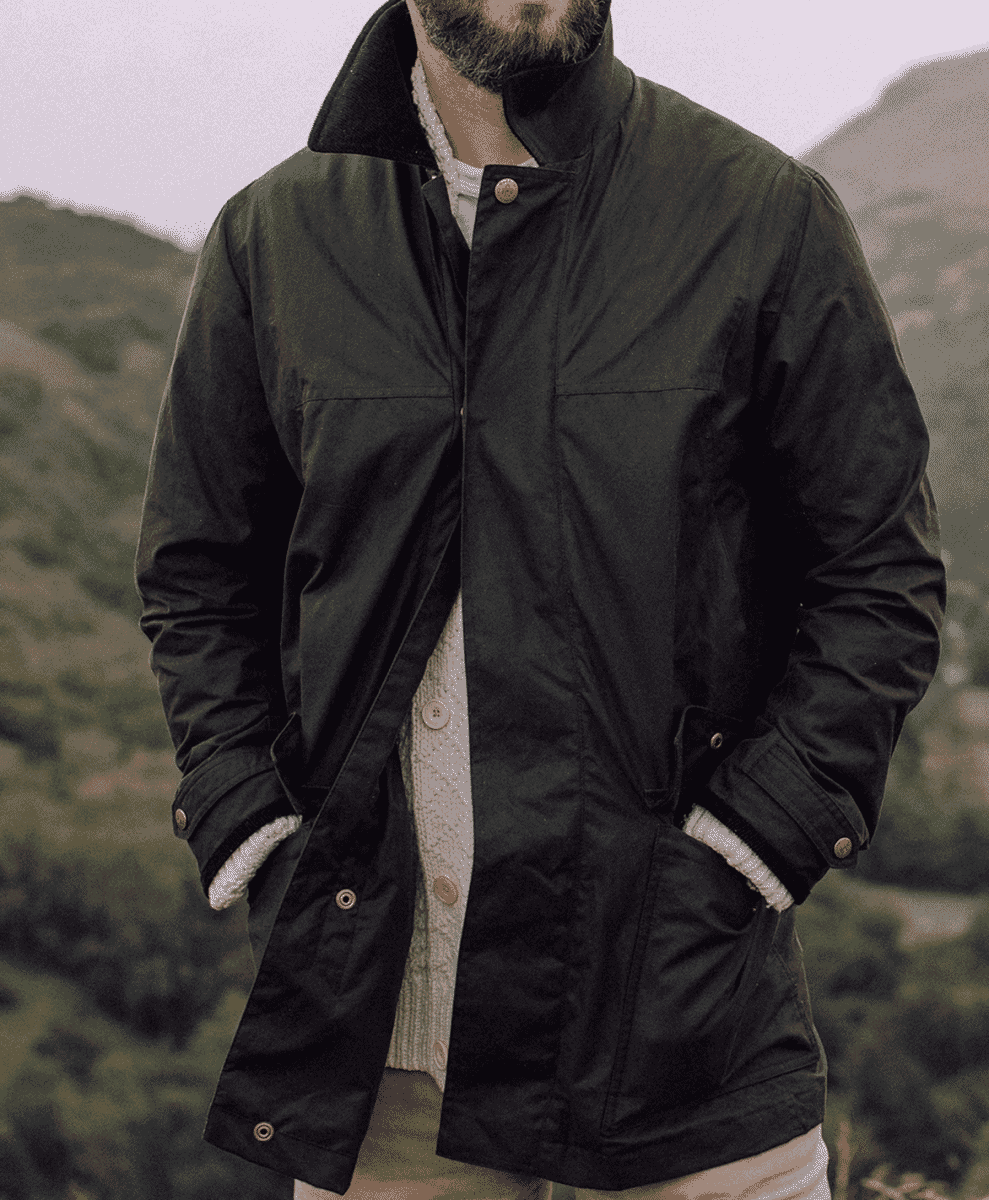
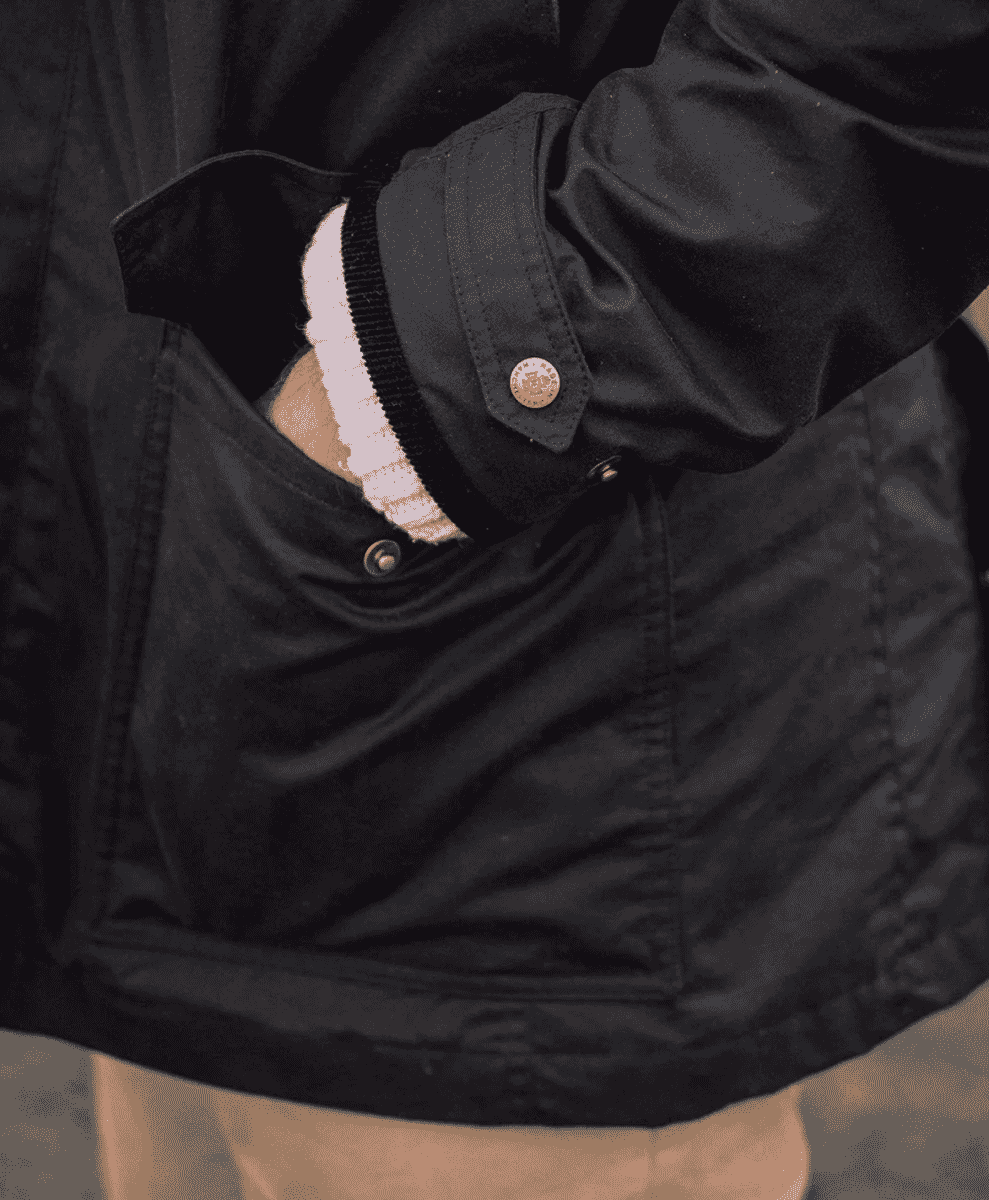
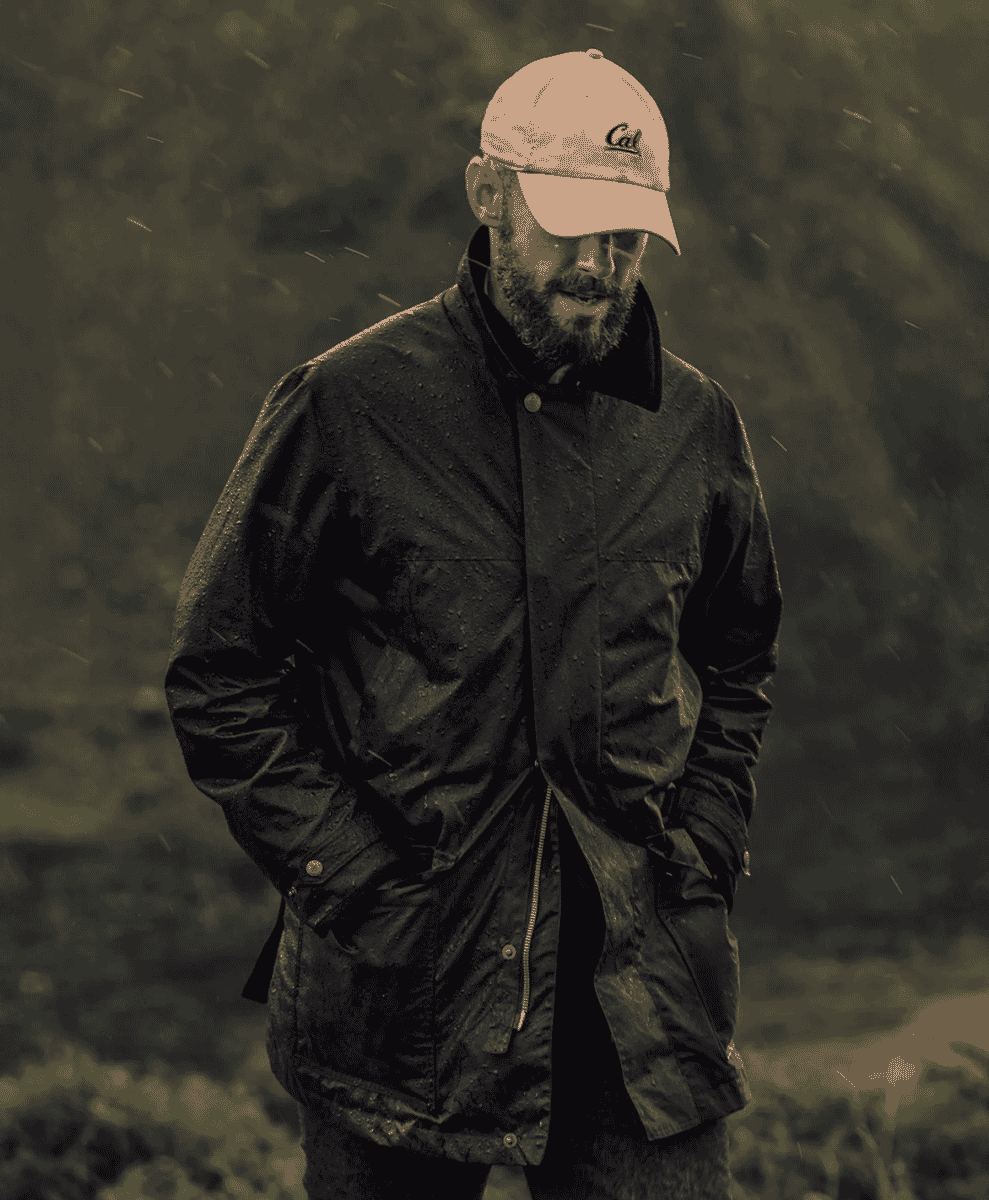
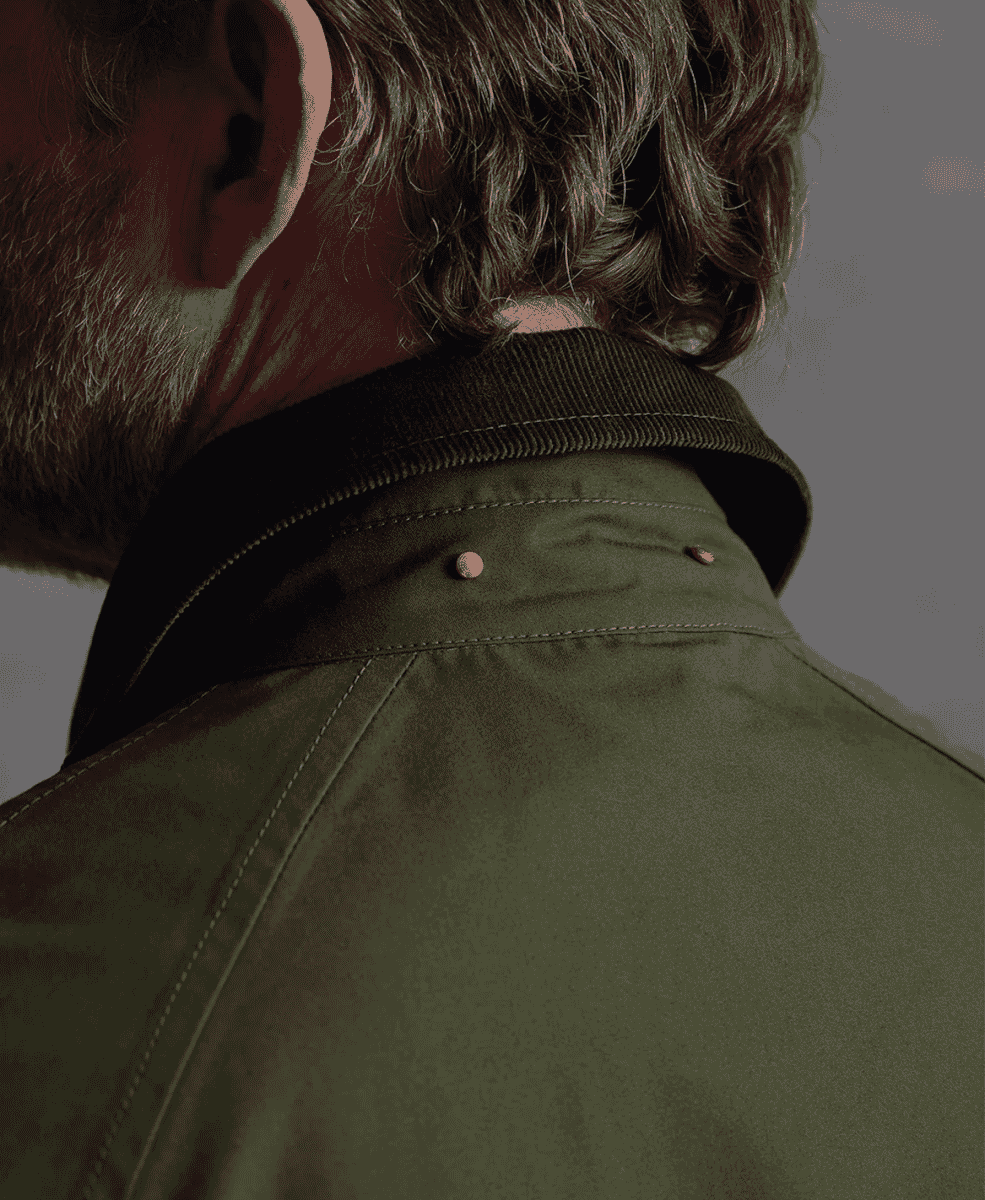
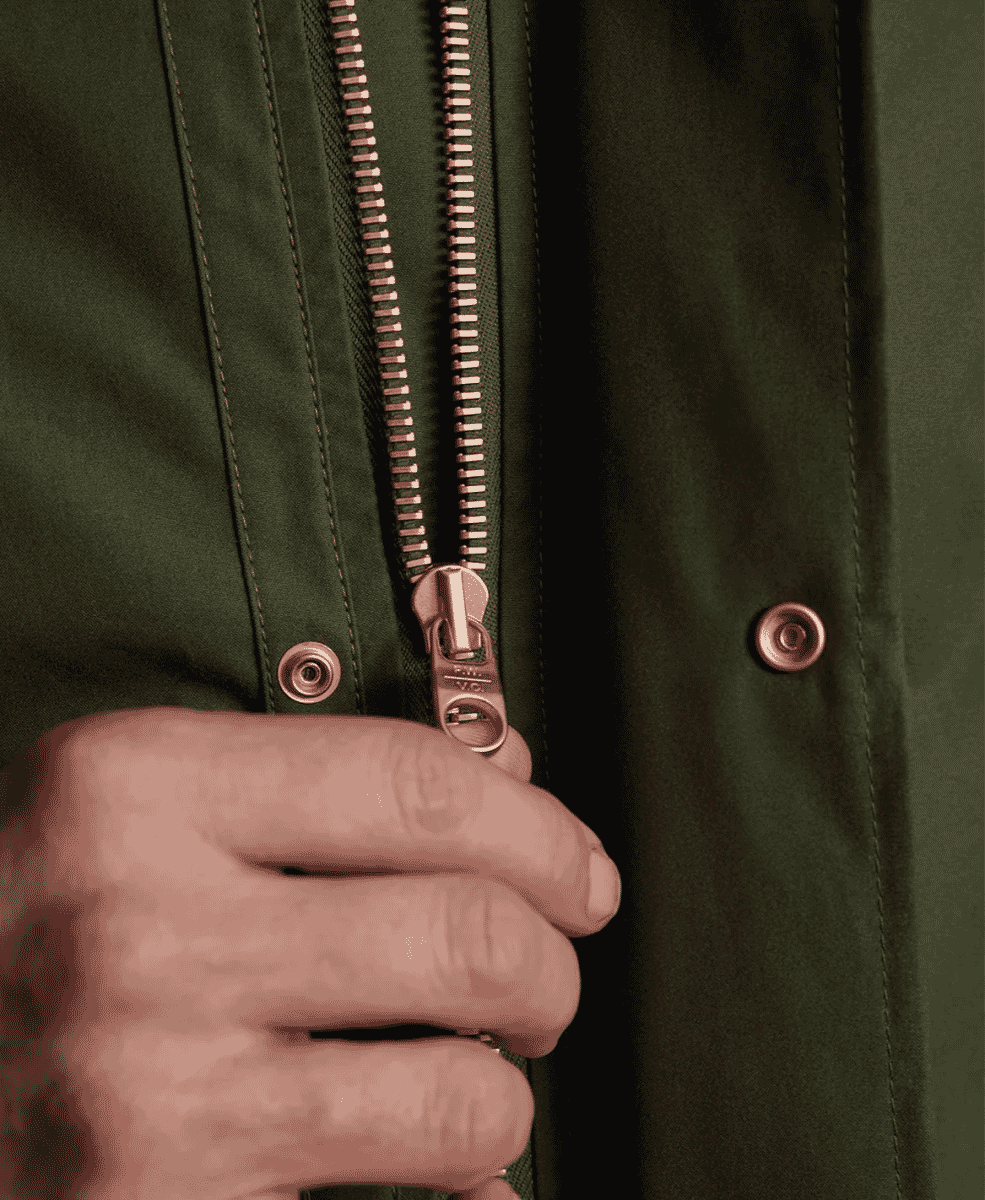
Made in Manchester, Private White V.C. produces waxed jackets that combine military and industrial heritage with modern tailoring. The brand is known for attention to detail, British manufacturing and a clean, considered aesthetic that feels purposeful rather than nostalgic.
How to care for a waxed jacket
A waxed jacket will last for decades if it is looked after properly. Unlike most modern outerwear, care is less about frequent washing and more about occasional maintenance.
Start by avoiding the washing machine. Hot water and detergent will strip the wax from the fabric and ruin its water resistance. Instead, clean a waxed jacket by wiping it down with a damp cloth or sponge to remove dirt and mud. For stubborn marks, cold water and gentle rubbing are enough. Never use soap, solvents, or dry cleaning.
Drying should always be natural. Hang the jacket in a well-ventilated space at room temperature and allow it to air dry. Do not place it near radiators, fires, or direct heat, as this can melt the wax unevenly and damage the cotton beneath.
Over time, the wax coating will wear away, particularly at high-friction points such as cuffs, elbows, and seams. This is normal and part of the jacket’s character, but it does mean the jacket will need rewaxing. Most brands sell their own wax, and the process is straightforward. Warm the wax until it becomes liquid, apply it evenly with a cloth or sponge, then use gentle heat from a hairdryer to help it absorb into the fabric.
How often you need to rewax depends on wear and exposure to rain, but once a year is usually sufficient for regular use. With proper care and occasional rewaxing, a good waxed jacket will not just survive years of wear, it will improve with them.
Next up: Your guide to the barn coat trend.