Winter changes how a home is used. Days shorten, rooms close in, and light becomes something you curate rather than take for granted. This is the season when lighting stops being purely functional and starts setting the mood, shaping mood, pace and atmosphere. The right choices can make a living space feel calmer, warmer and more intentional, without adding clutter or resorting to anything overtly decorative. Good winter lighting isn’t about brightness. It’s about softness, placement and knowing when to let shadows do some of the work.
7 Key types of winter lighting
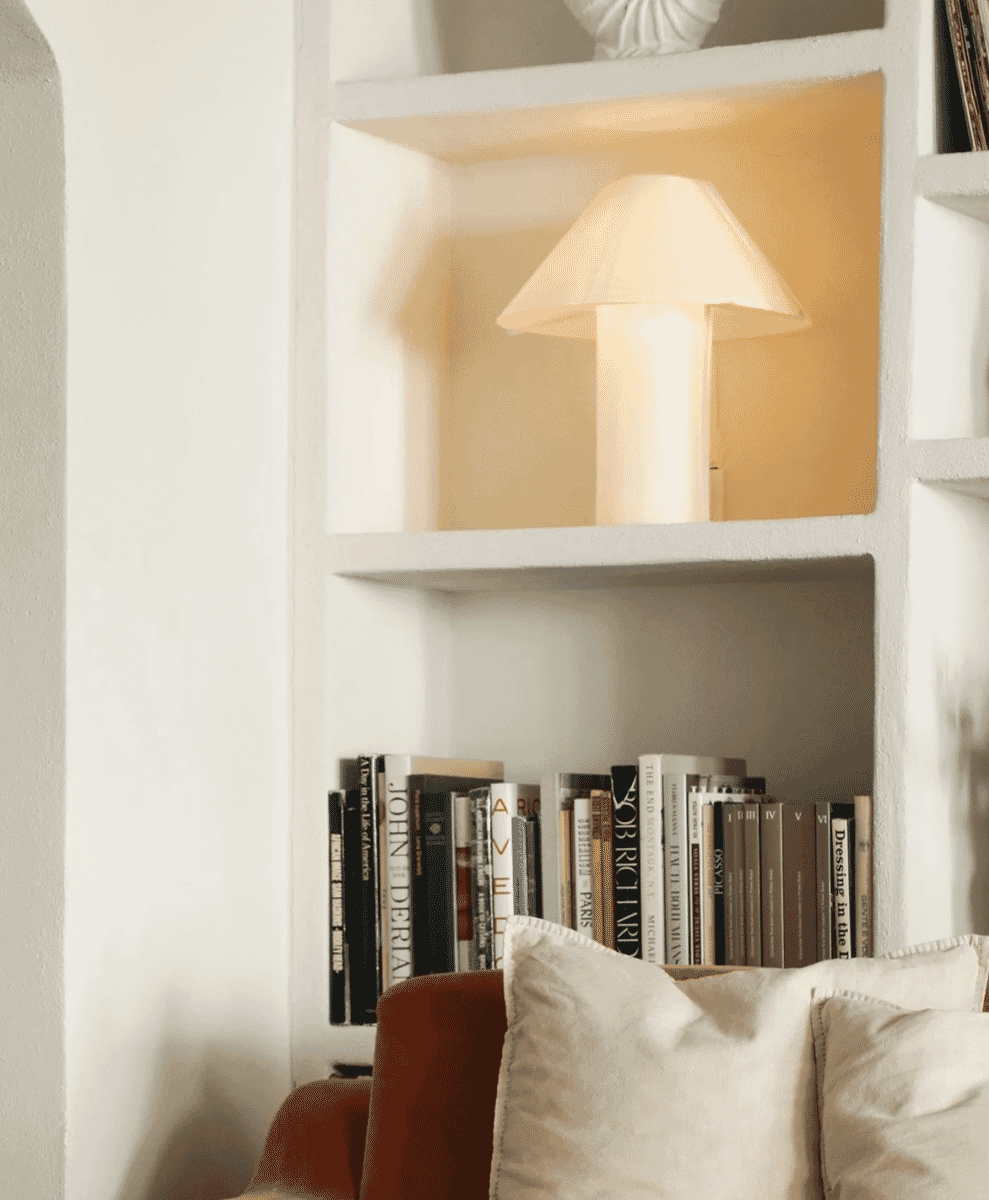
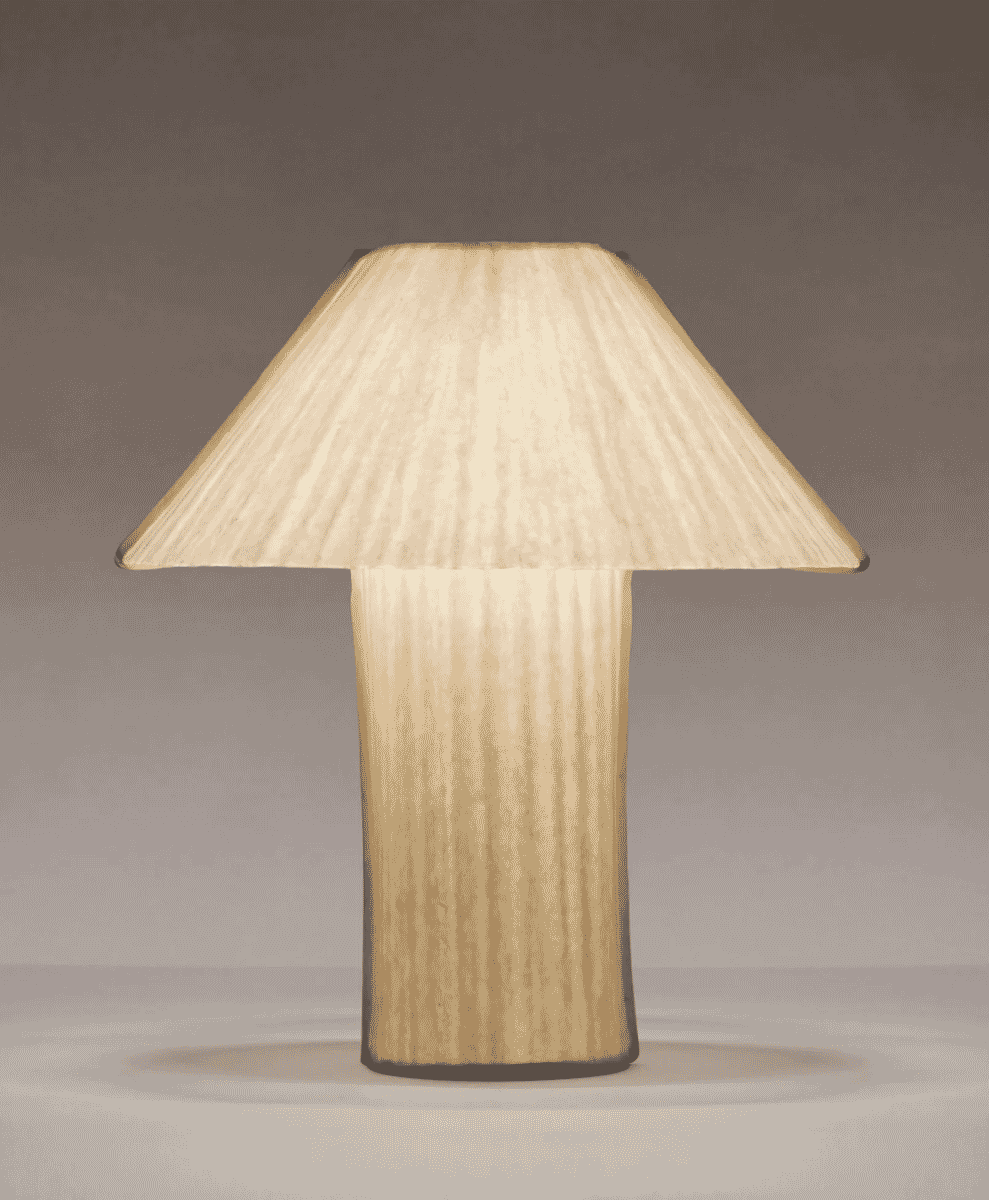
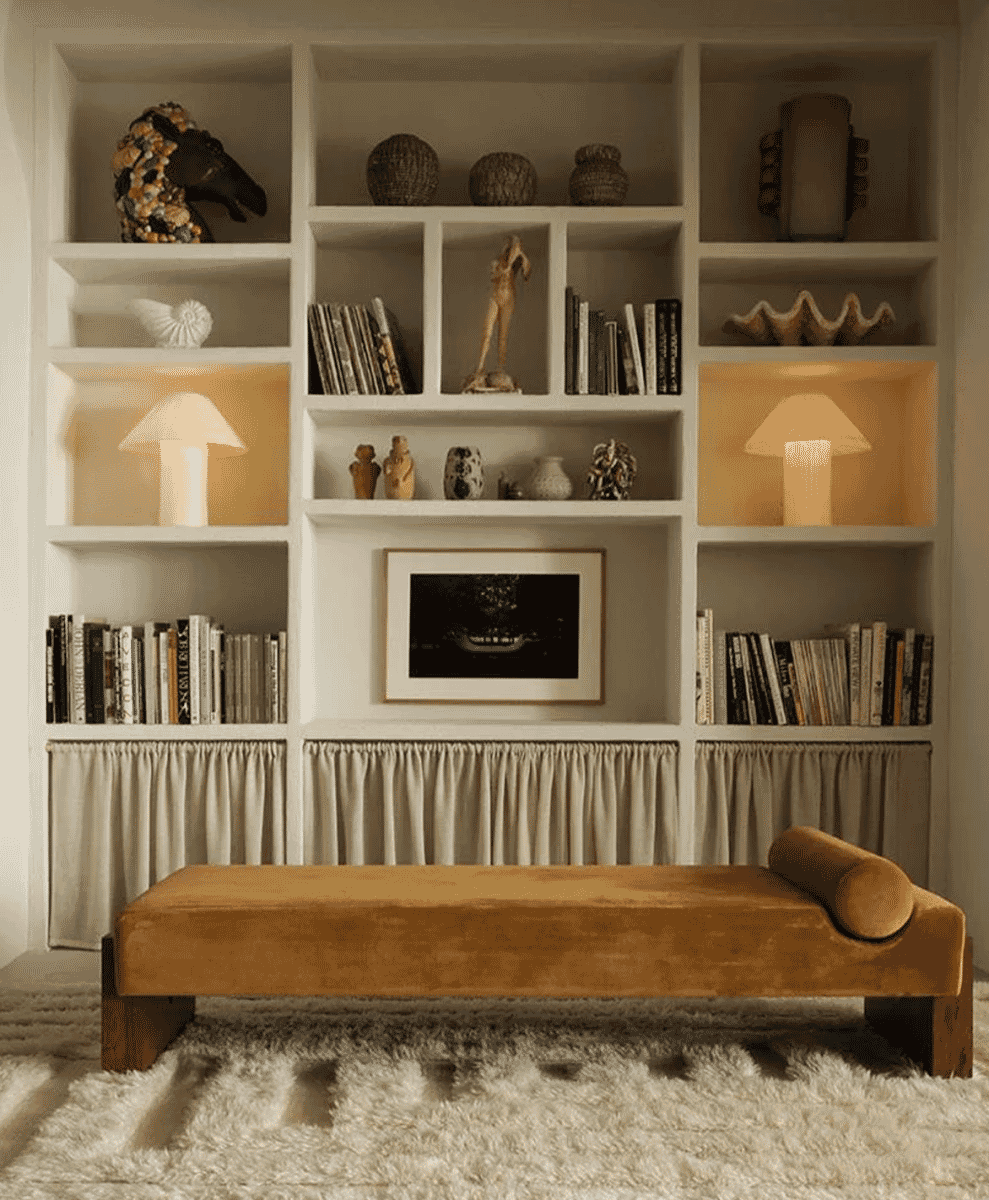
Washi paper lamps
Paper has a way of taking the edge off winter. The light is soft and diffused, settling into a room rather than cutting through it. Instead of lighting everything equally, it creates atmosphere, which is exactly what’s needed when daylight disappears early. These lamps work best where you want calm rather than clarity – beside a sofa, in a neglected corner, or as an alternative to overhead lighting. Visually, they add presence without weight.
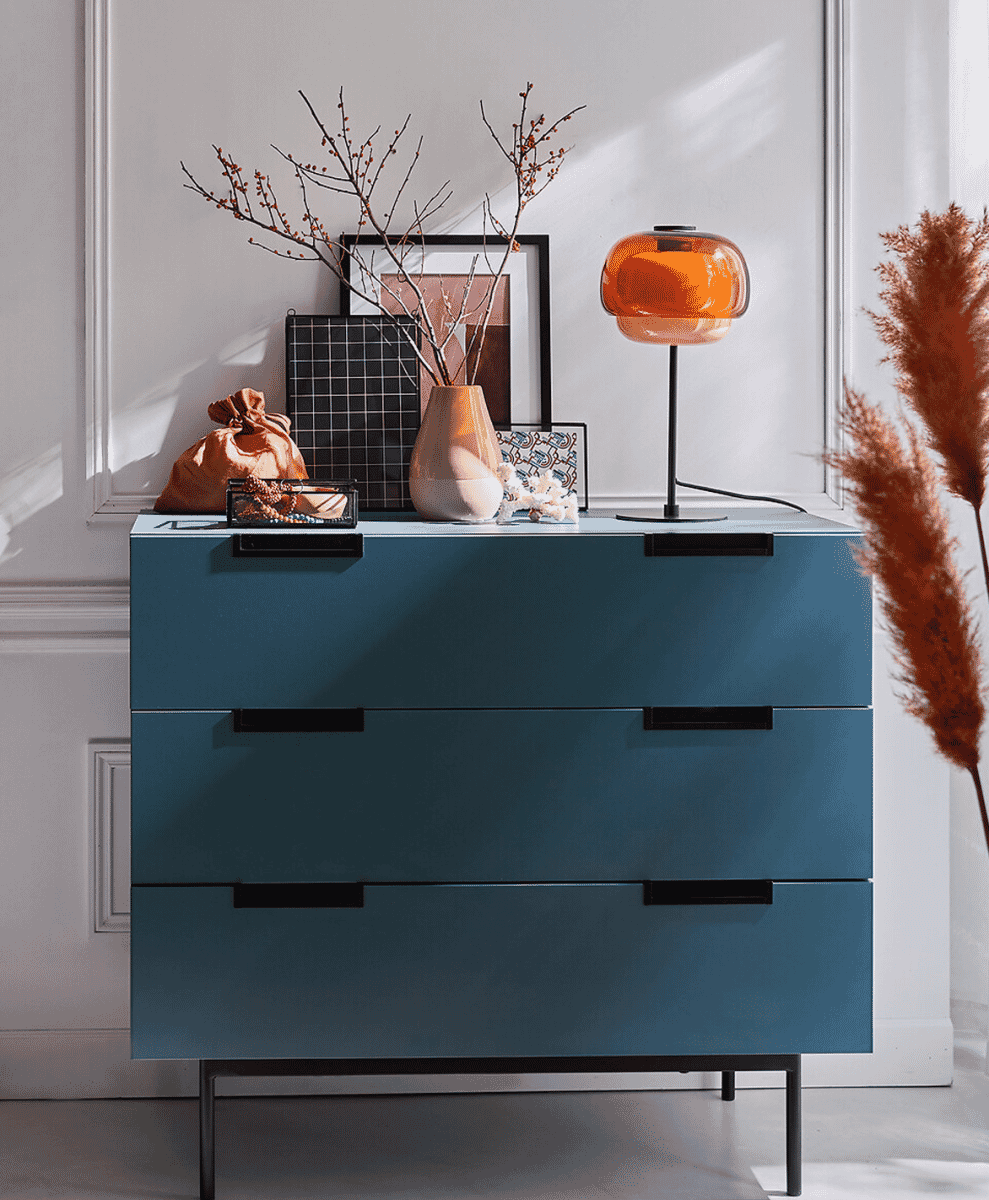
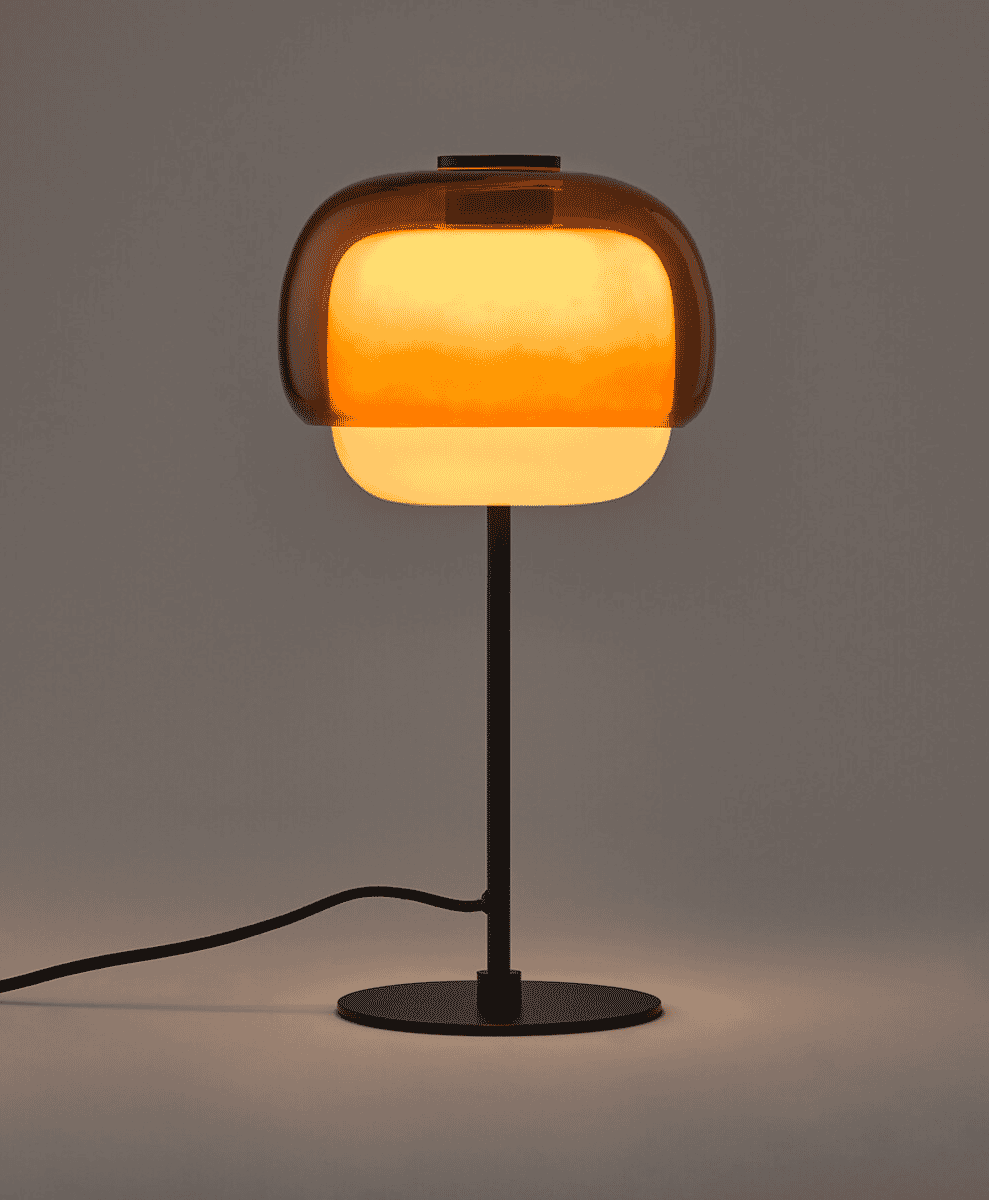
Coloured glass lamps and lightshades
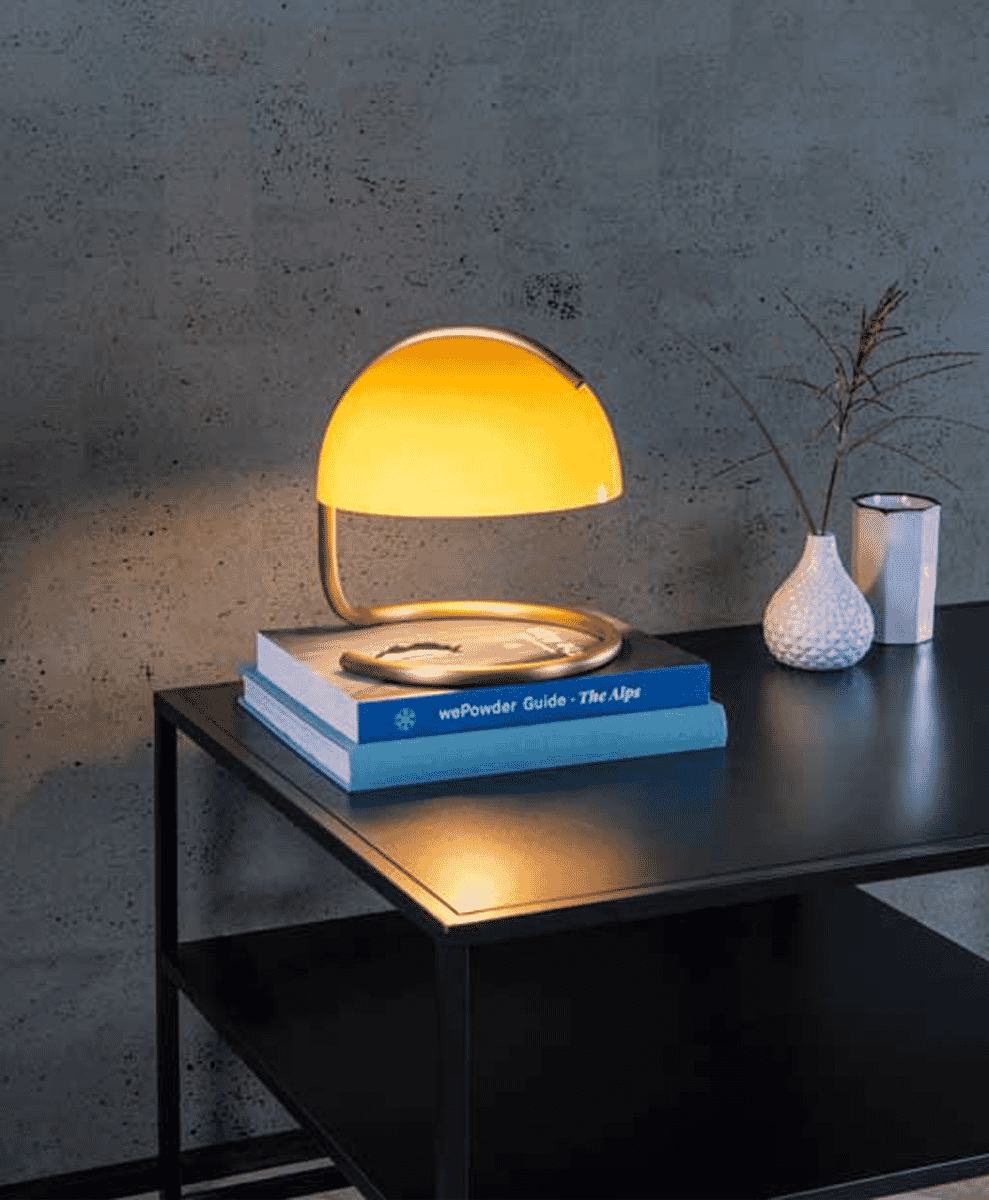
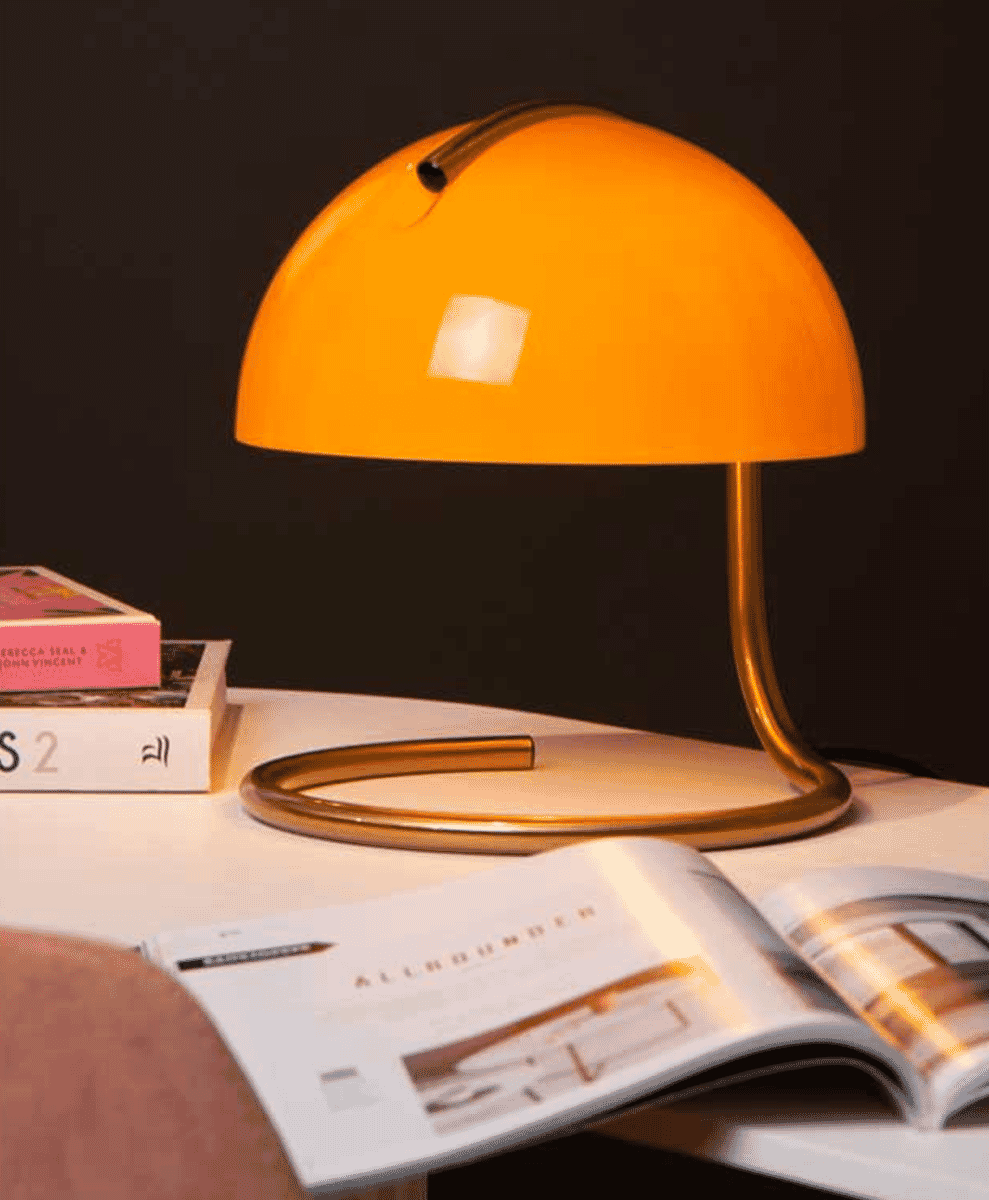
When winter arrives, clear light can feel a little unforgiving. Introducing colour changes that immediately. Amber, smoky orange and rust-toned glass gently warms the glow, softening hard surfaces and making evenings feel intentional. Even when switched off, these pieces hold their own as decorative objects. Used sparingly, coloured glass adds depth without leaning into nostalgia. One well-chosen lamp can shift the mood of an entire room.
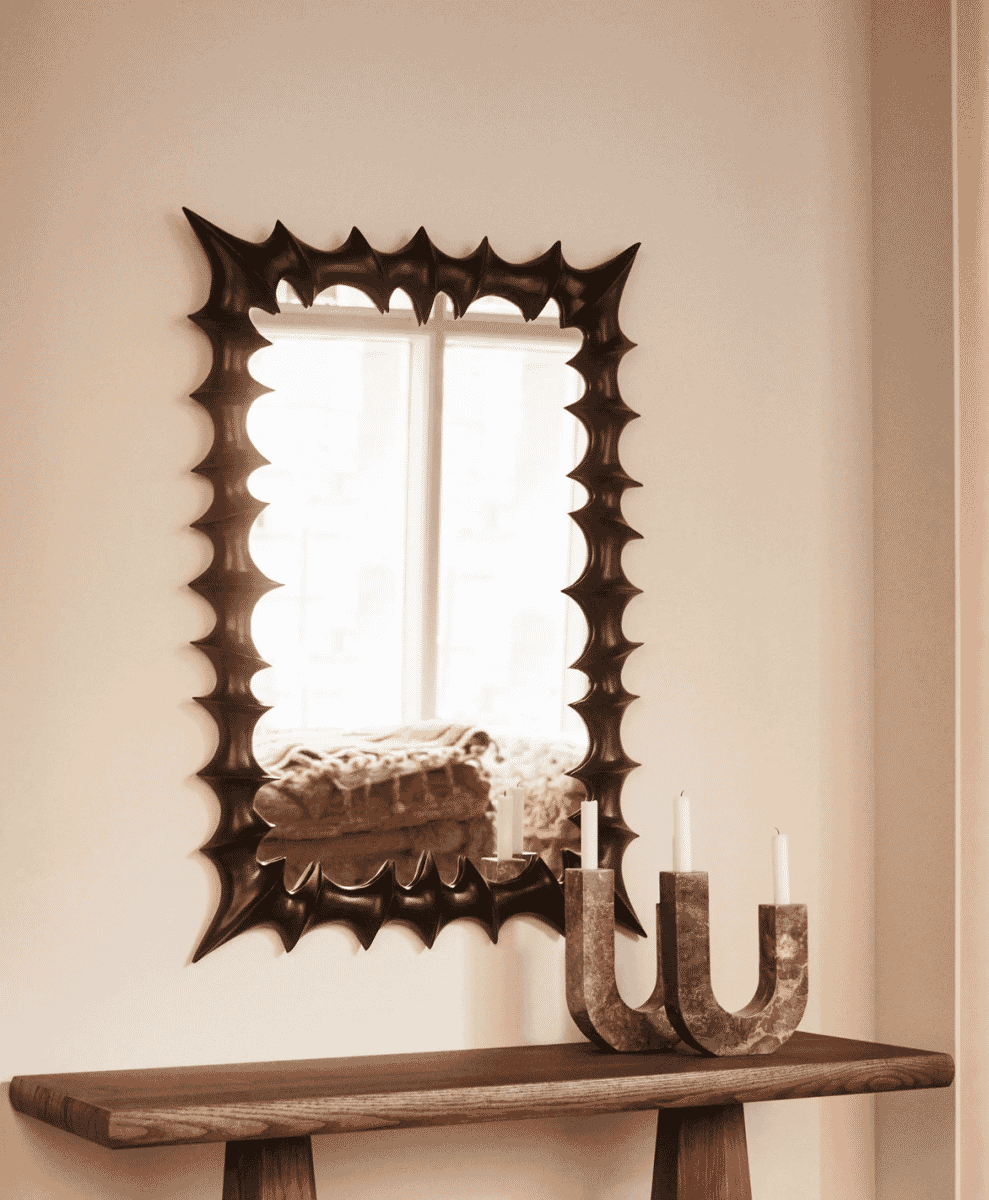
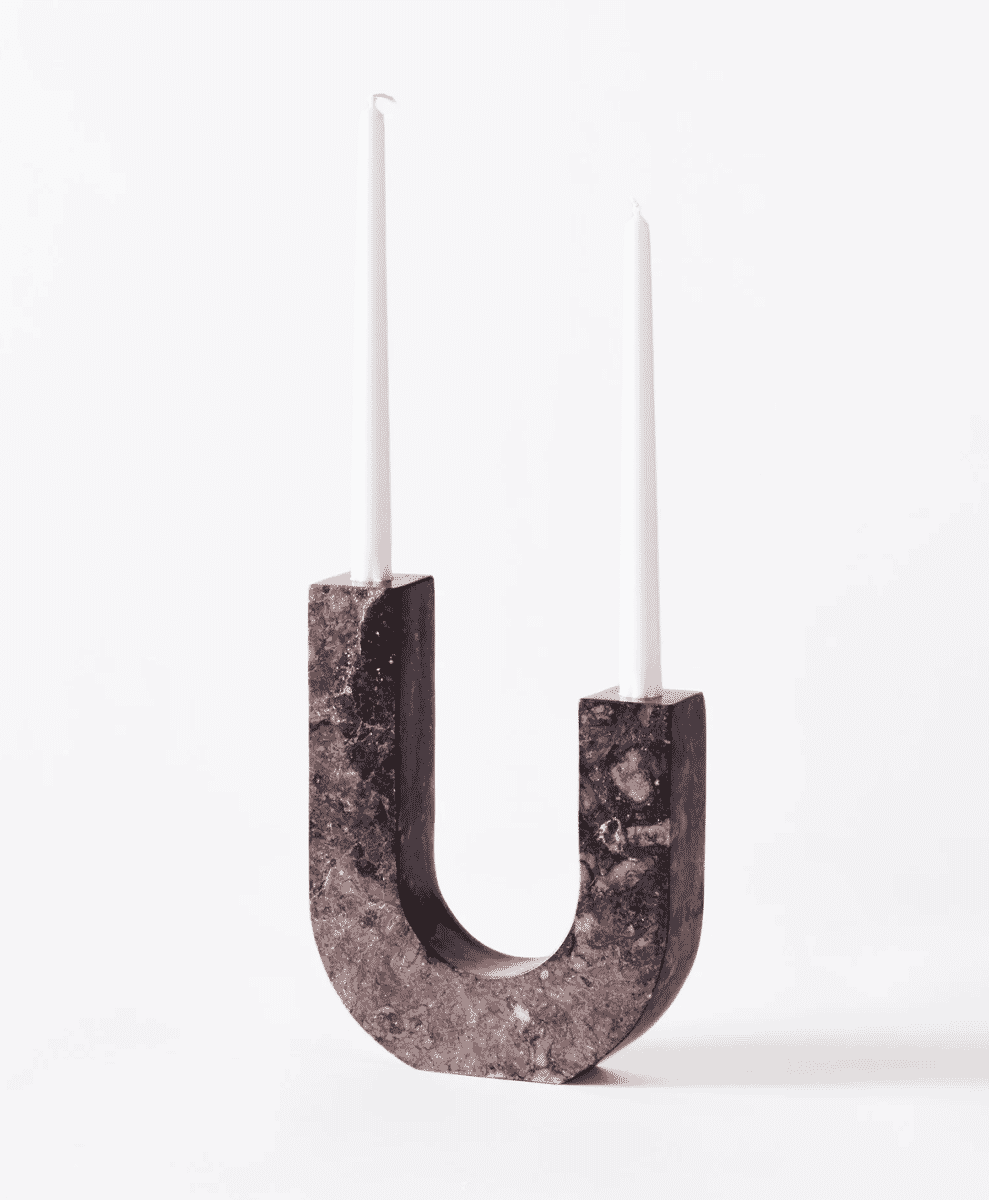
Sculptural candle holders
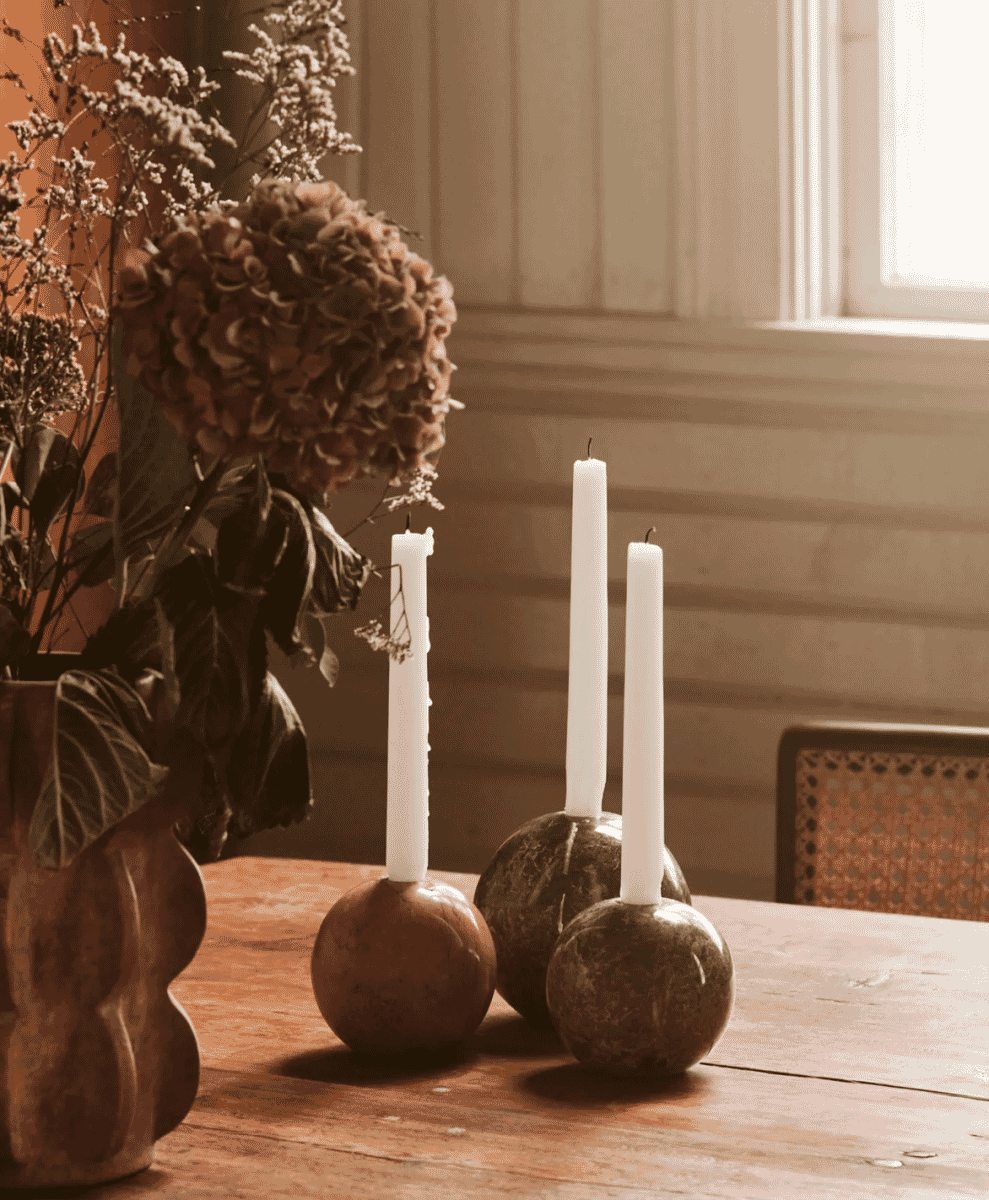
Some light sources earn their place before they’re even lit. Candles with interesting shapes or unexpected proportions bring personality to shelves, tables and fireplaces during the day. In the evening, they offer a low, flattering glow that feels deliberate rather than decorative. In winter, that dual role matters. They soften a room visually while keeping things restrained and quietly expressive.
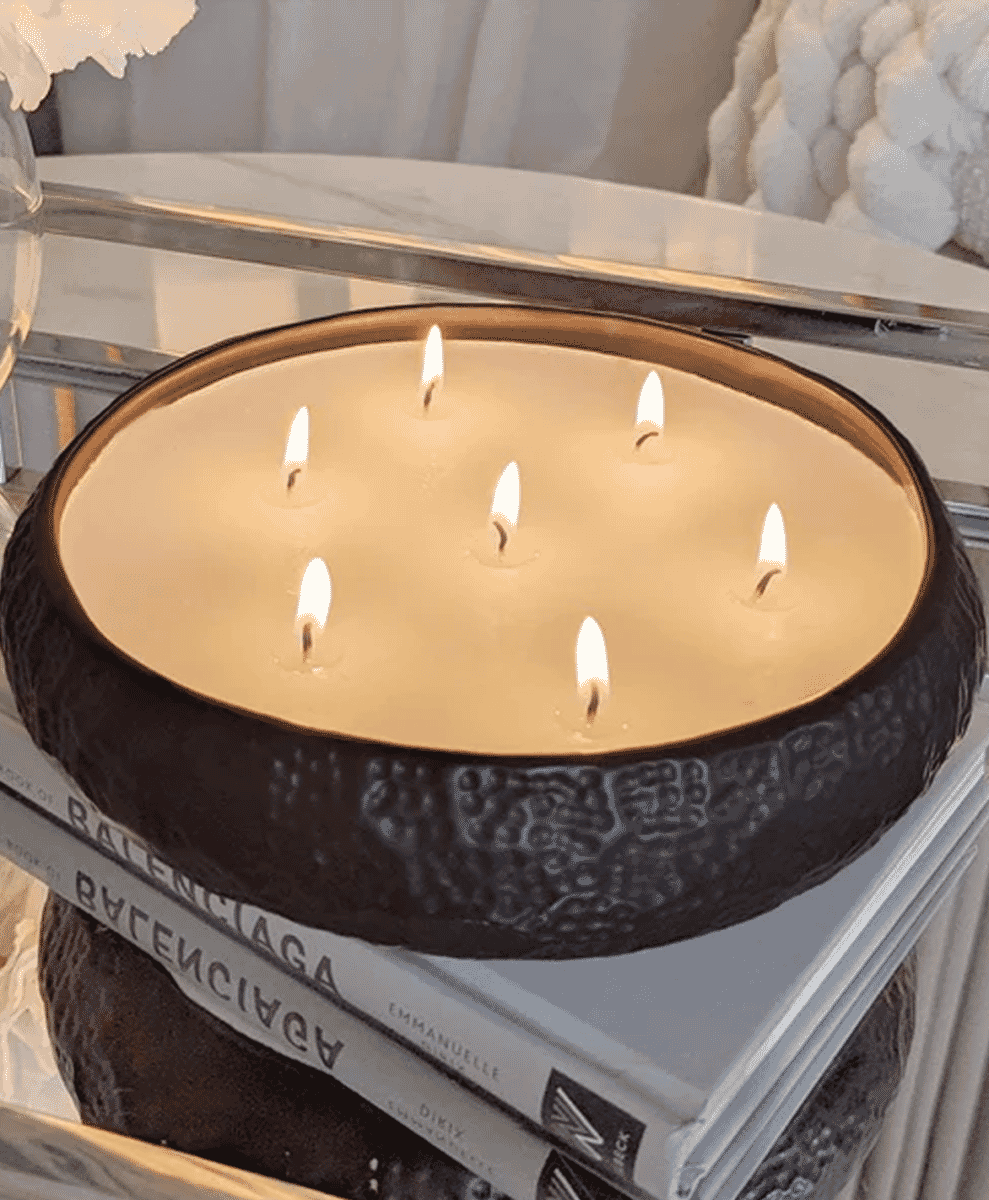
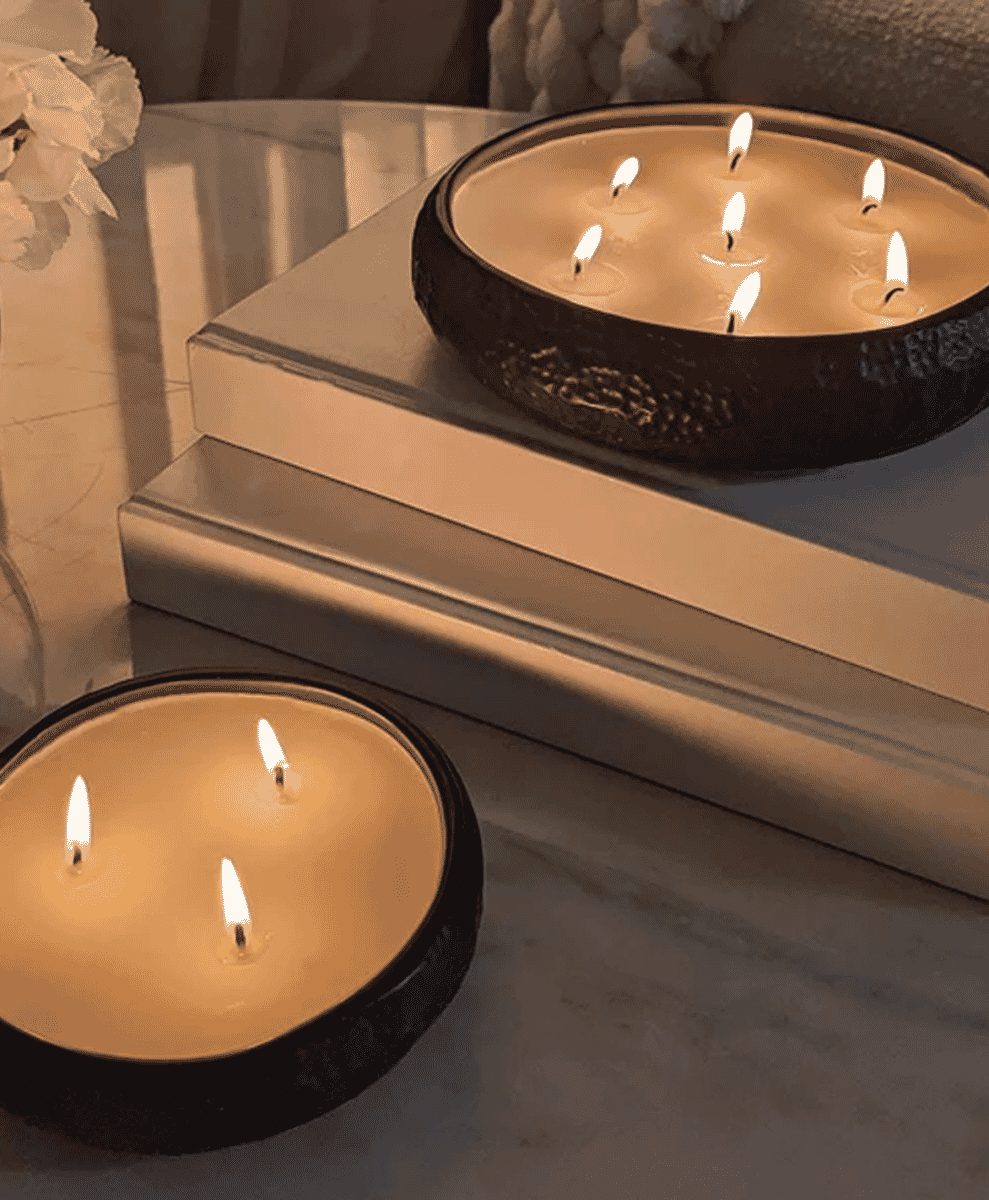
Large multi-wick candles
There’s a reason these feel more substantial than a standard candle. Multiple flames create a broader, steadier pool of light, closer to a small fire than a flicker. Placed at the centre of a room or on a low coffee table, they naturally draw people in and slow the pace of the space. The effect is grounding, ideal for long winter evenings that are meant to be lingered over.
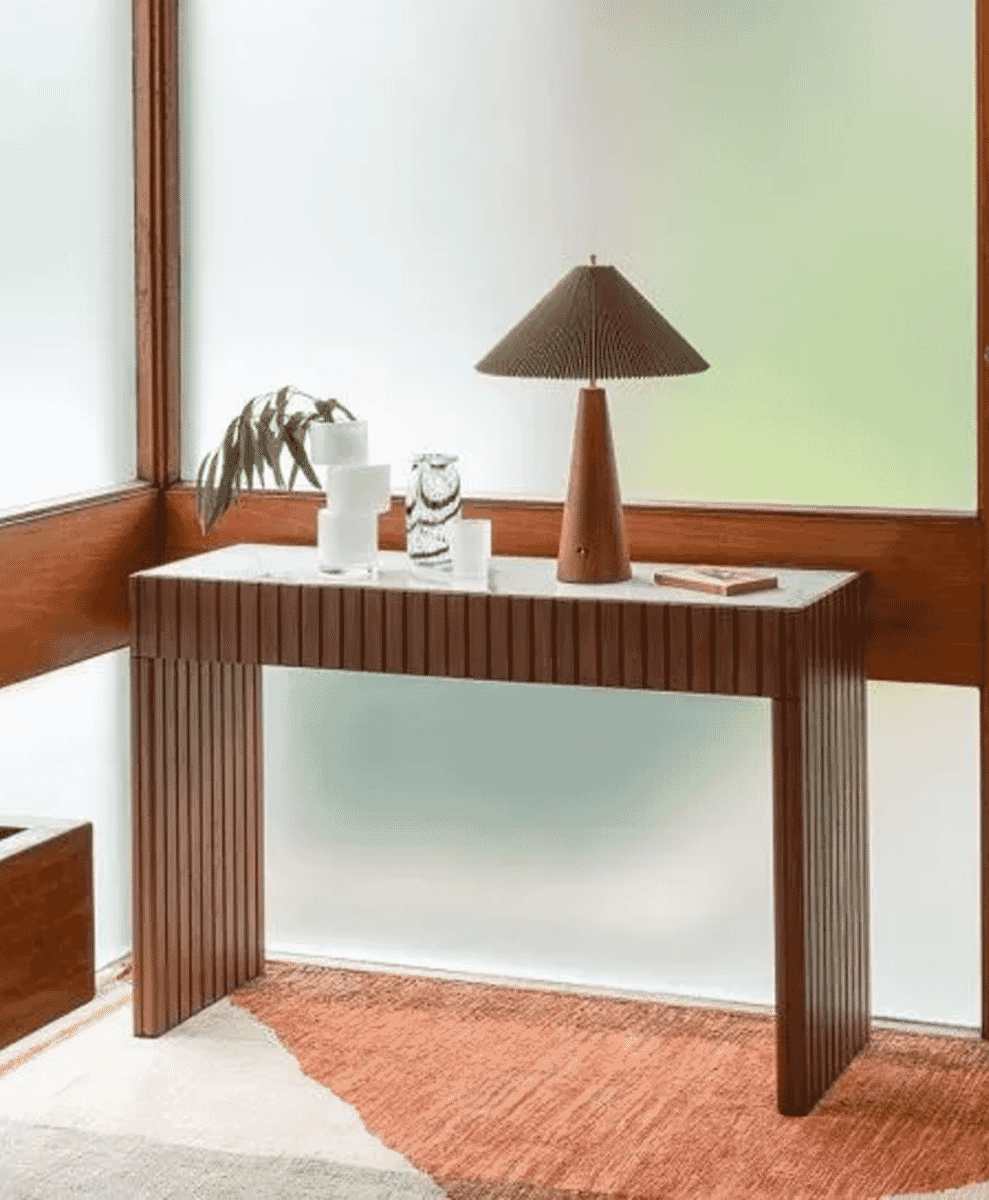
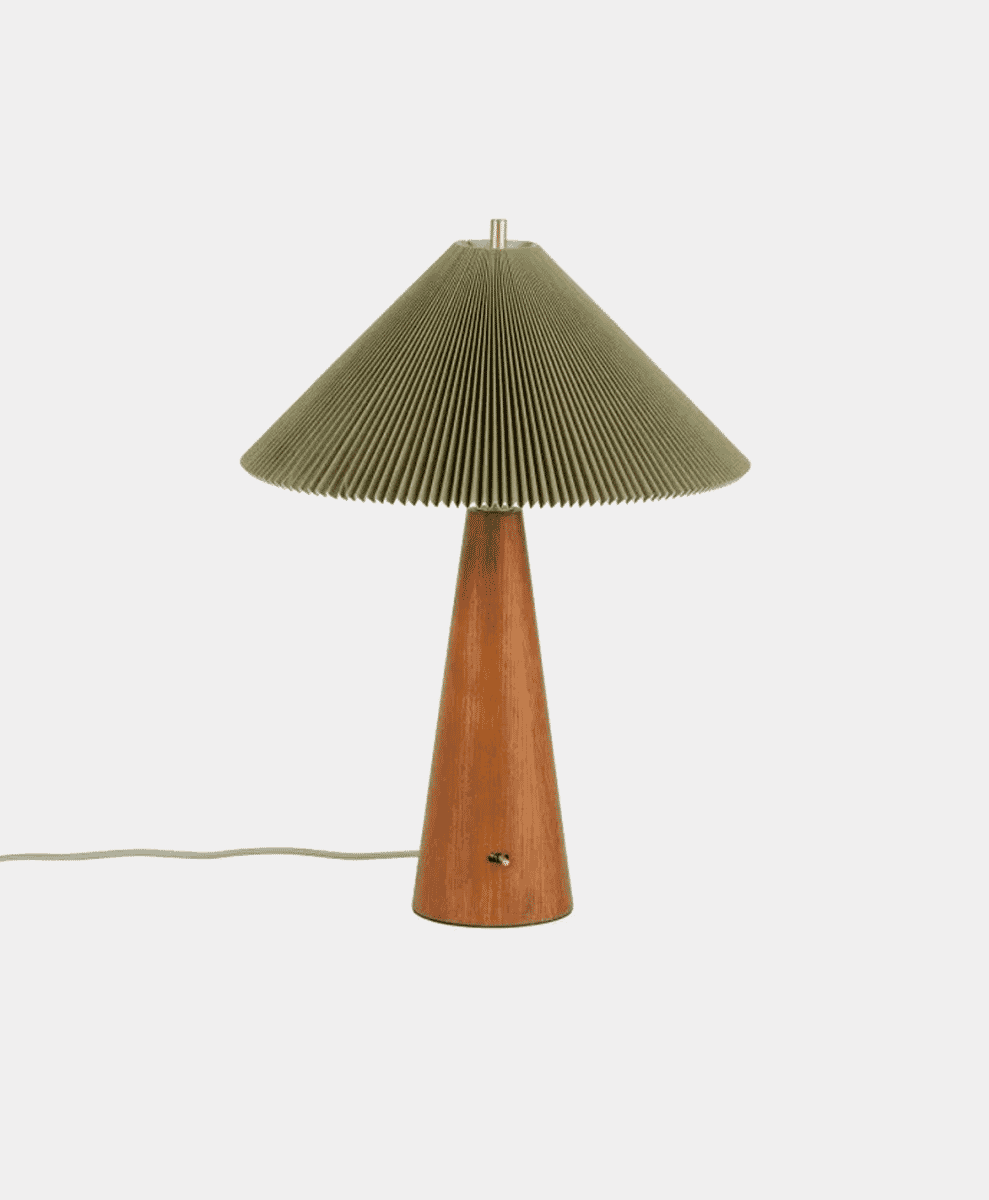
Accent lights
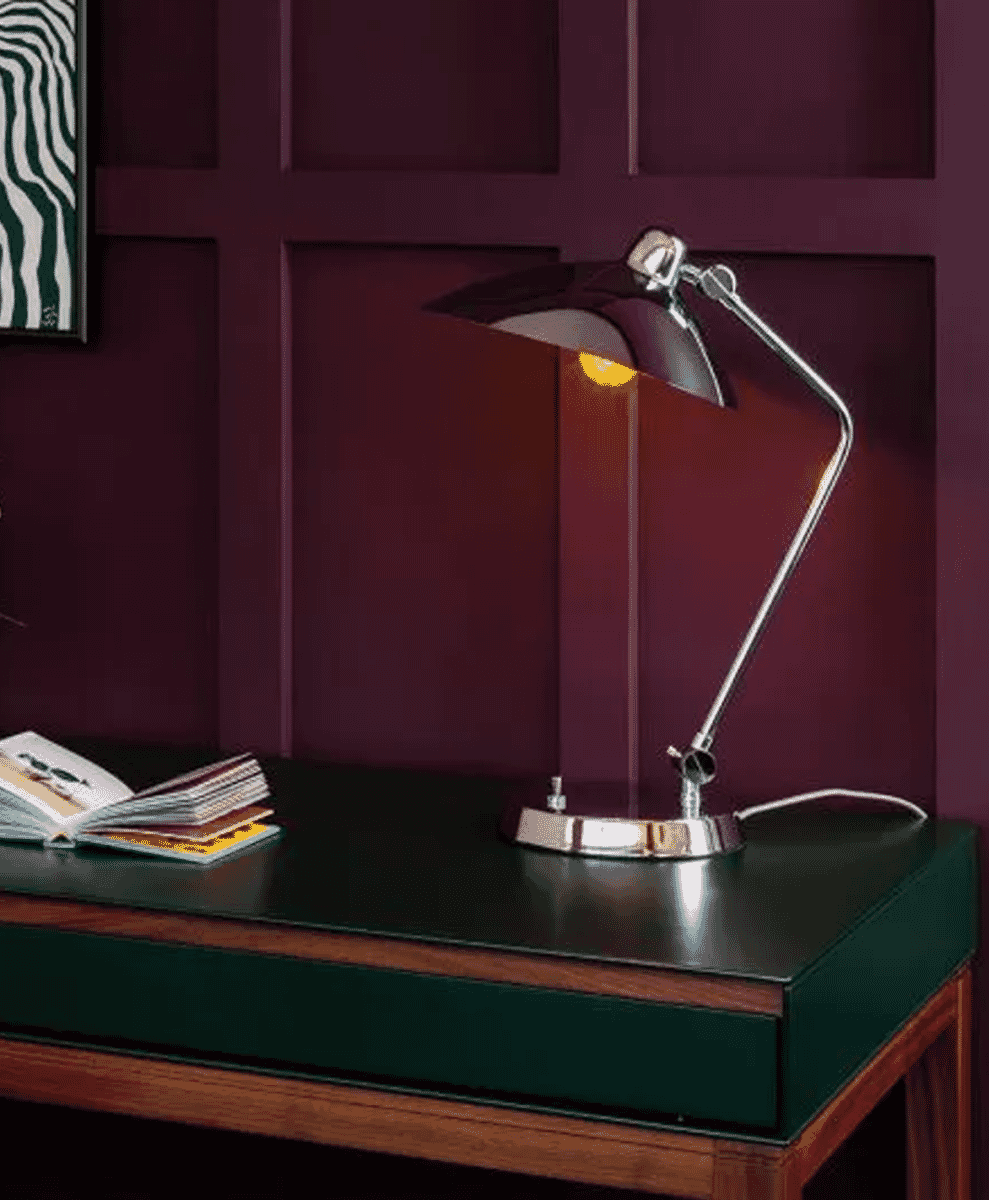
The most inviting interiors rarely rely on a single light source. Small, characterful lamps placed where you don’t expect them add depth and softness to a room. On shelves, tucked beside seating, or sitting low rather than high, these lights create layers rather than blanket illumination. You might not notice them immediately, but the room would feel flatter without them. In winter, this approach makes spaces feel warmer and more considered.
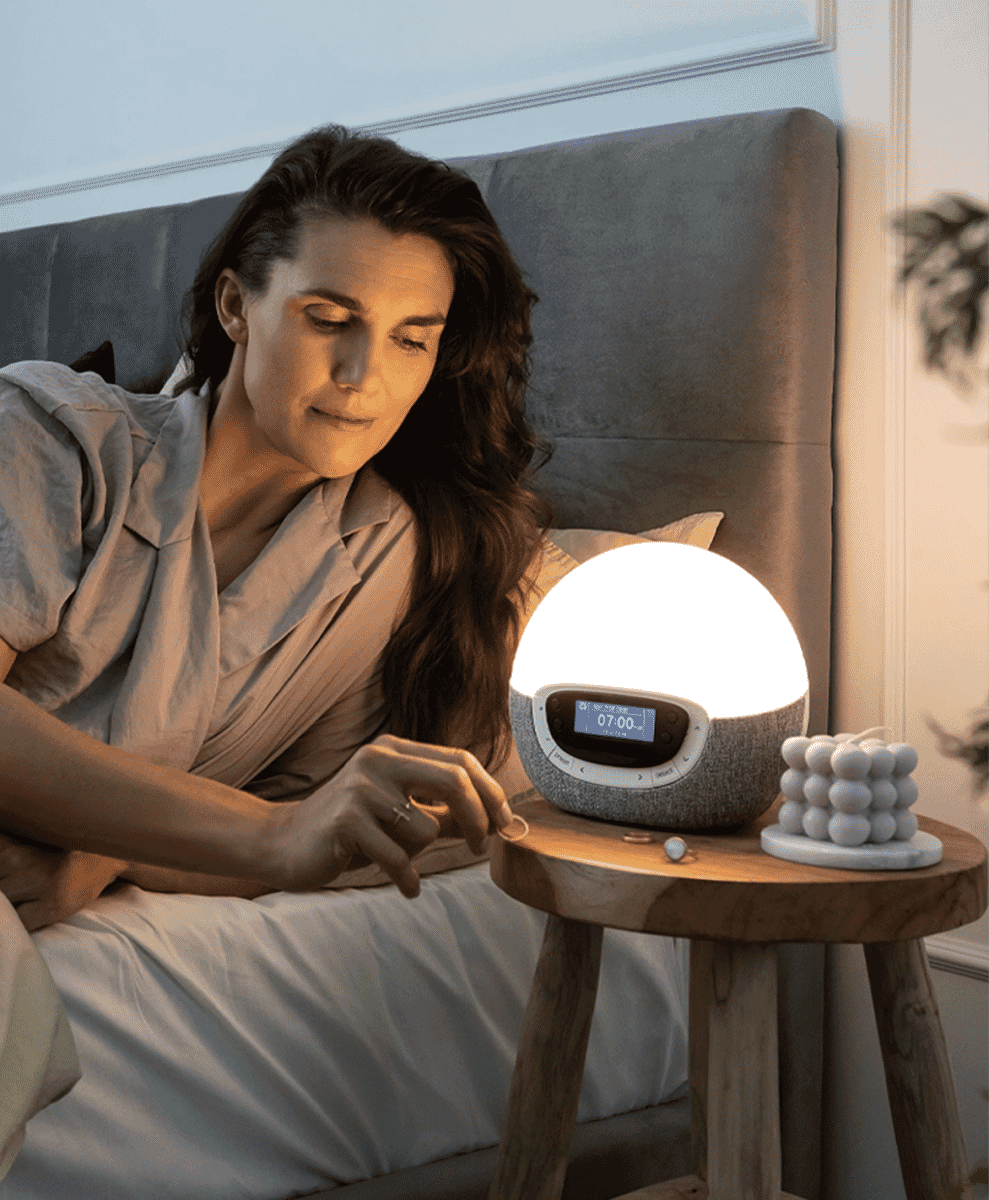
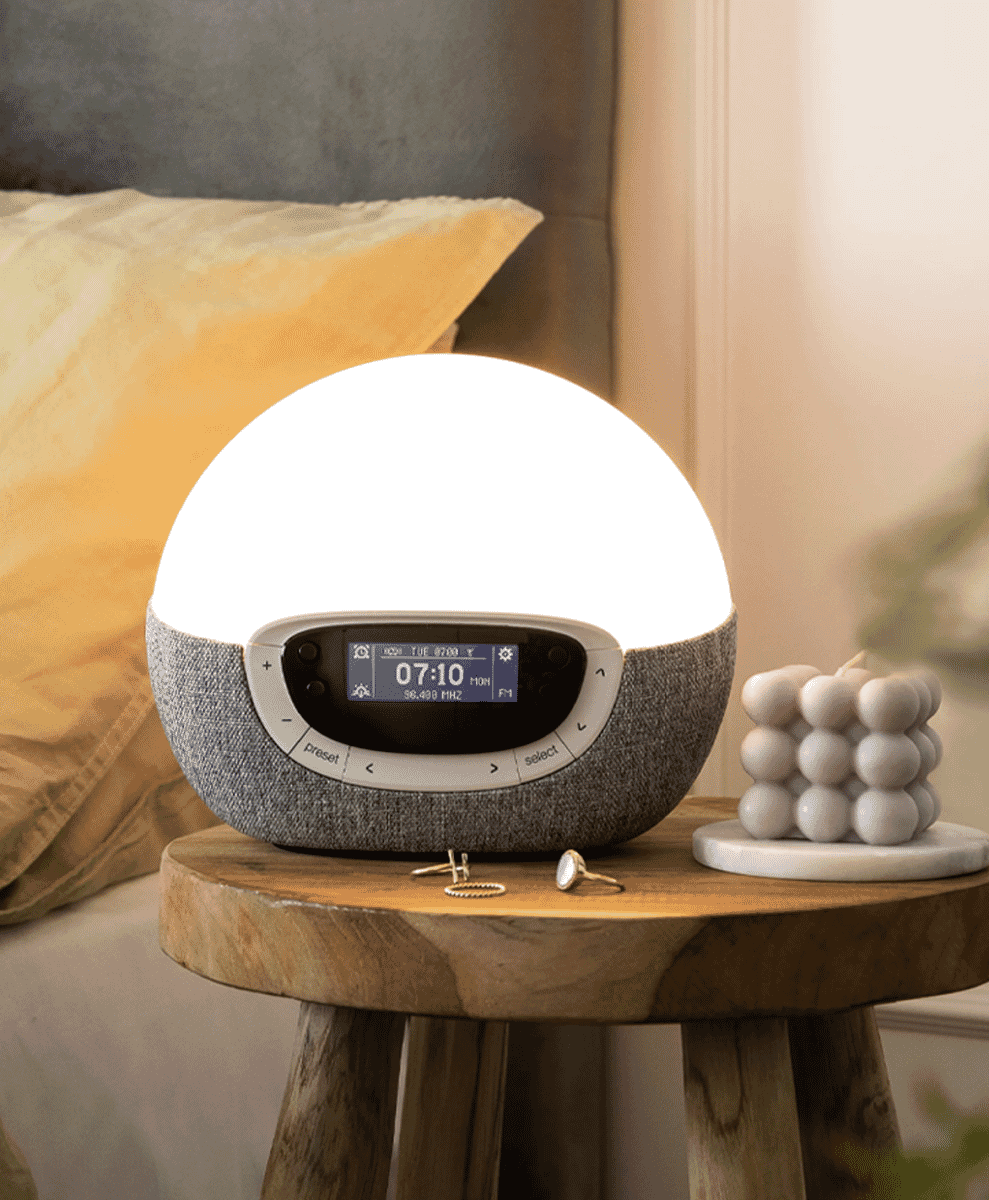
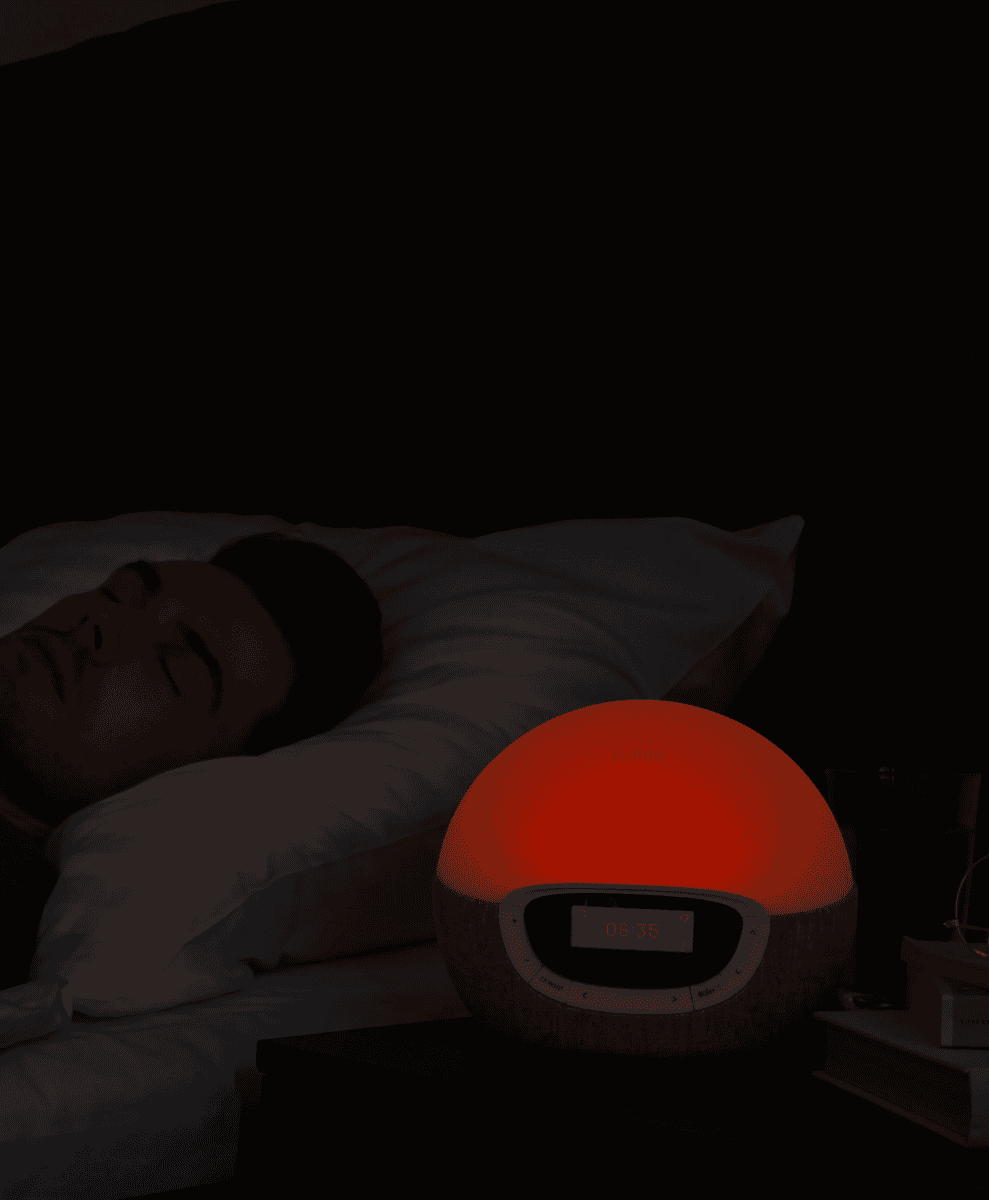
SAD lamps alarm clock
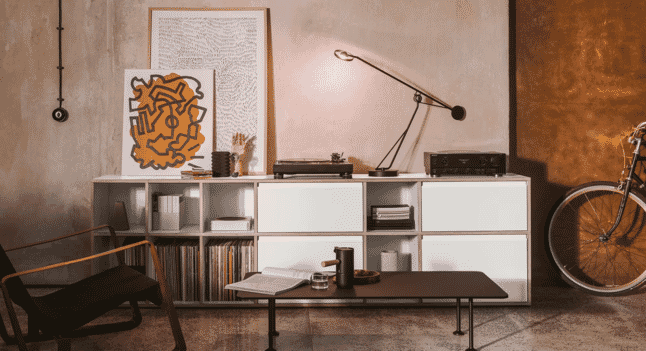
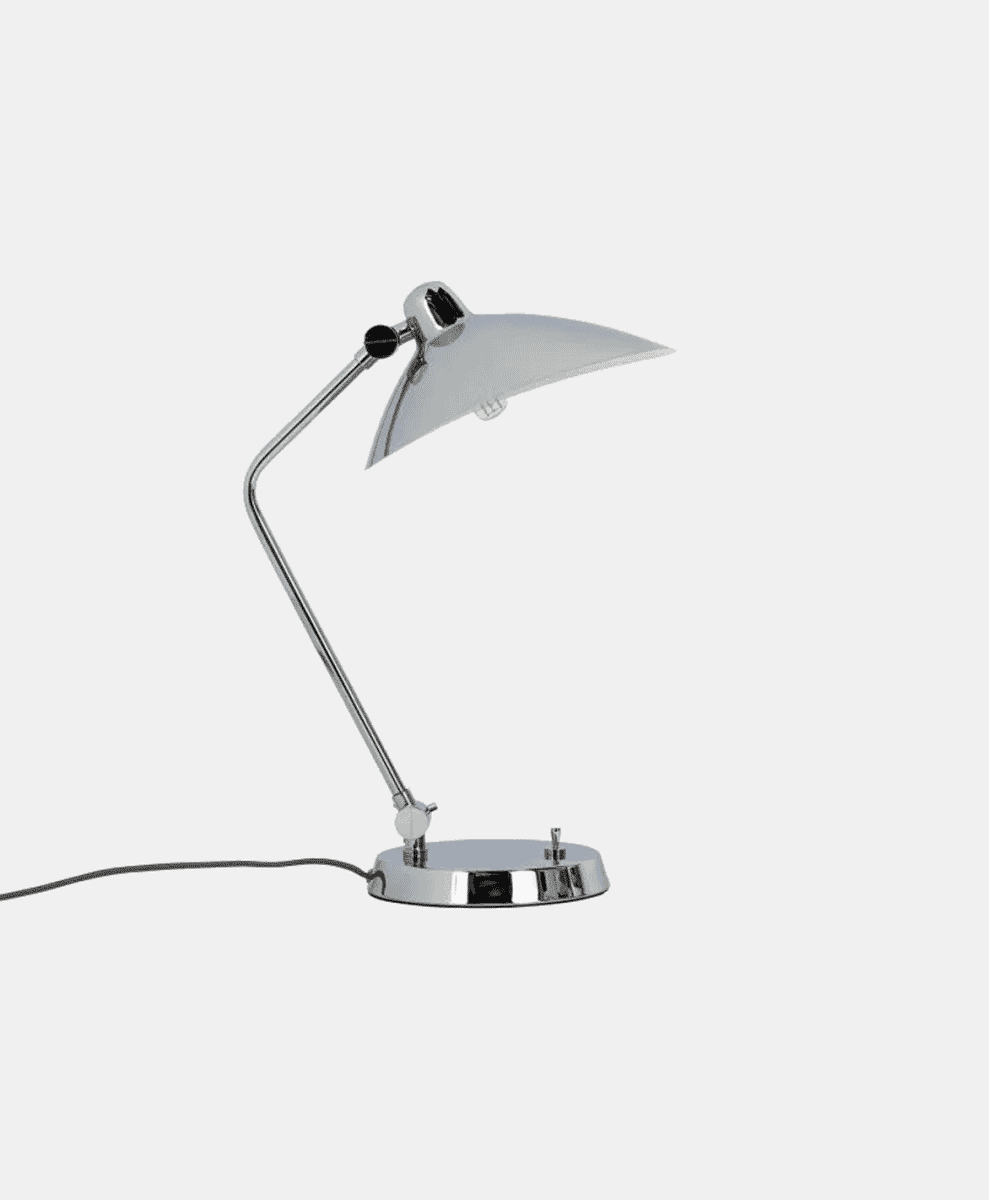
This is the functional end of winter lighting, but it doesn’t need to feel clinical. Used in the morning, near a desk or breakfast table, these lamps can help offset short days without dominating a space. Design matters here. Clean lines and neutral finishes allow them to sit comfortably within a room, doing their job quietly before being switched off for the rest of the day.
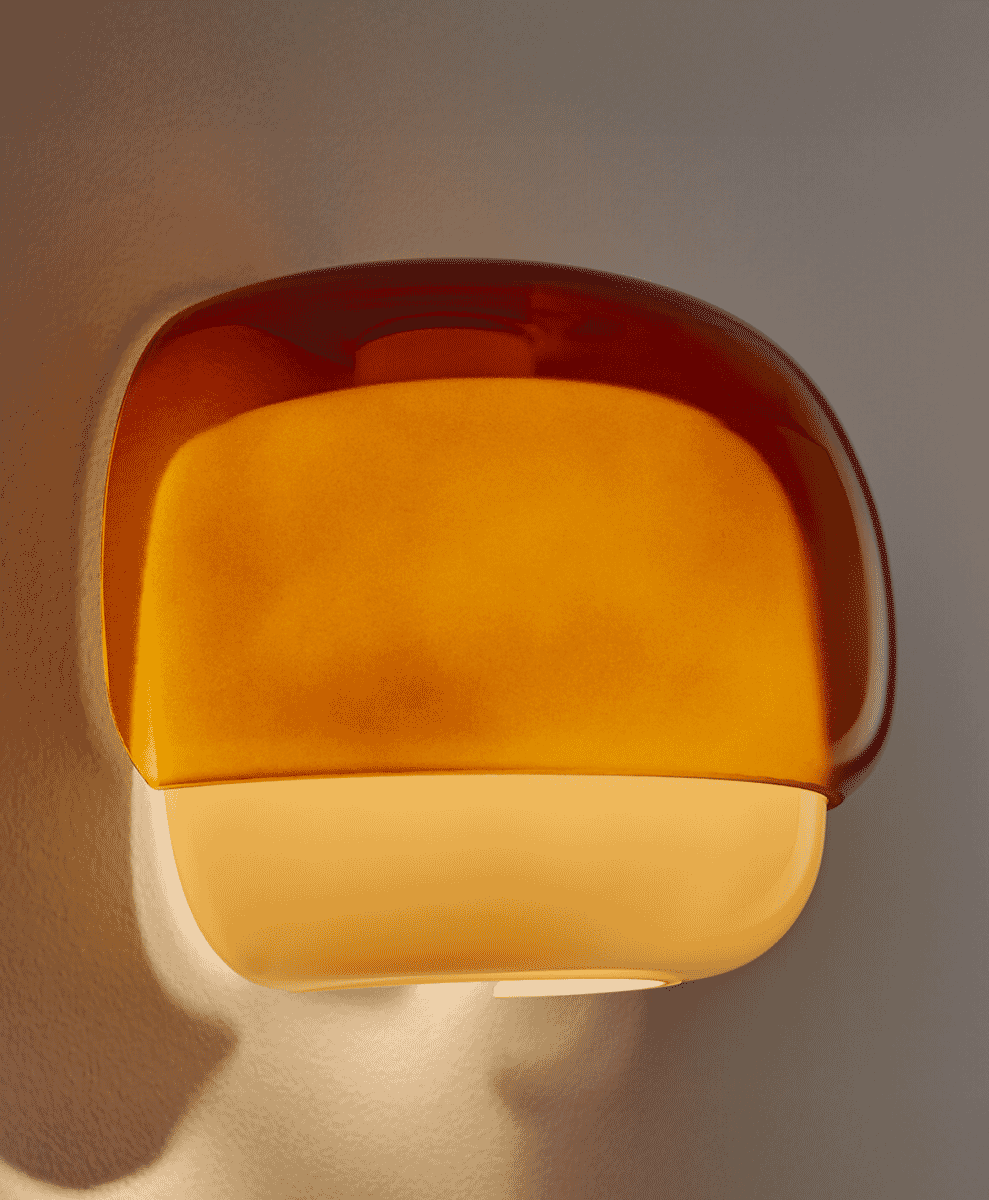
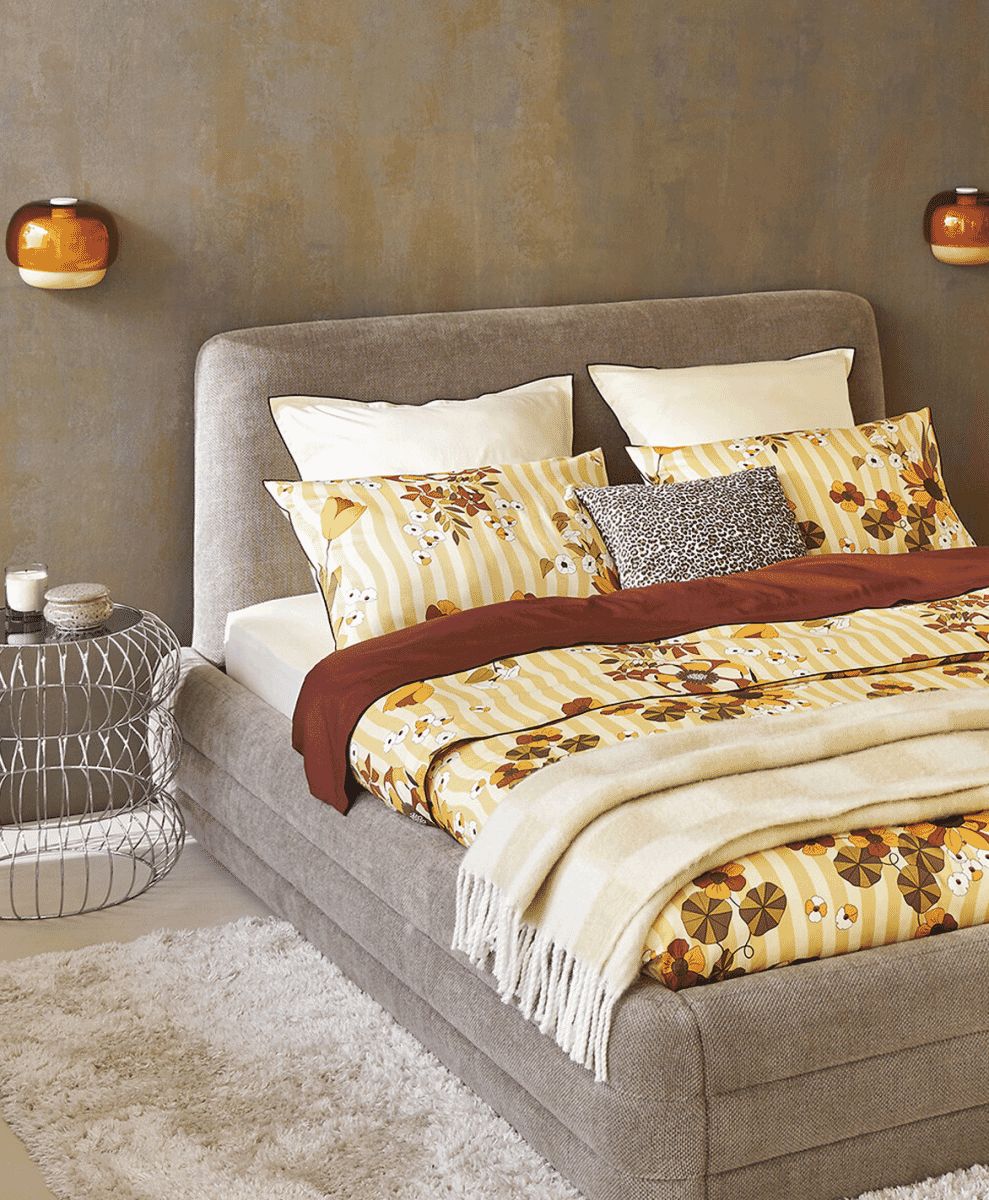

Wall lights and picture lights
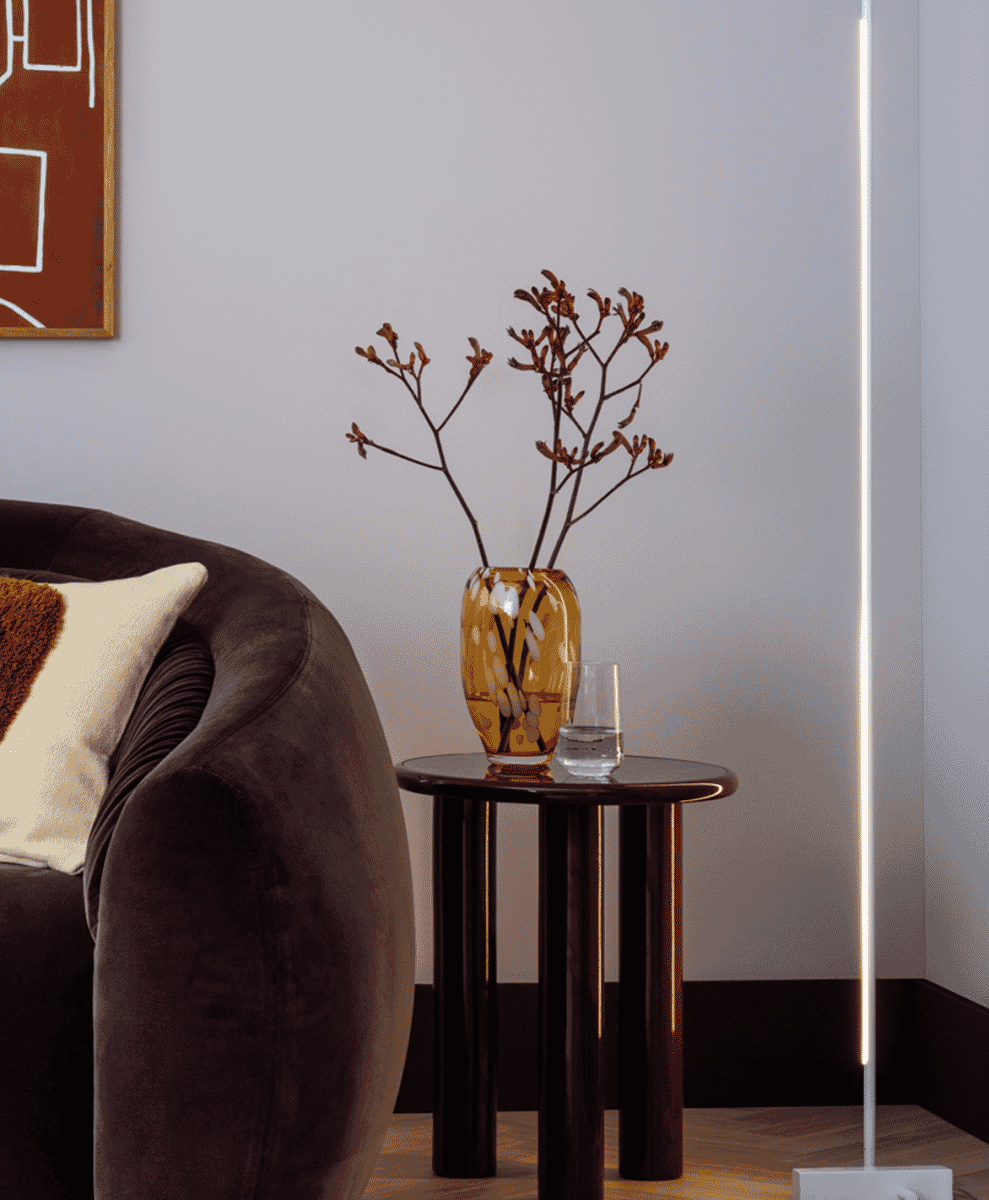
Light that comes from eye level changes how a room feels after dark. Wall-mounted fixtures soften shadows, highlight details and reduce reliance on overhead lighting. Picture lights, in particular, add warmth and intimacy, even when illuminating something understated. In winter, they help spaces feel finished rather than merely lit, bringing a sense of calm and architectural clarity.
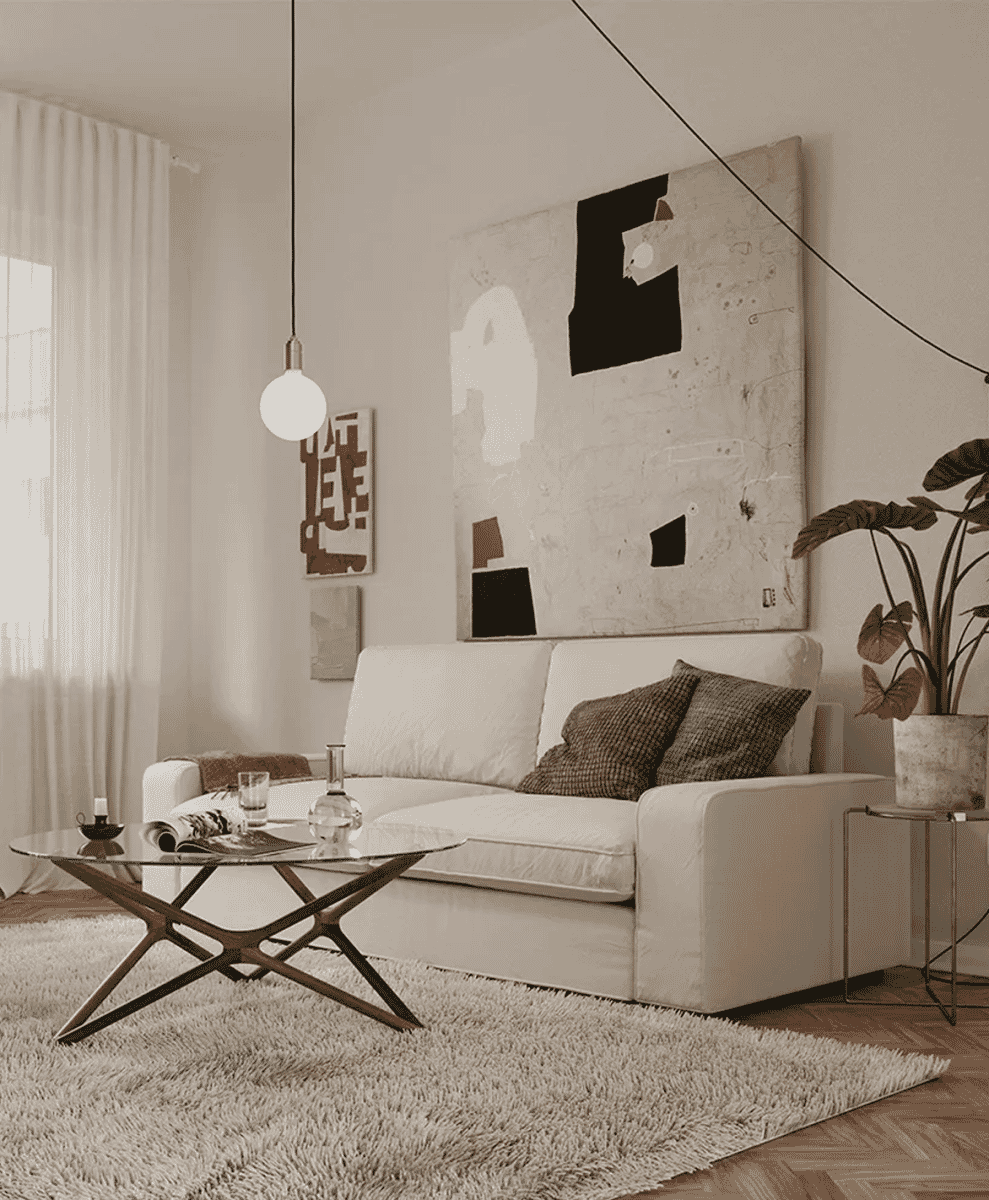
Winter lighting do’s and don’ts
Do layer your light
A single overhead source will always feel flat in winter. Build a room from multiple points of light at different heights to create depth and warmth.
Don’t rely on the big light
Ceiling lights have their place, but in the evening they should be supporting acts, not the main event.
Do favour warm tones
Whether it’s paper, coloured glass or candlelight, warmer light feels more forgiving when natural daylight is limited.
Don’t mix temperatures carelessly
A cold white bulb next to a warm lamp breaks the mood instantly. Consistency matters more than brightness.
Do think about placement, not just the object
Even the most beautiful lamp can feel wrong if it’s too high, too exposed or lighting the wrong thing.
Don’t overfill a room with statement pieces
One sculptural light or standout lamp is enough. Too many and the space starts to feel restless.

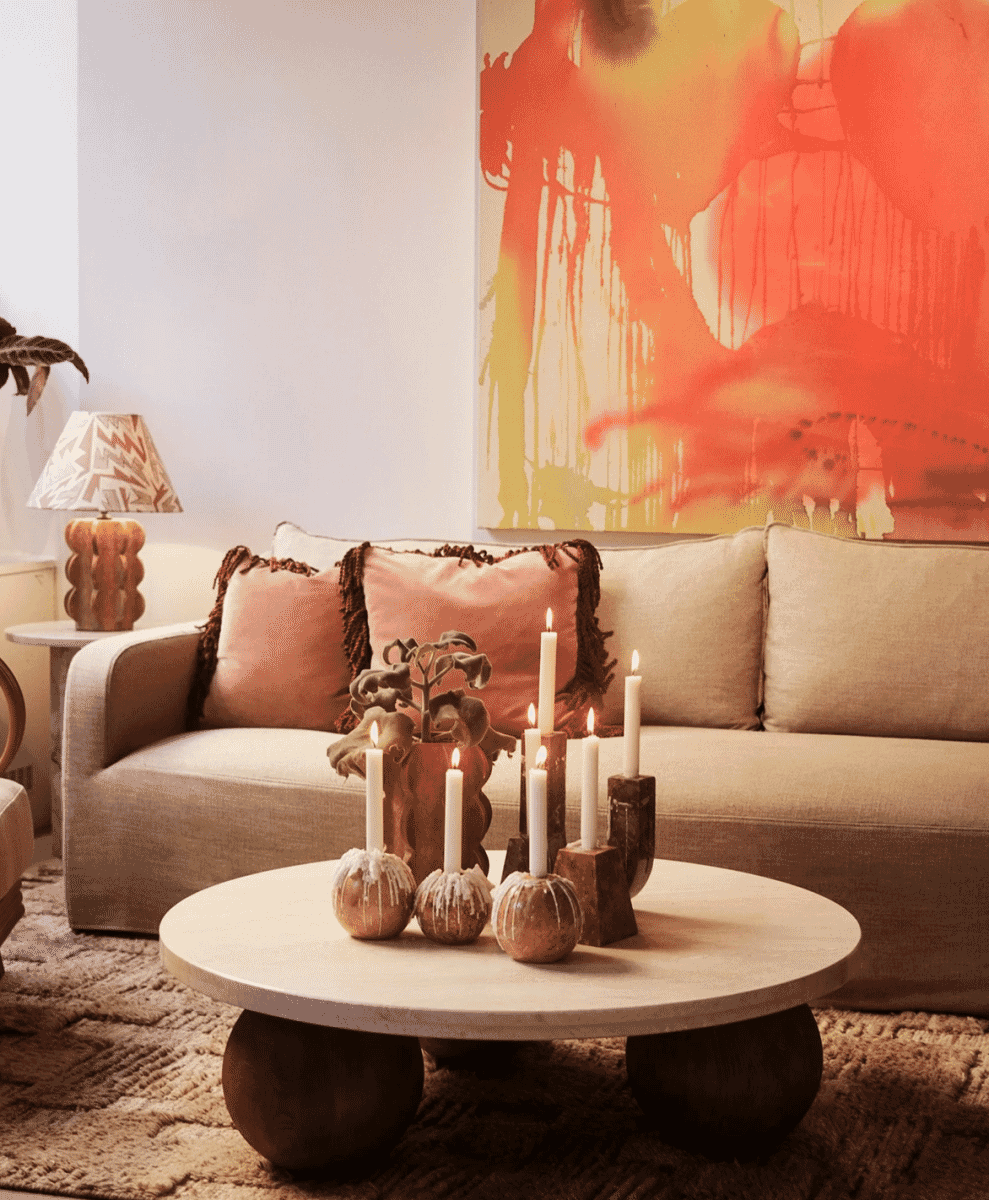
Do use candles as part of the lighting scheme
They’re not just for atmosphere. Used thoughtfully, they add depth and softness that electric light can’t replicate.
Don’t ignore how the room looks in daylight
Winter lighting should work when it’s on and still make sense when it’s off. If it only functions at night, rethink it.
Do treat functional lights as temporary tools
SAD lamps and task lights should support your routine, not dominate your interior.

Don’t chase novelty
Good winter lighting feels timeless. If it relies on gimmicks, it won’t age well.
Next up: 15 Home decor tips for men.