Innovation is king in the world of outdoor gear. The best brands are locked in a perpetual arms race: who can make their product lighter, stronger, more efficient? But there are constraints. This stuff has to perform in a very specific, often highly demanding environment. That funnels everyone into a relatively narrow aesthetic channel. But what happens when those guardrails are removed?
That's the question a number of experimental offshoots are asking, giving their designers the freedom to explore ideas too left-field for the main collection. Goldwin has Goldwin 0, Moncler has Genius, Arc’teryx has Veilance, and Norwegian harsh-weather specialist Helly Hansen has HH-118389225. The names differ, but the core principle is the same: take decades of technical expertise, cut the creative reins and see what happens.
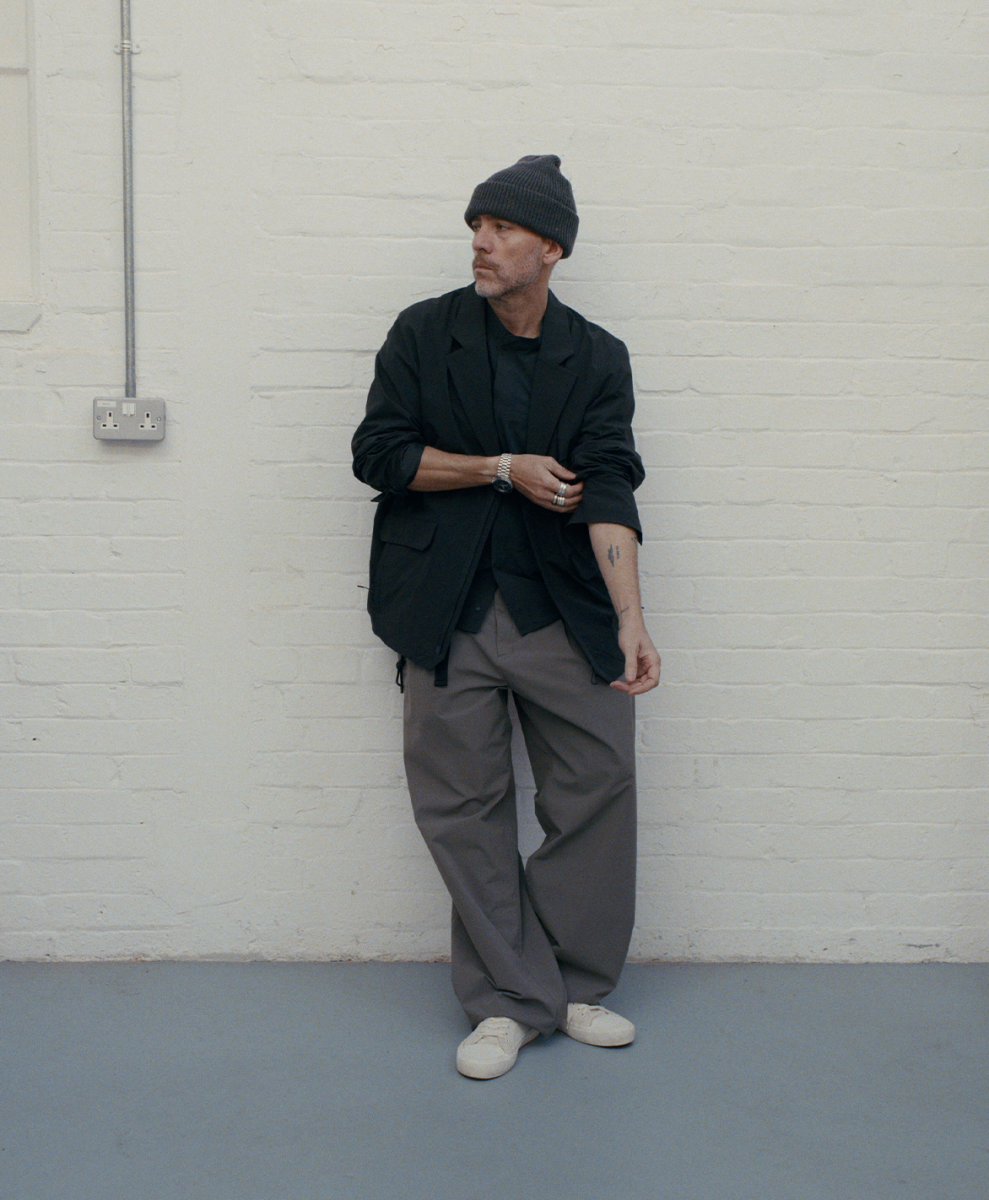
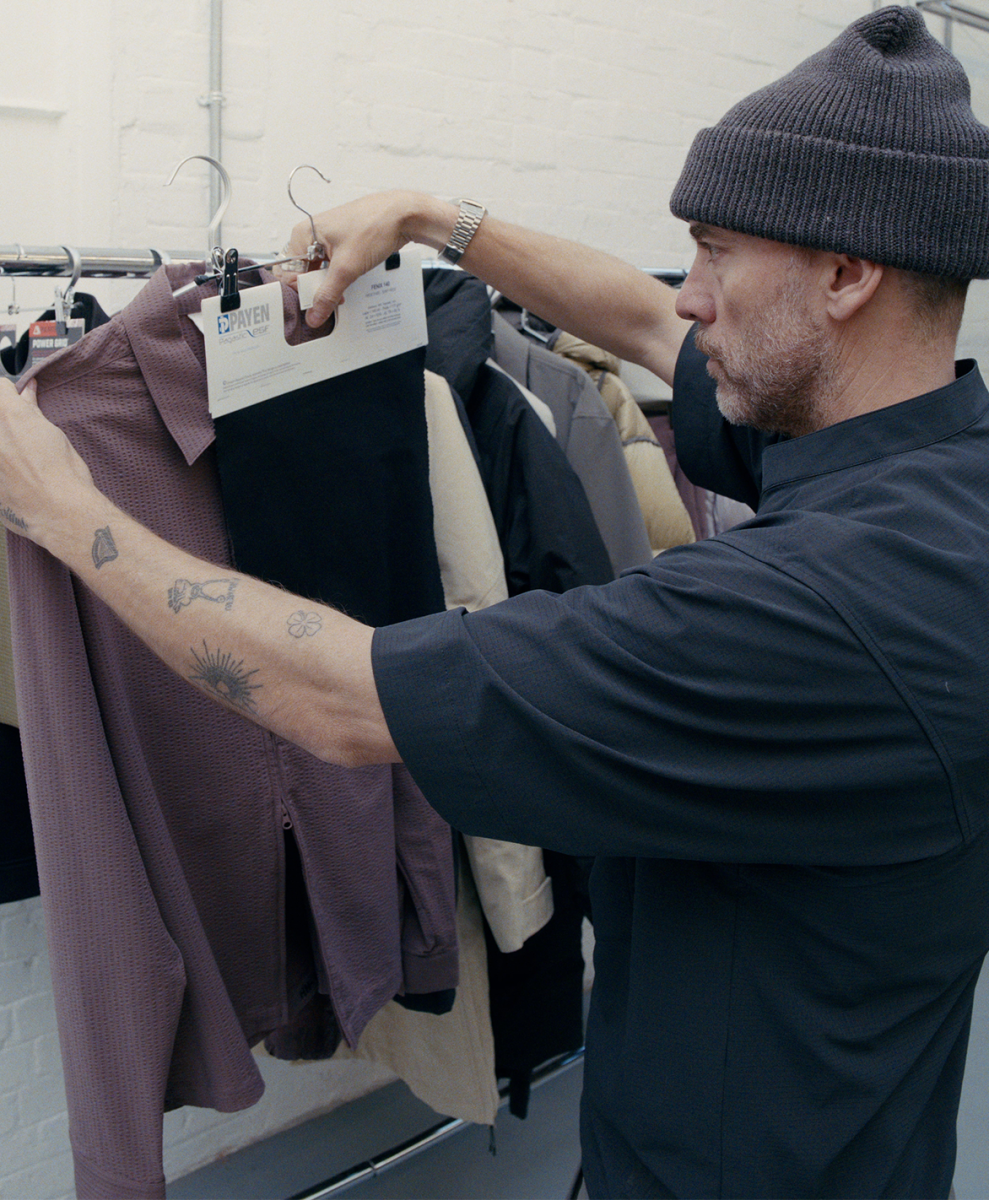
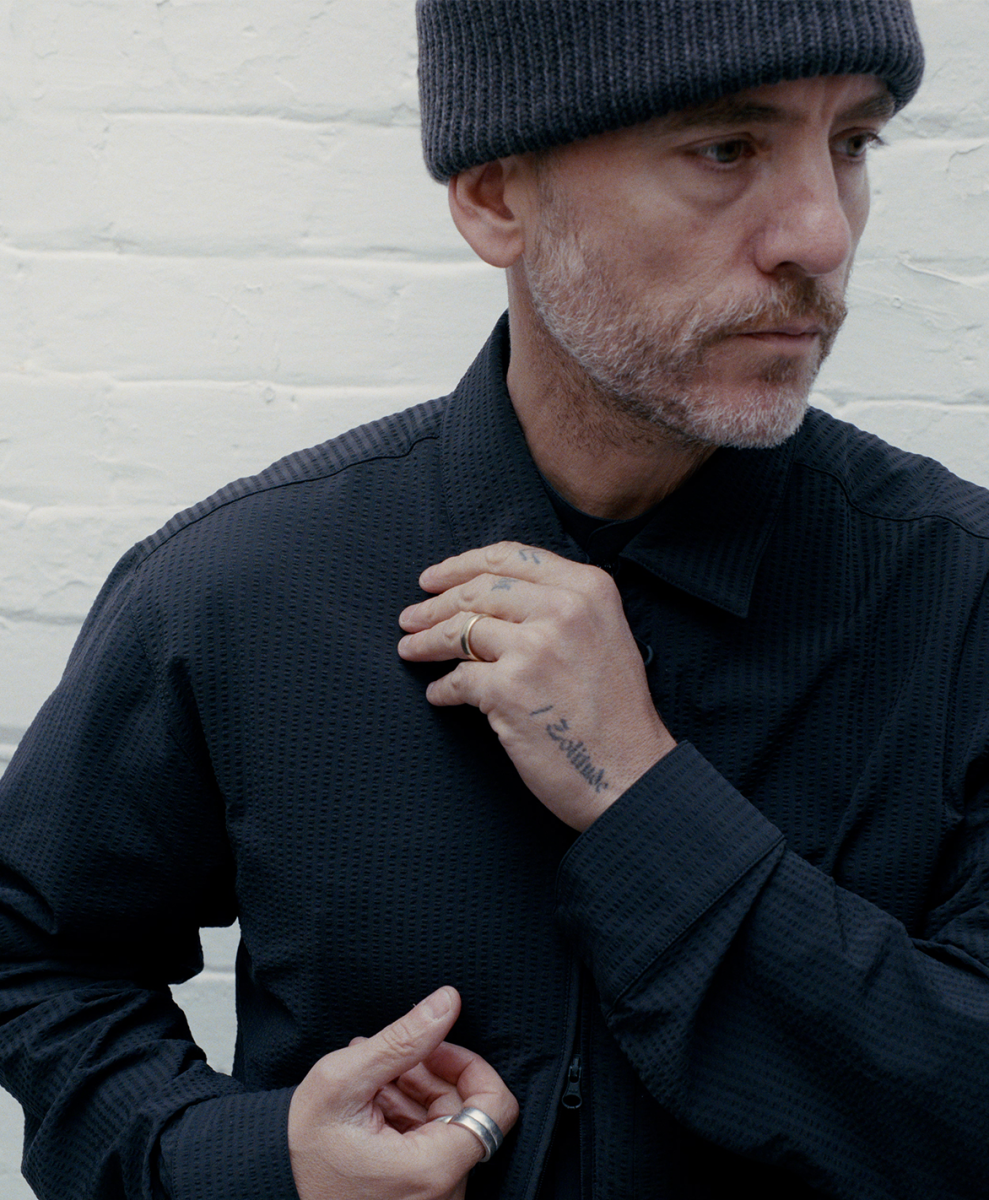
"I've always been drawn to clothing that has a genuine reason to exist," says Graeme Gaughan, the London-based creative who works alongside Helly Hansen Design Director Dorte Vedal on the experimental line. "Pieces where the design is informed by purpose, environment and functionality rather than simply aesthetics."
Rooted in history
It's an approach that makes sense for a brand like Helly Hansen. Founded in 1877, it has spent almost 150 years developing clothing to protect people from the harshest conditions on Earth. From early waterproof oilskins to pioneering developments in fleece, base layers and waterproof-breathable fabrics, its history is one of solving practical problems through technical innovation.
"Helly Hansen has an extraordinary history of technical innovation, with a design language that has evolved through decades of responding to some of the world's most demanding environments," Gaughan tells OPUMO. "HH-118389225 reinterprets that heritage through a contemporary lens."
A creative outlet with a purpose
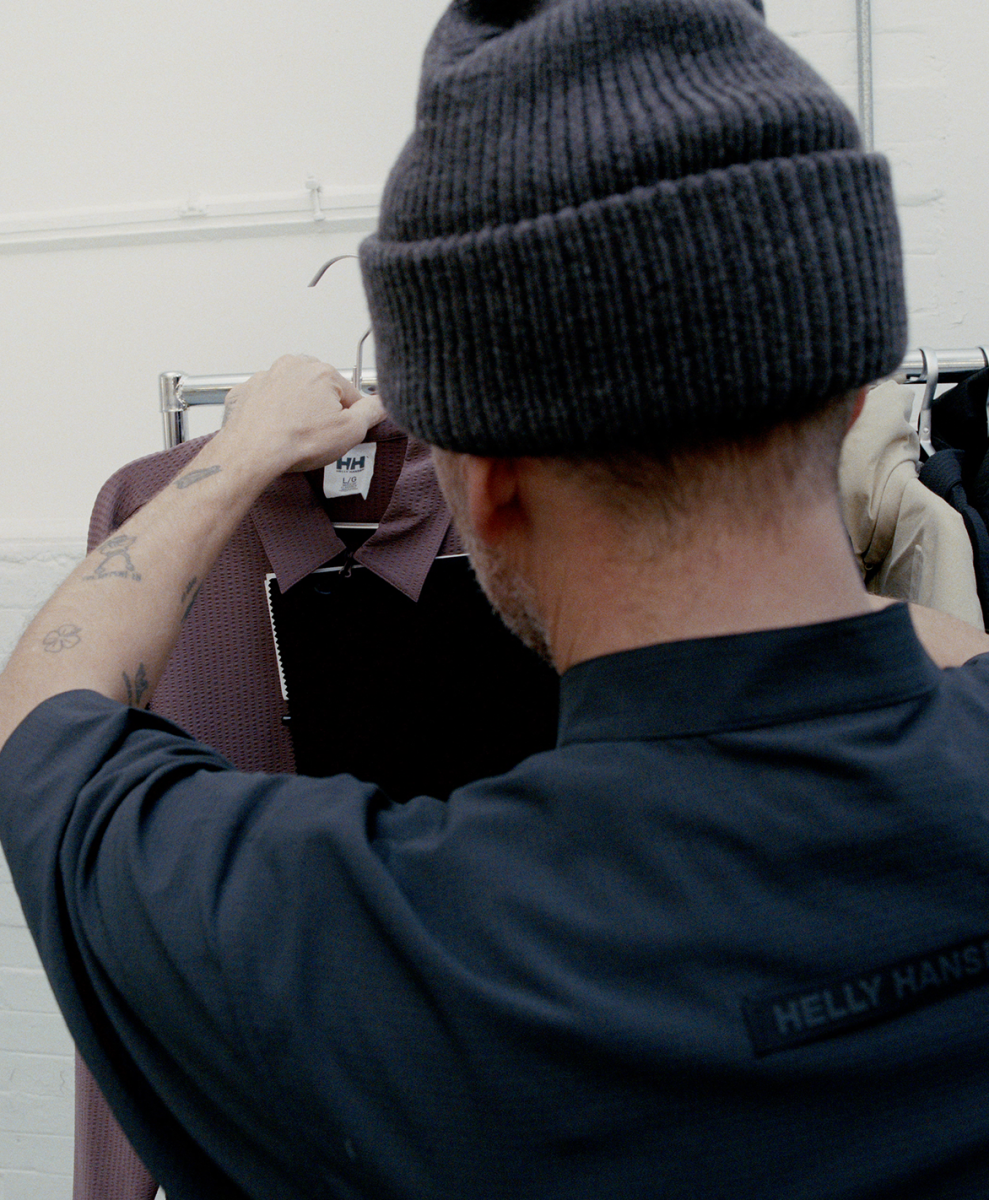
Gaughan's involvement in HH Archive, as the line is more conveniently known, is difficult to pin down. As the founder of multidisciplinary creative studio Mezzanine, his work spans photography, art direction, design and creative strategy. His role at Helly Hansen is similarly broad, working to shape everything from the garments themselves to how they're presented.
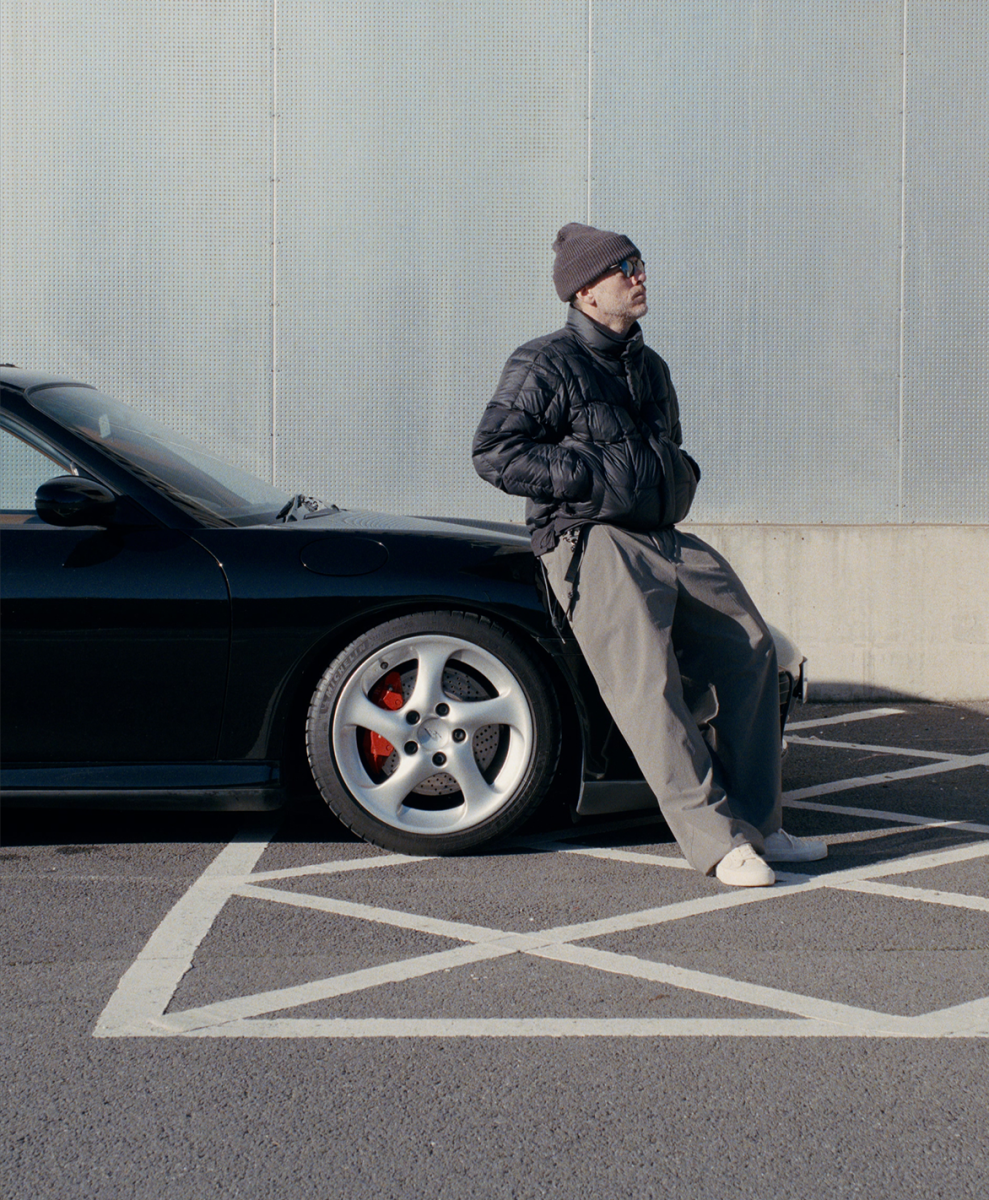
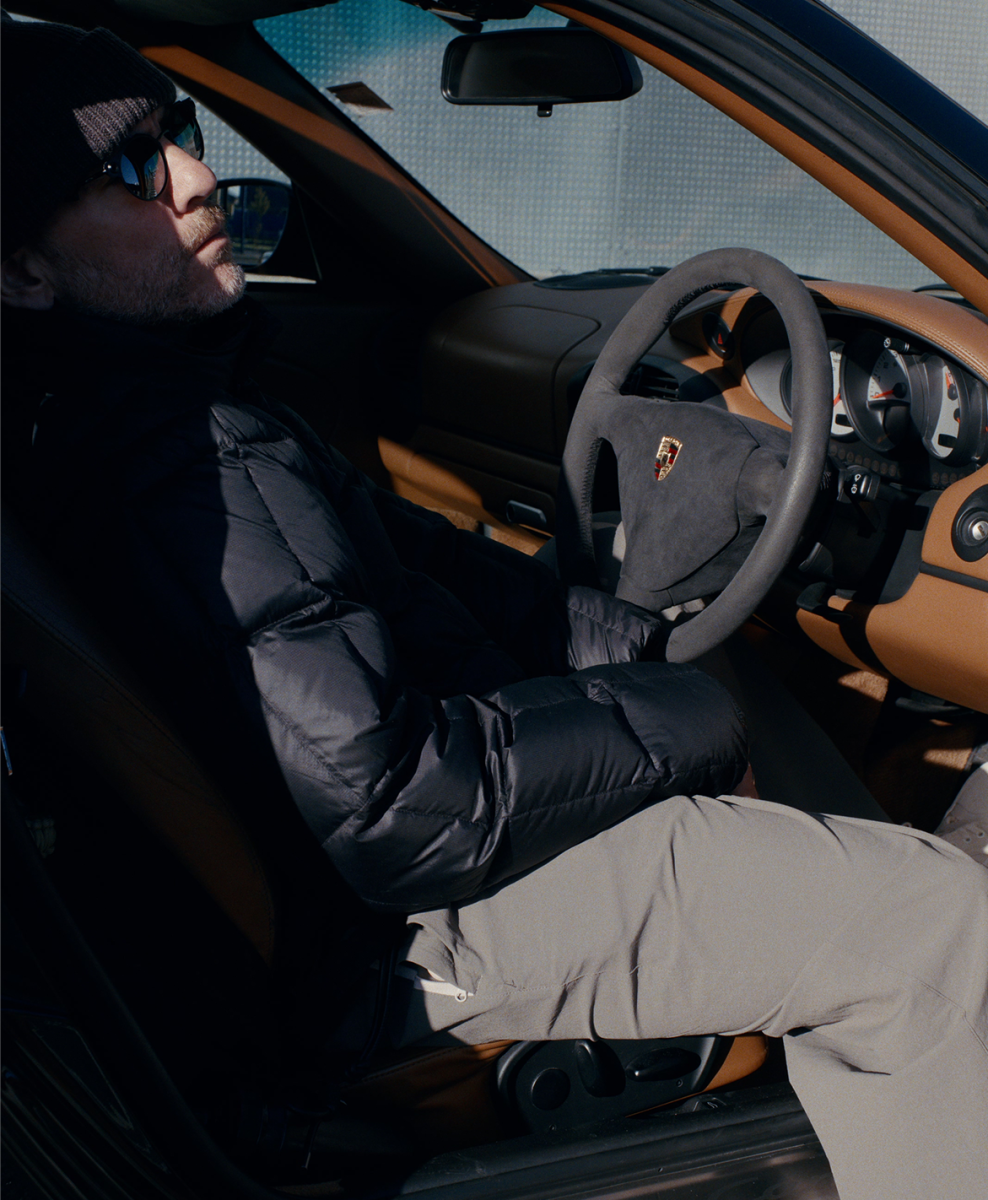
"It's a really collaborative process each season," he explains. "Dorte and I sit down and run through the past collections. What worked best? What we can improve? Where we want to take the new collection?"
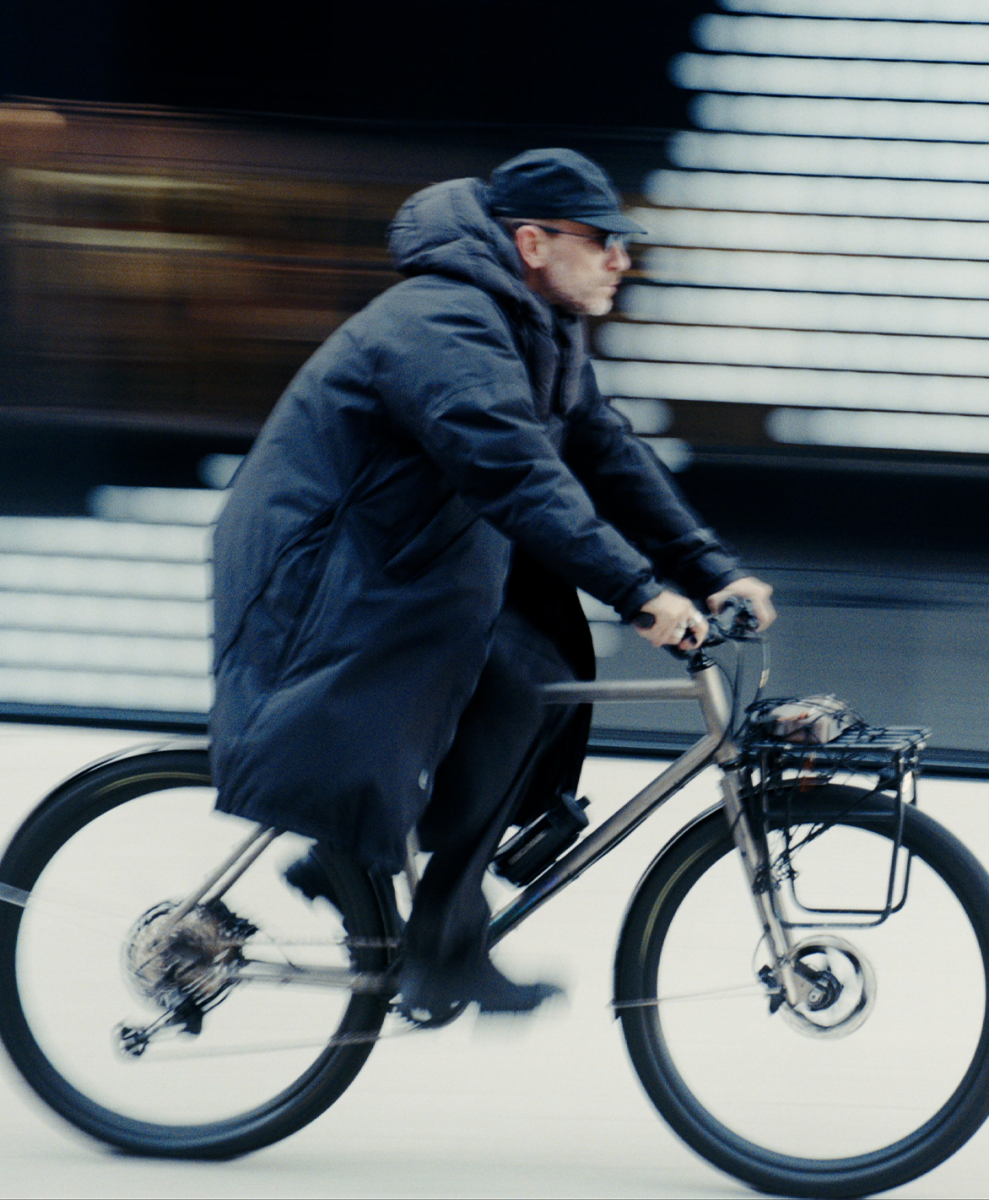
Rather than designing around the demands of a specific sport or environment, the pair can explore how Helly Hansen's technical principles might translate into clothing for everyday life.
"I’ve always been drawn to clothing that has a genuine reason to exist"
"Rooted in the brand's heritage of protection and performance, the collection explores how advanced materials, functional construction and purposeful design can exist beyond their original environments. The goal is to create a modern wardrobe built around adaptability, utility and movement."
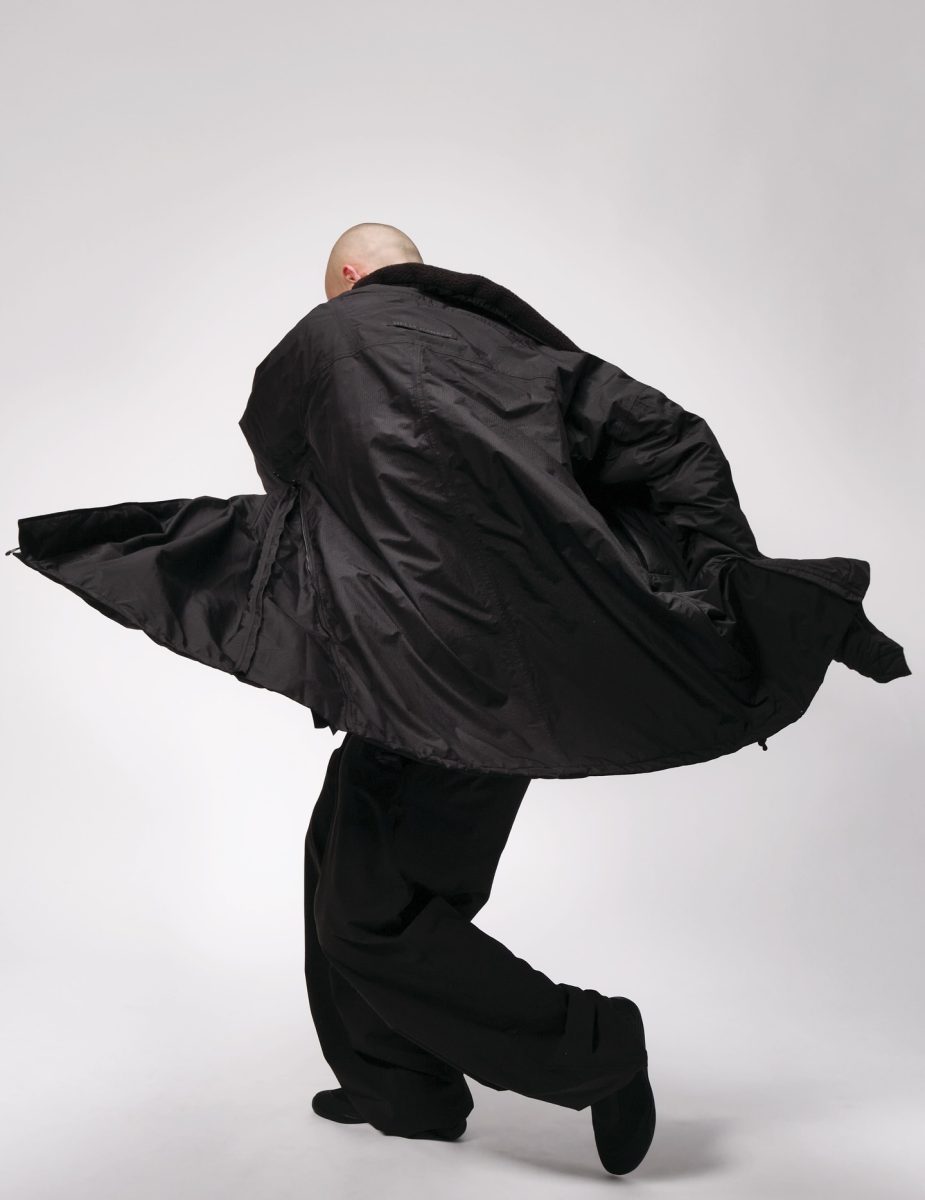
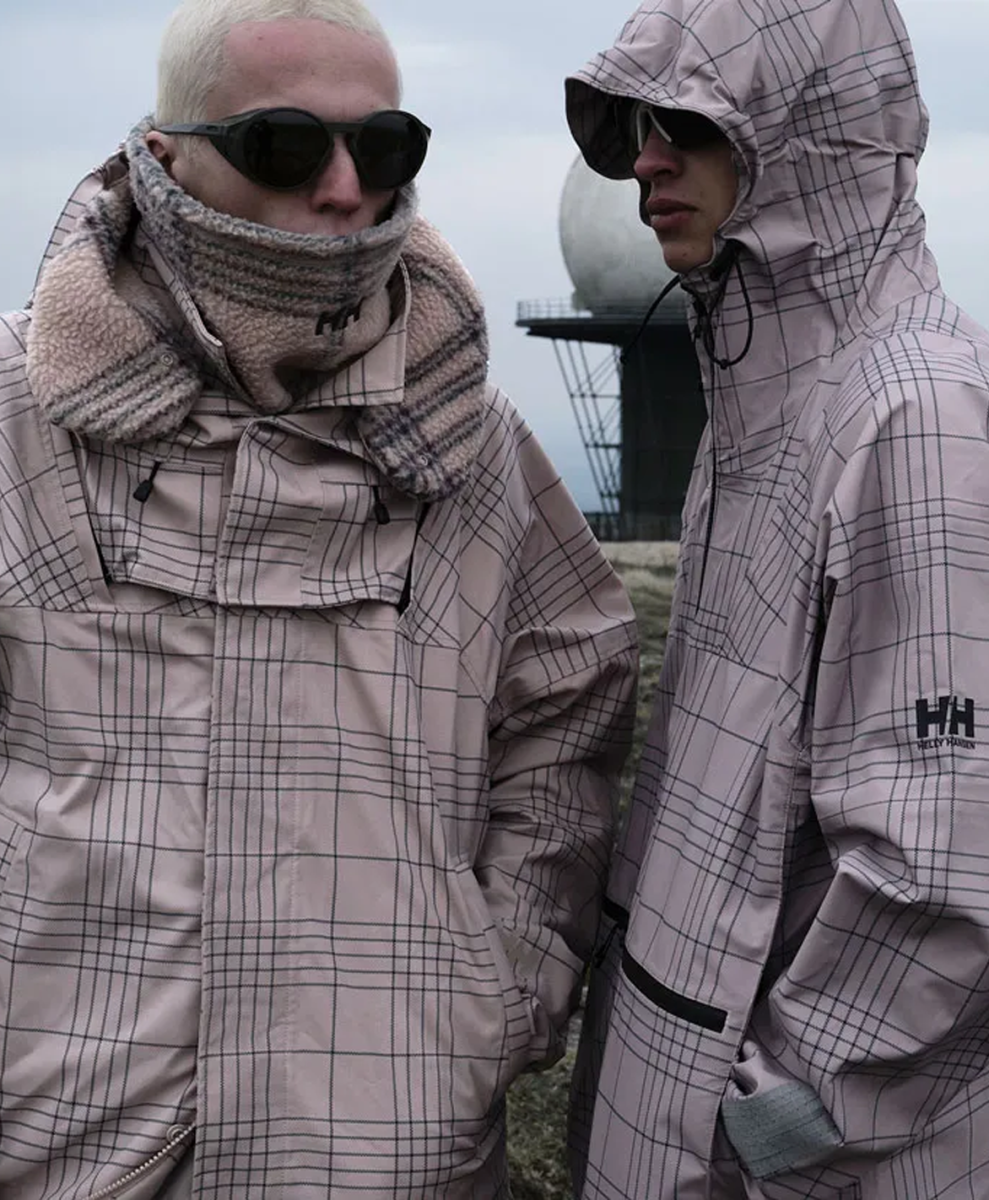
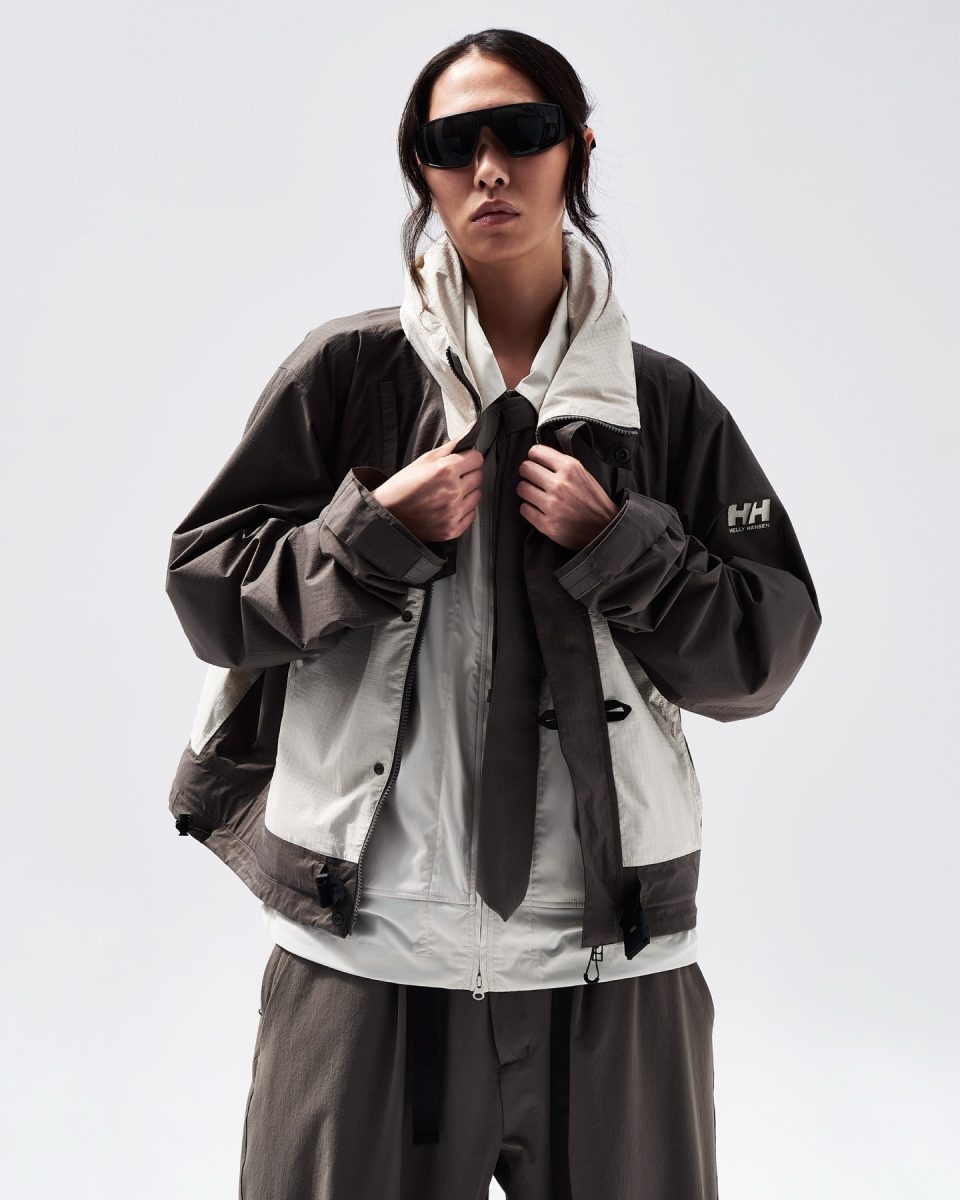
From left to right: ARC Modular Padded Top Coat, Unisex HH ARC Storm Shell Jacket and a look from the HH-118389225 SS27 collection.
Beyond the technical jacket
For AW26, that means turning the brand's technical expertise towards more familiar wardrobe staples.
"AW26 continues our exploration of modularity and adaptability, but with a greater emphasis on expanding the vocabulary of the everyday wardrobe," Gaughan says.
"We're looking at how technical innovation can be applied to familiar silhouettes. Taking garments traditionally associated with tailoring or casual dressing and reconsidering them through the lens of performance and functionality."
The Tailored Jacket is a case in point. Its understated appearance belies a four-way stretch construction and water-repellent finish. Then there's the Modular Padded Top Coat. It borrows the proportions of a traditional overcoat but incorporates the insulation, protection and adaptability of technical outerwear.
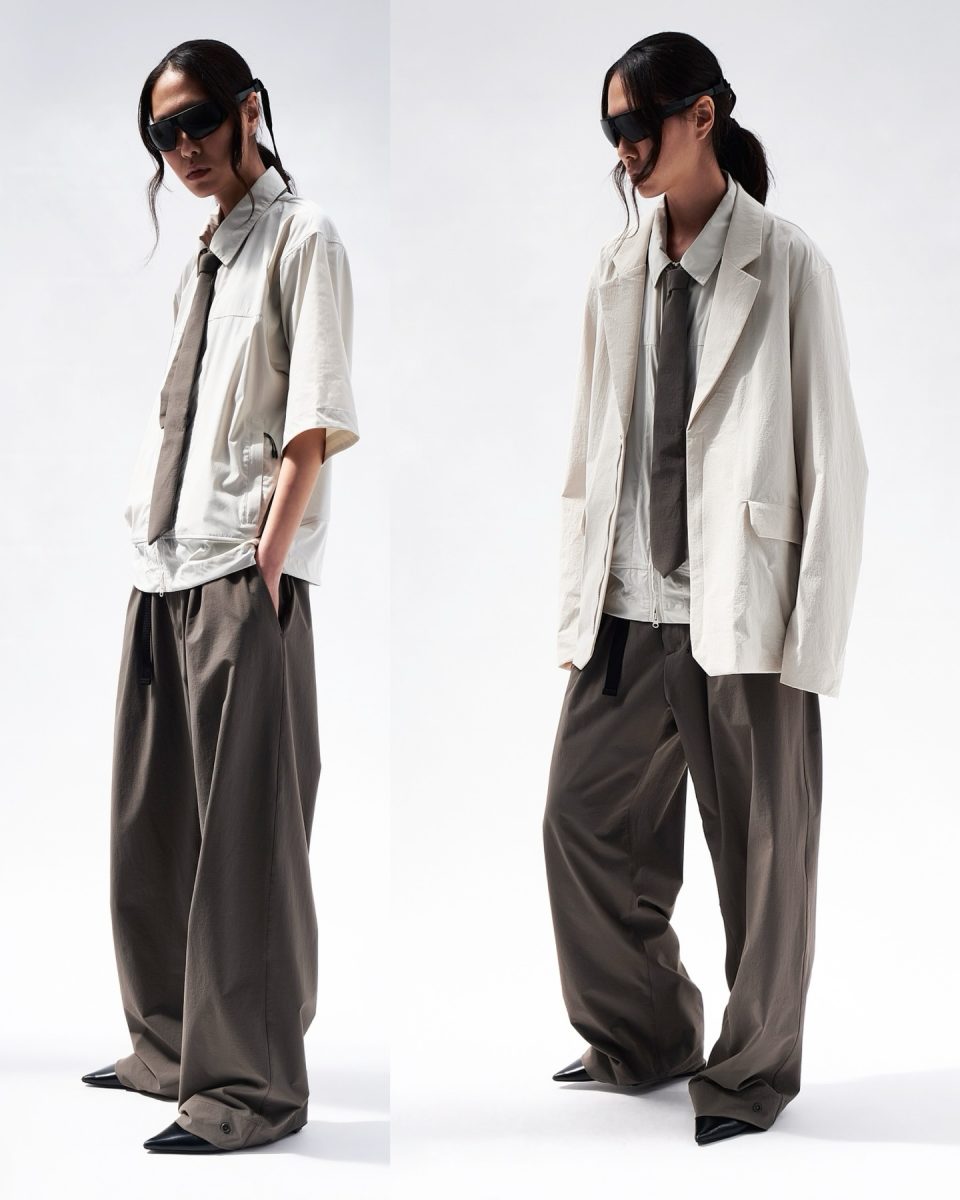
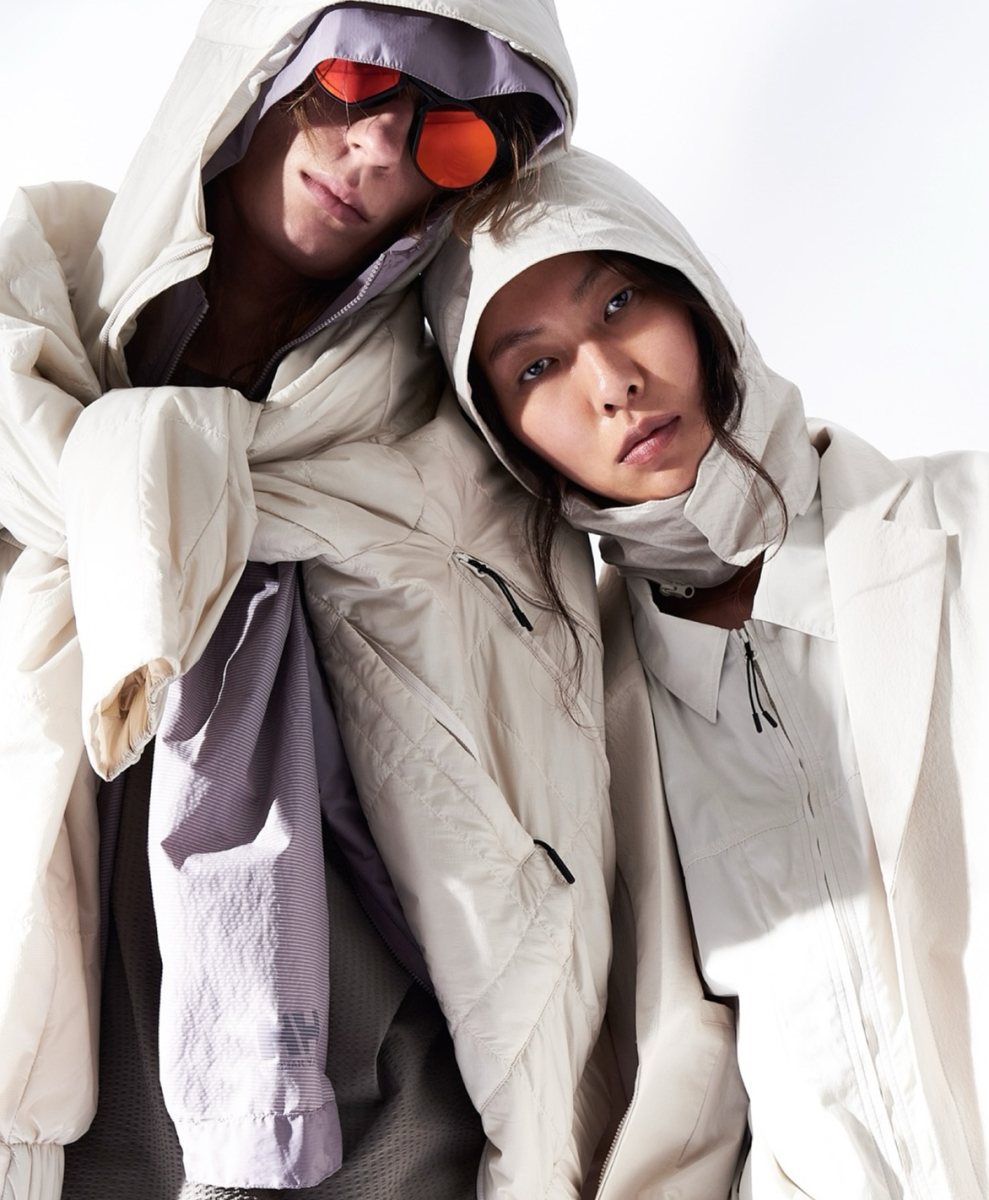
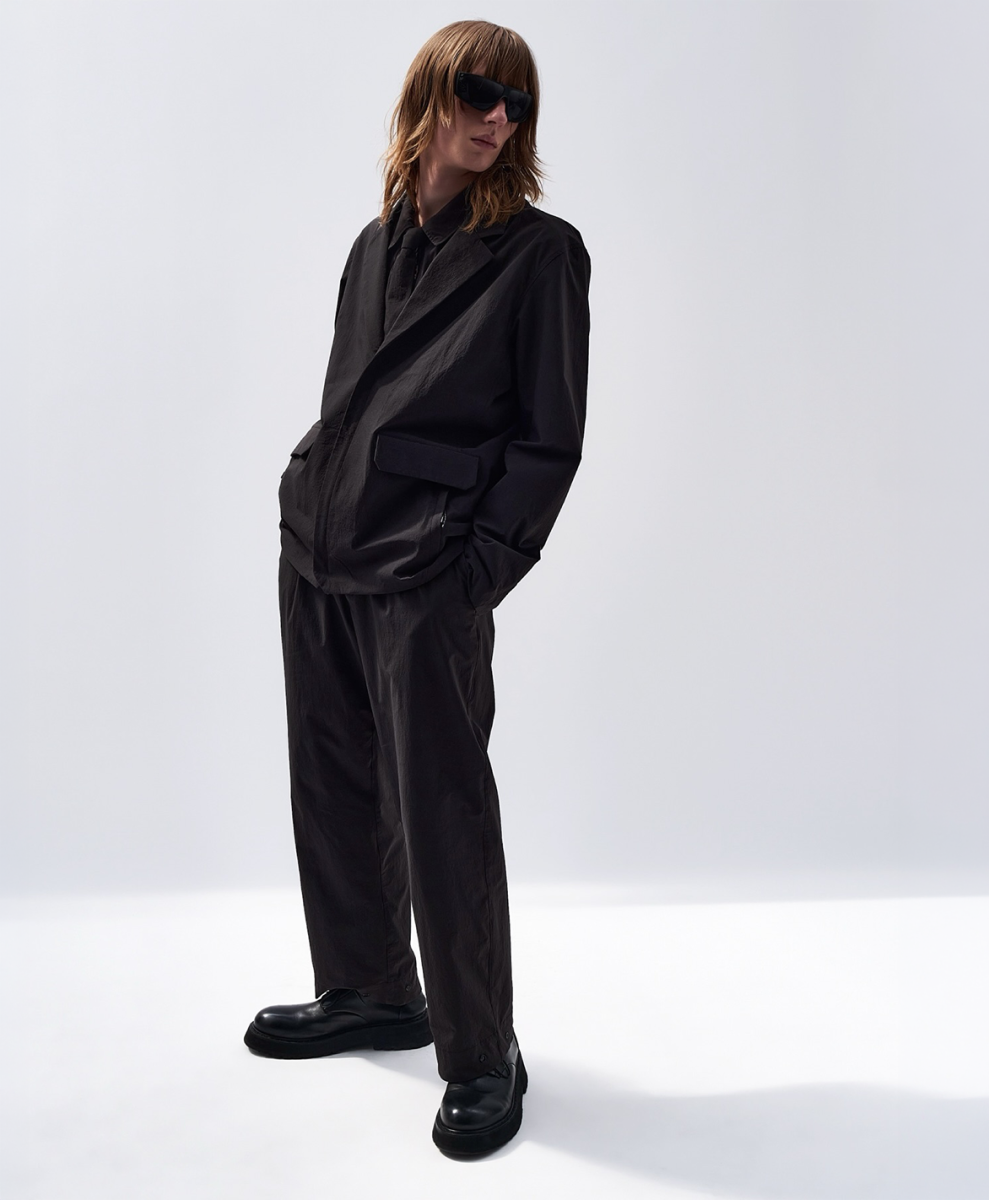
HH-118389225 SS27 Collection
A softer side of performance
Technical clothing has traditionally been defined by synthetic fabrics, unusual textures and a distinctly utilitarian appearance. HH Archive isn't abandoning any of that. But Gaughan and Vedal are increasingly interested in materials that feel more familiar to the touch.
"Dorte and I have been actively exploring materials with a more organic look and hand feel, introducing texture and a softer, more tactile quality to the collection," Gaughan explains.
The ARC Quick-Dry Shirt is a good example. Made using technical seersucker, it brings the puckered texture of a traditional warm-weather shirting fabric into a performance-driven garment.
"Taking something as familiar as a shirt and introducing performance-driven seersucker material demonstrates how we're looking beyond outerwear to create a more complete technical wardrobe."
Gaughan reveals that the pair have also been developing corduroy for a subsequent collection, exploring how traditional textures can be reinterpreted within the Archive design language.
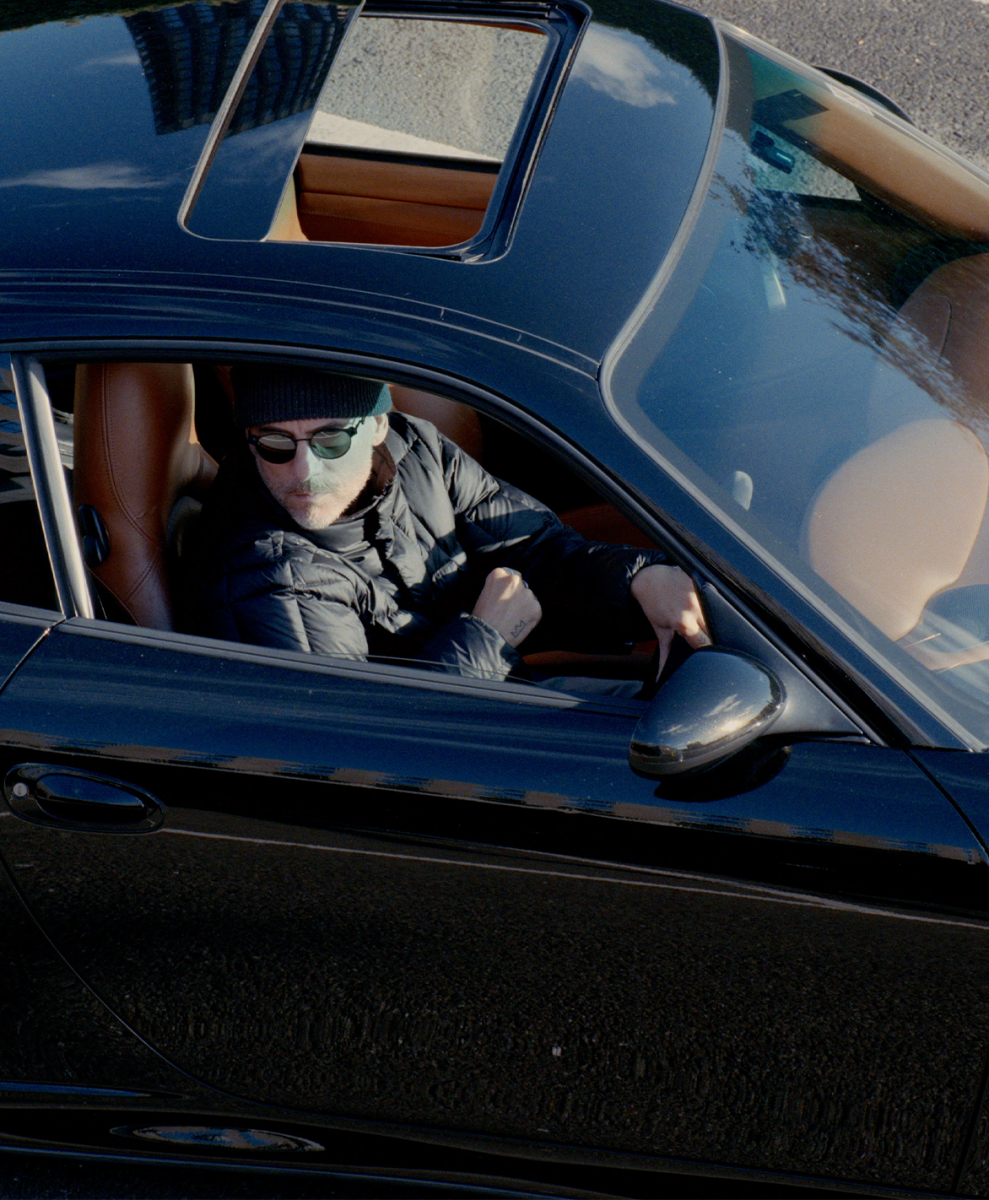
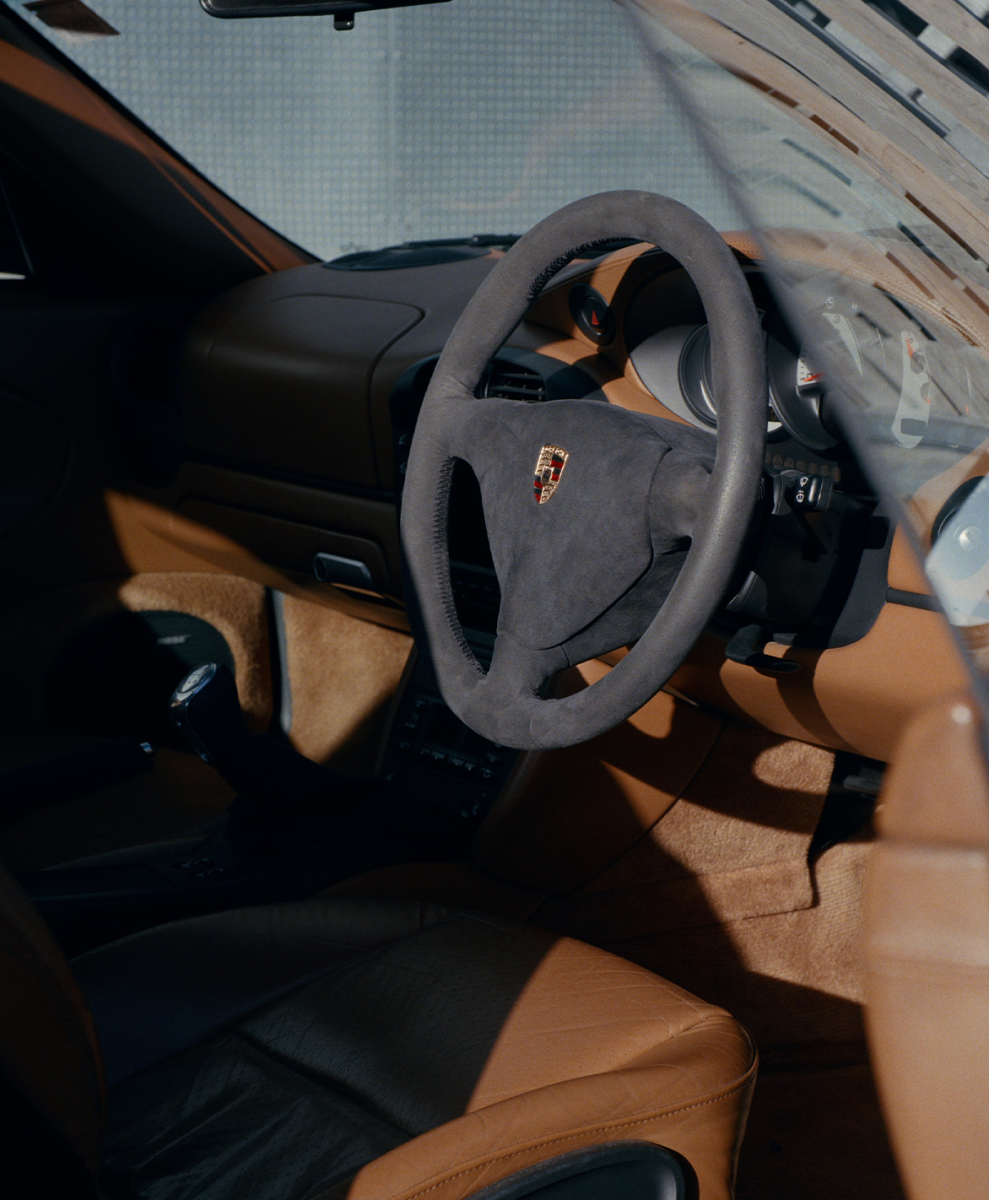
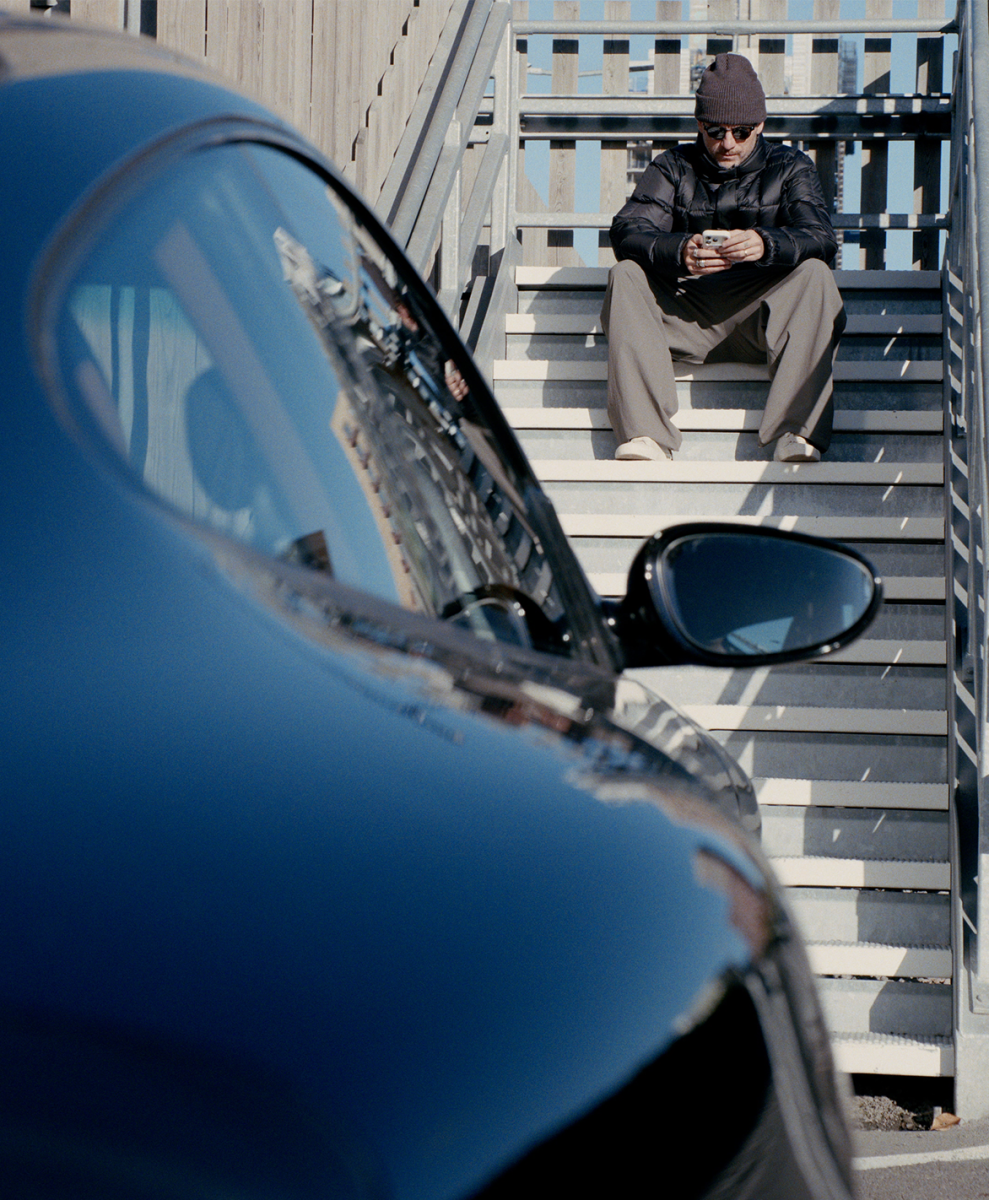
“For me, the intersection of technical performance and contemporary fashion has always felt omnipresent. HH Archive sits very naturally within that conversation.”
"Ultimately, we're interested in creating garments that retain their technical integrity but feel increasingly natural and effortless to wear.
"What interests me about HH-118389225 is the opportunity to reinterpret Helly Hansen's heritage for modern life. There's something particularly compelling about taking established principles of protection, movement and adaptability and exploring how they translate into contemporary urban life.
"For me, the intersection of technical performance and contemporary fashion has always felt omnipresent. HH Archive sits very naturally within that conversation."