There's a fine line between a home that feels warm and festive and one that looks like a grenade's gone off in the seasonal aisle of a garden centre. Making your living space feel cosy is one thing, but doing so without compromising on style requires a delicate approach. Thankfully, it doesn't have to involve novelty cushions, excessive fairy lights or tinsel.
The secret lies in getting the fundamentals right. Lighting, colour and texture all play a part in creating a space that feels comfortable and welcoming, and the best changes are often surprisingly simple. You don't need to redecorate from scratch or spend a fortune on new furniture. A few thoughtful tweaks can make a significant difference.
With that in mind, here are 10 ways to make your home cosy this winter without sacrificing your interior-design credentials.
Rethink your lighting
You could have the most beautifully furnished living room in the world, but if it's illuminated by a single, aggressively bright ceiling light, it'll still feel like a dentist's waiting room. Lighting is arguably the most important element in creating a cosy atmosphere, and getting it right doesn't necessarily require spending much money.
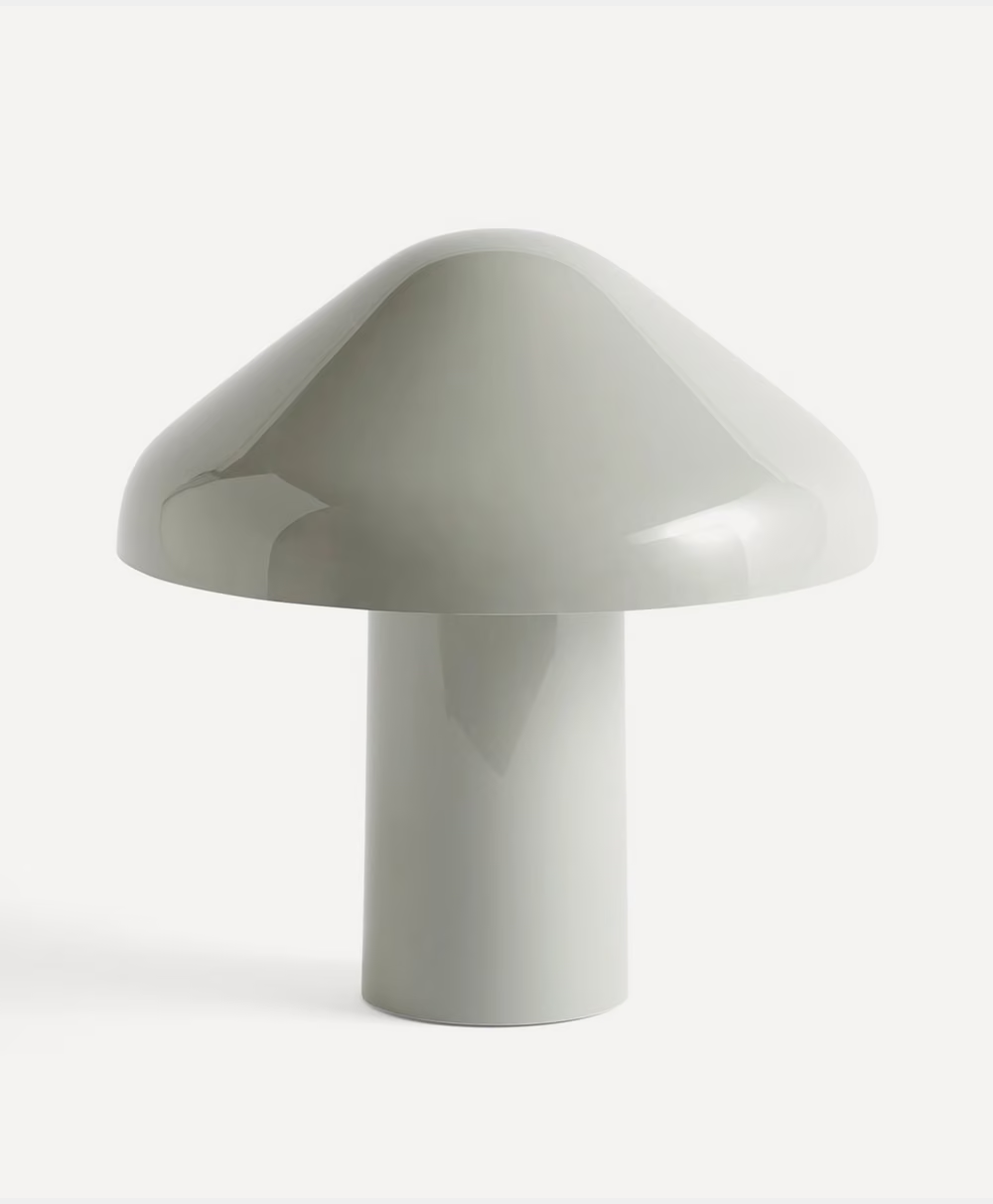
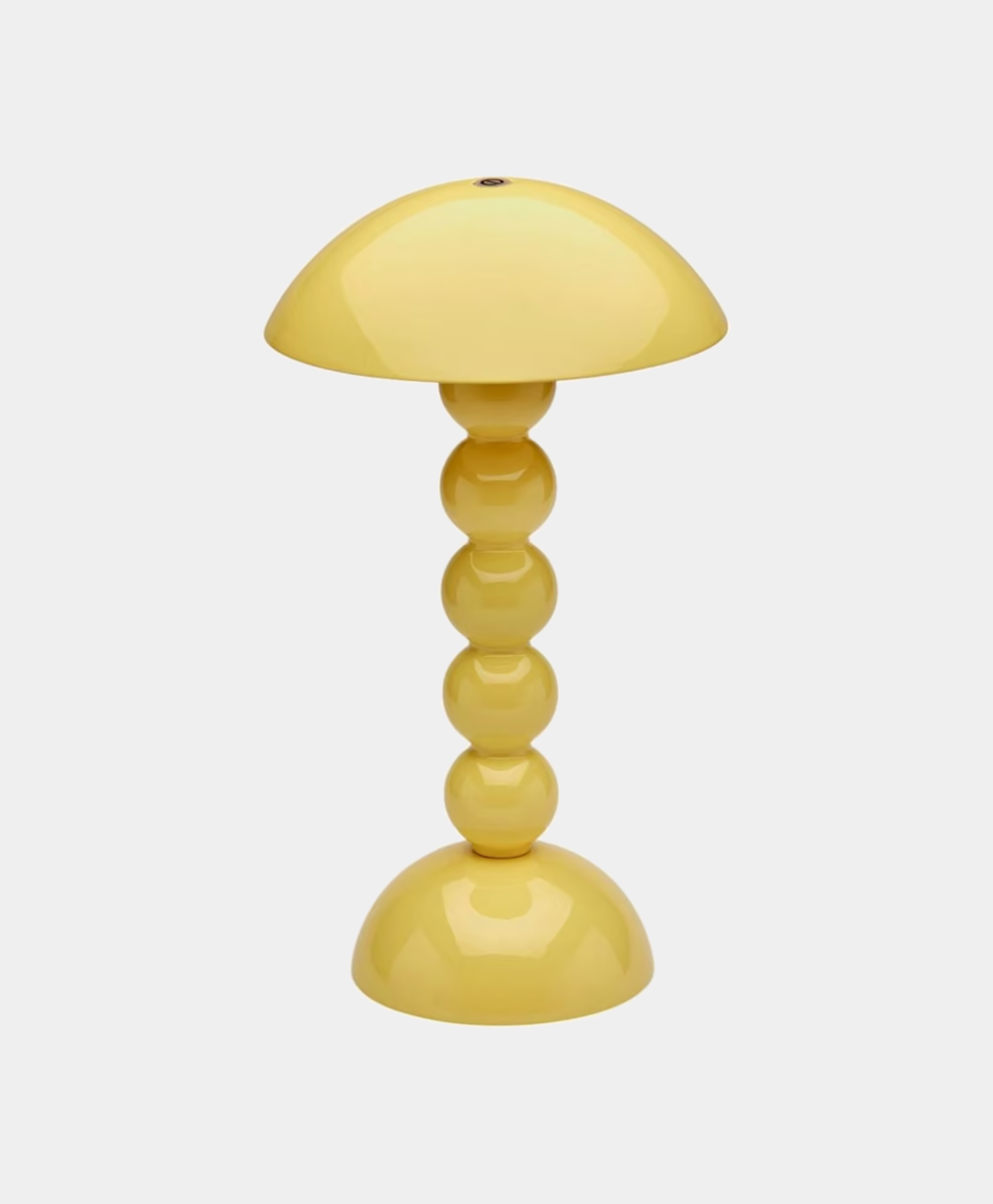

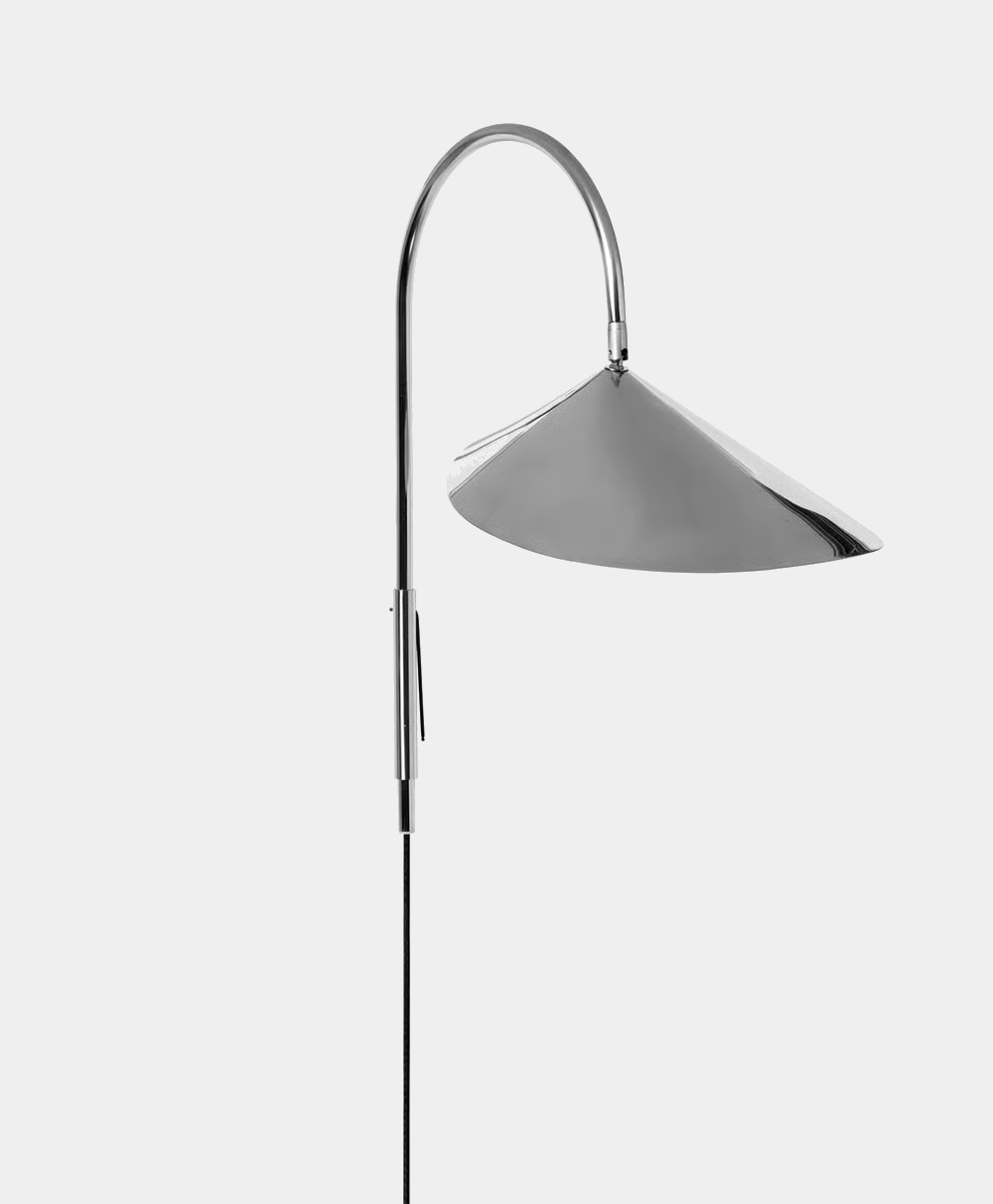
The trick is to use multiple light sources at different heights rather than relying on one overhead fixture. Table lamps, floor lamps and wall lights create smaller pools of illumination, adding depth and making a room feel more intimate.
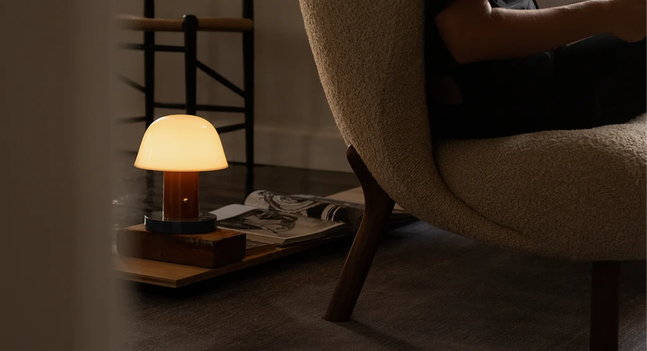
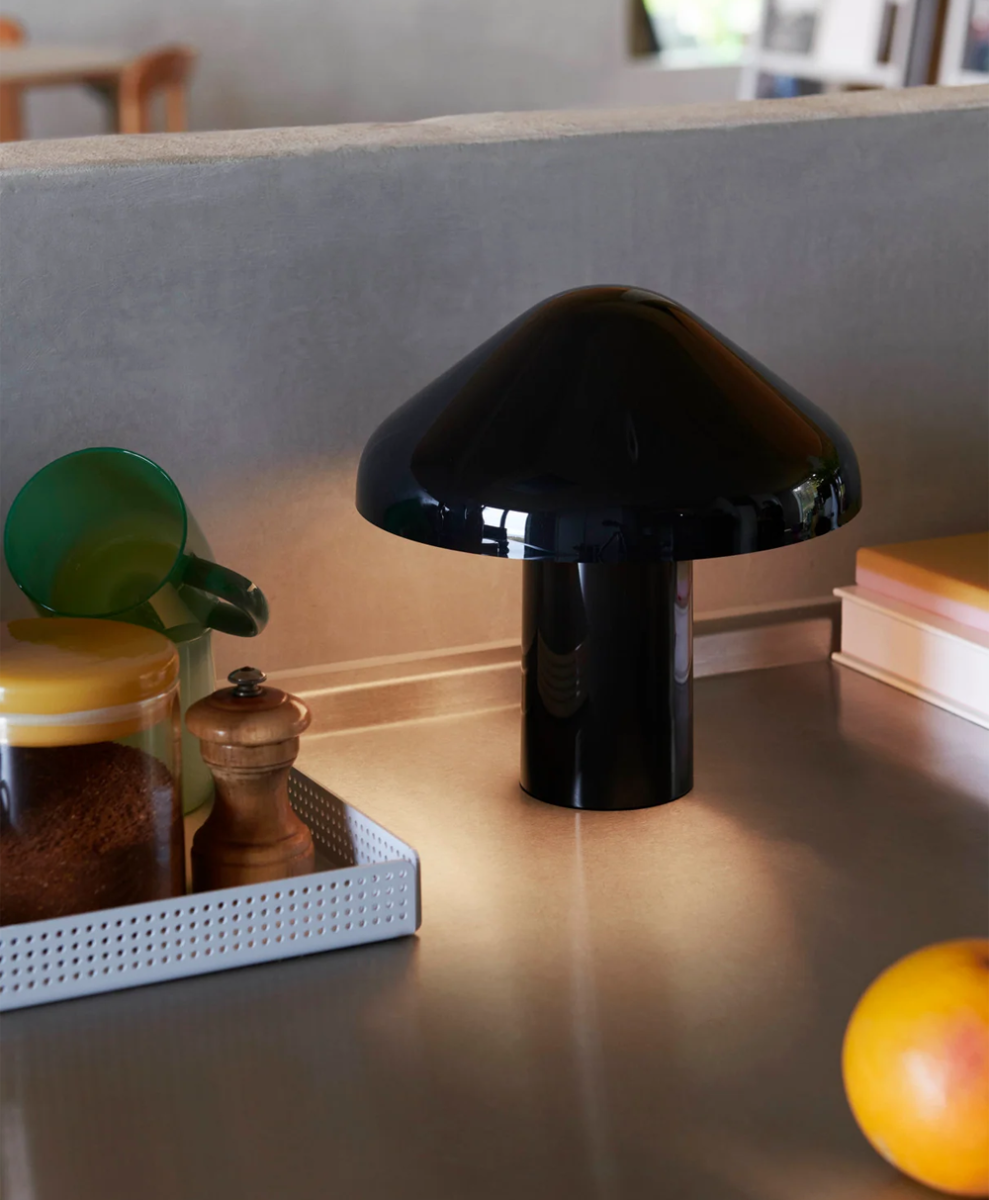
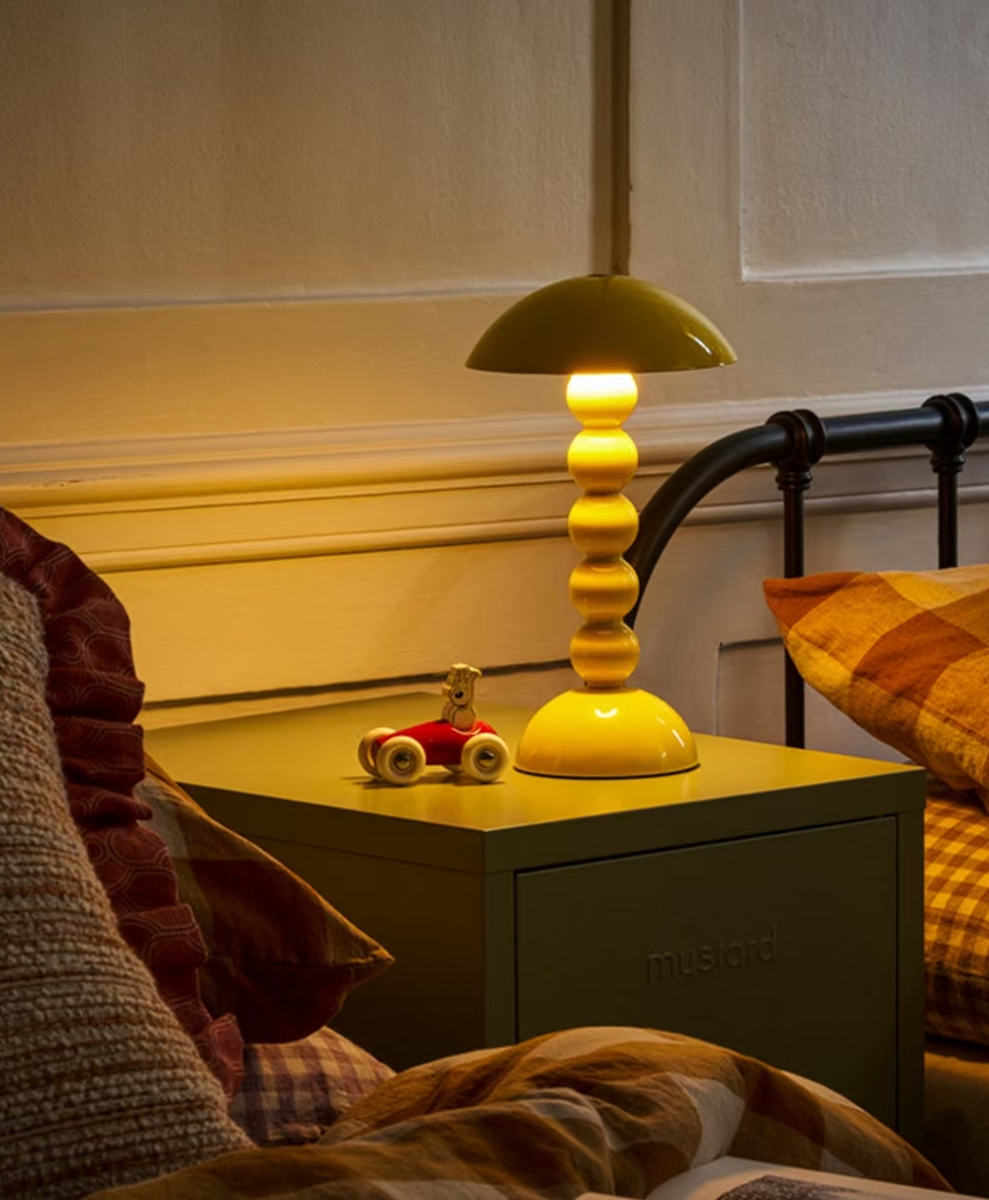
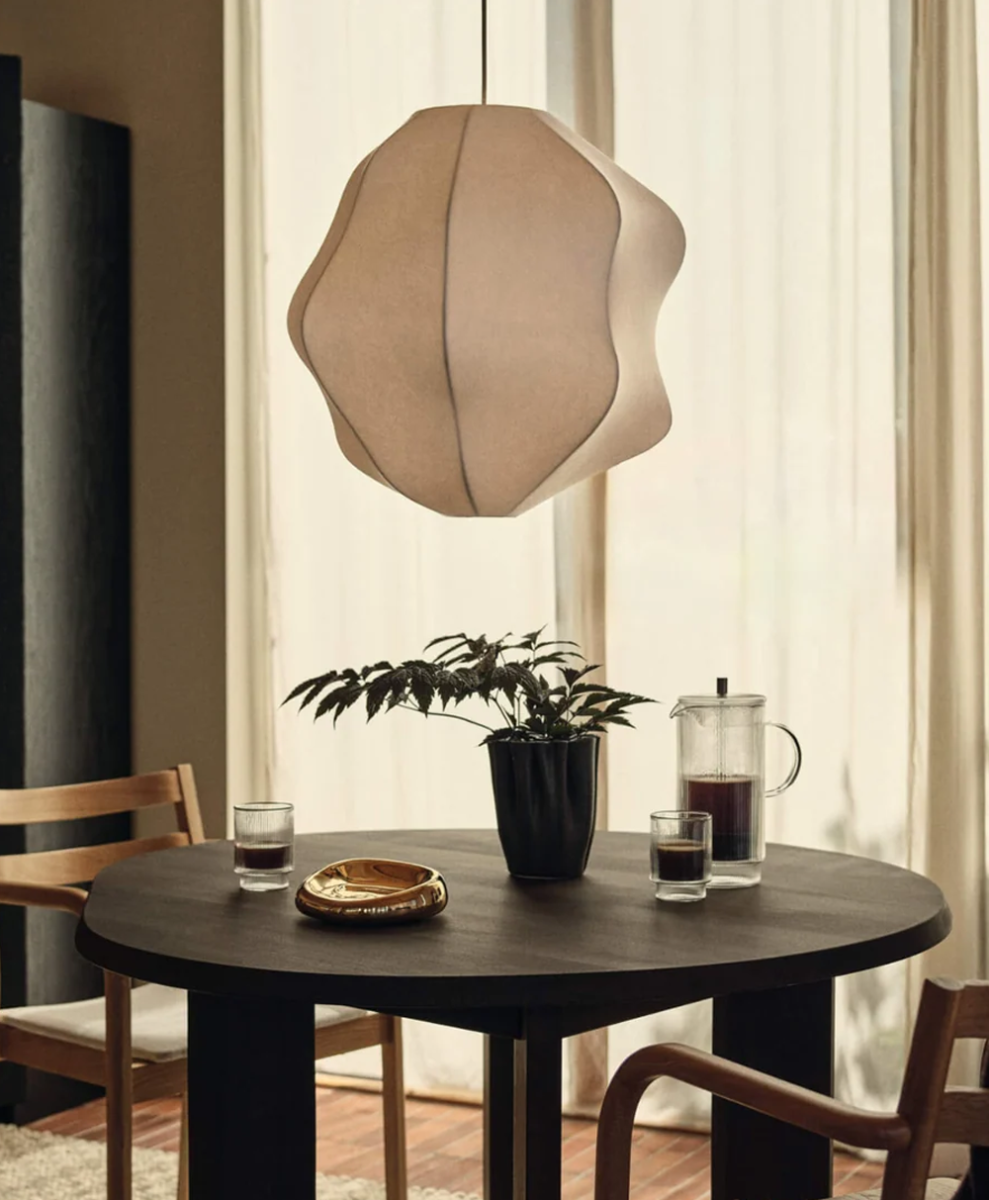
Opt for warm-white bulbs, ideally around 2,700K, and use dimmers wherever possible. Look for lamps with interesting shapes and materials, too. A sculptural ceramic table lamp or a vintage-inspired brass design can double as a decorative object during daylight hours.
Layer your textures
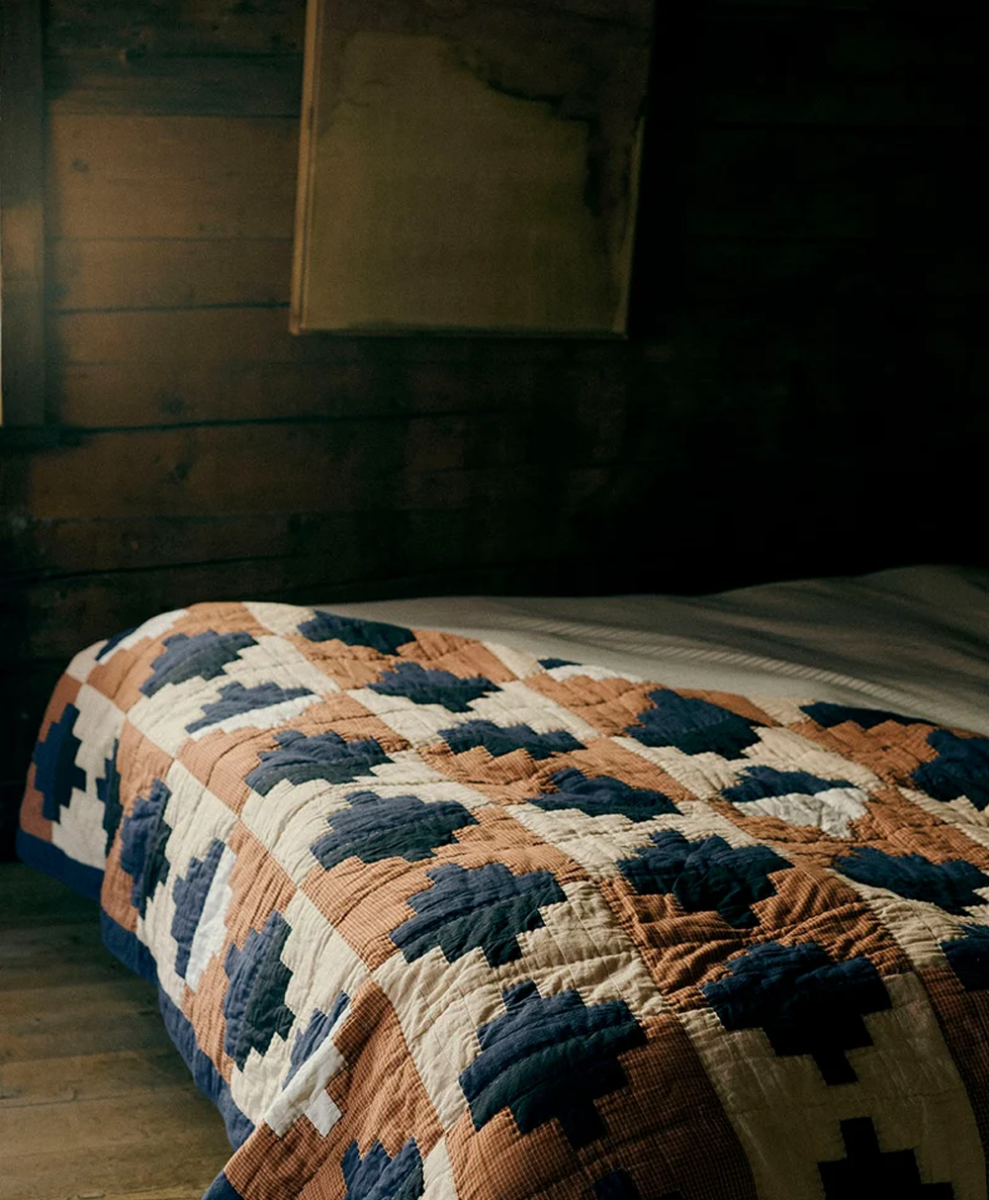
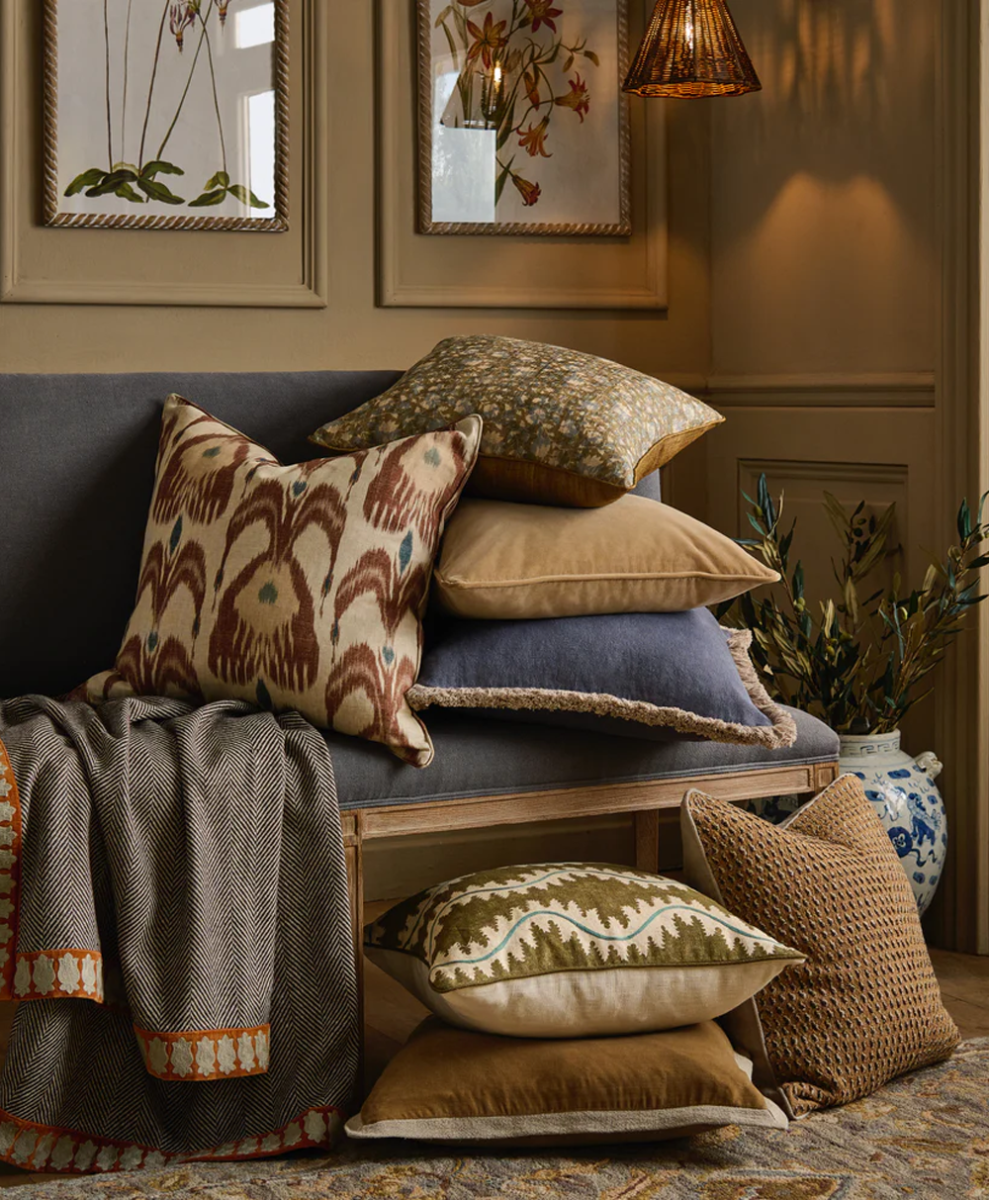
A room can be perfectly furnished and still feel cold if everything is smooth, flat and uniform. Introducing a variety of textures is one of the easiest ways to make an interior feel warmer without fundamentally changing its appearance.
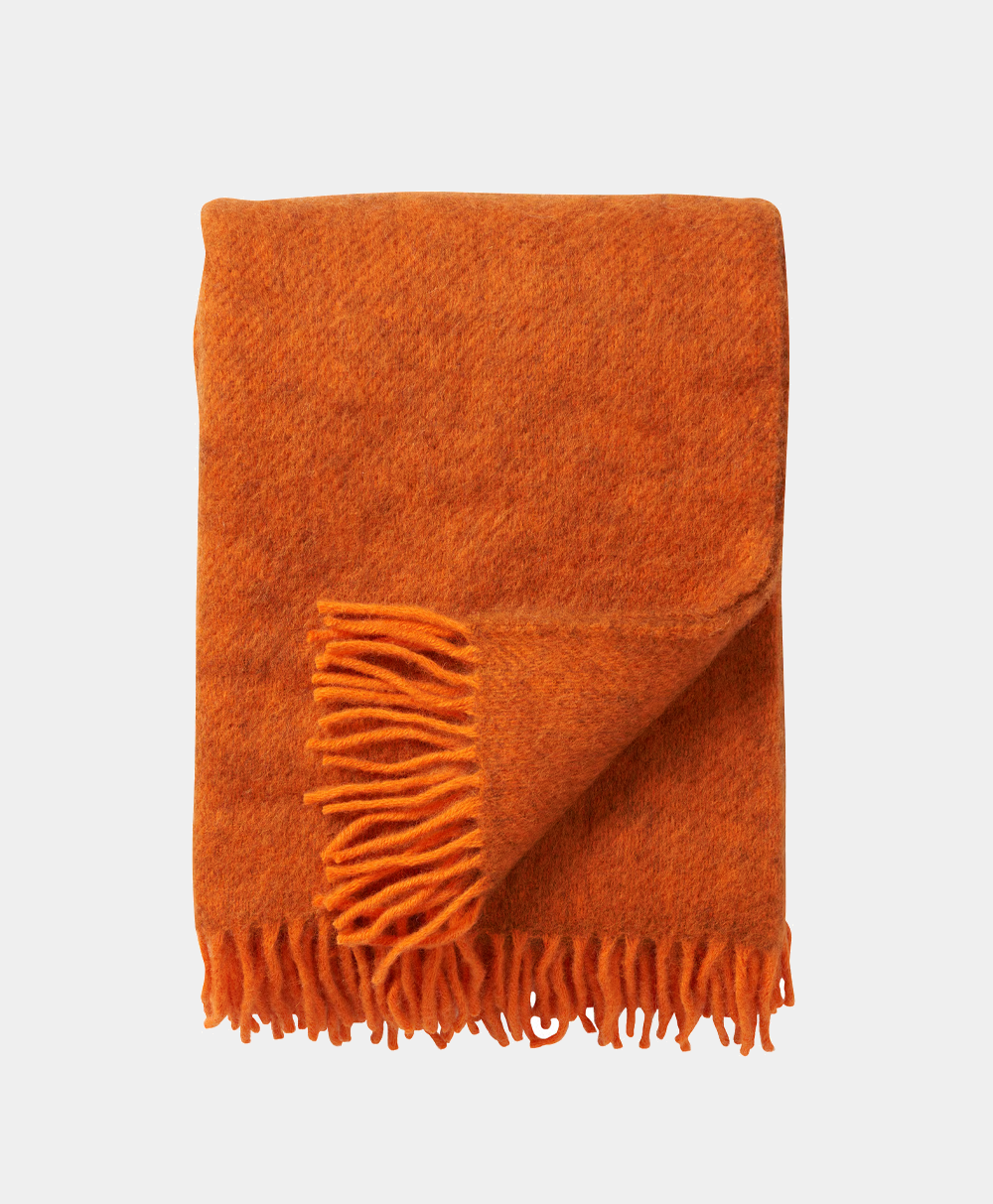
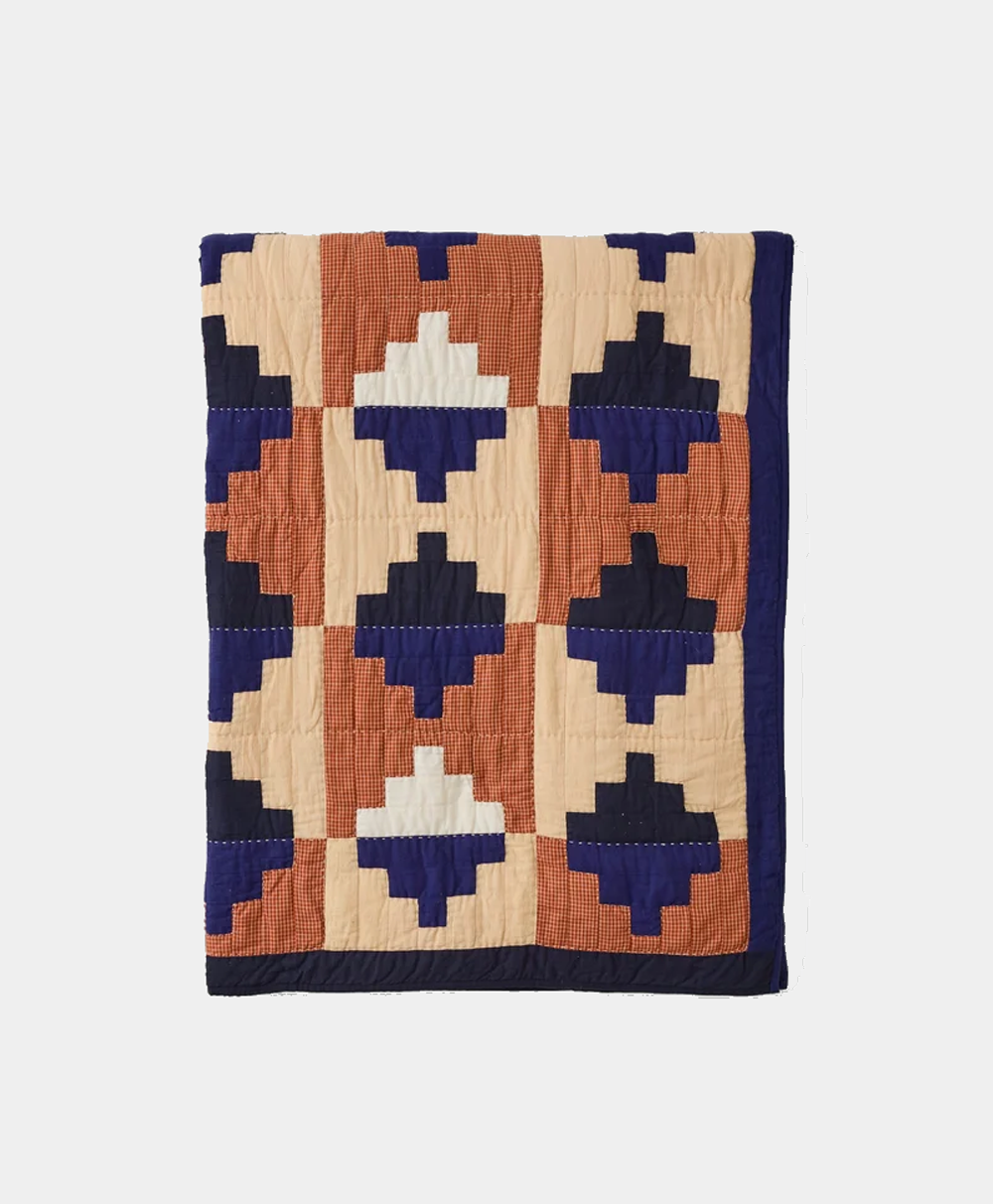
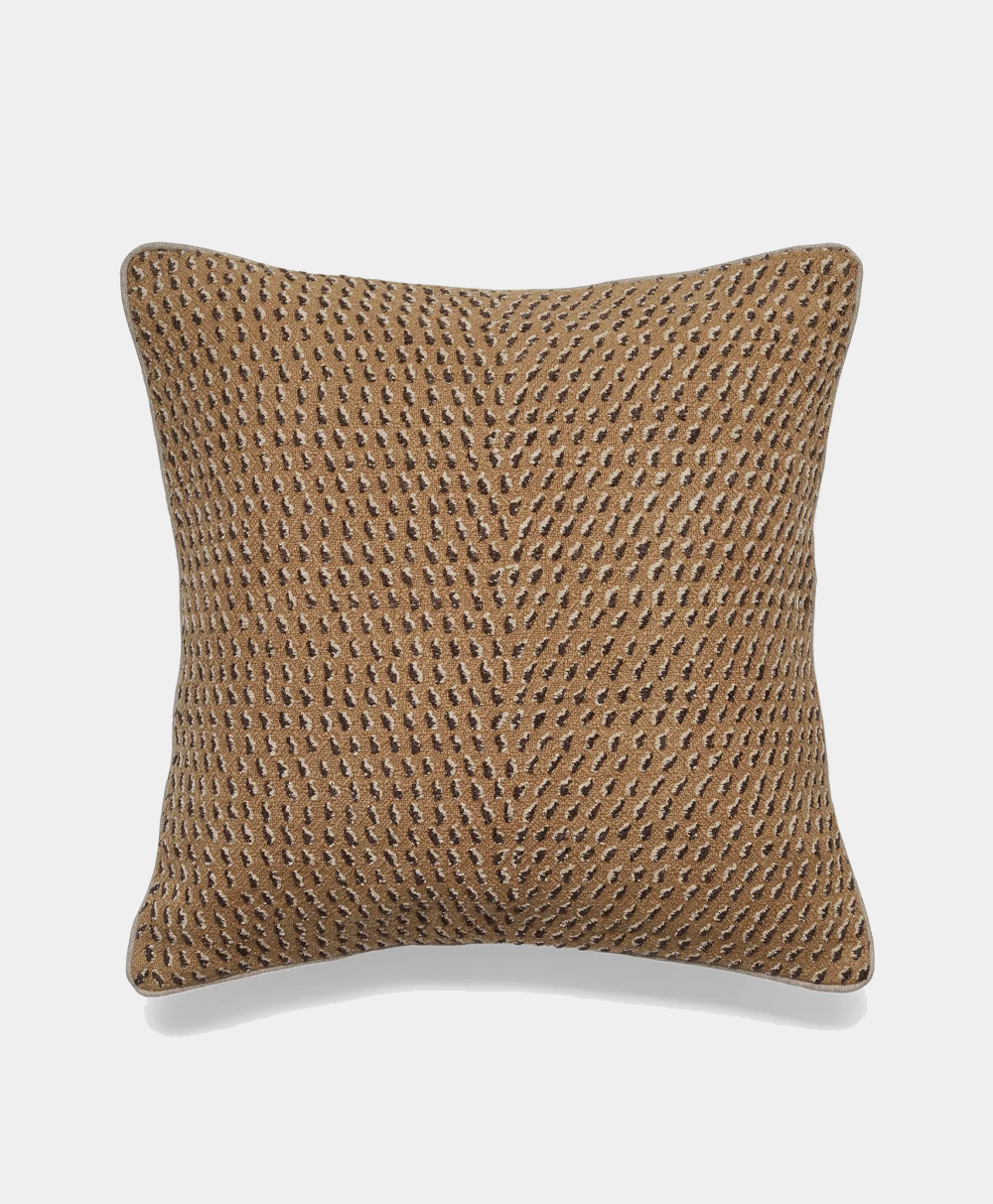
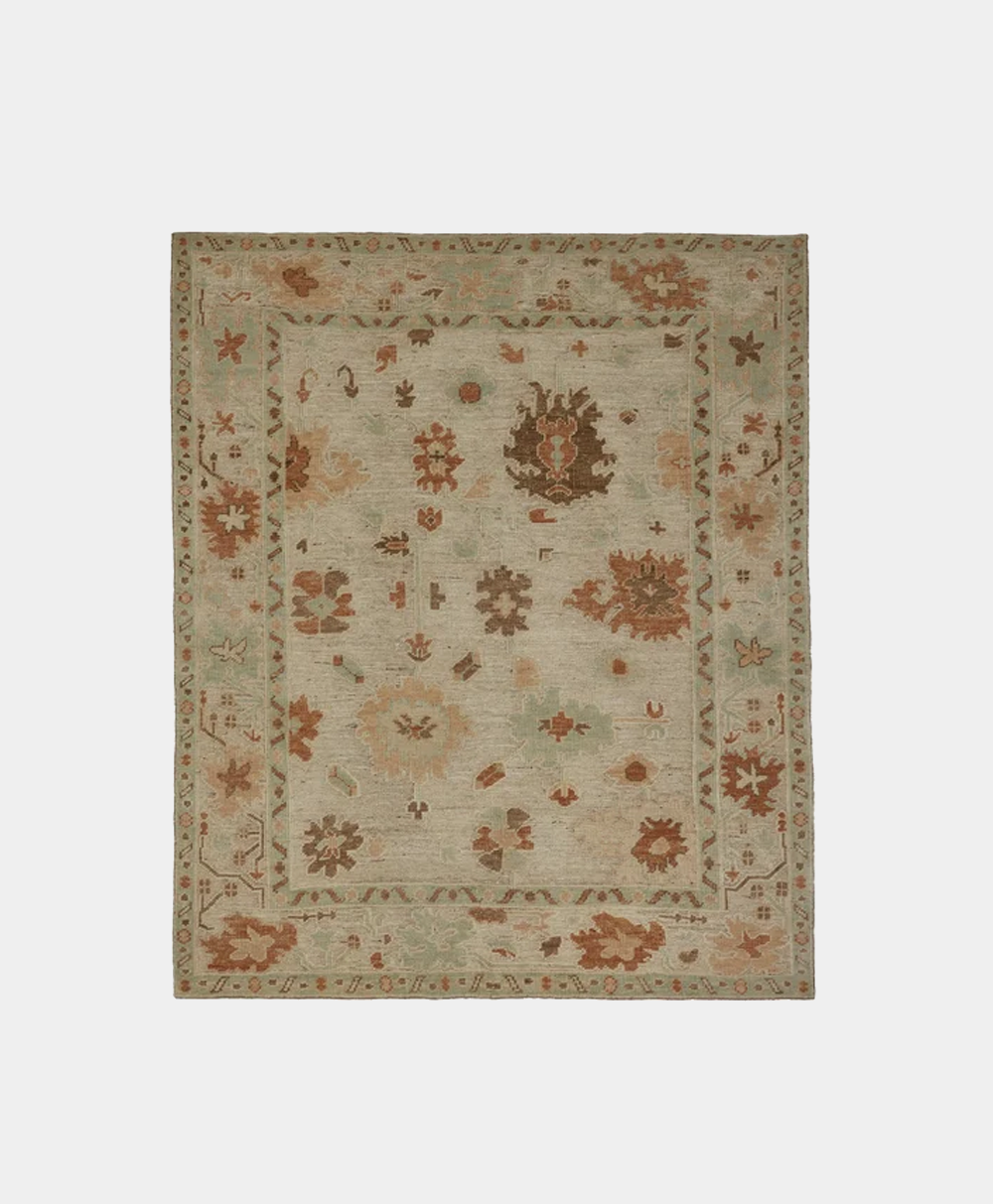
Think chunky wool throws draped over sofas, linen cushions alongside velvet ones, or a thick woven rug beneath a sleek coffee table. The contrast between different surfaces creates visual interest and makes a space feel more lived-in.
Natural materials tend to work particularly well. Wool, cotton, leather and linen have a tactile quality that synthetic alternatives often struggle to replicate. The important thing is to mix them thoughtfully rather than throwing every available texture into the same room. You're aiming for considered comfort, not the inside of a fabric shop.
Introduce warmer colours
Colour has an enormous influence on how a room feels. Cool greys, brilliant whites and pale blues can look fantastic in the right setting, but they're not always conducive to creating a warm, welcoming atmosphere during the darker months.
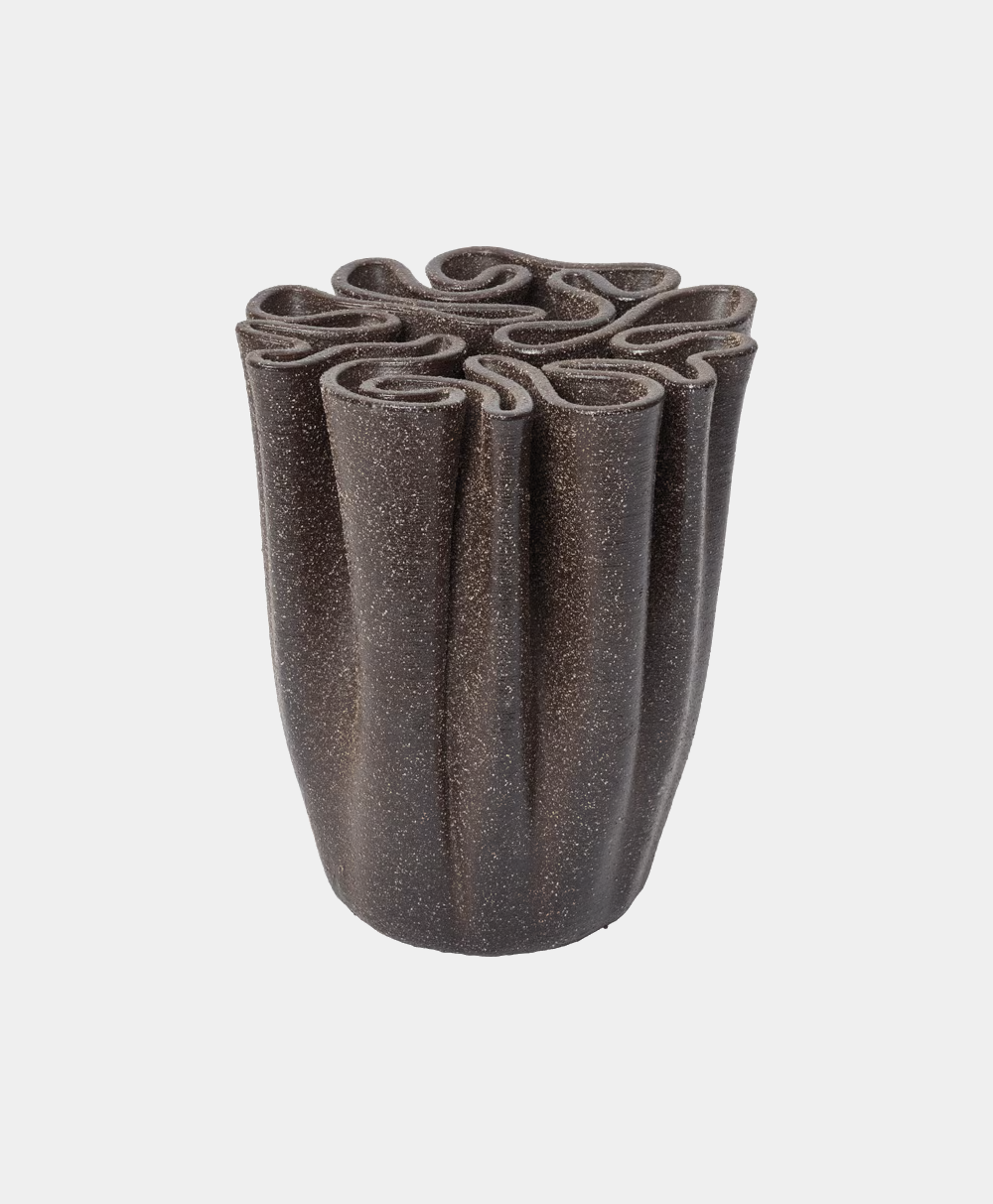

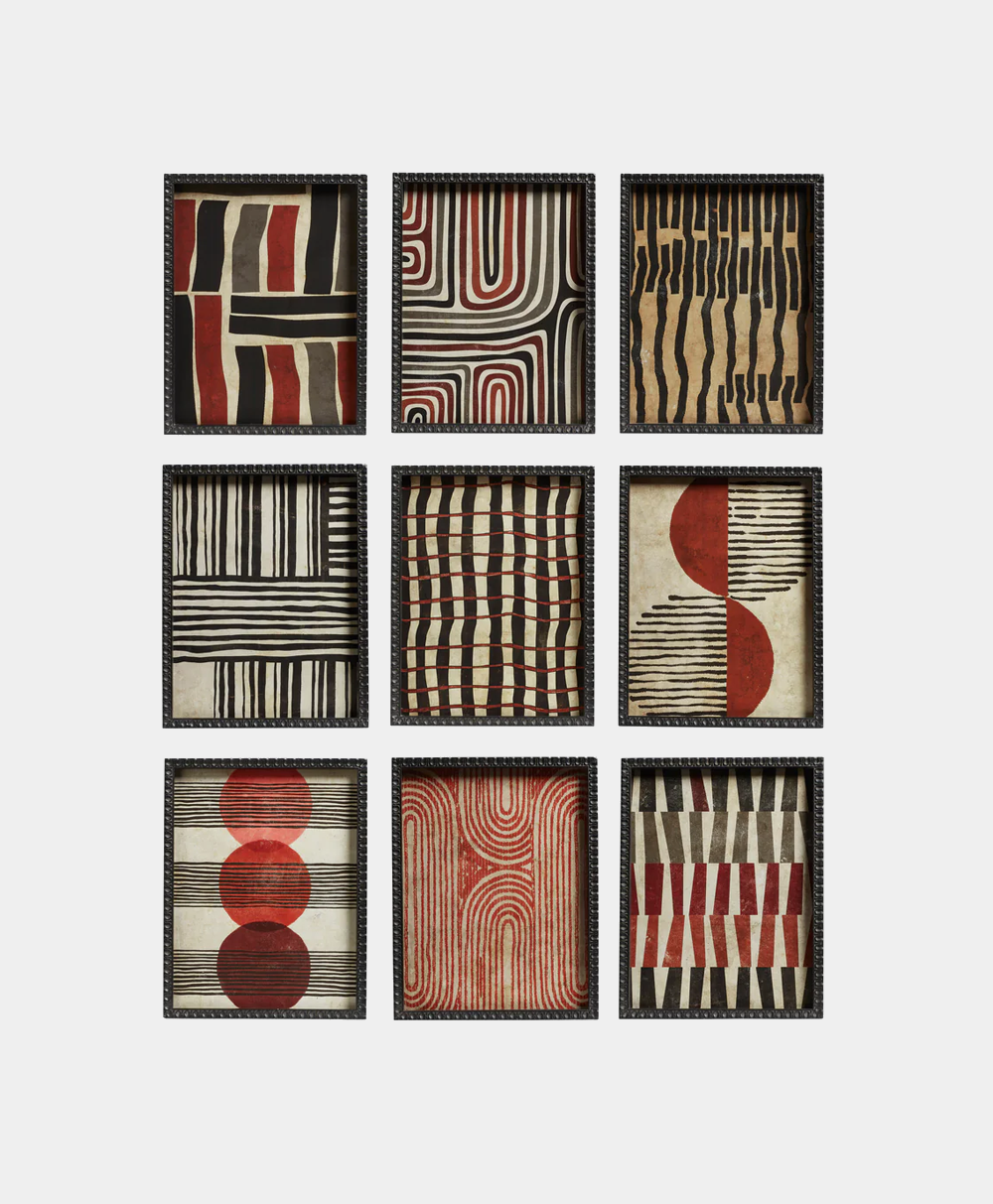
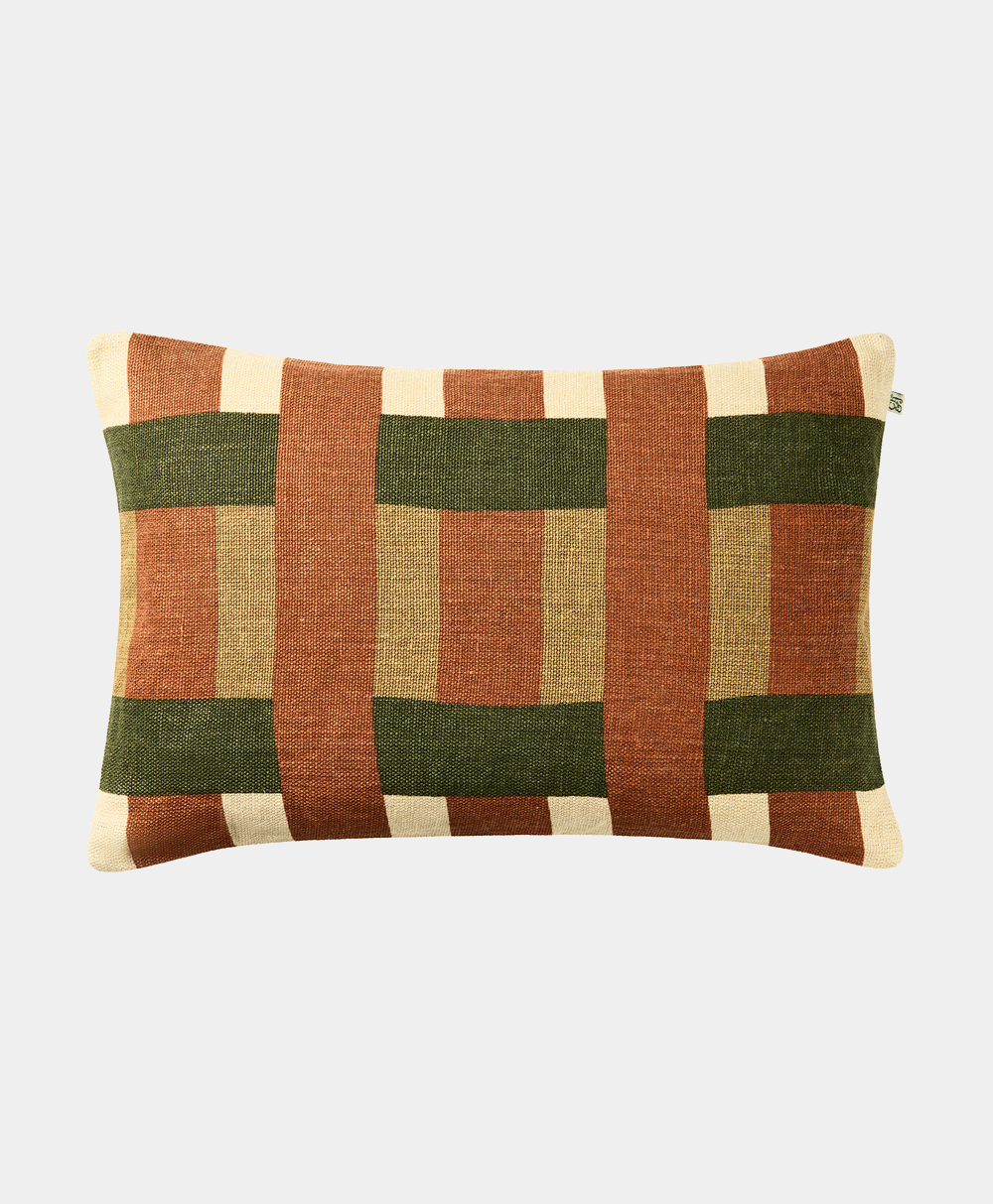
Fortunately, there's no need to reach for the paintbrush. Introducing a few warmer tones through smaller furnishings can completely change the mood of a space.
Chocolate brown, tobacco, rust, burgundy and olive green are particularly effective, especially when combined with cream, beige and other neutral shades. These colours have an earthy richness that feels comforting without being overtly seasonal.
Start with cushion covers, blankets, ceramics or even artwork. The aim isn't to replace your existing palette but to introduce enough warmth to soften it. A little contrast can go a long way.
Invest in a proper rug
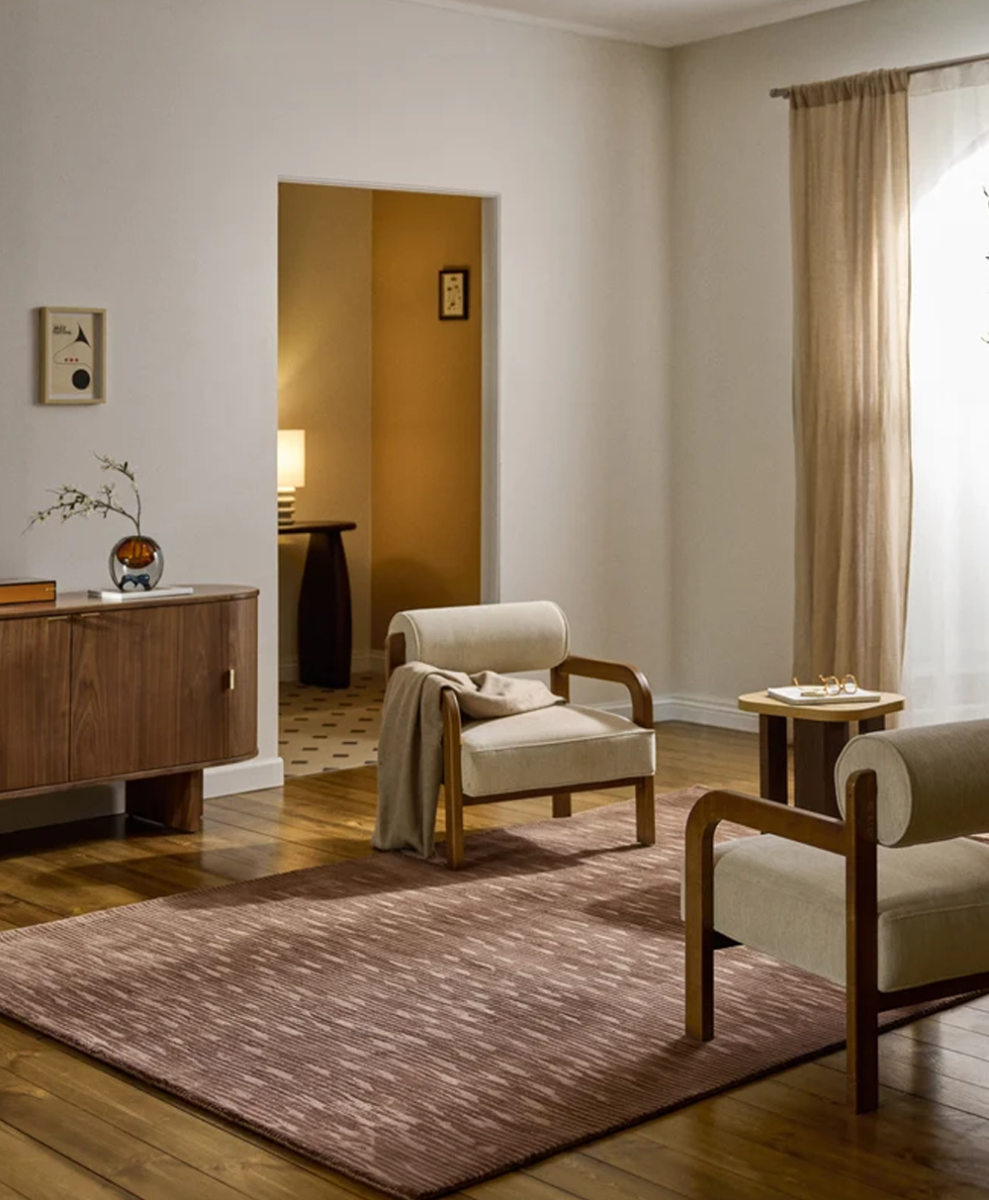
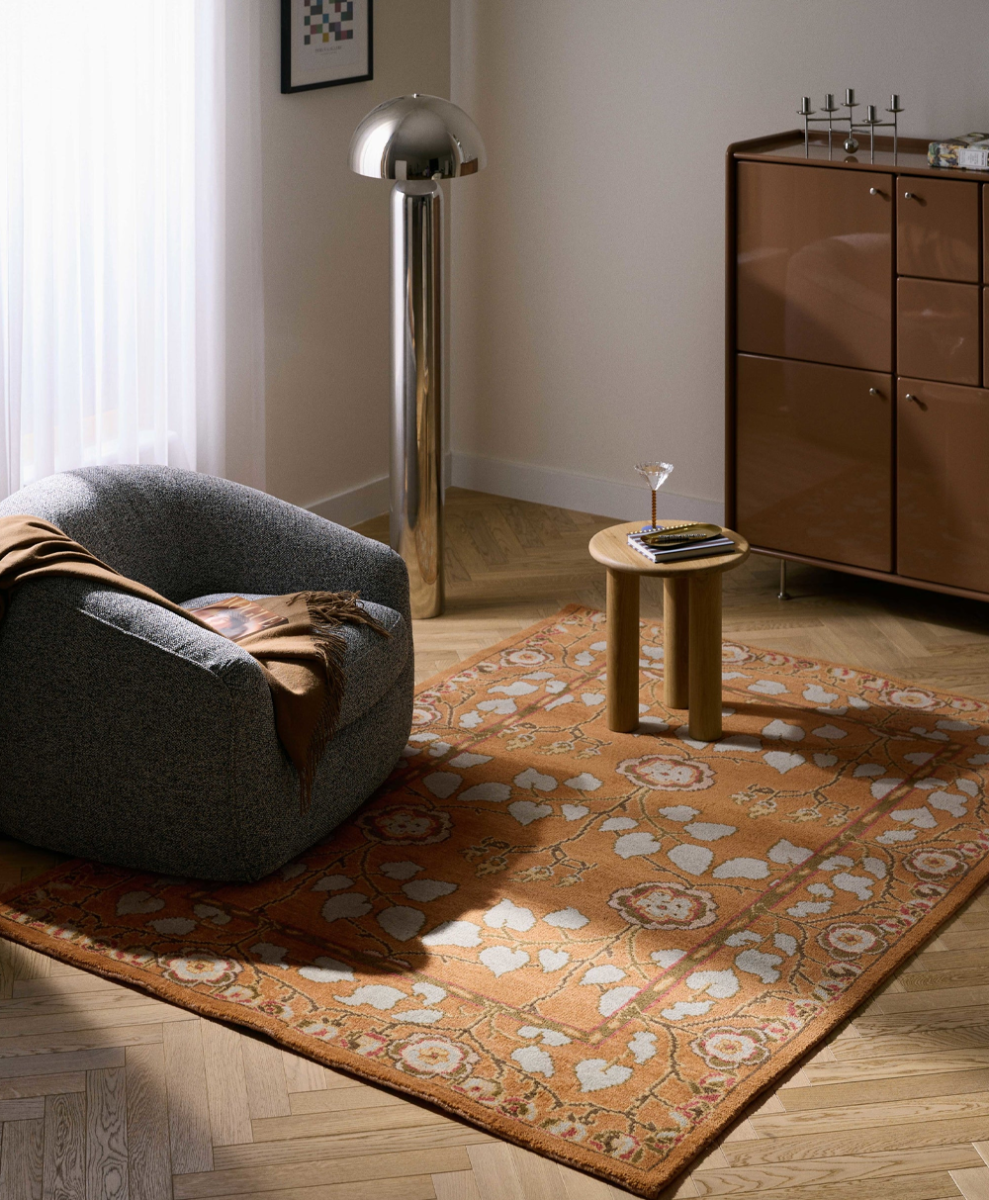
If there's one homeware purchase worth spending a little extra on, it's a good rug. Aside from making cold floors considerably more pleasant underfoot, a well-chosen rug can help define a space, soften acoustics and introduce colour and texture in one fell swoop.
Wool is an excellent option thanks to its durability, natural insulation and pleasingly tactile feel. For something more substantial, consider a thick-pile design or a traditional hand-knotted rug with a rich, muted pattern.
Size matters, too. One of the most common interior-design mistakes is choosing a rug that's too small for the furniture surrounding it. In a living room, aim for something large enough to accommodate at least the front legs of the sofa and armchairs.
A properly proportioned rug helps tie everything together, making the room feel cohesive rather than like a collection of furniture floating independently around the floor.
Bring the outside in
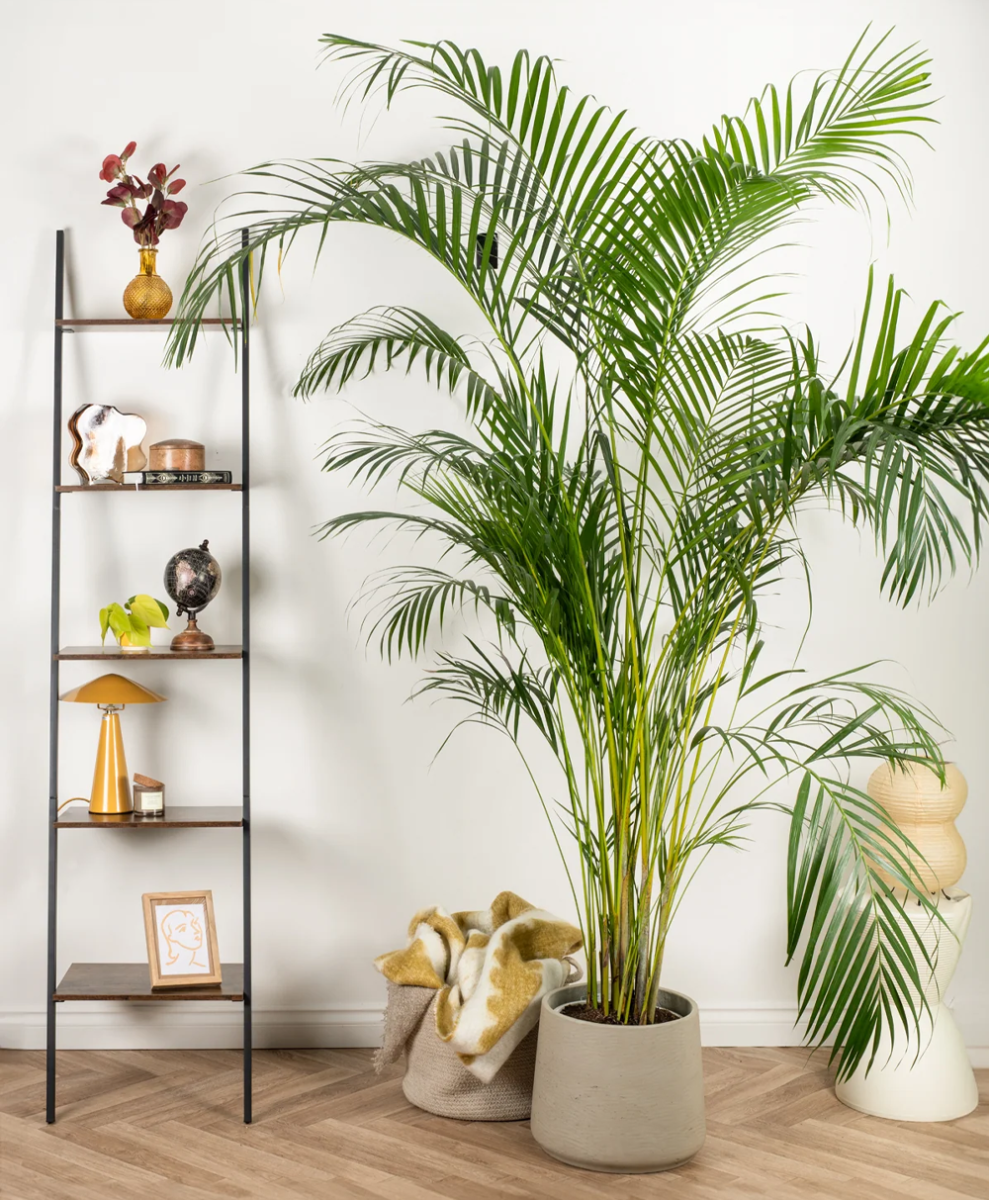
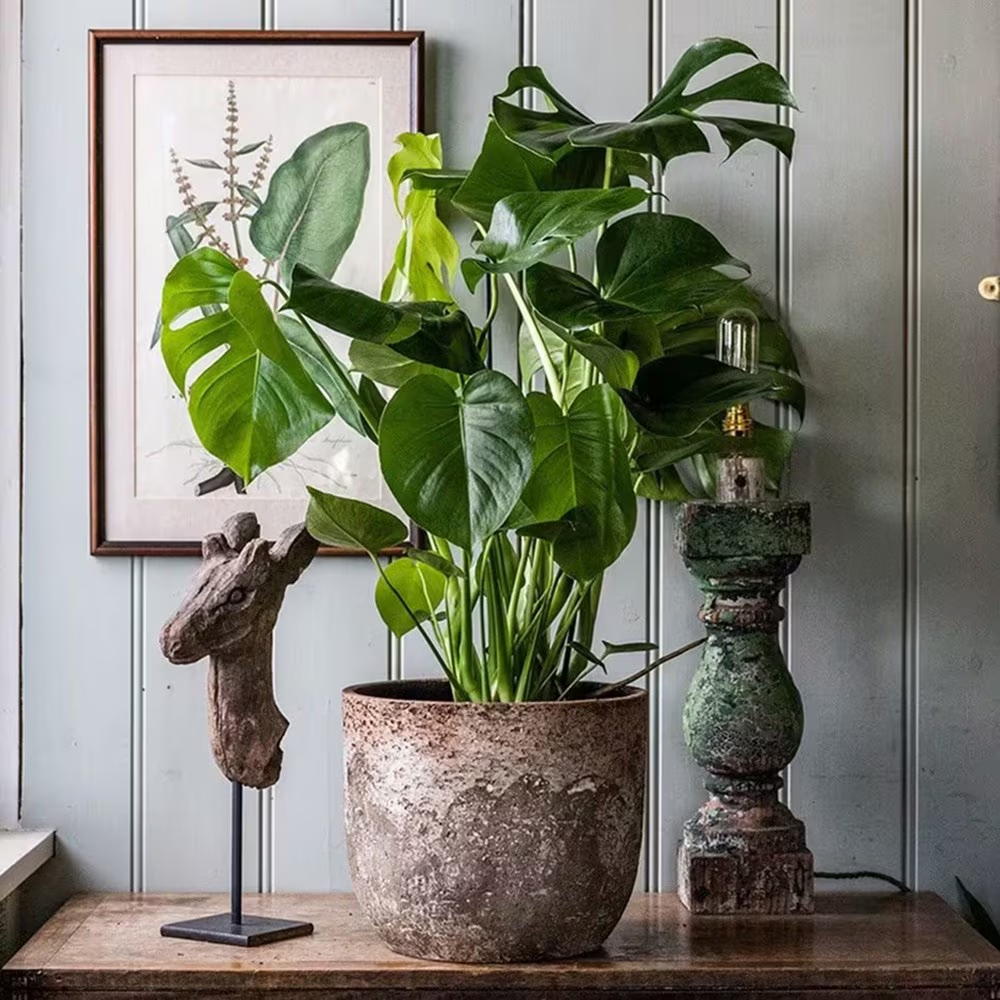
There's something inherently comforting about natural materials and organic shapes, particularly during winter when opportunities to spend time outdoors are limited. Bringing a little greenery into your home is an easy way to introduce life, colour and visual interest.
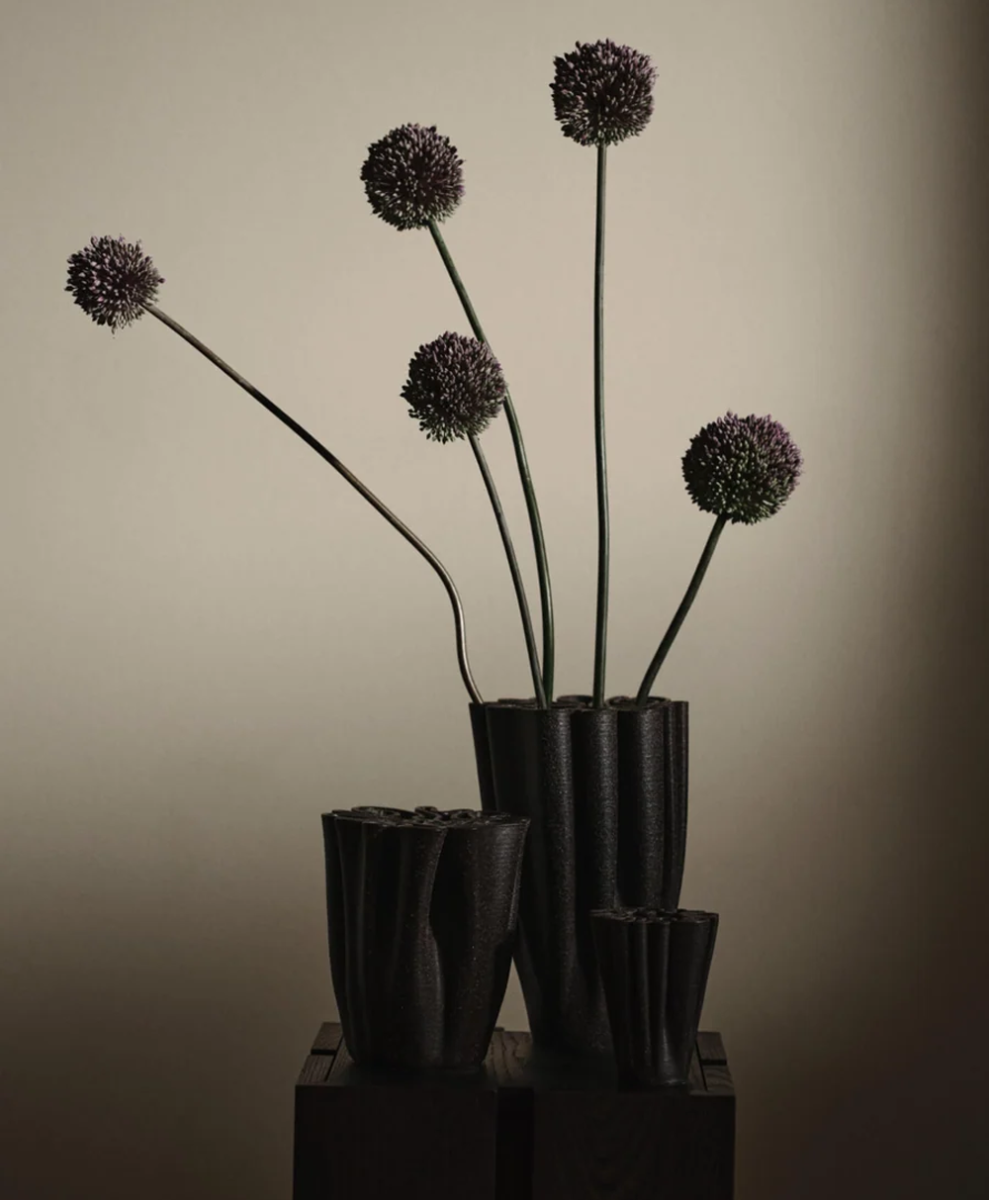
You don't need to transform your living room into a botanical garden, either. A few carefully chosen branches arranged in a ceramic vase can make a surprisingly strong statement. Evergreen foliage, dried flowers and sculptural houseplants all work well, particularly when paired with natural materials such as stone, wood and terracotta.
Keep arrangements relatively simple and let the shapes do the talking. Bare branches can look particularly striking in a minimalist interior, providing a seasonal touch without veering into Christmas-decoration territory.
Make more of your windows
Windows are often overlooked when it comes to creating a cosy interior, which is strange considering how much they influence both the appearance and temperature of a room.
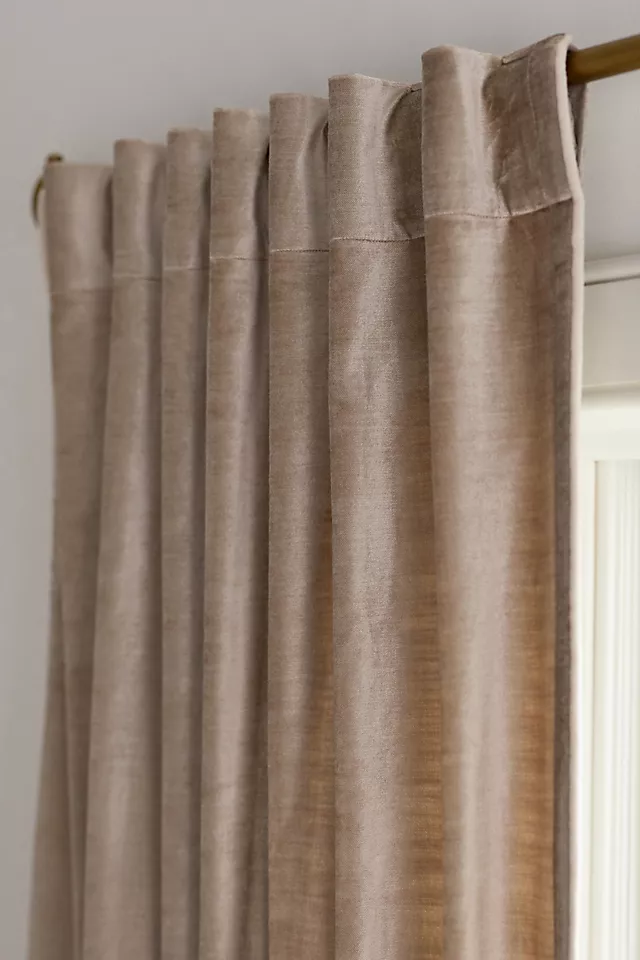
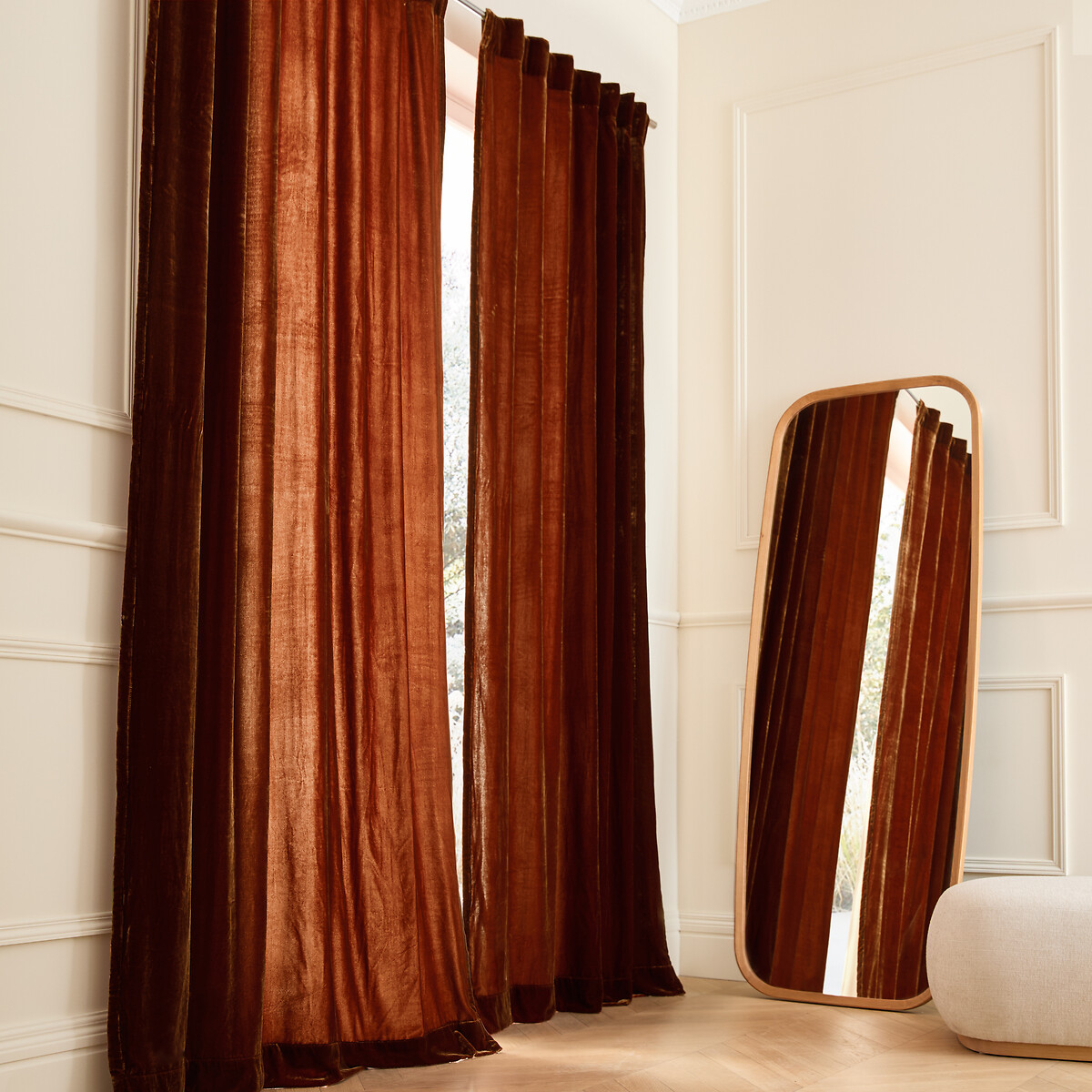
Bare windows and lightweight blinds might suit a bright summer interior, but during winter, heavier curtains can help make a space feel softer and more enclosed. They're also useful for reducing heat loss, particularly in older properties with draughty glazing.
Look for substantial fabrics such as wool blends, velvet or heavyweight linen, ideally with a thermal lining if insulation is a priority. Floor-length curtains can also make ceilings appear taller and lend a room a more polished appearance.
For maximum impact, hang the curtain rail slightly above the window frame and extend it beyond the edges. This allows the curtains to frame the window properly without blocking too much natural light during the day.
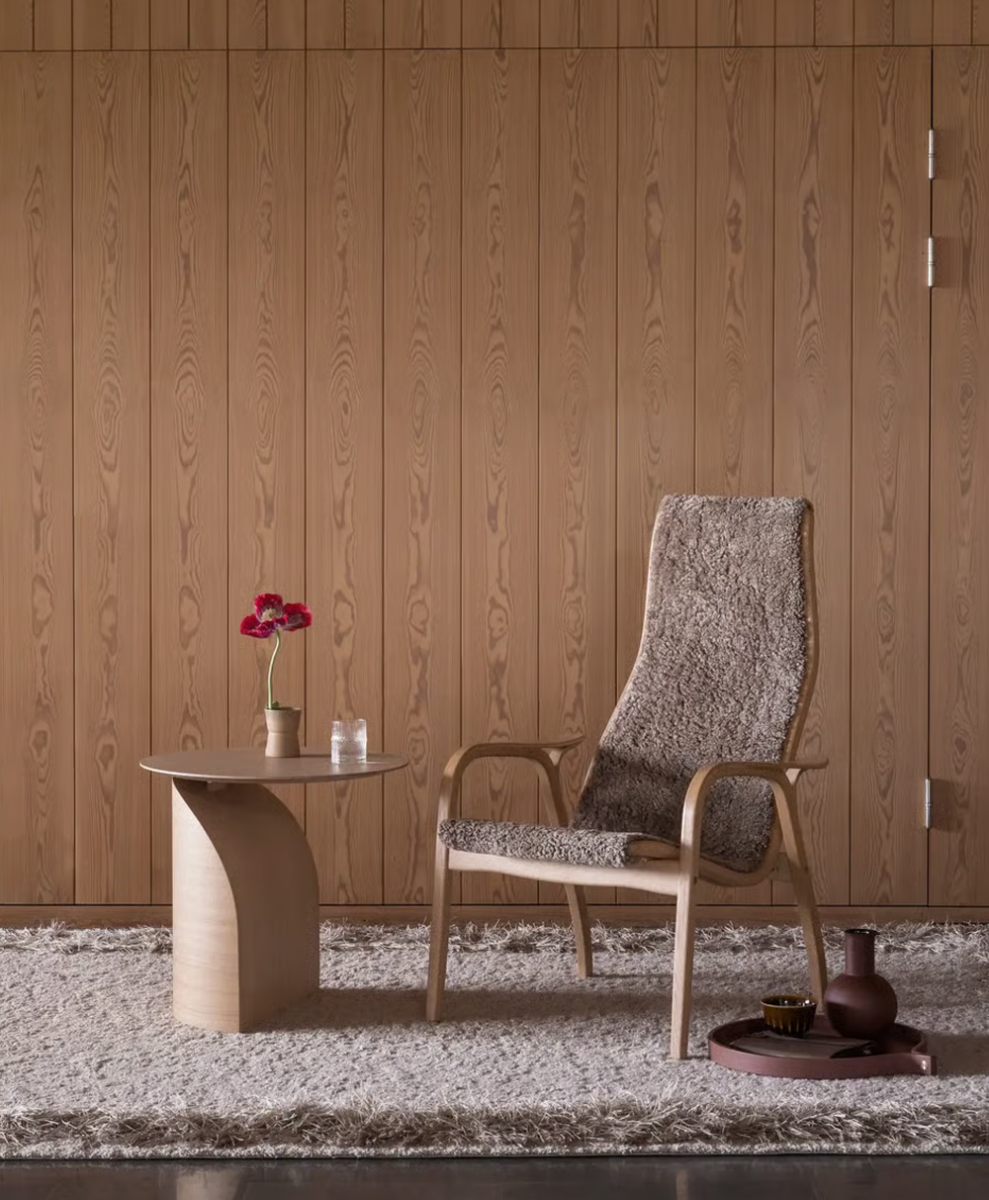
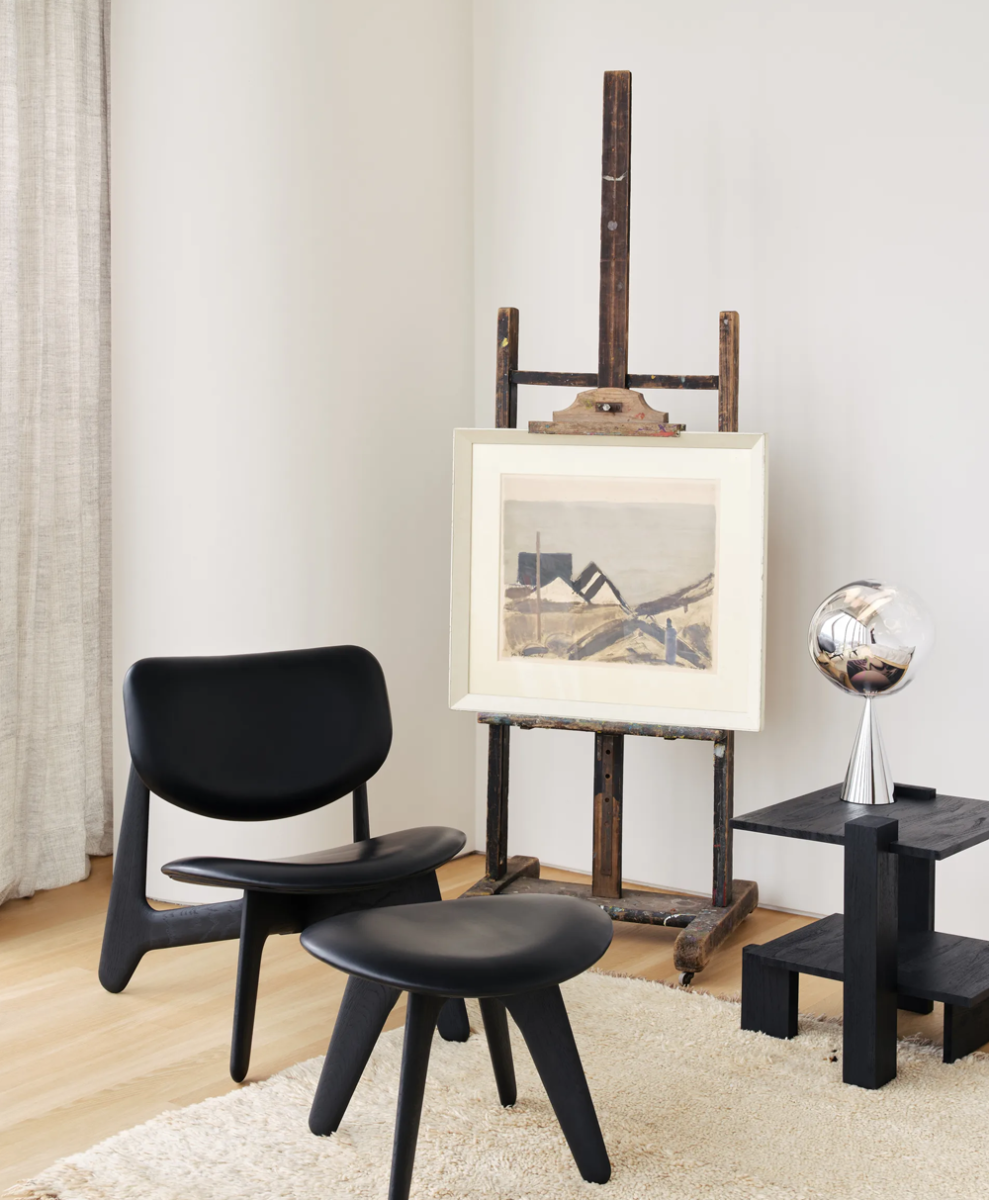
Create a corner worth staying in
Not every part of your home needs to serve multiple purposes. Sometimes it's worth dedicating a small area to doing absolutely nothing productive, preferably with a book, a hot drink and no immediate plans to move.
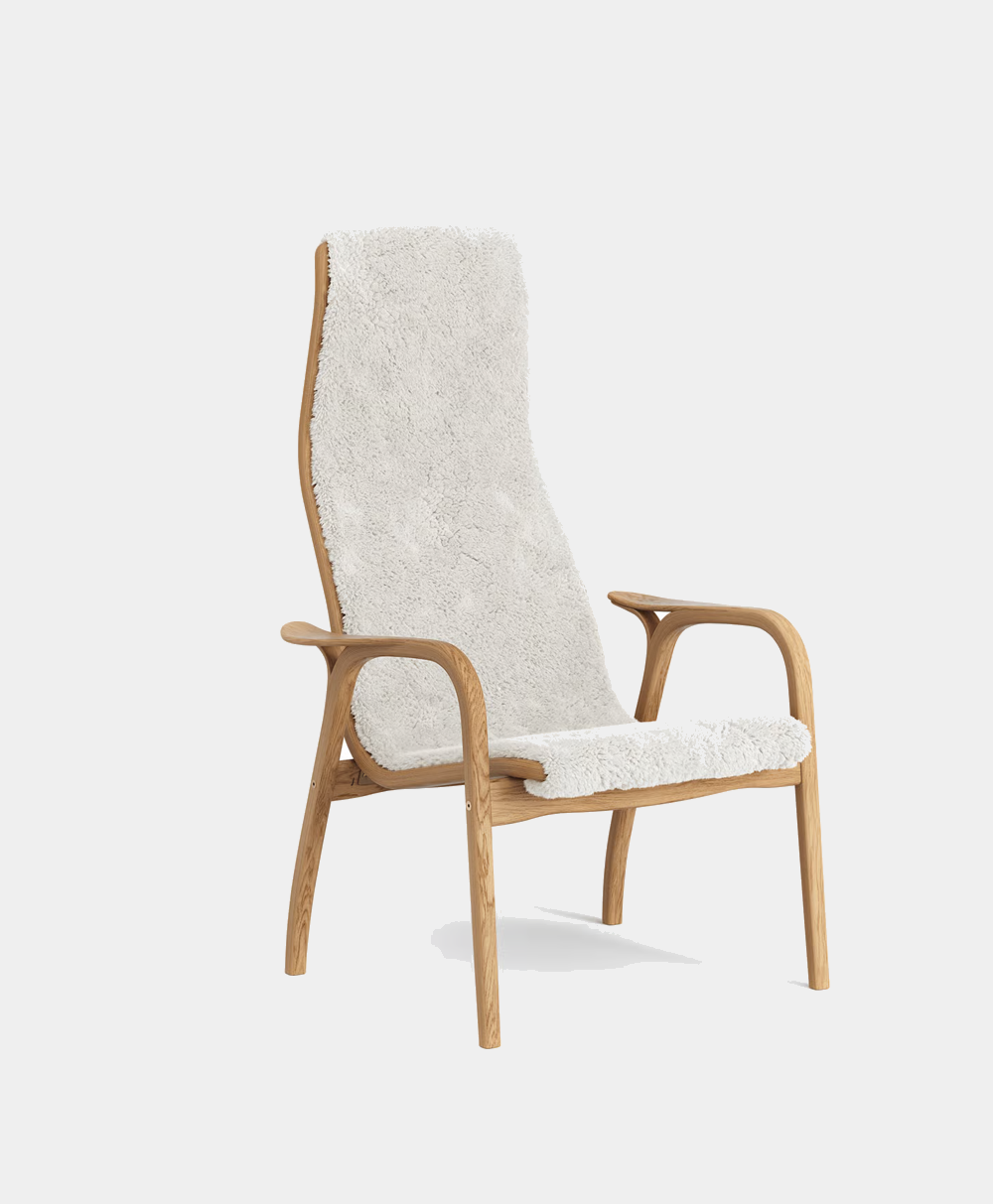
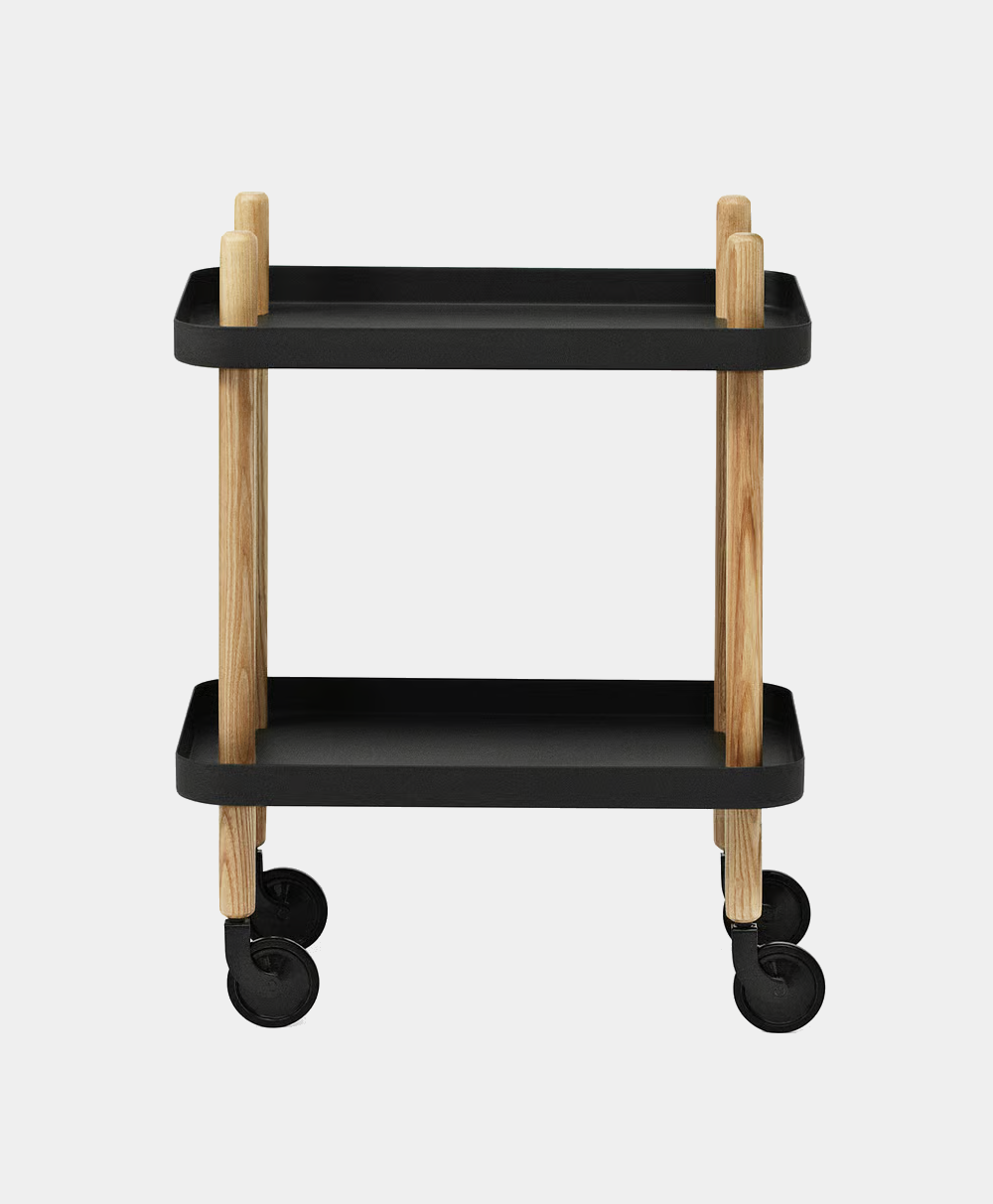
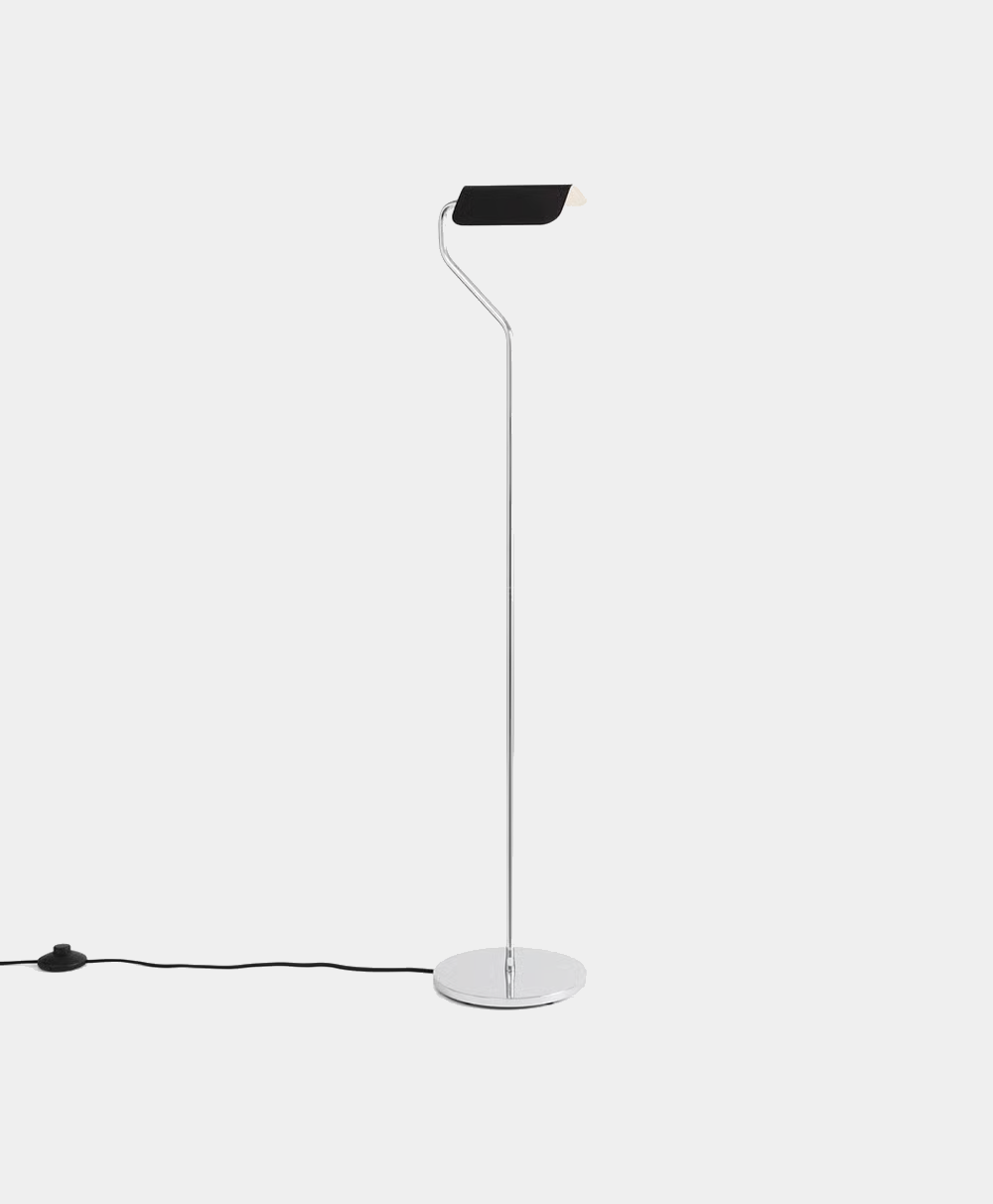
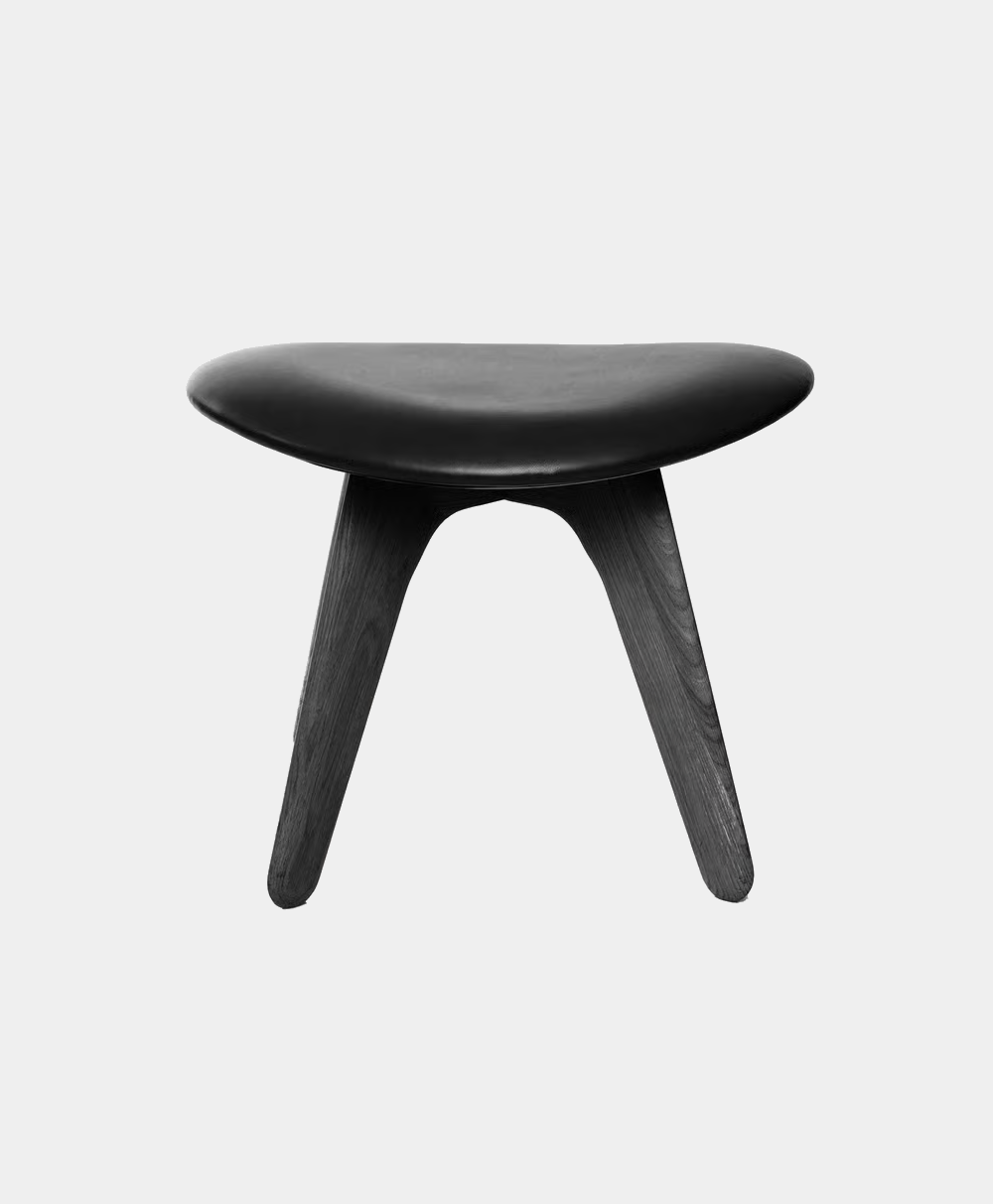
A comfortable lounge chair, a well-positioned lamp and a small side table are really all that's required to create a reading nook. Add a wool throw and perhaps a footstool, and you've got somewhere genuinely appealing to spend a winter afternoon.
Position it near a window if possible, so you can take advantage of natural light during the day. For evenings, choose a directional lamp that provides enough illumination for reading without flooding the entire room.
The furniture doesn't need to match perfectly. In fact, a vintage leather chair or an interesting second-hand side table can give the space far more character than buying everything from the same collection.
Embrace darker woods
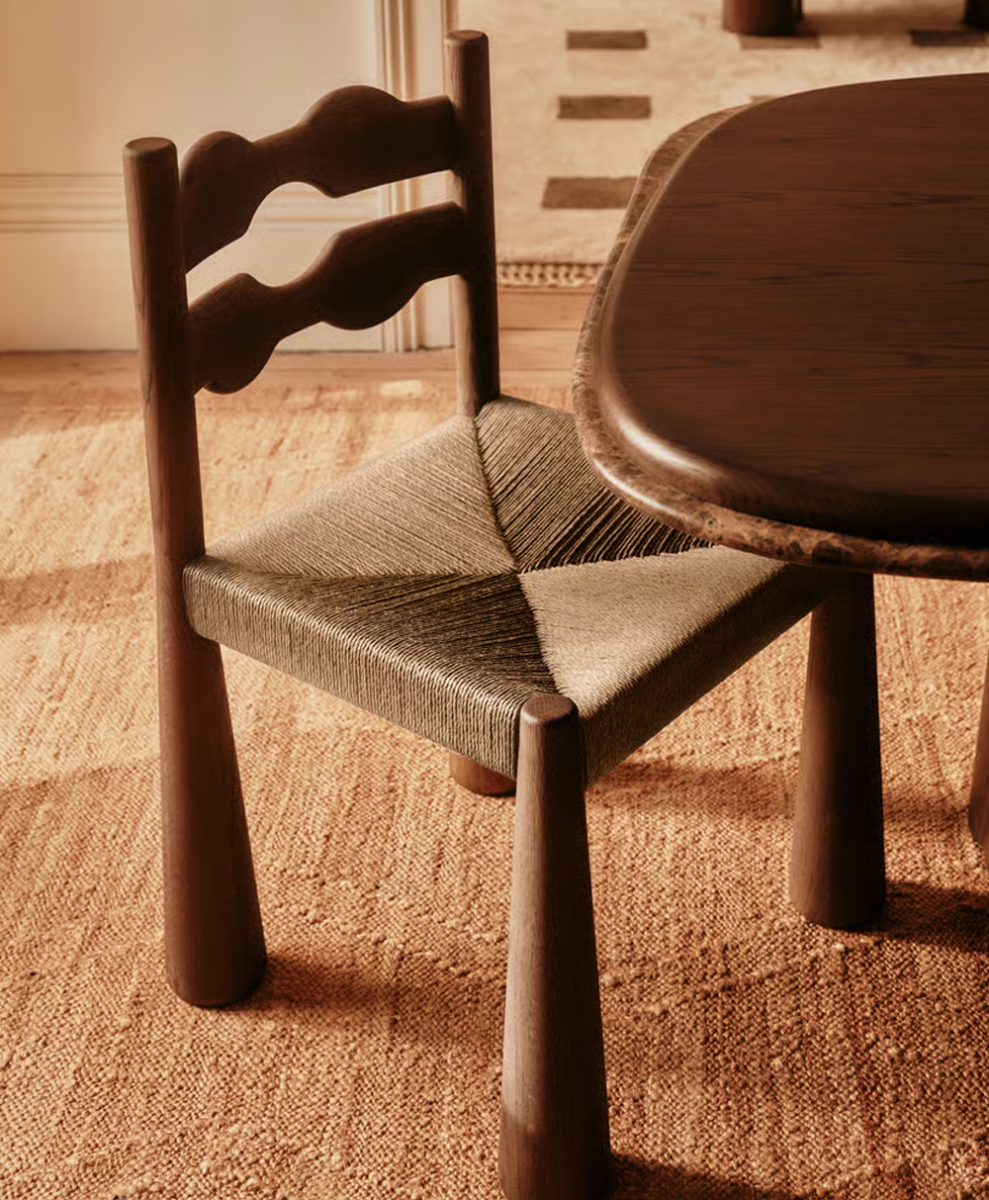
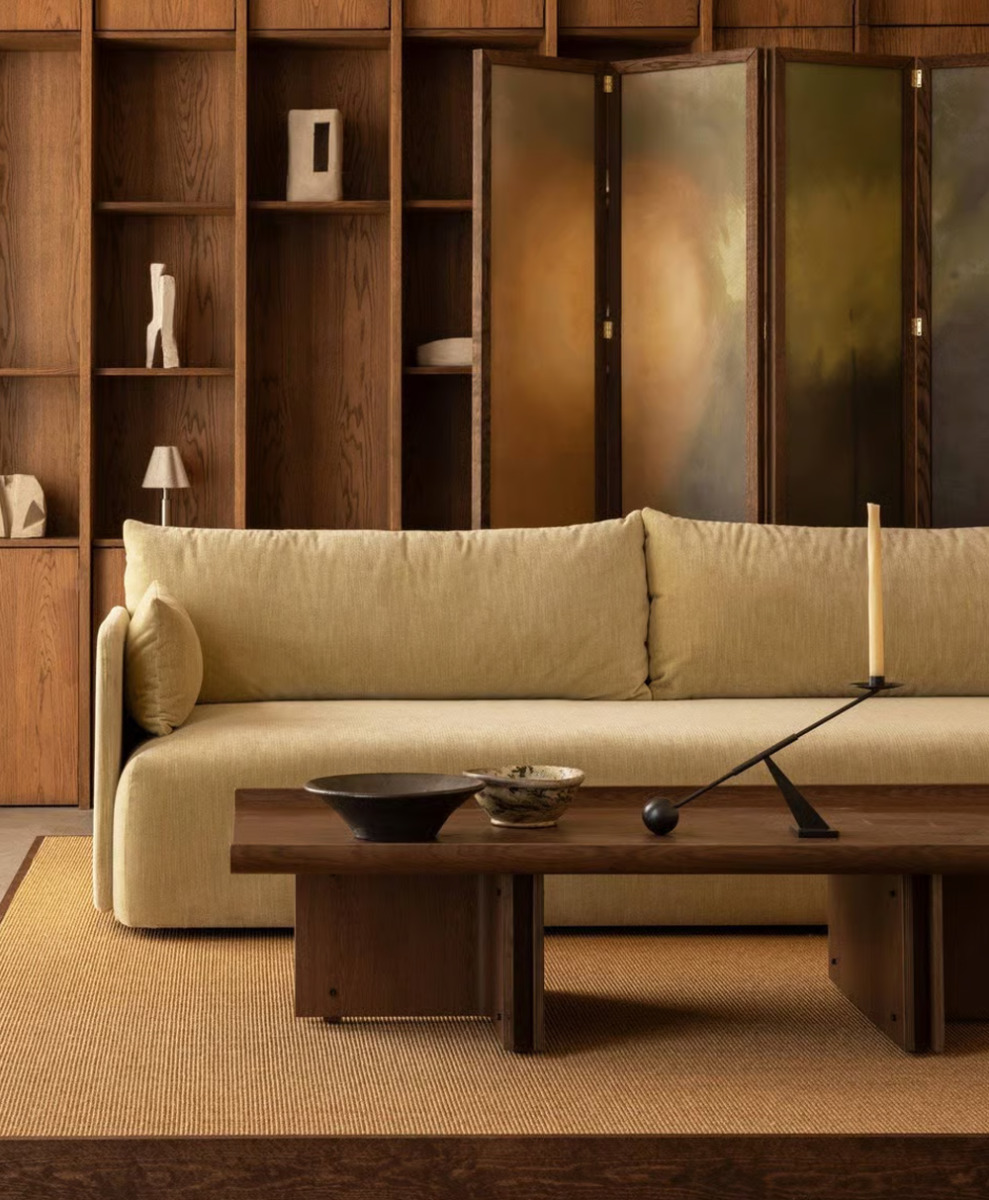
Pale oak, ash and birch have dominated contemporary interiors for years, largely thanks to the enduring popularity of Scandinavian minimalism. And while there's nothing wrong with lighter woods, darker varieties can bring a richness and warmth that's particularly appealing during winter.
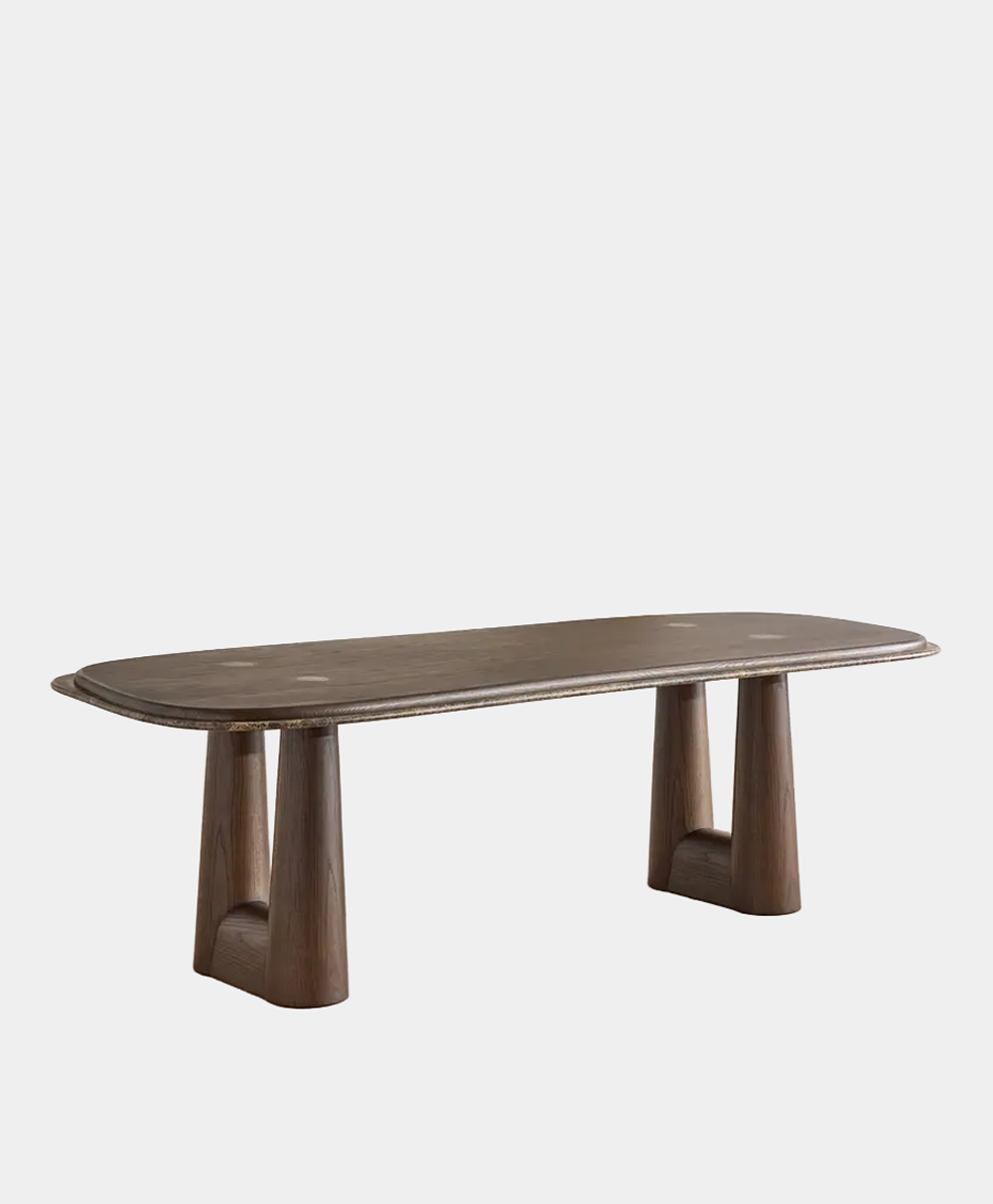

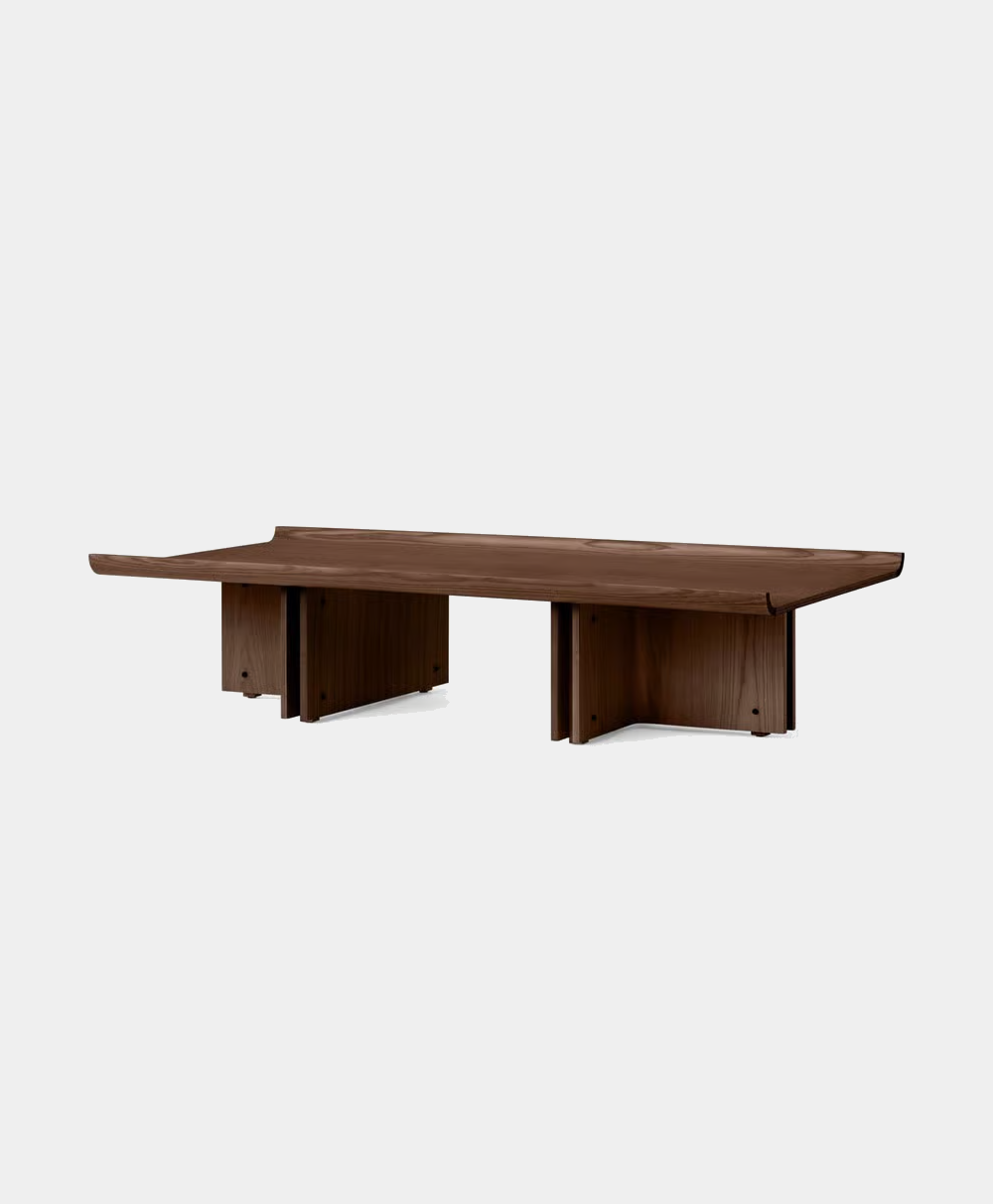
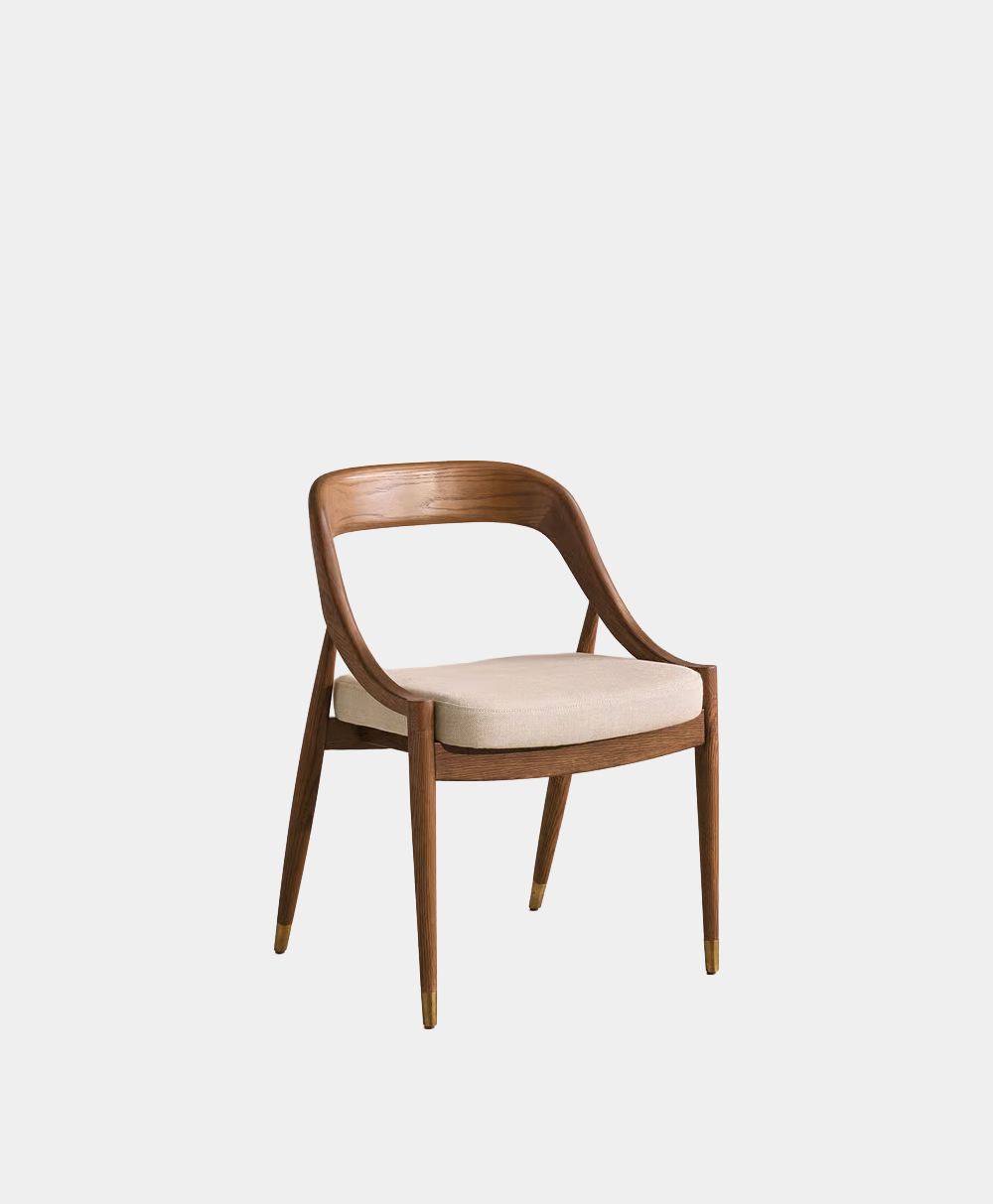
Walnut, smoked oak, teak and darker-stained timbers introduce depth without requiring bold colours or elaborate decoration. Their natural grain patterns add texture, while their deeper tones create an attractive contrast against lighter walls and upholstery.
You don't need to replace all your furniture to benefit, either. A walnut coffee table, vintage teak shelving unit or dark wooden sideboard can provide an effective focal point.
Mixing different wood finishes is perfectly acceptable, too. The trick is to establish some consistency through undertones and avoid introducing so many competing finishes that the room starts resembling a furniture showroom's clearance section.


Use scent to set the mood
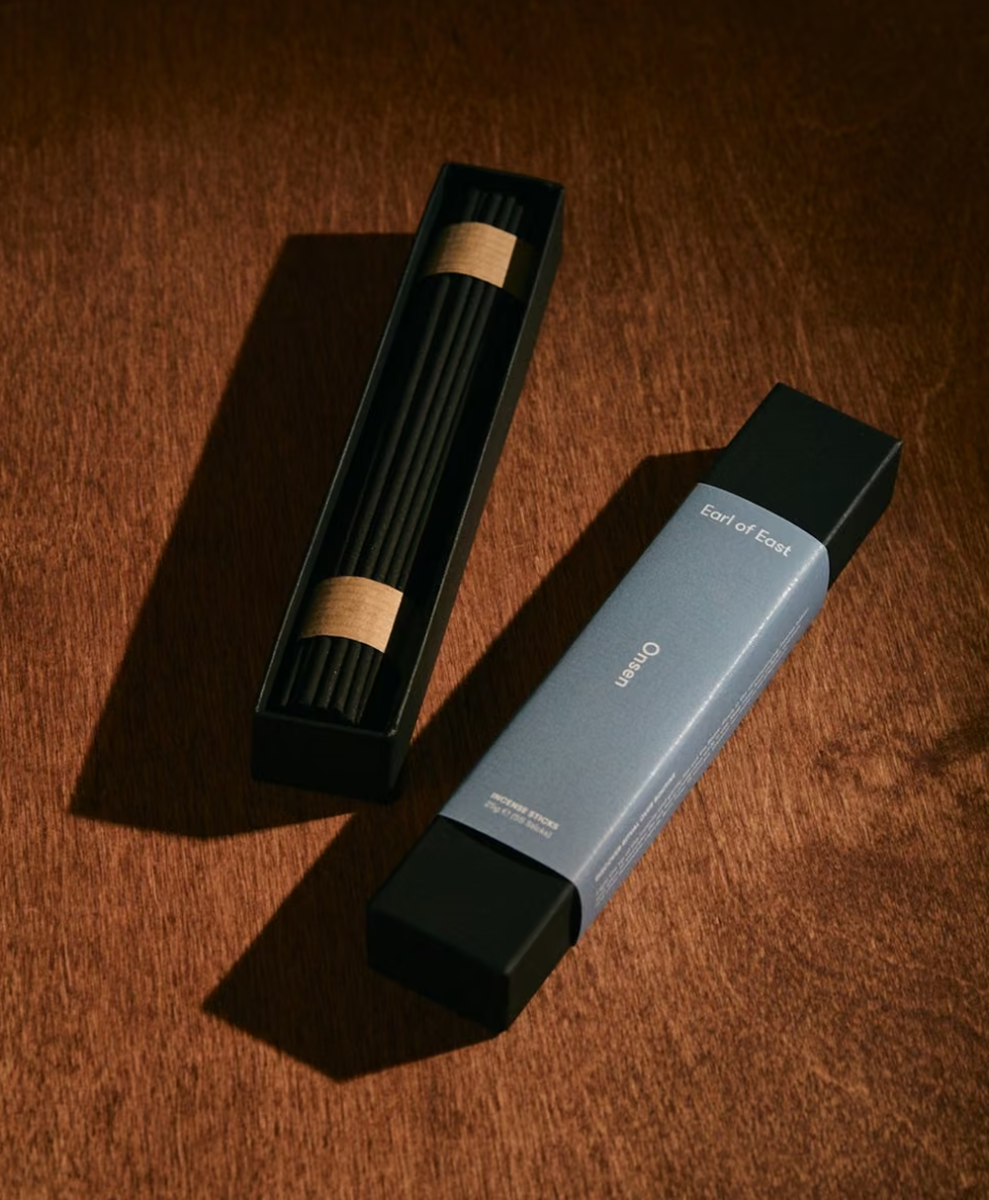
A cosy home isn't just about how it looks. Scent plays an important role in shaping how a space feels, and a carefully chosen fragrance can make a room seem more inviting before you've even taken your coat off.
For winter, woody and earthy notes tend to work particularly well. Cedar, sandalwood, vetiver, amber and pine all have a warmth and depth that suit the season without smelling like a Christmas market.
Scented candles are an obvious choice, offering the added benefit of a soft, flickering light. Incense and reed diffusers are good alternatives, particularly if you'd prefer something that doesn't involve an open flame.
The key is restraint. You want a subtle background fragrance rather than something so overpowering that visitors can taste it. One carefully chosen scent is generally more effective than several competing ones.
Don't mistake cosy for cluttered
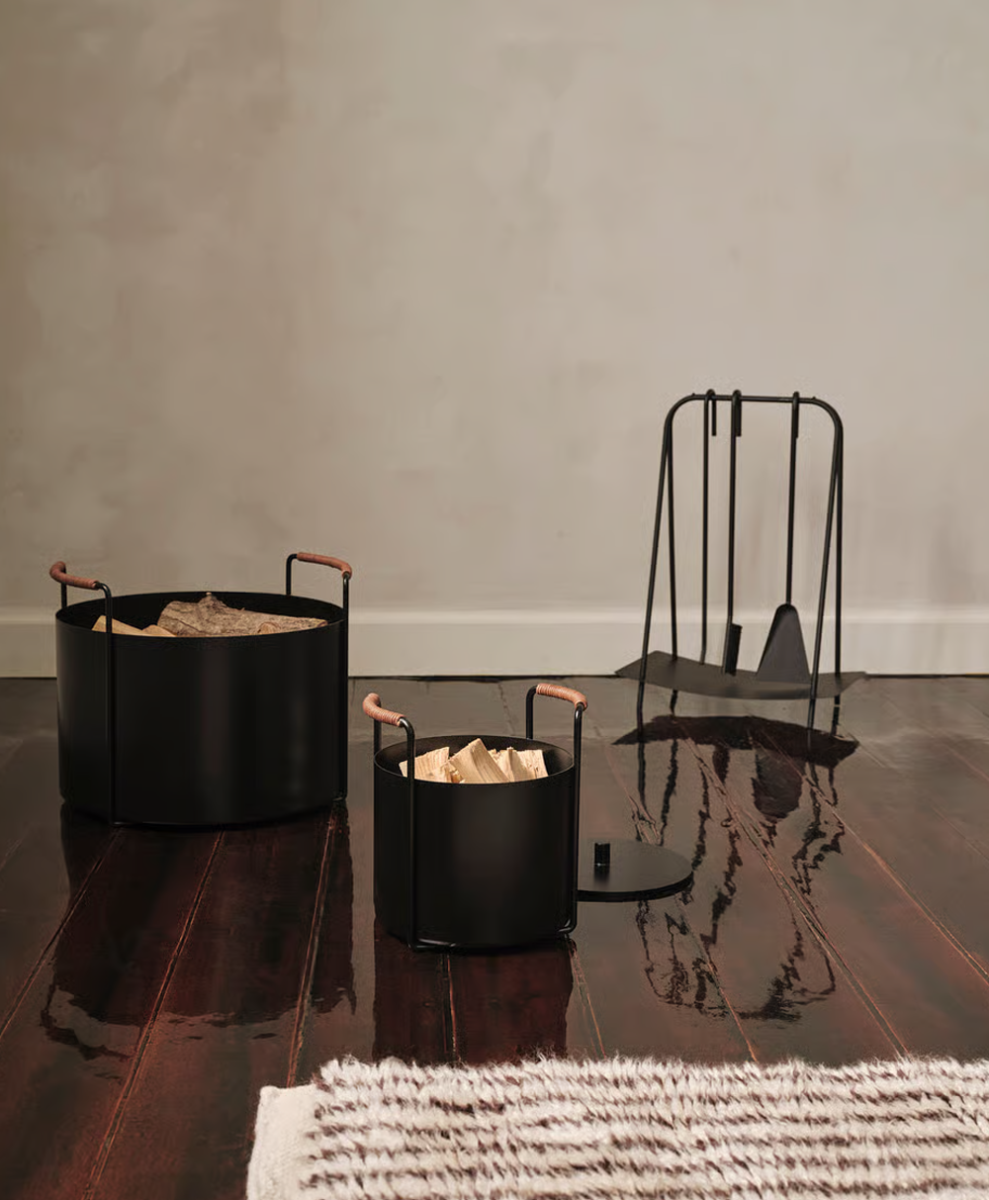
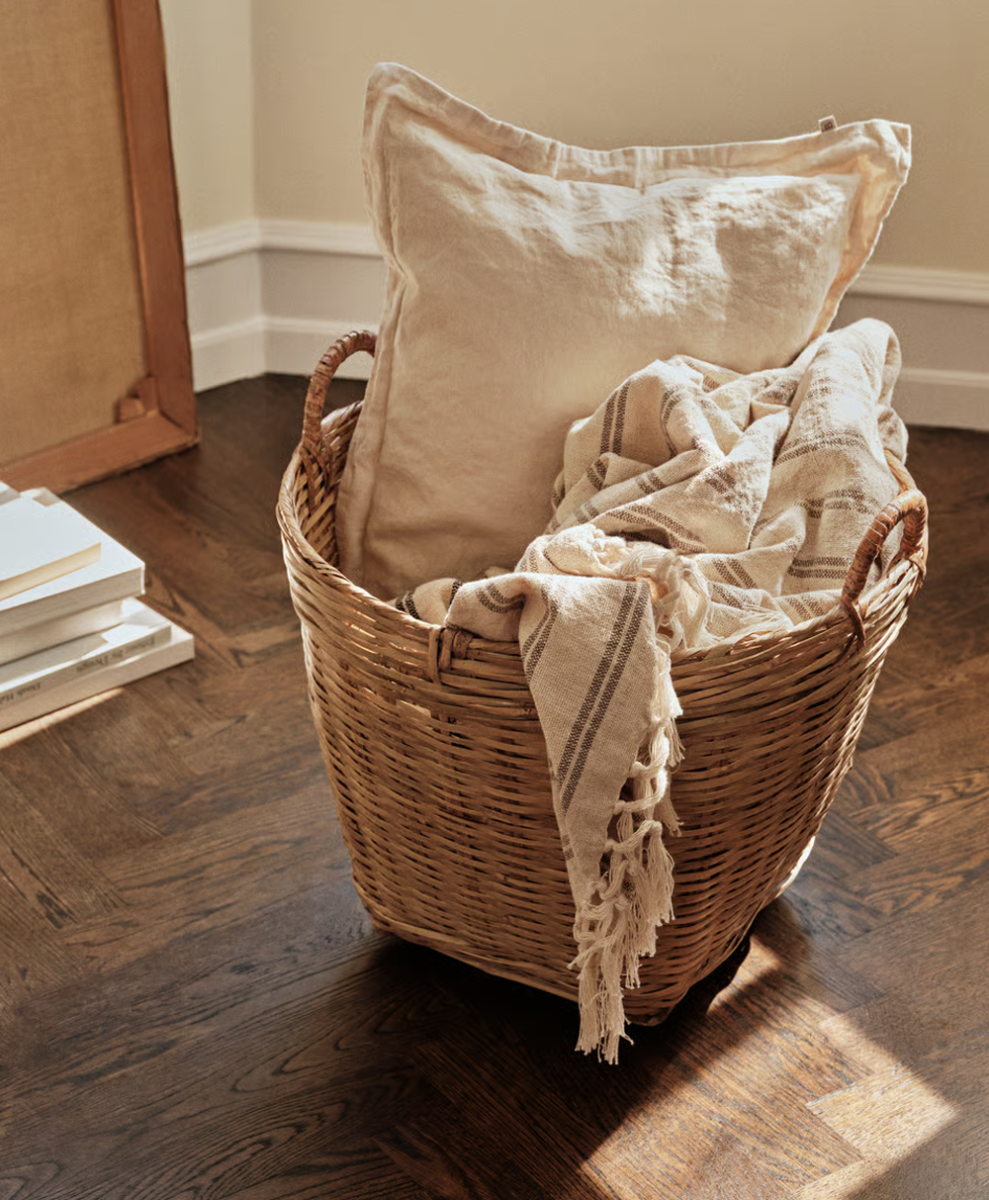
Perhaps the biggest misconception about cosy interiors is that more automatically means better. More cushions, more blankets, more ornaments, more everything. Before long, every available surface is occupied and finding somewhere to put your coffee becomes a logistical exercise.
In reality, a room doesn't need to be packed with possessions to feel warm and inviting. Some of the most successful cosy interiors are relatively minimalist, relying on good materials, considered lighting and thoughtful furniture placement rather than an abundance of decorative objects.
Leave some breathing room around your favourite pieces. Choose a handful of accessories that genuinely contribute something, whether that's a beautifully made ceramic bowl, a stack of books or an interesting vintage lamp.