There was a time, not long ago, when wearing a pair of Salomon trail runners with your everyday clothes would have marked you out as either, well, a trail runner or someone at the cutting-edge of fashion. Today, you'll struggle to walk through any large town or city without spotting multiple pairs. Somewhere along the line, shoes designed for scrambling over wet rocks and striding through muddy forests became the unofficial uniform of people whose most demanding daily terrain is the queue at their local coffee shop.
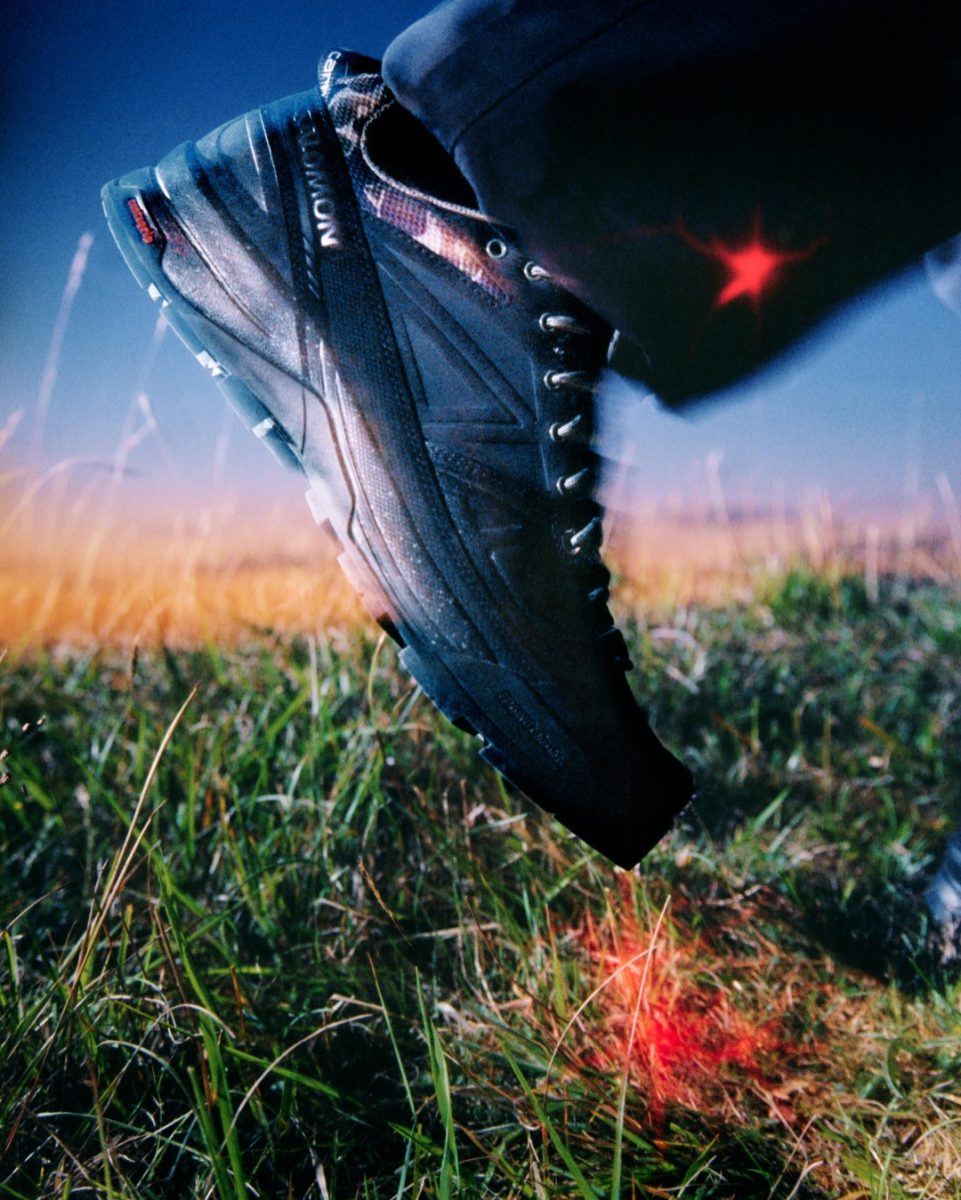
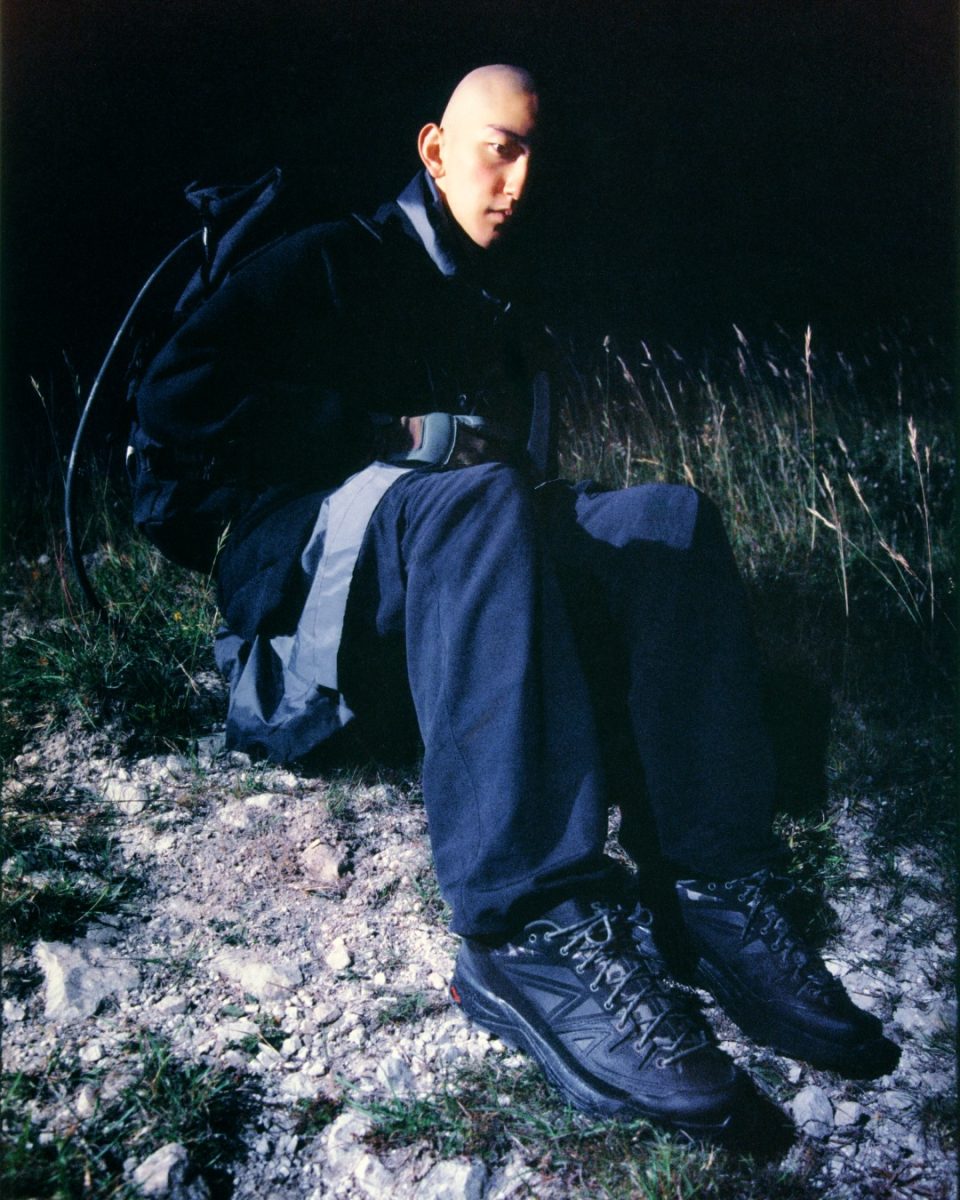
The shift didn't happen overnight. It was the result of several overlapping movements, from fashion's longstanding fascination with functional clothing to the rise of gorpcore, the outdoor-inspired aesthetic that began gathering momentum in the late 2010s. Suddenly, the technical details that once made trail shoes look naff – aggressive tread patterns, quick-lace systems, mesh uppers and complicated synthetic overlays – became the very things that made them desirable.
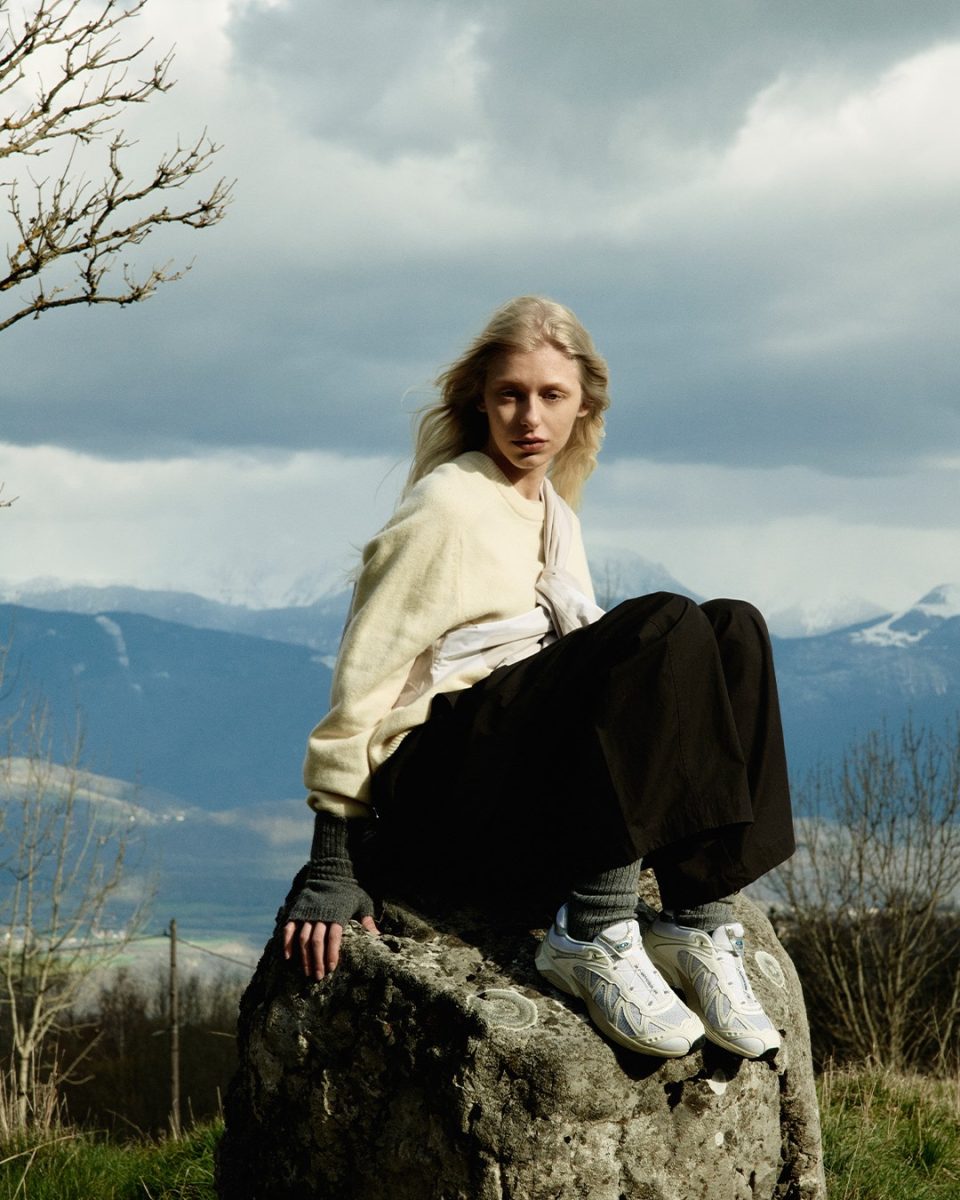
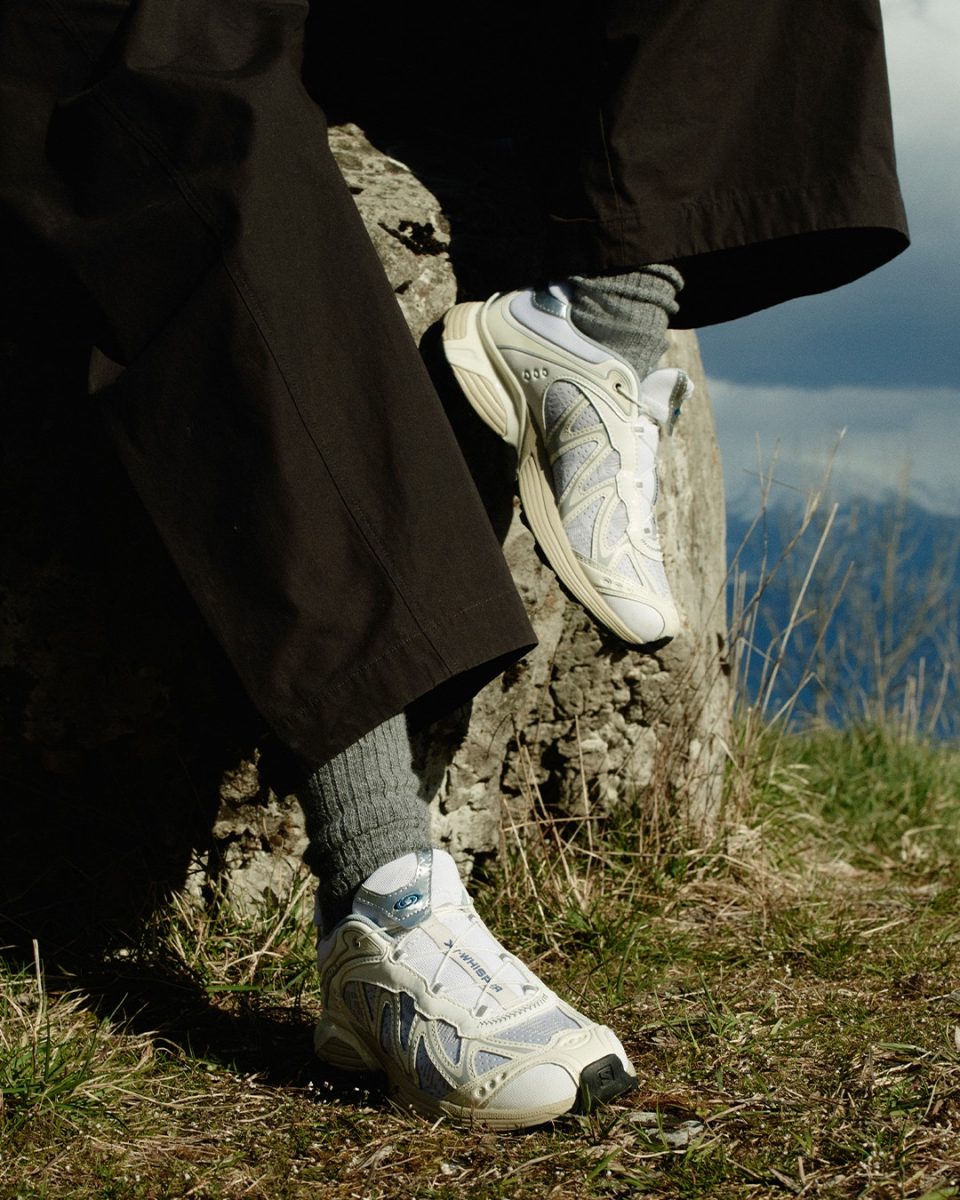
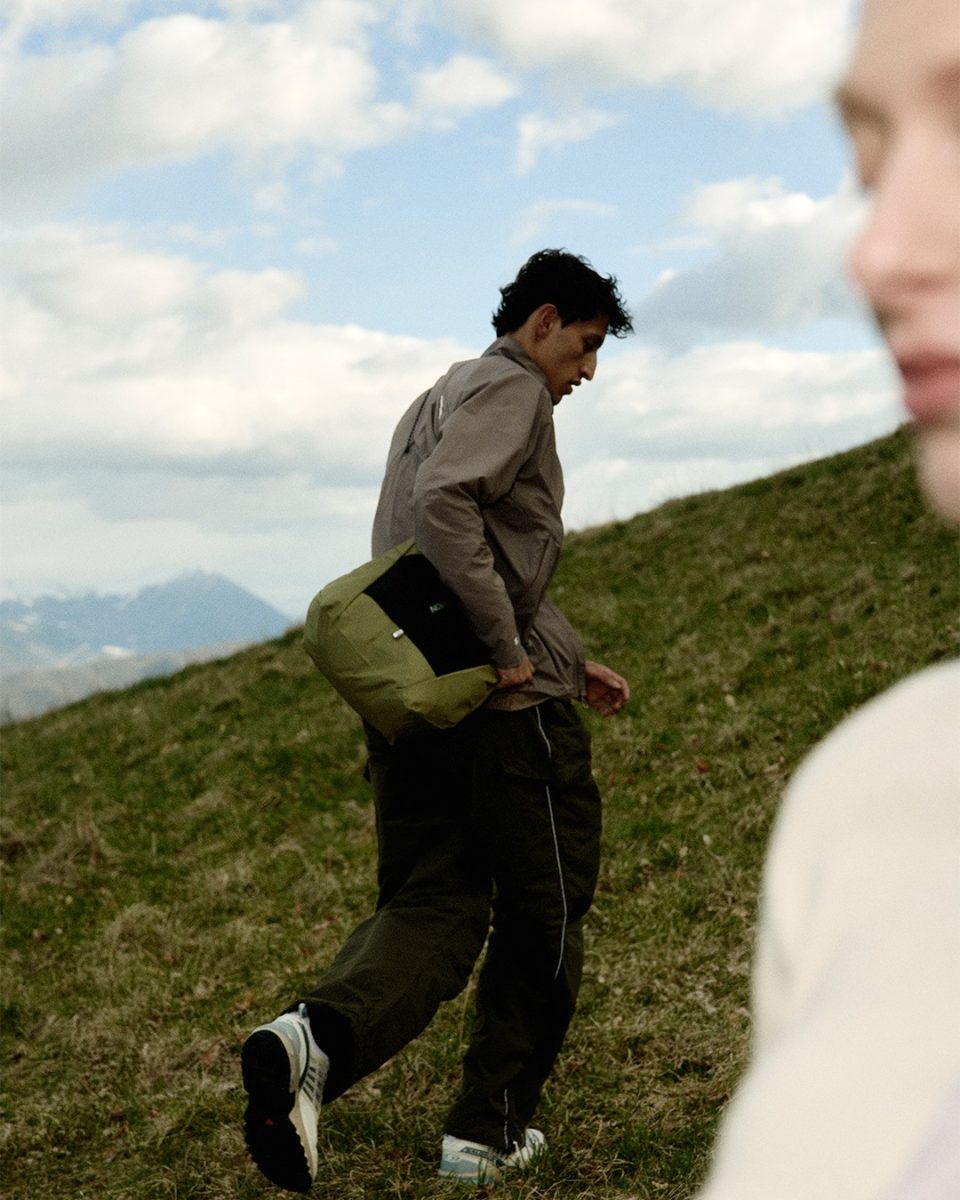
The shoe behind the shift
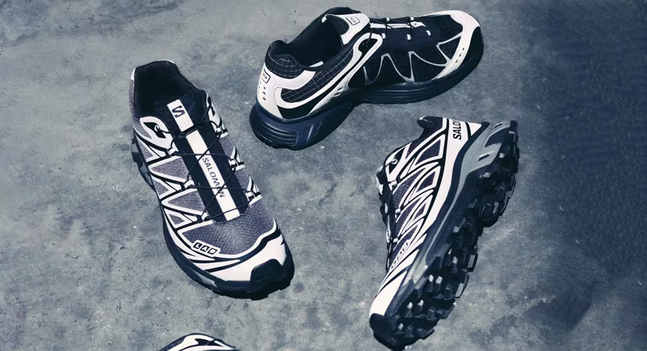
Salomon was central to this transformation. Its XT-6, originally launched in 2013 as a long-distance trail-running shoe, found an unlikely following in fashion circles. The Broken Arm, an influential Paris boutique, spotted the potential early, collaborating with Salomon in 2015. By 2018, the XT-6 had been resurrected for the brand's Sportstyle range, and in 2019, GQ named it sneaker of the year. Quite the career change for a shoe that was almost consigned to the archives.
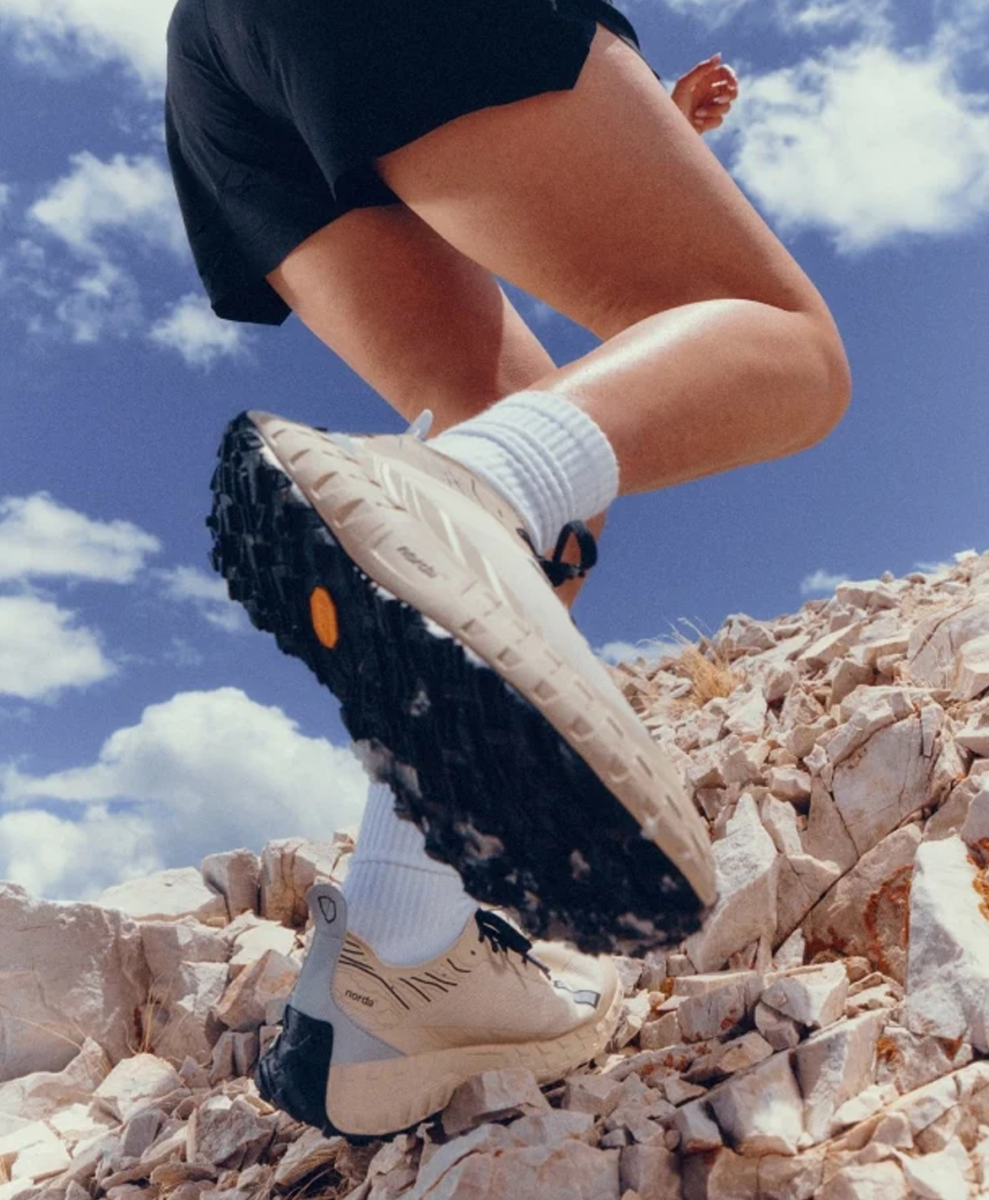
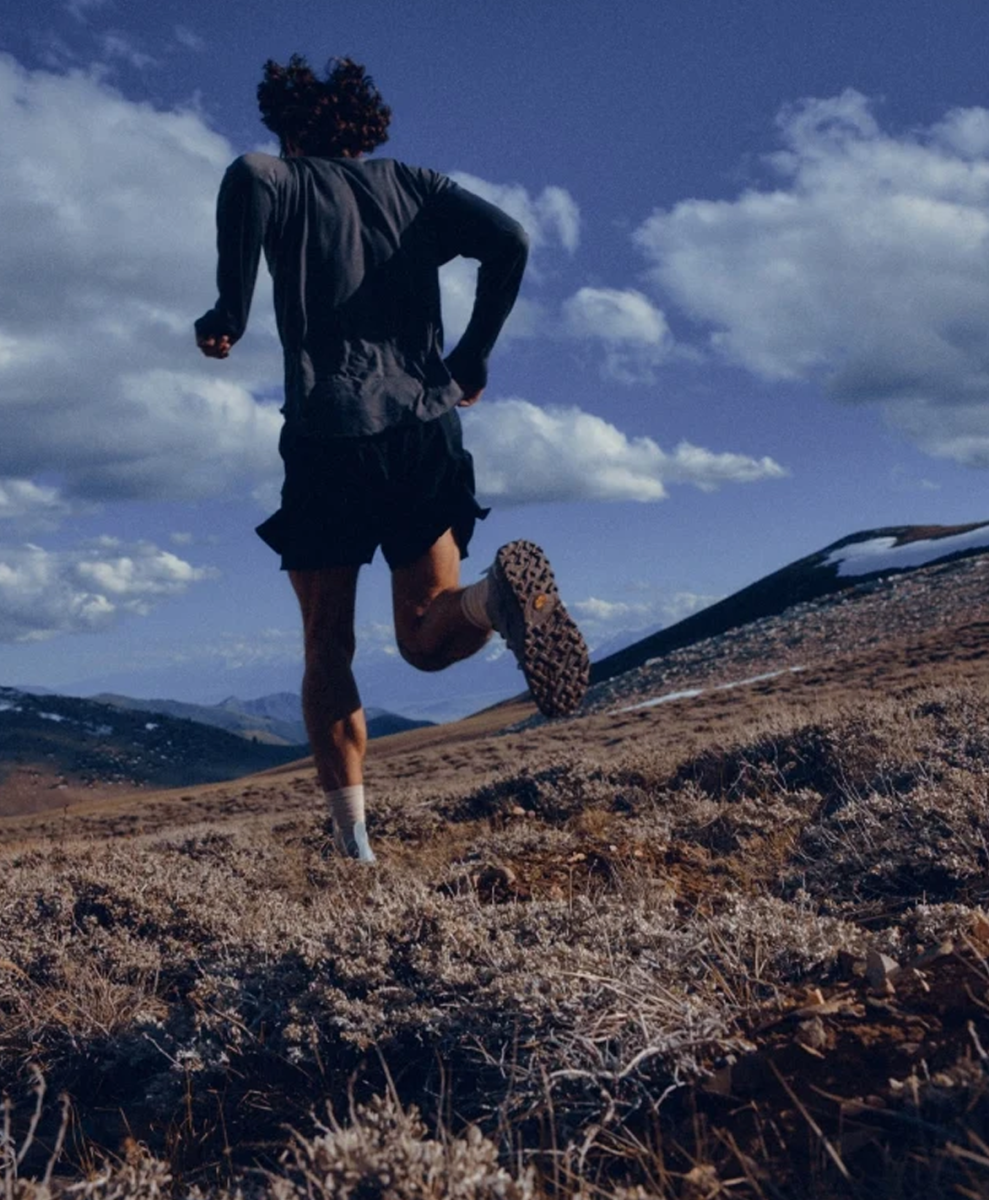
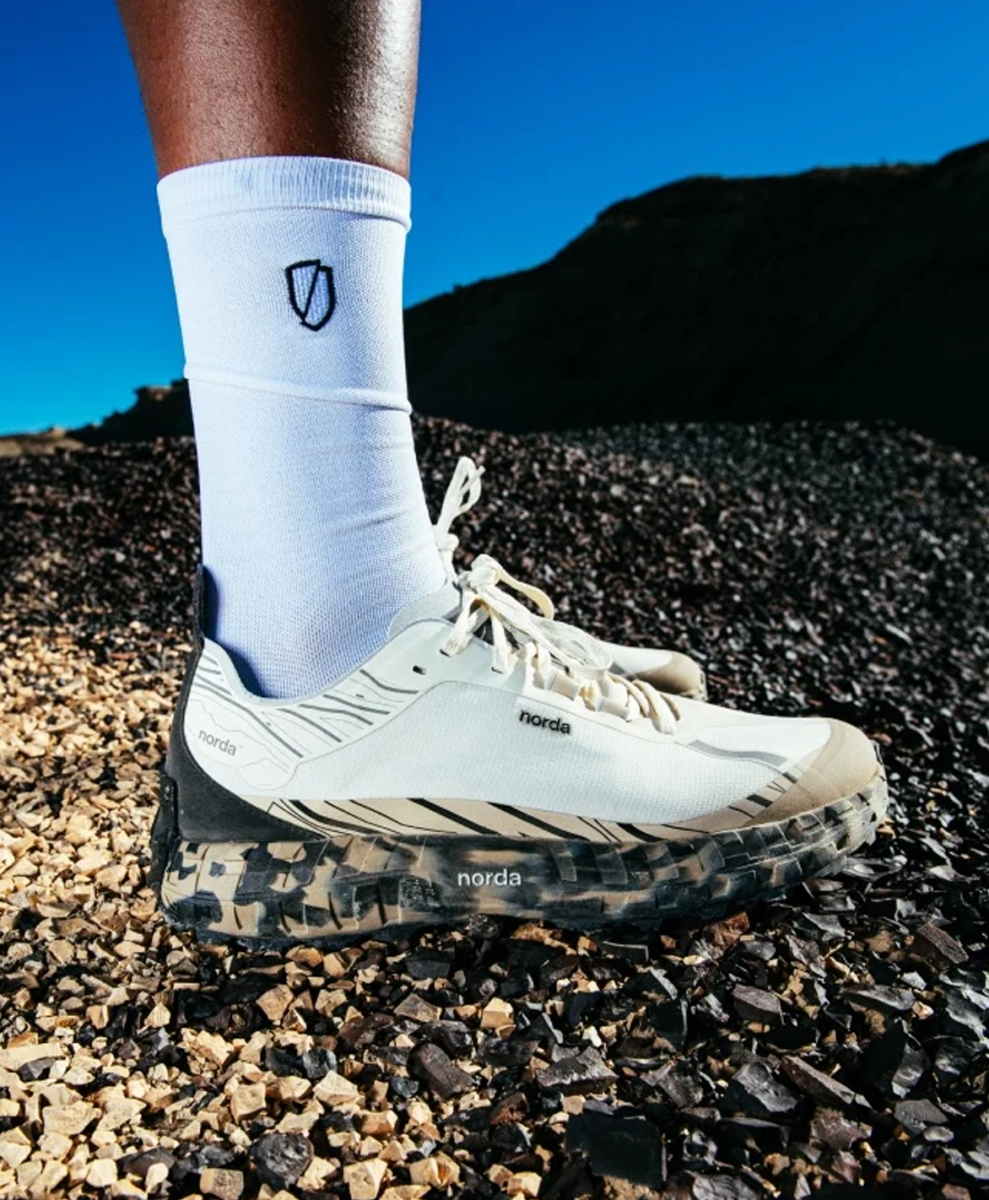
The pandemic accelerated things further. Outdoor pursuits became increasingly popular, comfort took precedence over formality, and the distinction between performance clothing and everyday fashion grew blurrier. Meanwhile, the wider shift towards technical, heavily detailed footwear created fertile ground for brands such as HOKA, Norda and Salomon to flourish outside their intended sporting environments.
What's interesting is that trail runners have now largely outgrown the trend that brought them into fashion. You no longer need to dress like an alpine rescue volunteer to wear them convincingly. They're just trainers now. And, for a growing number of people, they've replaced the conventional sneaker altogether. Here are some of the best styles available right now.
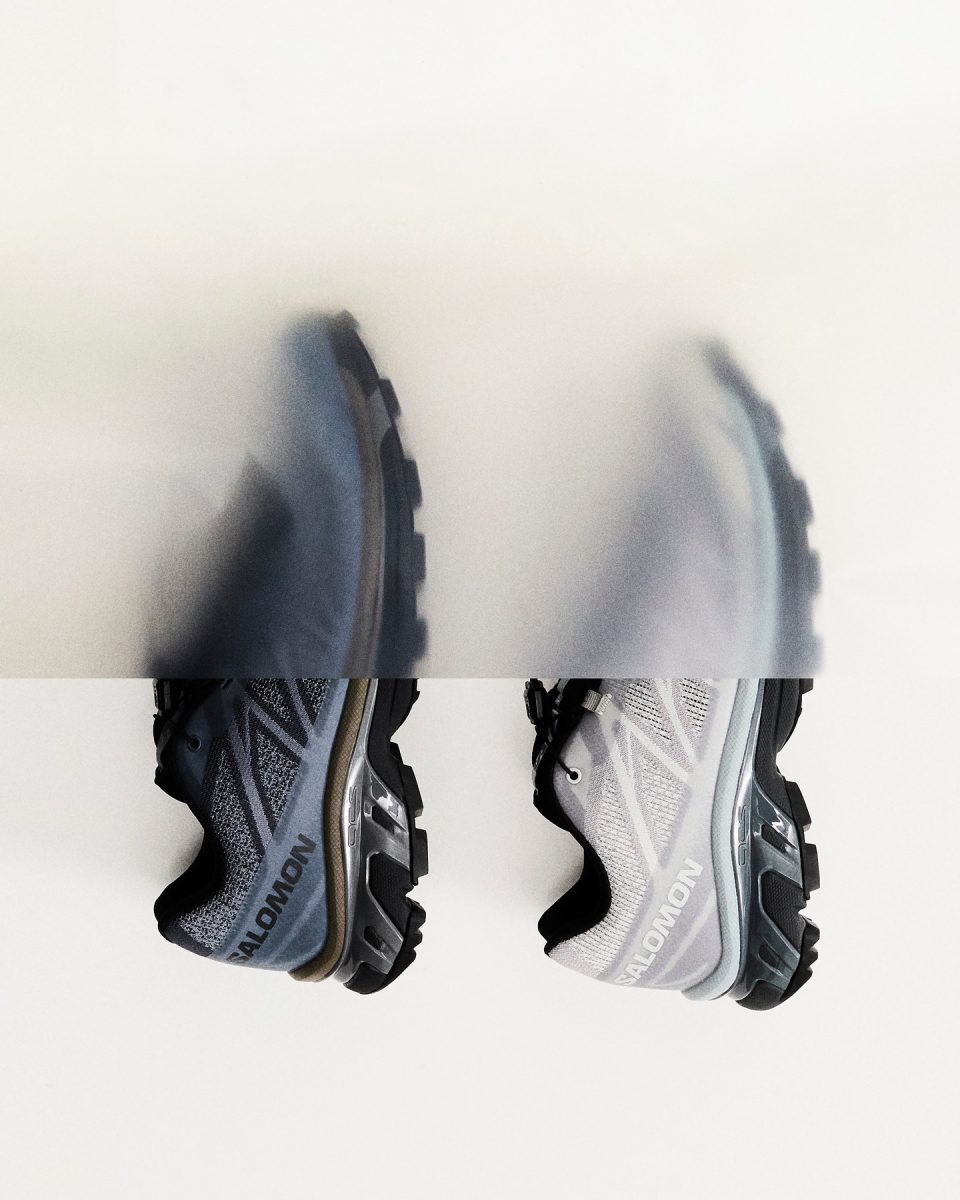
Salomon
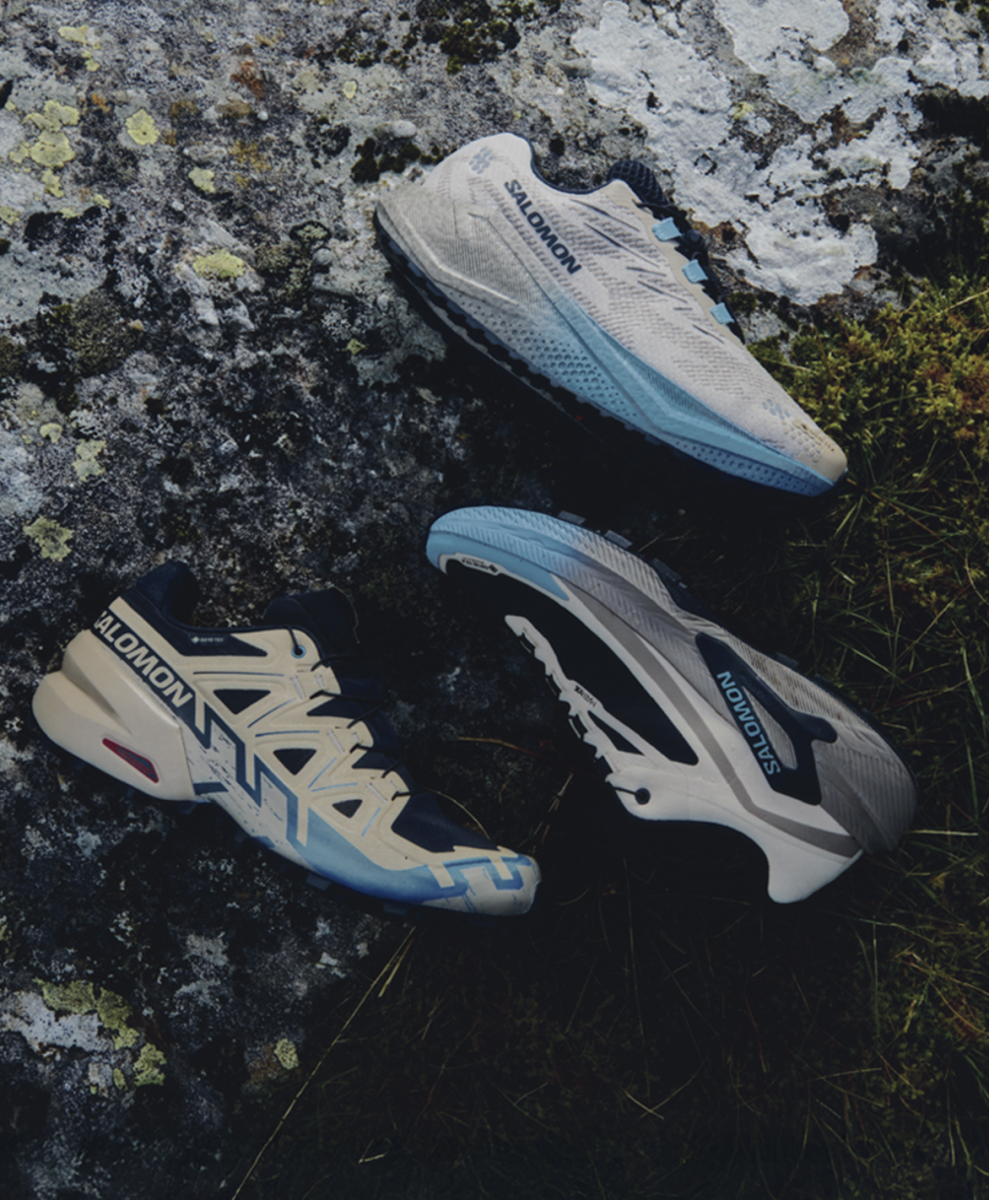
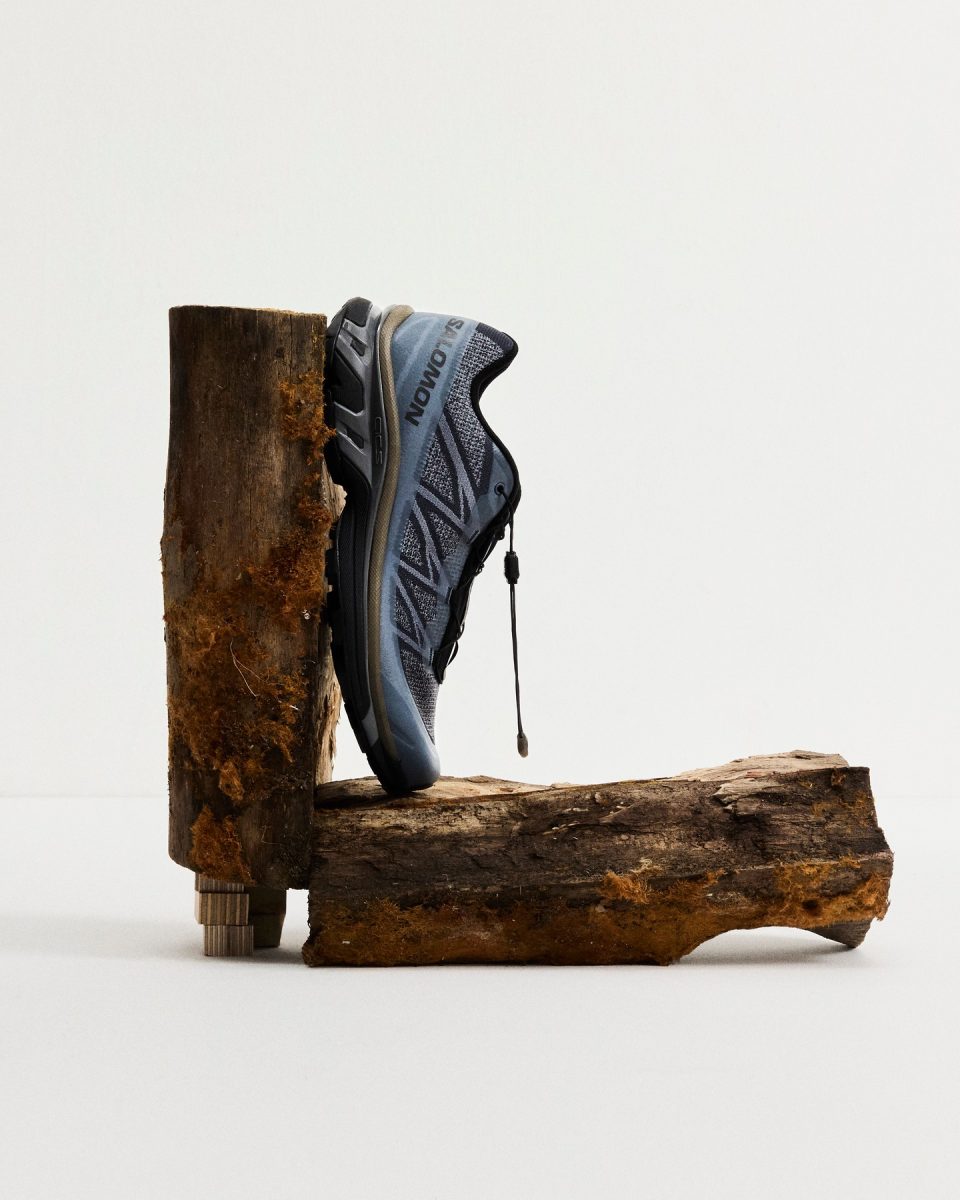
Few brands have done more to drag trail running footwear out of the mountains and onto city streets than Salomon. The French outdoor specialist's XT-6 has become something of a modern classic, its distinctive overlays, Quicklace system and technical silhouette making it instantly recognisable. Originally designed for ultra-distance running, it's now arguably more at home in a trendy Copenhagen café than halfway up a mountain. The XT-4 and ACS Pro are worth a look too, particularly if you like your footwear to resemble something developed by a team of aerospace engineers.
HOKA
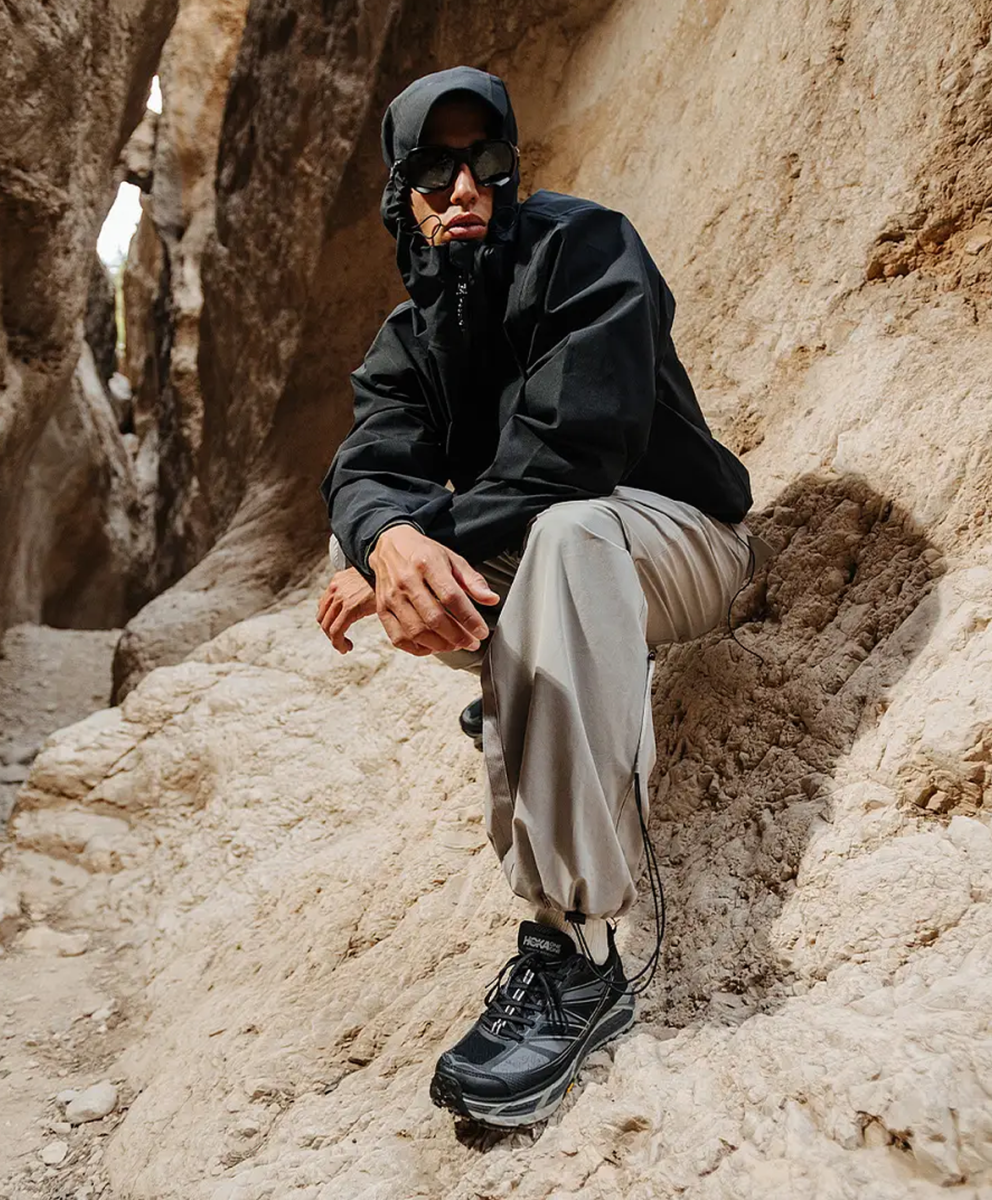
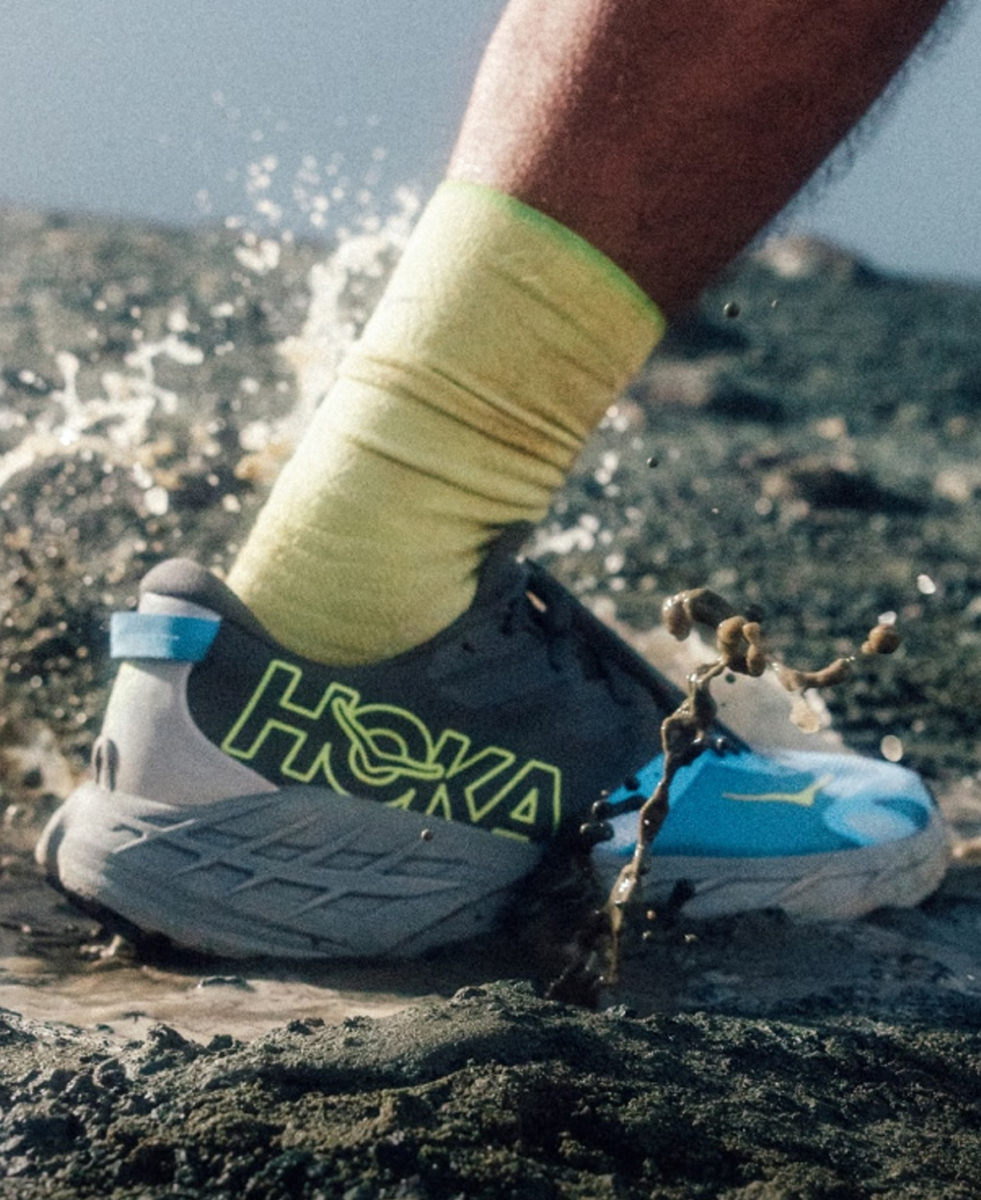
When HOKA arrived on the scene in 2009, its enormous, heavily cushioned soles looked almost comically out of step with the minimalist running-shoe movement of the time. Turns out the founders were onto something. The brand's maximalist approach eventually caught on with runners and fashion enthusiasts alike, and its trail models have become particularly popular as everyday footwear. The Speedgoat is the obvious starting point, offering chunky proportions, Vibram grip and enough cushioning to make a trip to the corner shop feel like walking on a mattress.
La Sportiva
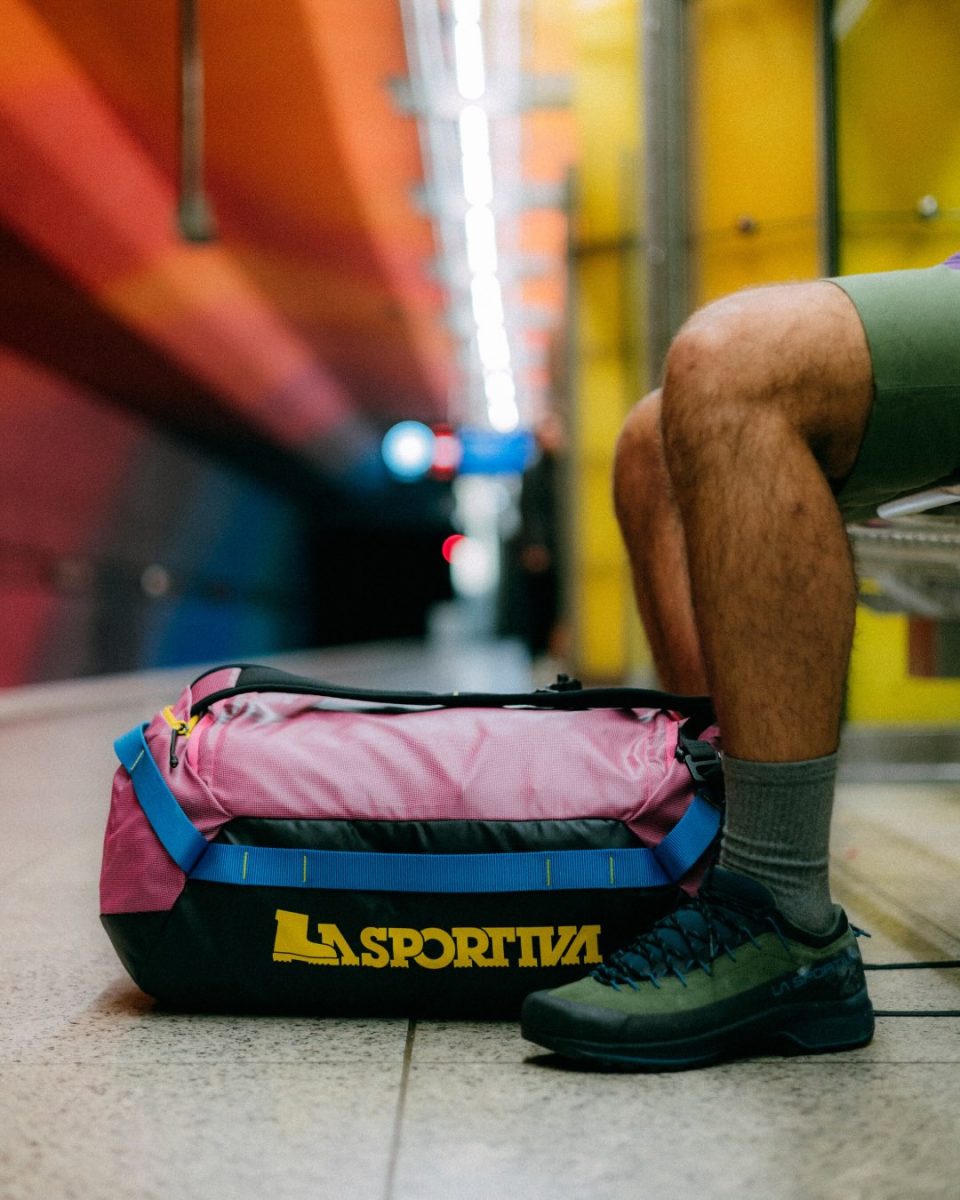
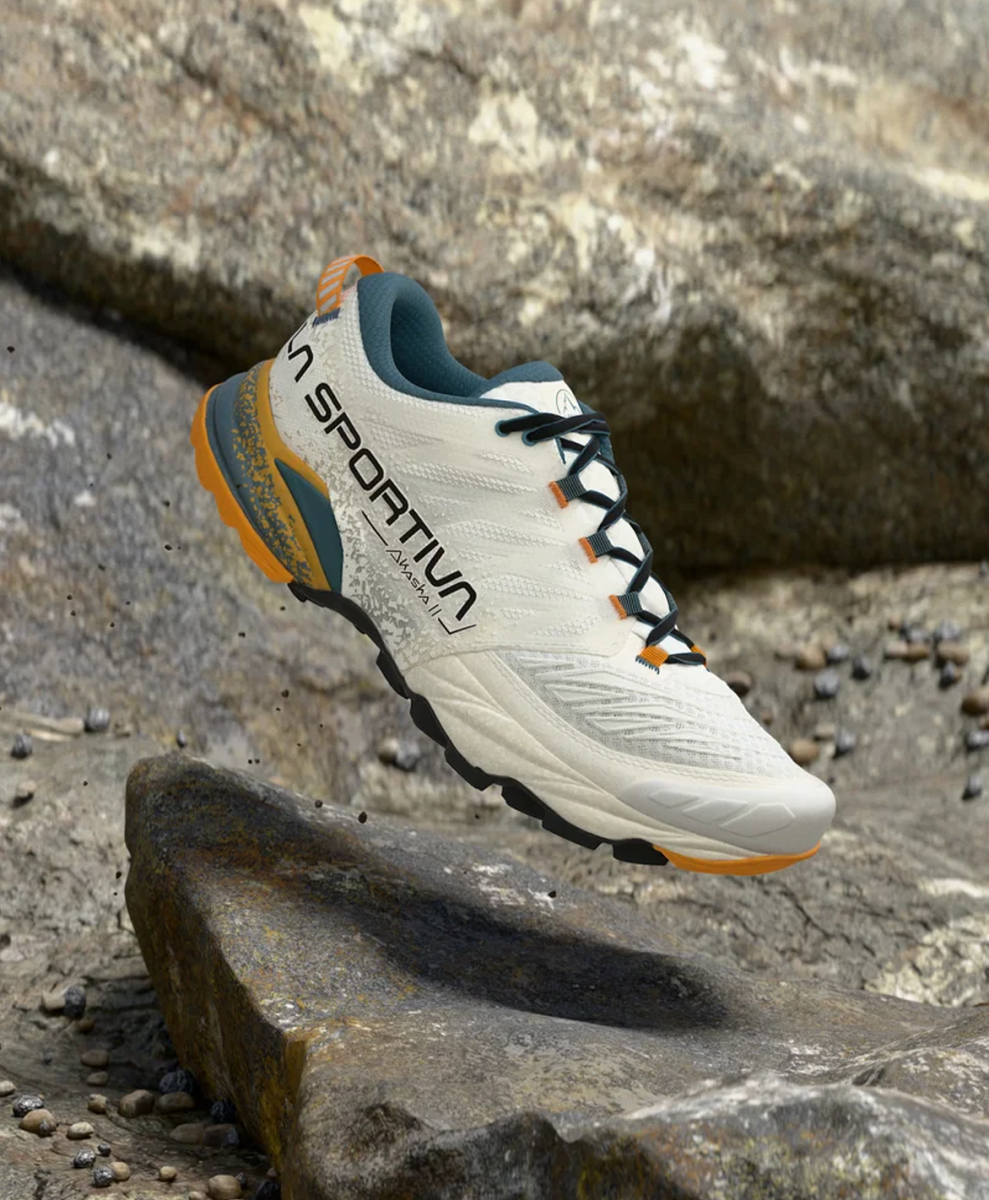
Unlike some of the other names on this list, La Sportiva hasn't had to reinvent itself as a fashion brand. The Italian company has been making mountain footwear since the 1920s, and its trail shoes still look like serious equipment first and foremost. That's precisely the appeal. Models such as the Ultra Raptor and Bushido have the sort of purposeful, no-nonsense aesthetic that makes them interesting alongside relaxed trousers and technical outerwear. They're also genuinely capable mountain shoes, should you ever feel inclined to venture beyond the boundaries of Zone 5 on the London Underground.
Norda
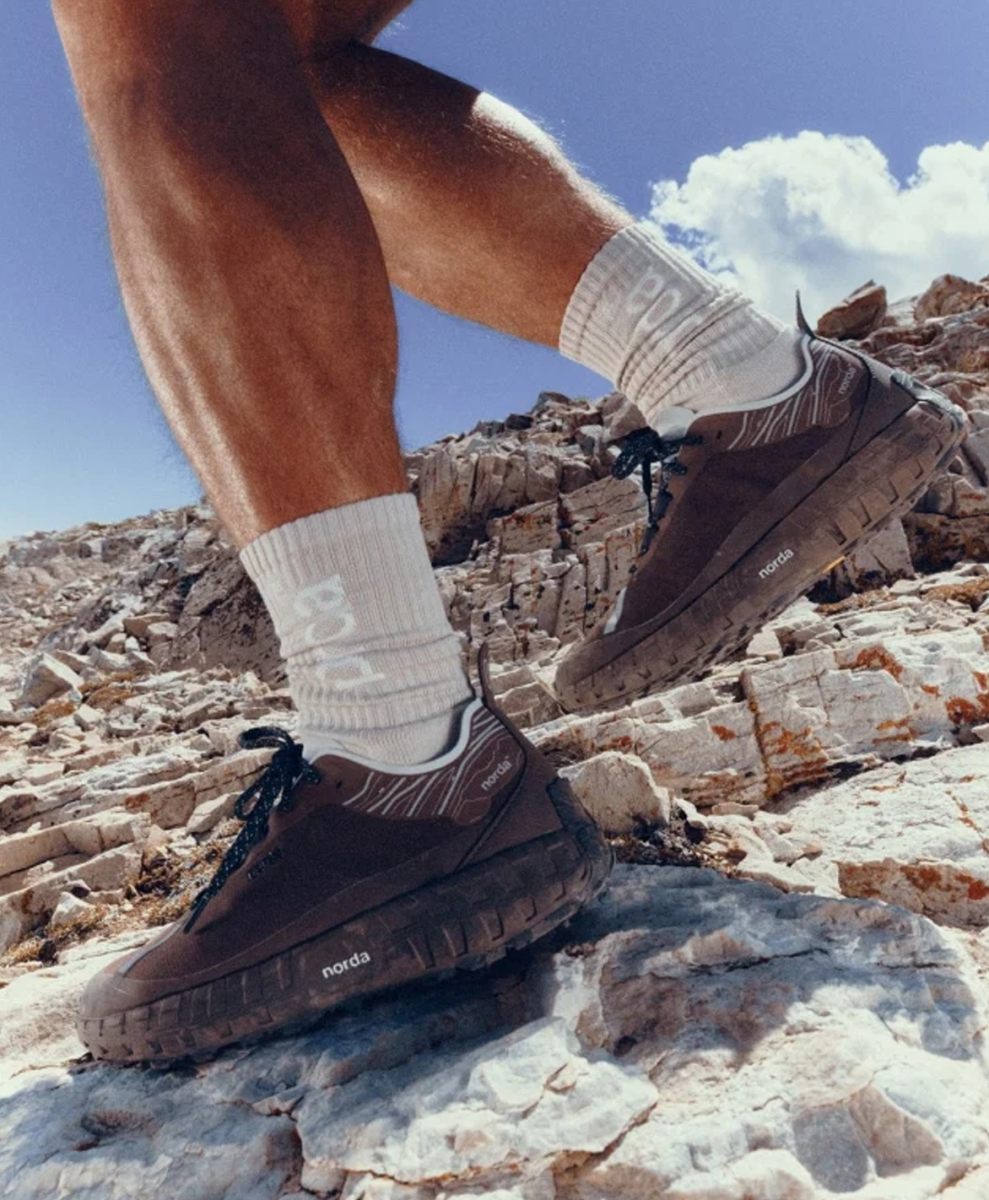
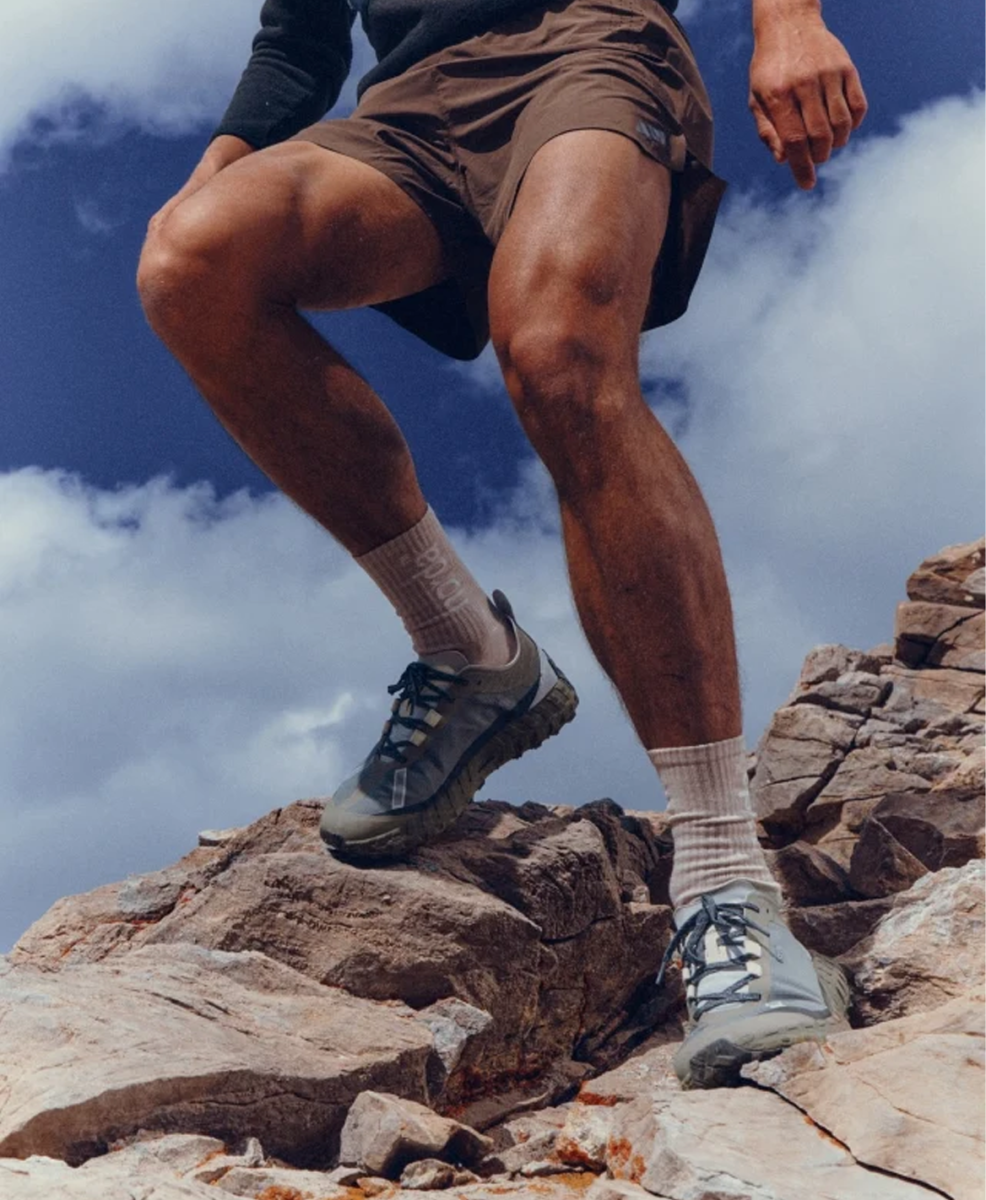
Norda occupies the luxury end of the trail-running spectrum, although there's considerably more substance here than an expensive logo. Founded in Canada, the brand uses advanced materials such as bio-based Dyneema in its uppers, combining exceptional strength with low weight. Its shoes are sleek, understated and almost suspiciously tasteful compared with the more aggressively styled competition. The 001 is the signature model, offering a distinctive blend of technical performance and minimalist design. They're expensive, certainly, but there's a good chance you'll get more questions about them than you would wearing something with a much bigger name.
Arc’teryx
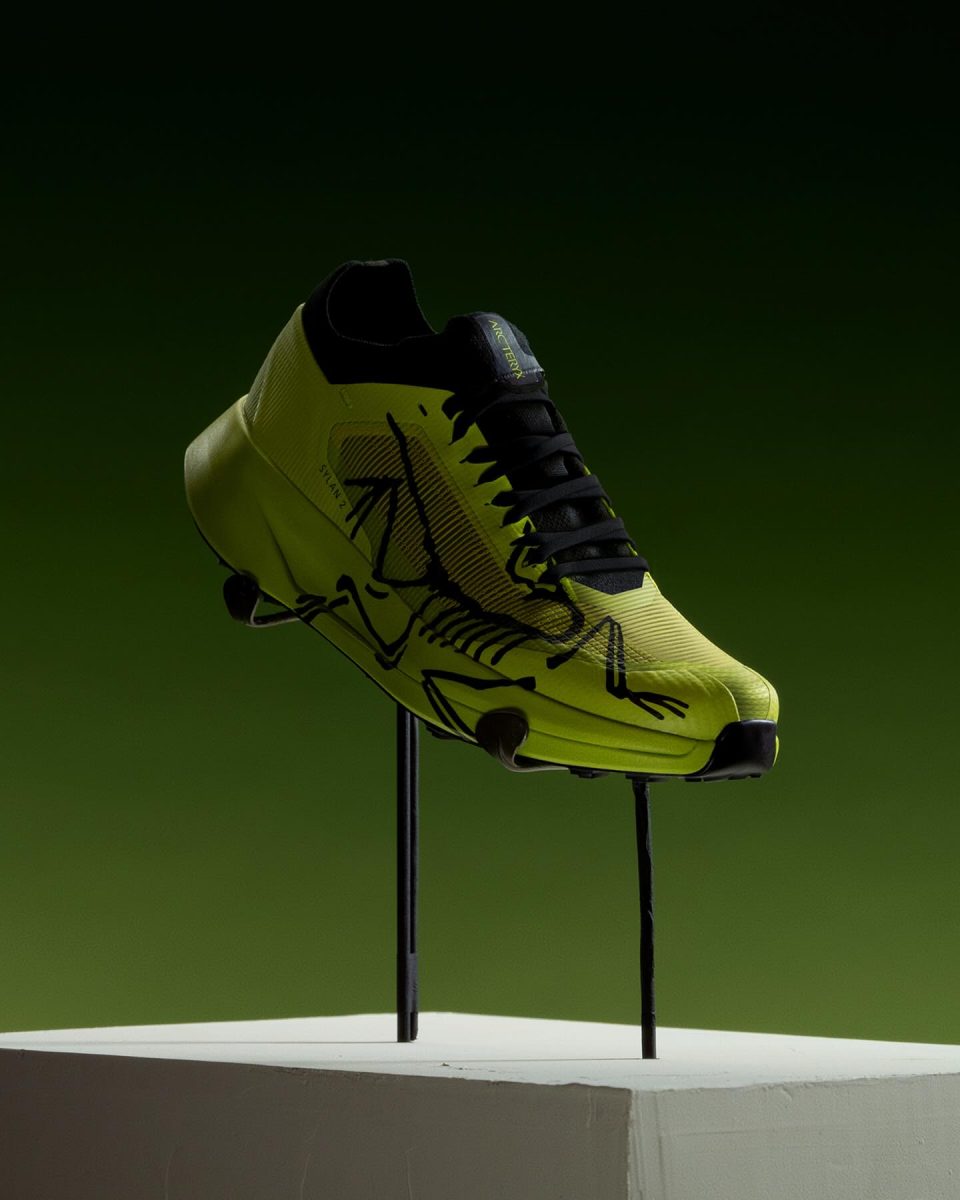
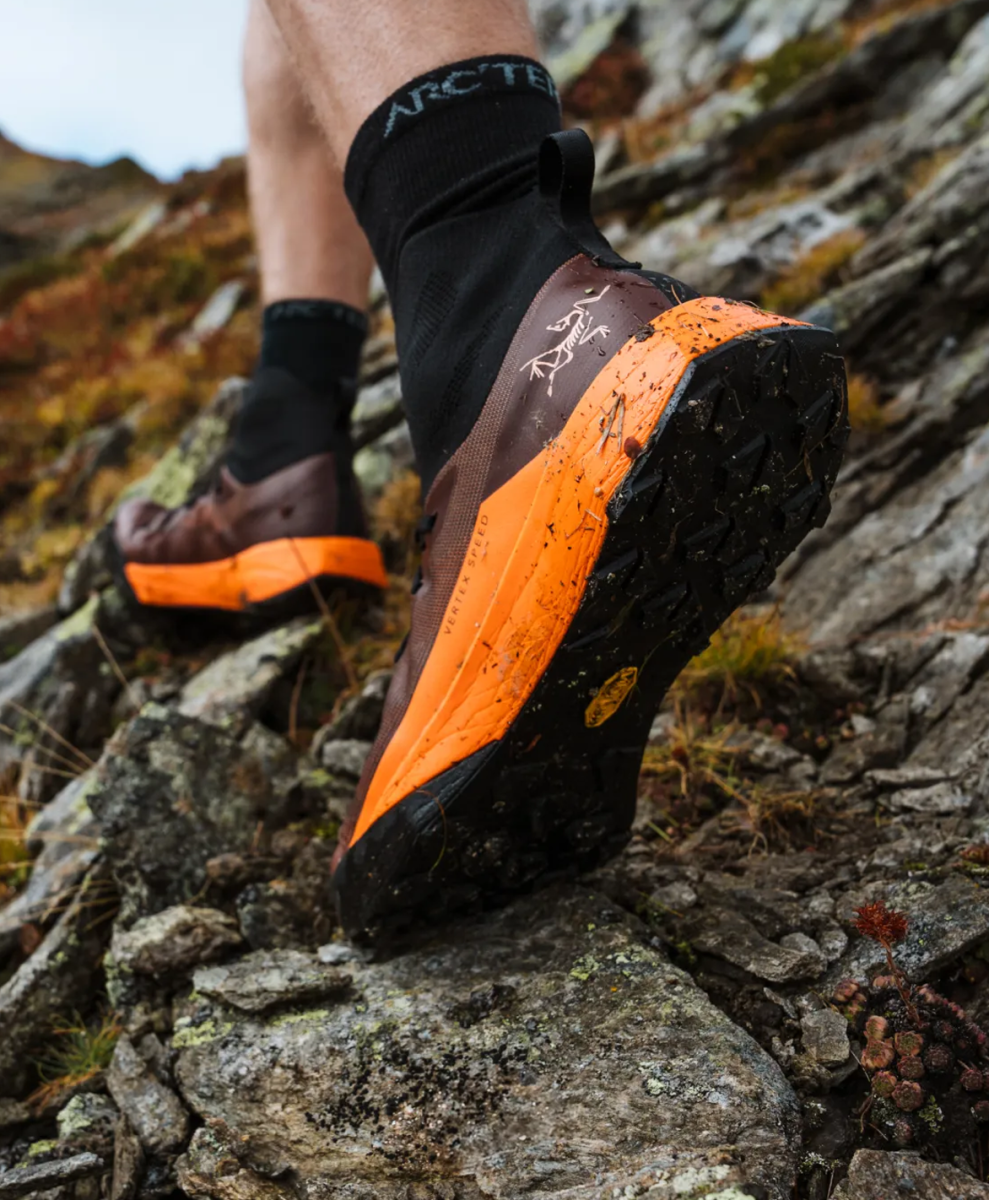
Arc'teryx was making technical mountain gear long before gorpcore became a term used by people who'd never been camping. The Canadian brand's reputation for obsessive attention to detail translates neatly into its footwear, which combines clean, architectural shapes with genuinely useful performance features. The Norvan range is the place to start for trail running, offering lightweight construction, grippy outsoles and a more restrained aesthetic than many competitors. It's the sort of footwear that looks particularly good with wide-leg trousers and a technical shell, although wearing the entire outfit to sit in a pub might be pushing it.
New Balance
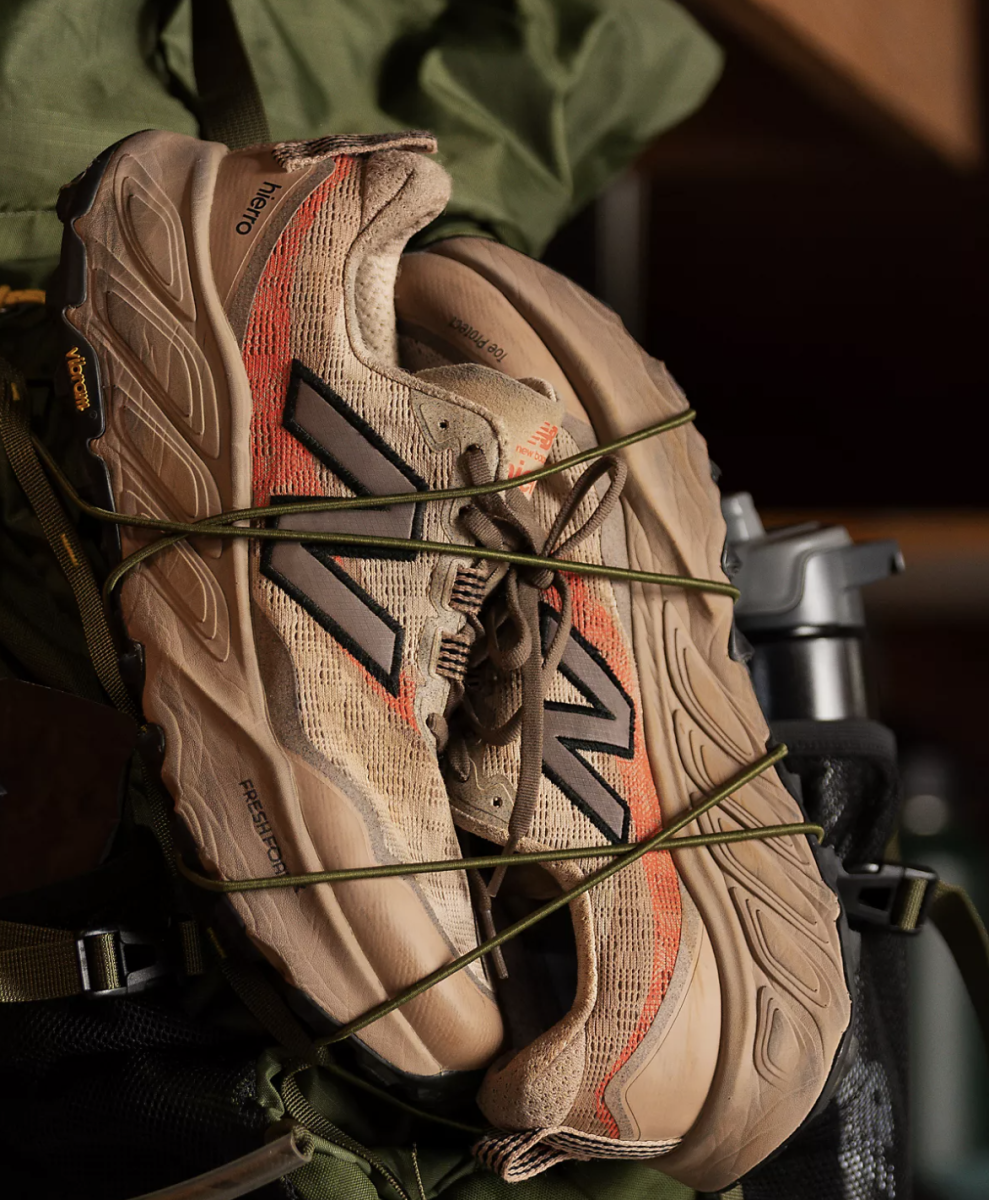
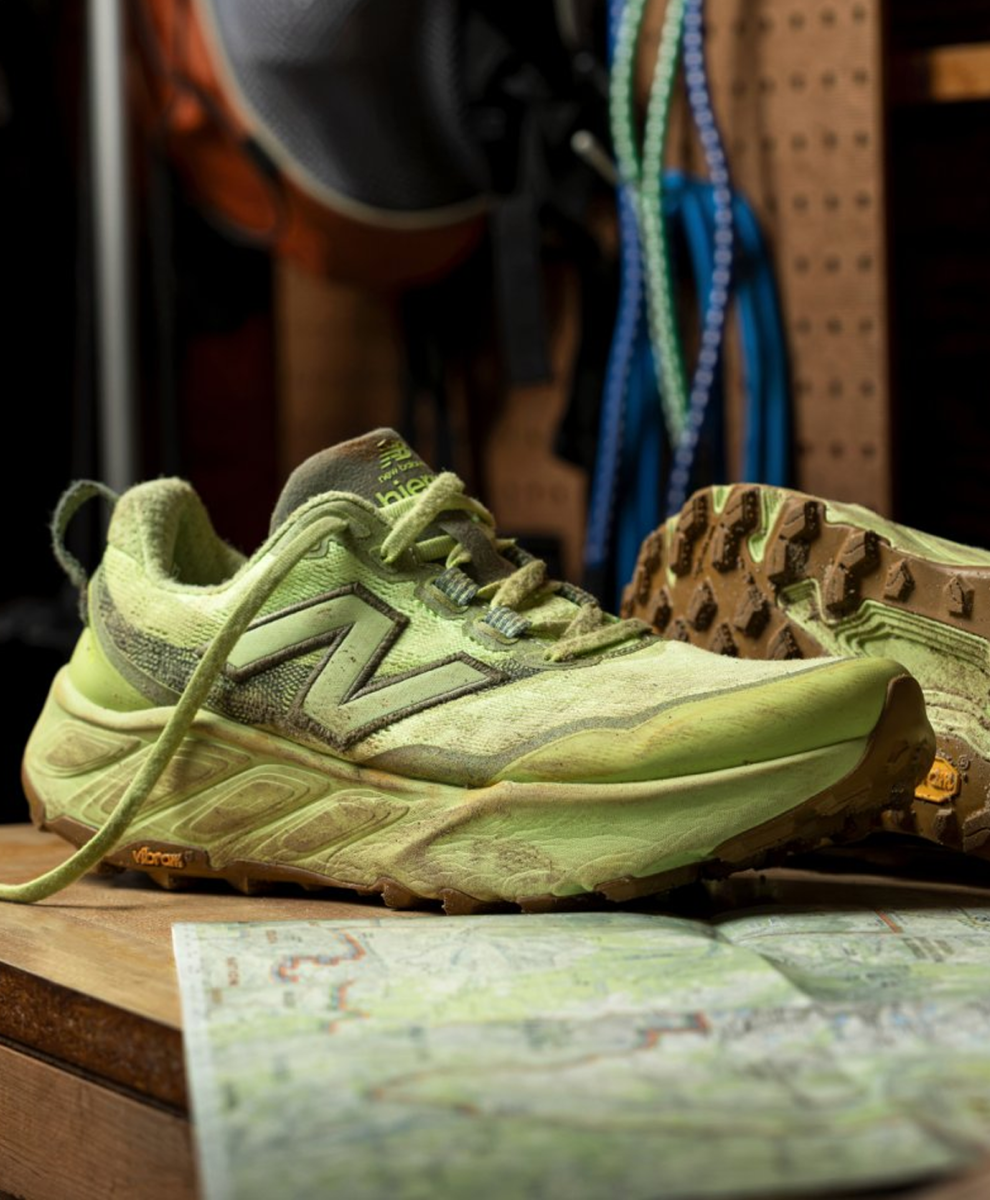
New Balance has spent the last few years reminding everyone that it knows a thing or two about making good-looking trainers. Its trail-running footwear is less celebrated than its retro lifestyle models, but there's plenty worth exploring. The Fresh Foam X Hierro range combines generous cushioning with Vibram outsoles, while the brand's more experimental outdoor designs lean into the technical aesthetic that has become so popular. If you already own several pairs of 990s and fancy something a little more adventurous, this is a logical next step. Think of it as graduating from the pavement to the footpath.
Altra
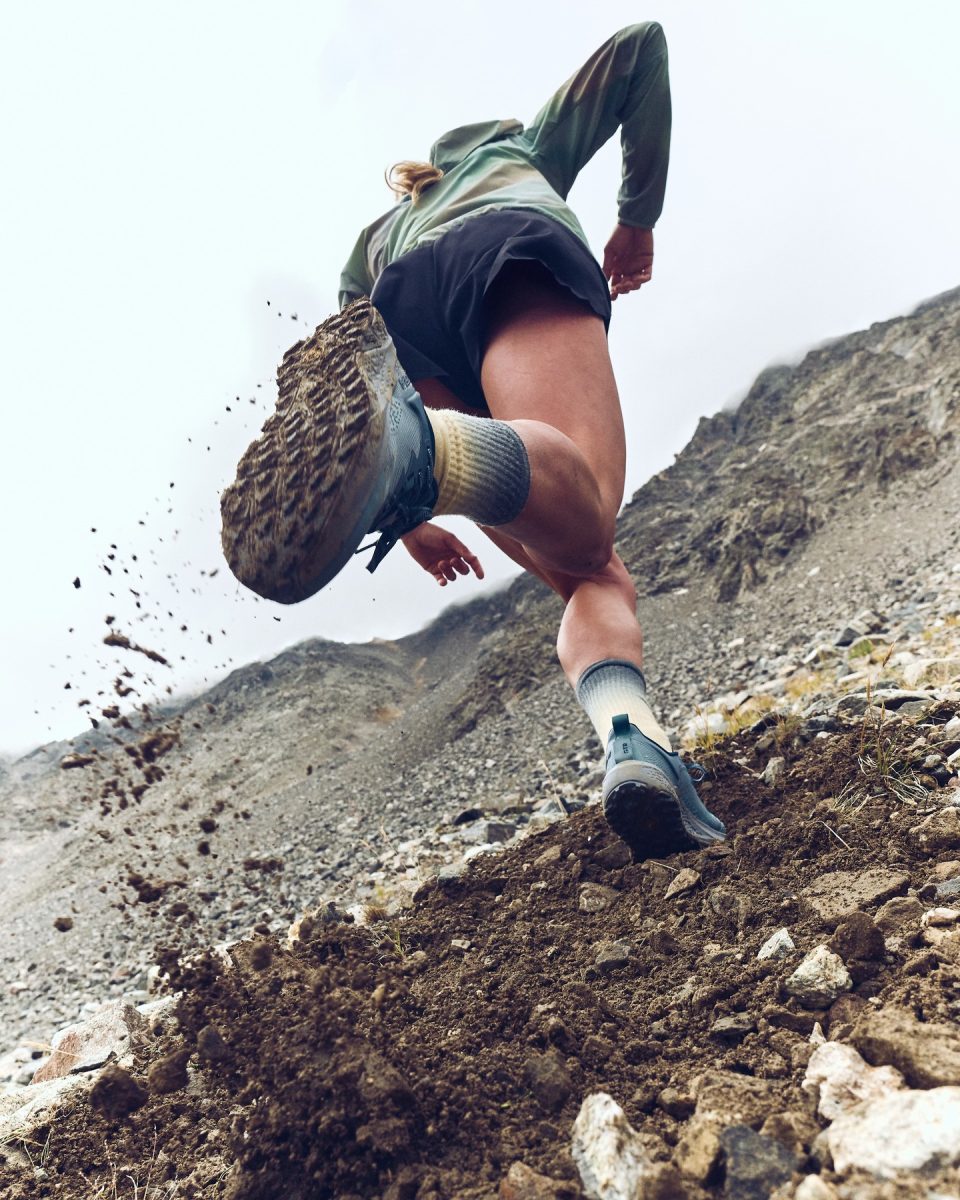
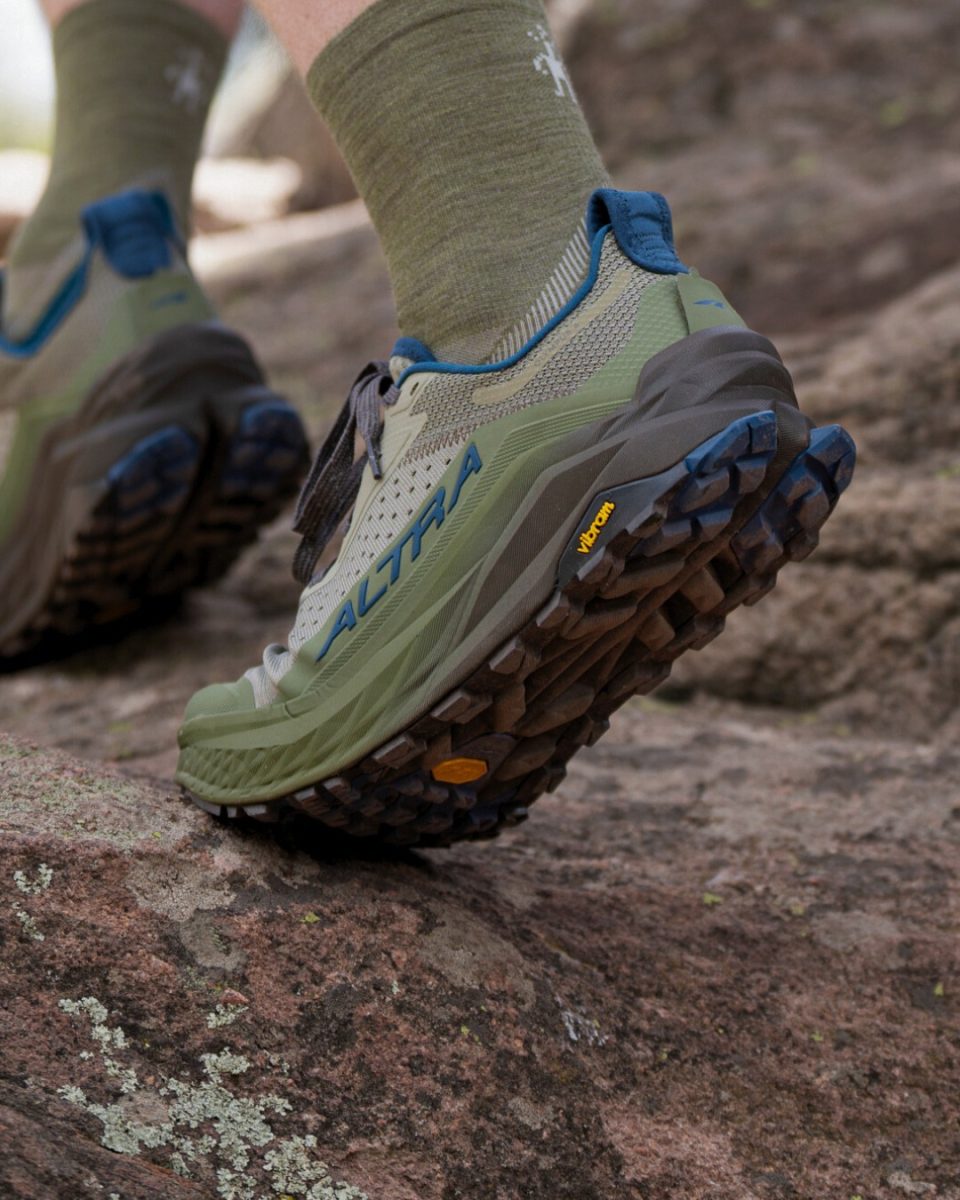
Altra has always done things a little differently. The American running brand is best known for its foot-shaped toe boxes and zero-drop platforms, which position the heel and forefoot at the same height. The result is footwear that looks noticeably different from conventional trainers, particularly around the front. Its Lone Peak is something of a cult favourite among trail runners and long-distance hikers, but the distinctive proportions also make it an interesting everyday option. There's something appealing about a shoe that prioritises the shape of an actual human foot over whatever the footwear industry has decided looks sleek this season.
Mount to Coast
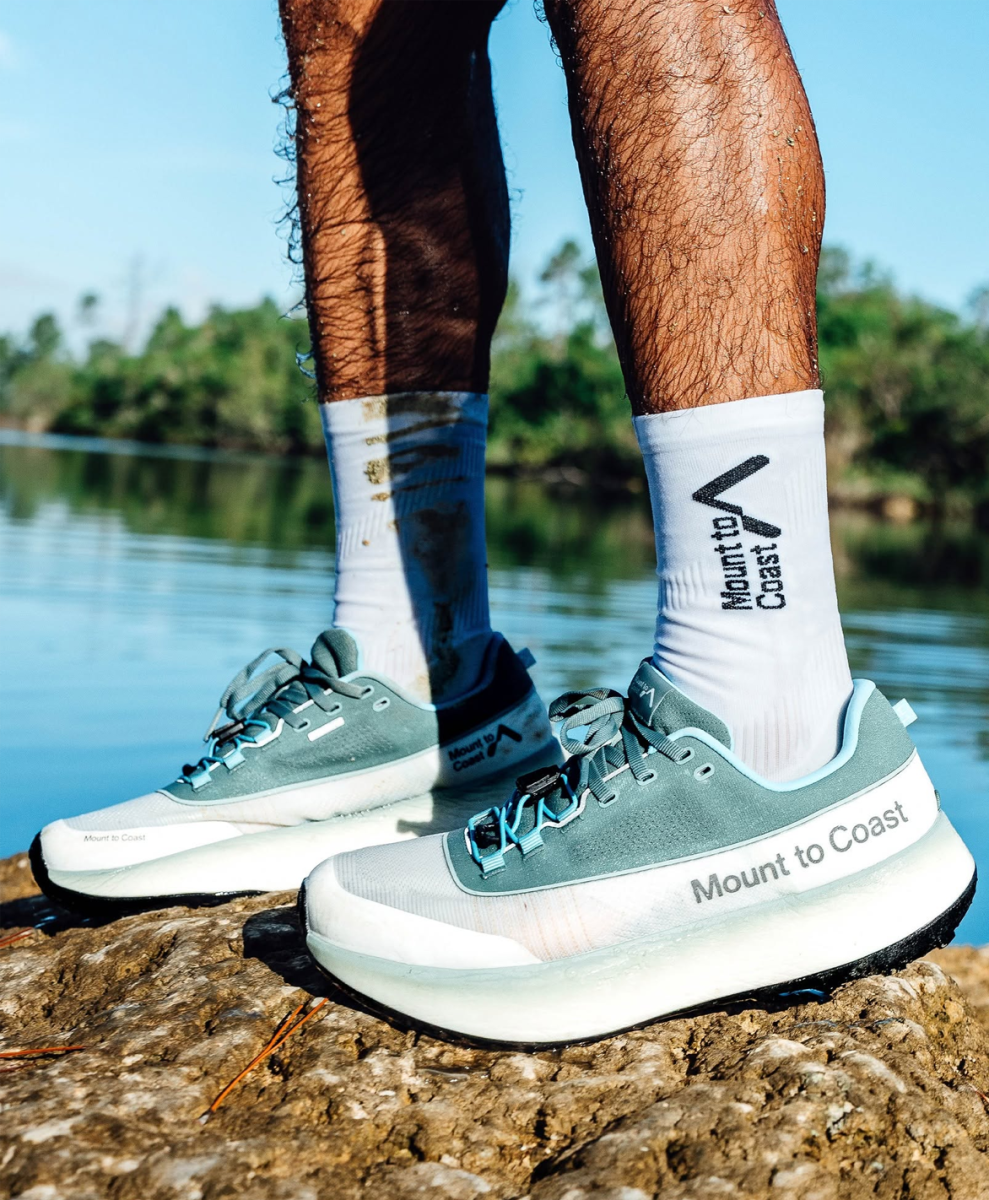
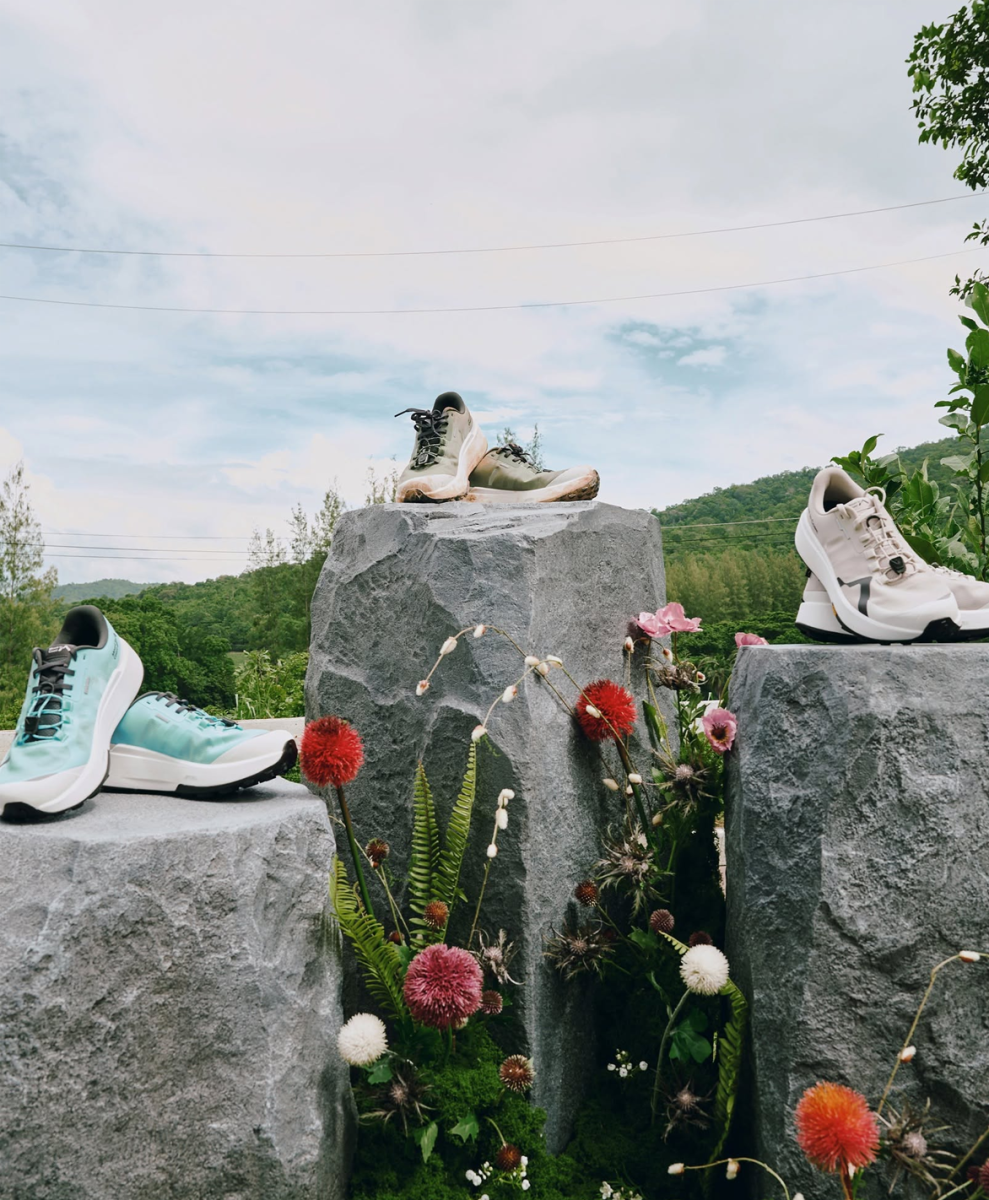
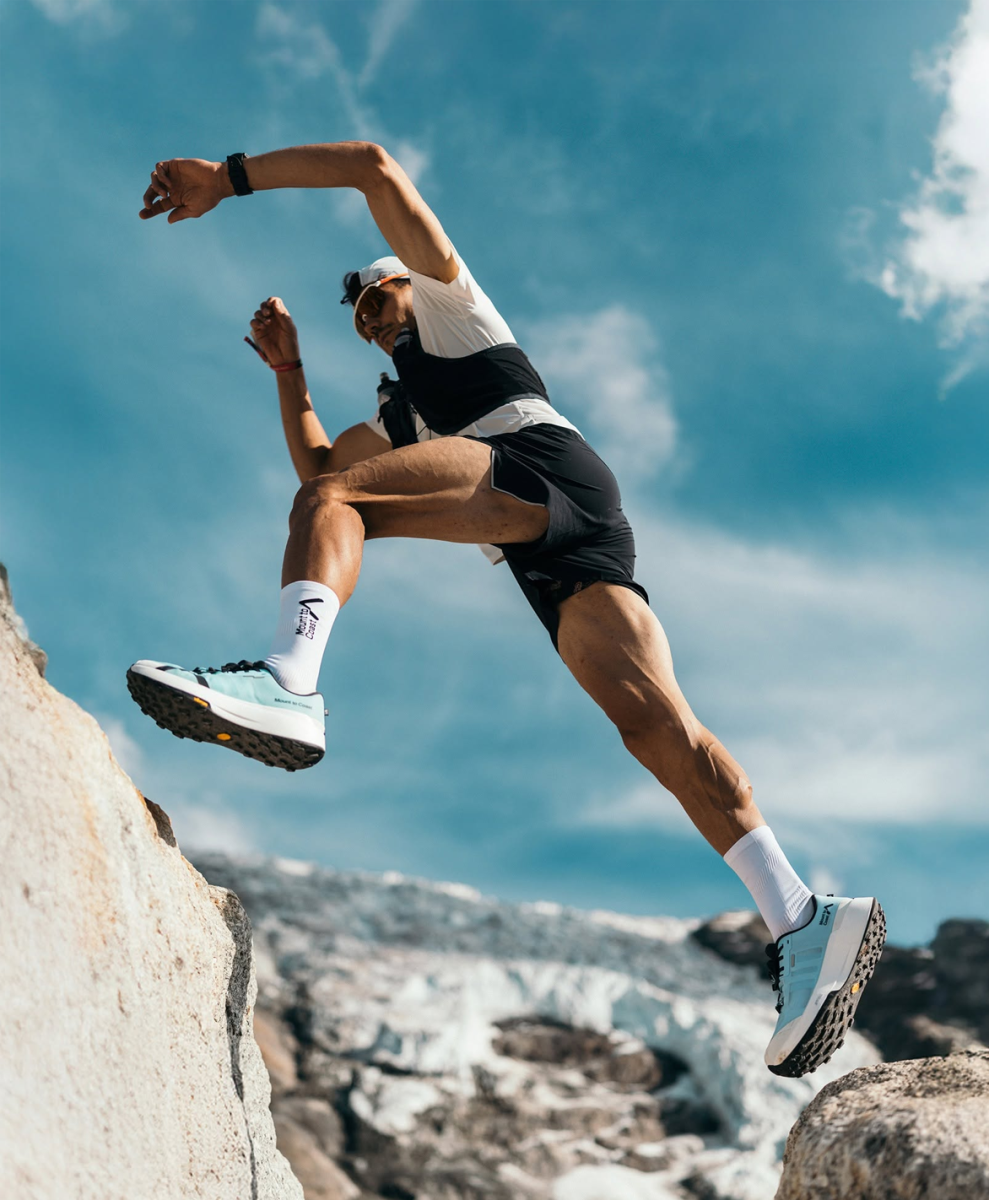
A relative newcomer, Mount to Coast specialises in long-distance running footwear, with an emphasis on comfort, efficiency and durability over extended distances. The brand initially made its name in road ultrarunning before expanding into trail footwear with the T1. Its aesthetic is comparatively understated, avoiding some of the more theatrical design elements that have become commonplace in technical running shoes. That makes it an interesting choice for anyone who likes the idea of performance footwear but doesn't necessarily want their feet to look like two miniature spacecraft.
Nike ACG
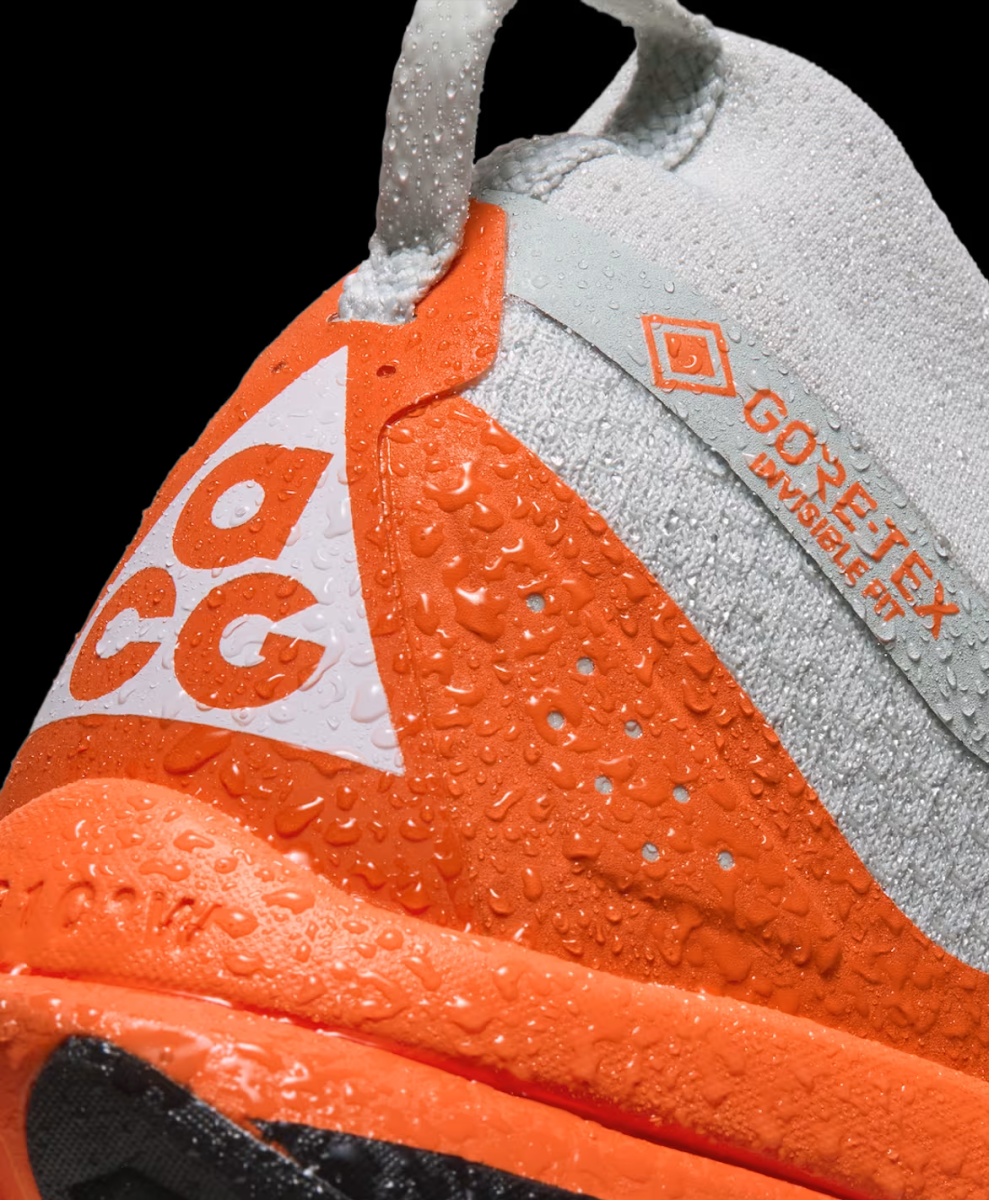
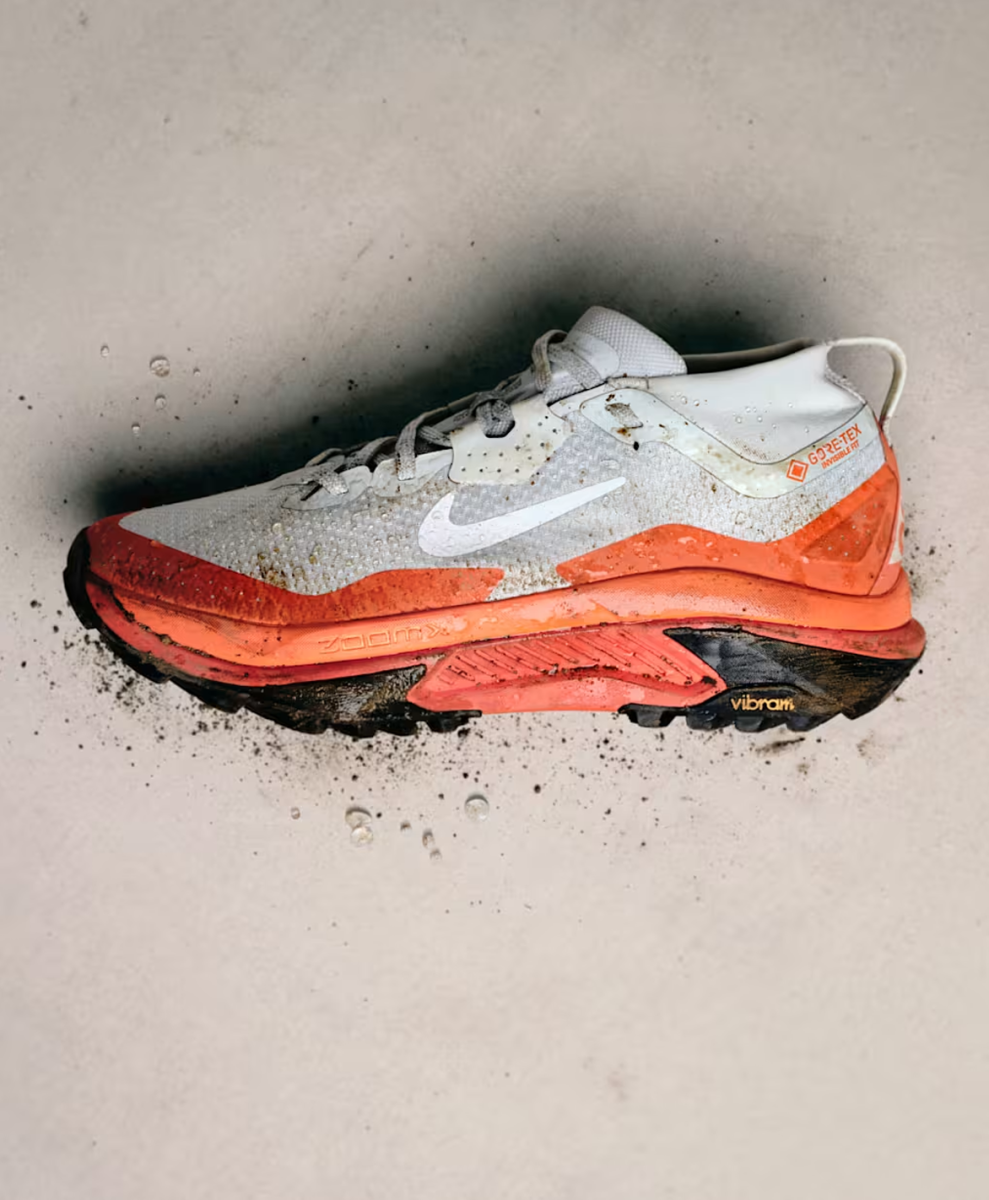
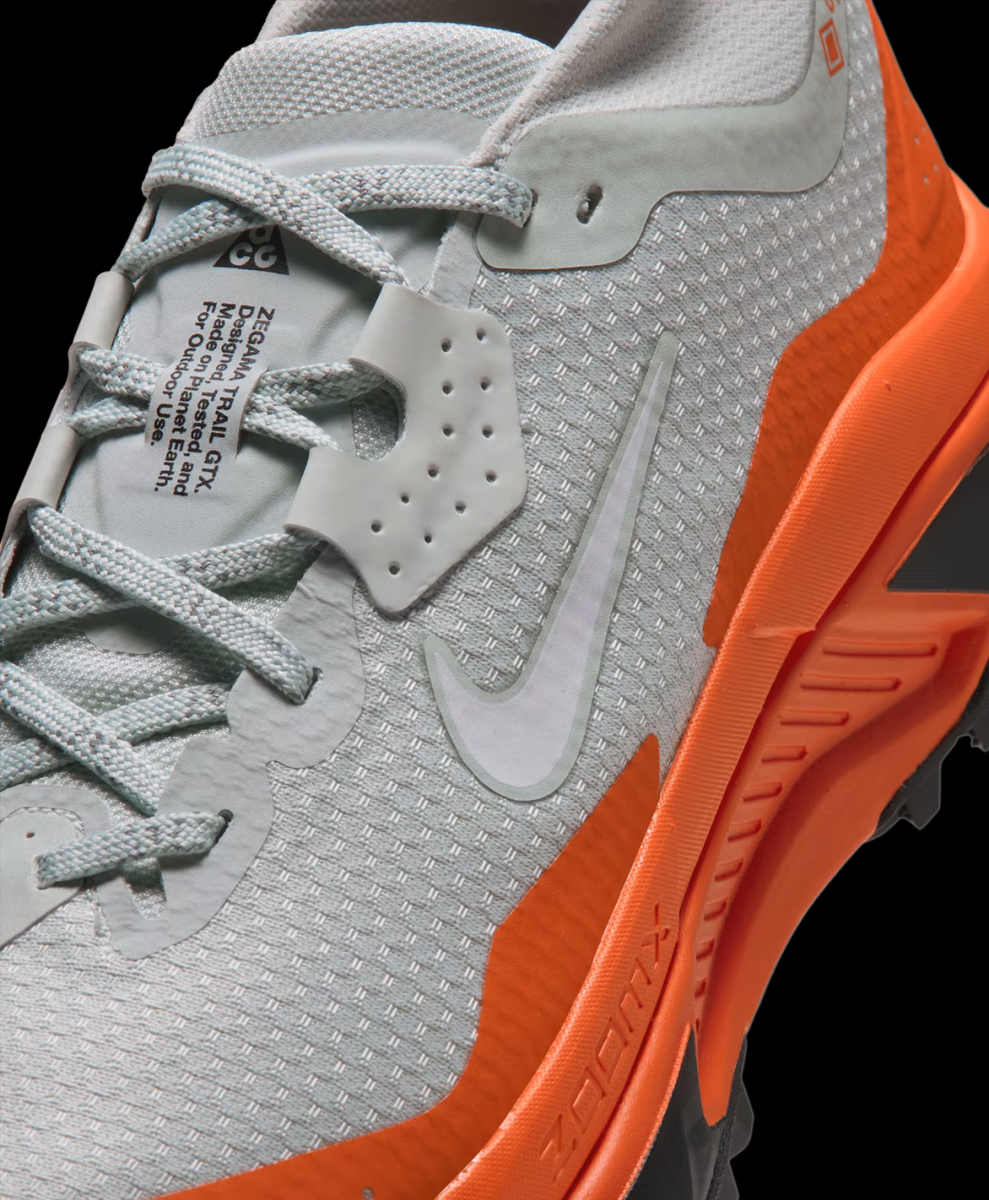
Nike's All Conditions Gear line has been blurring the boundaries between outdoor equipment and everyday fashion since 1989. Over the years, ACG has produced everything from eccentric hiking boots to futuristic trail runners, often with a healthy disregard for conventional footwear design. The current trail-running offering includes models such as the Zegama, which combines substantial cushioning with the sort of technical detailing that makes these shoes so appealing off the trails. ACG also has something many newer outdoor brands lack: a deep archive of strange, wonderful designs that continue to influence the way technical footwear looks today.
Adidas Terrex
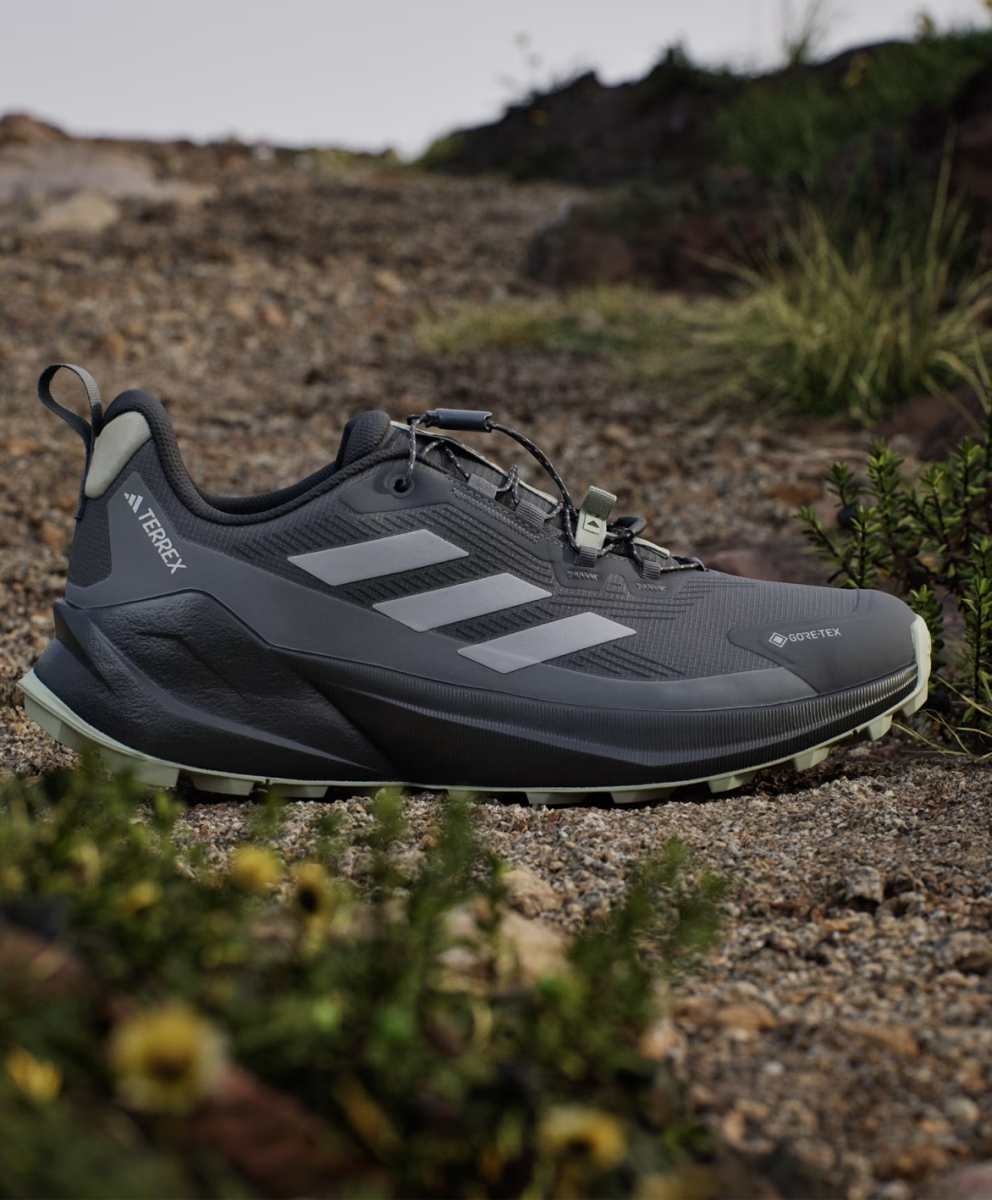
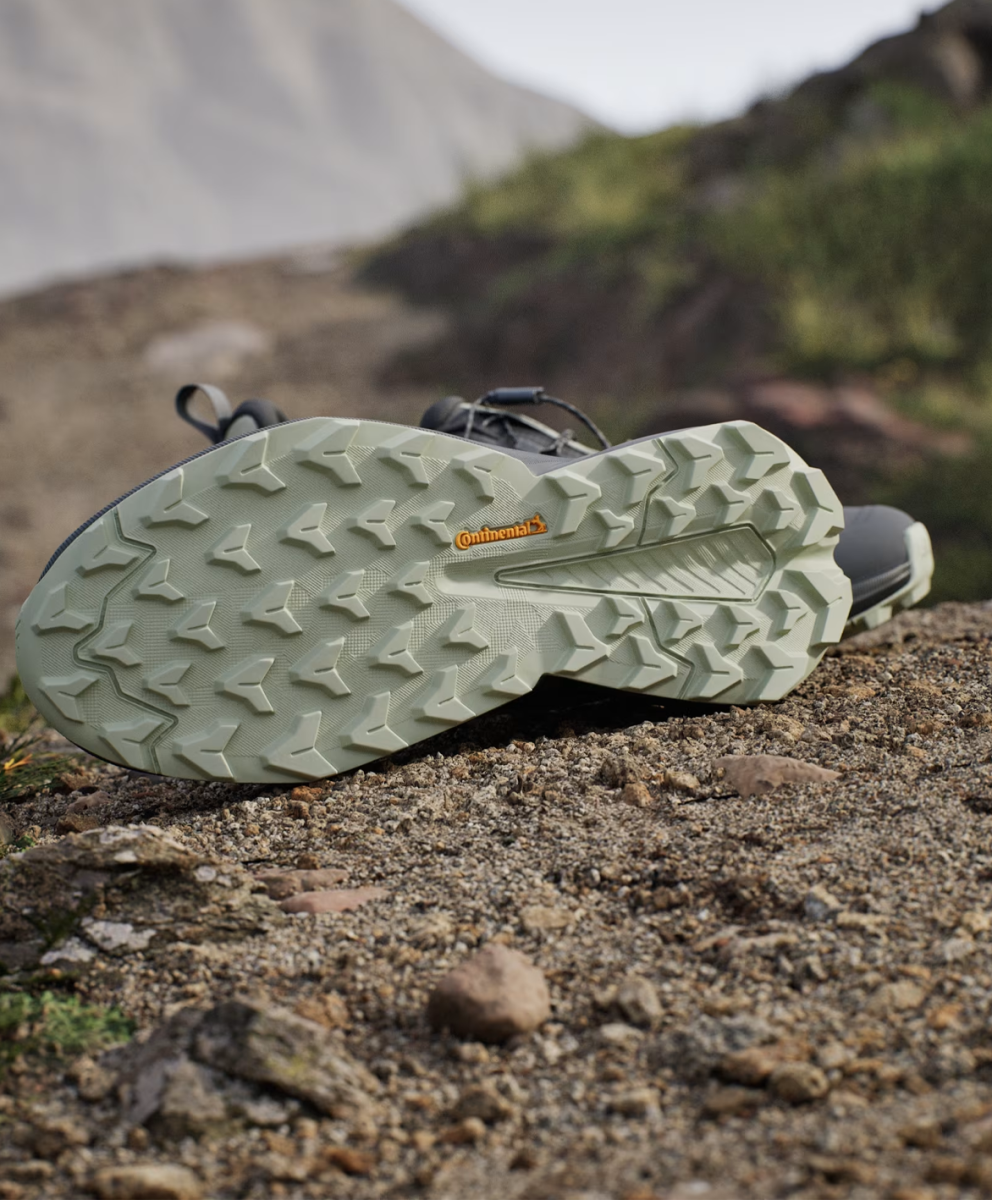
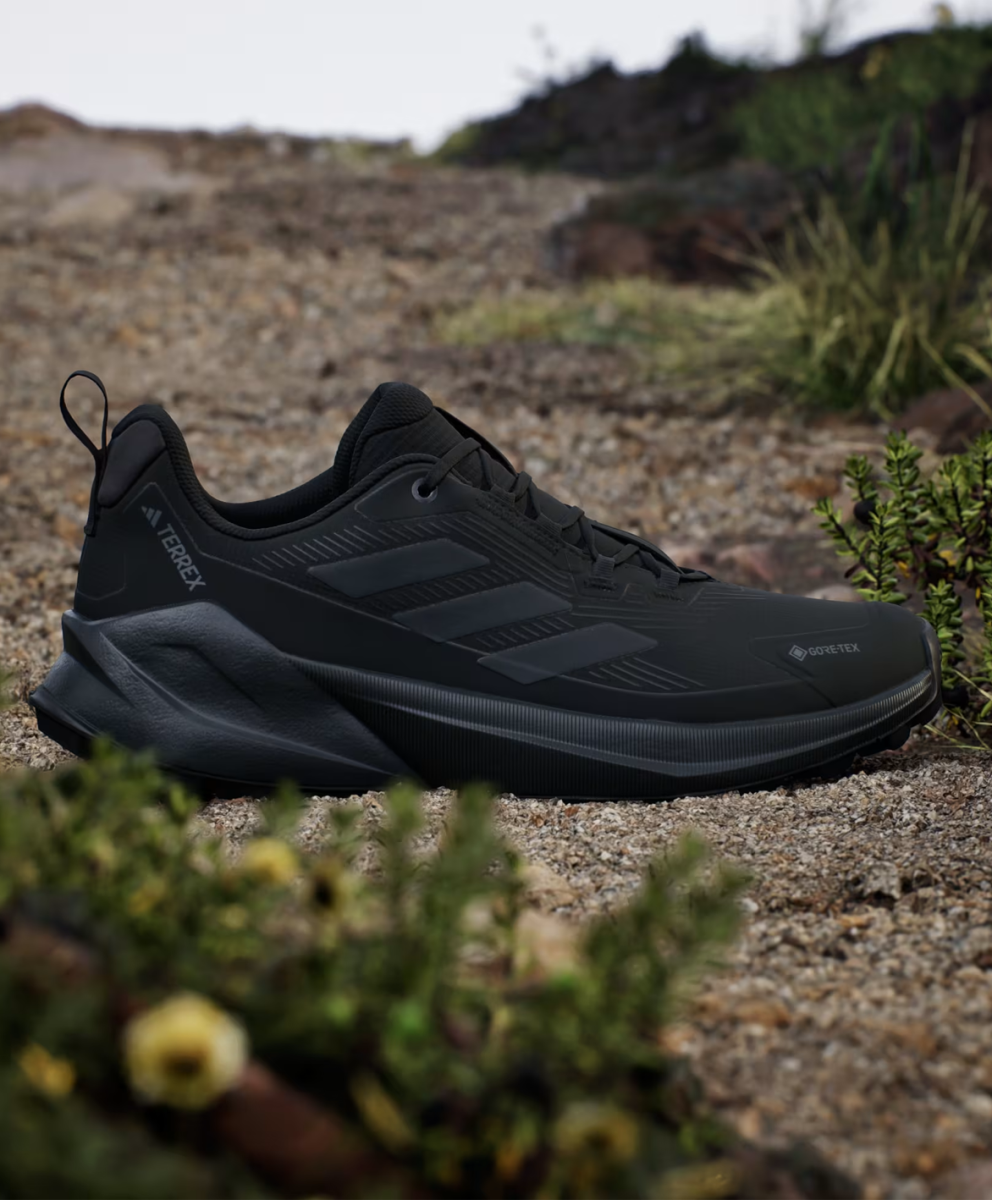
Adidas has been making outdoor footwear for decades, but its Terrex line, launched in 2009, gave the German sportswear giant a dedicated home for its mountain-going equipment. The Agravic range is particularly interesting, borrowing technology from Adidas' road-running shoes and adapting it for off-road use. Expect lightweight uppers, Continental rubber outsoles and, in the more performance-focused models, exaggerated rocker geometries. The Agravic Speed Ultra 2 is a prime example, looking rather like a marathon racing shoe that's developed an unhealthy interest in mountaineering. For those who want something a little less extreme, the standard Agravic models are easier to incorporate into an everyday wardrobe.
NNormal
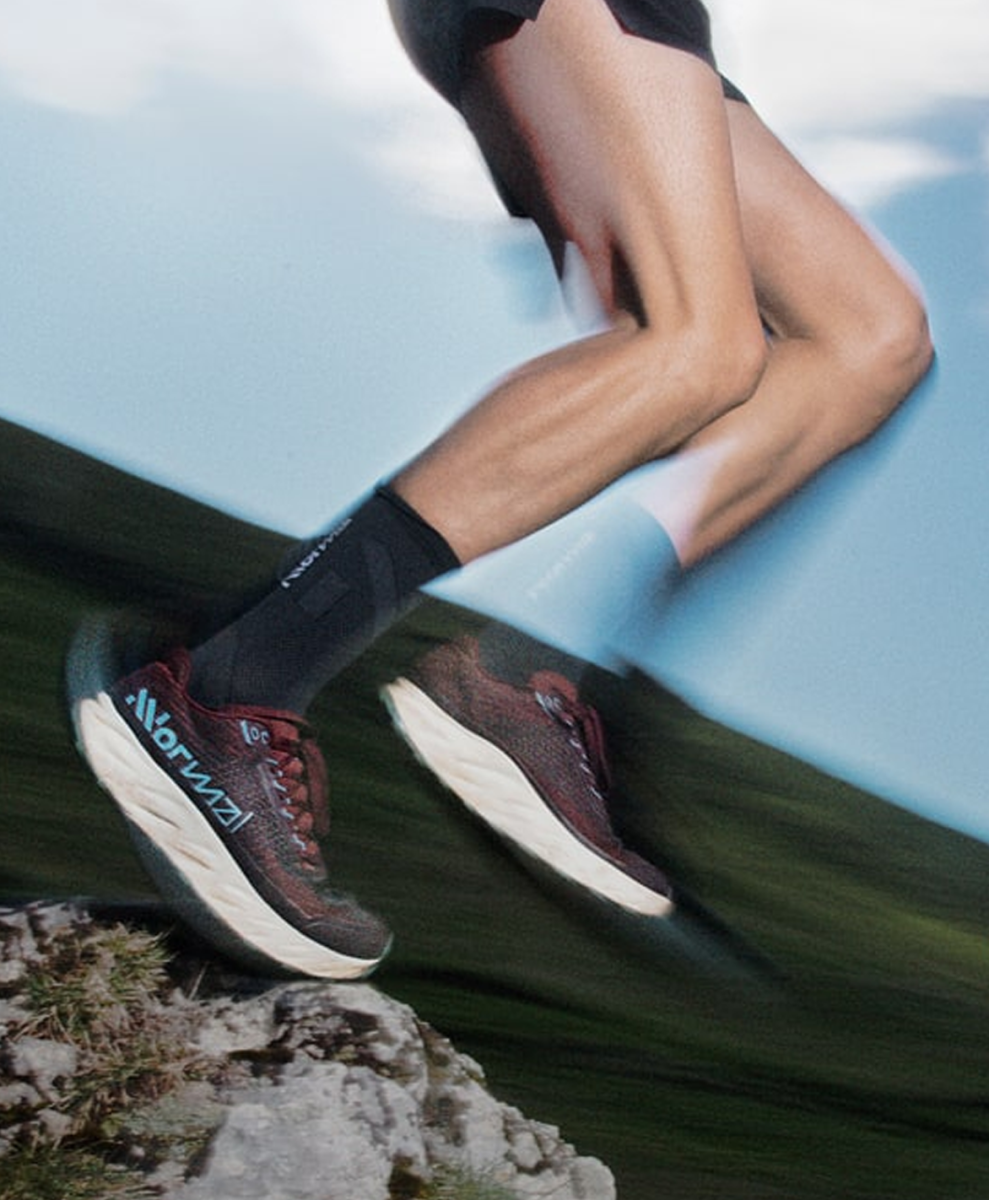
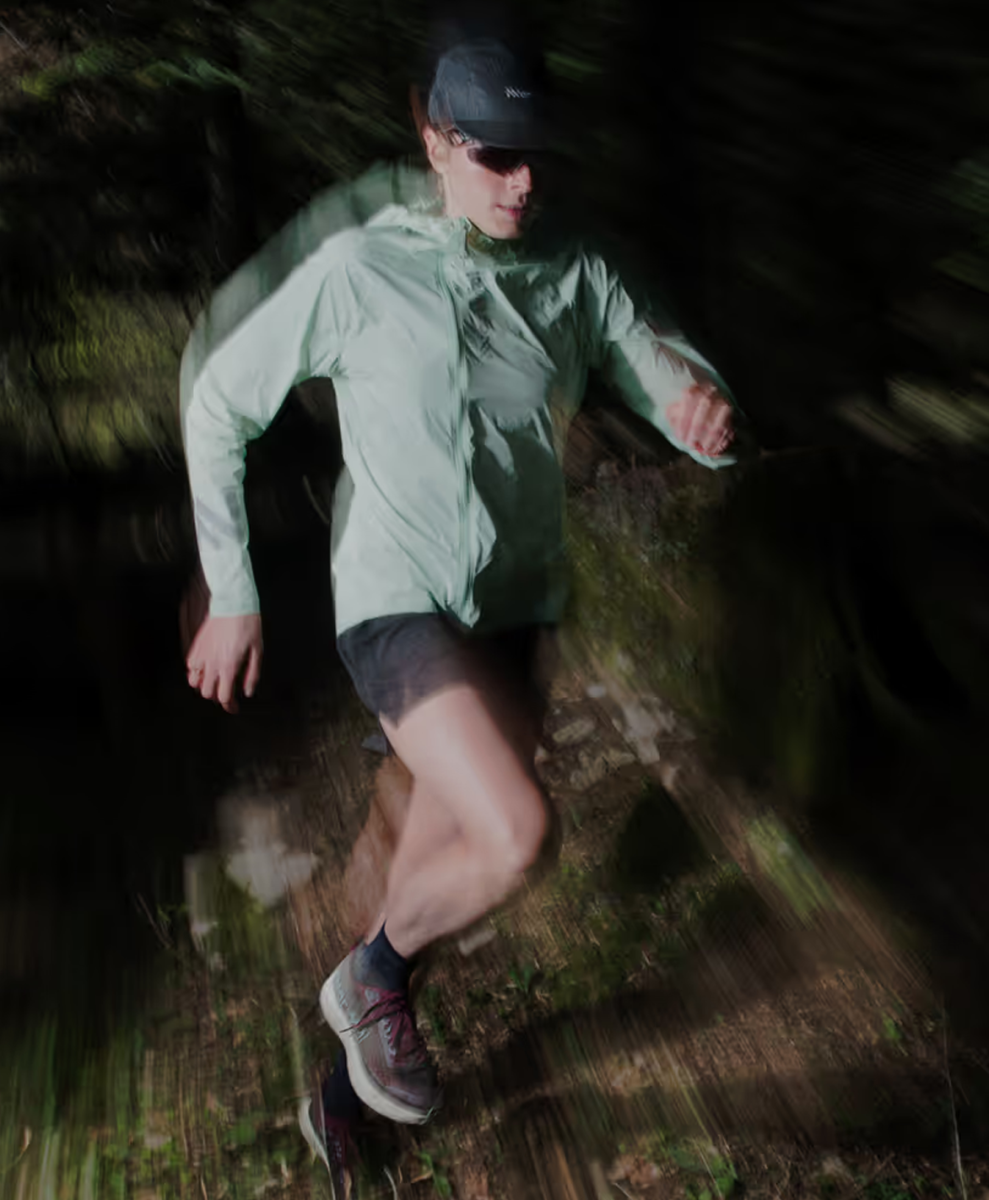
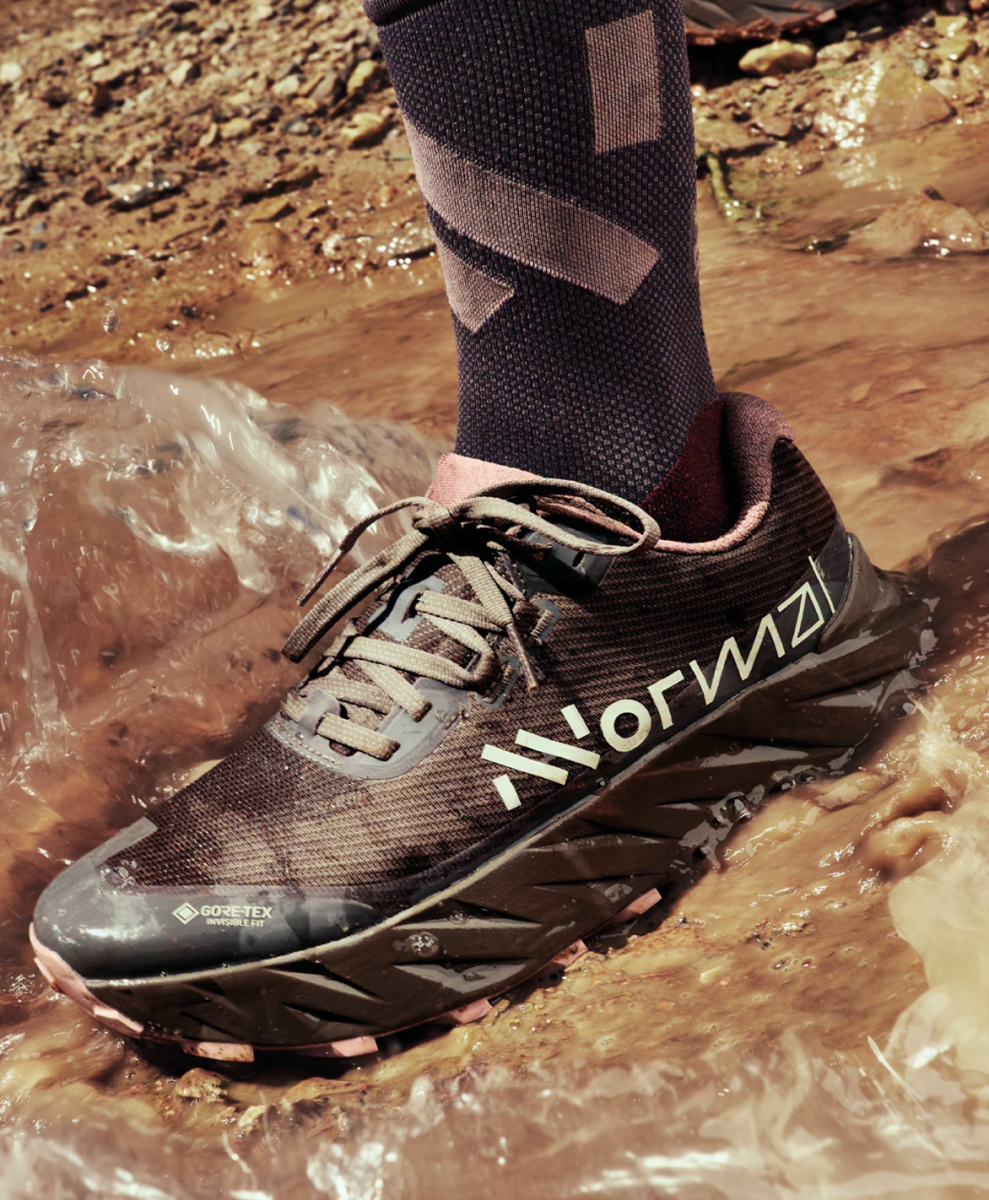
When arguably the greatest mountain runner of all time starts a footwear brand with the company behind Camper, it's probably worth paying attention. Founded in 2022 by Kilian Jornet and the Mallorcan shoemaker, NNormal takes a refreshingly restrained approach to technical footwear. The emphasis is on durability, performance and making shoes that won't need replacing after a few hundred kilometres. The Kjerag is its lightweight, race-oriented offering, while the Tomir is a more versatile option for longer days on varied terrain. Both have a pleasingly understated aesthetic that makes them easy to wear casually, without looking like you're about to set a new fastest known time on your way to Tesco.