When you're looking at the same four walls, day in, day out, things can begin to feel boring. Thankfully a full redesign is rarely necessary. Most homes simply need a few intentional adjustments to restore freshness, energy and personality. Here are ten ideas that use furnishings, objects and materials to create meaningful change without altering the bones of the room.
Introduce new texture
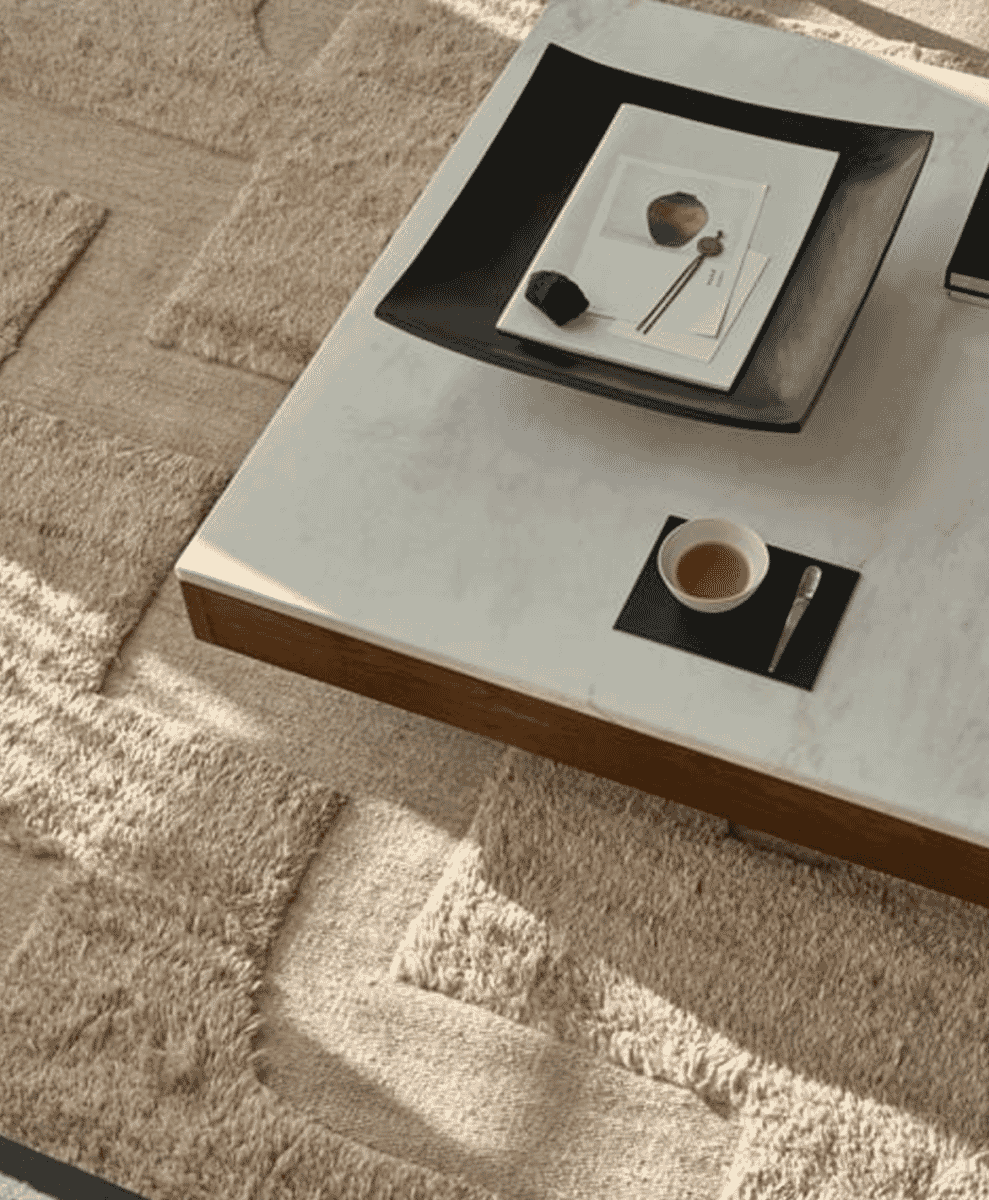
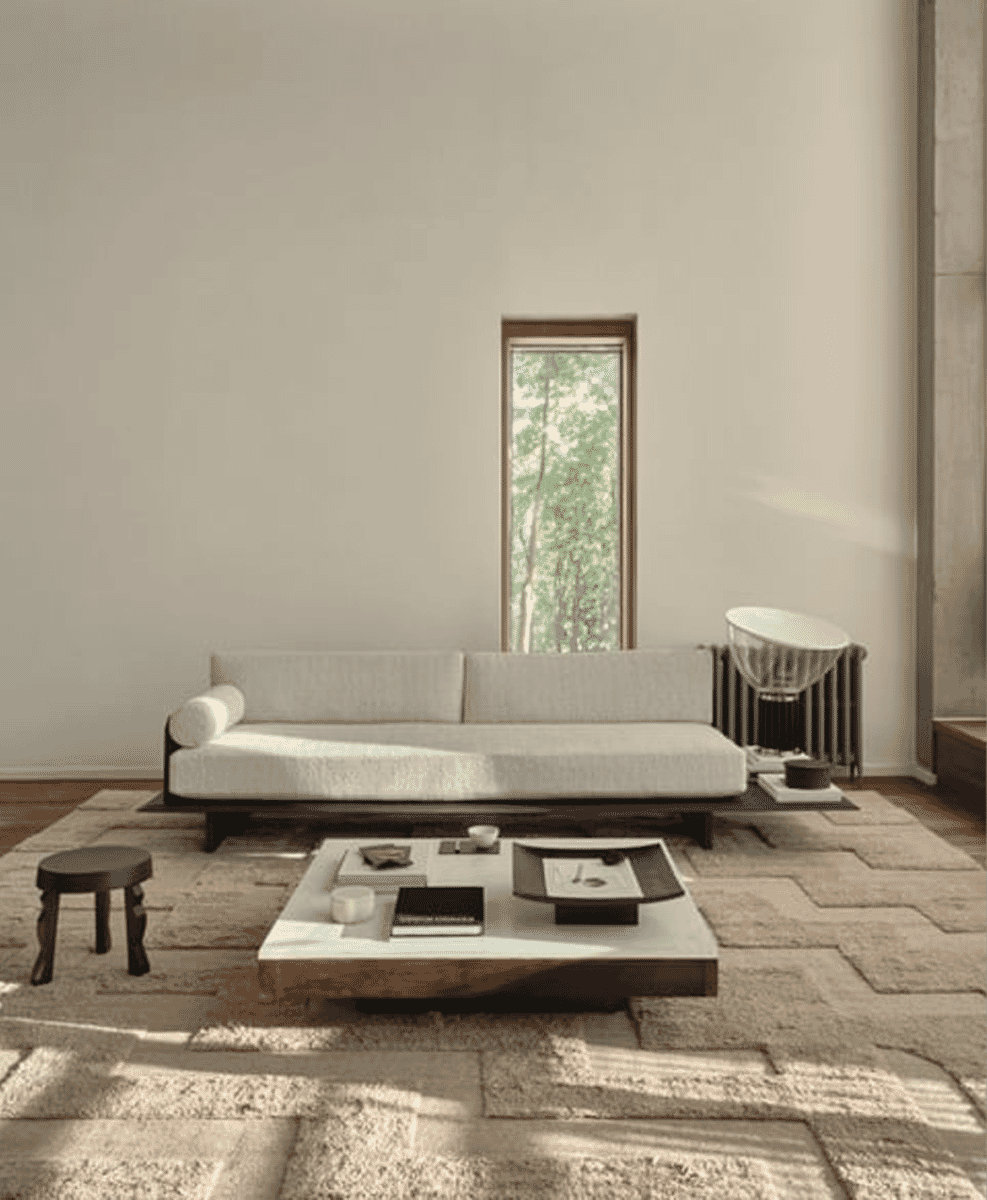
Rooms feel tired when everything shares the same surface quality. Texture adds life, depth and variation without relying heavily on colour. A single Nordic-style rug can soften a hard floor, while a ribbed vase or a hand built ceramic sculpture brings tactility to an otherwise flat surface. Even something as simple as a boucle cushion or a woven throw shifts the mood. Think in layers. Pair smooth with coarse, matte with polished, natural with technical. Texture encourages you to look more closely and creates a sense of warmth that paint alone cannot achieve.
Shift the lighting hierarchy
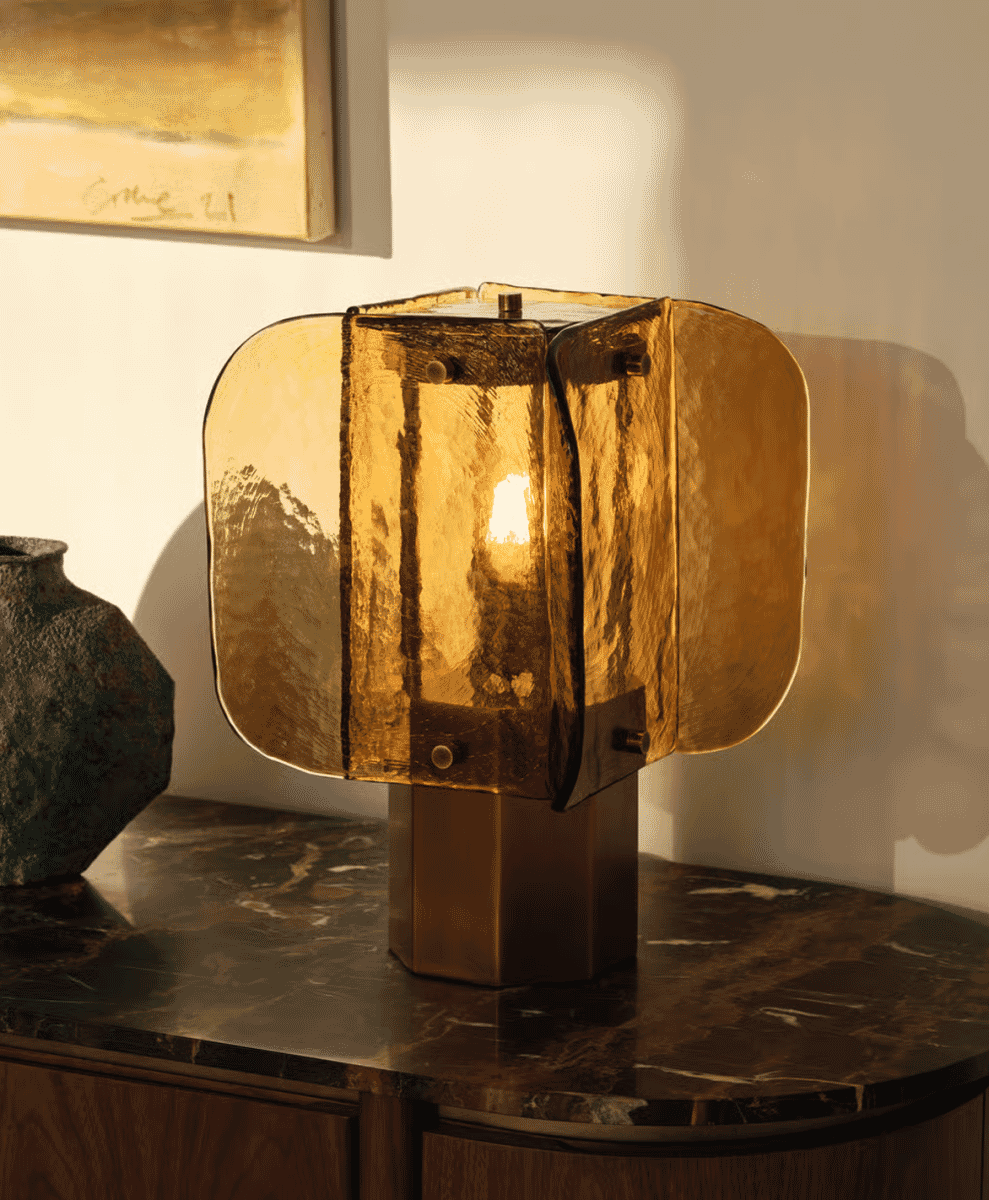
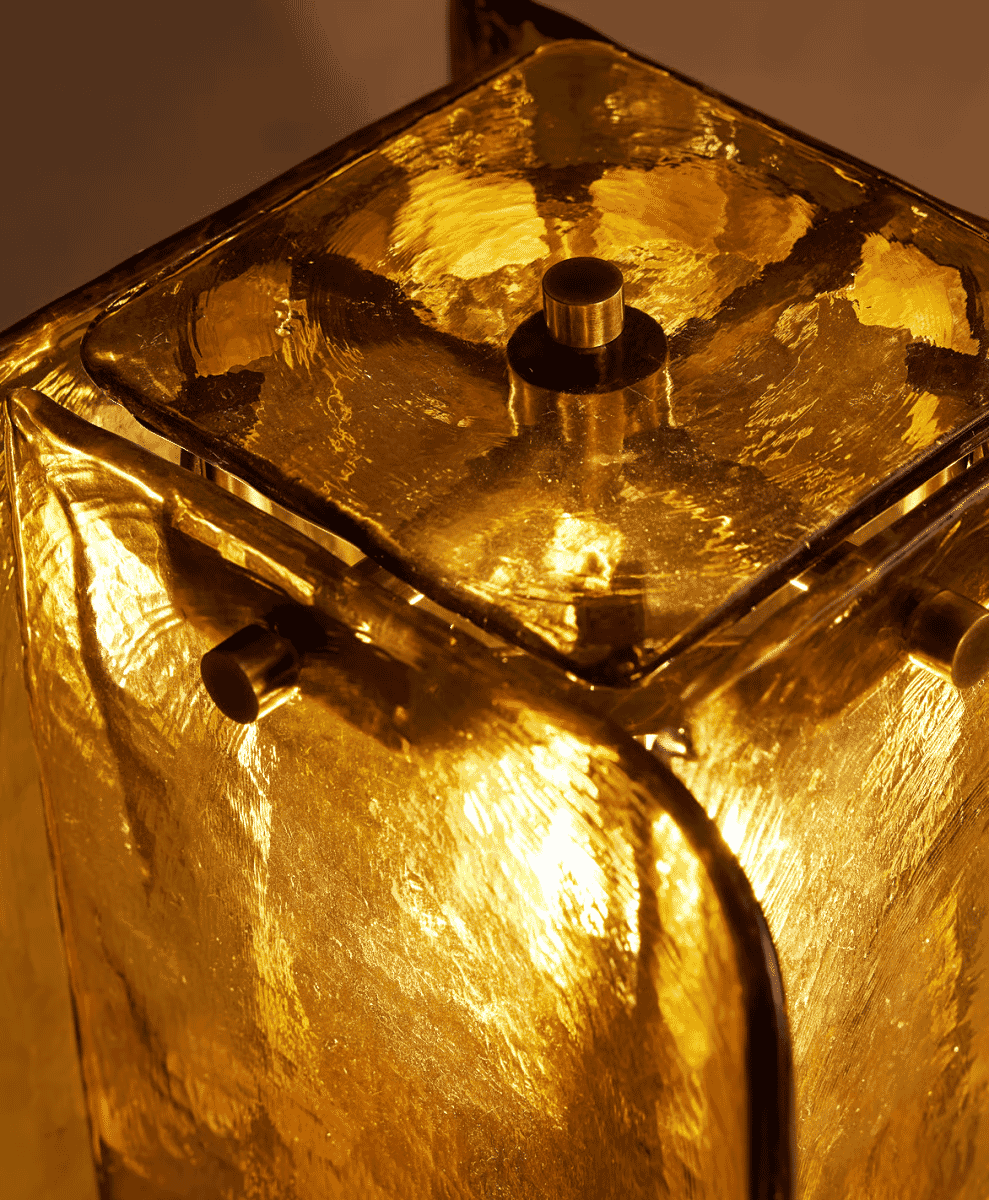
Lighting shapes atmosphere arguably more than any other design element. Replacing one dominant overhead light with a few smaller, low level sources creates pockets of warmth and introduces a more relaxed rhythm. A cordless table lamp can illuminate a forgotten corner, while a soft glow placed on a shelf adds height and dimension. Task lighting by the sofa or a gentle wash of light across a wall instantly changes how a room feels. The aim is to create warmth, not brightness. When the light is varied, the rest of the room feels richer, calmer and more intentional.
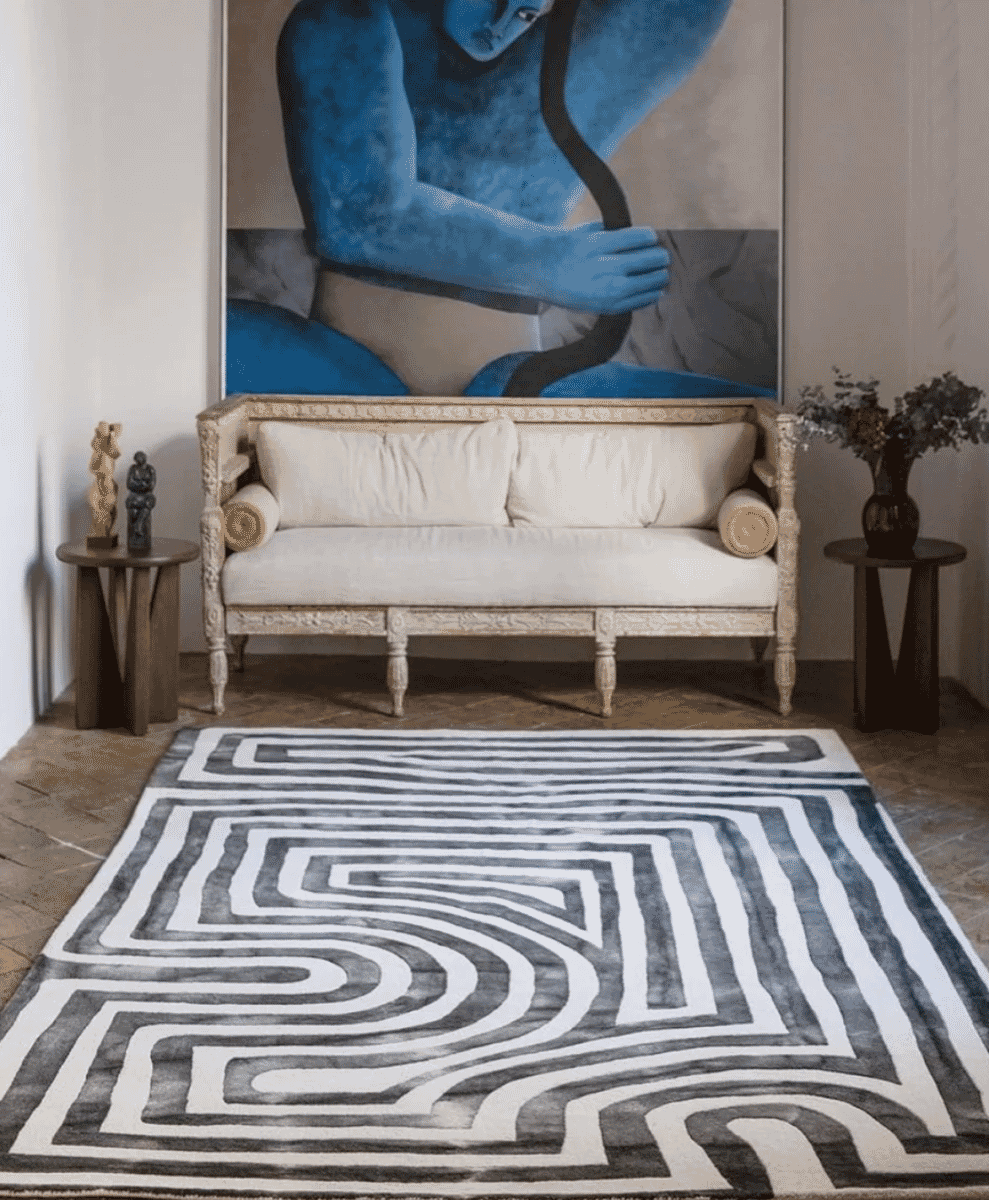
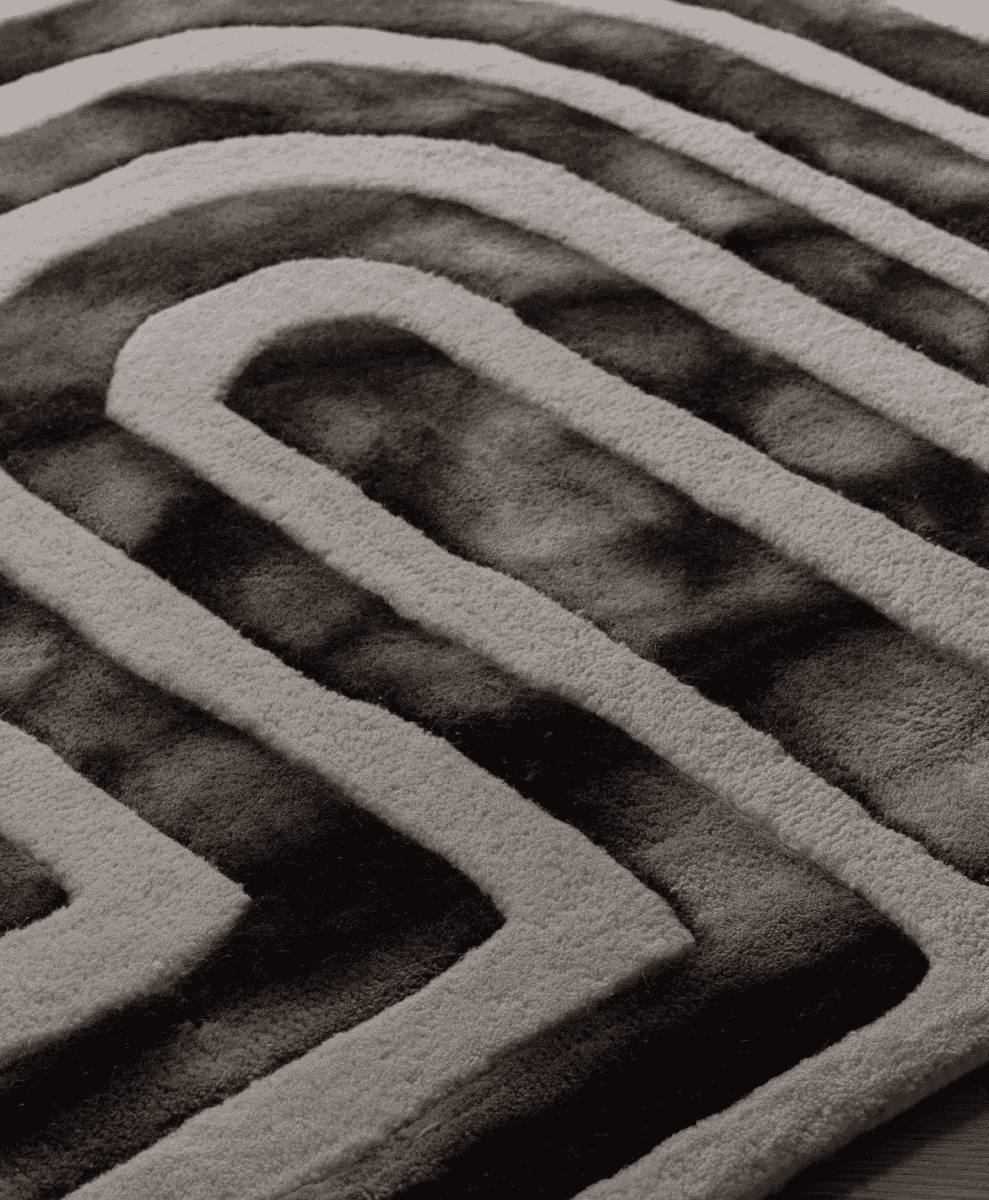
Add a statement rug
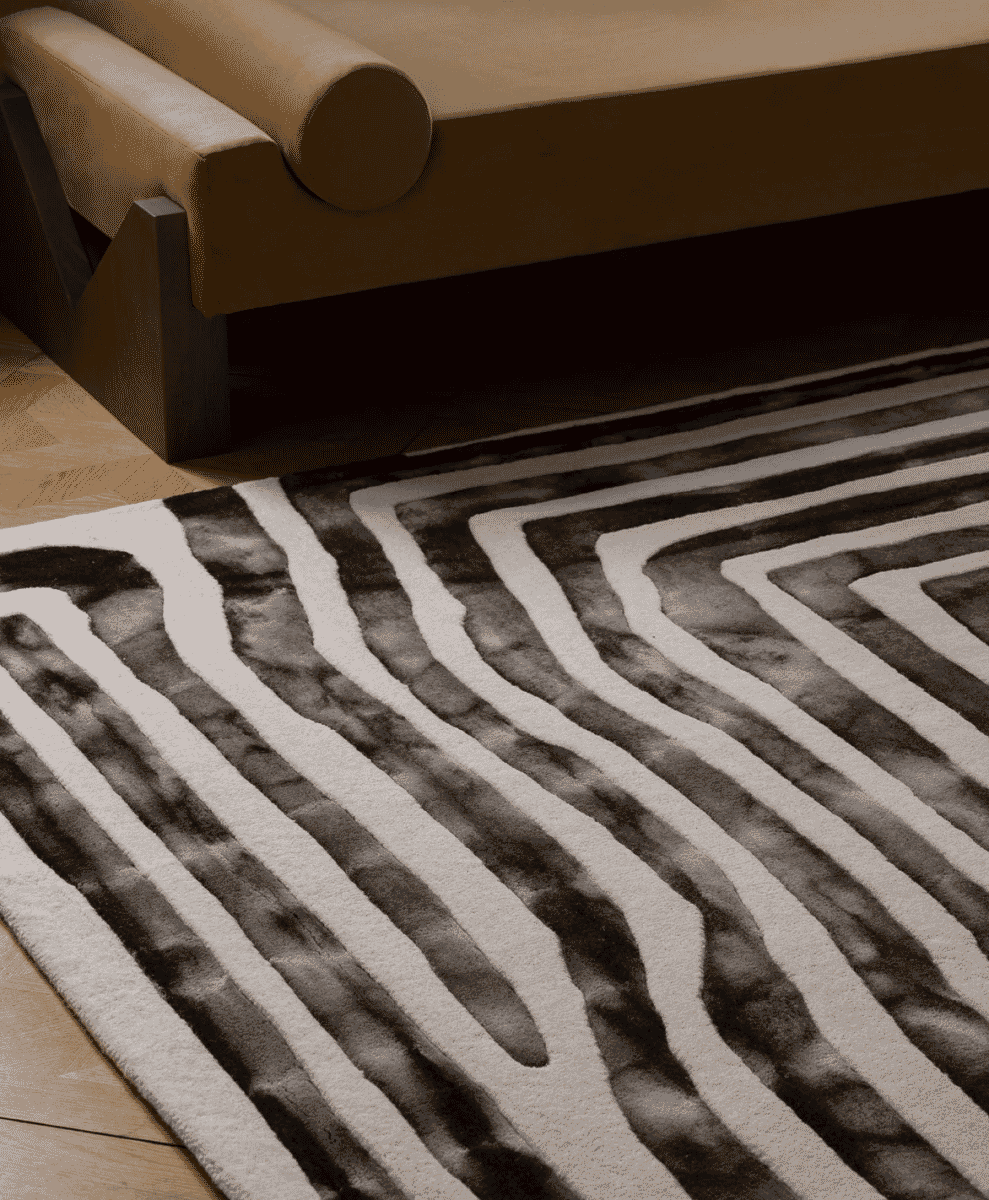
A statement rug anchors a space, giving furniture a sense of purpose and proportion. In rooms that feel disjointed or sparse, a bold rug can act as the visual centre of gravity. Graphic patterns bring energy, while softer tonal designs create calm without fading into the background. The right rug can also redefine a layout, framing the seating area or subtly separating zones within an open plan space. Size matters here. Go bigger than you think. A generous rug makes the room look considered and connected, turning loose pieces into a coherent arrangement.
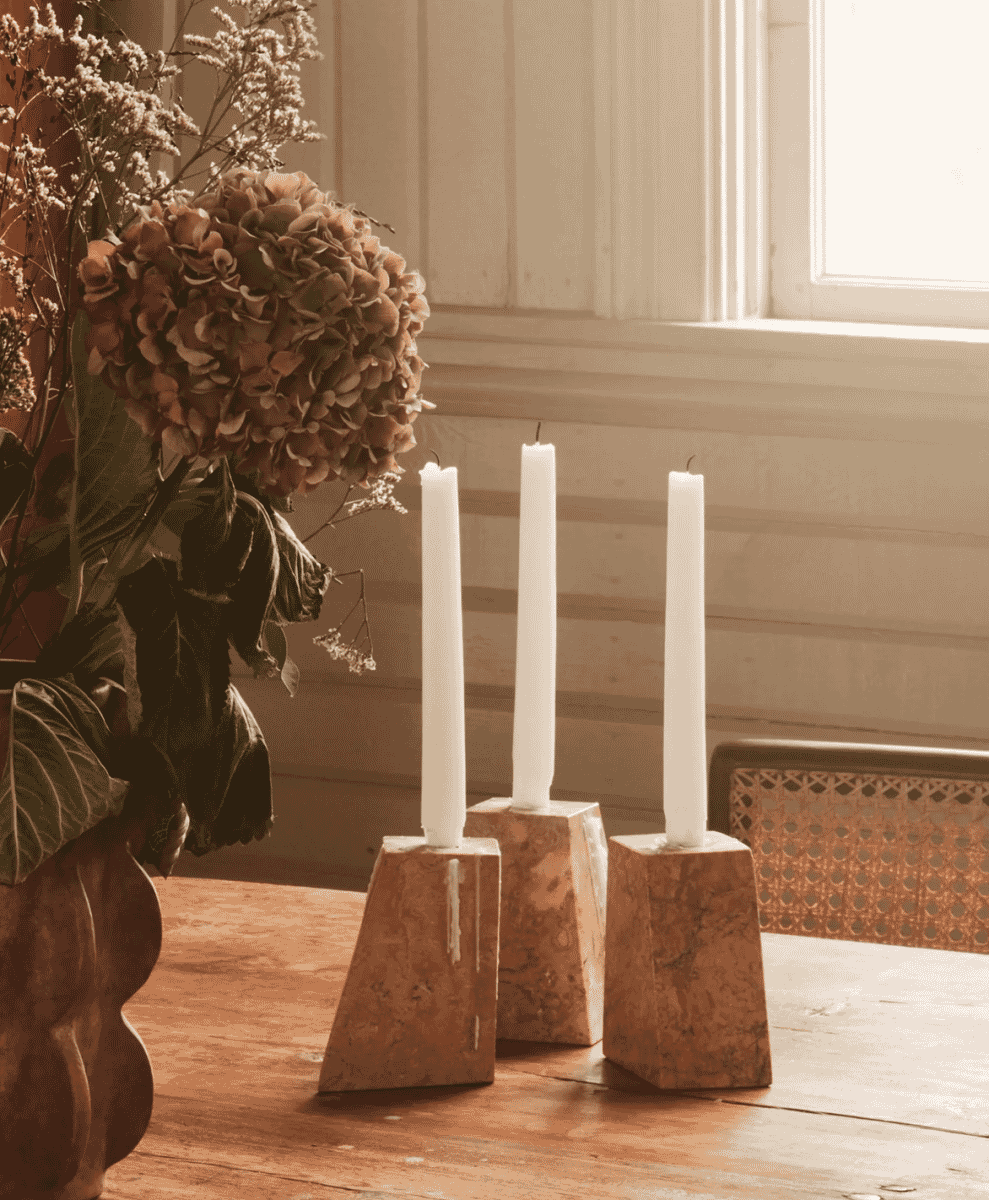
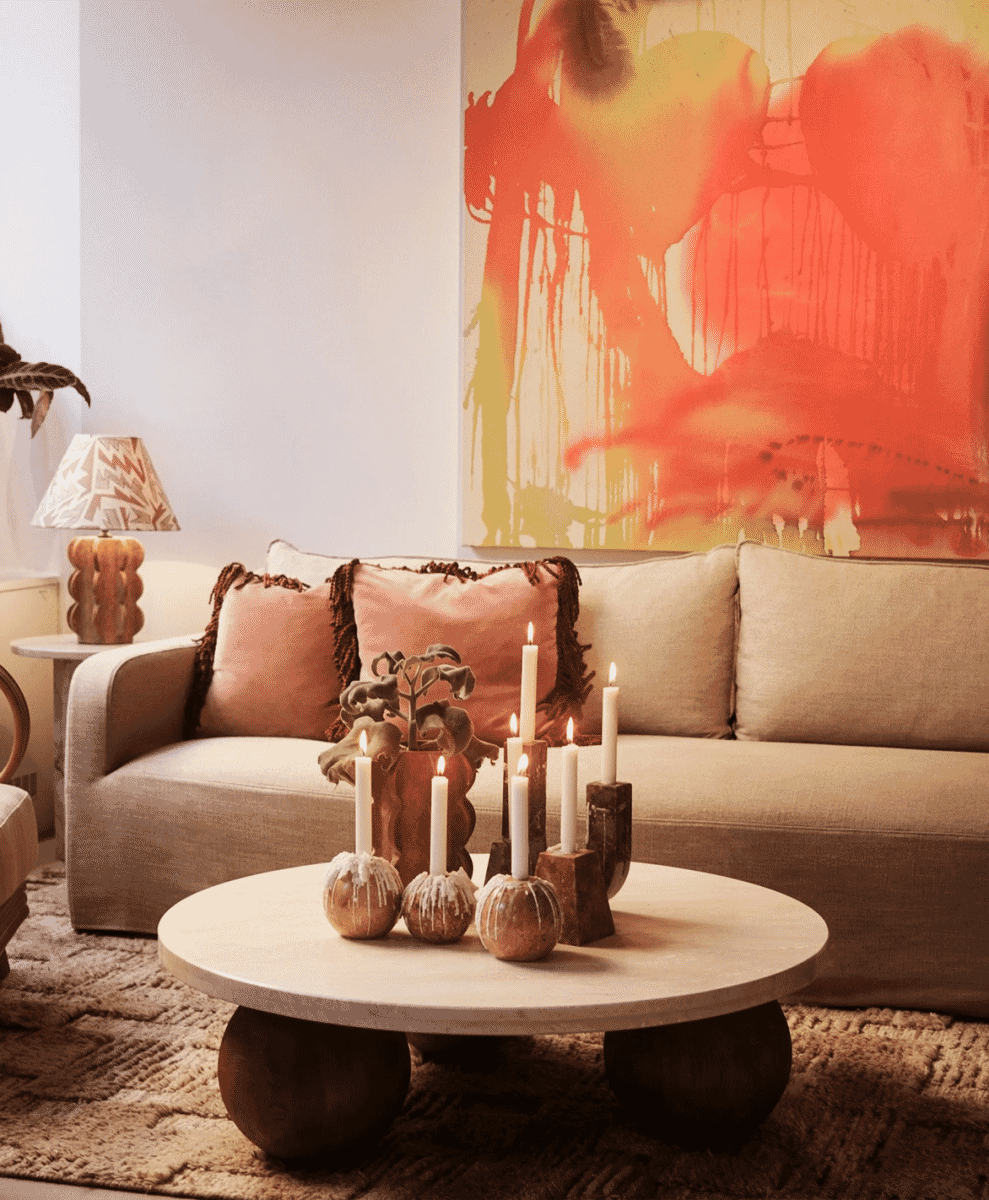
Edit your surfaces
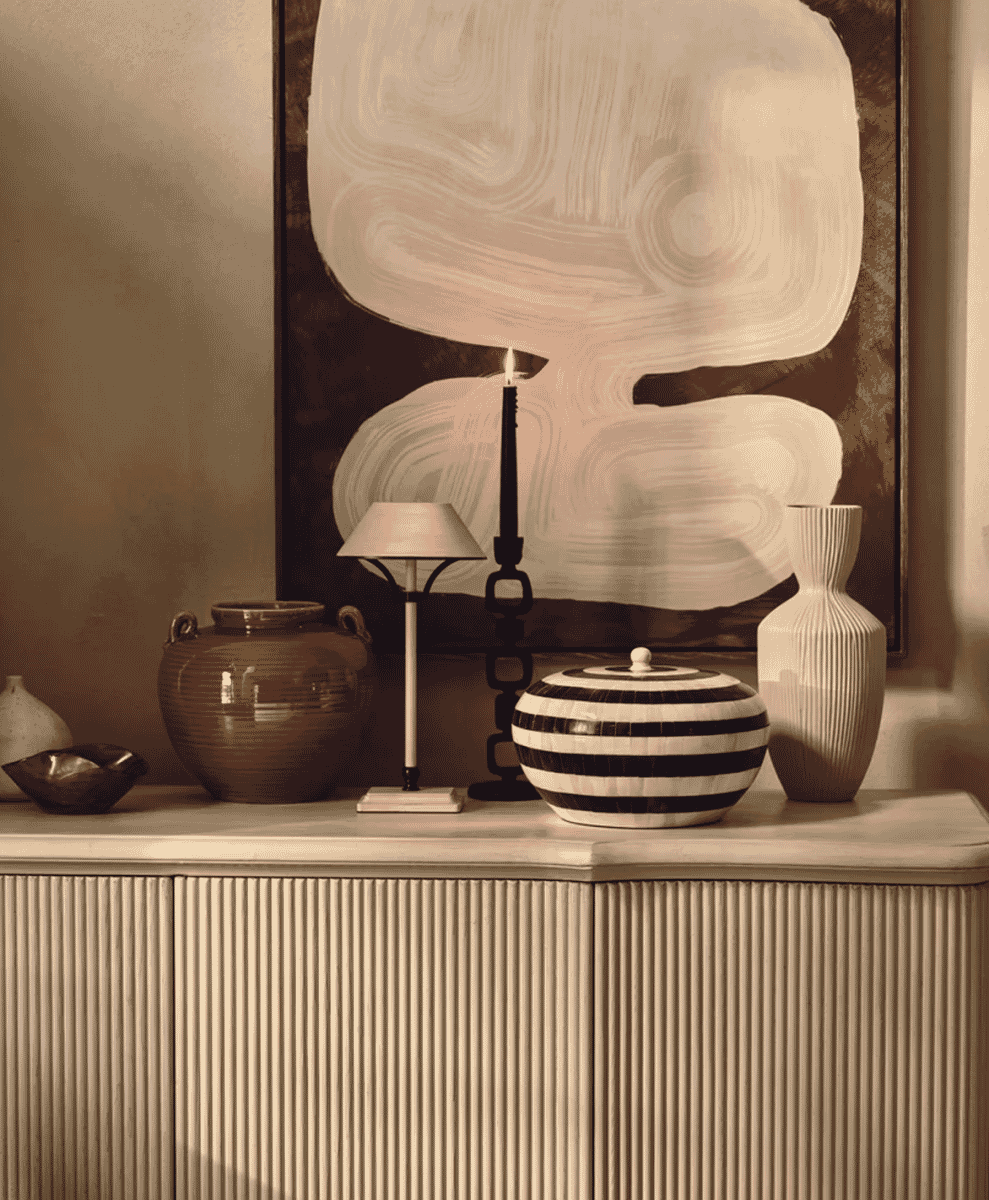
Surfaces are where clutter collects, often without us noticing. By stripping back a coffee table, sideboard or console to a small set of intentional objects, the entire room feels lighter and more organised. Choose pieces with presence. A sculptural bowl, a single striking candleholder or a stack of well chosen books can say more than a dozen mismatched items. Consider height and balance when arranging. One tall object, one grounded object and something personal creates a simple, confident composition. Editing is not about removing personality, but refining it so the room feels calm rather than chaotic.
Introduce a new silhouette
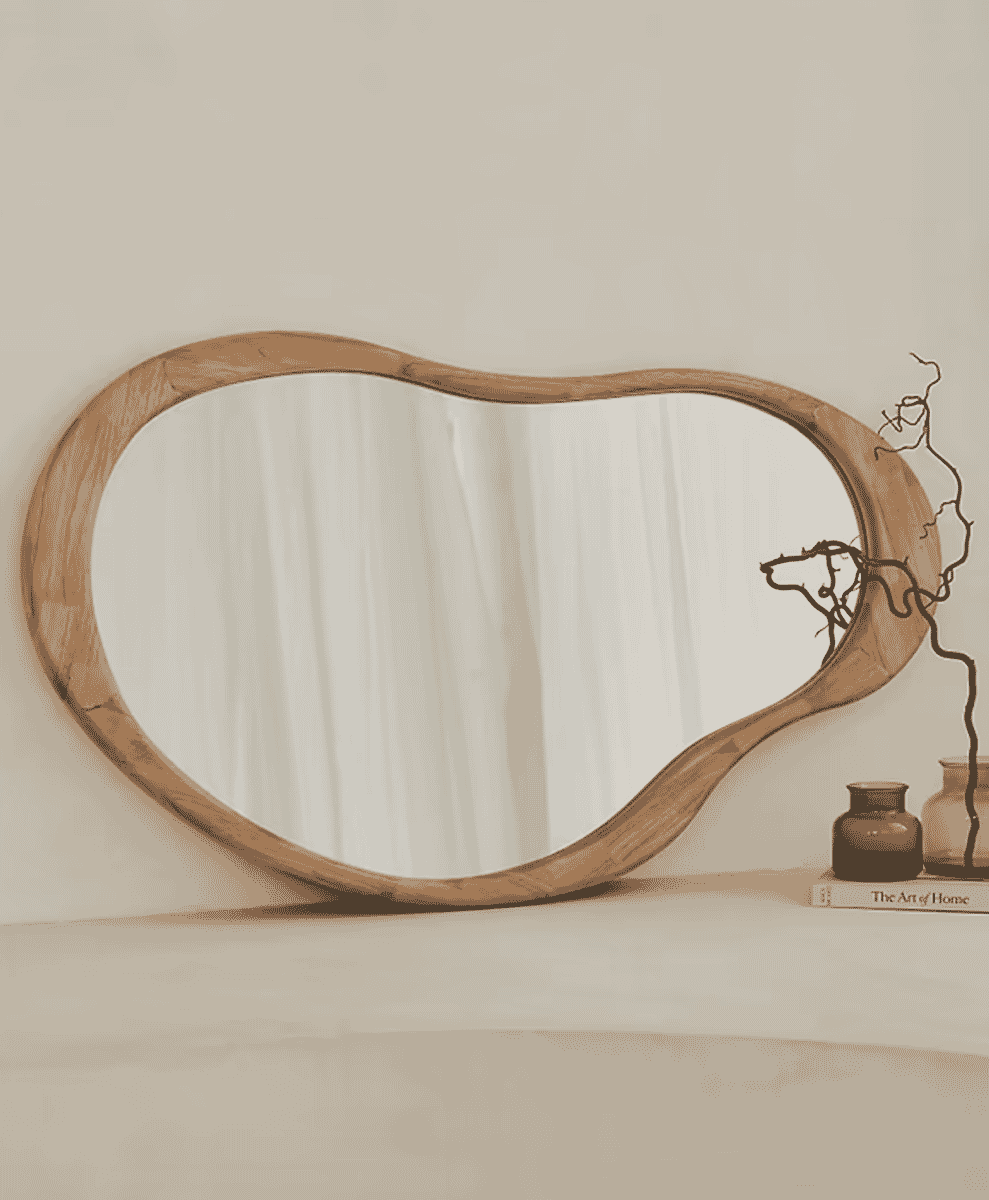
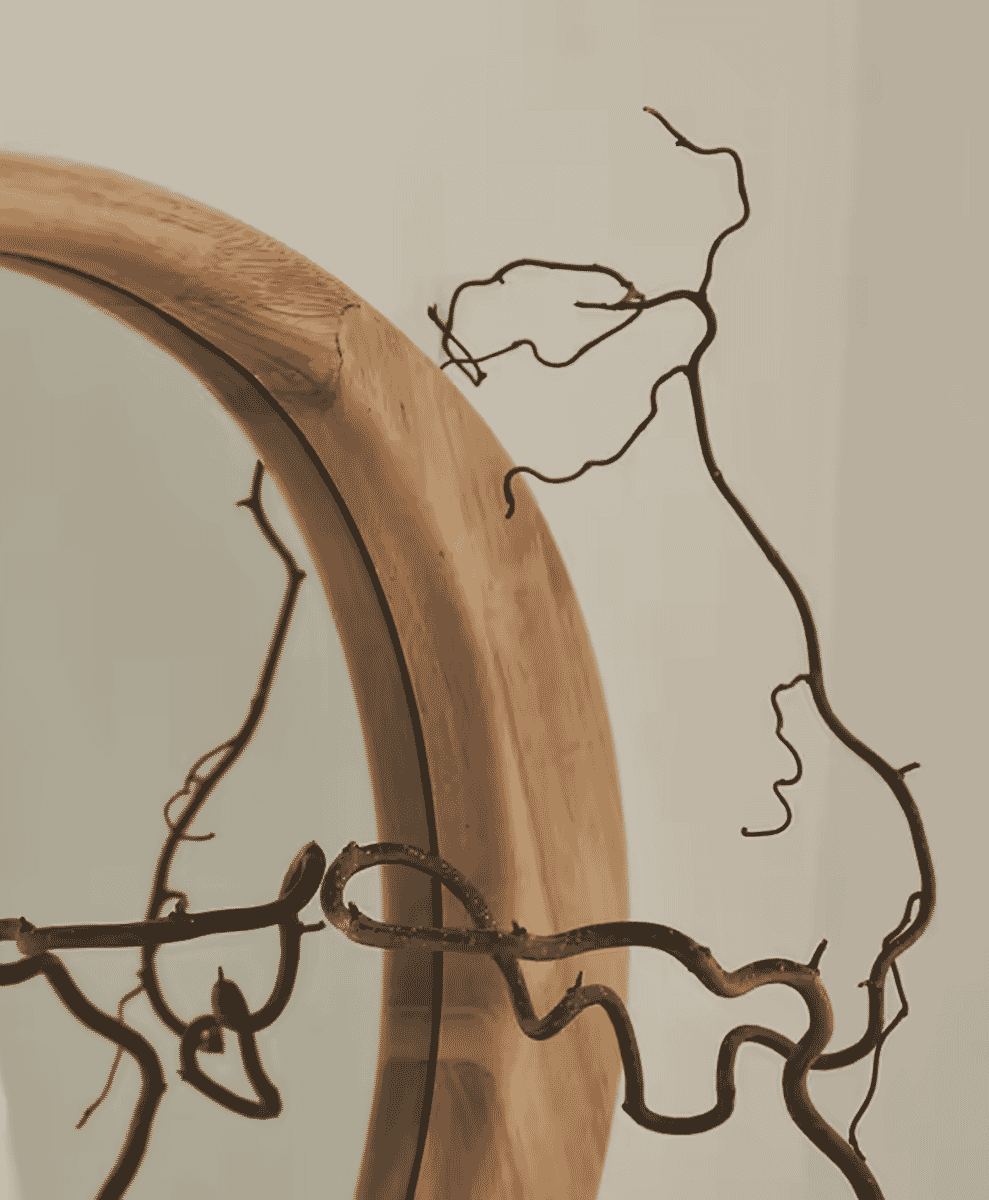
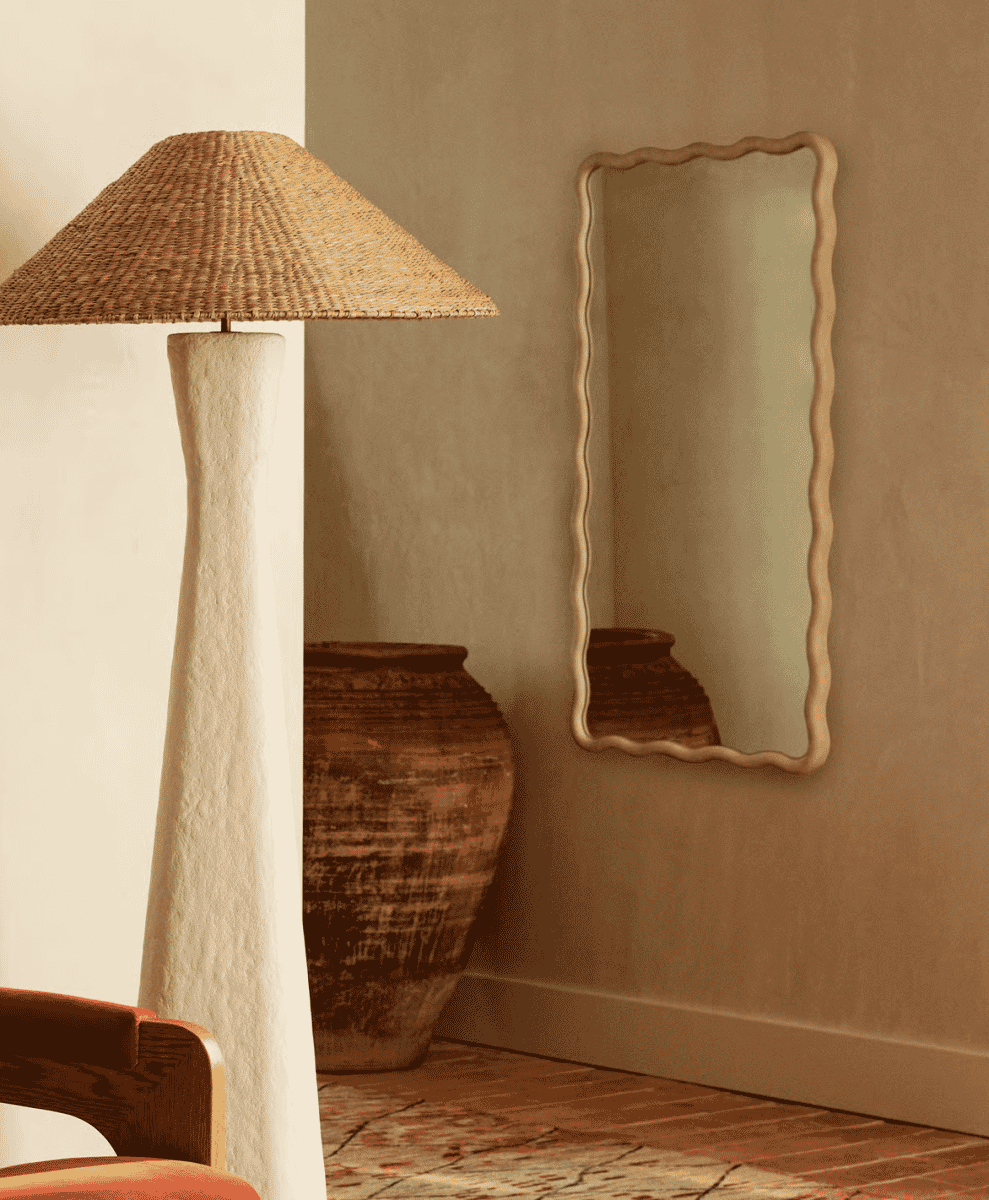
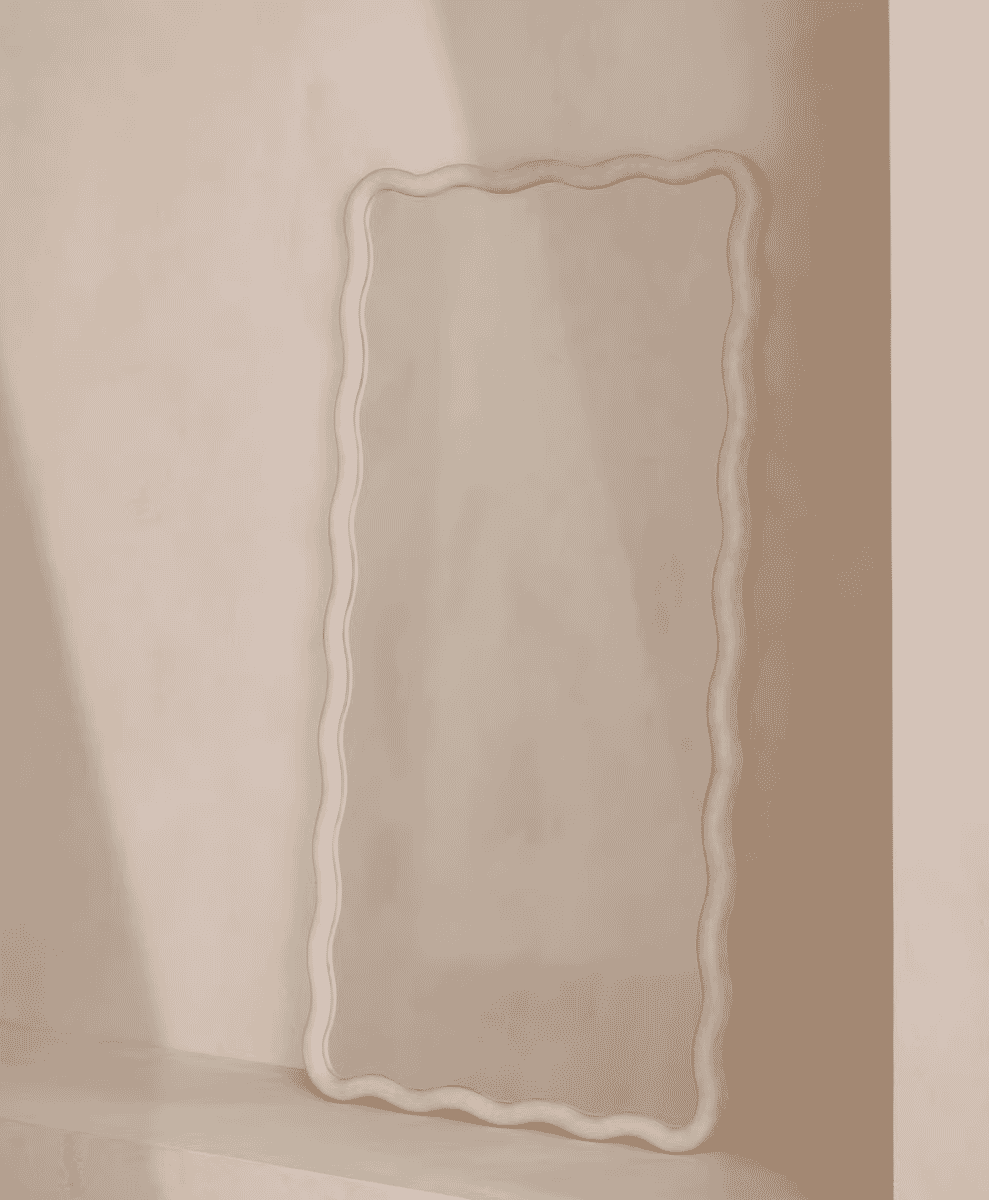
Many homes rely heavily on straight lines and right angles. Introducing curved or irregular forms softens the architecture and brings a sense of ease. A round side table can break up a linear seating arrangement, while an organically shaped mirror shifts the geometry of a wall. Even small pieces, such as an asymmetrical tray or a sculptural ceramic, can influence how the room flows. The aim is contrast. When curves meet clean lines, the room feels more dynamic and visually engaging. It is a subtle change with a surprisingly immediate impact.
Refresh the sofa setup
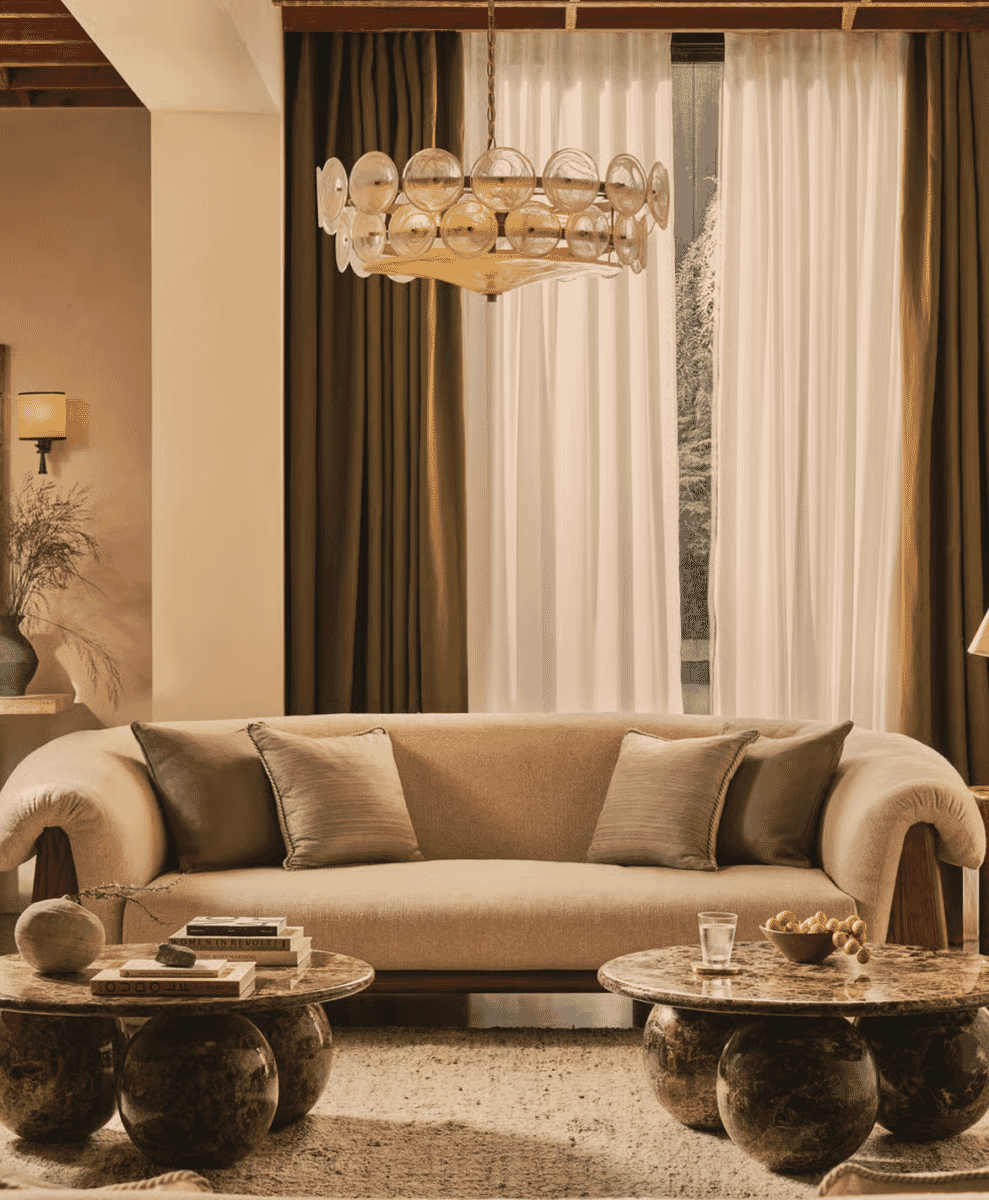
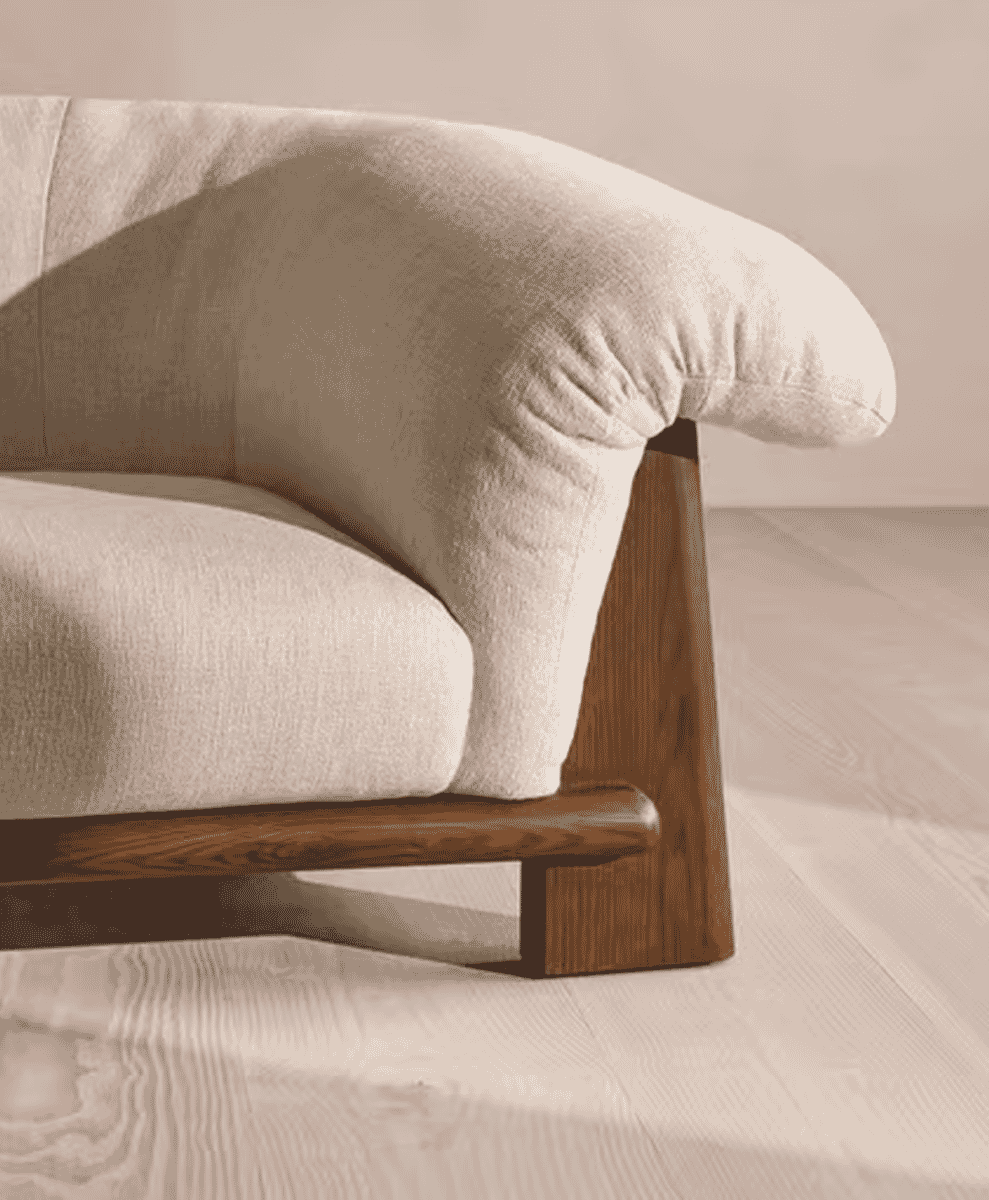
The sofa is often the most used and most visible piece in the home, yet it is rarely updated. Small additions can make it feel new again. A textured throw introduces comfort and colour, while a new cushion arrangement changes the sense of scale. Play with proportions. Mix slim cushions with oversized ones, or introduce a long bolster to alter the silhouette entirely. A shift in materials also helps, such as pairing wool with linen or velvet with cotton. These small interventions create warmth, depth and character, giving the sofa a more lived in and inviting presence.
Use mirrors to reset the light
Mirrors do more than reflect. They redirect and amplify natural light, open up narrow spaces and add a subtle architectural quality. Position one opposite a window to brighten the room throughout the day or angle it to reflect a favourite artwork or object. The frame matters too. Slim metal keeps things minimal, while natural wood introduces warmth. Larger mirrors can act as focal points, leaning casually against a wall or sitting above a fireplace to create height. Used thoughtfully, a mirror can shift the atmosphere of a room without requiring any other changes.
Build a vignette
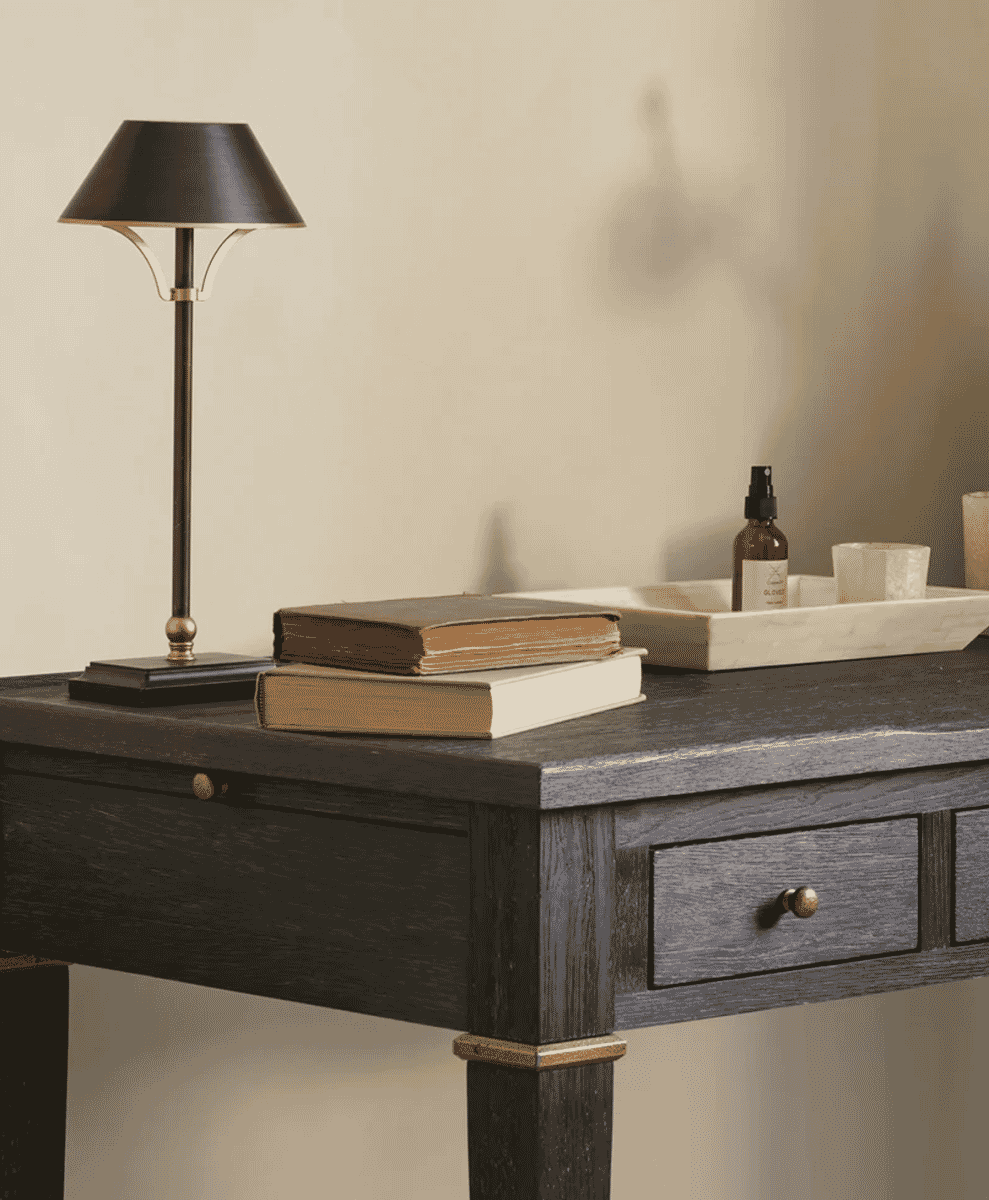
A small curated arrangement instantly adds personality and narrative to a room. A vignette works best when it has structure. Start with an anchor piece such as a table lamp, sculpture or vessel. Add an object with height to draw the eye and something flatter to create balance. Books, ceramics and natural materials all work well. Keep the palette tight so the arrangement feels cohesive rather than busy. The beauty of a vignette is its flexibility. It can evolve, rotate with the seasons or change as you acquire new objects. It brings charm without clutter.
Bring in natural materials
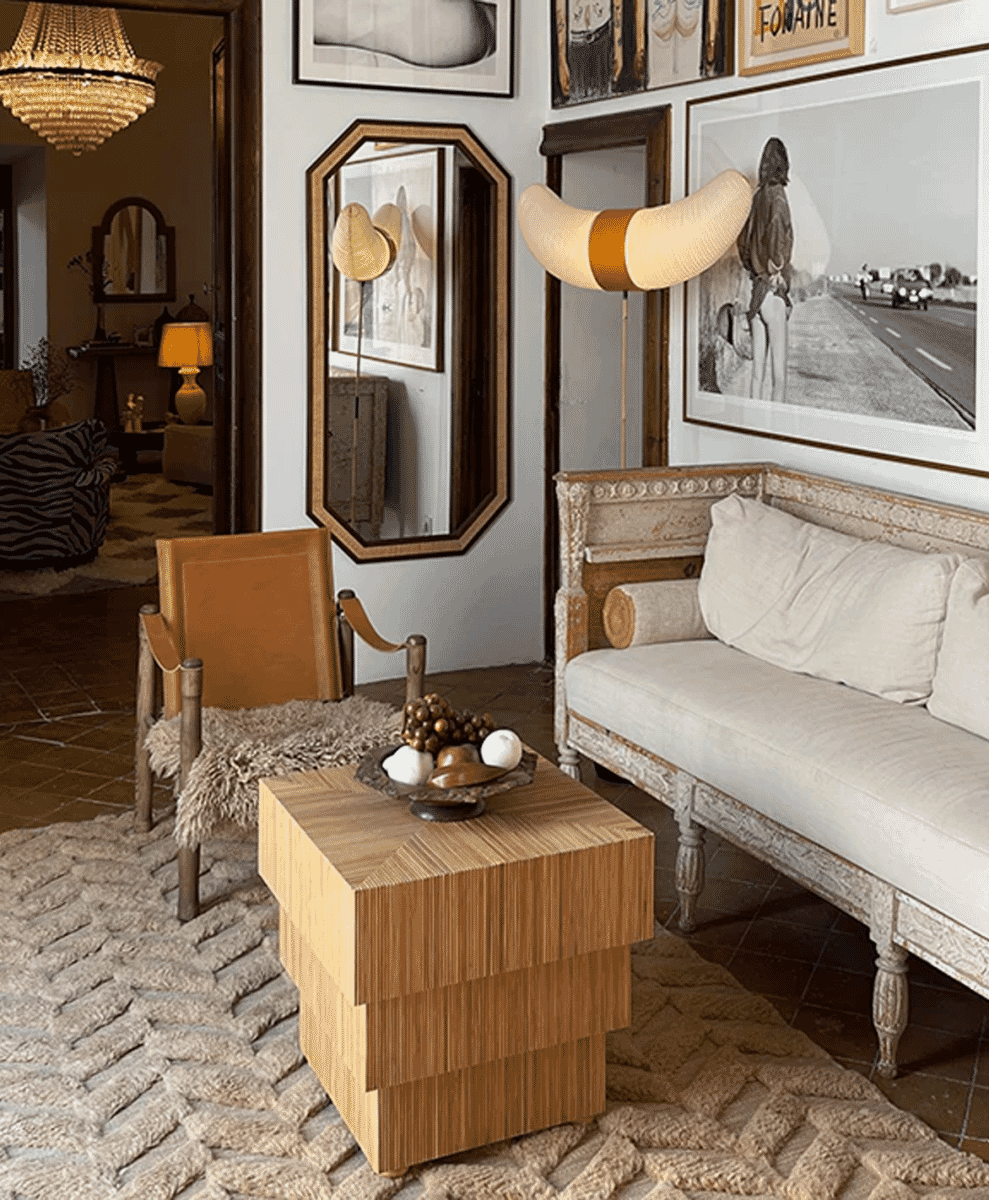
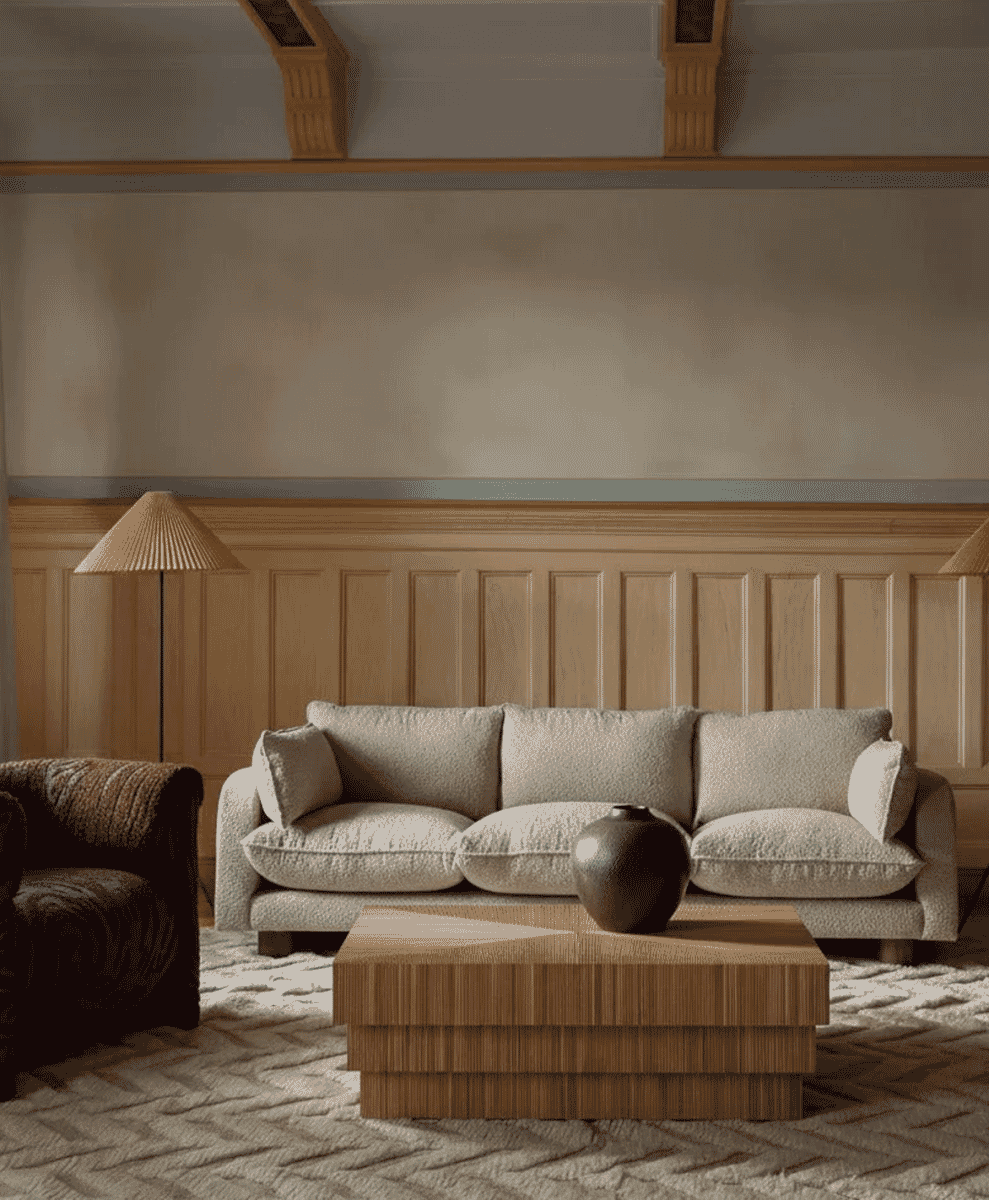
Natural materials introduce calm, grounding and a sense of permanence. Wood, stone, wool, jute and clay all carry subtle variations that give a room texture and honesty. Even one piece can change the atmosphere. A wooden stool doubles as a side table, a wool throw warms a corner or a hand formed clay vase adds quiet character. Natural materials also age gracefully, gaining depth over time. They work in every interior style, pairing with contemporary silhouettes just as well as vintage pieces. If your home feels overly polished or synthetic, this is the fastest way to restore balance.
Reconsider the layout
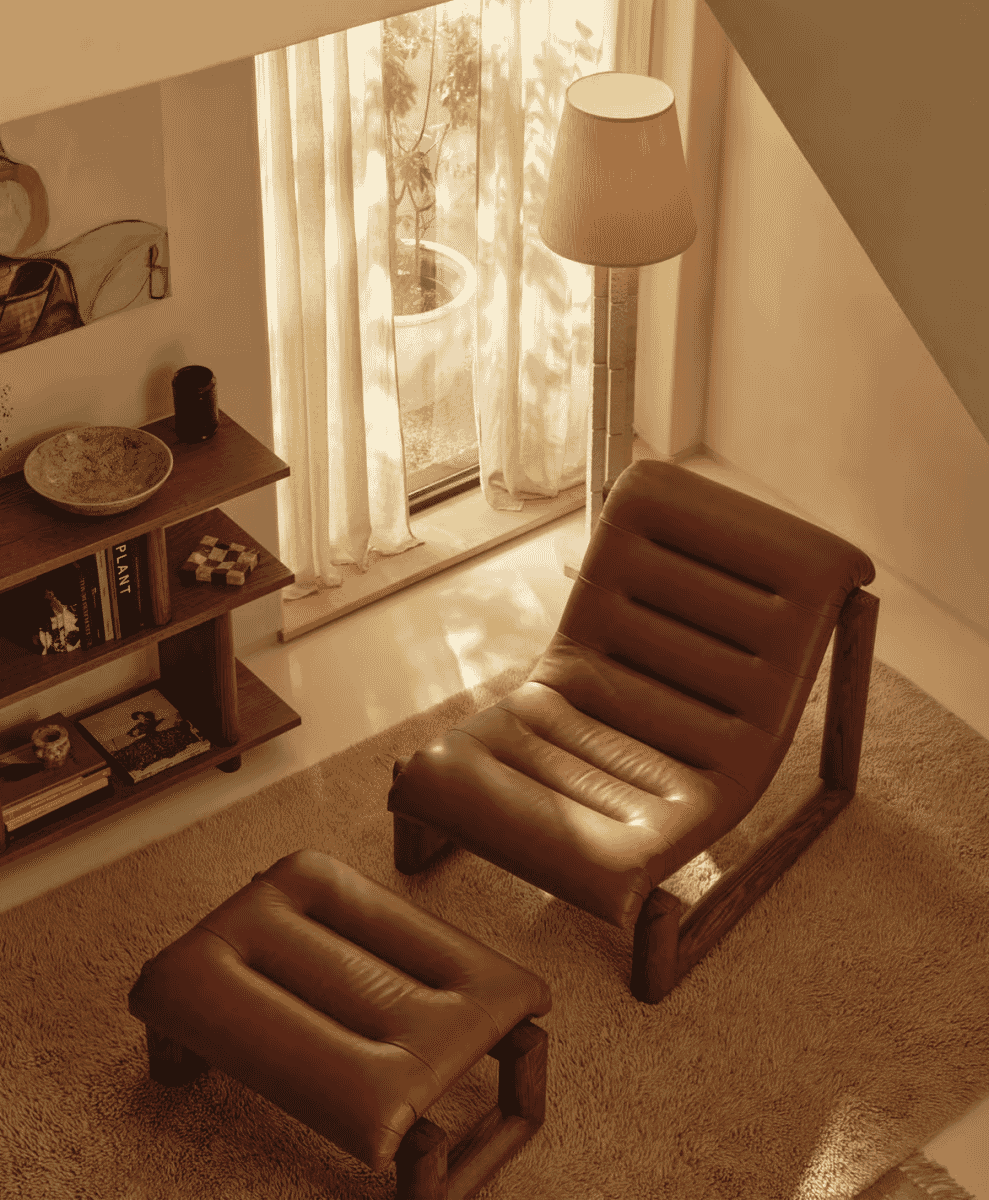
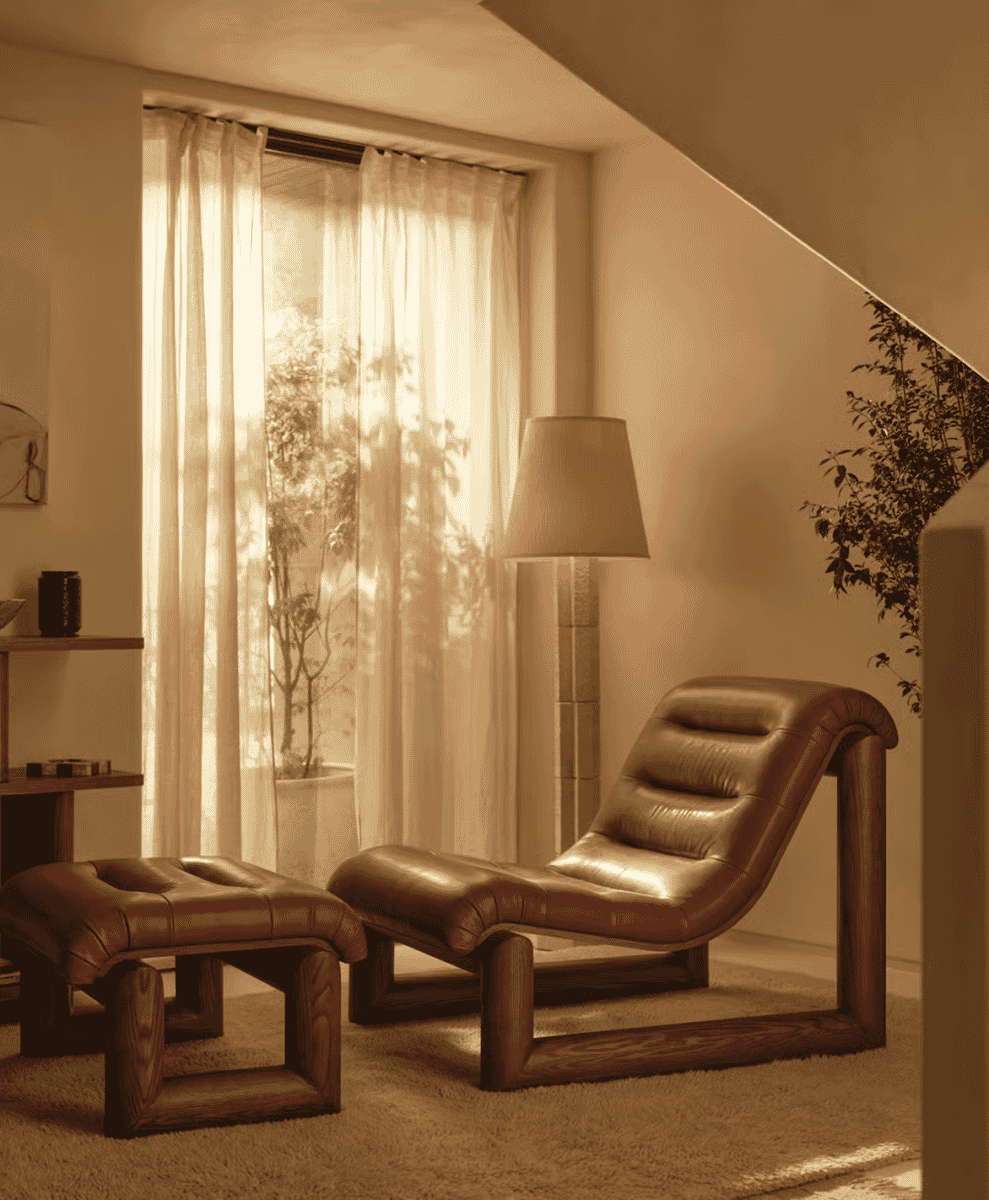
Sometimes the space itself is not the problem. The arrangement is. Moving a sofa a few centimetres forward, shifting a chair to a new angle or pulling a sideboard away from the wall can transform how the room works. Try creating new pathways, turning seating towards a different focal point or grouping objects in a more intentional way. Layout changes cost nothing but offer surprising returns. The room gains rhythm, perspective and a renewed sense of possibility. More often than not, everything you need is already there. It just needs to be in the right place.
Next up: How to make a small space look good.