Italian clothing brands do it best. That's just a fact. People sometimes talk about Italian style as if it’s just instinct. It’s not. It’s a system built on craft, industry and a long-standing cultural expectation that you should present yourself well – what Italians call la bella figura. That idea runs from the top end of tailoring down to everyday clothing, shaping how garments are cut, made and worn.
Italy’s influence on menswear isn’t just aesthetic, it’s structural. Soft tailoring, lightweight construction, textile innovation – much of it either started here or was perfected here. And while the old guard still matters, there’s a newer wave of brands reworking those foundations in more contemporary ways. If you want to understand how modern menswear got here, this is a good place to start.
The best Italian clothing brands to know
Velasca
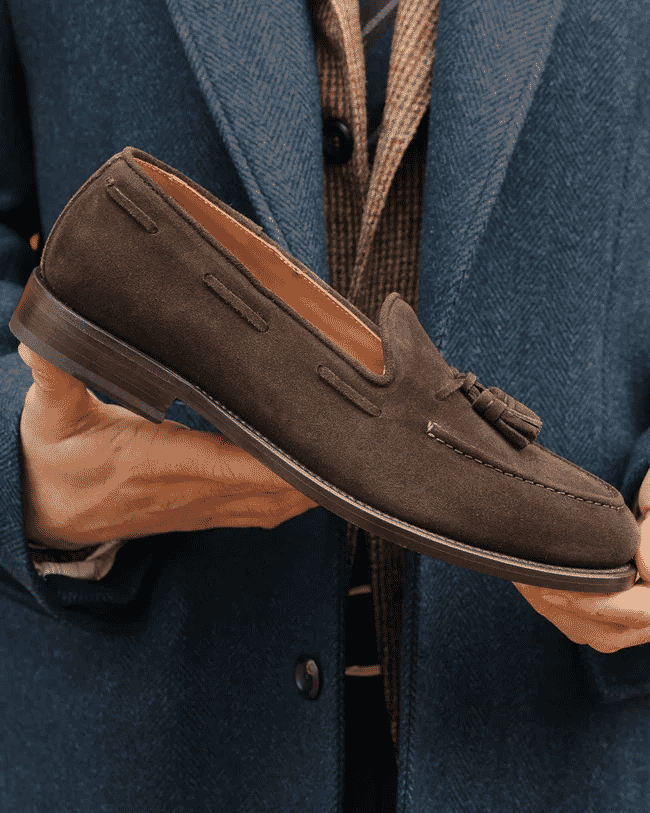
At Velasca's heart is a rich 'Made in Italy' heritage. The Milan-based footwear label prides itself on working closely with families of skilled artisans in the shoemaking district of Montegranaro, who handcraft the shoes using the finest French calf leather. Characterised by a timeless aesthetic and free of any extraneous or fussy details, Velasca shoes will look as good now as in 10 years time. Expect everything from classic dress shoes like Oxfords to more casual yet equally as elegant leather sneakers.
Luca Faloni
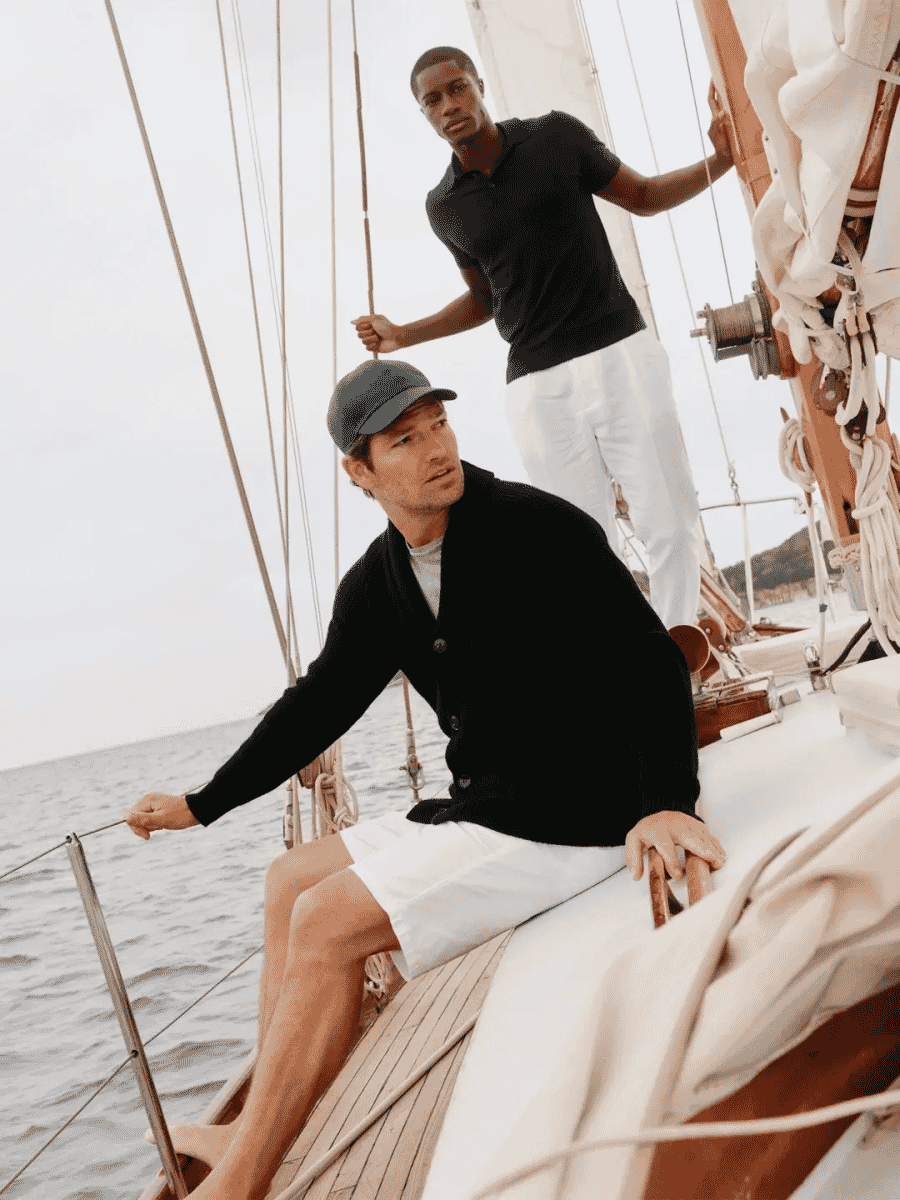
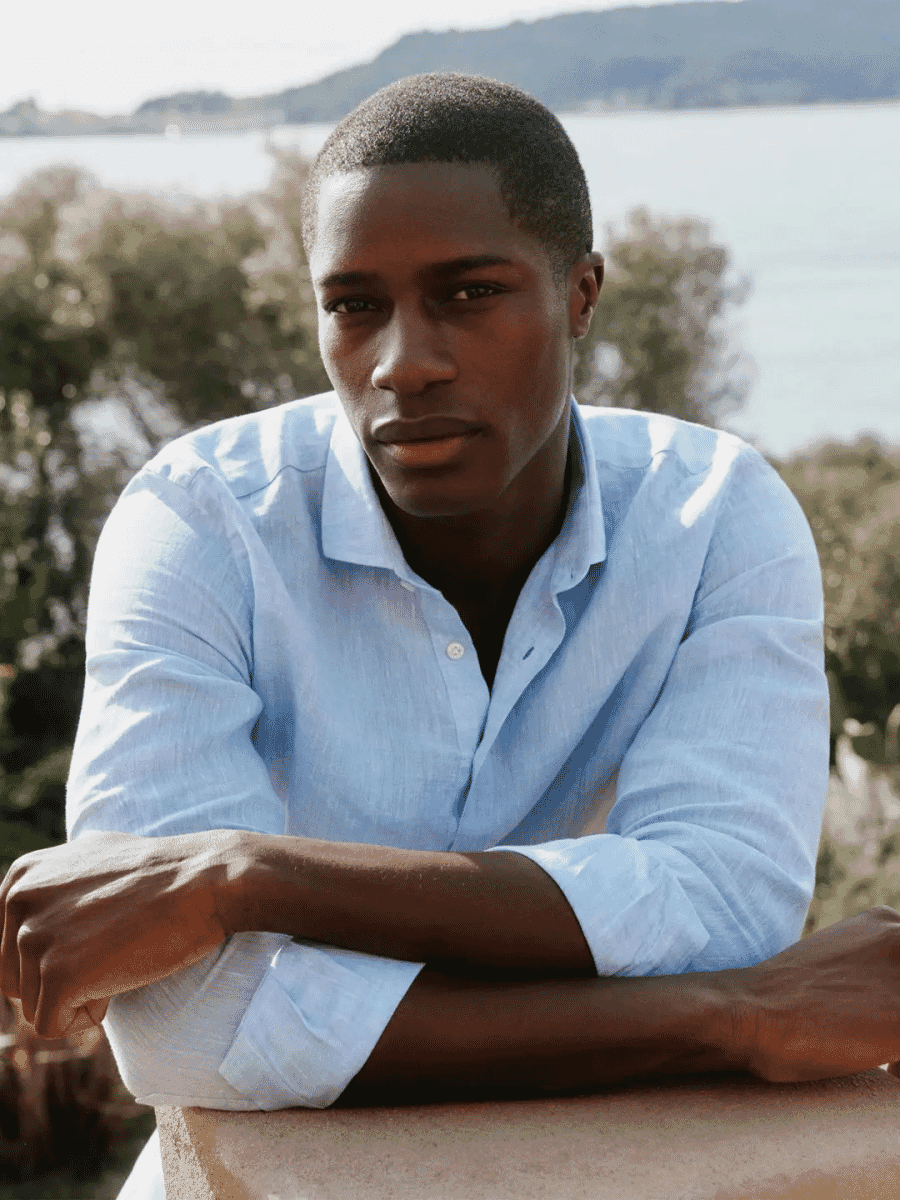
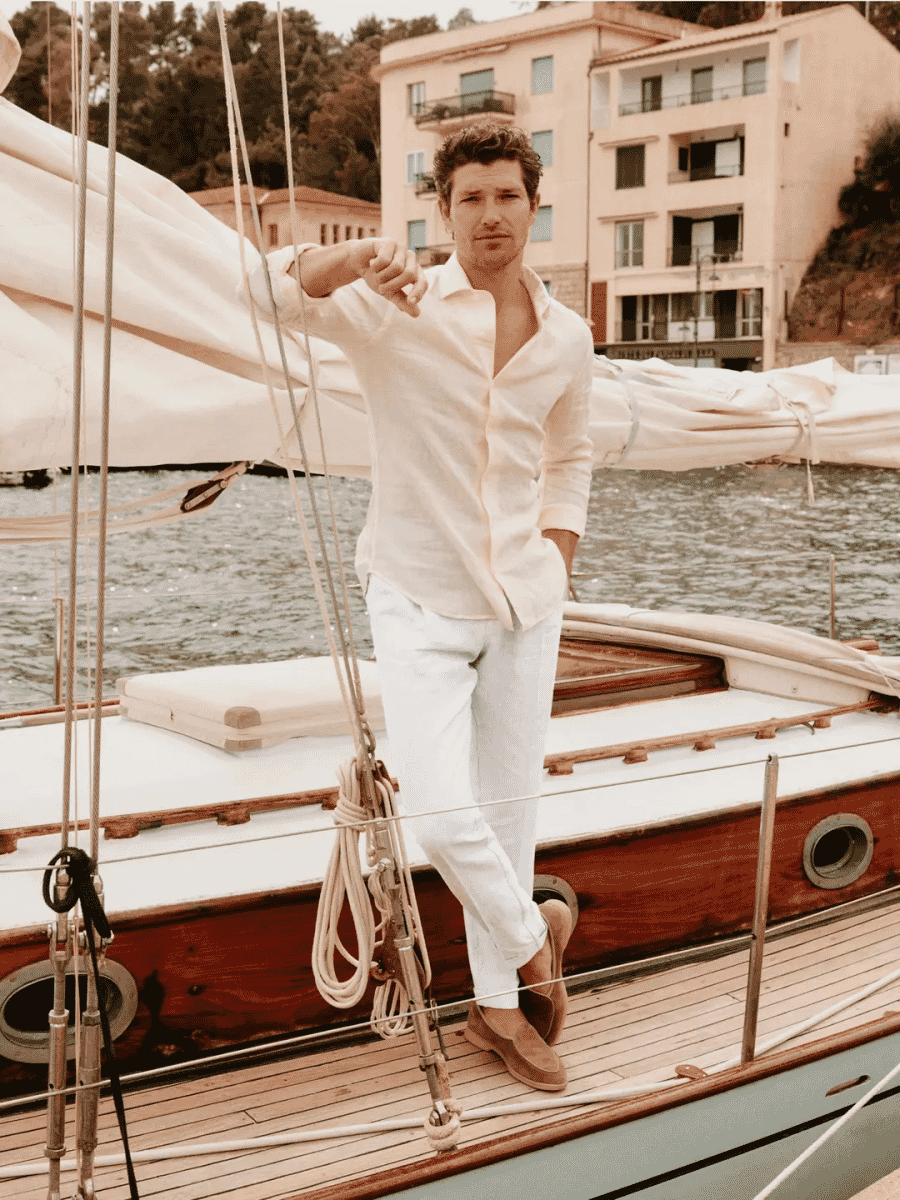
Luca Faloni's eponymous brand was founded when Luca realised the exceptional quality of craftsmanship he was so familiar with in Italy was a rarity elsewhere. Taking matters into his own hands, he created a label focused on timeless style rather than fleeting trends. The result is an offering of luxurious, long-lasting menswear staples that encompass shirts, knitwear, trousers and shorts rendered in the finest linens, cottons and cashmere yarns, as well as timeless leather accessories.
Loro Piana
De Petrillo
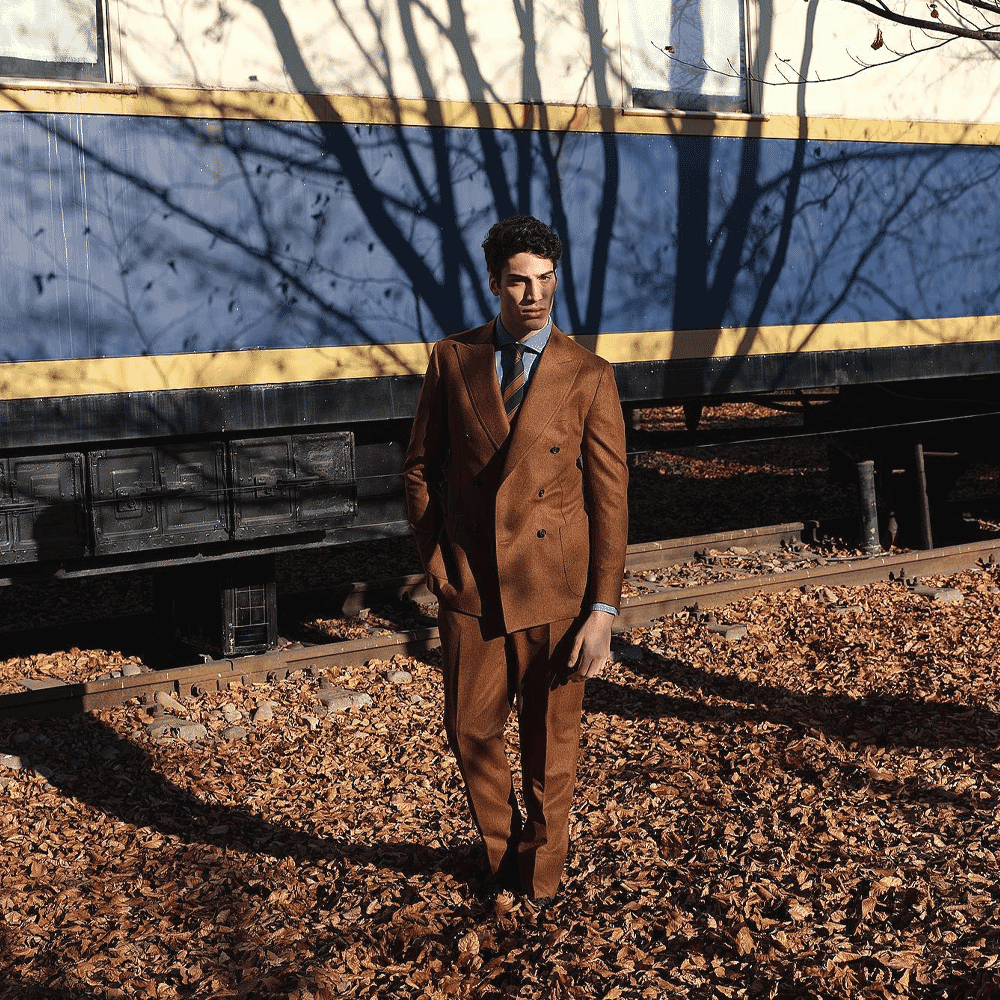
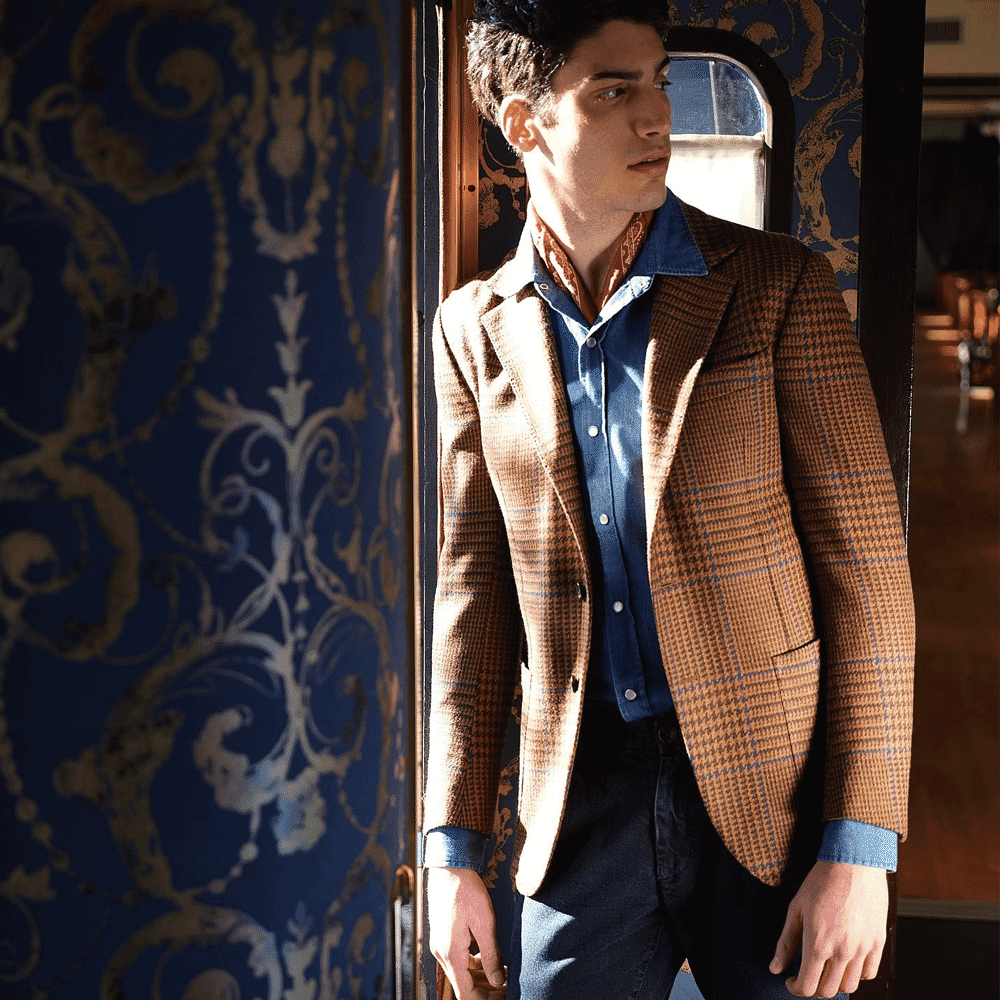
Neapolitan menswear label De Petrillo takes its name from the beautiful small island overlooking the bay of Naples. Inspired by classic Italian tailoring, the brand creates expertly cut suit jackets and trousers, plus knitwear and outerwear, using the finest textiles available. At the heart of De Petrillo is an emphasis on individuality. "The best way to conserve a De Petrillo garment is to don it: the more it is worn the more it becomes yours."
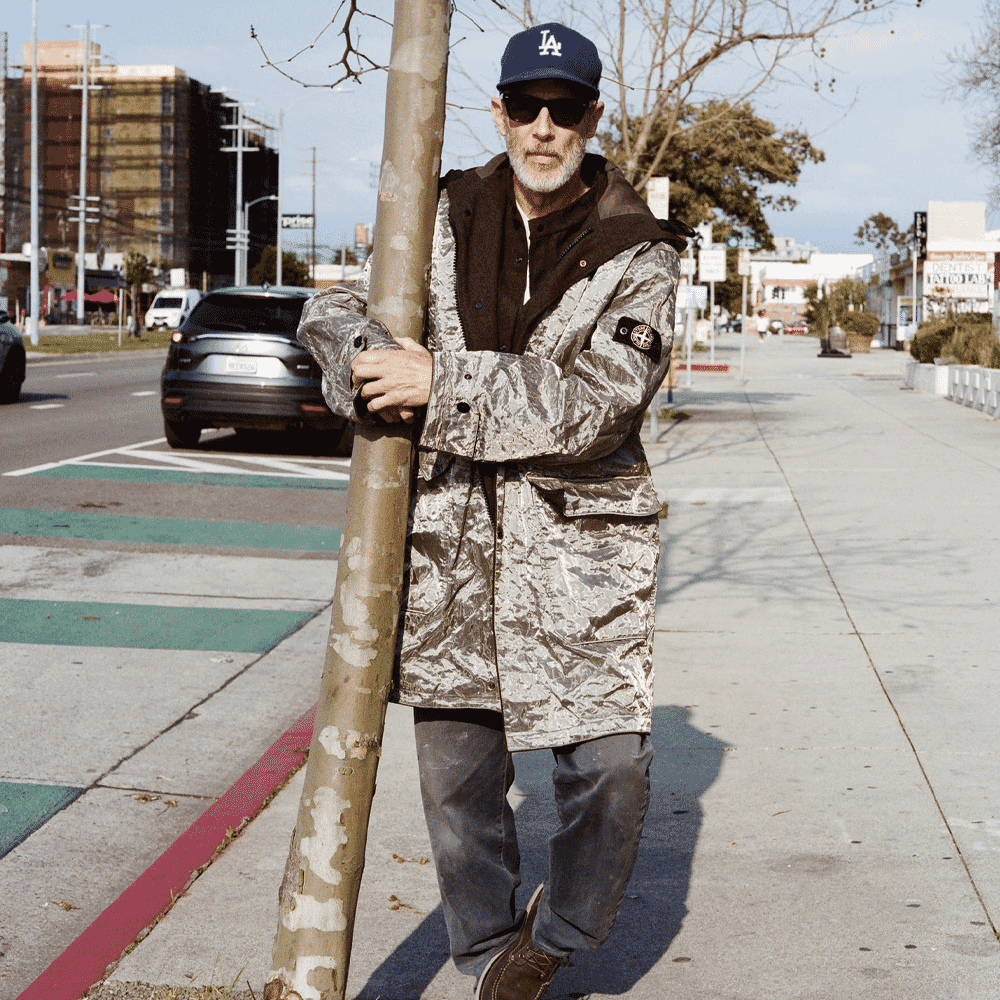
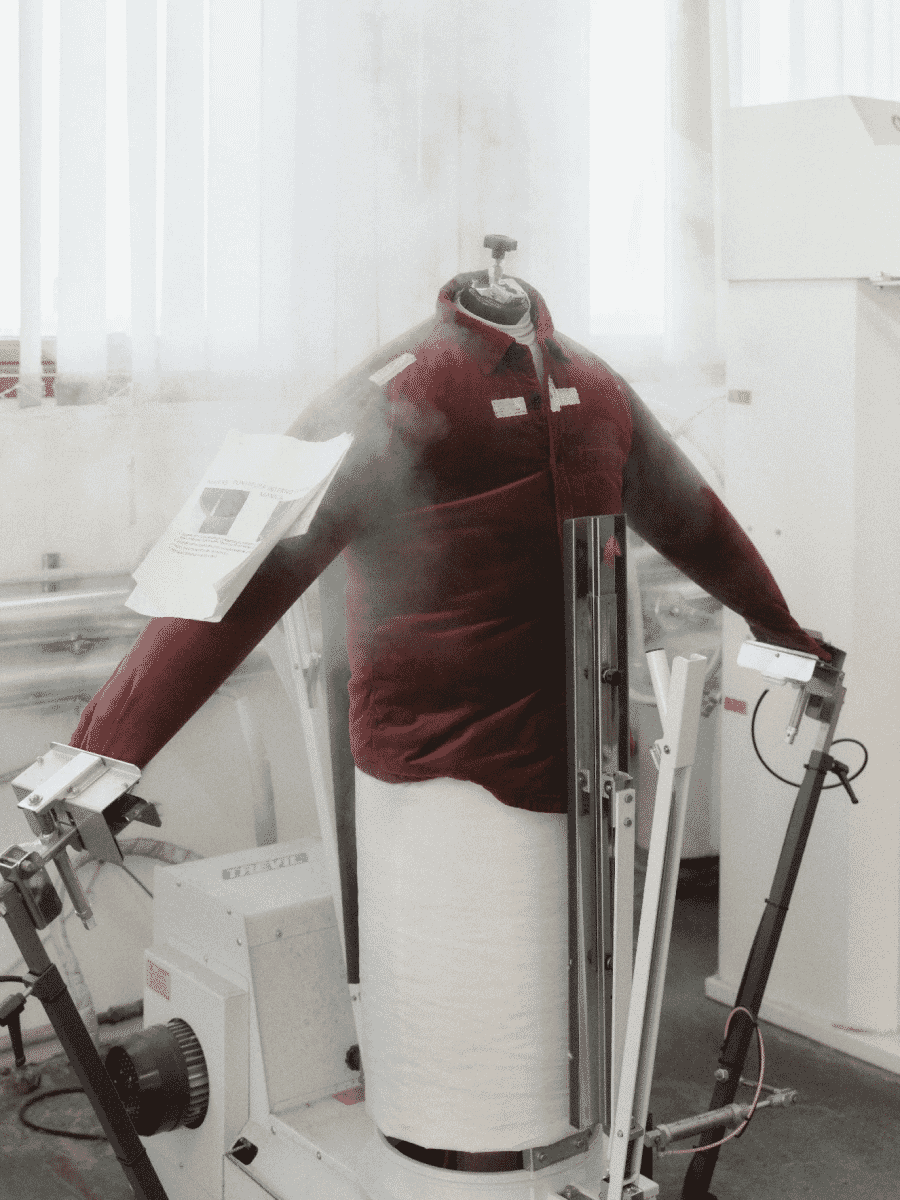
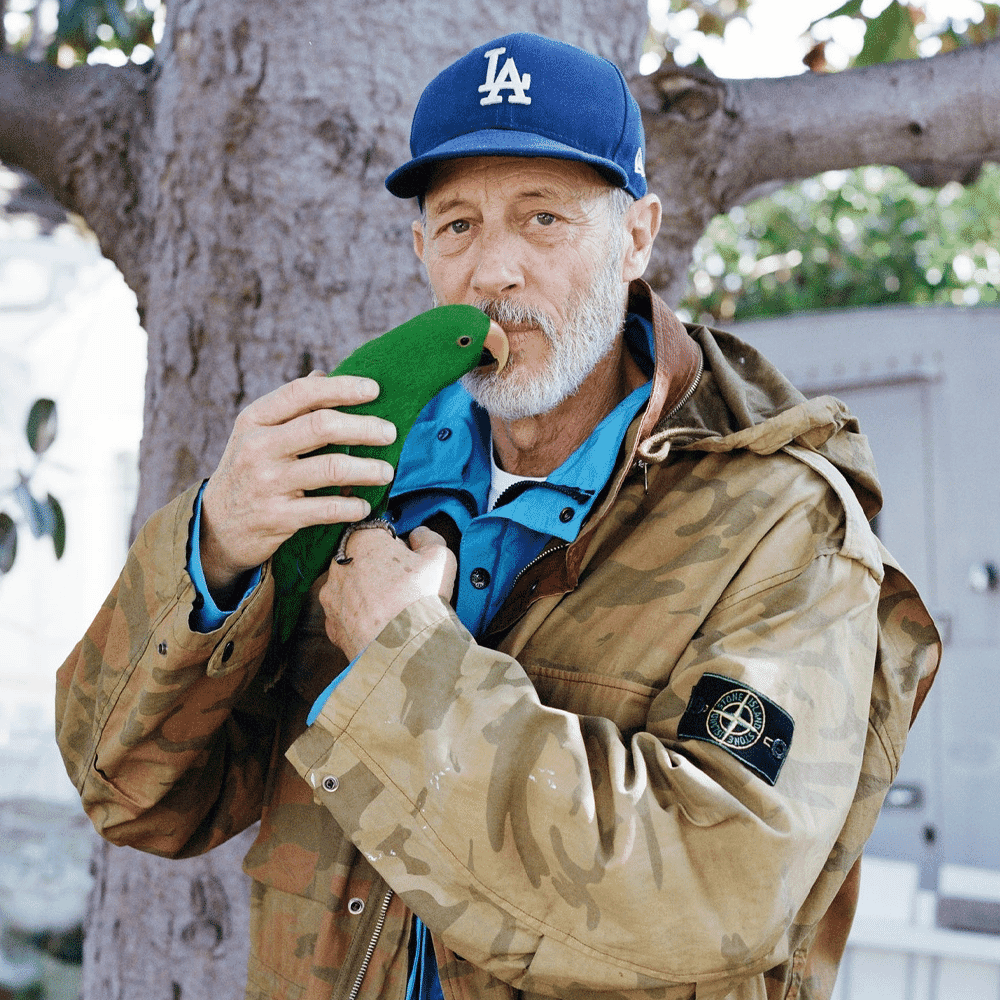
Stone Island
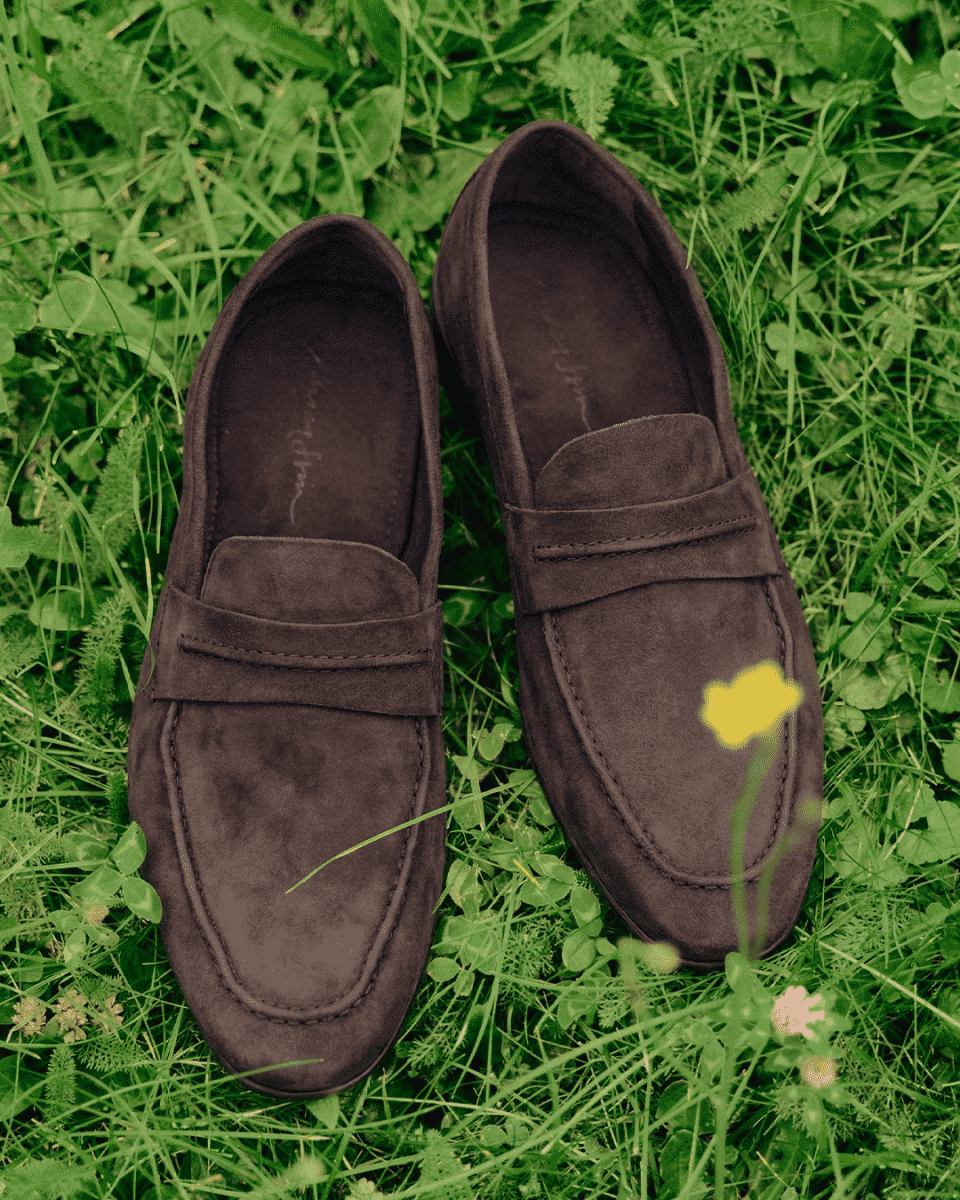
Stone Island is a fashion-forward label beloved by streetwear-obsessives the world over. The brand has come a long way since its inception. Founded in 1982 in Ravarino, Italy by designer Massimo Osti, its story began with Osti's discovery of a special material: an ultra-sturdy two-sided and two-tone truck tarpaulin. After undergoing an intensive stone washing process, the result was a garment with a worn and highly appealing appearance, named Tela Stella. This canvas material has since formed the basis for many of Stone Island's workwear and military-inspired outerwear pieces.
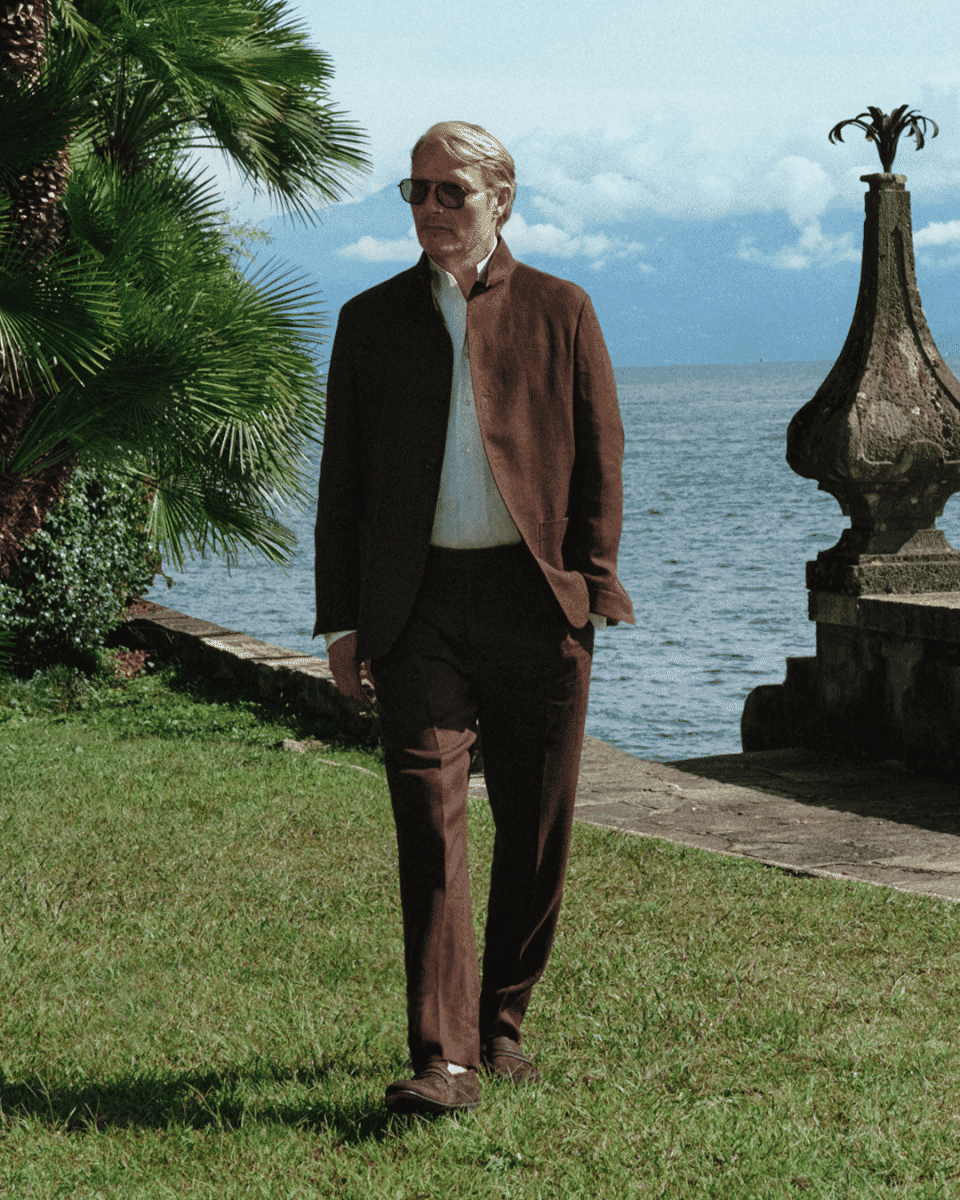
Zegna
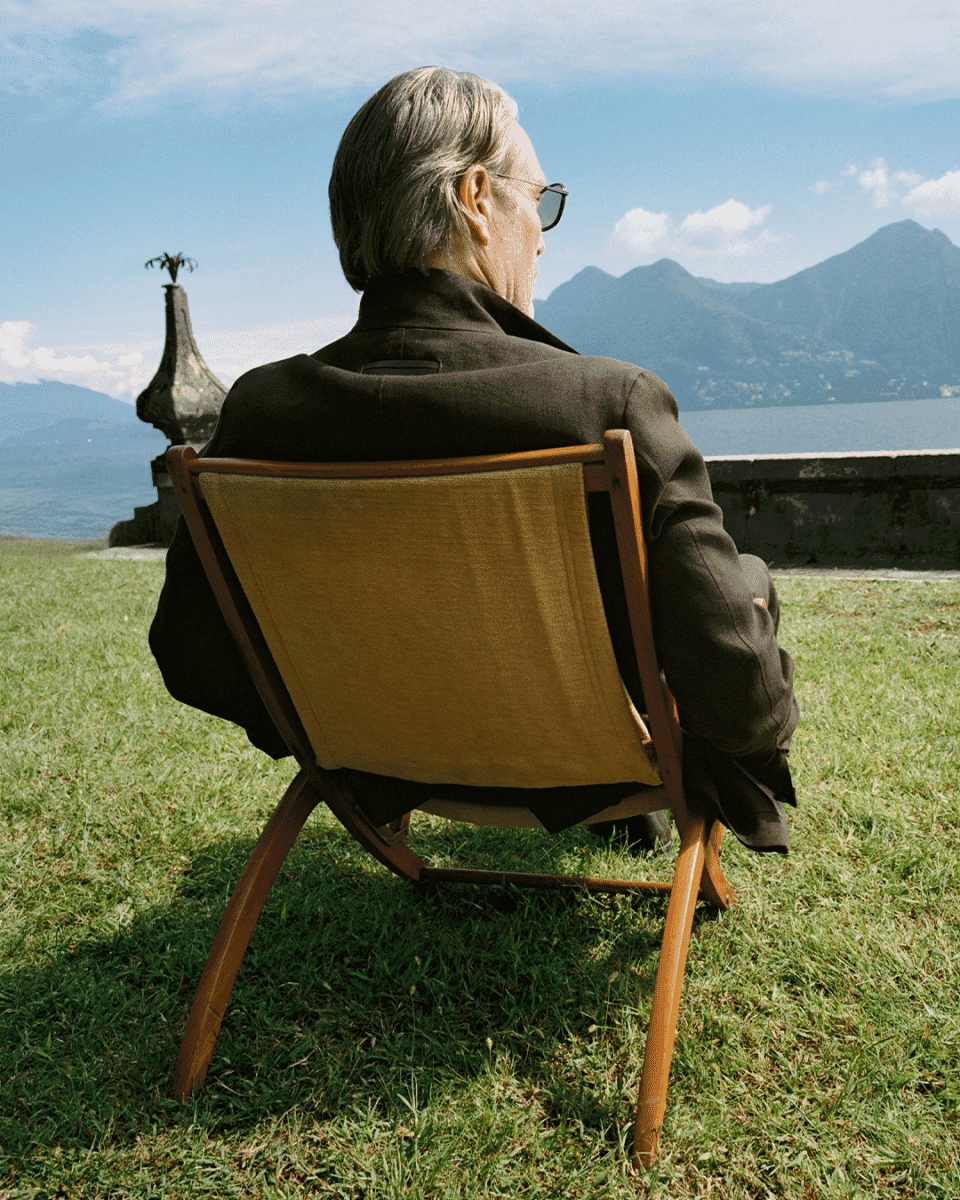
Founded as a textiles brand by Ermenegildo Zegna in Biella, Italy in 1910, the family-run Zegna has since garnered success as a leading global luxury menswear brand. Now, under the guidance of artistic director Alessandro Sartori, Zegna manages to control every step of its operation, from rearing its own sheep in Australia to overseeing all of its own tailors and mills in Italy.
Missoni
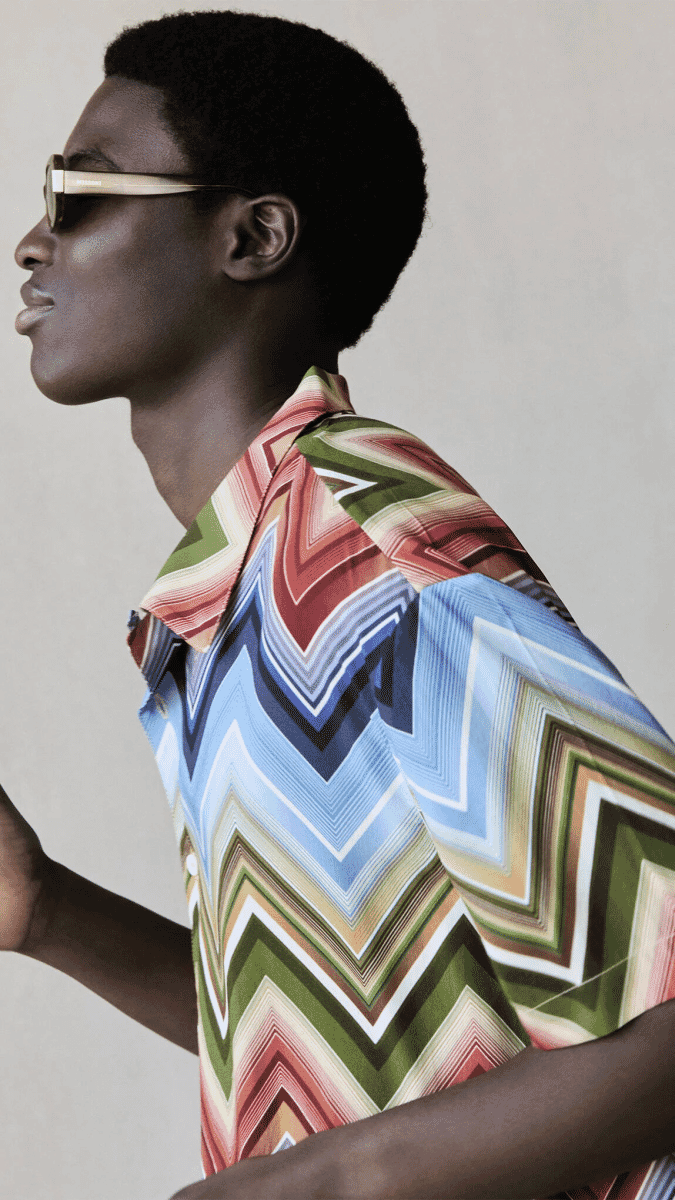
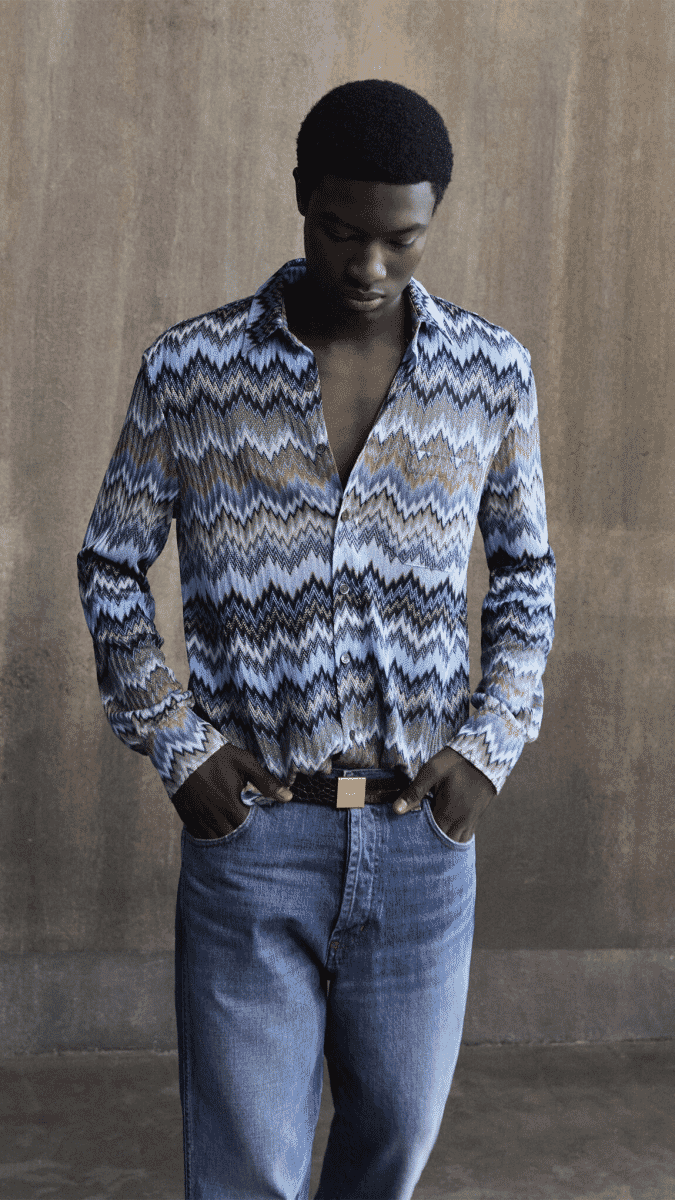
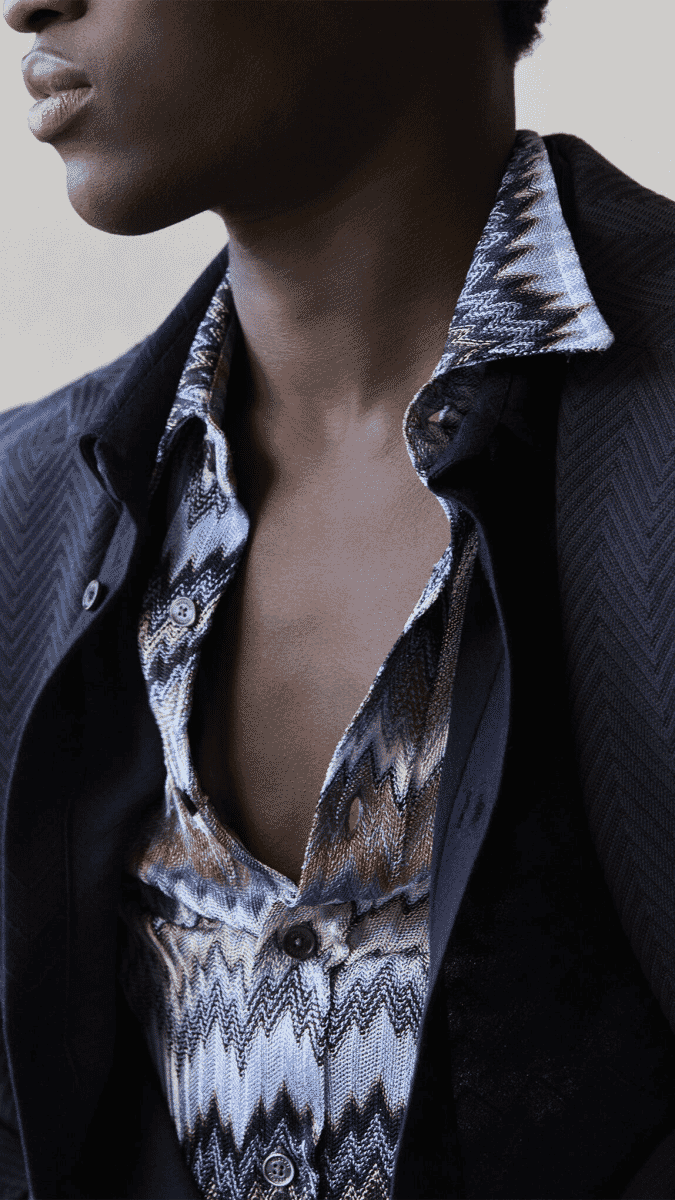
Founded by athletic champion Ottavio Missoni in 1953, Italian fashion house Missoni effortlessly melds tradition with contemporary flair, creating a look that is unmistakably its own. With a lineage steeped in luxury knitwear, Missoni's intricate patterns and vibrant colours evoke a sense of timeless elegance, perfect for the modern gentleman seeking to make a statement with his style.
C.P. Company
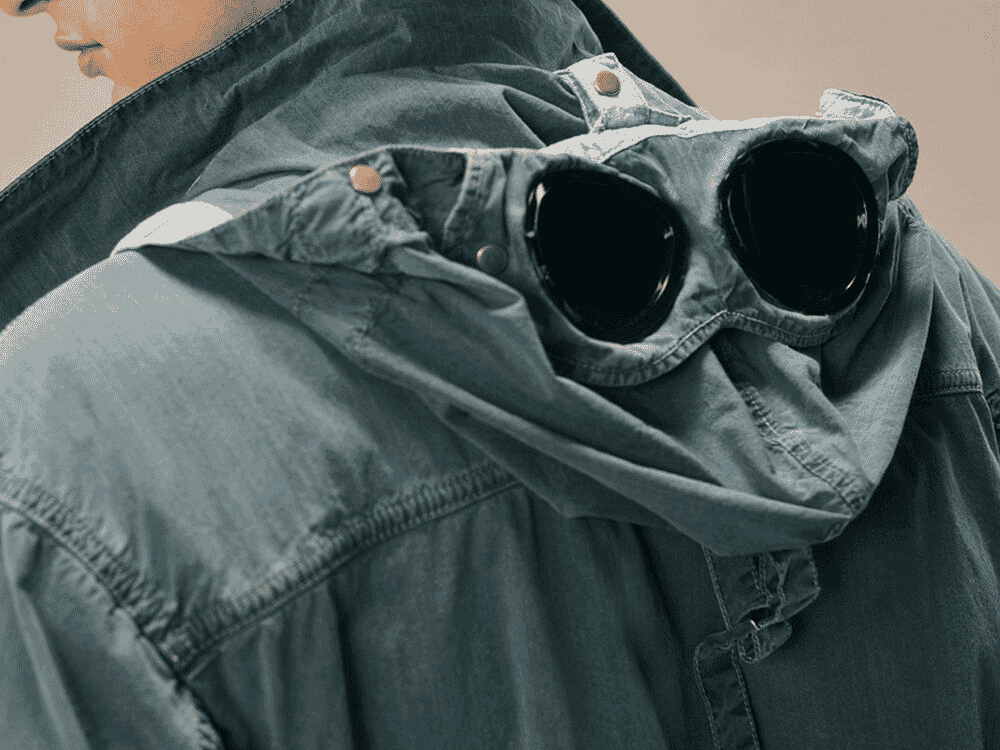
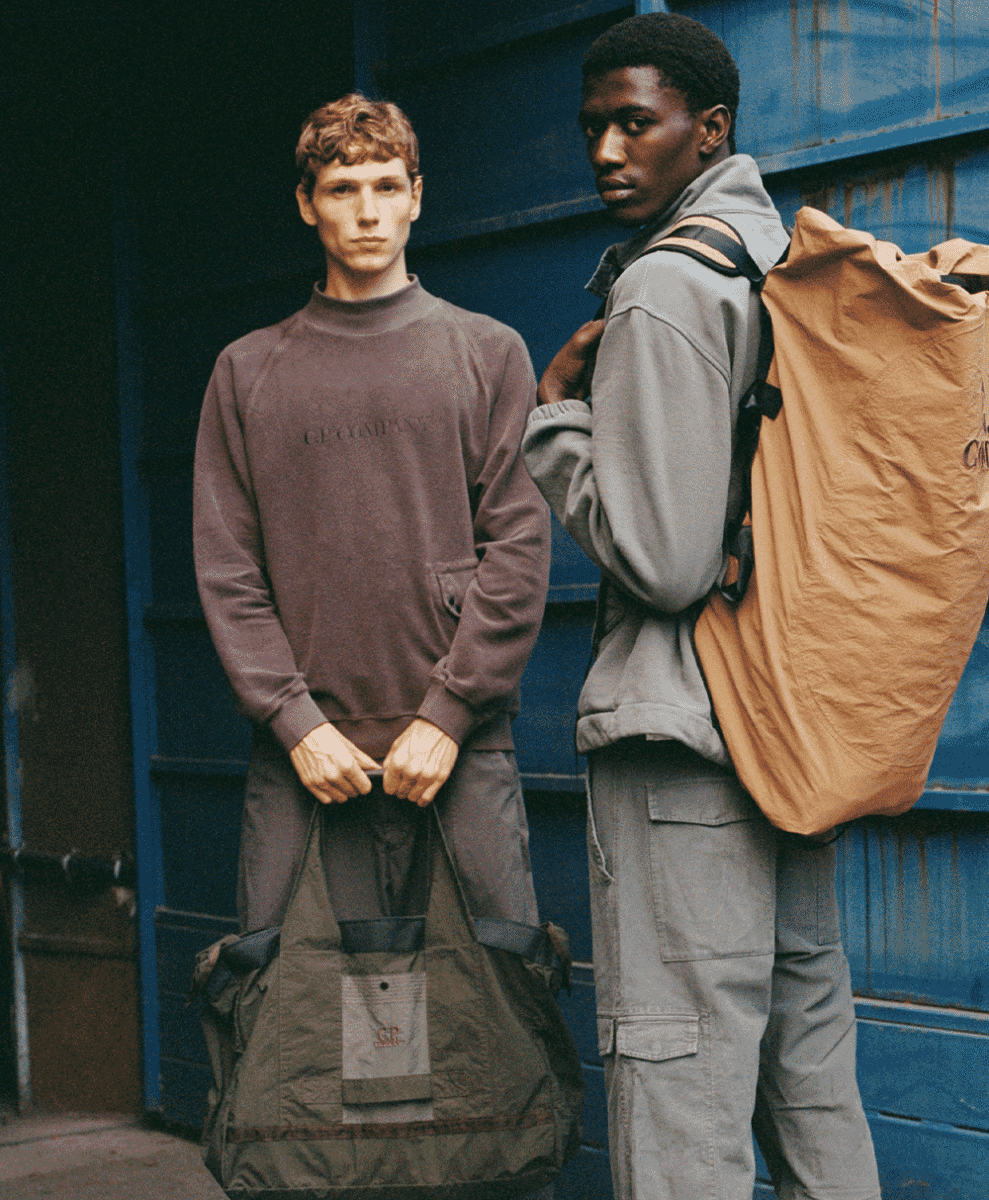
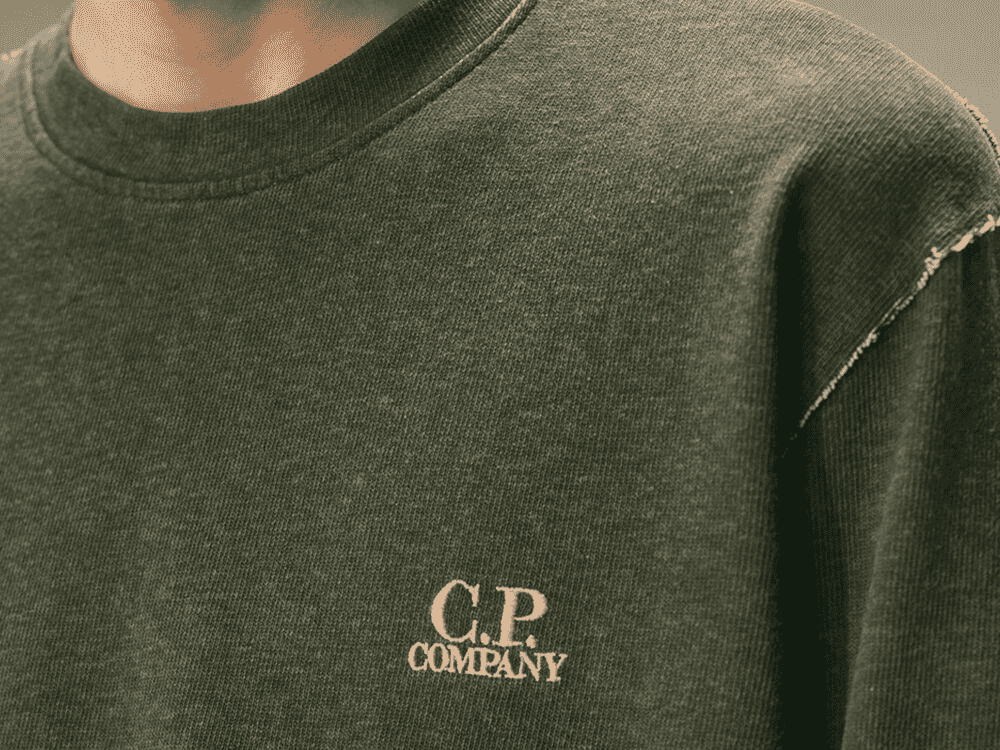
C.P. Company is a trailblazer in technical menswear, blending military-inspired designs with advanced garment-dyeing techniques. The brand’s signature Goggle Jacket, featuring built-in lenses, embodies its ethos of practicality meeting innovation. Each piece is designed with functionality in mind, offering a distinctive edge to urban wardrobes.
Fracap
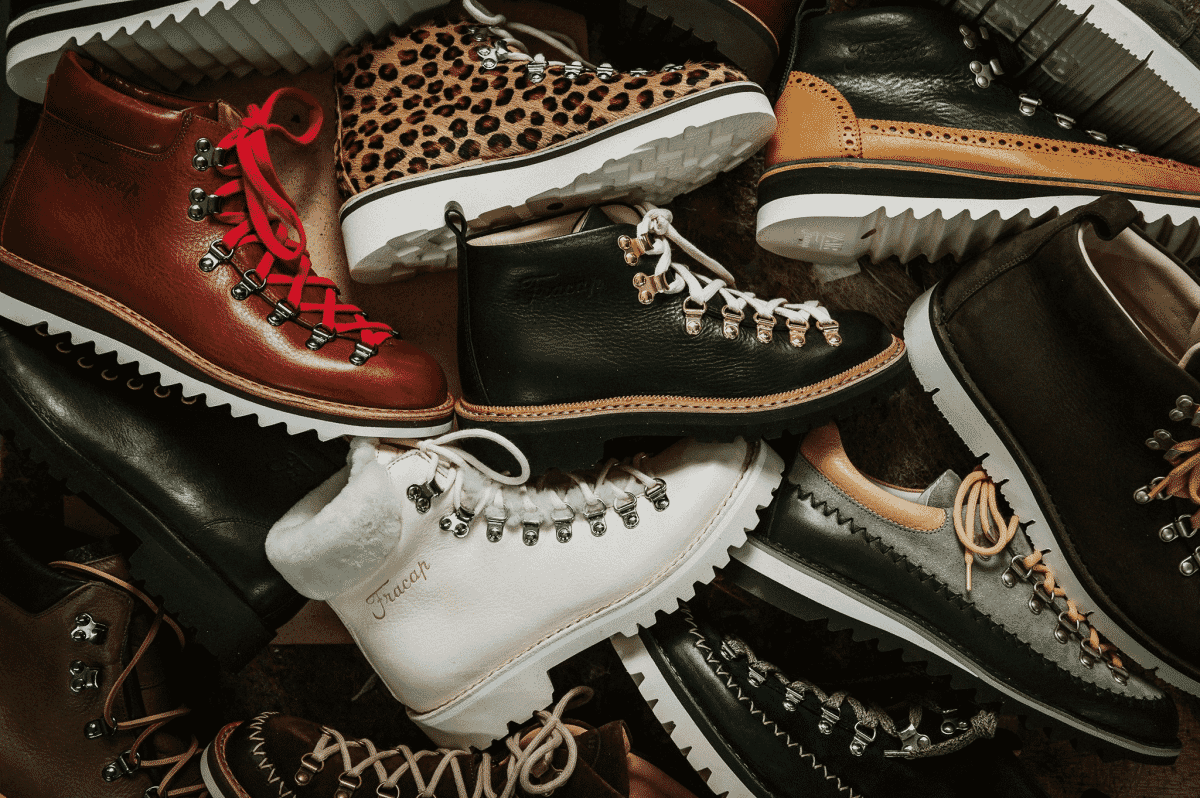
Known for its artisanal craftsmanship, Fracap creates some of the finest boots in Italy. The brand’s designs combine rugged durability with sleek Italian aesthetics, making them as suitable for the mountains as they are for the streets. Fracap’s boots are often customisable, reflecting its commitment to personalisation and quality.
Brunello Cucinelli
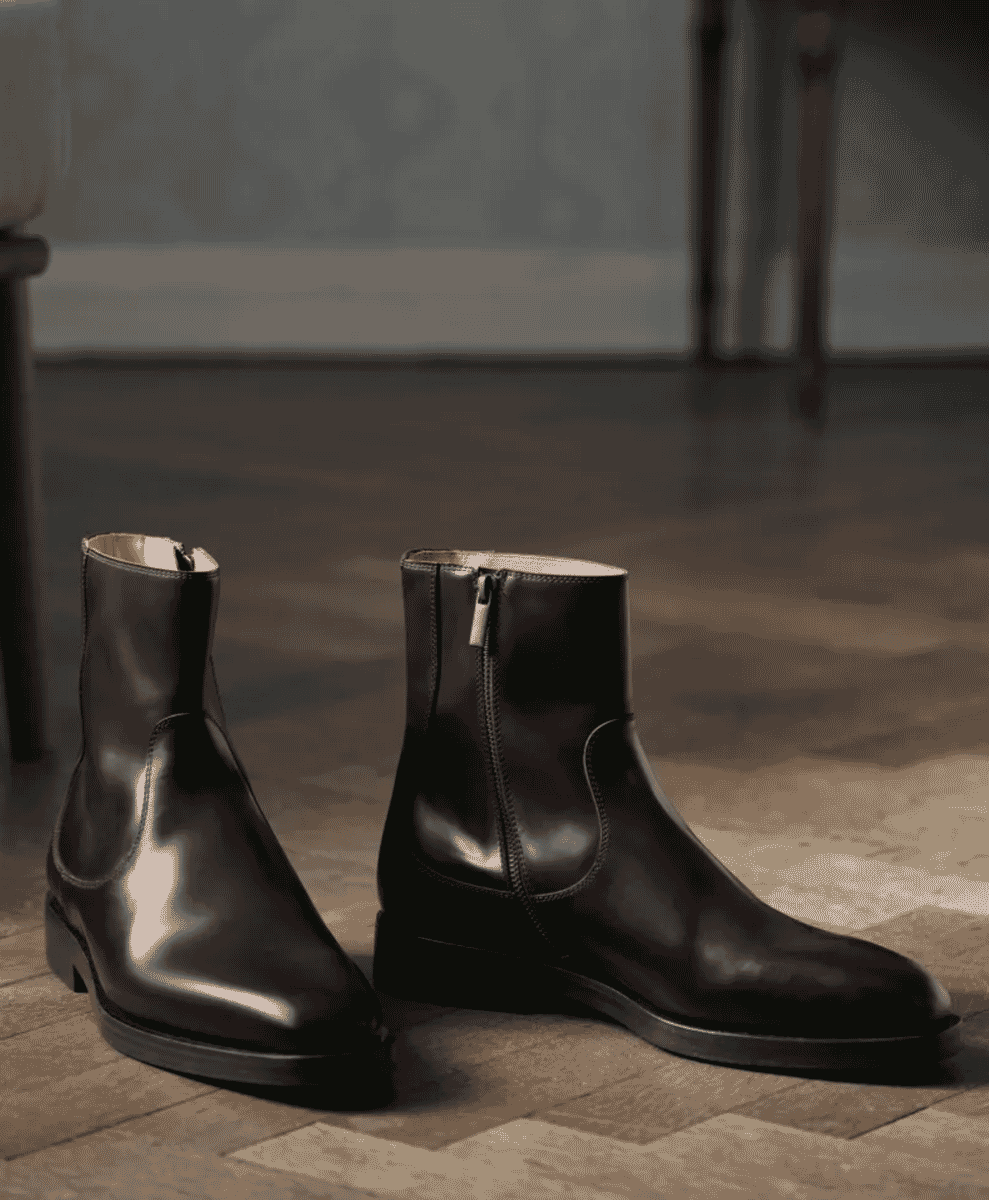
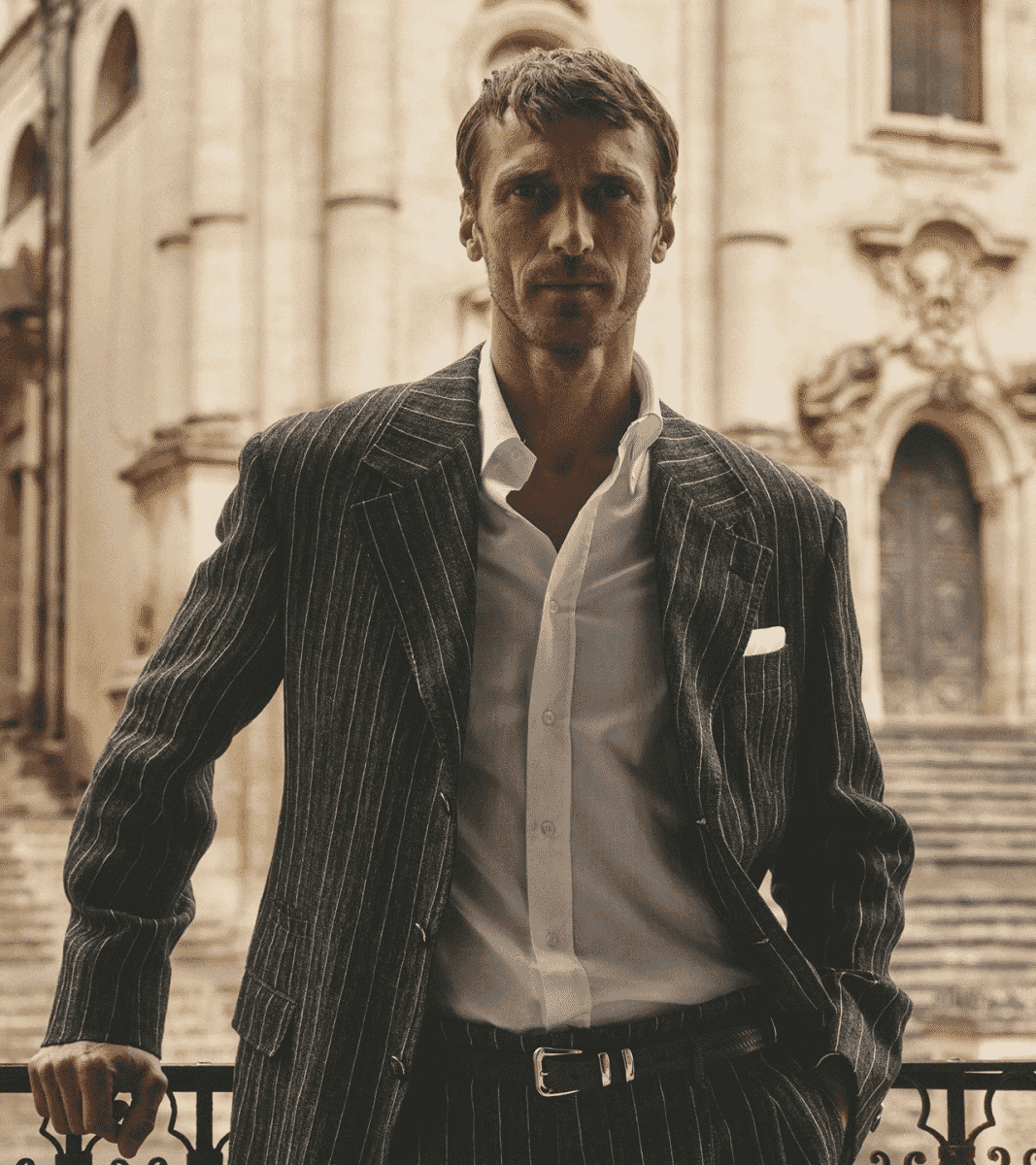
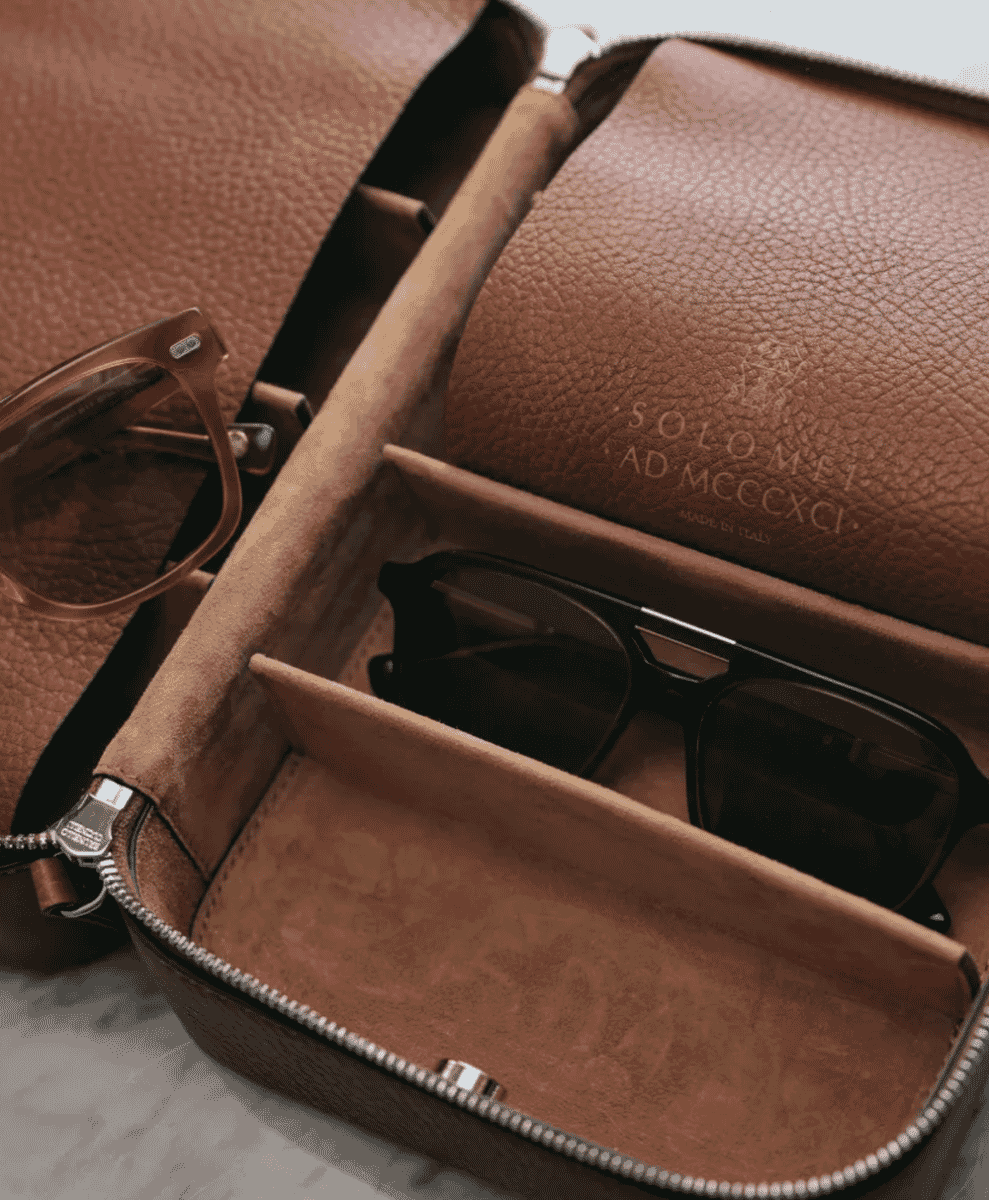
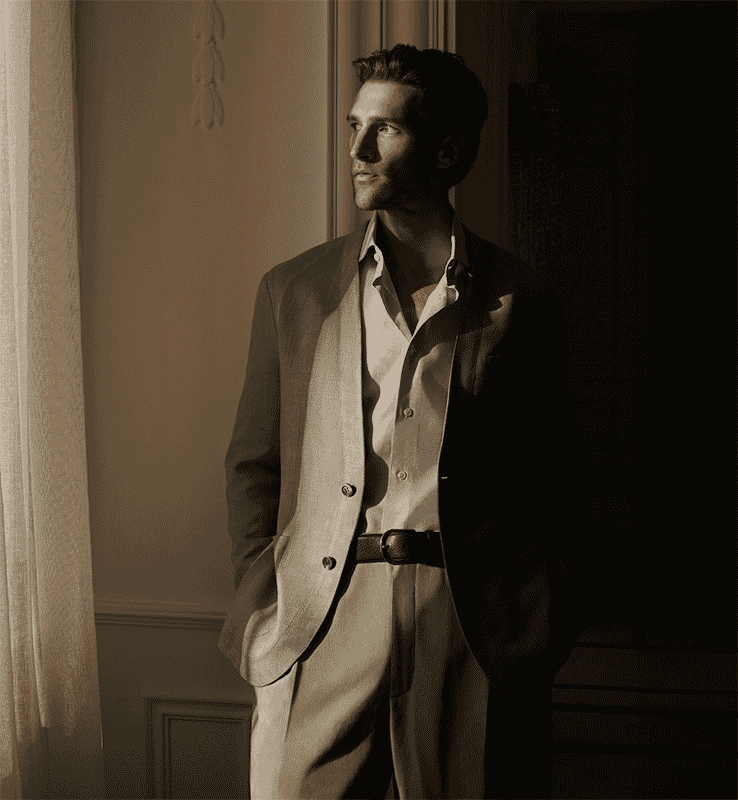
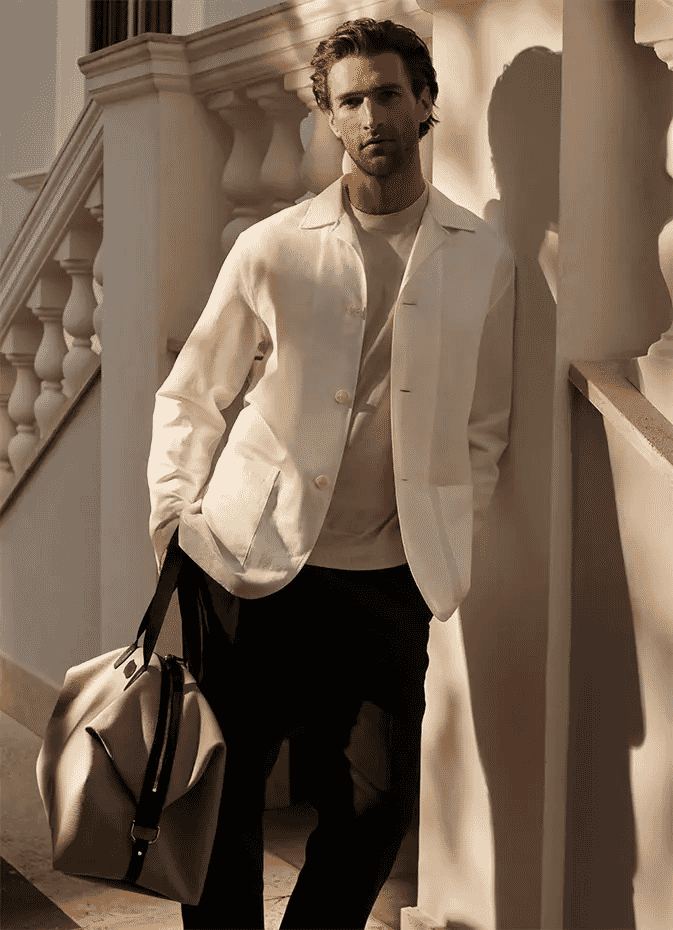
Brunello Cucinelli is a byword for understated luxury. Its collections are defined by soft, natural fabrics, particularly cashmere, and a harmonious balance of tailoring and casualwear. This is menswear for the man who values elegance without excess, grounded in ethical production and timeless appeal.
Brioni
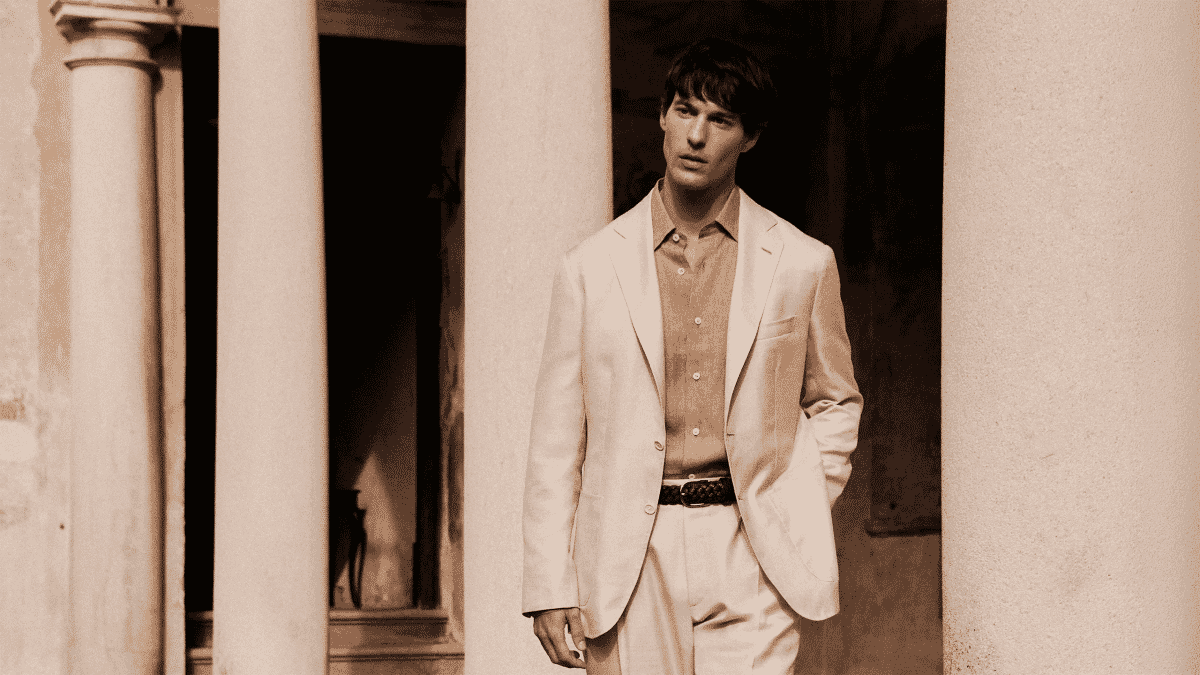
Brioni sets the standard for bespoke tailoring, crafting suits that are the epitome of elegance. Worn by actors, royals, and discerning professionals, the brand is celebrated for its precision cuts, luxurious fabrics, and effortless sophistication. A Brioni suit is not just a garment—it’s a statement of refinement.
Moncler
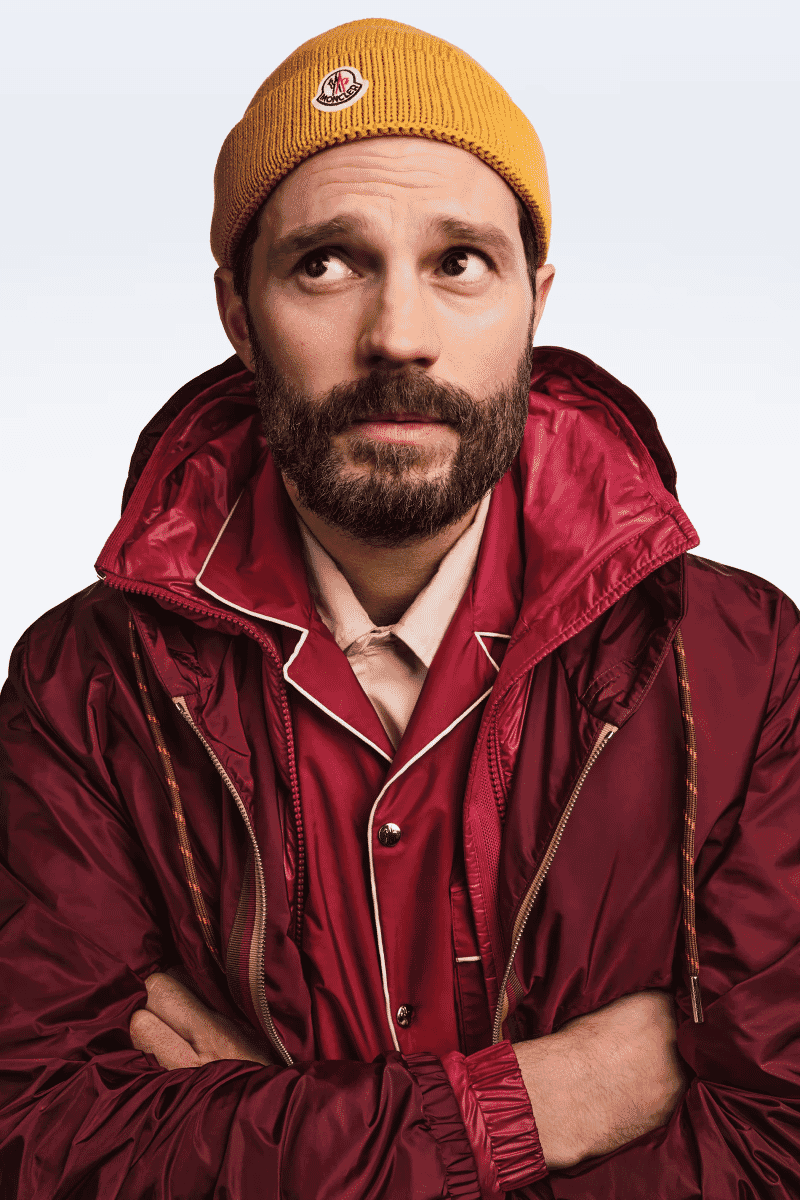
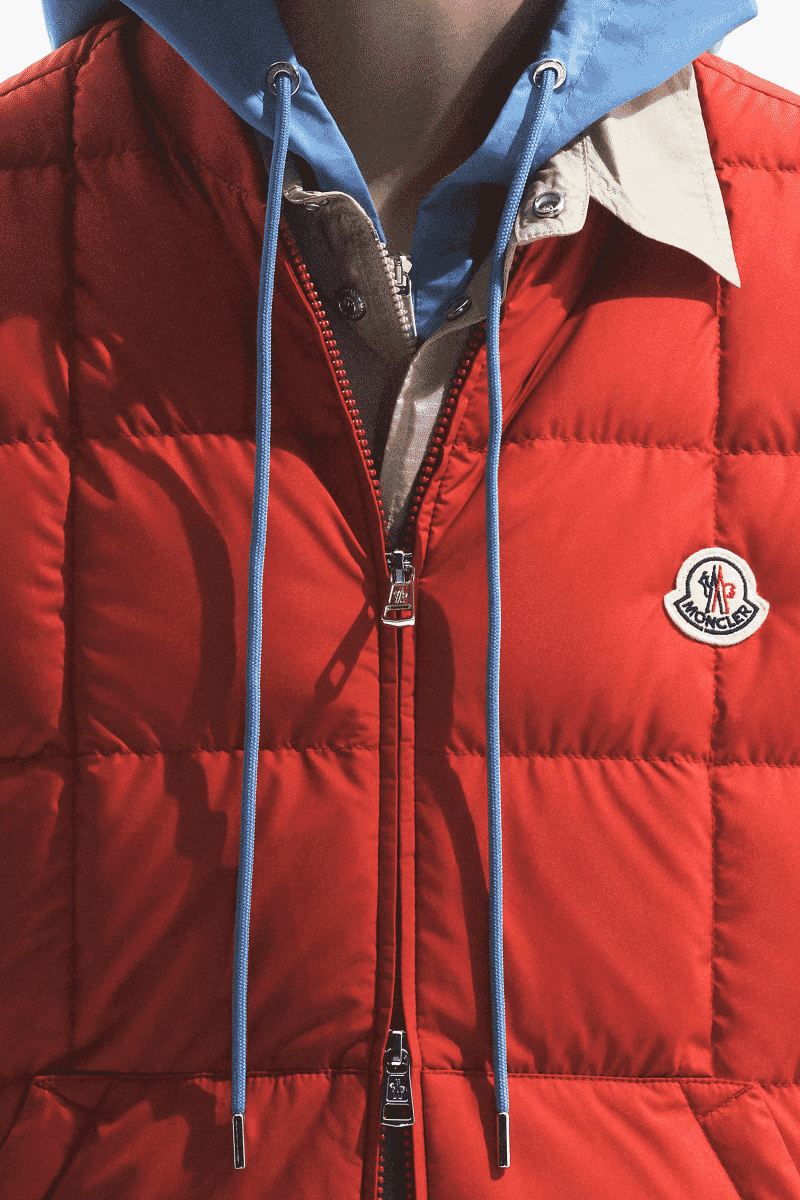
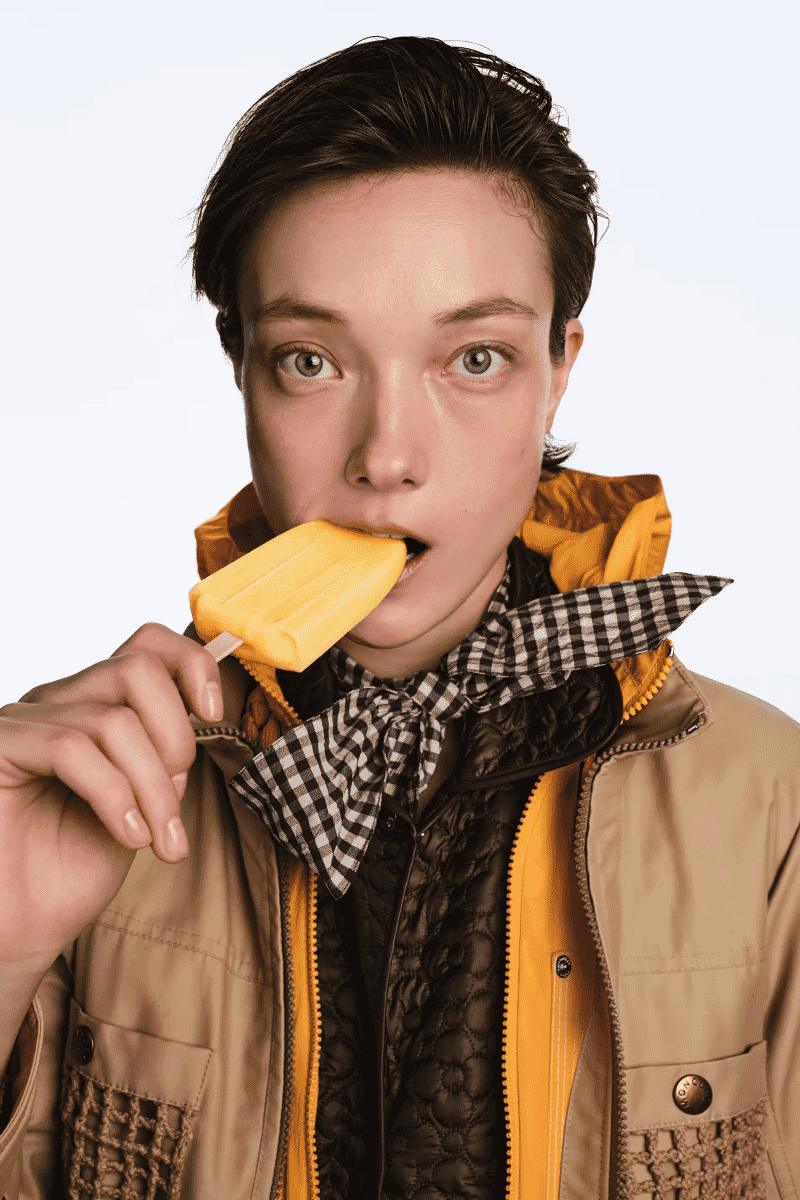
Moncler has mastered the art of fusing performance with style. Famous for its down-filled jackets, the brand has expanded its repertoire to include sleek urban outerwear. Each piece combines technical innovation with Italian design, ensuring Moncler remains a go-to for both the slopes and the city.
ROA
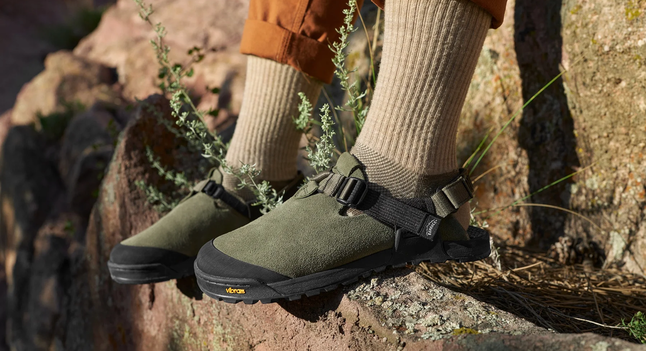
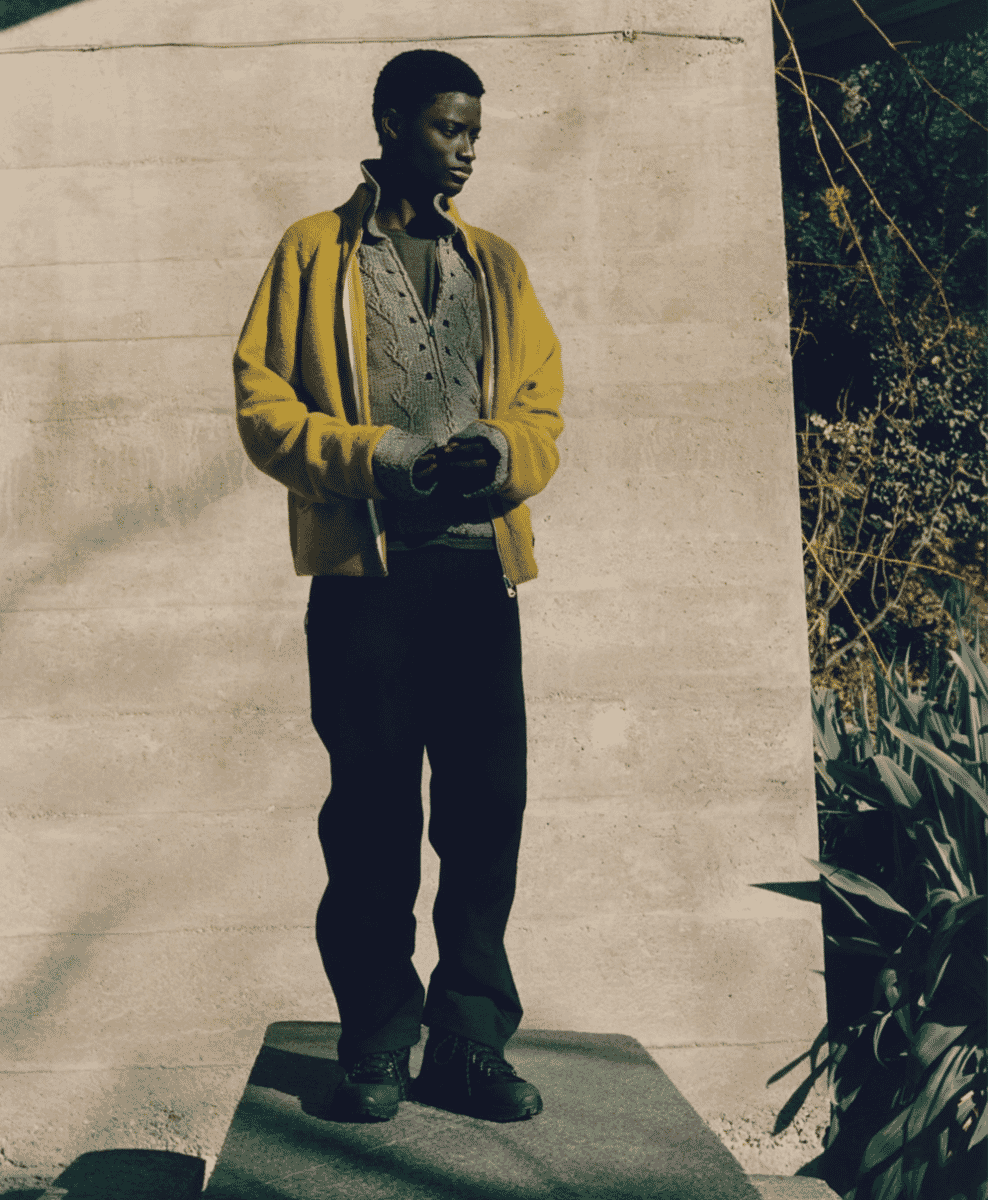
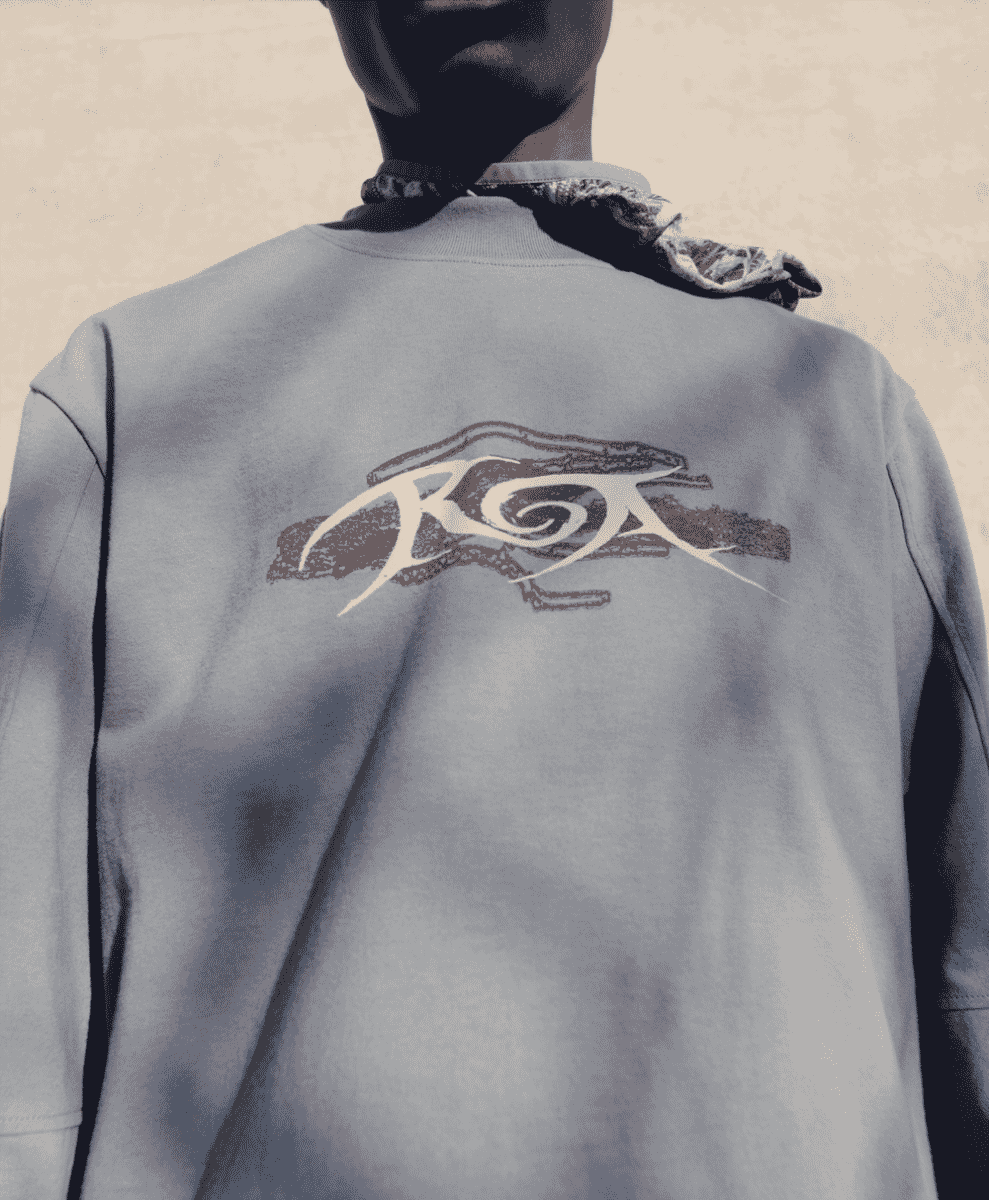
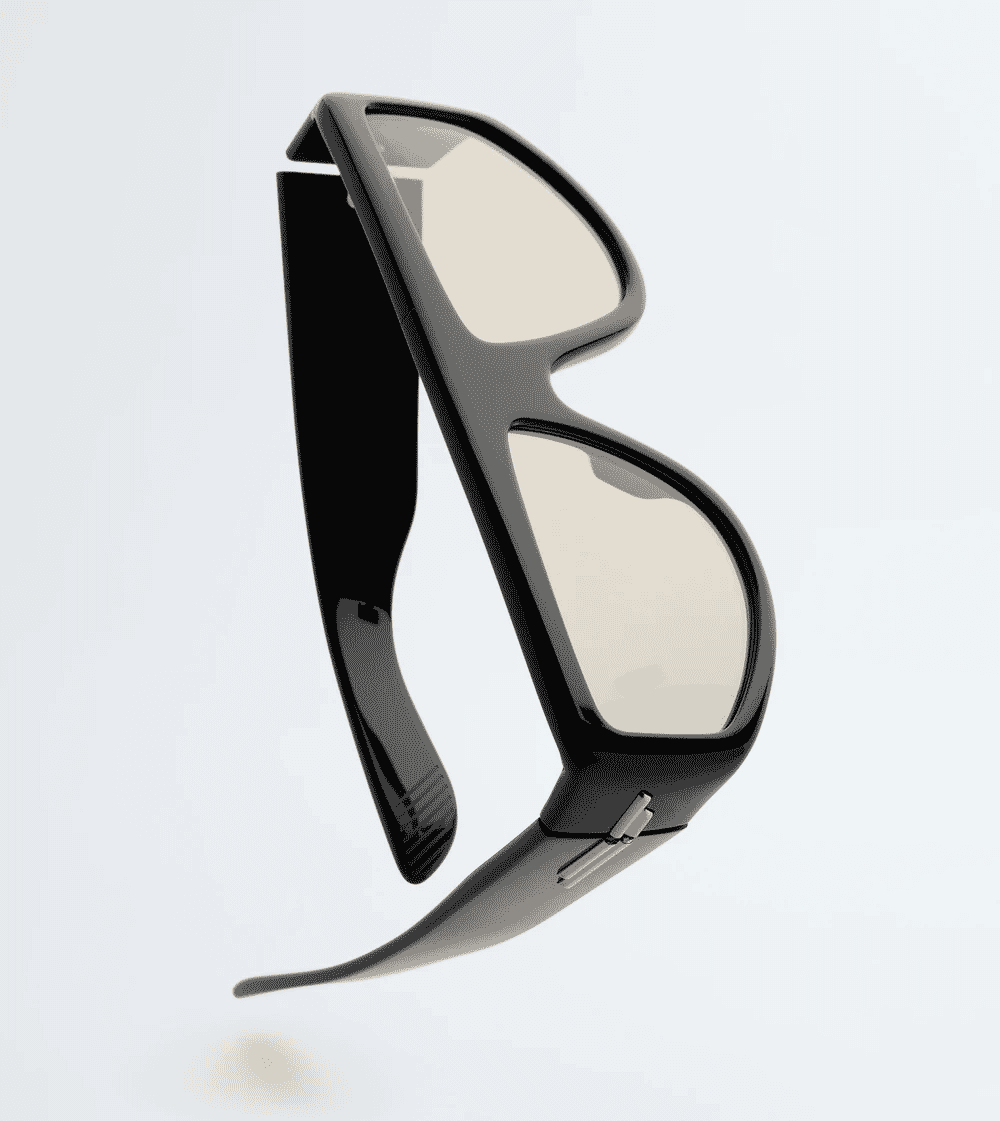
ROA reimagines trail footwear for the modern adventurer. The brand’s designs blend robust outdoor functionality with an avant-garde aesthetic, using cutting-edge materials and construction techniques. Whether on rugged terrain or city streets, ROA’s footwear stands out for its bold and technical appeal.
Bottega Veneta
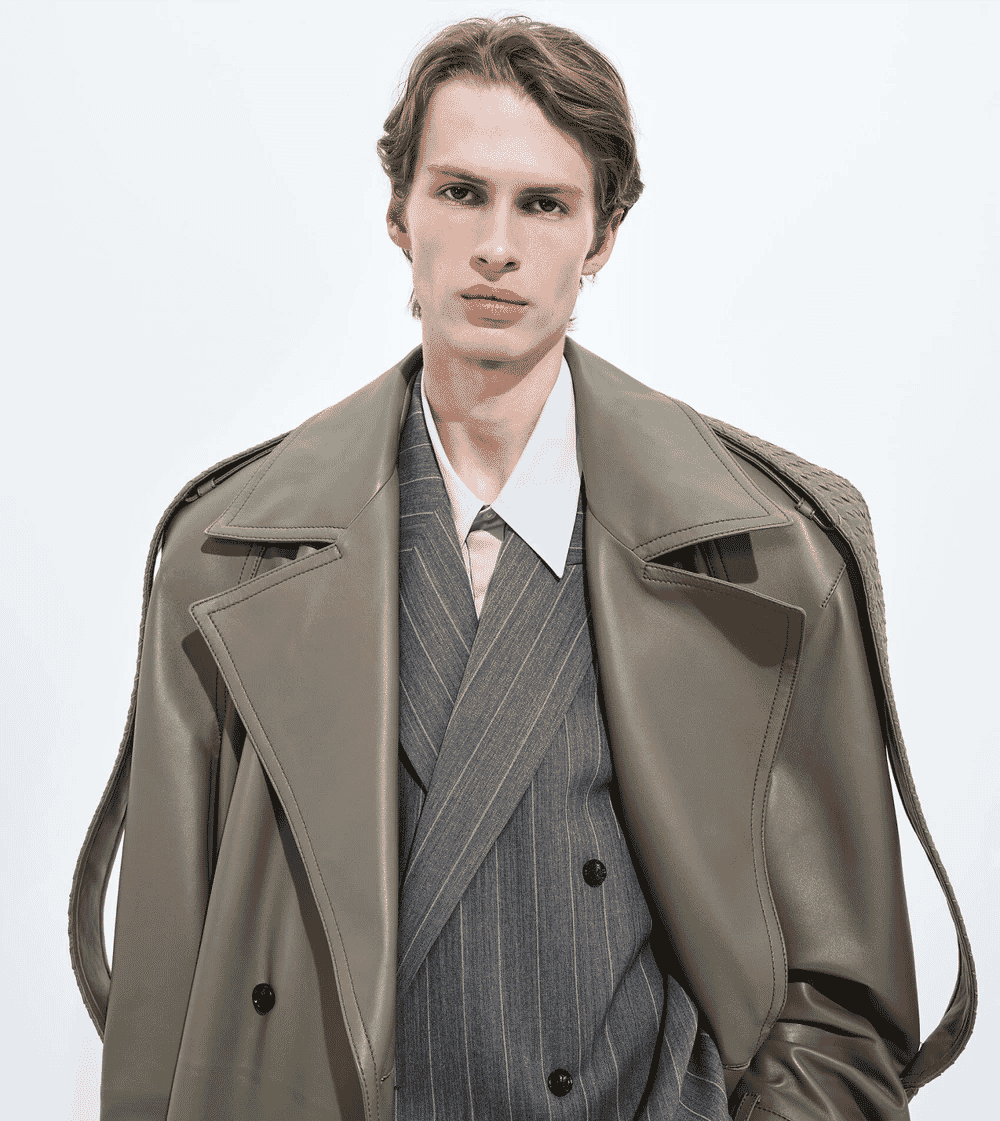
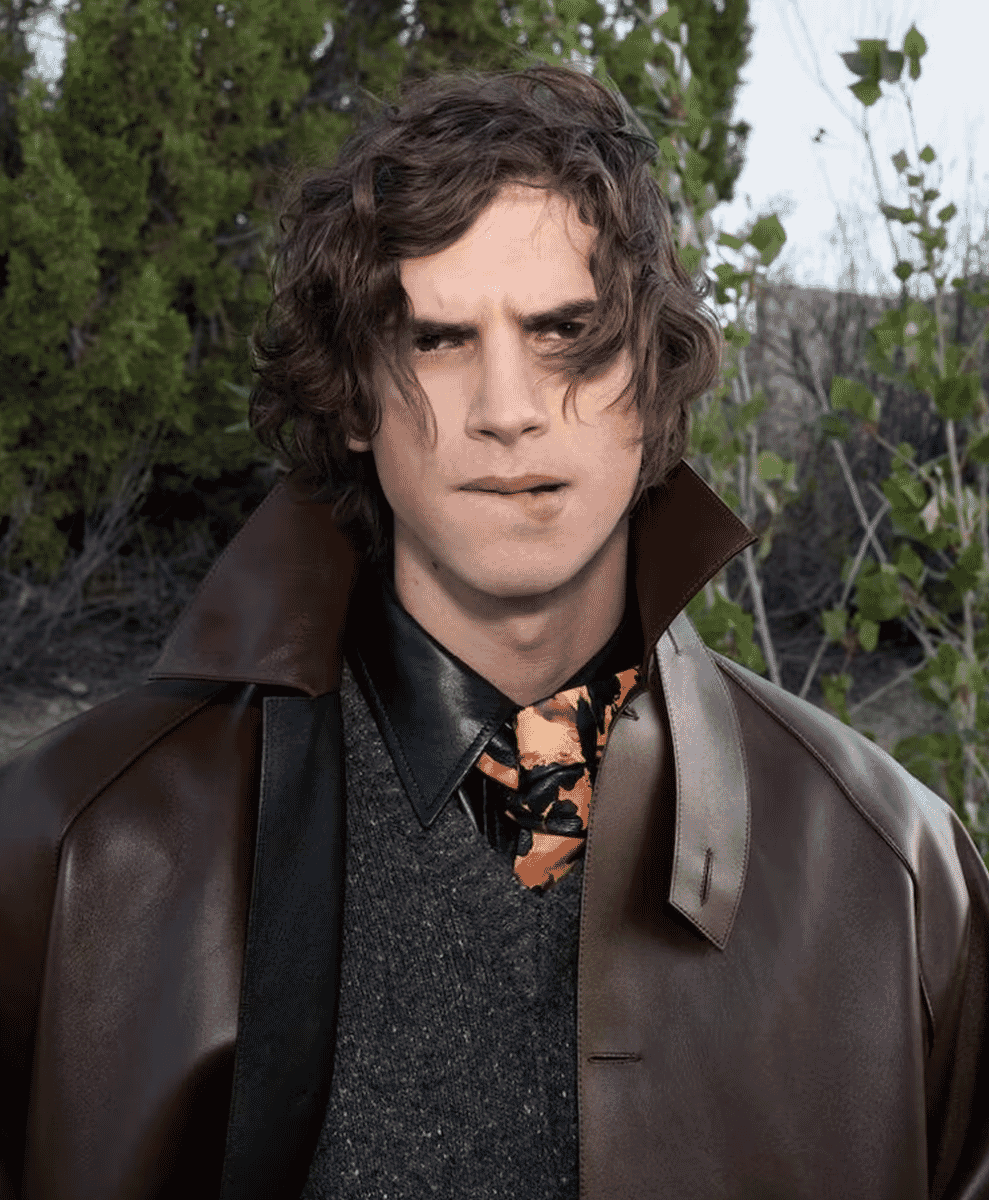
Bottega Veneta’s distinctive intrecciato weave has become a symbol of Italian luxury. From its buttery leather goods to its clean-lined ready-to-wear collections, the brand’s minimalist approach resonates with those who value quiet sophistication. With a focus on texture, craftsmanship, and modern design, Bottega Veneta continues to define contemporary elegance.
Massimo Alba
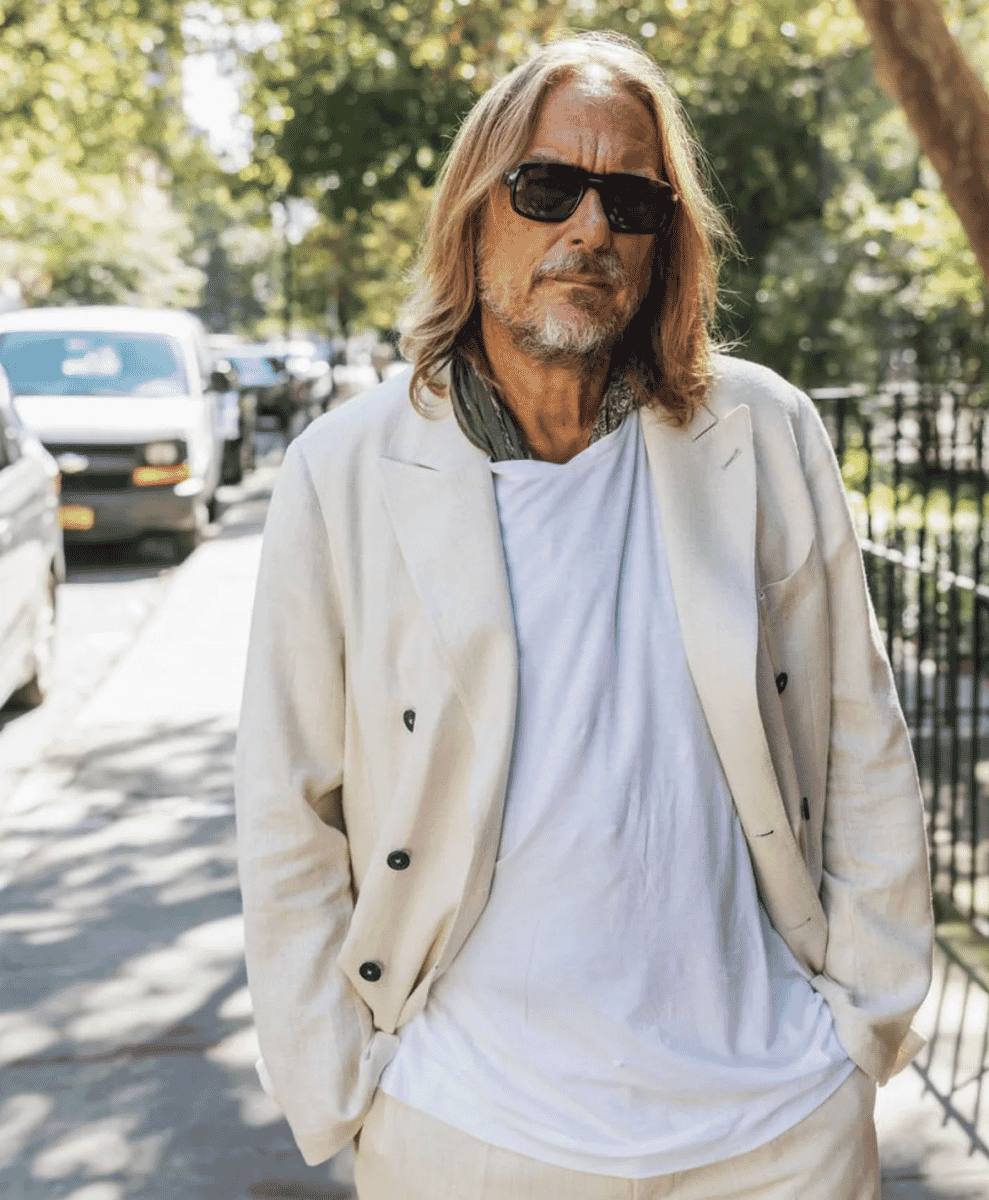
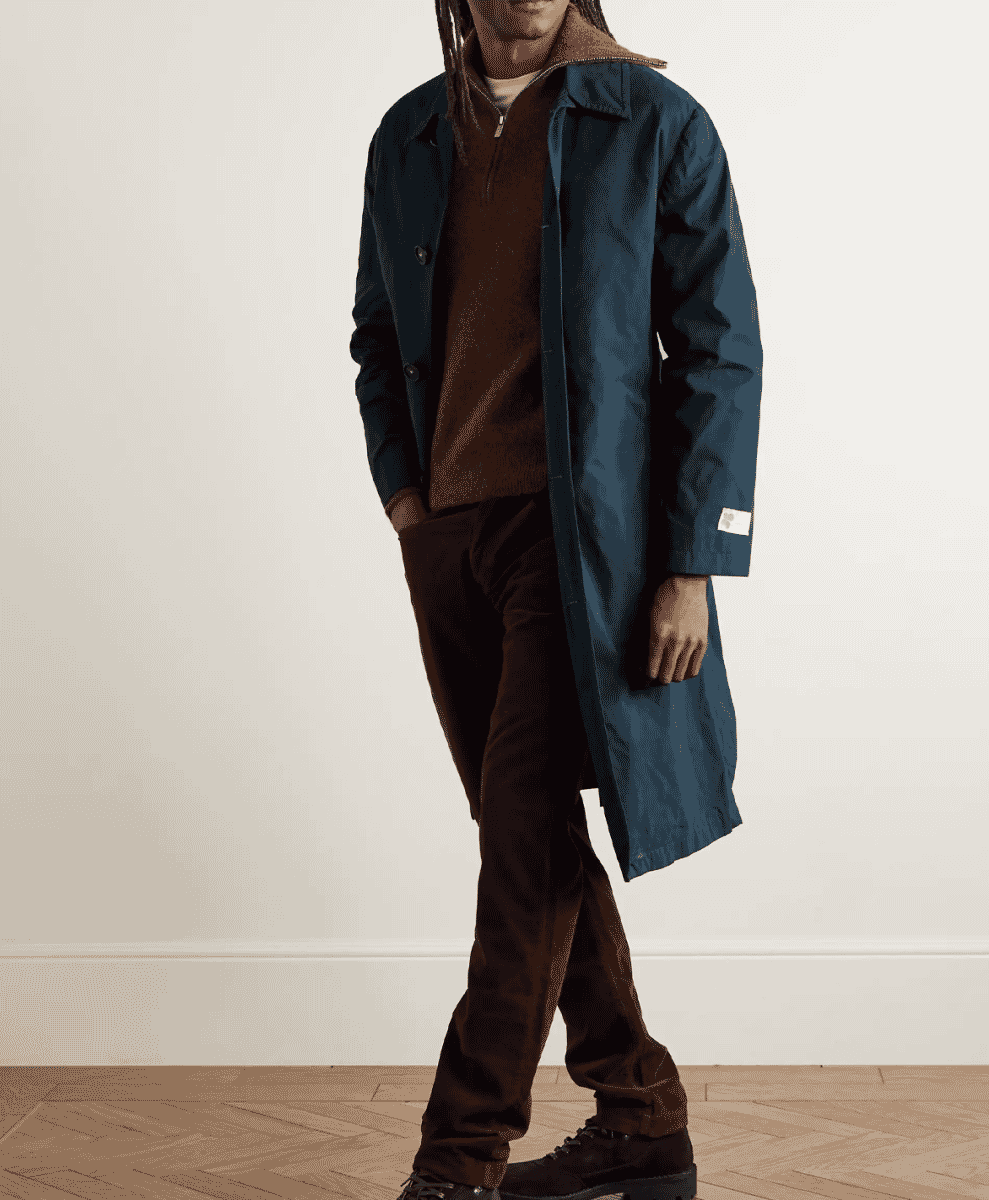
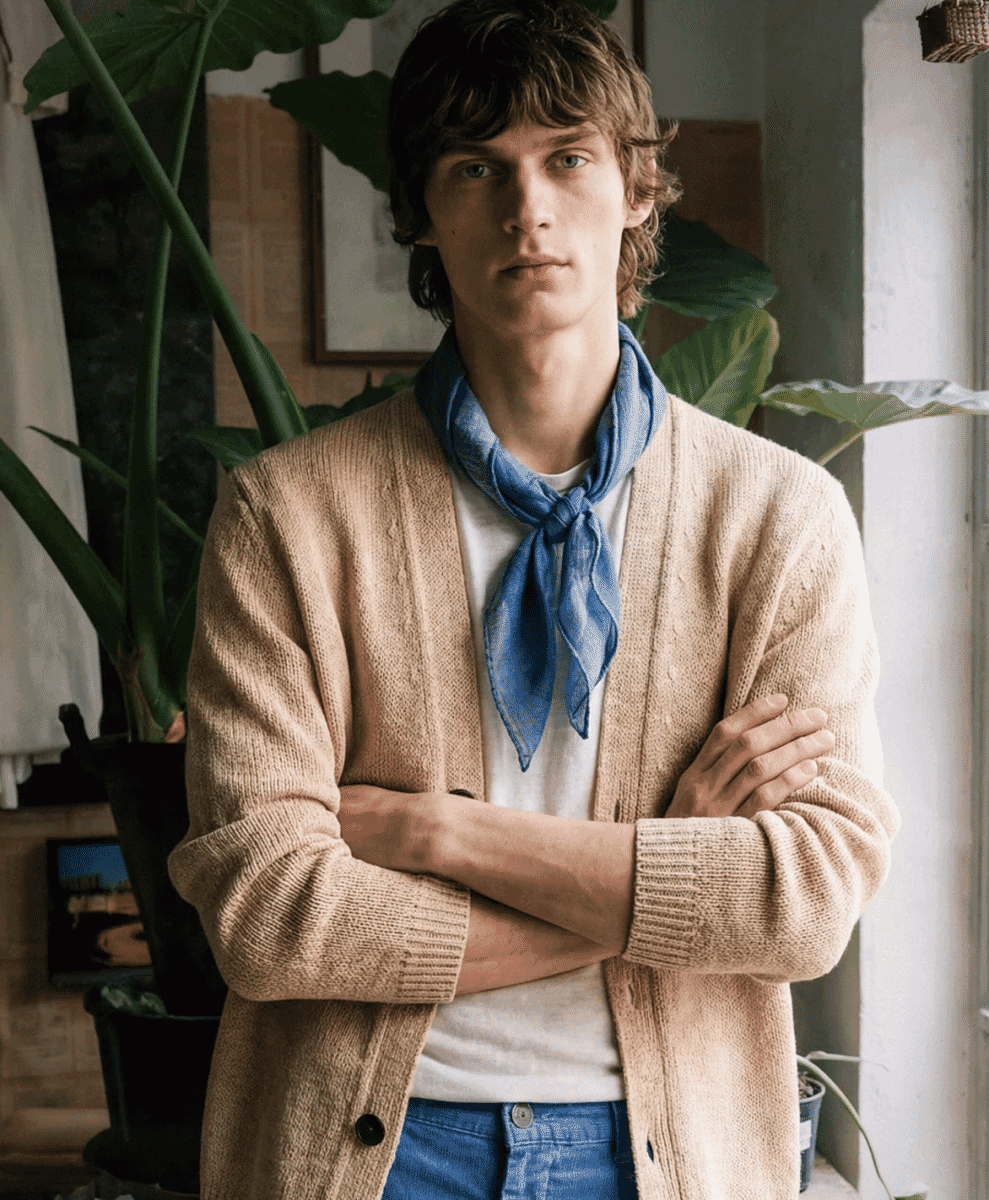
There’s a softness to everything Massimo Alba does that’s hard to fake. Fabrics are washed, dyed and worn-in before they ever reach you, colours feel sun-faded rather than seasonal, and tailoring is cut to move, not to impress. It’s Italian luxury at its most relaxed – the sort of clothes that look better slightly creased, worn on holiday, or thrown on without much thought. Quiet, yes, but far from boring.
Aspesi
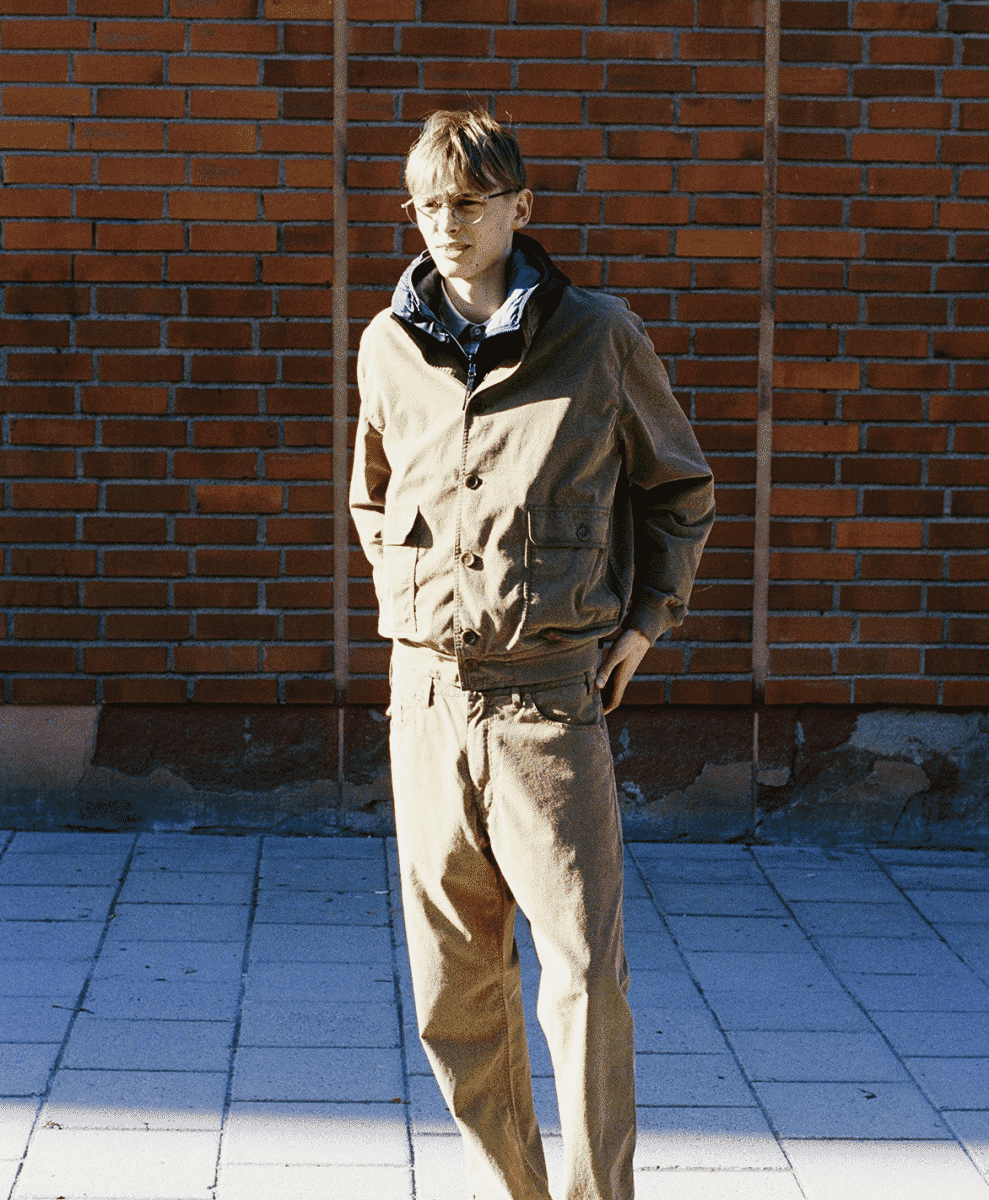
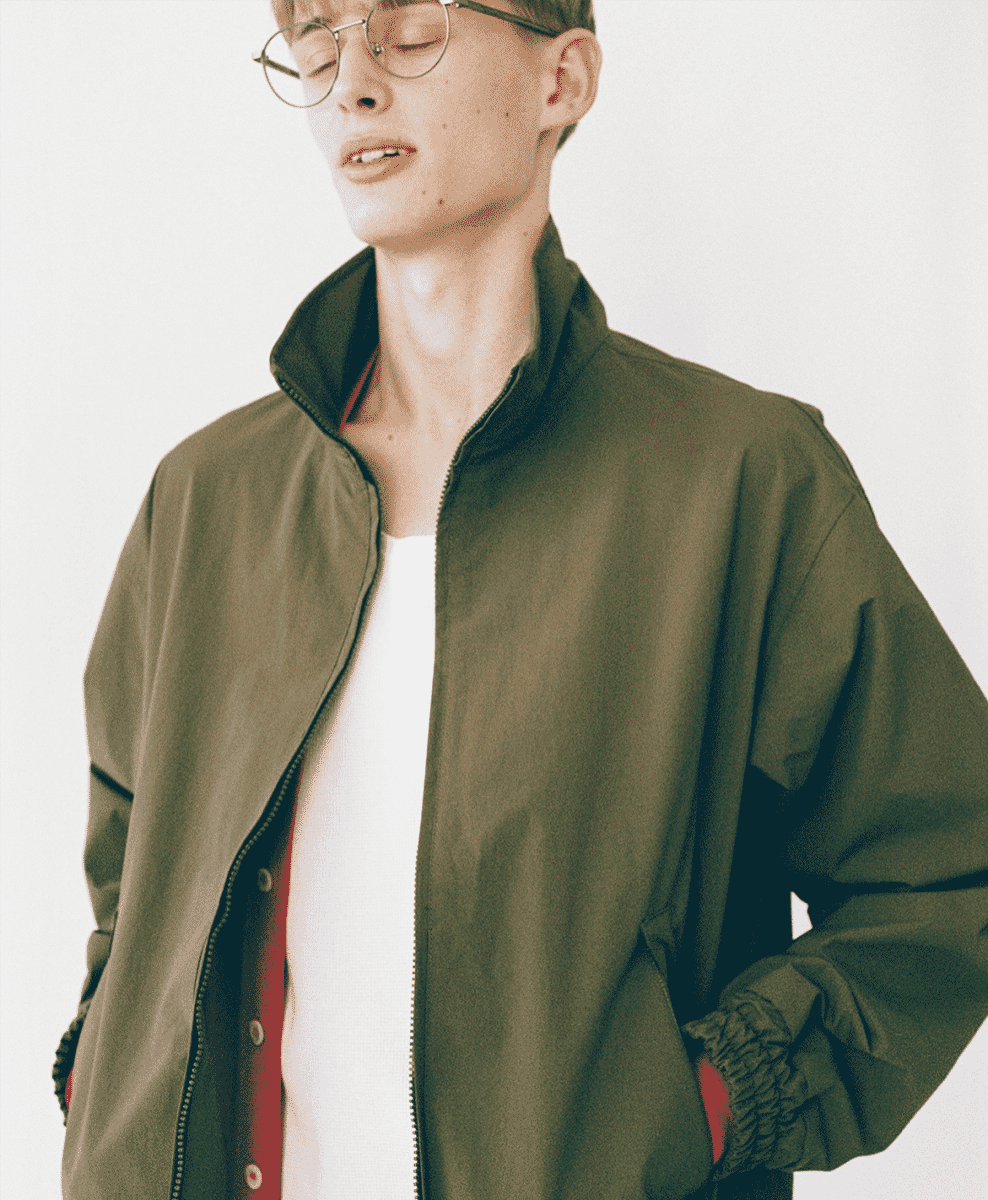
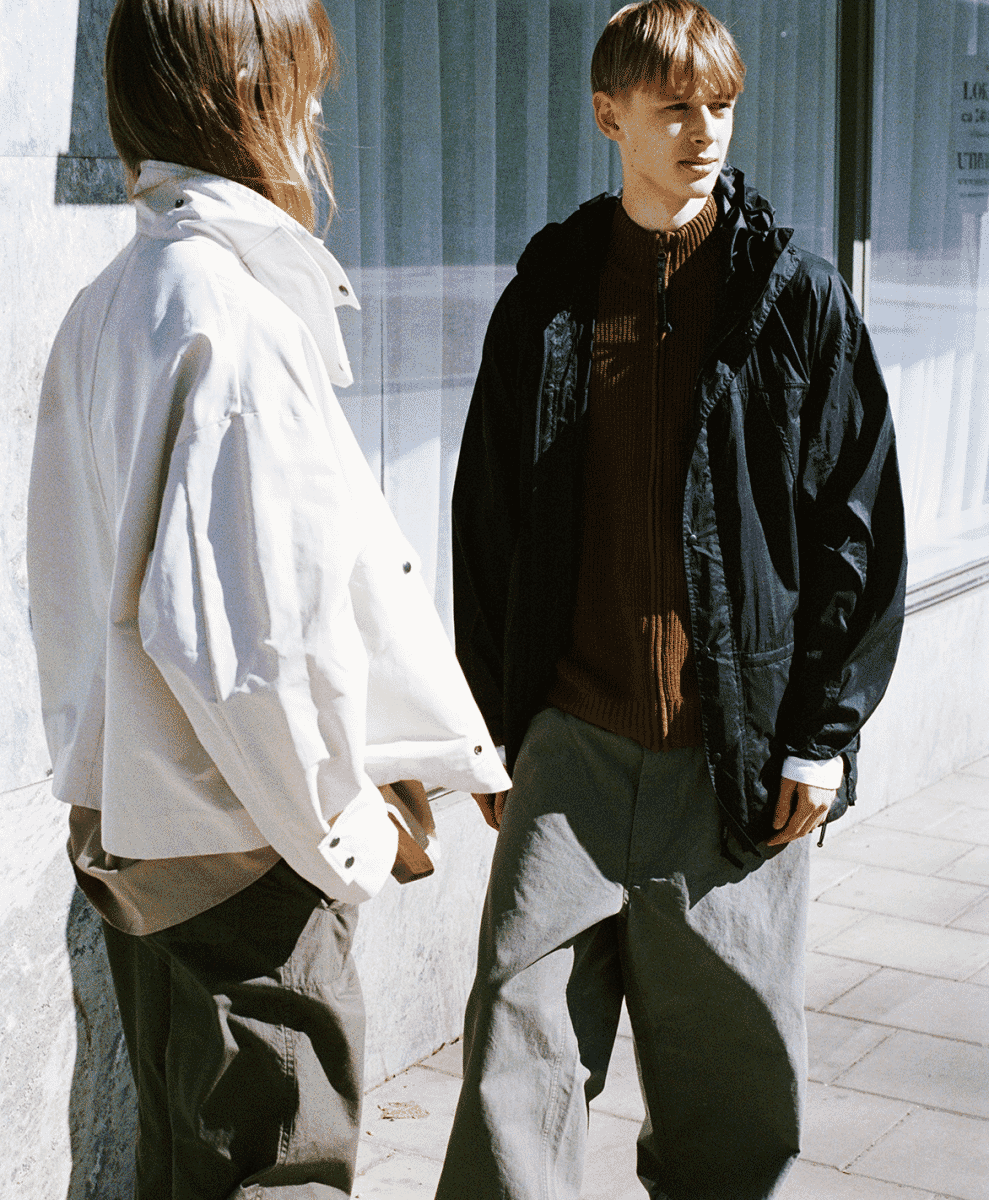
Aspesi has been doing understated outerwear since long before it became fashionable to call it “quiet luxury”. Founded by Alberto Aspesi, the brand built its reputation on clean, logo-free design and a knack for translating military staples into something refined and wearable. It’s practical, unfussy, and consistently well judged – the kind of label that slips into a wardrobe and quietly does a lot of heavy lifting.
Valstar
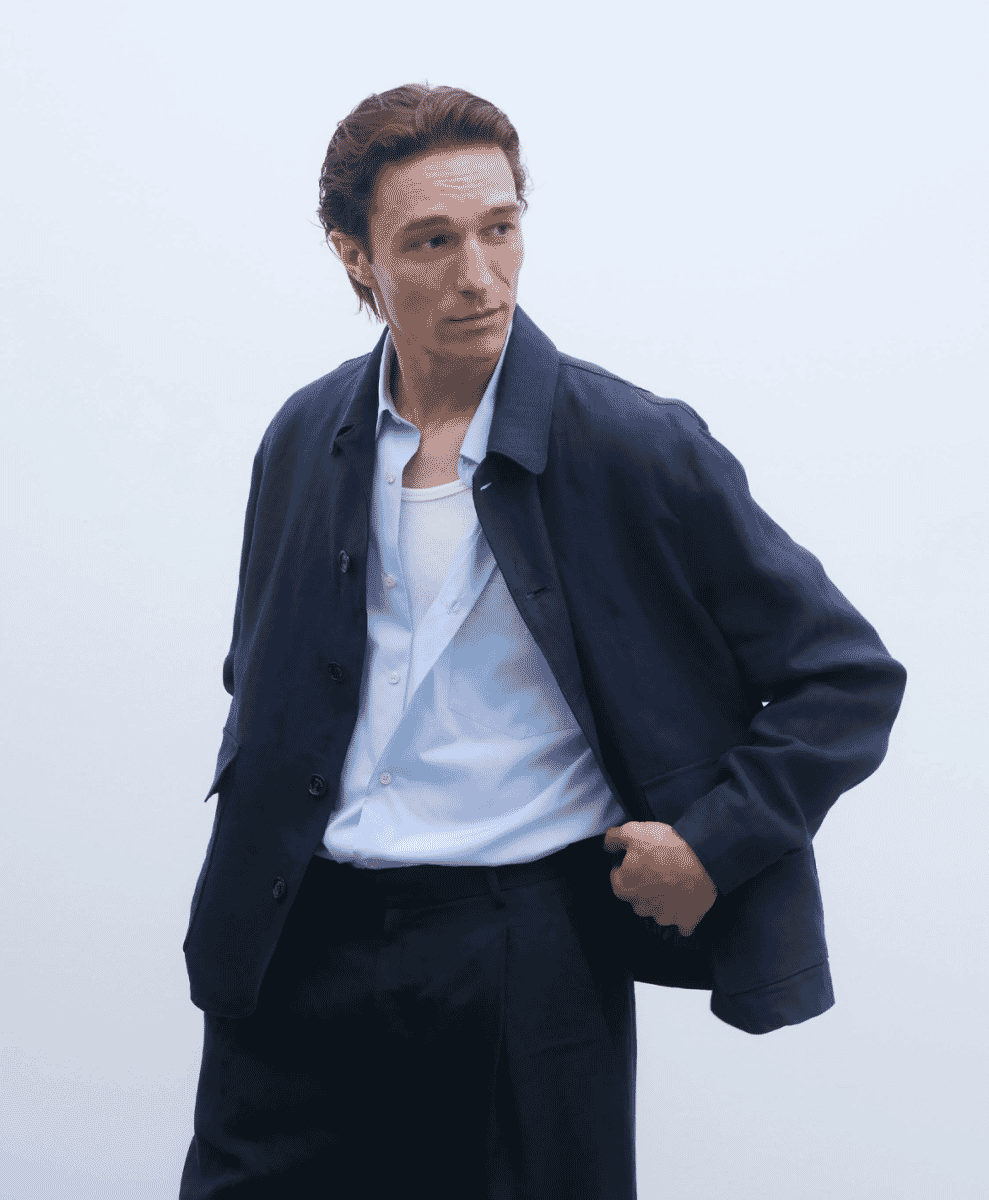
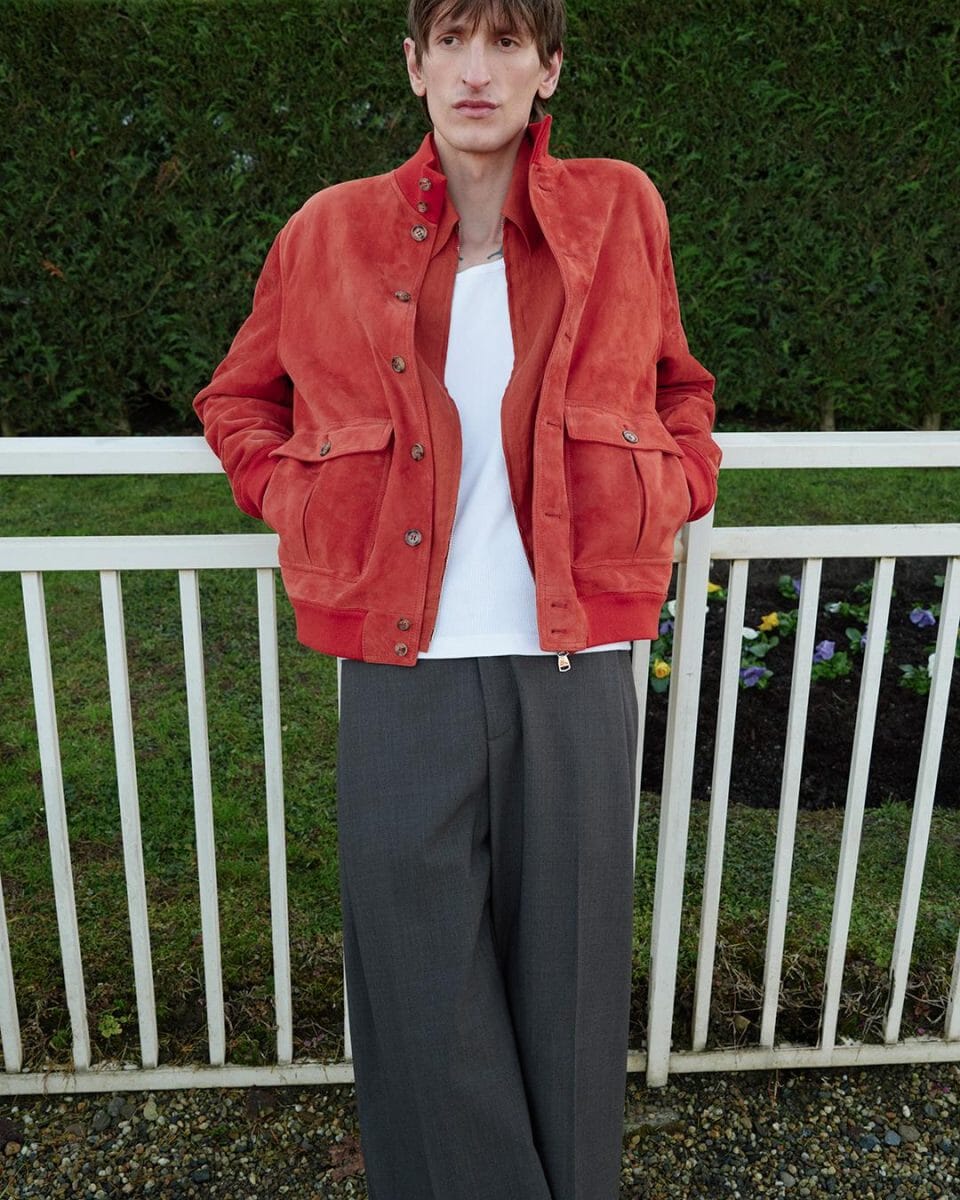
Few garments have aged as well as the Valstarino jacket, and Valstar has spent decades proving why. The Milanese brand specialises in refined outerwear rooted in classic silhouettes – blousons, field jackets, driving styles – executed with precision and restraint. There’s a clarity to the design that feels distinctly Italian: nothing unnecessary, everything considered, and materials that only get better with time.
Barena Venezia
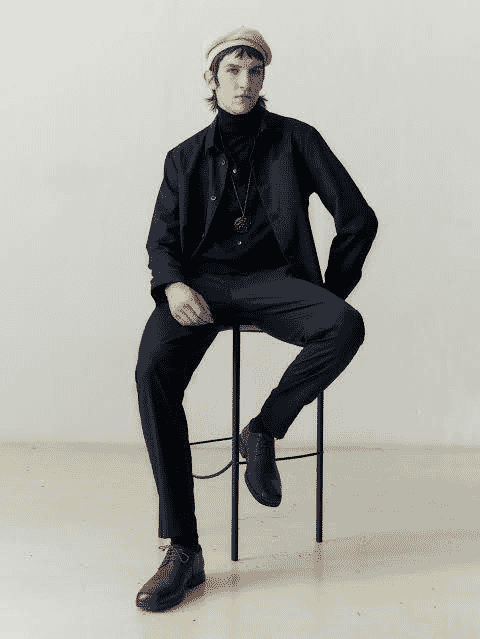
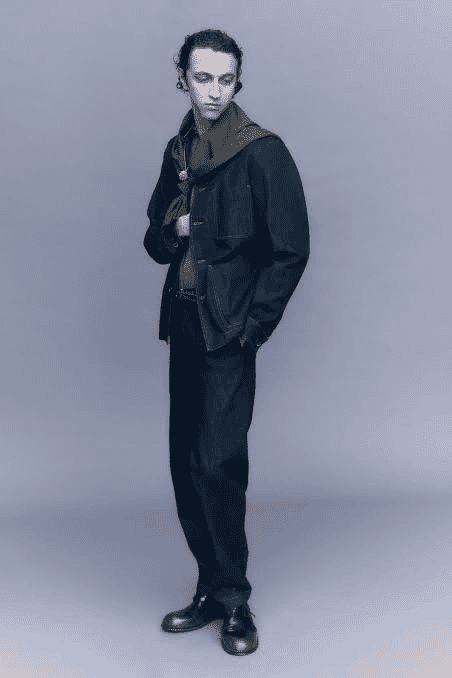
Barena Venezia draws heavily on the working uniforms of Venice, but filters them through a contemporary lens that makes them feel easy rather than historic. Tailoring is soft, fabrics are textured, and silhouettes sit somewhere between smart and casual without tipping too far either way. It’s a lesson in balance – relaxed, but never sloppy; refined, but never rigid.
Ten C
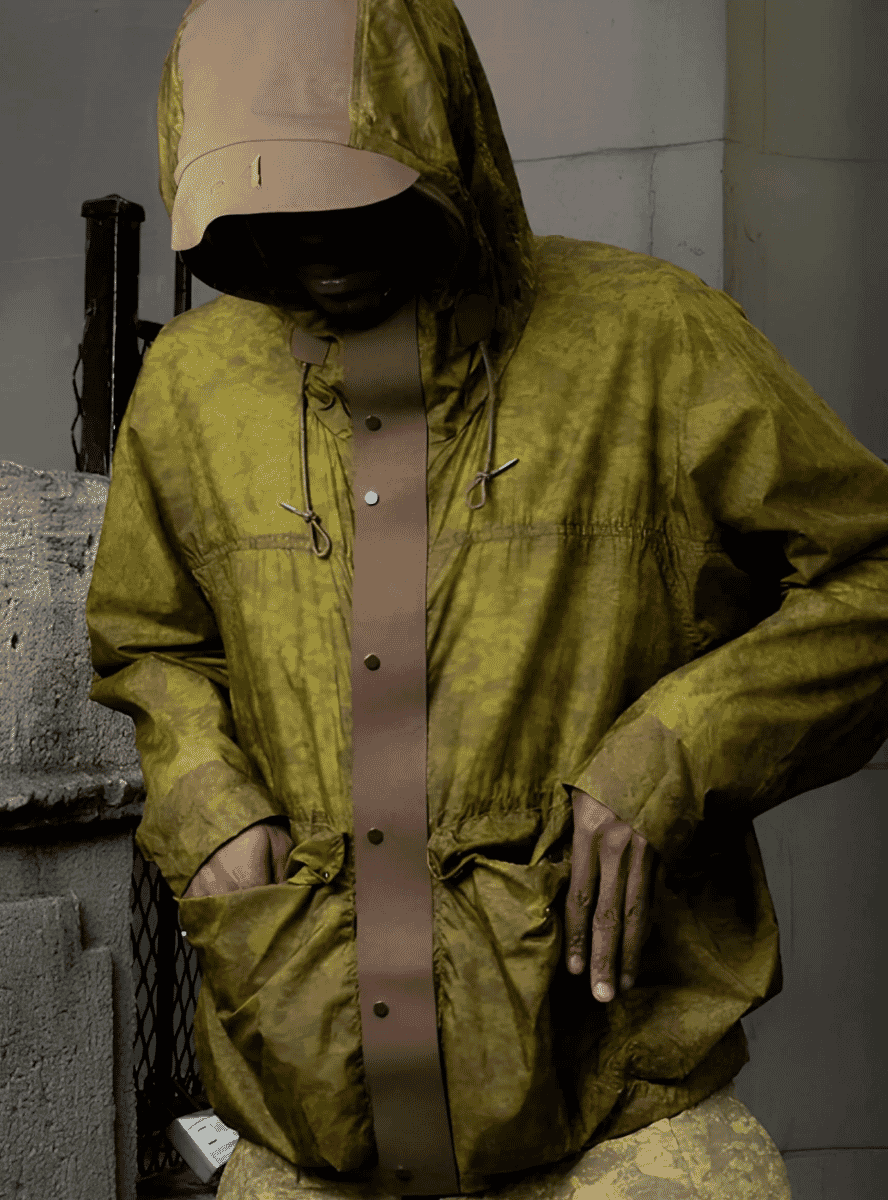
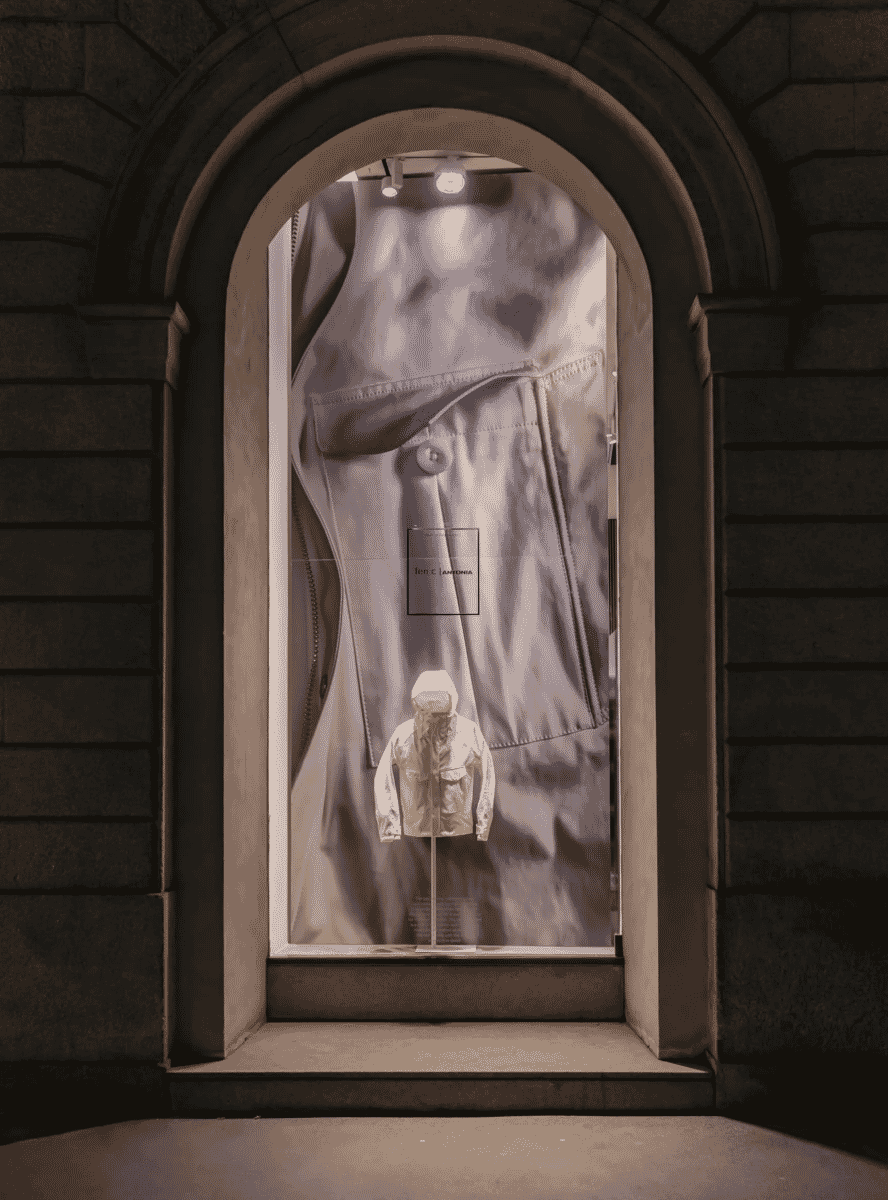
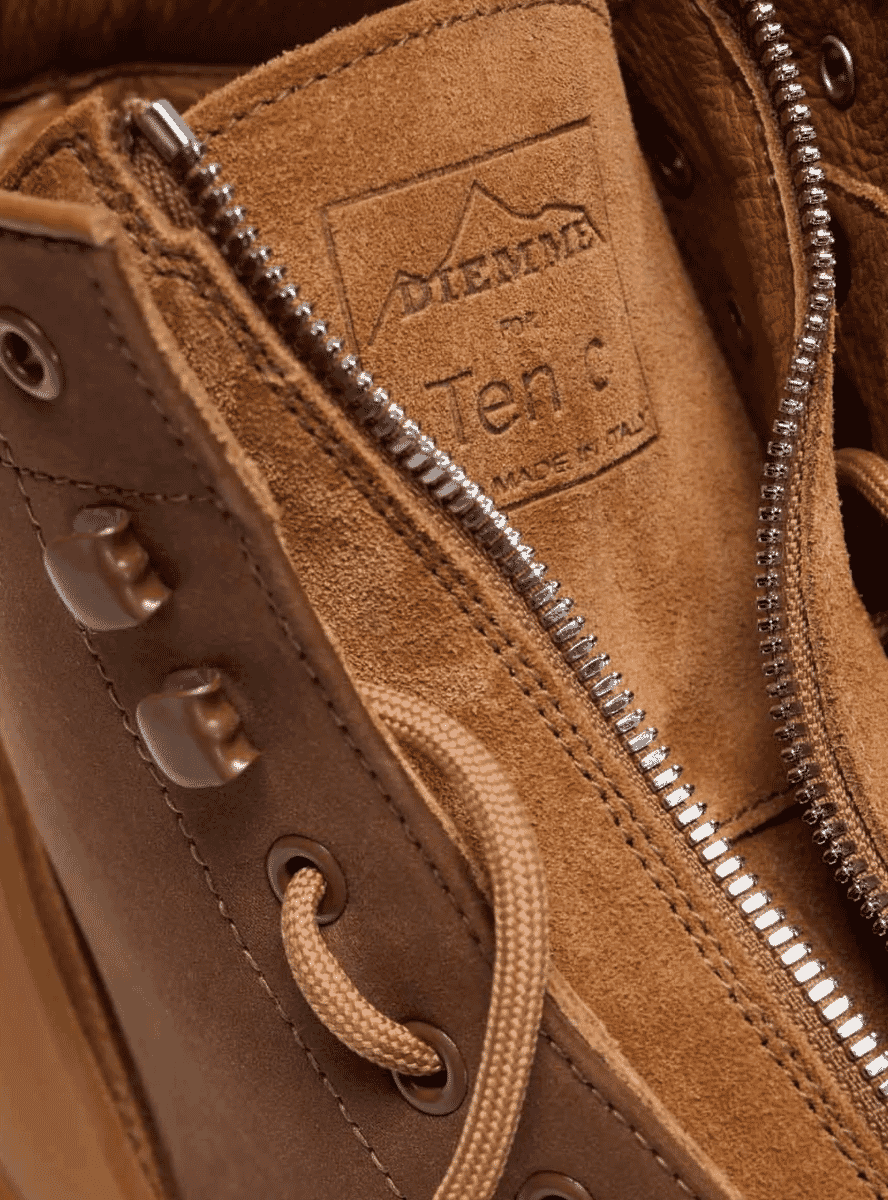
Ten C is built around a single idea: that outerwear should evolve with the person wearing it. Founded by Alessandro Pungetti and Paul Harvey, the brand uses a dense, jersey-based fabric that breaks in over time, developing creases and character unique to the wearer. No logos, no seasonal churn – just considered design and a long-term view of what clothing can be.
Lardini
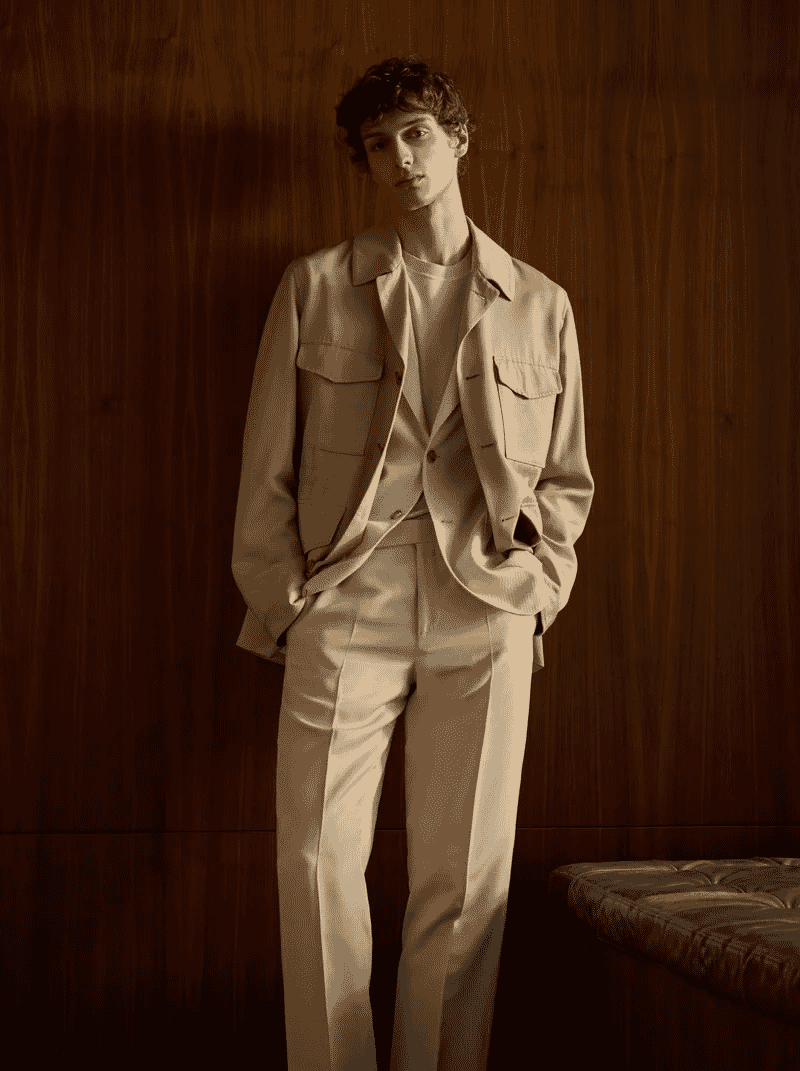
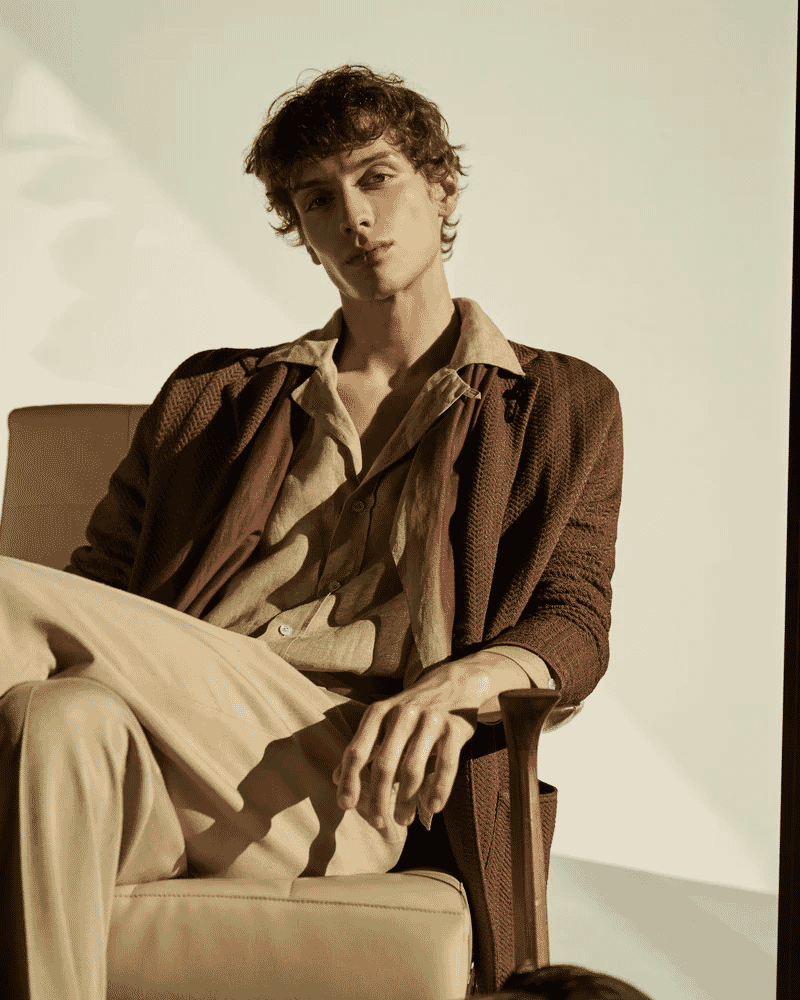
Lardini sits at that sweet spot where traditional tailoring meets modern ease. Known for its unstructured jackets and signature lapel flower pin, the brand takes classic Italian suiting and loosens it just enough to feel current. It’s still rooted in craft – canvassing, hand-finishing, proper cloth – but the end result feels far less formal than you might expect.
Canali
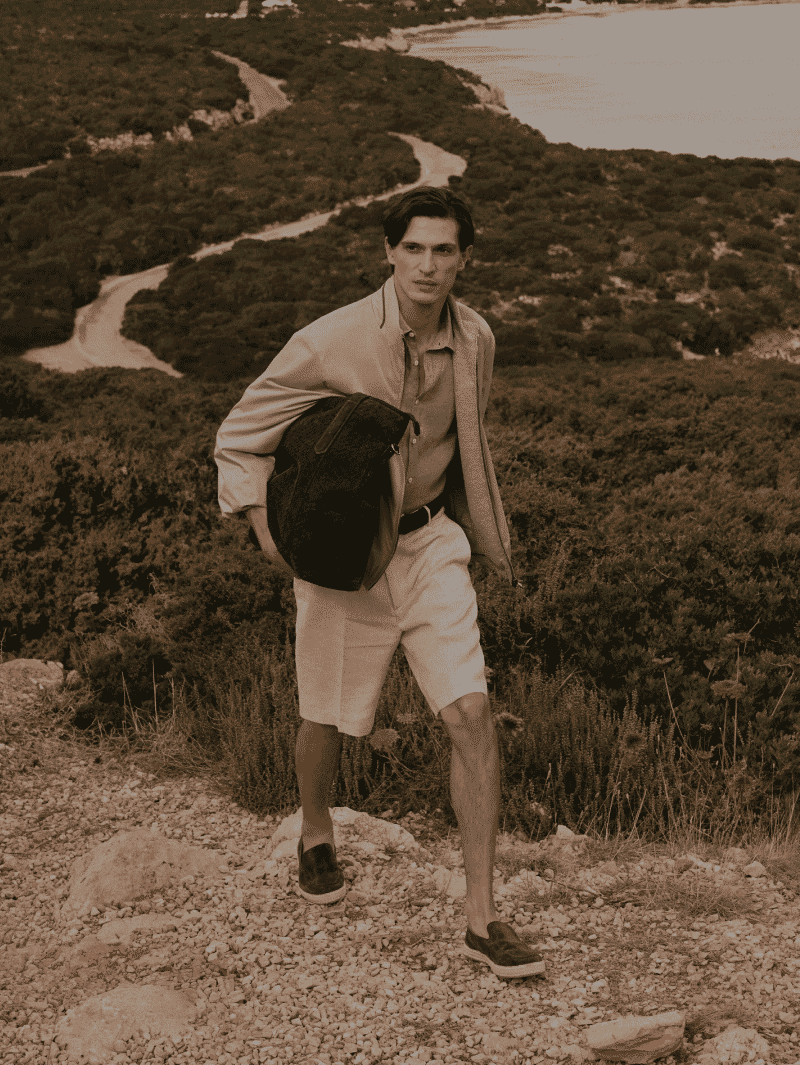
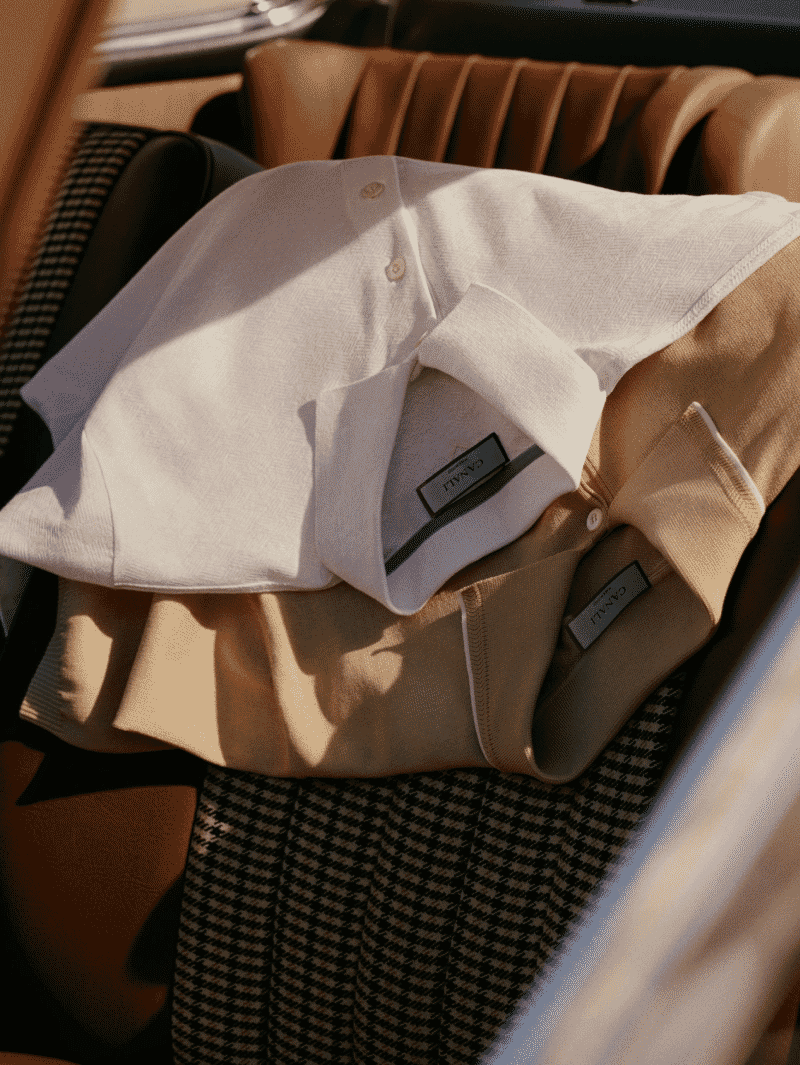
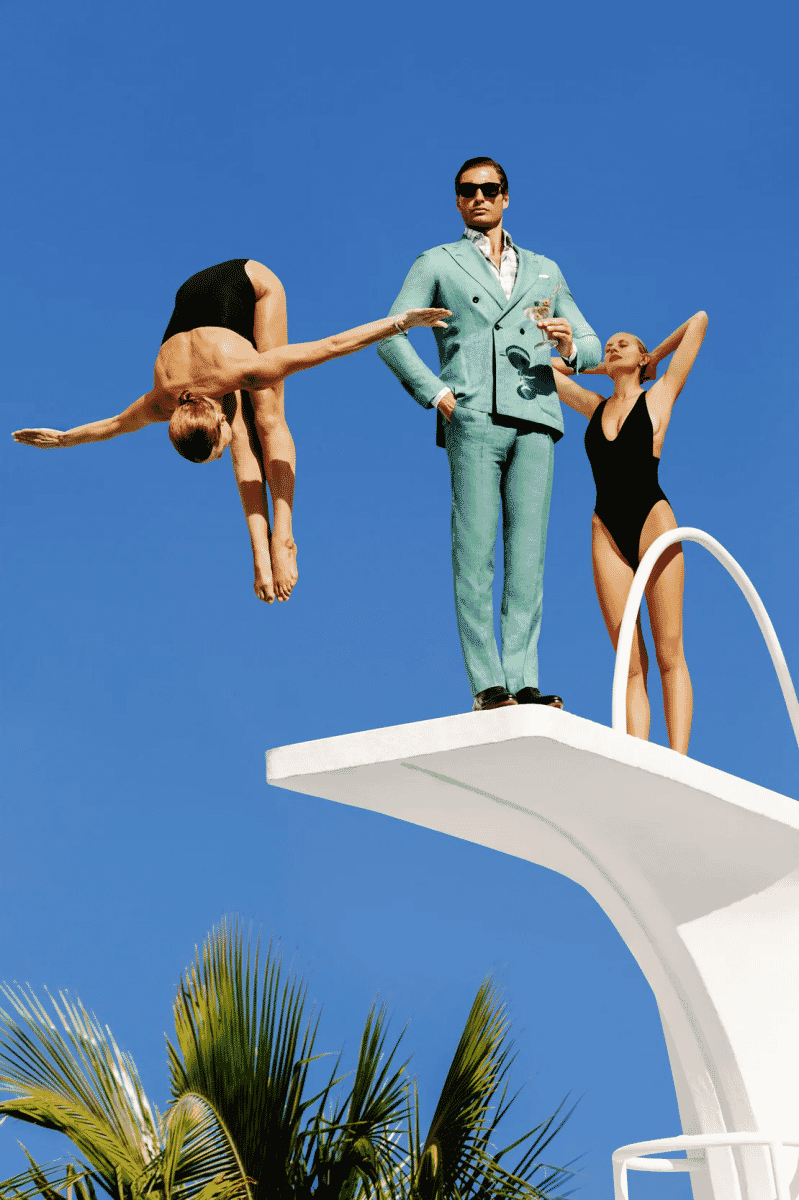
Canali represents the more polished end of Italian menswear, where tailoring is precise, fabrics are immaculate, and everything is finished to an exacting standard. It’s a brand that has quietly evolved over time, introducing lighter constructions and more relaxed silhouettes without losing its sense of refinement. If you want classic done properly, this is where you go.
Kiton
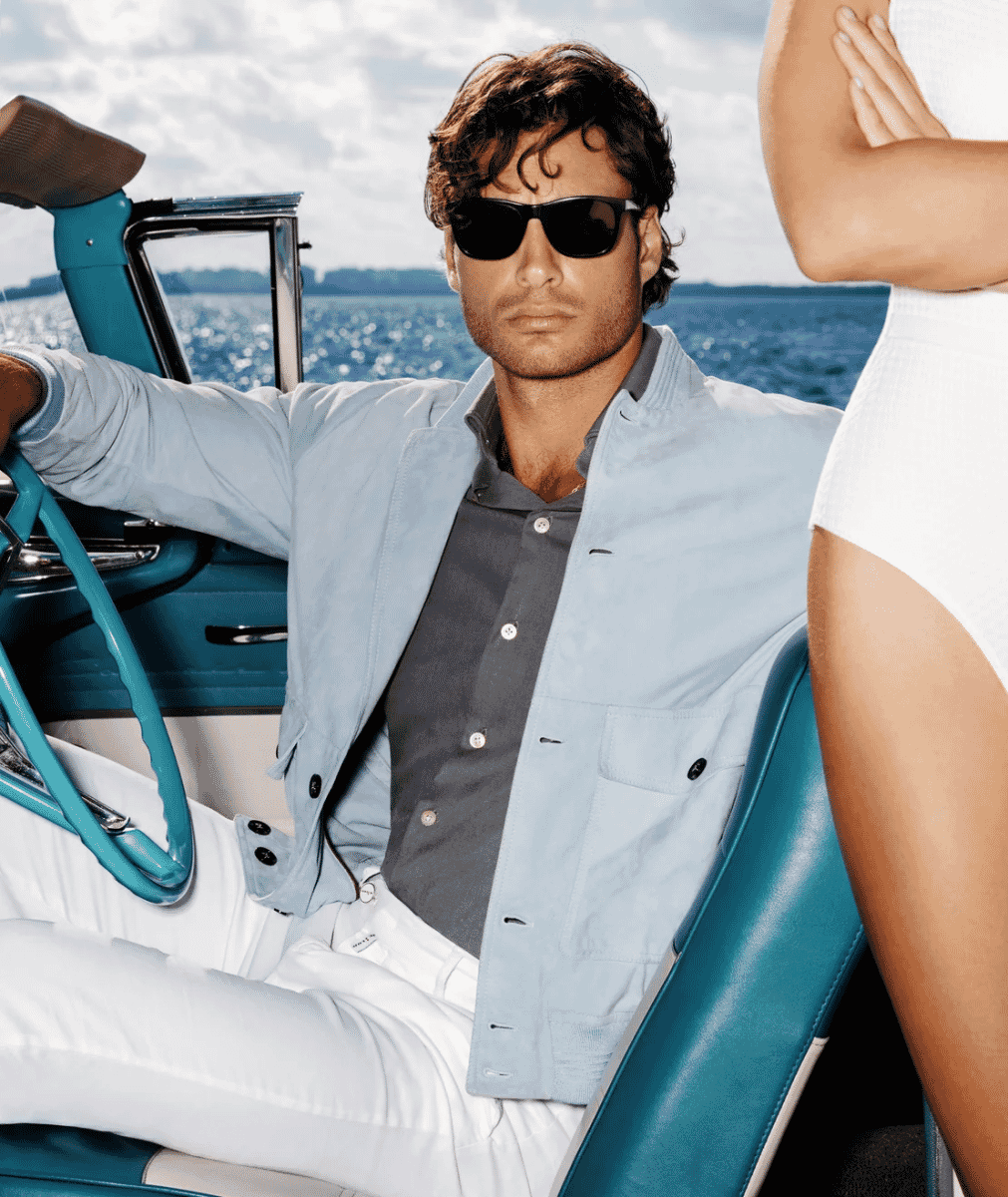
Kiton operates at a level most brands don’t even attempt to reach. Founded by Ciro Paone, it’s known for some of the most labour-intensive tailoring in the world – suits that take dozens of hours to make, using fabrics sourced and developed with near-obsessive care. The aesthetic is traditional, but the execution is about as elevated as it gets.
Isaia
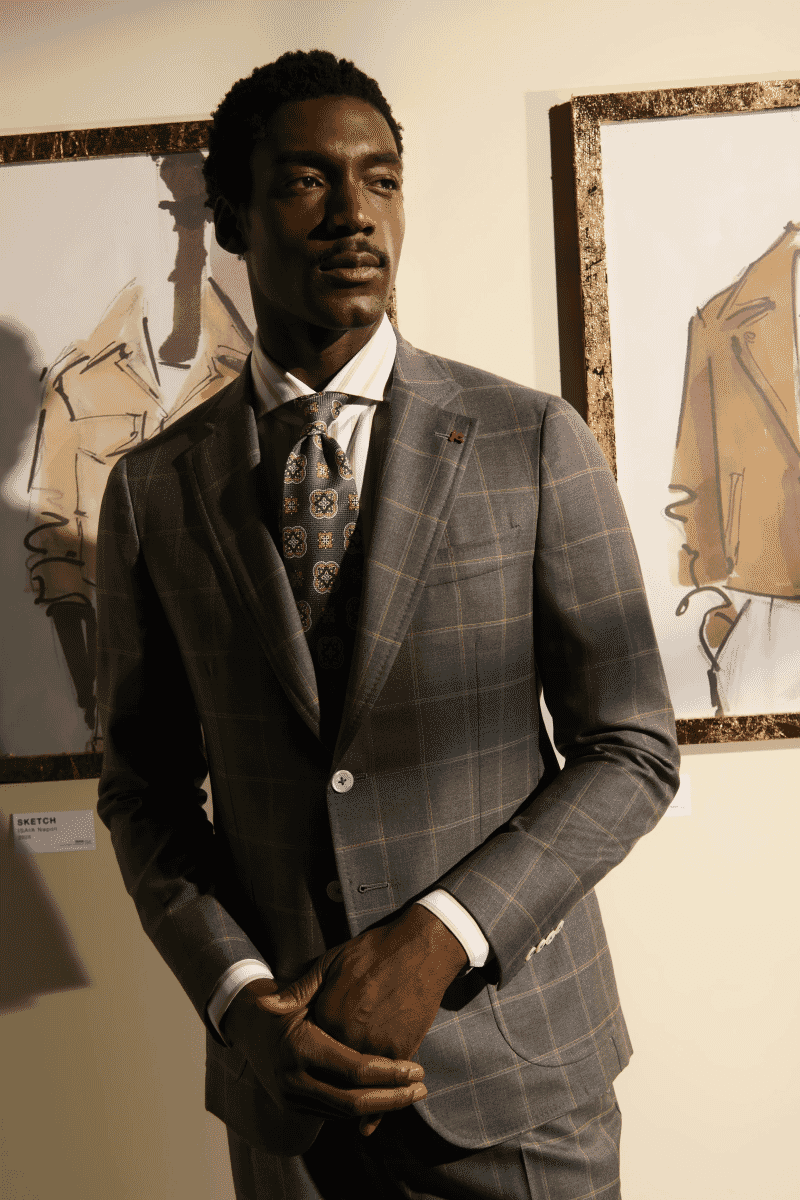
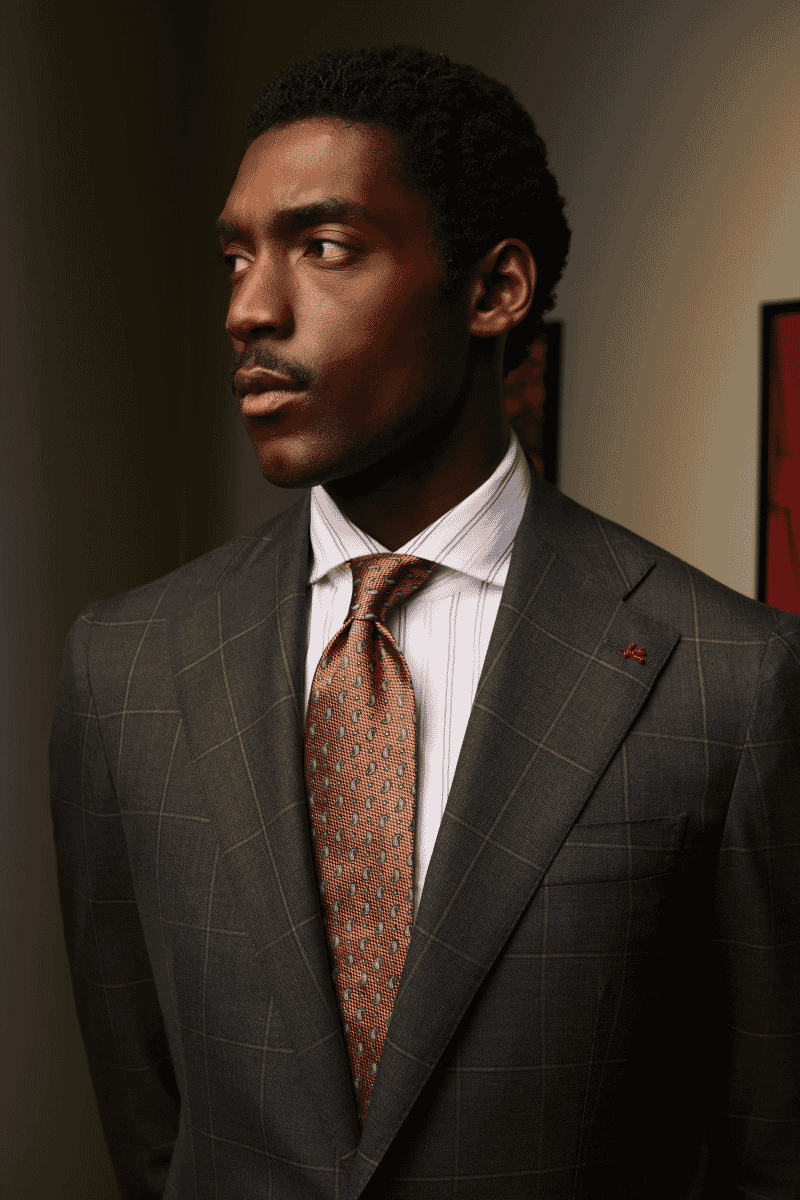
Where some Neapolitan tailoring houses lean conservative, Isaia brings a bit more personality to the table. Colour, pattern and a certain swagger run through its collections, but the fundamentals remain strong – soft shoulders, lightweight construction, and that unmistakable Neapolitan silhouette. It’s tailoring with a pulse.
Boglioli
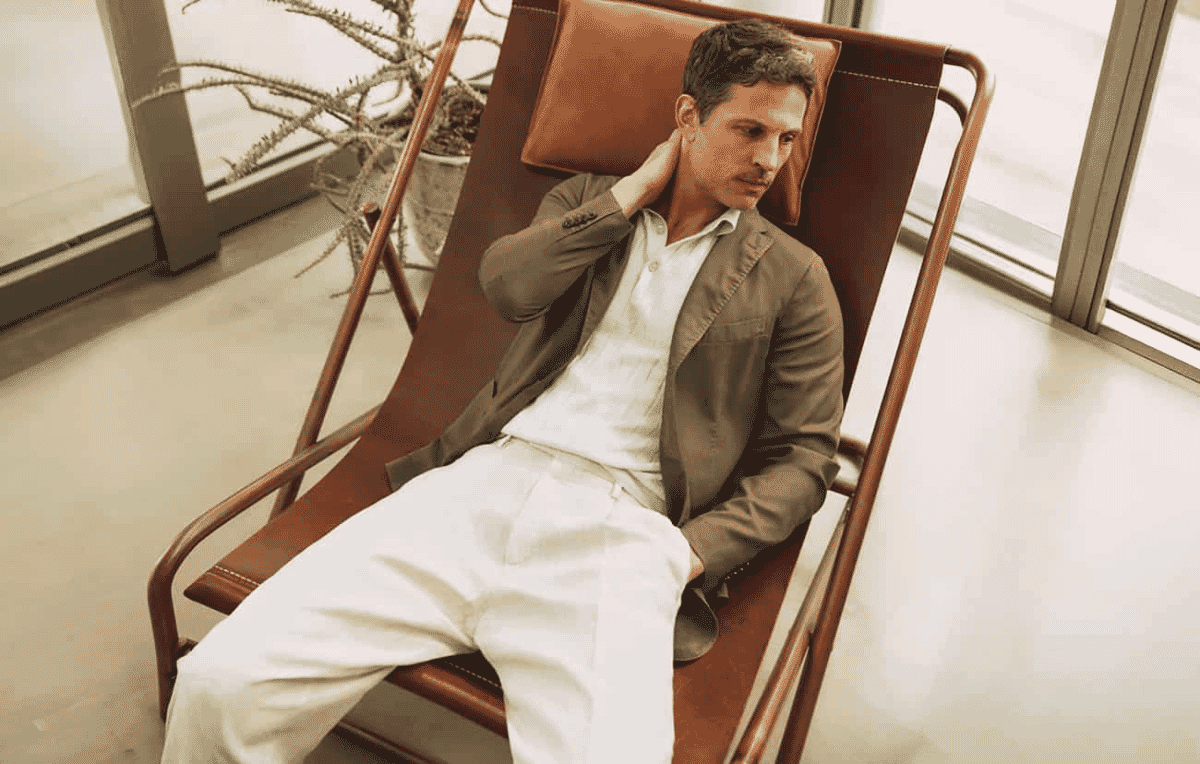
Boglioli helped redefine modern tailoring by stripping it back. Its deconstructed jackets – often garment-dyed for a slightly irregular finish – feel closer to workwear than formalwear, in the best possible way. There’s structure where you need it, but none of the stiffness that used to define suiting. Easy to wear, easy to style, and quietly influential.
Caruso
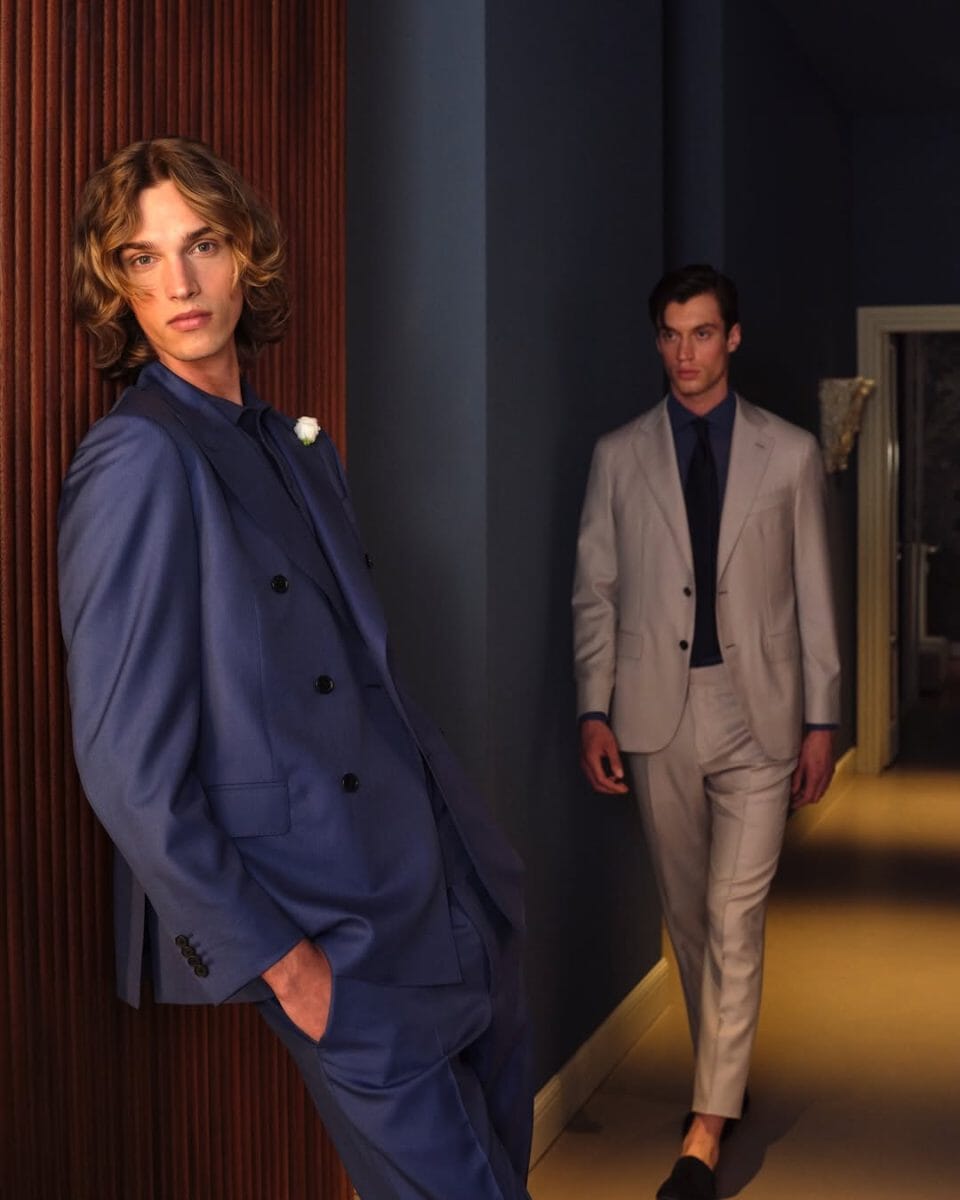
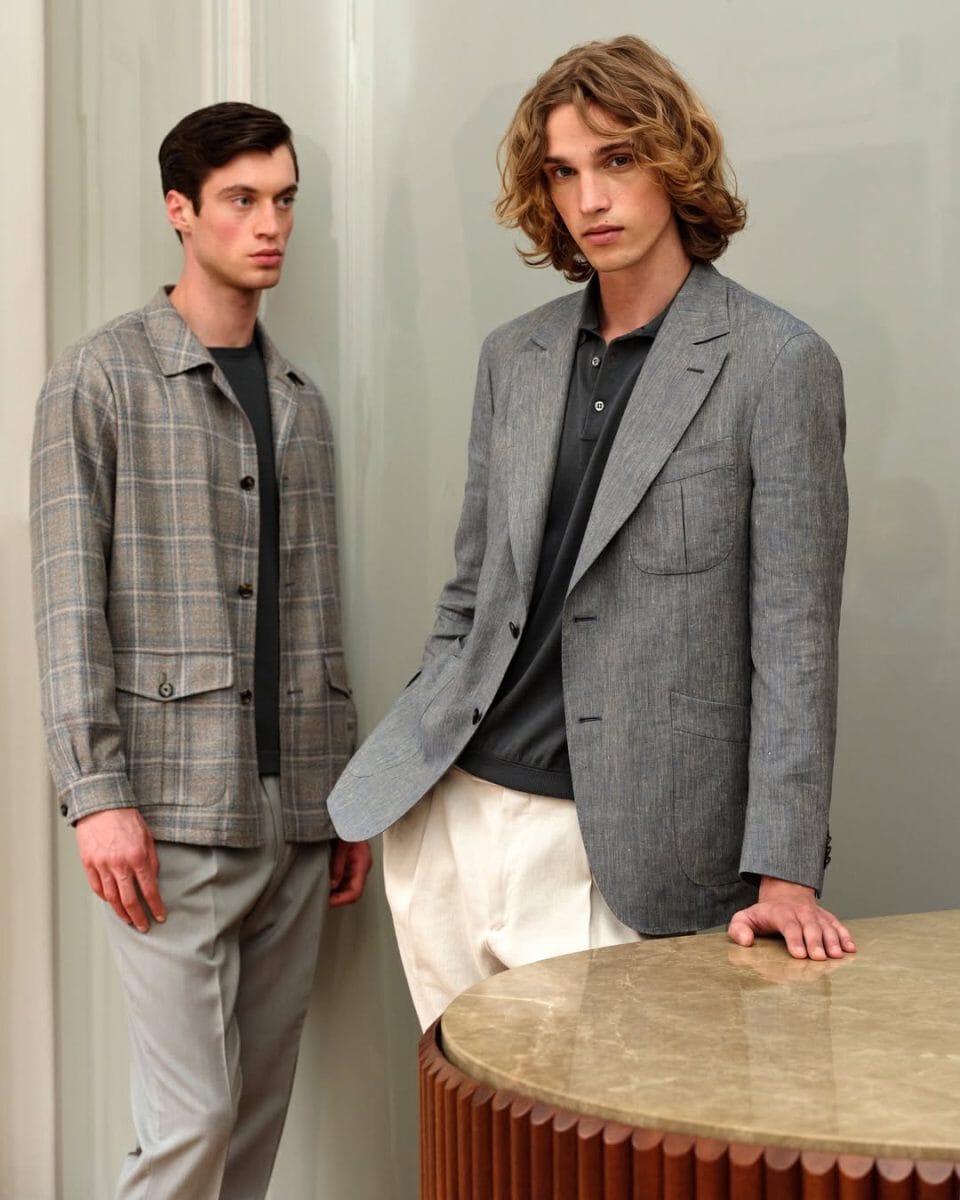
Caruso is one of those brands industry insiders tend to speak about in slightly reverent tones. Based in northern Italy, it blends traditional tailoring techniques with a more contemporary, design-led approach, resulting in garments that feel precise but never overworked. It’s the kind of label that prioritises proportion and cut above all else.
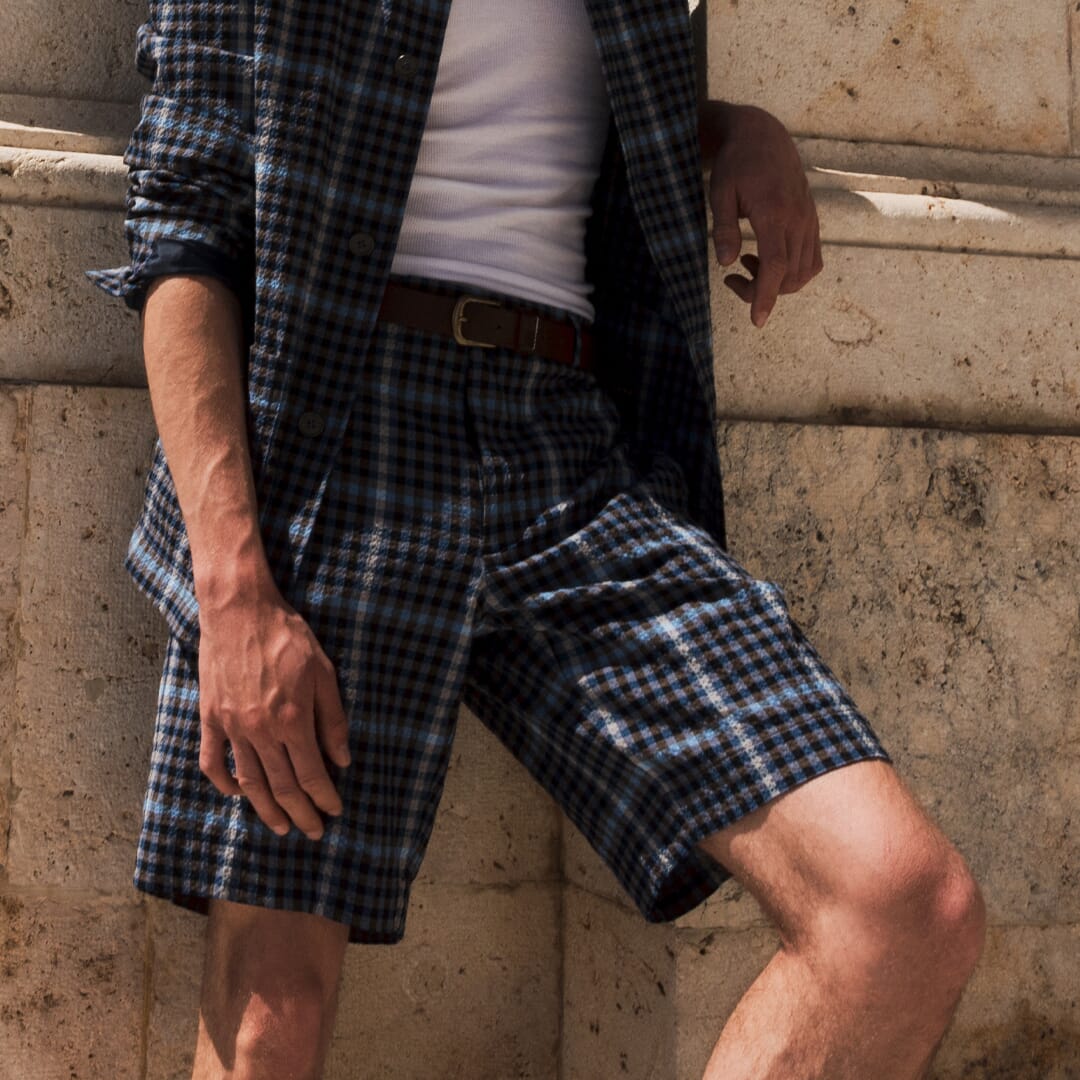
Incotex
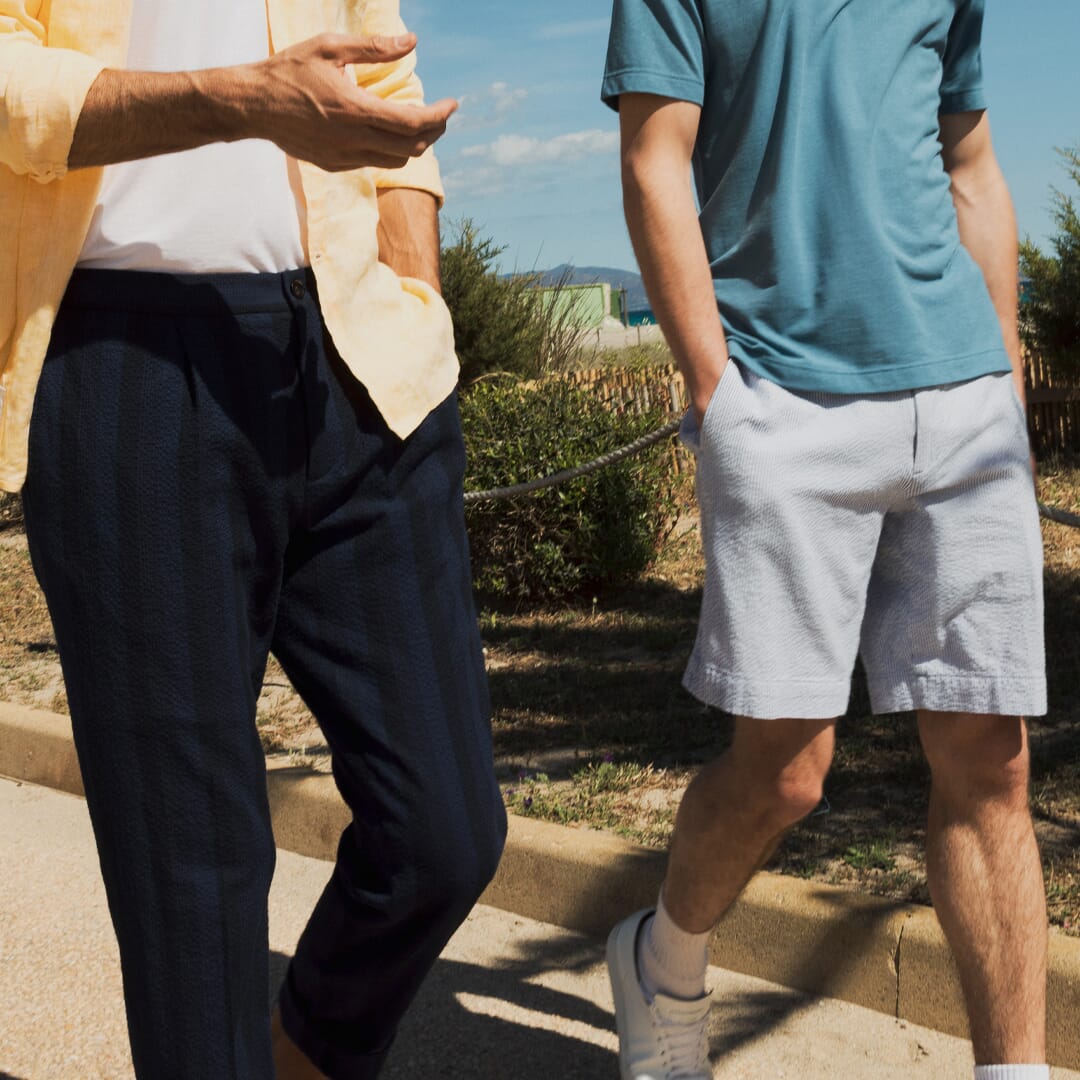
If you know, you know. Incotex, part of the Slowear umbrella, has built its reputation on trousers that simply fit better than most. The focus is on fabric and cut – clean lines, subtle detailing, and just enough structure to hold their shape without feeling restrictive. Not flashy, but consistently excellent.
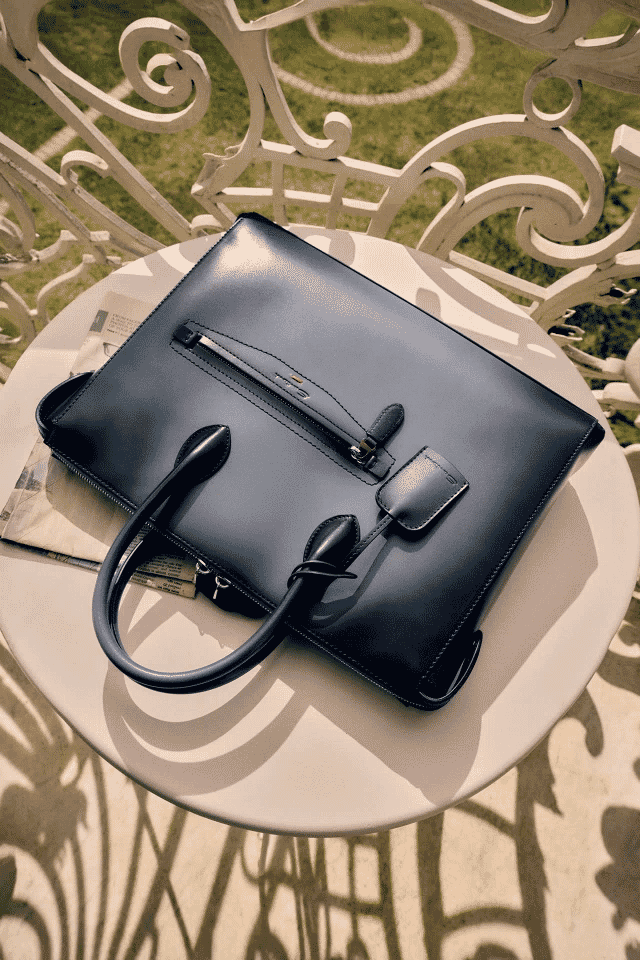
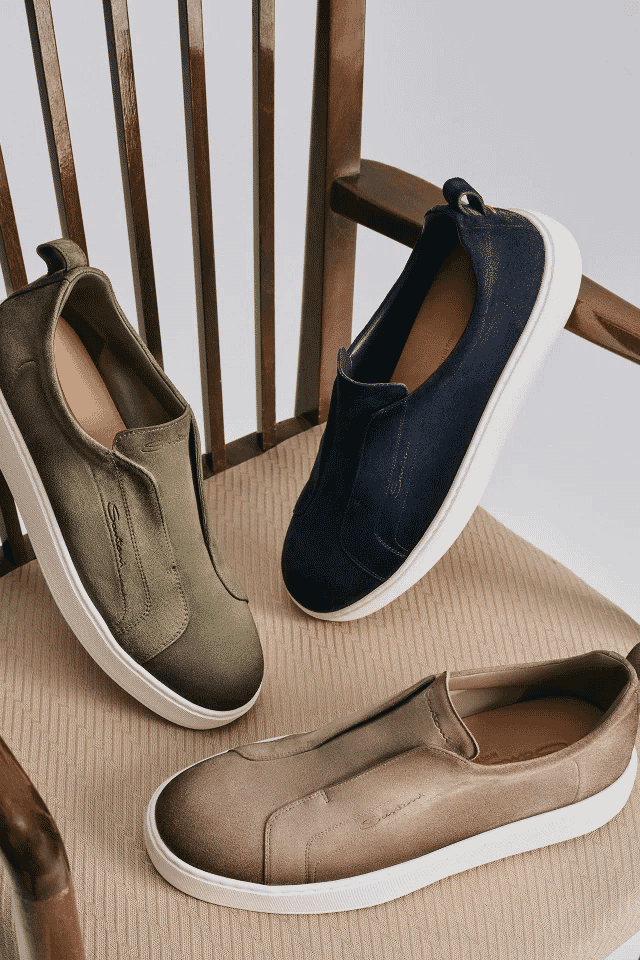
Santoni
Santoni sits firmly in the world of high-end footwear, where craftsmanship is visible in every detail. Hand-finished leathers, rich patinas and traditional construction methods define the brand, but there’s also a willingness to experiment with colour and form. Classic shoes, elevated just enough to stand out.
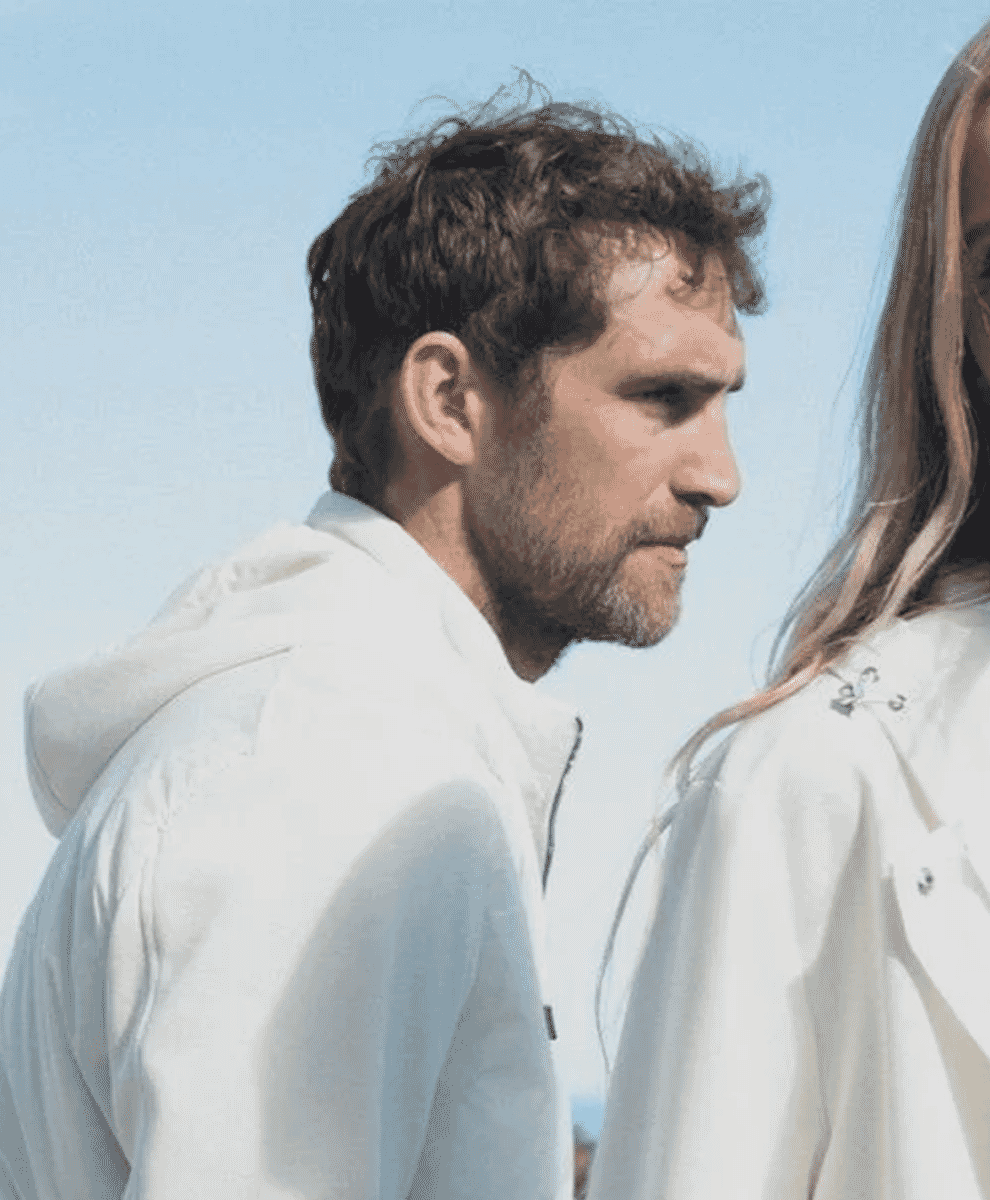
Herno
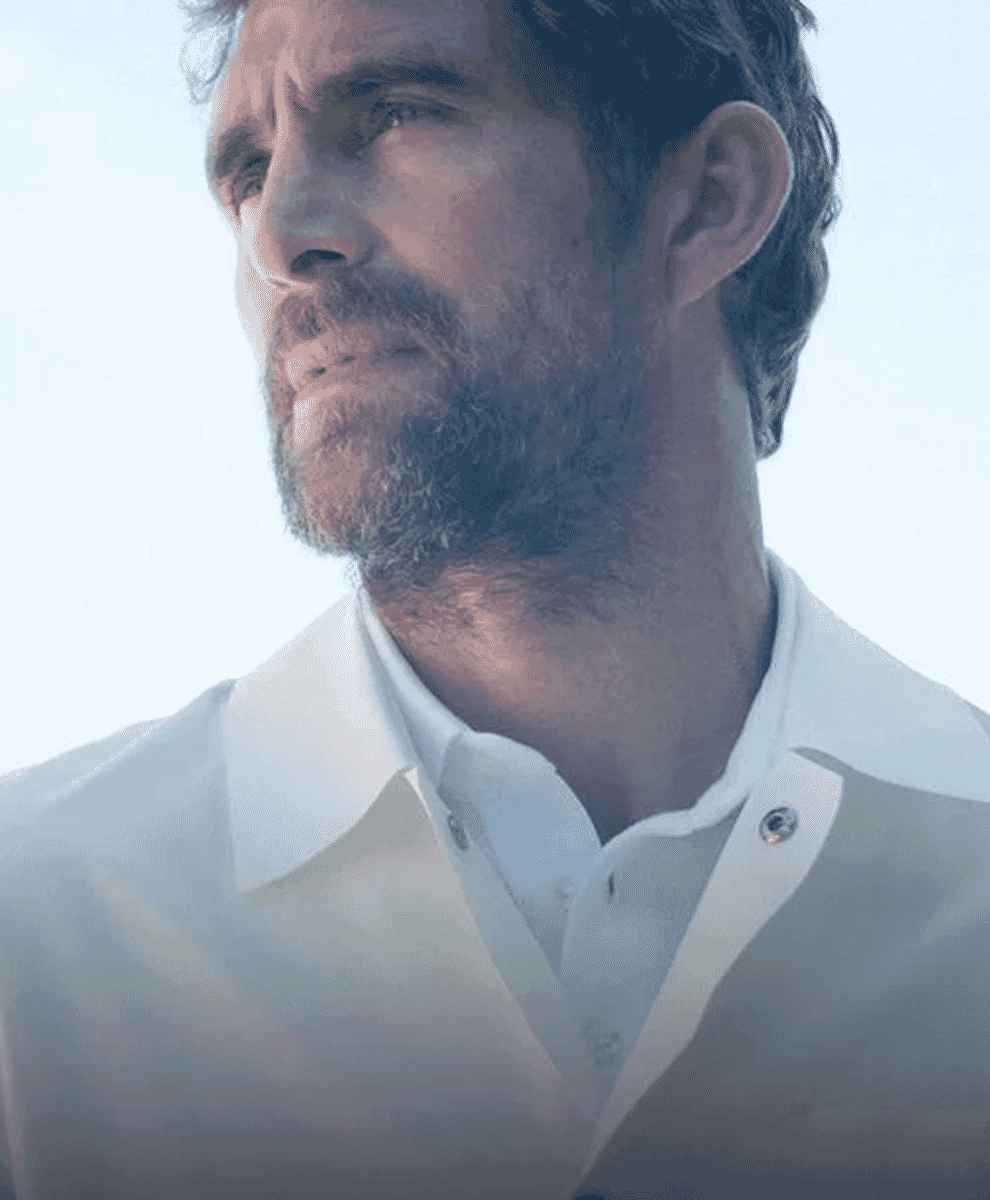
Herno has carved out a niche in modern outerwear by keeping things simple. Clean silhouettes, lightweight technical fabrics and a lack of overt branding make its pieces easy to integrate into almost any wardrobe. It’s luxury that doesn’t need to shout – and increasingly, that’s exactly what people want.
MooRER
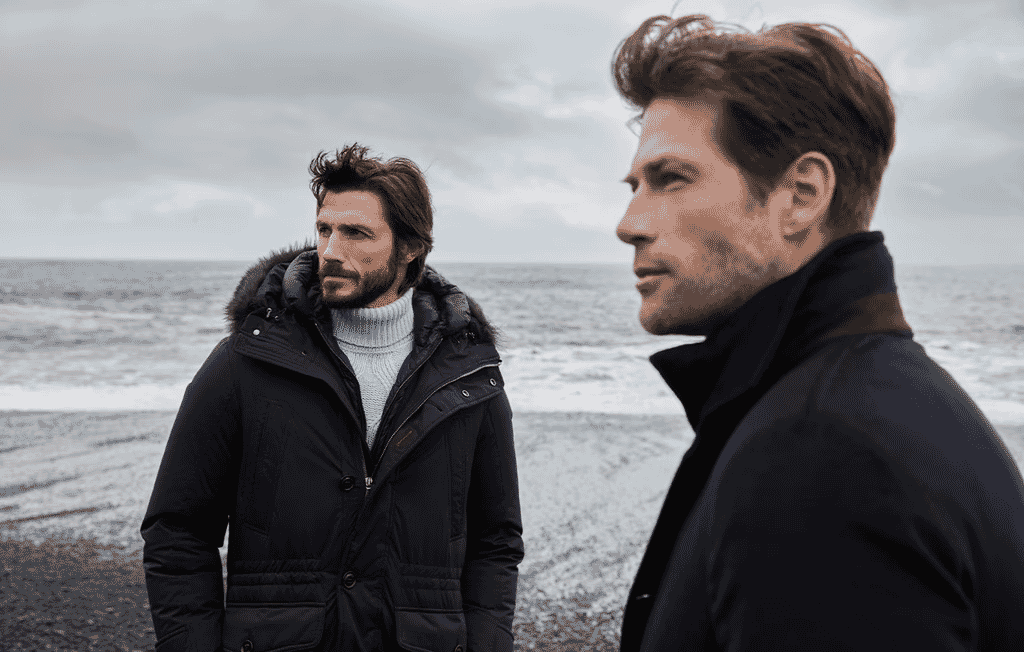
MooRER operates in a similar space to Herno, but pushes further into the luxury end of the spectrum. Everything is made in Italy, with a focus on premium materials and meticulous construction. The aesthetic is restrained, but the quality speaks for itself. Subtle, but undeniably expensive.
Slowear
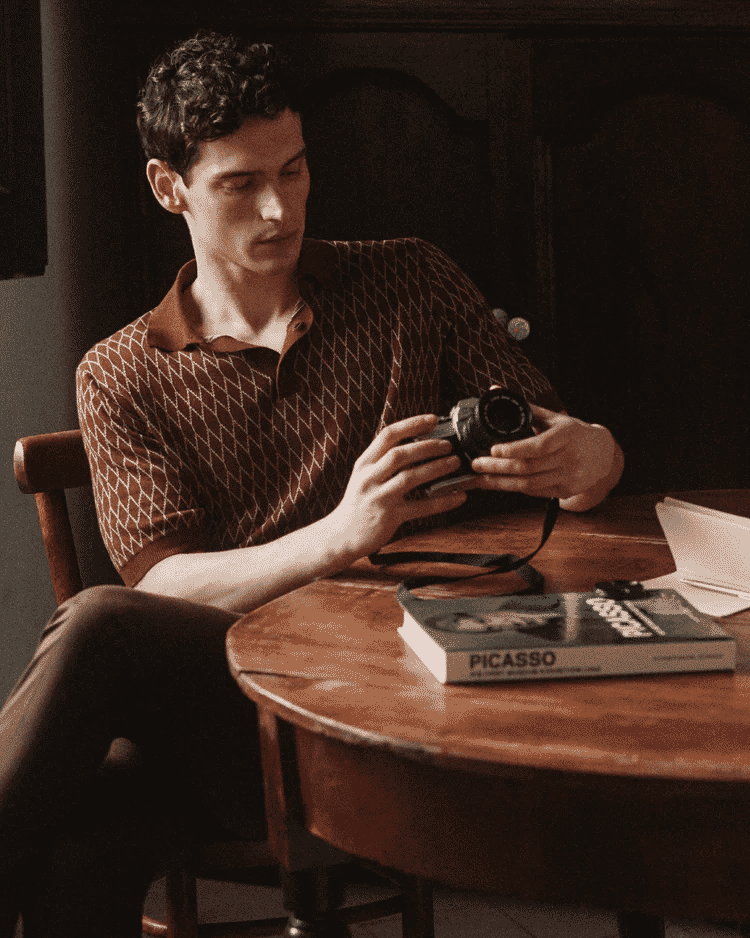
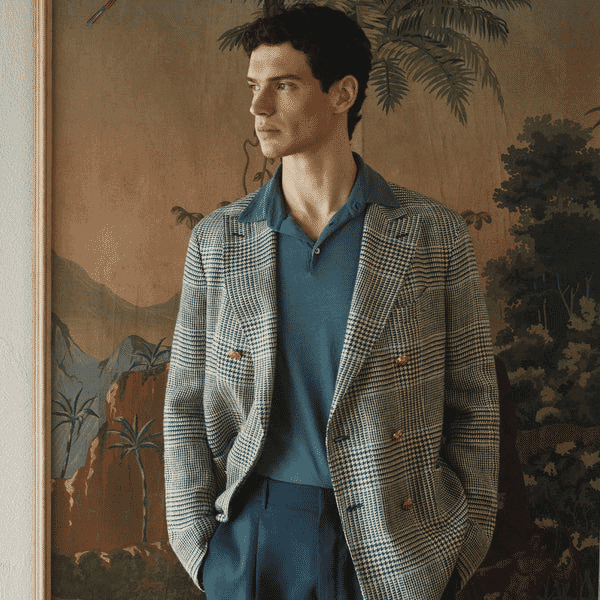
Slowear isn’t a single brand so much as a considered system of them, built around the idea of creating a complete wardrobe with longevity in mind. From tailoring to knitwear to casual staples, everything is designed to work together, with a consistent focus on quality and restraint. It’s thoughtful, cohesive, and refreshingly free of gimmicks.
Fedeli
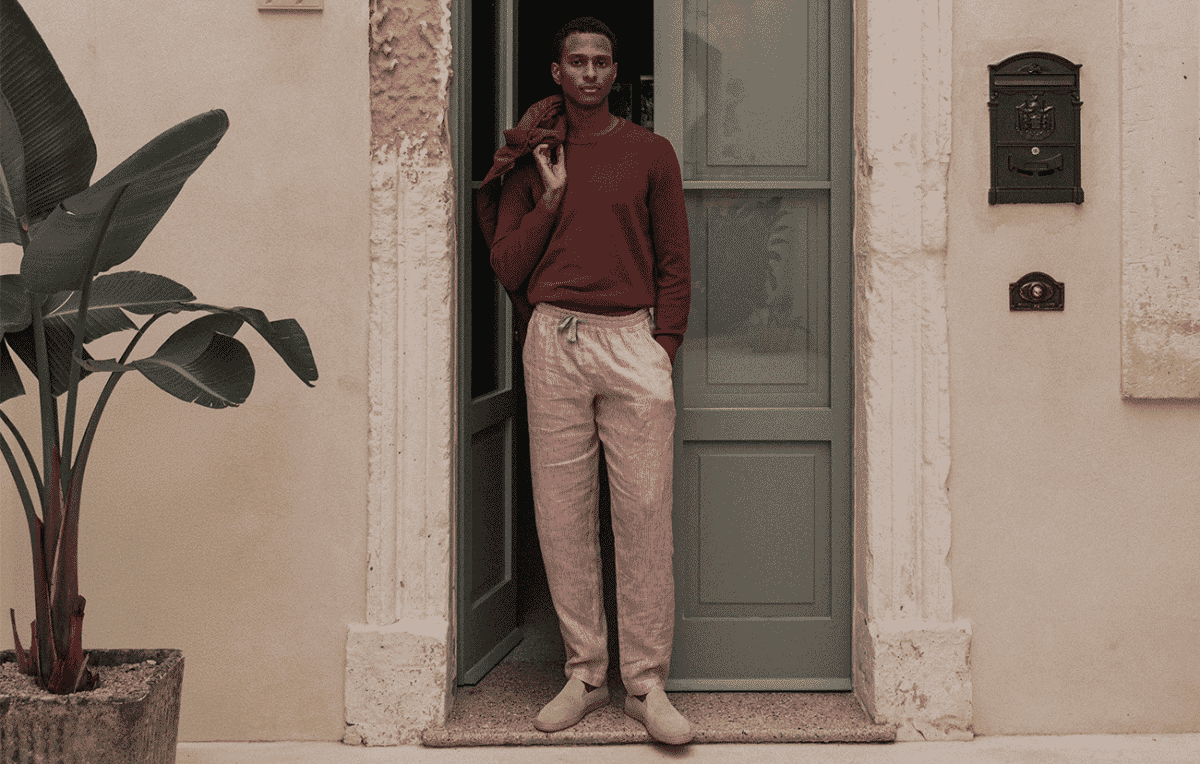
Fedeli specialises in knitwear and lightweight staples that lean heavily on fabric quality. Cashmere, fine cottons, carefully developed blends – it’s all about how things feel against the skin. The design is understated, but that’s deliberate. This is clothing that lets the materials do the talking.
Rubinacci
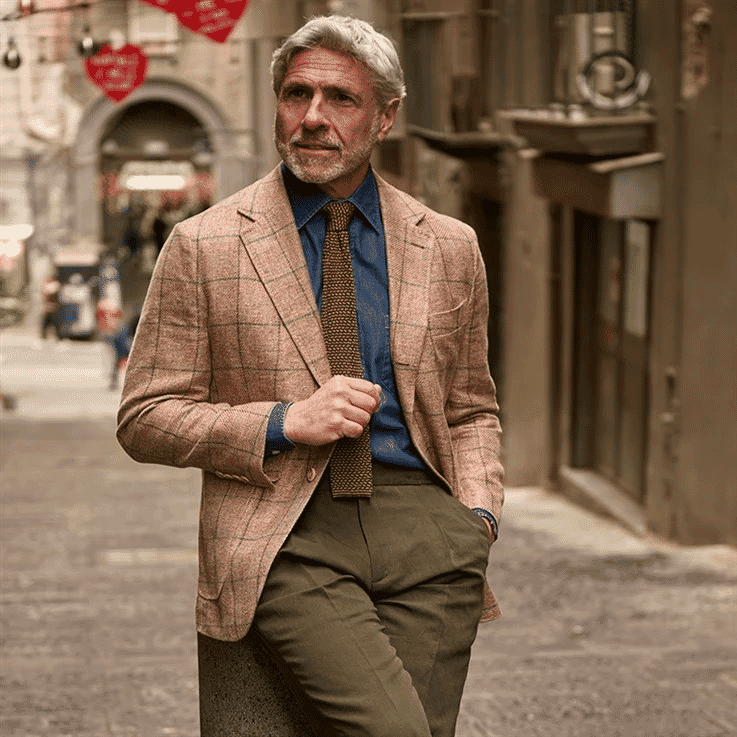
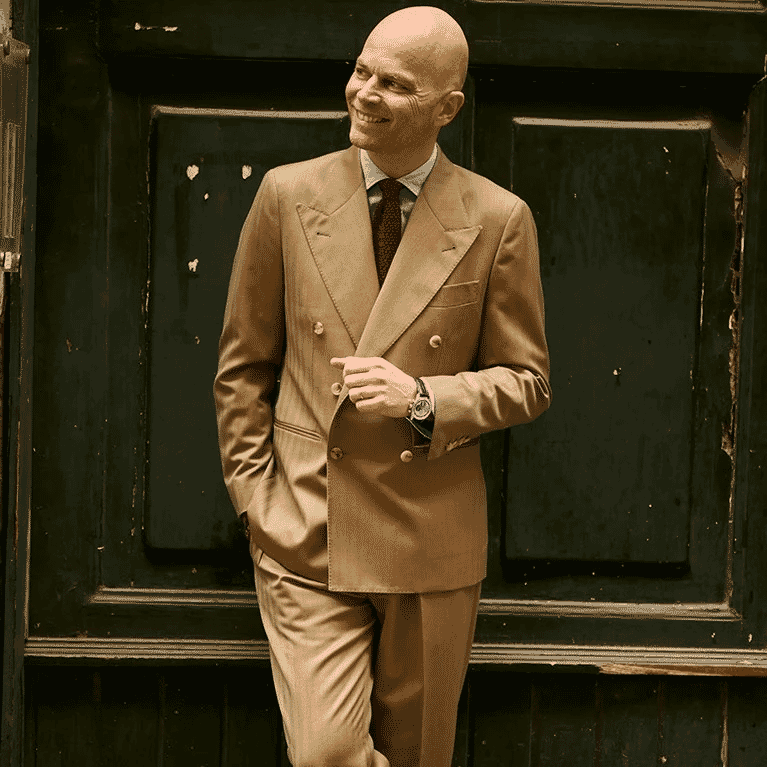
Rubinacci is Neapolitan tailoring in its purest form. Founded by Gennaro Rubinacci, the house helped define the soft, unstructured silhouette that has come to characterise southern Italian tailoring. Jackets are light, expressive and full of personality, often cut from bold fabrics that reflect the brand’s confident approach to style.
Piacenza 1733
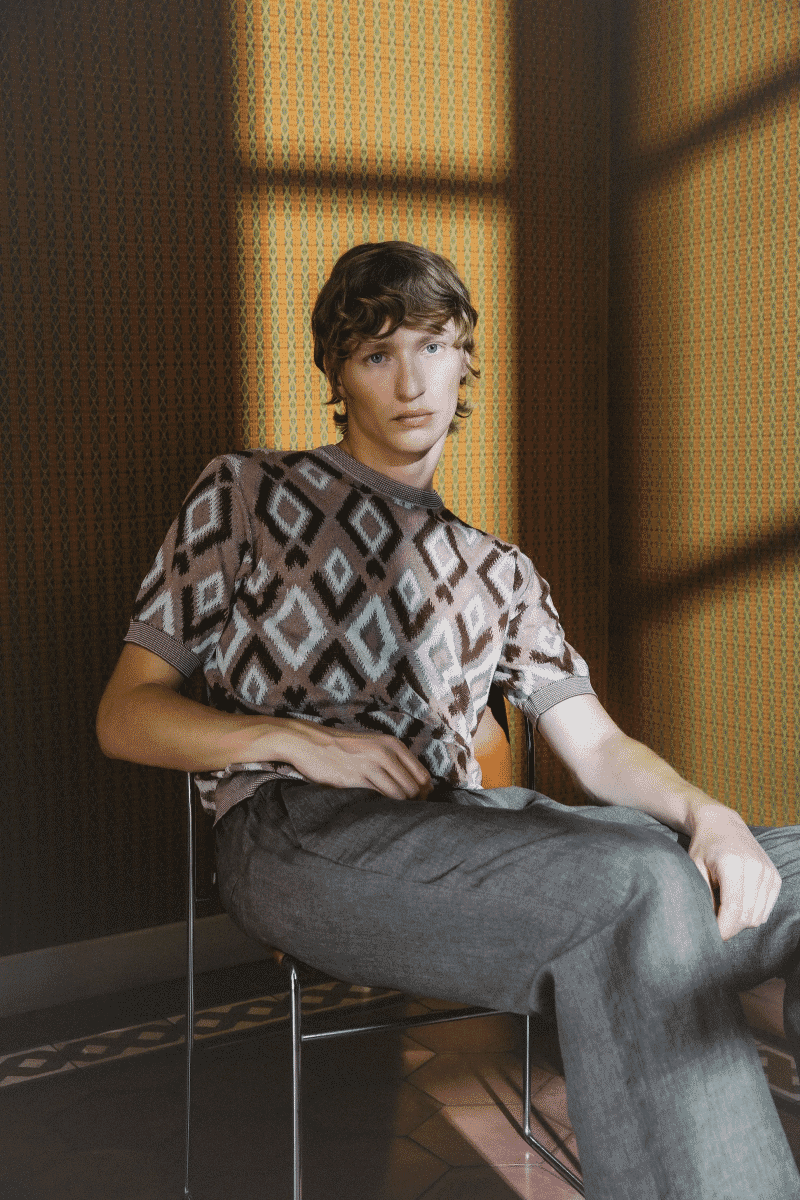
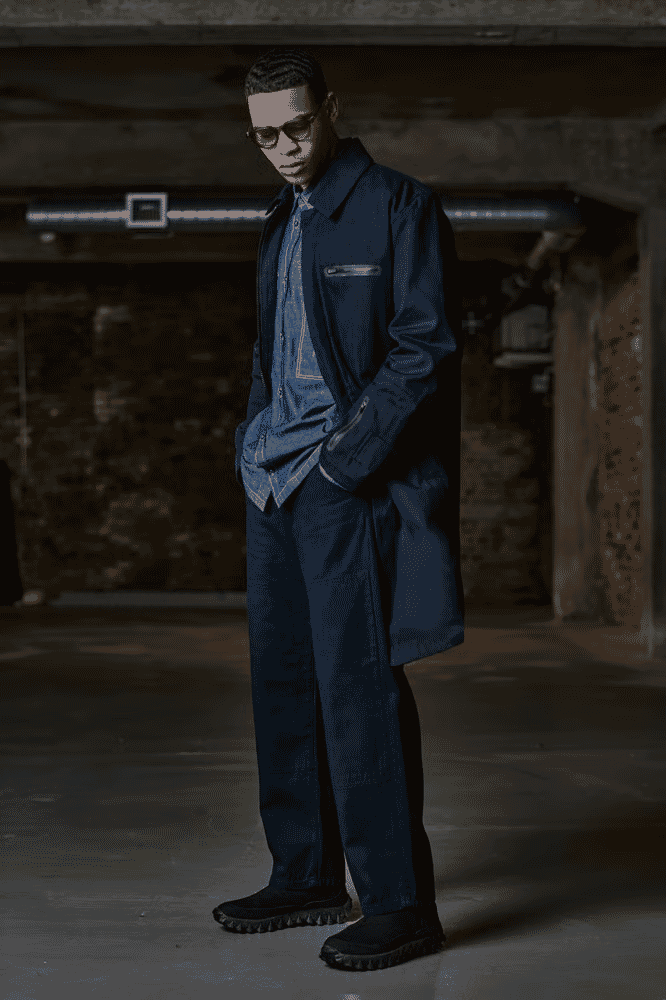
One of the oldest textile mills in the world, Piacenza 1733 brings centuries of expertise to modern menswear. The brand produces its own fabrics – cashmere, wool, silk blends – and uses them to create garments that feel quietly luxurious. It’s heritage, but not in a dusty way. More a reminder that some things don’t need reinventing.