Few design movements have stood the test of time quite like mid-century modern. Born from the optimism of the post-war years, it championed clean lines, honest materials and the idea that everyday objects should be as beautiful as they are functional. More than half a century on, those principles still shape the way we furnish our homes.
Perhaps the strongest testament to the movement's enduring appeal is that many of its defining pieces have never really disappeared. Rather than living behind museum glass, these designs are still being manufactured by the brands that first brought them to market – or by officially licensed producers using the original specifications.
Whether you're furnishing an entire home or looking for one investment piece that will outlast passing trends, these are ten of the greatest mid-century modern furniture designs you can still buy today.
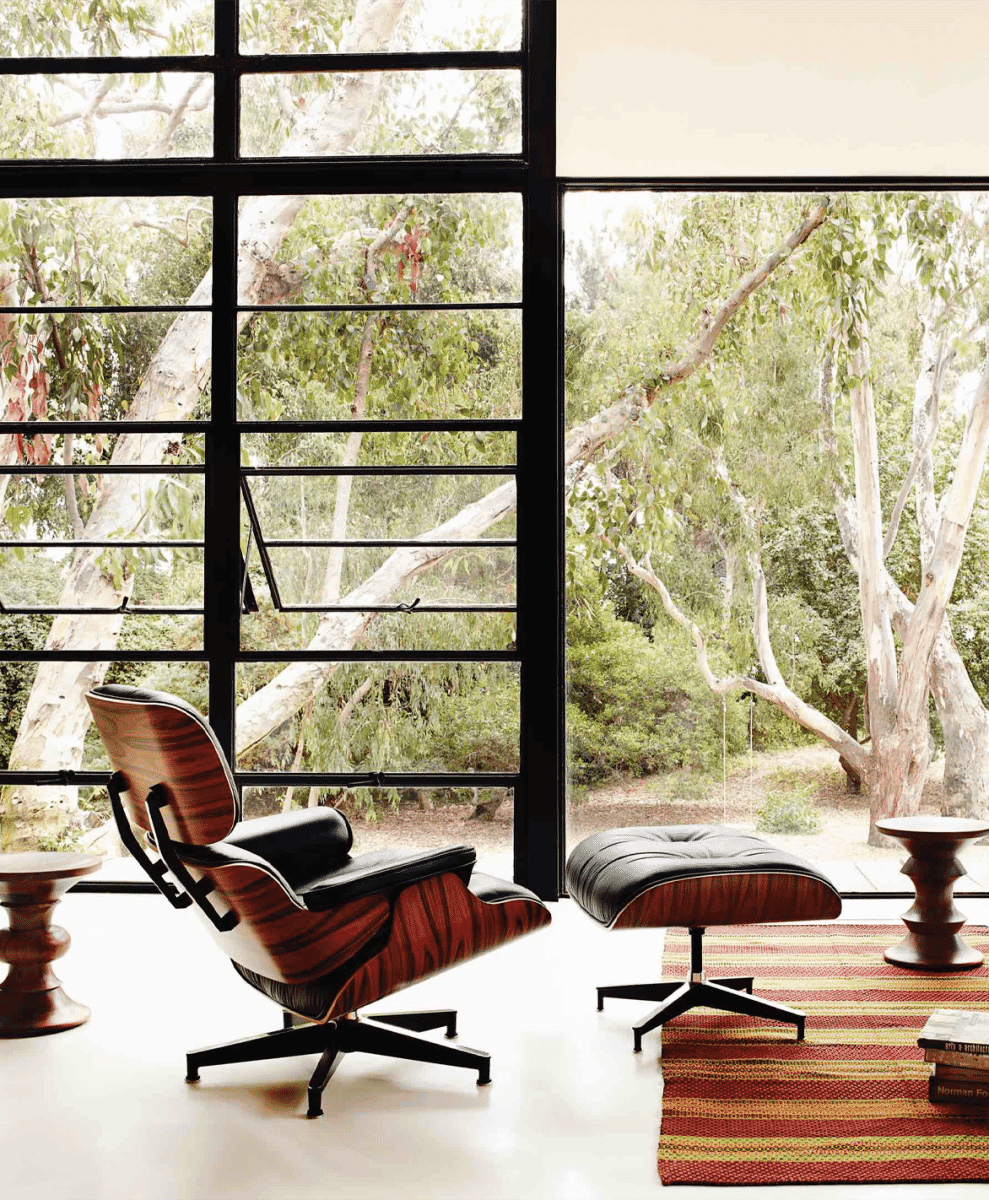
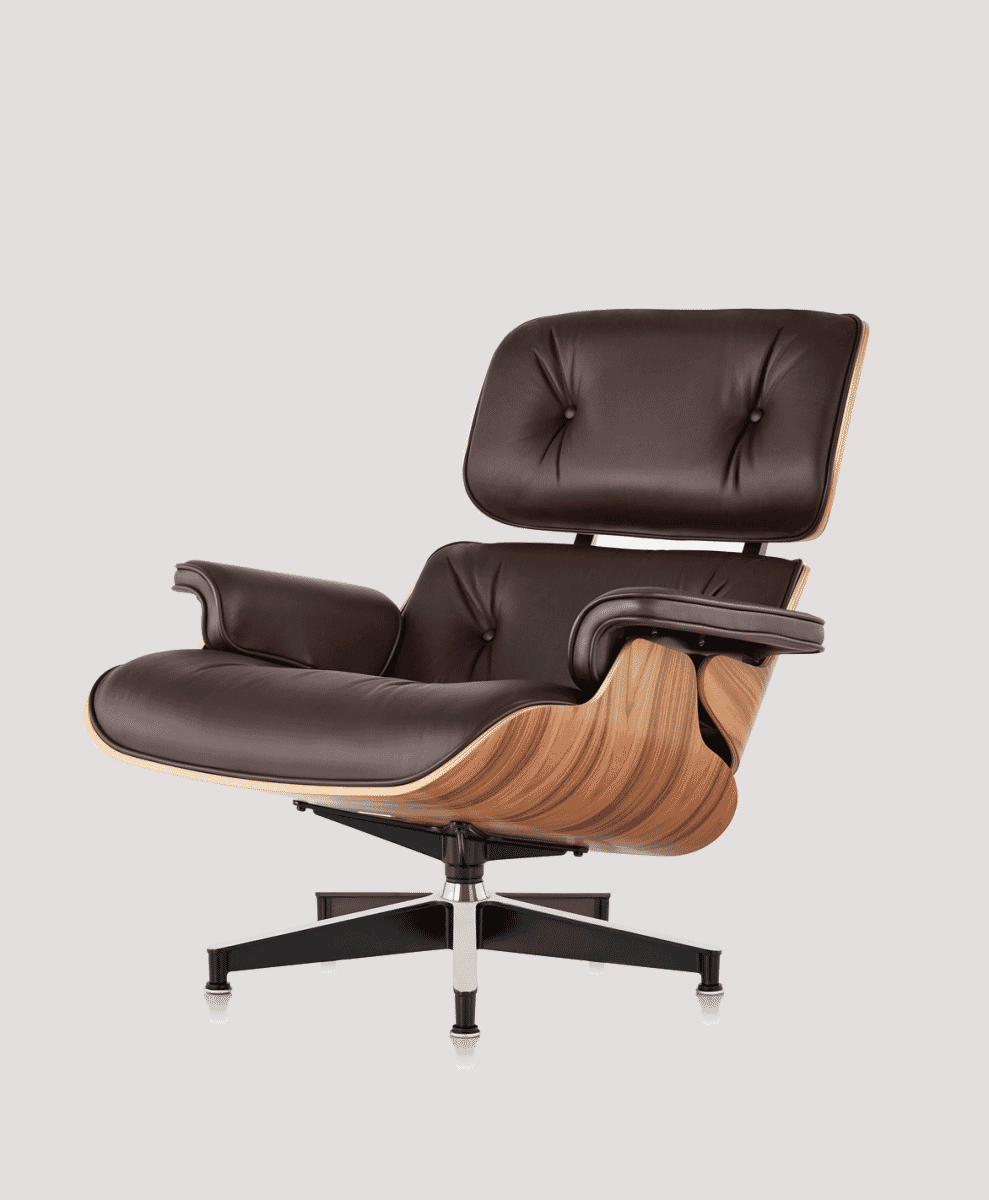
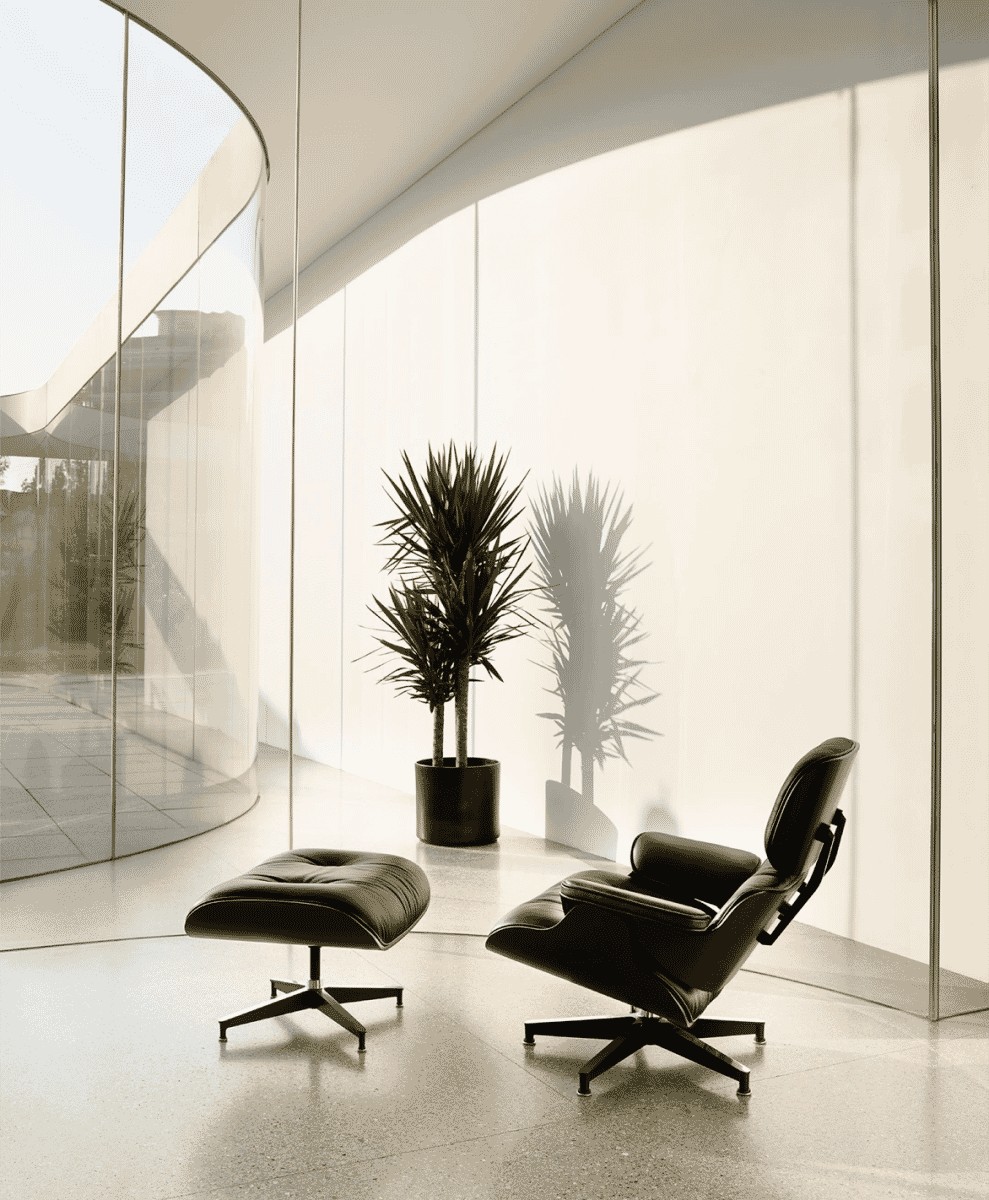
Eames Lounge Chair and Ottoman
Designed by Charles and Ray Eames in 1956, the Eames Lounge Chair is arguably the world's most recognisable armchair. The brief was deceptively simple: create the modern equivalent of a well-worn baseball glove. The result combined moulded plywood shells, supple leather upholstery and impeccable ergonomics to produce a chair that feels every bit as luxurious today as it did nearly 70 years ago.
Still produced by Herman Miller in North America and Vitra in Europe, it remains the benchmark for modern lounge seating and one of the few furniture purchases that can genuinely be described as heirloom-worthy.
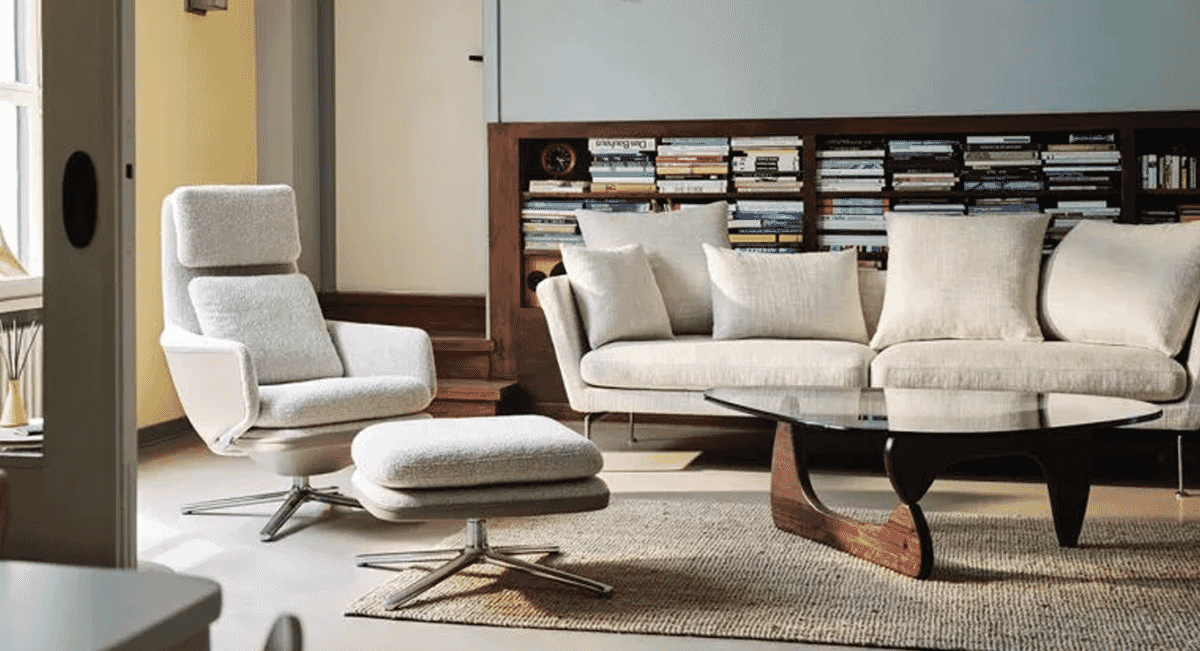
Noguchi Coffee Table
Furniture rarely crosses into sculpture as successfully as Isamu Noguchi's unique coffee table. Introduced in 1947, it pairs an organically shaped glass top with two beautifully balanced wooden supports that slot together without fixings.
Its simplicity is precisely what makes it so enduring. Whether surrounded by contemporary furniture or period classics, it feels entirely at home. Official versions are still produced by Herman Miller using Noguchi's original dimensions and materials.
Saarinen Tulip Table
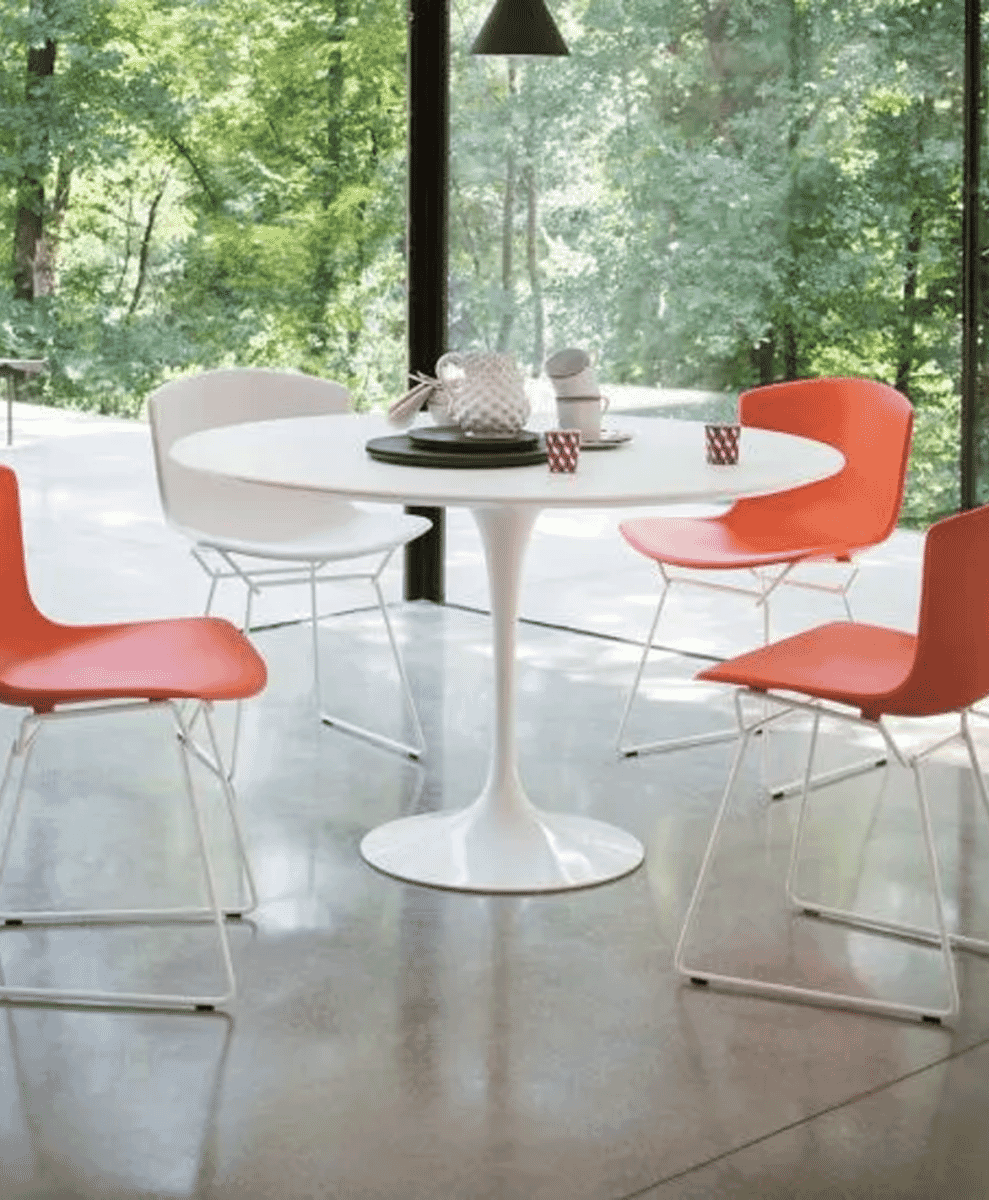
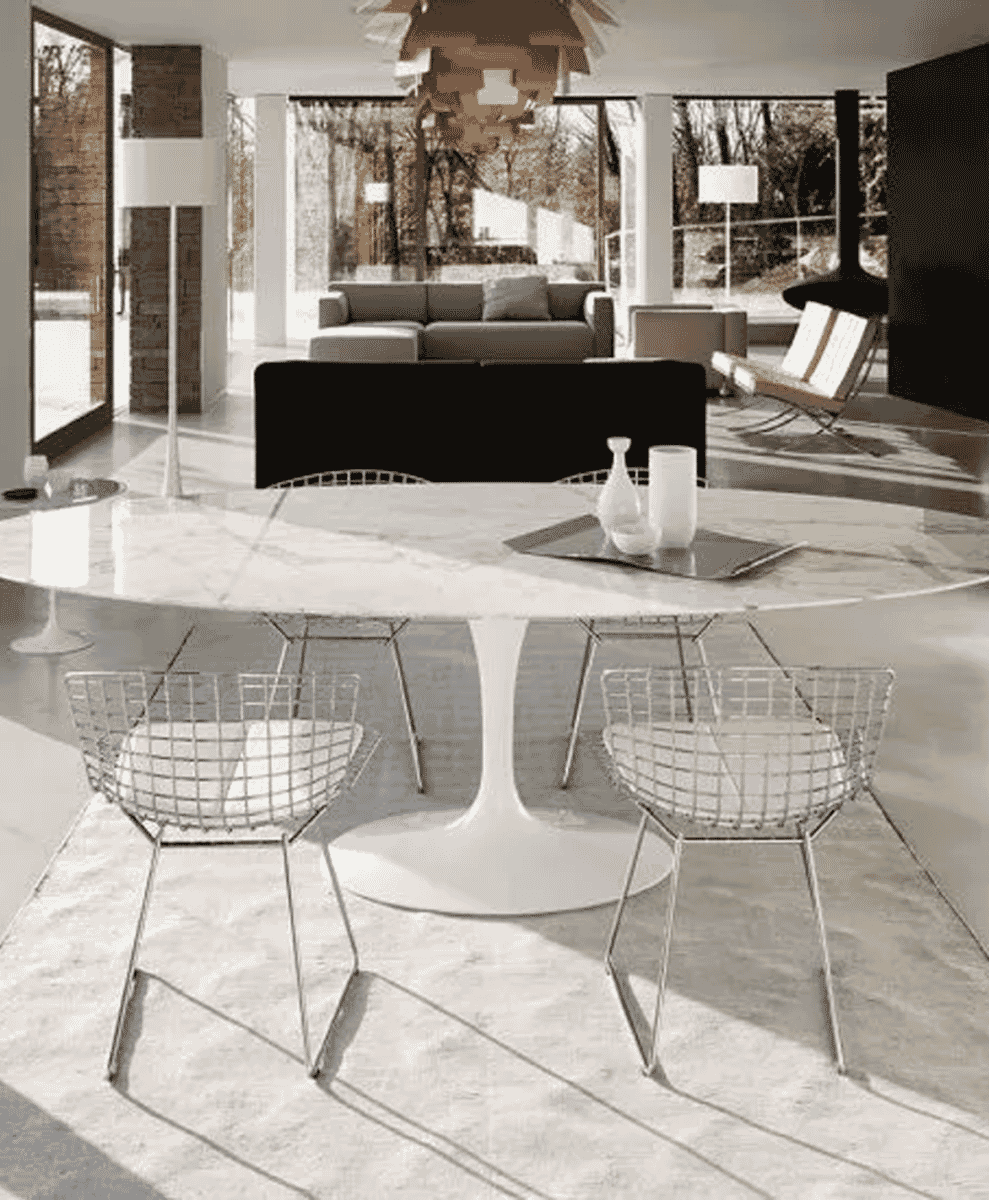
Eero Saarinen famously disliked what he described as the "slum of legs" created by traditional dining tables and chairs. His solution was revolutionary: replace four legs with one elegantly sculpted pedestal.
Introduced in 1957, the Tulip Table has since become one of modern design's defining silhouettes. Available with marble or laminate tops in a range of sizes, it still looks remarkably futuristic despite approaching its seventieth birthday.
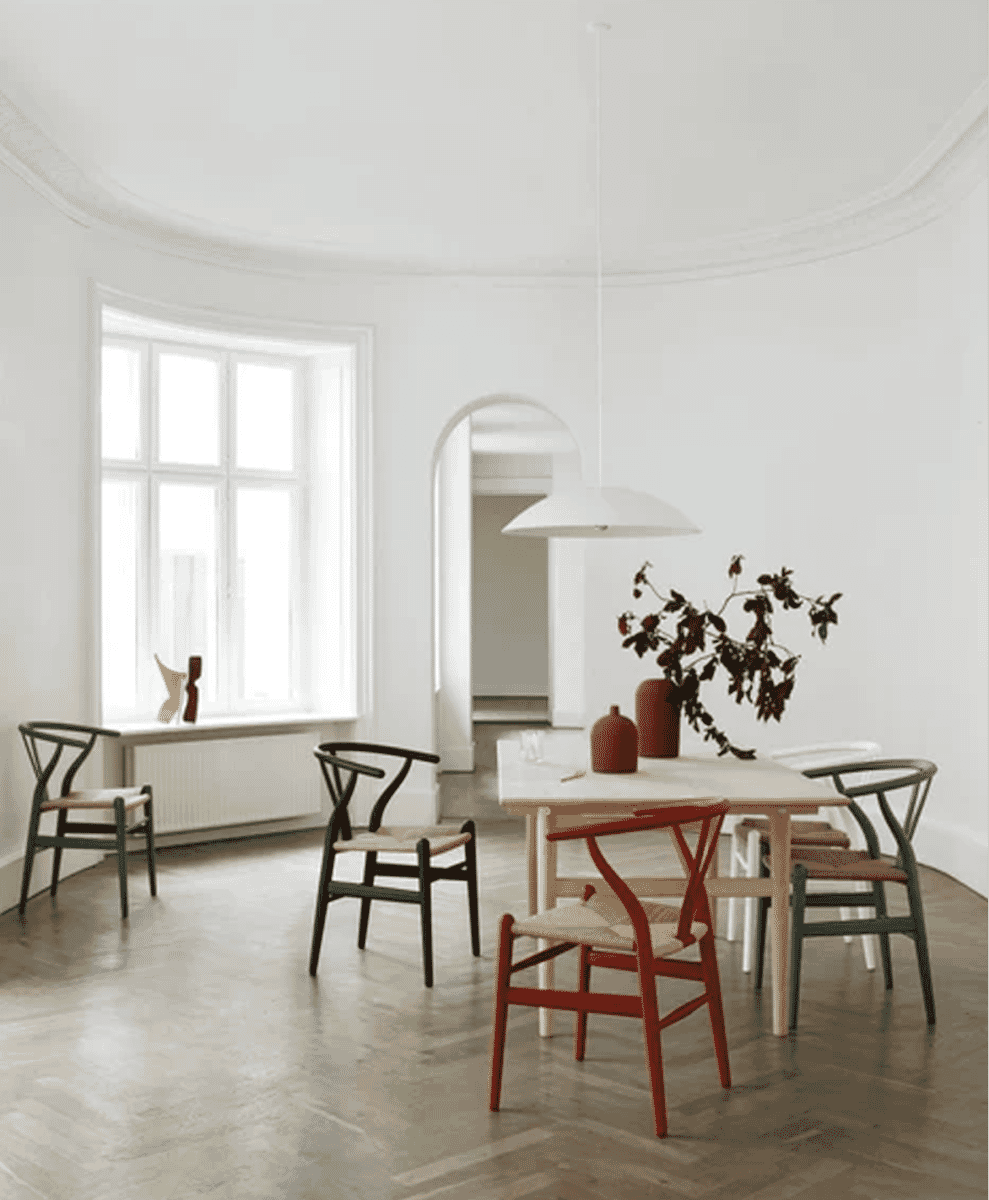
CH24 Wishbone Chair
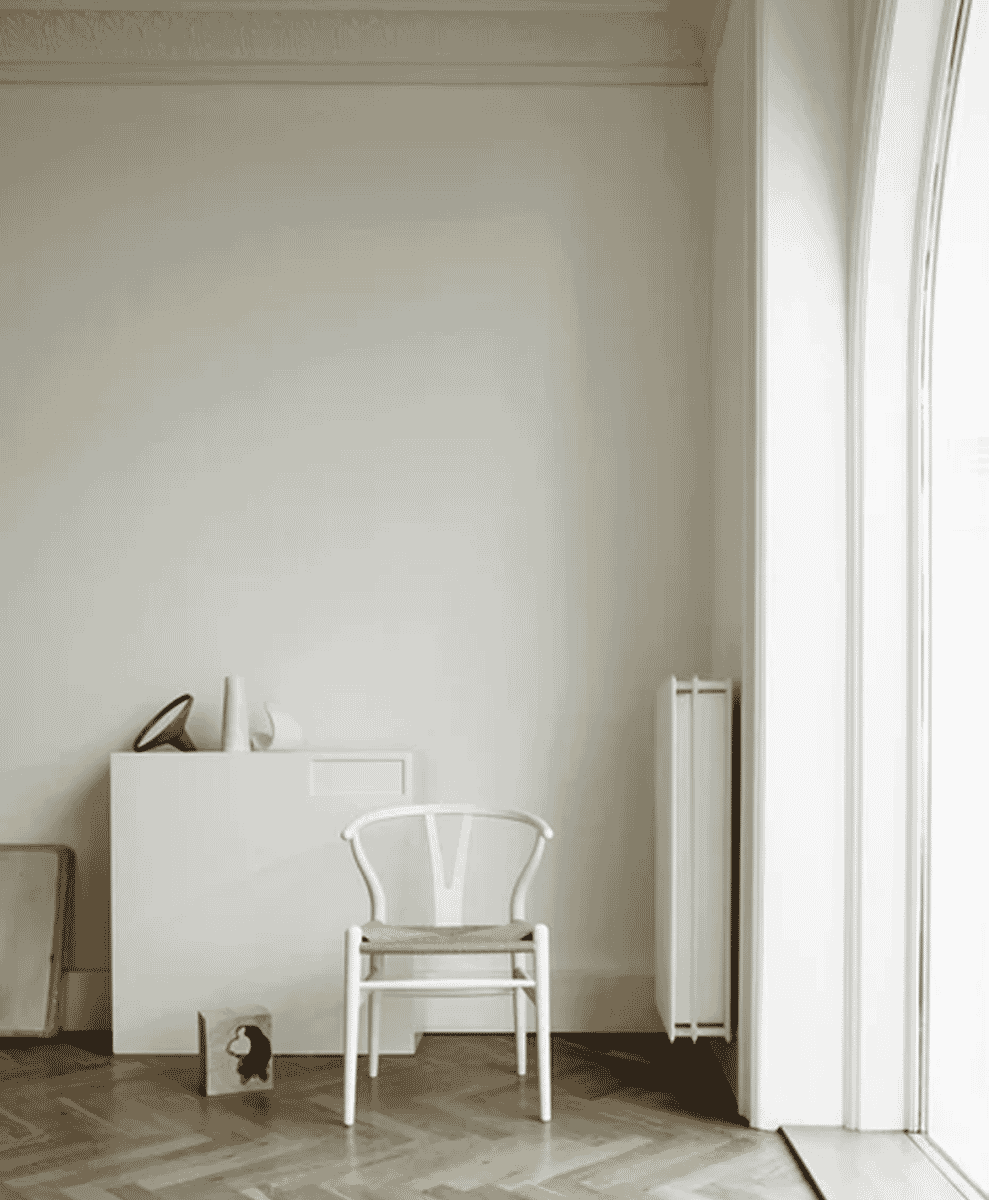
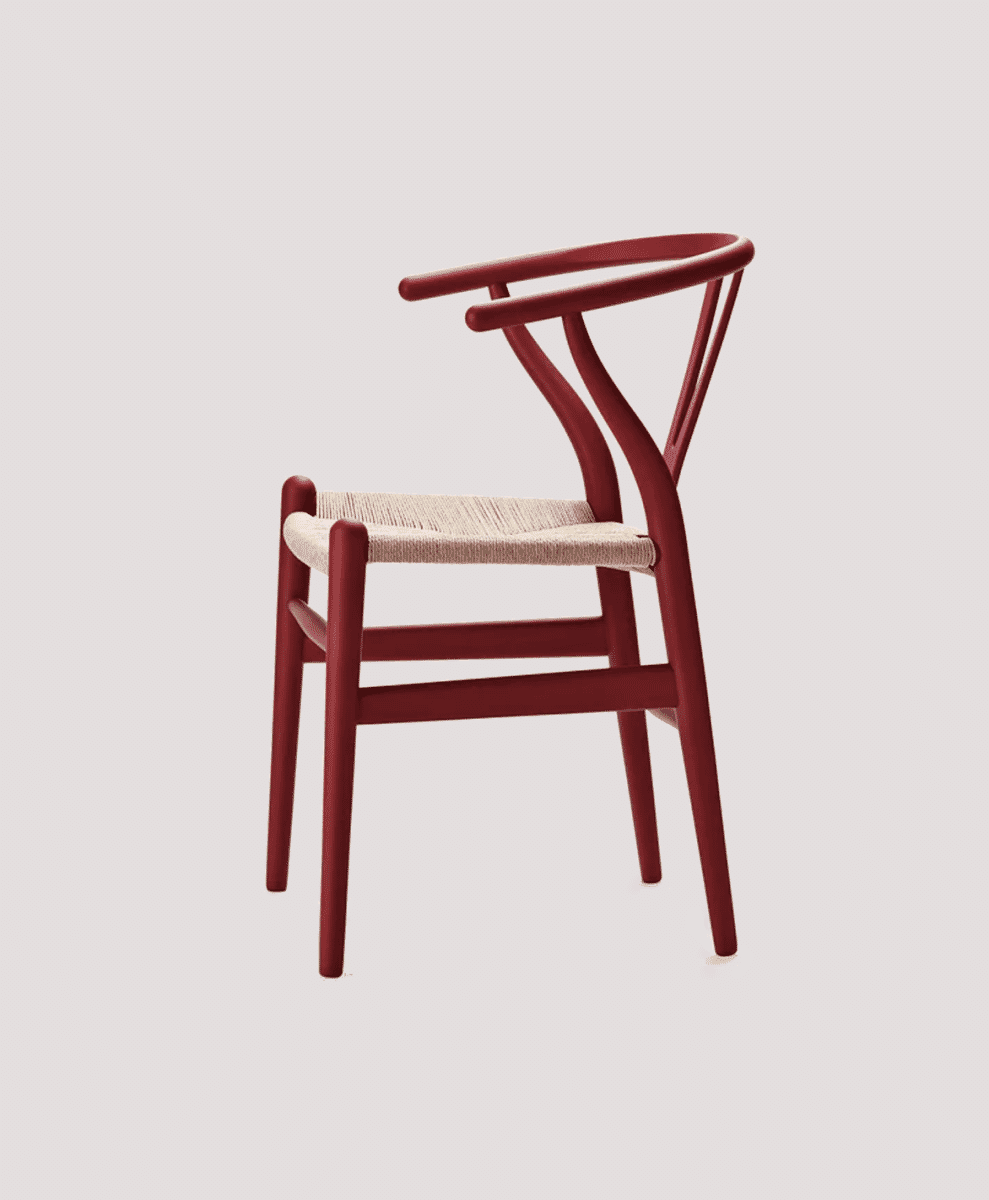
If there's a single dining chair that encapsulates Scandinavian design, it's Hans J. Wegner's Wishbone Chair. First introduced in 1949, its gently curved steam-bent frame, distinctive Y-shaped backrest and hand-woven paper cord seat demonstrate how craftsmanship and restraint can create something timeless.
Carl Hansen & Søn continues to manufacture each chair using many of the same techniques employed when it first entered production, making it one of the finest examples of Danish furniture still available today.
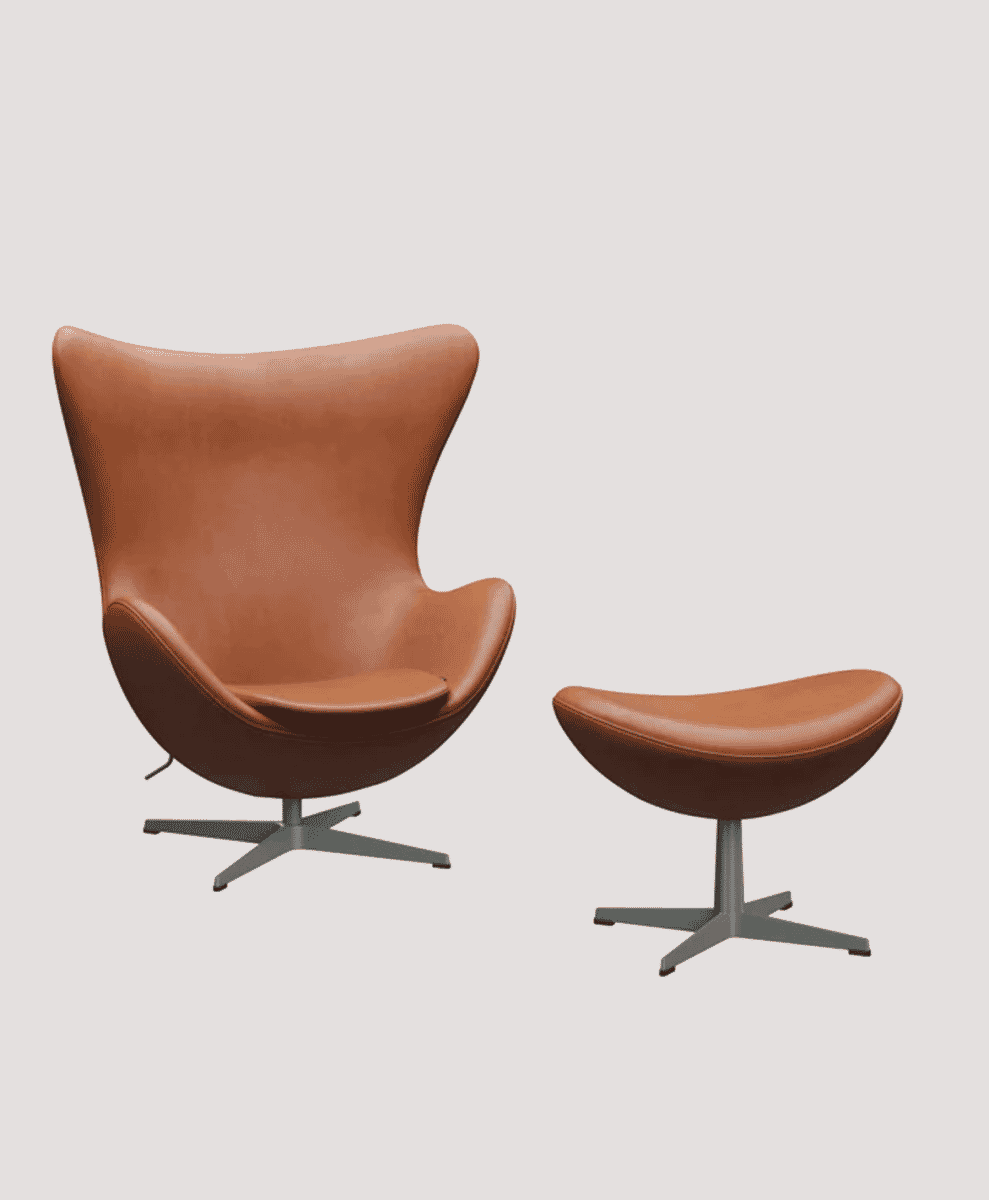
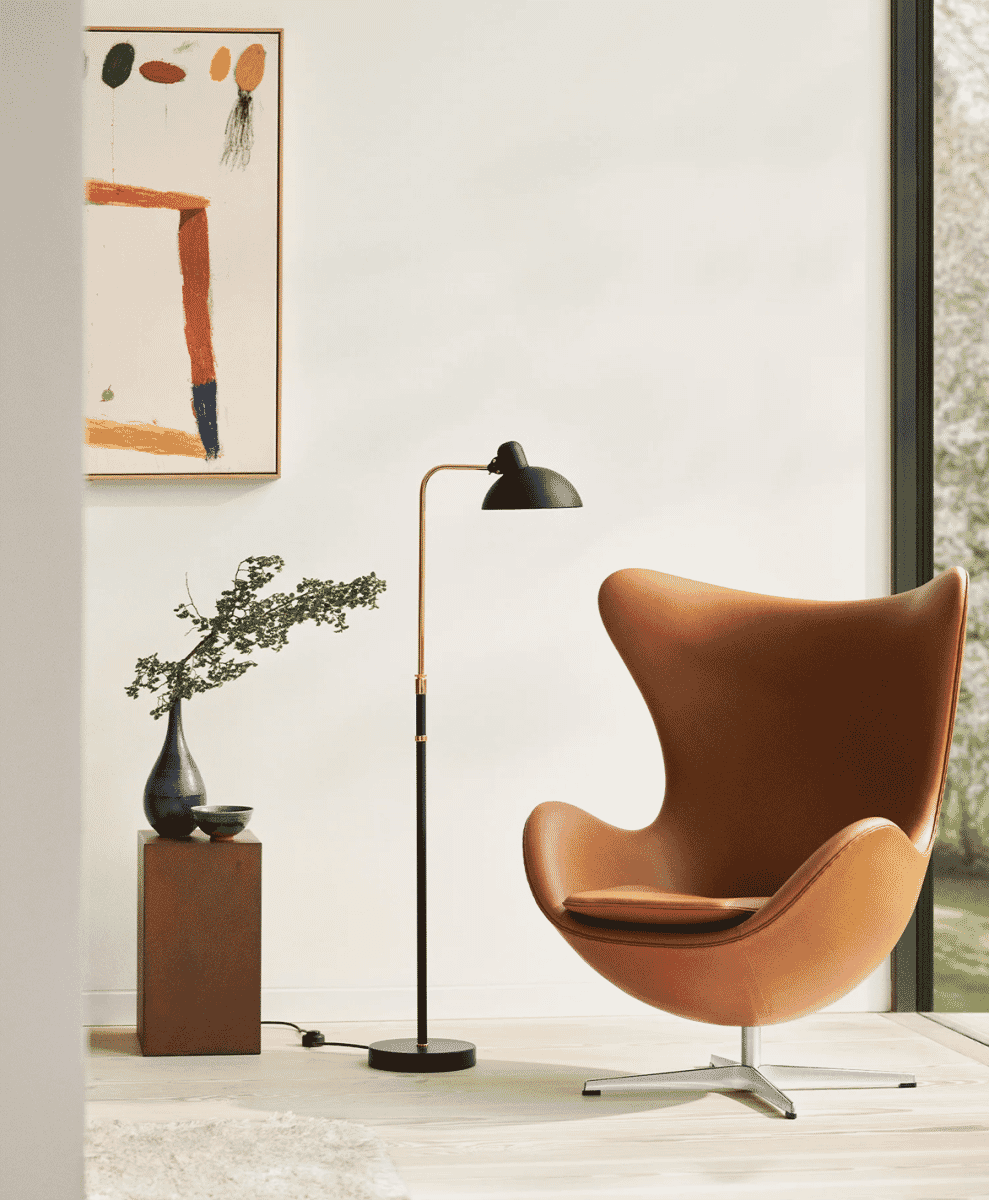
Egg Chair
Designed by Arne Jacobsen for Copenhagen's SAS Royal Hotel in 1958, the Egg Chair softened modernism with curves at a time when straight lines dominated furniture design.
Its cocoon-like shell provides privacy without feeling bulky, while the swivel base makes it surprisingly practical for contemporary living. Produced by Fritz Hansen, it remains one of the most sought-after statement chairs in the world.
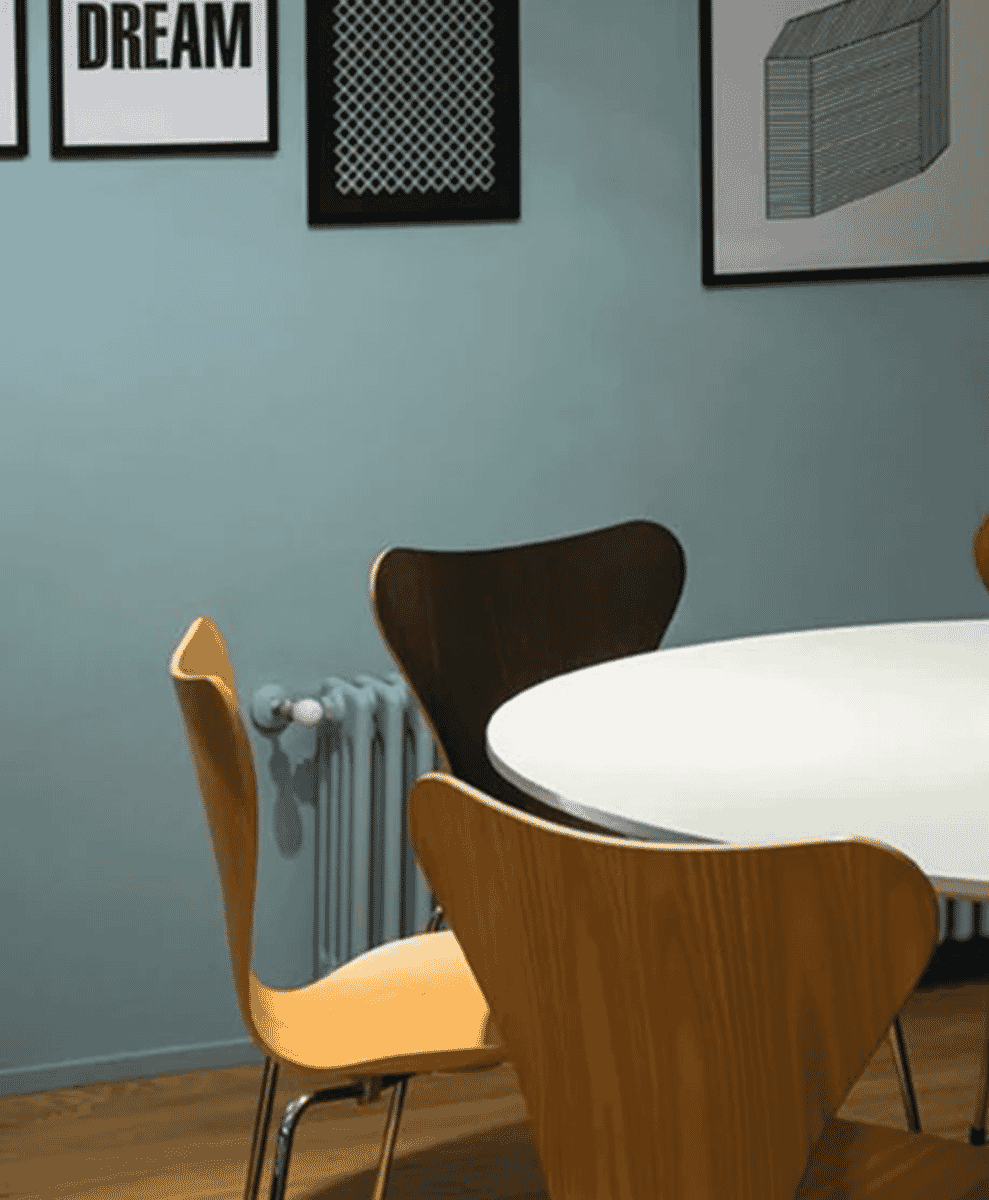
Series 7 Chair
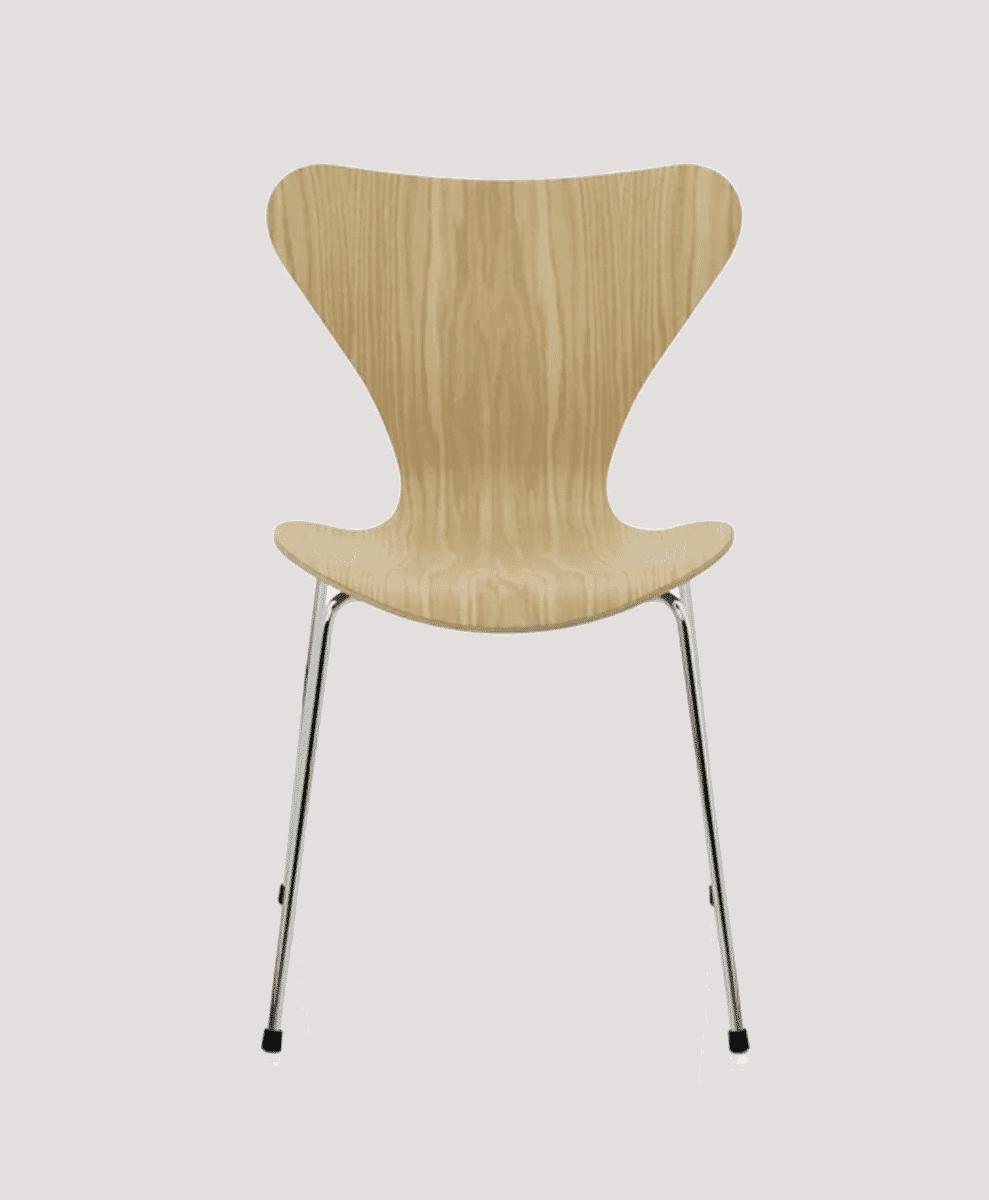
Arne Jacobsen's greatest commercial success is also one of the most versatile chairs ever designed. Introduced in 1955, the Series 7 refined moulded plywood construction into an elegant, stackable form that has appeared everywhere from dining rooms to boardrooms.
Its understated silhouette has allowed it to age gracefully, while countless finishes and upholstery options mean there's a version to suit almost any interior.
Arco Floor Lamp
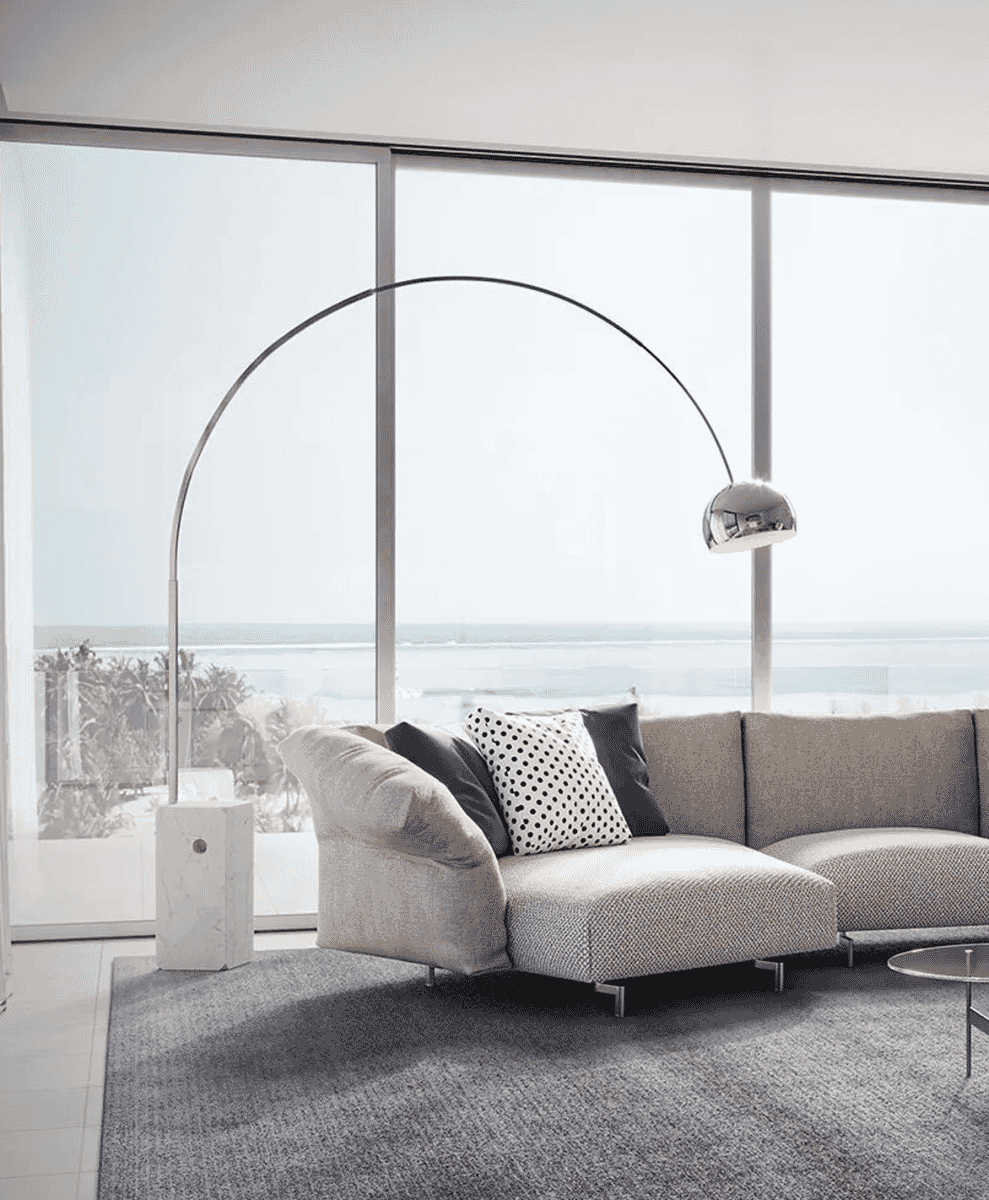
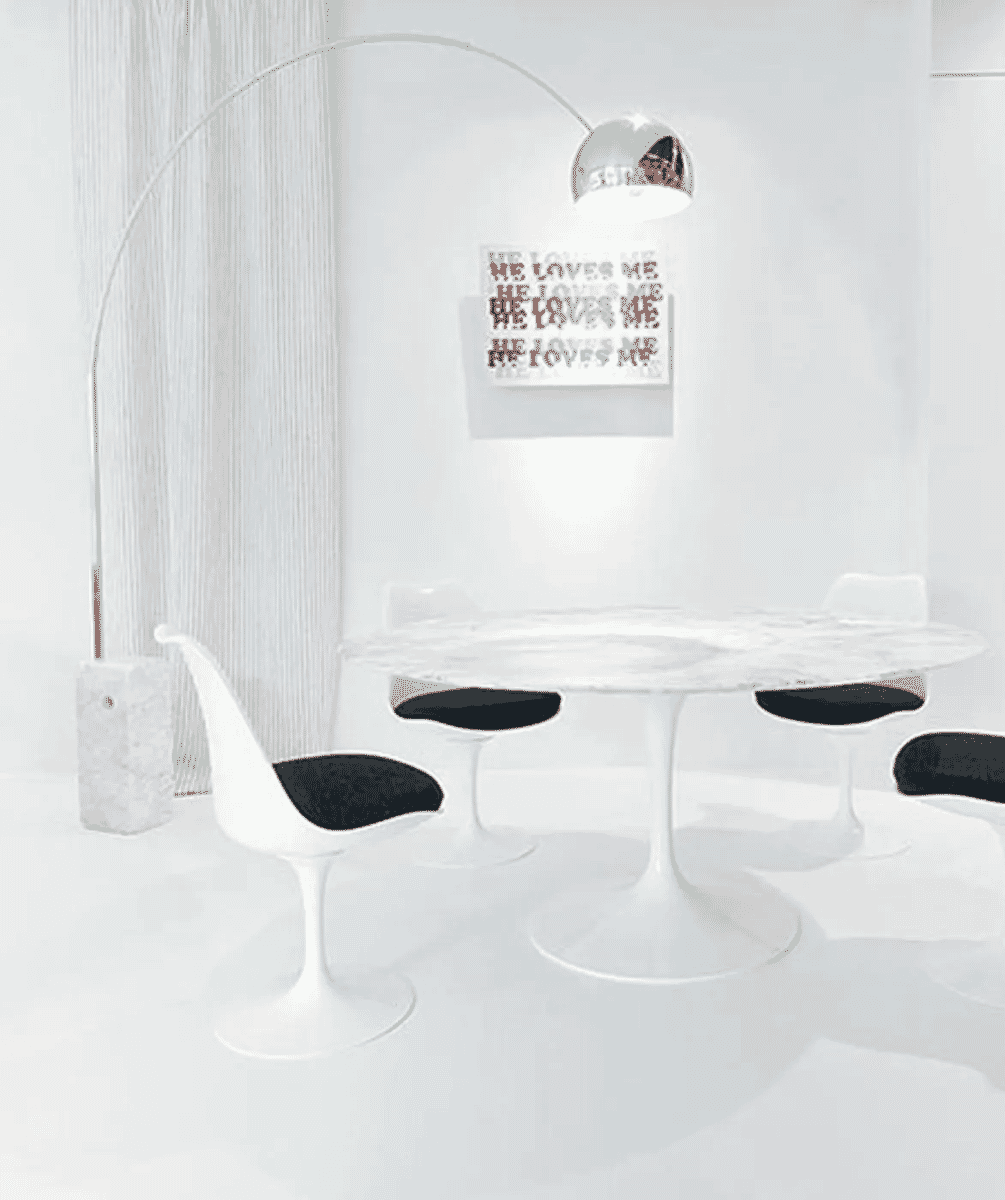
Few lighting designs are as instantly recognisable as the Arco lamp. Designed by brothers Achille and Pier Giacomo Castiglioni in 1962, it solved the problem of overhead lighting without requiring ceiling wiring.
A hefty block of Carrara marble anchors a sweeping stainless steel arm that appears to float effortlessly across a room. More than six decades later, Flos still manufactures the arc-style floor lamp using the same essential design, proving that functional problem-solving often creates the most enduring objects.
String Shelving System
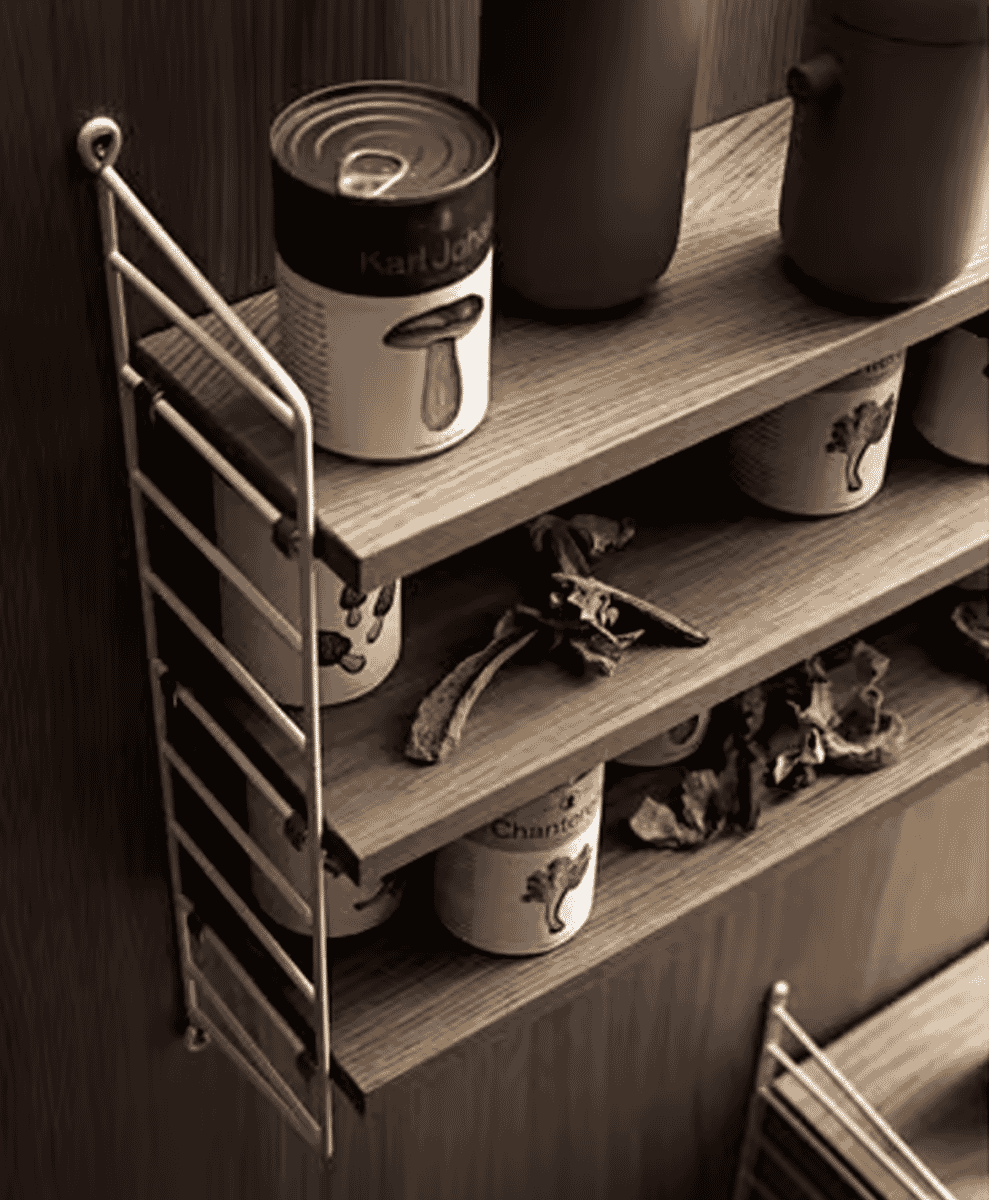
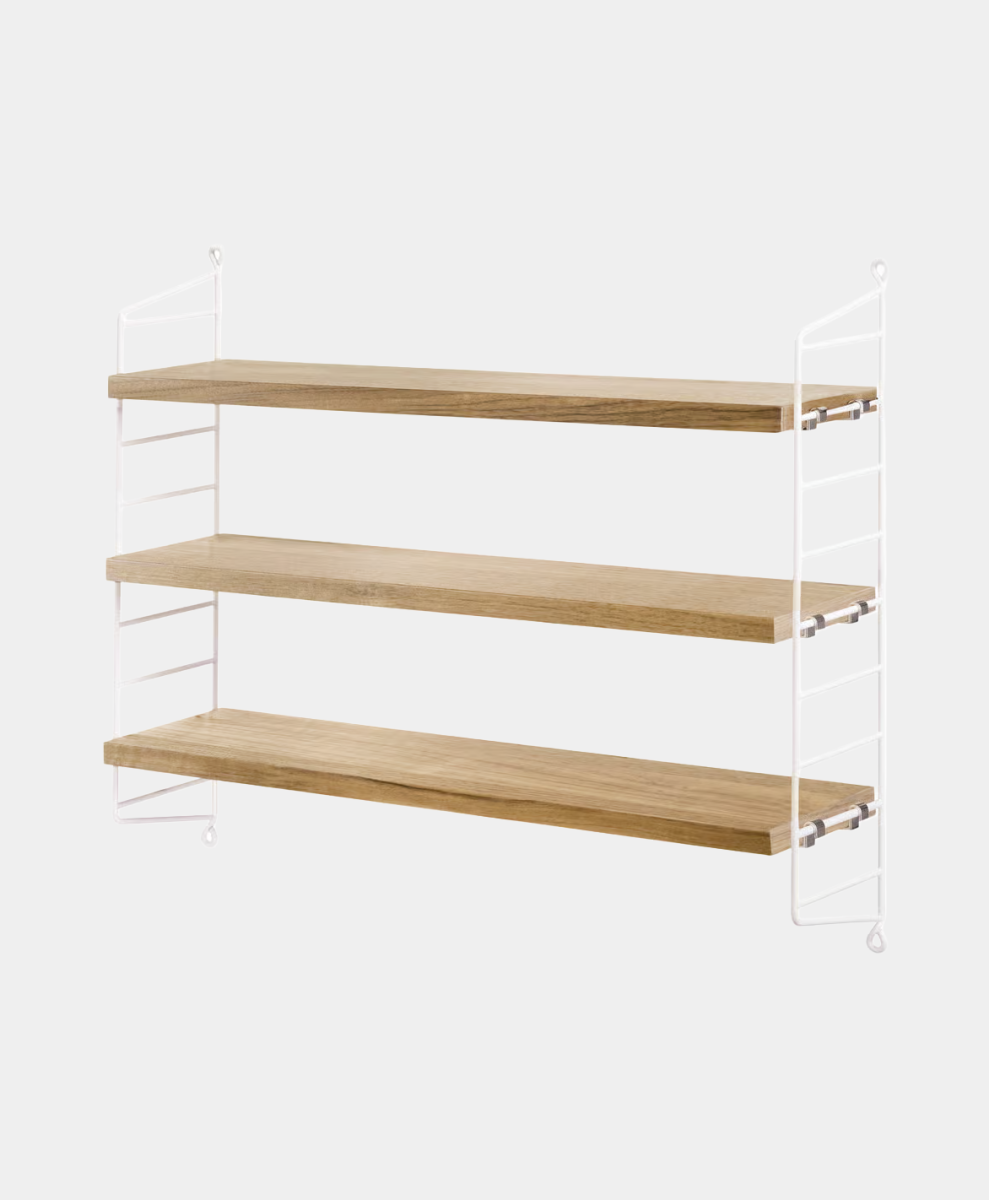
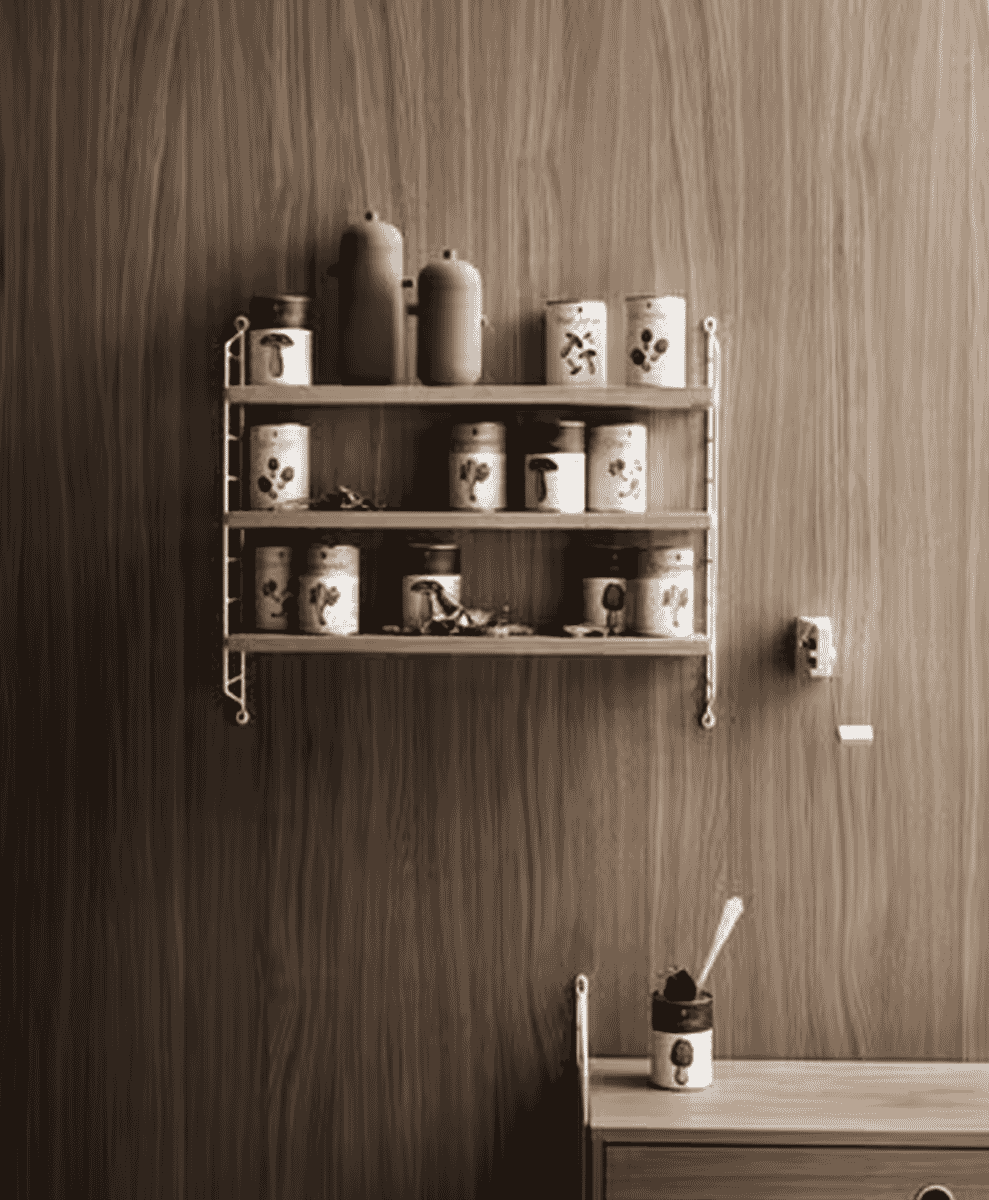
Modular furniture has become commonplace, but the String shelving system was doing it long before it became fashionable. Designed by Nils Strinning in 1949, its lightweight wire side panels and interchangeable shelves allow endless combinations without overwhelming a room.
Whether used as a bookcase, home office storage or kitchen shelving, String remains one of the smartest and most adaptable storage systems ever designed.
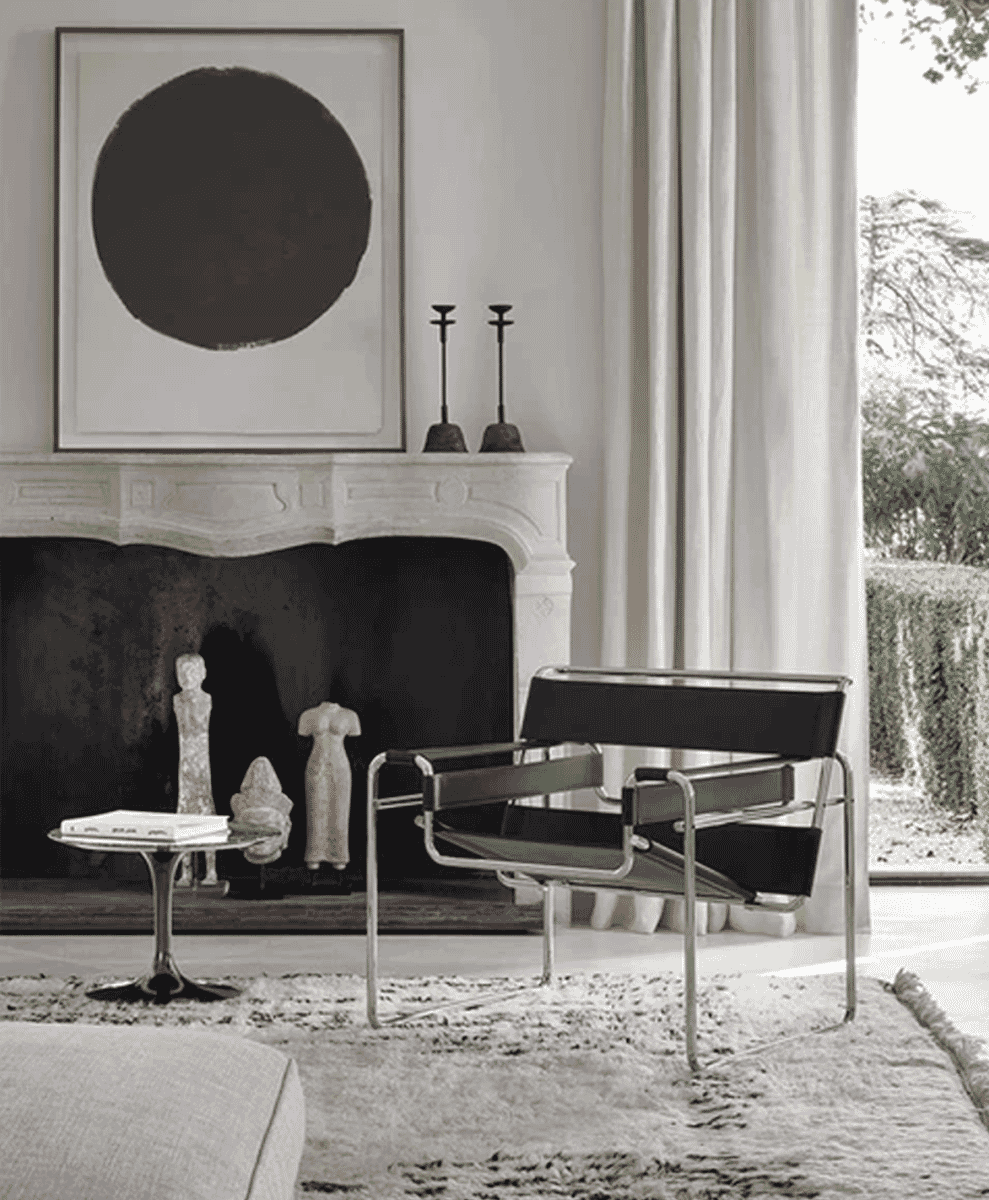
Wassily Chair
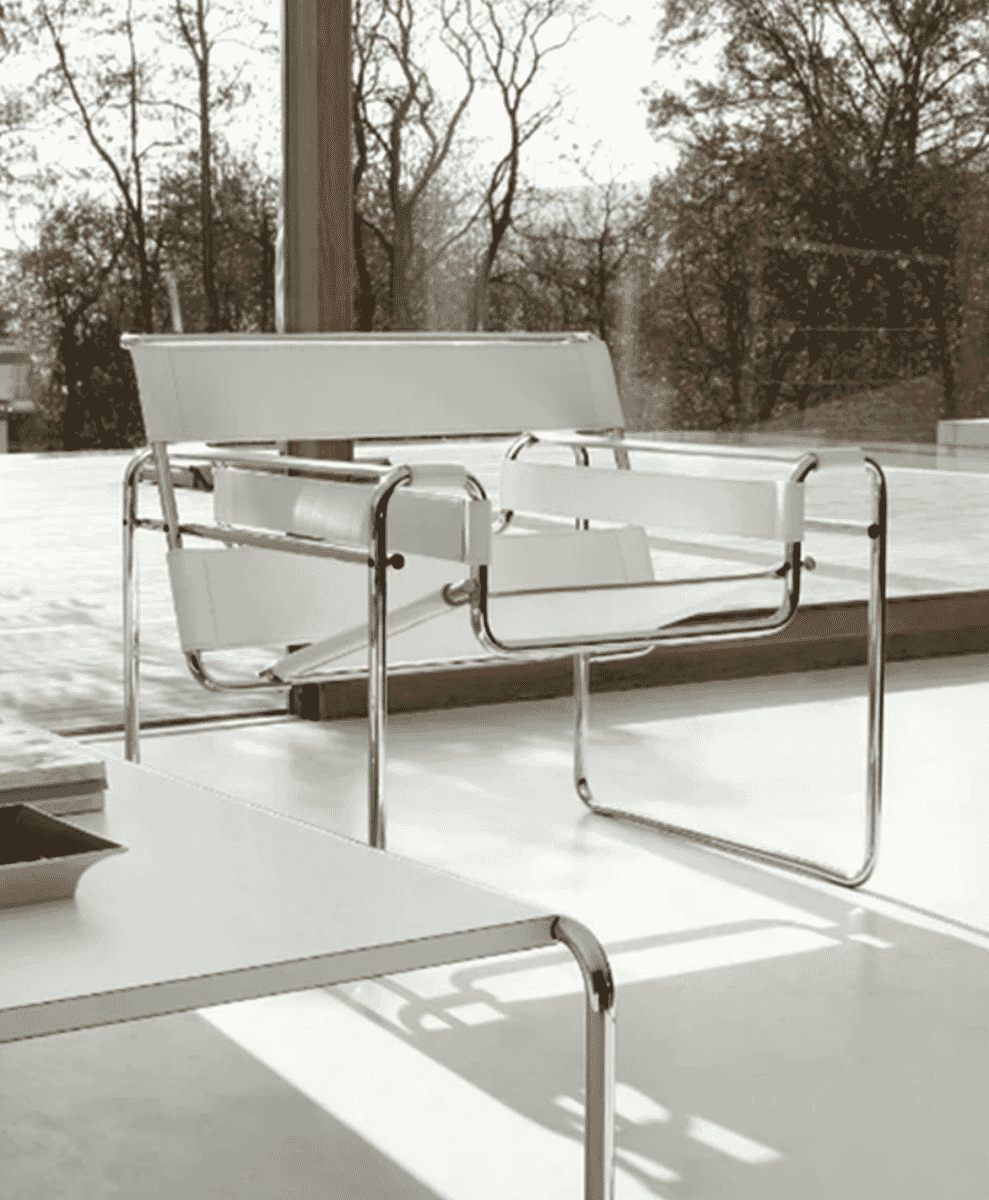
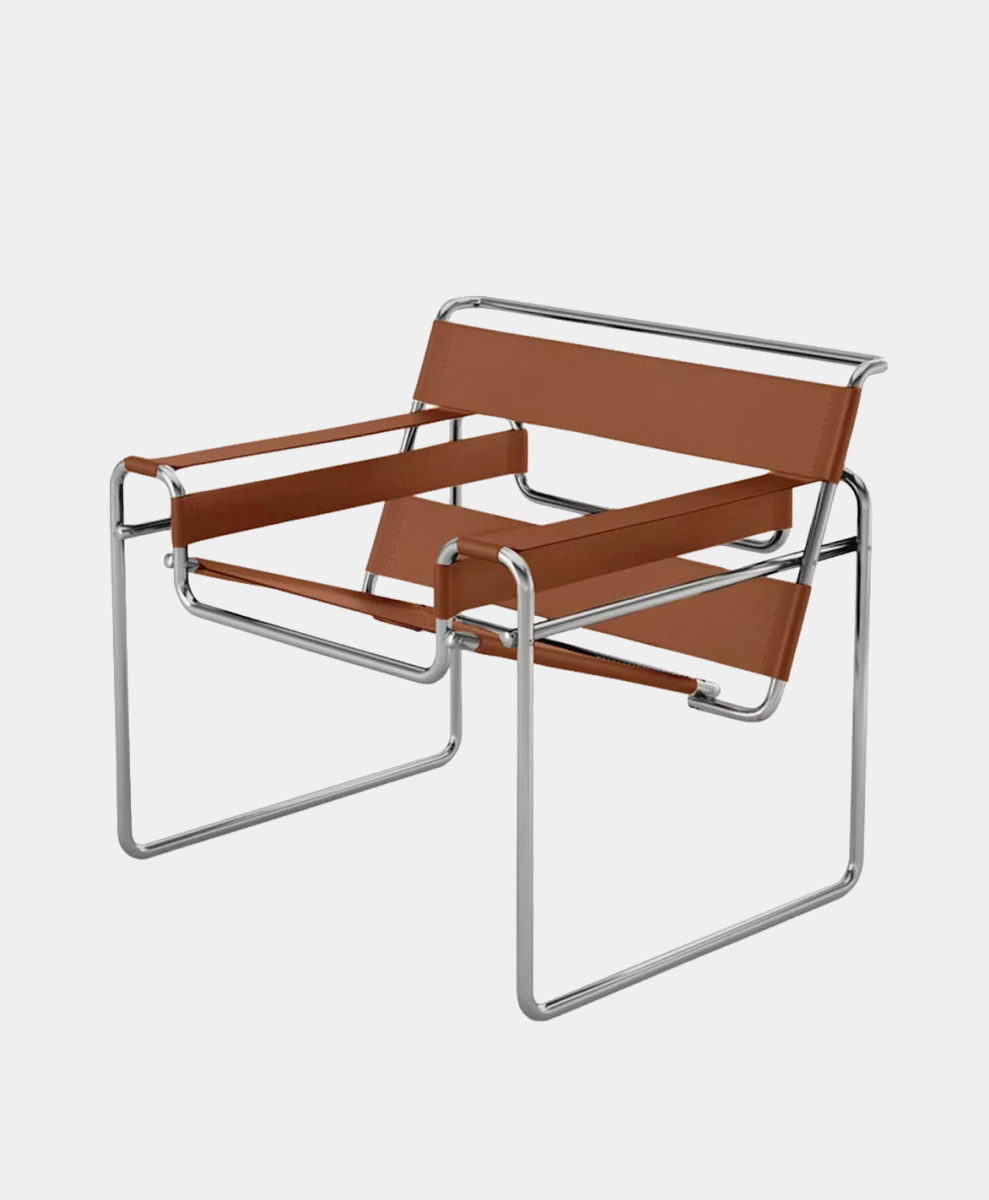
Originally designed by Marcel Breuer in 1925, the Wassily Chair predates the mid-century movement but became hugely influential in shaping the aesthetic that followed. Inspired by bicycle construction, its tubular steel frame paired with leather slings stripped seating back to its essentials.
The design remains strikingly contemporary and is still produced by Knoll, making it one of the earliest examples of furniture that looks every bit as modern today as it did a century ago.
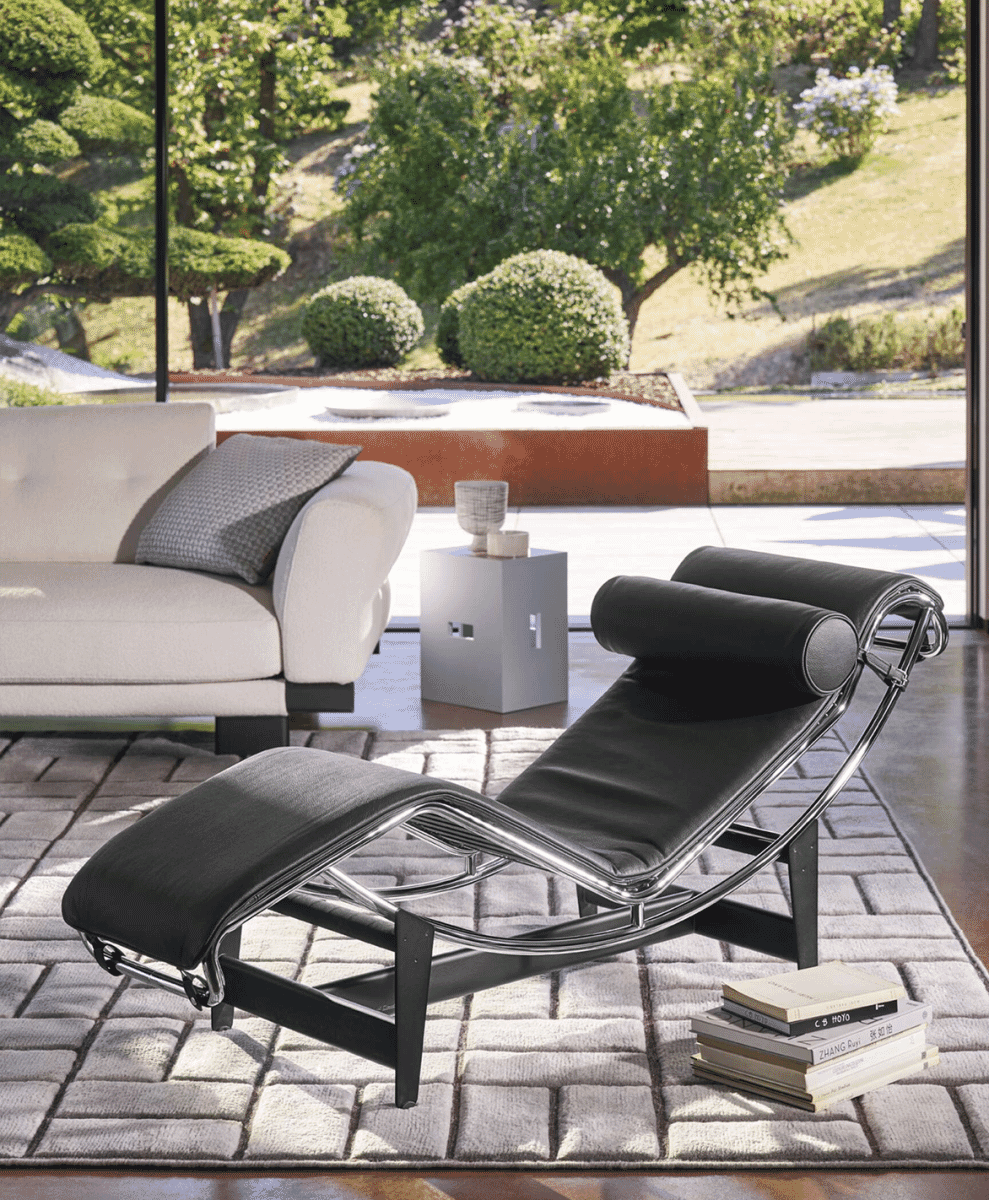
LC4 Chaise Longue
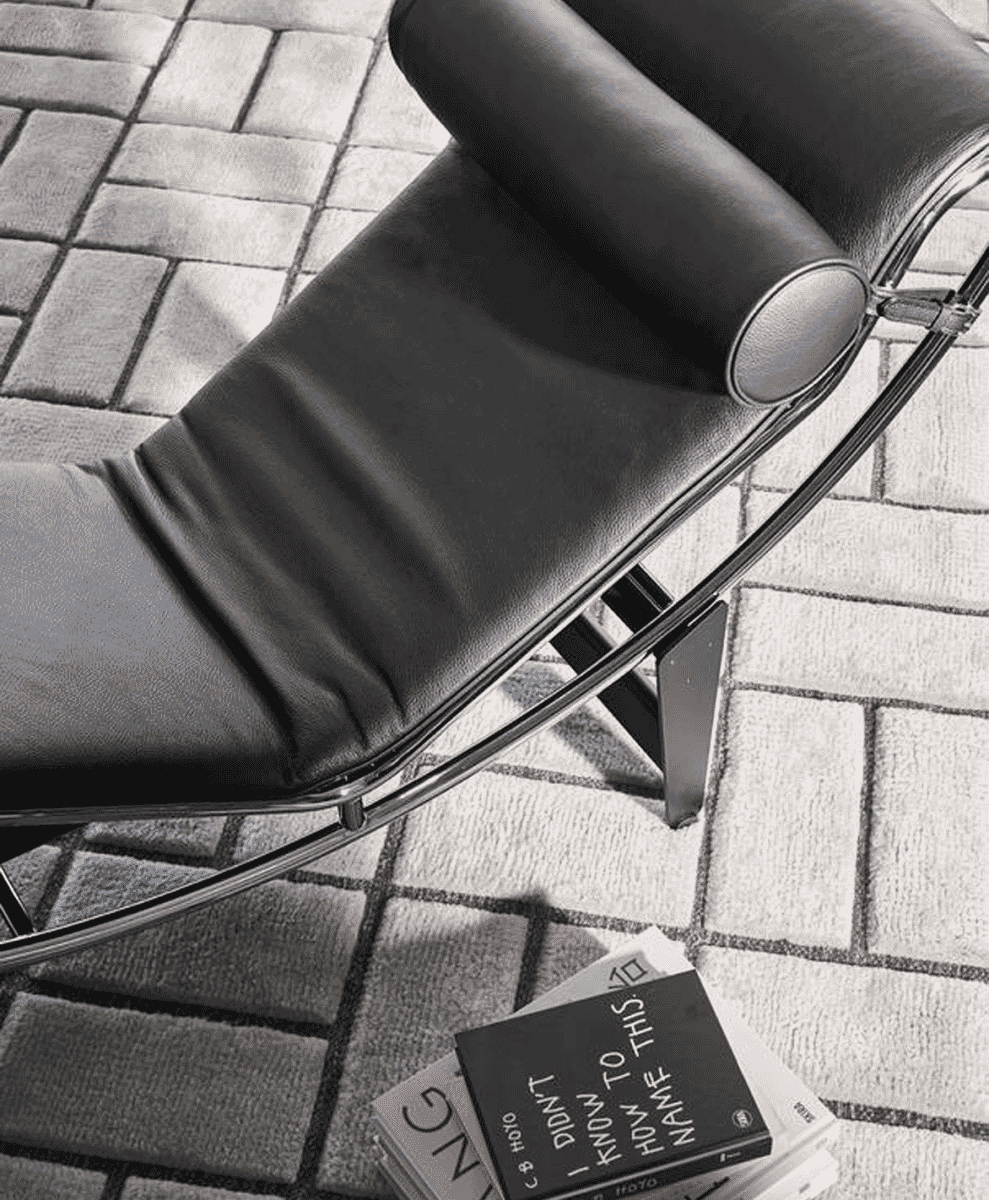
Few furniture designs communicate relaxation quite as elegantly as the LC4 Chaise Longue. Created by Le Corbusier, Pierre Jeanneret and Charlotte Perriand, the adjustable reclining frame follows the natural contours of the human body rather than forcing the body to conform to the furniture.
Now manufactured by Cassina, the LC4 demonstrates why truly great design rarely dates. It's a piece that feels equally at home in a minimalist apartment, a modernist villa or a contemporary townhouse.