Men's casual shoes tend to get overlooked. Everyone obsesses over the best trail runners or which Oxford shoes to buy for their wedding suit, but there’s a whole category in between that arguably does the bulk of the real work. The pairs you reach for when you don’t want to look sloppy, but when a polished Oxford would feel like overkill.
This is the middle ground of menswear. The space where practicality meets a bit of intention. Shoes you can wear to dinner, to the office, on weekends, on holiday. The ones that quietly pull a smart-casual outfit together without making a big statement.
The problem is that “casual shoes” is a broad, slightly vague label. It covers everything from loafers to moccasins to suede Derbies, all of which do slightly different jobs.
So rather than treating it as one big category, it makes more sense to break it down properly. What counts, what to look for, and which styles are actually worth your time.
What are men’s casual shoes?
When we talk about men’s casual shoes, we’re really talking about everything that sits between sneakers and the best formal dress shoes, excluding boots.
They’re not as laid-back as trainers, but they don’t carry the rigidity of something like a cap-toe Oxford either. That middle space is where most modern dressing happens, which is why this category is so useful.
It includes styles like loafers, deck shoes, suede Derbies, moccasins and driving shoes. Some lean slightly smarter, others more relaxed, but all of them share a certain flexibility.
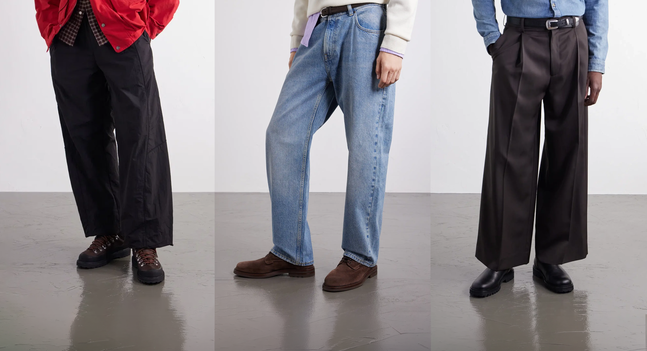
The defining characteristic isn’t just how they look, but how they’re worn. Casual shoes should work across multiple outfits. With tailoring, but also with denim. With trousers, but also with shorts in the right setting.
They’re the shoes that allow you to move between situations without having to change your entire outfit.
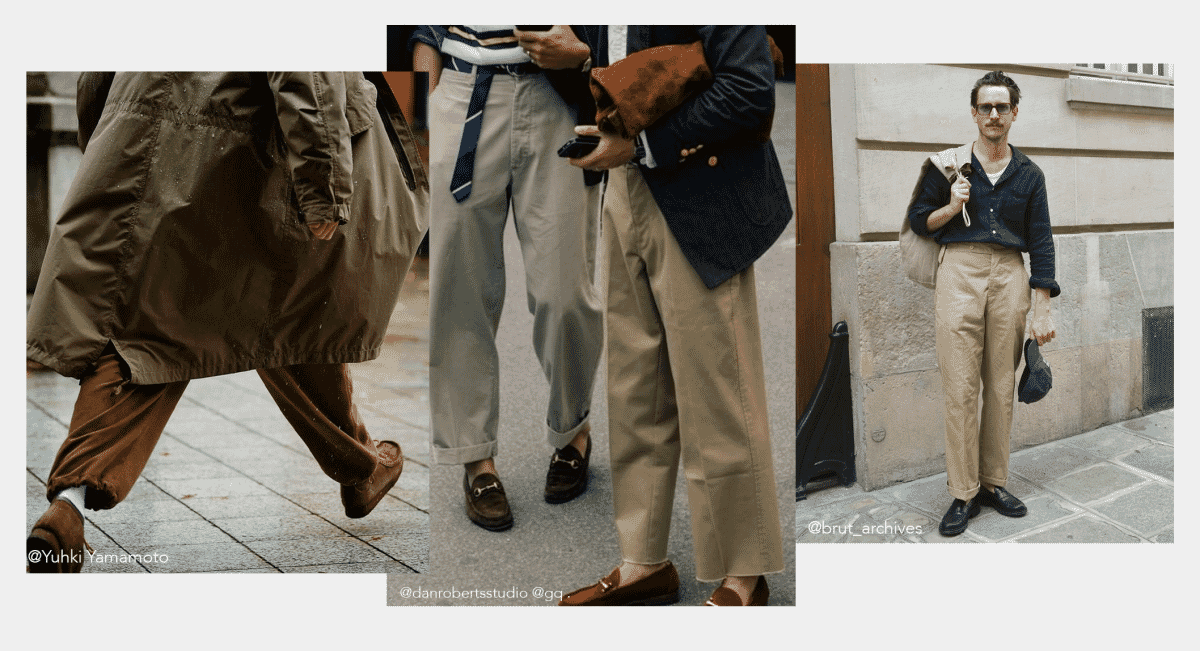
@yamamot_y @danrobertsstudio @gq, @brut_archives
How to find the best men’s casual shoes
Not all casual shoes are created equal. At a glance, many of them look similar, but the differences tend to show up in how they age, how they feel on foot and how well they hold their shape over time.
Materials
Start with the upper. Full-grain leather will age better than corrected leather, developing character rather than cracking. Suede is another strong option, especially for casual styles, but it should feel dense and slightly textured rather than thin or overly soft.
Construction
Construction is what determines longevity. Blake stitching keeps things lightweight and flexible, which suits loafers and lighter Derbies. Goodyear welting adds durability and makes resoling easier, though it can feel slightly heavier. Cemented soles tend to be cheaper, but they won’t last as long.
Heritage
Brand history isn’t everything, but it often tells you something about how a shoe is made. Brands with a background in shoemaking tend to prioritise consistency and construction in a way newer labels sometimes don’t... or can't.
Details
Finally, pay attention to the small things. Clean stitching, well-shaped lasts, balanced proportions. A good casual shoe should look considered without feeling overdesigned. If it’s trying too hard, it usually shows.
Key men’s casual shoe styles
Loafer
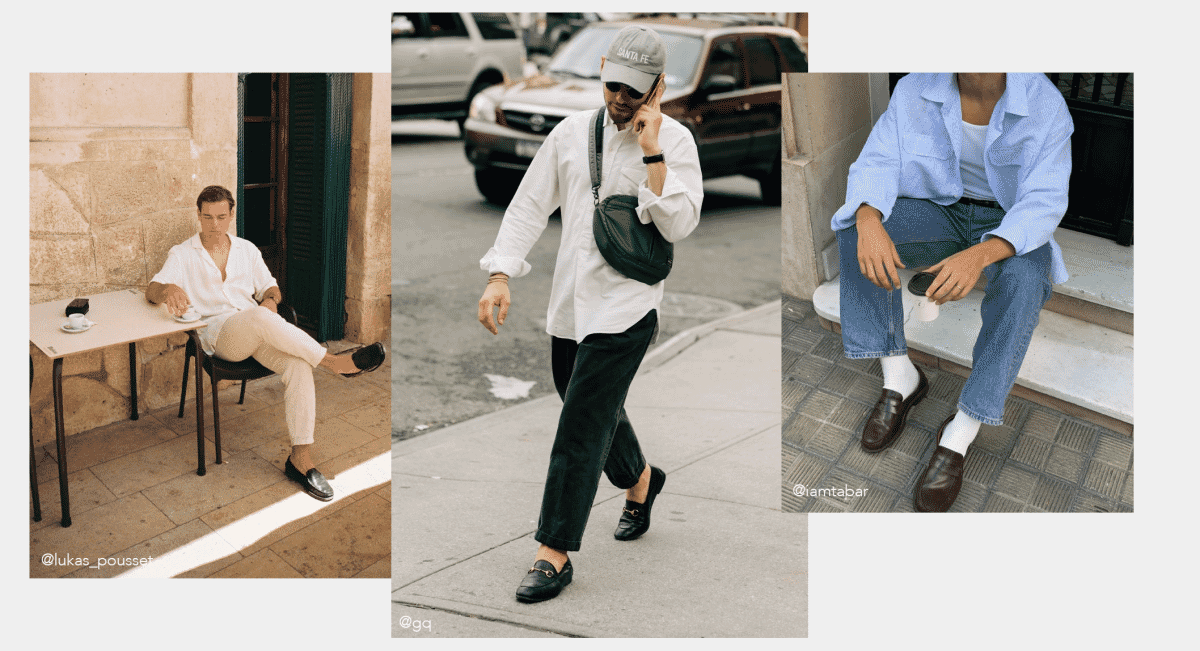
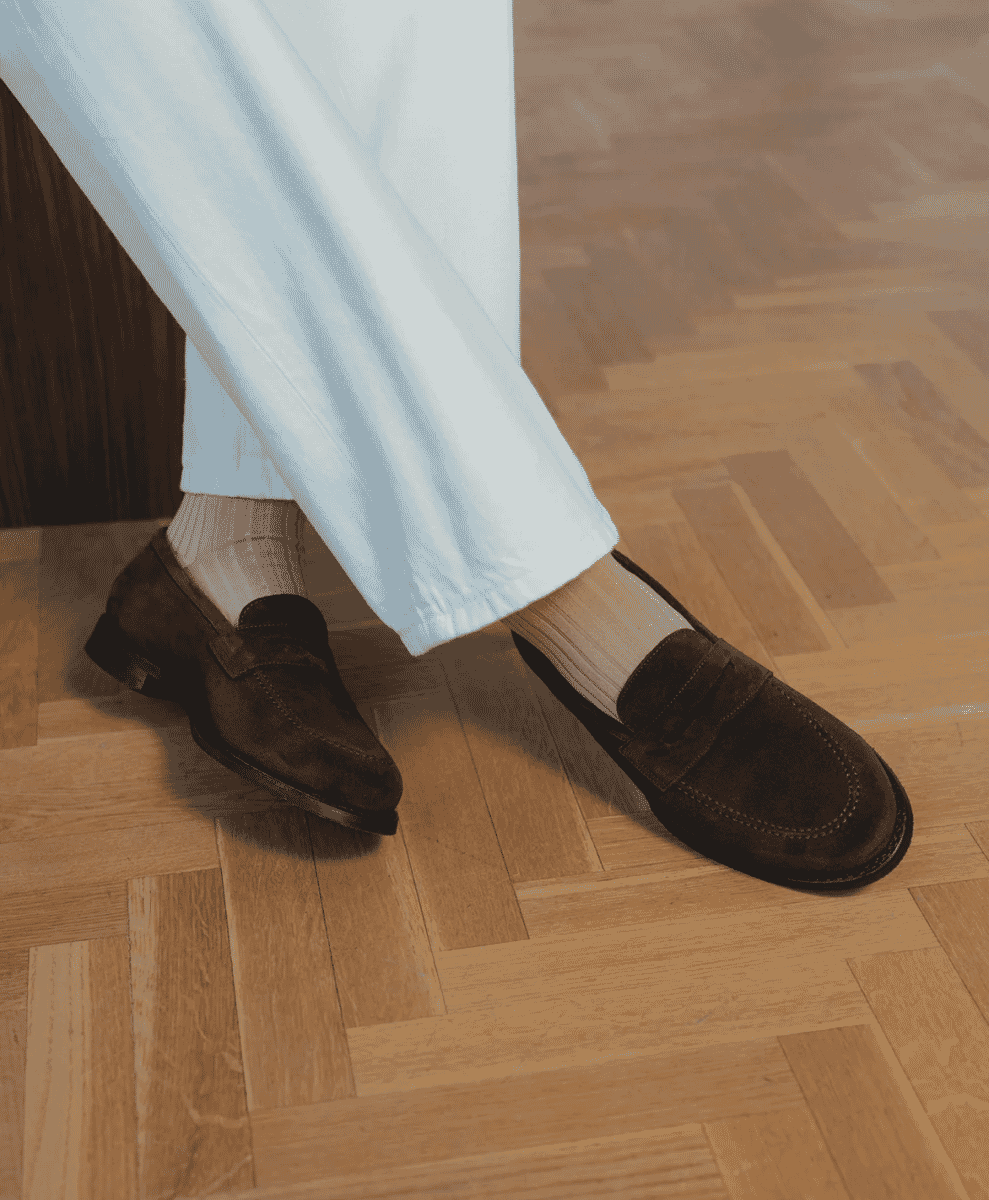
The loafer is probably the most versatile casual shoe you can own. Slip-on, low profile, and easy to wear, it sits comfortably between formal and relaxed.
There are a few variations worth knowing. Penny loafers are the classic. Tassel loafers lean slightly smarter. Bit loafers push things further toward fashion, depending on how they’re styled.
Leather will always look sharper, but suede is often easier to wear day to day. It softens the overall look and pairs more naturally with casual clothing.
What makes loafers useful is their range. They work with soft tailoring, chinos, denim and even shorts in the right context. Few shoes cover that much ground.
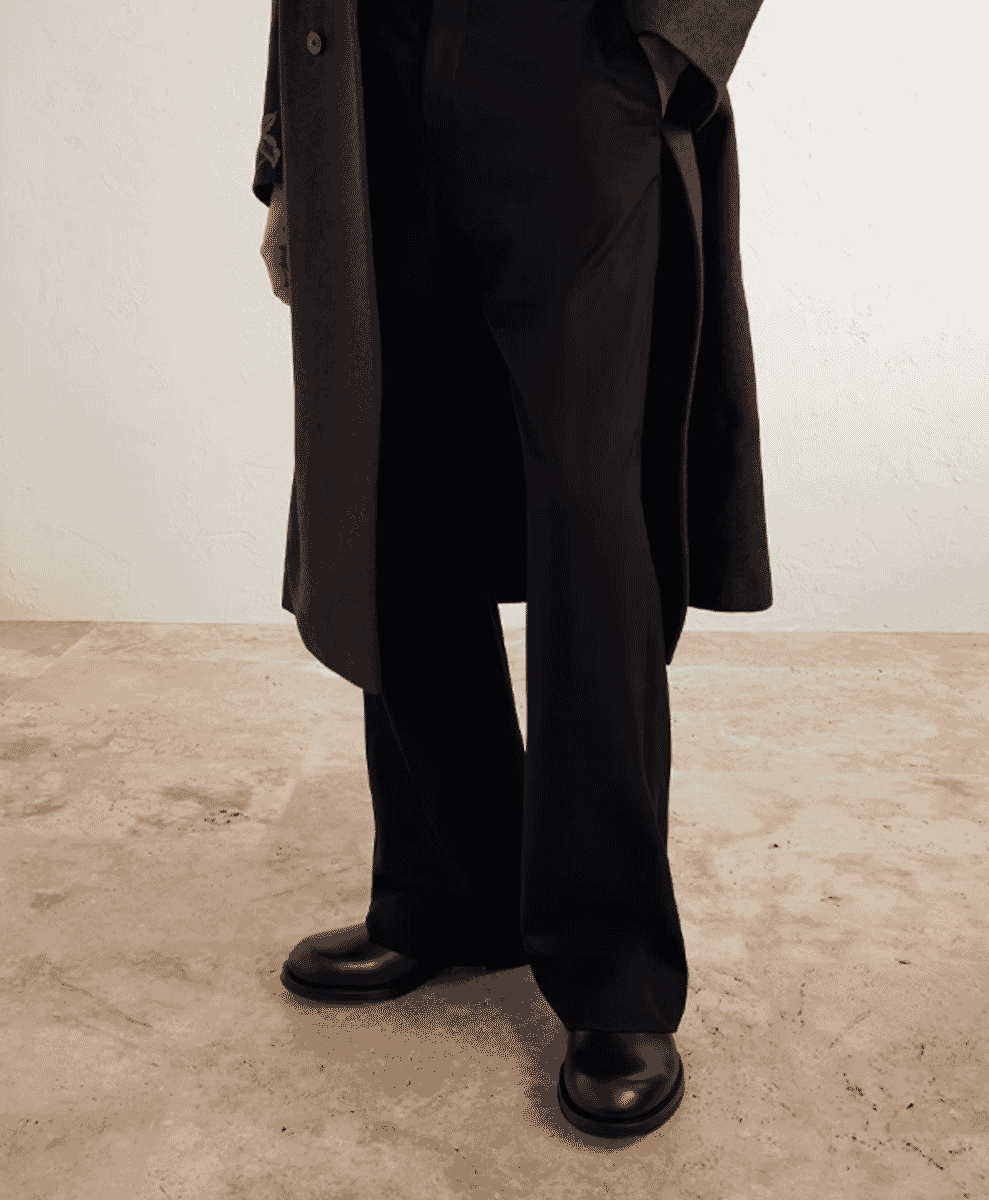
Derby
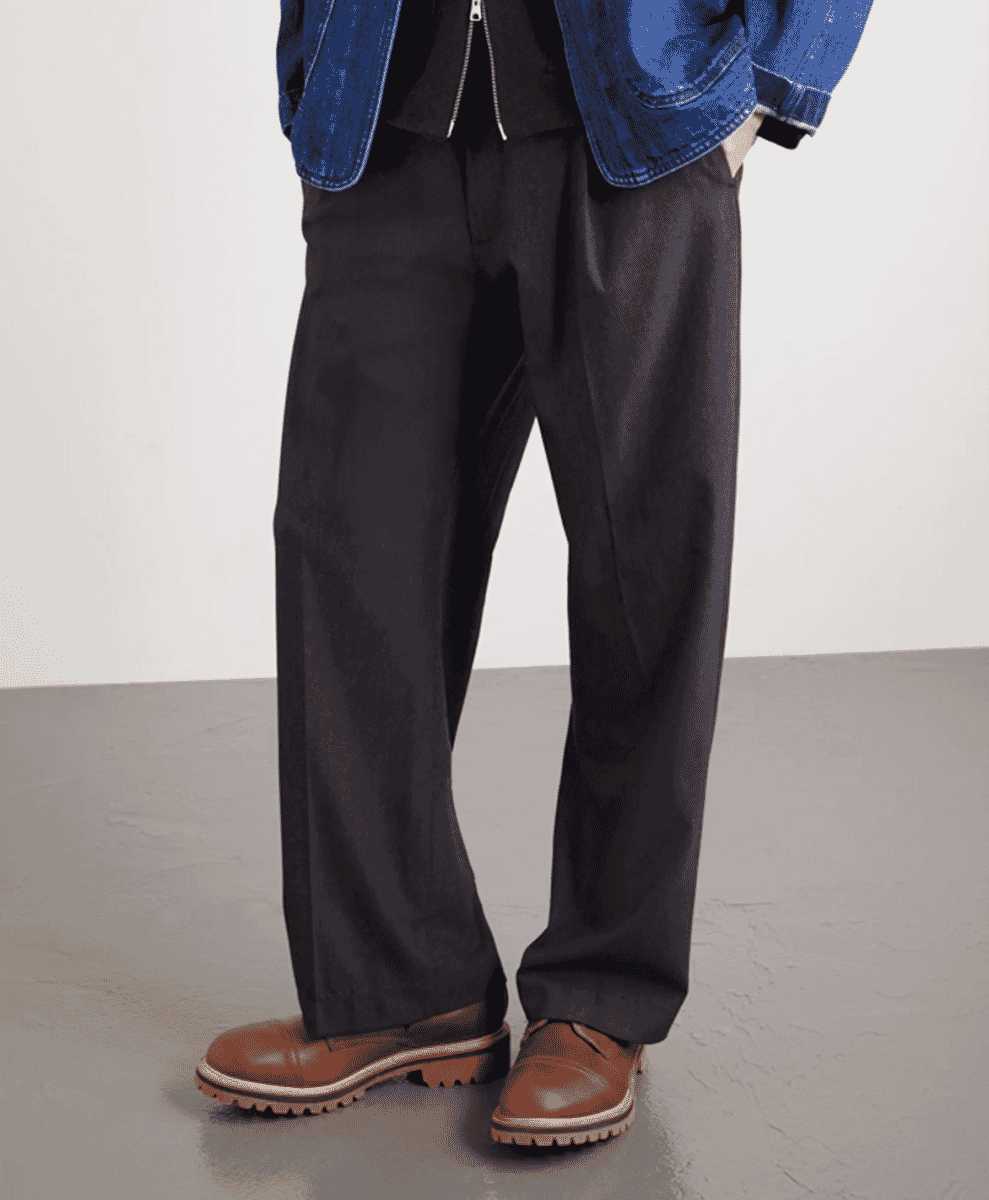
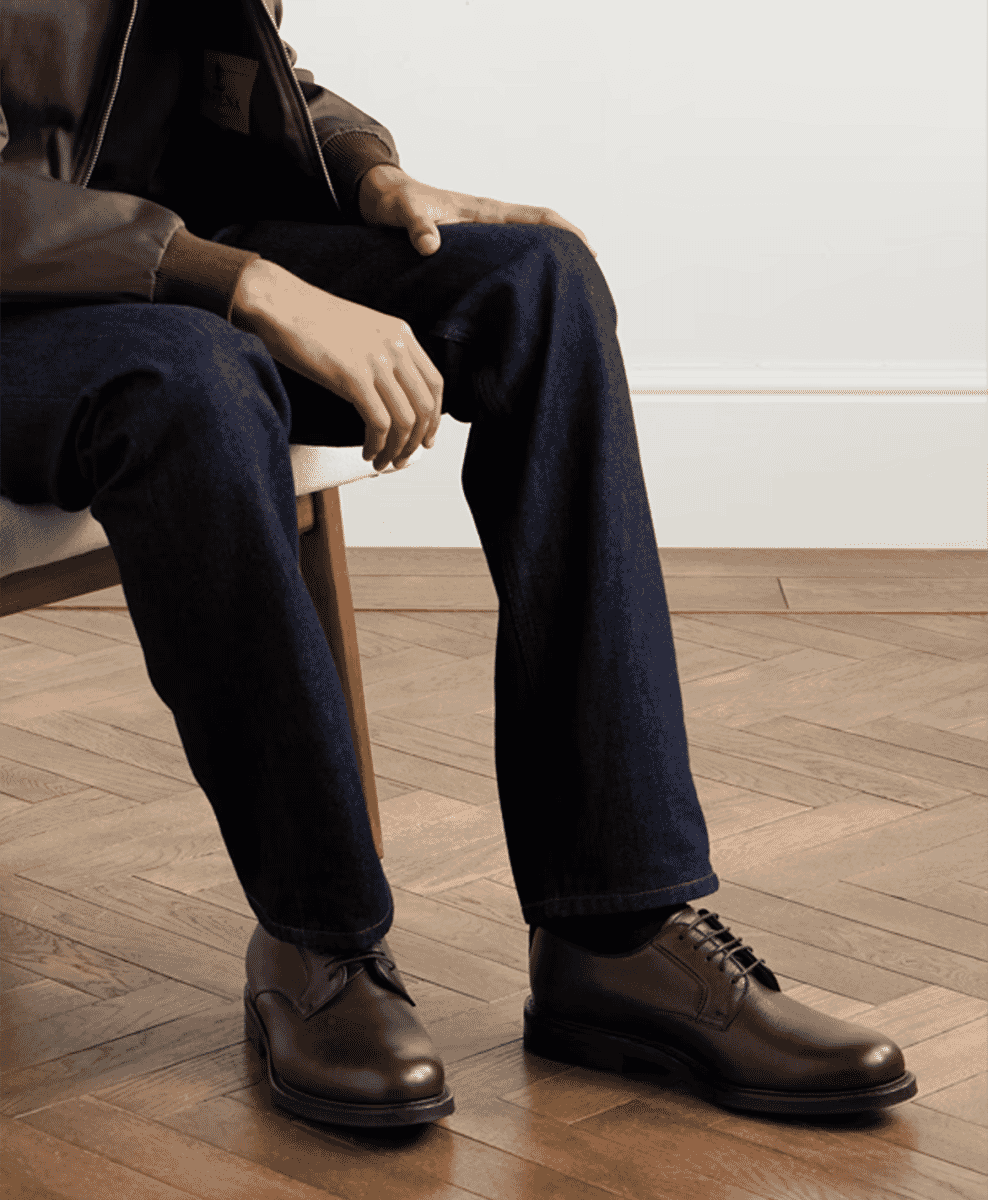
The Derby is often grouped in with formal shoes, but in the right materials it becomes a strong casual option. The open lacing system gives it a more relaxed feel compared to an Oxford.
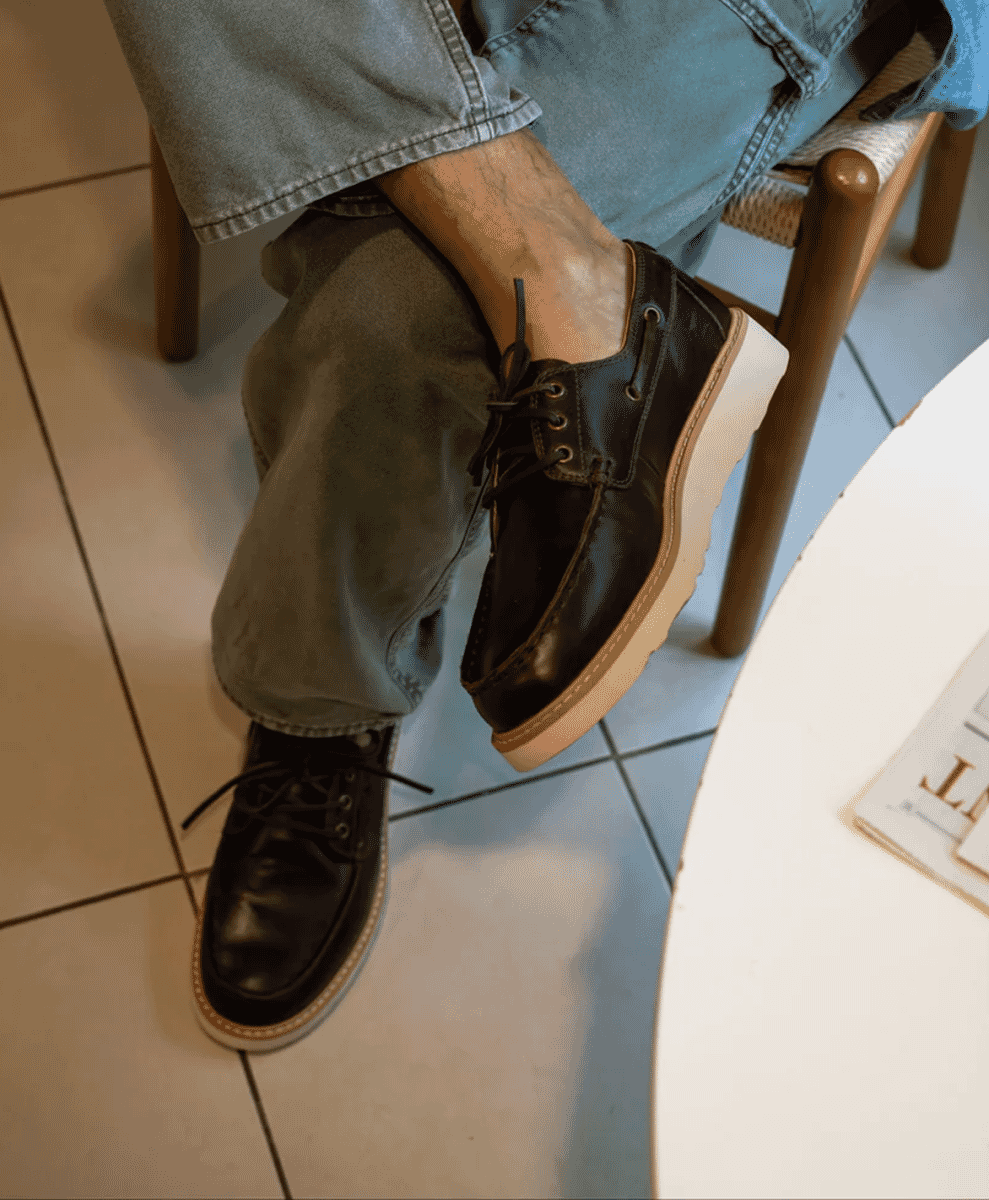
Suede Derbies are particularly useful. They retain the shape of a dress shoe, but the texture brings them firmly into casual territory. Grain leather or chunkier soles can have a similar effect.
They’re a good choice when you want something a bit more structured than a loafer but not overly formal. Think dinners, relaxed offices, occasions where sneakers feel too casual but you don’t want to look overdressed.
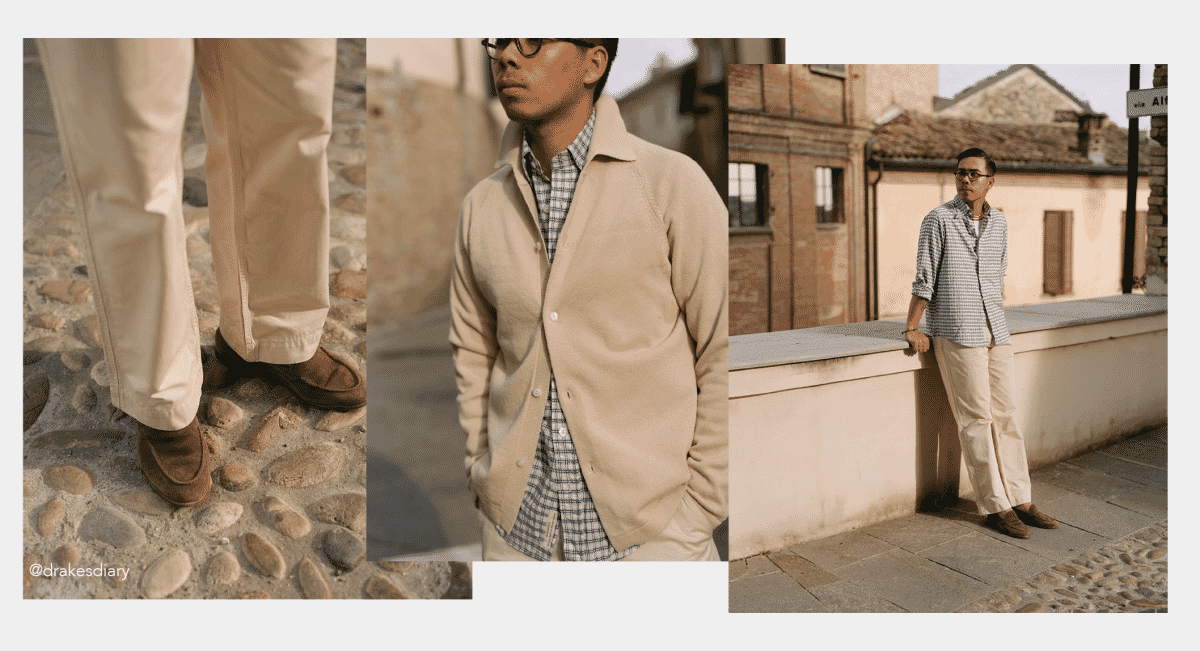
Moccasin
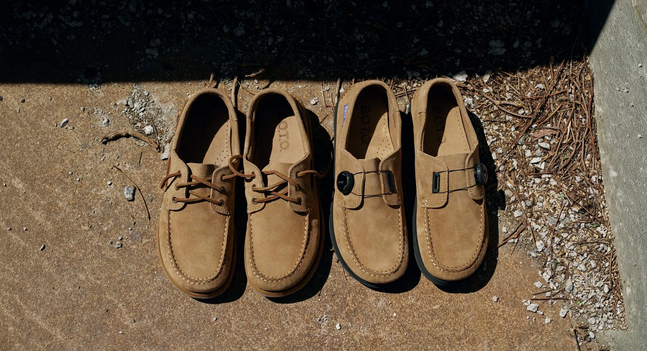
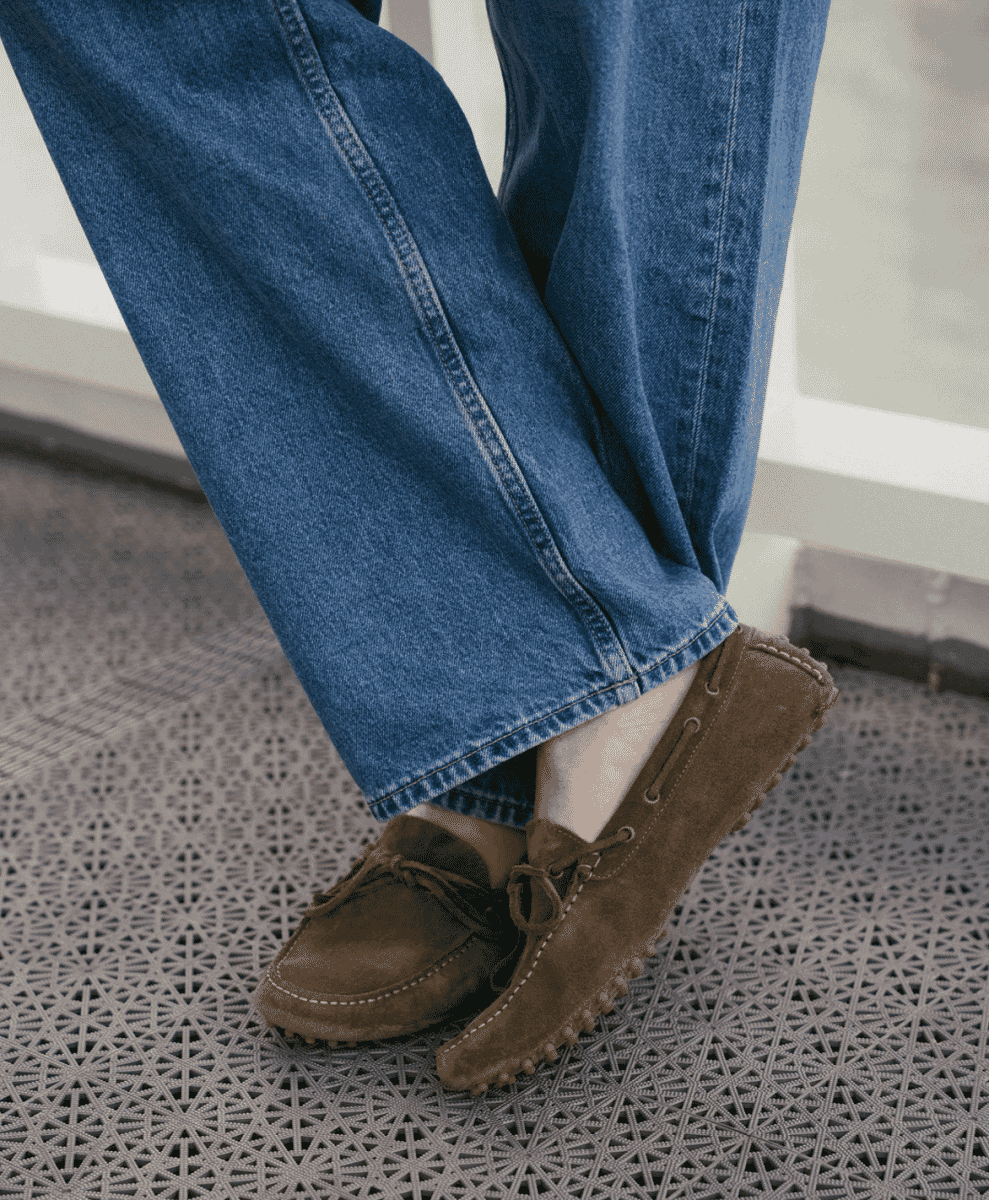
Moccasins are about as relaxed as you can get without slipping into full-on loungewear. Traditionally made using a soft construction where the upper wraps around the foot, they prioritise comfort above all else.
That softness is what defines them. Flexible soles, minimal structure, often with visible stitching across the toe.
They work best in casual settings. Weekends, travel, warmer weather. Paired with chinos, lightweight wool trousers or even shorts.
They’re not the most durable option, but that’s not really the point. Moccasins are about ease.
Deck shoe
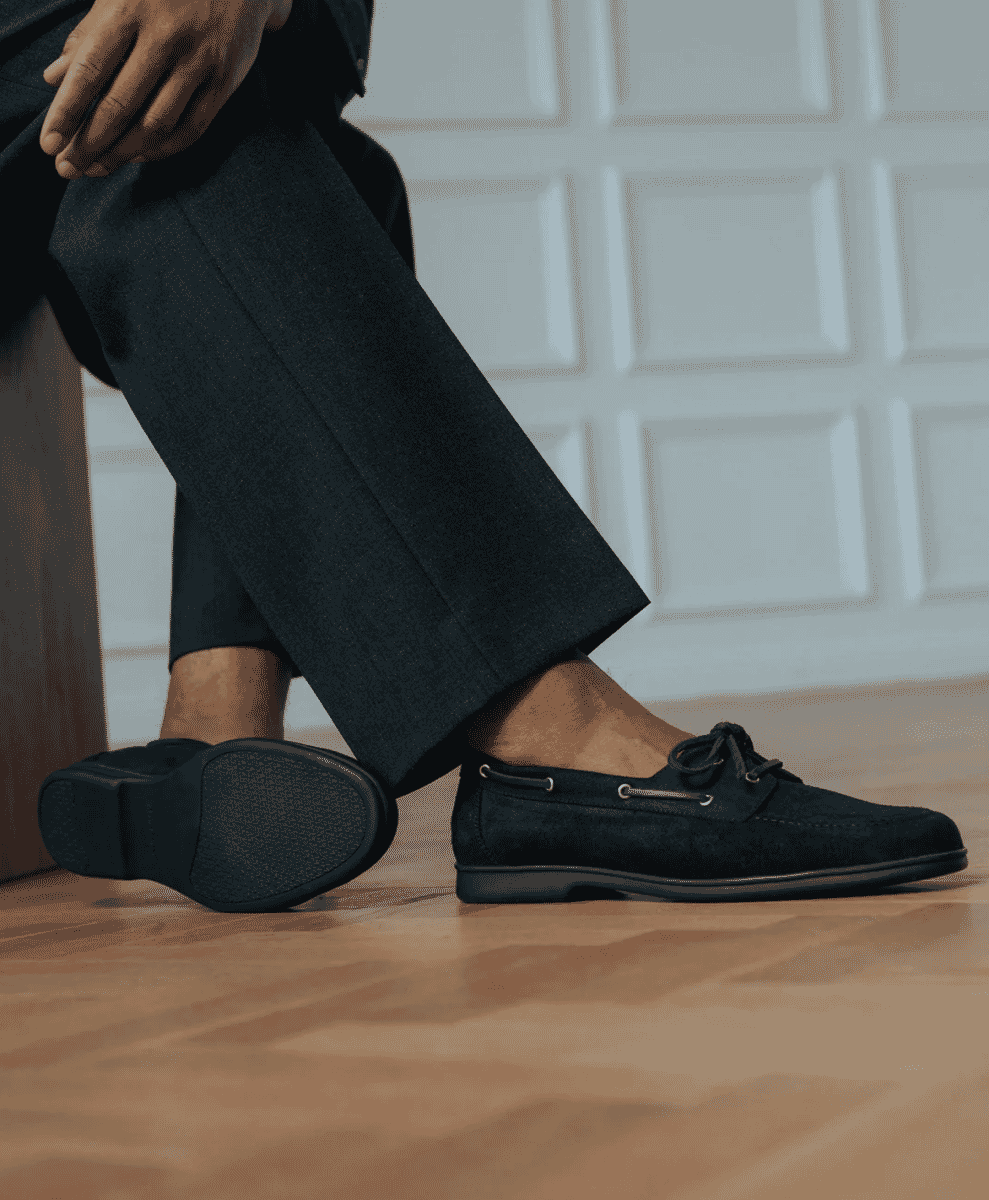
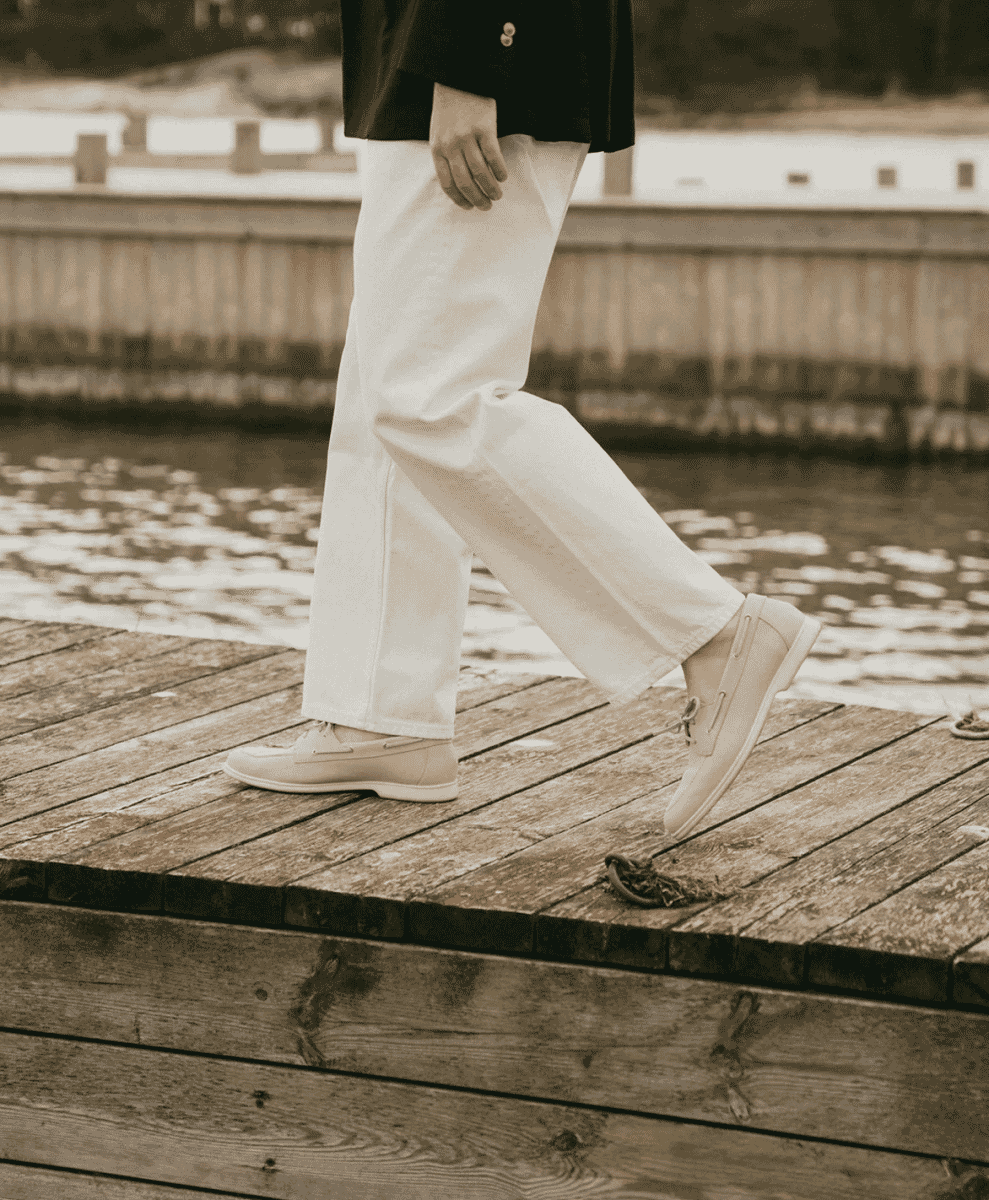
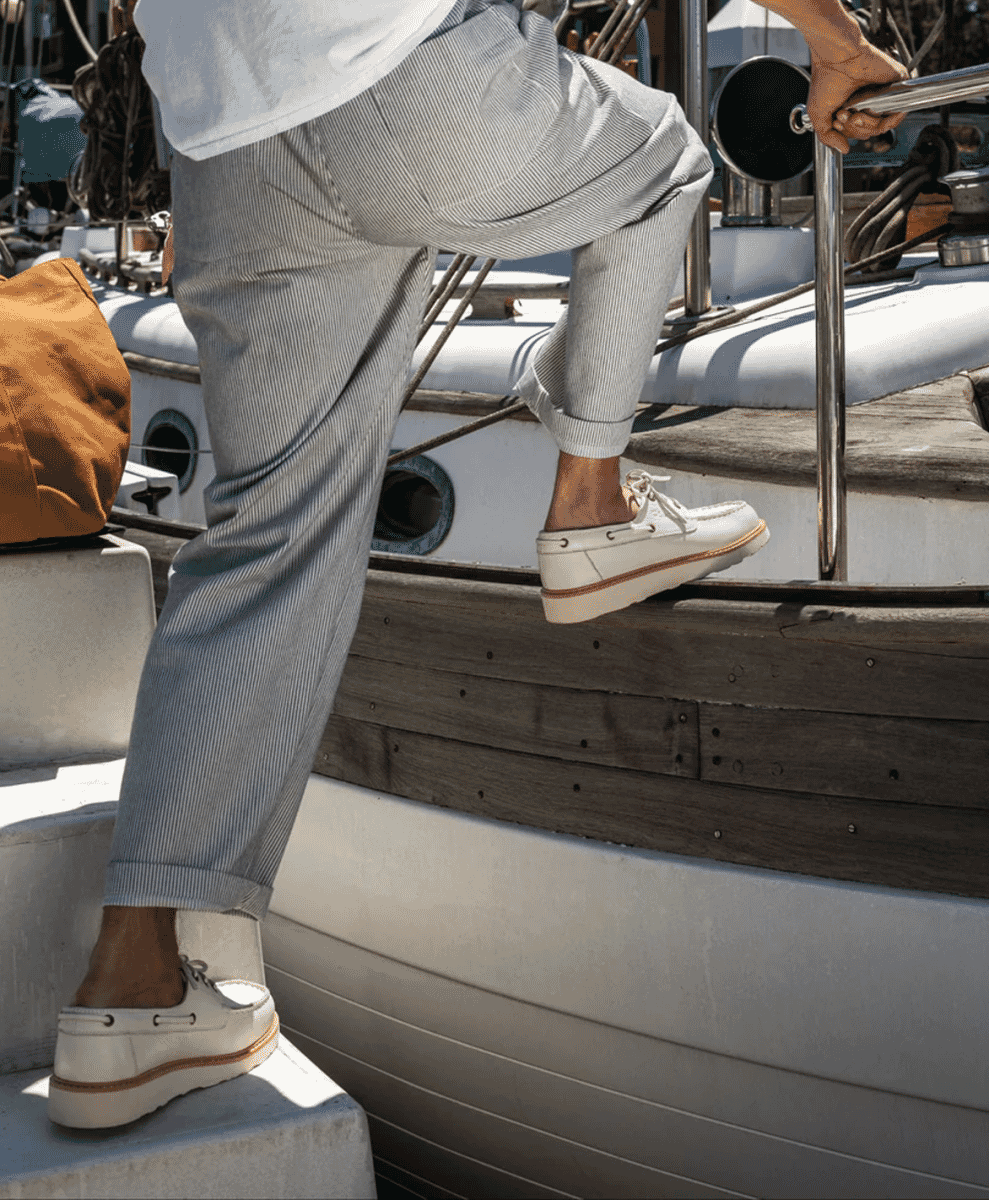
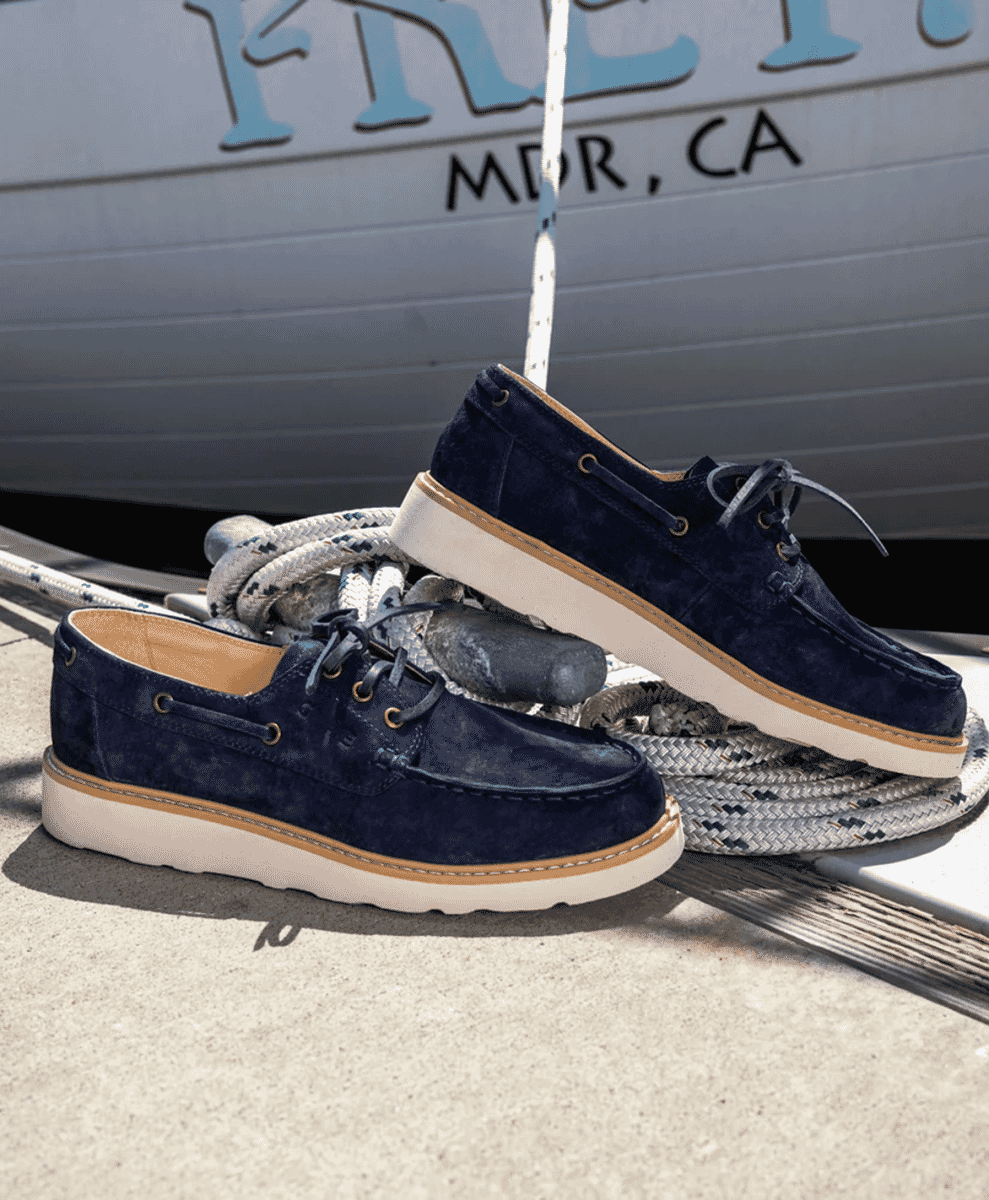
The deck shoe, or boat shoe, has a very specific origin. Designed for use on boats, with non-marking rubber soles and siped tread for grip on wet surfaces.
Those functional details are still there, but the shoe has long since moved onto dry land. Leather uppers, often with rawhide laces and a slightly rounded toe.
They lean preppy, and that’s hard to avoid. But in the right outfit, that’s part of the appeal. Worn with chinos, shorts or lightweight tailoring, they feel relaxed and seasonal.
They’re at their best in spring and summer. Outside of that, they can feel slightly out of place.
Brogue
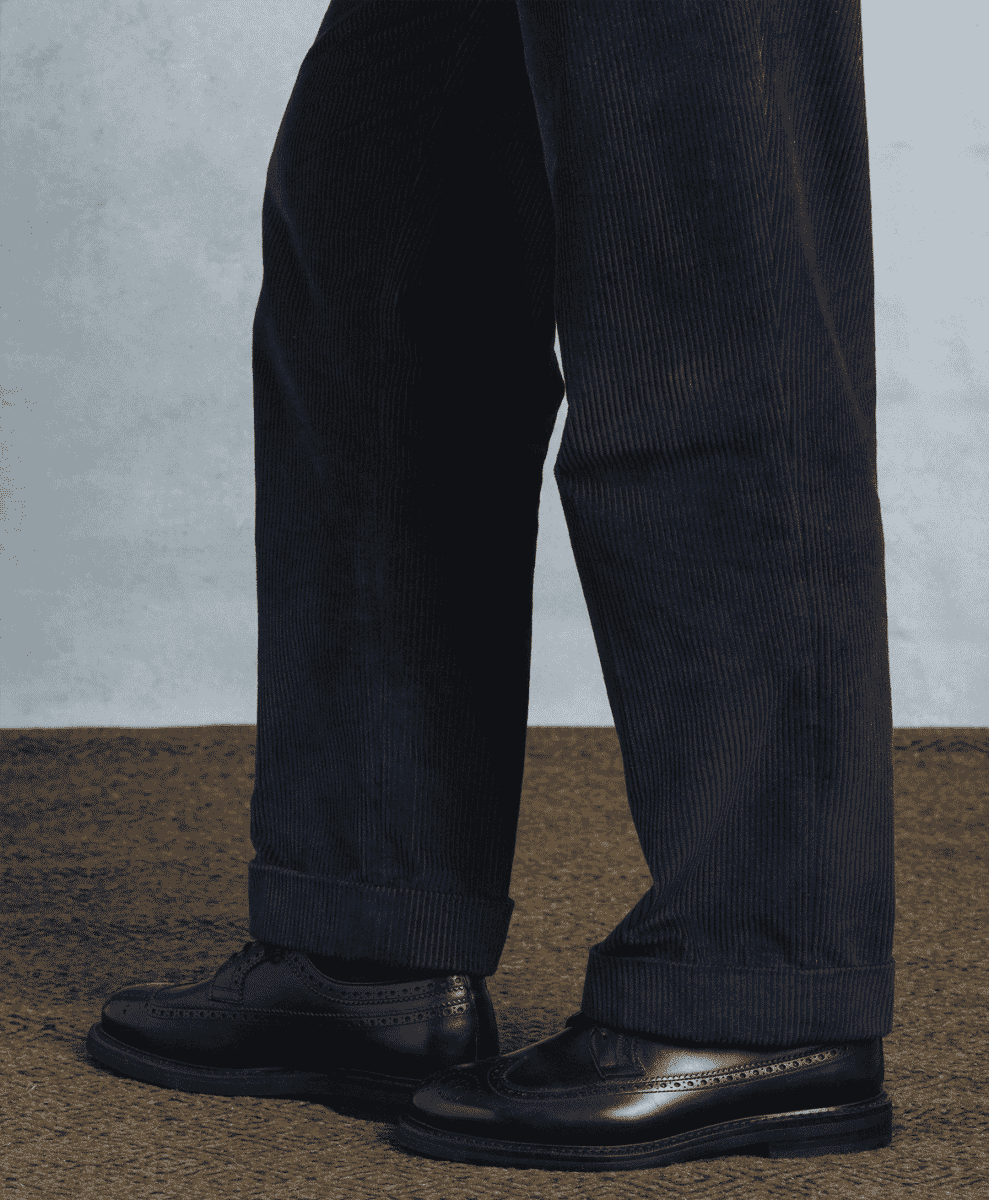
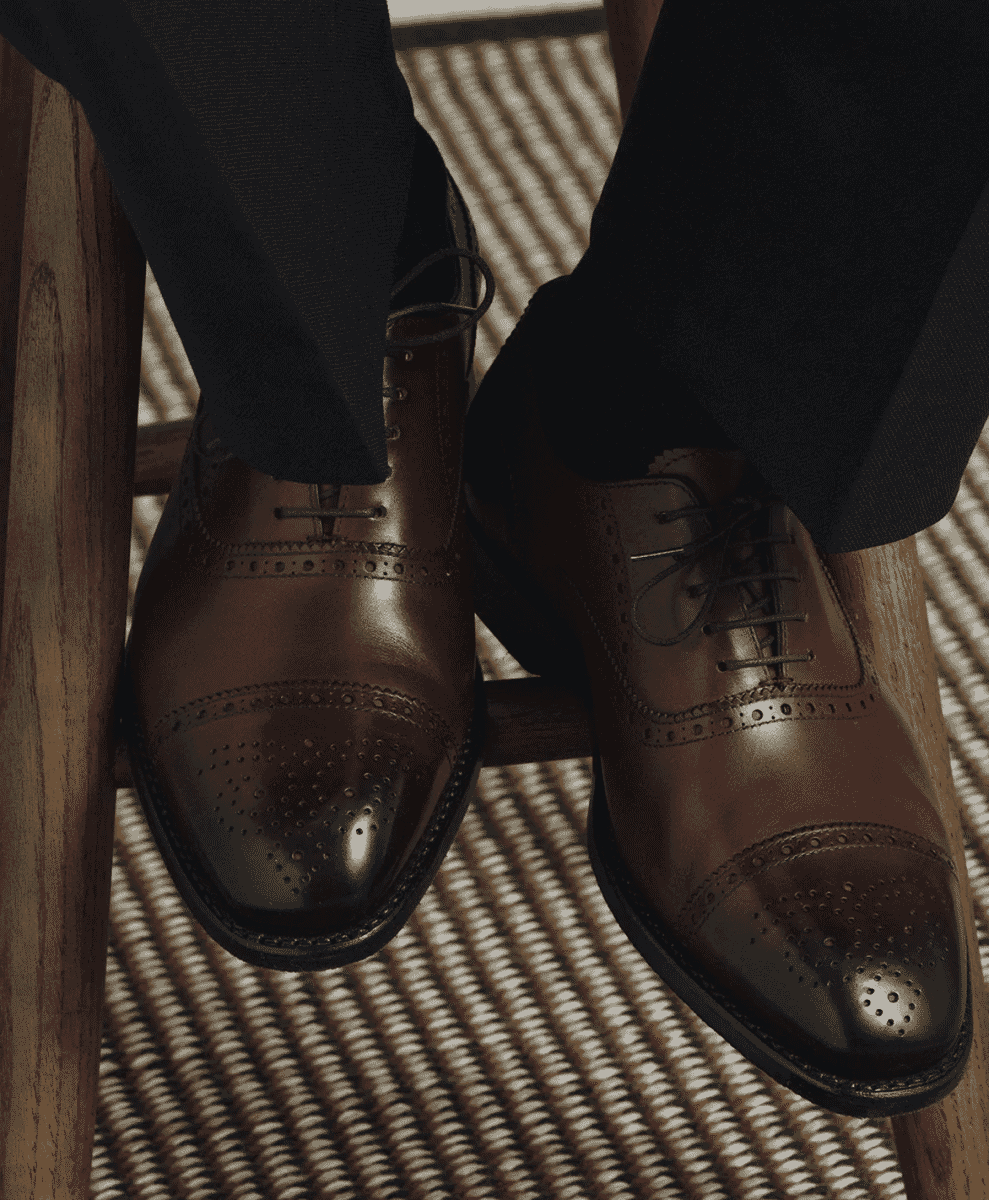
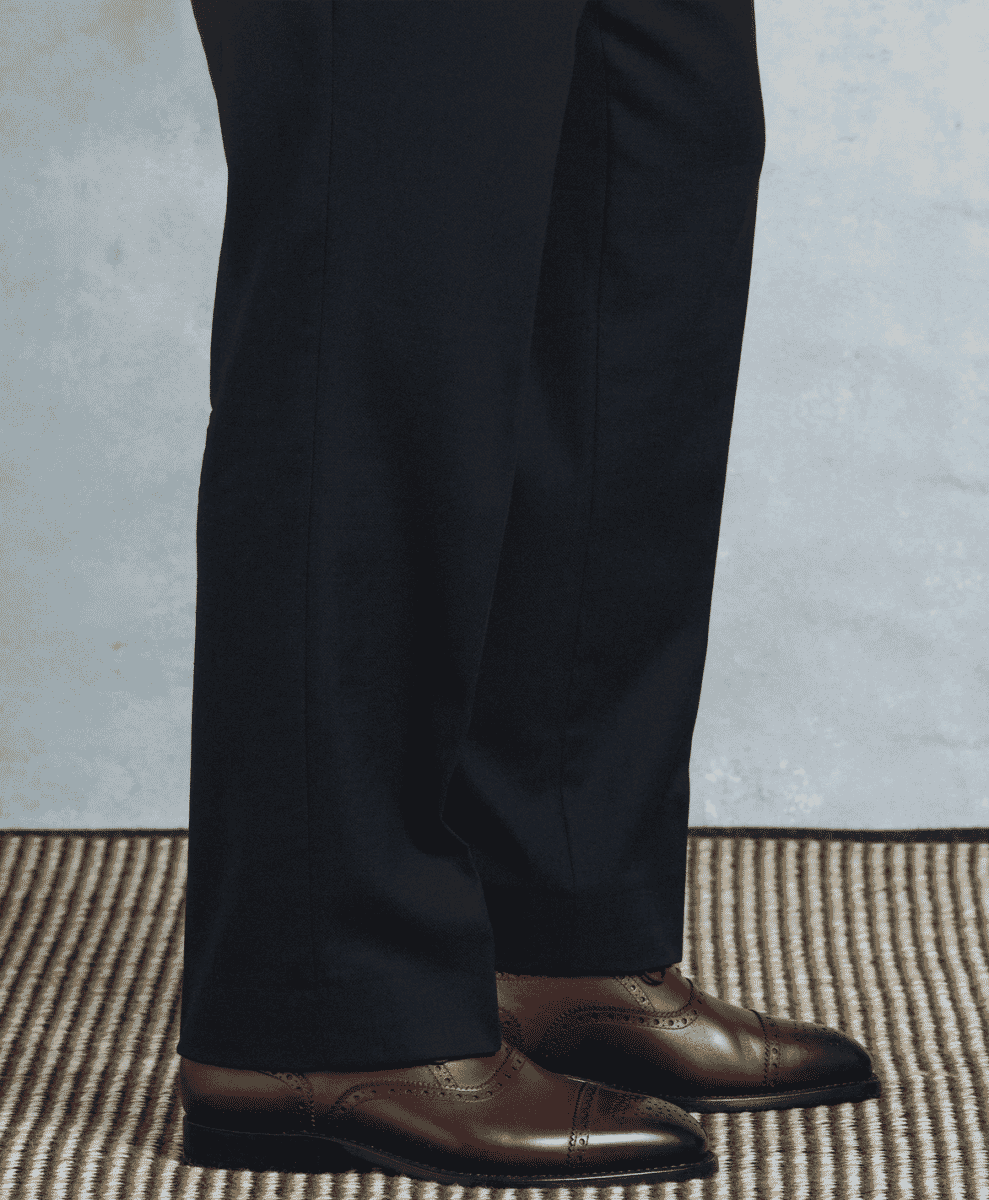
The brogue sits in an interesting position. Technically a dress shoe, but the decorative perforations give it a more casual feel.
Full brogues, or wingtips, are the most relaxed version. The detailing breaks up the formality and makes them easier to wear with textured fabrics like tweed or flannel.
In smoother leathers, they can still feel quite smart. But in suede or grain leather, they shift firmly into smart casual territory.
They’re a good option if you want something with a bit more character than a plain Derby, without going too far.
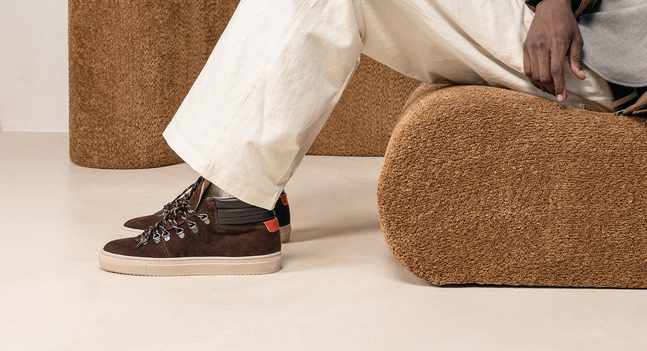
Hiking shoe
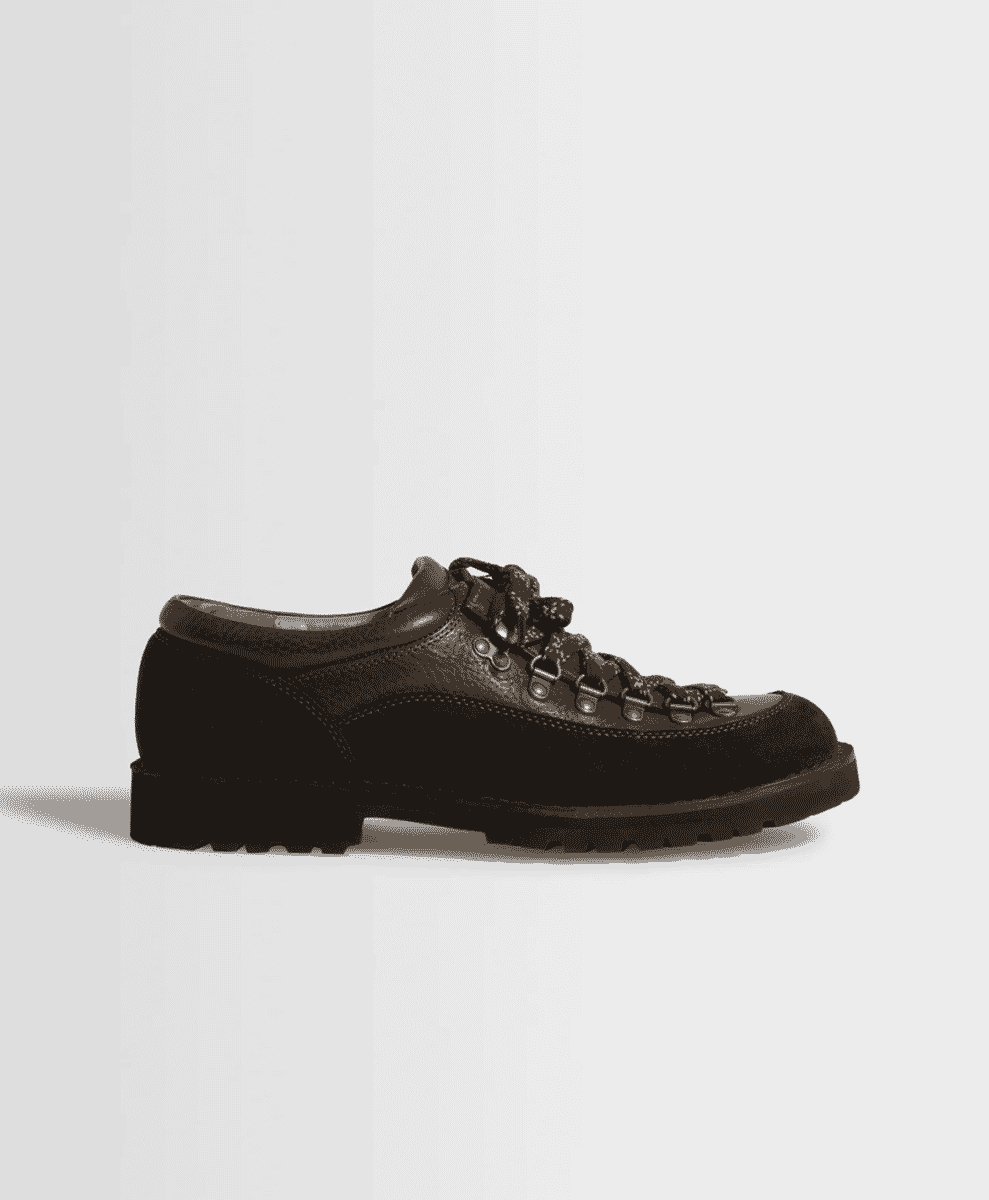
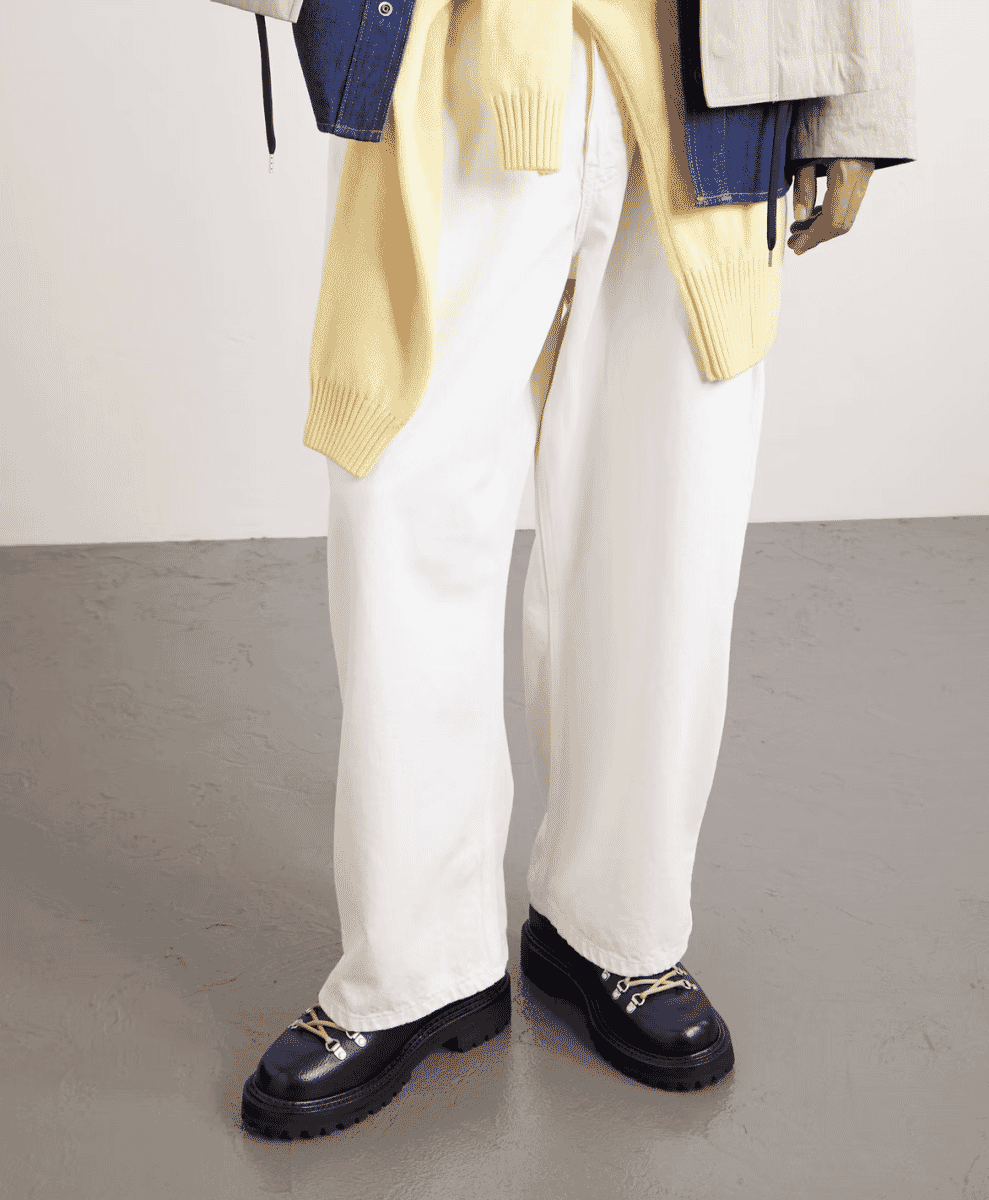
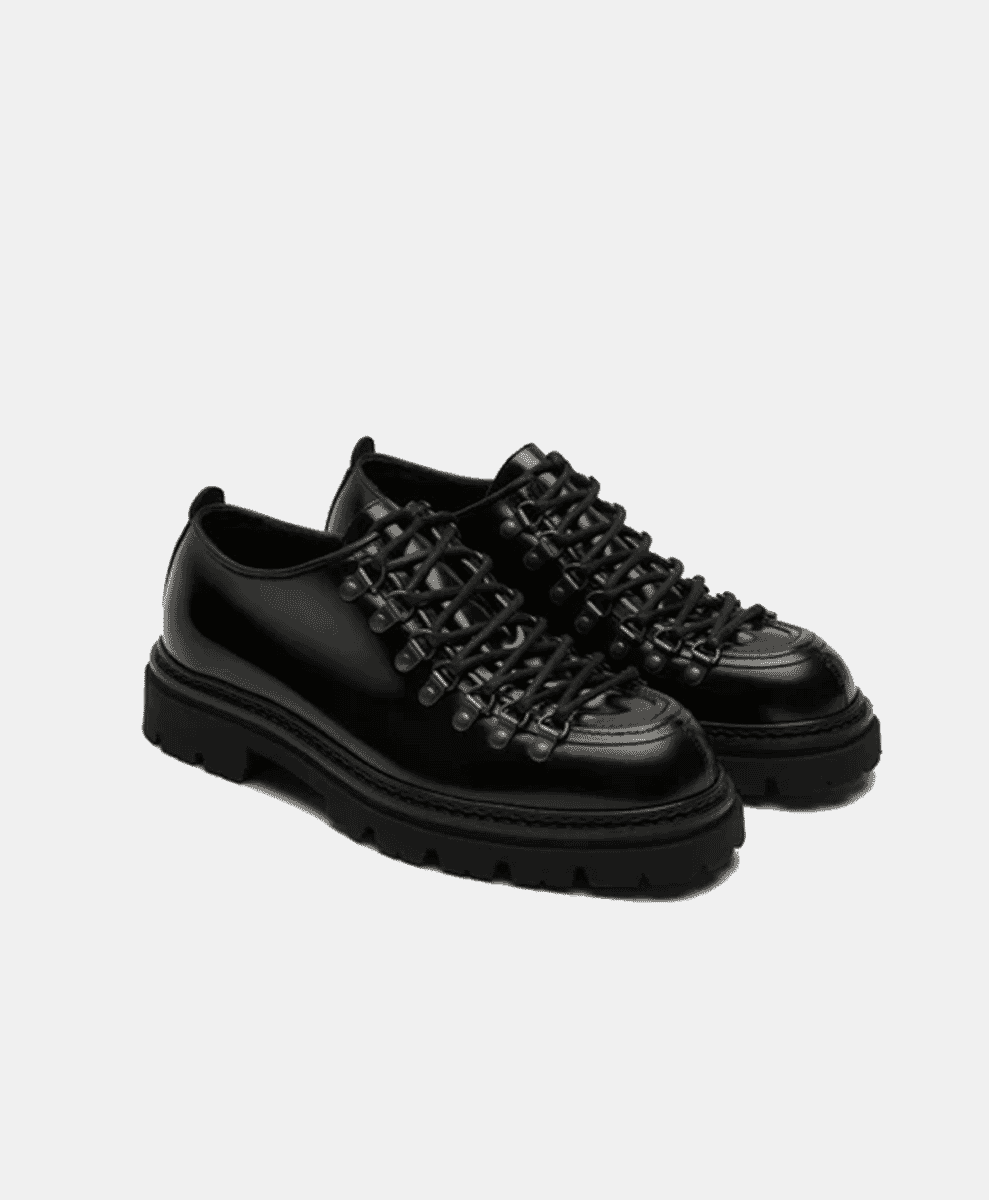
Hiking shoes have quietly become part of the casual footwear conversation, particularly as outdoor influences have filtered into everyday style thank to the proliferation of gorpcore – a topic we've covered extensively.
Originally designed for function, they tend to feature rugged soles, durable uppers and practical lacing systems. But newer versions often streamline those elements for daily wear.
They work best when the rest of the outfit leans into that slightly technical, outdoors-inspired direction. Think heavier trousers, overshirts, practical outerwear.
They’re not for every situation, but they add a different dimension to a casual shoe rotation.
The best men’s casual shoes brands
Kleman
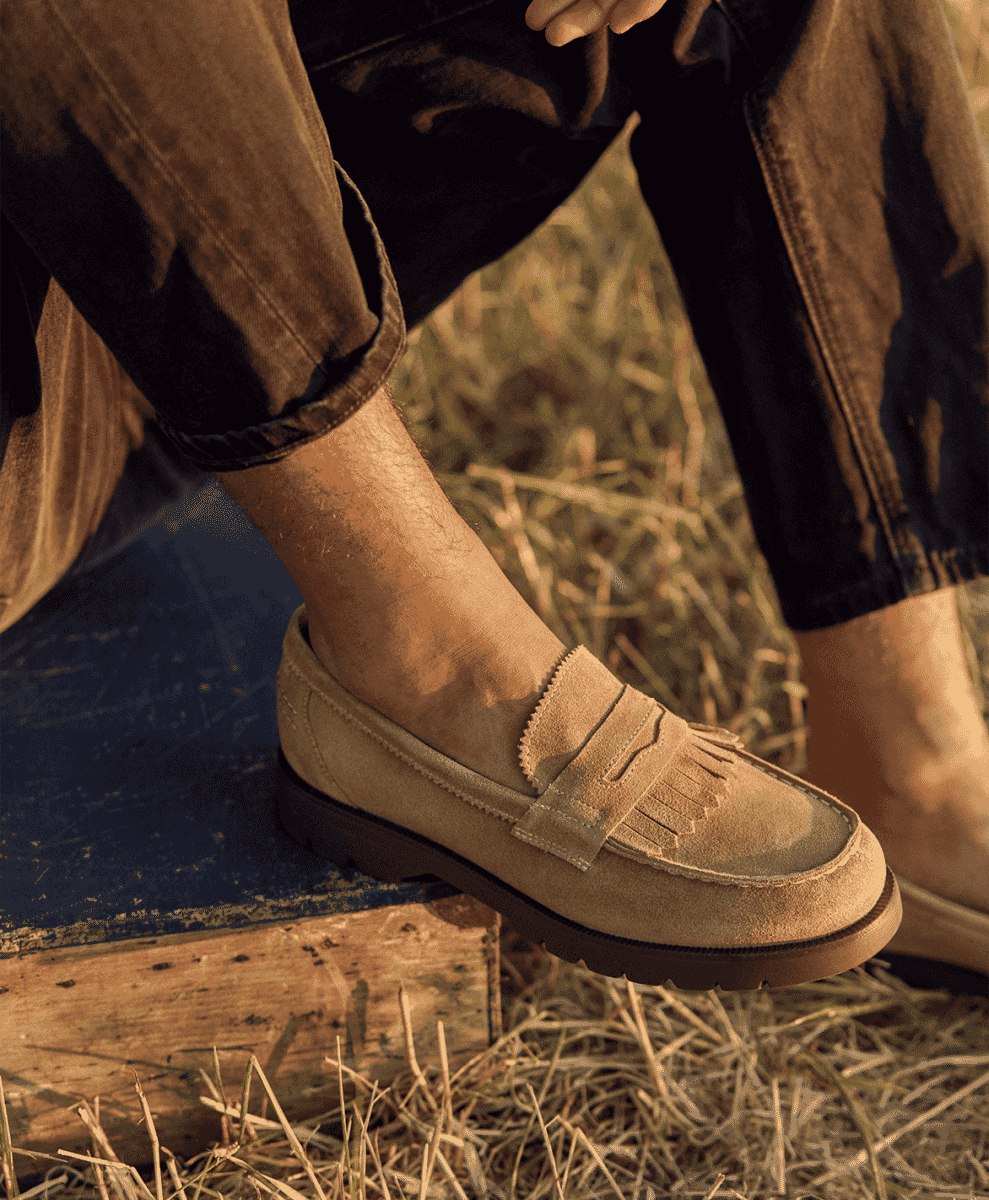
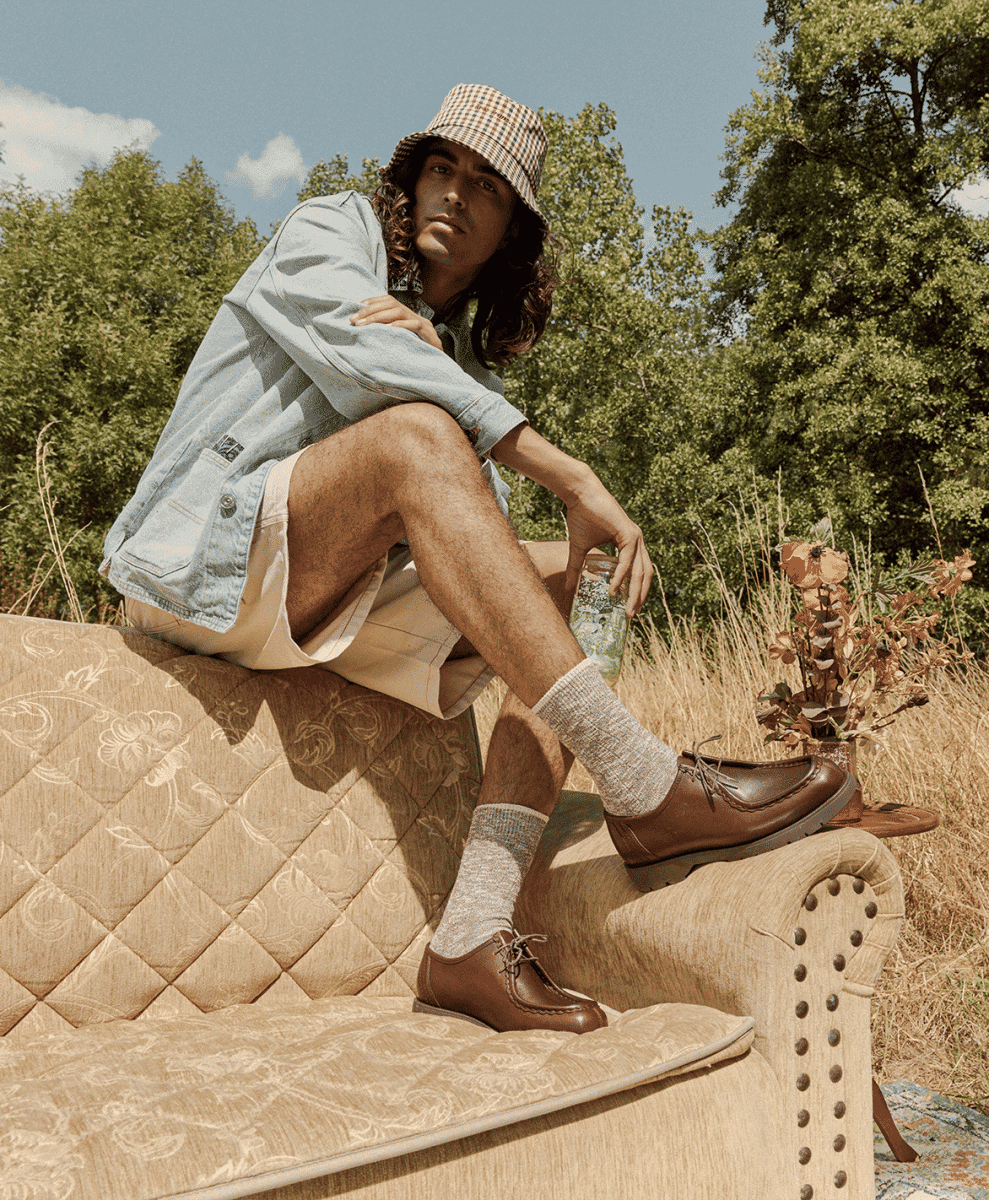
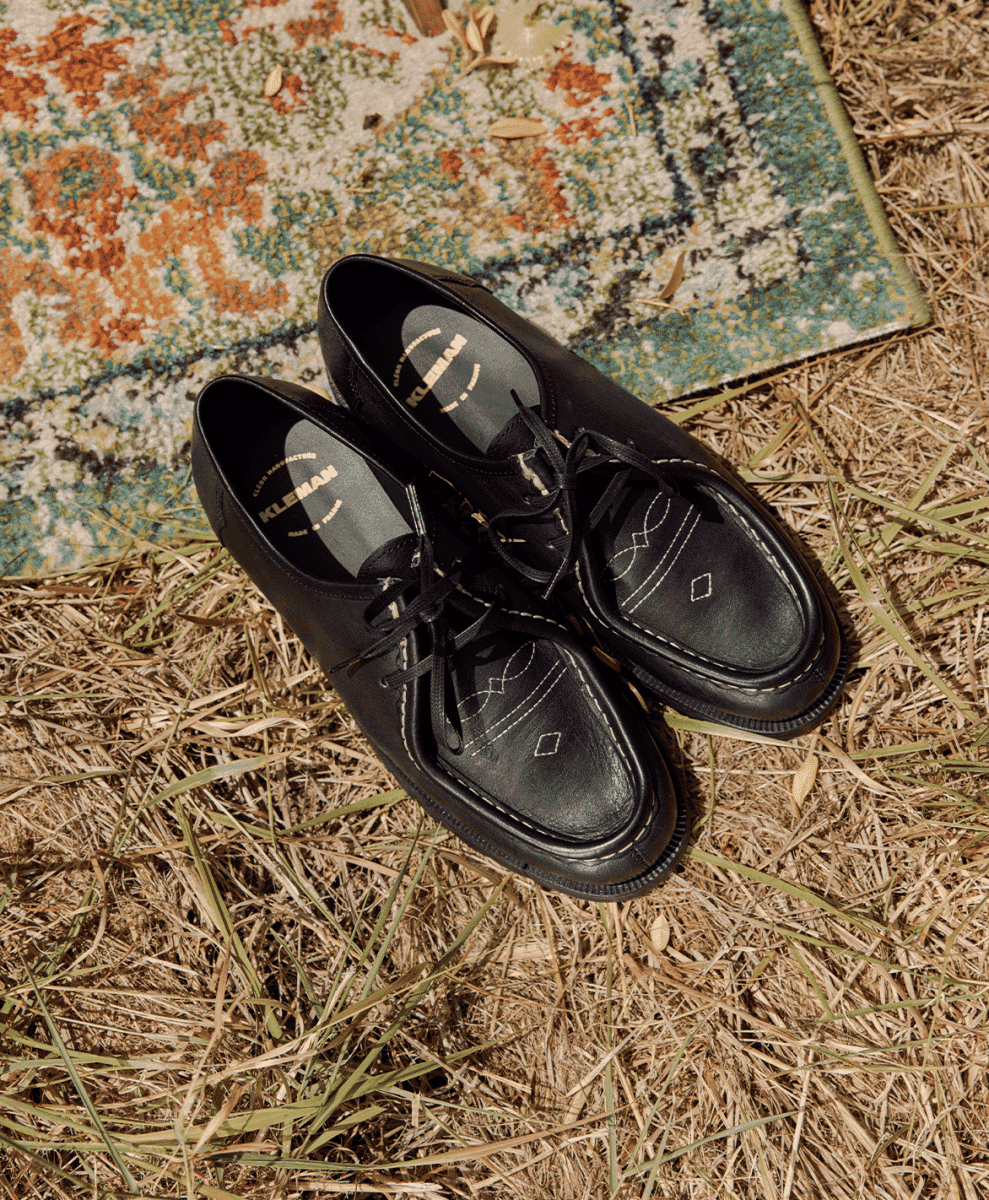
There’s a certain no-nonsense quality to Kleman that feels increasingly rare. Originally supplying footwear to French railway workers, the brand still carries that utilitarian DNA. Expect sturdy construction, slightly chunky silhouettes and designs that prioritise function over decoration. Styles like the Padror have become cult favourites for a reason – they’re simple, durable and add just enough weight to anchor an outfit without feeling clunky.
Myrqvist
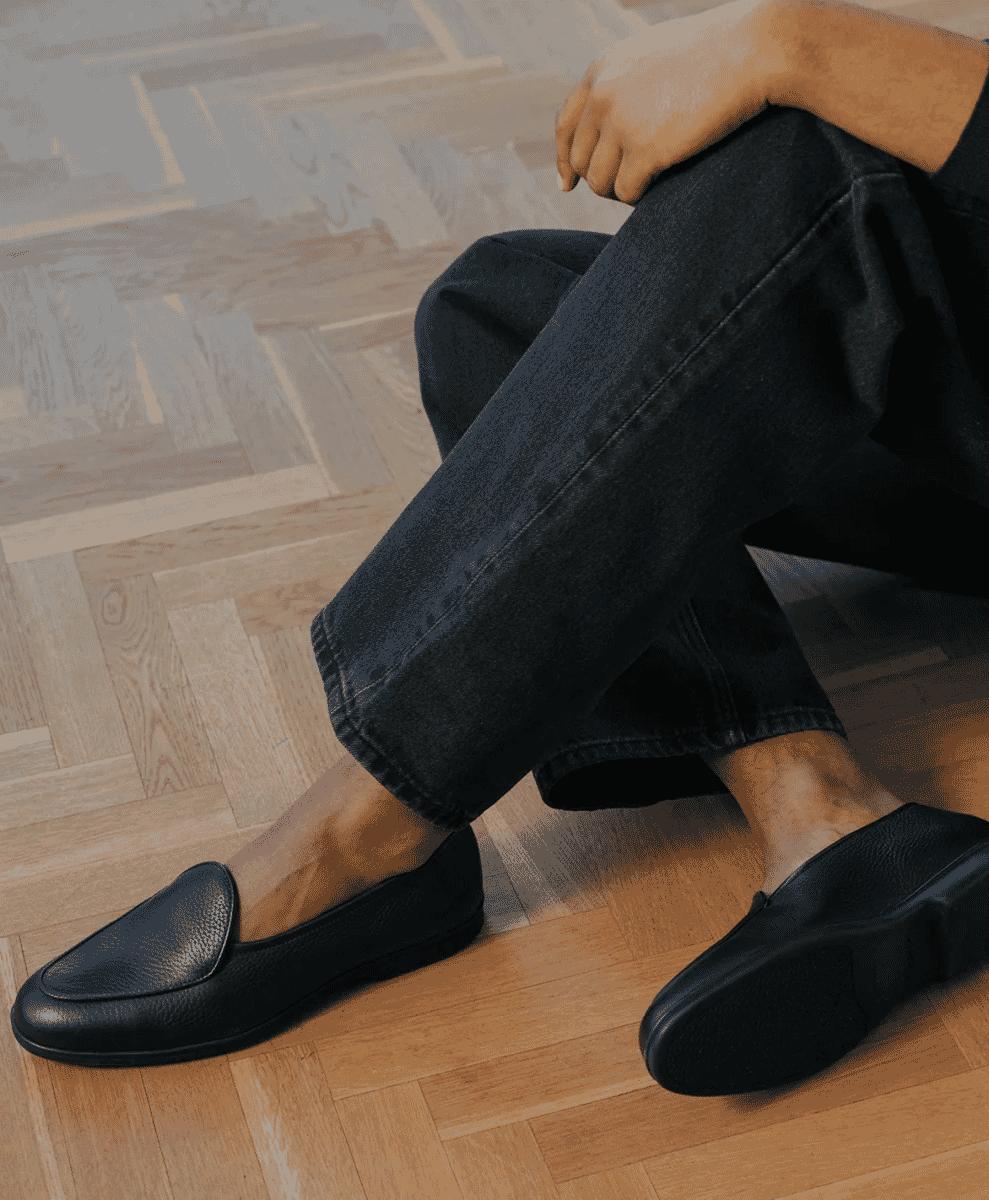
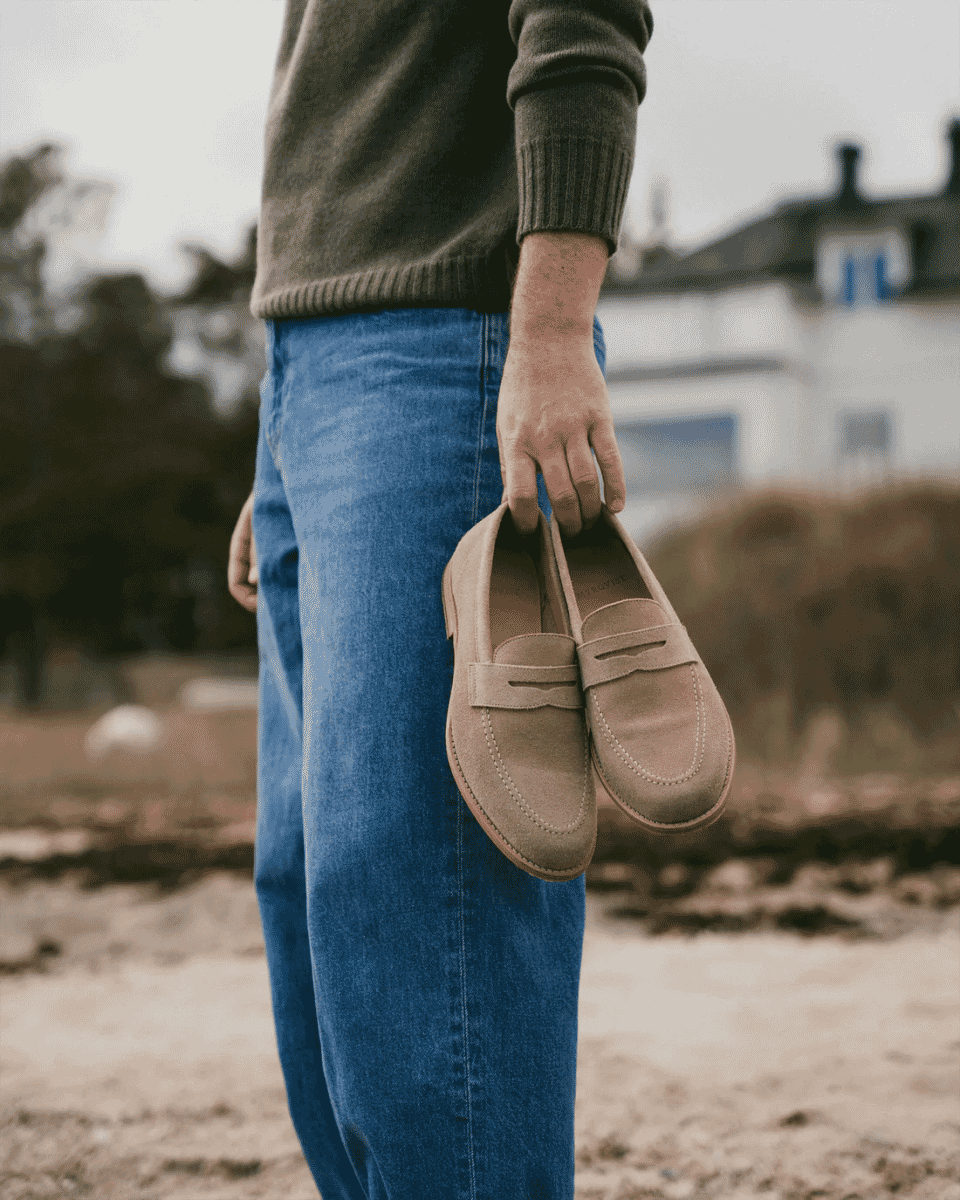
If you want something clean and traditional without spending Alden money, Myrqvist is a sensible place to look. The Swedish brand focuses on classic shapes – loafers, Derbies, boots – executed with solid materials and reliable construction. Nothing feels overly designed, which is exactly the point. It’s the sort of brand you turn to when you want understated, everyday shoes that won’t date.
Clae
Clae operates in that grey area between sneakers and traditional casual shoes. The designs are minimal, almost stripped back, which makes them easy to slot into smarter outfits where a bulky trainer would feel out of place. They’re not trying to compete with heritage shoemakers. Instead, the appeal lies in simplicity, comfort and clean lines.
Paraboot
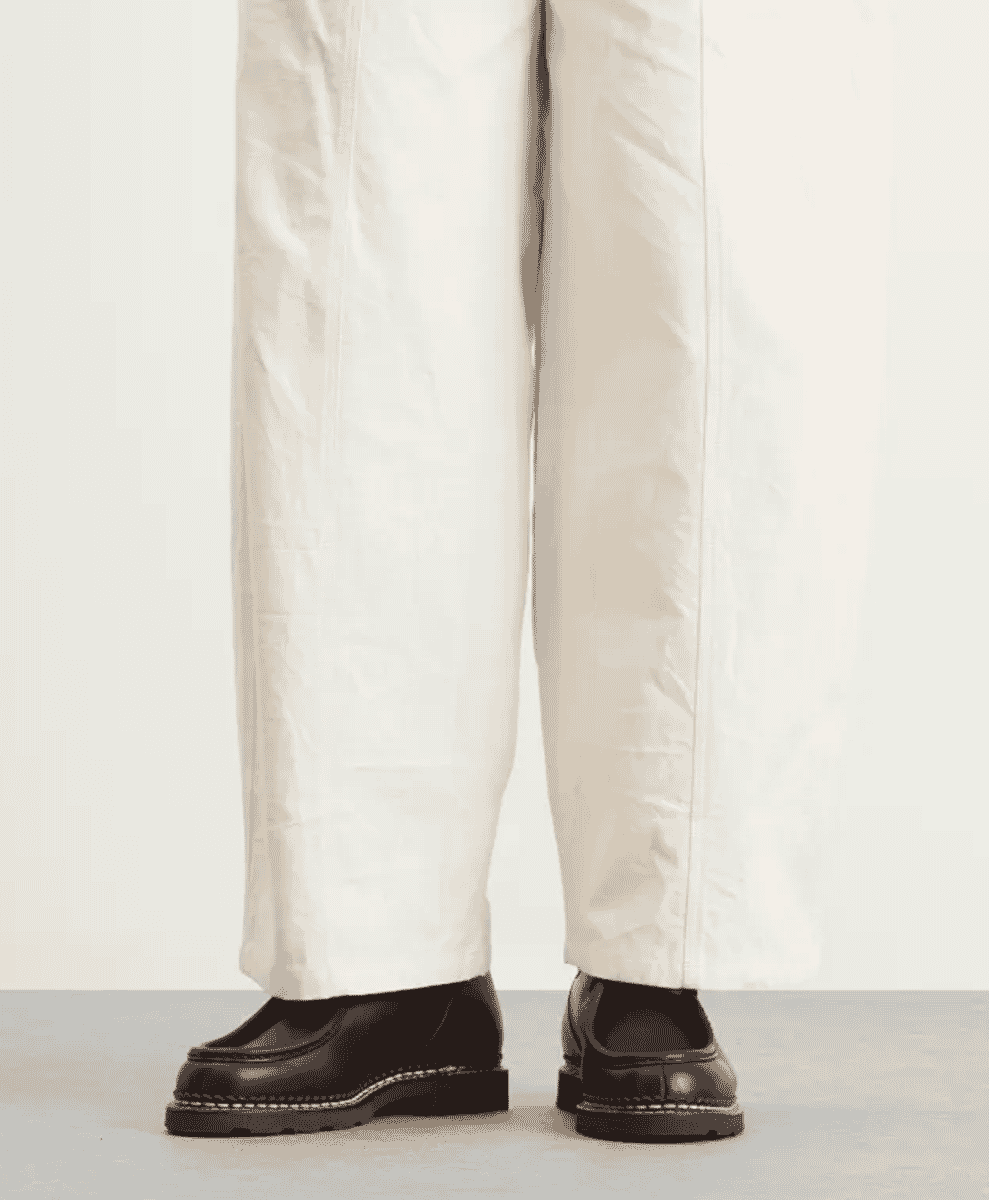
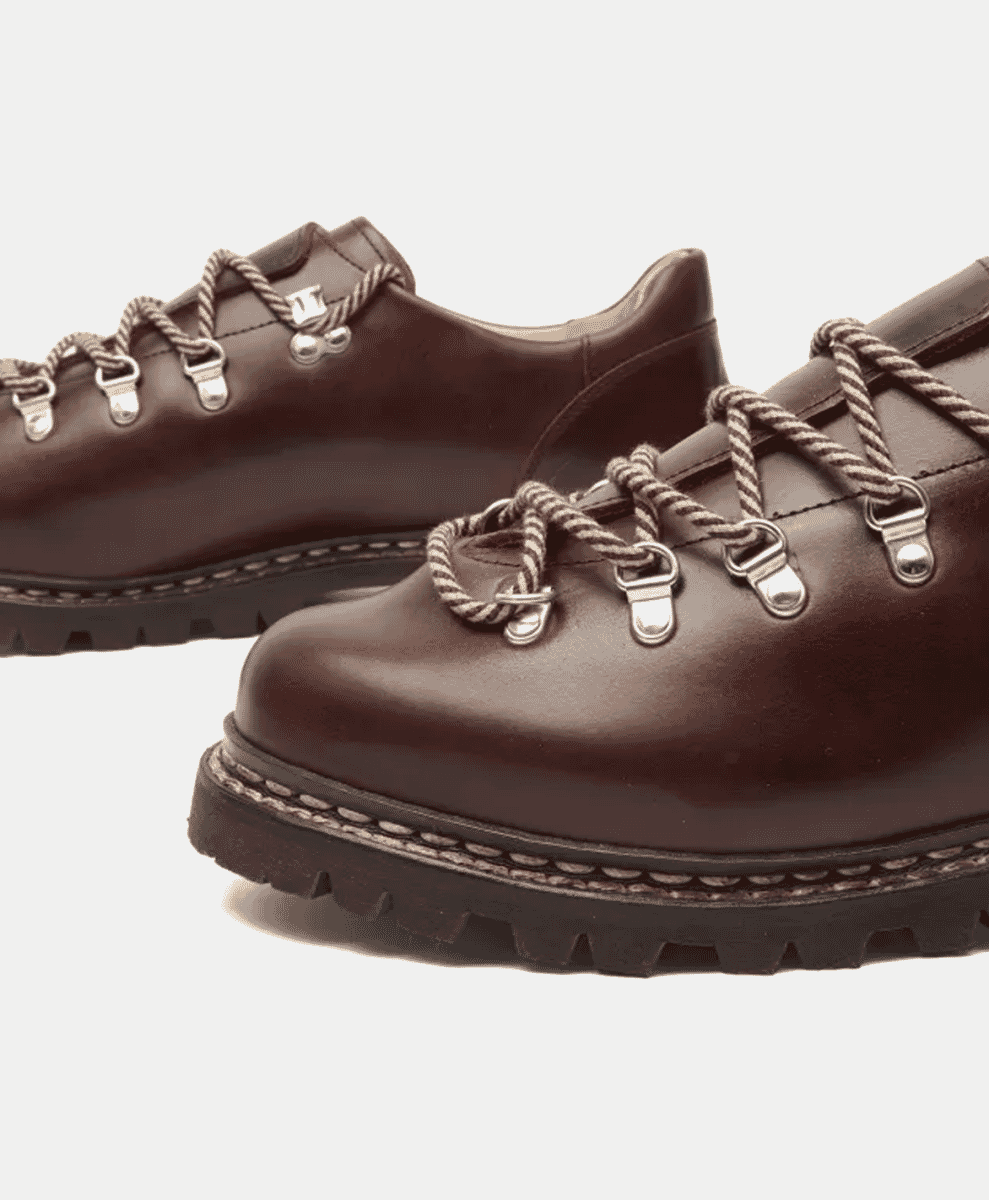
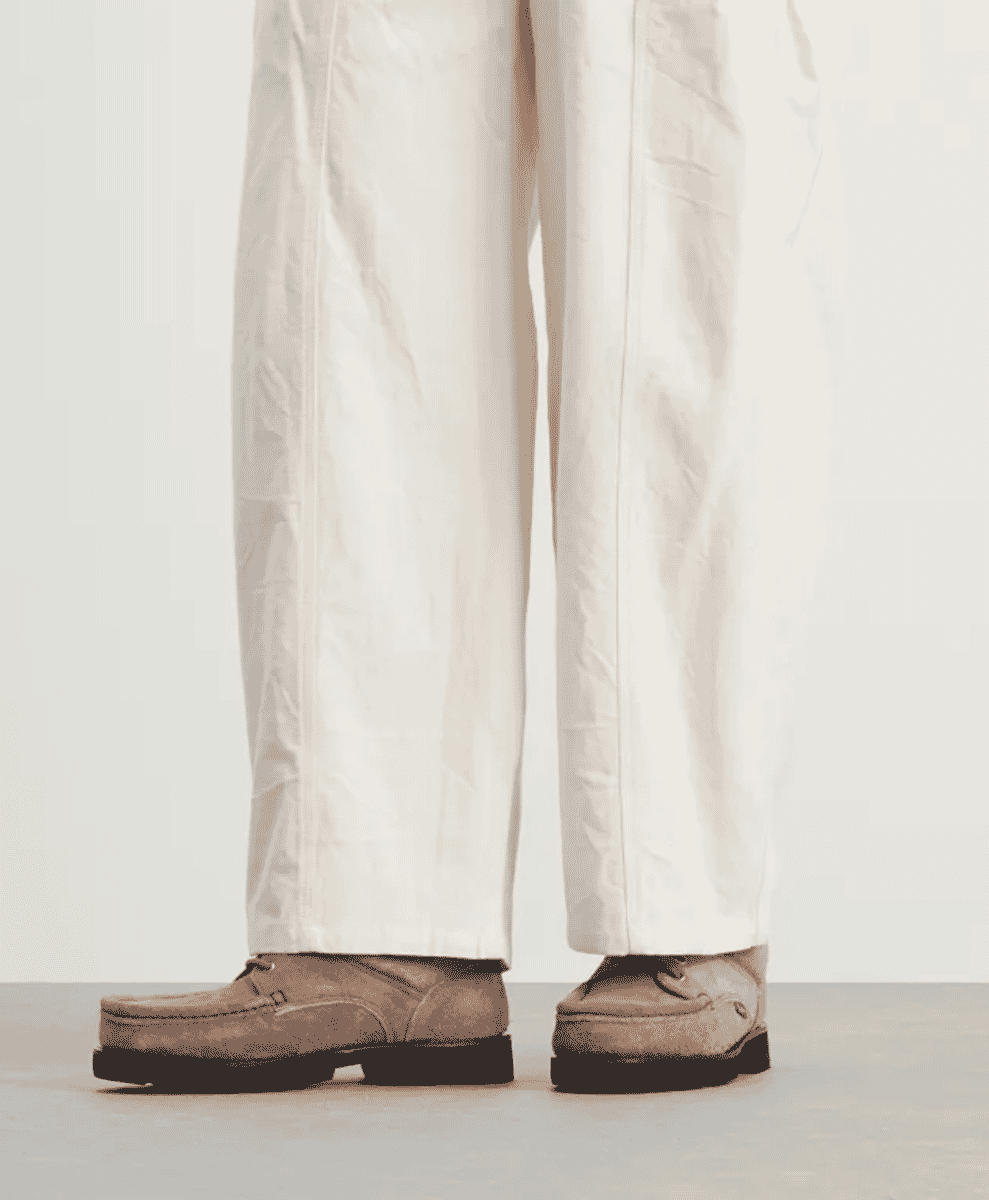
Few brands have managed to turn practicality into a signature quite like Paraboot. The chunky soles, Norwegian welting and slightly outdoorsy feel are all part of the identity. Models like the Michael have become staples in menswear circles because they offer something different to sleeker dress shoes. They’re robust, distinctive and built to handle years of wear.
Clarks
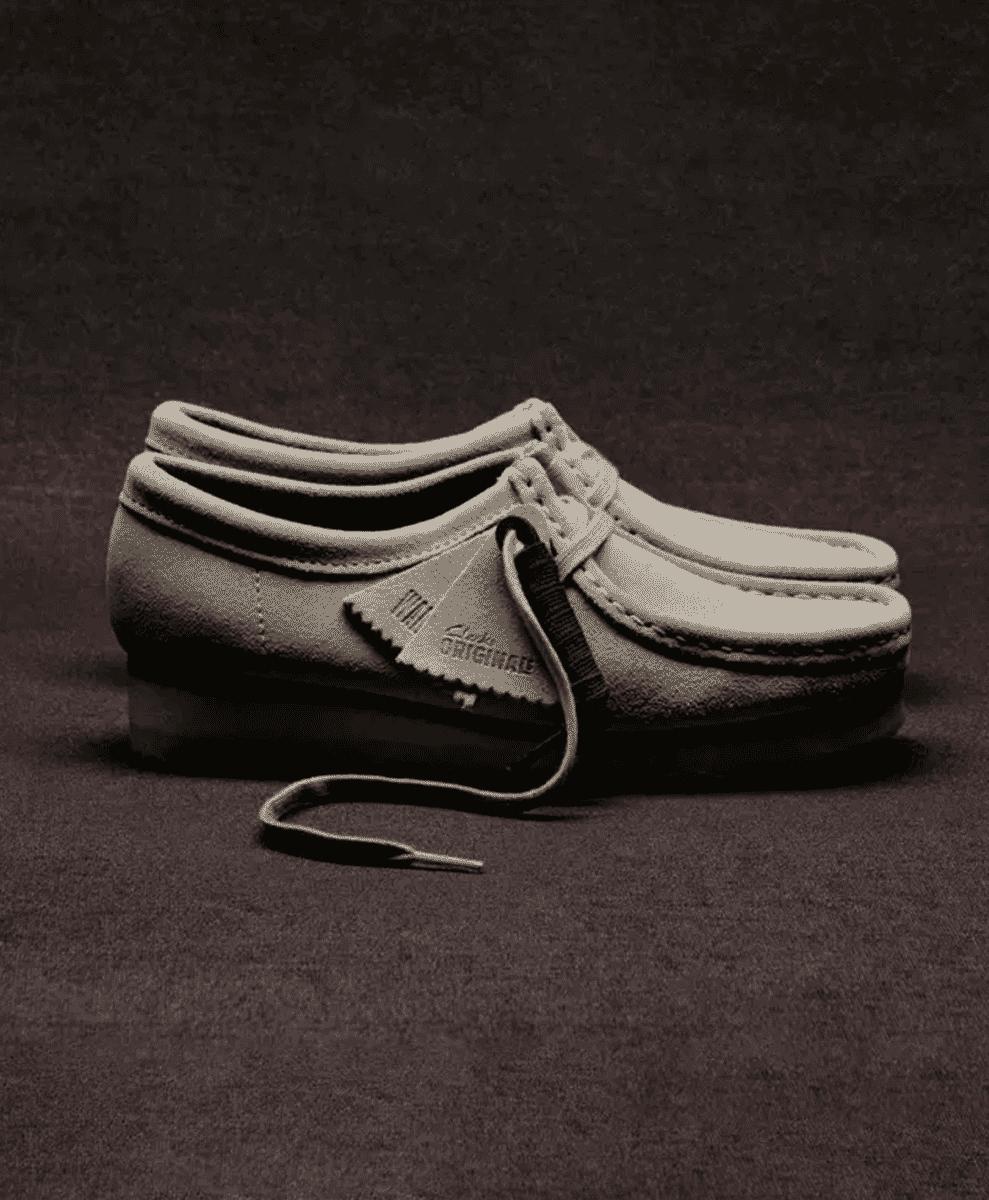
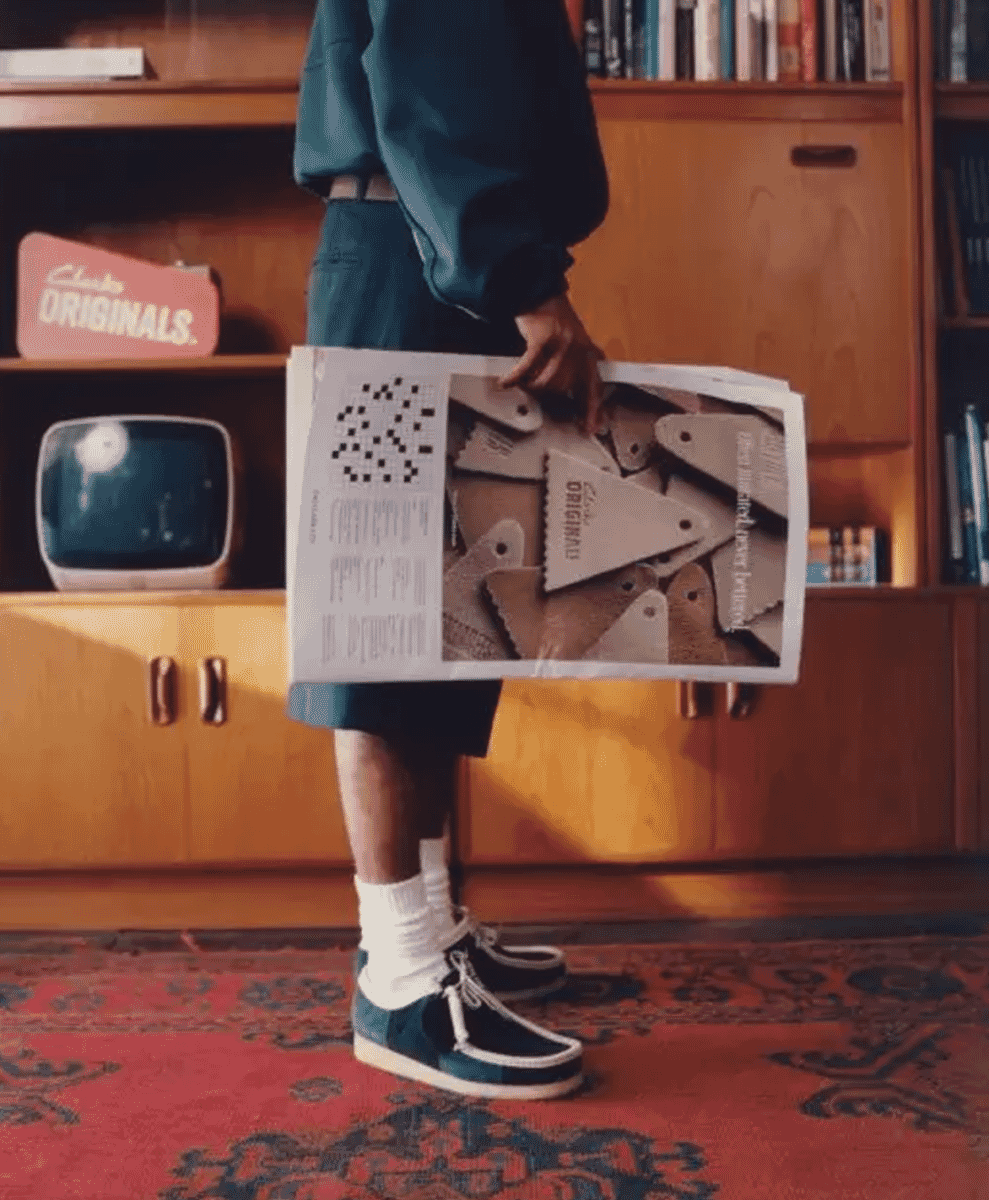
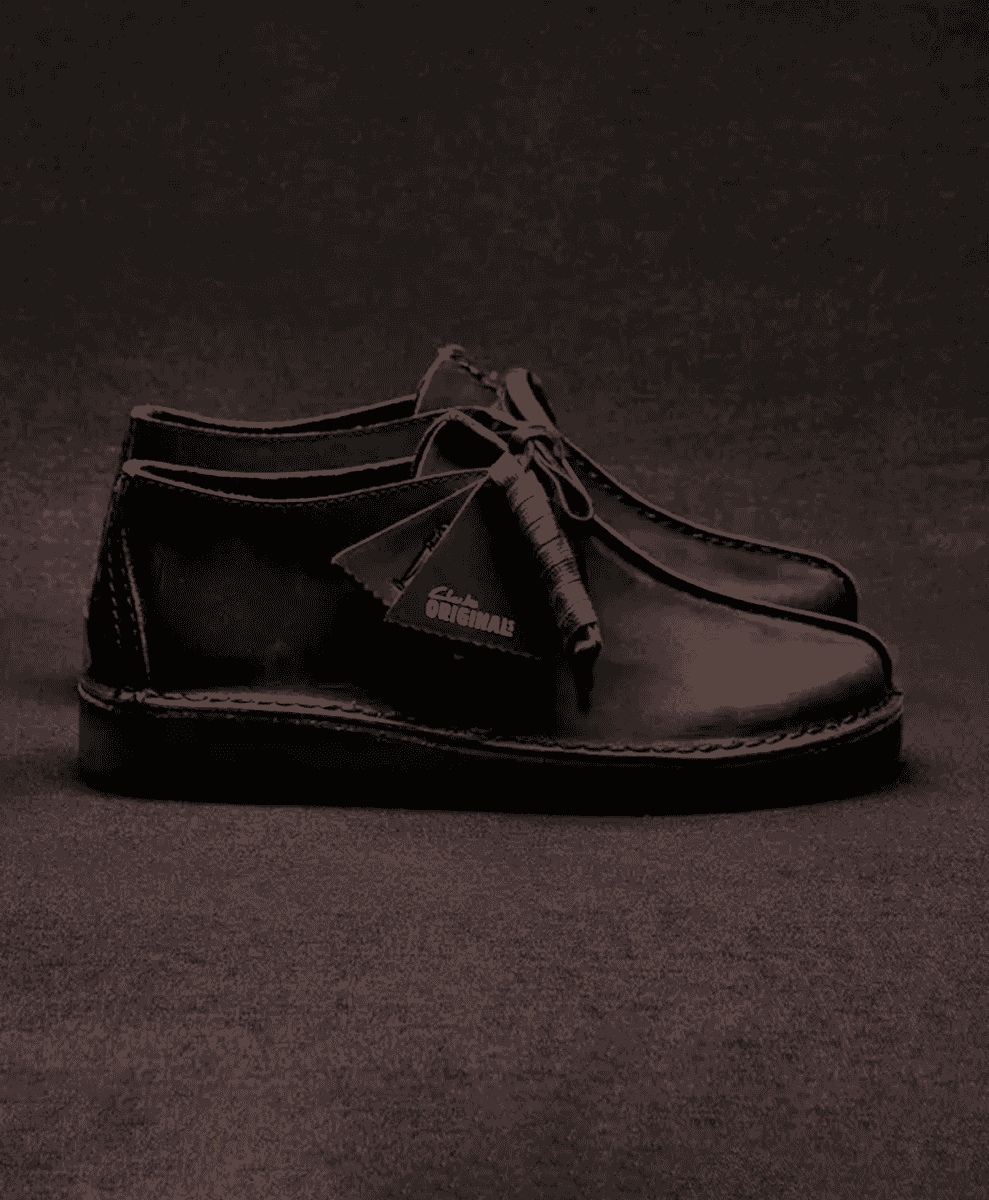
Clarks sits in a different space altogether. It’s accessible, widely available and often overlooked, but its influence runs deep. The Wallabee, in particular, has crossed over into everything from hip-hop to terrace culture. Crepe soles, soft suede uppers, simple shapes – it’s a formula that still works. Not everything in the range hits, but the icons are hard to beat for the price.
G.H. Bass
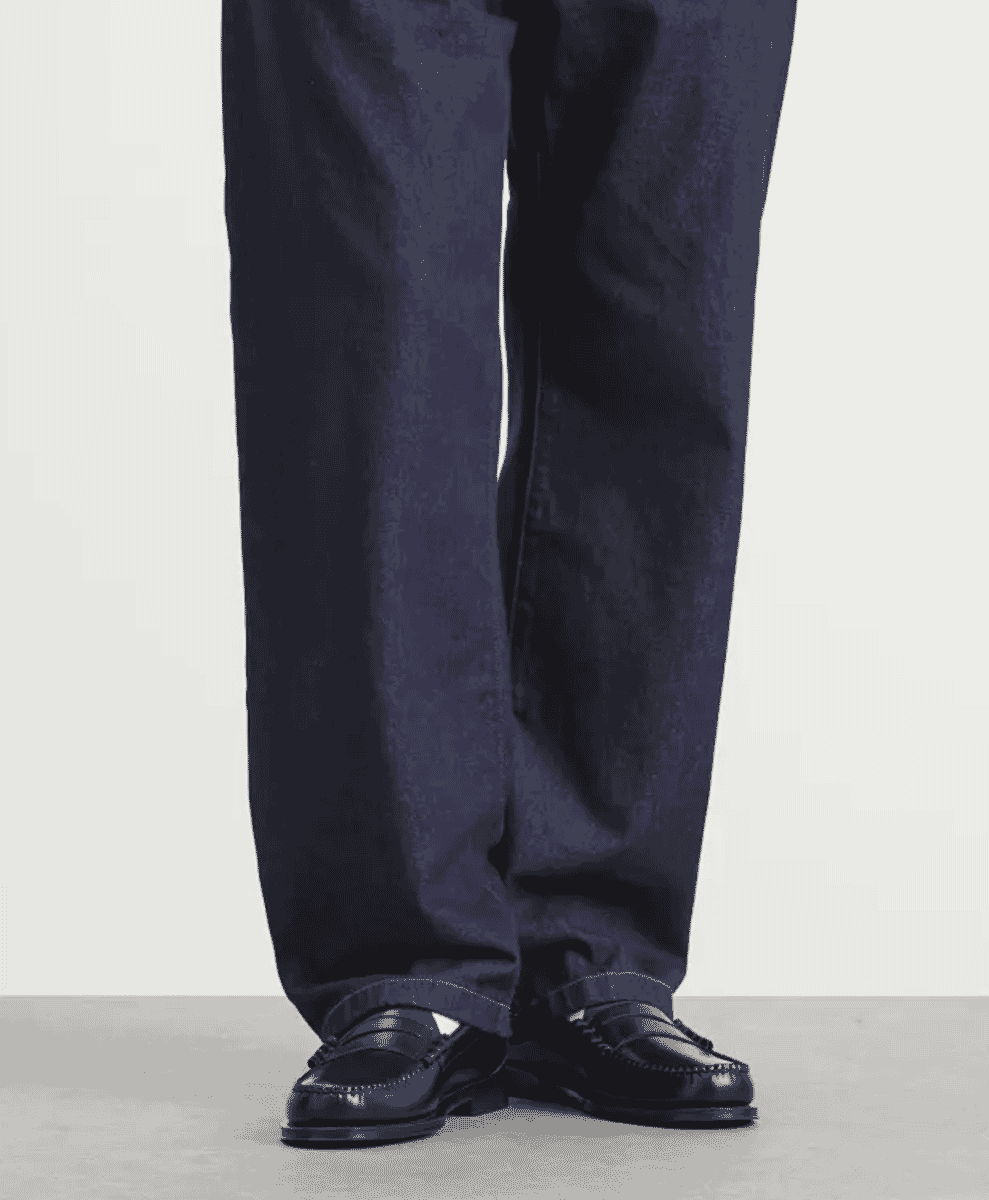
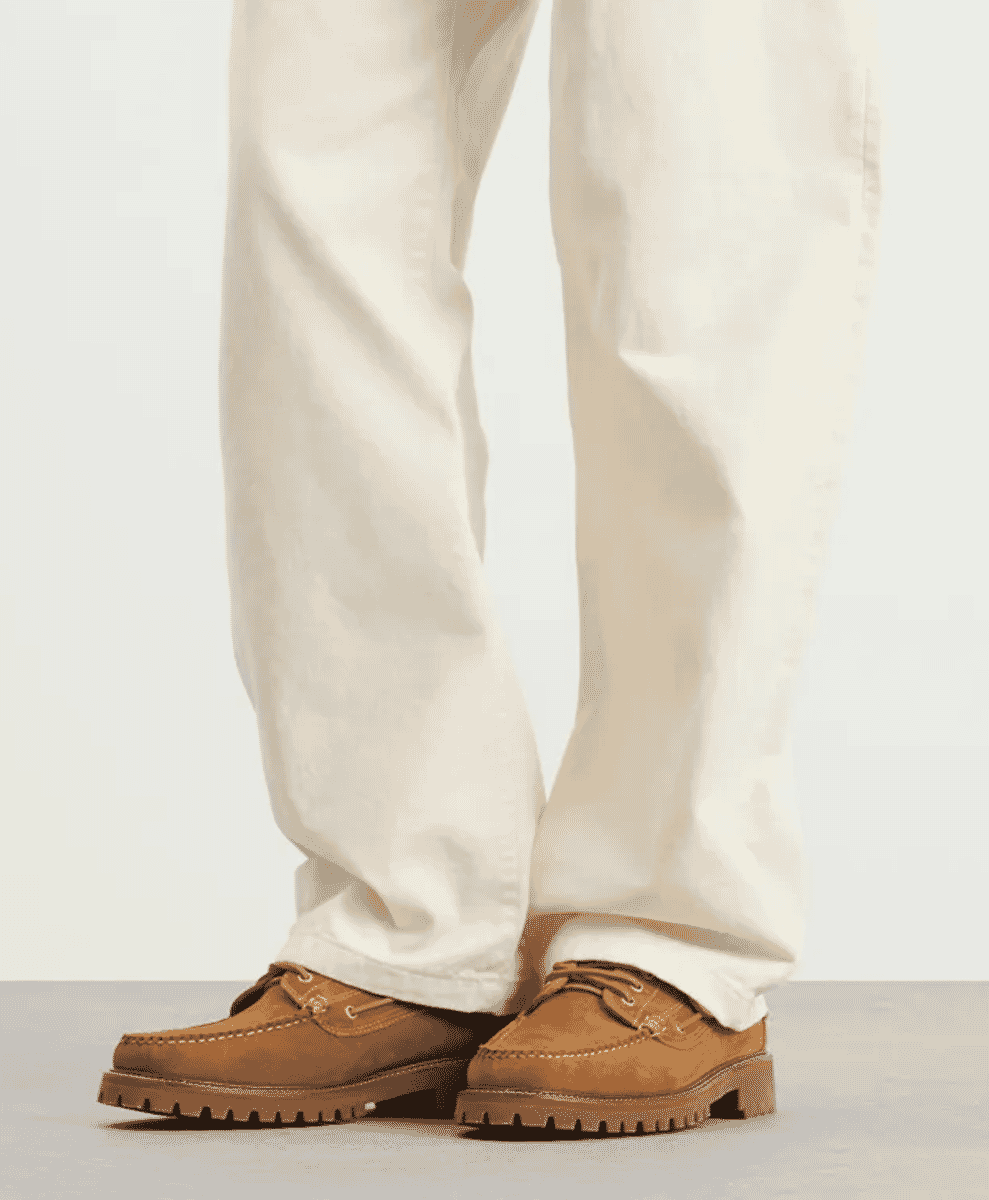
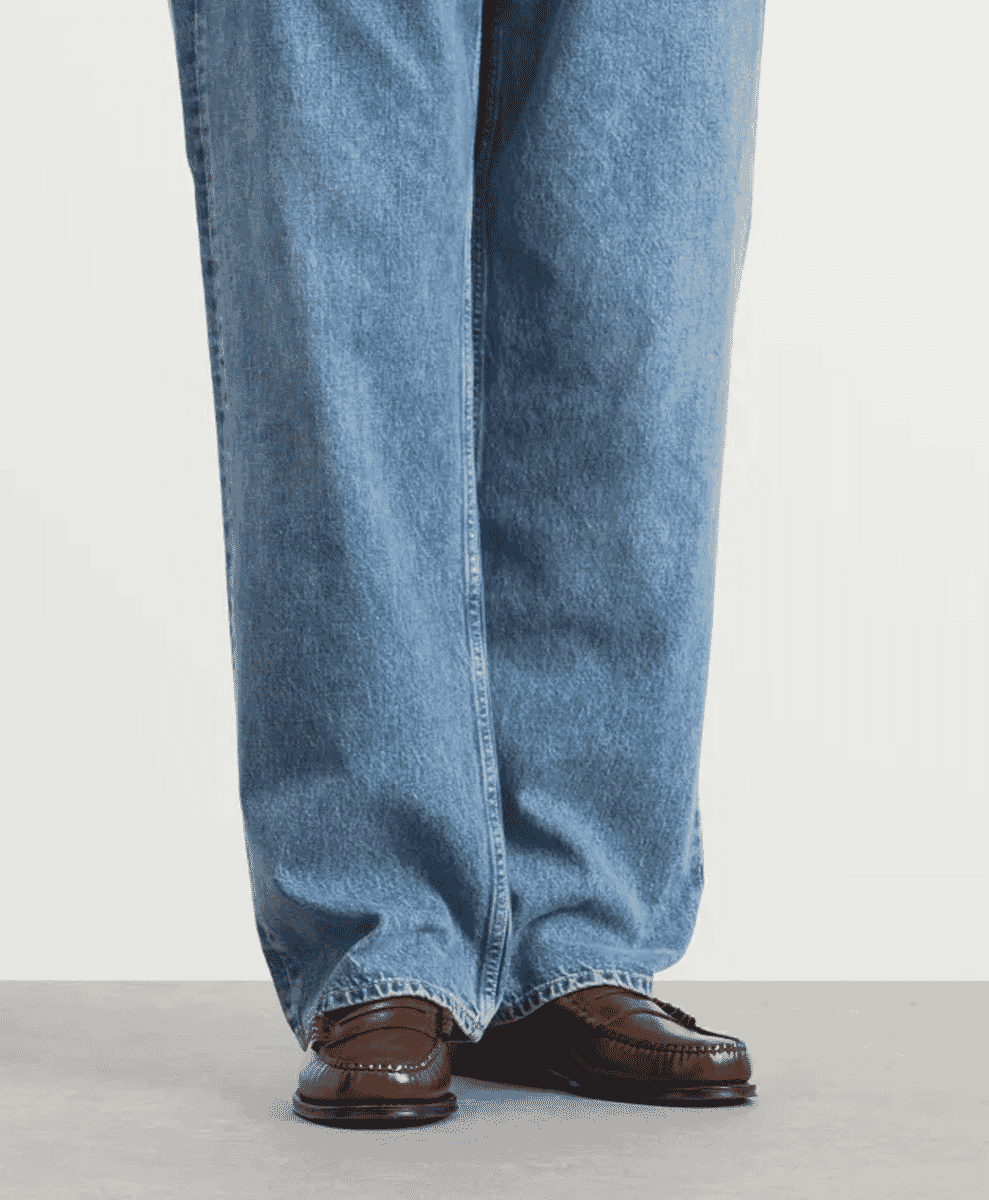
G.H. Bass has history on its side. The Weejuns penny loafer is one of those designs that hasn’t really needed updating since it first appeared. It’s straightforward, wearable and tied to a very specific Ivy League aesthetic that still resonates today. If you want a classic loafer without overthinking it, this is where most people start.
Timberland
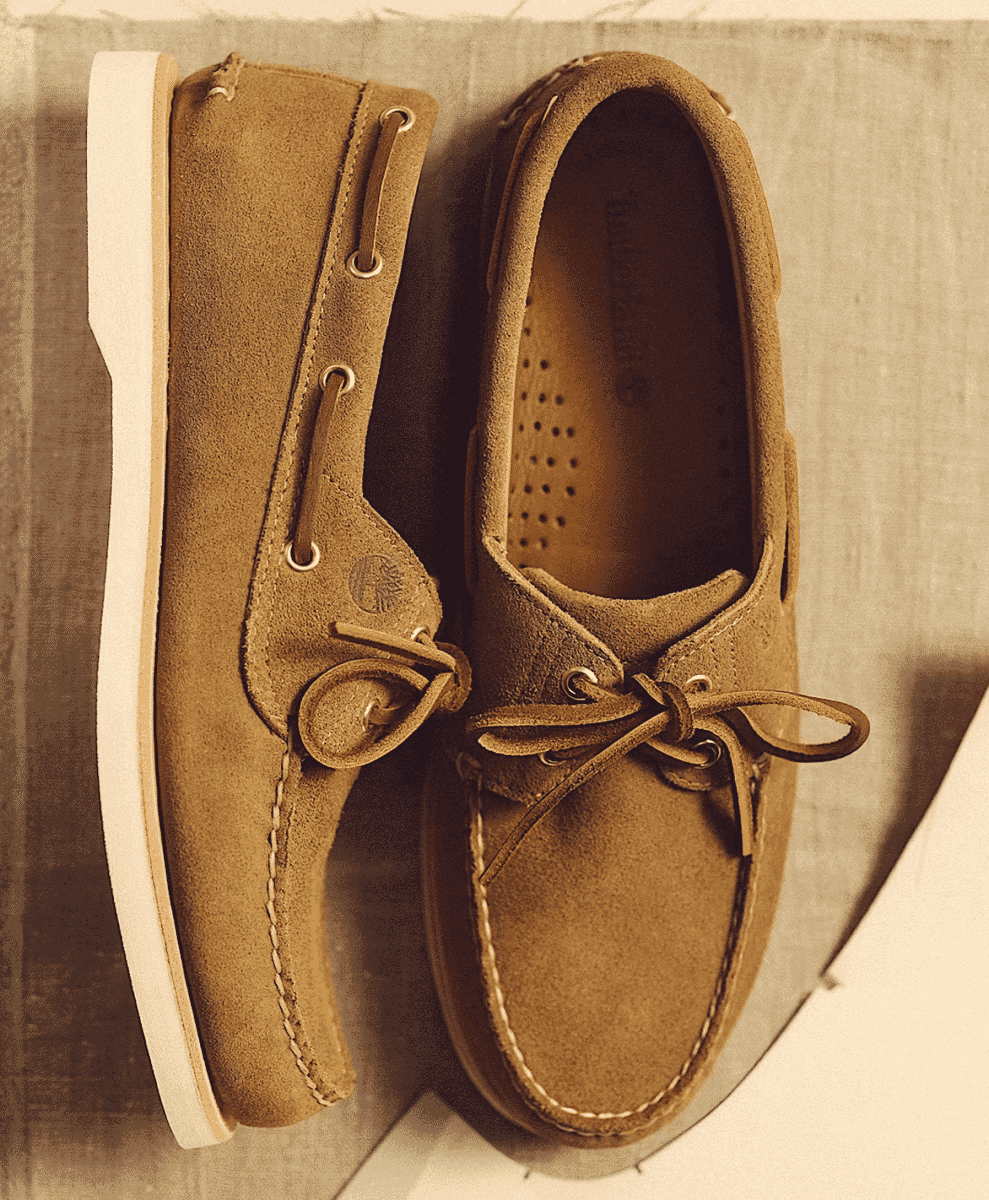
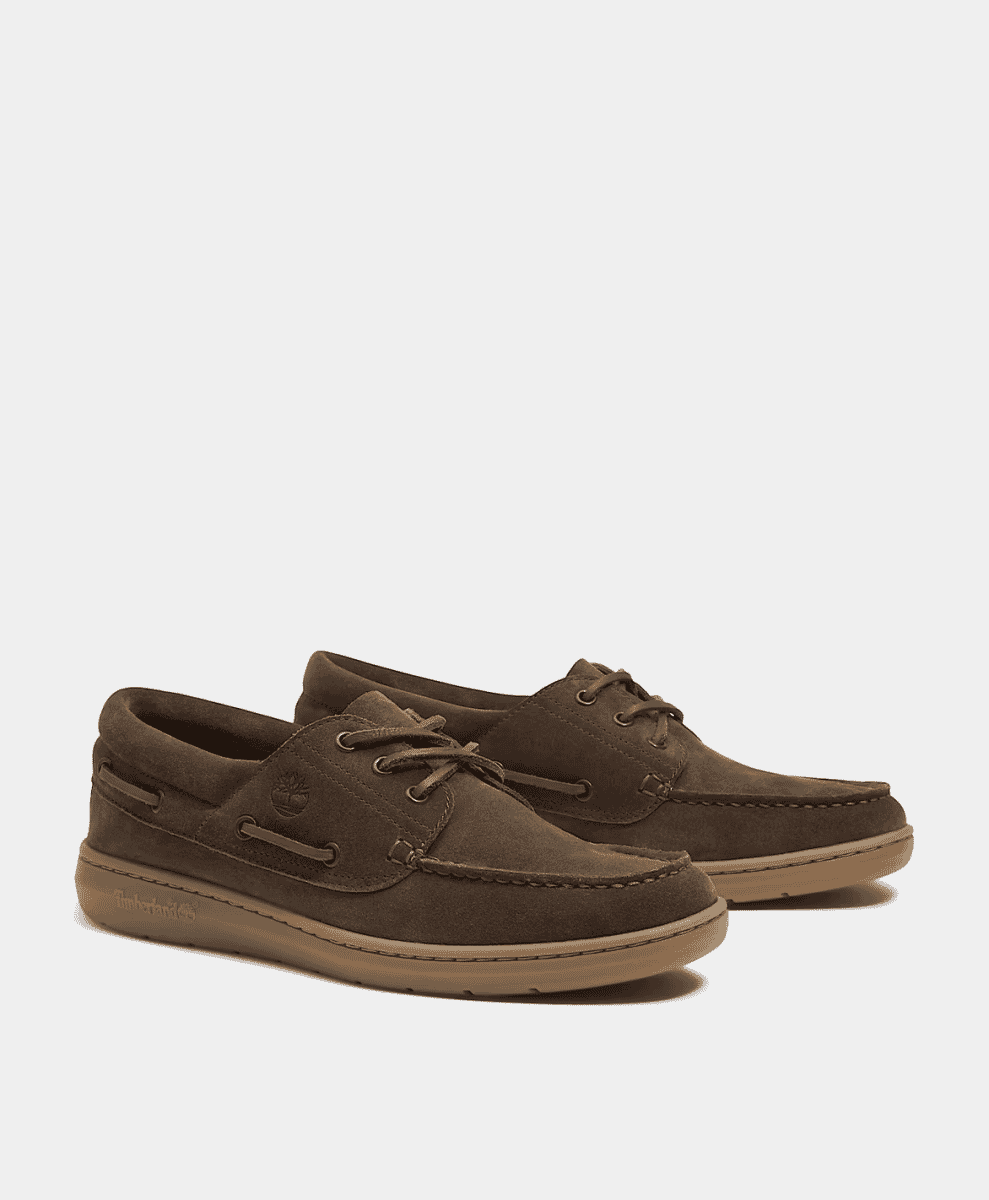
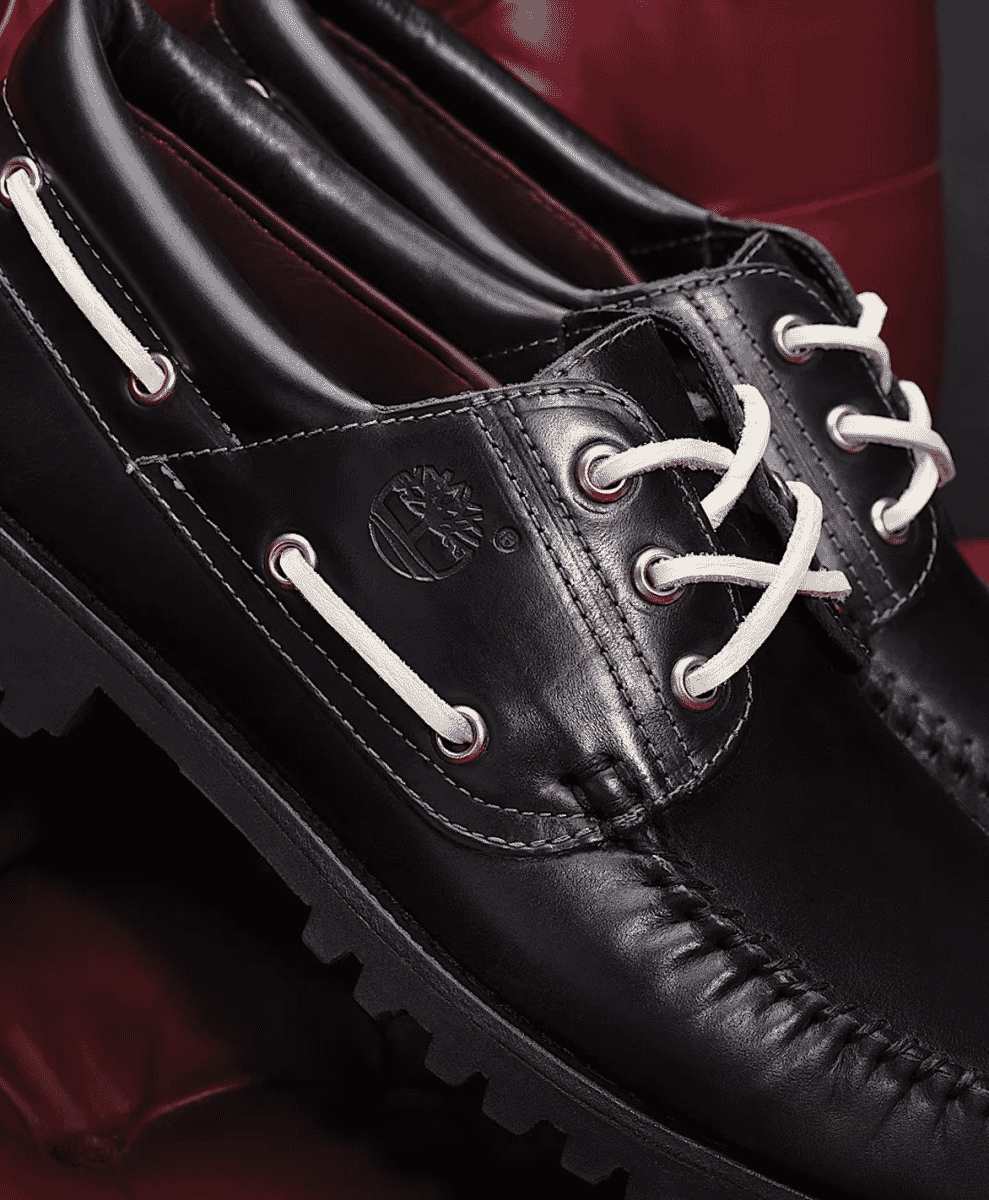
Although best known for its boots, Timberland’s approach to casual shoes follows the same logic. Durable materials, practical construction and a slightly rugged edge that makes them easy to wear day to day. They’re not delicate, and that’s the point. These are shoes you can actually use, rather than worry about keeping pristine.
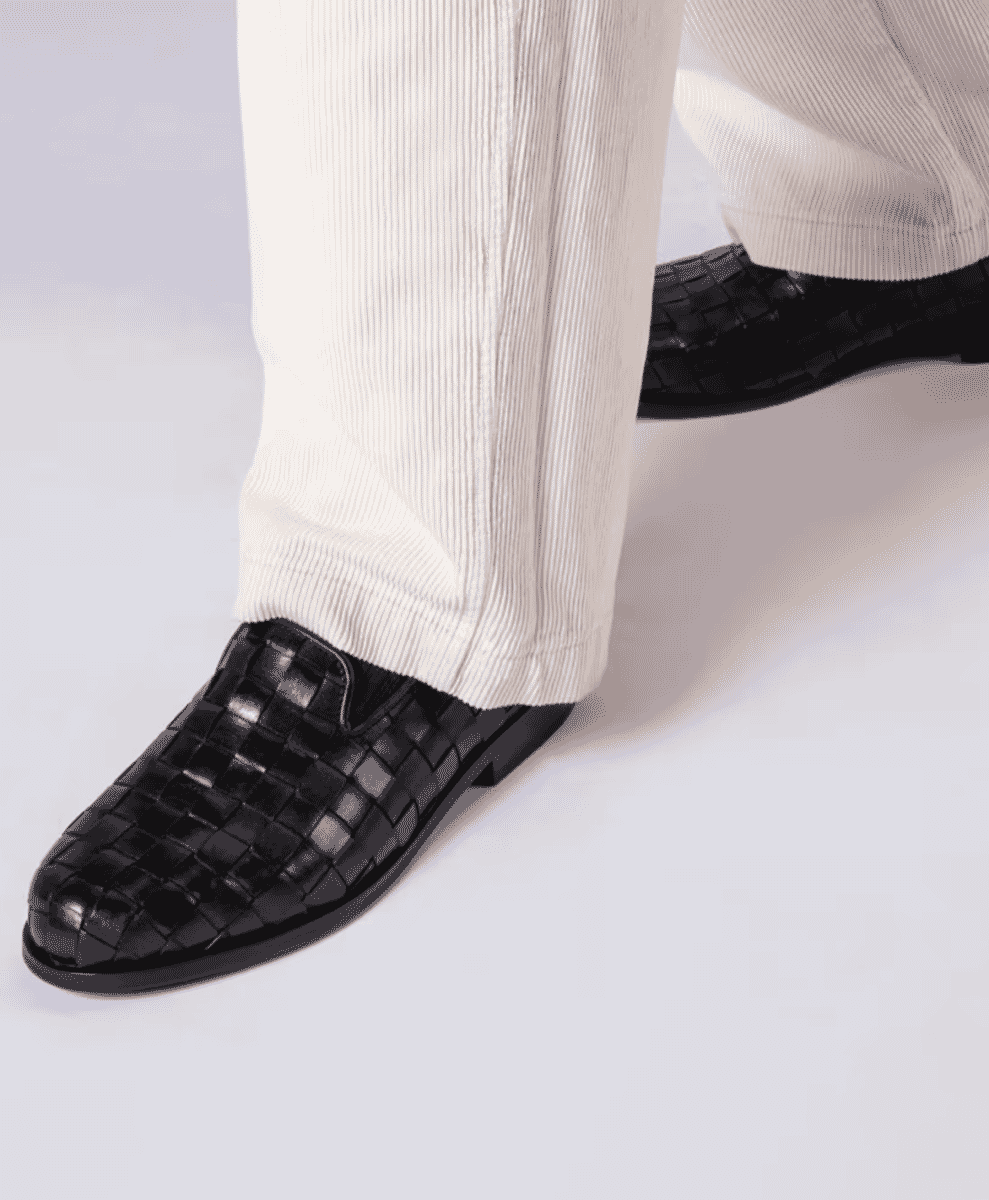
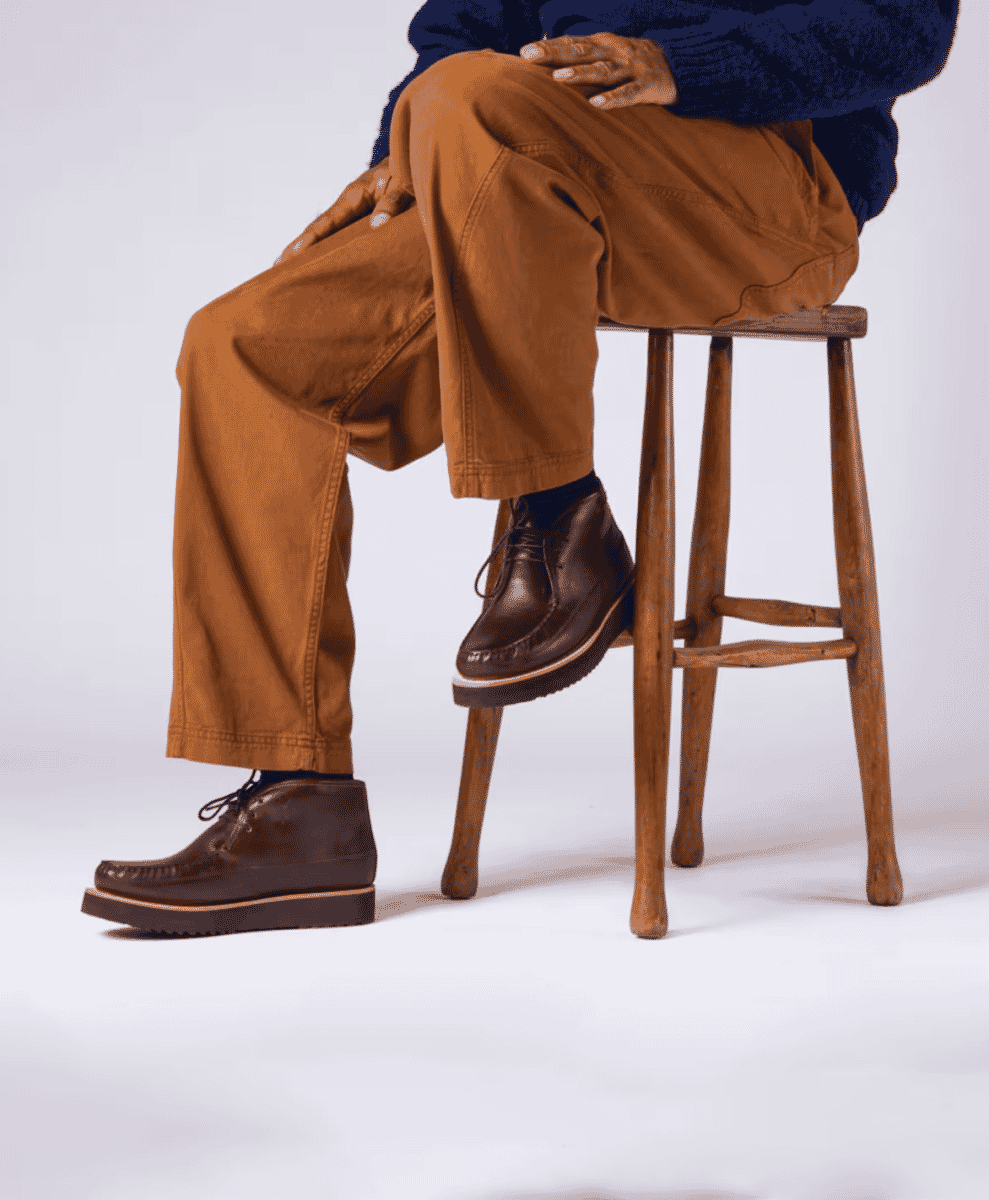
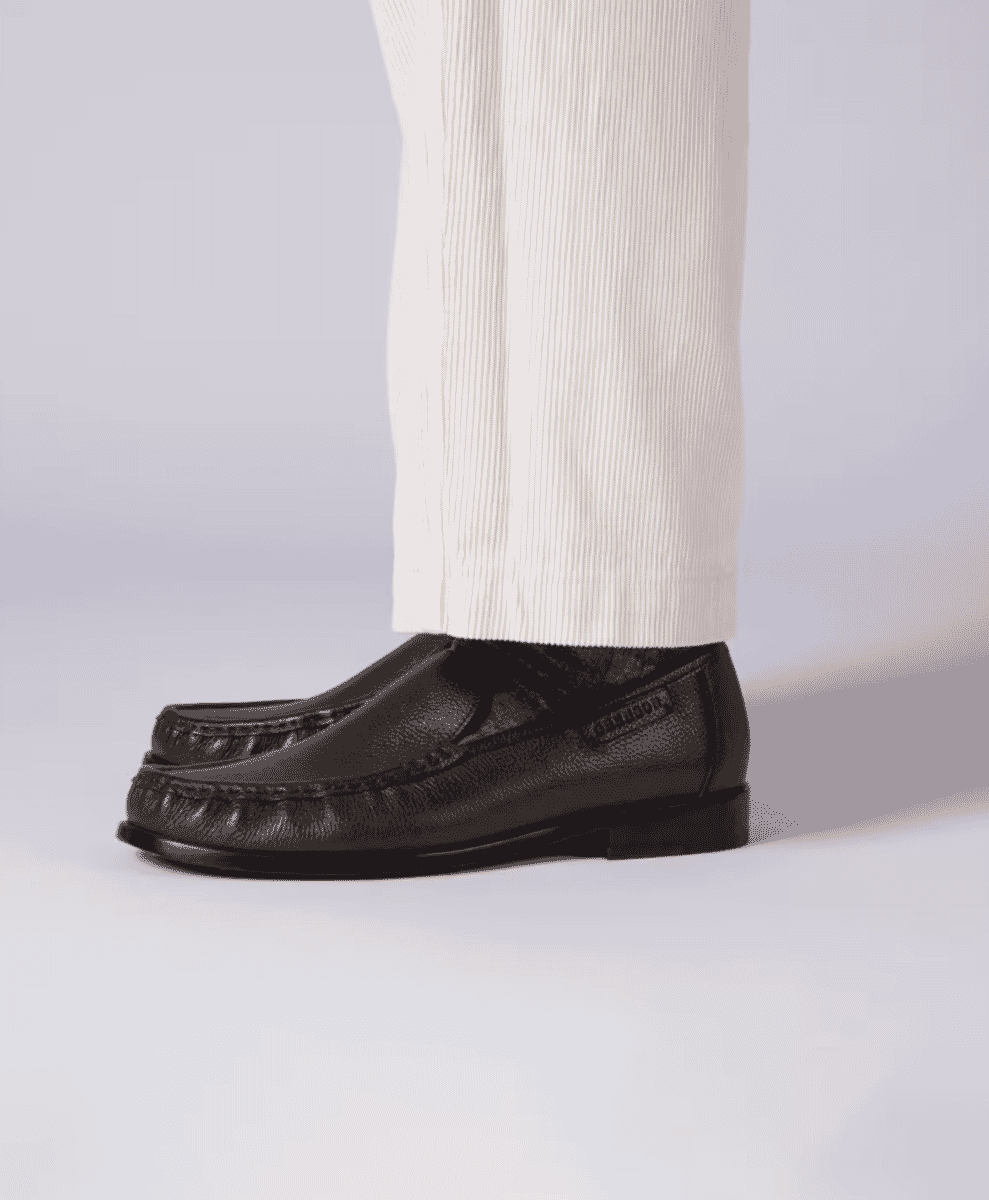
Grenson
Grenson brings a slightly more playful take to traditional British shoemaking. The foundations are classic – brogues, Derbies, loafers – but there’s often a twist in the proportions or detailing. Chunkier soles, bolder shapes, small design tweaks that make the shoes feel more contemporary without losing their roots.
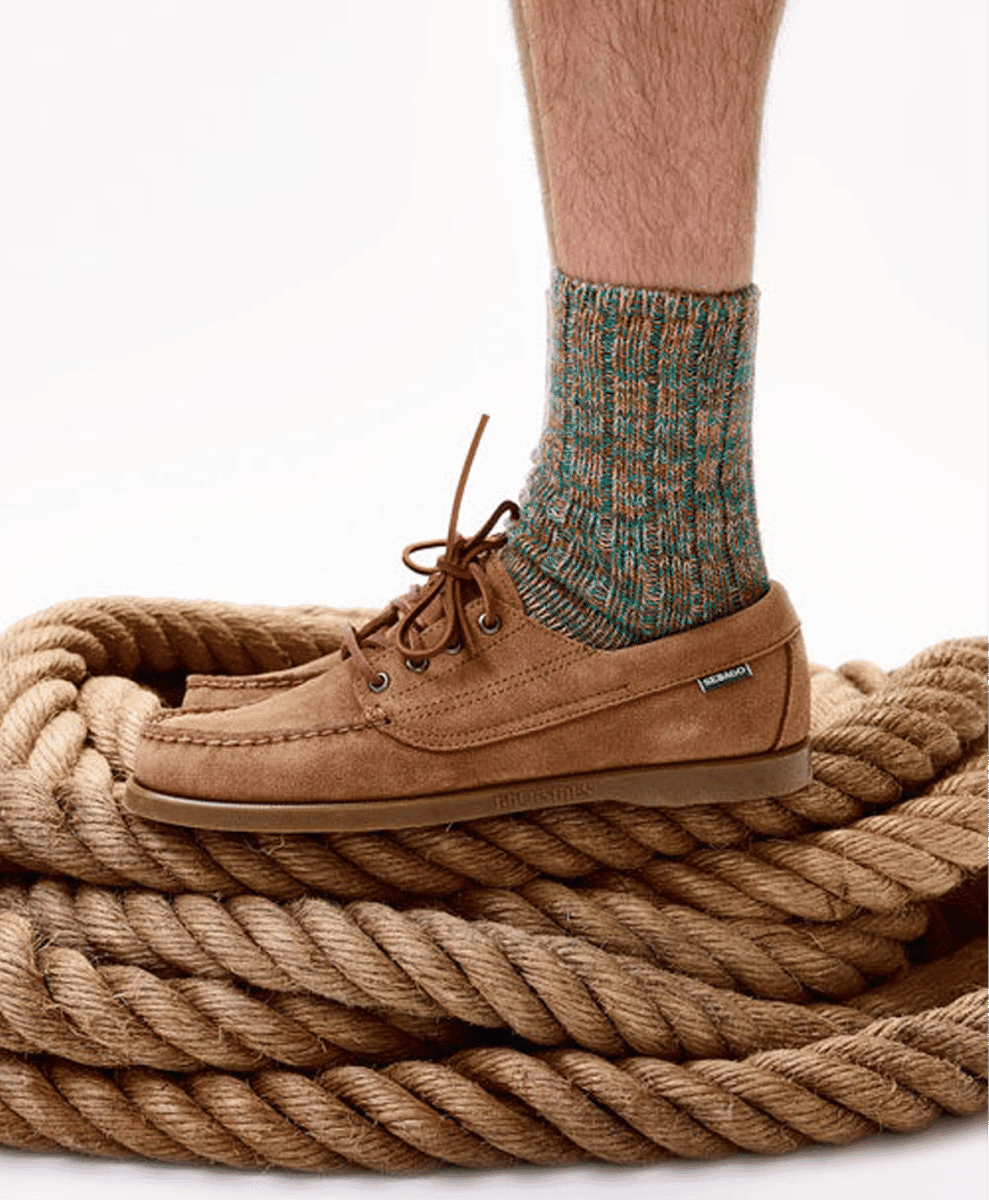
Sebago
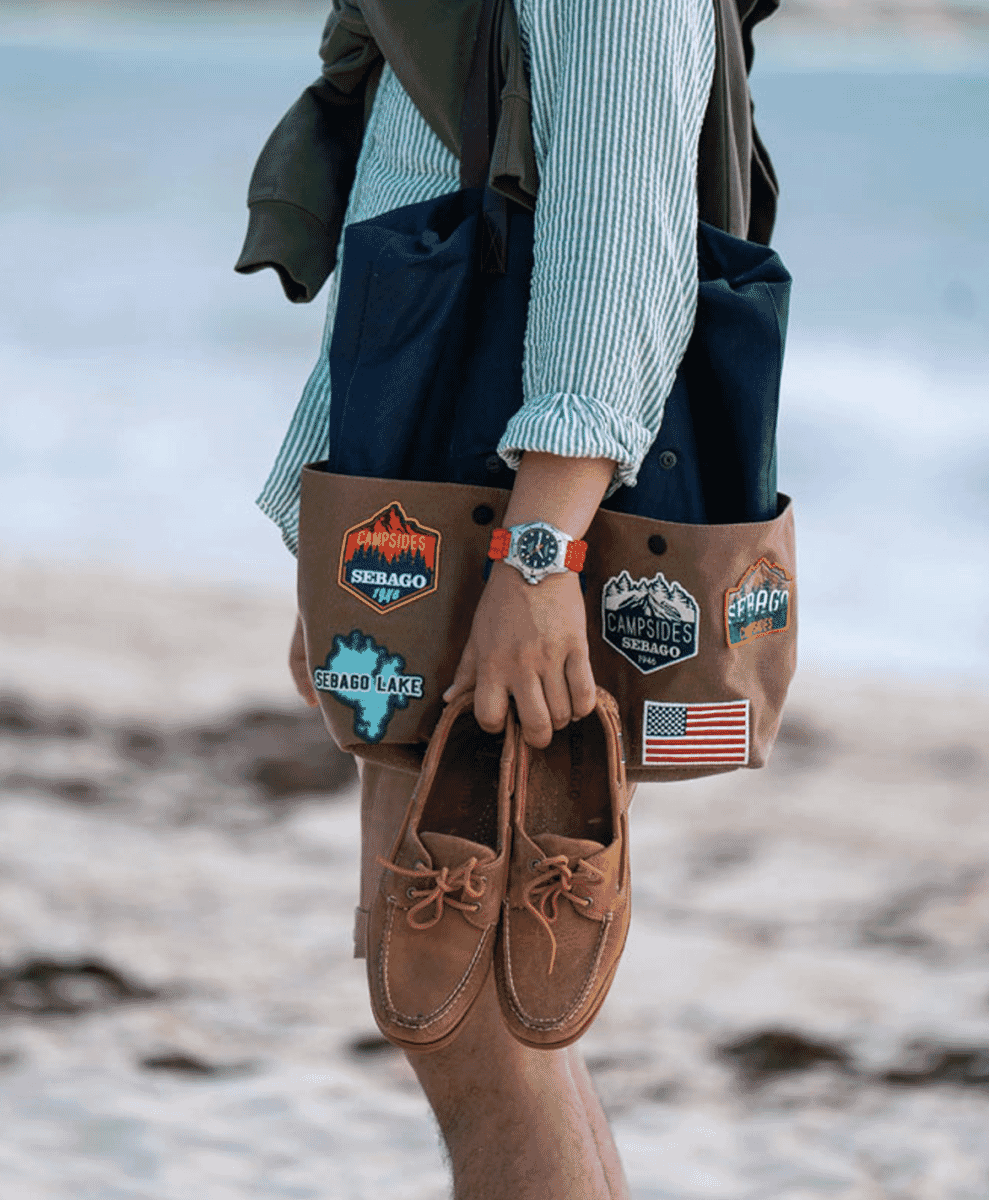
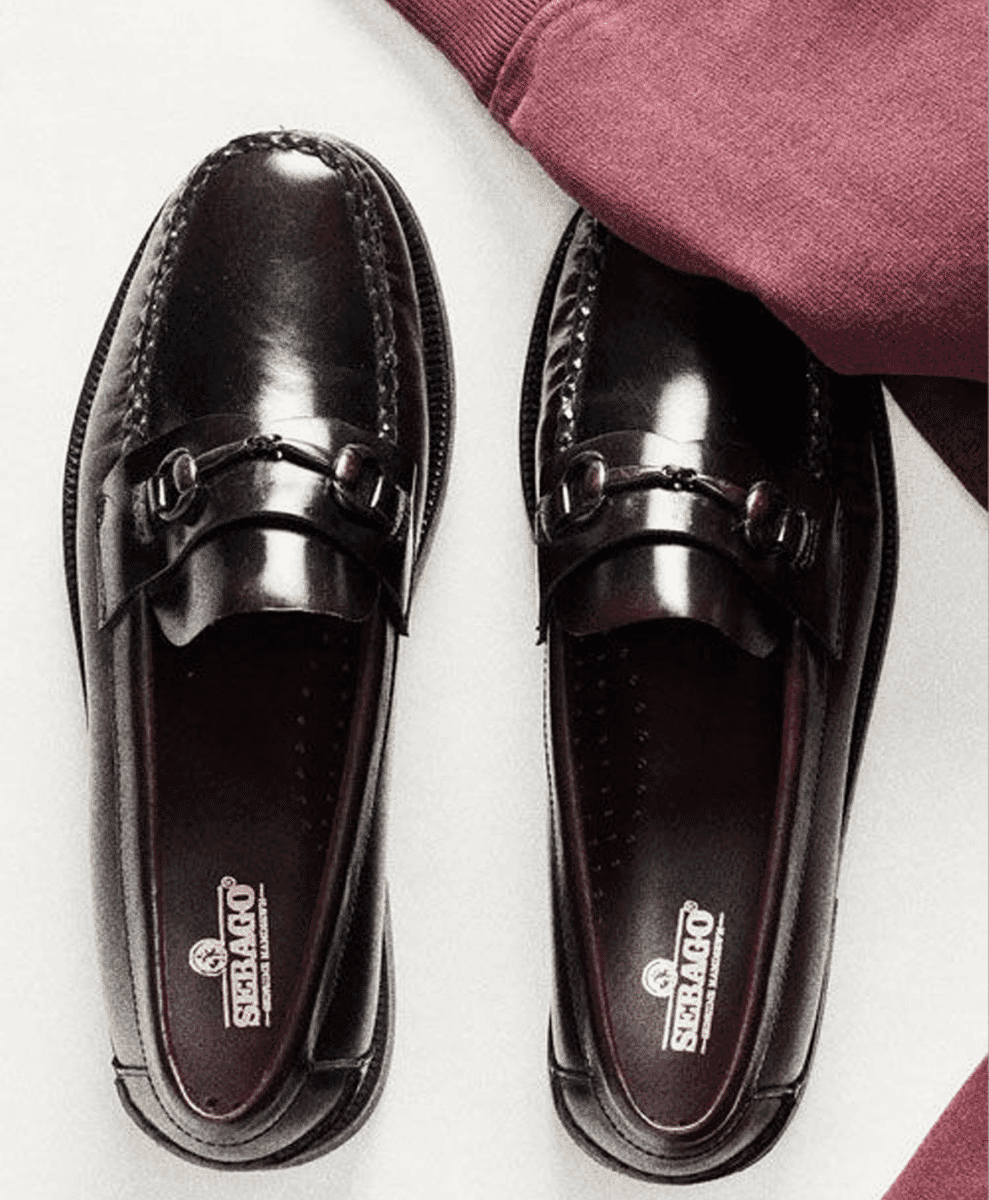
Mention deck shoes and Sebago is usually part of the conversation. The brand built its reputation on them, and it still does them properly. Leather uppers, functional construction, a shape that hasn’t drifted too far from the original template. There’s a preppy edge to it, but worn well, that’s part of the charm.
Tod’s
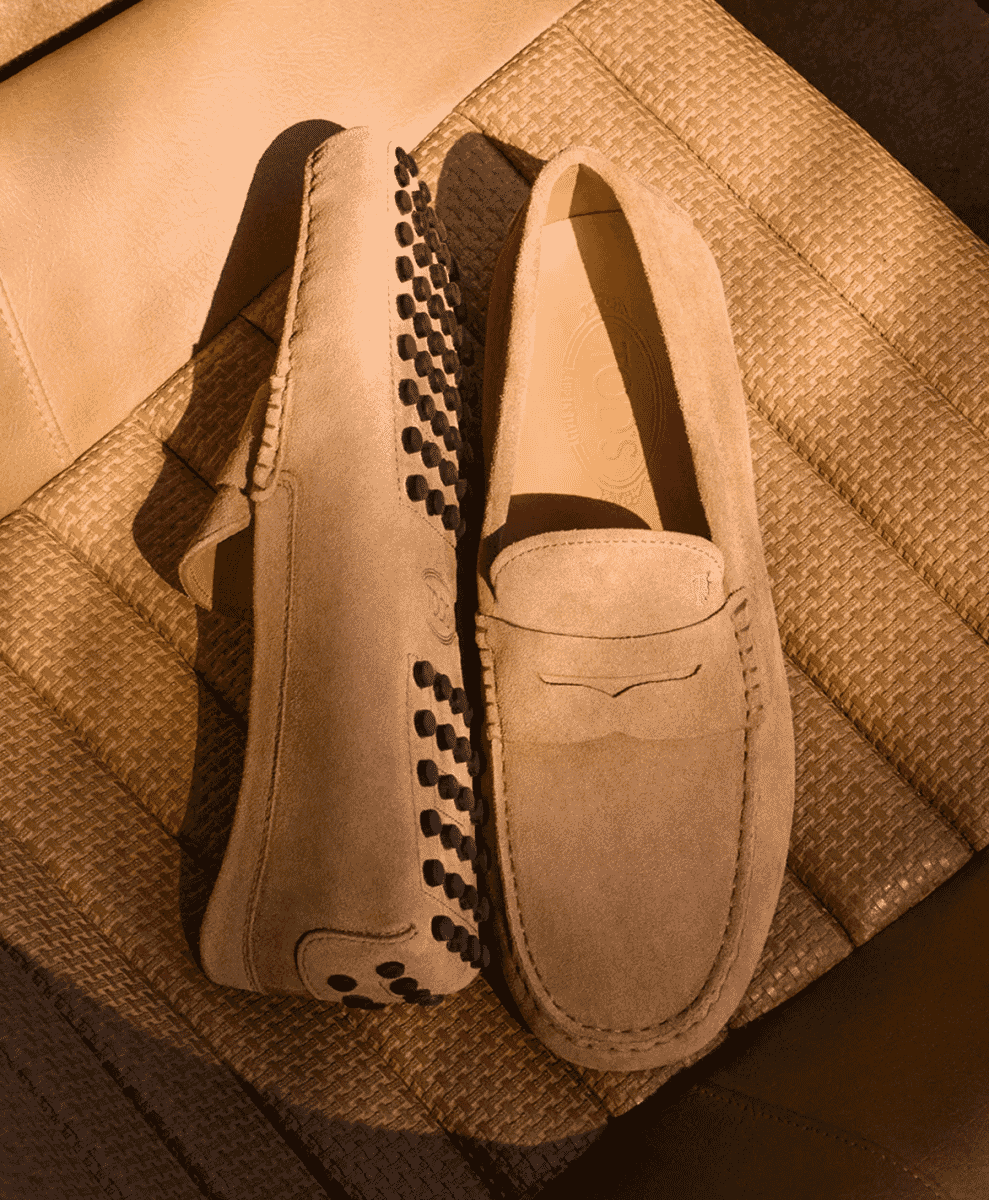
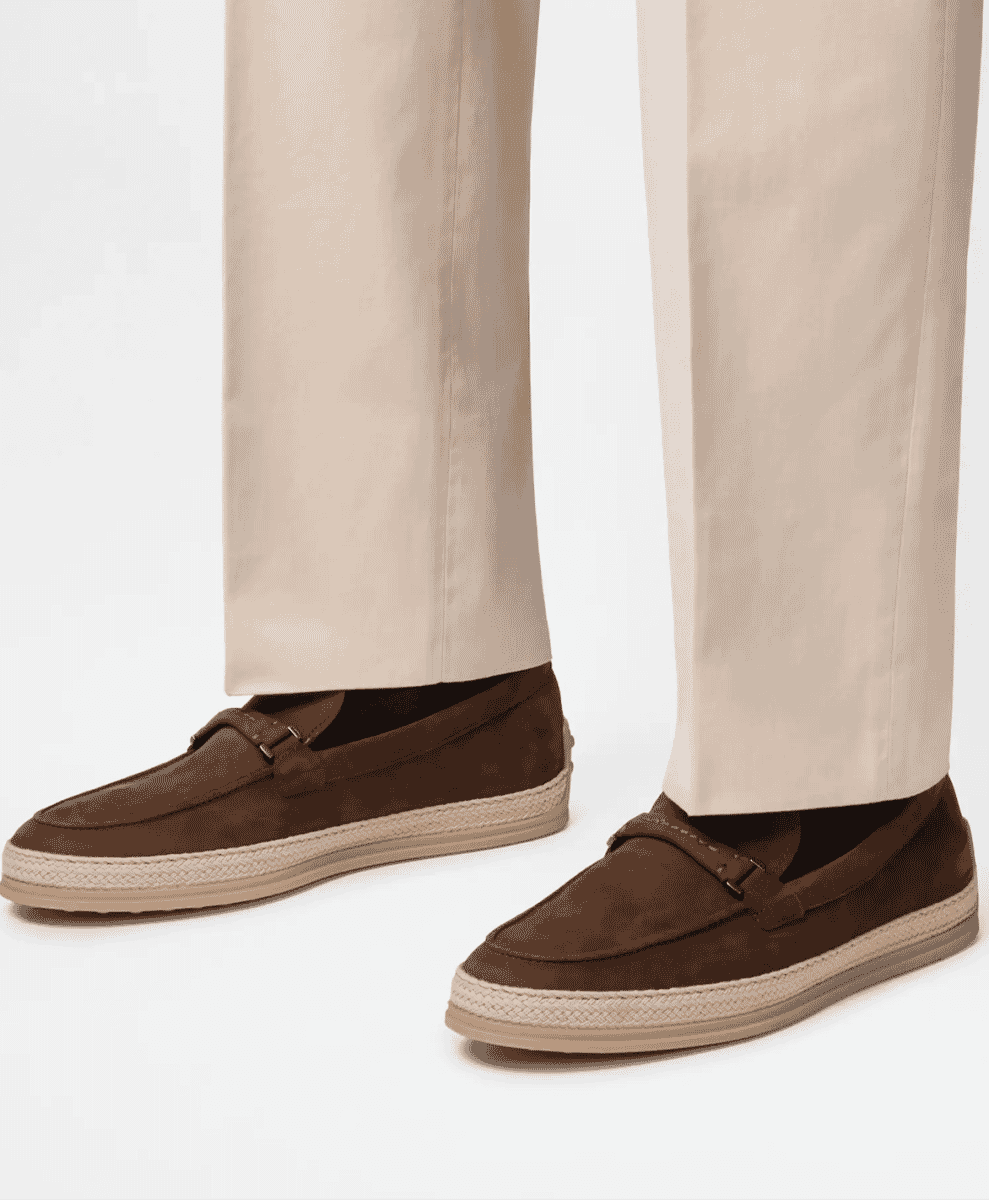
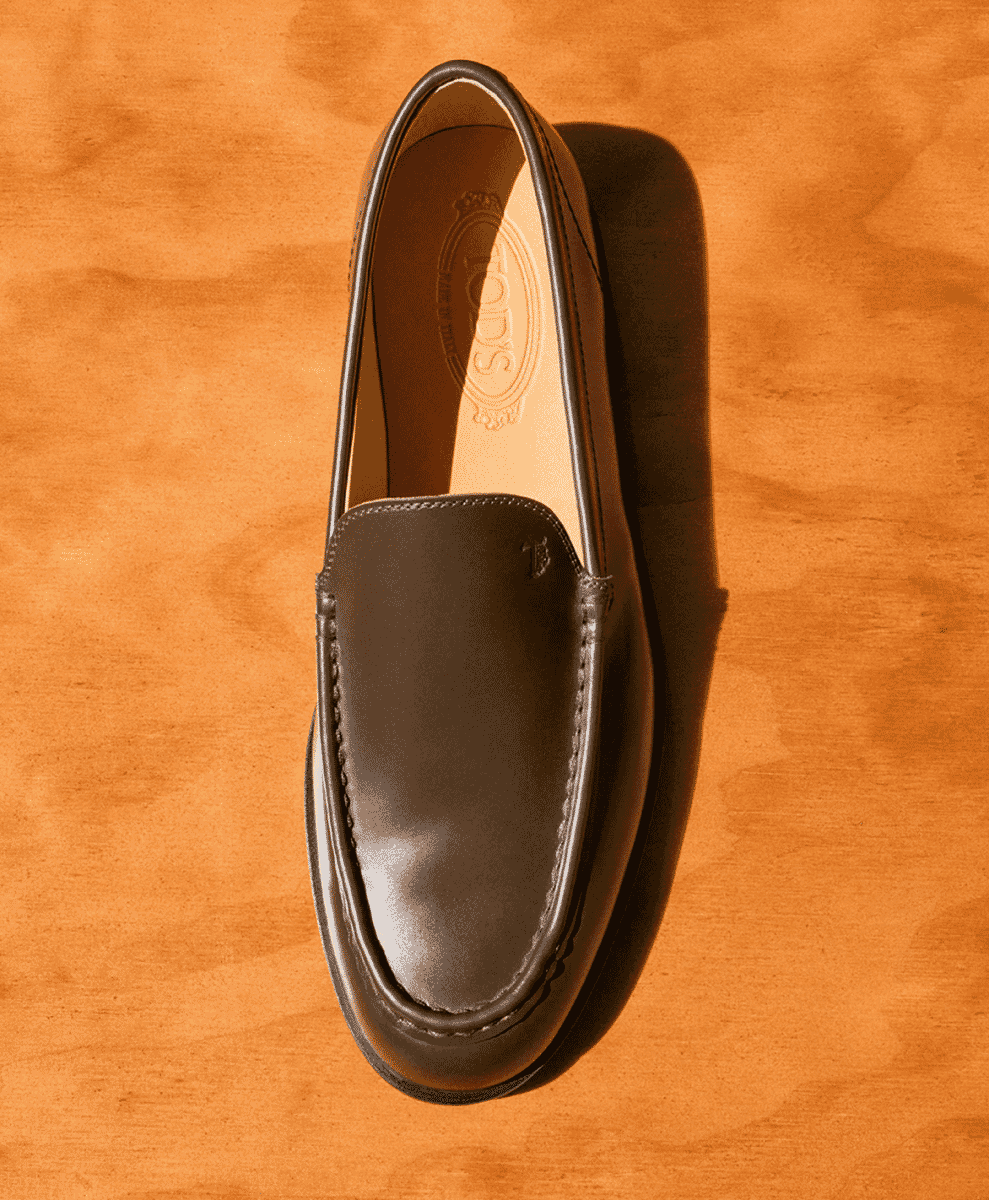
Tod’s sits at the more refined end of the spectrum. Best known for its driving shoes, it leans heavily into softness and comfort. Flexible soles, supple leather, clean lines. It’s less about durability and more about feel. These are shoes designed for ease – slipping on, wearing all day, not thinking too much about them.
Yuketen
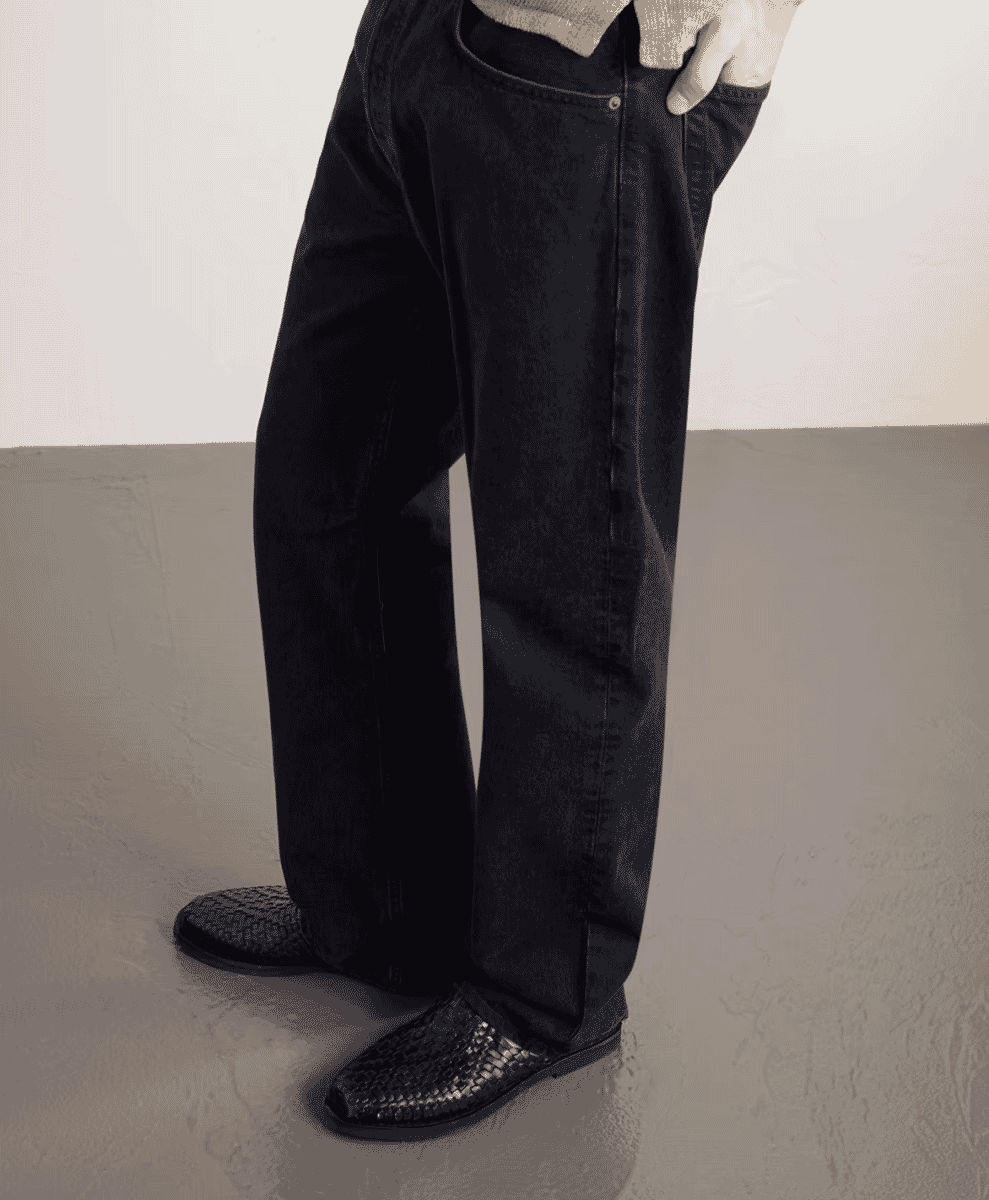
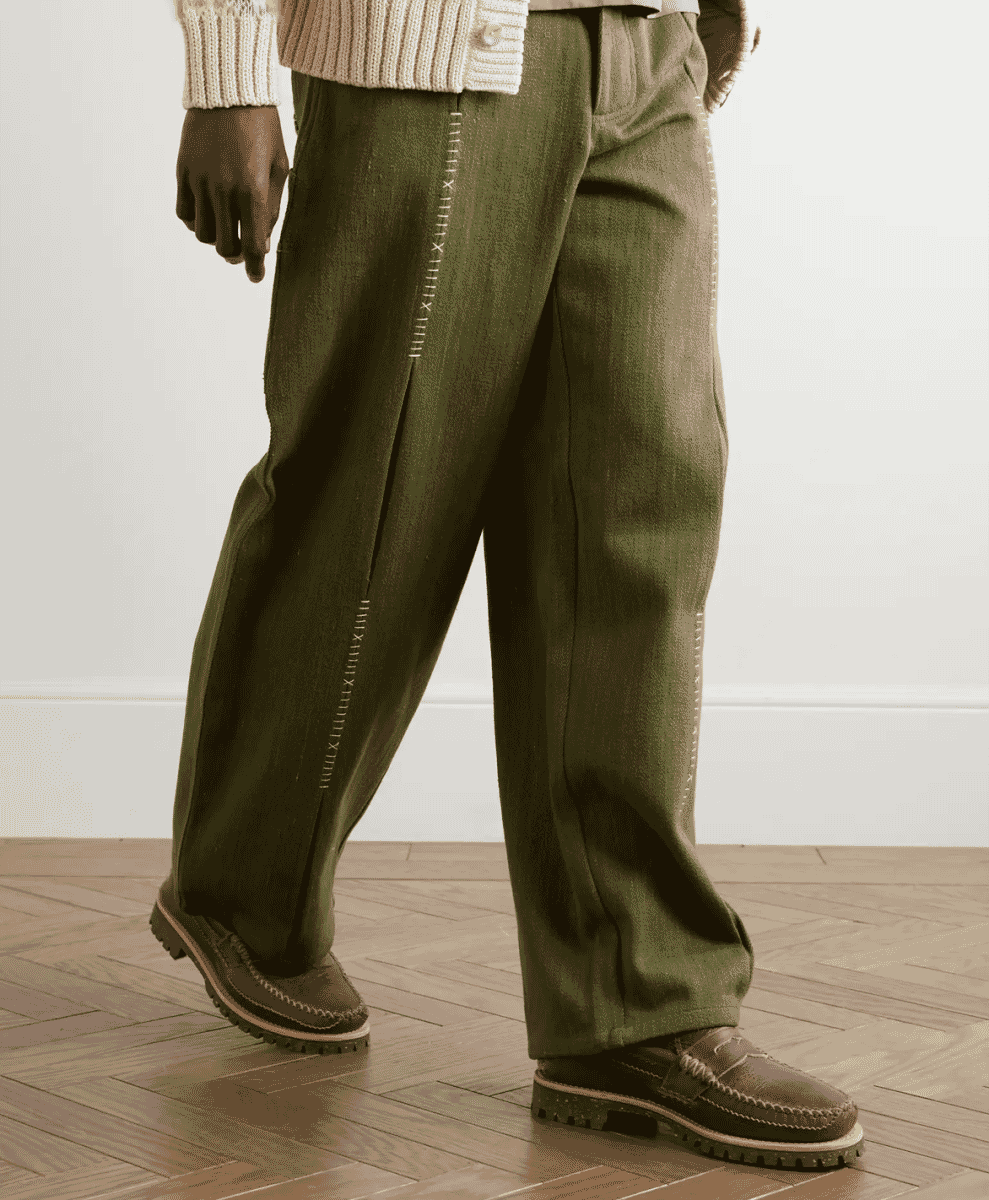
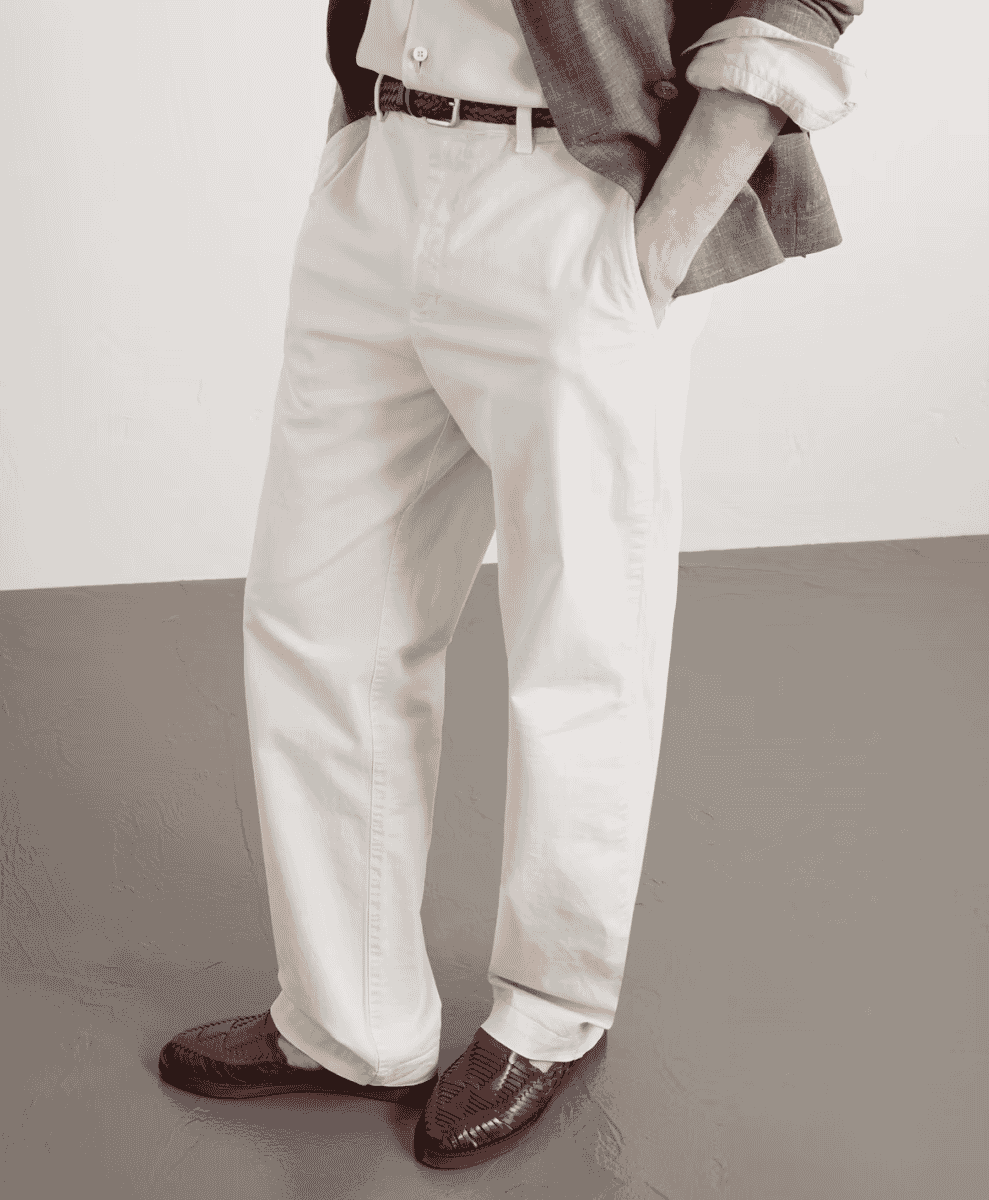
Yuketen feels more niche, but that’s part of the appeal. Drawing on traditional moccasin construction, the brand focuses heavily on craftsmanship. Hand-sewn details, unusual materials, slightly irregular finishes that make each pair feel distinct. They’re not for everyone, but if you like your footwear with a bit of character, it’s worth exploring.
Dr Martens
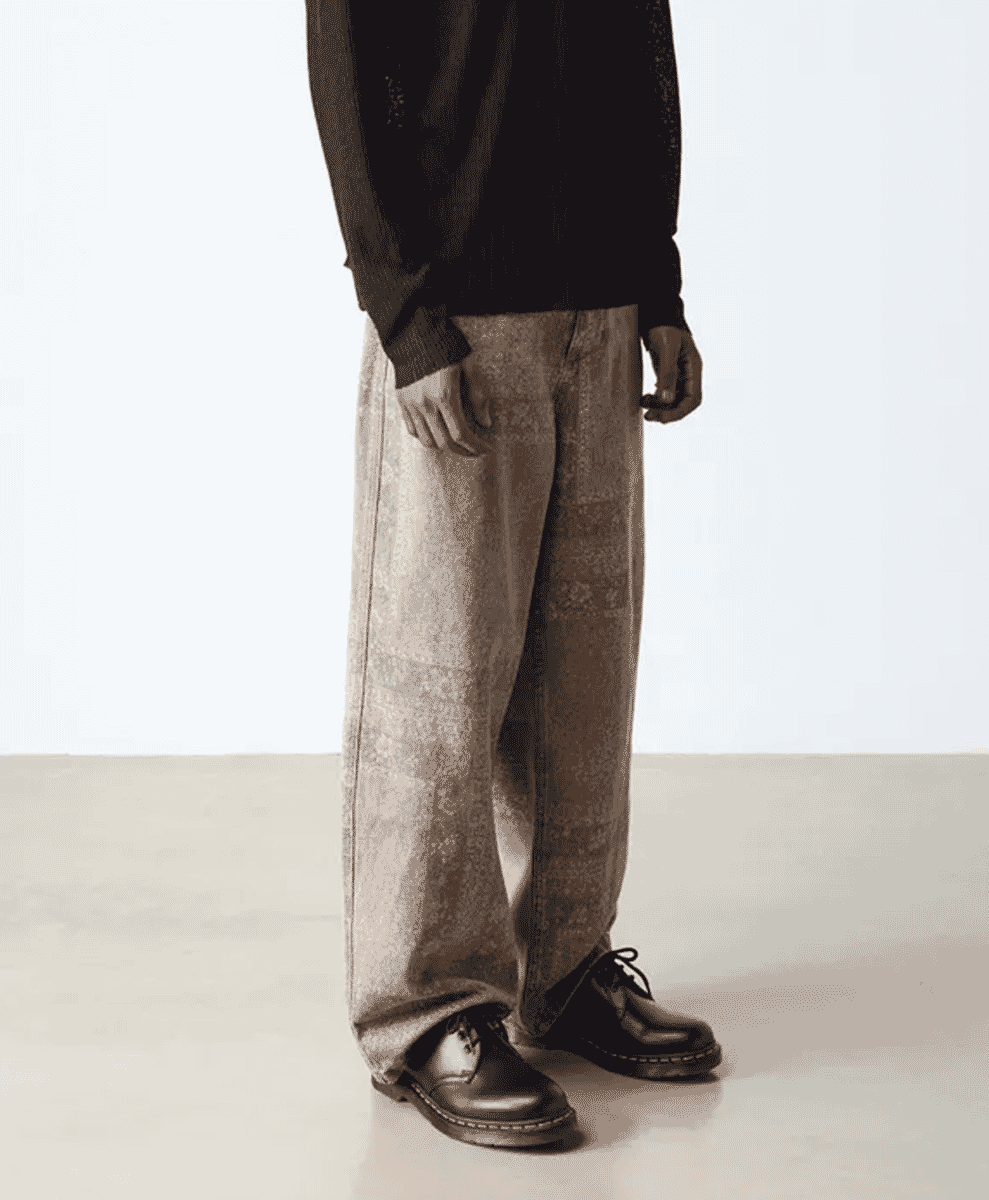
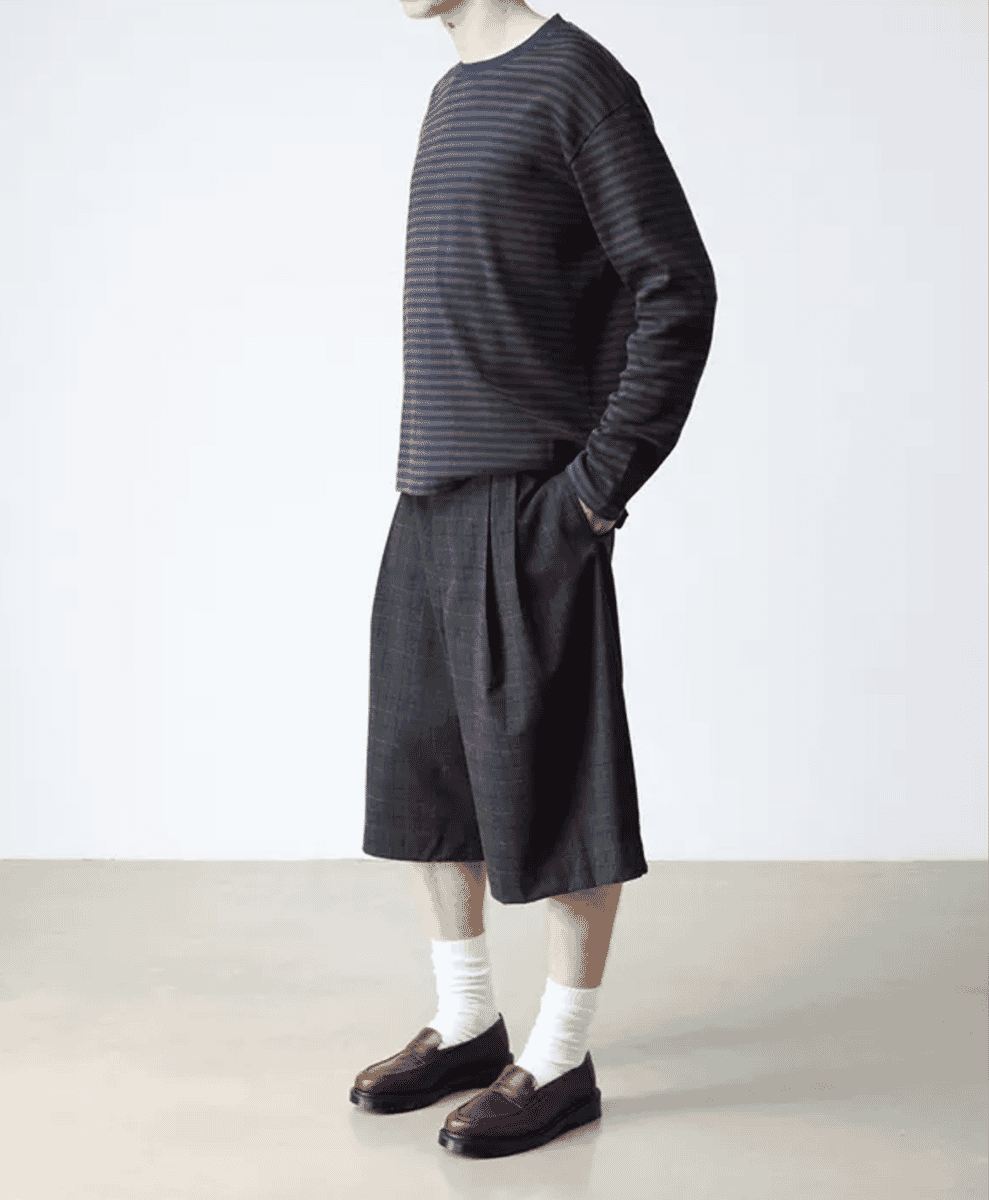
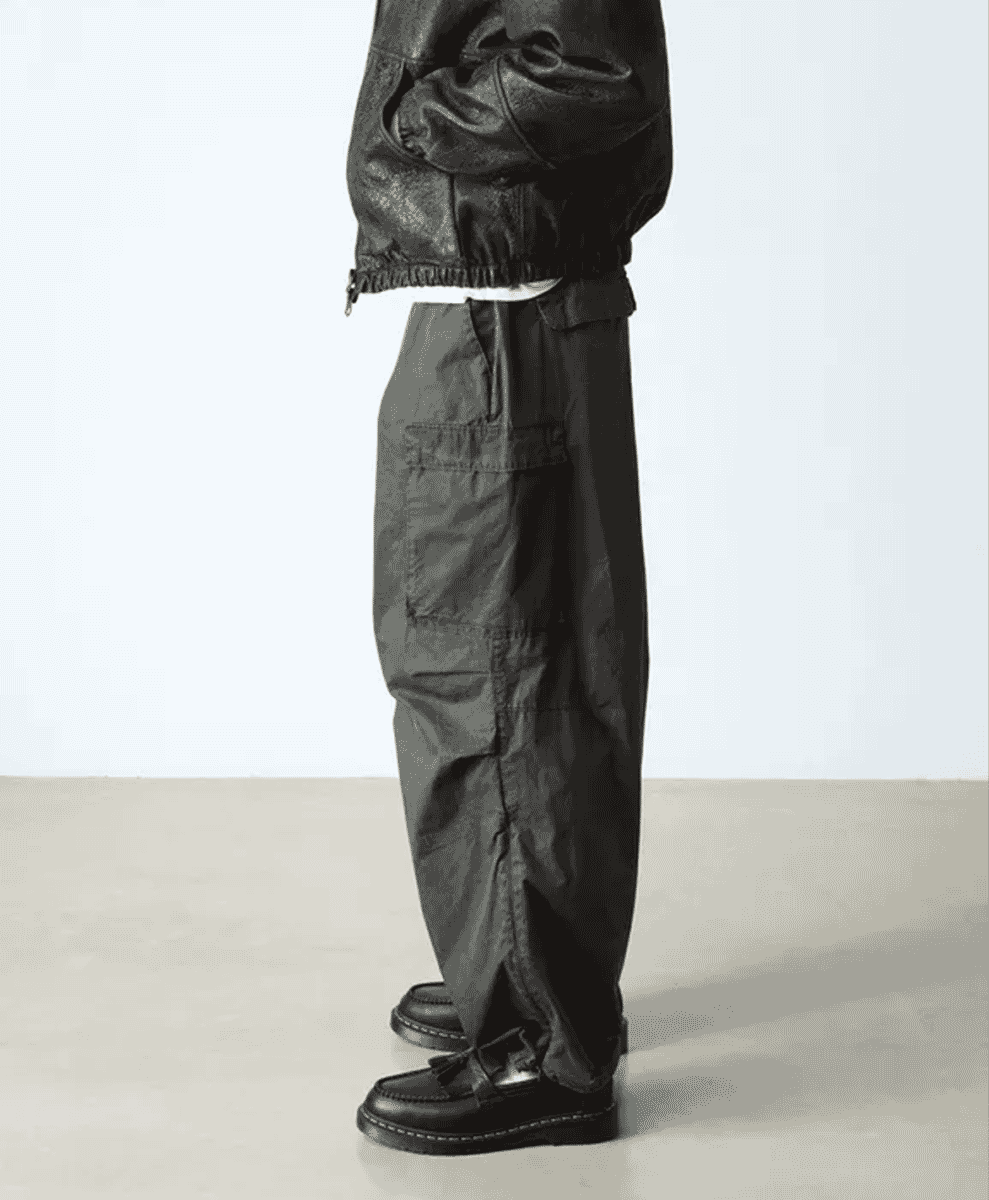
There’s an unmistakable attitude to Dr Martens that sets it apart from everything else on this list. The air-cushioned soles, the yellow stitching, the slightly exaggerated shapes – it all leans more rebellious than refined. That said, pared-back styles like the 1461 shoe can slot into casual wardrobes surprisingly well, especially if you want something with a bit more edge.
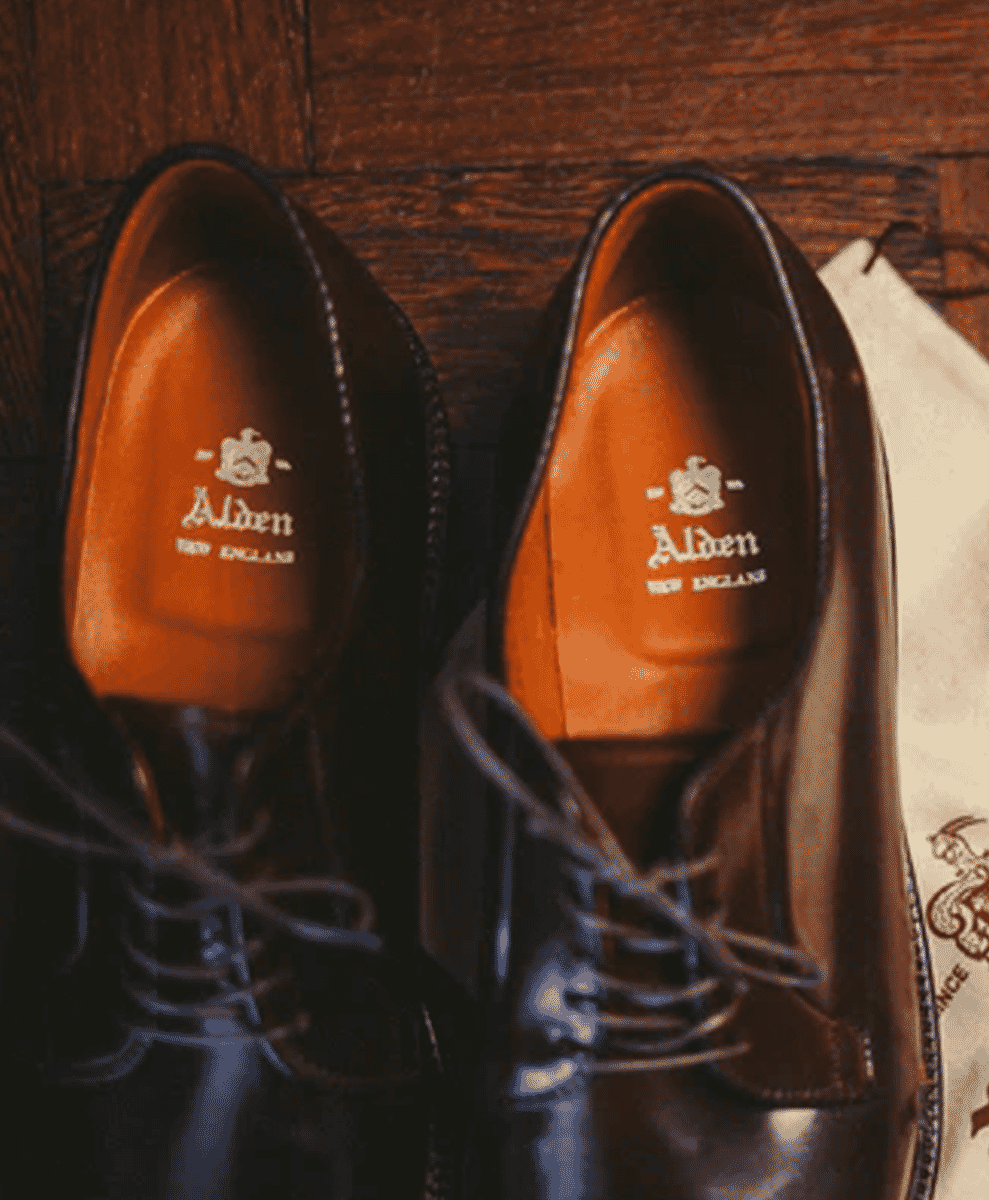
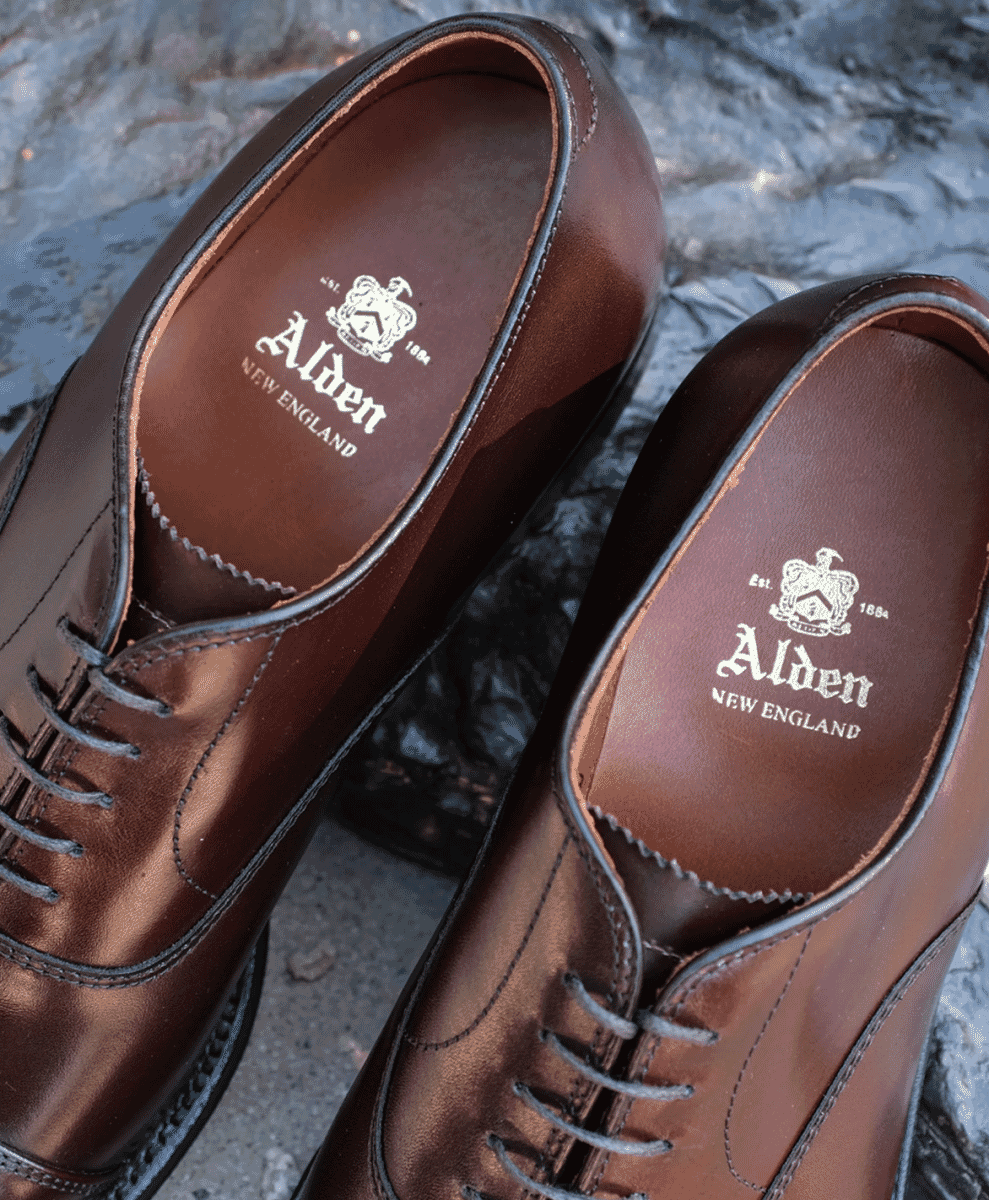
Alden
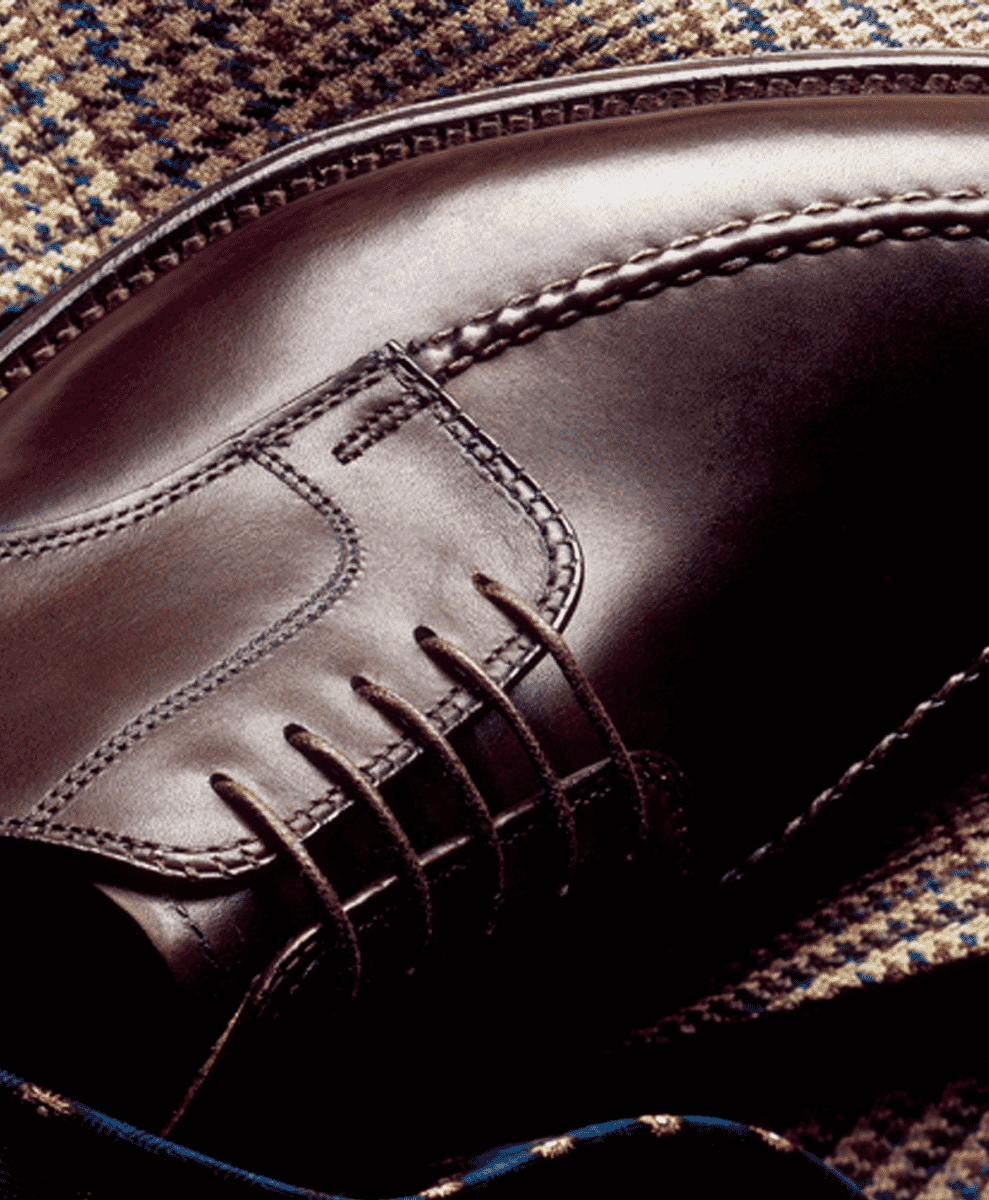
Alden is one of those brands that people tend to discover and then stick with. Made in the USA, known for consistency and quality, and built around a relatively small number of core styles. The appeal isn’t novelty. It’s reliability. Loafers, bluchers, longwings – all executed in a way that feels timeless rather than nostalgic.