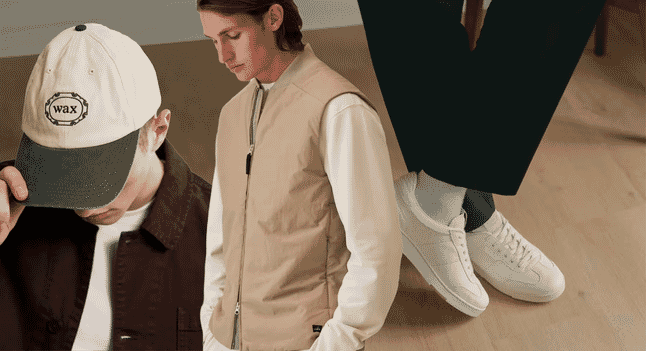
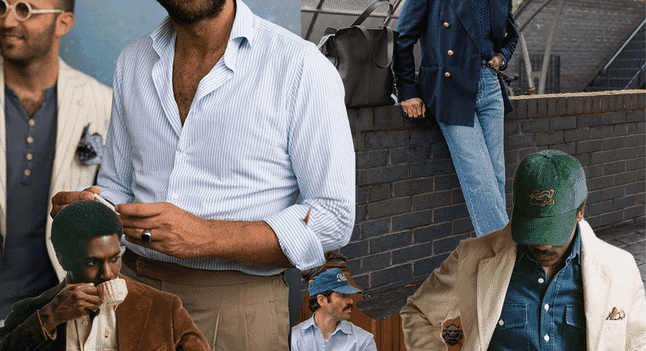
American workwear didn't begin as style. It began as problem solving. In the late 19th and early 20th centuries, the United States was industrialising at speed. Railroads expanded. Mines opened. Farms scaled up. Workers needed clothing that could survive abrasion, weather, and long days of physical labour. So manufacturers responded with hard-wearing cotton duck, dense denim, triple stitching, rivets, and cuts that allowed movement. Companies such as Levi's and Carhartt were not chasing aesthetics. They were chasing failure rates.
The recontextualisation of function
By the mid-20th century, as America urbanised and manufacturing slowly declined, these garments began to drift. Surplus stores, army-navy shops, and uniform suppliers sold sturdy clothes cheaply. Students, artists, and musicians adopted them because they were practical and unpretentious. Hollywood helped. So did album covers. Workwear moved from job site to symbol, carrying with it ideas about honesty, masculinity, and self-reliance.
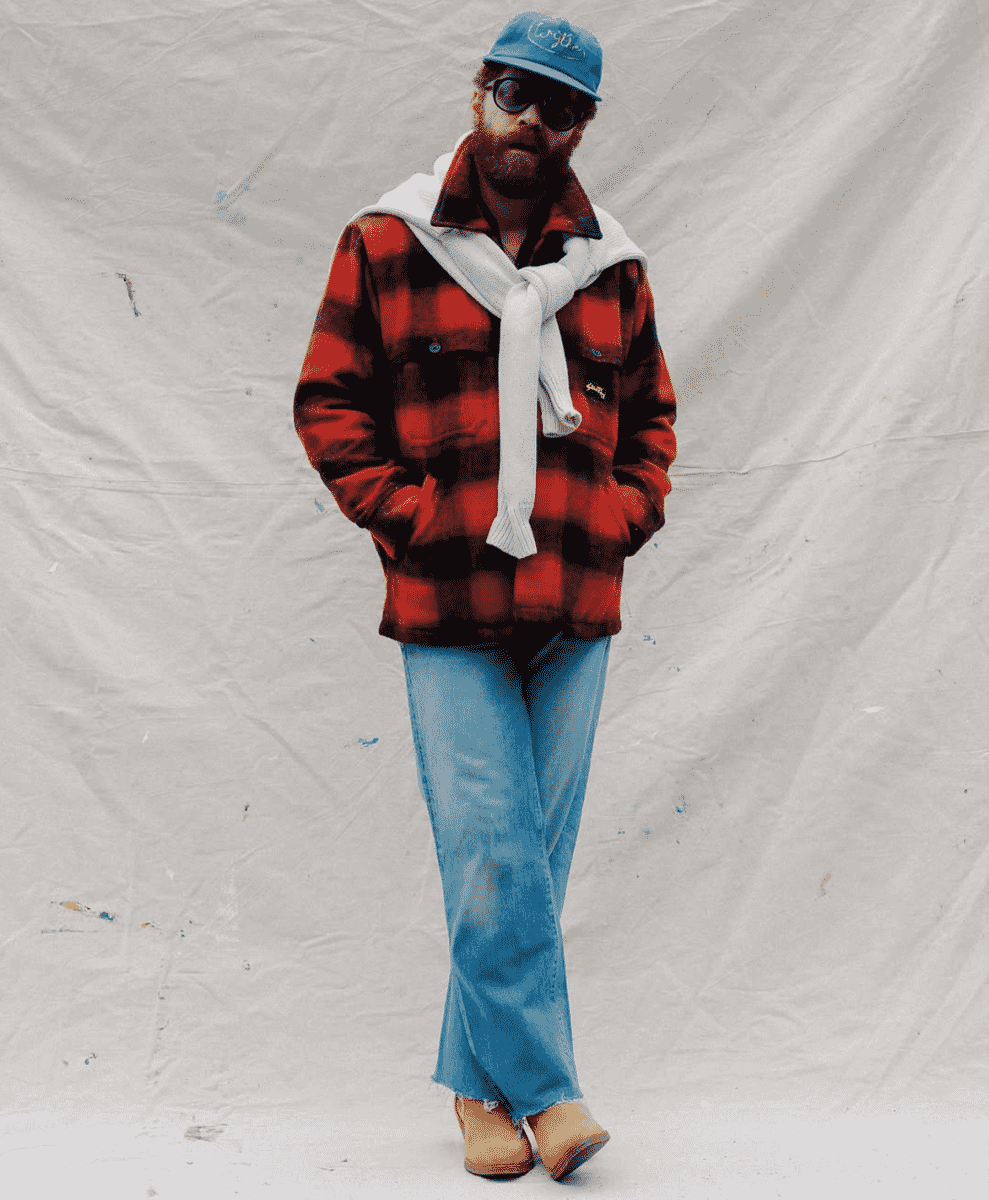
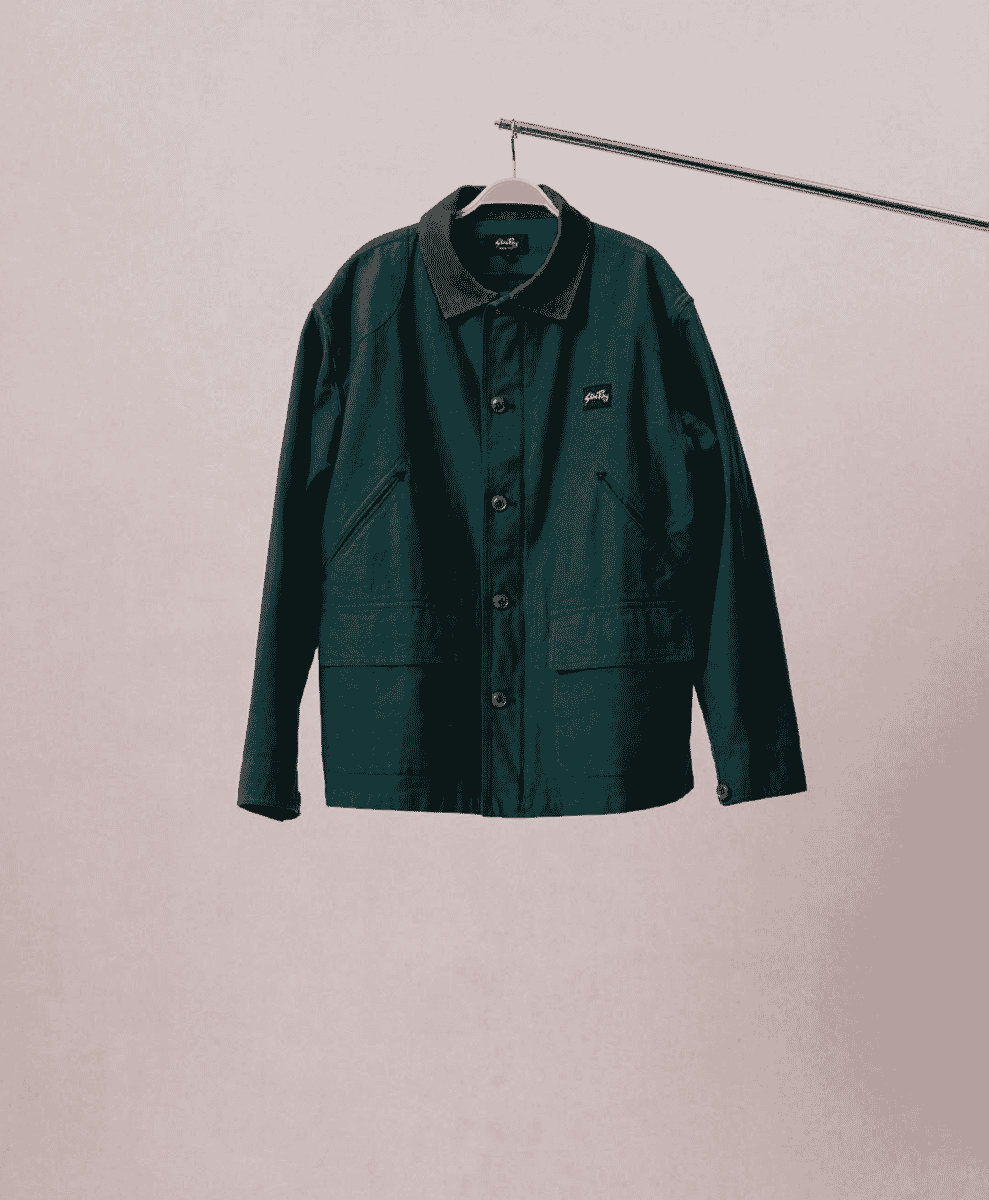
A hunger for heritage
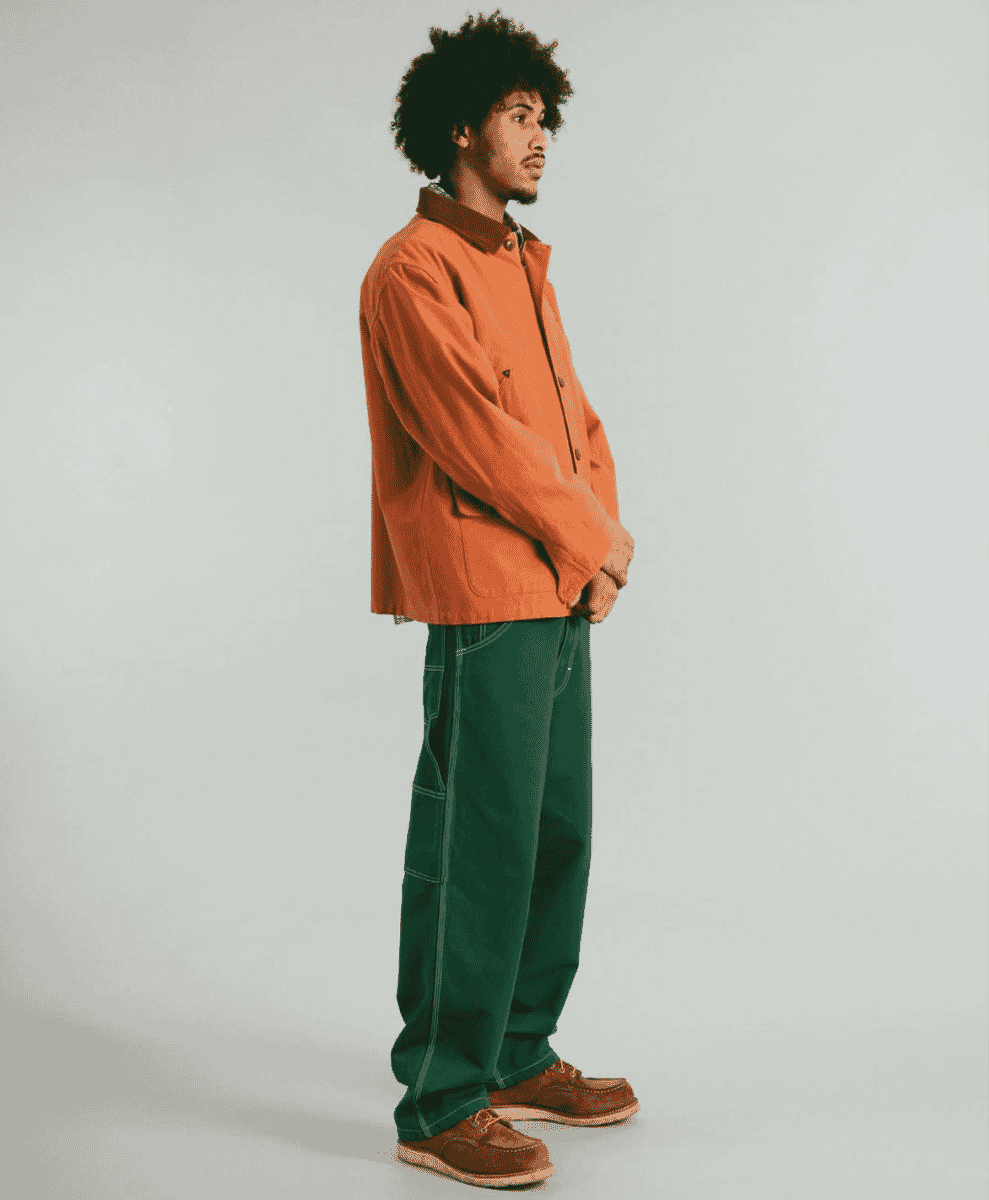
The late 20th century added another turn. Japanese consumers and designers became fascinated with American heritage, preserving details that domestic buyers had started to overlook. In doing so, they reframed workwear as something to be studied, collected, and reproduced with care. What had once been ordinary became special.
By the time fashion at large rediscovered chore coats and engineer boots in the 2010s, the groundwork had already been laid. Designers were not inventing anything new. They were borrowing shapes that had been refined through decades of use.
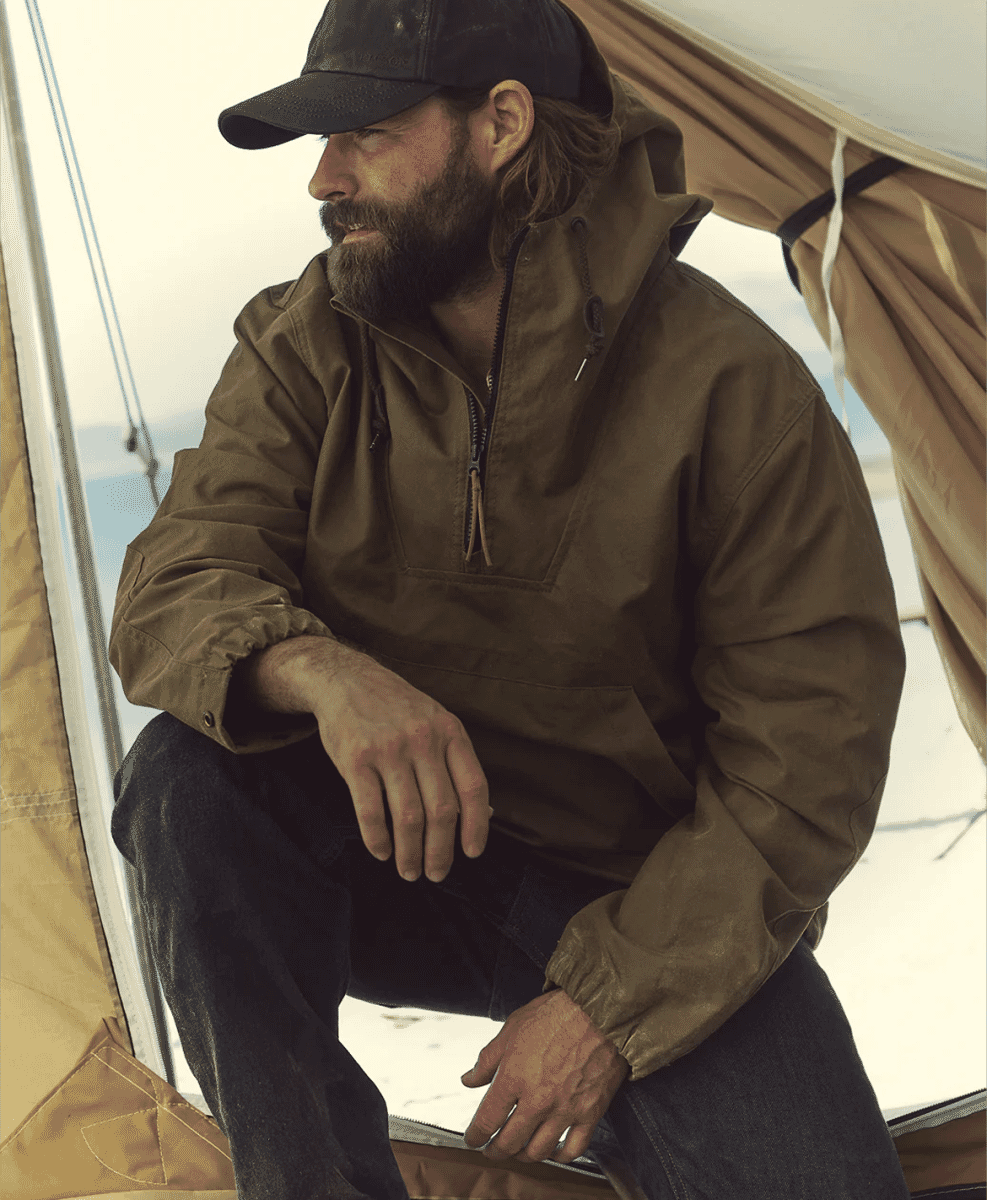
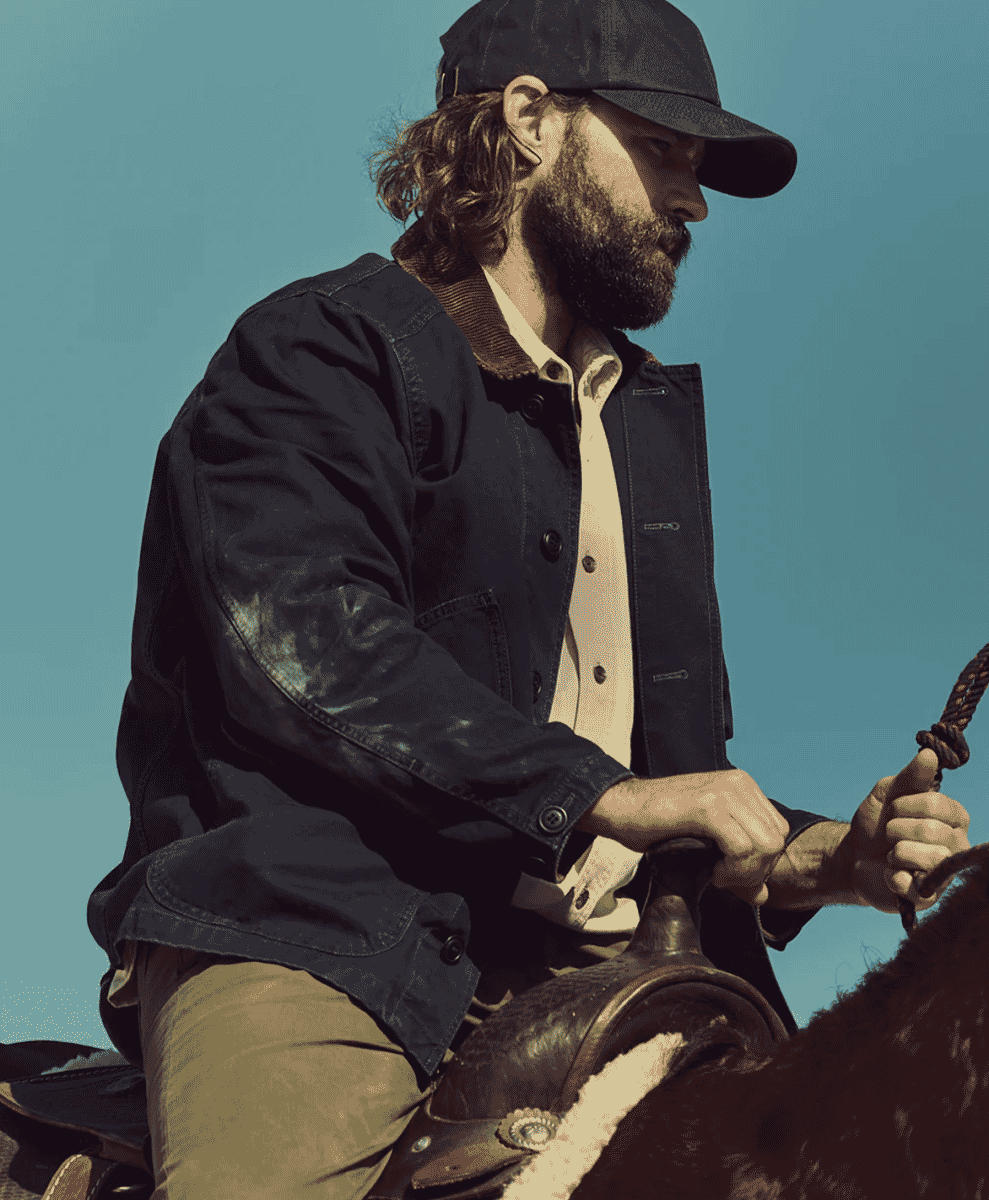
So how did we arrive at a point where a factory jacket can feel at home in a design studio or a wine bar? Partly distance. Partly nostalgia. Partly the simple fact that functional clothing tends to age well.
Most of all, it is because authenticity is hard to manufacture. The original makers were not trying to tell a story. They were just making things that worked. Ironically, that is what makes the story so compelling today.
The best American workwear brands today
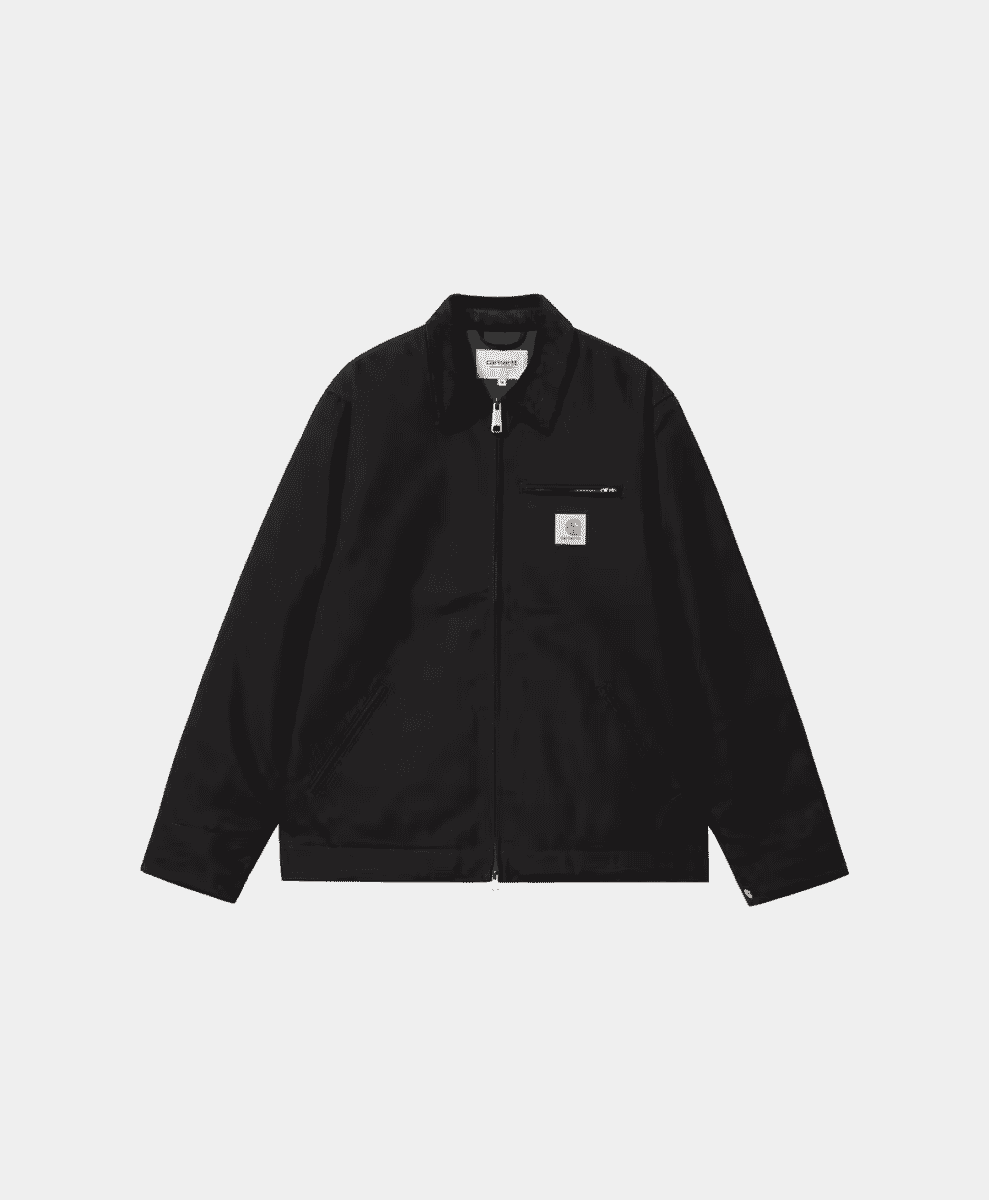
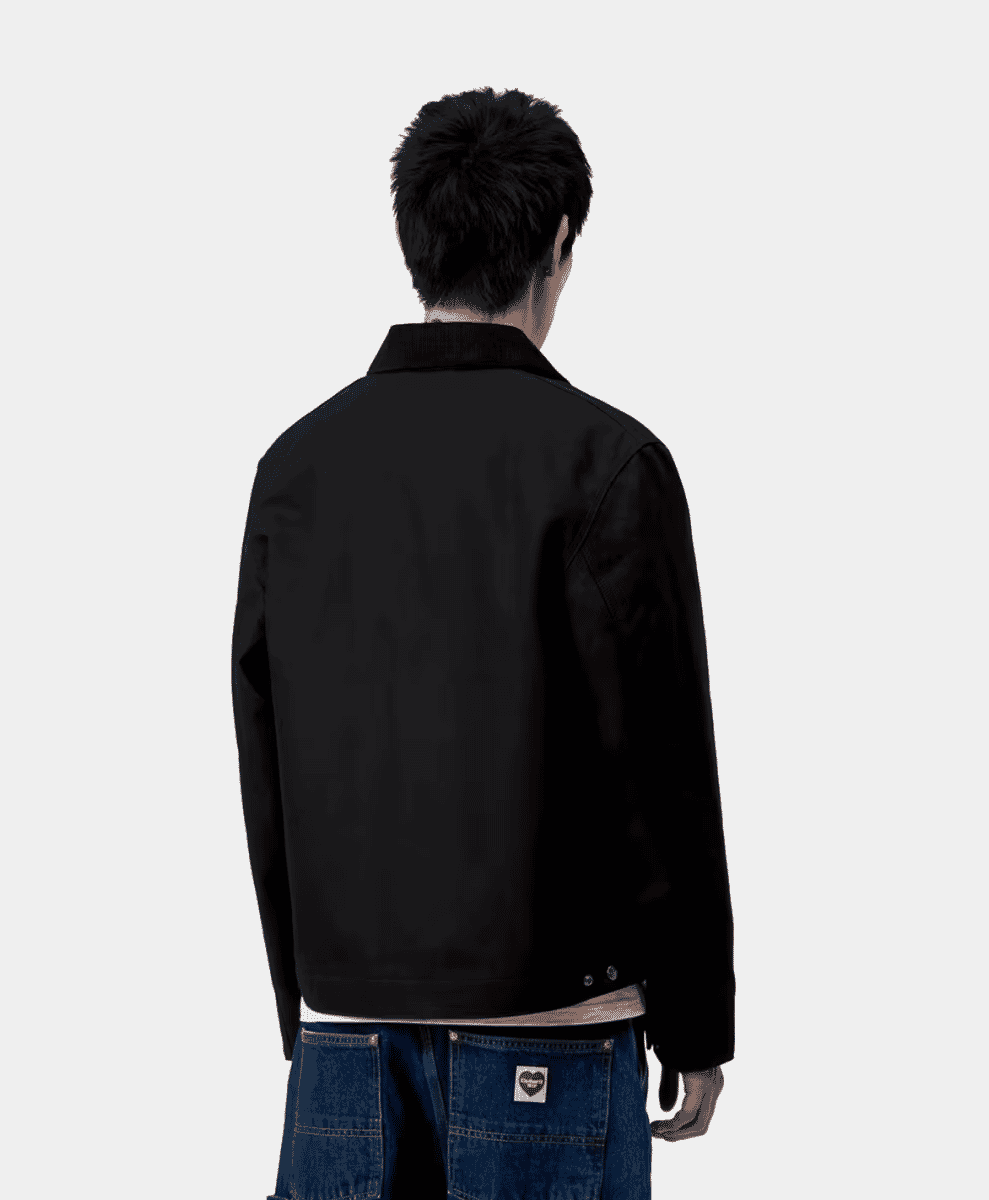
Carhartt
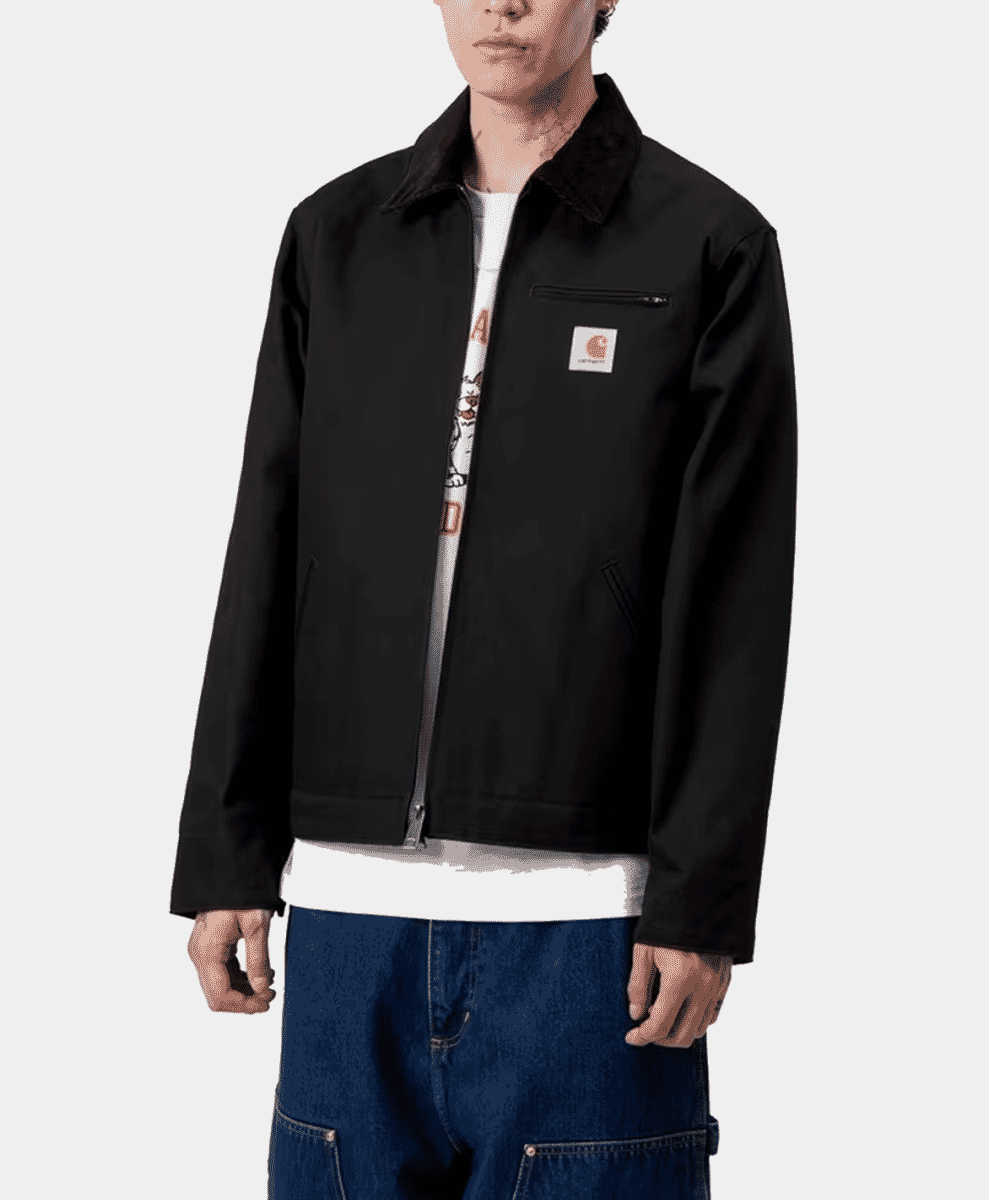
Founded in 1889, Carhartt built its reputation supplying railroad workers with hard-wearing duck canvas jackets and overalls. The formula was simple: sturdy fabrics, practical pockets, fair prices. A century later, those same qualities make the clothes attractive to people who have never swung a hammer. The chore coat and Detroit jacket in particular have become staples because they balance durability with an unfussy, boxy silhouette that layers easily. Carhartt WIP, the fashion-leaning European licensee, helped translate this workwear language for a global audience without losing the grit that made the originals compelling.
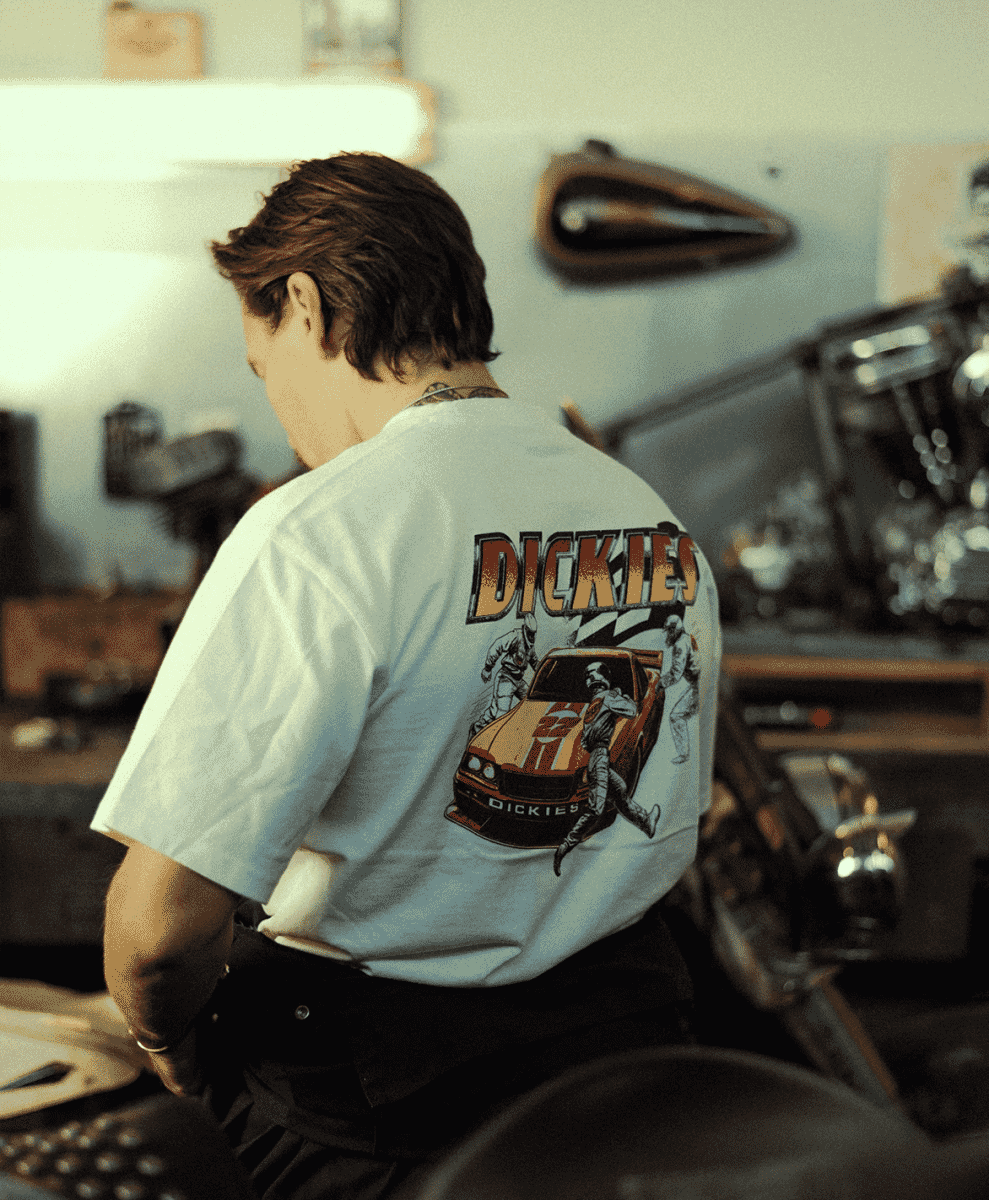
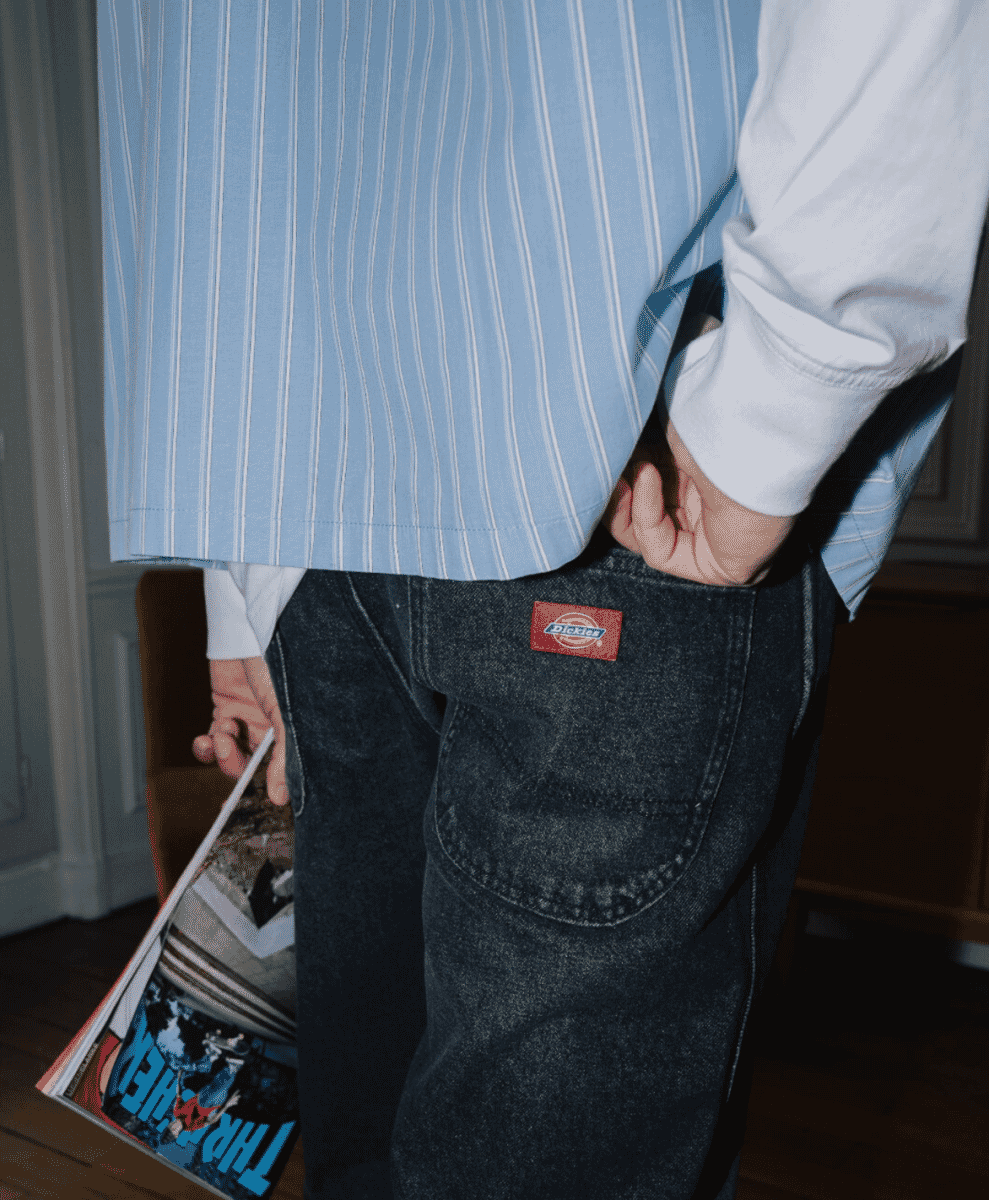
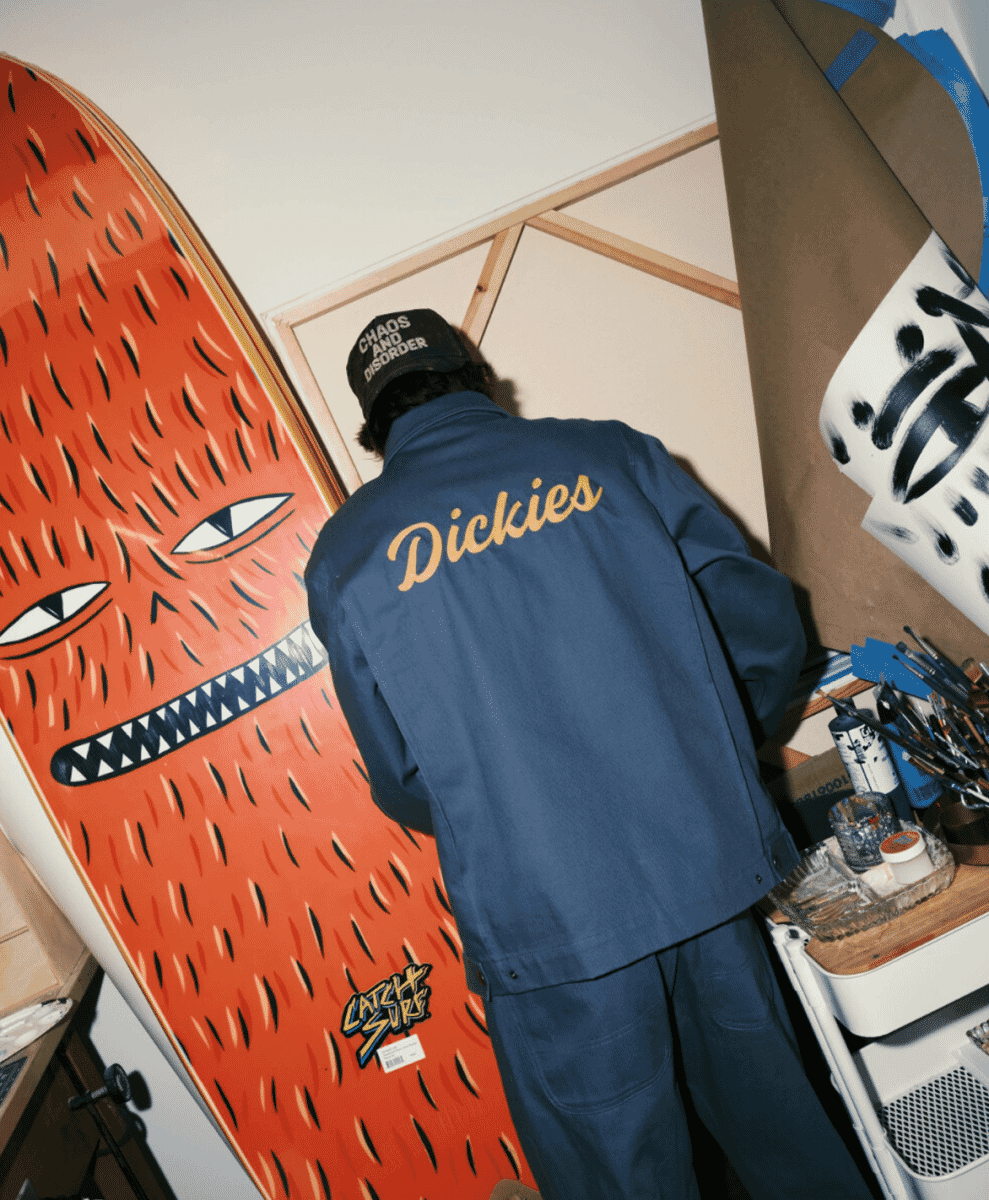
Dickies
Dickies started in Texas in 1922, making bib overalls for farm and ranch work. What pushed the brand into the mainstream was the 874 work pant, a simple, tough trouser cut from a poly-cotton twill that resists wrinkles and abuse. Subcultures adopted it because it was cheap, available, and held its shape. Skaters liked the stiffness. Musicians liked the attitude. Today, the appeal remains much the same. Dickies offers democratic, functional clothing with a straight leg and a no-nonsense air. In a market obsessed with novelty, that kind of consistency is rare.
Wrangler
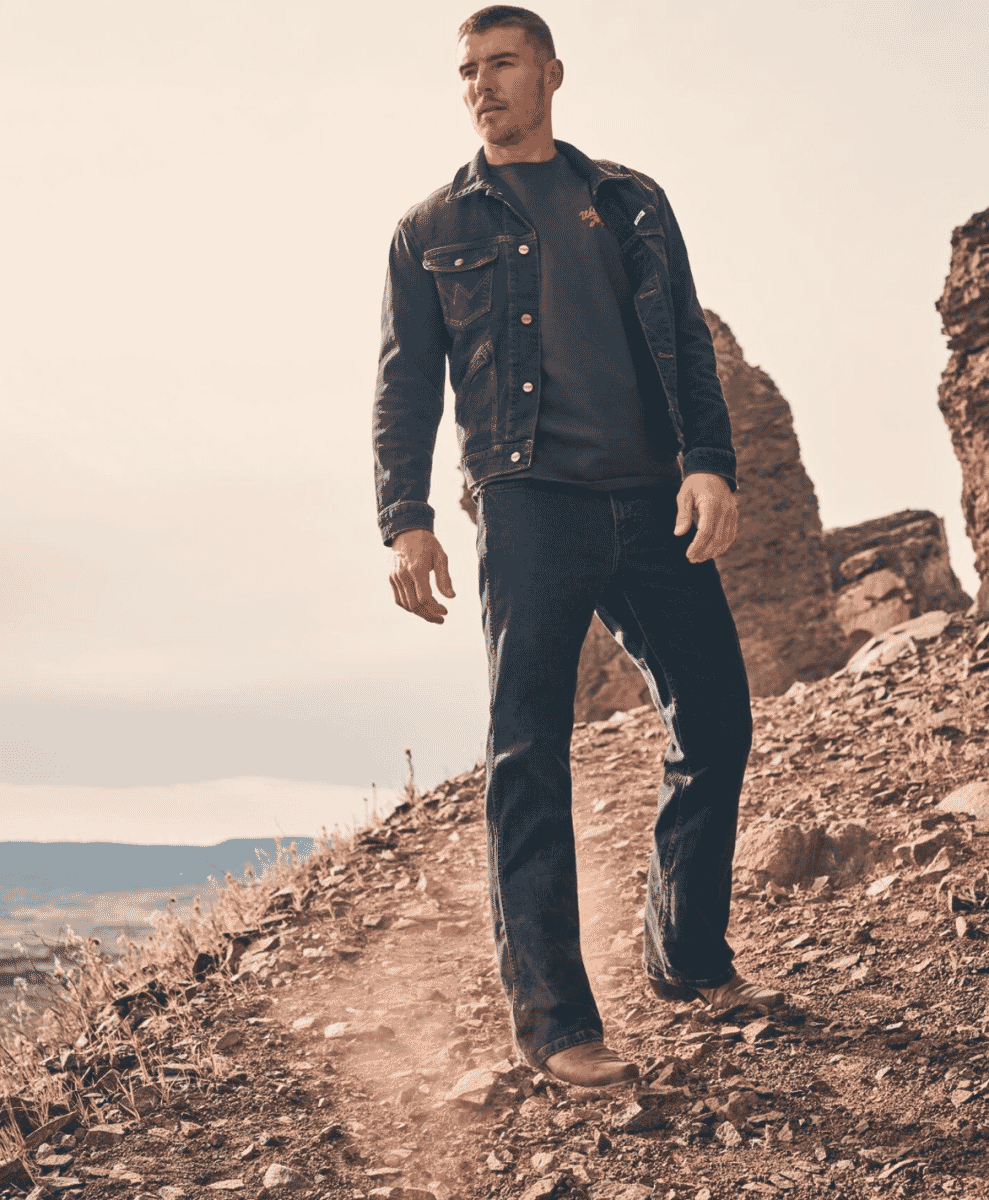
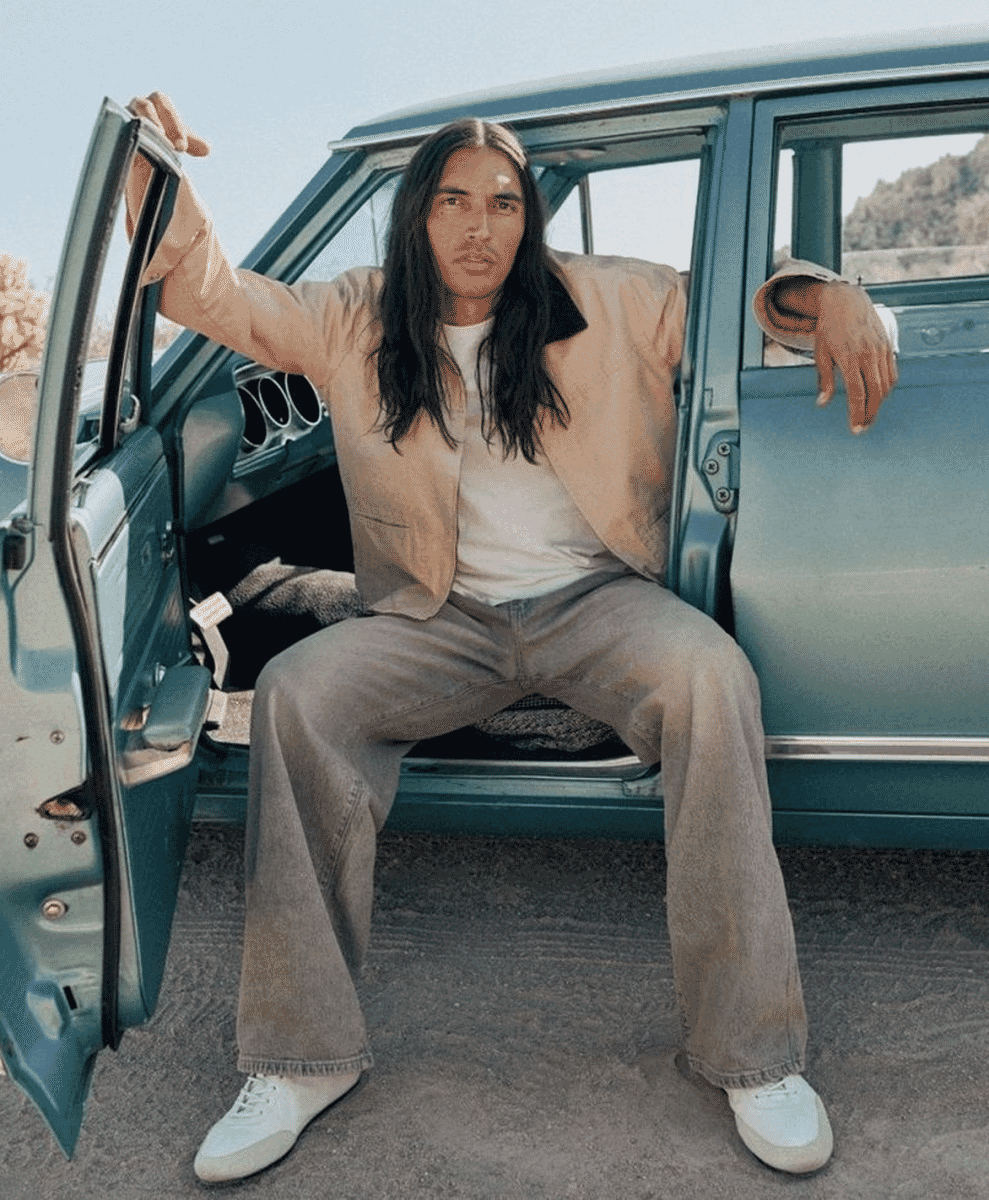
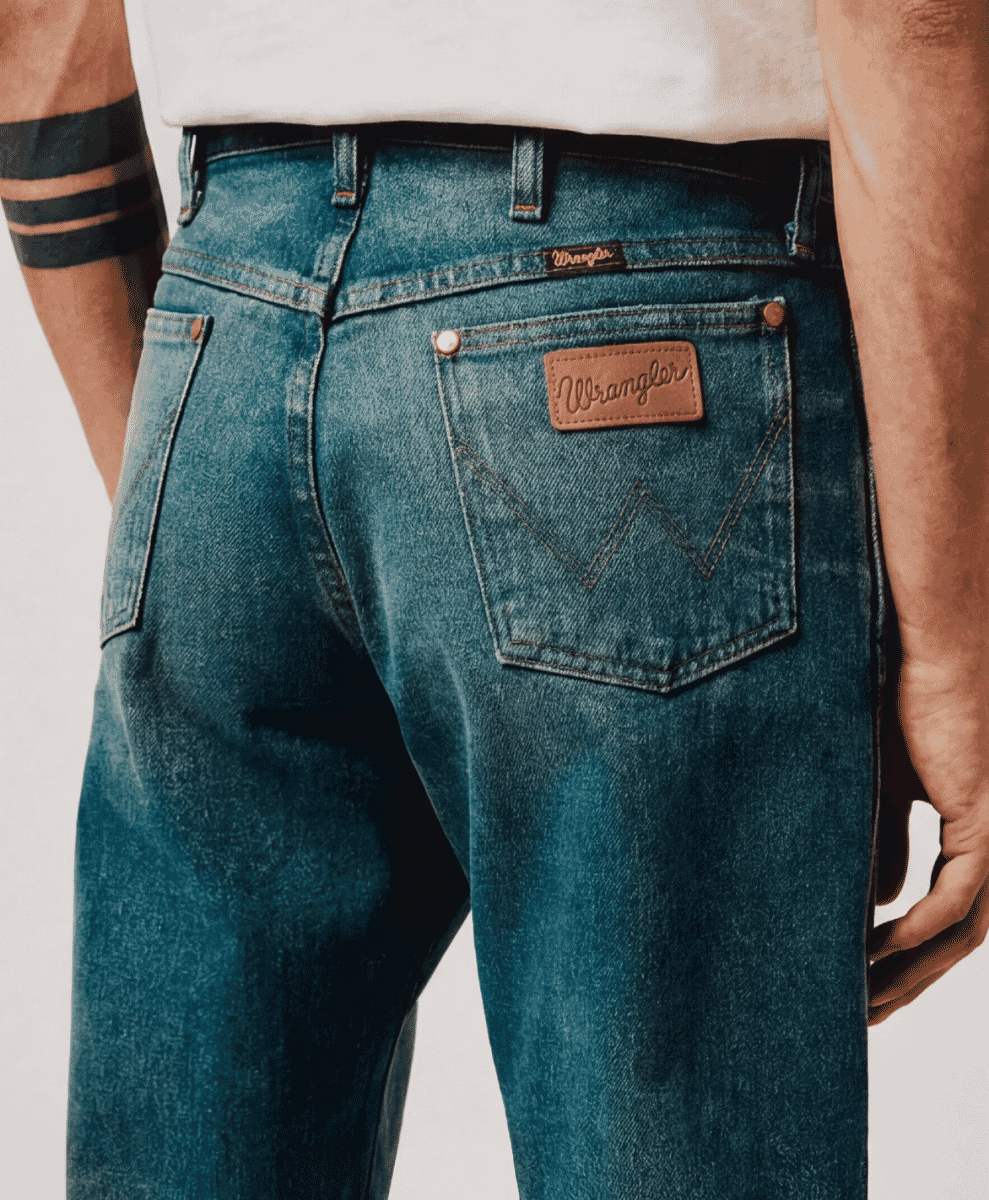
Wrangler’s identity is tied to the American West. Launched in 1947, the brand worked with rodeo riders to refine details such as higher back rises, flat rivets that would not scratch a saddle, and watch pockets positioned for ease on horseback. The famous Cowboy Cut jean still reflects those decisions. Compared to fashion denim, the fits can feel rigid, but that is the point. Wrangler is about utility shaped by a specific job. If you want a garment with a clear lineage and little interest in trends, it remains one of the most honest options.

Levi's
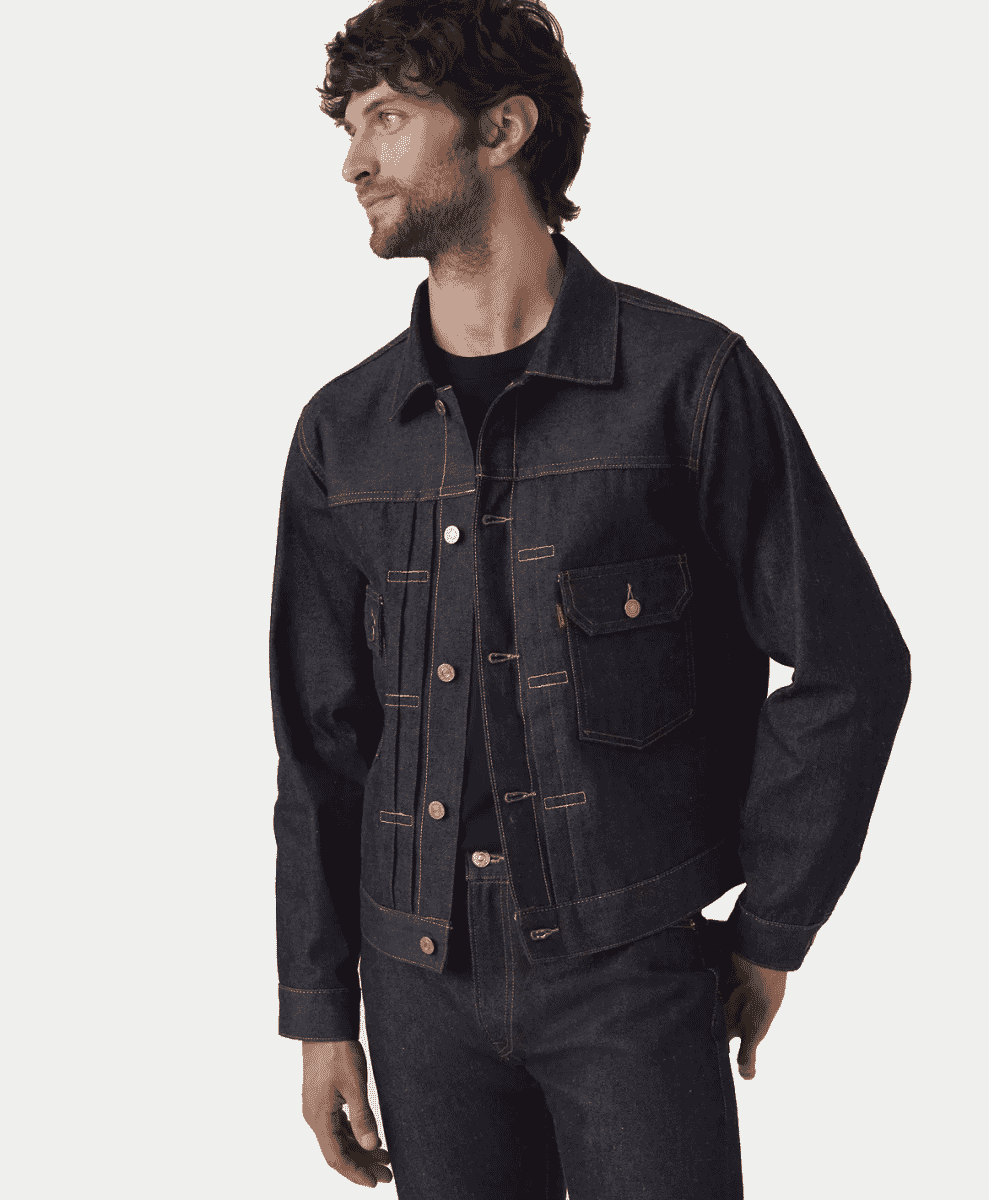
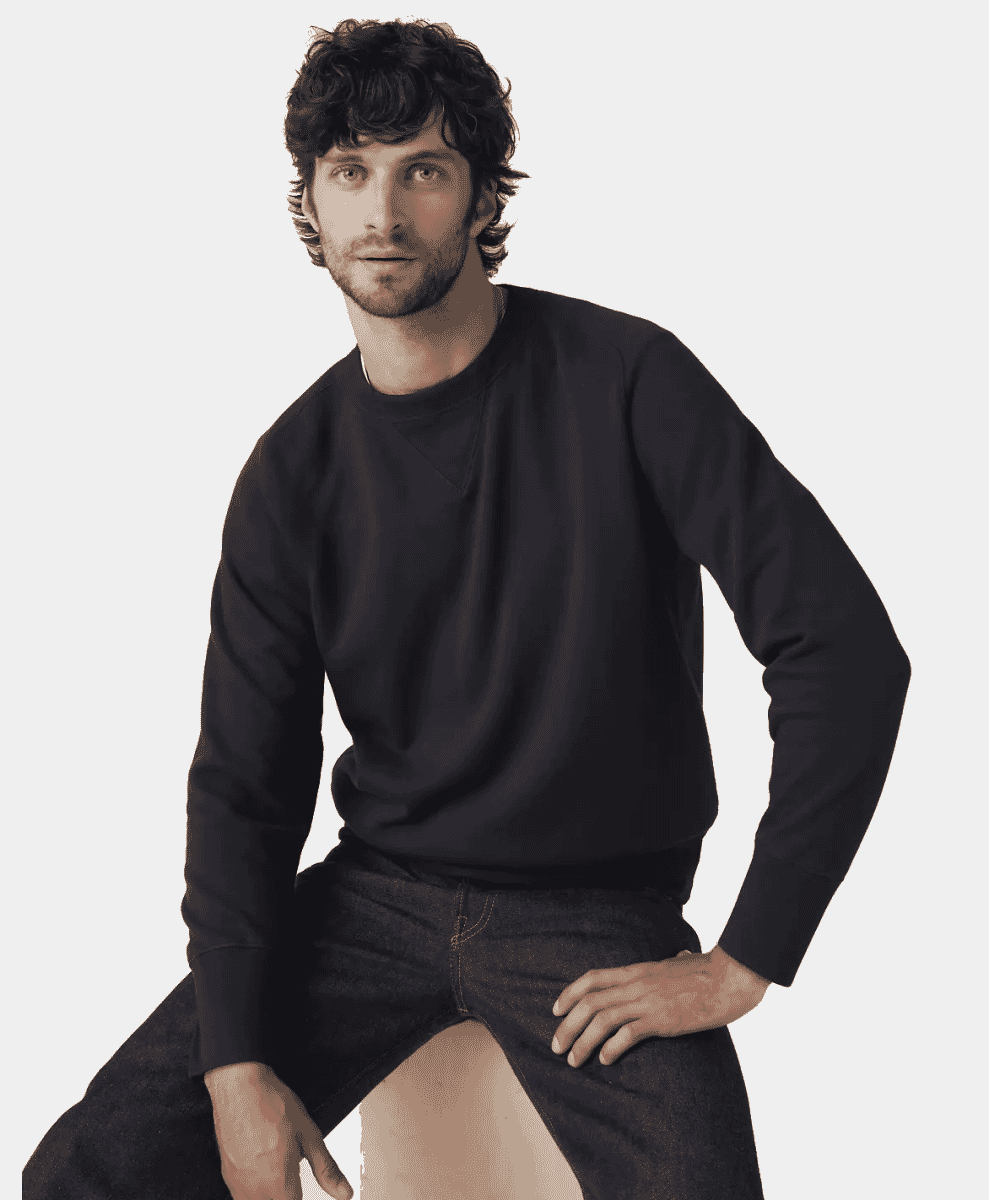
It is hard to talk about workwear without Levi’s. Founded during the California Gold Rush, the company helped standardise riveted denim trousers for miners who needed something tougher than wool. The 501 became the template for five-pocket jeans, spawning endless interpretations. What makes Levi’s enduring is not just heritage but distribution. For decades, a person could walk into almost any town and find a pair. That accessibility turned practical clothing into cultural uniform. Even now, amid selvedge-denim revivals and luxury reinterpretations, the originals still make a convincing case.
Ben Davis
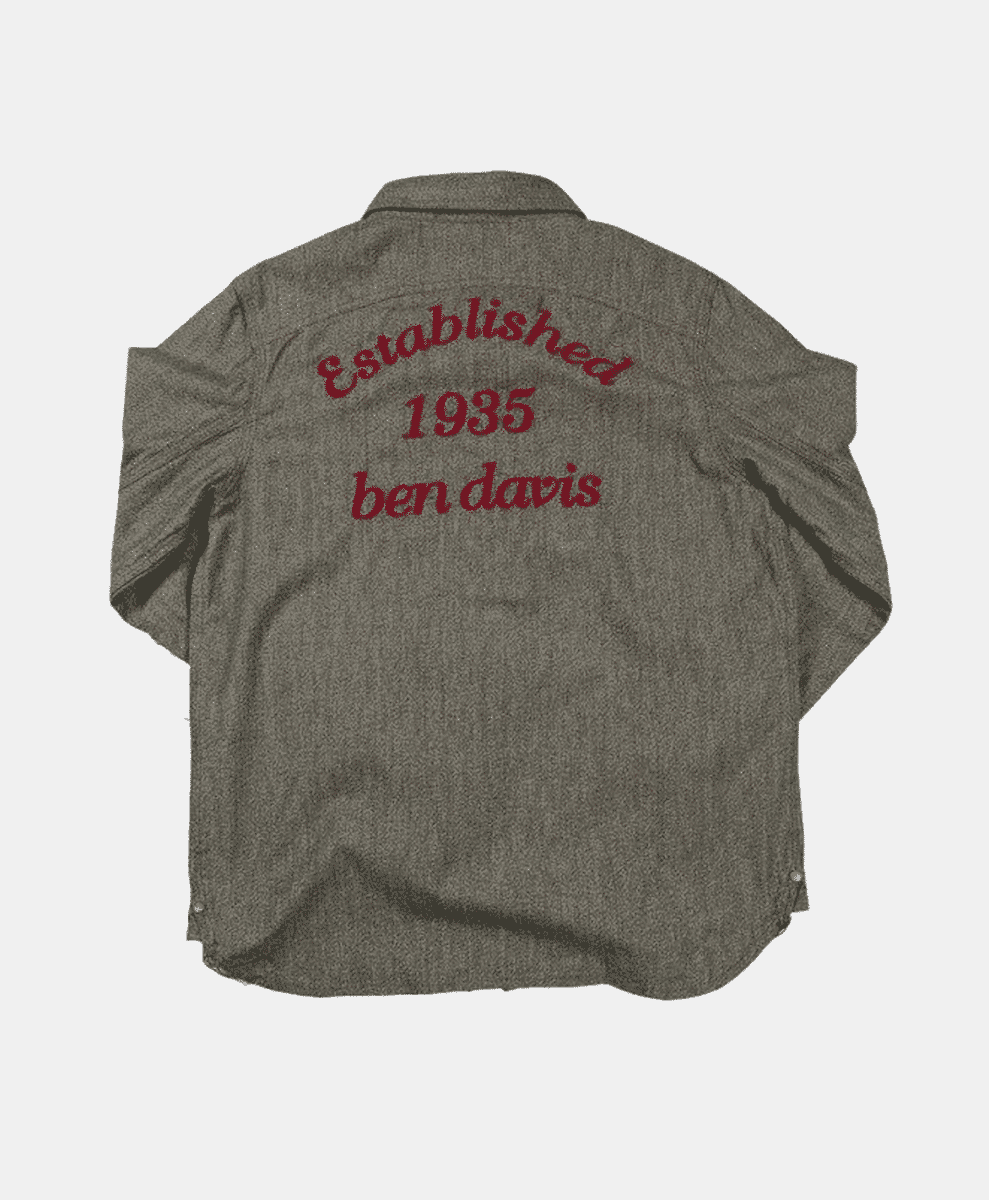
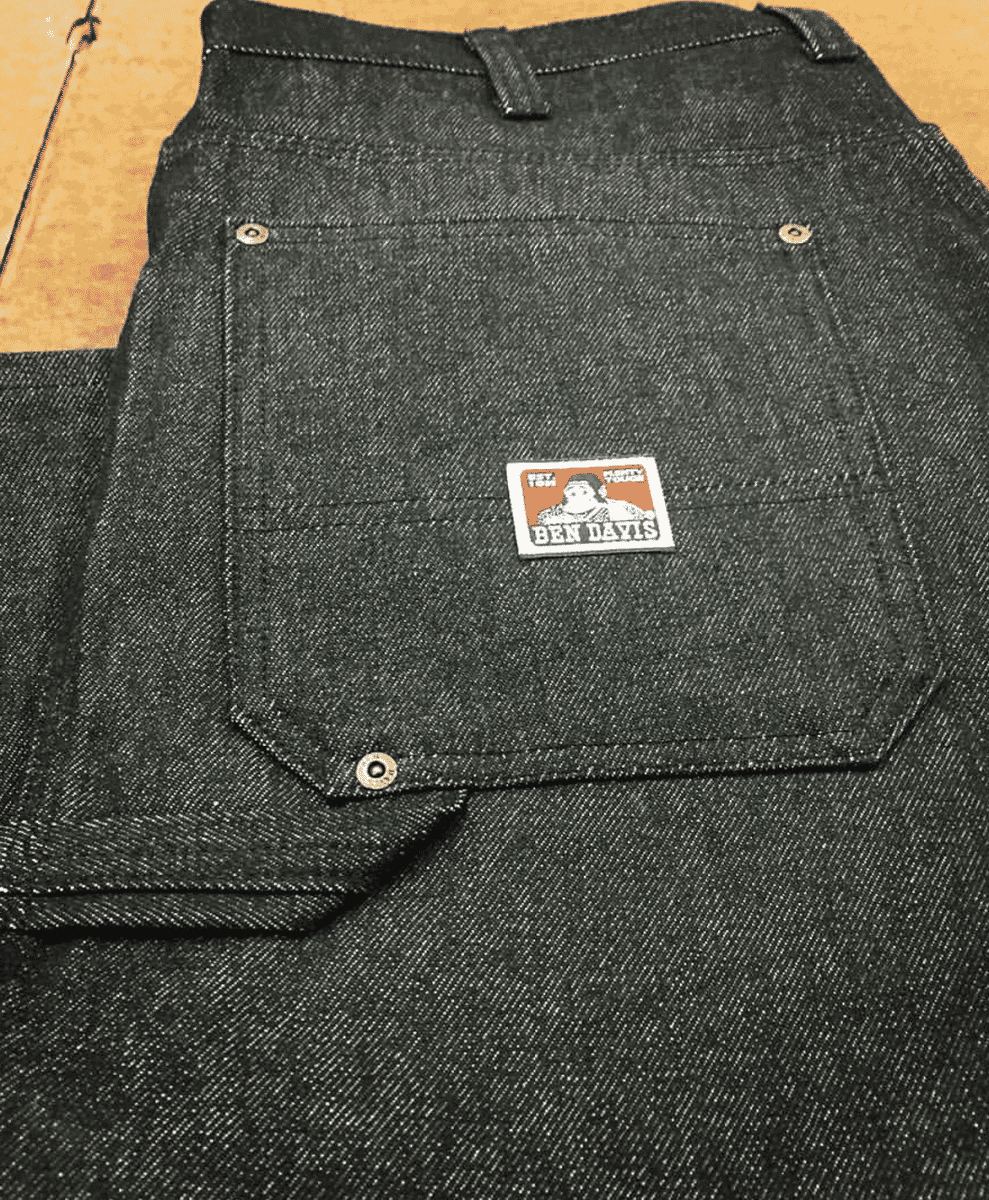
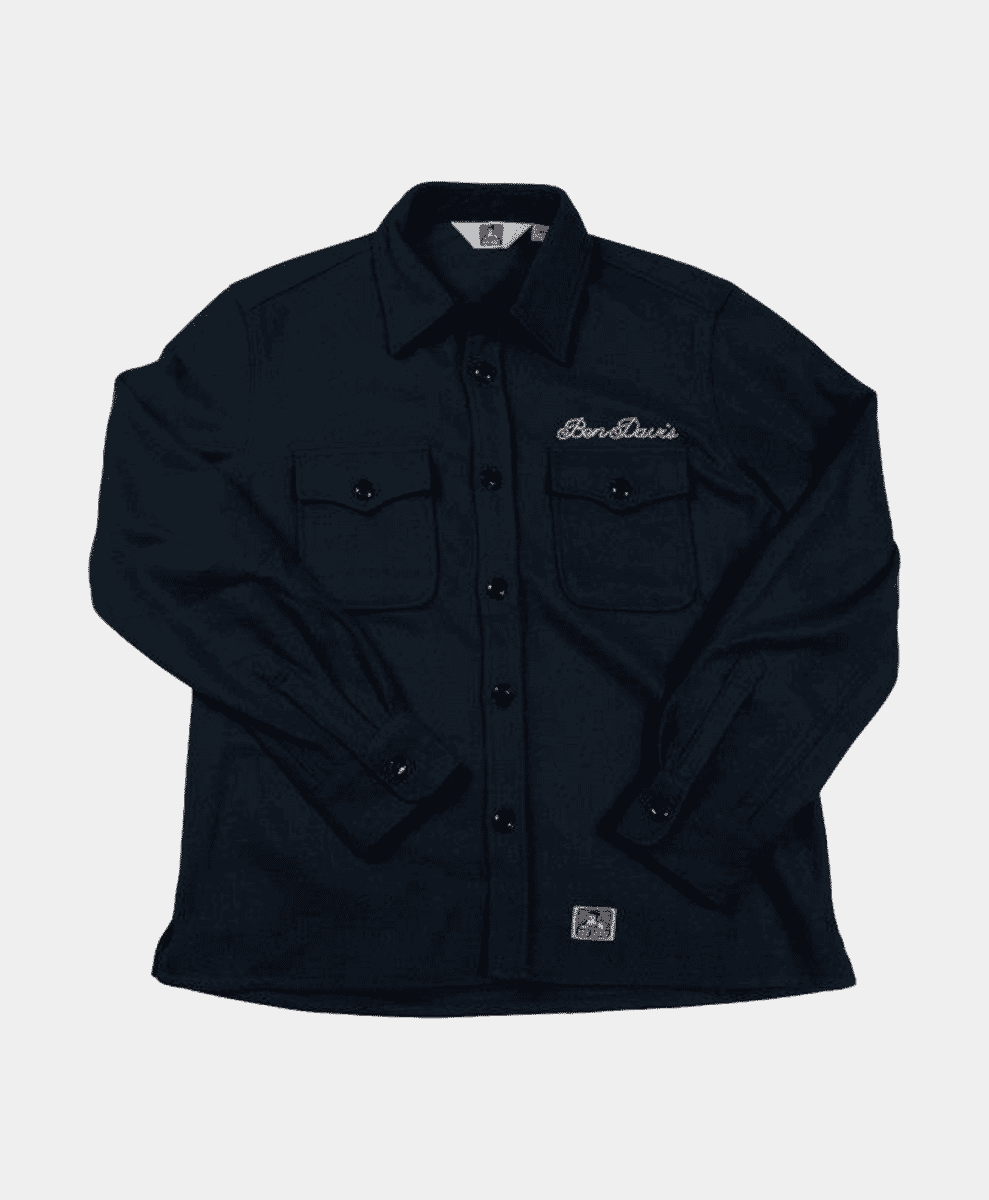
Ben Davis grew out of a San Francisco garment family with roots stretching back to the 19th century. The modern company, established in 1935, became known for burly cotton blends and a distinctive gorilla patch. The half-zip work shirt is the cult item. Cut roomy, built to last, and priced within reach, it moved easily from factory floors to skate spots. In recent years, Japanese consumers have embraced the brand for the same reasons Americans once did: authenticity, solidity, and a refreshing indifference to fashion cycles.
Stan Ray
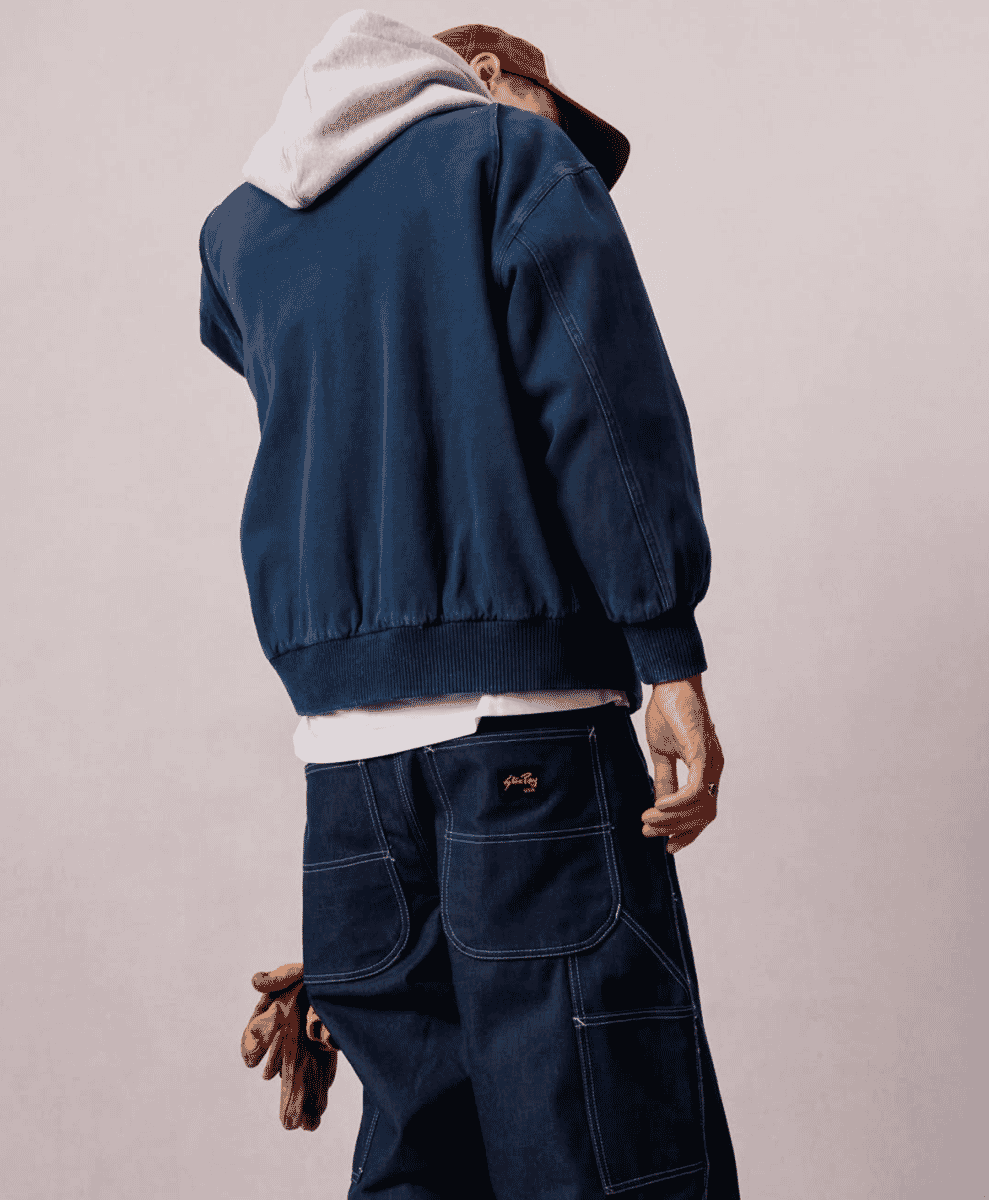
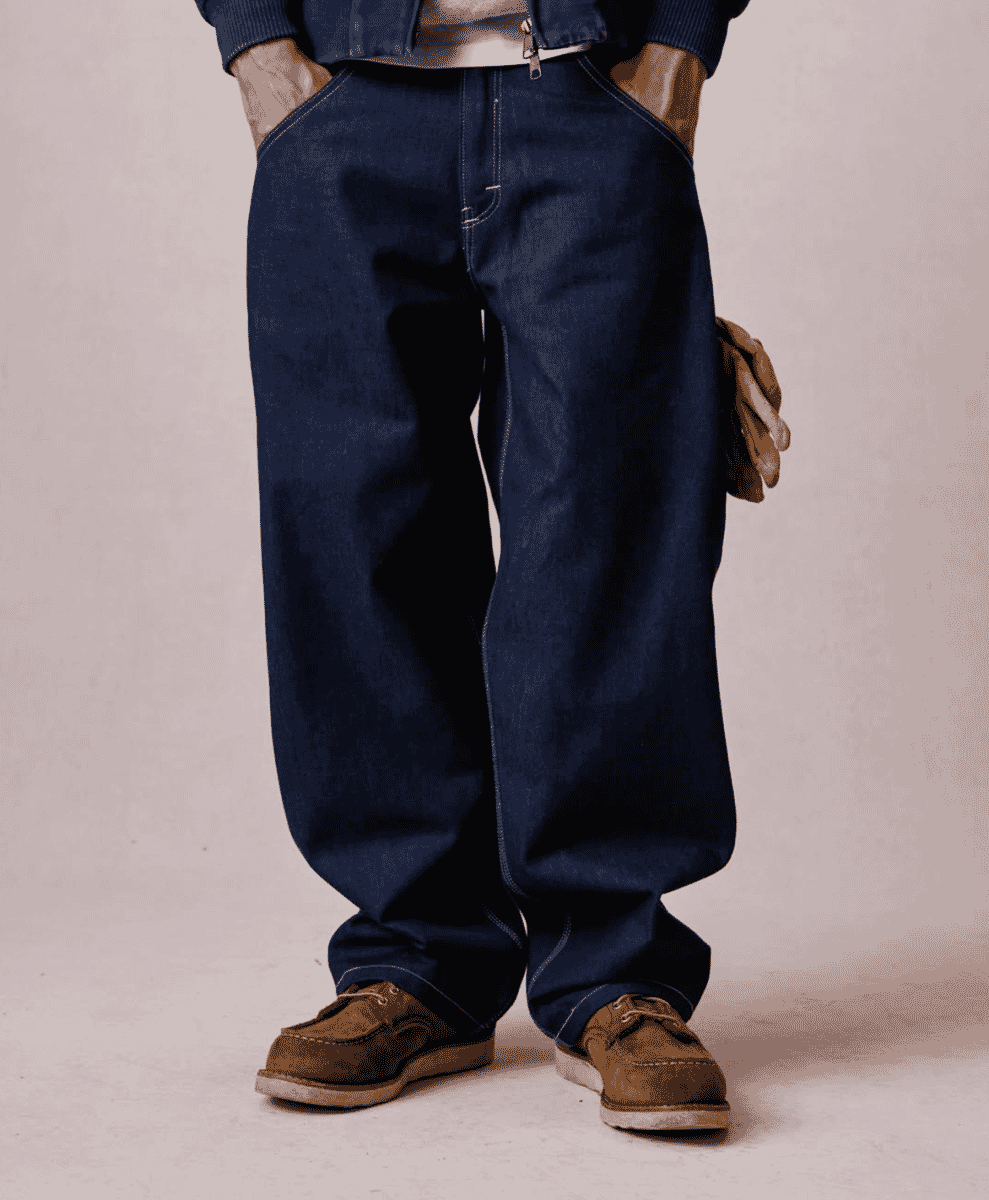
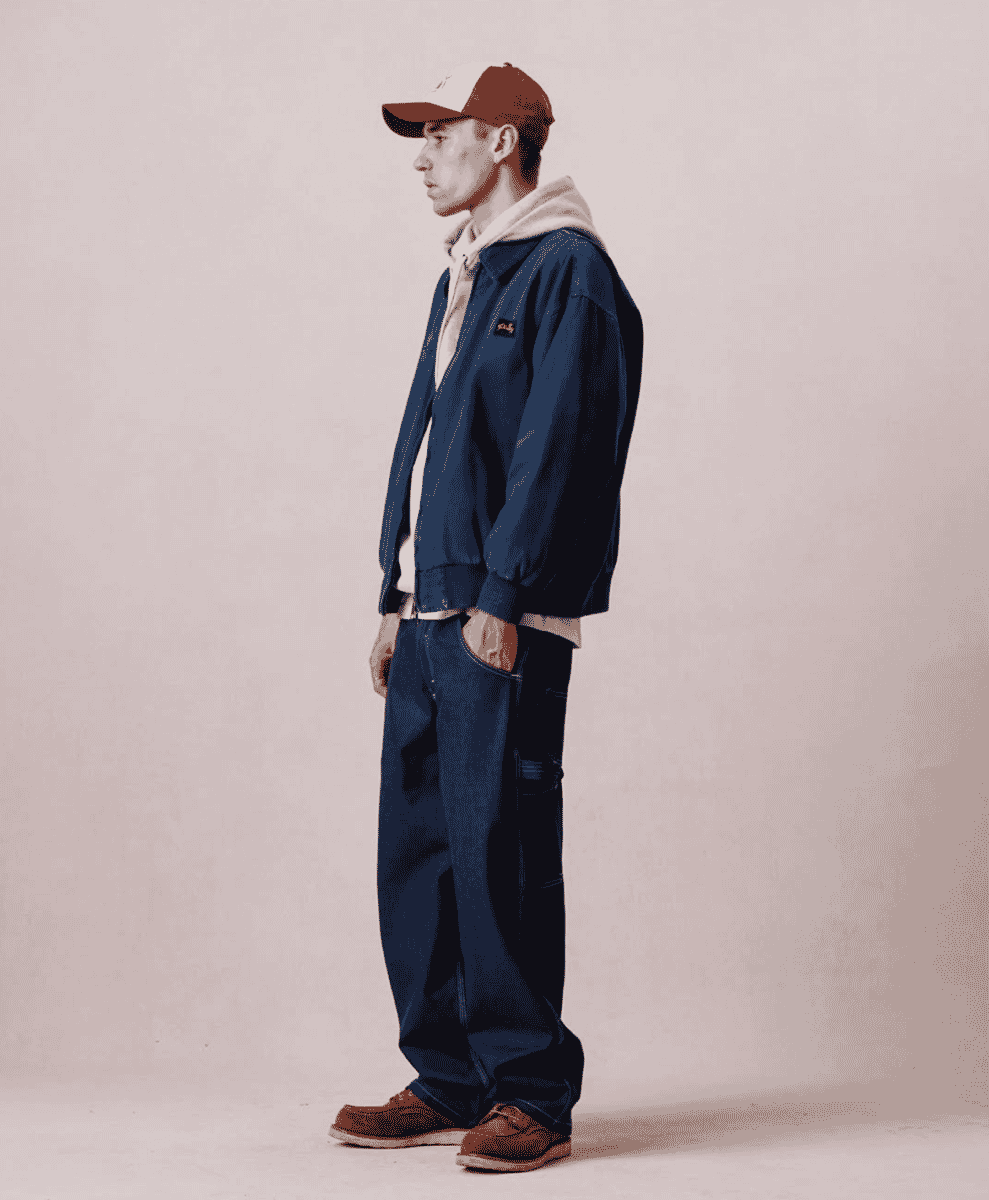
Stan Ray began in Texas in 1972, producing painter and fatigue pants for local workers. Unlike many heritage names, the company kept manufacturing in the United States for decades, which gave the clothes credibility among enthusiasts who care about provenance. The cuts are generous, the fabrics sturdy, and the details rooted in military and industrial use. When designers reference classic work trousers, they often circle back to patterns Stan Ray has been running for years. It is less revival than continuation.

Filson
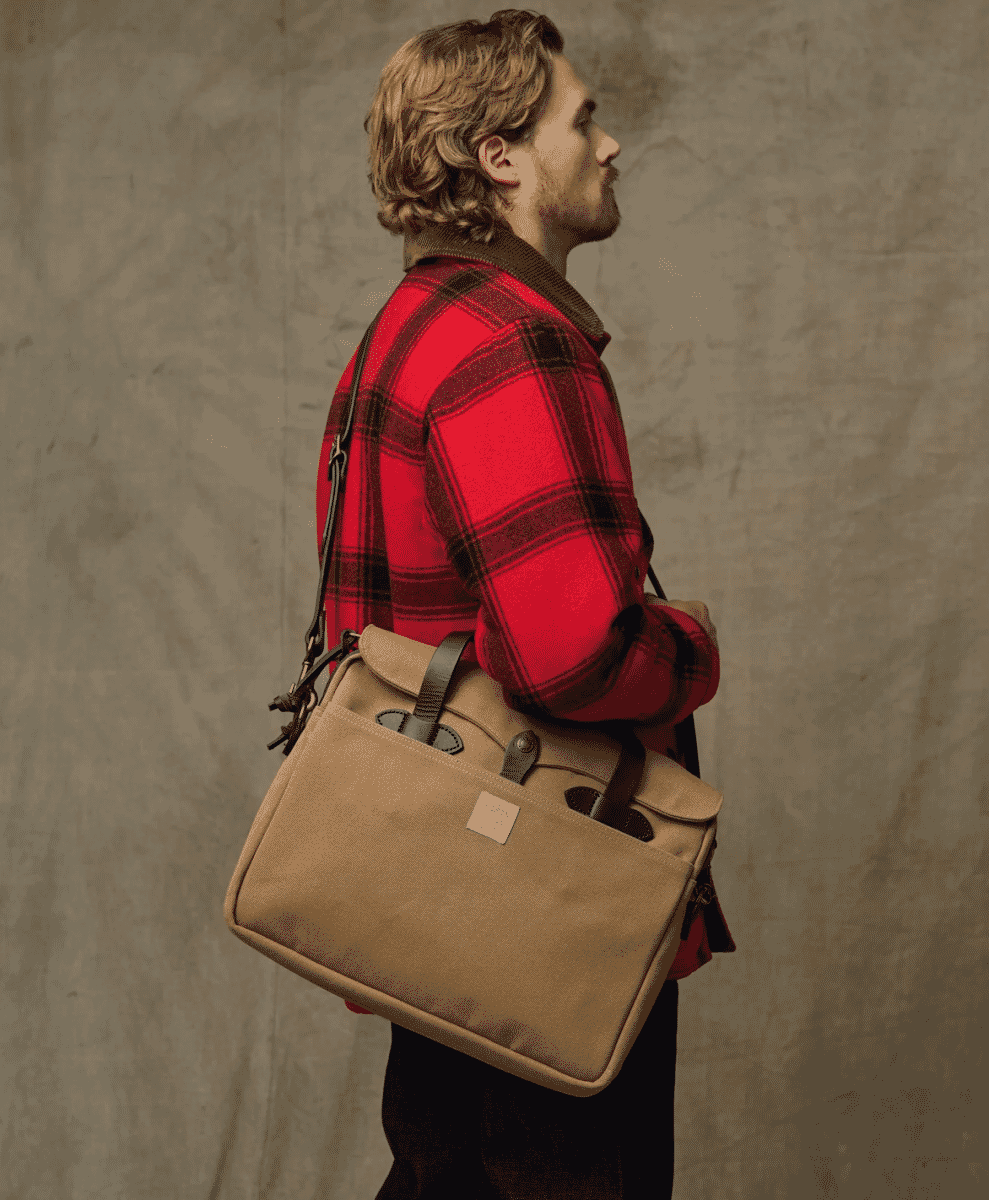
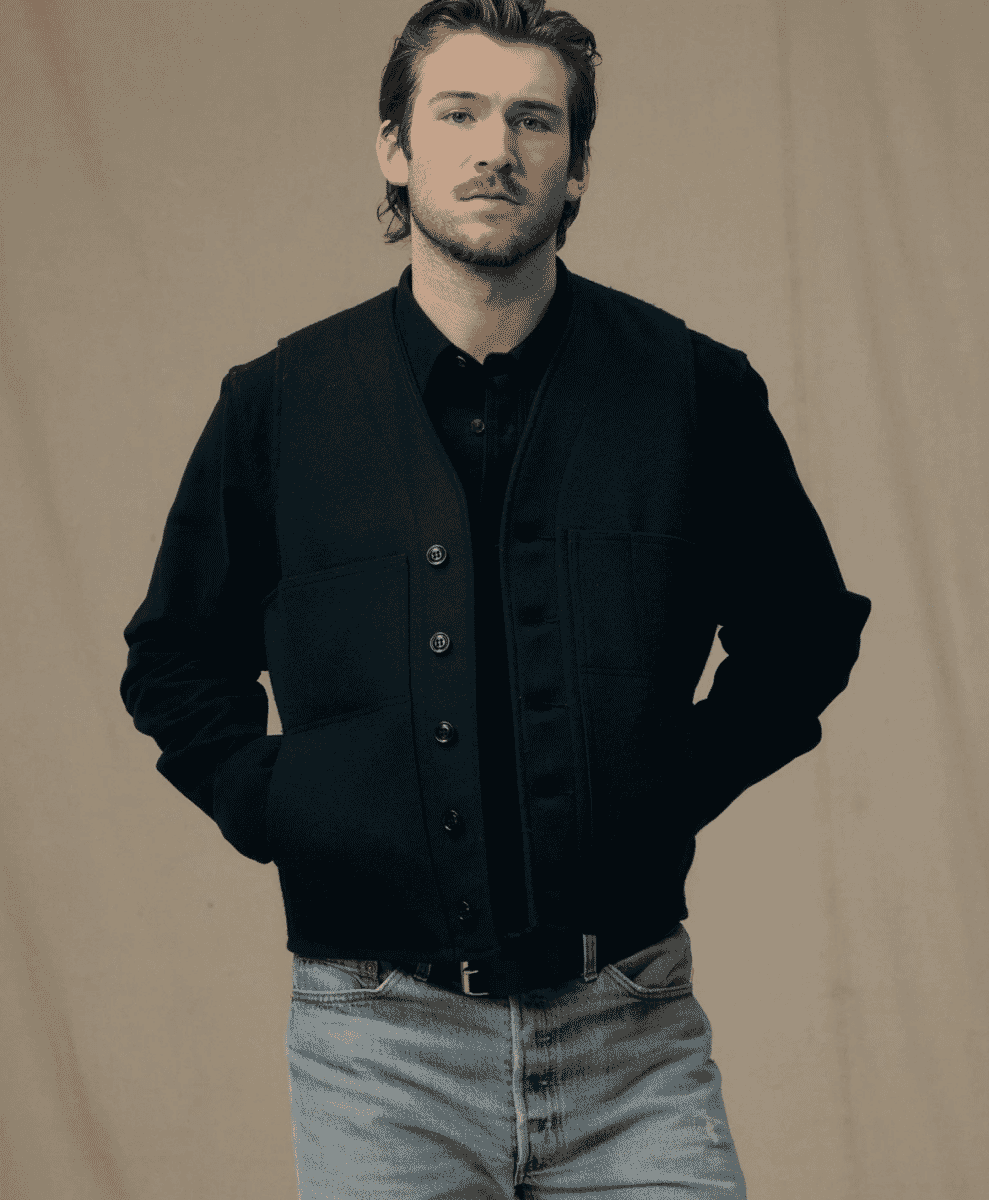
Filson was founded in Seattle in 1897 to outfit prospectors heading north during the Klondike Gold Rush. From the start, the emphasis was on materials that could survive bad weather and hard travel. Tin cloth, thick wool, rugged twill. The cruiser jacket remains a touchstone because it embodies that approach: practical pocketing, durable construction, restrained styling. Over time, the brand has become shorthand for a certain vision of the American outdoors. Even as ownership and production have shifted, the core idea still resonates.
Danner
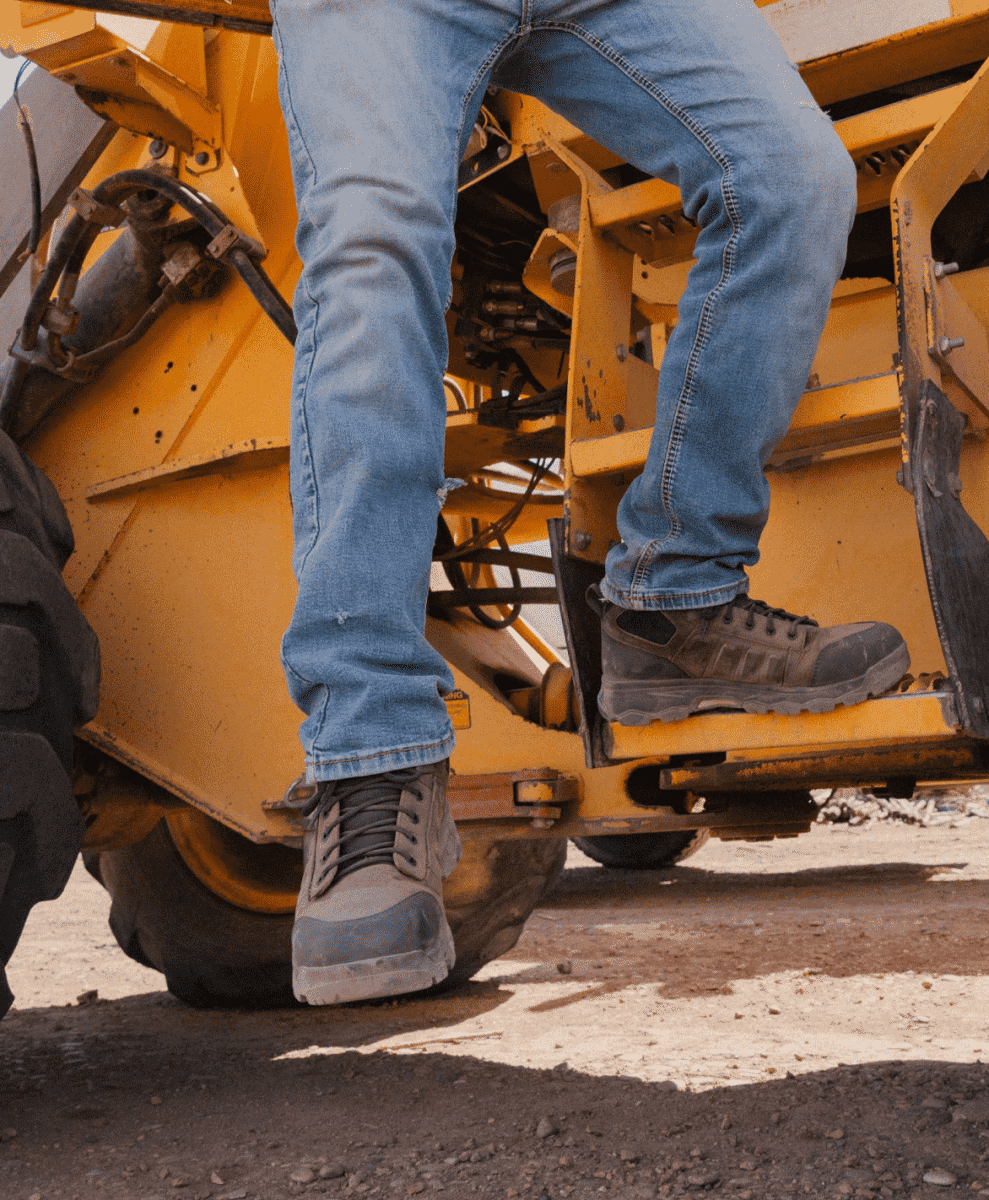
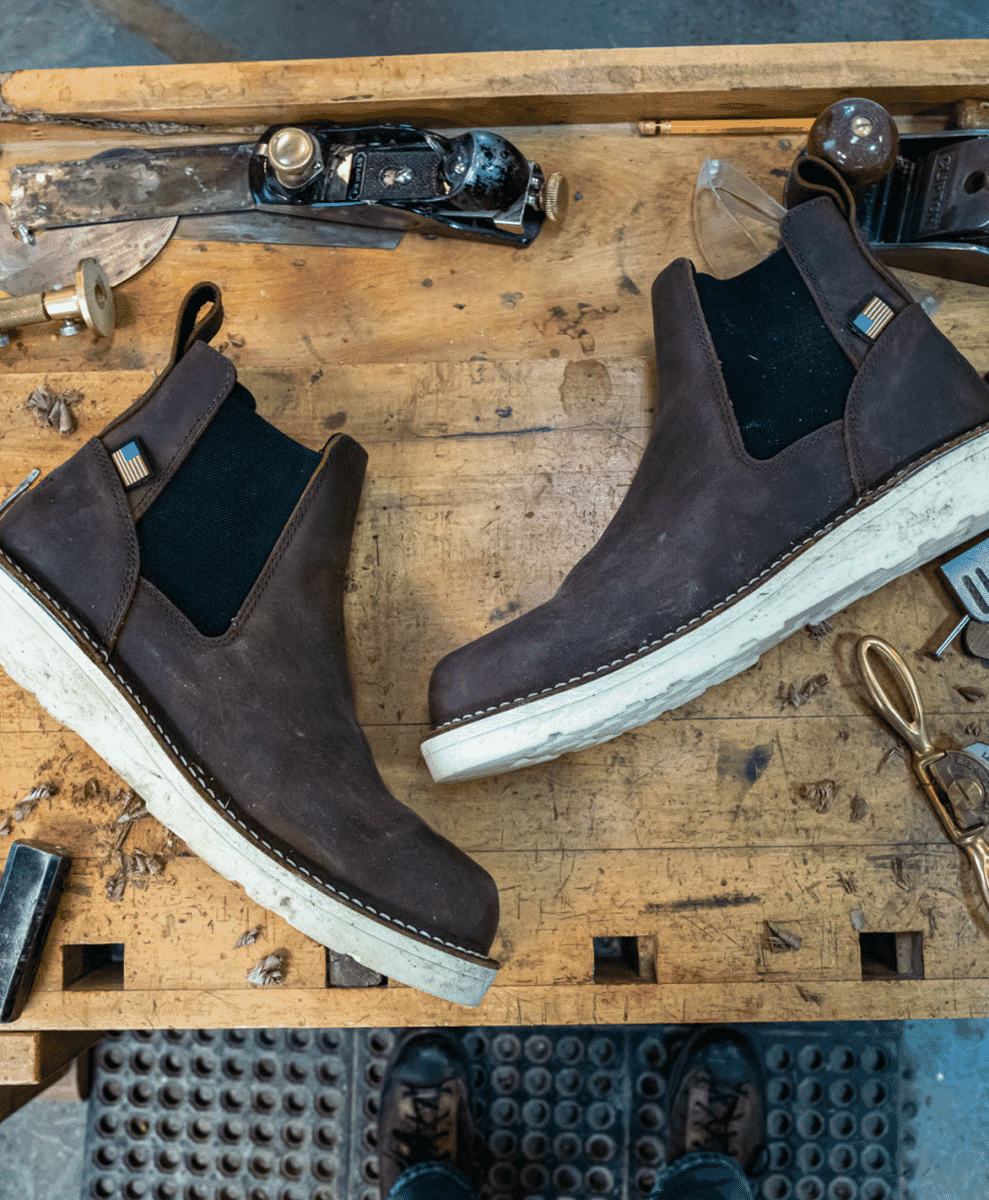
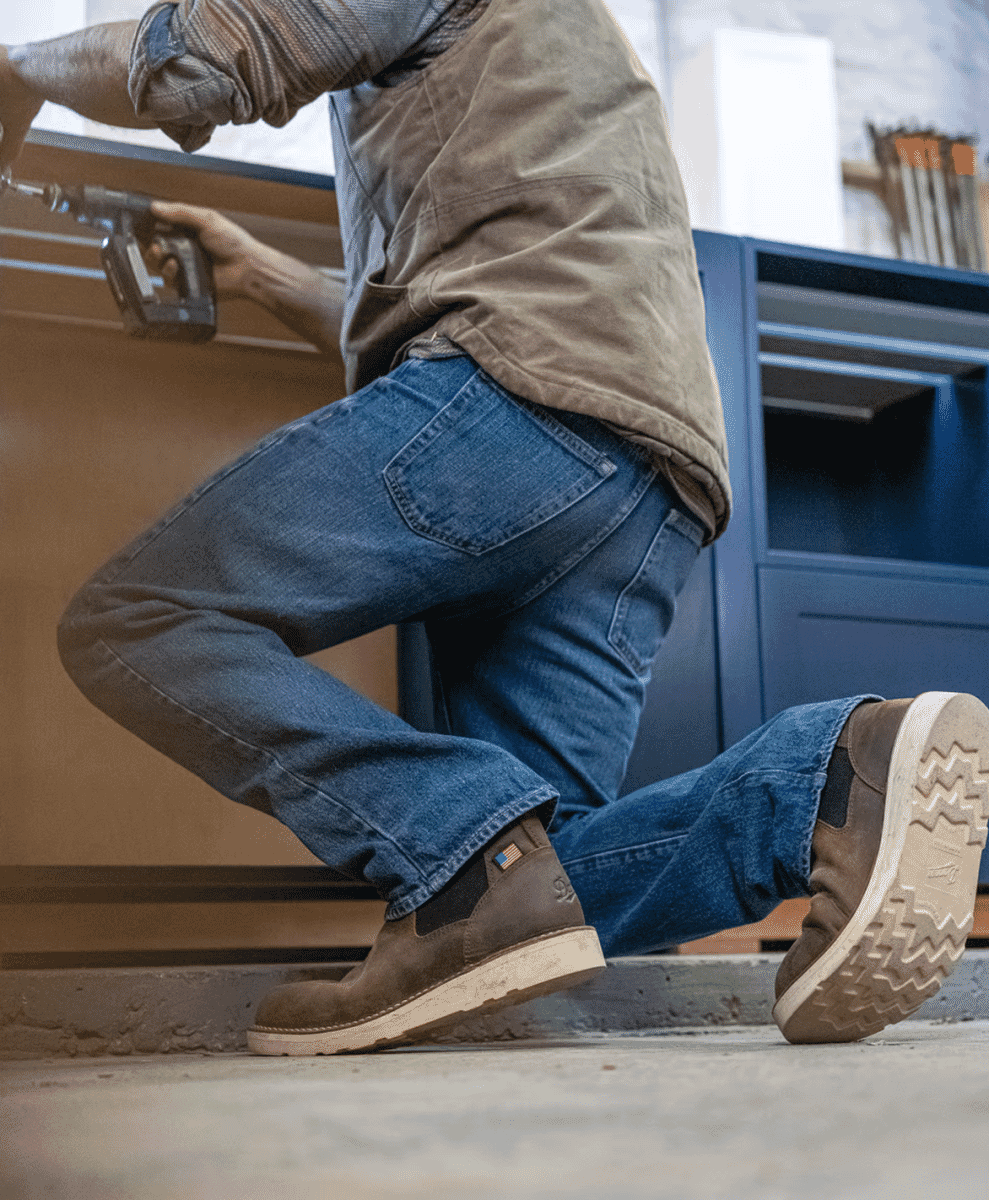
Danner started in 1932 and earned loyalty by making boots that prioritised function over flash. Loggers, soldiers, hikers. People who needed reliability. The Mountain Light, introduced in the 1970s, helped bridge trail and town, pairing serious build quality with a silhouette that looked good with denim. Part of the appeal lies in repairability. Many models can be resoled, extending the life of the purchase. In an era of disposable footwear, that promise of longevity carries real weight.

Red Wing
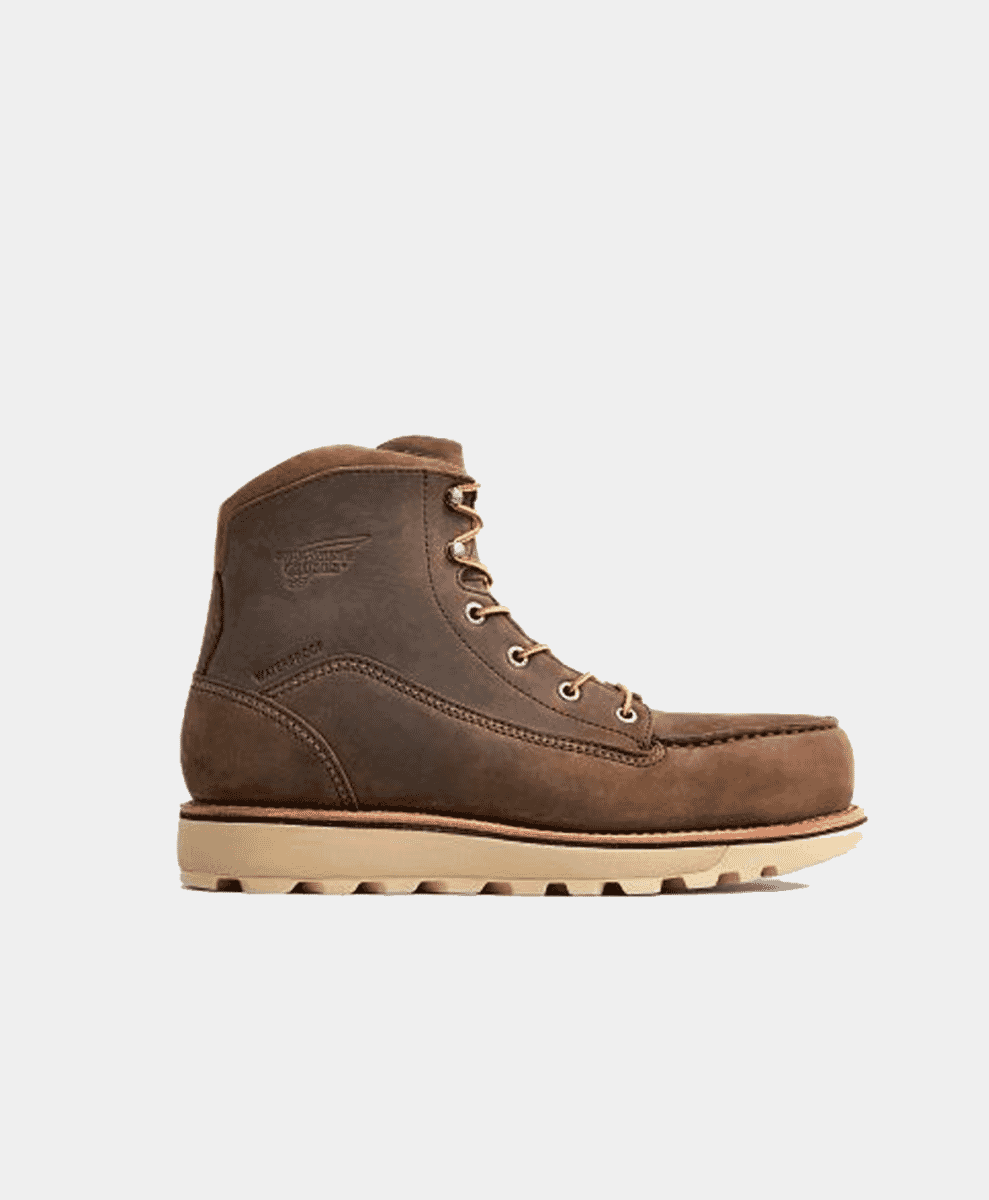
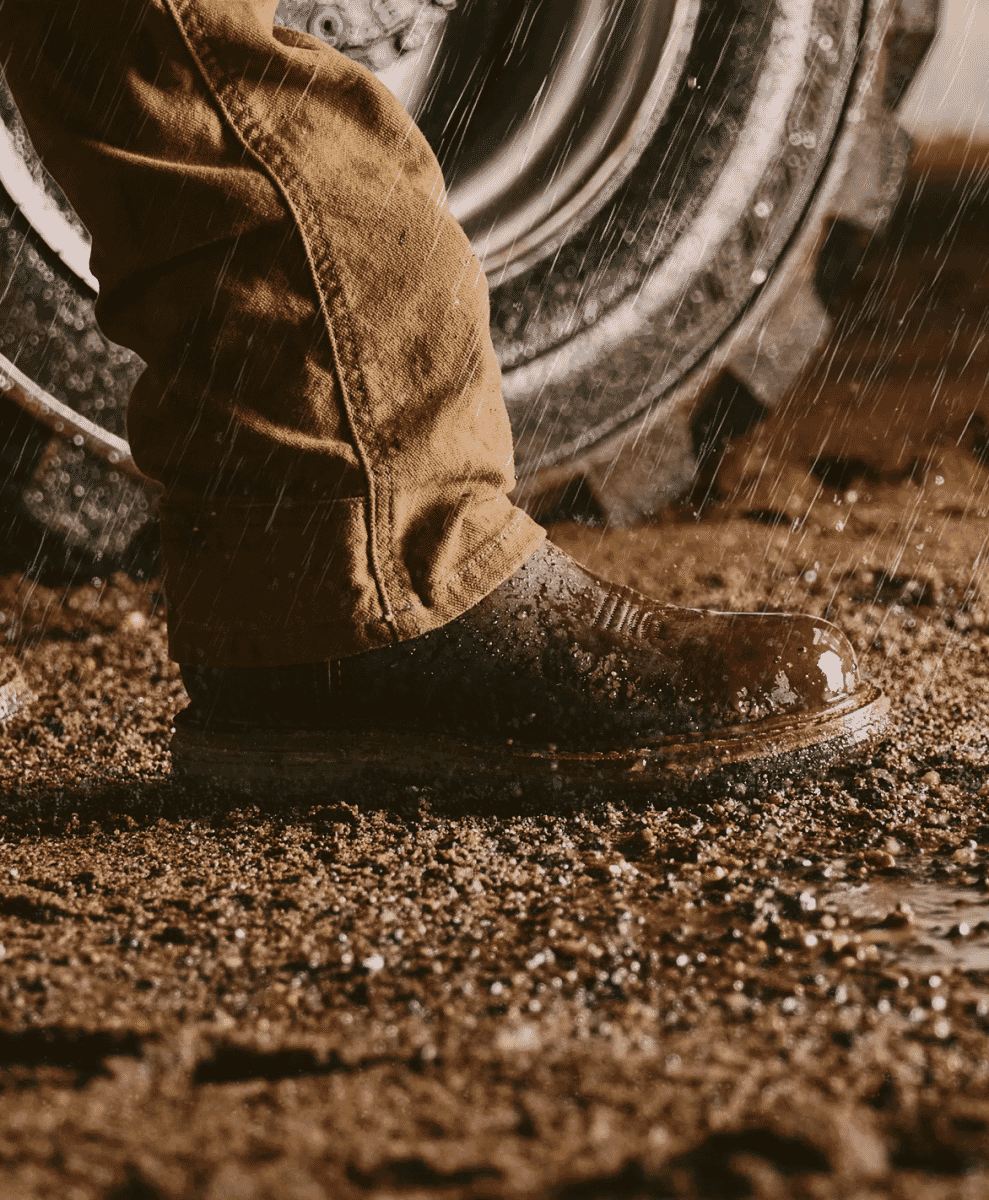
Red Wing has been making work boots in Minnesota since 1905, originally serving miners and farm workers who needed protection from punishing conditions. The Heritage line later reframed those patterns for everyday wear, but the fundamentals remain: thick leather, resolable construction, purposeful design. Models such as the Iron Ranger and moc toe have become gateways into welted footwear because they feel substantial without being precious. You wear them hard, maintain them, and watch them change. Few products illustrate the romance of patina so clearly.
How to wear American workwear
The easiest way to wear workwear is to remember that it was designed to be ordinary.
These garments were made to sit alongside other practical things in a person’s wardrobe. Selvedge denim with chambray. Canvas with flannel. Leather boots with heavy socks. Nothing was precious because it could not be. Thinking this way helps avoid the costume problem, where someone piles on references without the lived-in ease that originally made the clothes appealing.
Start with one anchor. A chore coat, a pair of double knees, a western denim shirt. Pieces from makers such as Carhartt or Levi's already carry plenty of visual weight. Everything else can be simple. Oxford shirt. Grey sweatshirt. Plain tee.
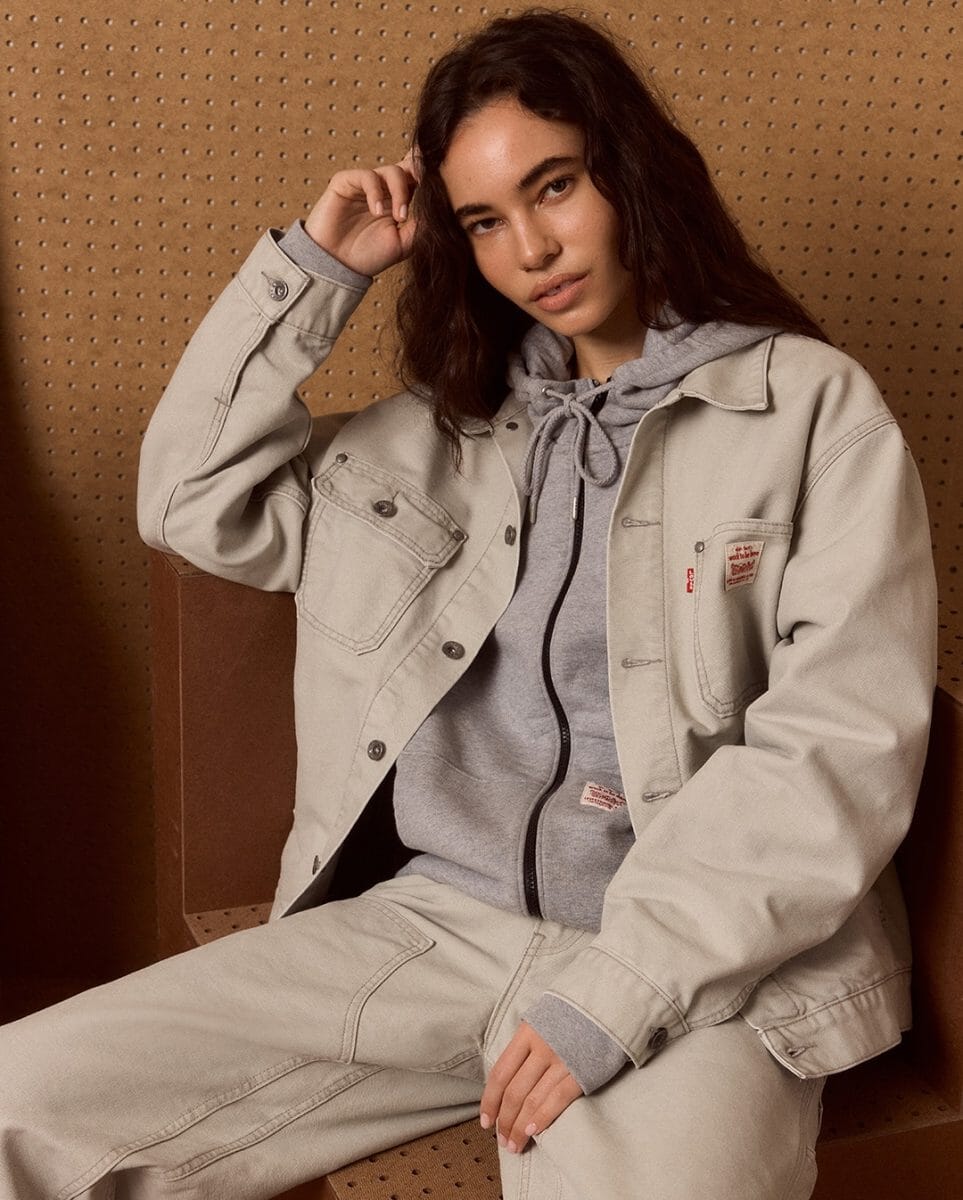
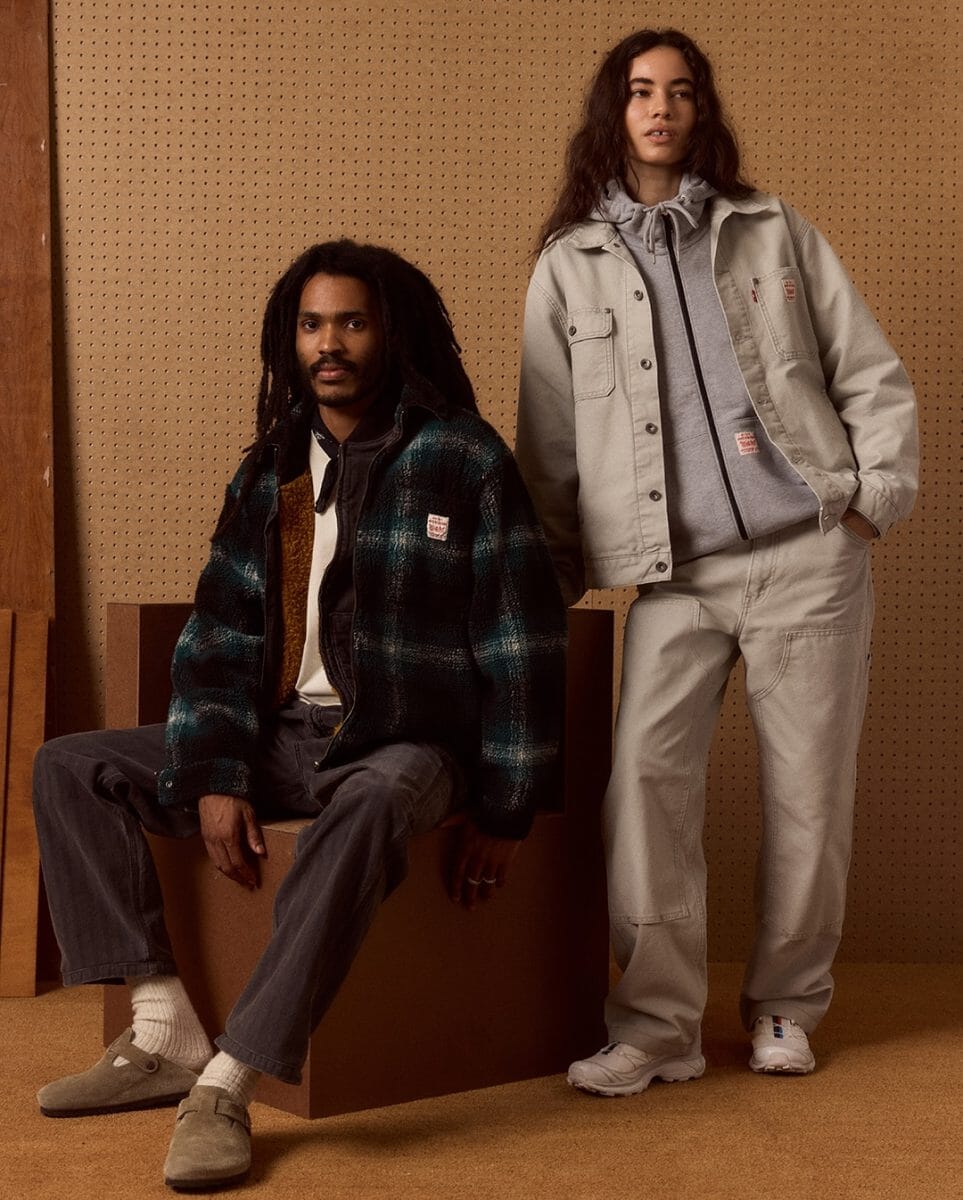
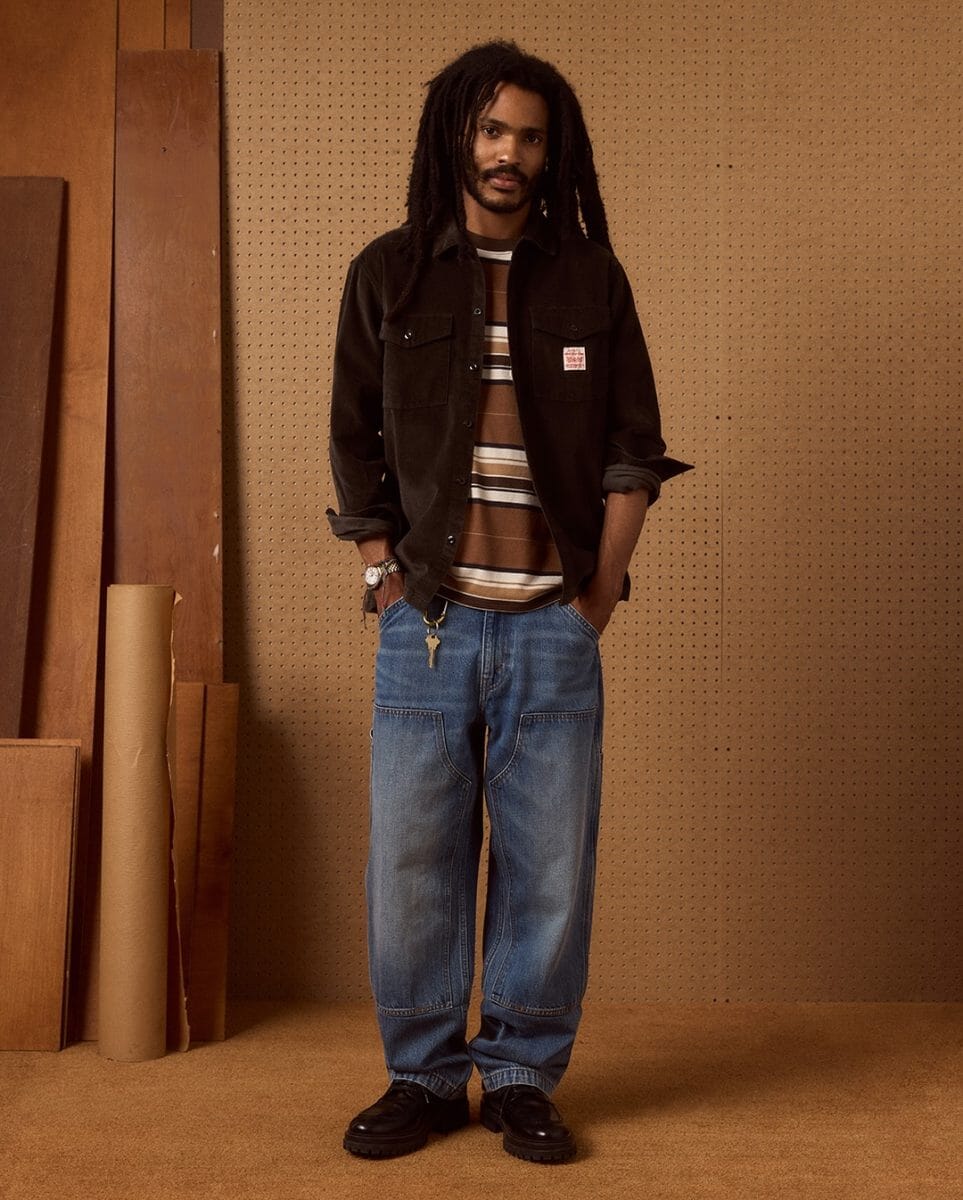
Fit matters more than people think. Vintage workwear was often cut generously to allow movement, but proportion still counts. If the jacket is boxy, keep the trousers clean. If the trousers are wide, trim things up top. You are aiming for balance, not historical reenactment.
Footwear should feel sturdy and unshowy. Service boots, moc toes, even simple canvas trainers can work. What you want is something that looks capable of getting dirty, even if your day involves nothing more taxing than a commute and a sandwich.
Finally, let the clothes relax into your life. Creases, scuffs, and fades are not flaws. They are the point. Workwear looks best when it appears to belong to the wearer, not the other way around.
Next up: The best American outdoor brands to know.