Autumn is prime boot season. It’s that brief sweet spot where the weather is bad enough to warrant something more substantial than sneakers, but not so bad that every footwear decision has to be dictated by waterproof membranes and aggressive tread.
It’s also when boots make the most sense from a style perspective. Chunkier footwear sits naturally alongside heavier fabrics, longer coats and wider trousers, adding some welcome visual weight to cold-weather outfits. From sleek Chelseas and Tyrolean derbies to moc-toe work boots and hikers, there’s no shortage of options either.
But wearing them well isn’t simply a case of swapping your sneakers for something with a higher ankle. The trousers, proportions and styling all matter. So, before you lace up, these are the key dos and don’ts of wearing boots in autumn.

Do invest in quality
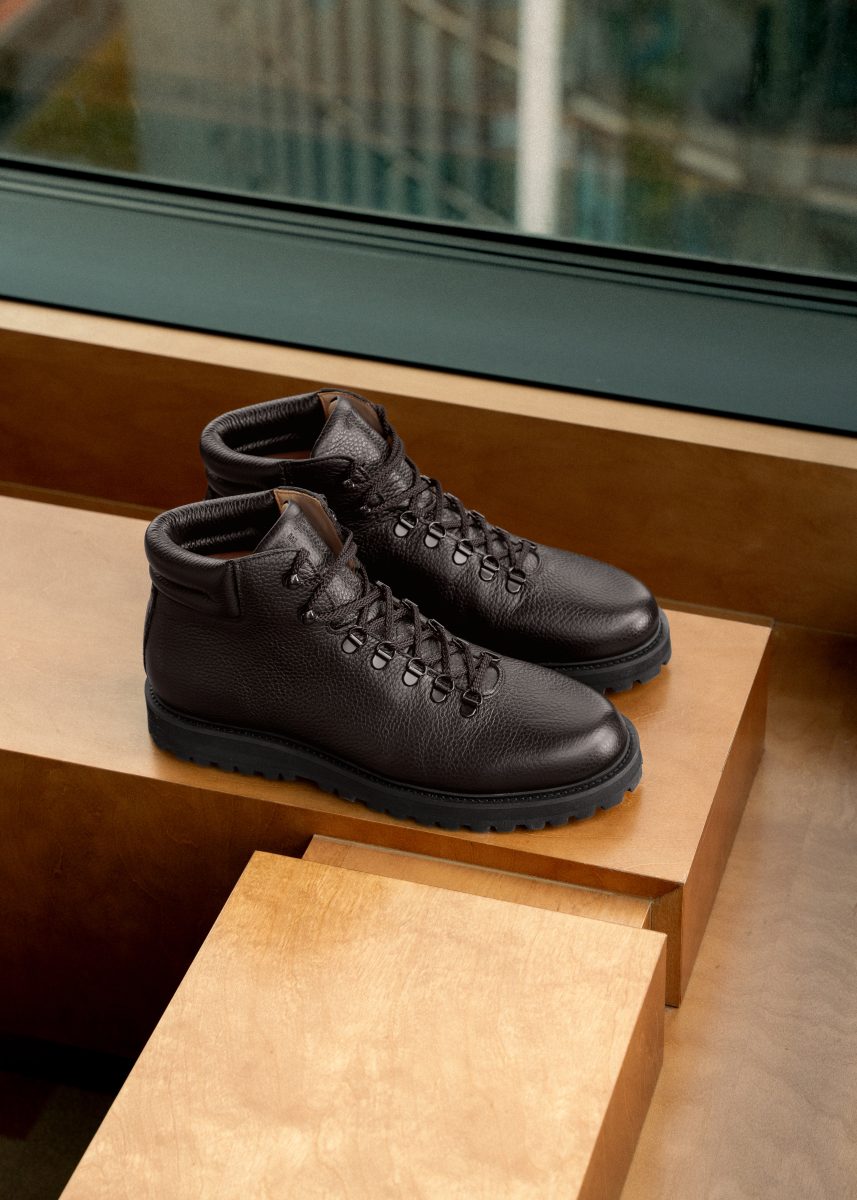
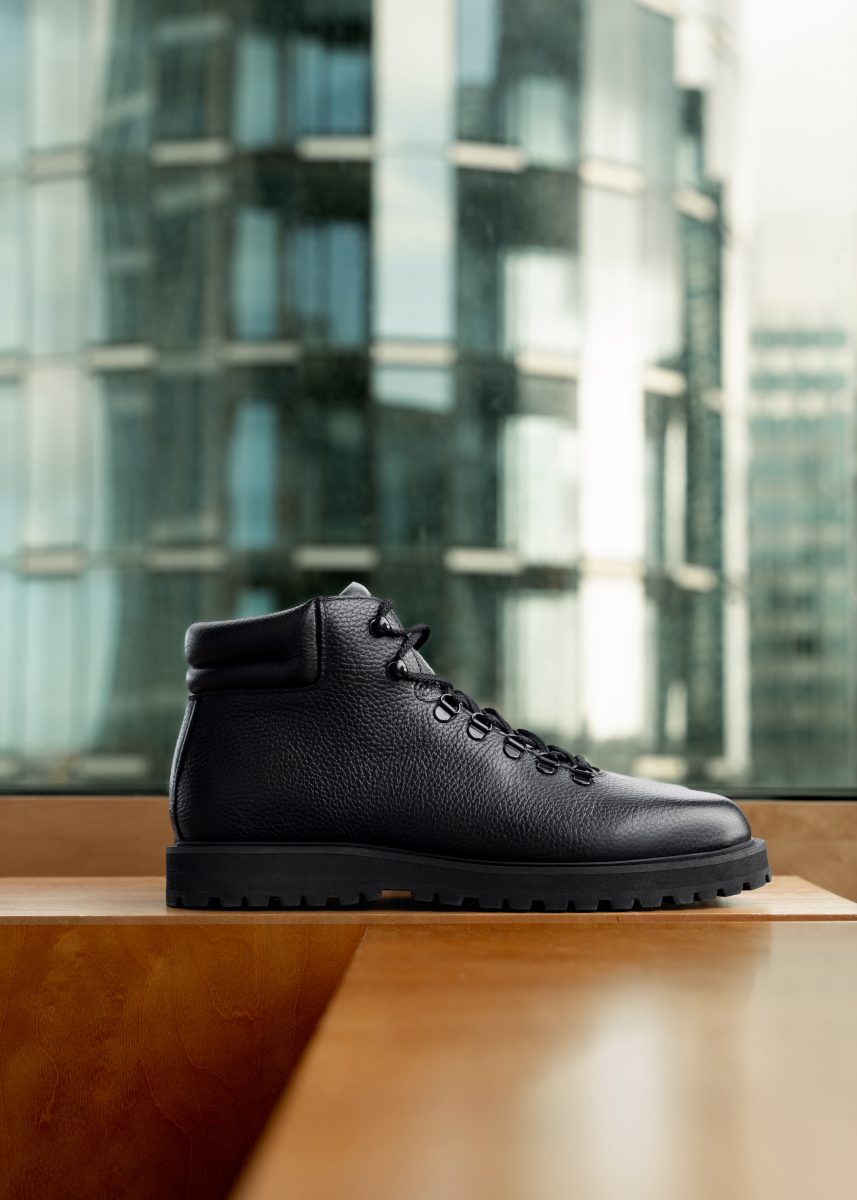
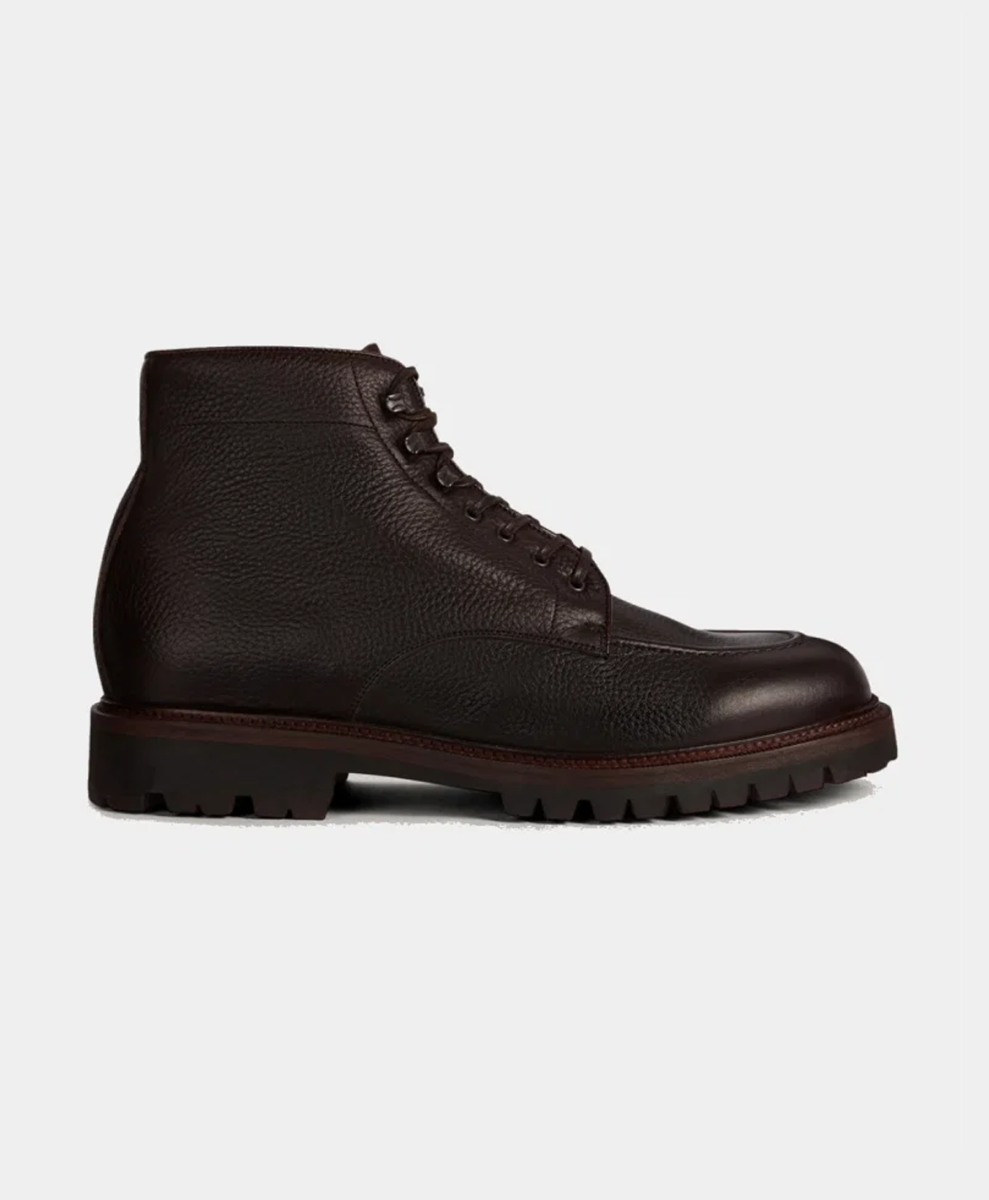
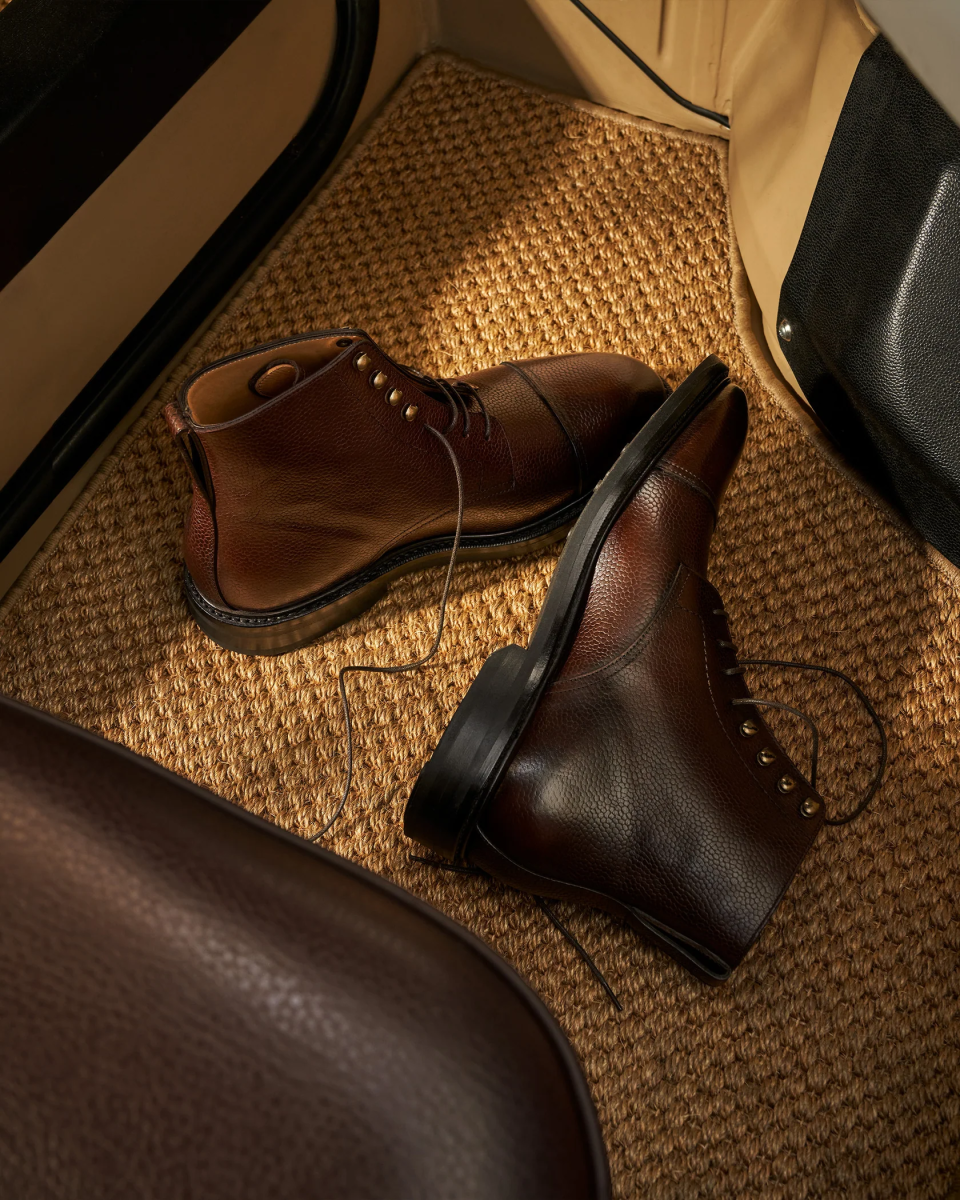
The difference between good boots and bad ones is measured not in inches but in years. A well-made pair, built with Goodyear welts, full-grain leather and proper soles, will age beautifully and last a decade or more. Cheap boots will look tired before the first frost. Think of it as cost per wear, not cost upfront.
Don’t ignore proportions
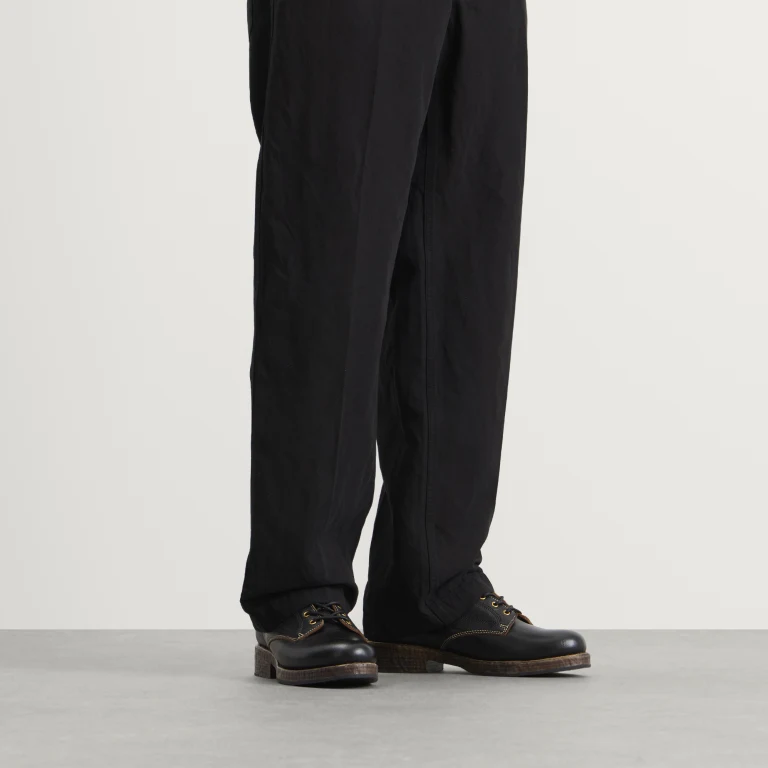
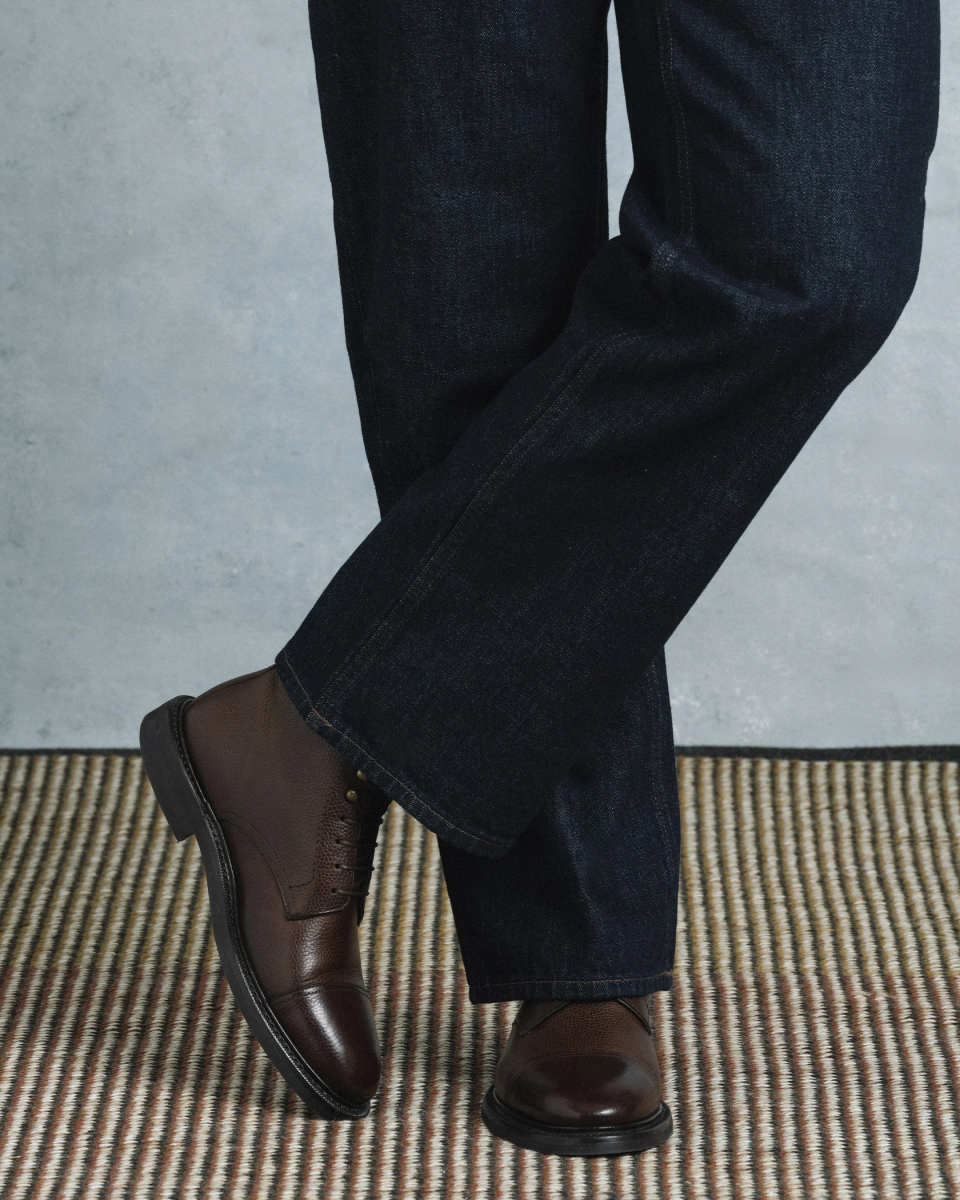
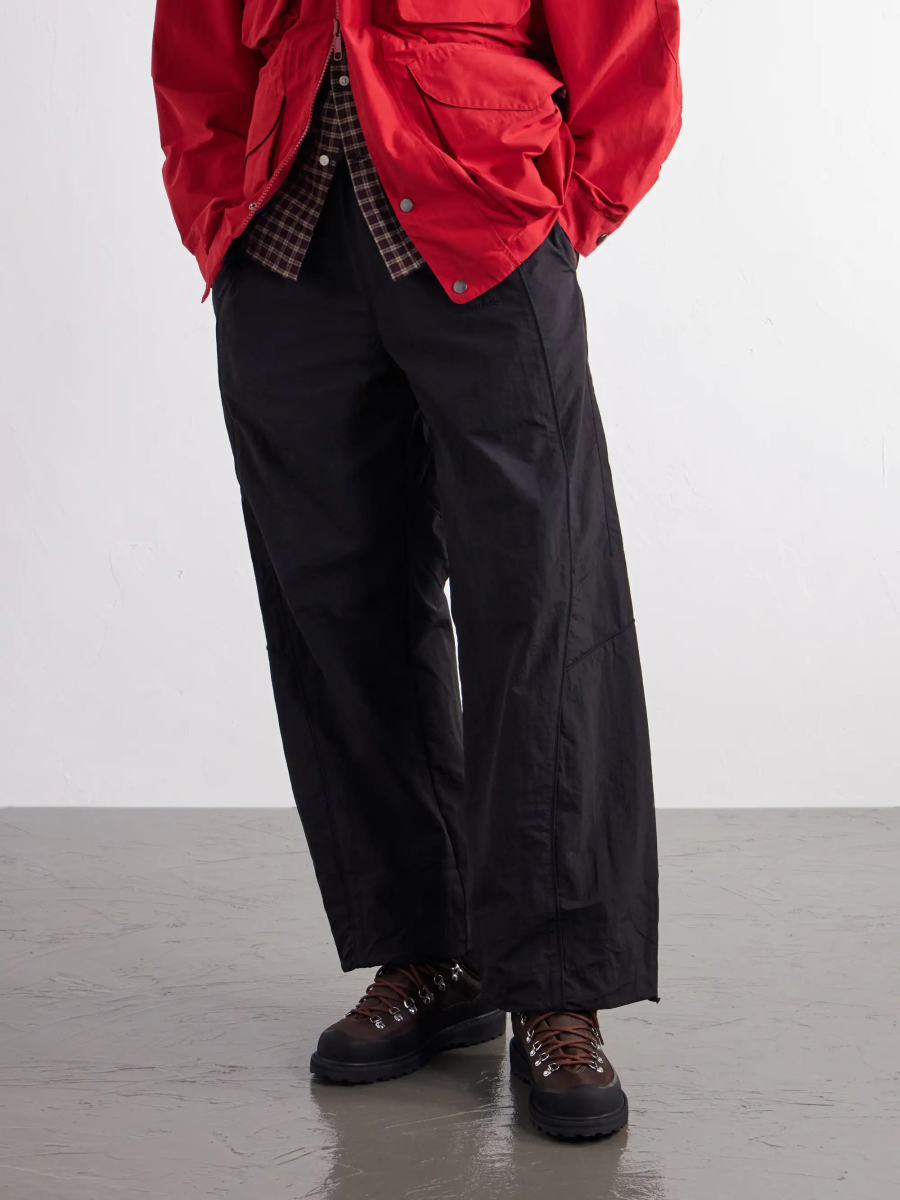
Boots change your silhouette. They add bulk, weight and a little height, which means the rest of your outfit has to adapt. Narrow, ankle-hugging jeans and chunky work boots make for an odd pairing. Looser cuts and heavier fabrics are your friends here. Think selvedge denim, wool trousers or corduroy.


Do wear with proper socks
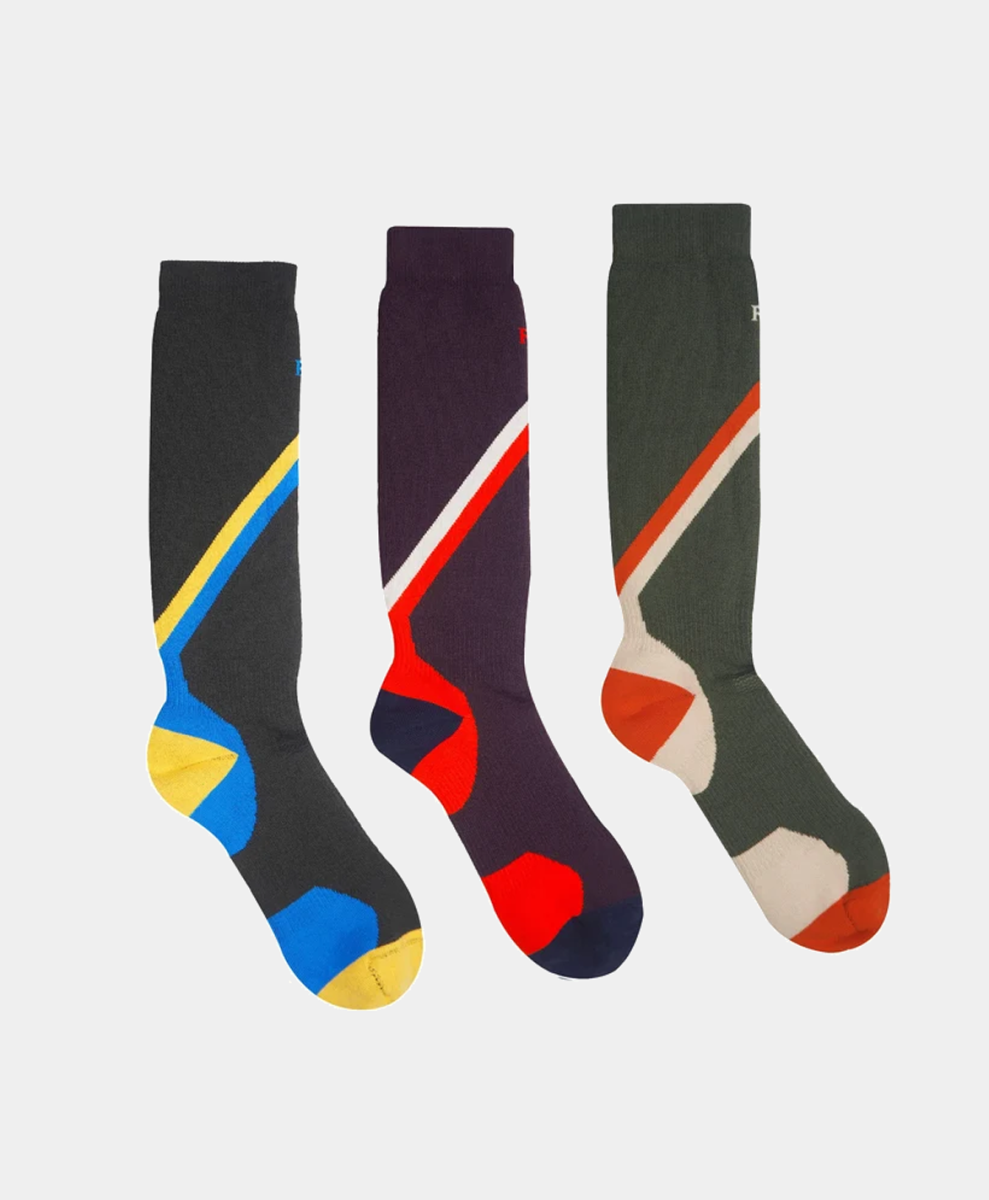
The easiest mistake a man can make is pairing premium boots with paper-thin socks. You’ll end up uncomfortable and ruin the fit. Go for something ribbed, wool blend or hiking-grade cotton. Bonus points if they peek out slightly above the boot line in a muted autumn shade.

Don’t neglect aftercare
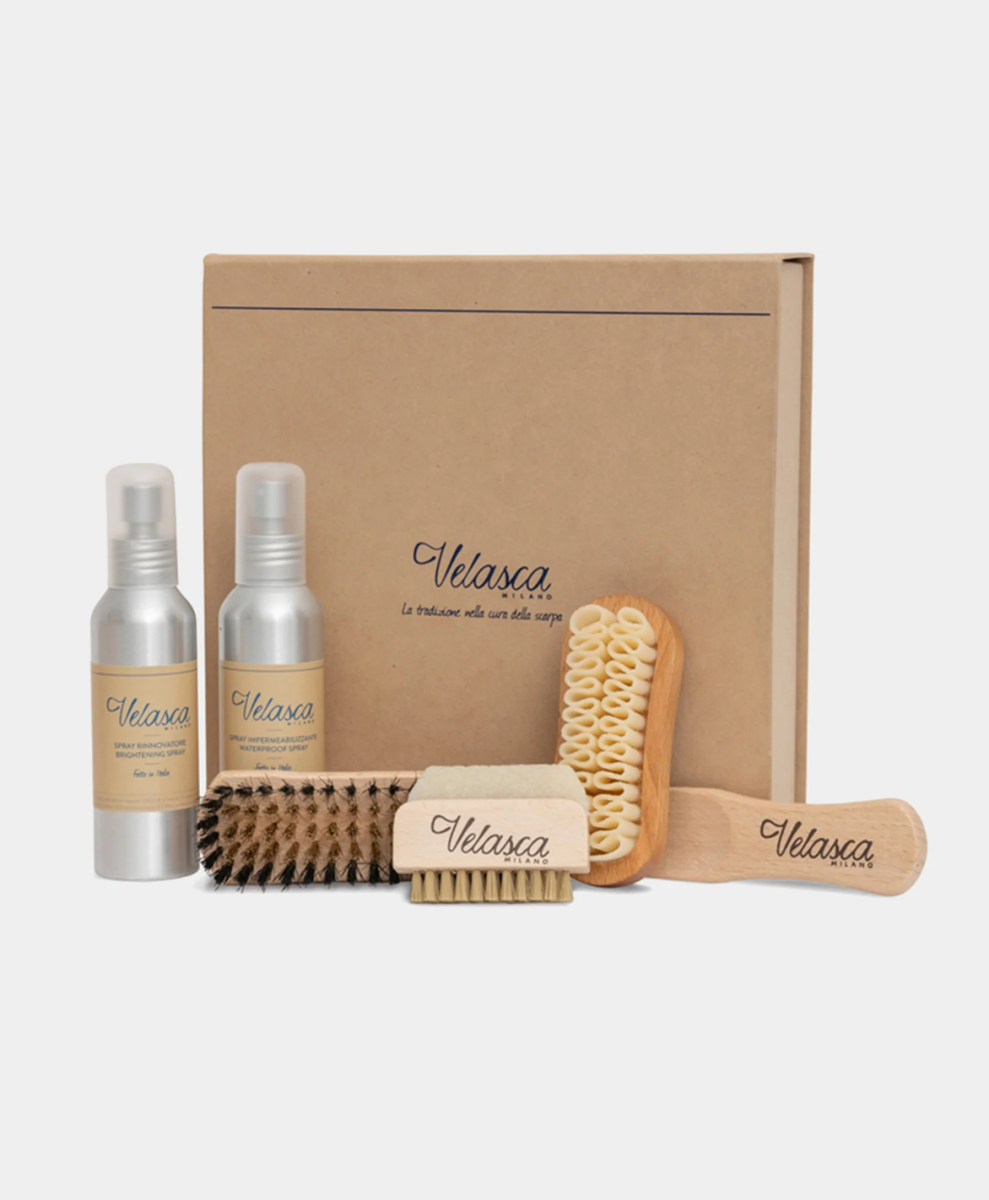
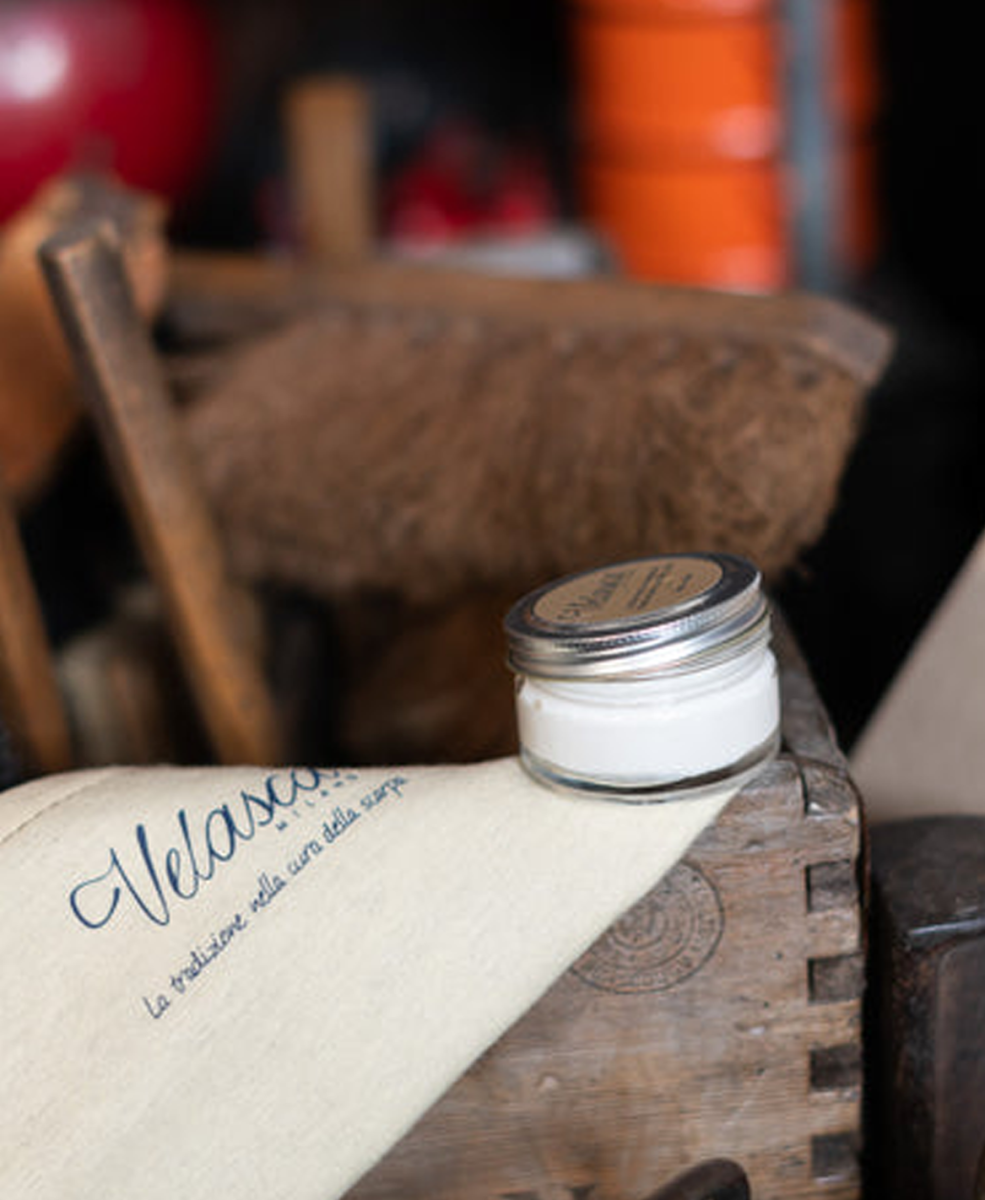
Good boots are an investment, and like any investment, they require maintenance. Clean them after use, condition the leather every few wears, and add shoe trees when they’re off duty. A quick polish before you head out never hurt either. The patina of age looks good; the grime of neglect doesn’t.
Do wear with quality denim
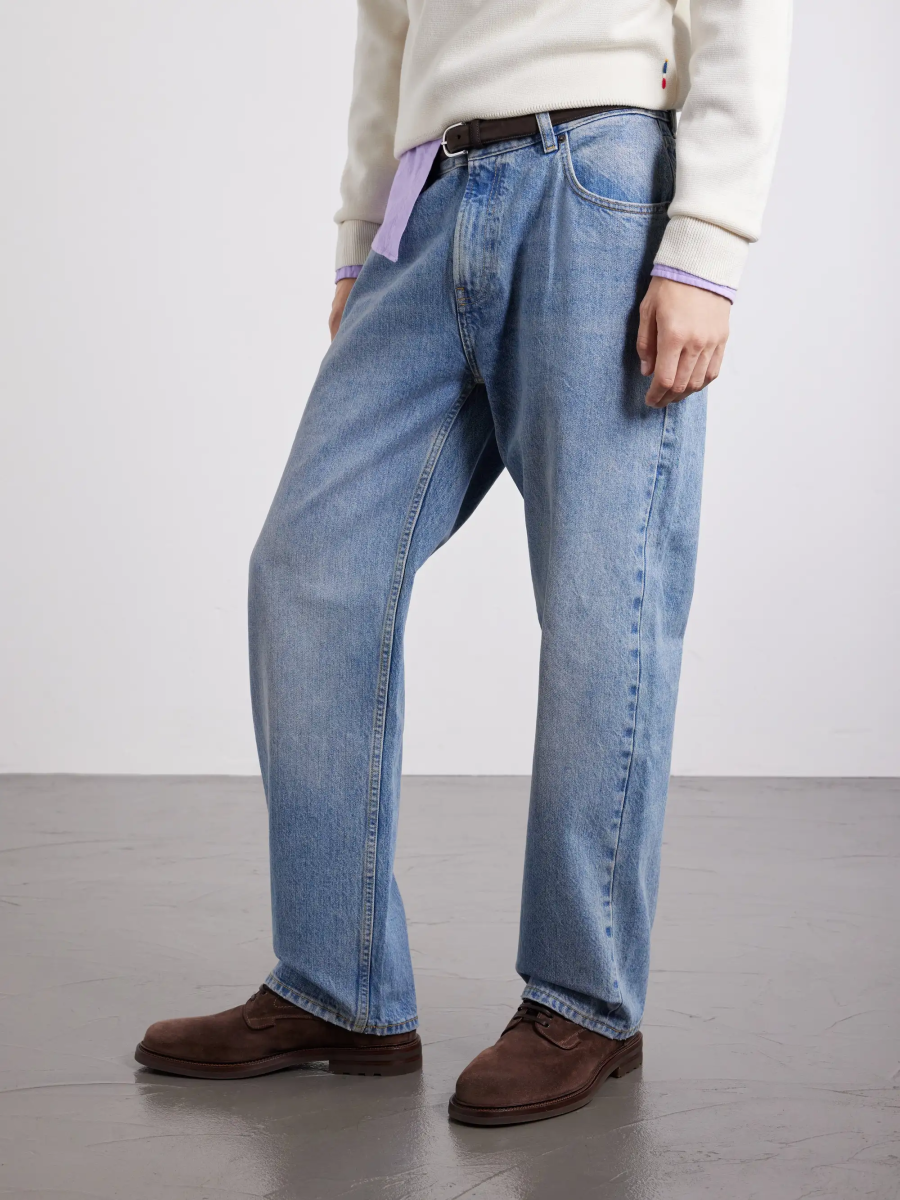
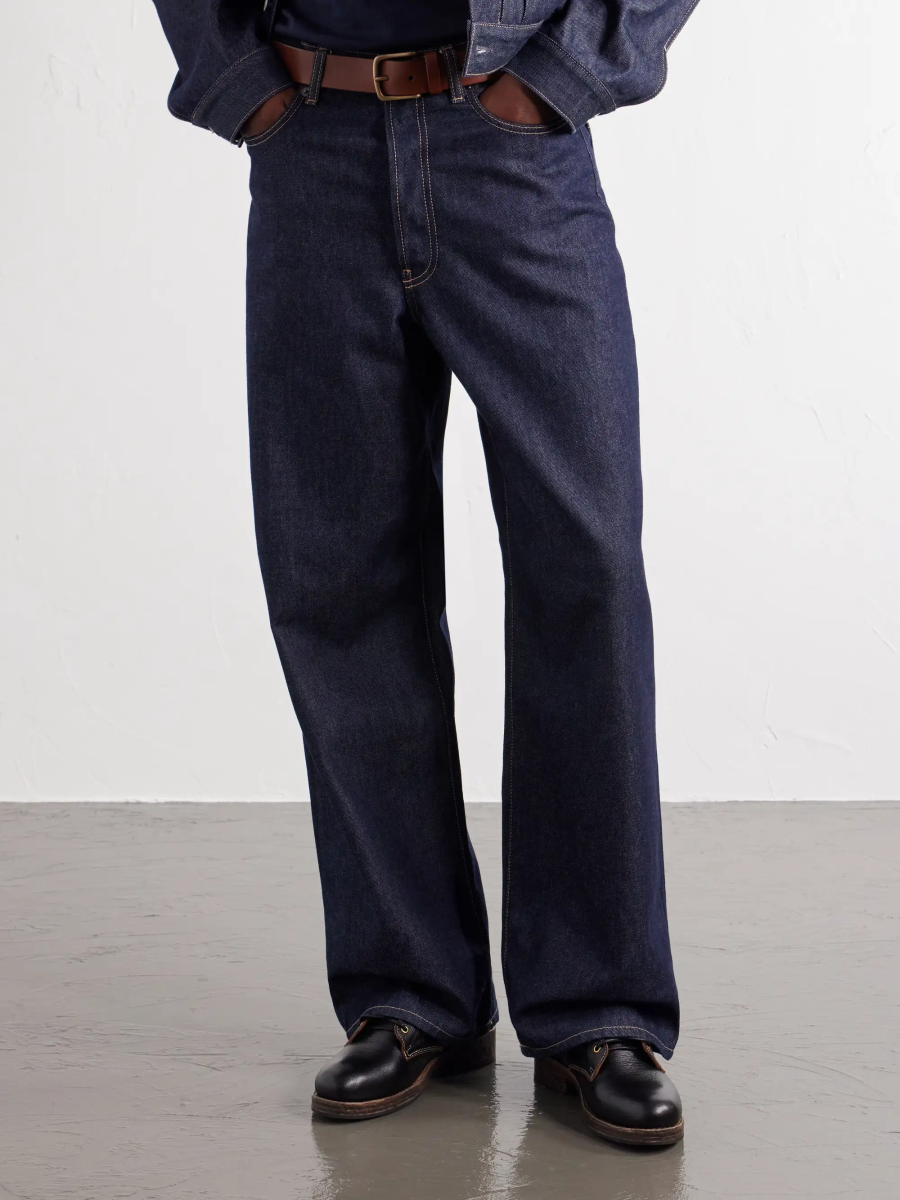
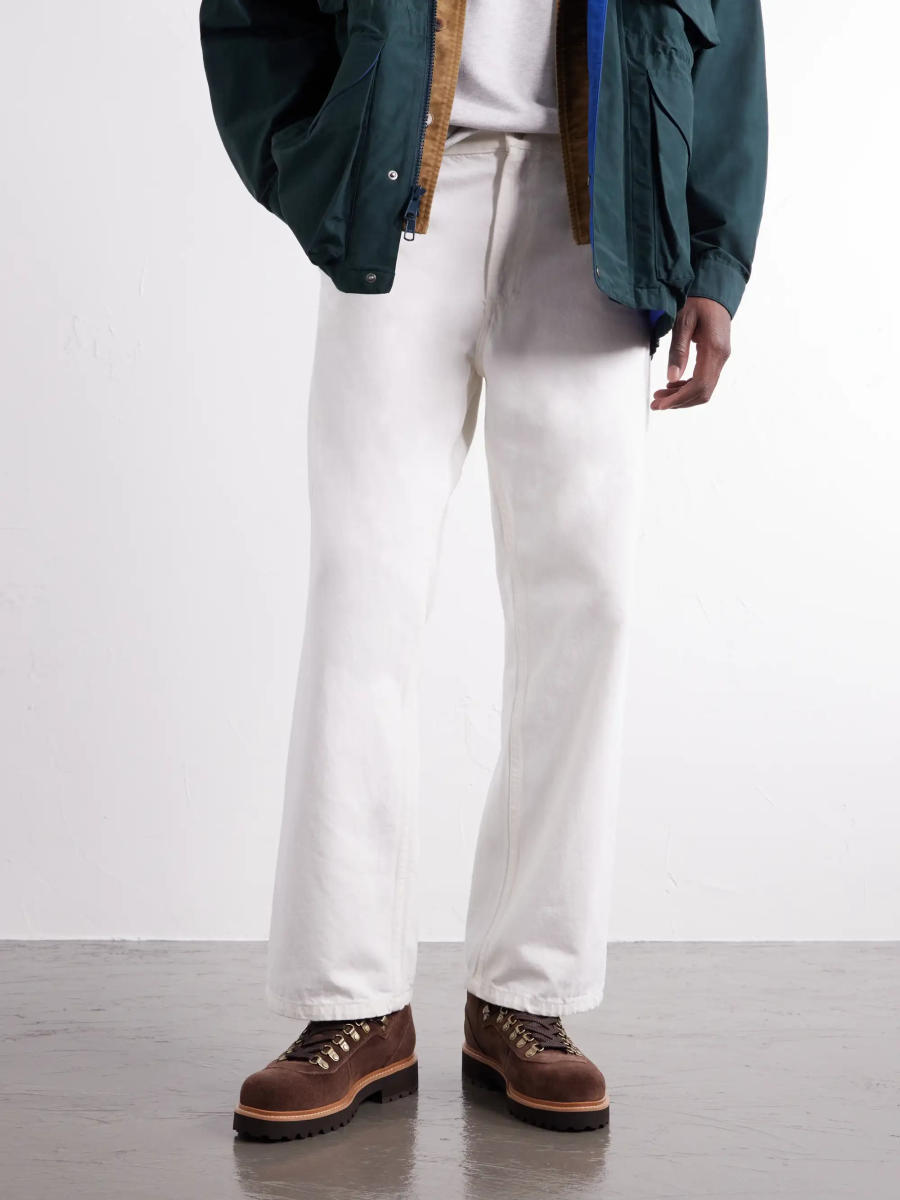
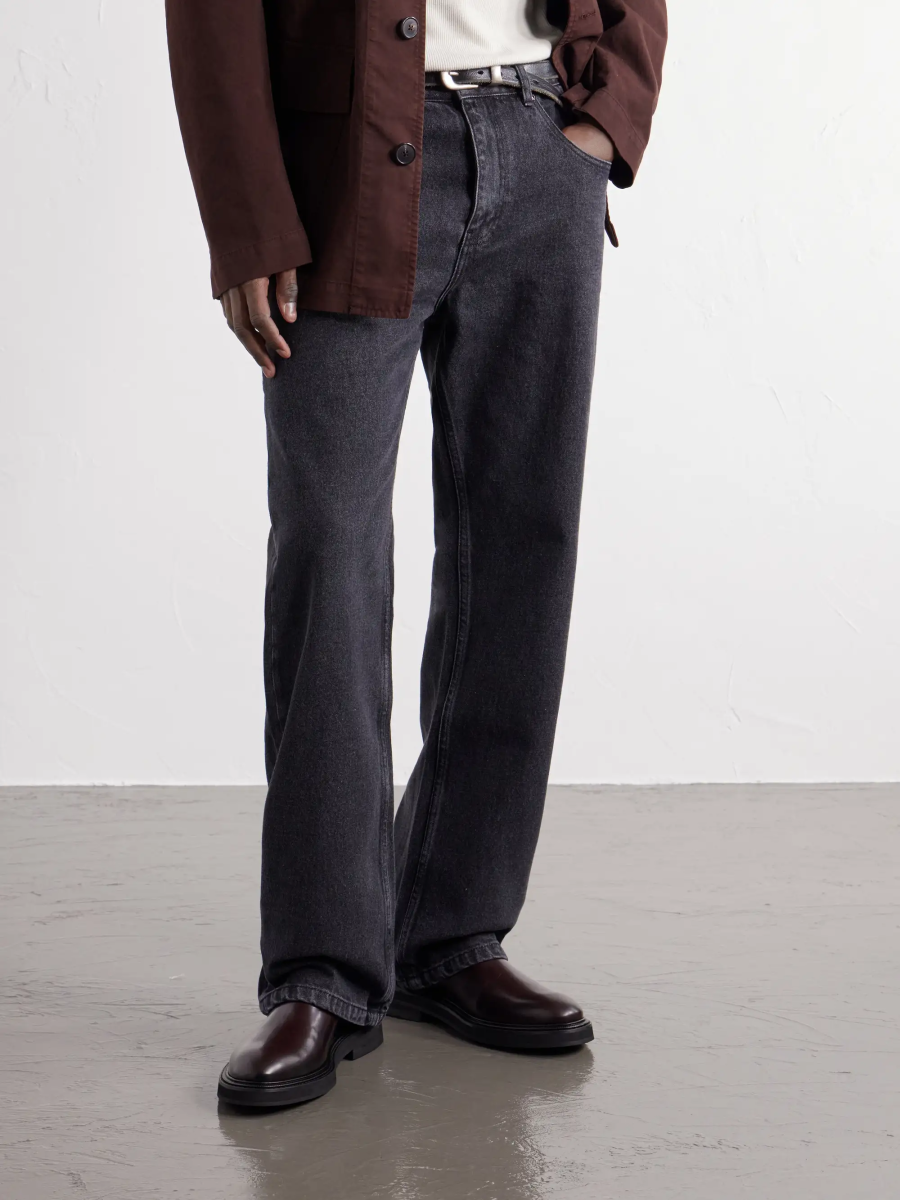
Denim and boots are natural allies. A raw or mid-weight selvedge jean works best, with a turn-up that shows off the shape of the boot rather than swallowing it. Avoid distressed or over-styled denim. The point is to look effortless.
Don’t think you can’t pair them with tailored trousers
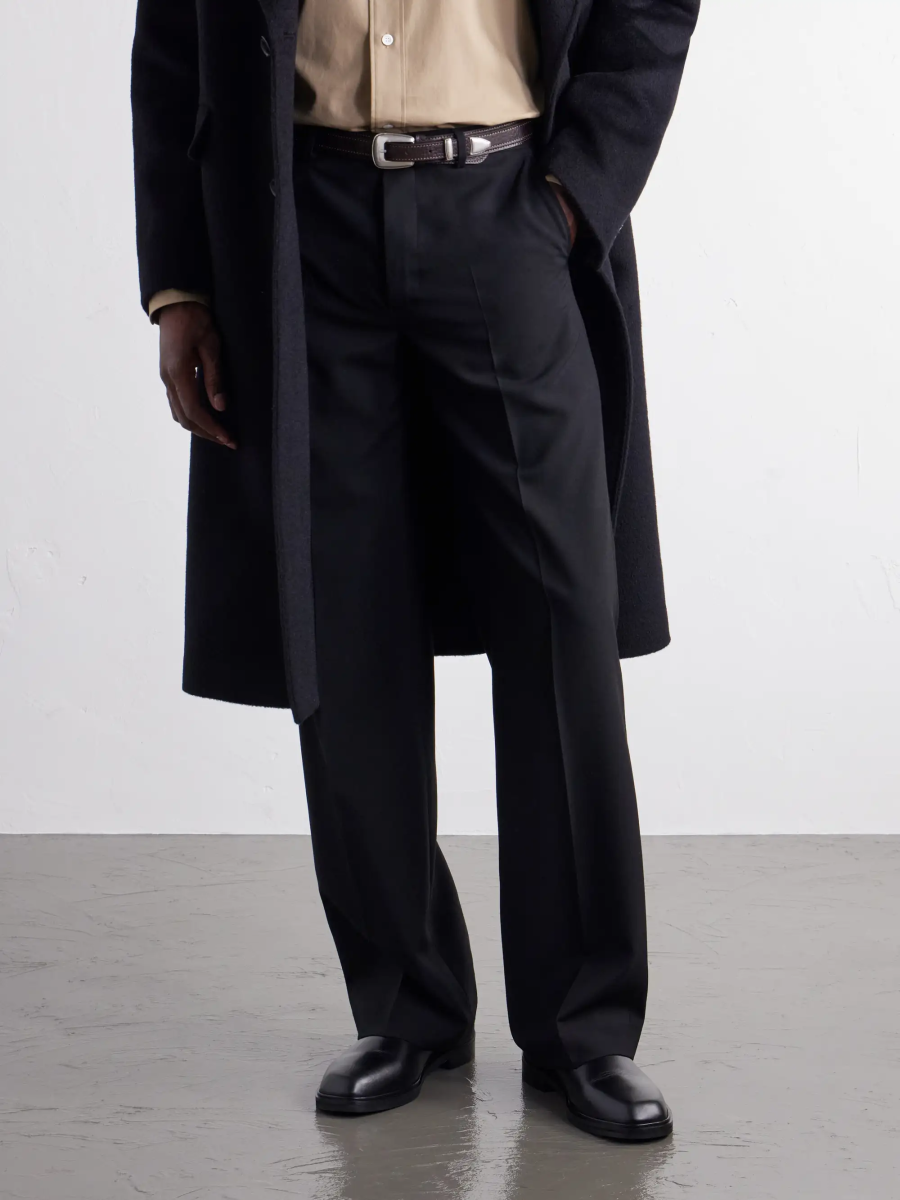
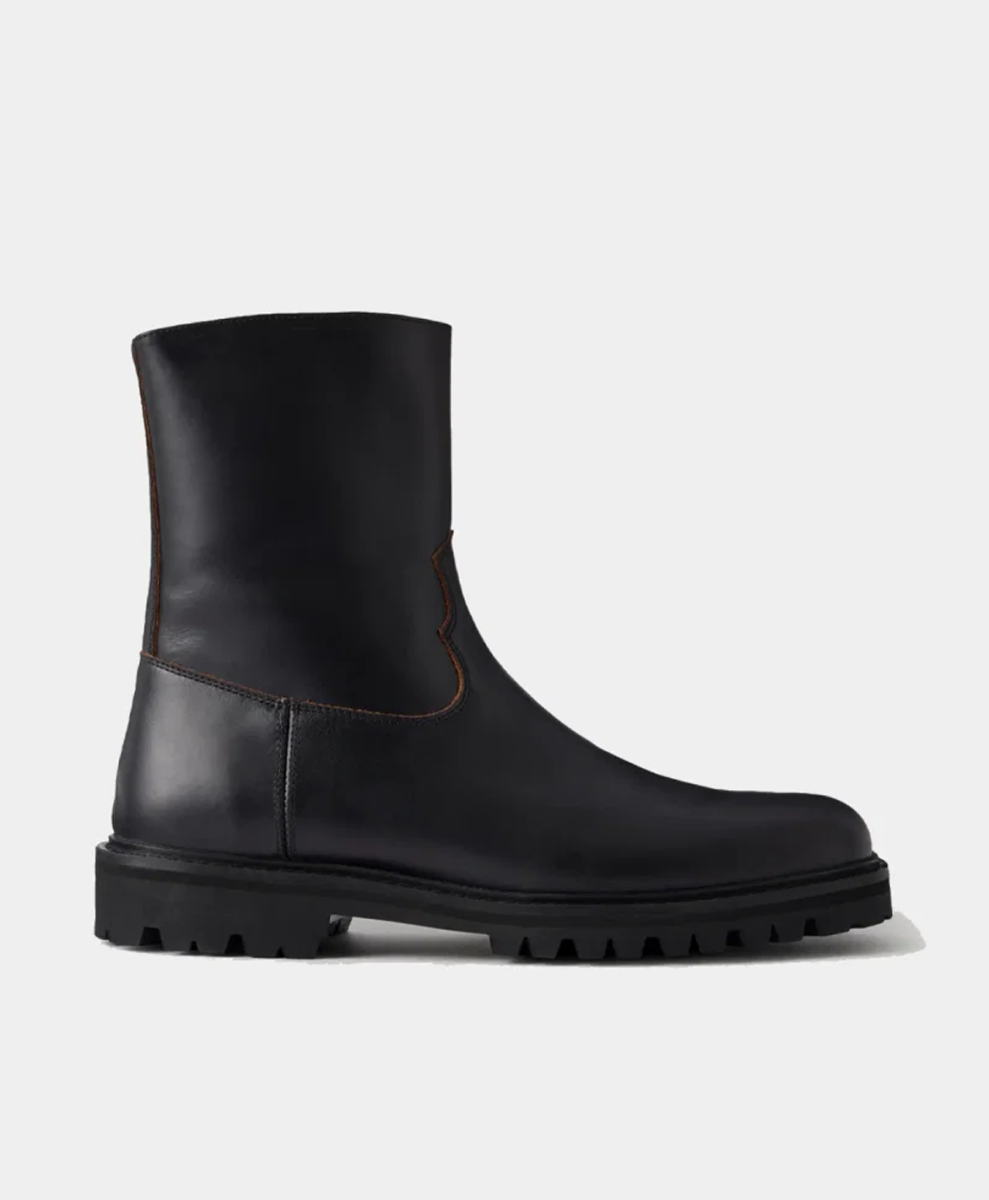
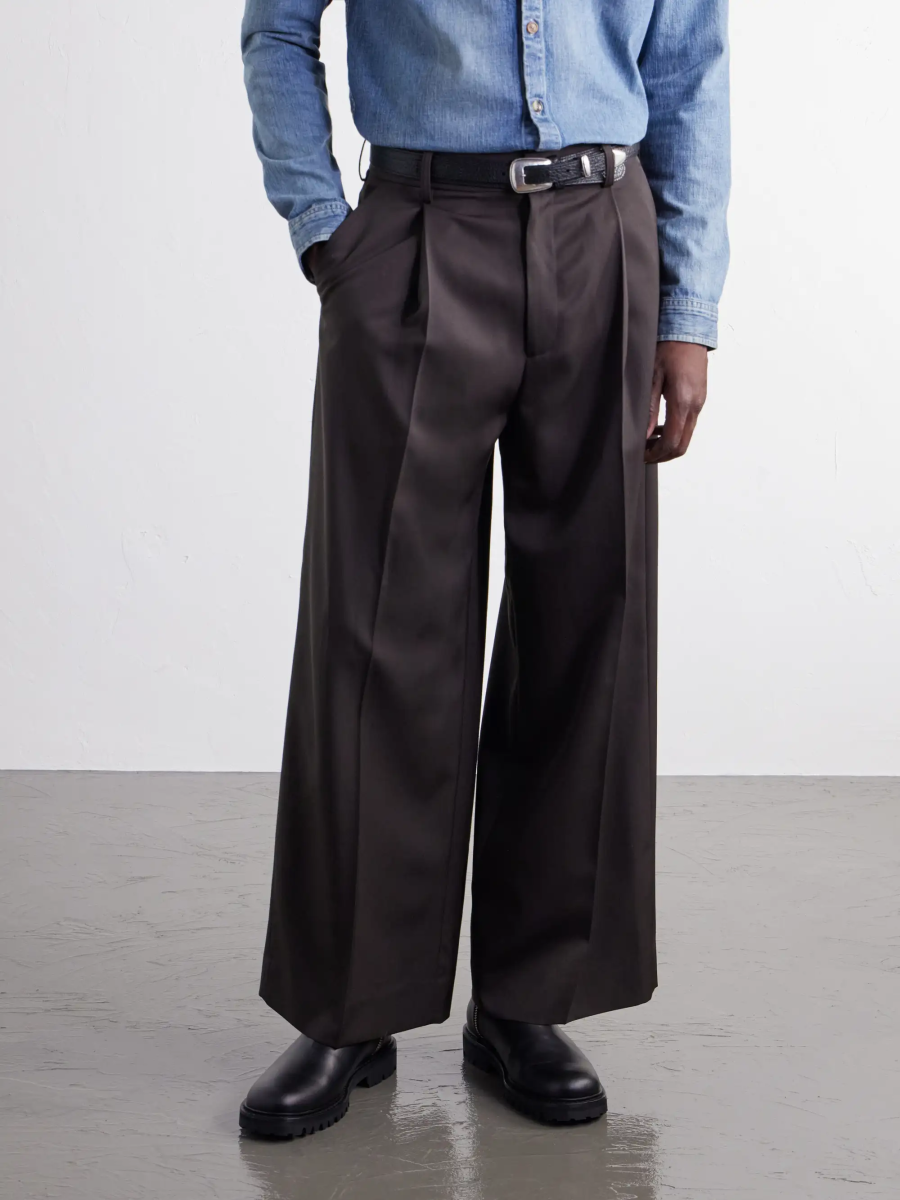
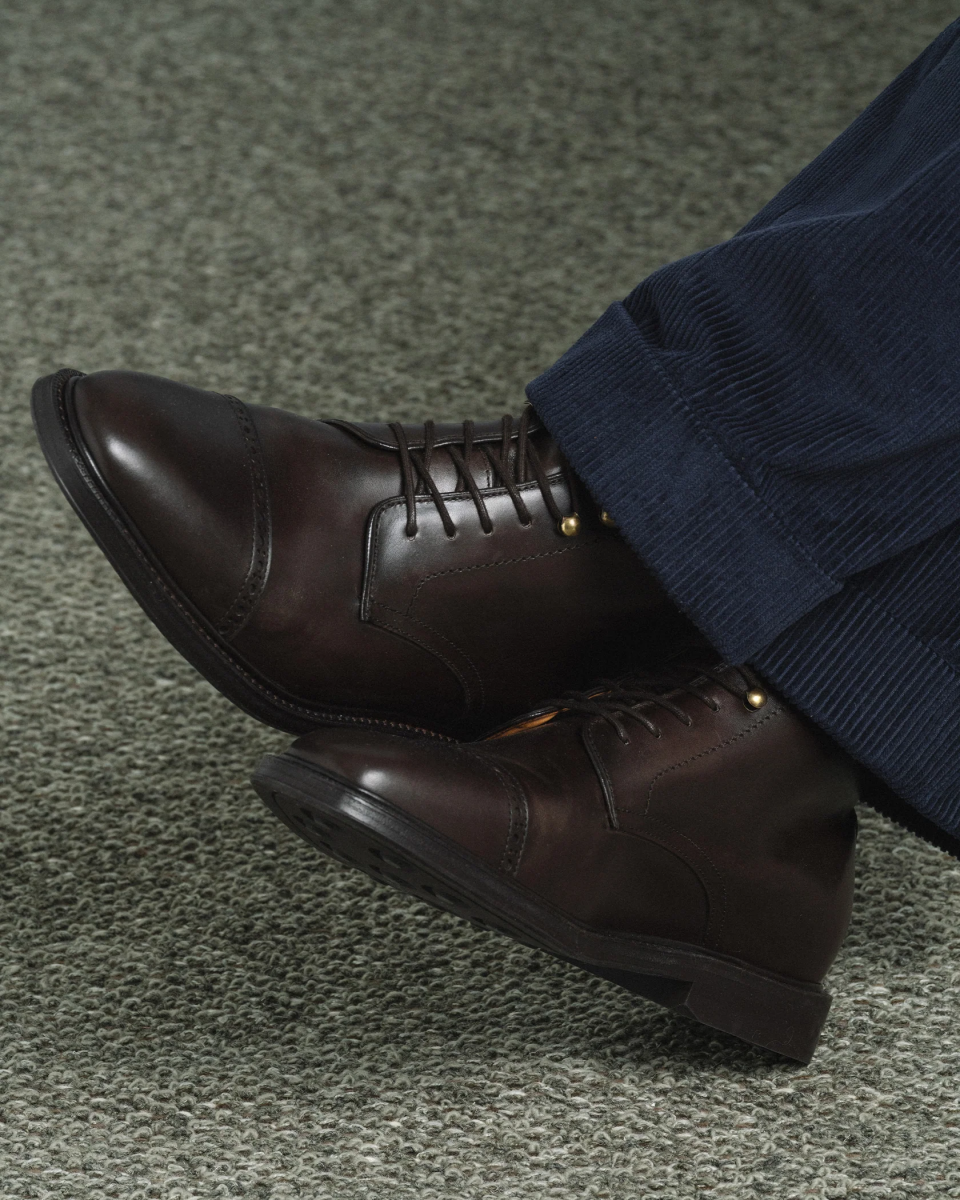
A common misconception. Done right, boots can look superb with tailoring. Slim Chelsea boots or clean derbies sit neatly under cropped wool trousers or a soft suit. Keep the polish high and the rest of the look relaxed with roll necks, textured blazers and heavier fabrics.
Do experiment with texture
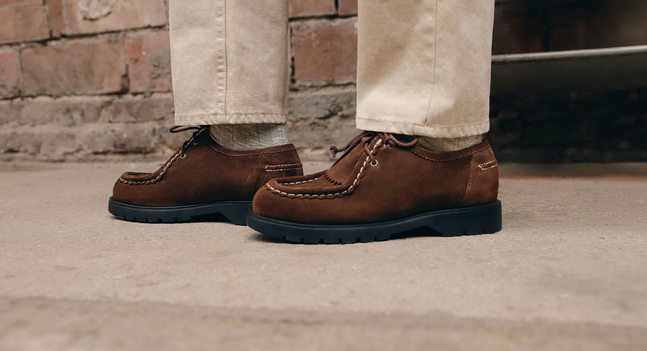
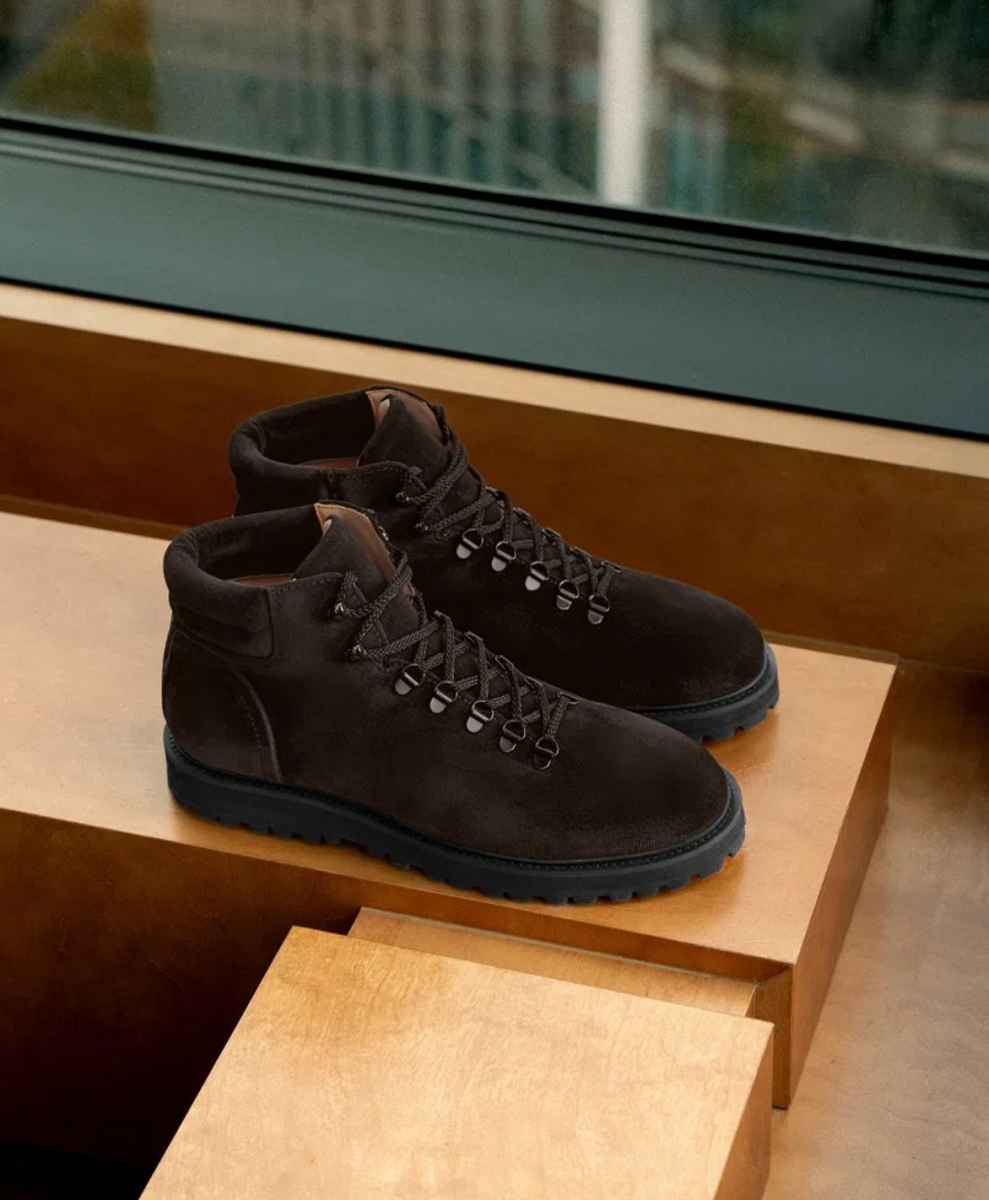
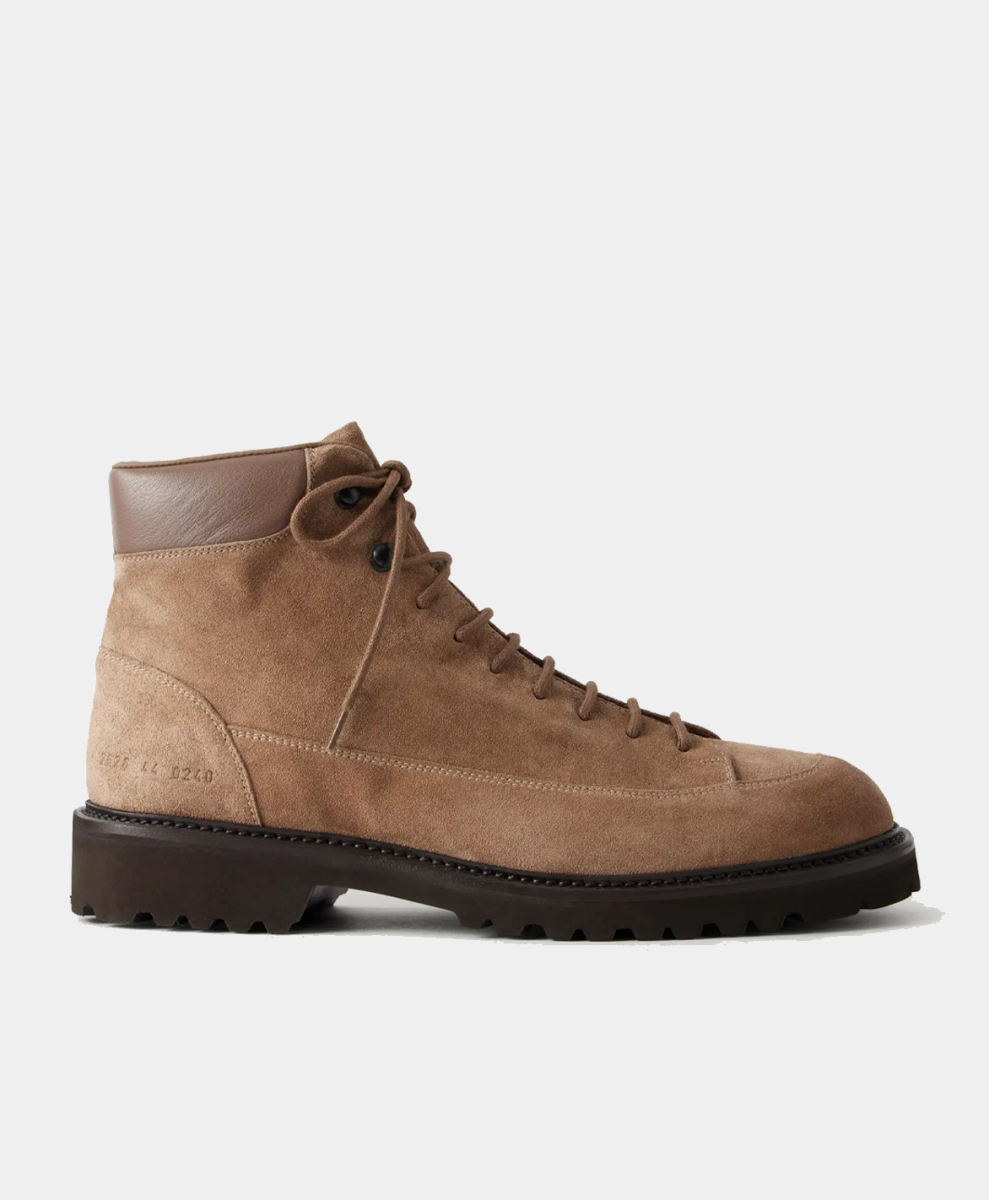
Autumn is the season for variety. Swap smooth leather for suede, nubuck or waxed finishes. Different materials change the mood entirely. Suede chukkas feel casual and refined, while rough-out leather gives off a more rugged energy. Just remember that texture does not excuse poor care.
Don’t fall for trends
You do not need exaggerated soles or neon laces to make a statement. The classics, from Chelsea and chukka to service and hiking boots, earned their place because they work. The moment you start chasing shapes that look clever on Instagram, you risk dating your wardrobe.
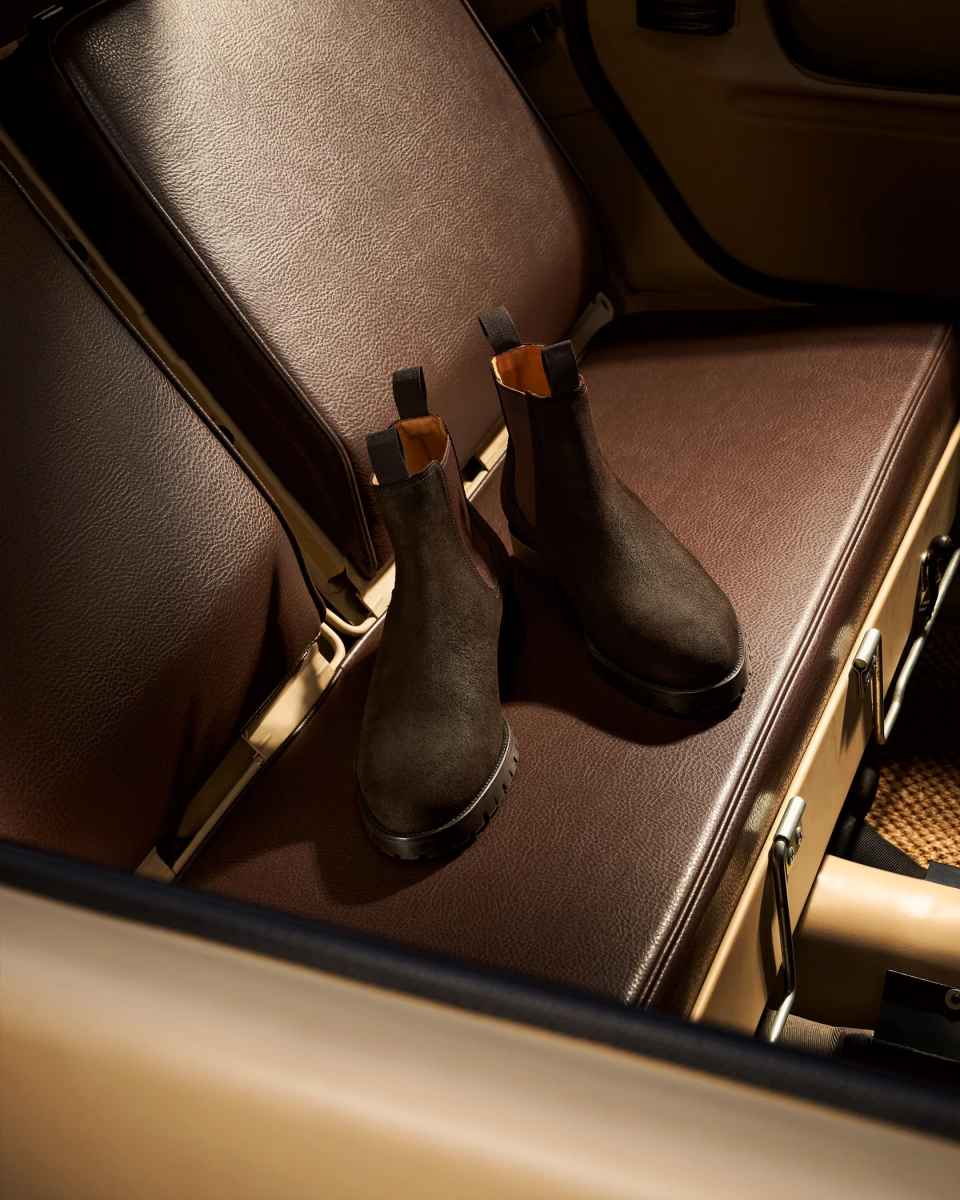
Do rotate your pairs
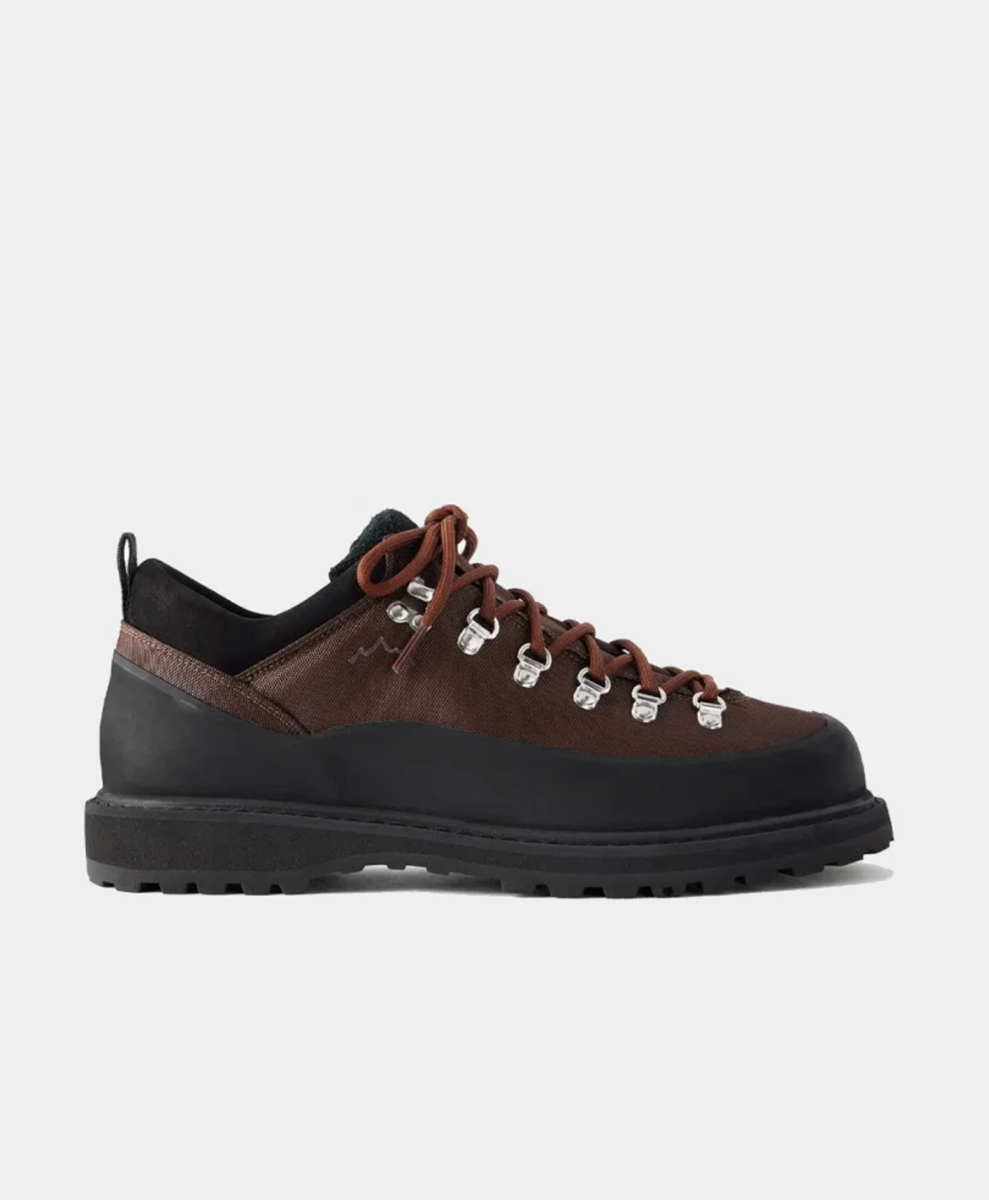
One good pair can do a lot, but two or three can do it better. Alternate between them so each has time to breathe and recover. You’ll extend their life and have options depending on the day: something sleek for the office, something rugged for the weekend.


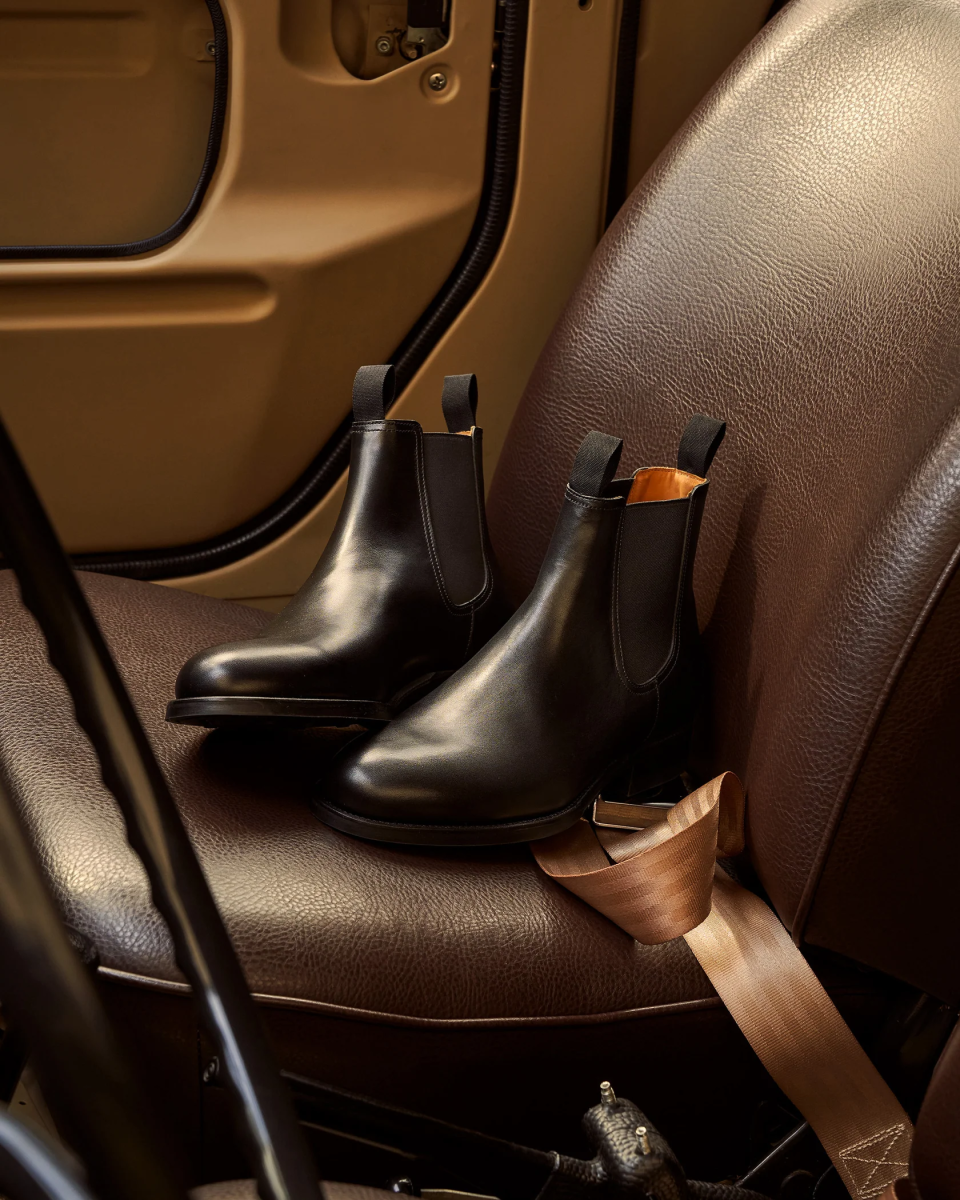
Don’t overthink it
Ultimately, boots are meant to be worn, not admired from the box. Scuffs add character, creases tell stories, and the best pairs look lived in. So buy well, care for them properly, and then forget about it. That’s the real secret to good style.