The smart casual dress code sounds simple... until you actually try to put an outfit together. Even at its most fundamental level, it doesn’t quite add up. “Smart” suggests polish and maybe a certain level of formality. “Casual” points the other way entirely. Put the two together and you end up with a recipe for confusion and sartorial missteps.
Vagueness adds fuel to the proverbial fire. Smart casual has become a catch-all, stretched to cover everything from wearing a blazer with jeans to T-shirts and minimalist sneakers. An office might interpret it one way, a restaurant another. Meanwhile, brands and retailers muddy the waters further still by using it to describe almost anything that isn’t full-blown tailoring or a tracksuit.
The reality lies, as it often does, somewhere in the middle. We’ve been around the block when it comes to menswear. We’ve seen smart casual in various forms and guises over the years, and while some things change with time, there remain certain constants. Not rules, but guidelines. In our experience, it’s best to stick to these in order to get it right. Here’s what you need to know.
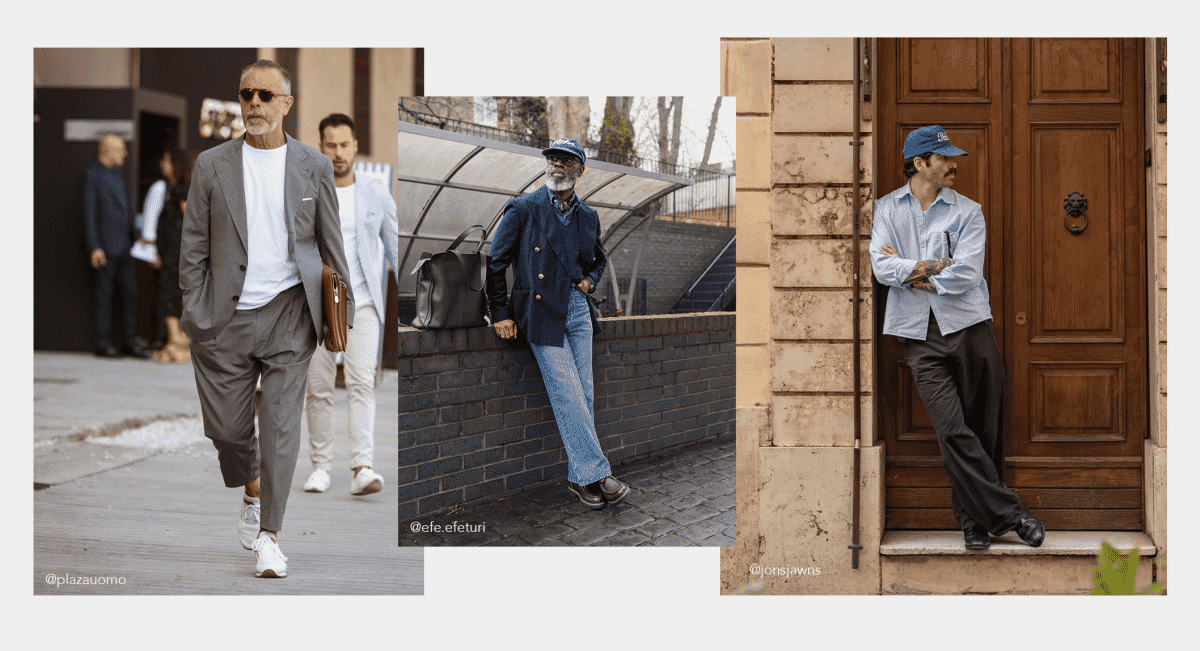
@plazauomo, @efe.efeturi, @jonsjawns,
What is the smart casual dress code?
At its core, smart casual is about balance. It sits between formal tailoring and everyday casualwear, borrowing from both without fully committing to either.
The definition hasn’t really changed, but the execution has loosened. Where it once leaned heavily on blazers, pressed trousers and leather casual shoes for men, today it makes room for knitwear, T-shirts and even certain sneakers.
Not everything qualifies, though. Corporate tailoring looks stiff. Sloppy basics look underdressed. The aim is to land somewhere in the middle – considered, intentional, but never forced. In practice, that comes down to proportion, texture and context more than any fixed set of rules.
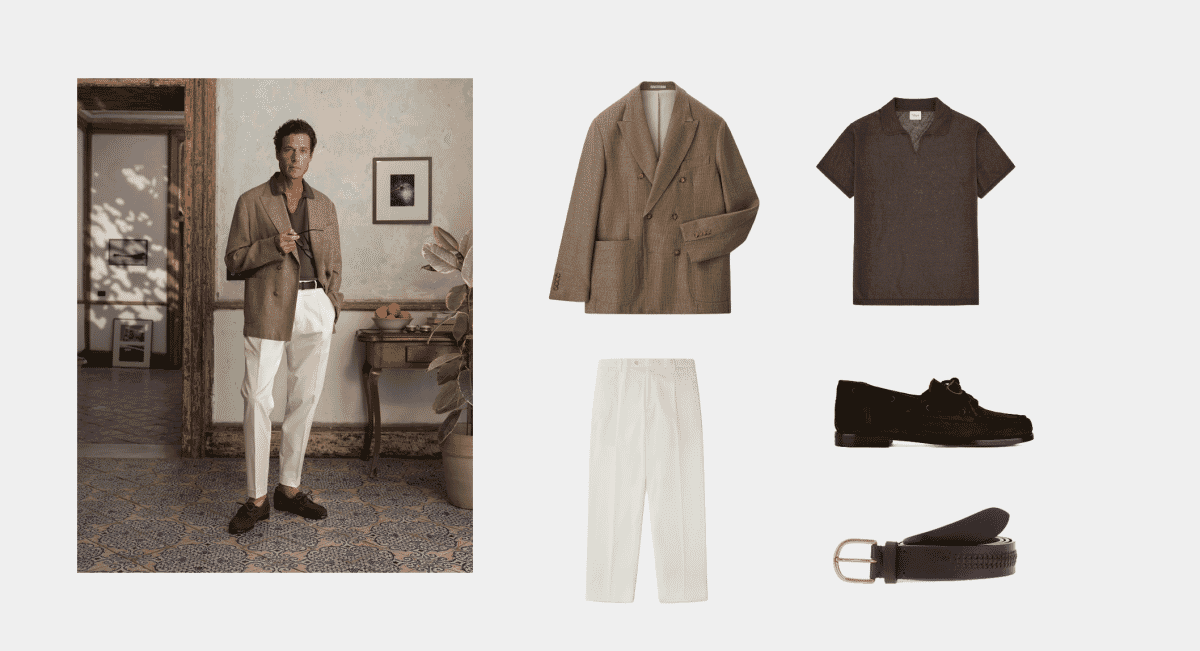
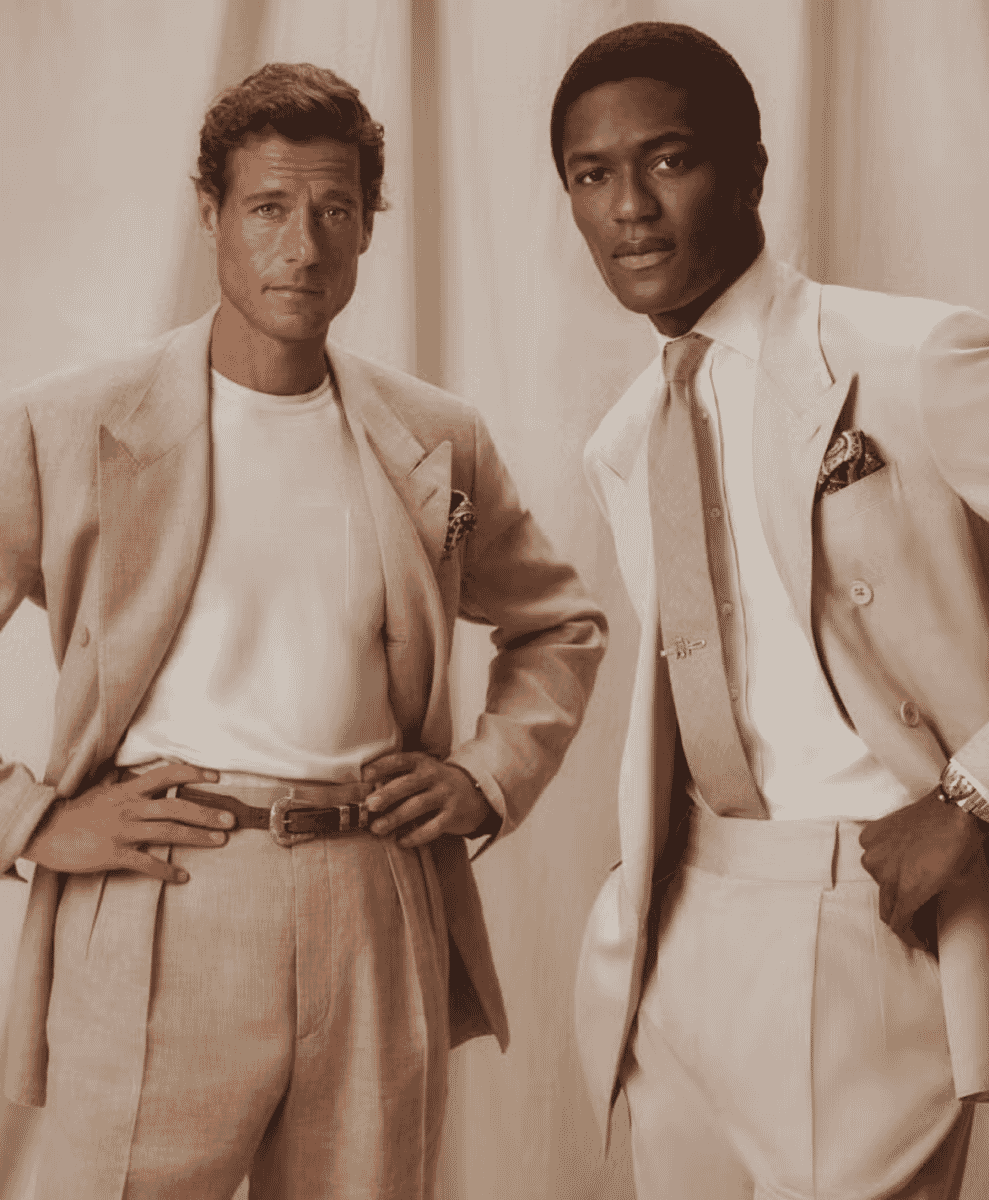
As seen above Double Breasted Jacket, Short Sleeved Polo, Pleated Chinos, Suede Loafer, Leather Belt
The smart casual capsule wardrobe
Unstructured blazer
This is where smart casual really starts to make sense. An unstructured blazer does the heavy lifting, signalling intent without tipping into formality.
Construction is what sets it apart. By stripping out padding and internal structure, you get softer shoulders, a natural drape and something that feels closer to a cardigan than a suit jacket.
Fabric lets you steer the tone. Hopsack wool is breathable and lightly textured, which makes it an easy default. Flannel reads slightly more seasonal, while cotton or linen blends push things further toward casual in warmer weather.
Details matter. Patch pockets, relaxed lapels and a slightly shorter cut all help take the edge off. Worn properly, it feels less like tailoring and more like a layer you can throw on without overthinking it.
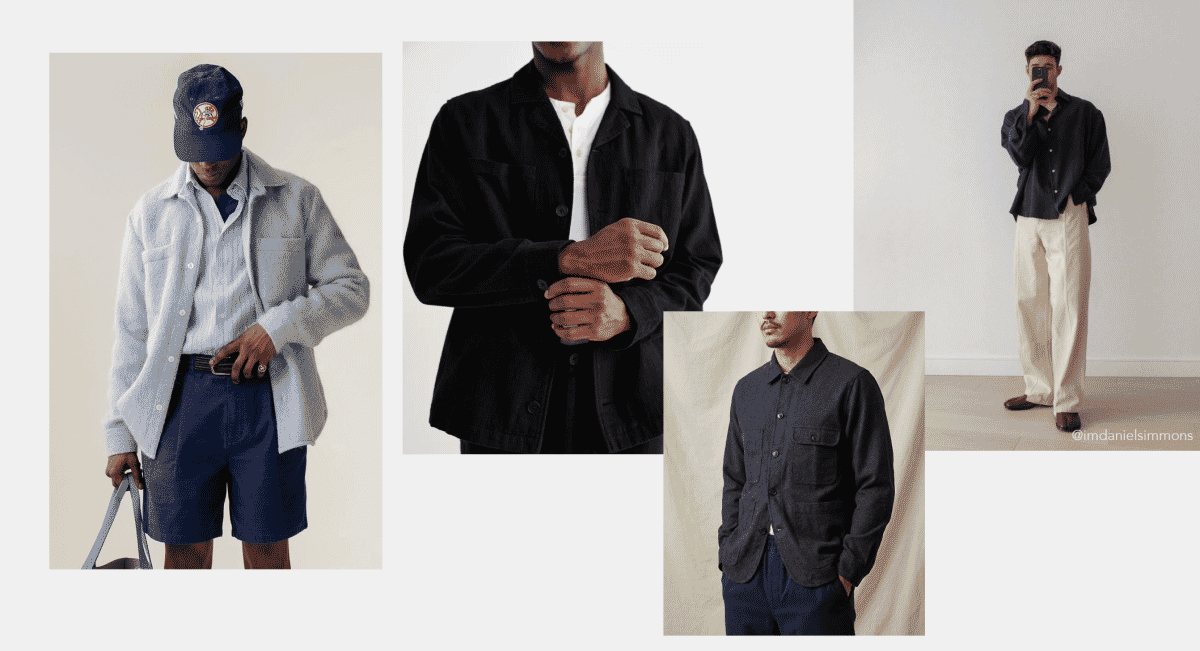
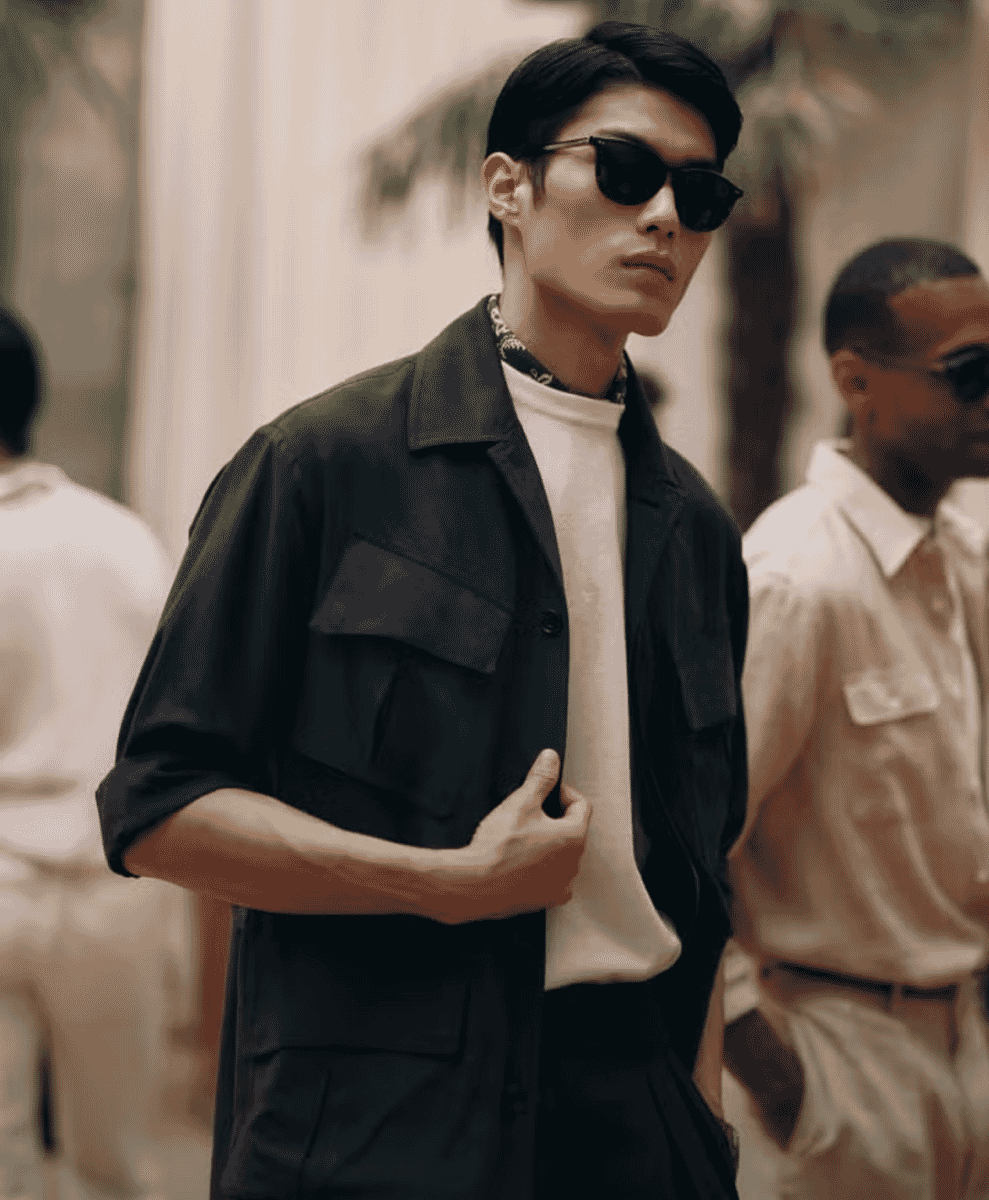
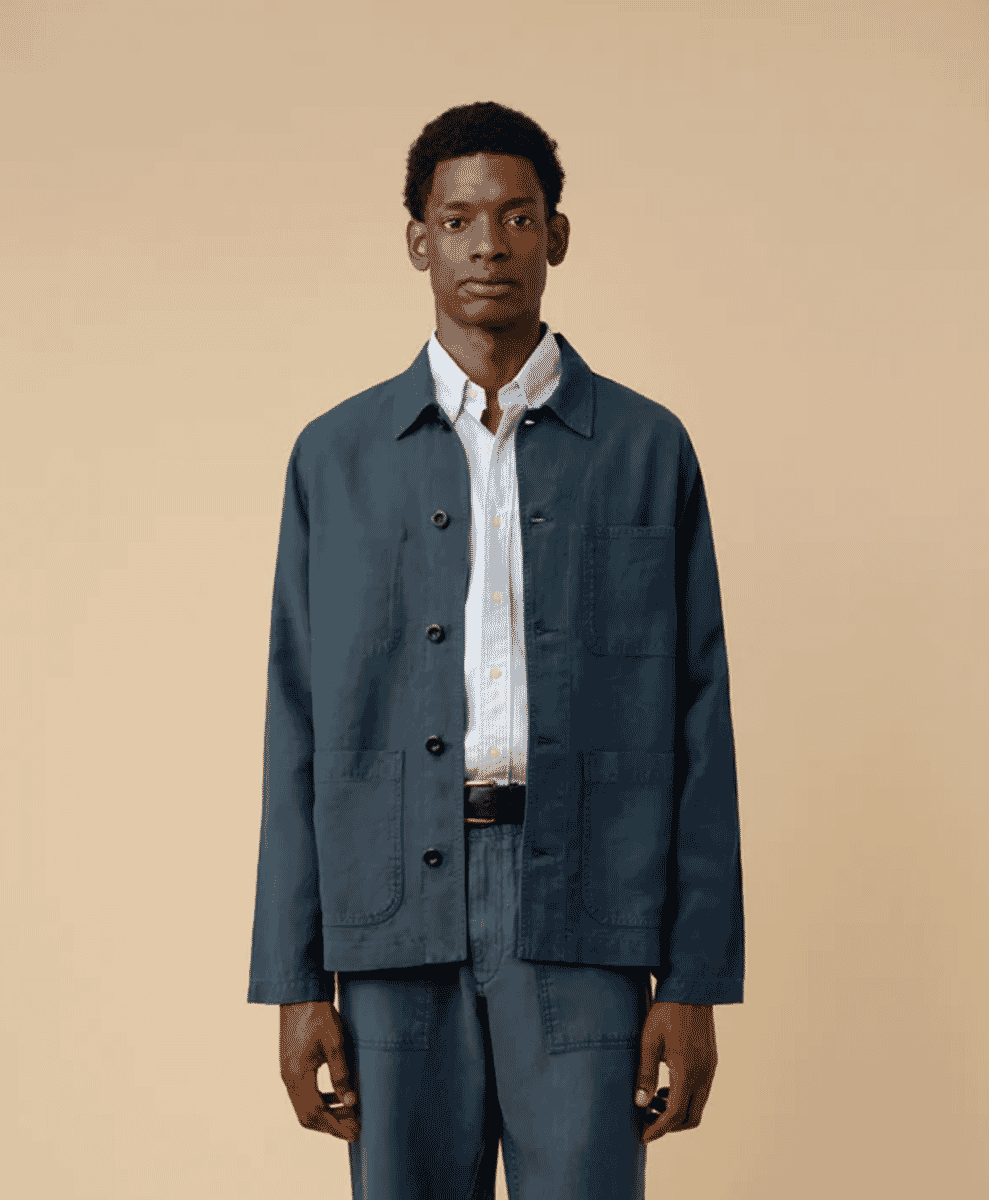
As seen above, Blue Overshirt by Aimé Leon Dore , Black Linen Cotton Overshirt by Wax London , Charcoal Nebraska Scribbler Overshirt, @imdanielsimmons
Overshirt
In its current form, the overshirt has become indispensable. It fills the gap between tailoring and outerwear in a way few garments manage.
What makes it useful is its flexibility. Swap it in for a blazer when things feel too formal, or use it to elevate a basic outfit without adding stiffness.
Material choice shapes how it reads. Brushed cotton twill keeps things relaxed, while wool blends or denser weaves add structure and presence. Texture is worth leaning into here – subtle checks, melange finishes, slightly napped surfaces.
Styling does the rest. Worn open over a plain white T-shirt, it feels easy. Buttoned up, it takes on more of a shirt-like role. Few pieces adapt this well across different settings.
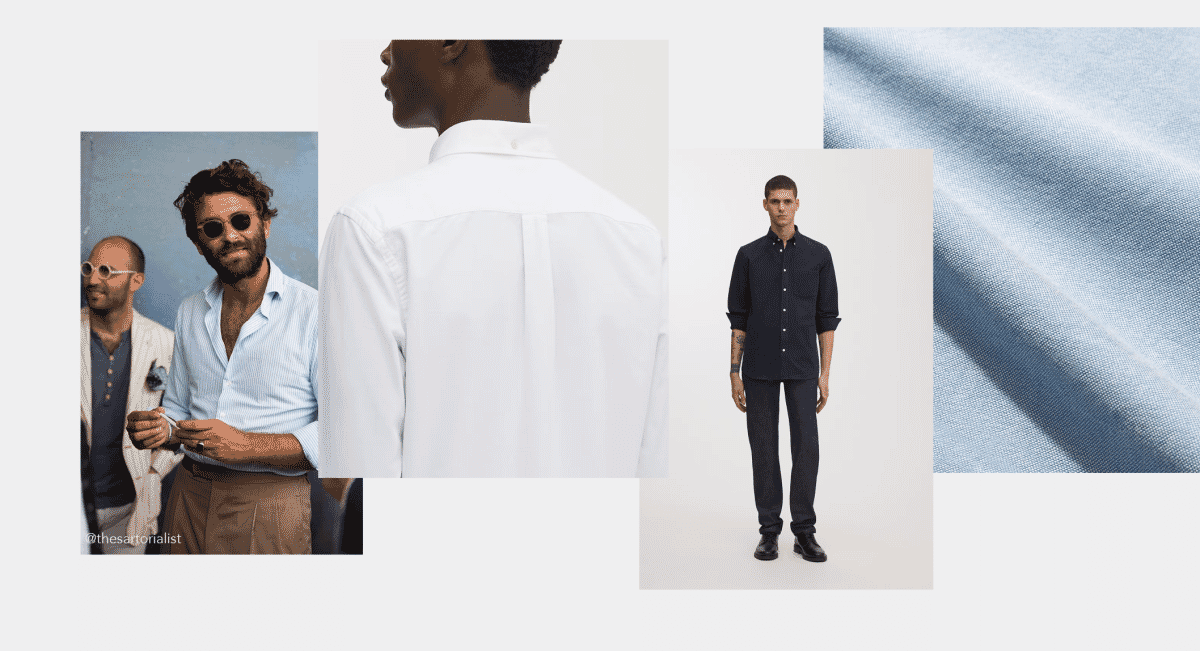
As seen above @thesartorialist,White Oxford Shirt by Asket, Dark Navy Oxford Shirt by Asket, Oxford Cloth by ISTO.
Oxford shirt
If you’re building from scratch, start here. An Oxford shirt is one of the few pieces that works across almost every version of smart casual.
The fabric is key. That basketweave texture softens the look, stopping it from feeling too crisp or office-bound. In contrast, a poplin shirt can feel overly formal outside of strict tailoring.
Collar roll is another detail worth noting. A proper button-down should sit softly rather than rigidly, which helps it layer neatly under knitwear or relaxed tailoring.
White and light blue will cover most situations. Tucked or untucked, worn with tailoring or denim, it holds its own. Few garments offer this level of range.
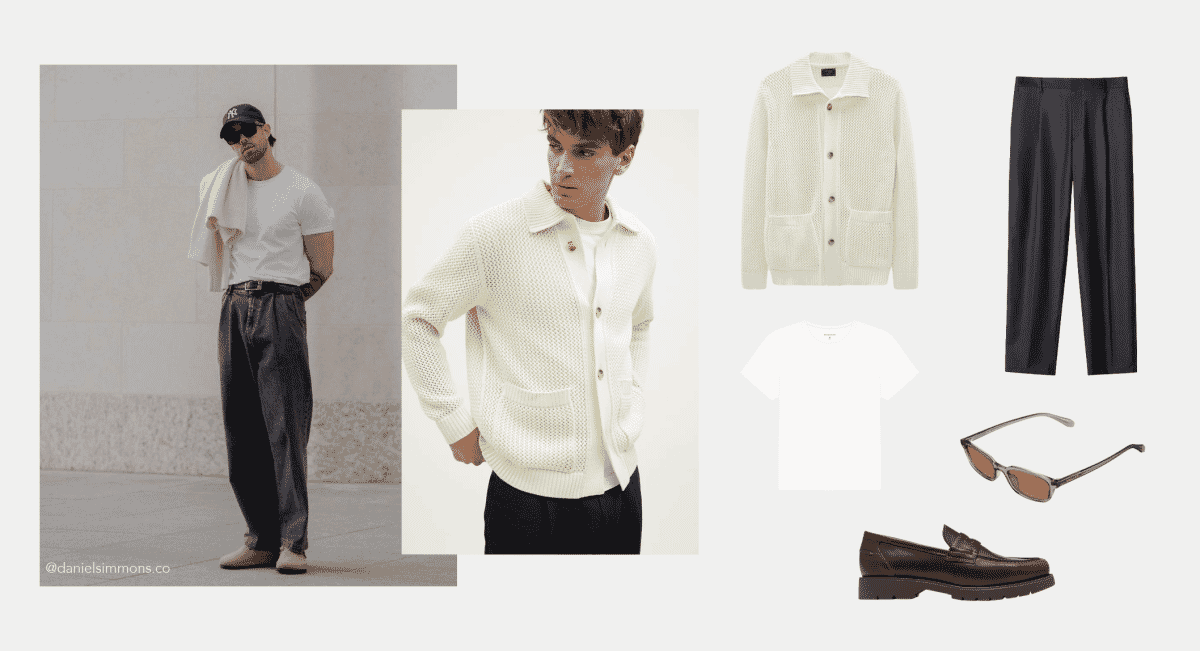
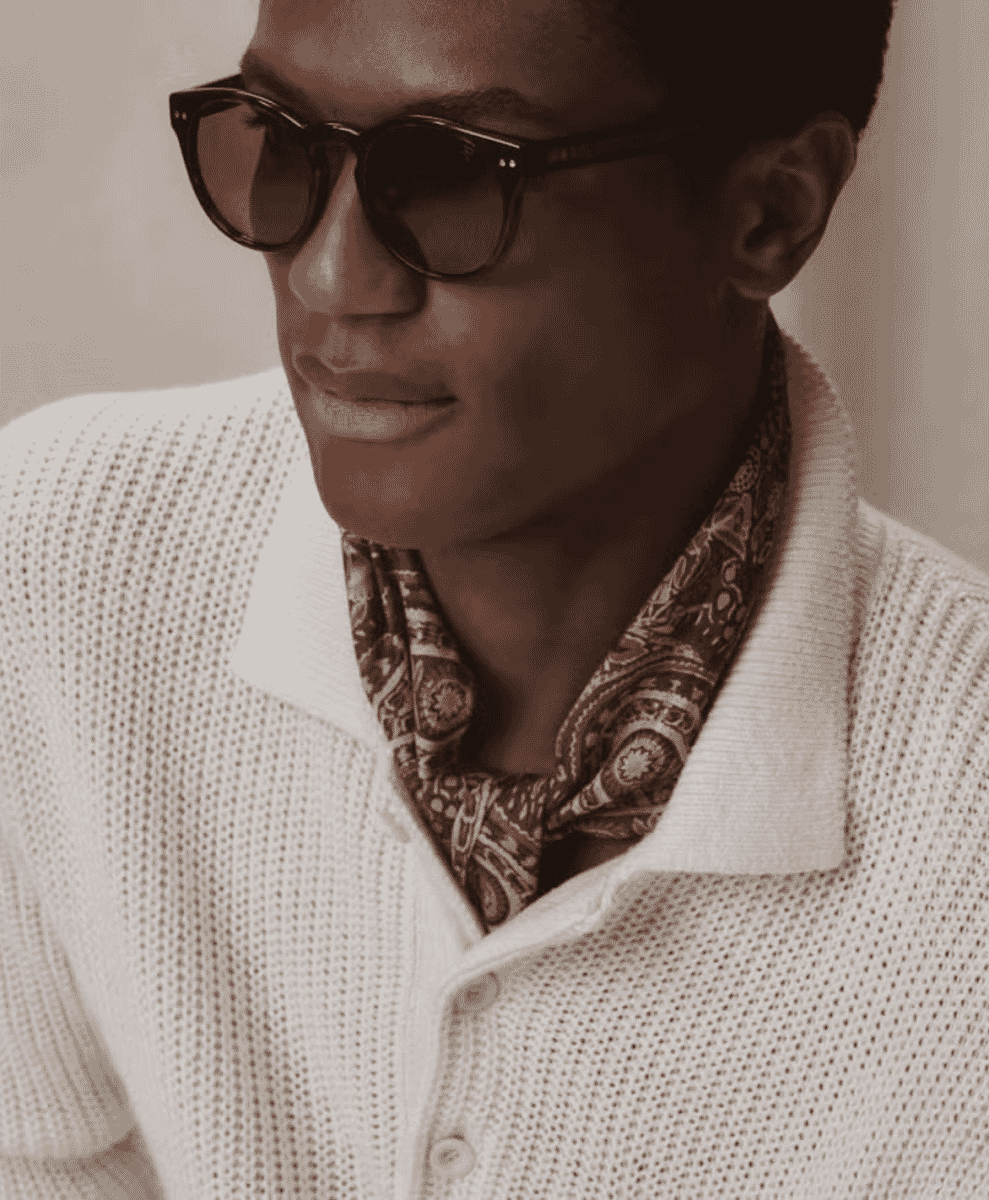
As seen above @danielsimmons.co, Milk White Knitted Jacket by Artknit Studios, White T-shirt by David Gandy Wellwear, Wool Trousers with Pinces by Artknit Studios, Marron Loafer by KLEMAN, Tan Sunglasses by MELLER
Plain white T-shirt
This is where the dress code has shifted most in recent years. A white T-shirt no longer feels underdressed, provided it’s done properly.
Start with fabric. Lightweight, semi-transparent cotton won’t cut it. A midweight jersey with enough structure to hold its shape makes all the difference.
Then there’s fit. Too tight reads try-hard. Too loose loses any sense of polish. Clean lines are the goal – sleeves that sit neatly, a body that skims, a neckline that stays intact after repeated washes.
Contrast is what makes it work. Set against tailoring or structured outerwear, the T-shirt brings everything down a notch without making the outfit feel careless.
Straight chinos
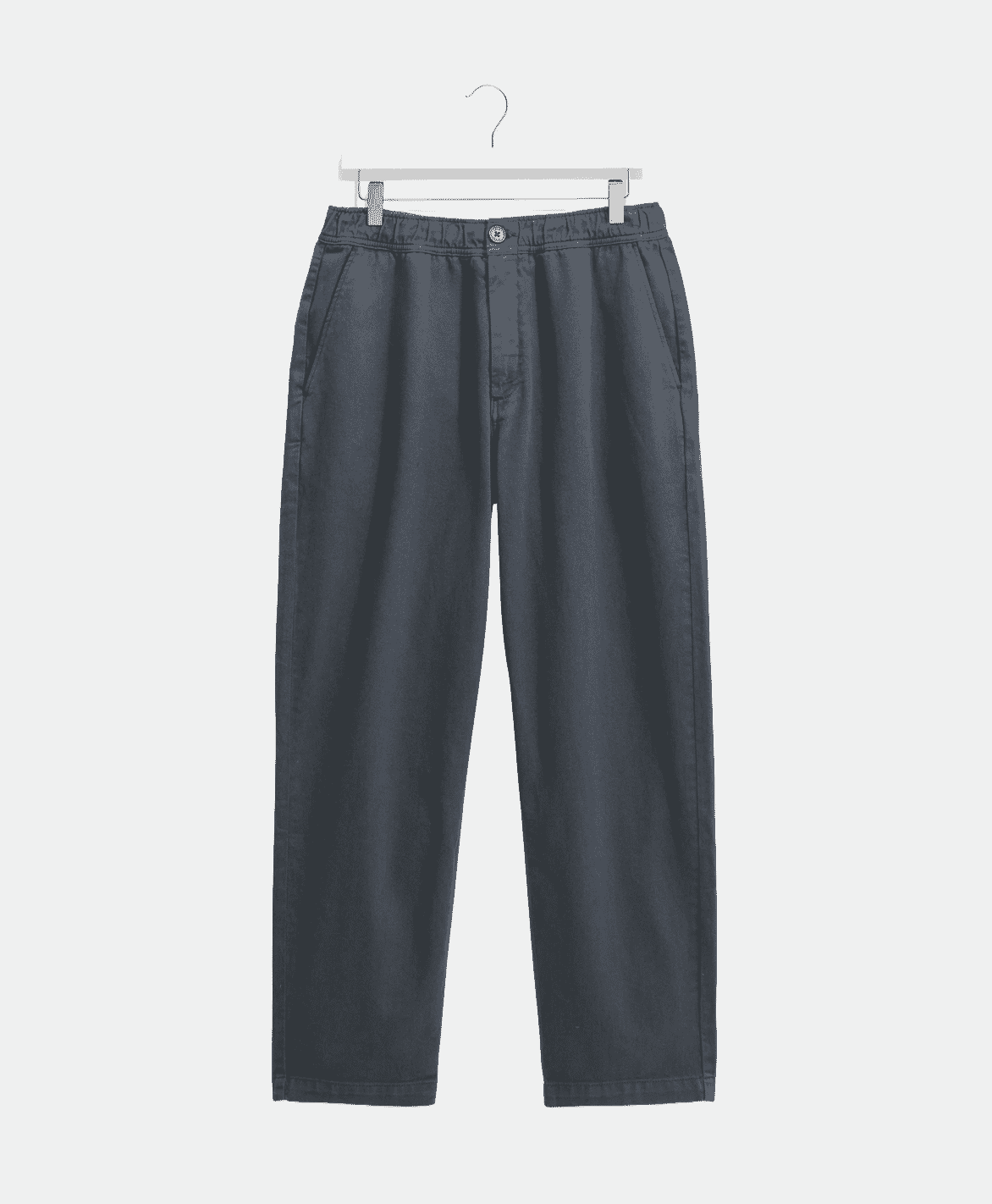
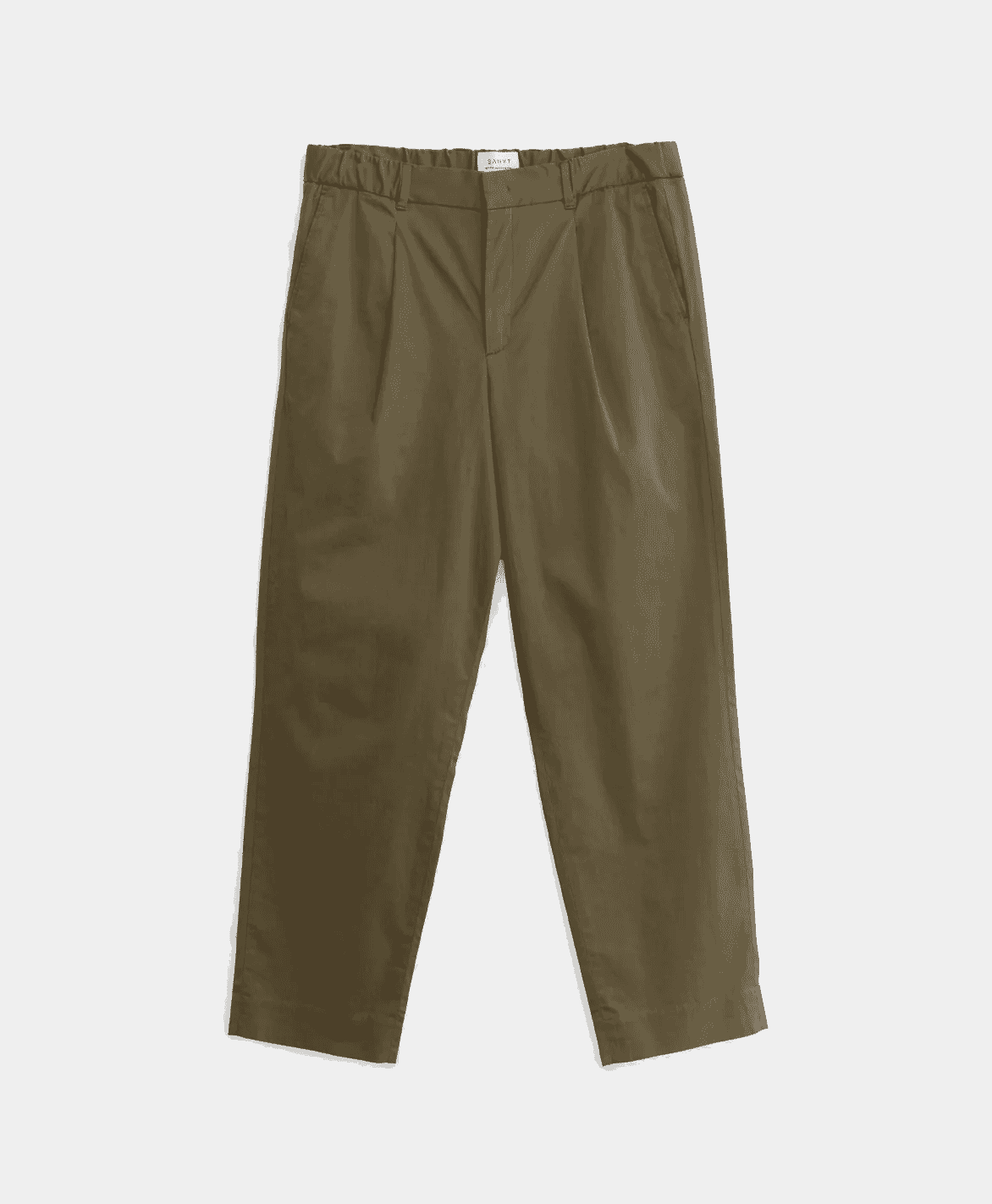
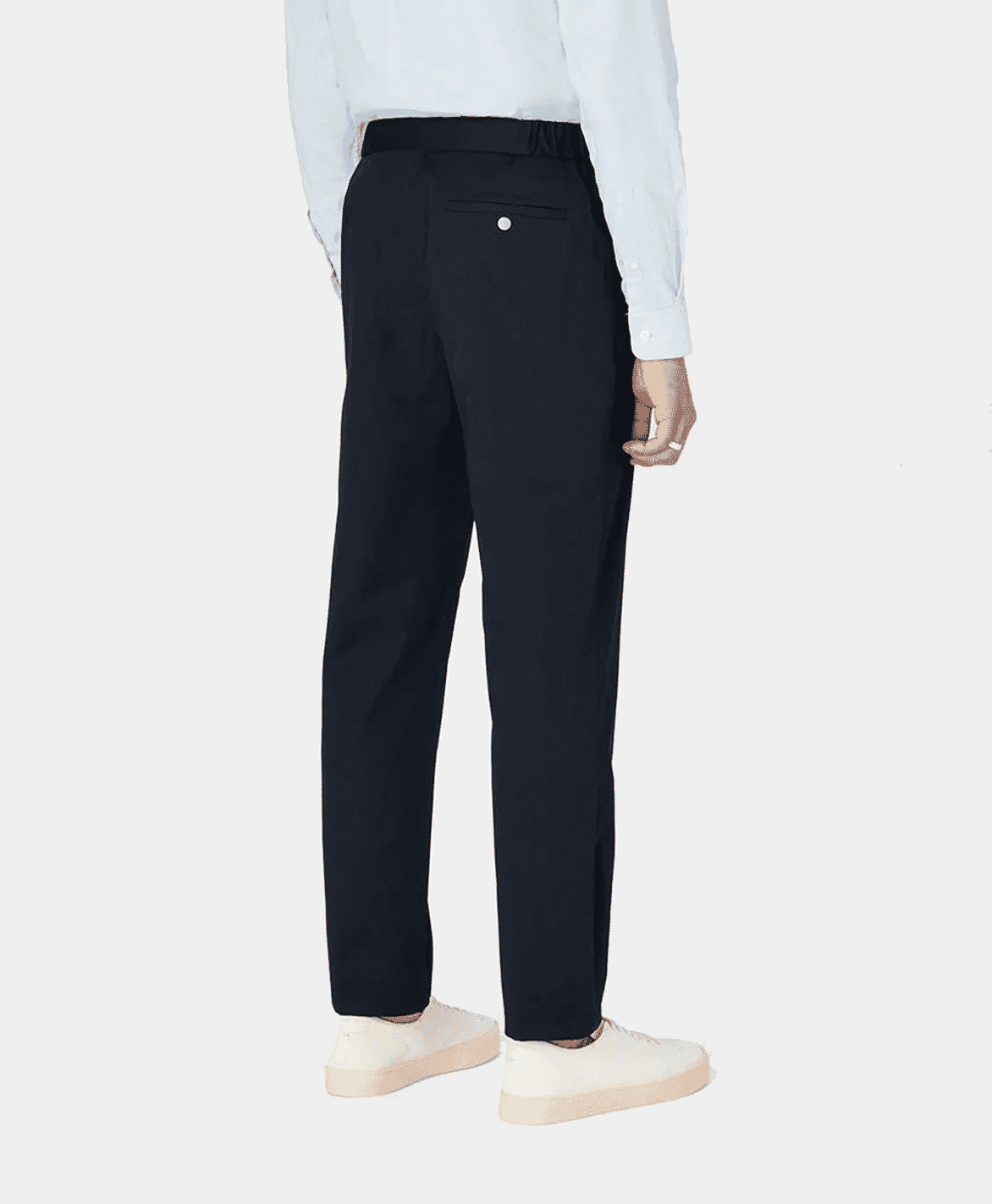
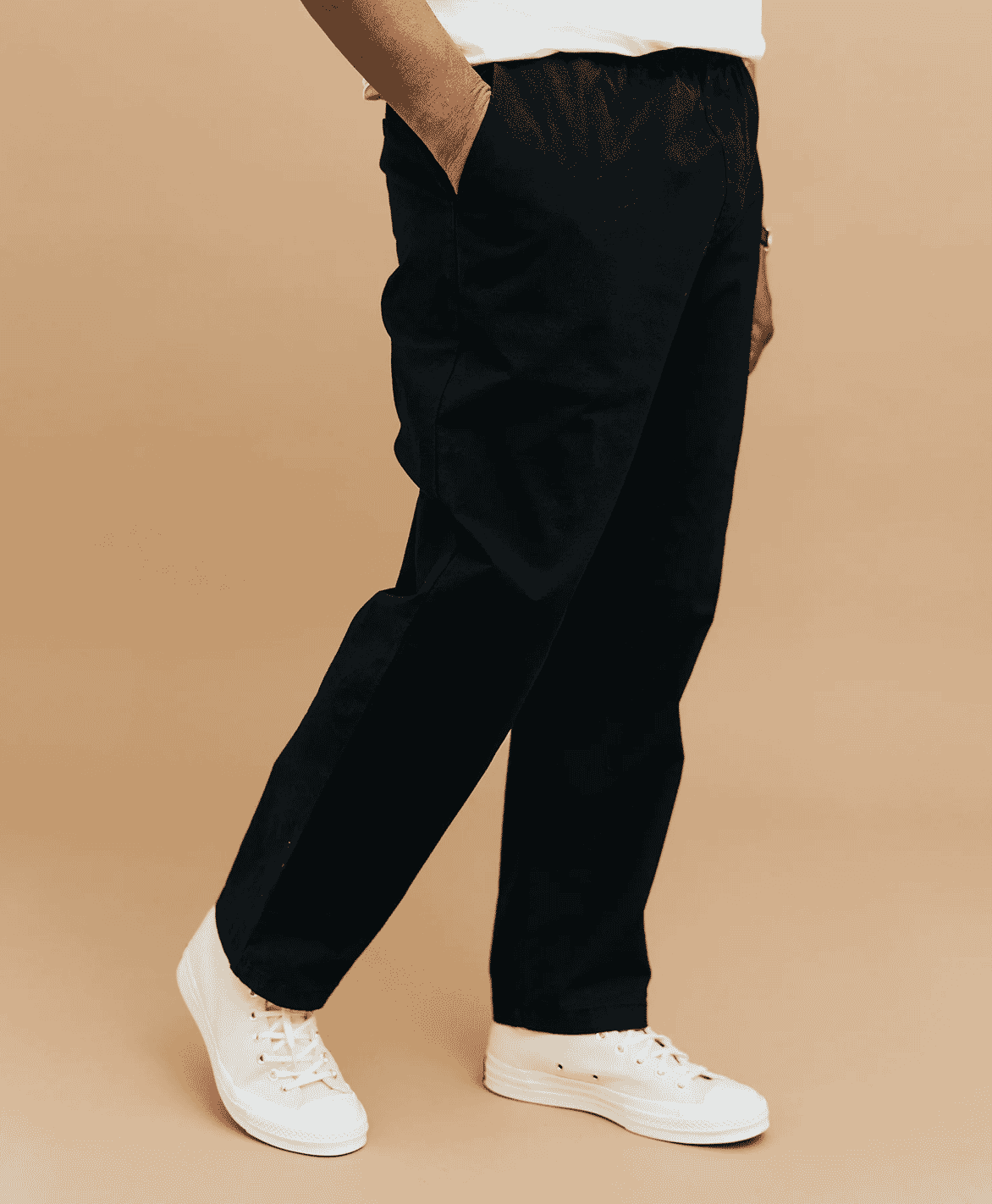
Often overlooked, chinos do a lot of the quiet work in a smart casual wardrobe. They sit comfortably between denim and tailoring, which makes them easy to rely on.
Fit is where most people go wrong. Ultra-slim cuts tend to look dated and can throw off proportions. A straight or gently tapered leg feels more current and easier to style.
Cloth makes a difference too. Heavier cotton twill holds its shape and gives the trouser some presence, rather than clinging to the leg.
In terms of colour, navy is the safest option. Khaki brings a slightly Ivy-leaning feel, while stone or off-white comes into its own in warmer months. These are the trousers you reach for when you don’t want to think too hard.
Wool trousers
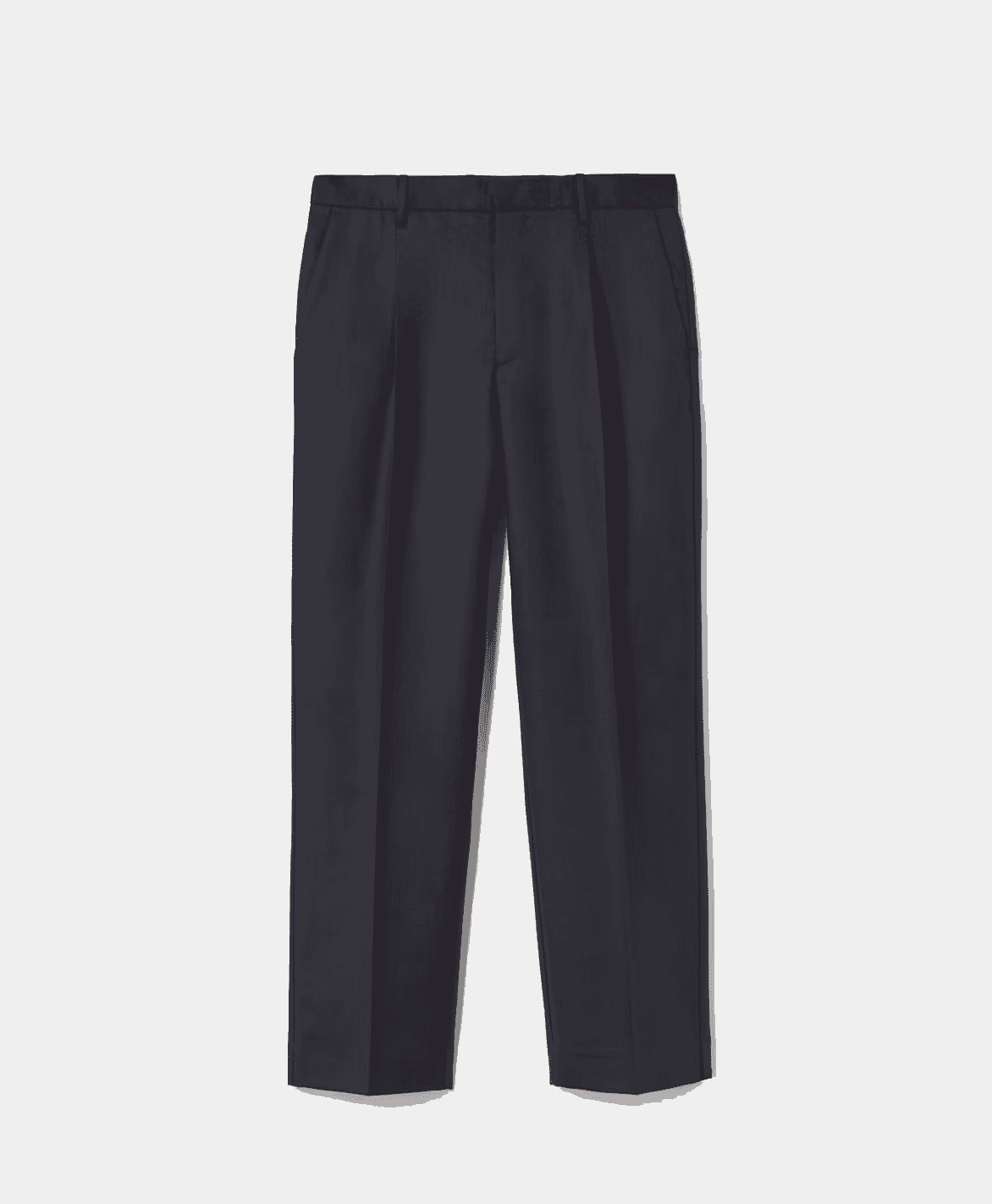
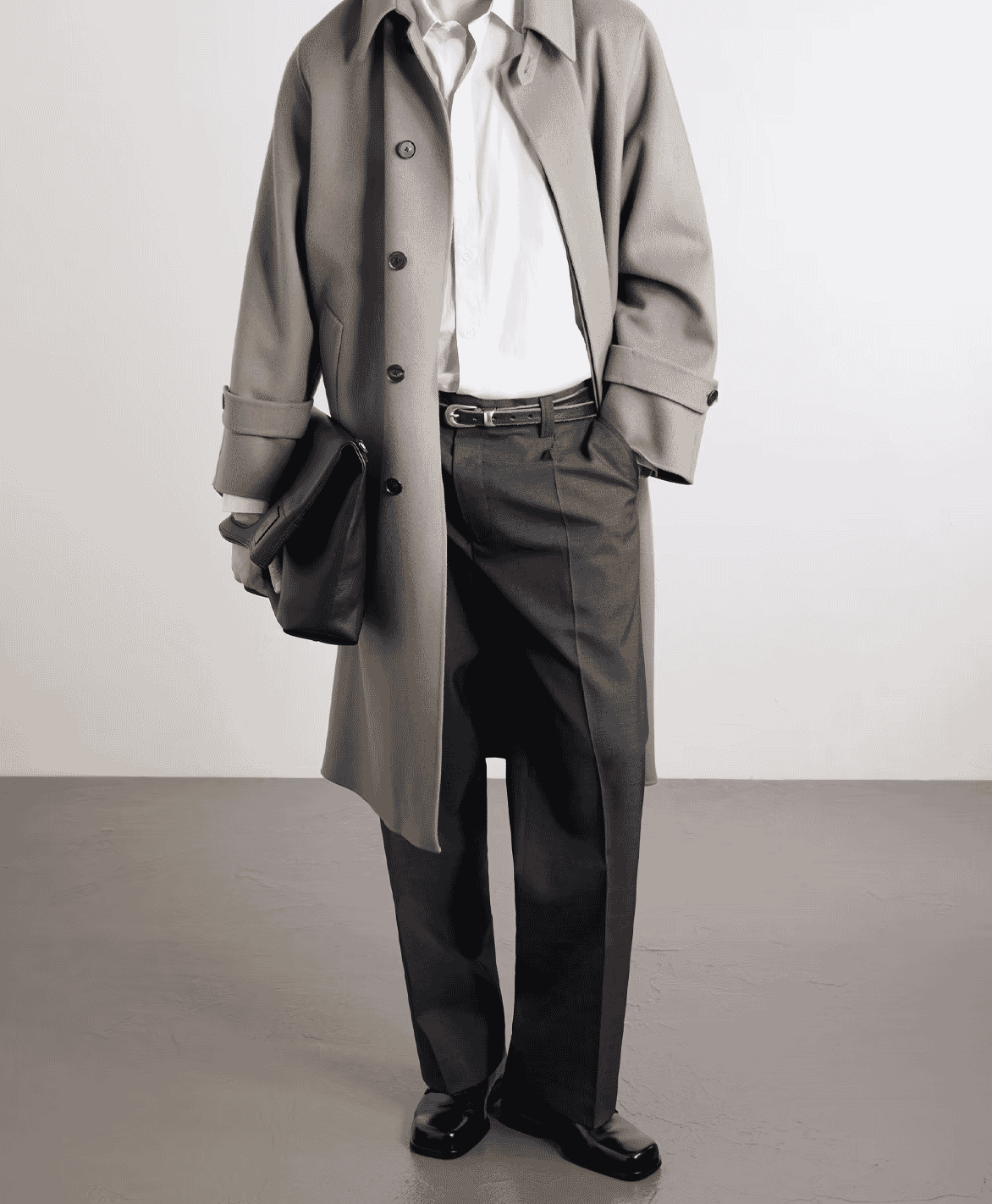
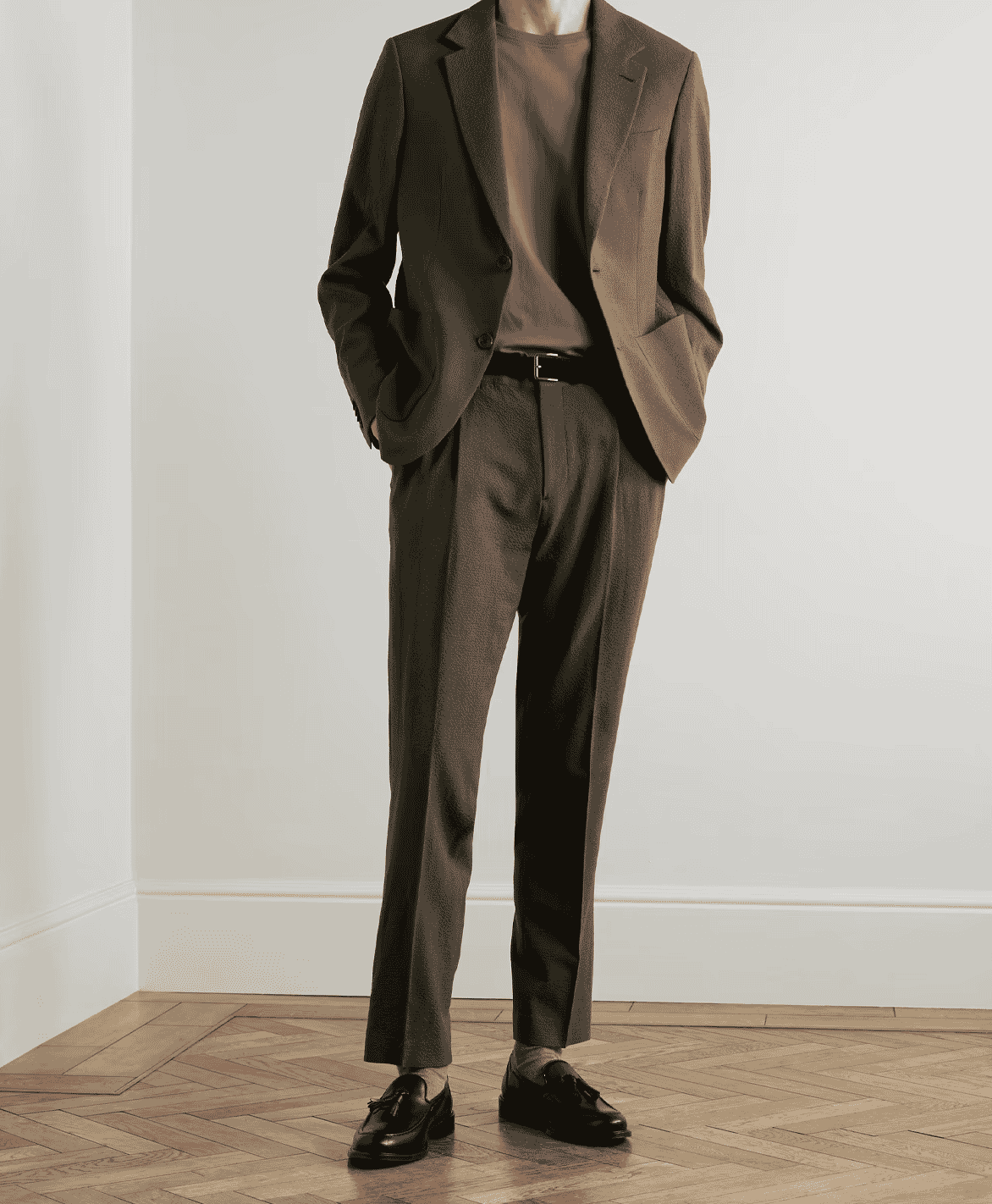
When the situation calls for something sharper, wool trousers step in. They add weight, drape and a level of refinement that chinos can’t quite match.
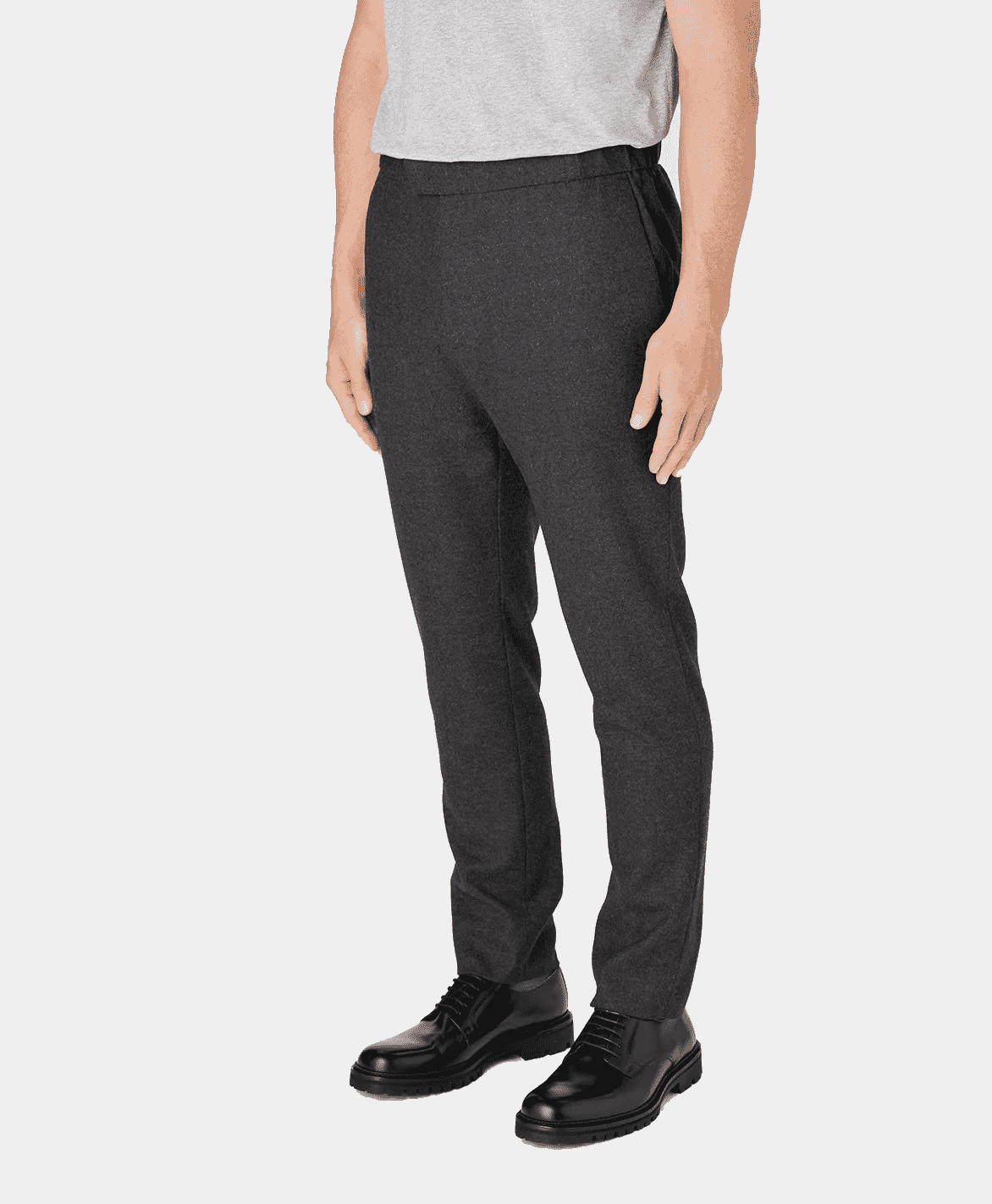
Flannel is the obvious entry point. Grey flannel, in particular, offers texture and softness without drawing too much attention. For warmer conditions, lightweight worsteds or fresco wool keep things breathable.
Cut needs to be handled carefully. Overly slim styles feel restrictive, while overly wide ones can overwhelm unless the rest of the outfit is built around them. A straight leg with a slight taper tends to strike the right balance.
Details like pleats aren’t essential, but they can improve comfort and movement. More importantly, these trousers anchor an outfit. Even a simple T-shirt and blazer combination feels more considered when they’re in play.
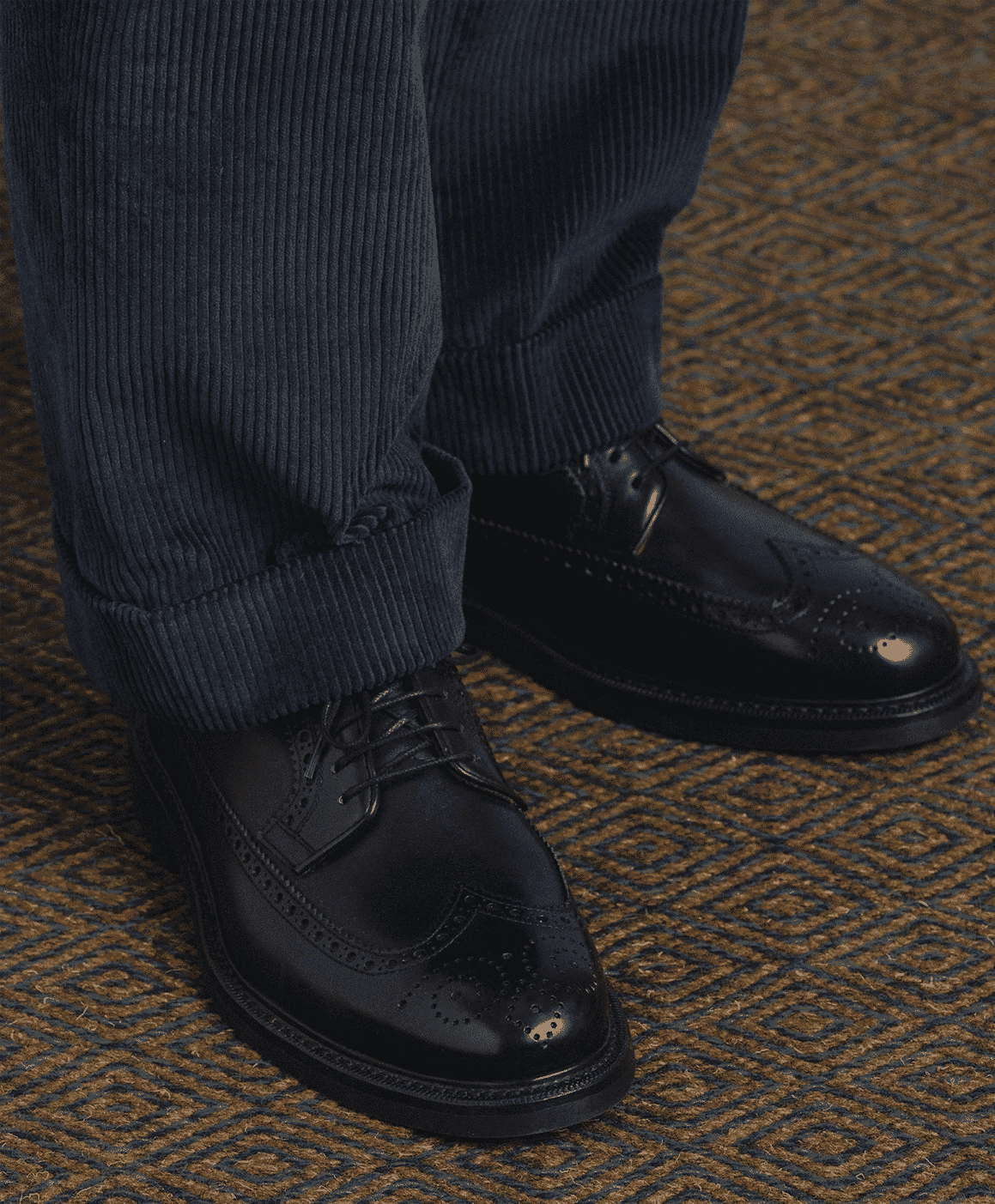
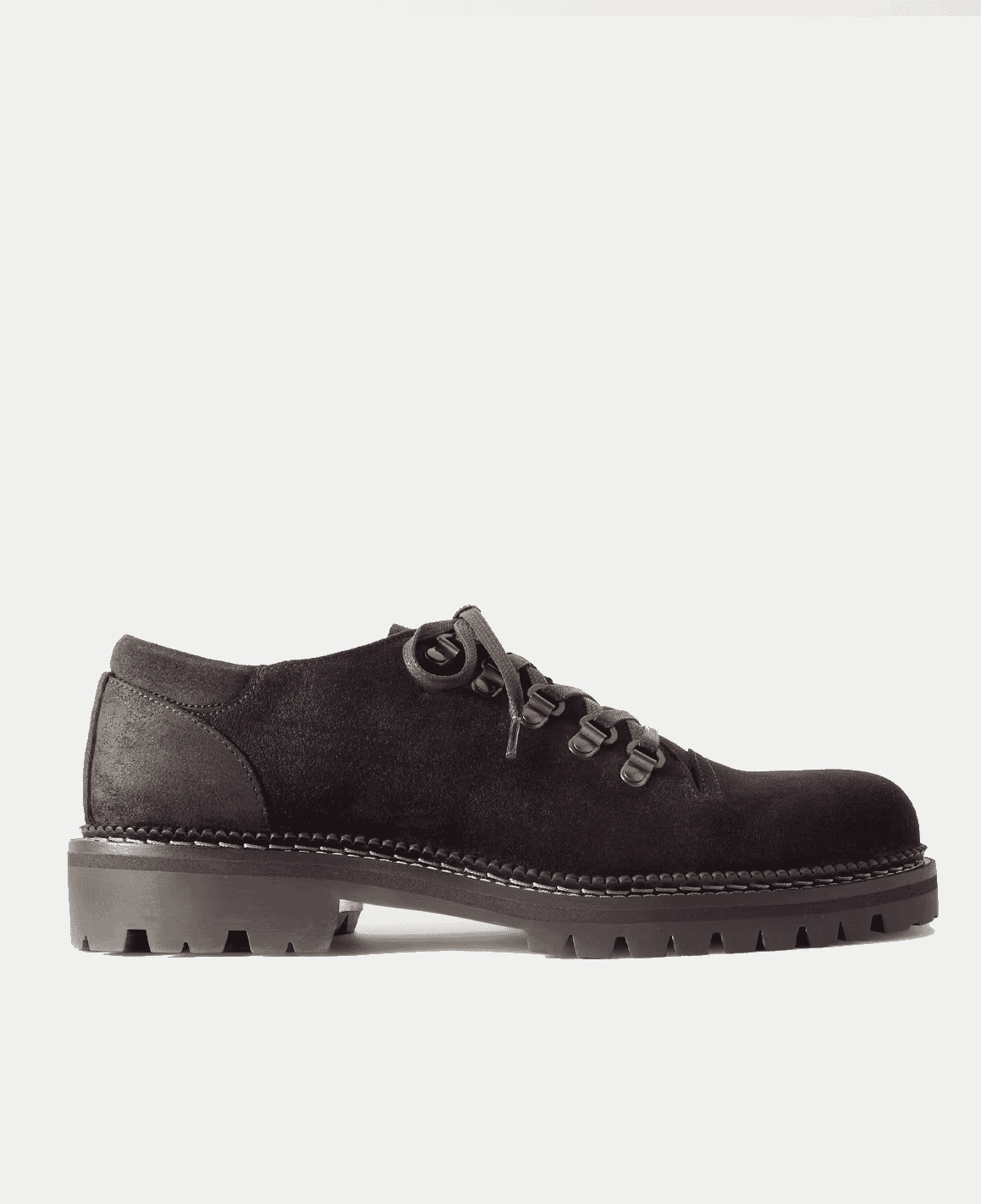
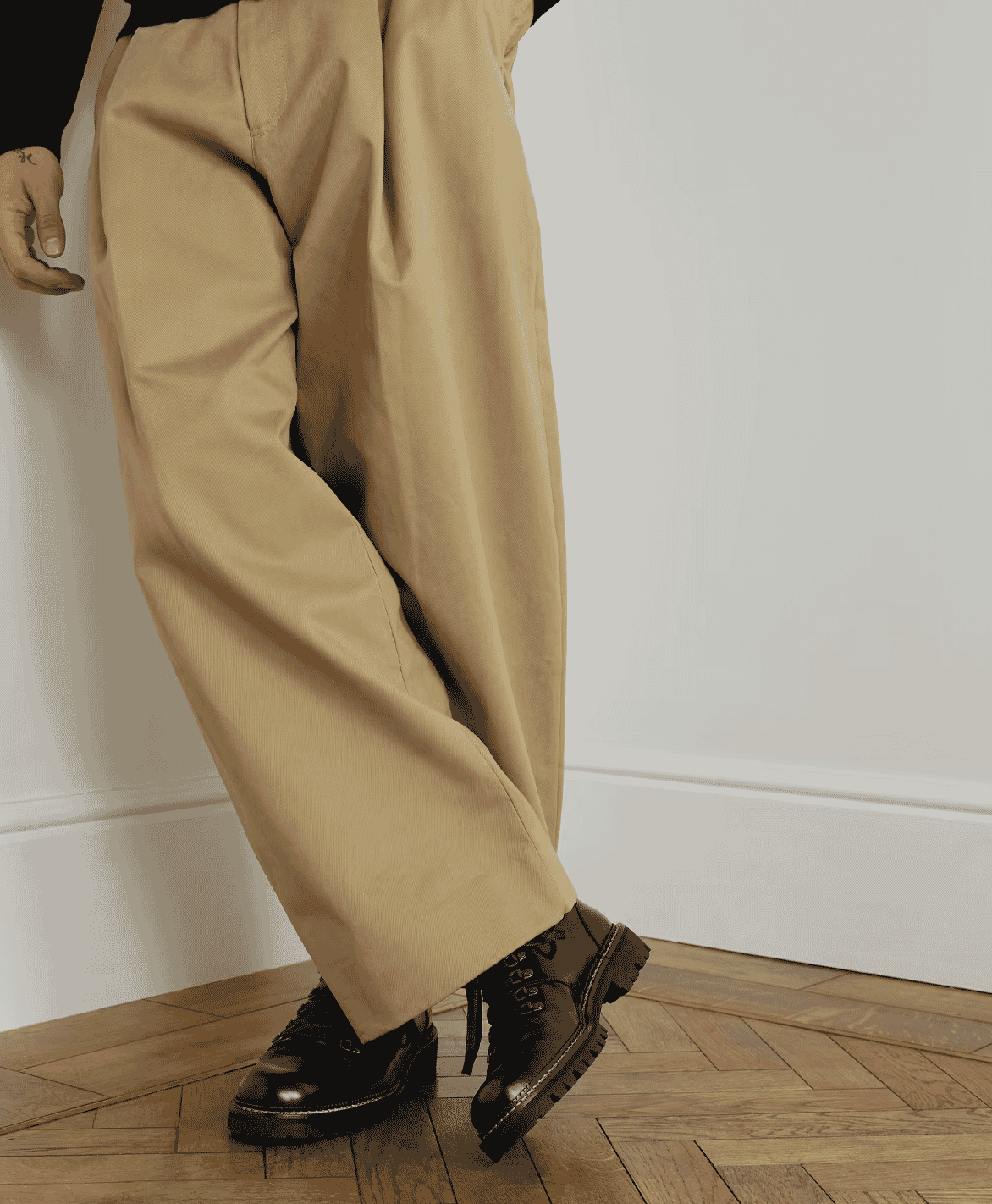
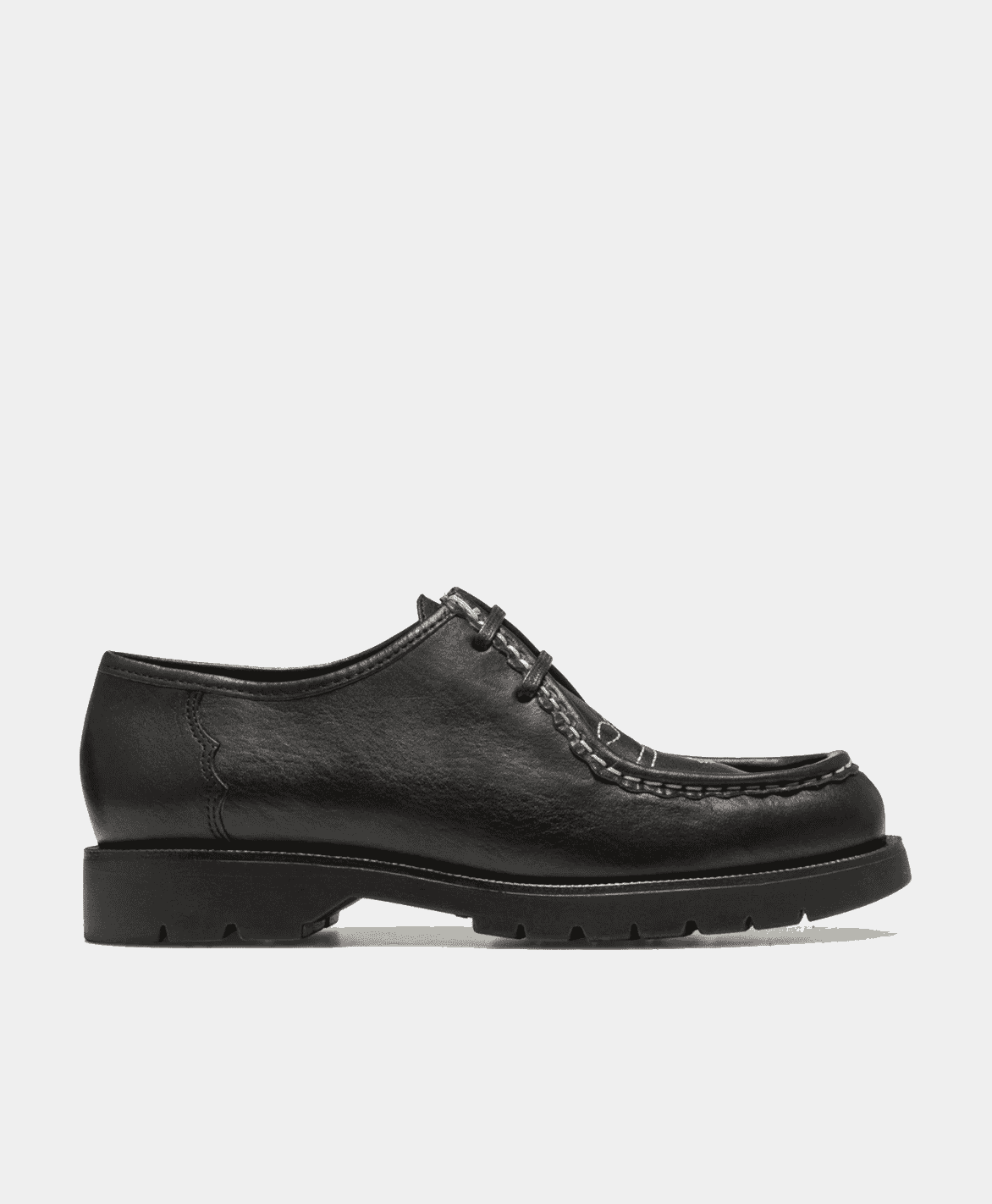
Derby shoe
If you’re limiting yourself to one smarter shoe, make it some form of simple Derby shoe. It’s versatile without leaning too formal.
The open lacing system gives it a more relaxed appearance than an Oxford, which makes it easier to pair with everything from tailoring to chinos or dark denim.
Material shifts the tone. Smooth calfskin will read sharper, while grain leather or chunkier soles introduce a more casual edge.
Keep the design simple. A clean, unfussy Derby will slot into more outfits and won’t draw unnecessary attention.
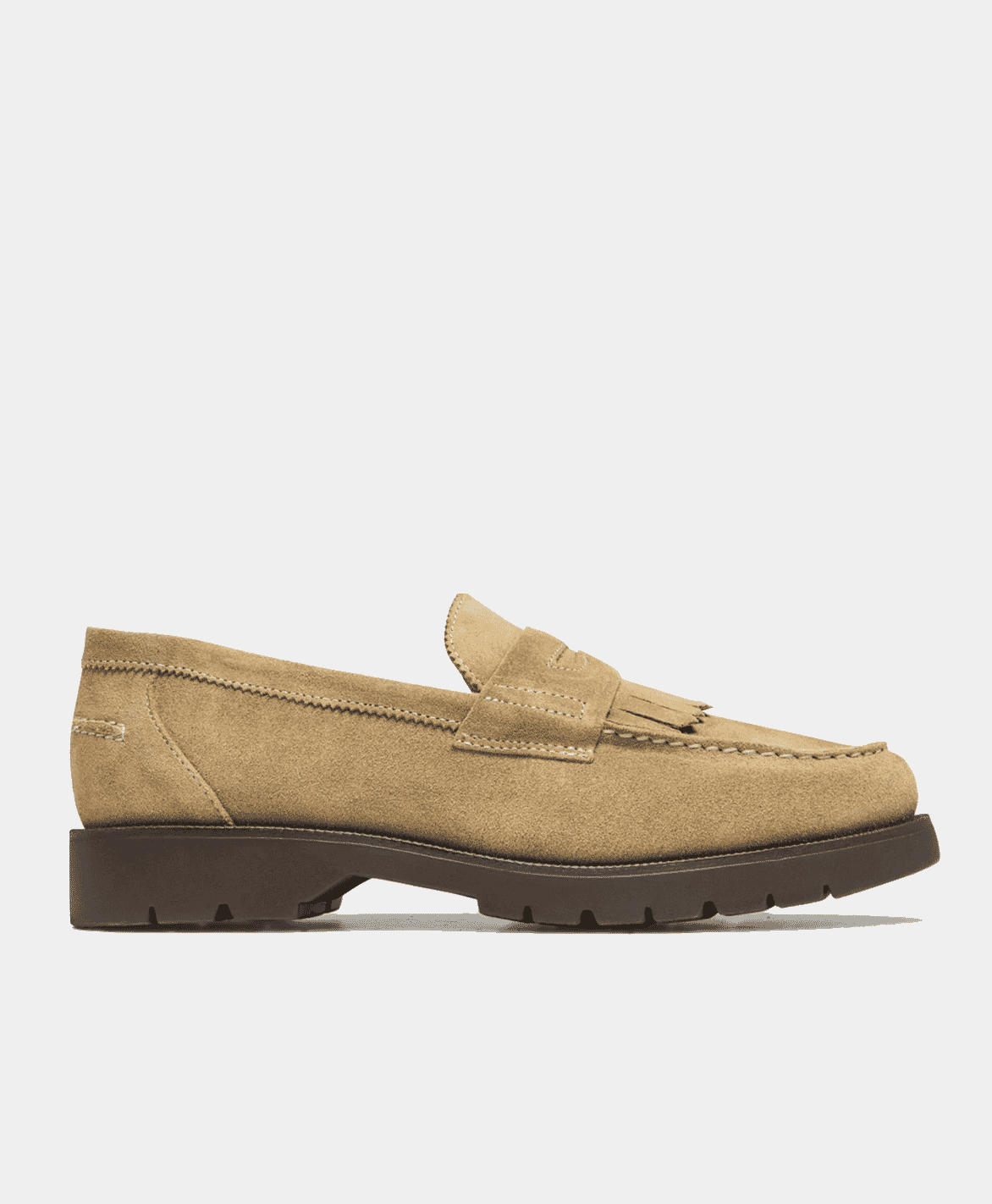
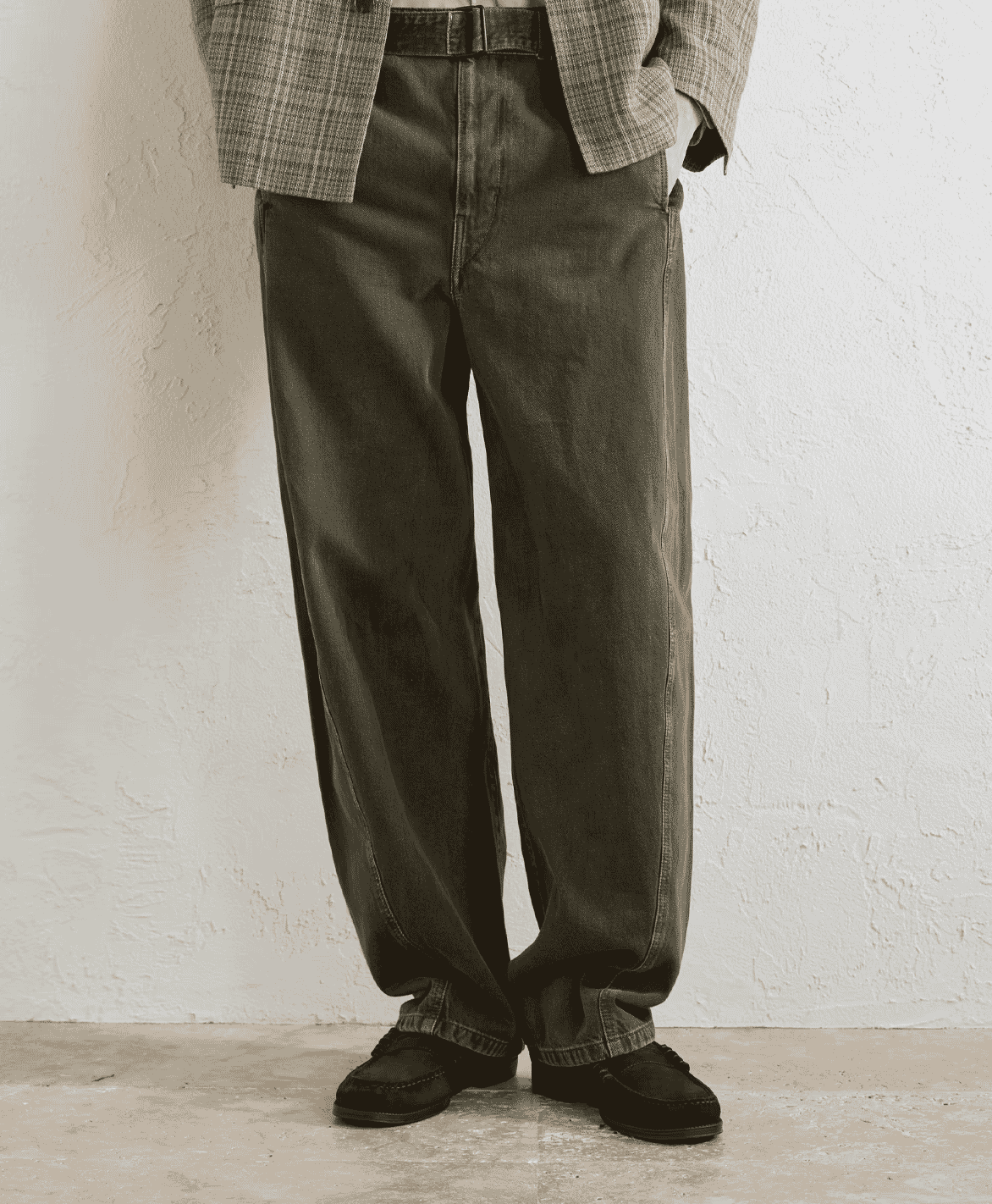
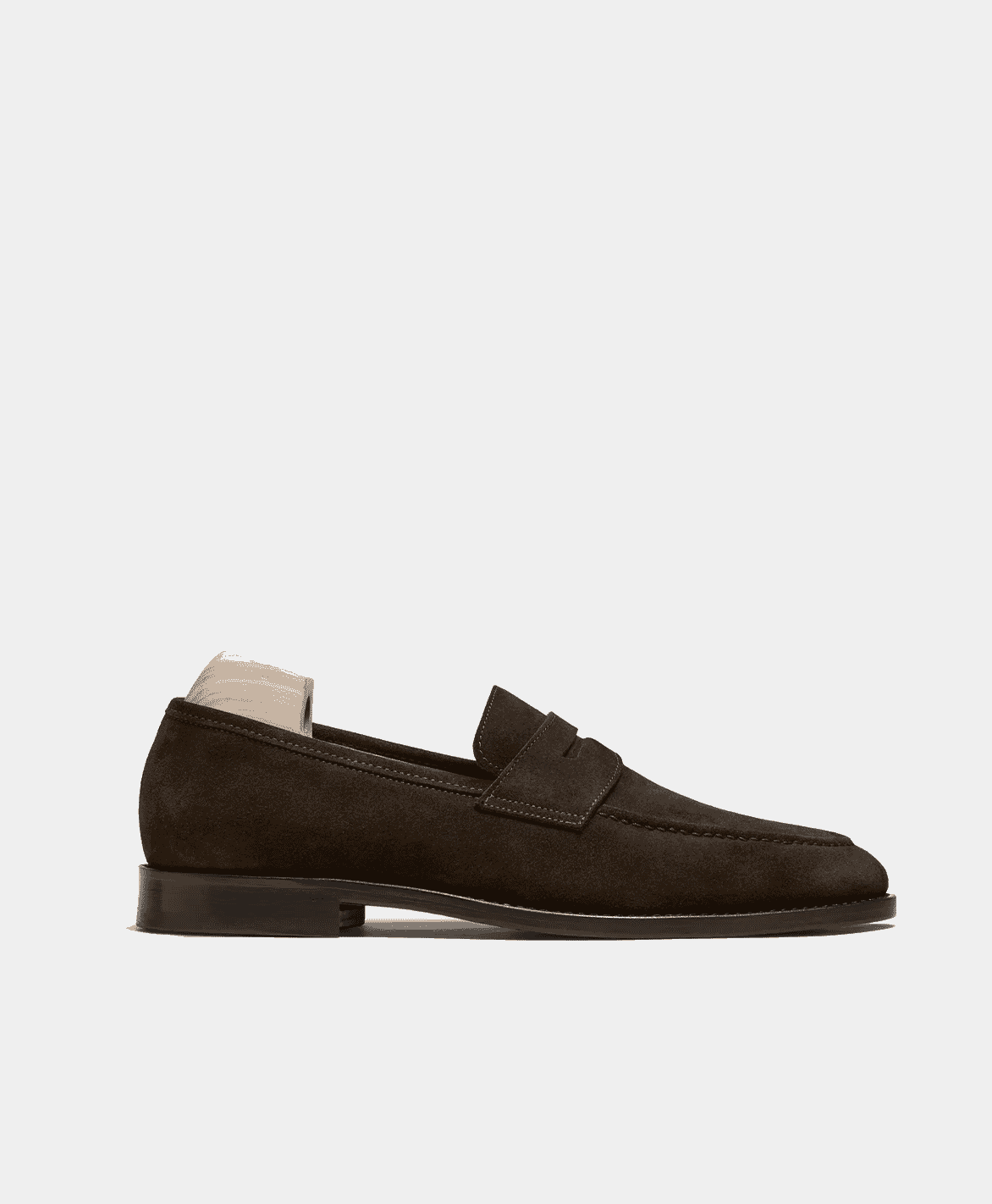
Easy Weejuns Larson Suede Penny Loafers
G.H. BASS
£79
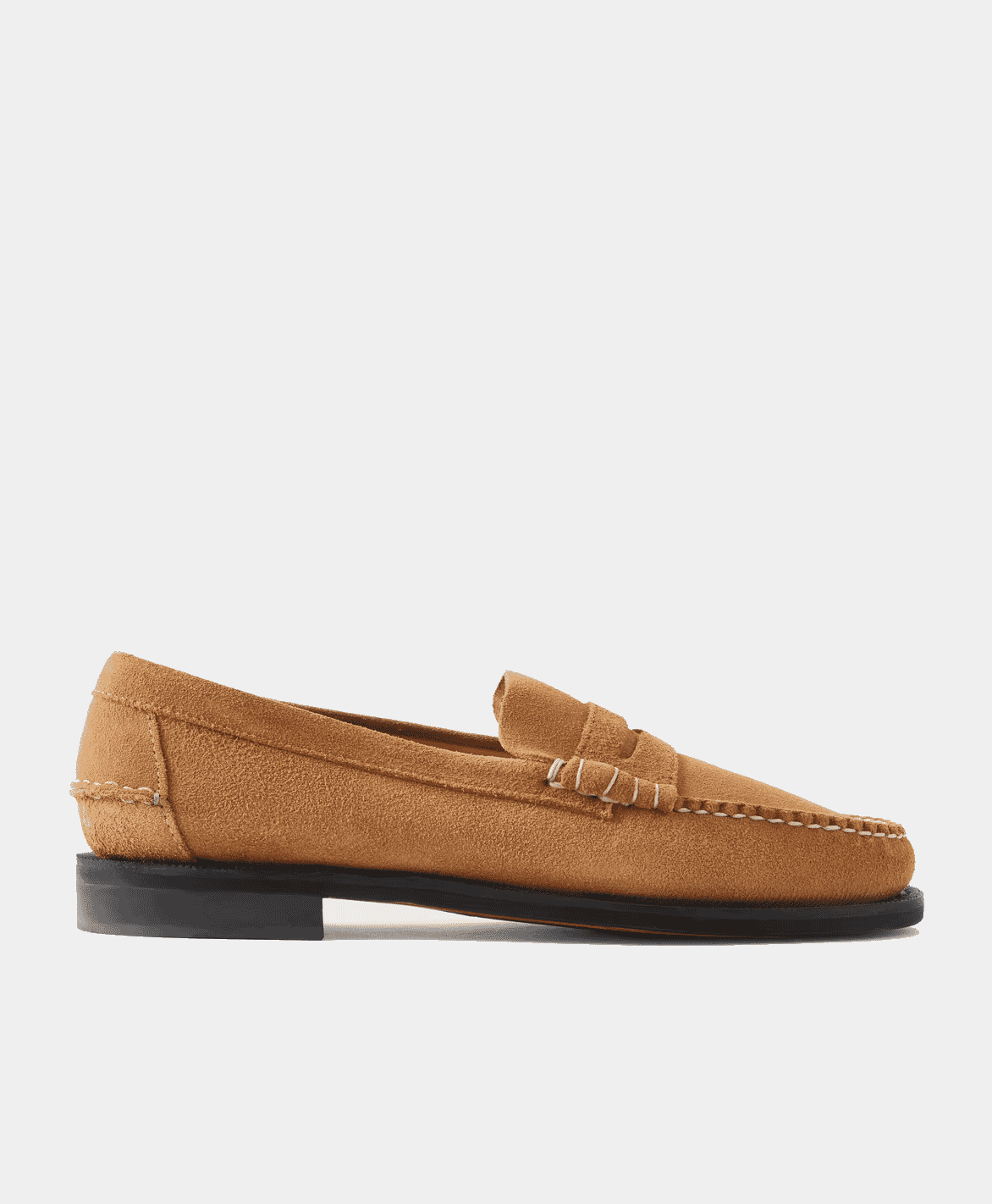
Suede loafer
For something lighter, the suede loafer does the job. It softens an outfit while keeping things pulled together.
Suede is the key factor. It reduces formality instantly, making the shoe far easier to wear with casual pieces.
Shape matters as well. A streamlined silhouette with minimal detailing tends to work best, avoiding anything too heavy or ornate.
In spring and summer especially, it’s an easy win. Paired with chinos, wool trousers or even tailored shorts in the right context, it delivers a relaxed kind of polish with very little effort.
The best brands for men’s smart casual style
Polo Ralph Lauren
Few labels have defined the space between tailoring and casualwear as clearly. Polo Ralph Lauren built its identity on Ivy League references filtered through sportswear, and it still serves as one of the clearest templates for getting smart casual right.
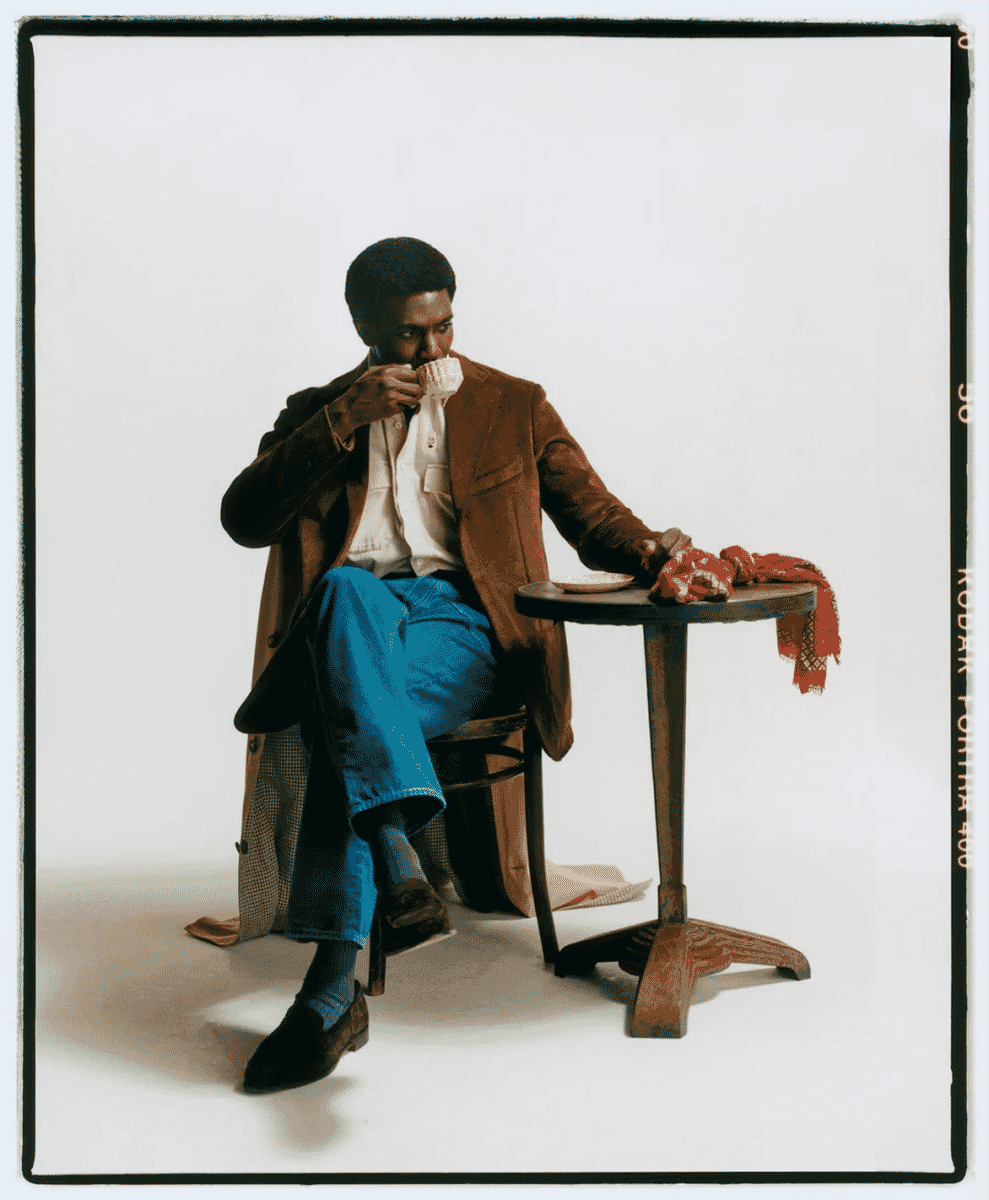
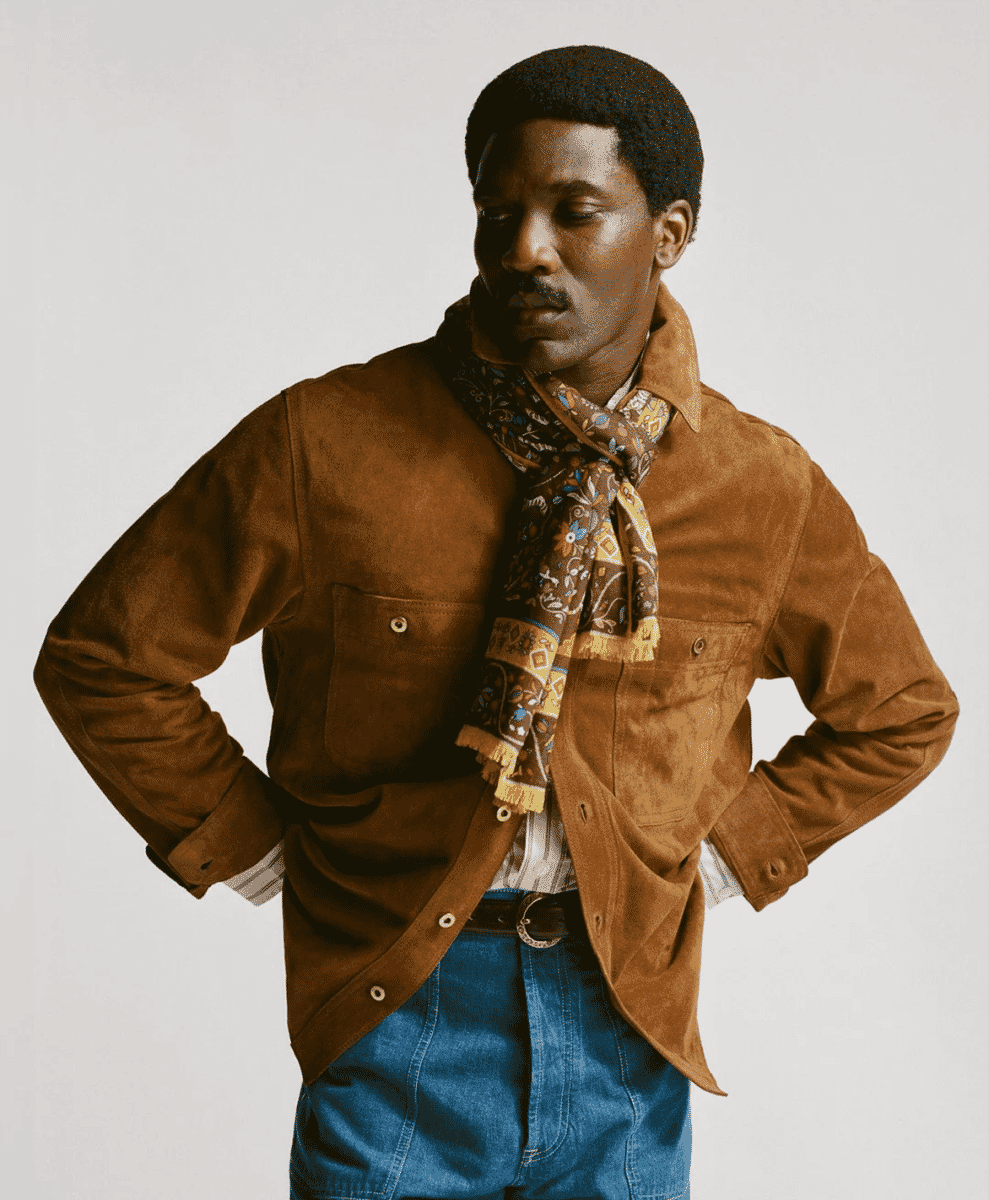
Drake’s
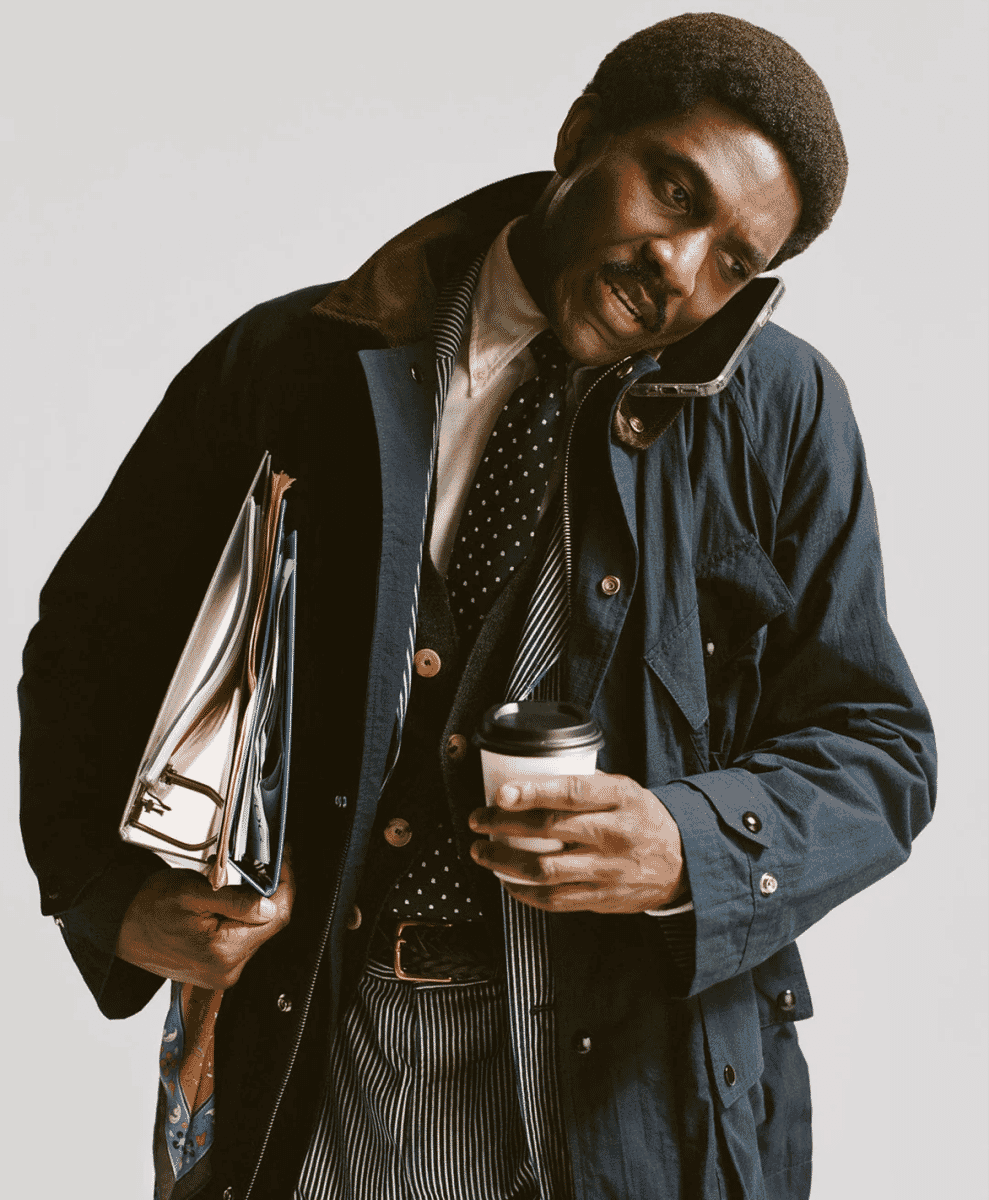
Texture and softness sit at the heart of Drake’s. Relaxed tailoring, characterful shirts and strong knitwear offer a version of smart casual that leans classic without feeling rigid.
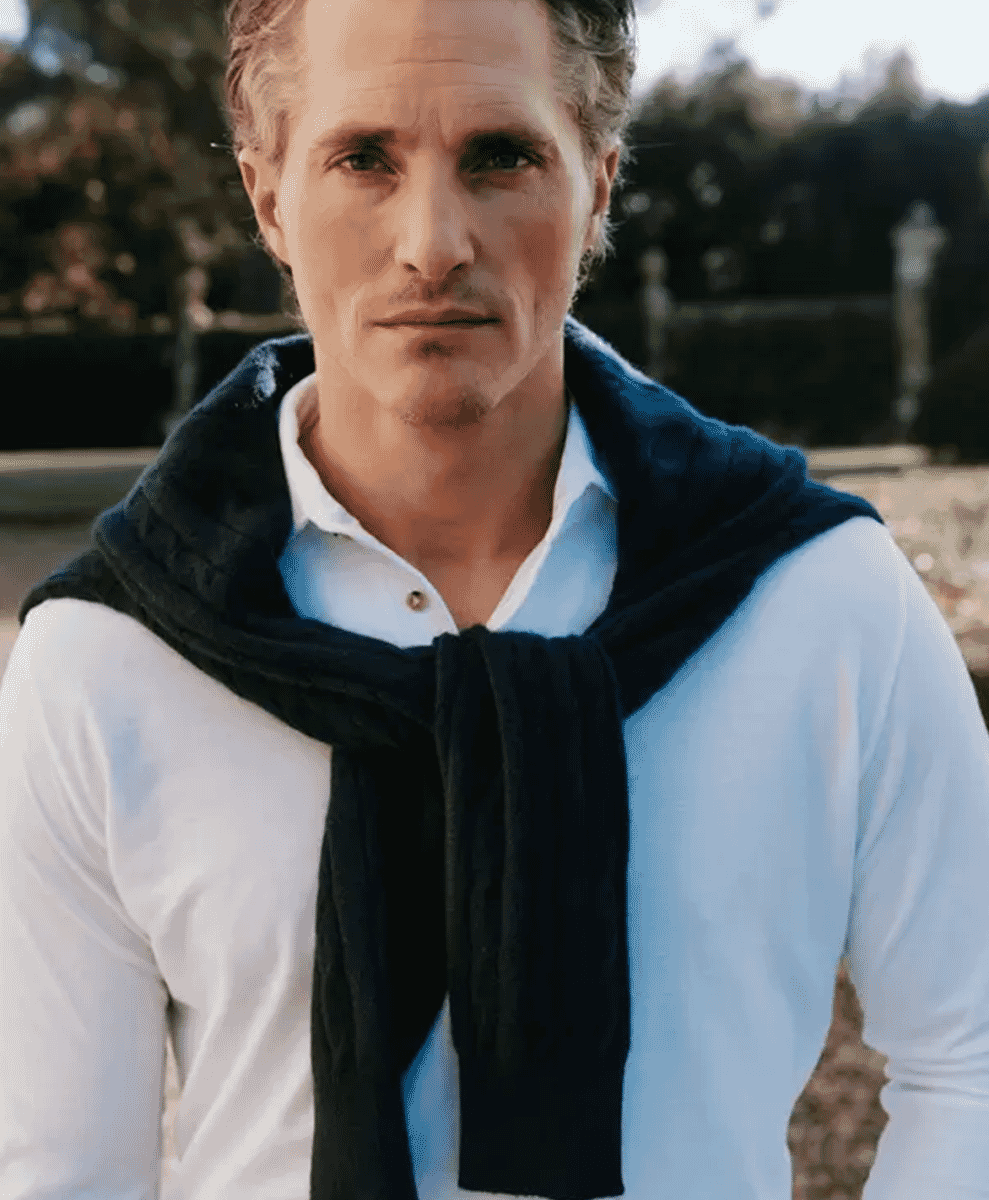
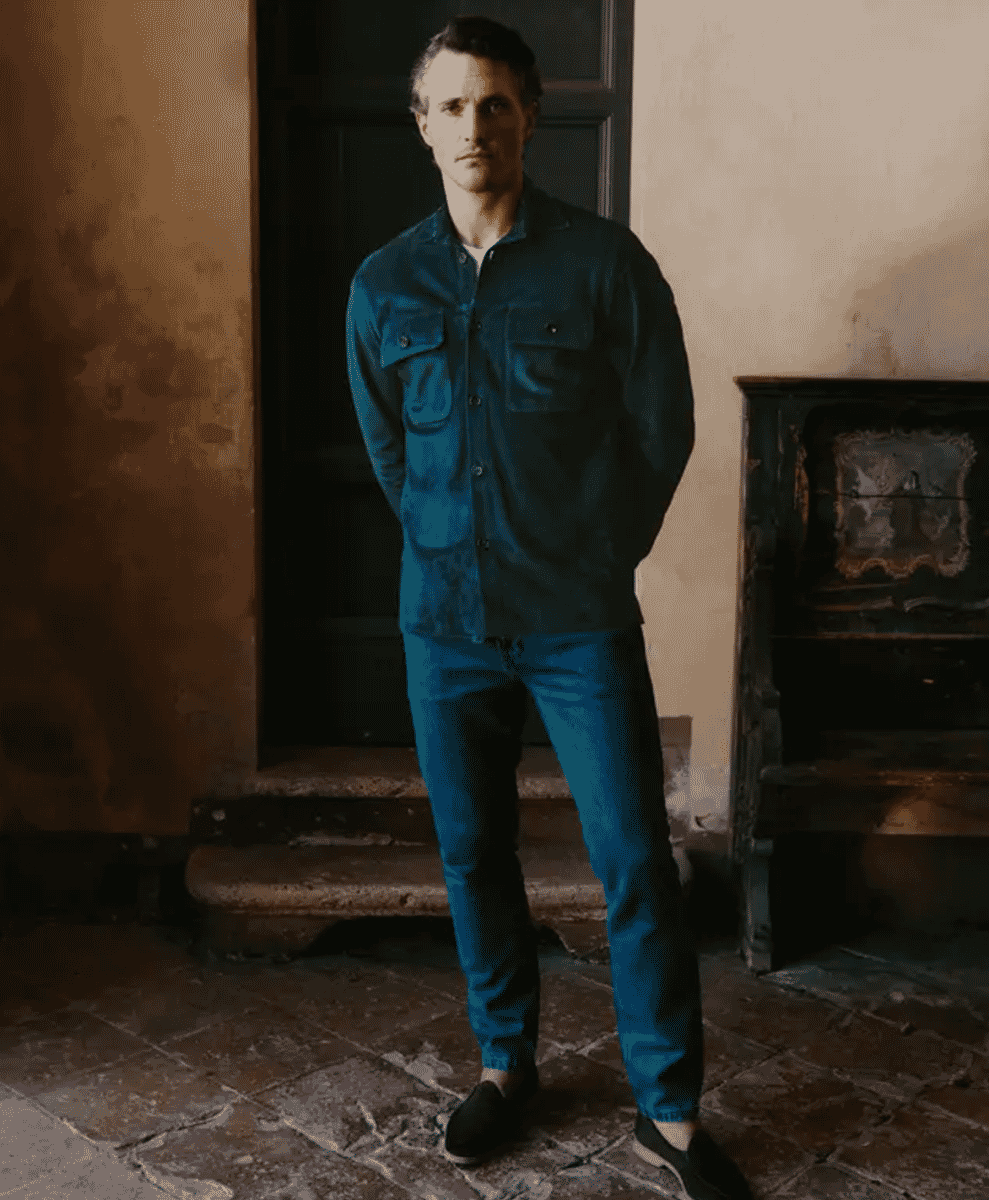
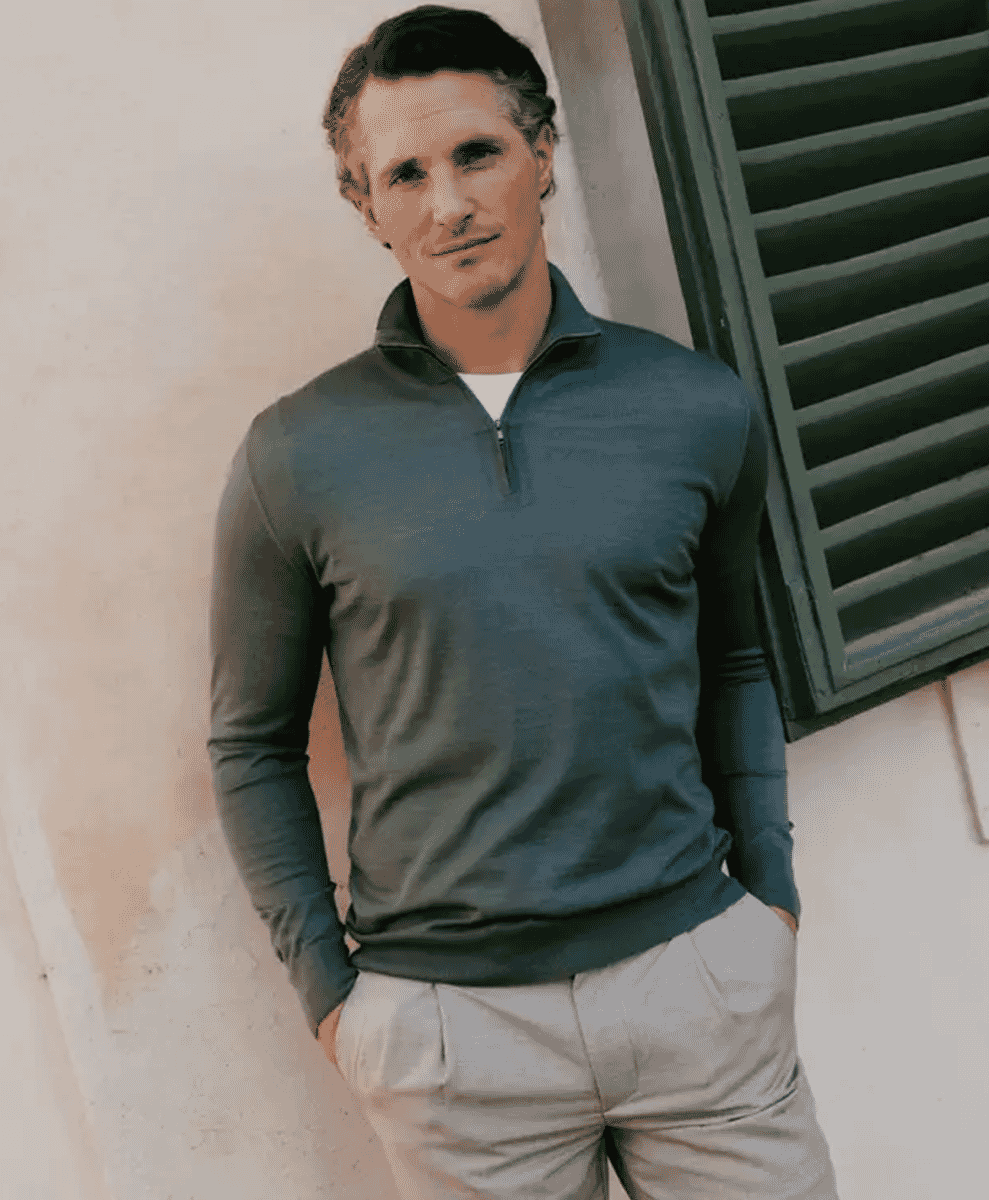
Luca Faloni
Fabric-first design underpins Luca Faloni’s approach. Linen shirting, fine-gauge knits and understated tailoring make it an easy source of pieces that feel refined without appearing formal.
Besnard
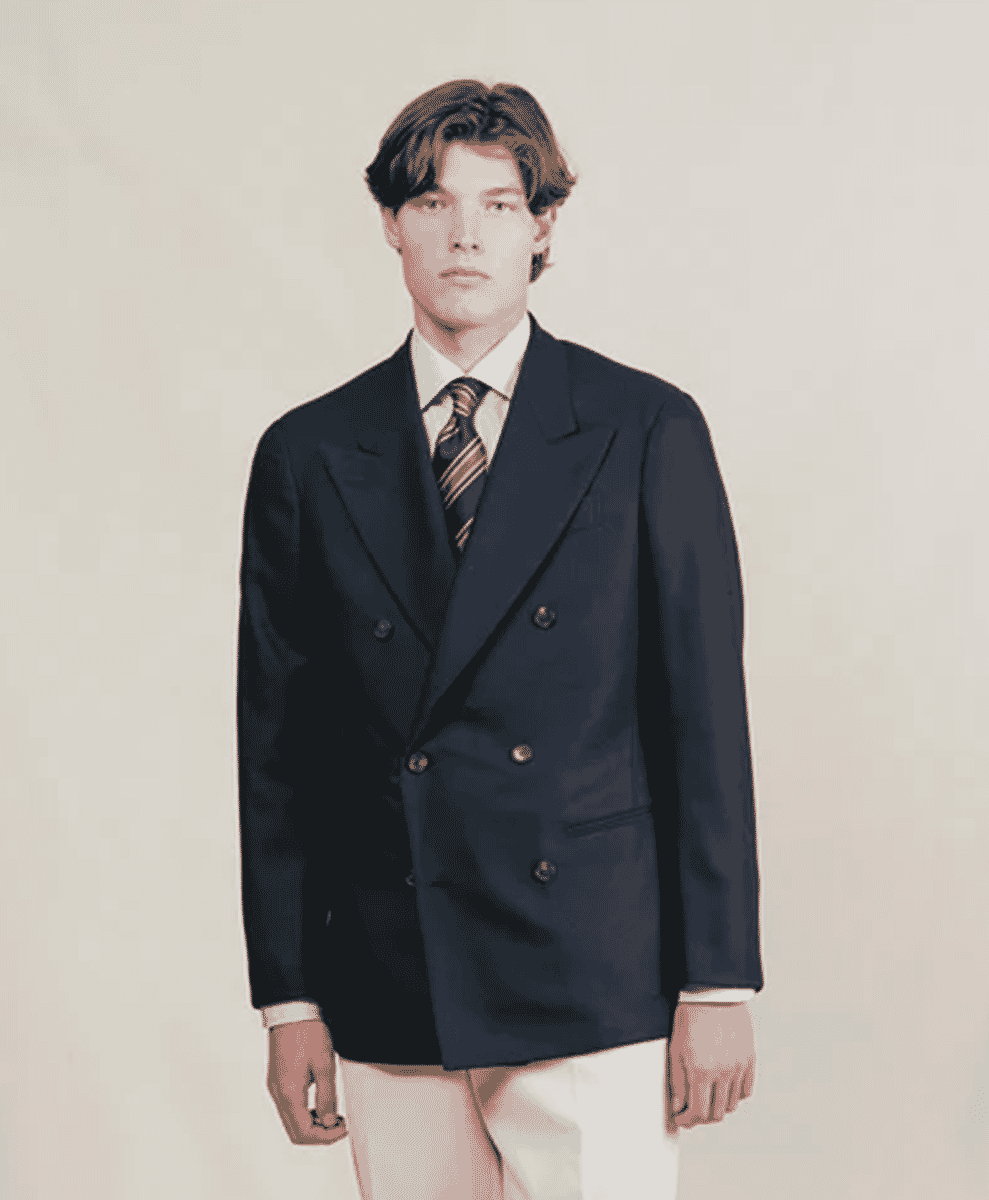
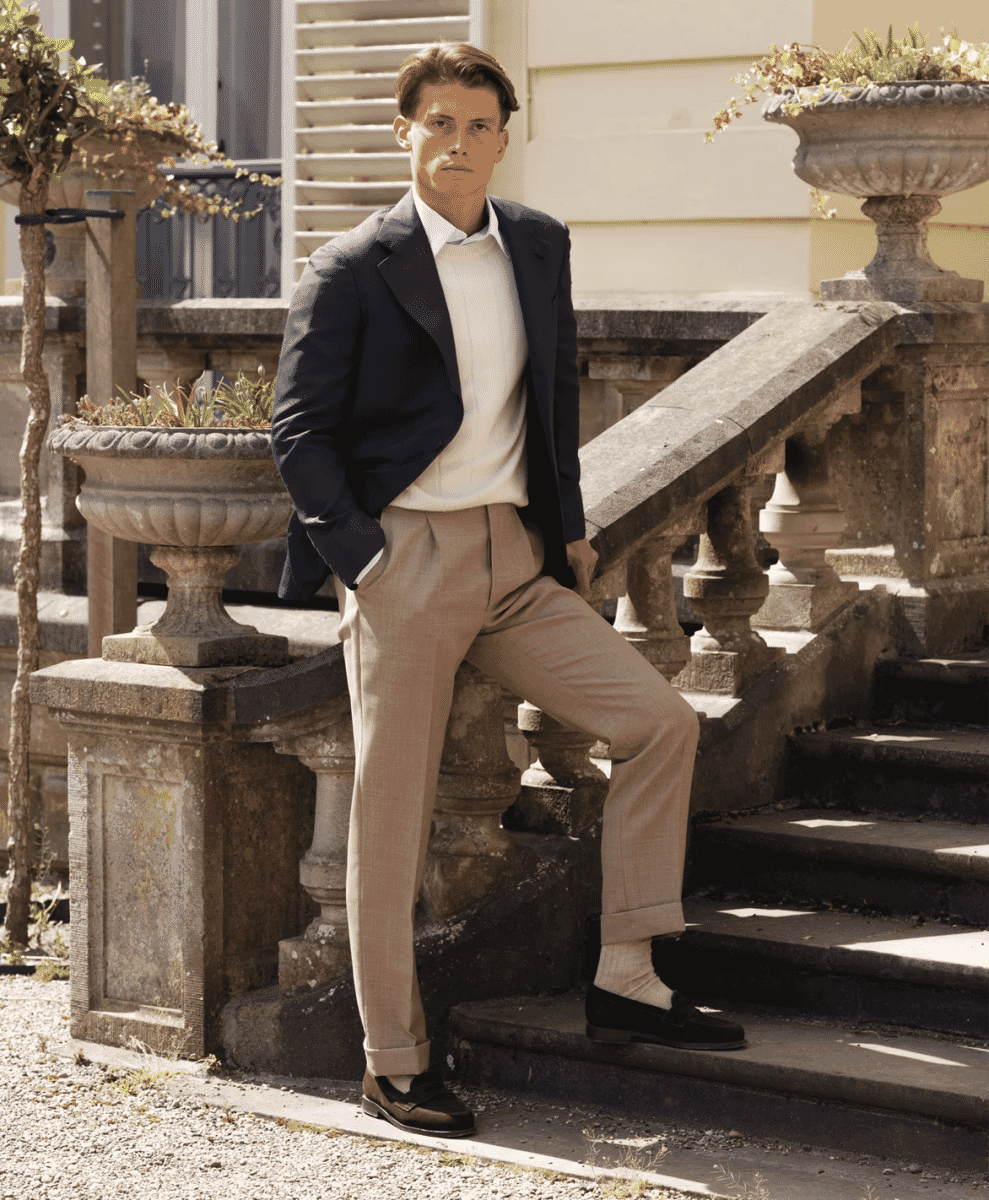
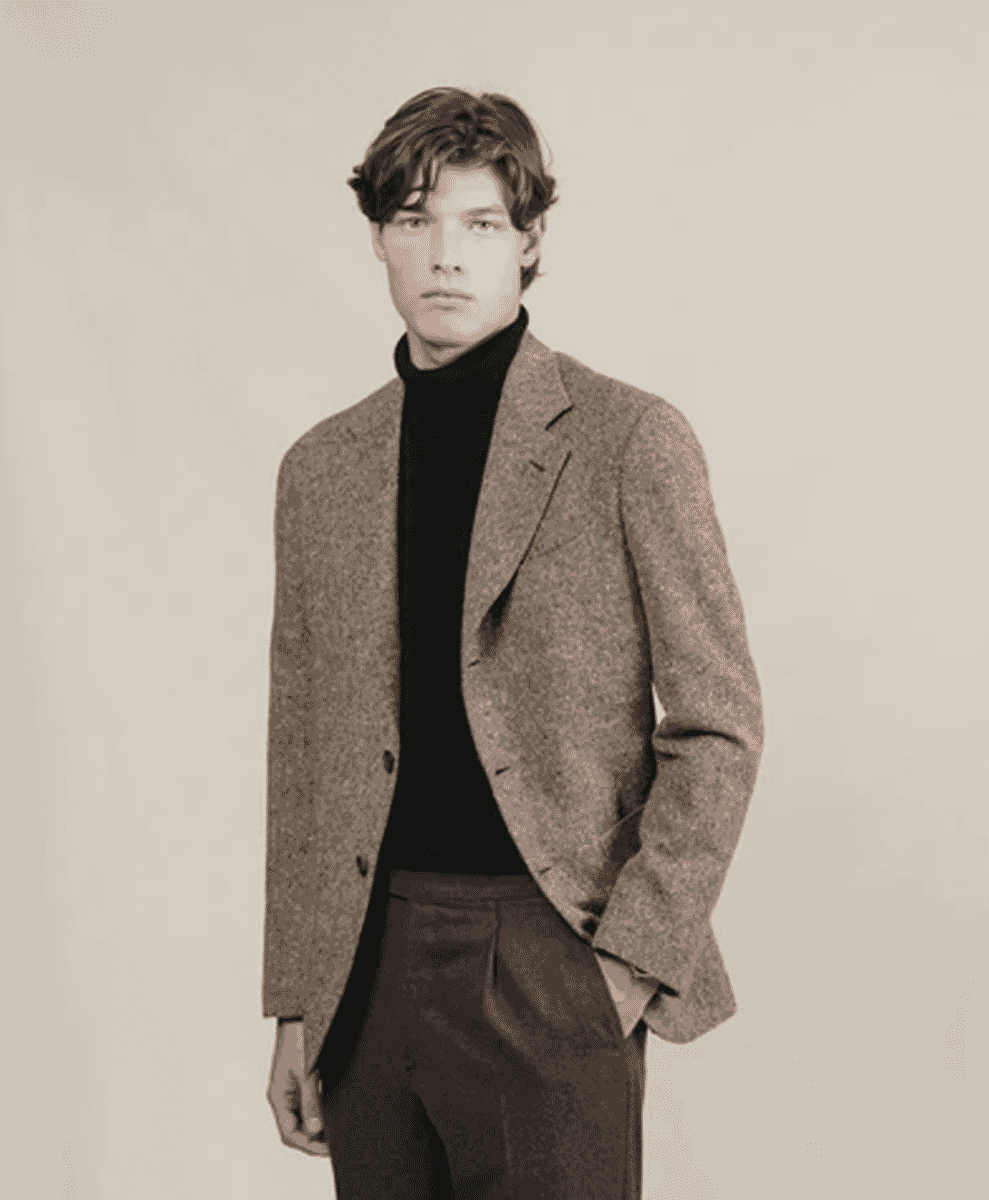
A sharper perspective comes through Besnard. Clean lines and a focus on outerwear and tailoring place it slightly closer to the smart end of the spectrum, without tipping into stiffness.
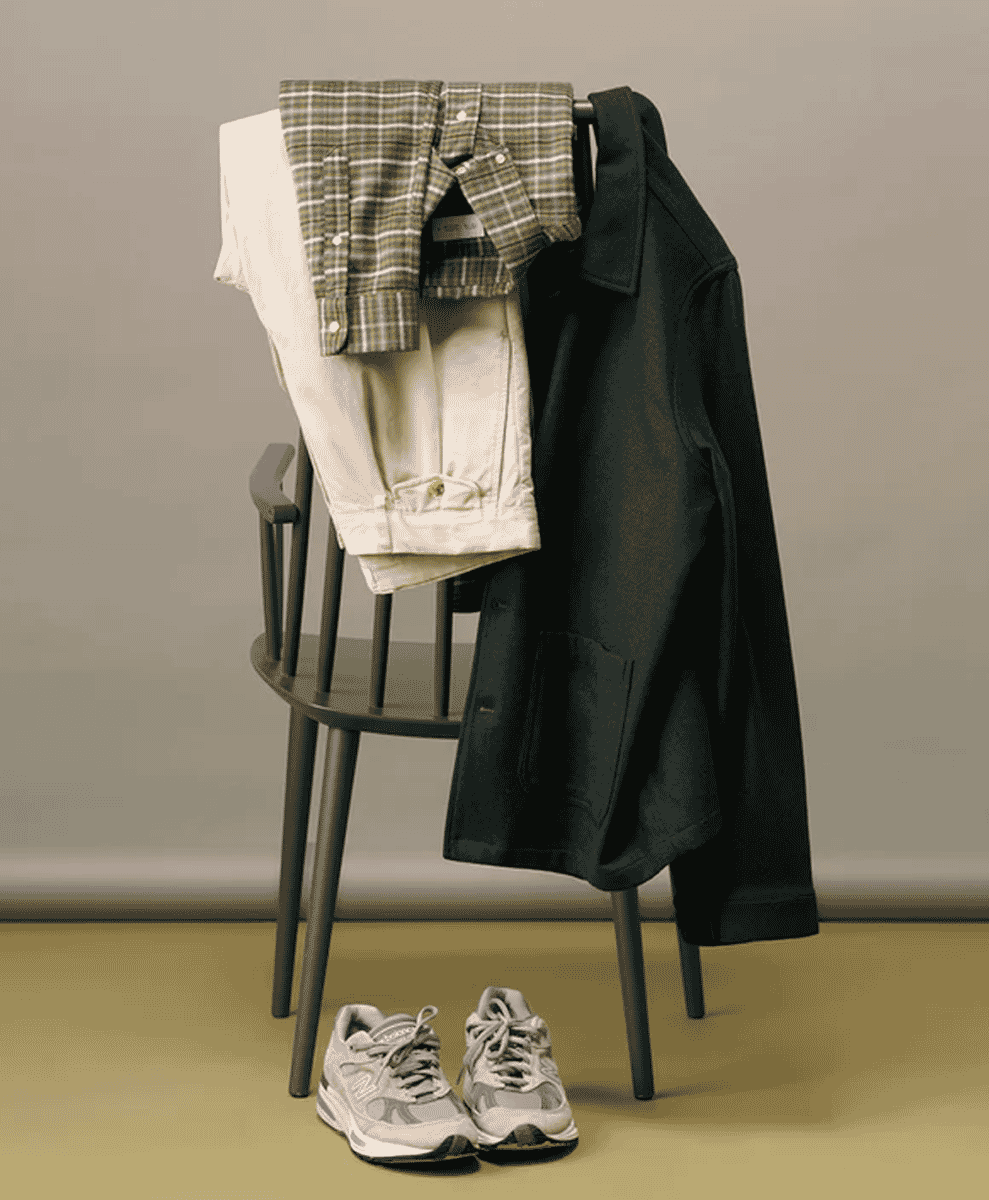
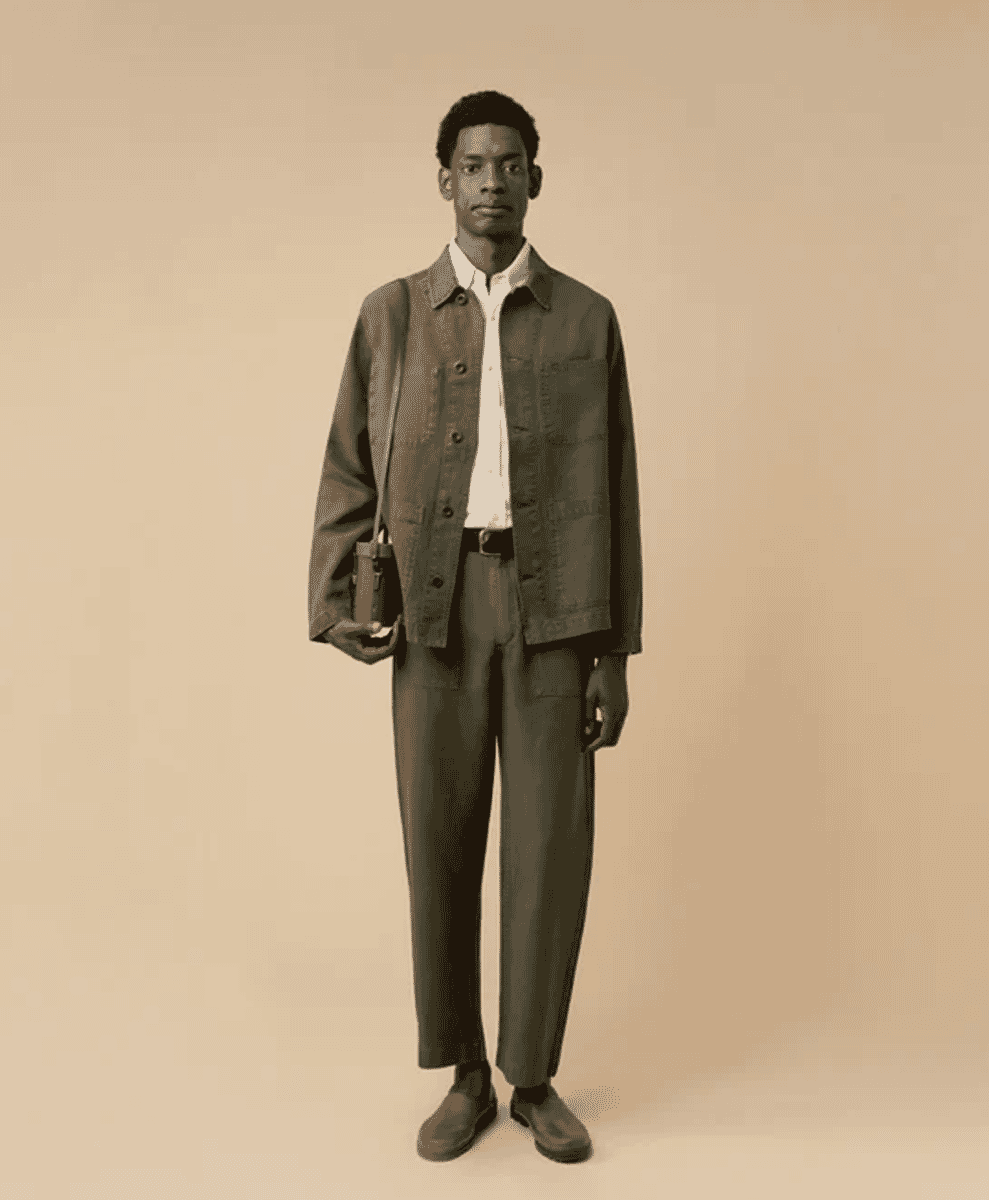
ISTO.
Clarity and restraint define ISTO. The brand focuses on clean, functional essentials that slot together without friction, making the process of building a wardrobe feel straightforward.
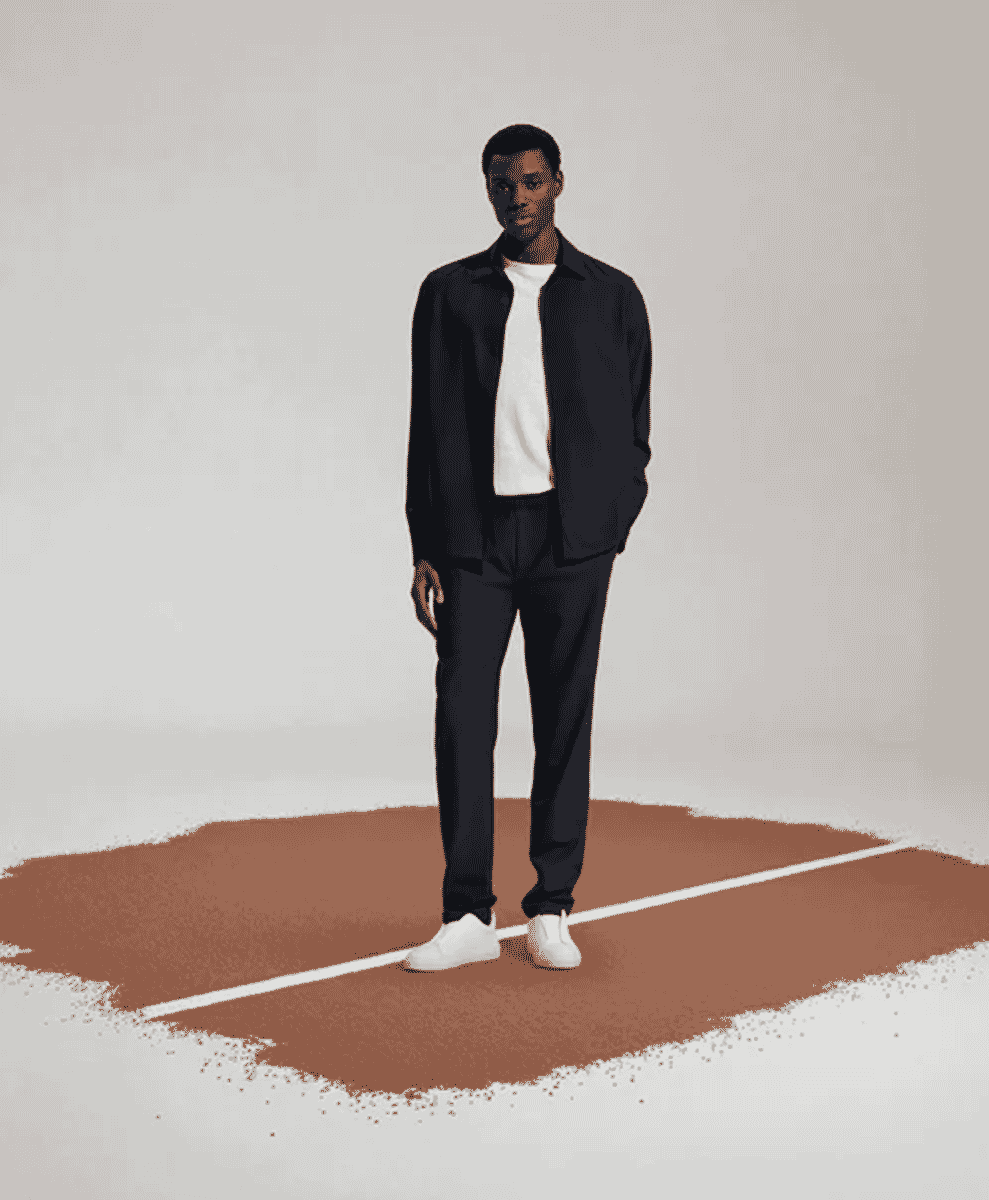
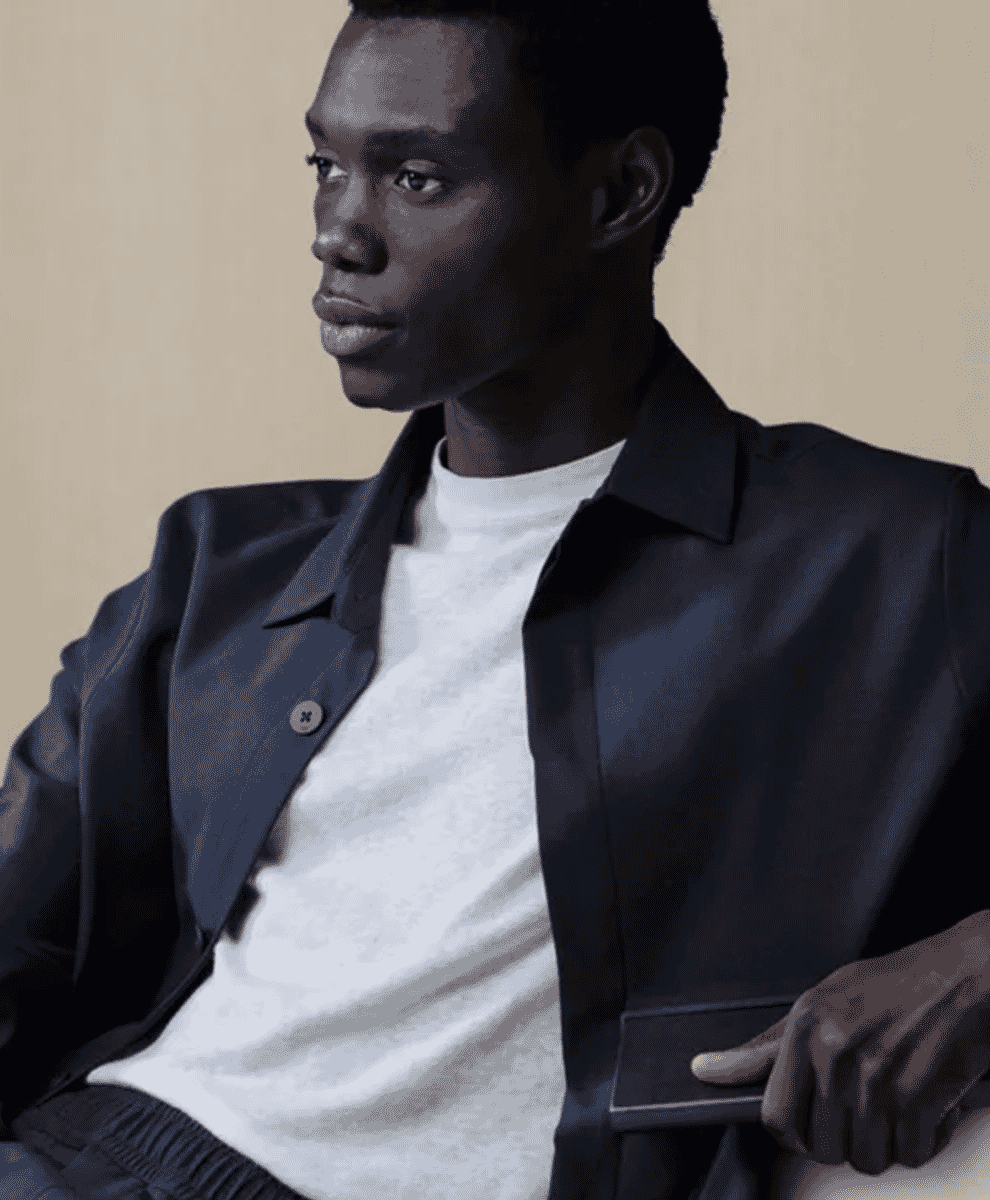
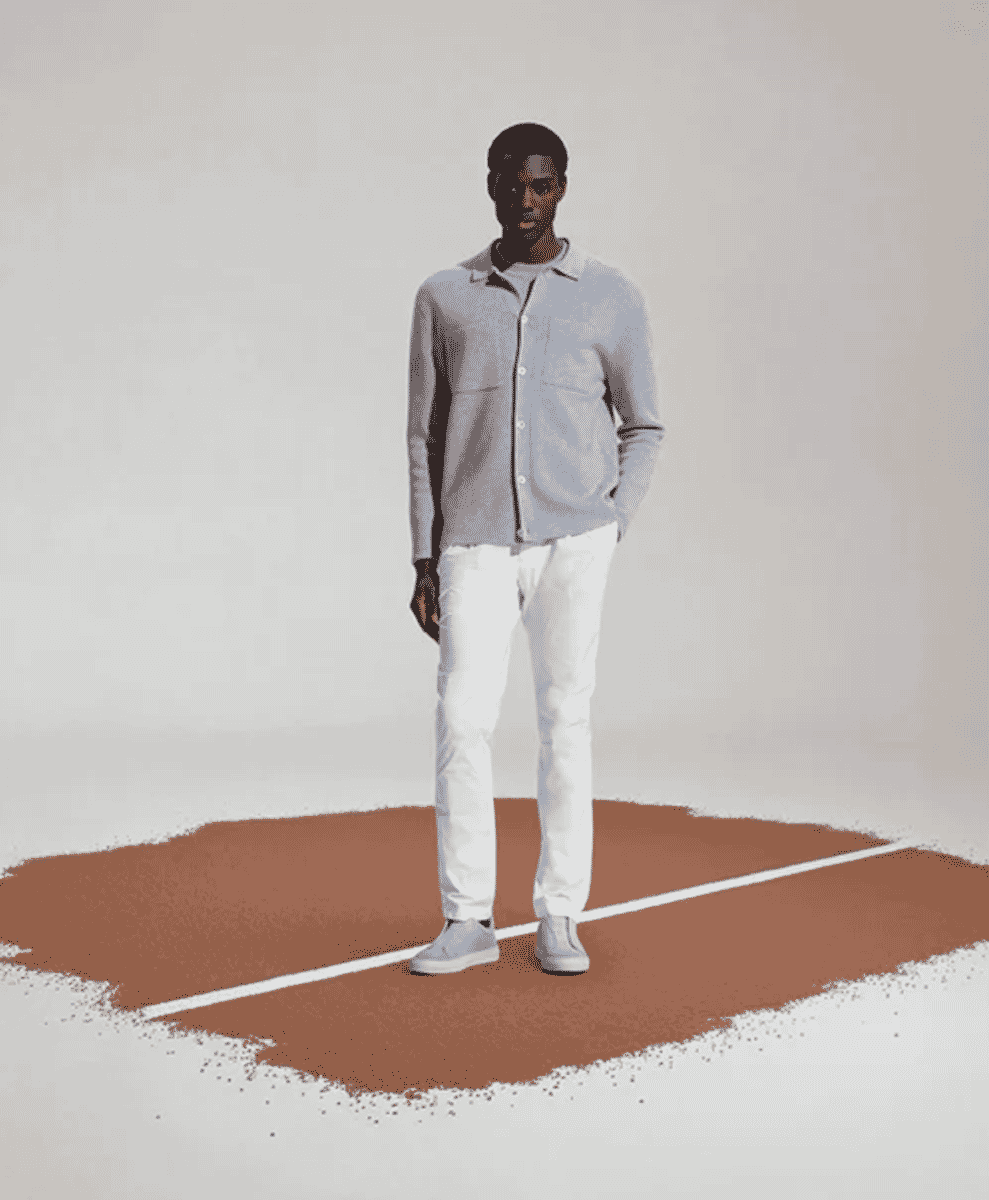
Wahts
Positioned between loungewear and tailoring, Wahts reflects where smart casual has landed. Soft fabrics and clean silhouettes allow pieces to move between home, travel and social settings with ease.
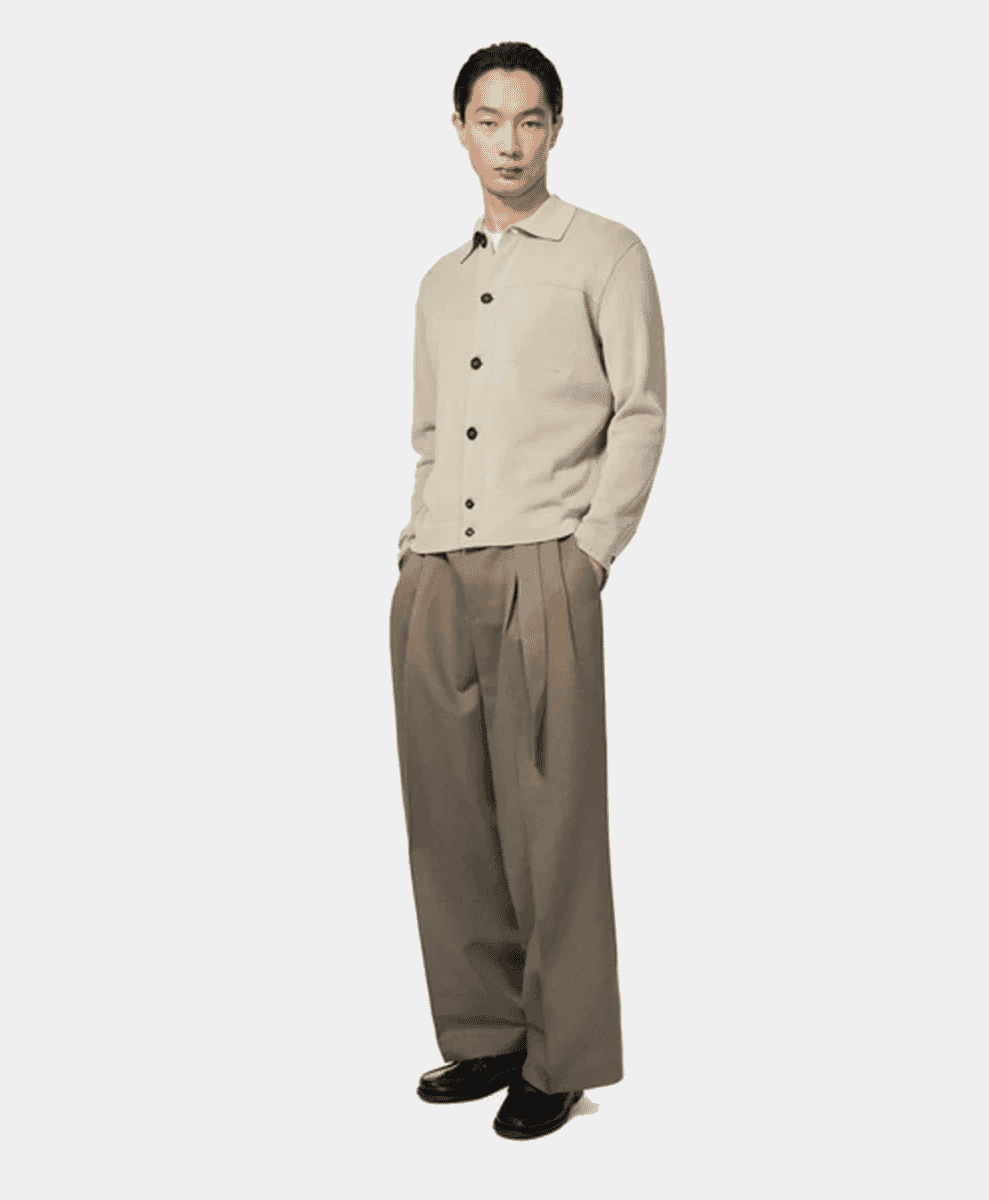
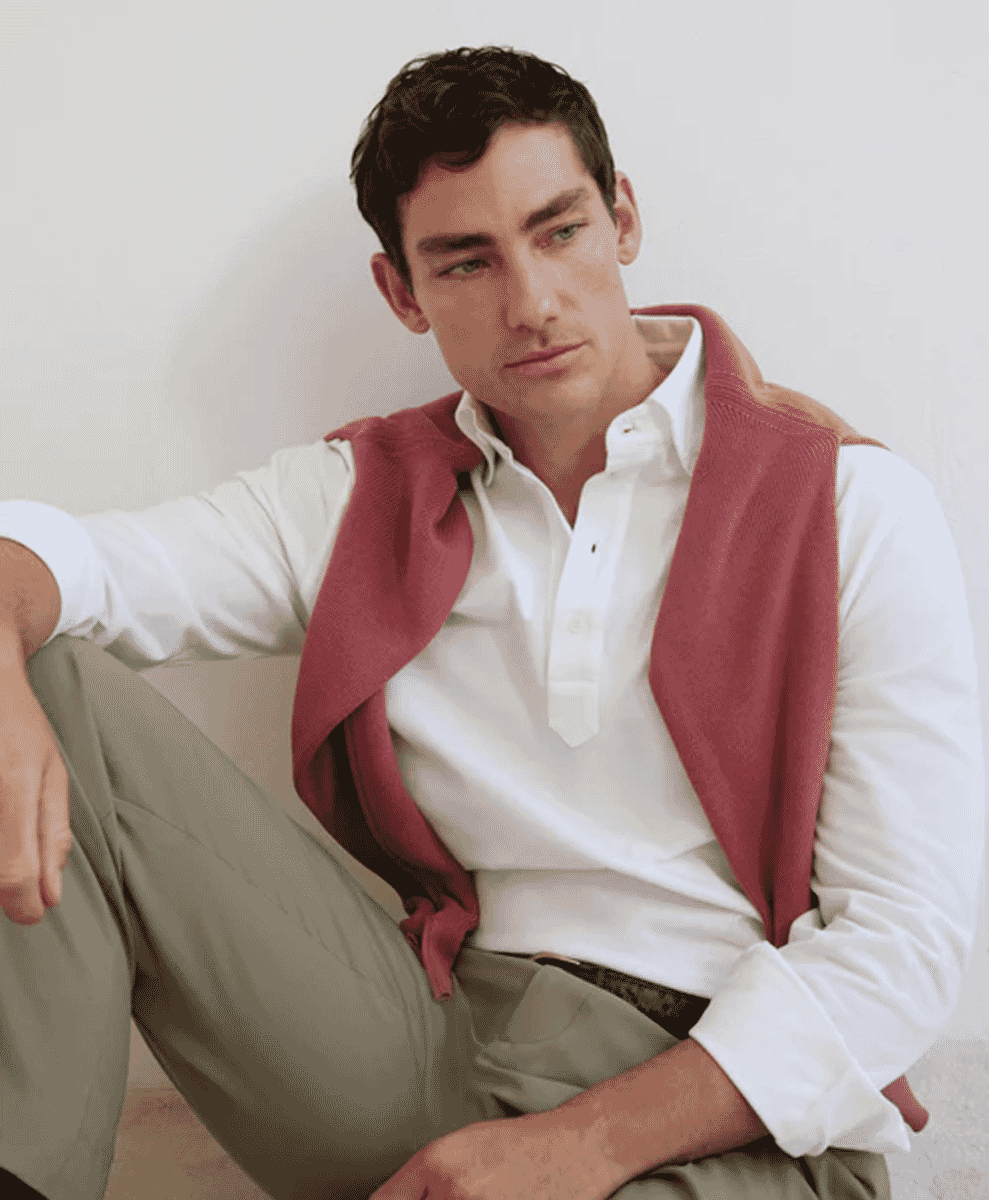
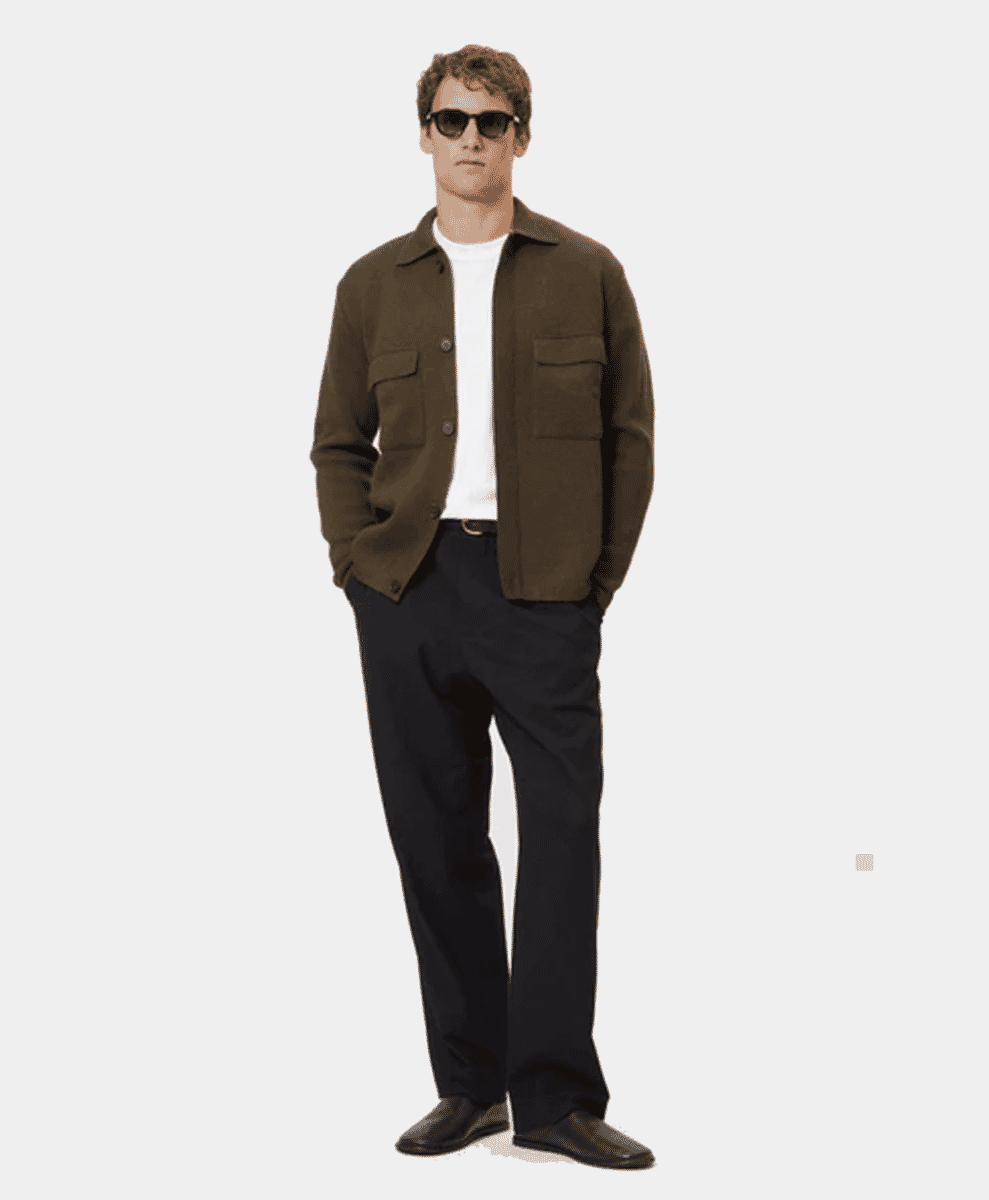
Artknit Studios
Knitwear takes centre stage at Artknit Studios. Fine merino, cashmere blends and muted colours show how smart casual can work without relying too heavily on tailoring.

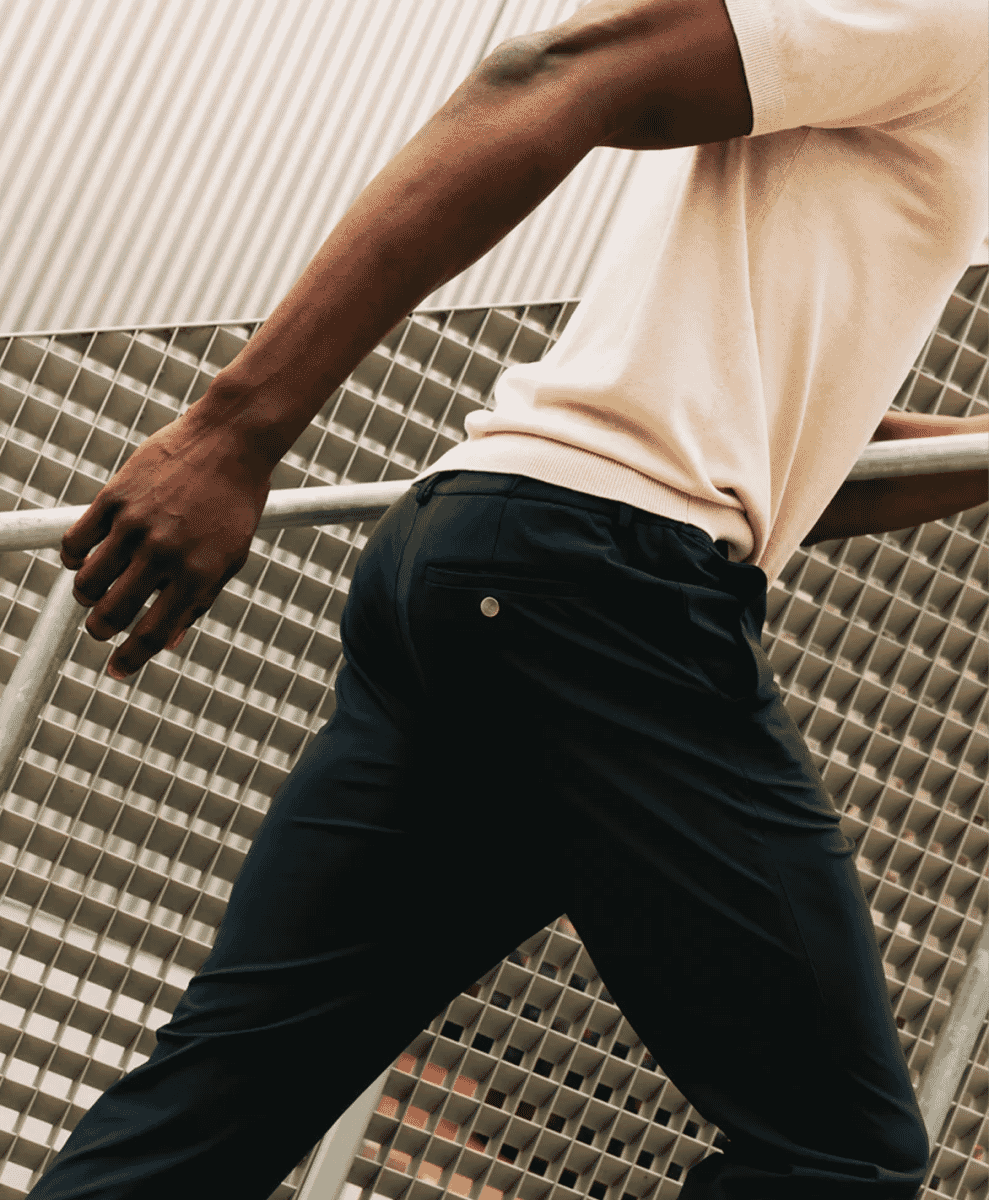
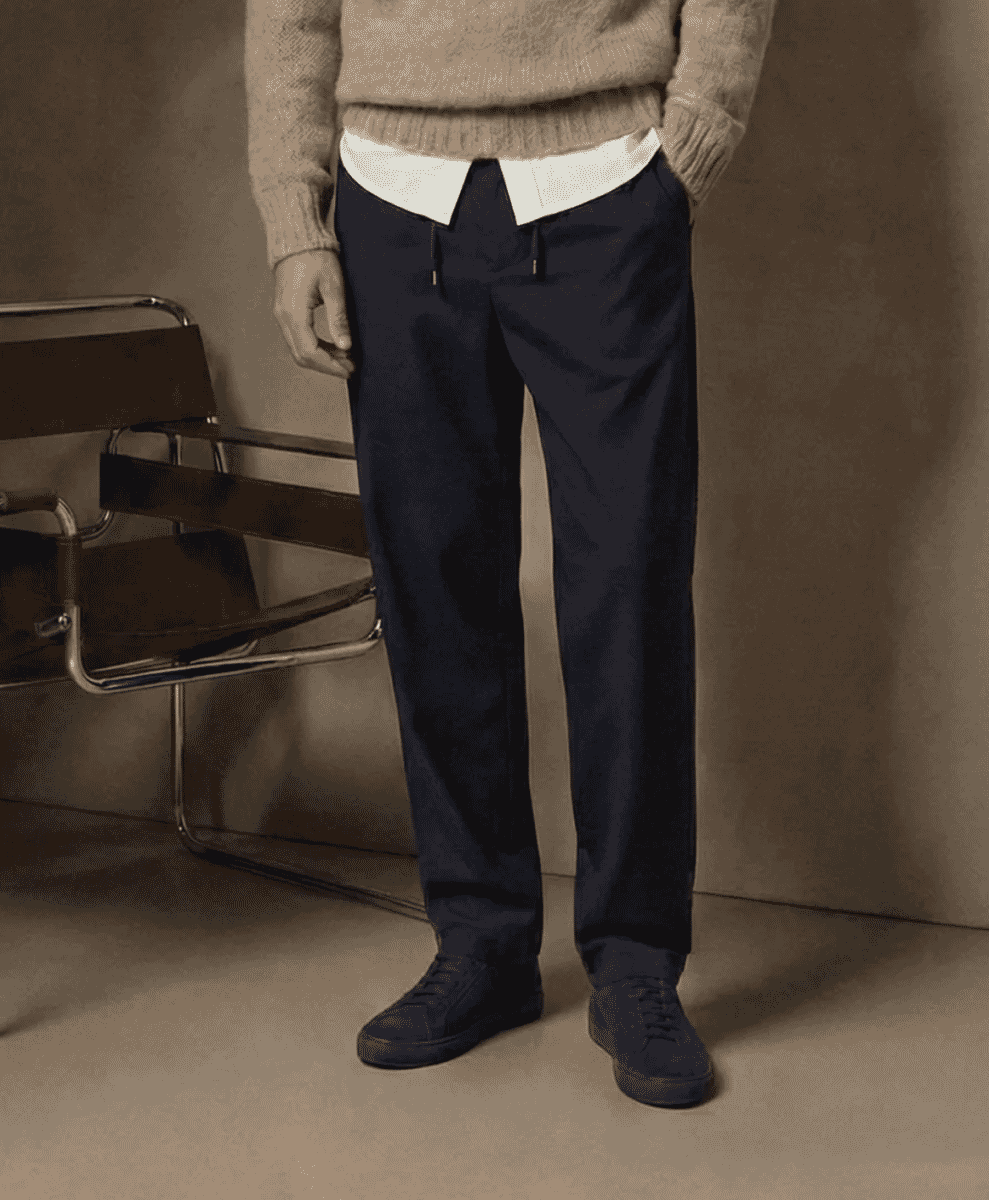
LESTRANGE
Modularity is key to LESTRANGE. Designed for movement between work, travel and downtime, its pieces combine clean aesthetics with hidden performance elements.

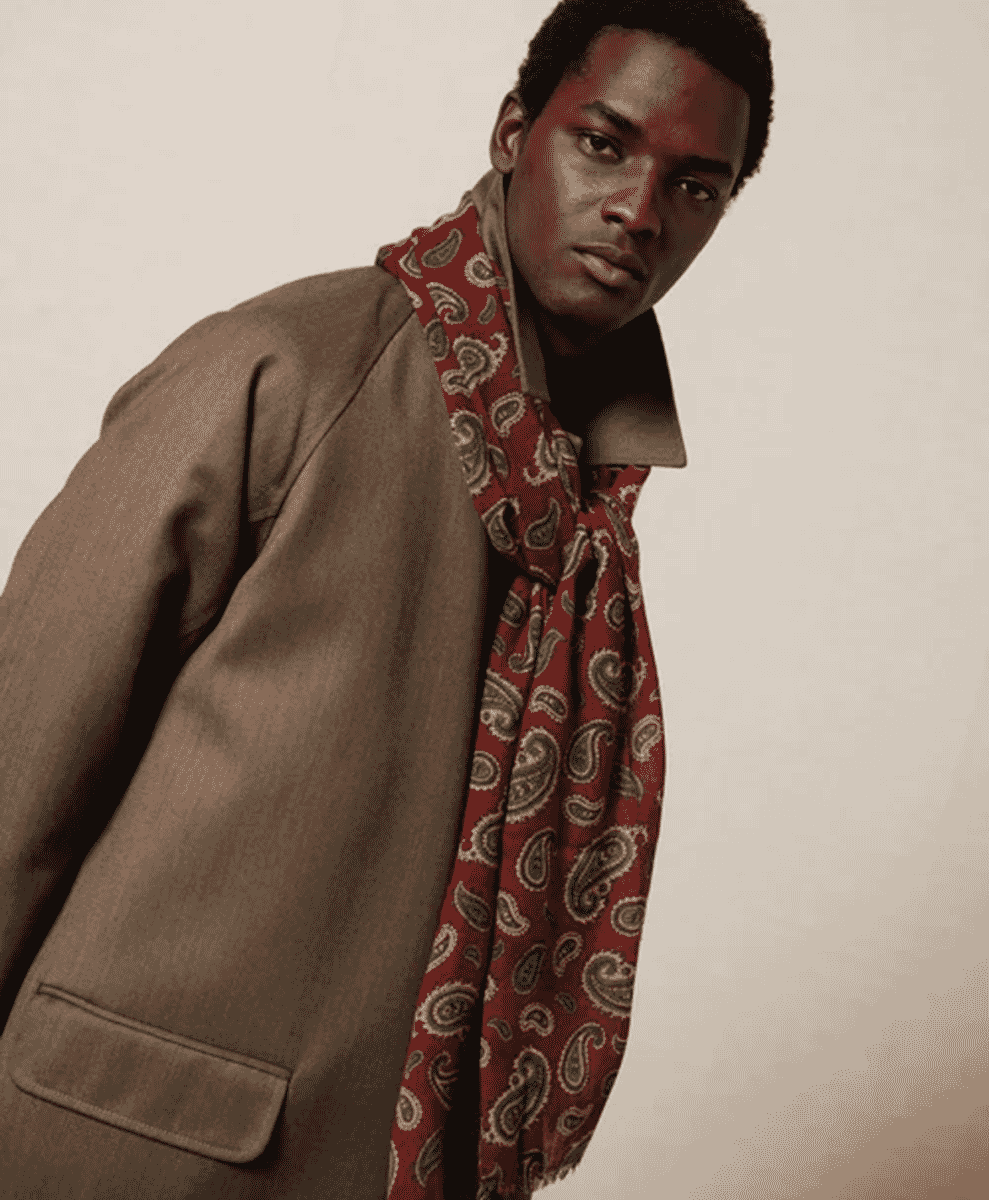
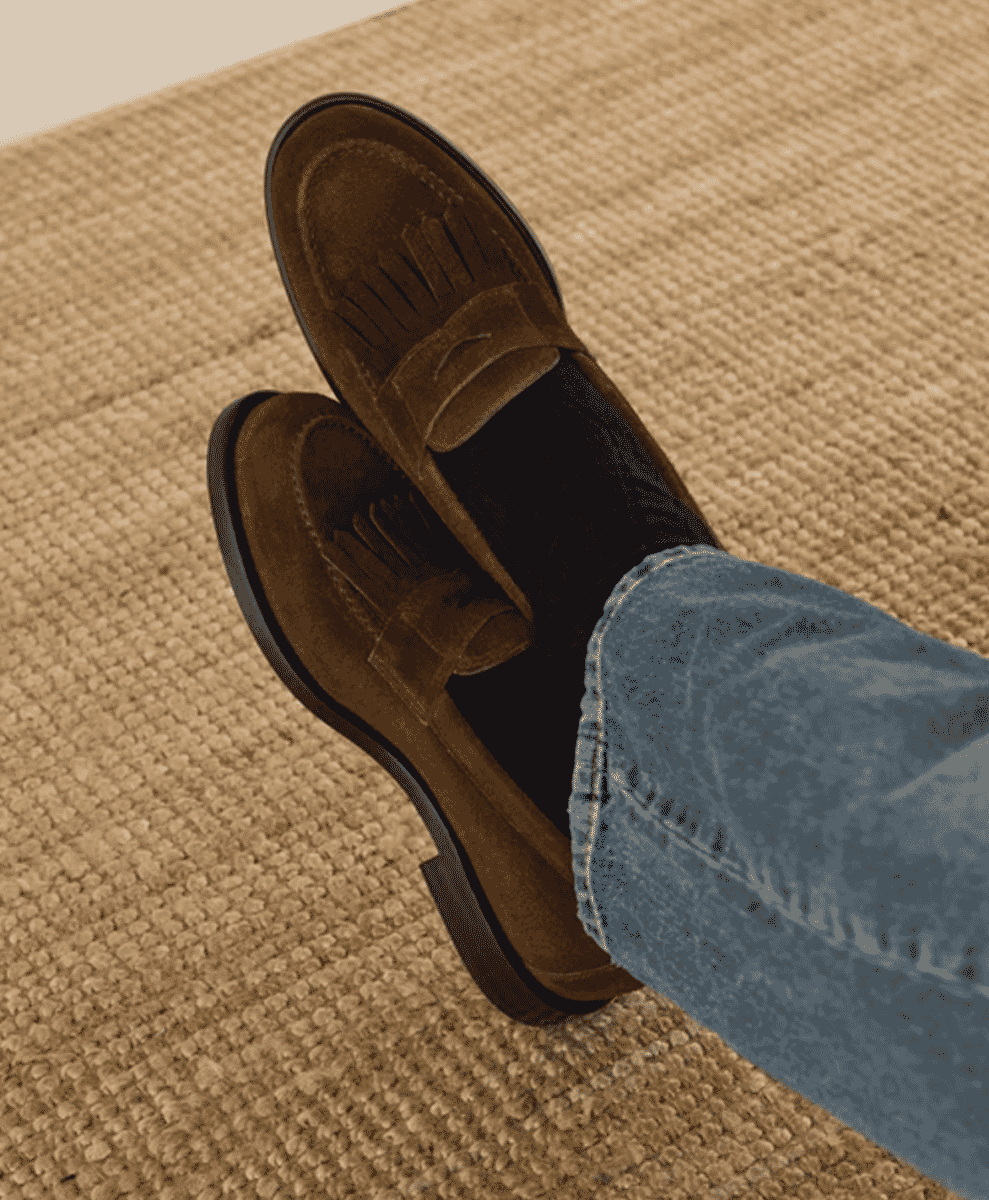
Velasca
Italian sensibility runs through Velasca’s footwear. Loafers, Derbies and boots feel relaxed yet refined, making them easy to integrate into everyday outfits.

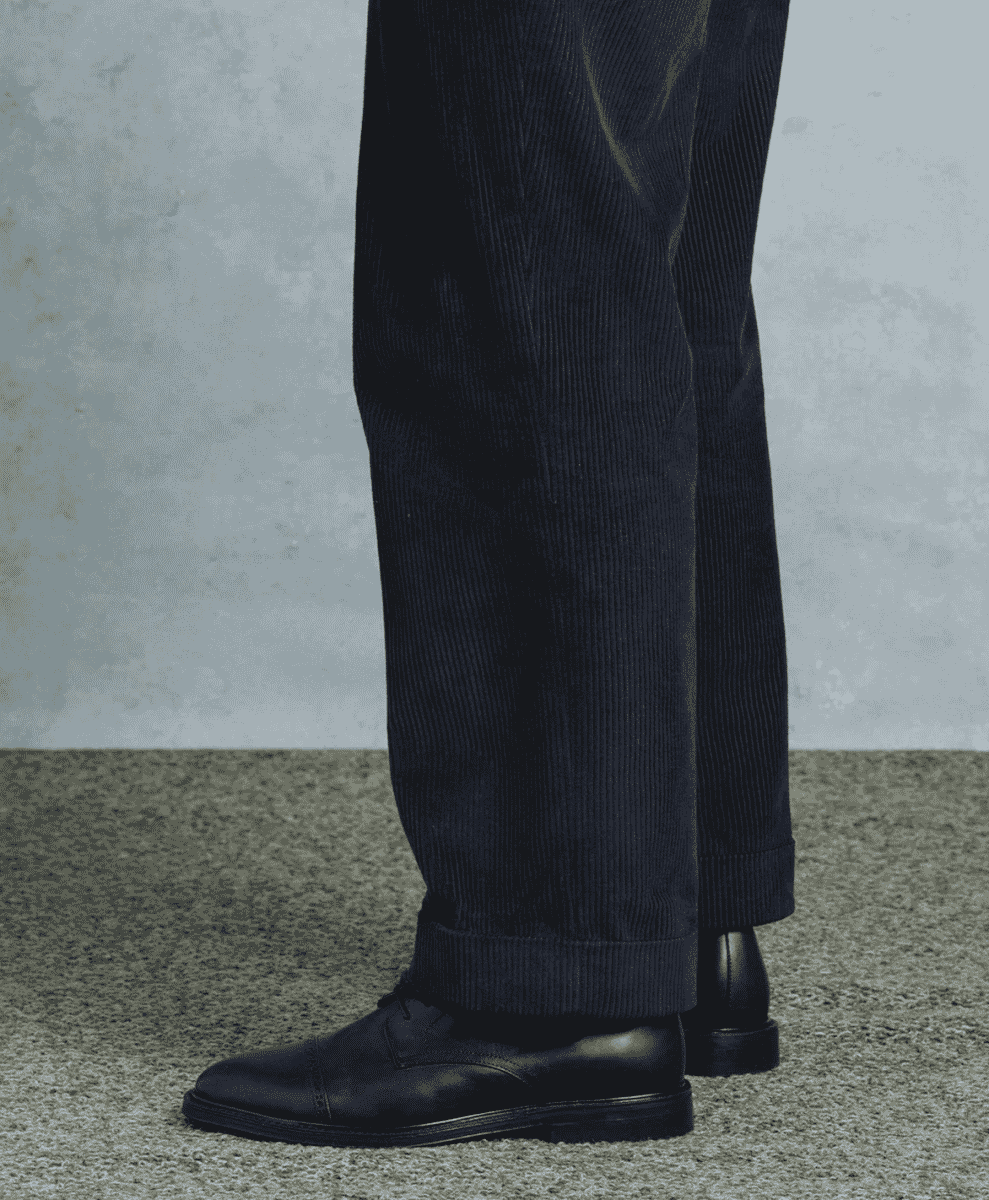
Kleman
Rooted in workwear, Kleman offers a more robust take on smart casual footwear. Its designs bring a practical edge that pairs well with both tailored trousers and denim.

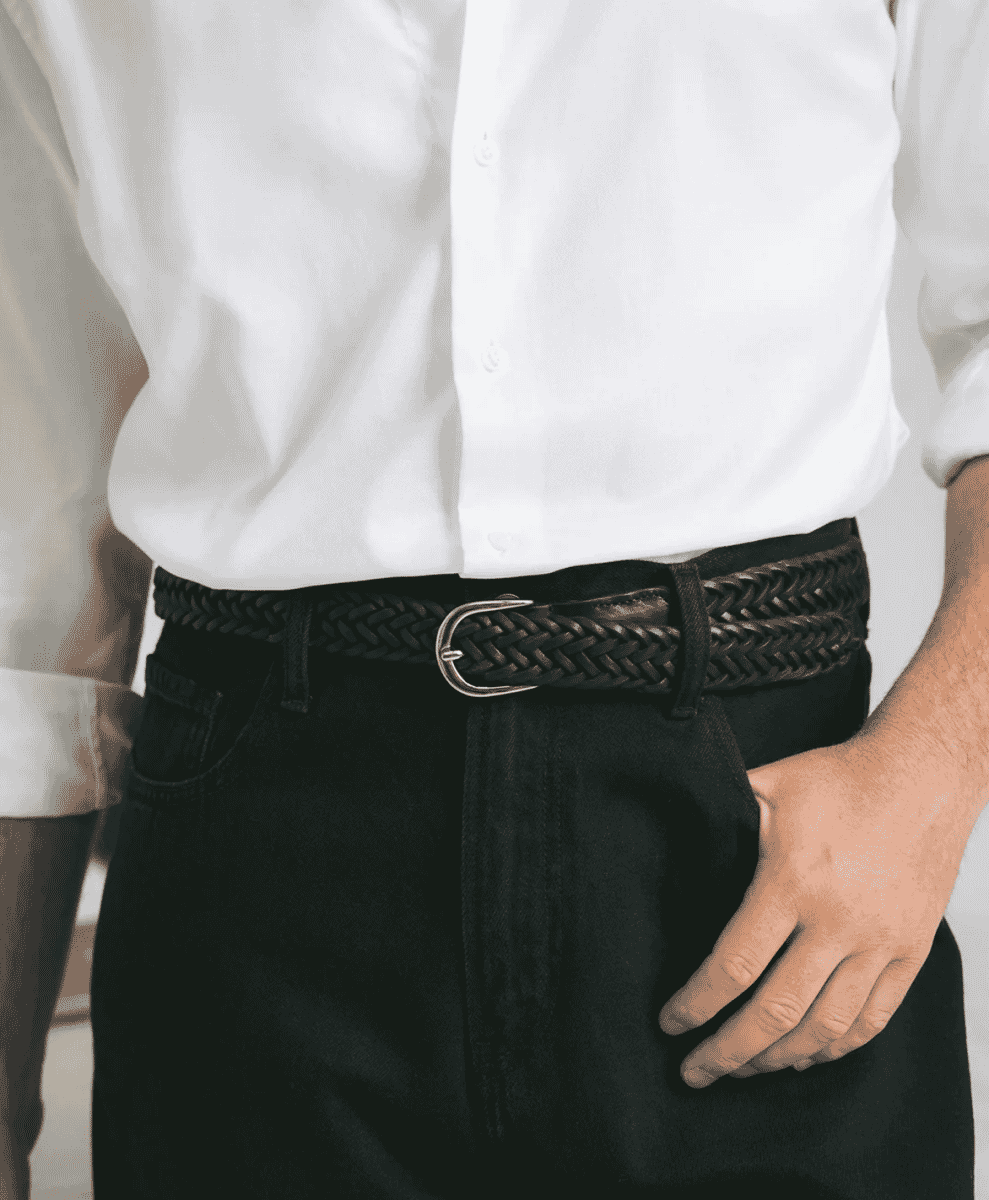
Myrqvist
Classic without feeling heavy, Myrqvist delivers well-balanced footwear. Clean designs and good materials make it a reliable option for both loafers and lace-ups.
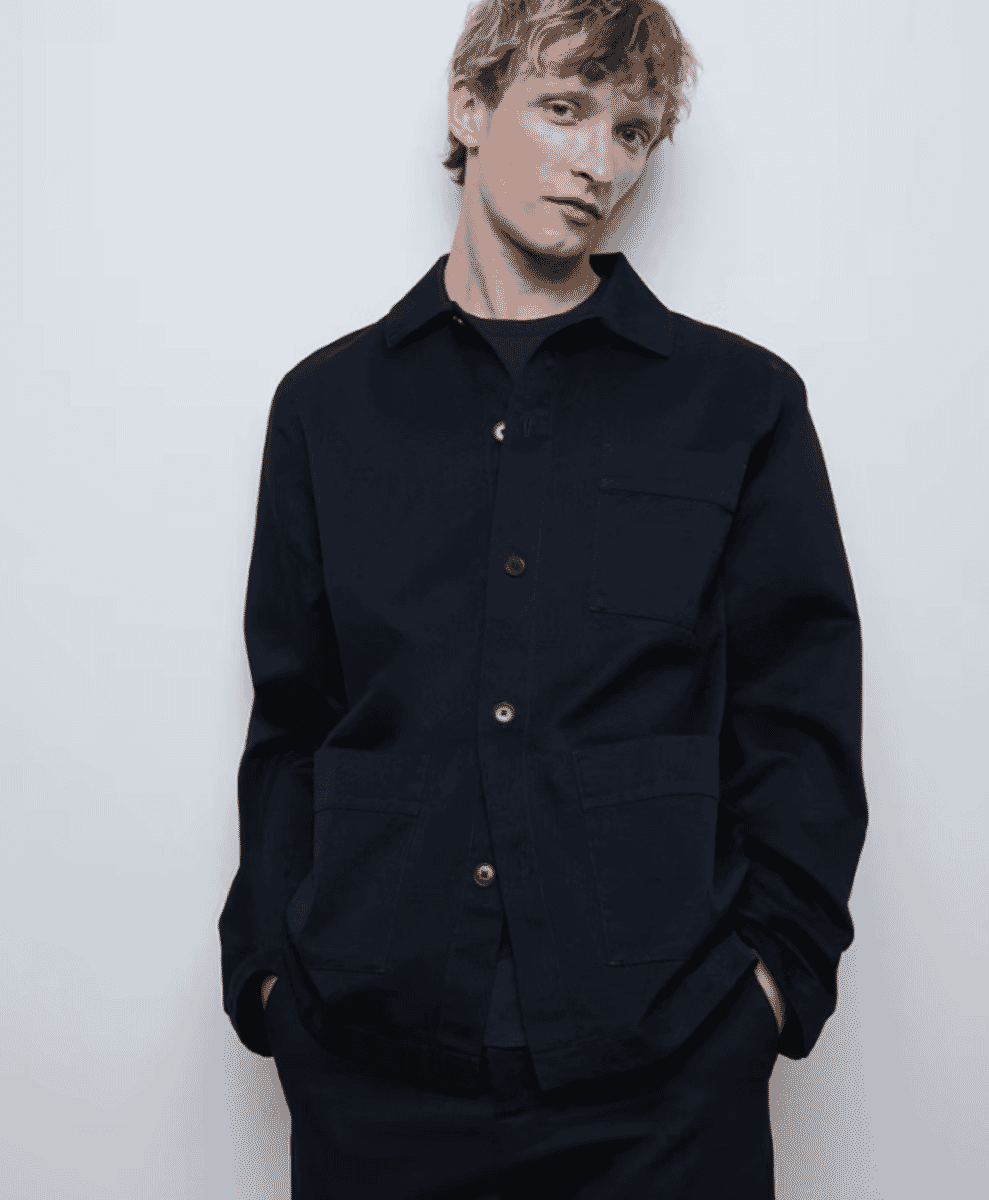
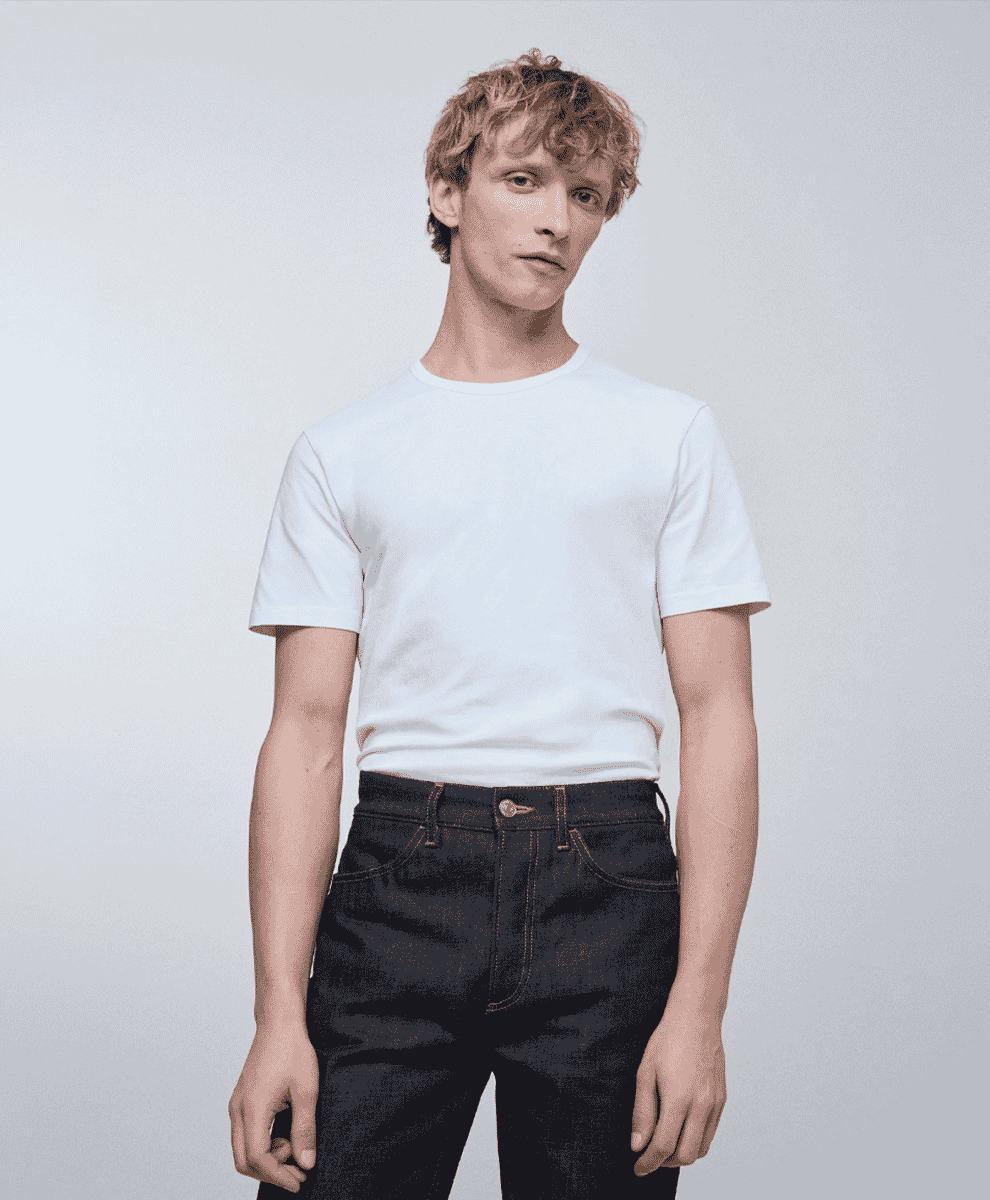
ASKET
Built around the idea of a permanent wardrobe, ASKET avoids trends in favour of consistency. That approach aligns naturally with smart casual, where longevity tends to matter more than novelty.
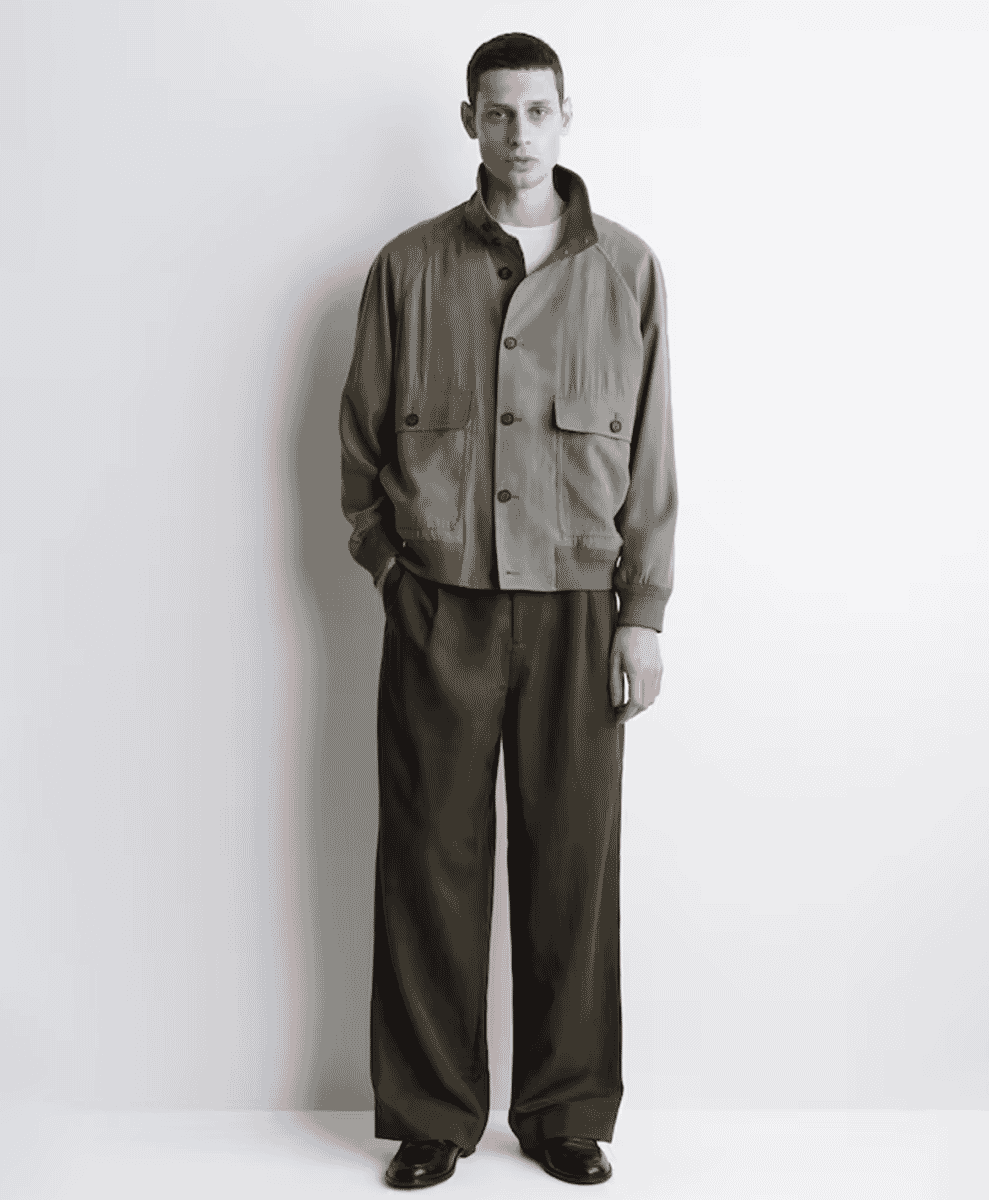
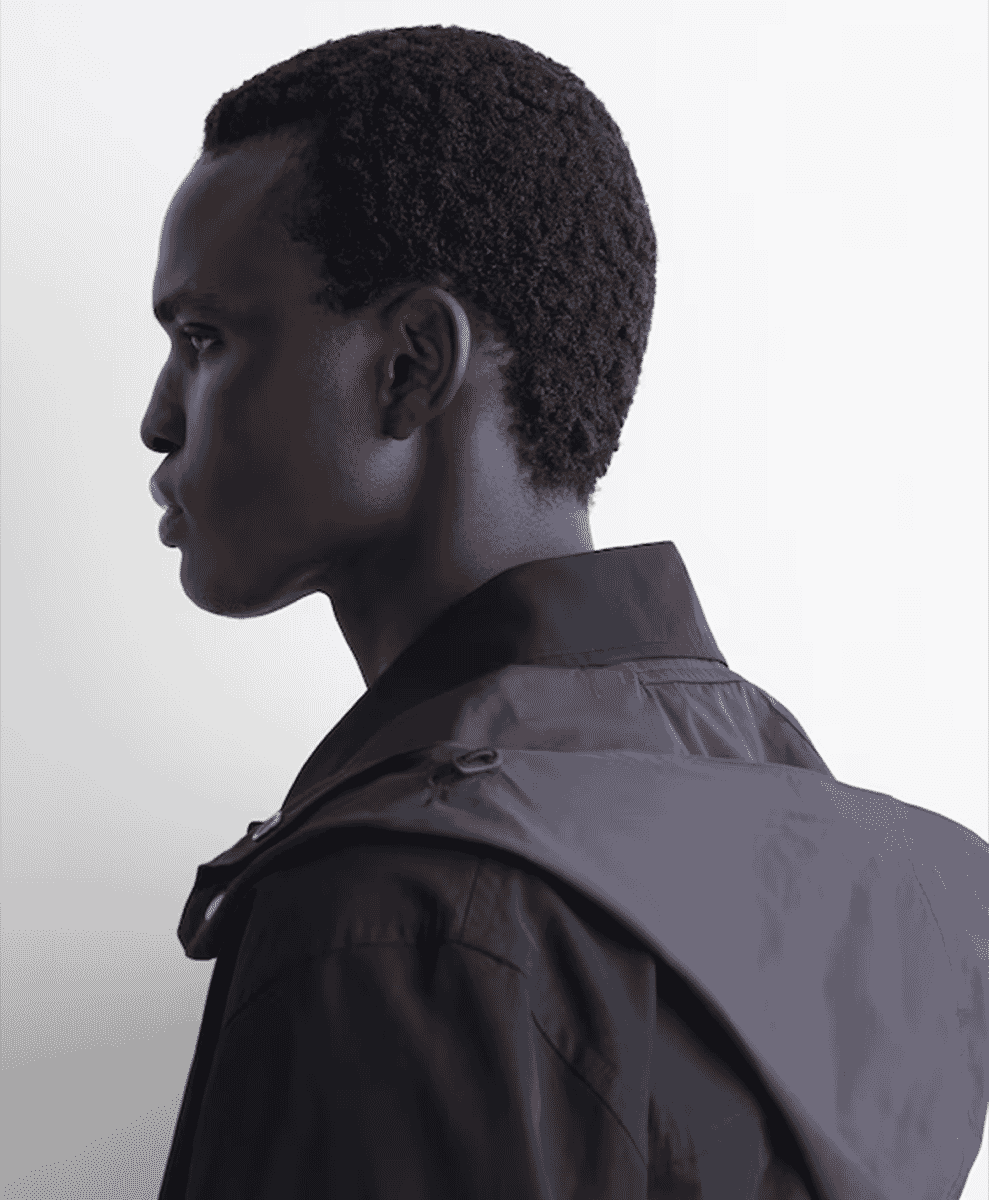
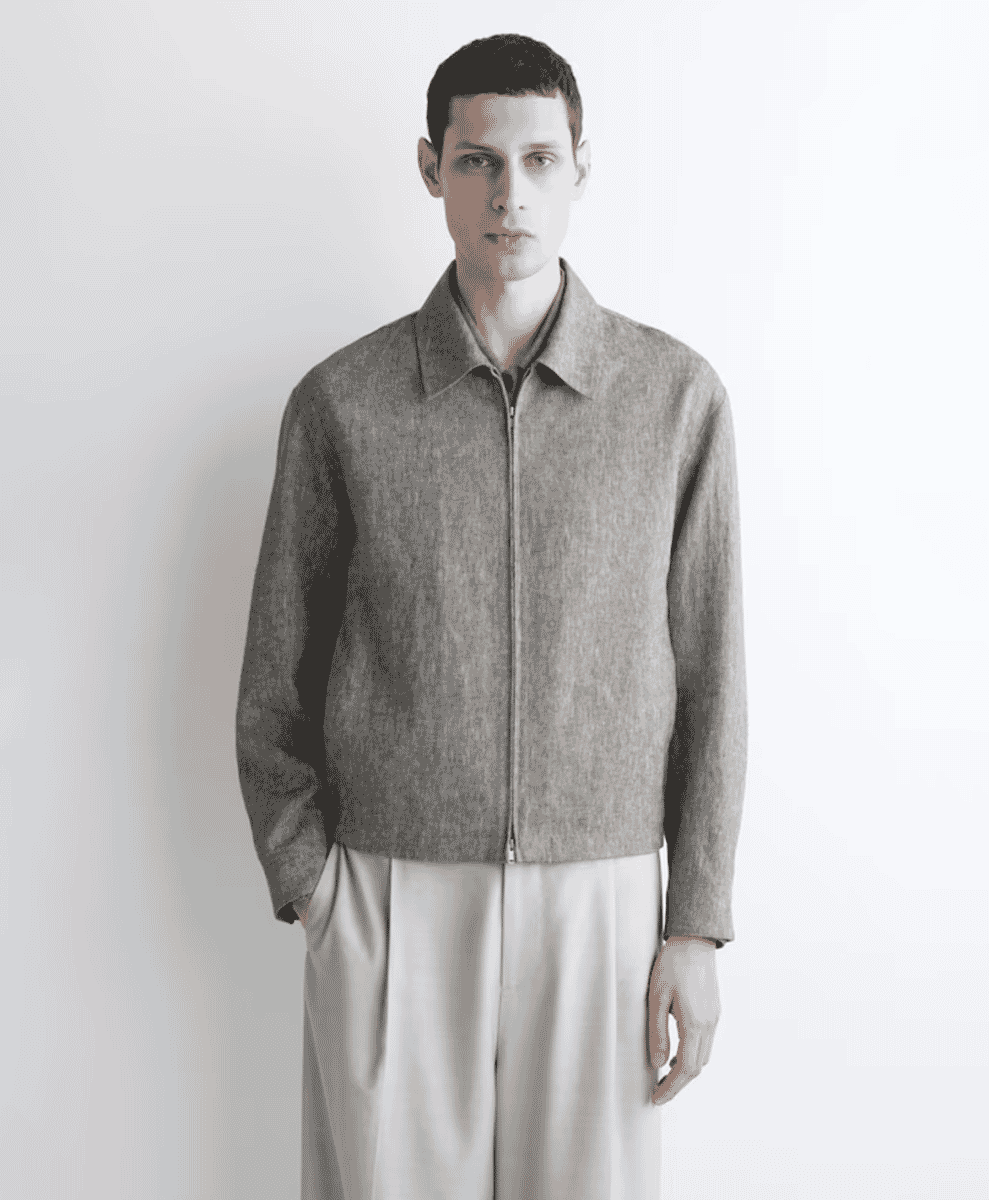
COS
COS offers a more accessible route into smart casual. Clean lines, neutral palettes and modern proportions make it a useful starting point for building outfits that feel considered without being overworked.
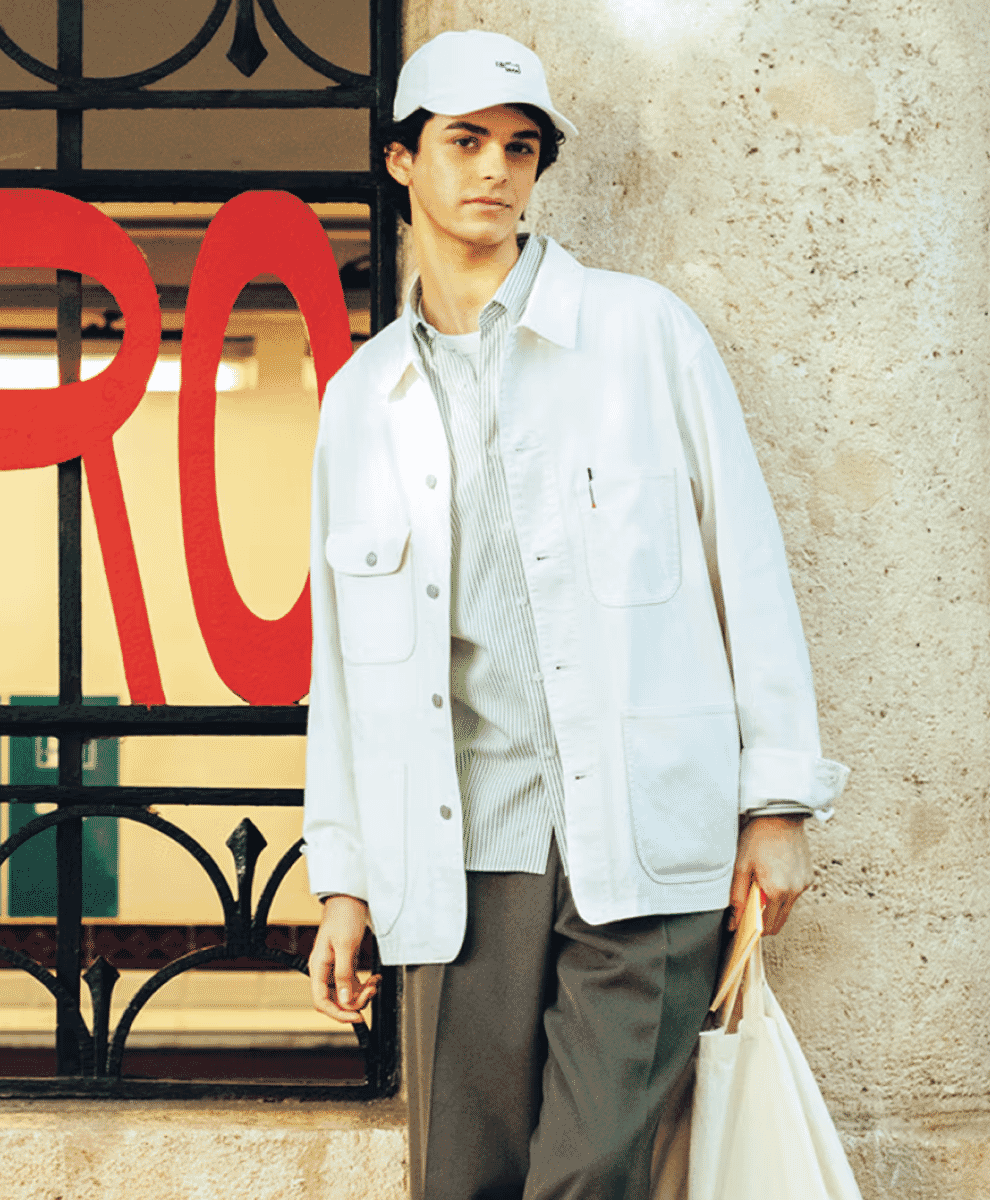
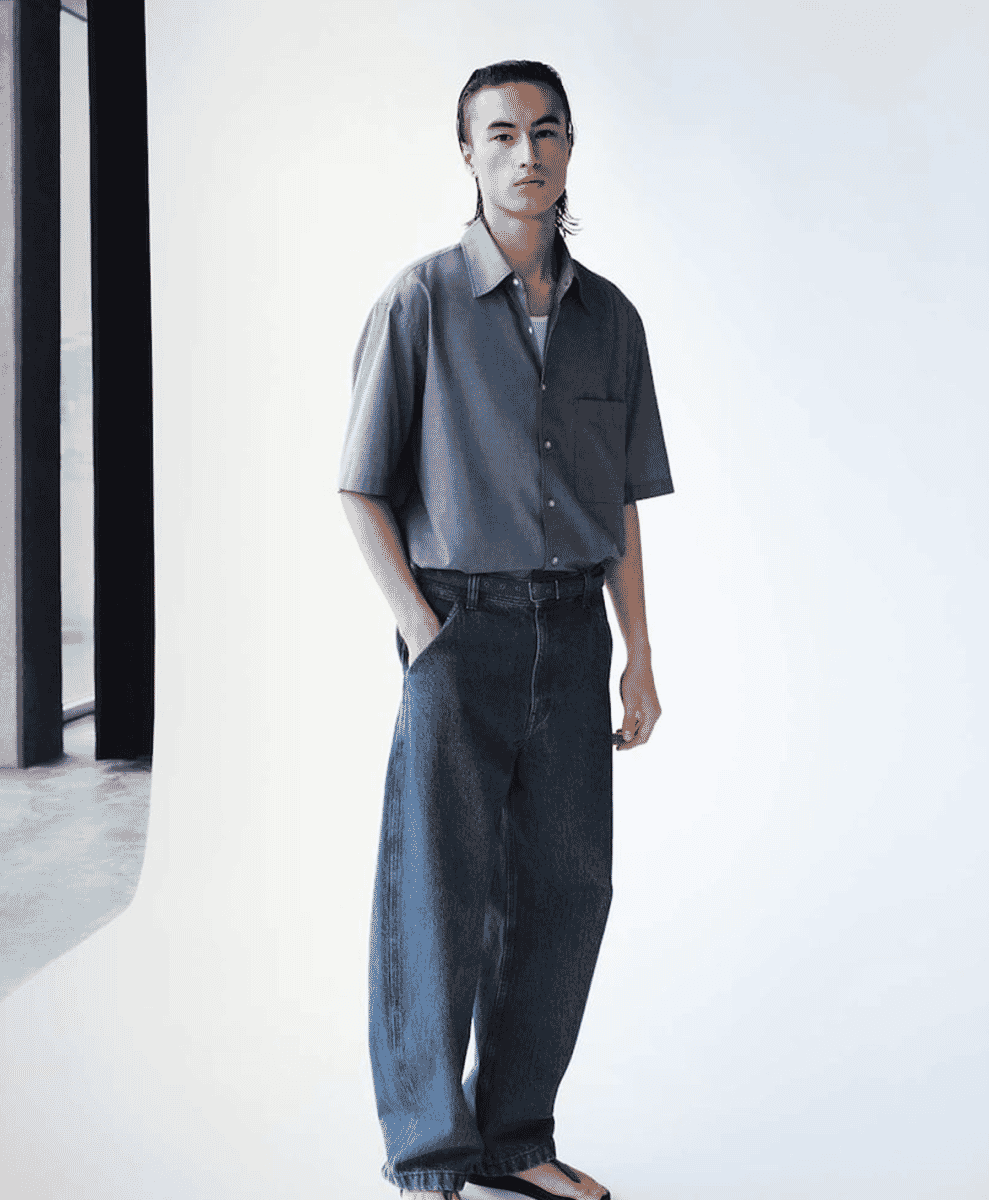
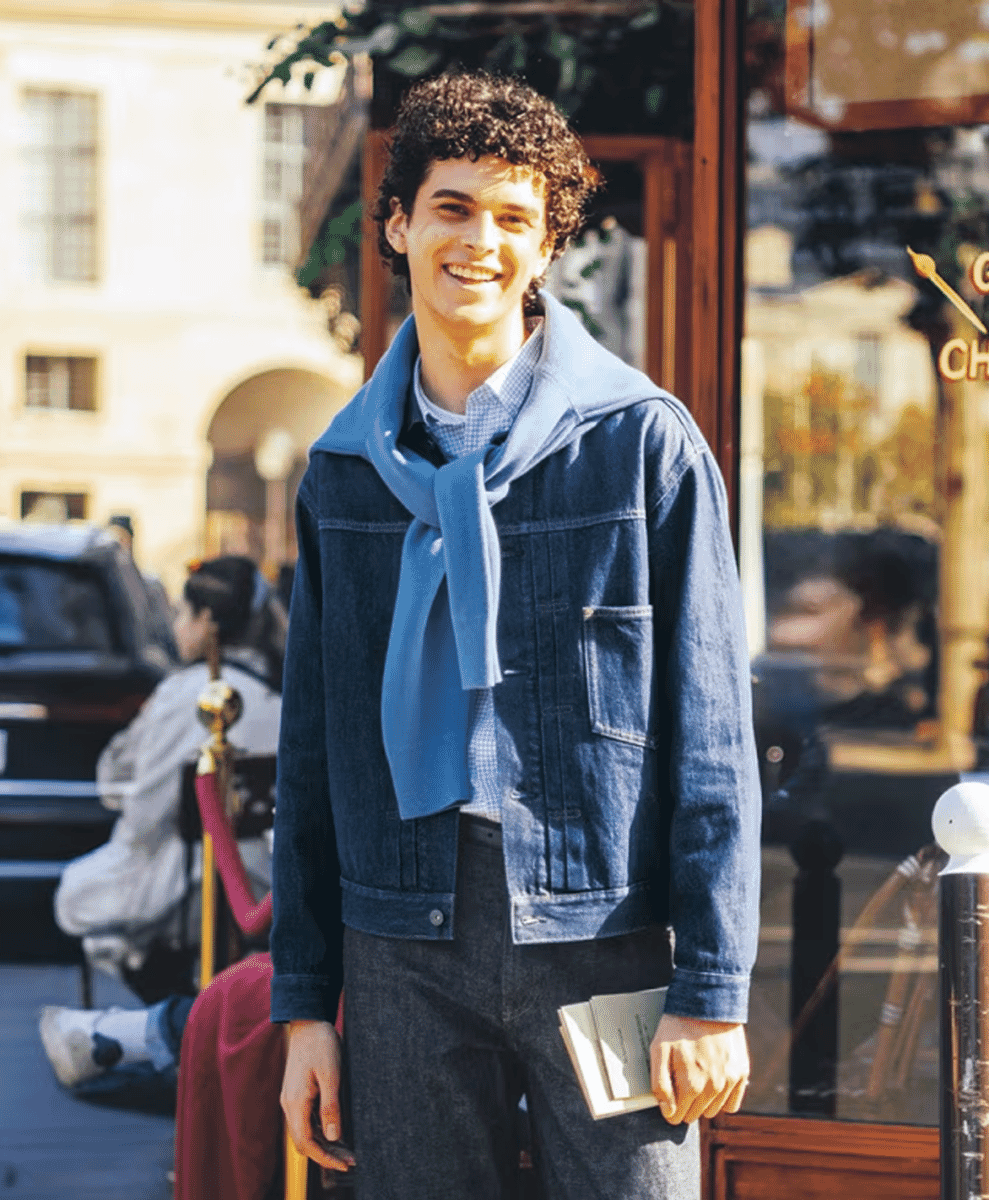
Uniqlo
For basics, Uniqlo remains hard to ignore. Reliable T-shirts, Oxford shirts and knitwear provide the foundation pieces that smart casual depends on, without overcomplicating things.
Smart casual FAQs
Still got questions. Hopefully the FAQs on the smart casual dress code for men below should answer them once and for all.
Are sneakers smart casual?
They can be, but not all sneakers qualify. Clean, minimal sneakers in leather or suede tend to work best. Bulky running shoes or heavily branded styles usually sit too far on the casual end.
Are jeans smart casual?
They can be. Dark, well-fitting denim without distressing tends to work best. Pair them with a blazer, knitwear or structured outerwear to keep things balanced.
Can I wear smart casual to the office?
In many modern workplaces, smart casual is the default. The key is reading the room. Some offices lean closer to tailoring, others toward casualwear. It’s usually best to start slightly smarter and adjust from there.
Can shorts be smart casual?
Not really. In most cases, shorts tip too far into casual territory. Tailored shorts can work in very specific settings, but they’re not something you can rely on for this dress code.
Can I wear smart casual to a wedding?
It depends on the invitation. If it explicitly says smart casual, then yes. But it’s worth leaning toward the smarter side. A blazer, shirt and proper shoes will almost always feel more appropriate than pushing things too far toward casual.