You already know Paraboot. You know the history, you know the Michael, you know the Chambord – the type of understated French casual shoes that are equally at home beneath raw denim or tailored trousers. What you might not know is that behind the brand sits another lesser-known name with an equally rich history. One that spent decades making footwear not for cafés and city streets, but for glaciers, ridgelines and alpine rock faces. Allow us to introduce Galibier.
For much of the twentieth century, Galibier was one of Europe's most respected mountain-boot manufacturers. While Paraboot gradually evolved into the everyday footwear label adored by menswear aficionados today, Galibier remained focused on a different customer: mountaineers, climbers and guides who needed boots capable of surviving the extremes of the French Alps.
Now, with the consumer appetite for genuine heritage outdoor gear growing, the French label is back in the spotlight. But rather than reinventing itself, Galibier is revisiting its own archive, bringing back some of the models that helped define Alpine footwear in the first place.
Born in the Alps
Galibier was founded in 1922 by Richard-Pontvert, the same family-owned company behind Paraboot. Named after the Grand Galibier – a French mountain made famous by a nearby Alpine pass that regularly features in the Tour de France – the brand was established with one purpose: to build footwear capable of tackling the mountains surrounding its home in southeastern France.
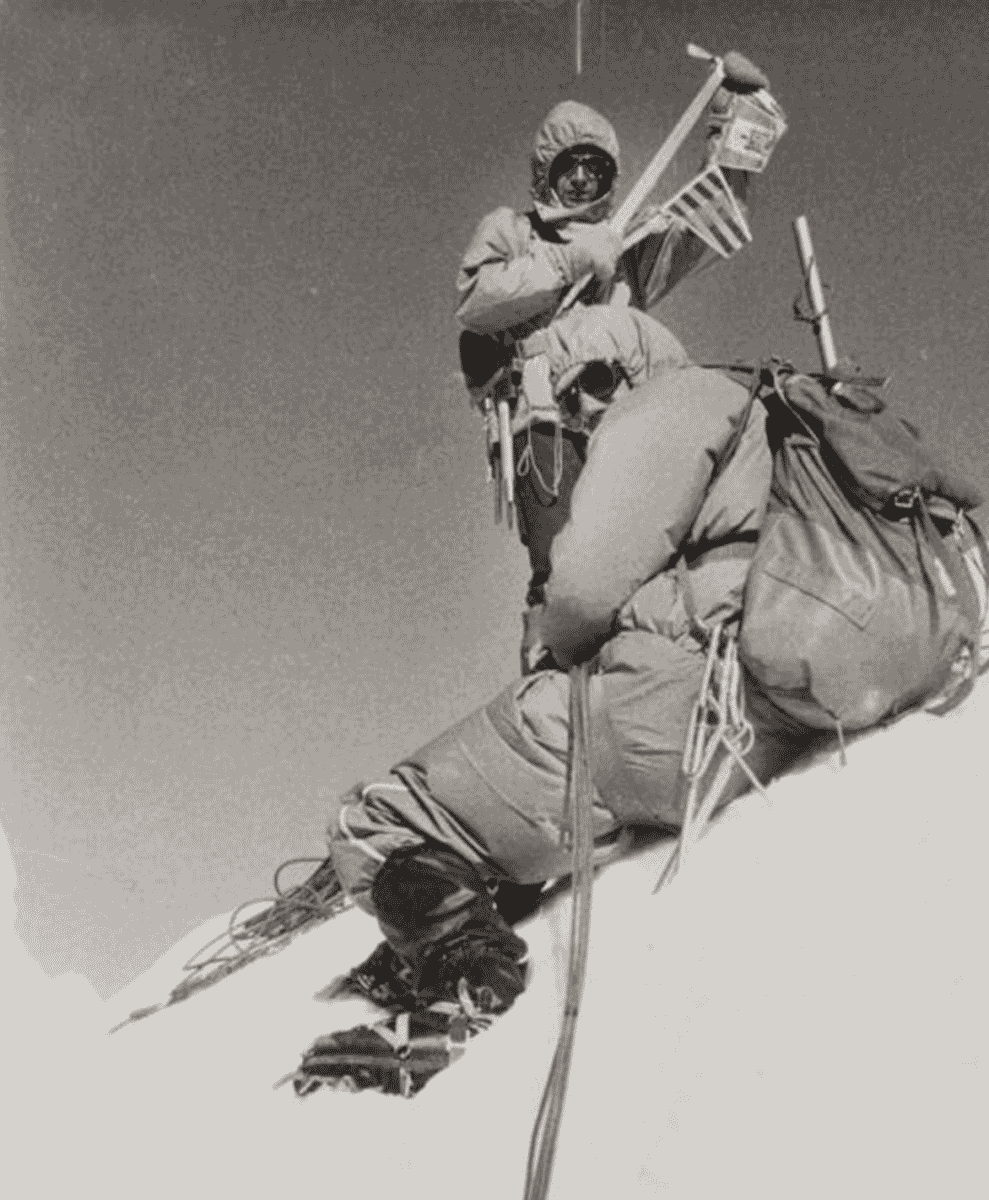
Throughout the middle decades of the twentieth century, Galibier became a trusted name among French alpinists. Its boots accompanied climbers through the Alps and onto Himalayan expeditions during an era when mountaineering equipment relied on craftsmanship rather than composites.
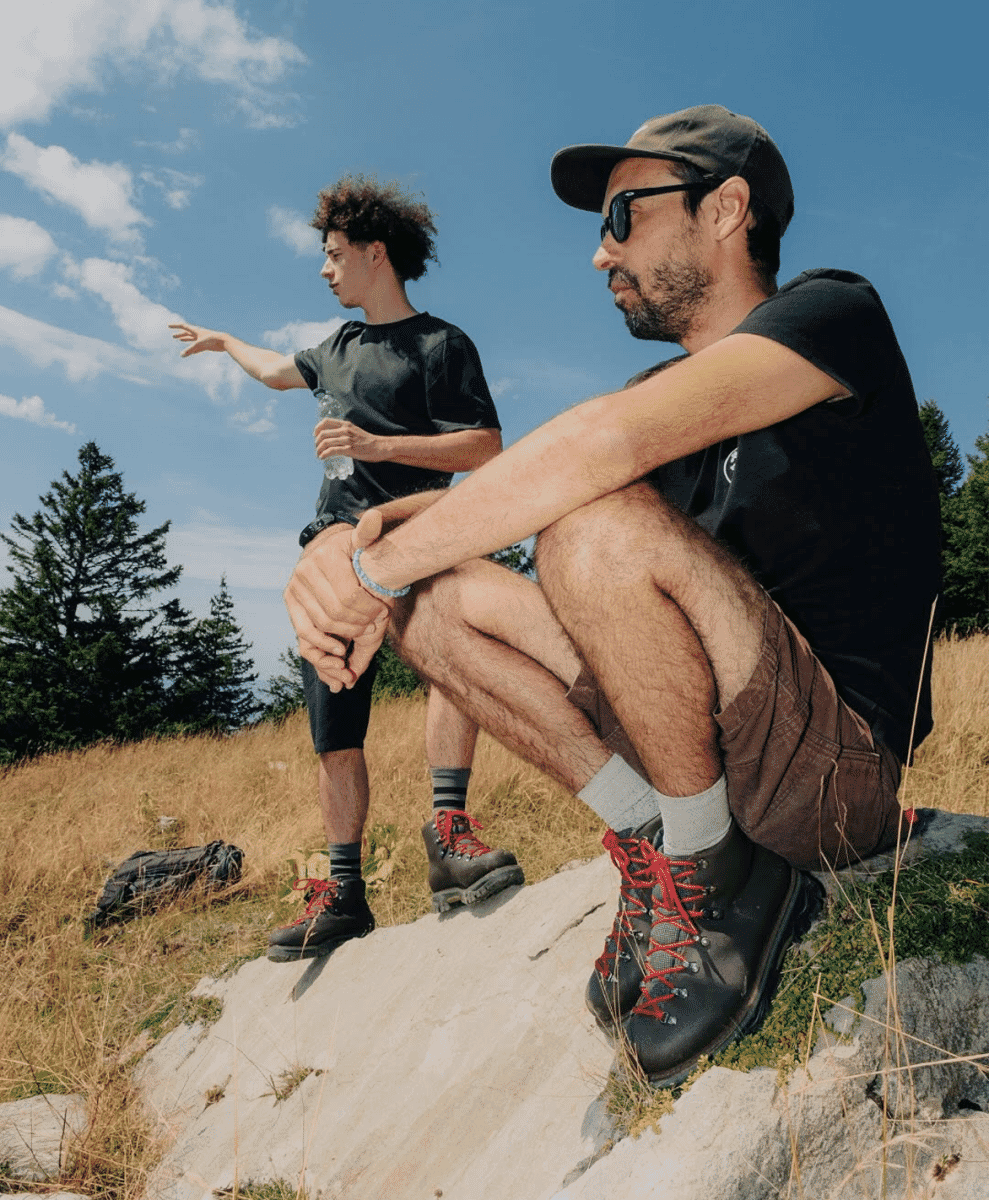
These were serious tools. Thick leather uppers, Norwegian welt construction, steel shanks and resolable Vibram soles combined to create boots that prioritised durability above all else. They weren't light, but they didn't need to be. A pair was expected to last for decades, often being resoled numerous times over the course of its working life.
As lighter synthetic footwear began to dominate from the 1980s onwards, Galibier gradually faded from view. The market had changed, and consumers increasingly favoured Gore-Tex-lined hiking boots over traditional leather mountain footwear. Meanwhile, Paraboot found international success, carrying the Richard-Pontvert name into fashion boutiques rather than mountain huts.
The shoe that refused to disappear
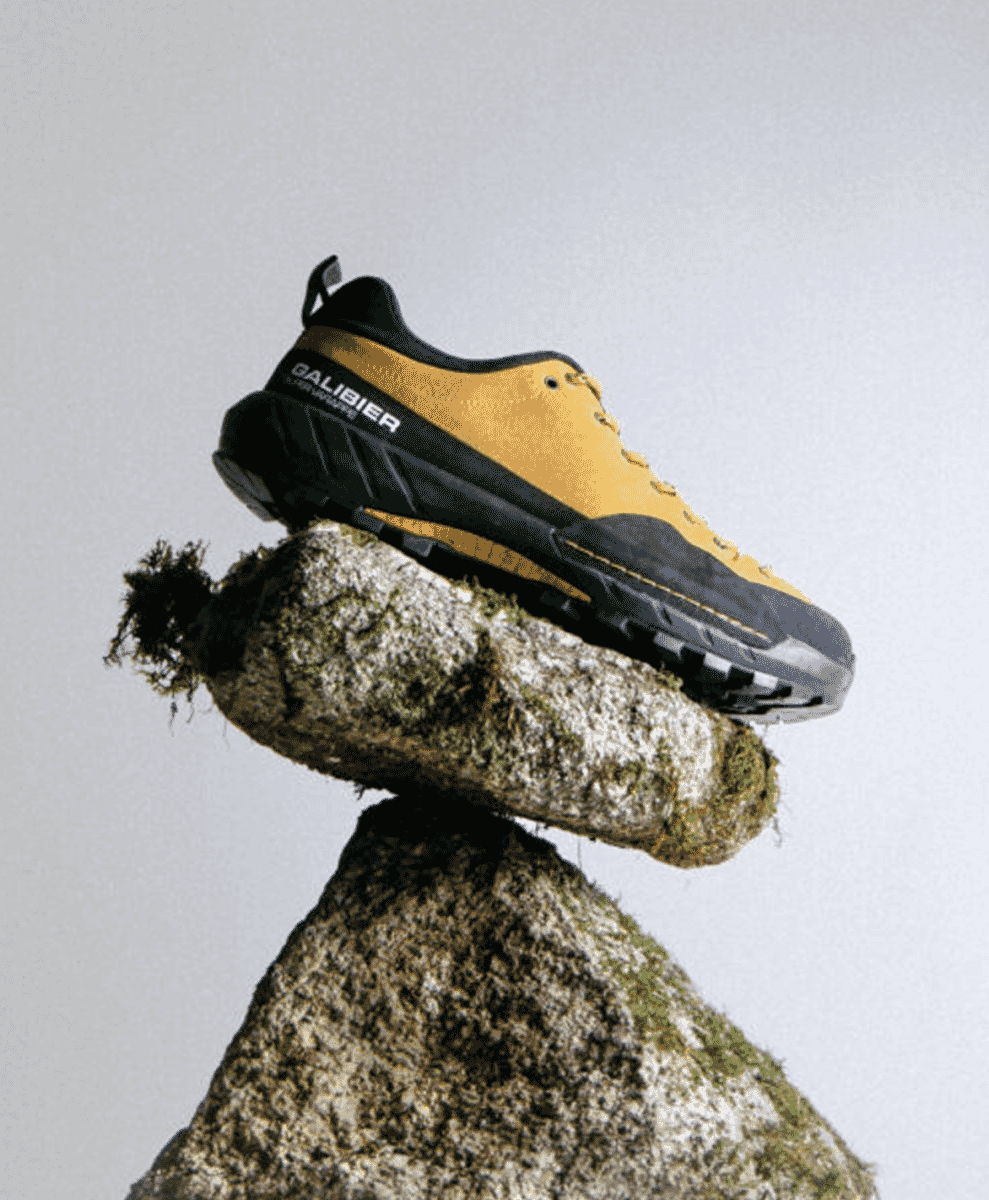
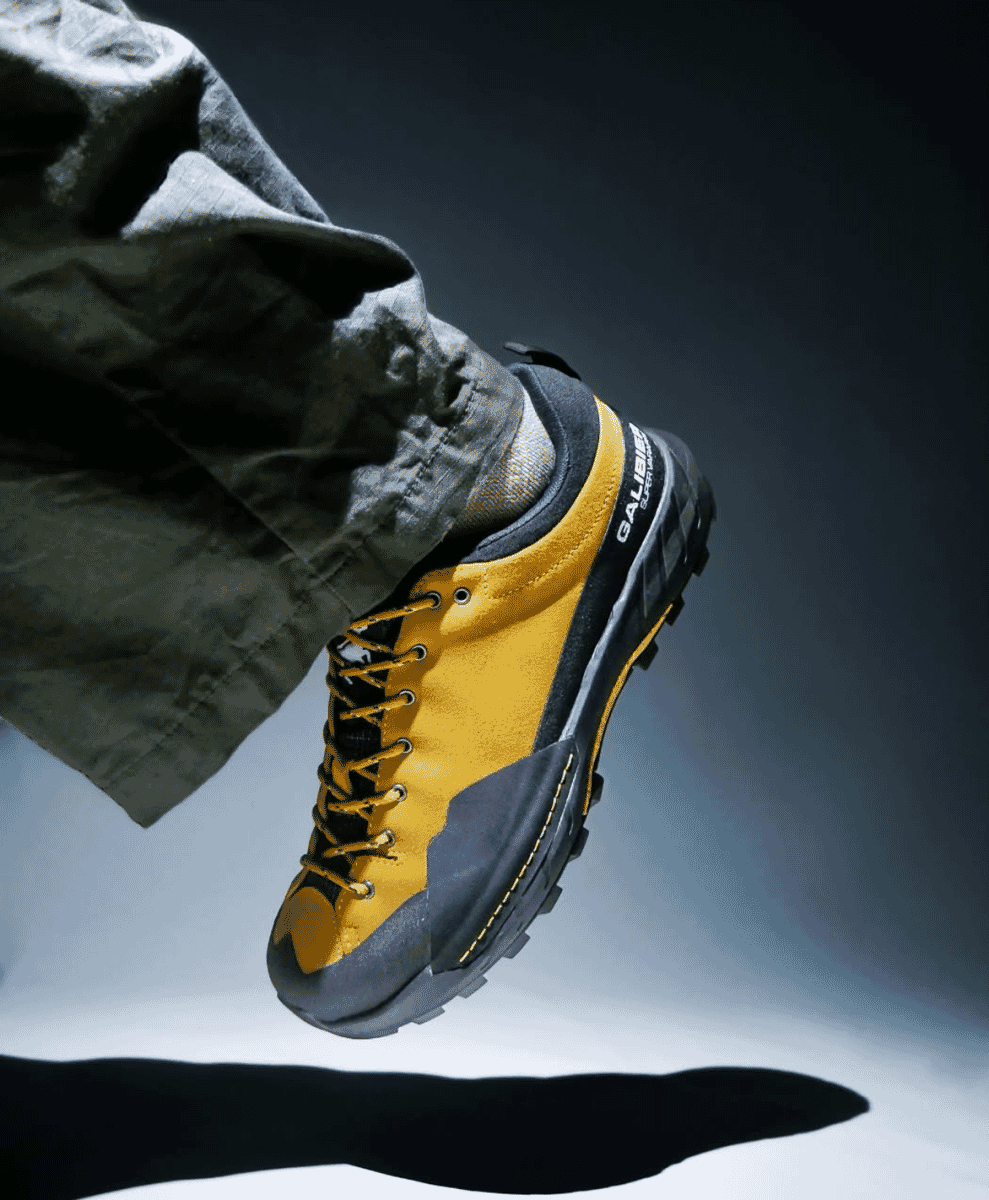
Among Galibier's archive, one model in particular has developed something of a cult following: the Super Varappe.
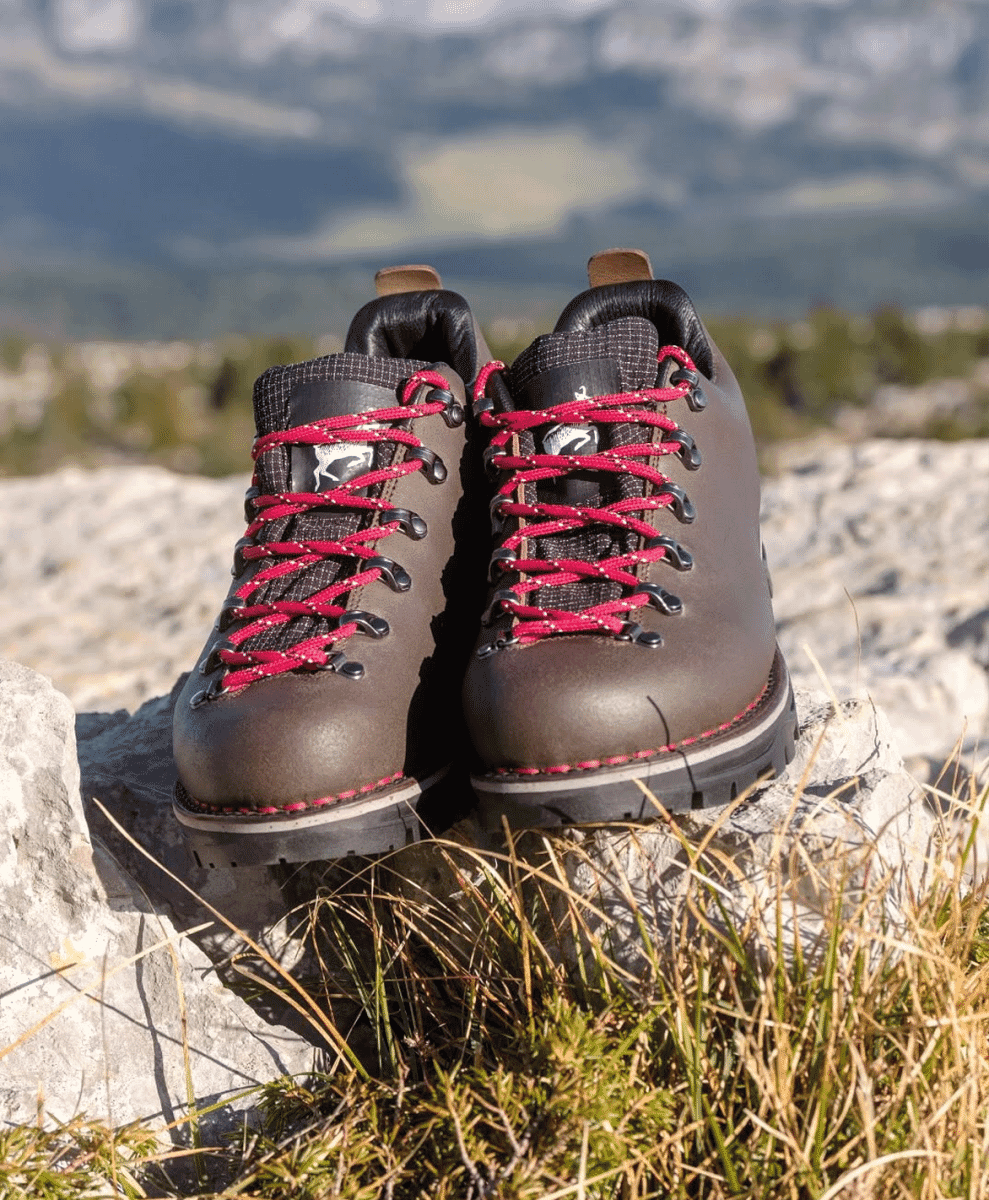
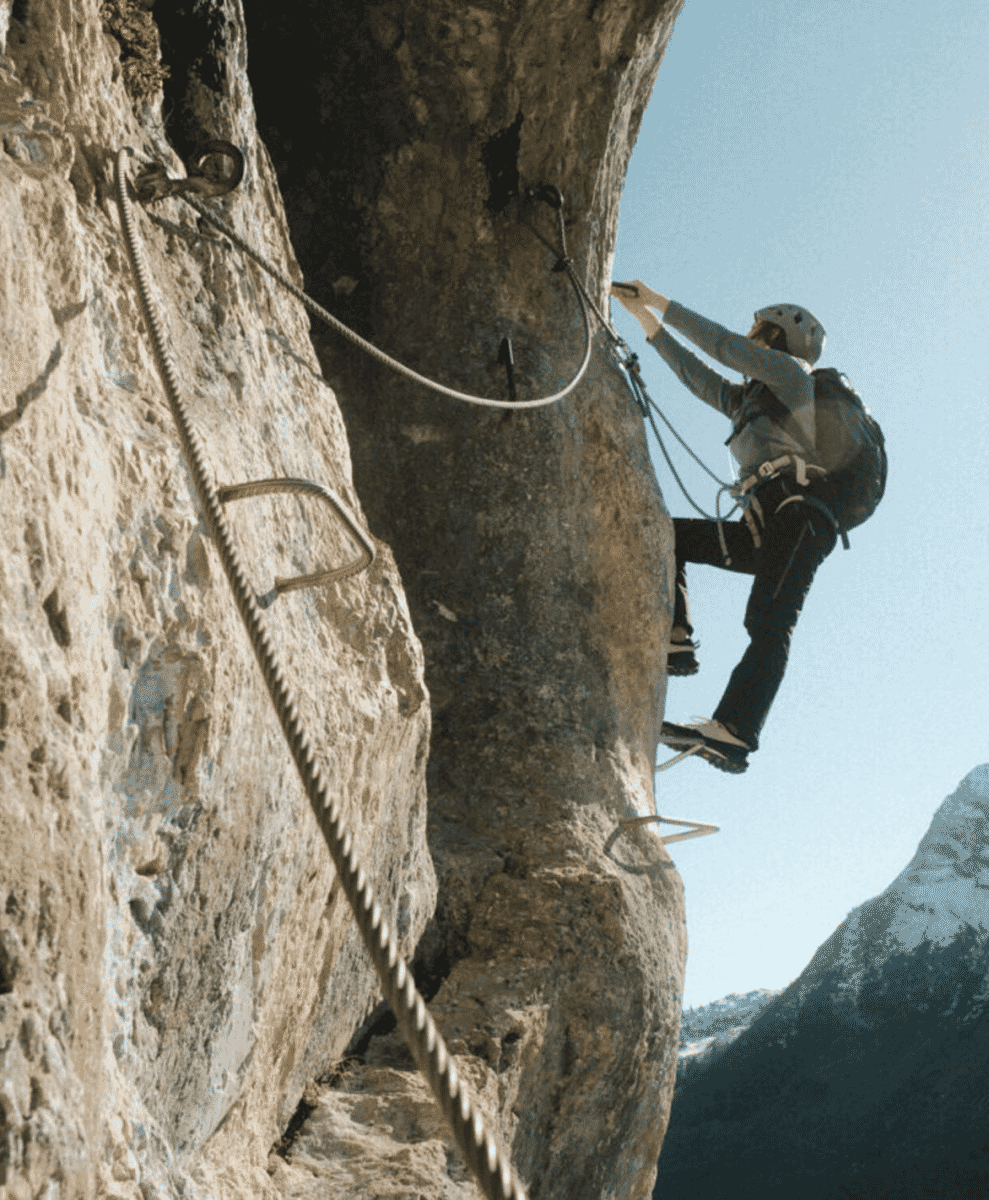
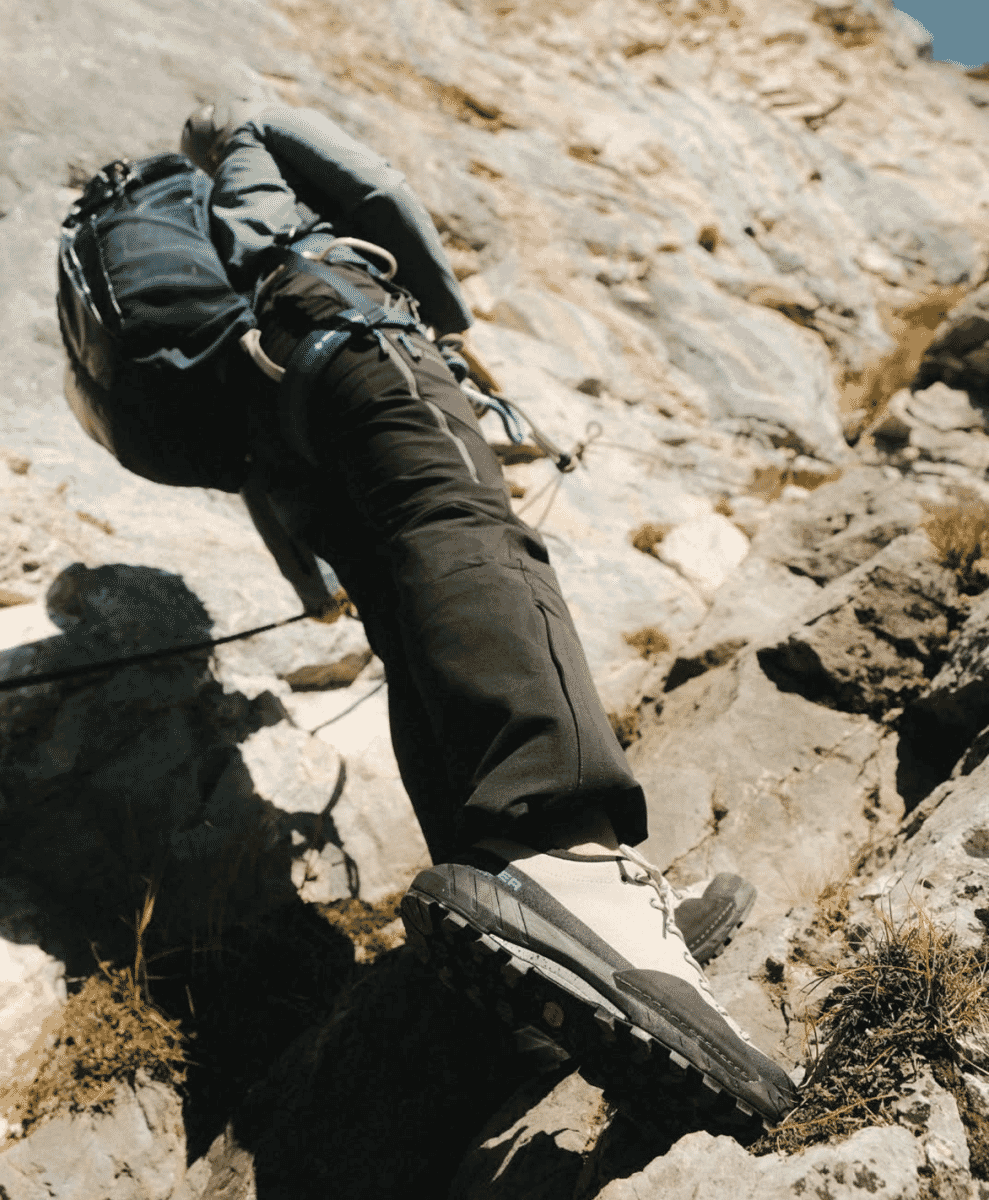
Originally introduced as a climbing and approach shoe, the Super Varappe arrived long before the modern approach shoe category existed. It was built for scrambling over rock, carrying climbers to the base of routes and handling the sort of mixed terrain that demanded stability without the bulk of a full mountain boot.
The silhouette remains remarkably contemporary. Low-cut and stripped back, it pairs a premium leather upper with a lugged rubber sole and minimal detailing. There are no oversized logos, brightly coloured TPU cages or aggressively technical flourishes. Instead, the design relies on proportion, material and function, making it feel surprisingly at home alongside today's wave of outdoor-inspired menswear.
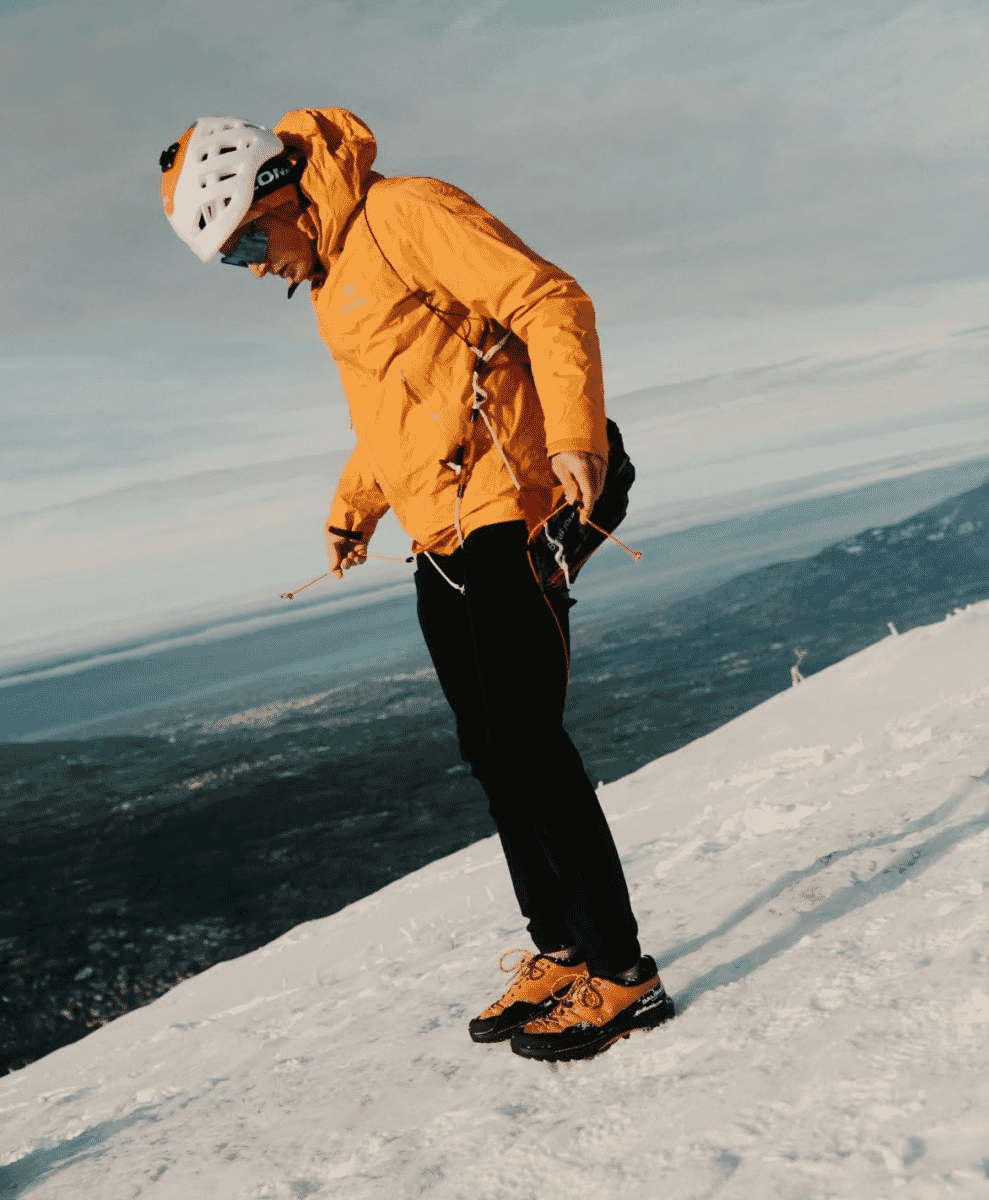
It's easy to see why the Super Varappe has found a second audience beyond climbing. Worn with loose-fitting fatigue trousers, washed denim or climbing shorts, it captures the same crossover appeal that has made trail runners and approach shoes staples of modern wardrobes. The difference is authenticity. Where many brands are borrowing from climbing aesthetics, the Super Varappe is the real deal.
Heritage without nostalgia
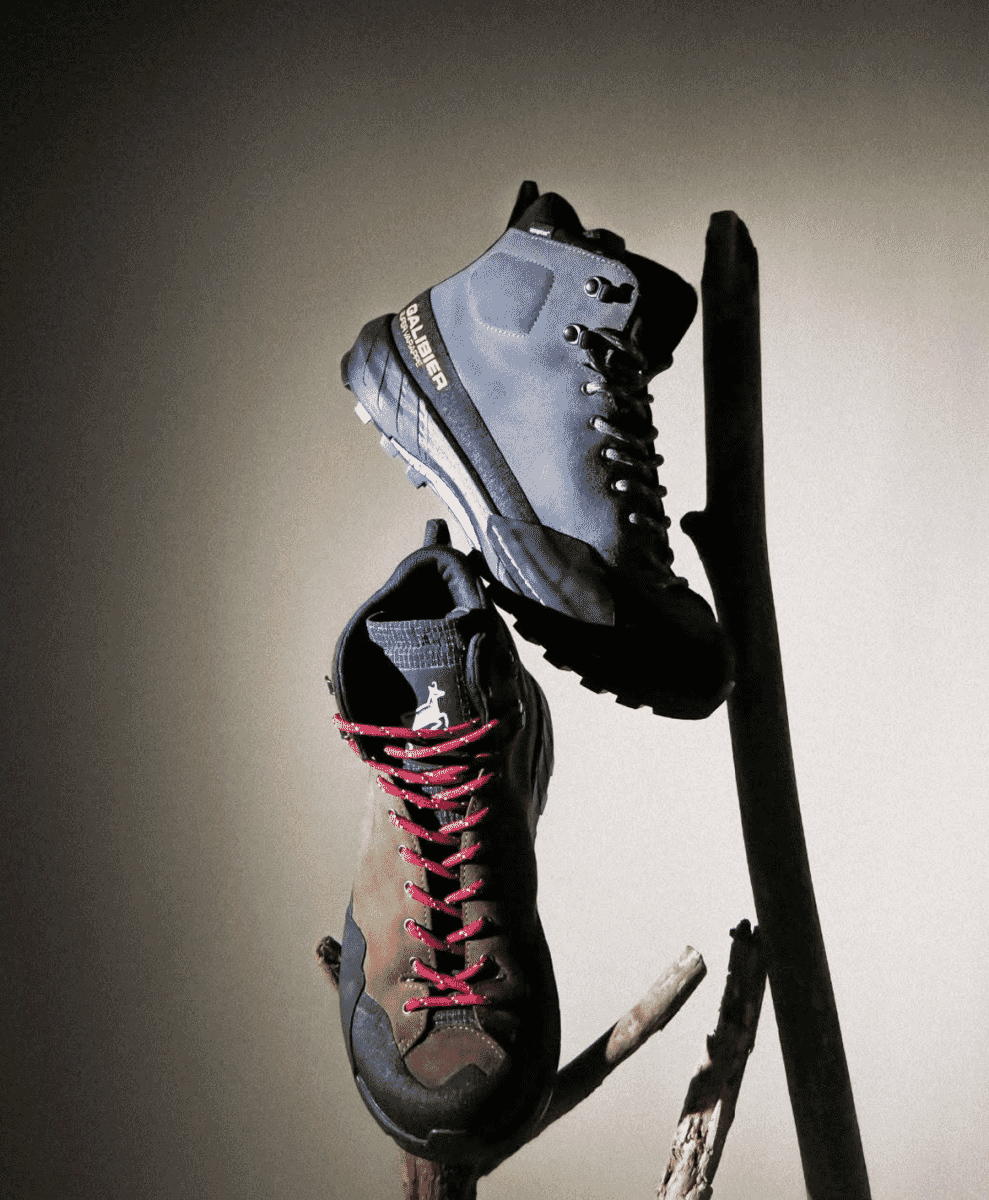
Many heritage brands struggle when they return. Some become little more than logo exercises, while others attempt to modernise so aggressively that they lose the qualities that made them interesting in the first place. Remarkably, Galibier has avoided both traps.
Instead of replacing leather with synthetics or redesigning classic models beyond recognition, the brand has chosen to celebrate traditional construction while refining details where appropriate. Manufacturing remains rooted in France, and the emphasis continues to be on repairability, longevity and craftsmanship.
That philosophy feels increasingly relevant today. As consumers become more interested in buying fewer, better things, footwear built to be maintained rather than replaced suddenly makes a great deal of sense.
There's no shortage of heritage-inspired outdoor brands right now. Every season seems to bring another label mining old climbing catalogues or reissuing archival hiking boots. The difference with Galibier is that it never had to invent the story. And while Paraboot may remain the household name, its mountain-going sibling could well prove to be the more interesting one.