Winter creeps in quietly. A darker morning here, a brisk wind there, and suddenly your lightweight jacket feels like tissue paper. The transition from linen to wool is never graceful, but it’s necessary. Dressing for the cold isn’t about piling on layers and hoping for the best. It’s about balance, knowing how to mix texture, proportion and insulation so you stay warm without losing shape.
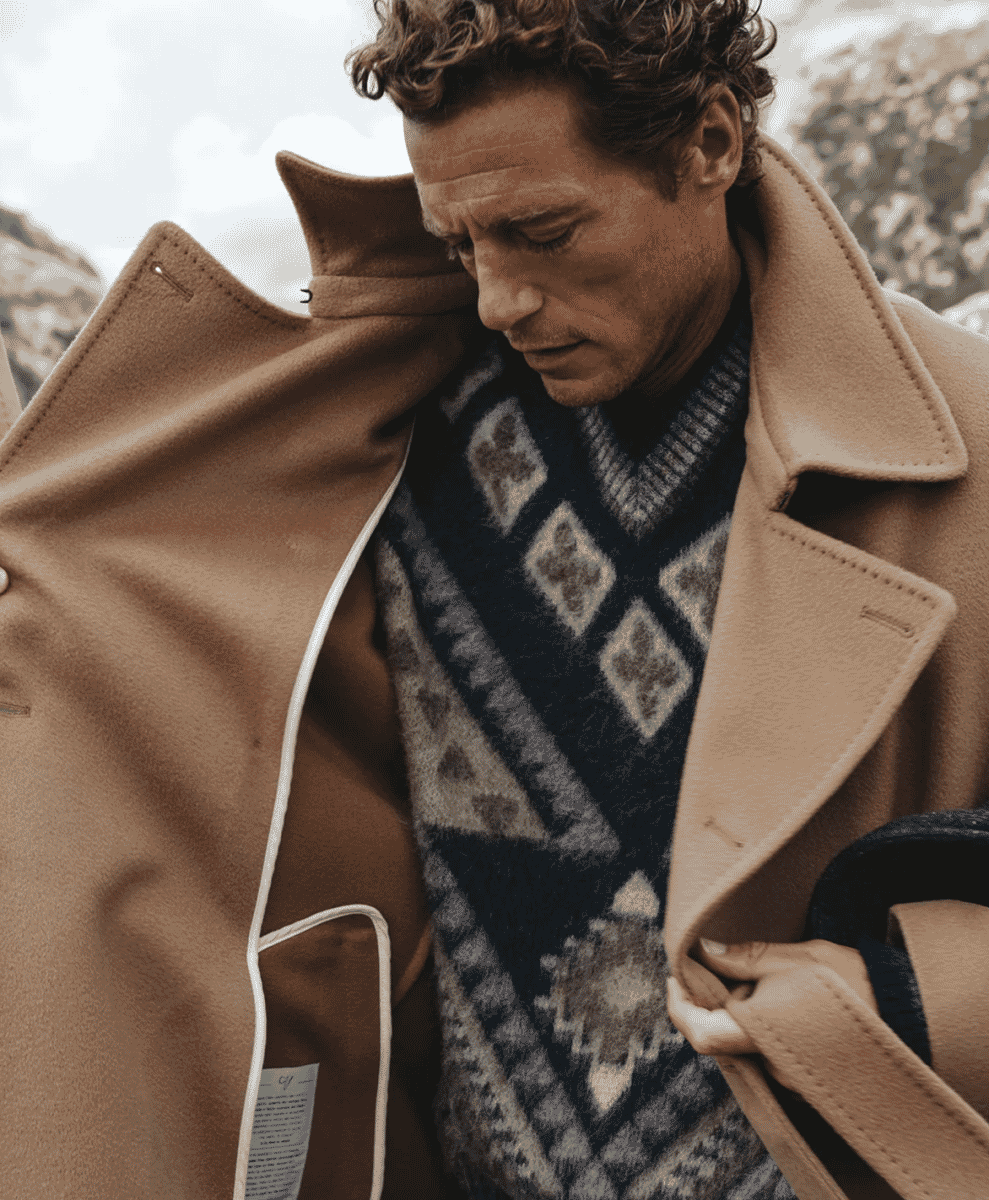
Building a proper winter wardrobe is easier than most think. It’s a matter of choosing a few reliable pieces that work together, from coats that command attention to knits that do the heavy lifting from underneath. This is OPUMO's guide to winter clothes for men – a practical breakdown of what to wear, how to layer it, and how to make cold-weather dressing feel effortless.
Table of Contents
The winter wardrobe essentials for men
Winter coats and jackets for men
If summer is about ease, winter is about armour. Outerwear is the cornerstone of every cold-weather outfit, the piece that dictates everything else. It needs to perform, flatter and last.
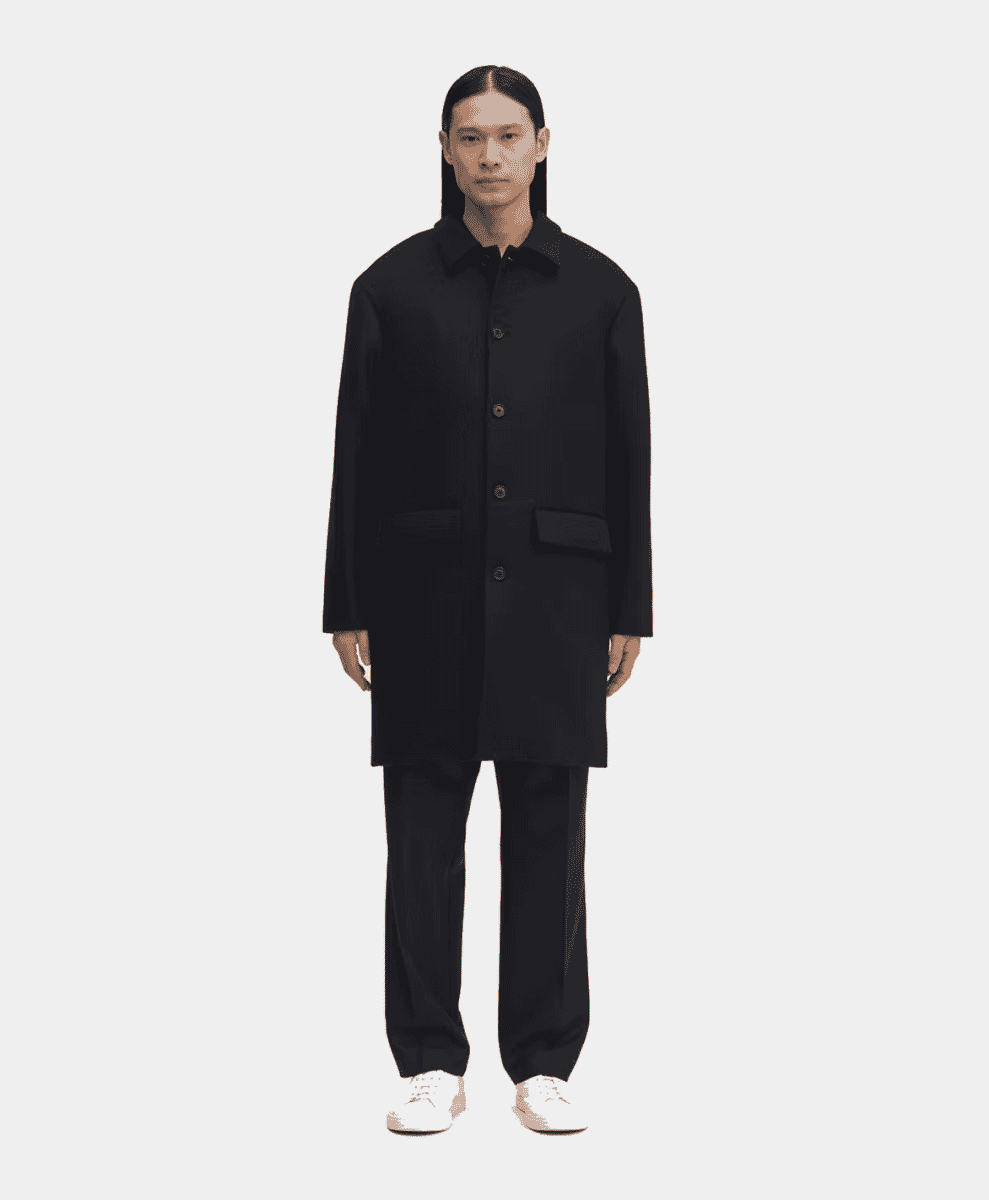
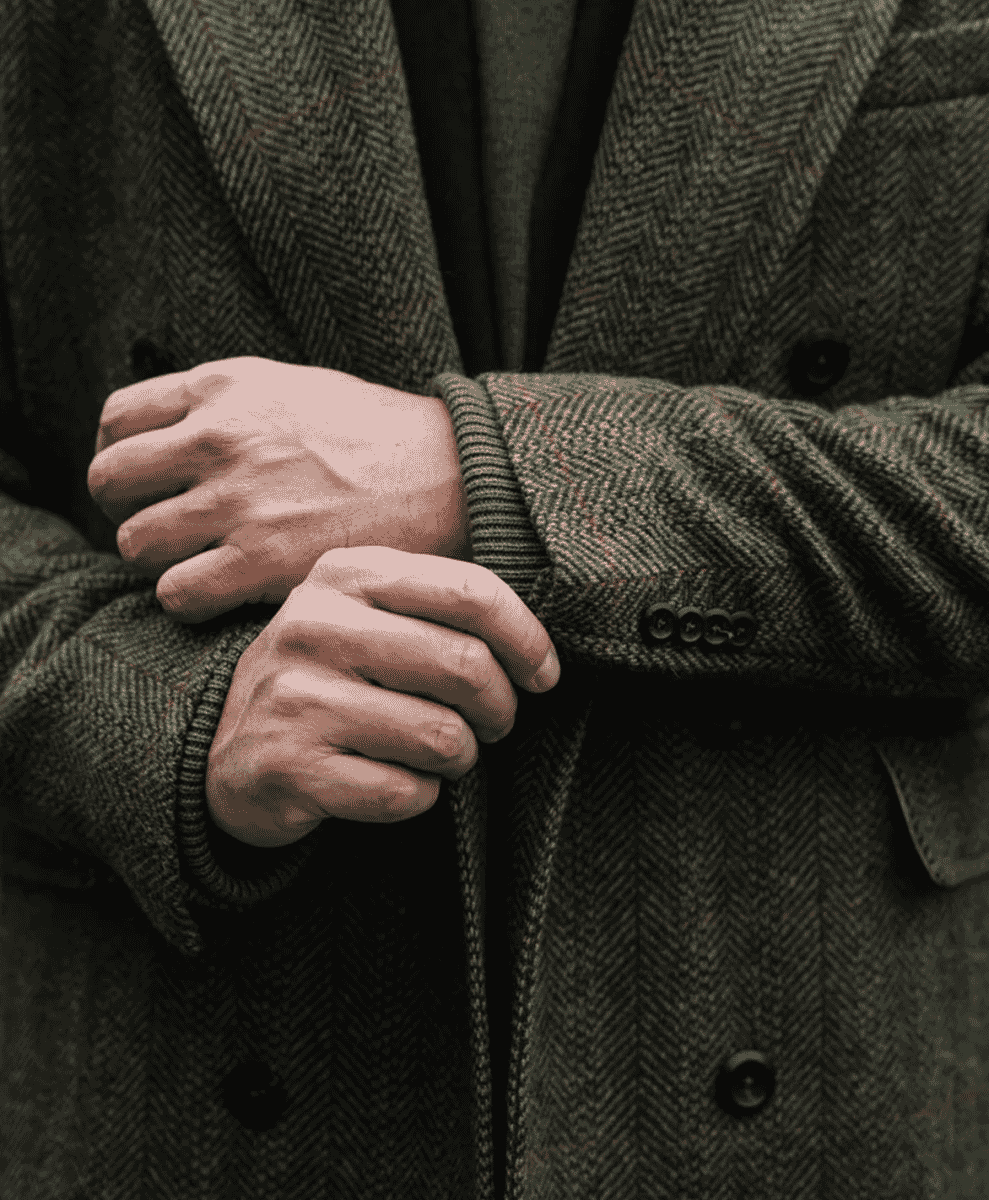
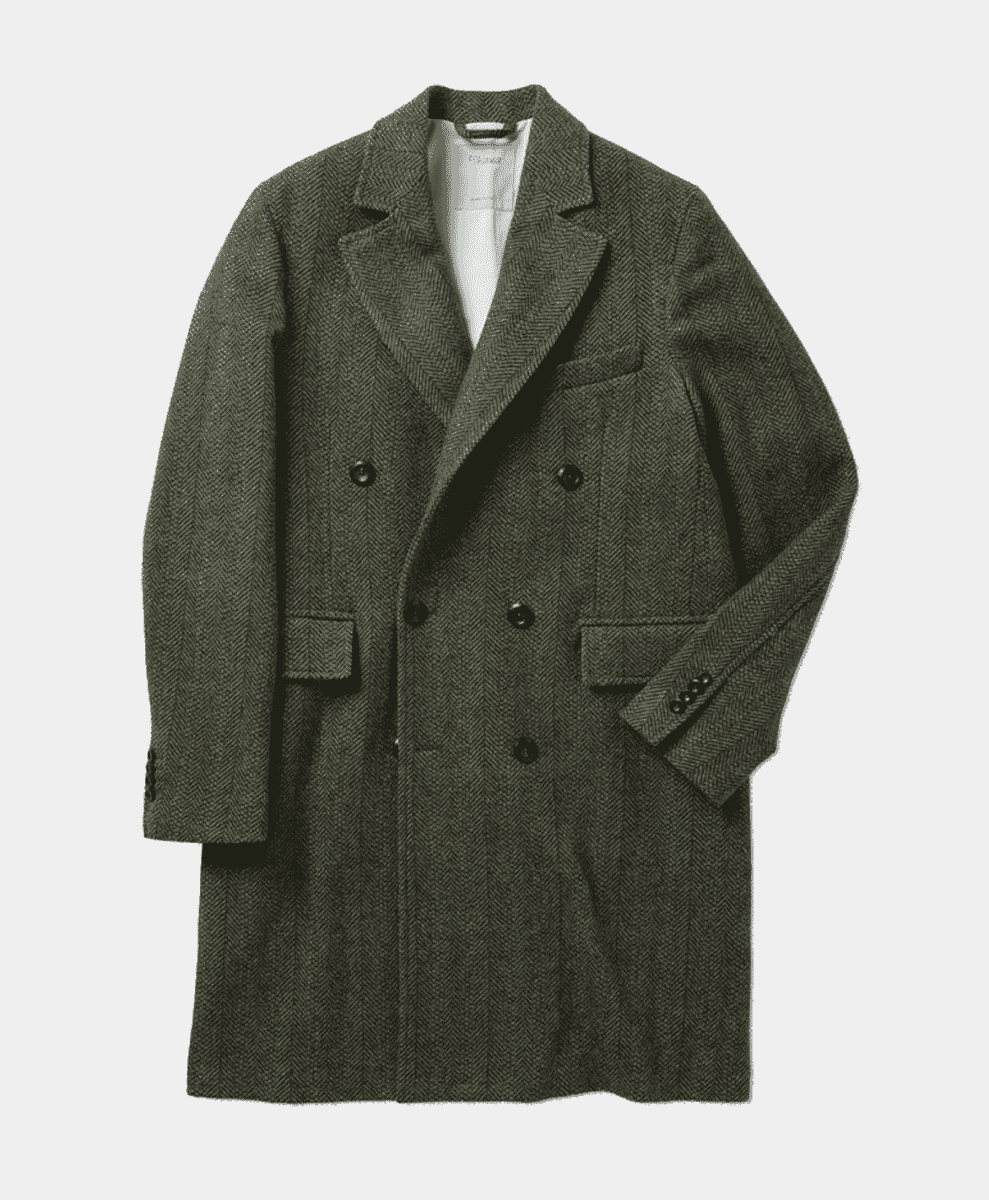
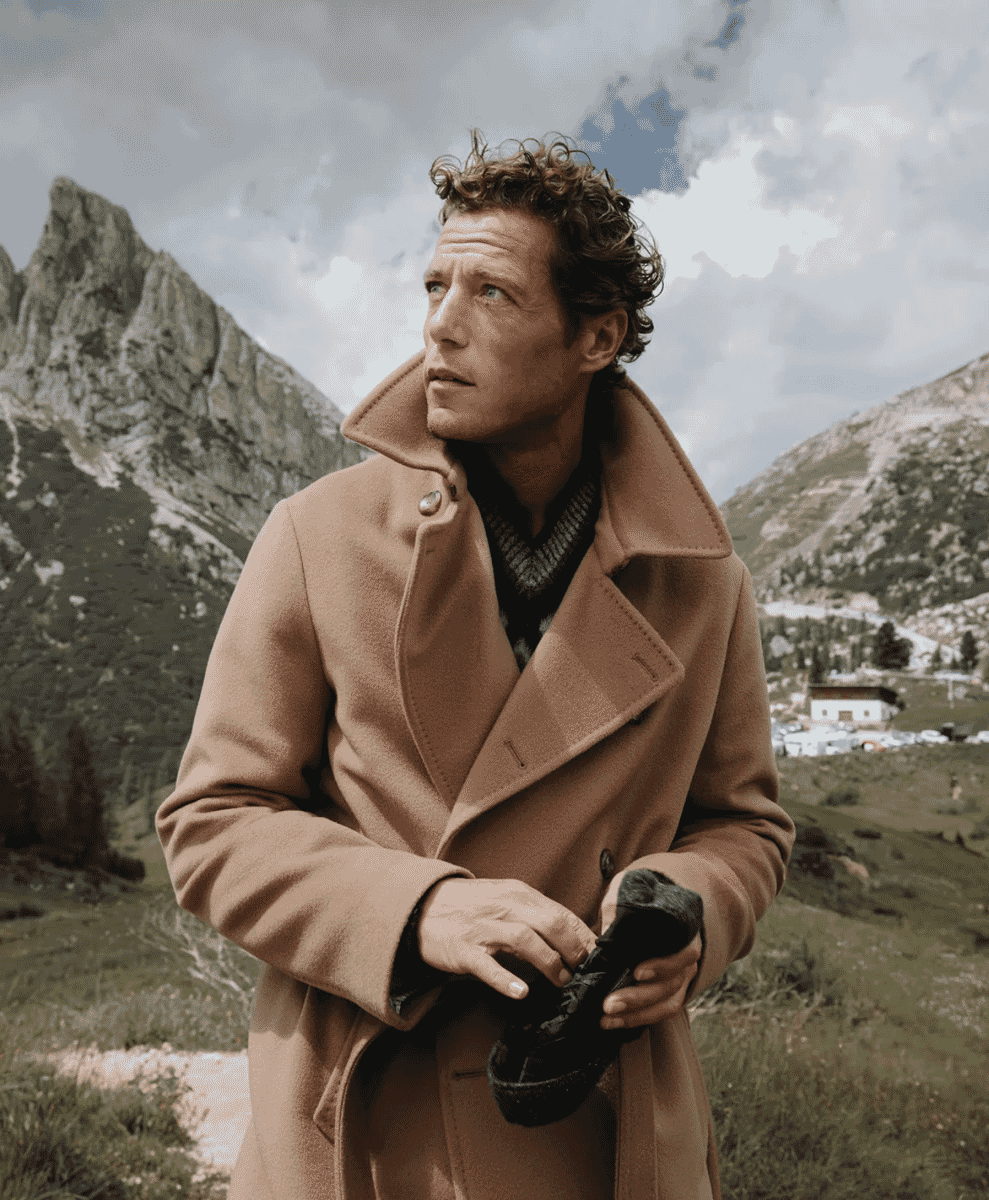
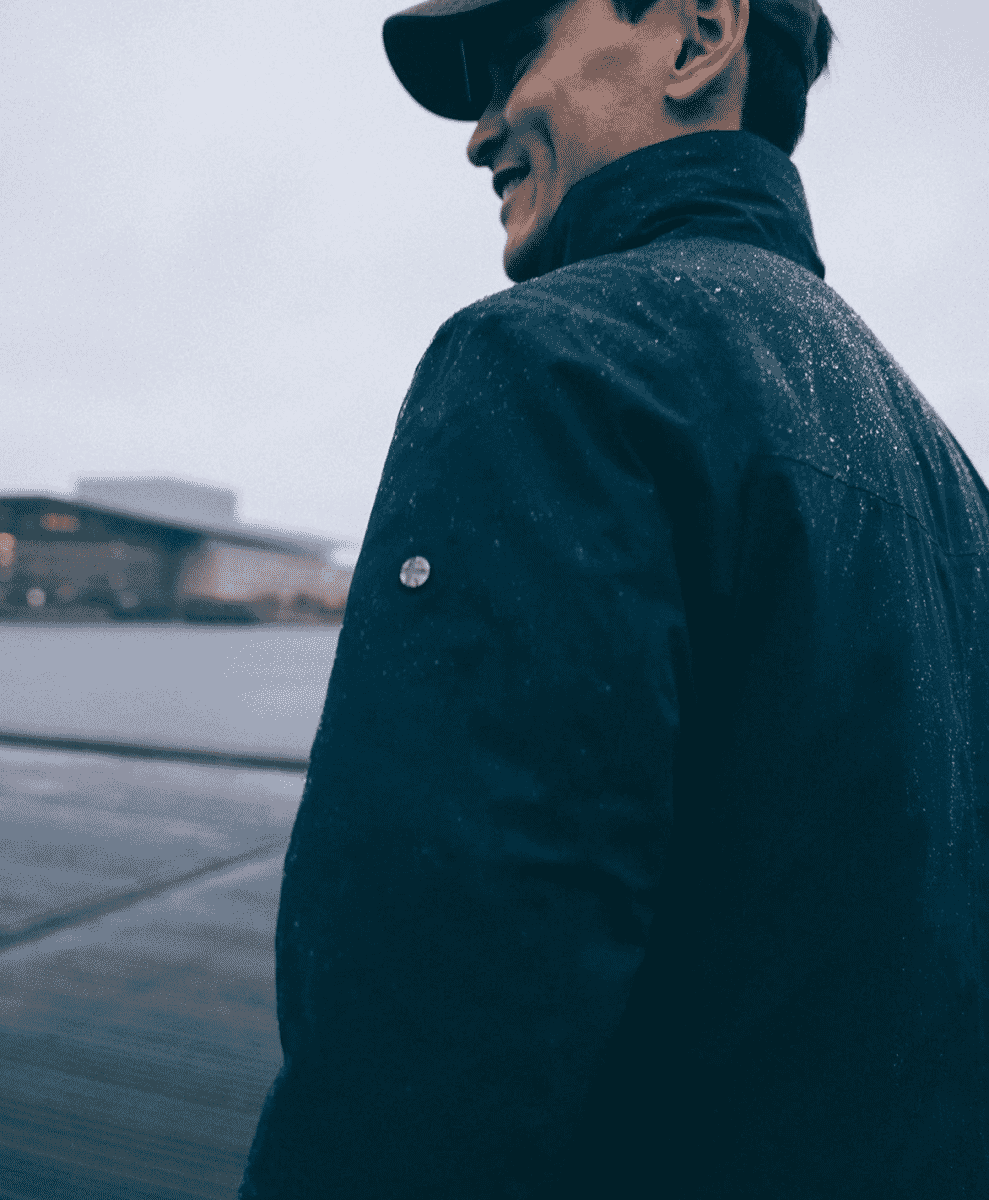
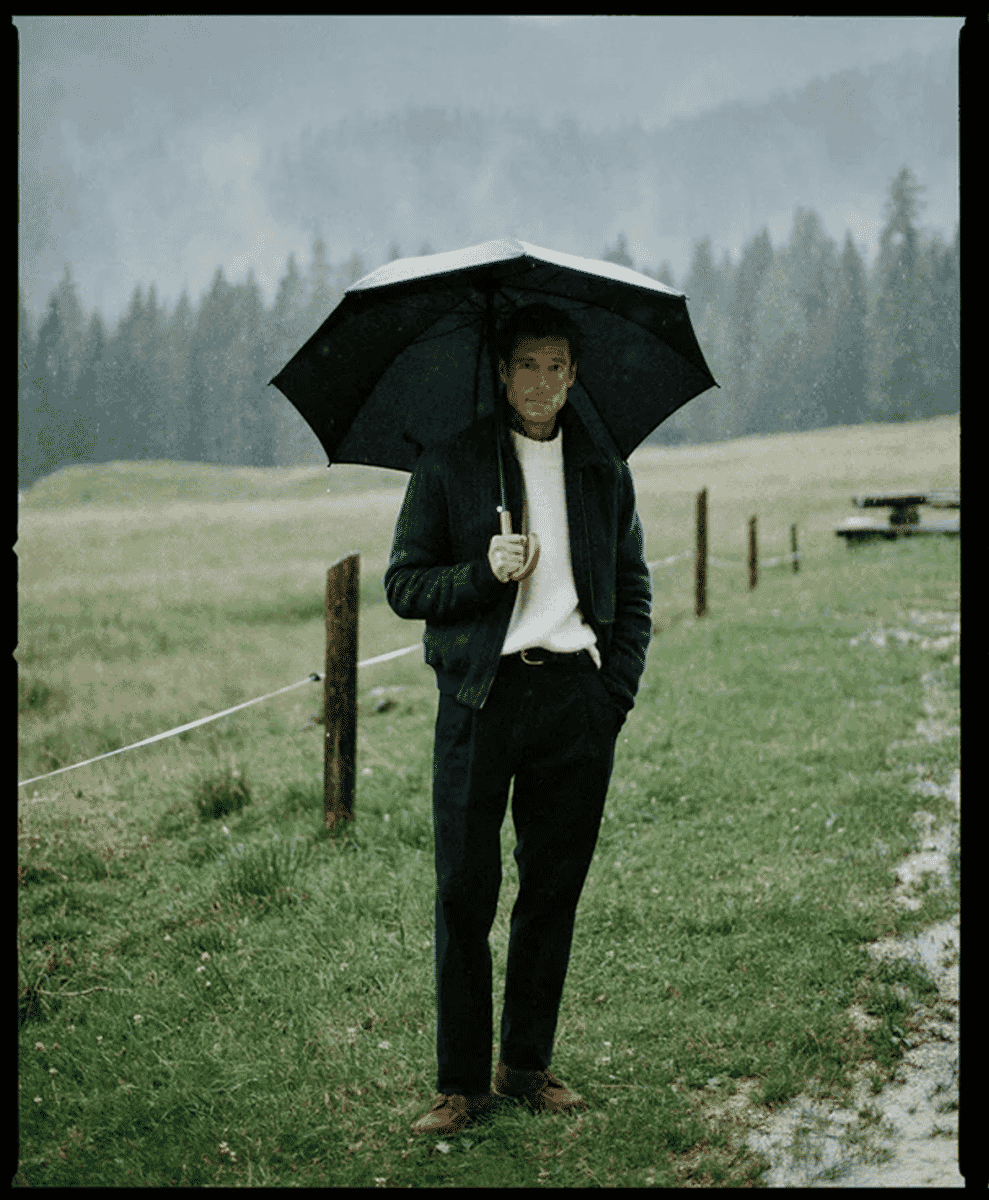
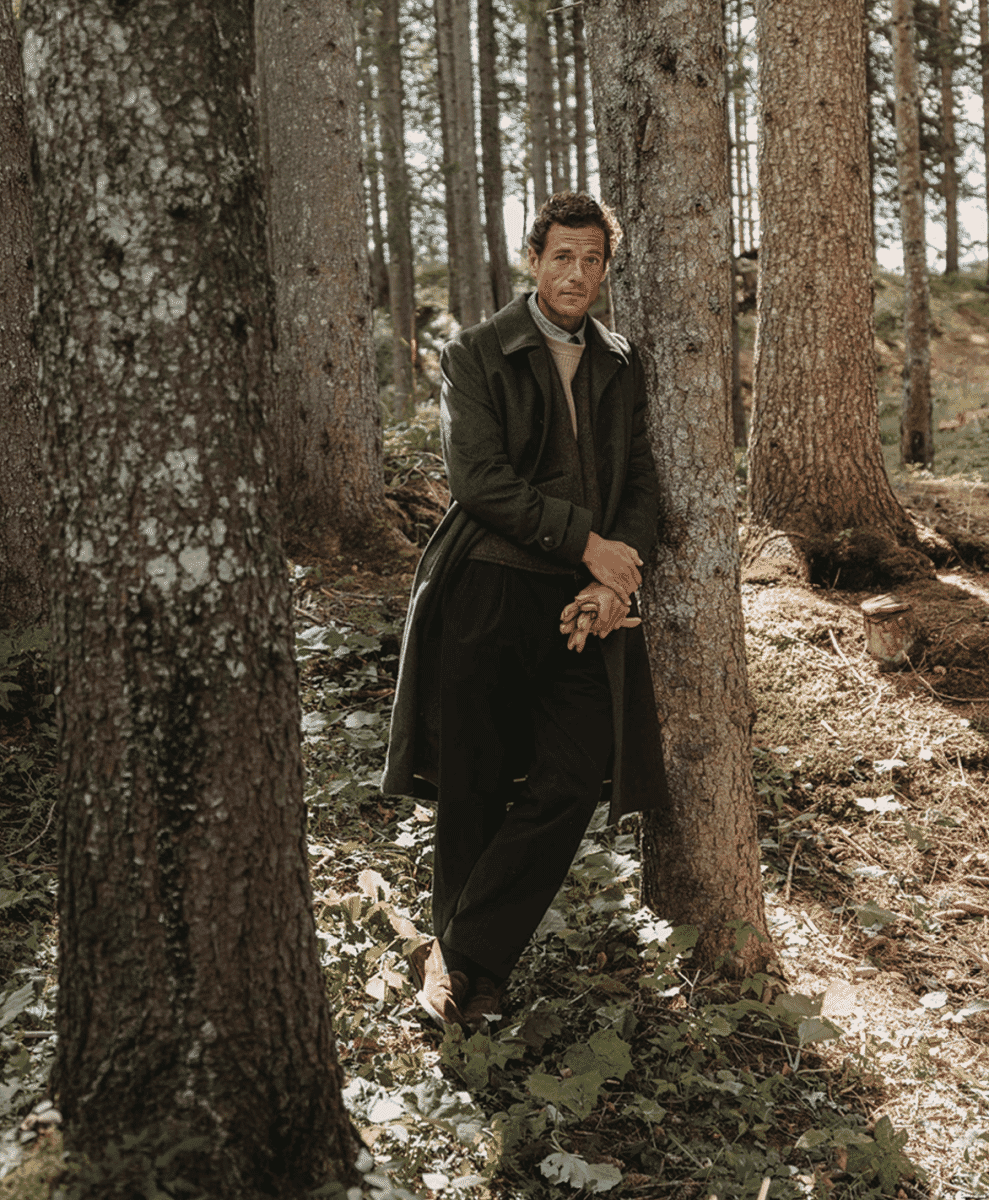
A wool overcoat like those offered by ASKET and Velasca remains the most timeless option. Sharp enough for tailoring yet relaxed enough for denim. Look for a dense wool or cashmere blend in navy or charcoal that hangs well and traps warmth. For true functionality, the parka is unbeatable. Designed for the military and proven in Arctic conditions, it pairs insulation with practicality and makes sense of the bleakest days. Woolrich and Fjällräven make some excellent options.
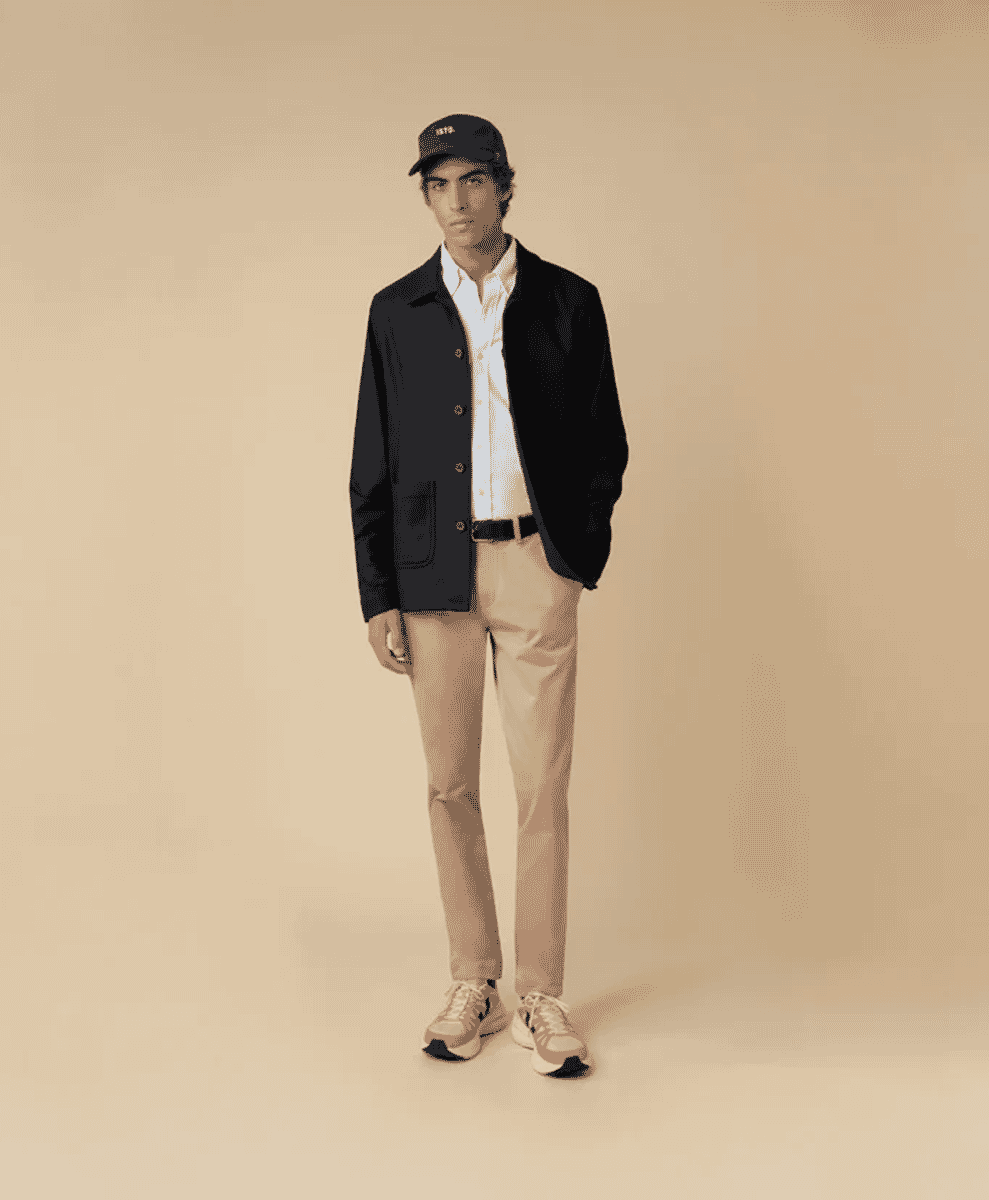
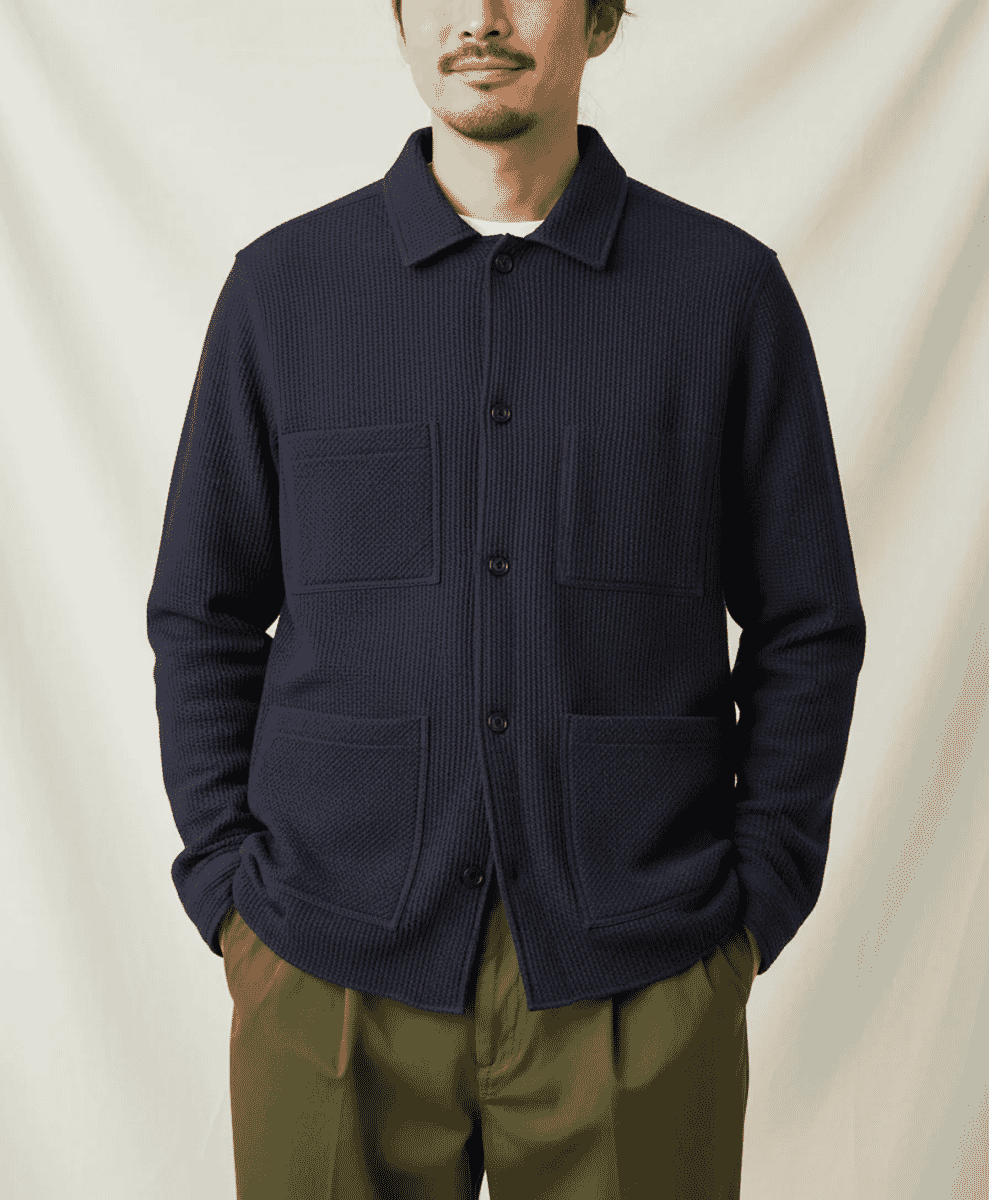
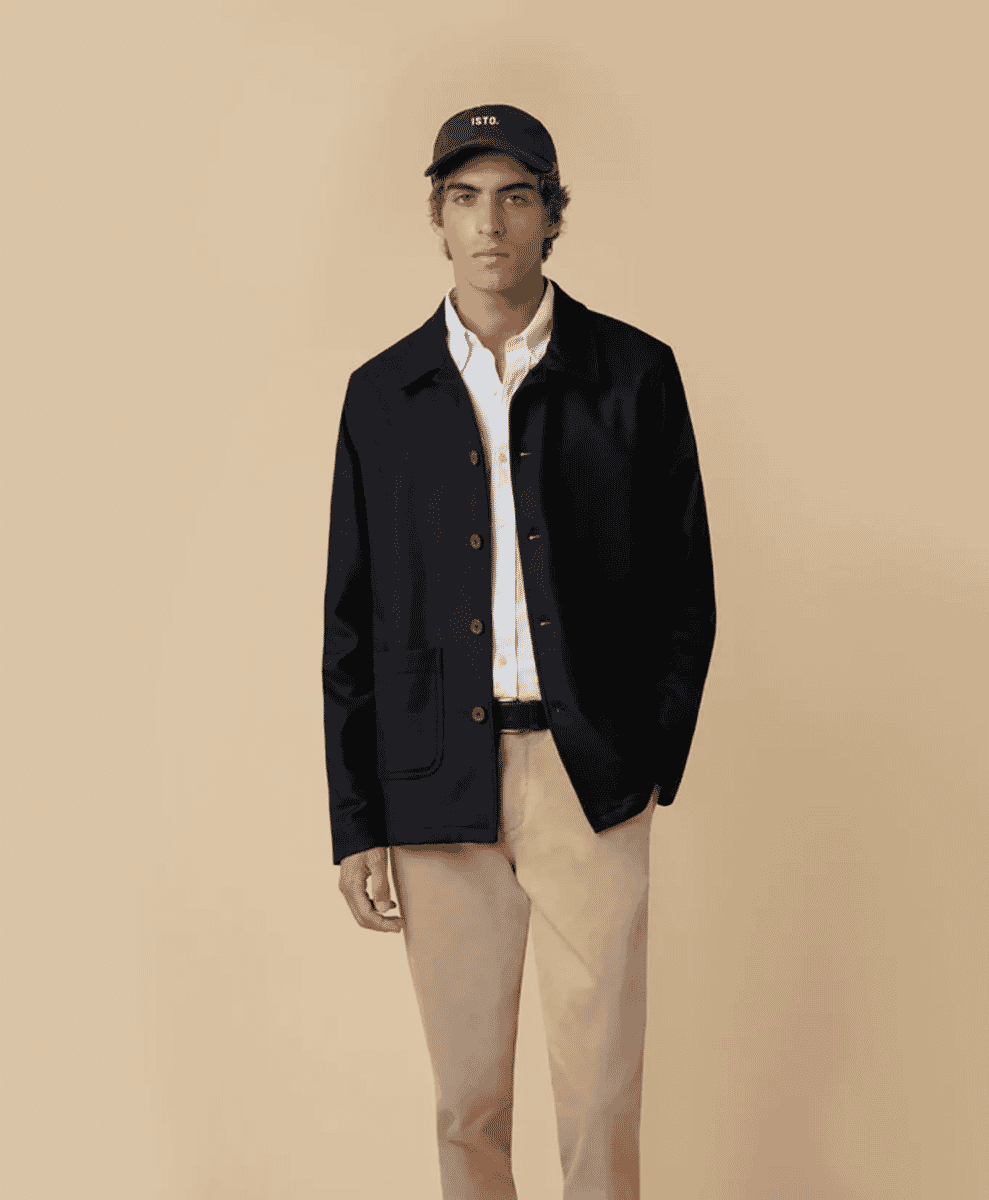
The puffer jacket is the technical evolution of outerwear, offering serious warmth in a lightweight package. Opt for muted tones and matte fabrics to keep things refined. Then there’s the chore jacket, the easy-going workwear layer that bridges seasons. In heavy cotton or lined canvas, it works as a mid-layer or a standalone piece in milder weather. ISTO. has some good options in recycled wool.
Each of these styles serves a different purpose, but together they form the foundation of a modern winter wardrobe.
Knitwear and layering essentials
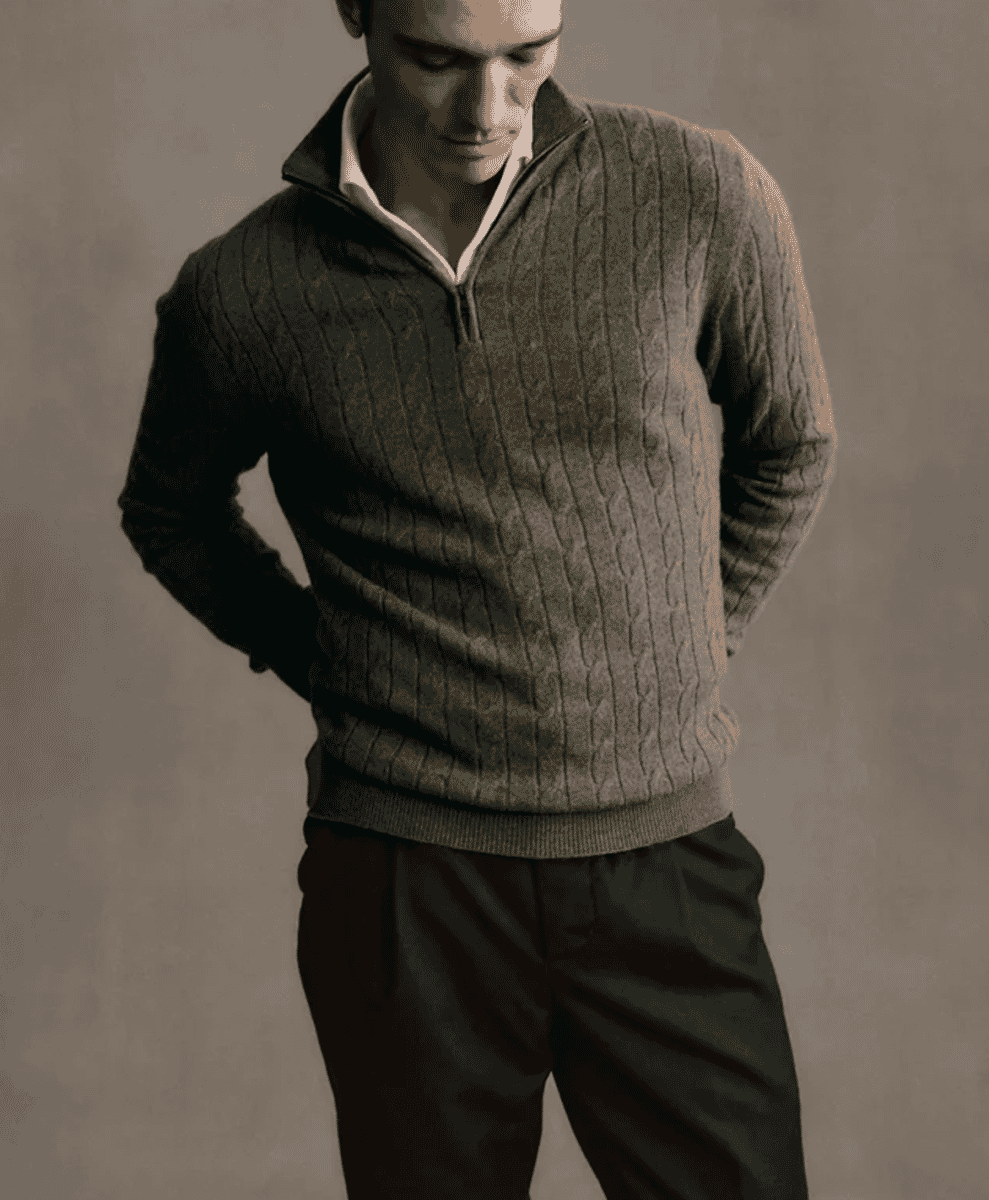
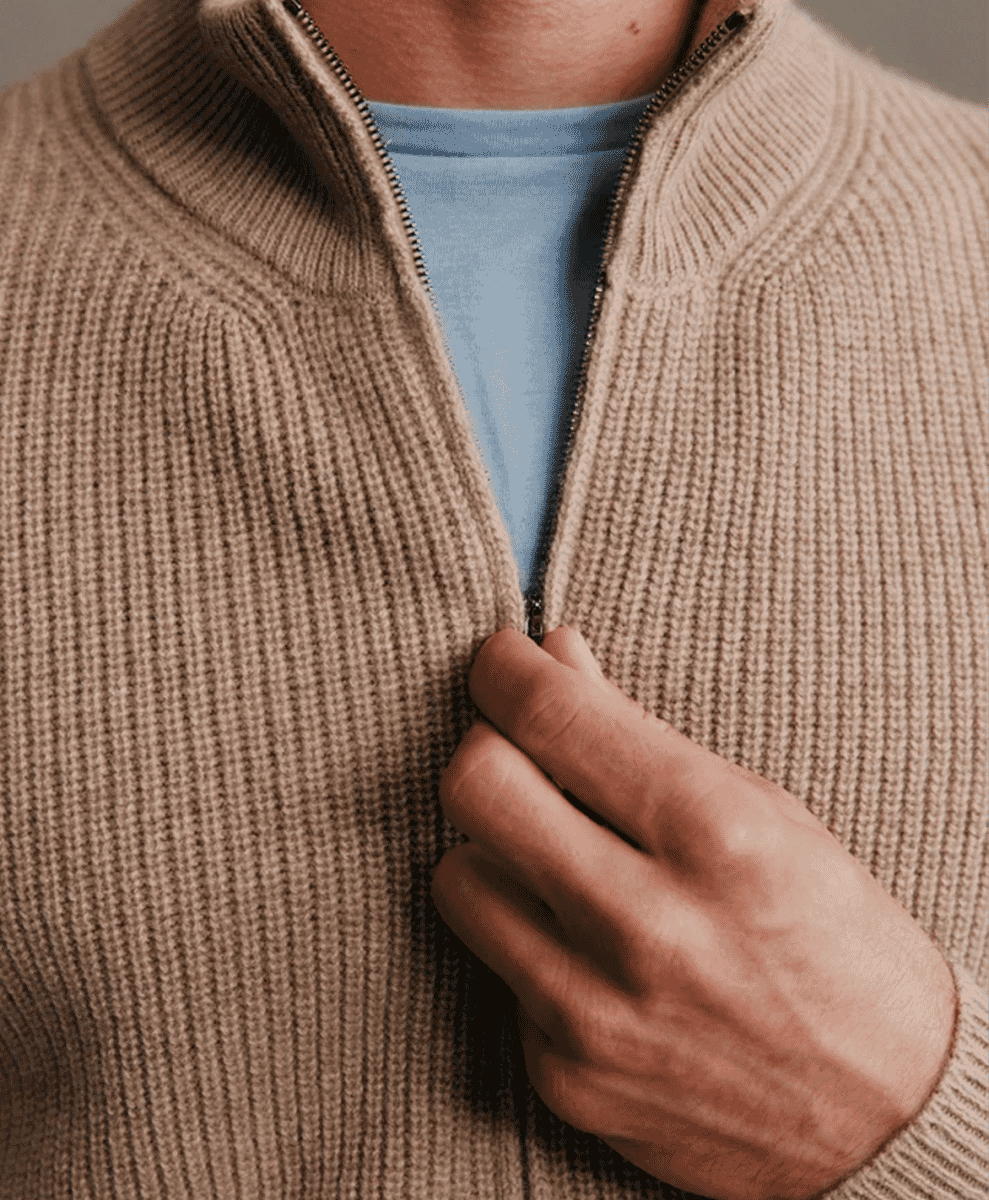
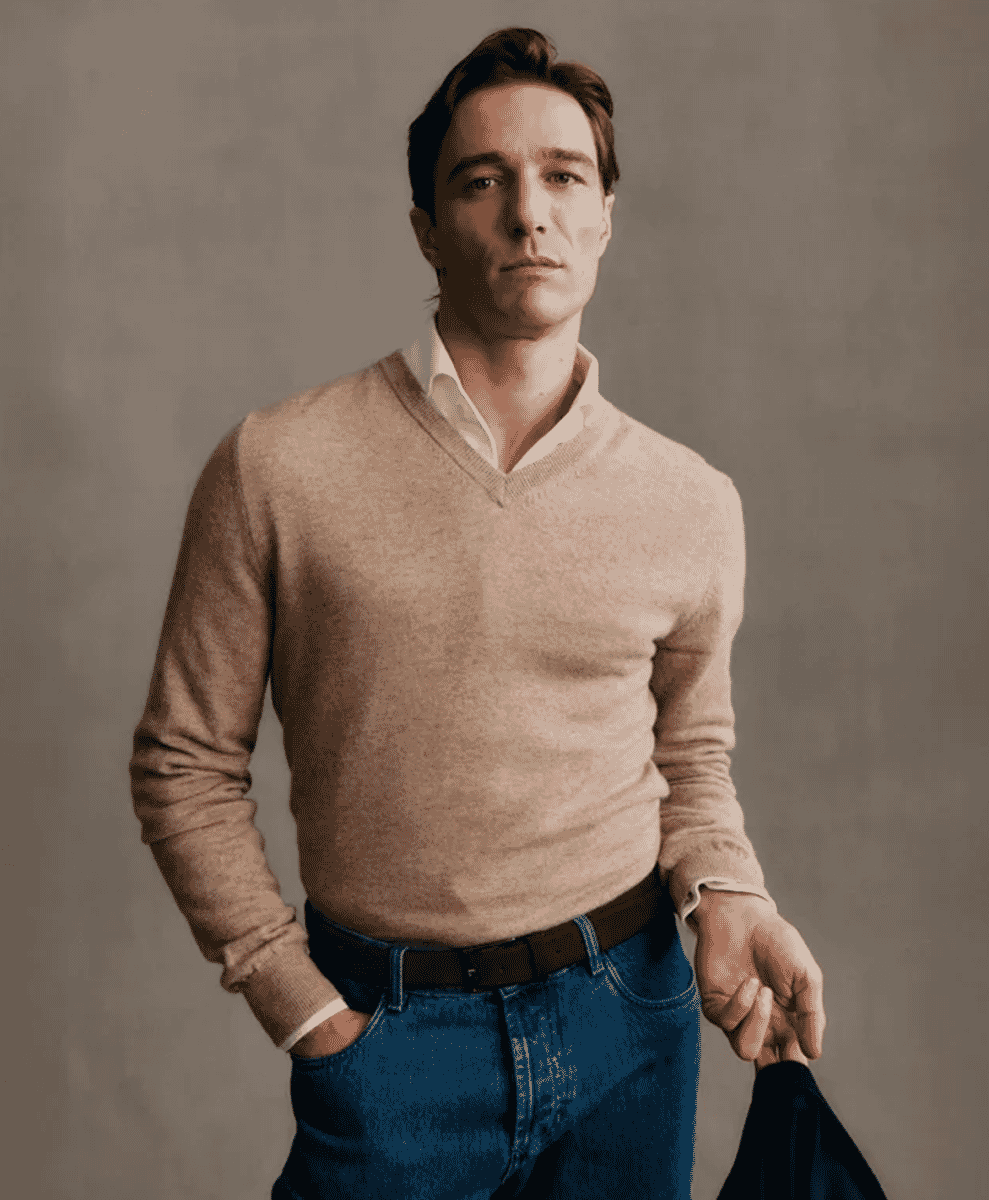
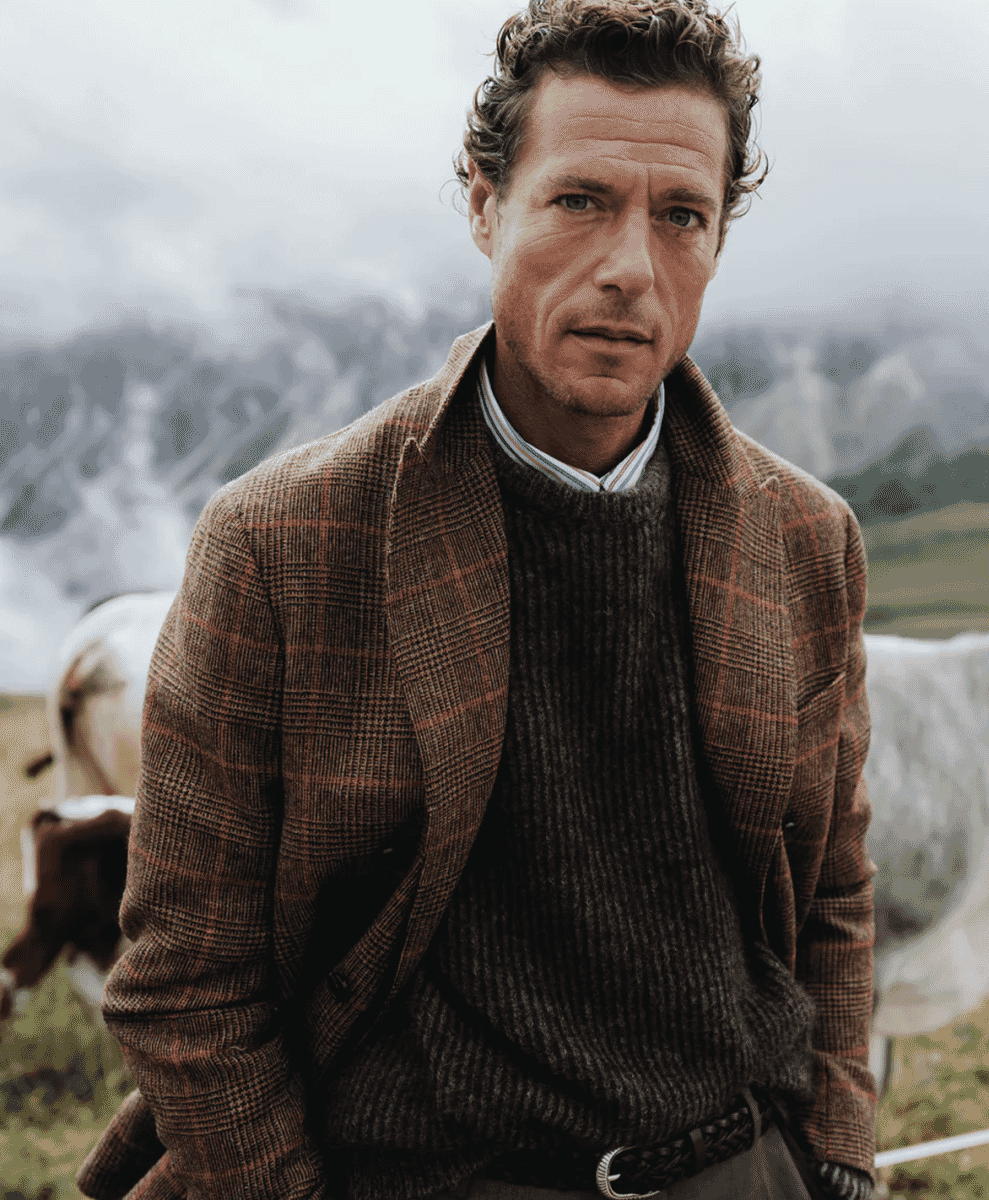
Where outerwear shields, knitwear insulates. It’s what sits close to you, trapping warmth and adding texture. Start with crew neck jumpers like those offered by Luca Faloni in merino or lambswool – light enough to layer yet substantial enough to hold shape. Add a roll neck or two for smarter looks, worn beneath tailoring or an overcoat when the temperature dips.
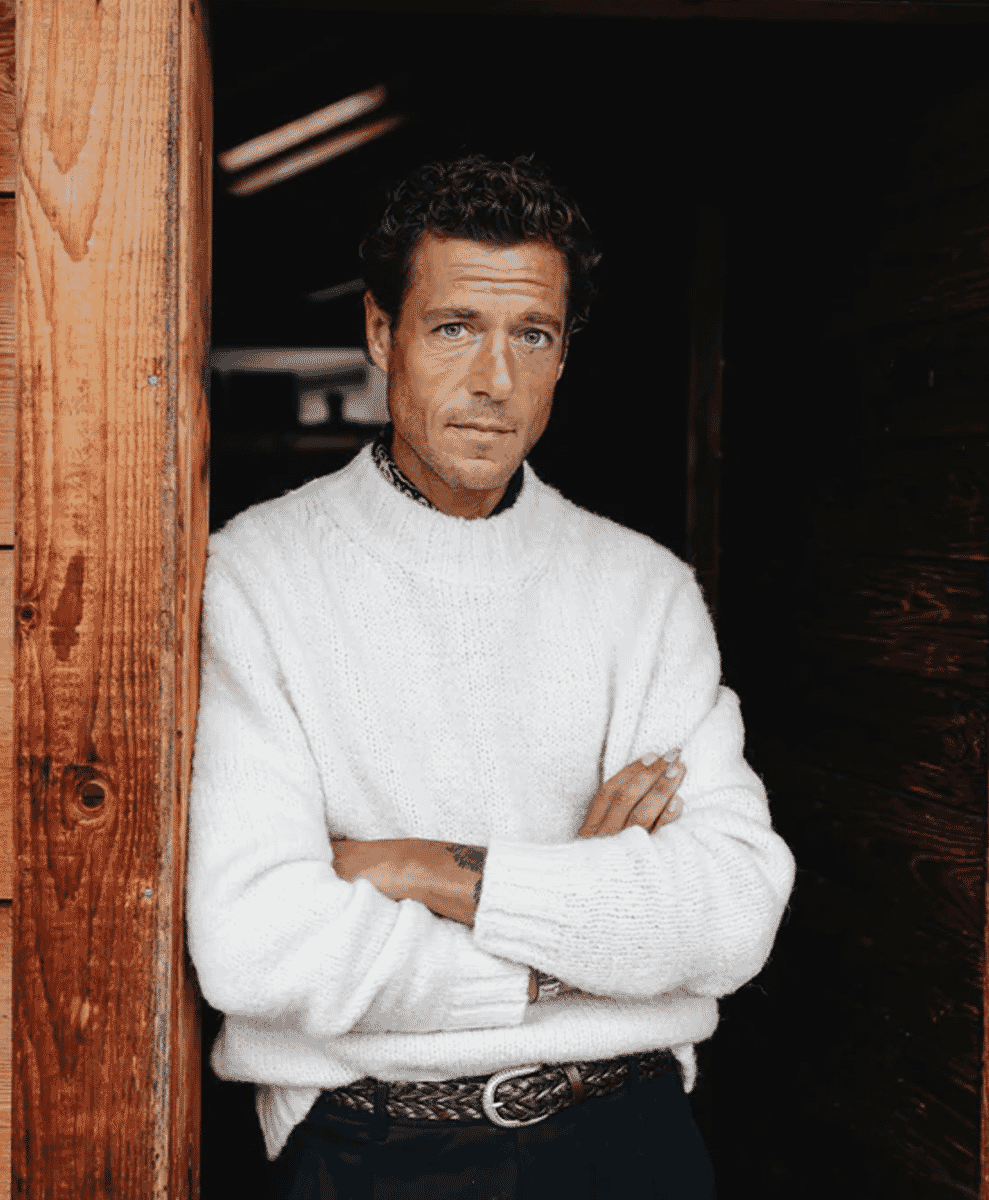
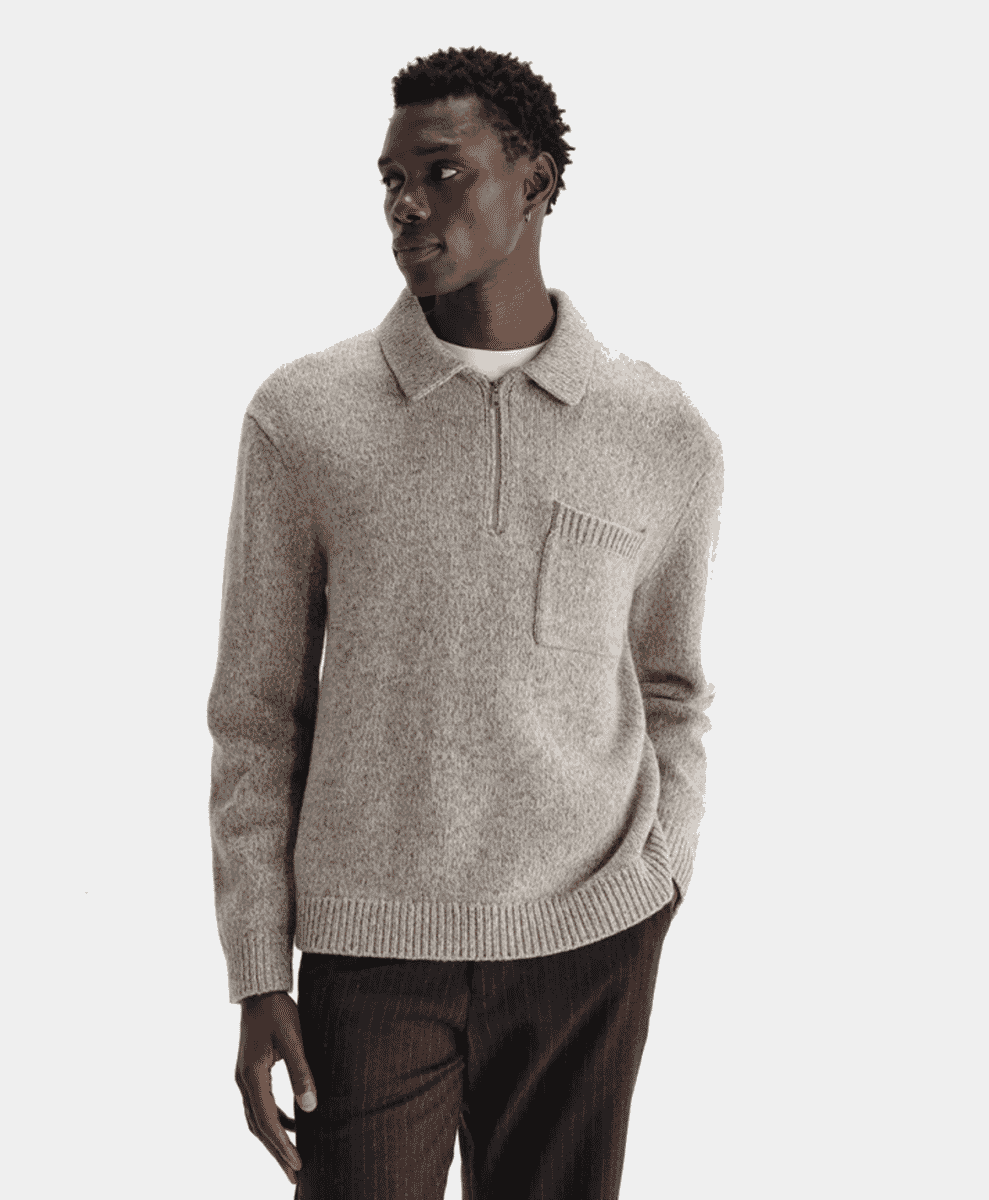

Chunkier options such as cardigans and heavy-gauge knits bring depth and warmth, particularly when dressed down with denim or corduroy. For transitional dressing, overshirts and quilted gilets are invaluable. They slot neatly between your jumper and coat, adding just enough insulation without the bulk.
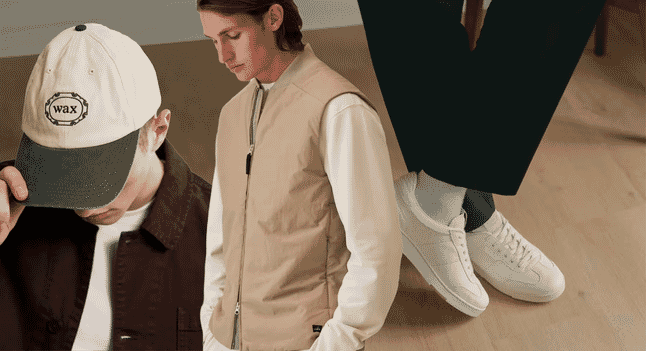
Brands like John Smedley, Luca Faloni and Wax London continue to prove that good knitwear doesn’t need to shout. It just needs to fit, flatter and feel right.
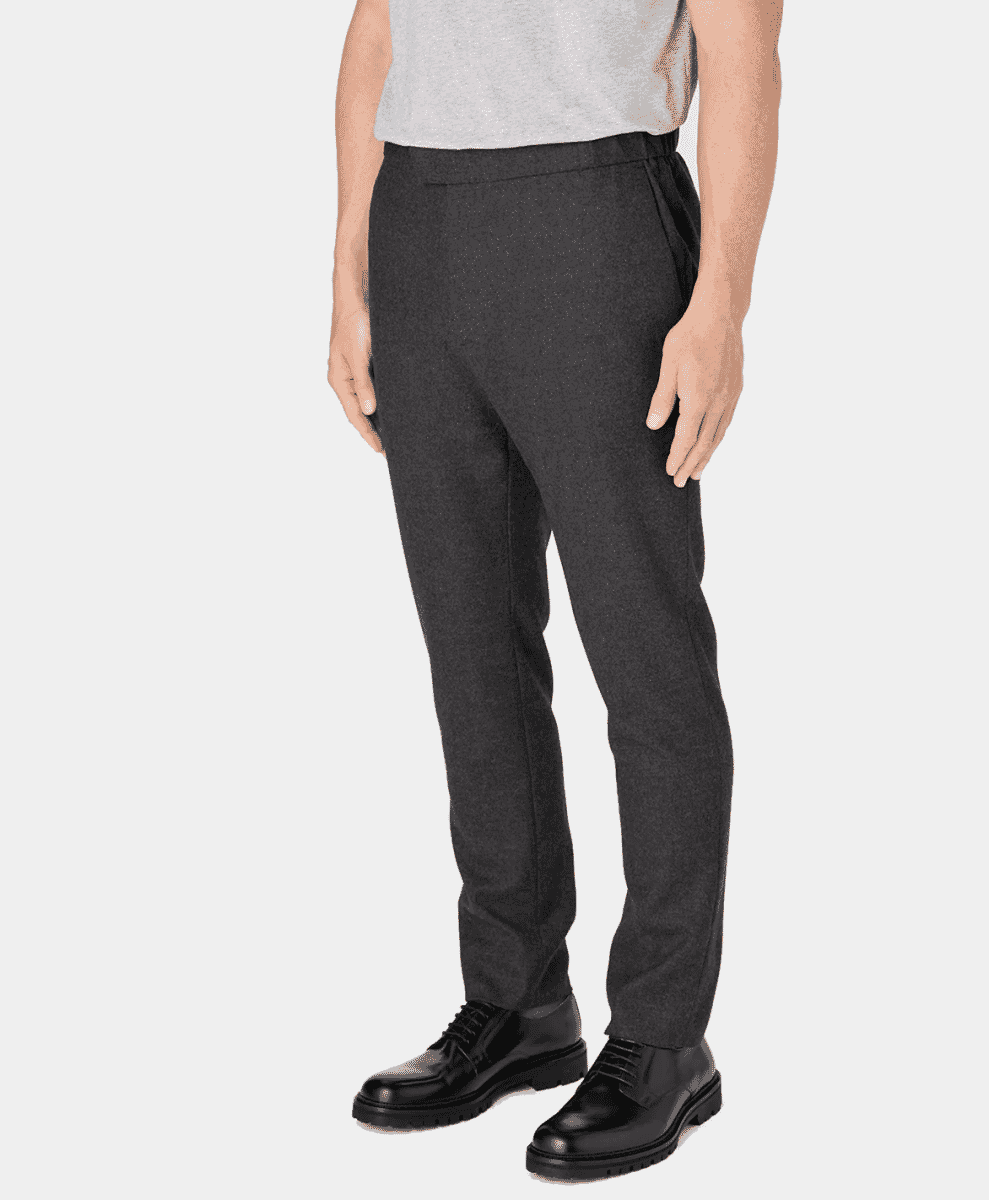
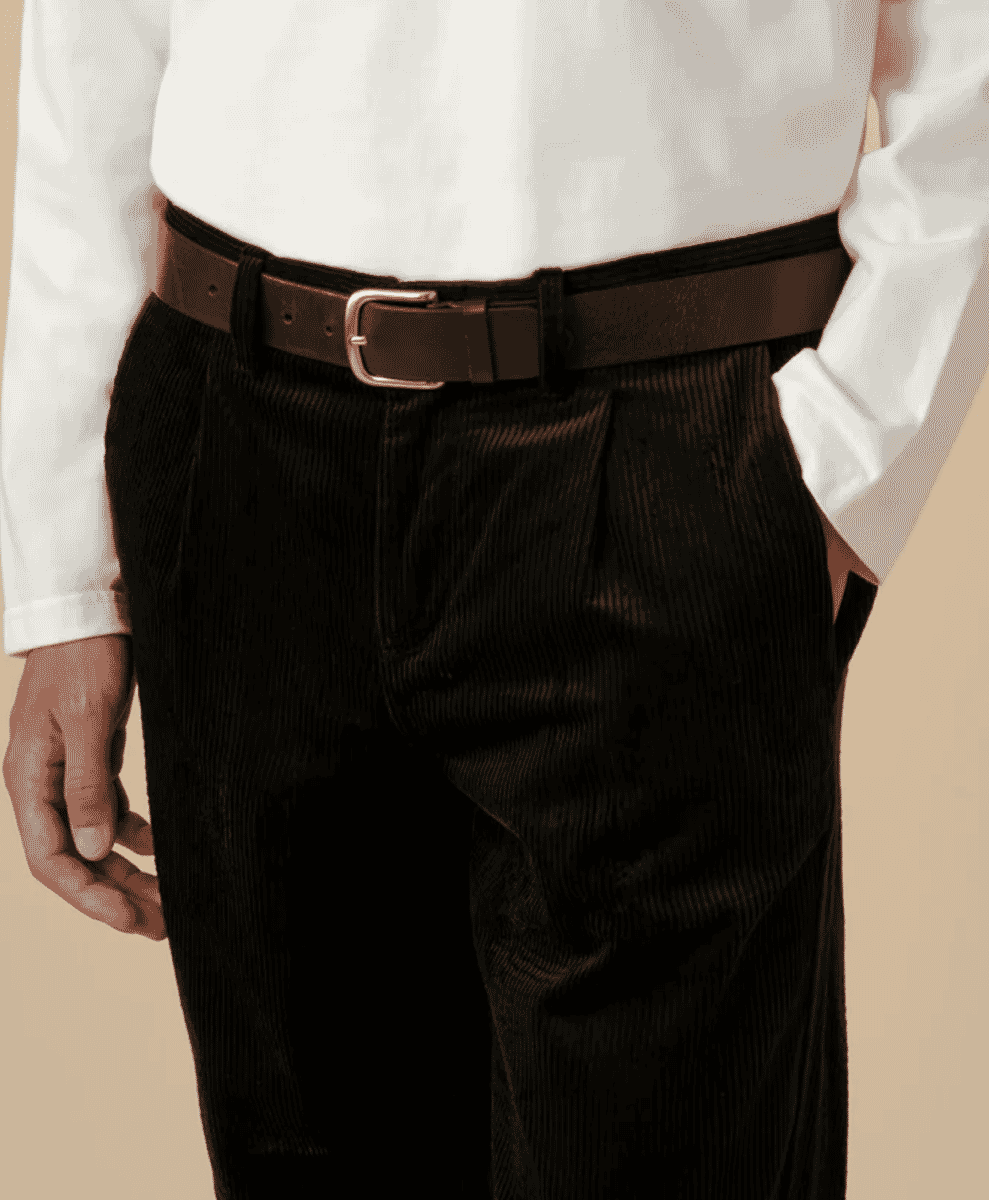
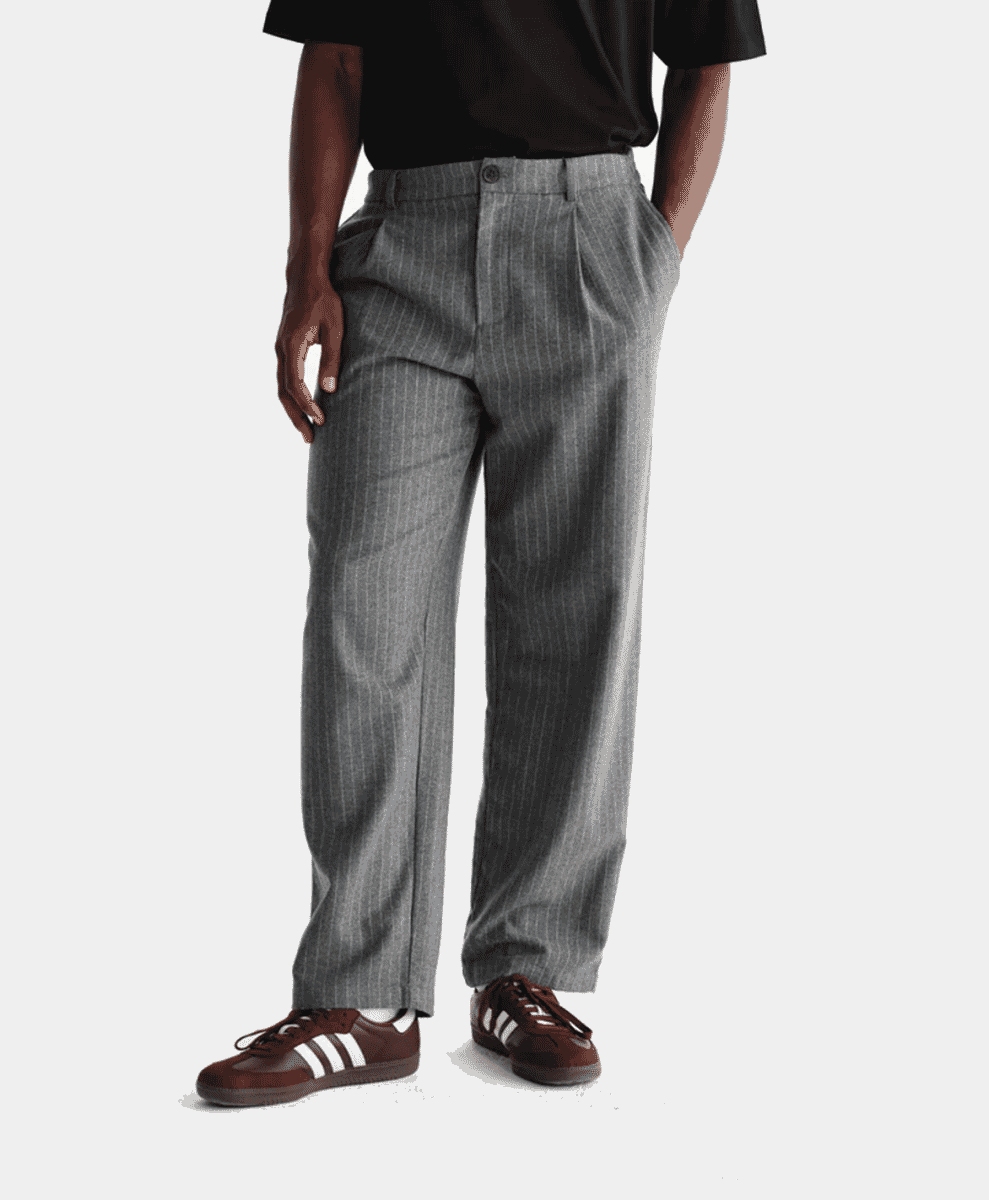
Winter trousers for men
The days of lightweight chinos are over once the frost sets in. Winter dressing starts from the ground up, and your trousers deserve the same attention as your coat.
Corduroy offers texture and warmth, pairing naturally with knitwear. Wool trousers combine comfort with polish, easy to dress up or down. Flannel is a quietly luxurious option that feels as good as it looks, while selvedge denim in heavier weights offers durability and structure.
Slightly looser fits make sense in the cold, allowing for movement and layering without losing proportion. The best winter trousers are those that transition seamlessly between the working week and the weekend.
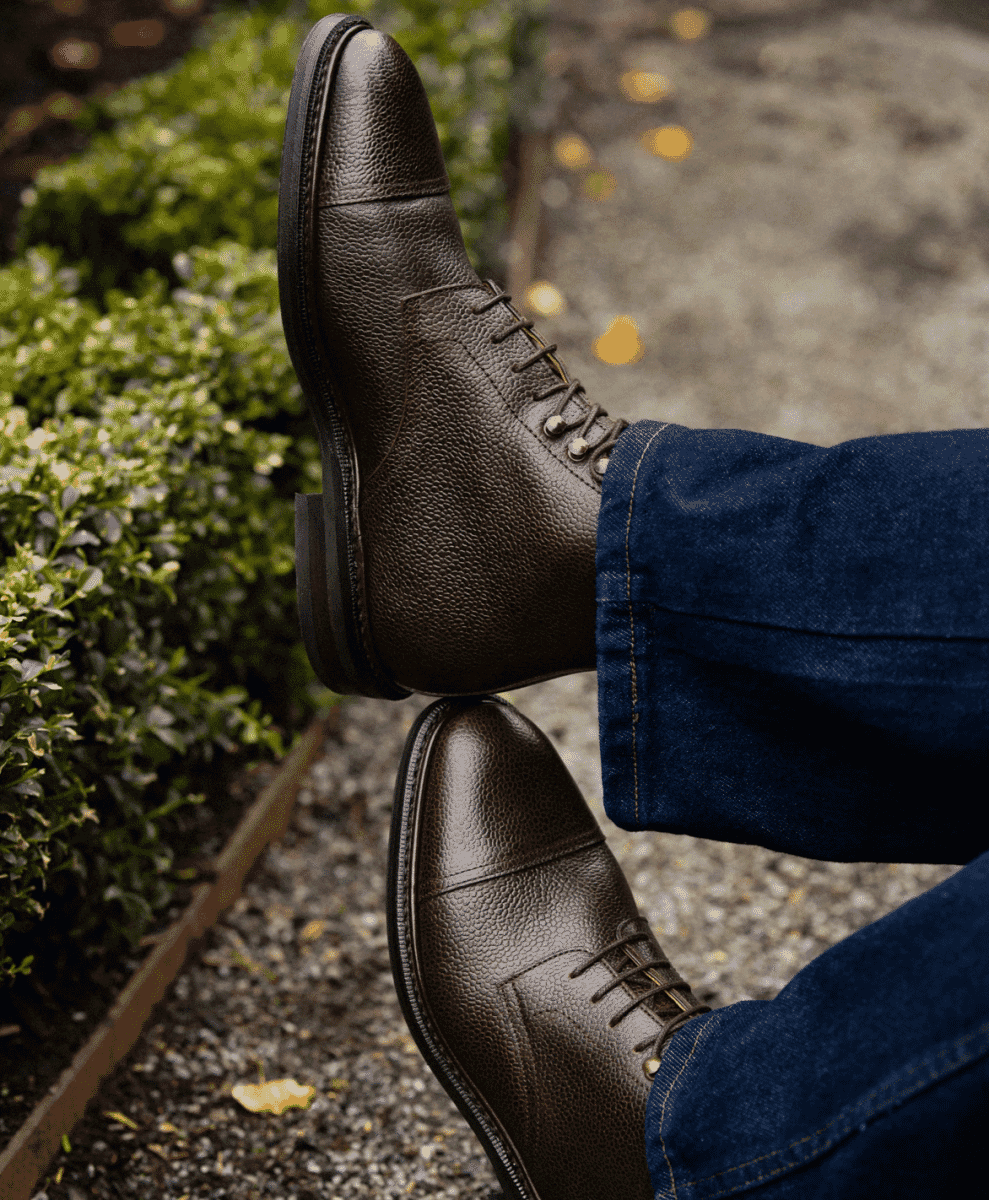
Winter footwear for men
Cold weather demands footwear that can handle more than a light drizzle. The good news is that practical needn’t mean clunky.
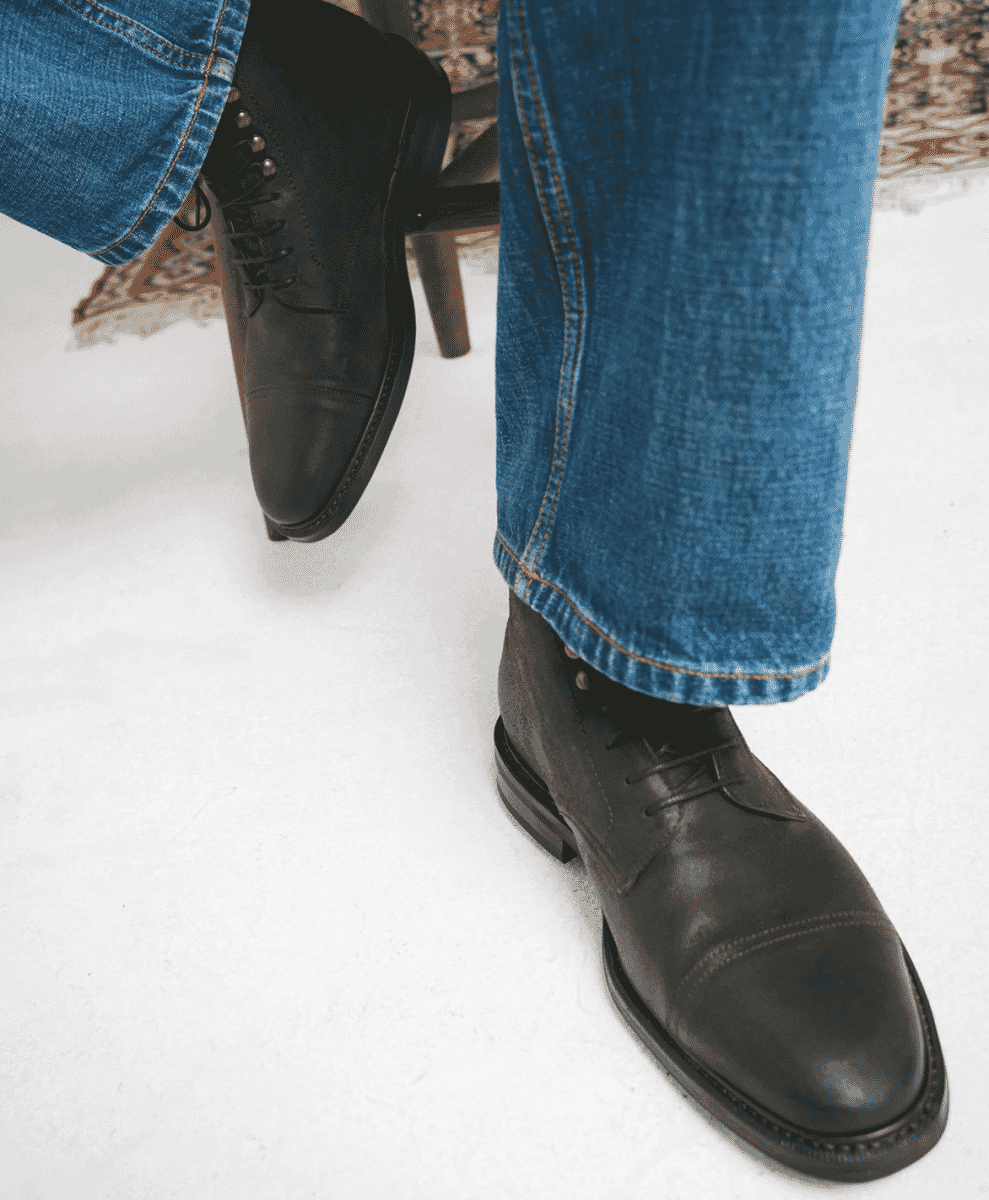
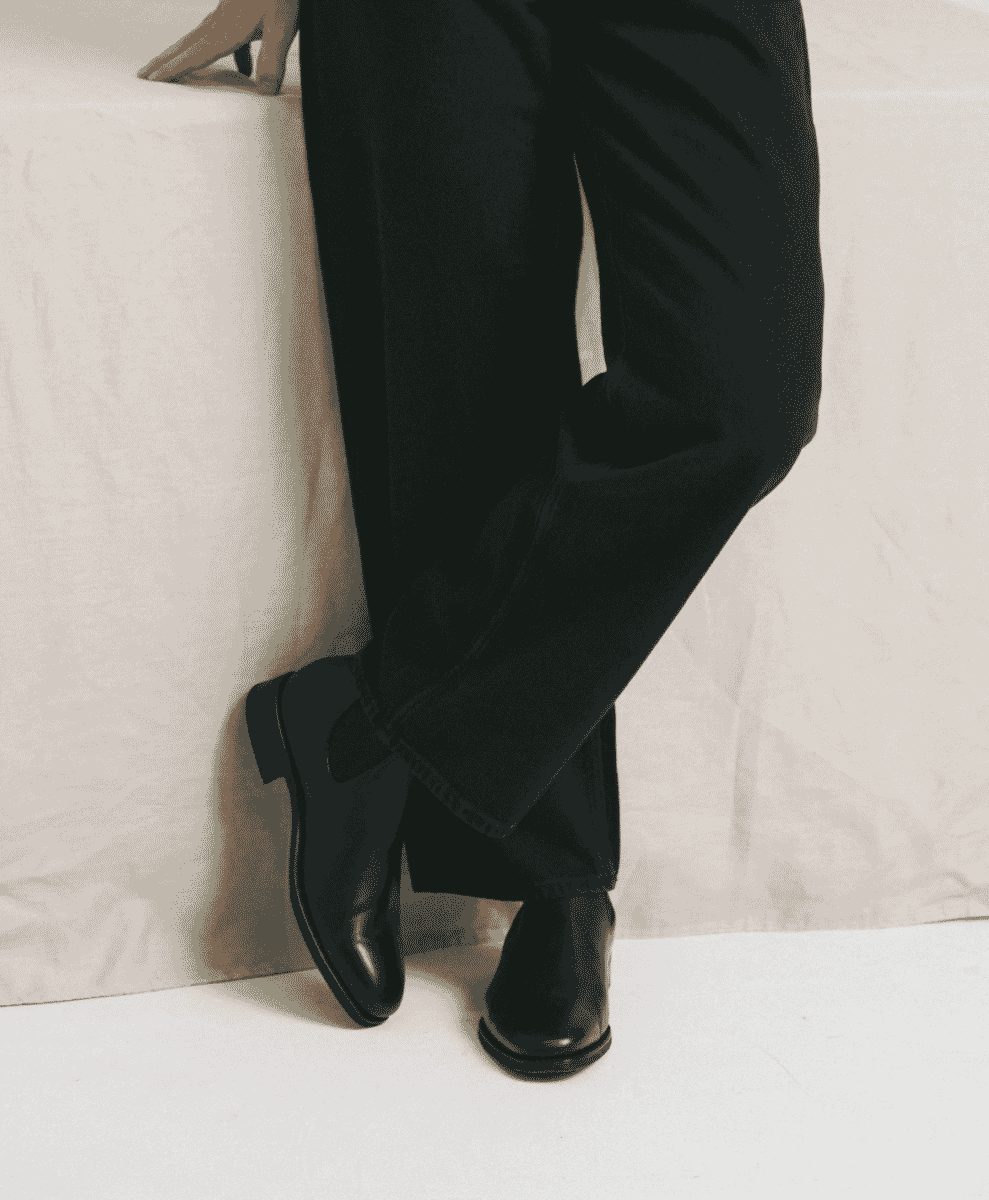
Start with leather boots in styles that balance form and function. Chelsea boots remain the all-rounders; lace-up or hiking designs offer sturdier protection. A commando sole is invaluable on wet pavements. For sharper looks, rugged loafers or derby shoes such as those made by French brands KLEMAN and Paraboot add weight and sophistication without losing traction.
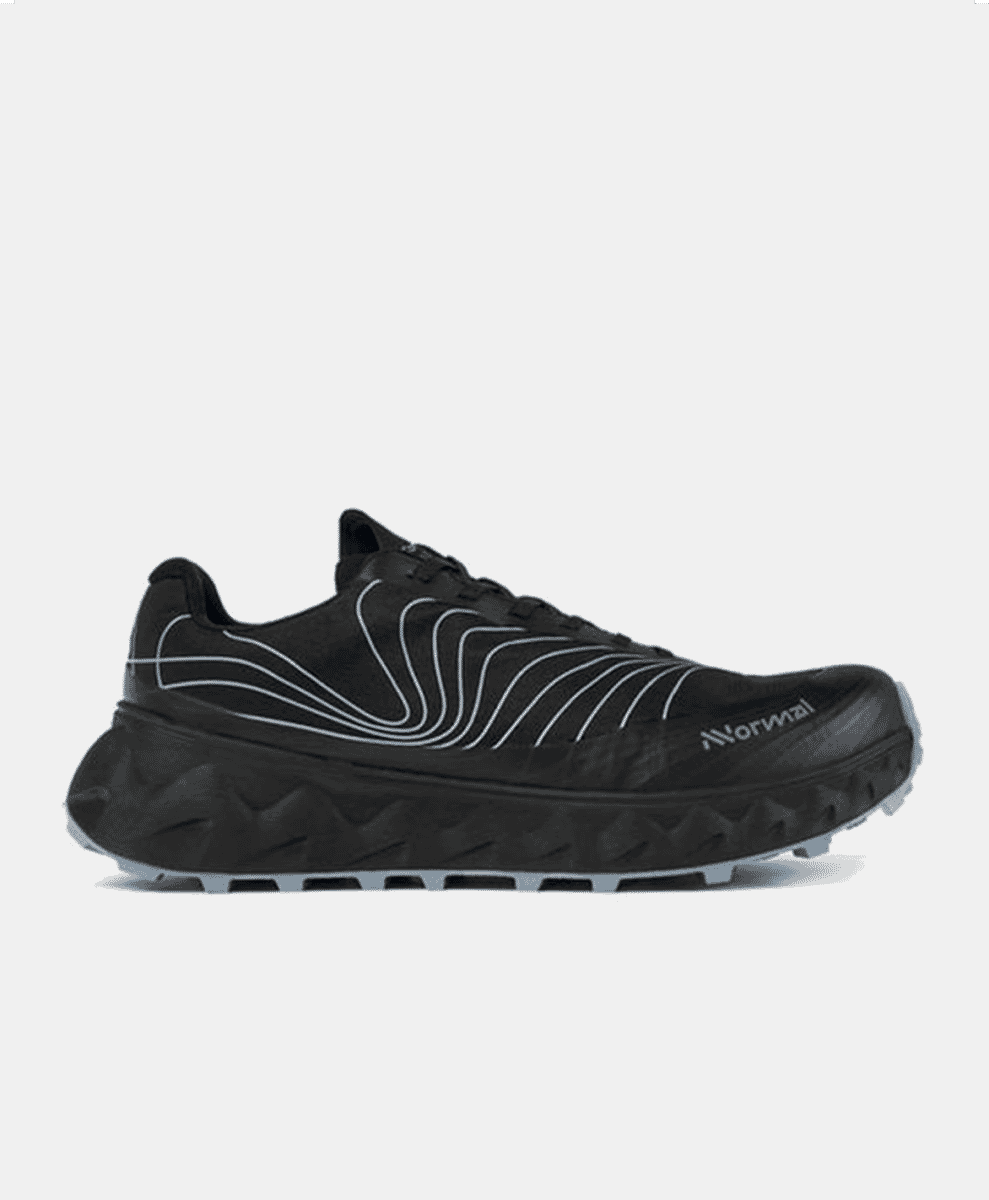
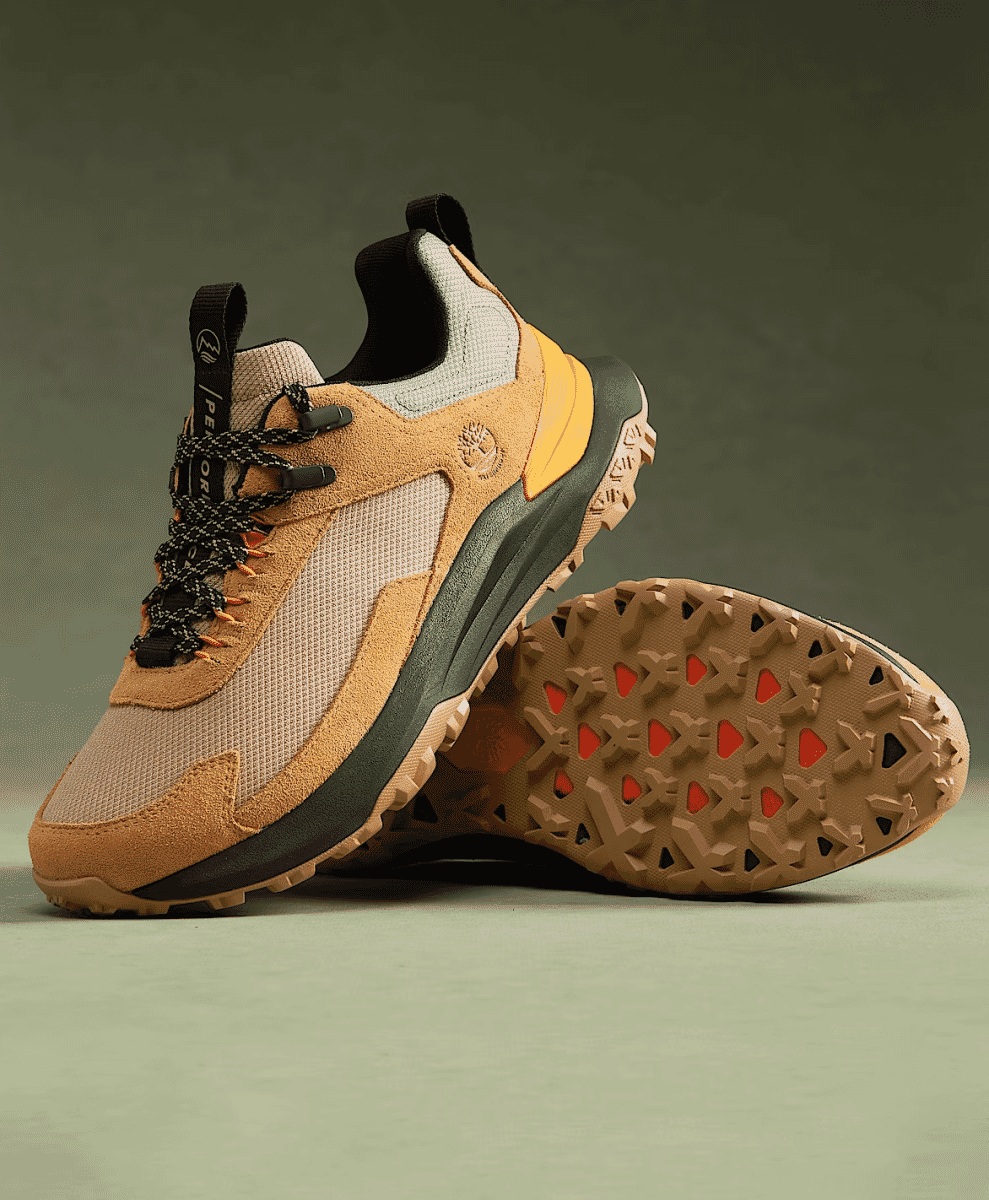
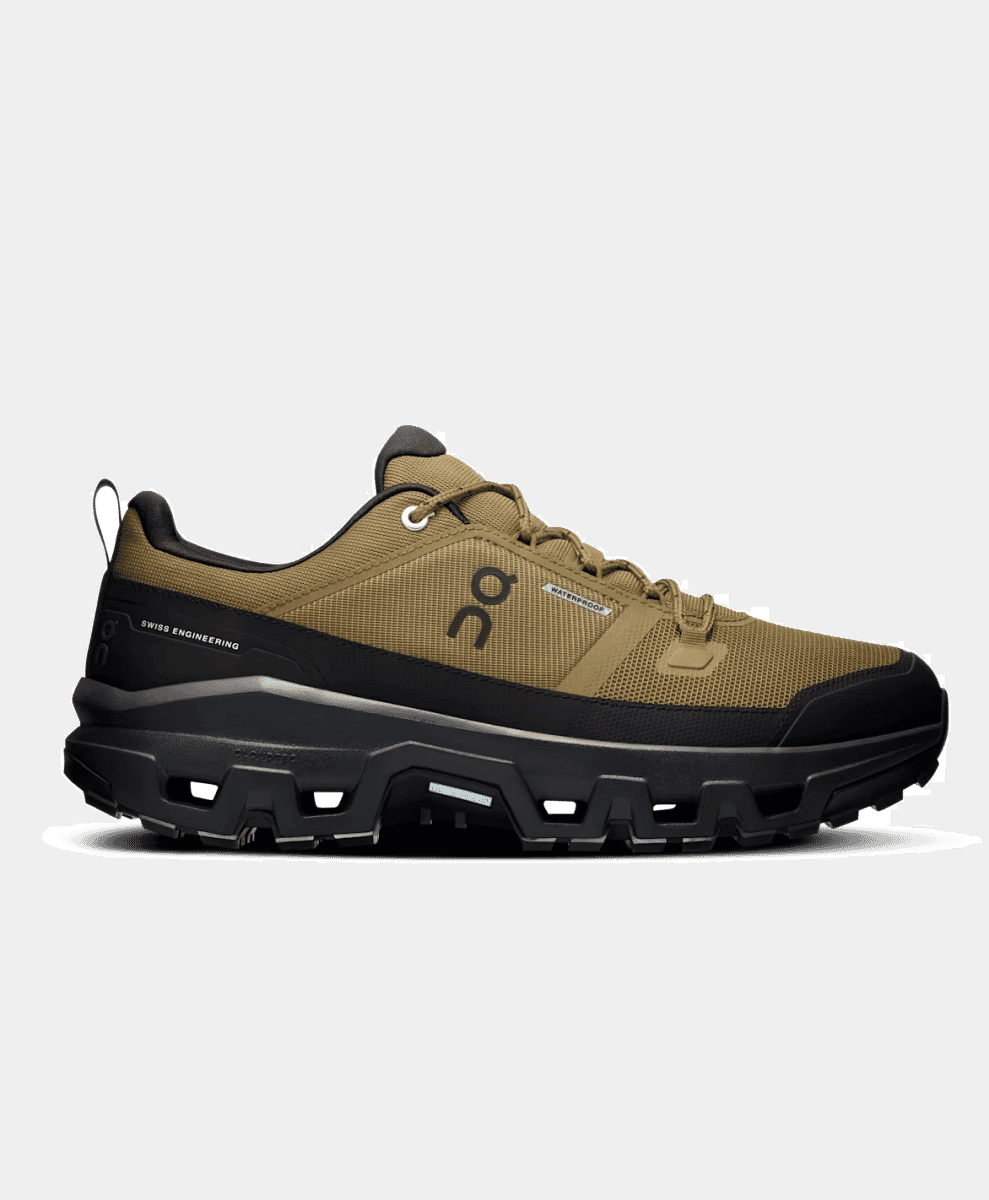
If you prefer trainers, look for weatherproof sneakers in leather or technical fabrics with subtle tread. Whatever your choice, waterproofing and care are non-negotiable. A polished, well-maintained pair is proof that you’ve thought ahead.
Accessories that matter
Accessories are where winter style comes alive. They’re practical, but they also carry personality.
A cashmere scarf softens the line of a wool coat, while a chunky wool version adds contrast and texture. Leather gloves keep things classic; knitted pairs are more relaxed but no less effective. And a beanie should fit snugly without slouching, in ribbed wool or cashmere that complements your outerwear.
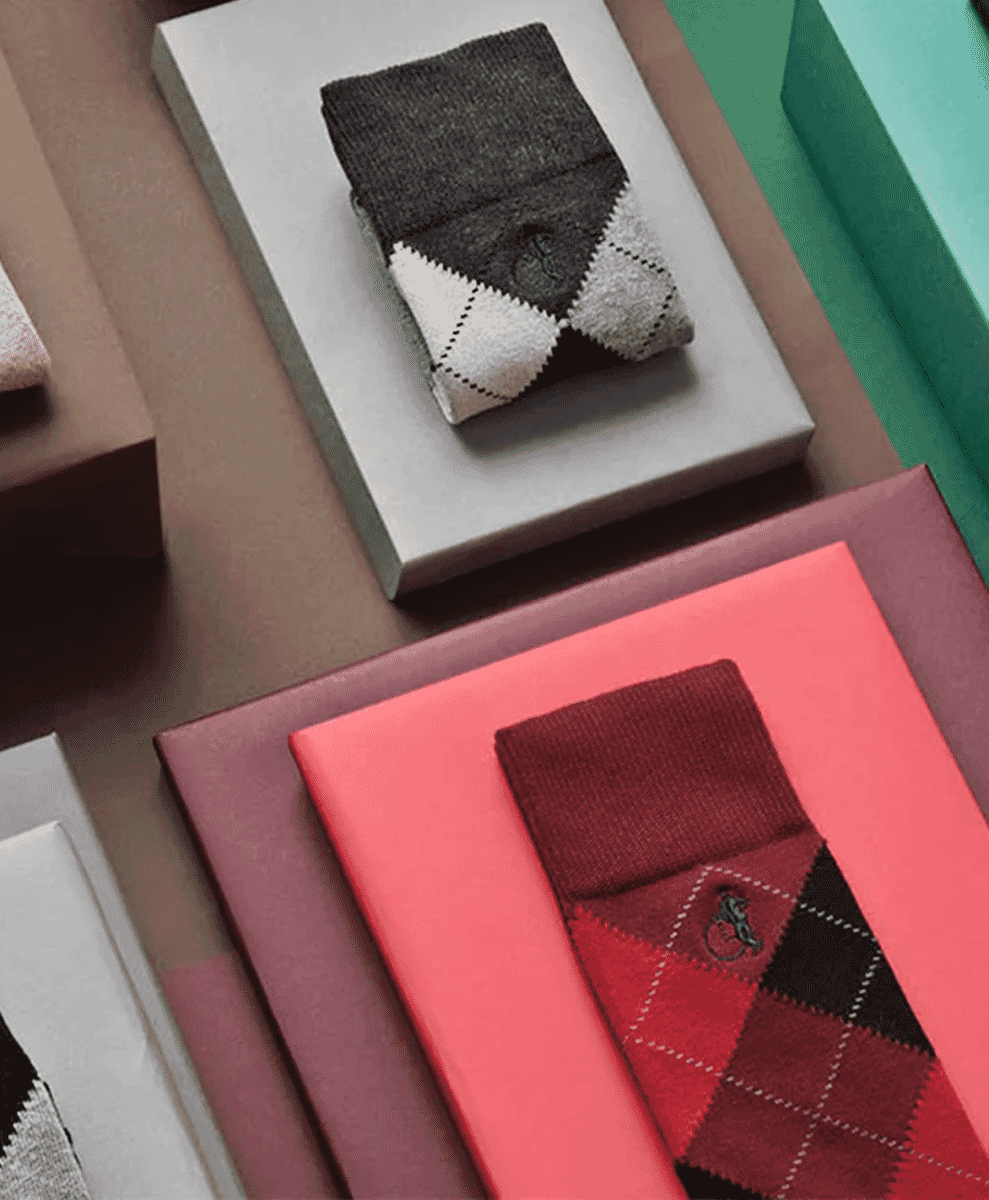
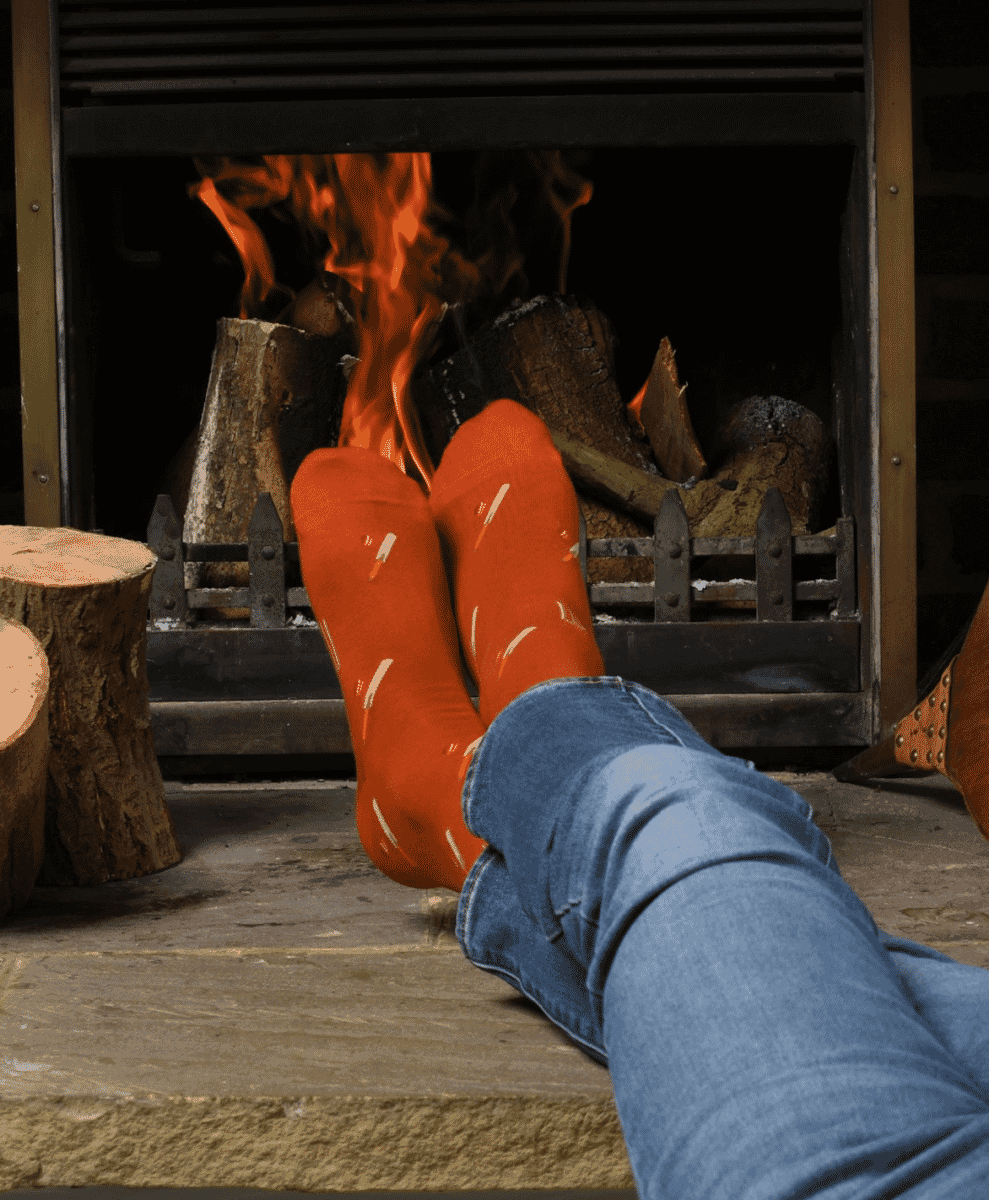
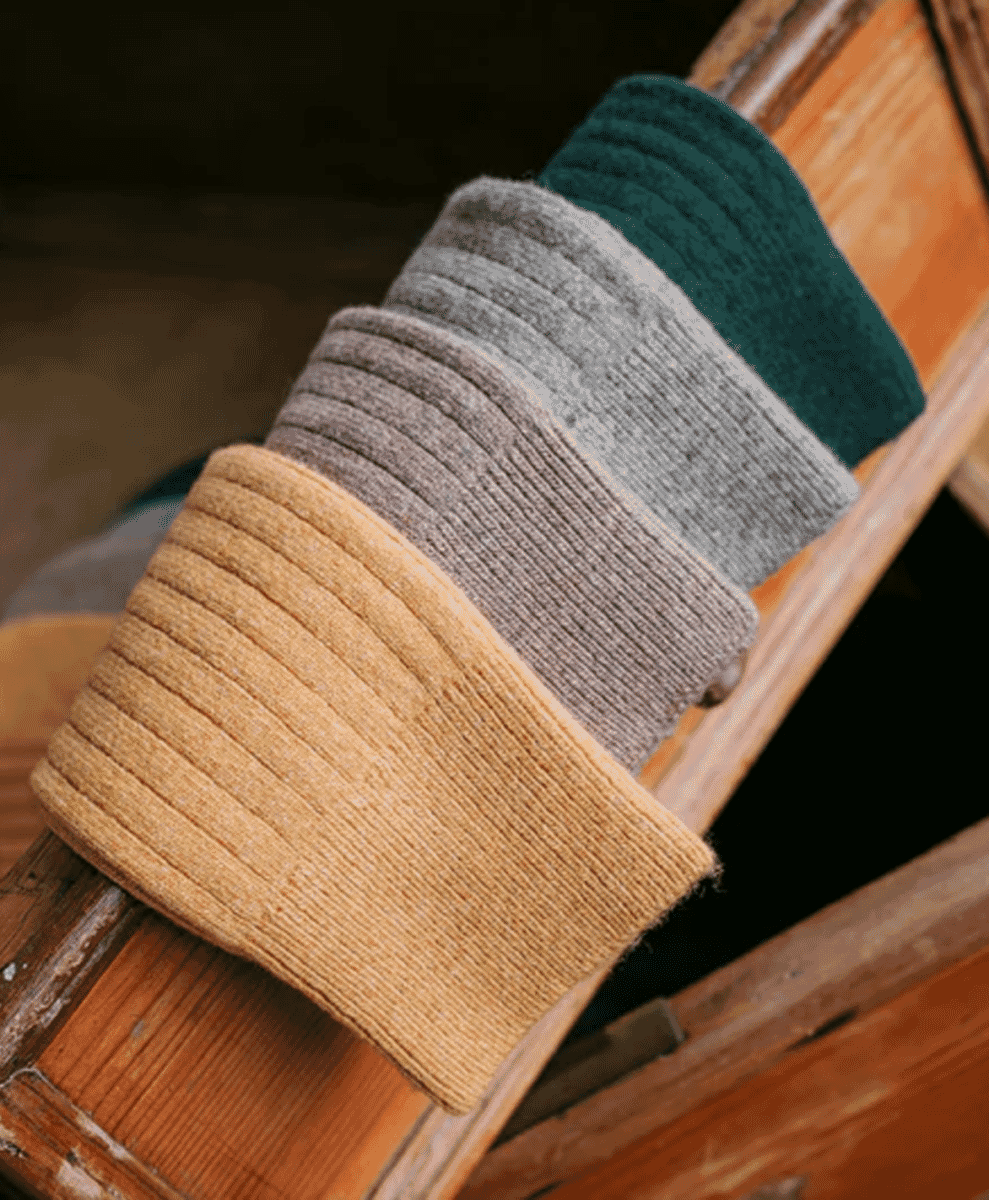
And don't forget socks. You'll want something thick and long if you're going to be wearing boots. Even better if they add a pop of colour to give your outfit a bit of personality. Peper Harow and London Sock Co. both make some excellent options in this department.
Together, these elements pull a look together while keeping the cold at bay. They’re the difference between being dressed and being well dressed.

The materials that make a difference
The secret to dressing well in winter lies in understanding what your clothes are made of. The right materials don’t just look good; they work hard.
Wool is the backbone of winter dressing, breathable and naturally insulating. Cashmere brings softness and lightness, though it rewards careful handling. For outerwear, down is still the benchmark for warmth, while synthetic fills are quicker-drying and easier to maintain.
Then come the technical innovations. Gore-Tex and eVent fabrics create weatherproof shells that are genuinely stylish. Layering them correctly makes all the difference: a moisture-wicking base, an insulating mid-layer, and a weatherproof outer.
Invest in materials first. They determine not only how warm you’ll feel, but how long your wardrobe lasts.
How to build a winter wardrobe
Building a winter wardrobe isn’t about panic-buying when the temperature drops. It’s a steady process. Start with a solid coat or jacket that suits your lifestyle, add knitwear in versatile weights, and make sure your footwear is ready for bad weather. Finish with accessories that balance function and form.
The aim is to buy less but better, focusing on fabric, fit and purpose. When everything works together, getting dressed in winter becomes something you look forward to rather than dread.
Next up: 10 Winter investment items worth the splurge.