Tyrolean shoes are having a moment. Once the preserve of Alpine workers and particularly committed footwear nerds, these chunky, moc-toed shoes have quietly become menswear’s favourite alternative to the conventional Derby.
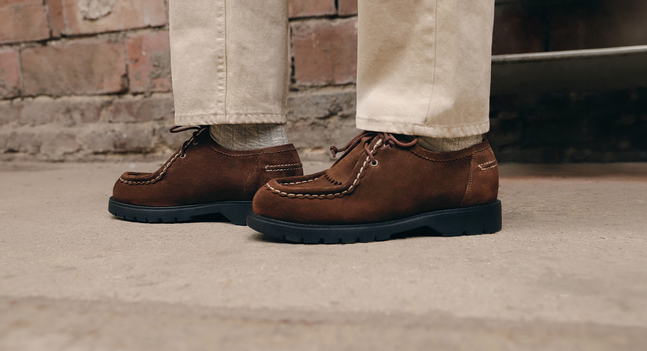
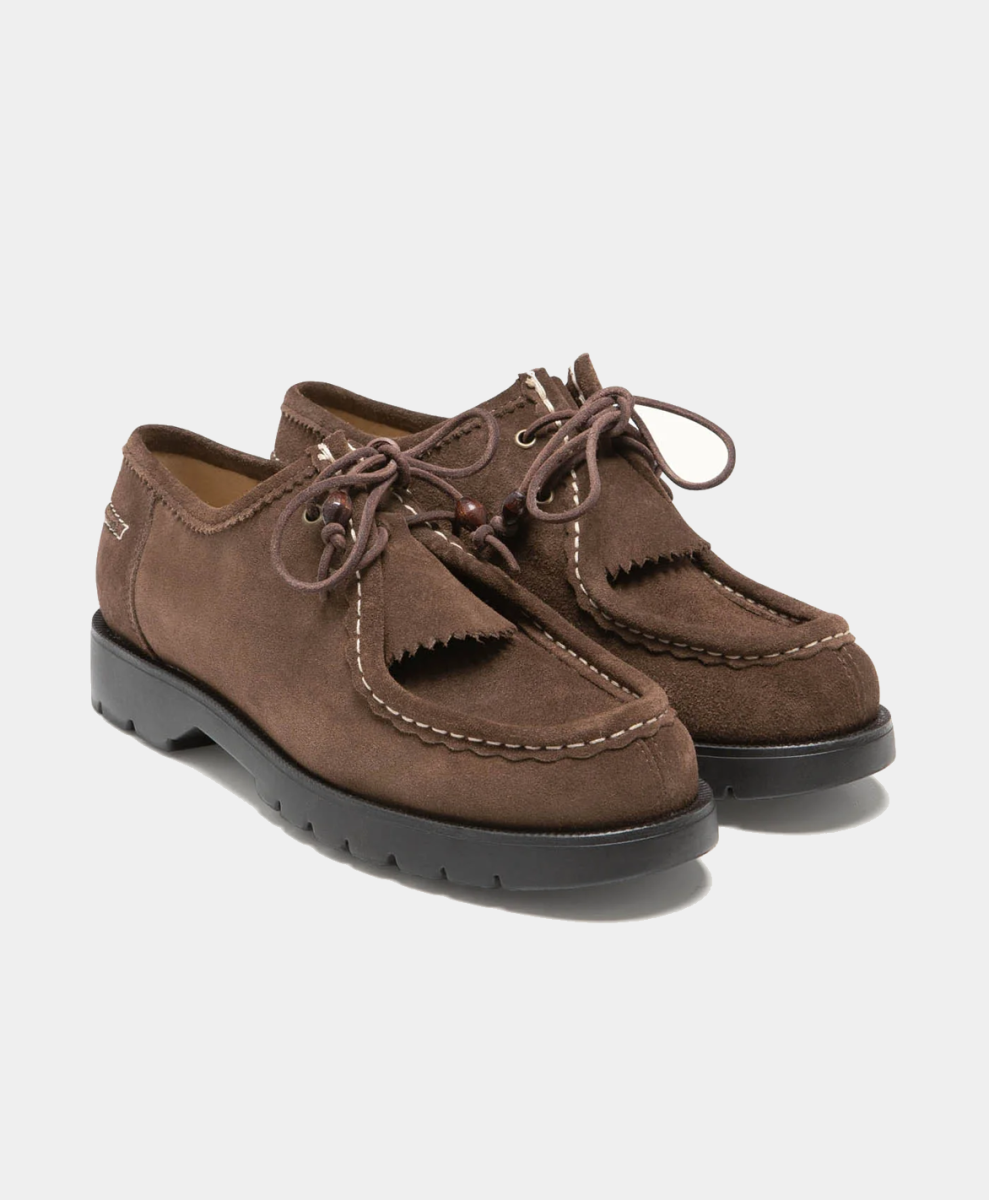
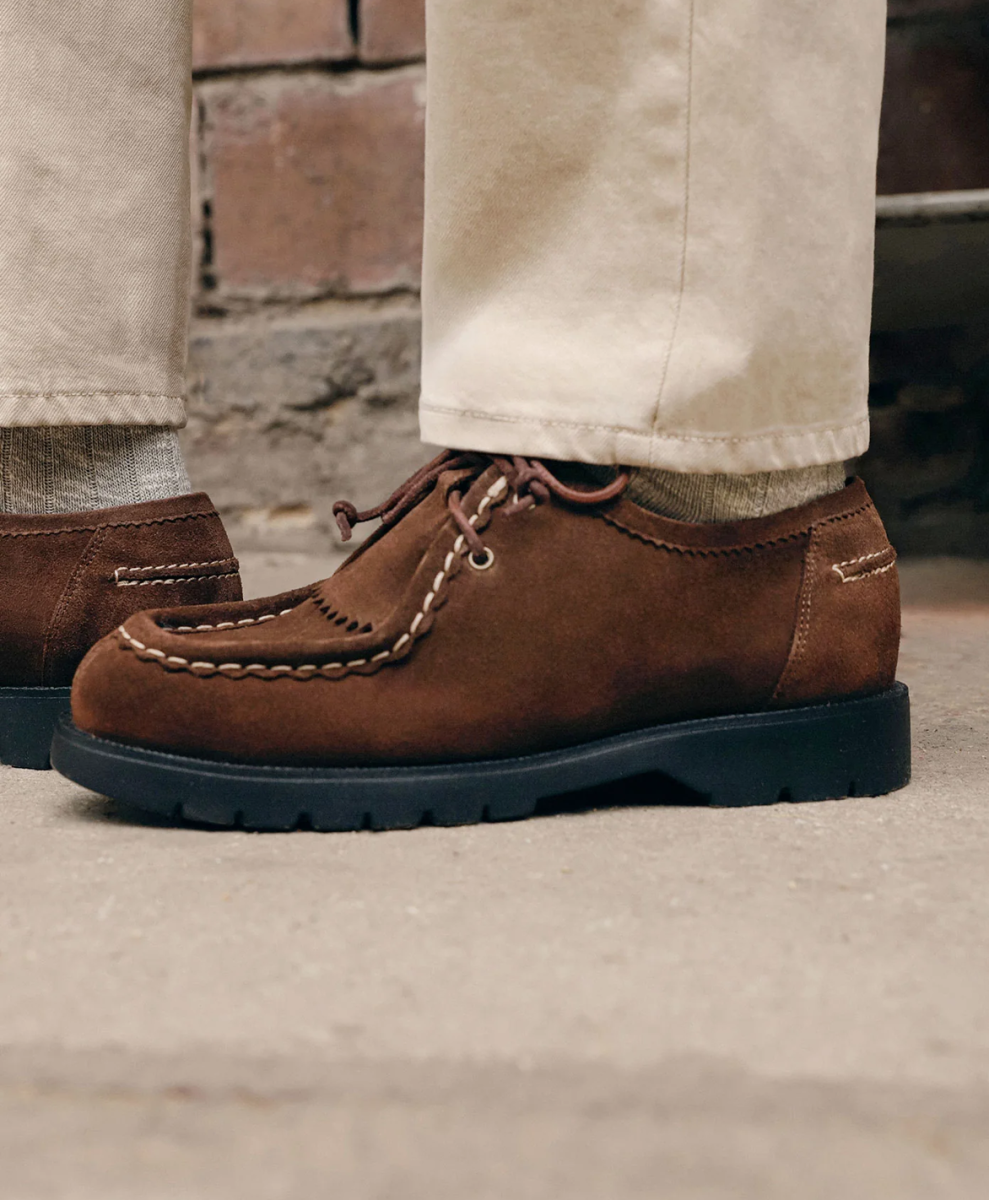
You’ll probably recognise the shape even if you don’t know the name. Chunky rubber sole, broad moccasin-style toe, two or three pairs of eyelets and the general proportions of something your grandfather might have worn to chop firewood. Paraboot’s Michael is the most famous example, while Kleman’s Padror has also become an increasingly common sight beneath wide-leg jeans and fatigues.
Think of them as alternative Derbies. They fulfil much the same role – proper leather shoes that stop short of looking overly formal – but come with considerably more personality. They’re also a subtle menswear shibboleth: footwear for the sort of person who knows their Brioni from their BEAMS and has strong opinions about tie width.
What is a Tyrolean shoe?
The Tyrolean shoe takes its name from Tyrol, the Alpine region spanning parts of modern-day Austria and northern Italy. Its precise origins are somewhat murky, but the basic design developed as practical mountain footwear, built for walking over rough terrain and dealing with unpleasant weather.
That explains the distinctive shape. Traditional Tyrolean shoes tend to feature a broad, rounded toe box with prominent moccasin-style stitching, relatively few eyelets and a substantial sole. Many of the better-made examples also use Norwegian-welt construction – originally favoured for mountain boots and heavy-duty footwear because of its resistance to water and suitability for repair.
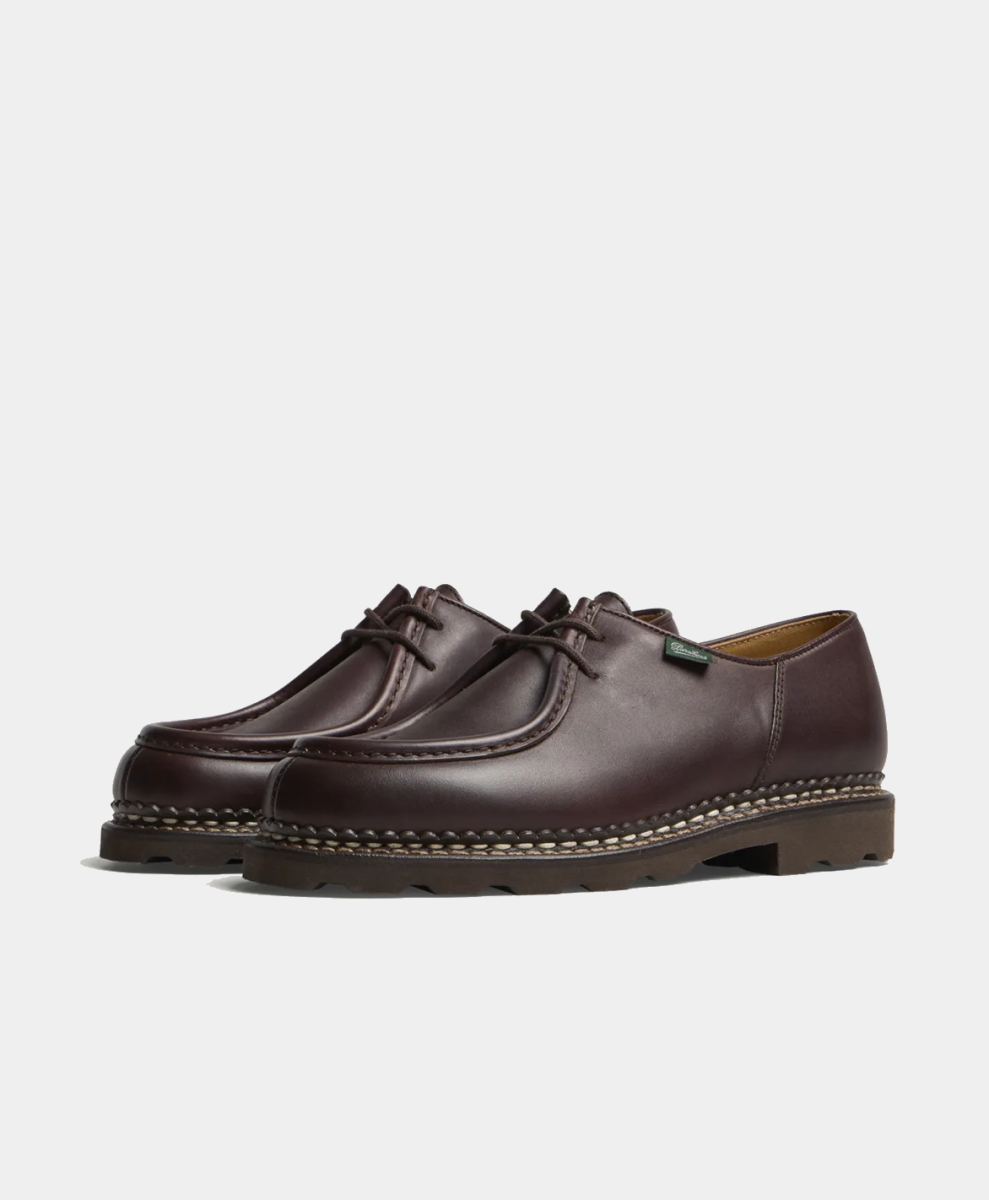
Paraboot’s Michael is effectively the modern reference point. Introduced in 1945, it combined thick leather, two pairs of eyelets, a substantial natural-rubber sole and Norwegian construction. It was initially intended as practical footwear for people who spent their working lives on their feet, but its strange, slightly agricultural appearance eventually became part of the appeal.
That’s essentially where the modern Tyrolean sits today: somewhere between a Derby, a moccasin and a walking shoe. Less polished than traditional dress footwear, smarter than a sneaker and chunky enough to work particularly well with denim, cords, fatigues and wider trousers.
The best brands for Tyrolean shoes
Kleman
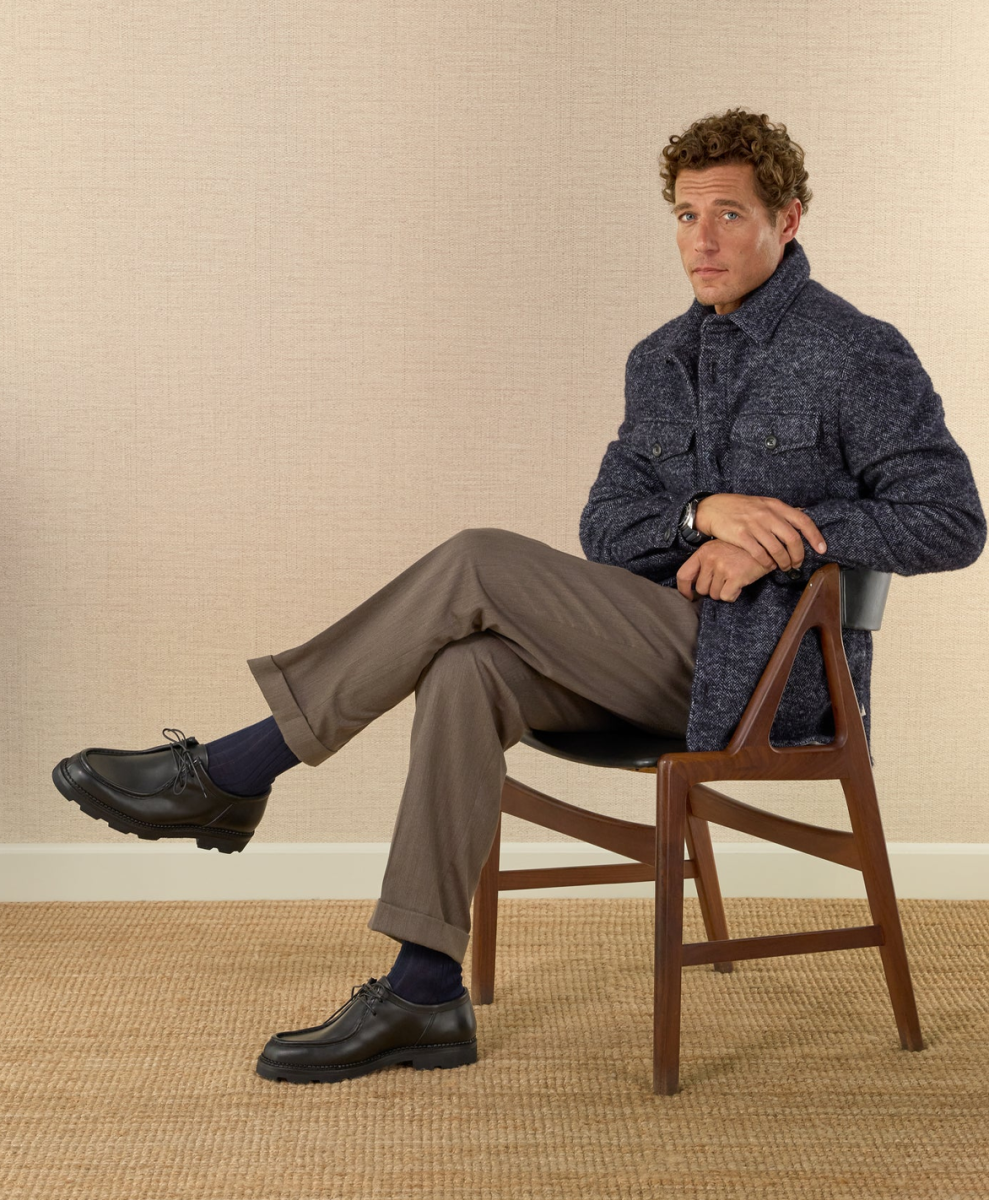
If the Paraboot Michael is the granddaddy of the modern Tyrolean, Kleman’s Padror is its younger, slightly more accessible relative. Kleman traces its shoemaking history to René Cléon’s workshop in 1945, with the company later producing functional footwear for the French railway, postal service and military.
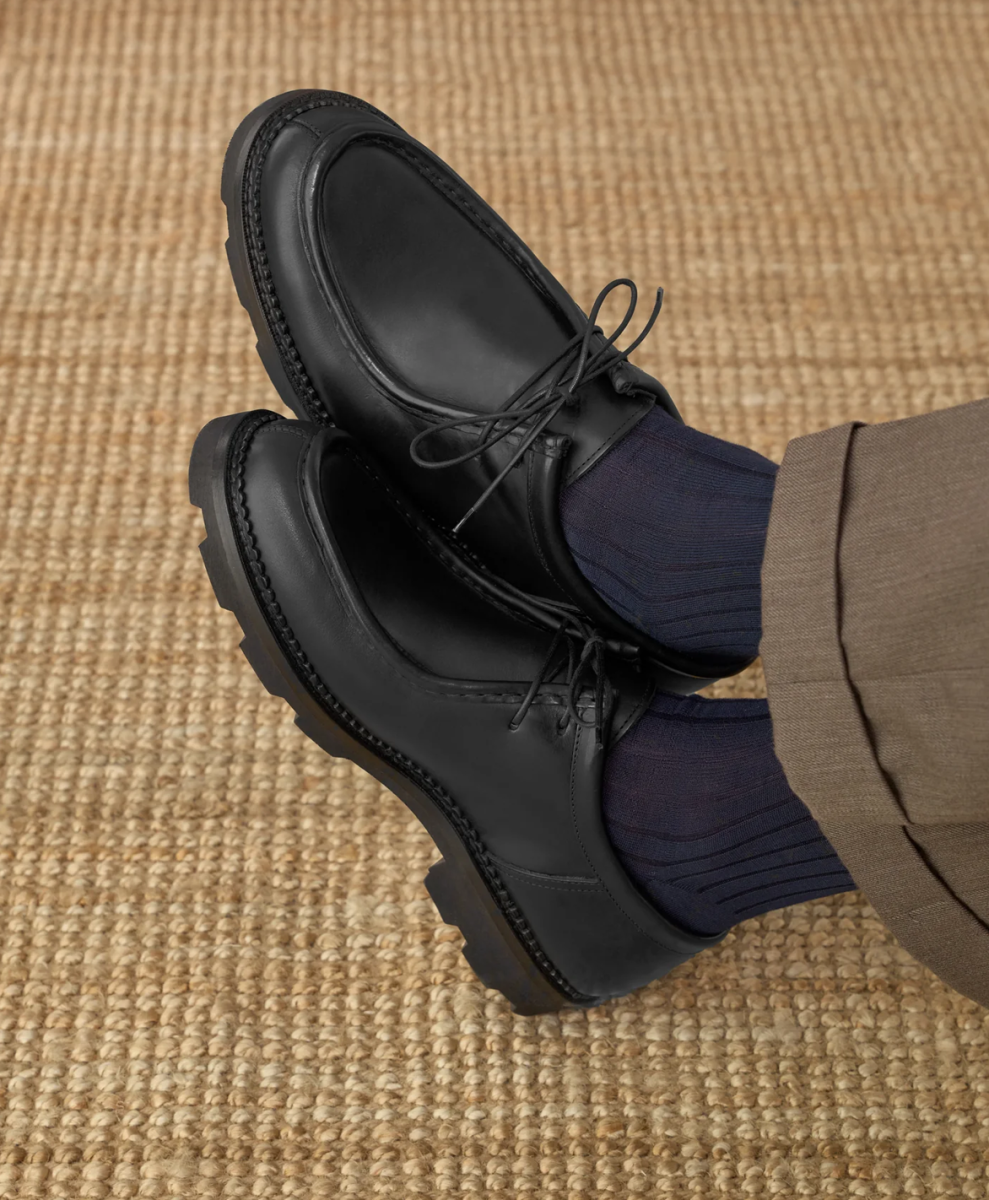
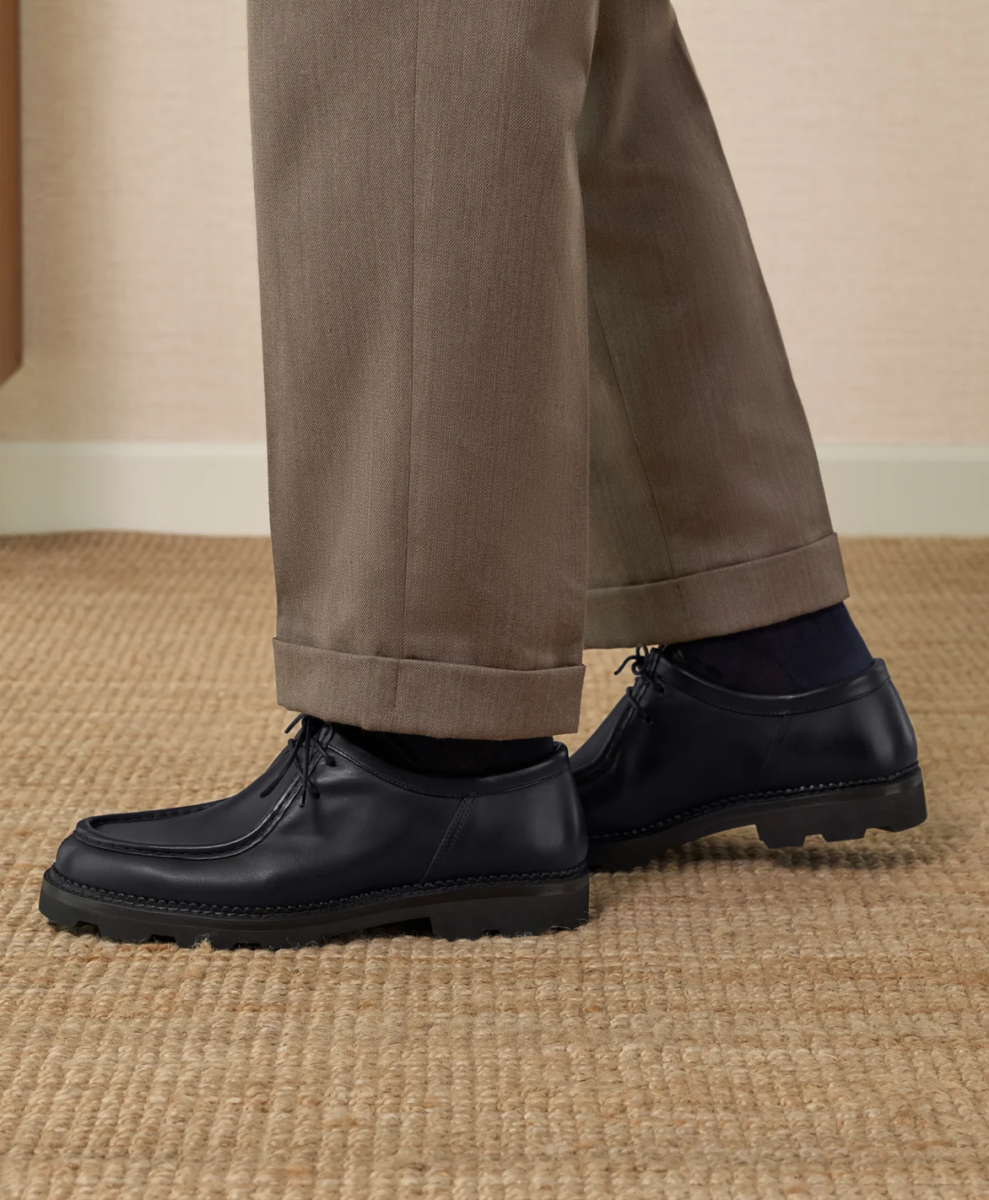
The Padror carries that workwear DNA proudly. It has a broad moc toe, chunky rubber sole and distinctive scalloped apron, giving it just enough visual weirdness to make otherwise straightforward outfits more interesting. It works particularly well with straight or wide denim, fatigues and cords – essentially anything substantial enough not to be swallowed by the shoe.
Velasca
Italian footwear tends to conjure images of sleek lasts, thin soles and shoes polished to within an inch of their lives. Velasca offers something considerably chunkier for those who prefer their Italian shoes with a little Alpine flavour.
Its Tyrolean-inspired styles retain the broad toe, apron stitching and substantial sole that define the genre, but filter them through the brand’s more polished Italian sensibility. The result is a useful middle ground: distinctive enough to scratch the Tyrolean itch, but restrained enough to slot easily into a relatively conventional wardrobe.
Paraboot
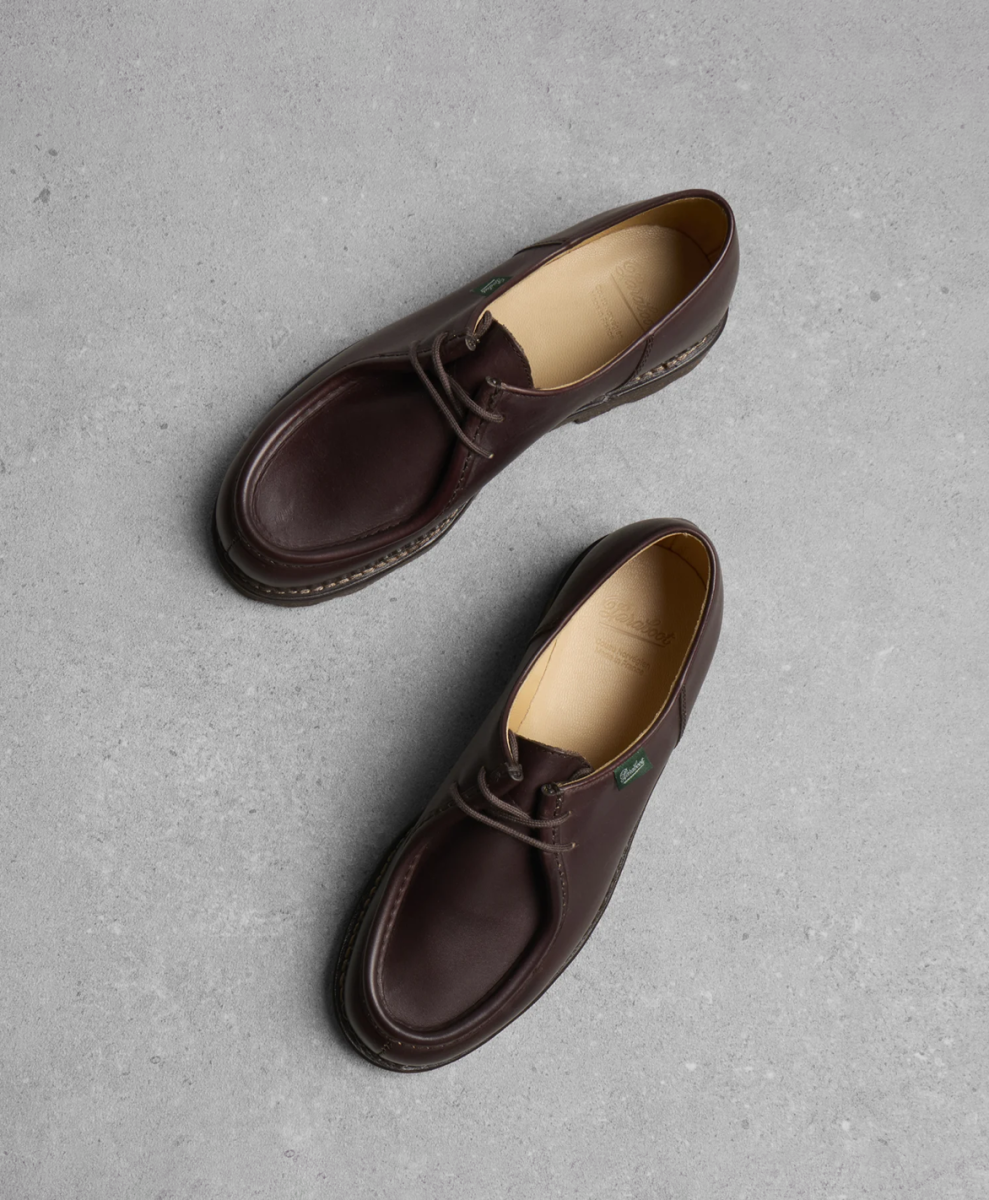
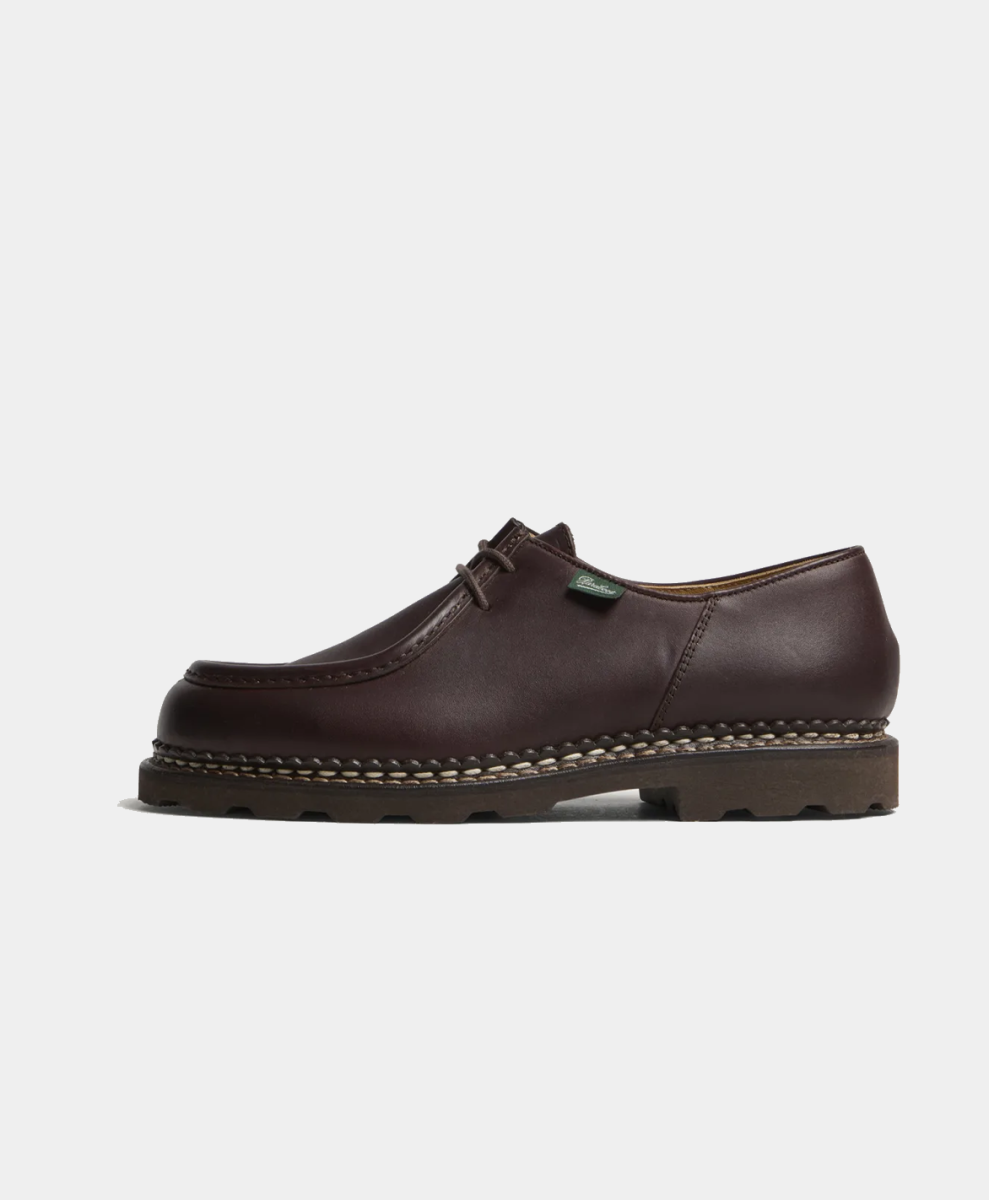
You can’t really talk about Tyrolean shoes without talking about the Michael. Paraboot introduced the model in 1945, naming it after Michel Richard, grandson of company founder Rémy Richard. Eight decades later, the basic formula remains remarkably intact.
There’s thick leather, a rounded last, piped apron seam, chunky natural-rubber sole and Norwegian-welt construction, which makes the shoe durable, weather resistant and resoleable. But the Michael’s appeal now extends well beyond practicality. Its unconventional proportions have made it a favourite among menswear obsessives, particularly in Japan, and it has been reinterpreted through collaborations with everyone from BEAMS and United Arrows to Lemaire and Zegna.
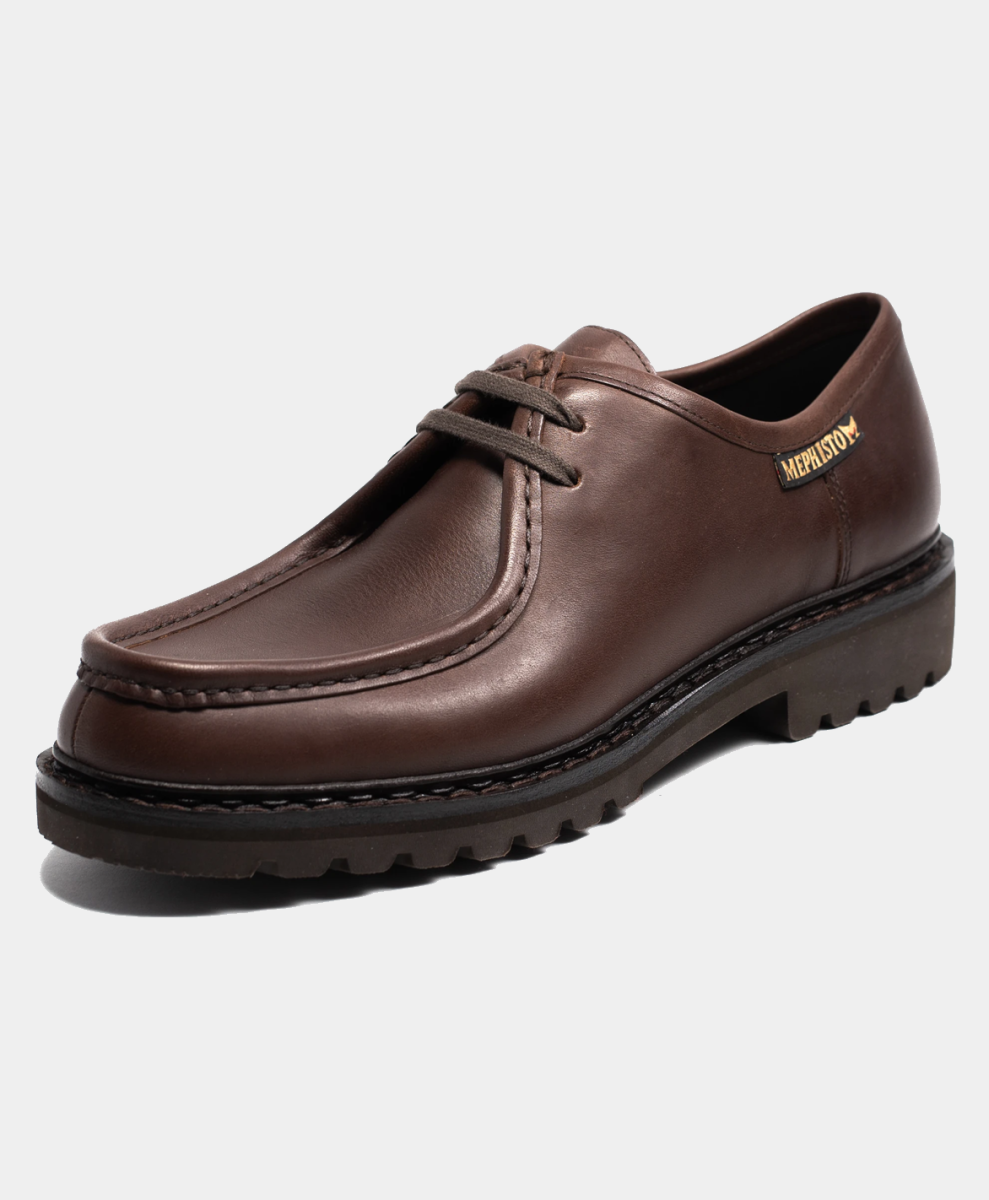
Mephisto
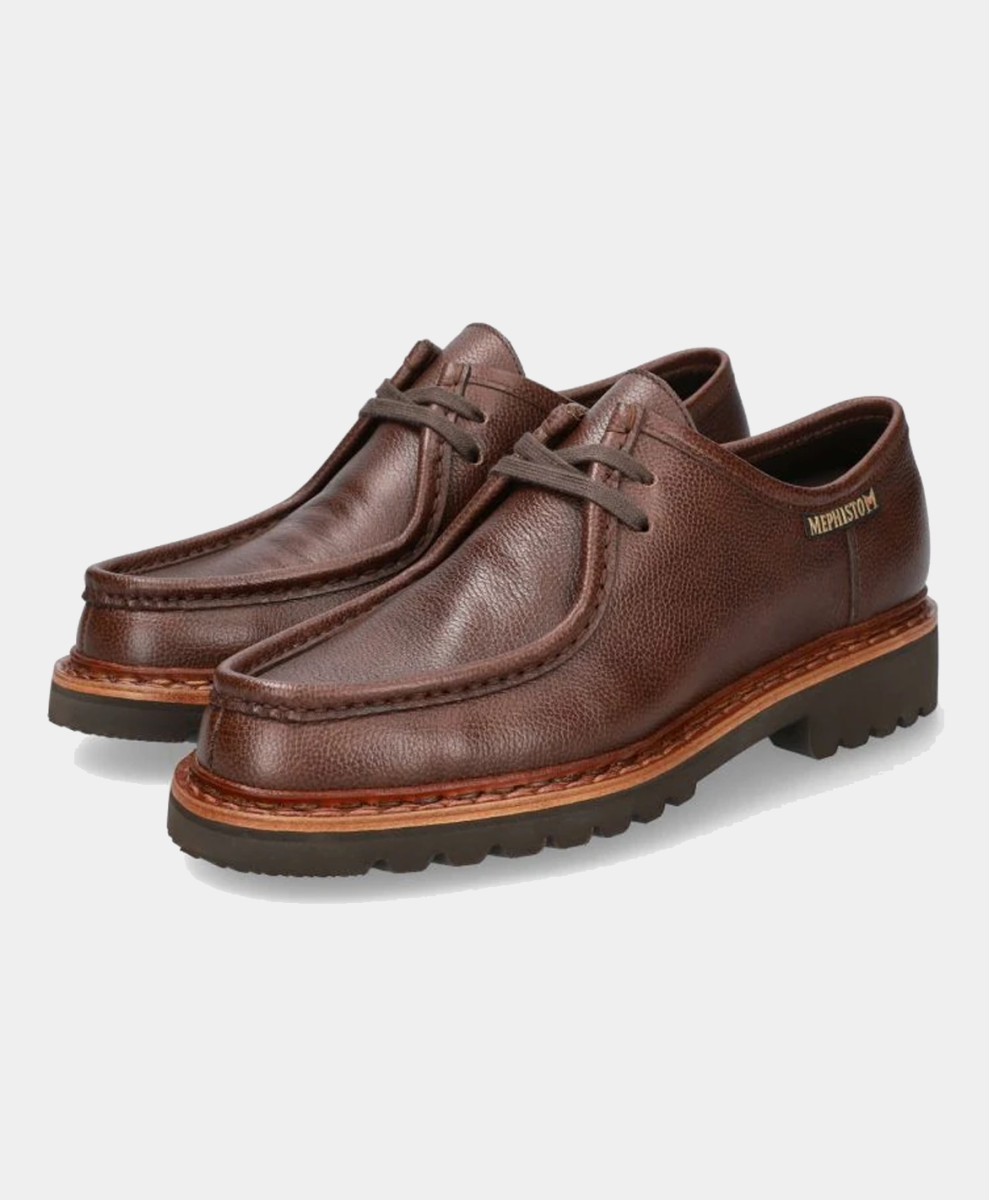
Mephisto occupies a slightly different corner of the Tyrolean universe. The French brand has always prioritised comfort, making shoes that can sometimes look more at home on a European walking holiday than outside a fashion-week show. Naturally, that means menswear has eventually come around to them.
The Peppo is a classic Tyrolean shoe, made in France and boasting a proper Norwegian construction. Pricey, yes, but you'll probably still be wearing them ten years from now.
Sturlini
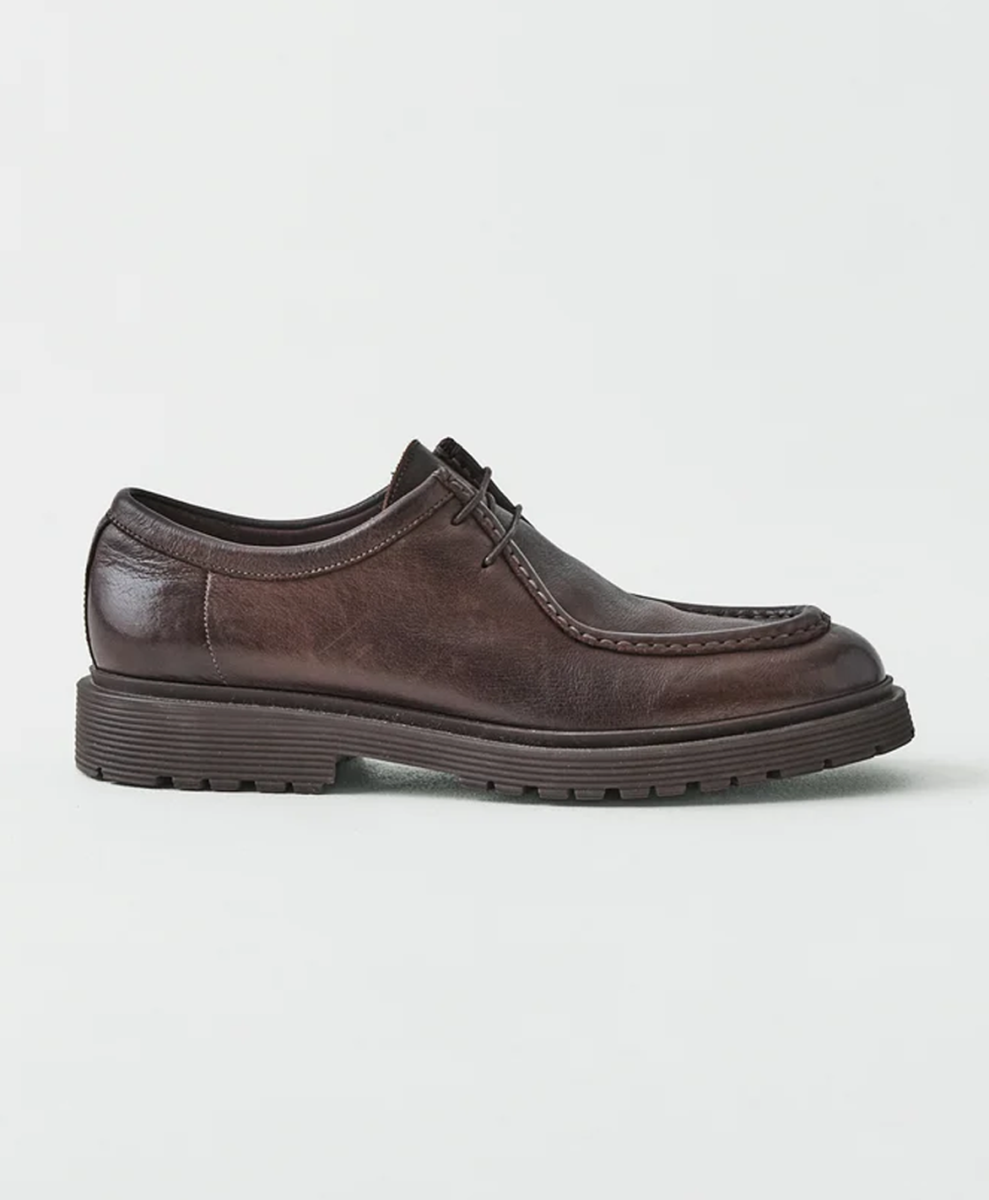
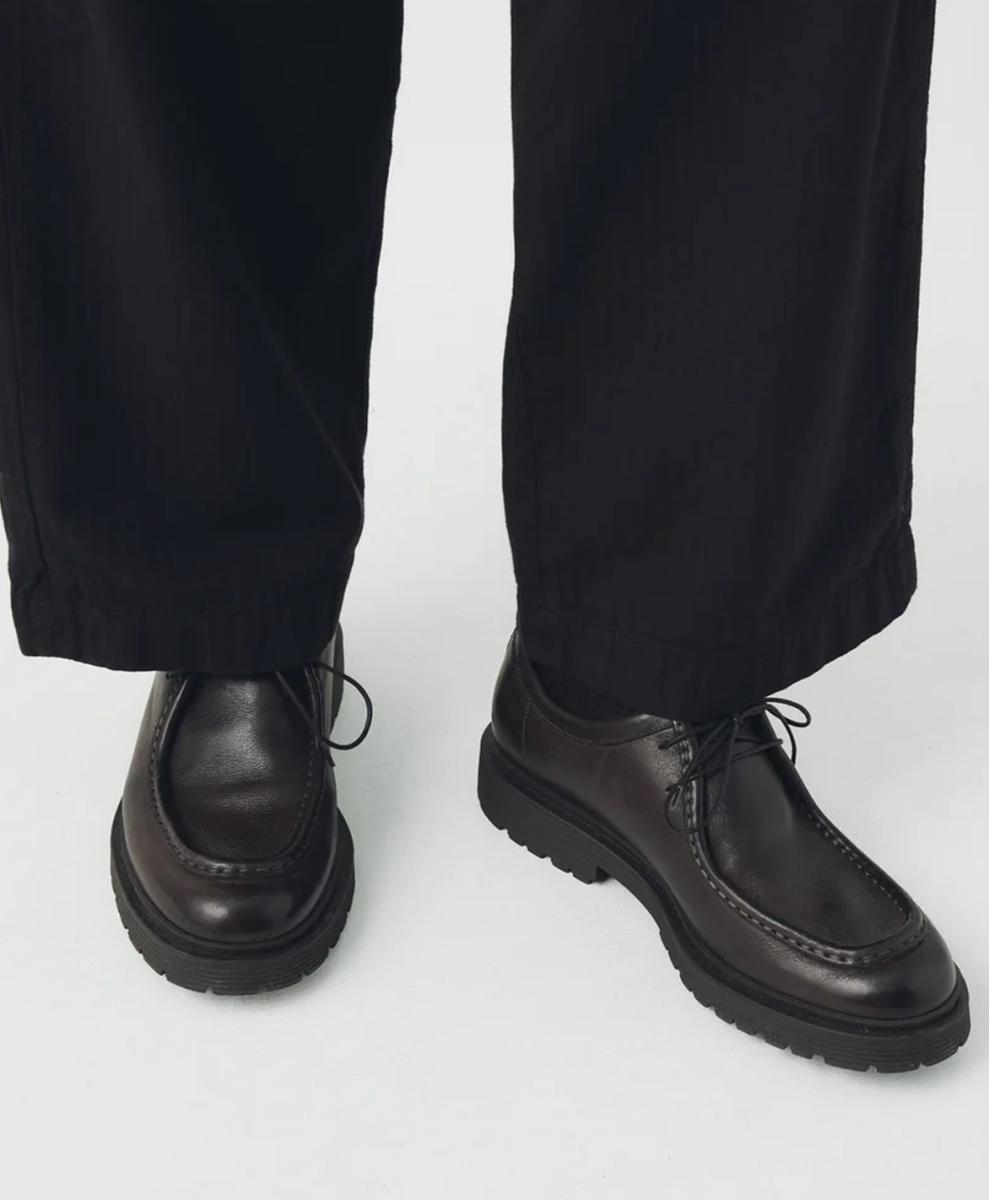
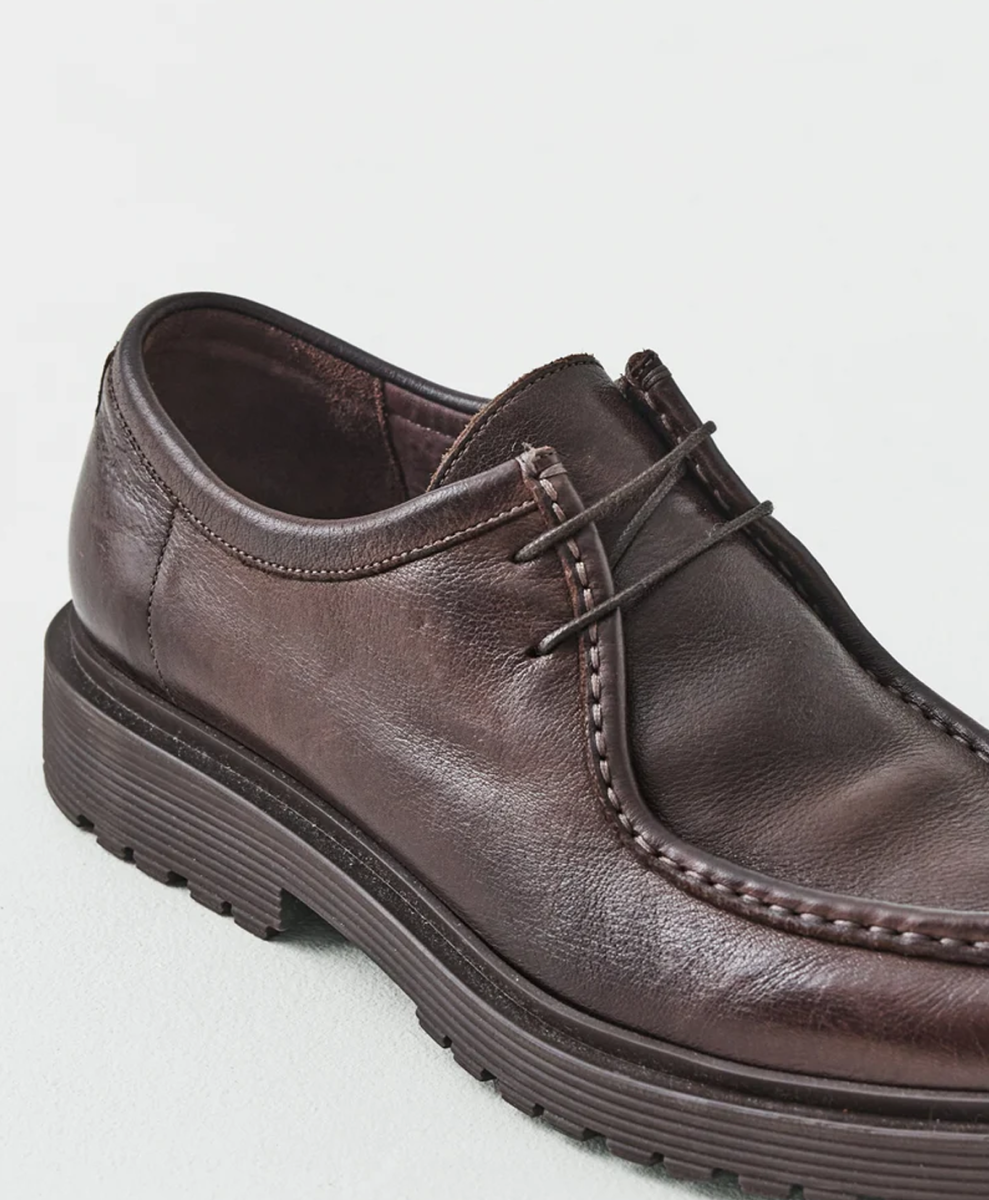
For an Italian interpretation, look towards Sturlini. The Tuscan shoemaker dates back to 1967, when Rolando Sturlini founded a small footwear factory originally called Navayos. Moccasin construction has remained central to the family-run company ever since.
That background makes its chunkier, mountain-influenced footwear particularly interesting. Sturlini’s take tends to feel softer and more relaxed than the archetypal French Tyrolean, combining the genre’s outdoorsy proportions with the sort of supple leather and finishing you’d expect from a traditional Tuscan shoemaker.
Regal Shoe & Co.
Japan has played an enormous role in keeping heritage menswear styles alive, so it should come as little surprise that Japanese shoemakers have embraced the Tyrolean too.
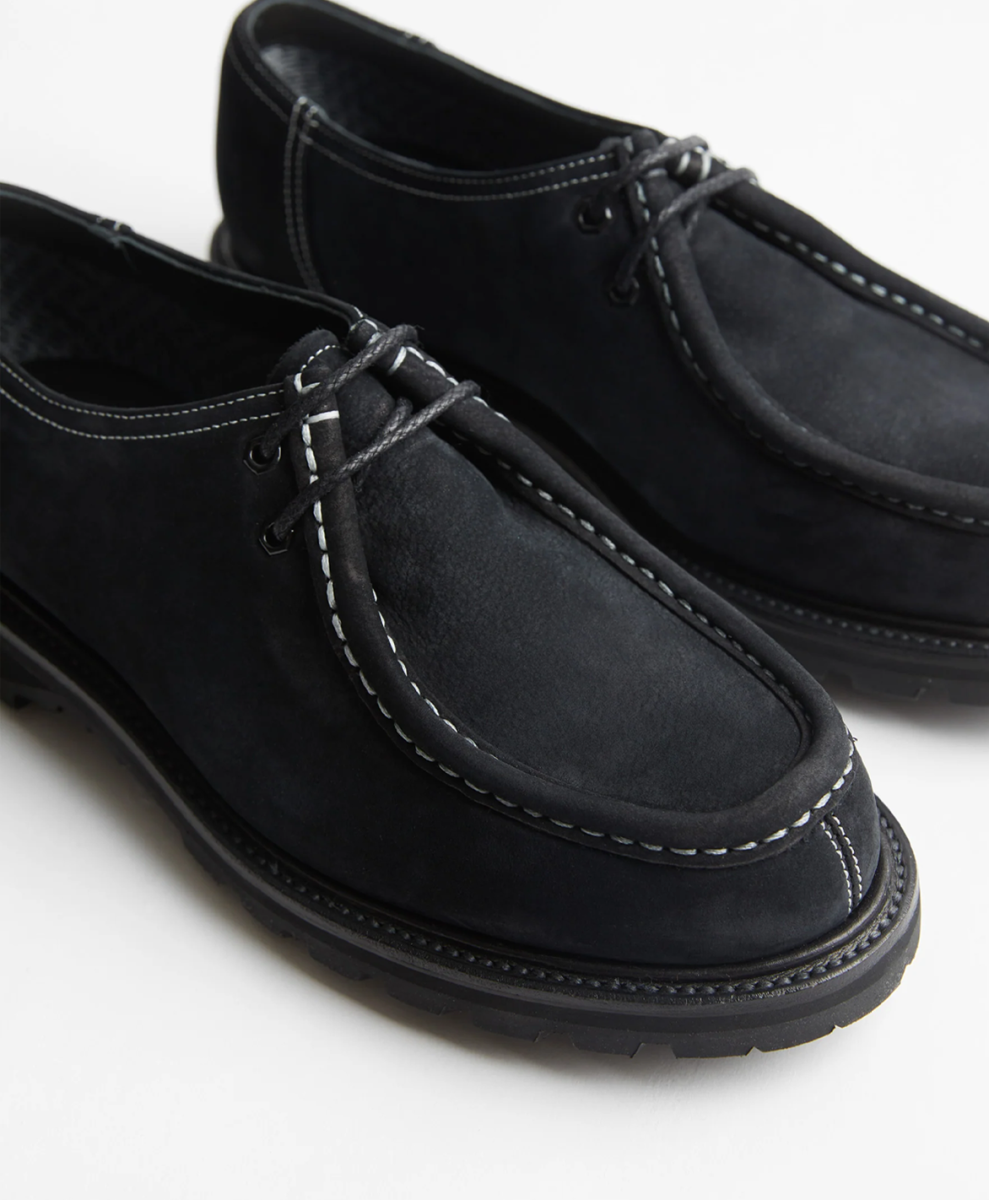
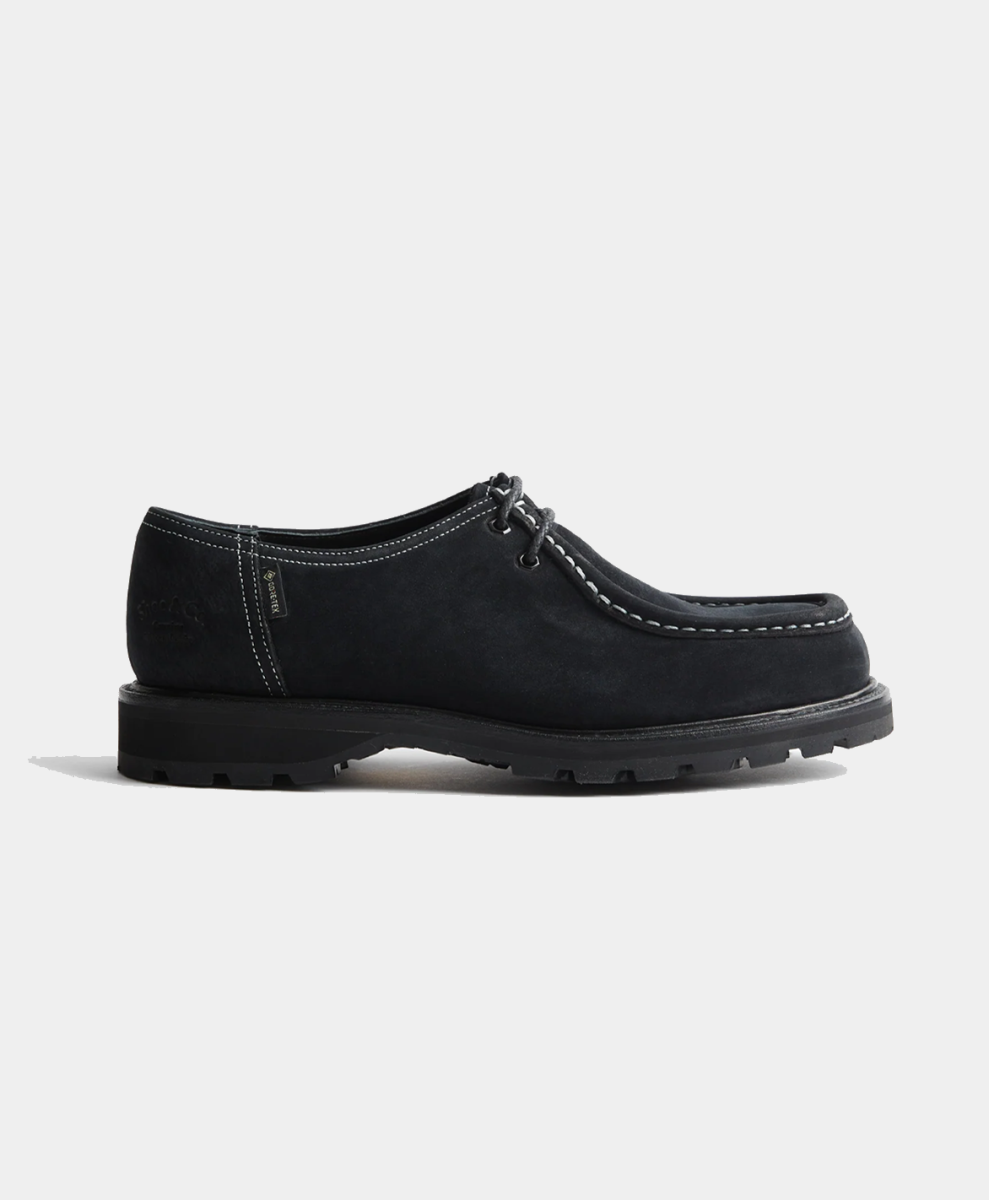
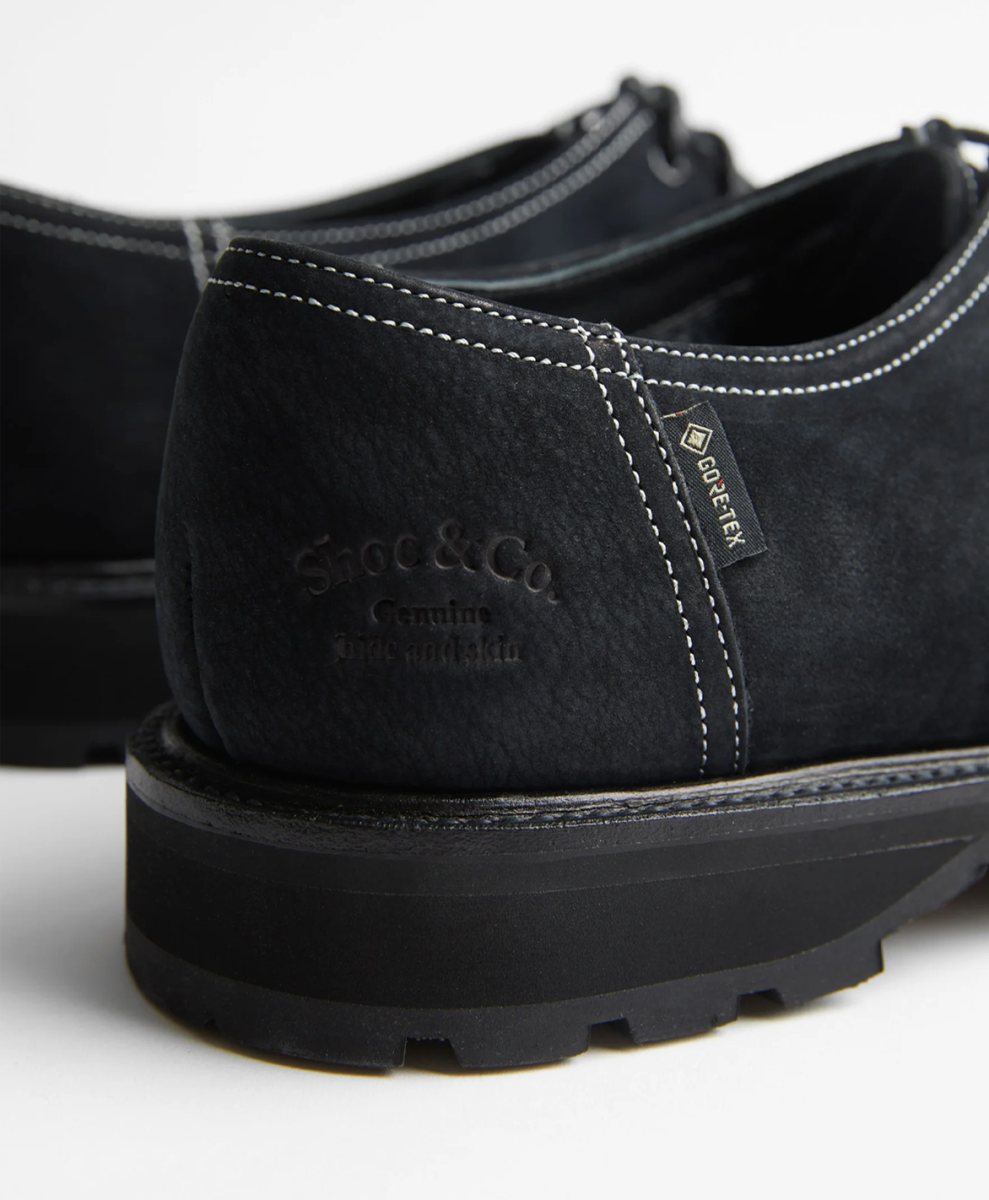
Regal Shoe & Co. is particularly worth knowing. The premium offshoot of long-established Japanese footwear specialist Regal regularly plays with familiar Western shoe archetypes, tweaking proportions, construction and materials in ways that make them feel distinctly Japanese.
Its Tyrolean-style footwear slots neatly into that world: chunky and practical, but clean enough to work with the sort of Ivy, military and workwear pieces Japan has spent decades refining. If your wardrobe contains fatigues, loopwheel sweatshirts, selvedge denim and an unhealthy quantity of BEAMS purchases, you already know what to do.
Yanko
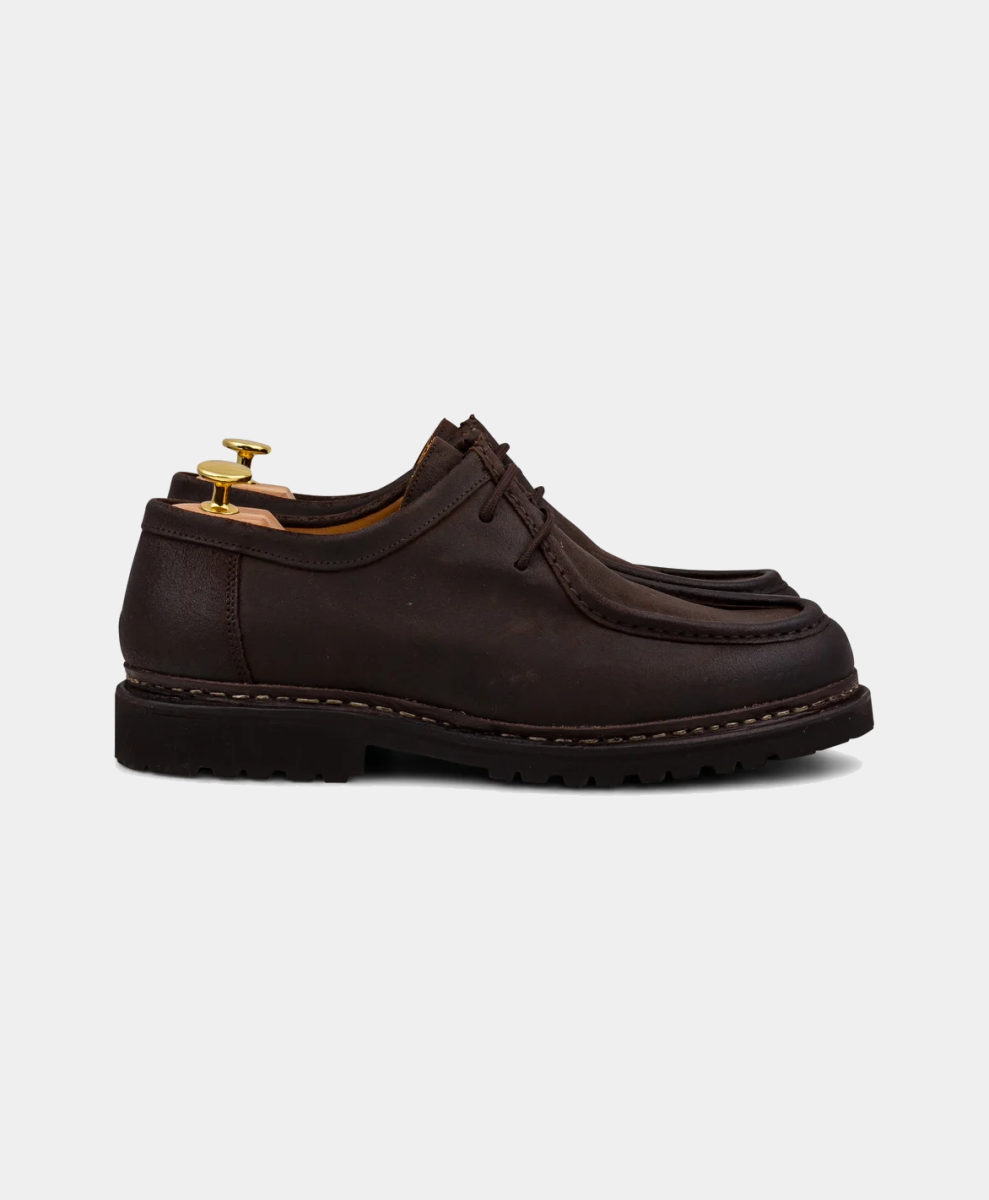
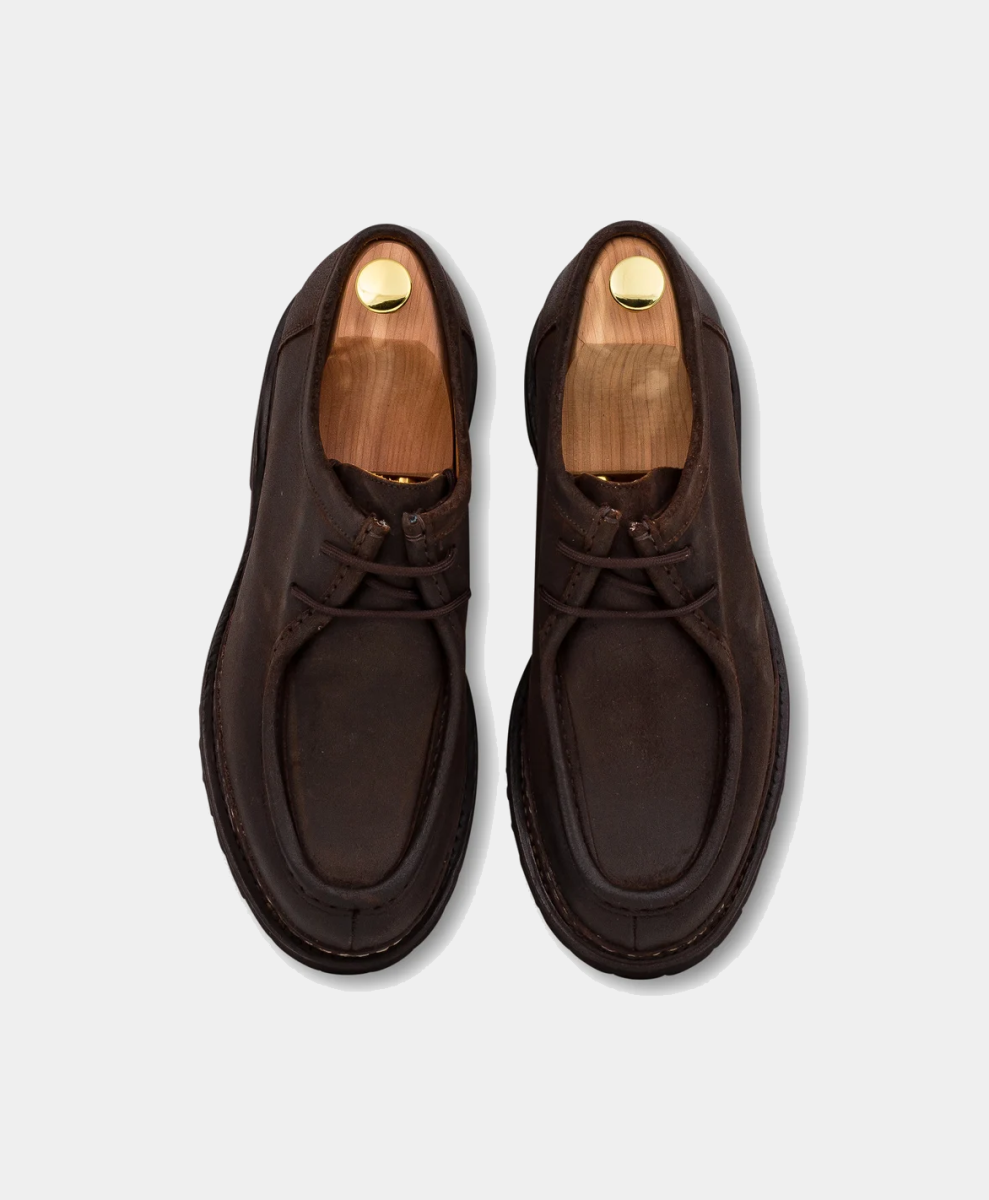
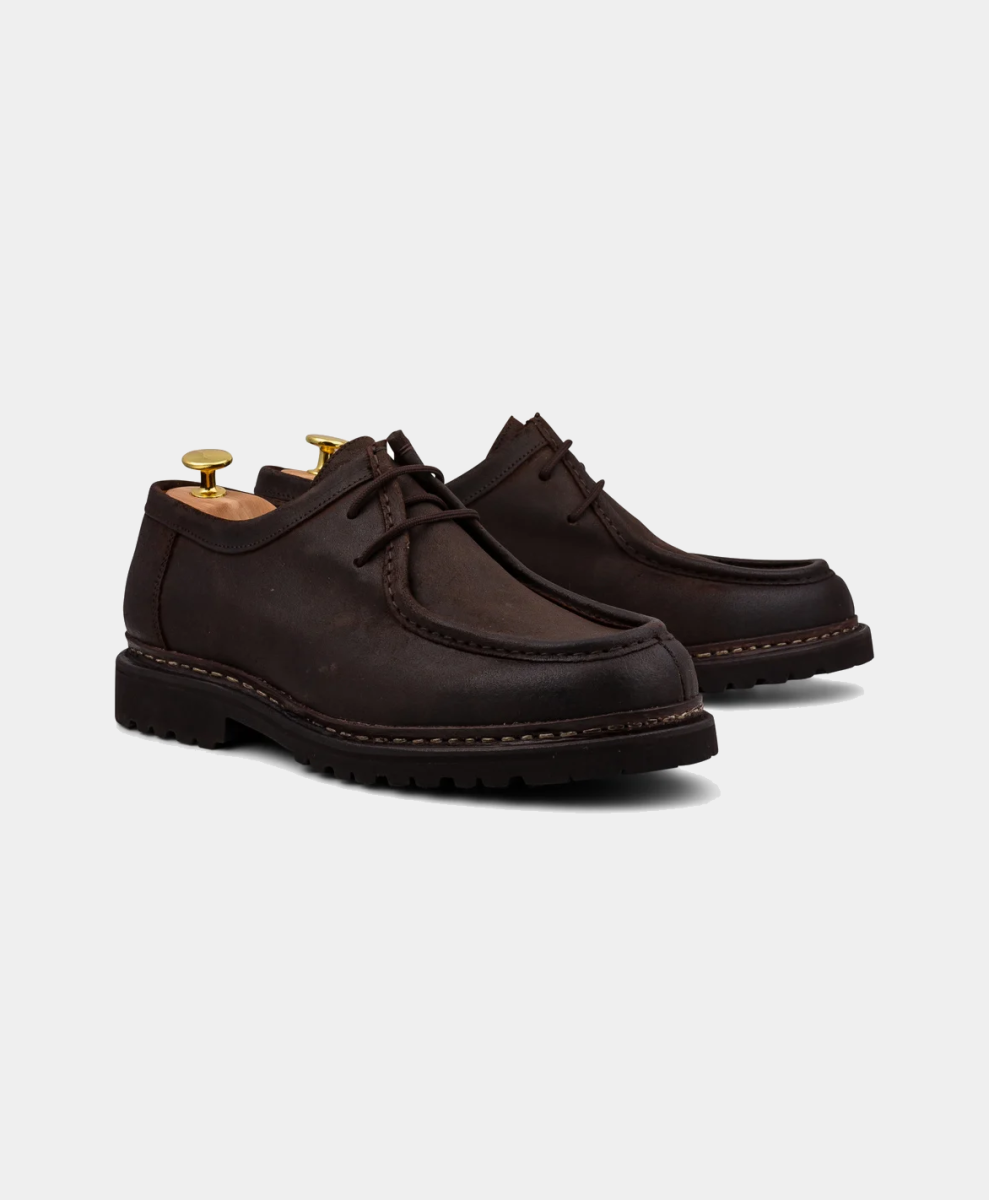
Spanish shoemaker Yanko provides another option for anyone who wants the Tyrolean shape without leaning quite so heavily into its workwear associations.
The Mallorca-based brand is better known for classic welted footwear, and that shoemaking background gives its interpretations a slightly smarter feel. You still get the broad apron toe and substantial proportions associated with the style, but with a finish that feels closer to traditional European shoemaking than French utility footwear.
That makes Yanko particularly useful if you intend to wear your Tyroleans with smarter trousers rather than battered jeans and painter pants. Same basic oddball Alpine energy, just cleaned up a little.