There’s a temptation, when the temperature starts dropping, to think purely in terms of warmth. But the most useful cold-weather clothes aren't necessarily the warmest. They're the ones that play nicely with everything else in your wardrobe.
Good layering is what makes autumn and winter interesting from a style perspective. It allows you to combine different colours, textures and proportions, while giving you the option to add or remove insulation as the weather inevitably changes its mind. The trick is having the right building blocks.
Some should be thin enough to disappear beneath a jacket. Others need enough room to accommodate a couple of layers themselves. And the very best can switch roles depending on the conditions – outerwear one month, mid-layer the next.
From featherweight knitwear and fuzzy cardigans to liner vests and roomy coats, these are the pieces we'd want within arm's reach when the mercury starts heading south.
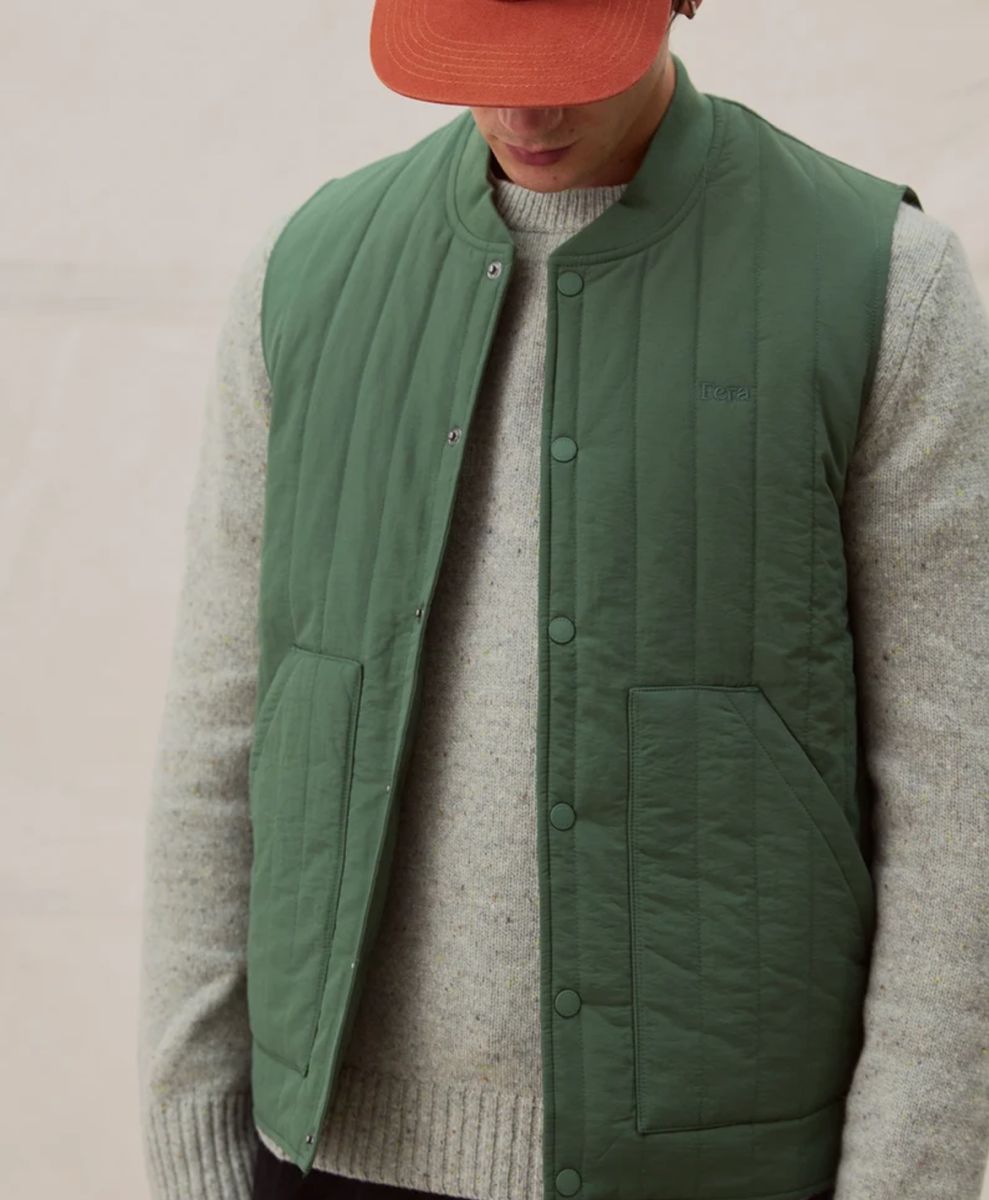
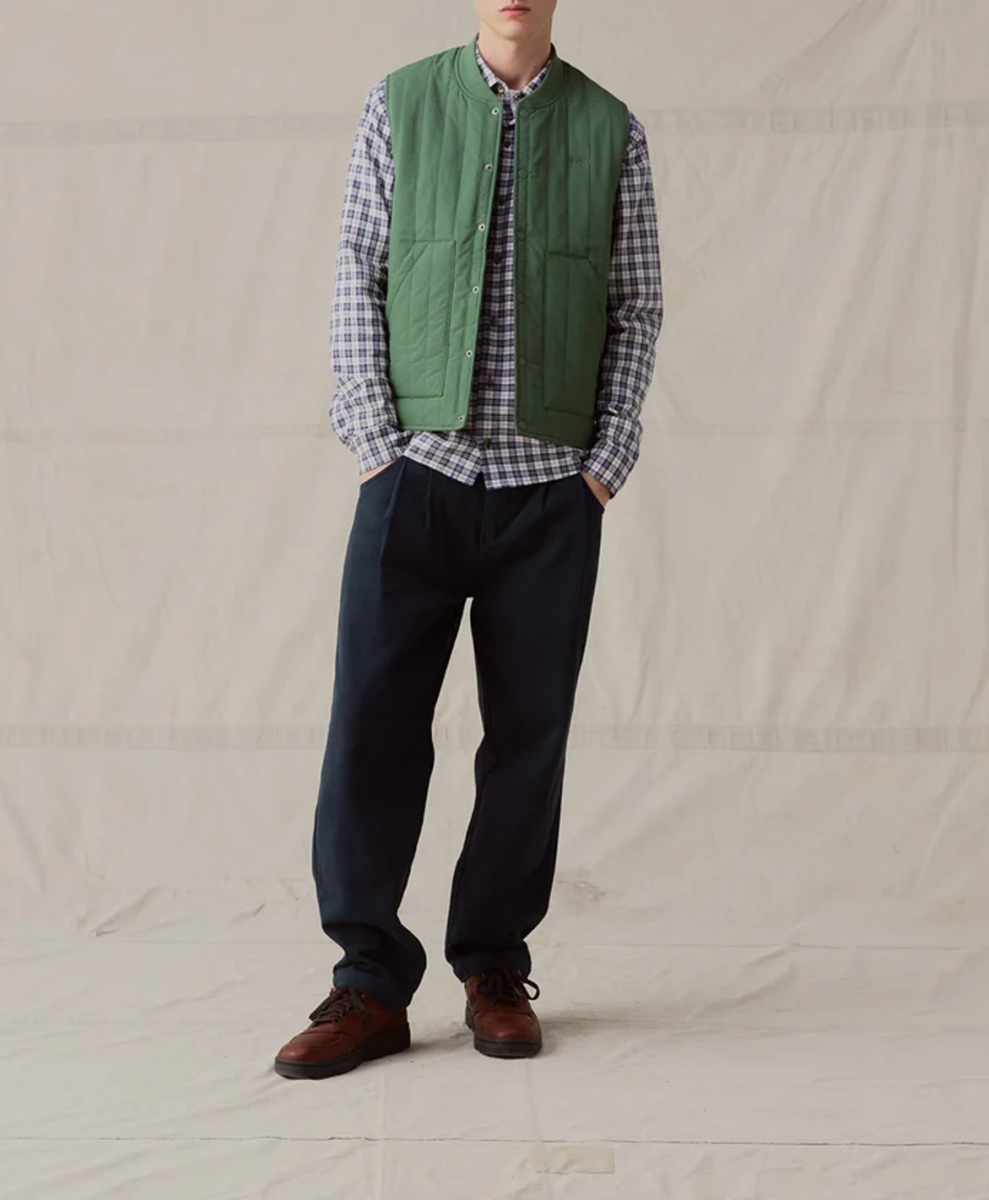
Insulated liner vest
An insulated vest is essentially a cheat code for cold-weather layering. It concentrates insulation where you need it most, leaves your arms completely unrestricted and, provided you opt for something relatively low-profile, adds very little bulk.
Look for a liner-style version rather than an enormous expedition puffer. The former will slot neatly beneath everything from wax jackets to overcoats, allowing you to squeeze considerably more warmth out of outerwear that might otherwise be limited to autumn.
It's handy indoors too. Wear one over a crewneck knit or sweatshirt when the heating isn't quite cutting it, then throw a coat over the whole lot when you head outside.
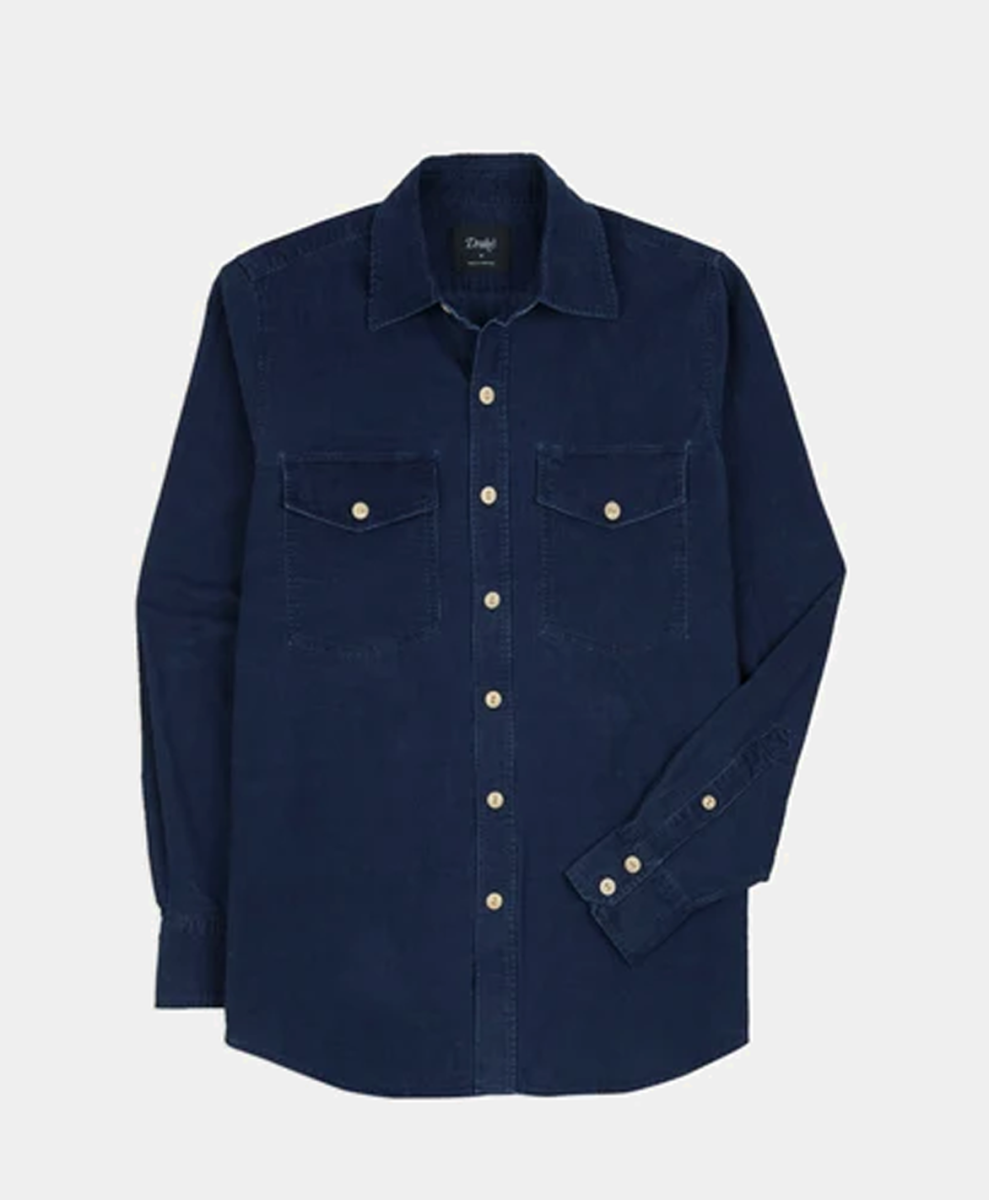
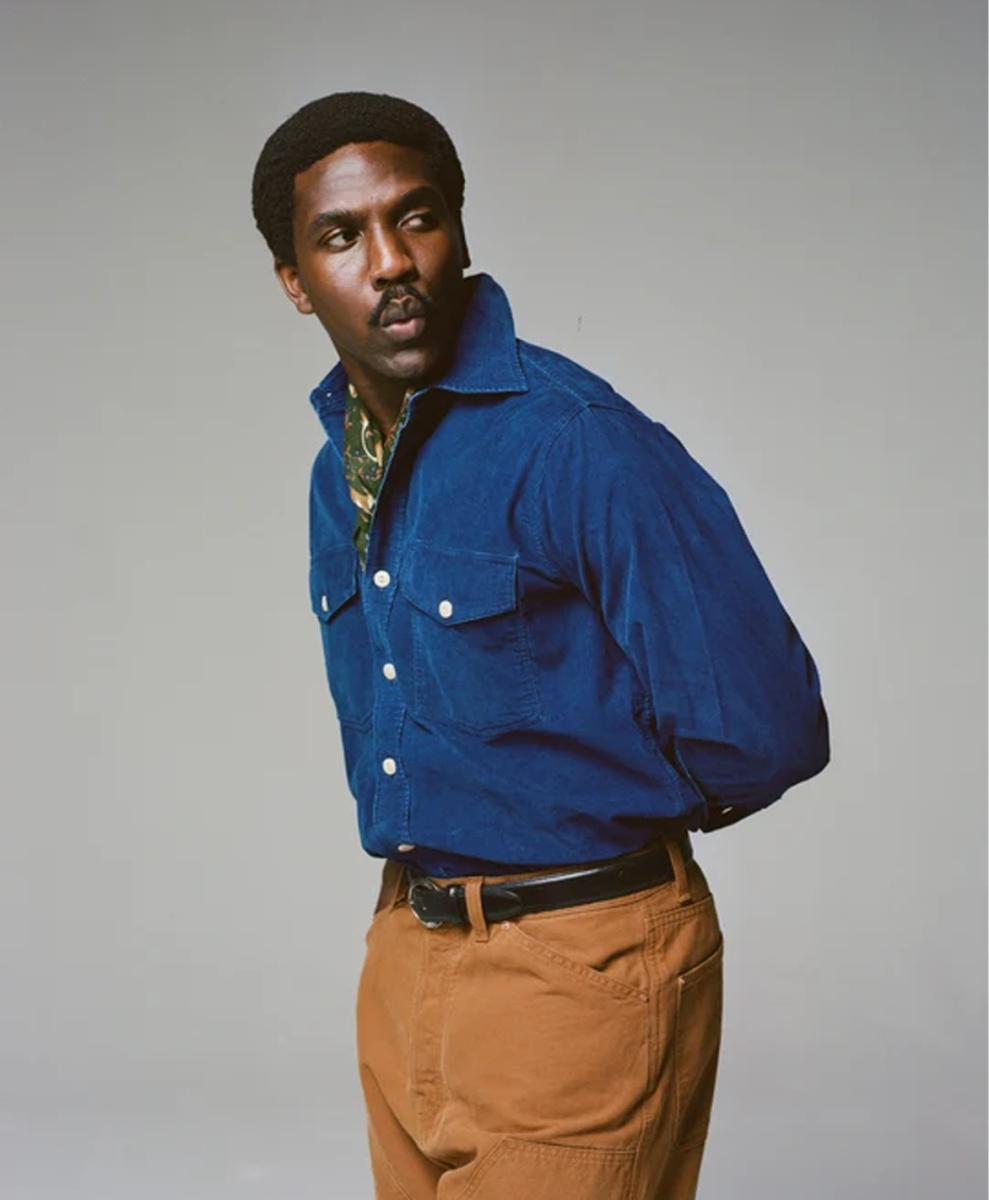
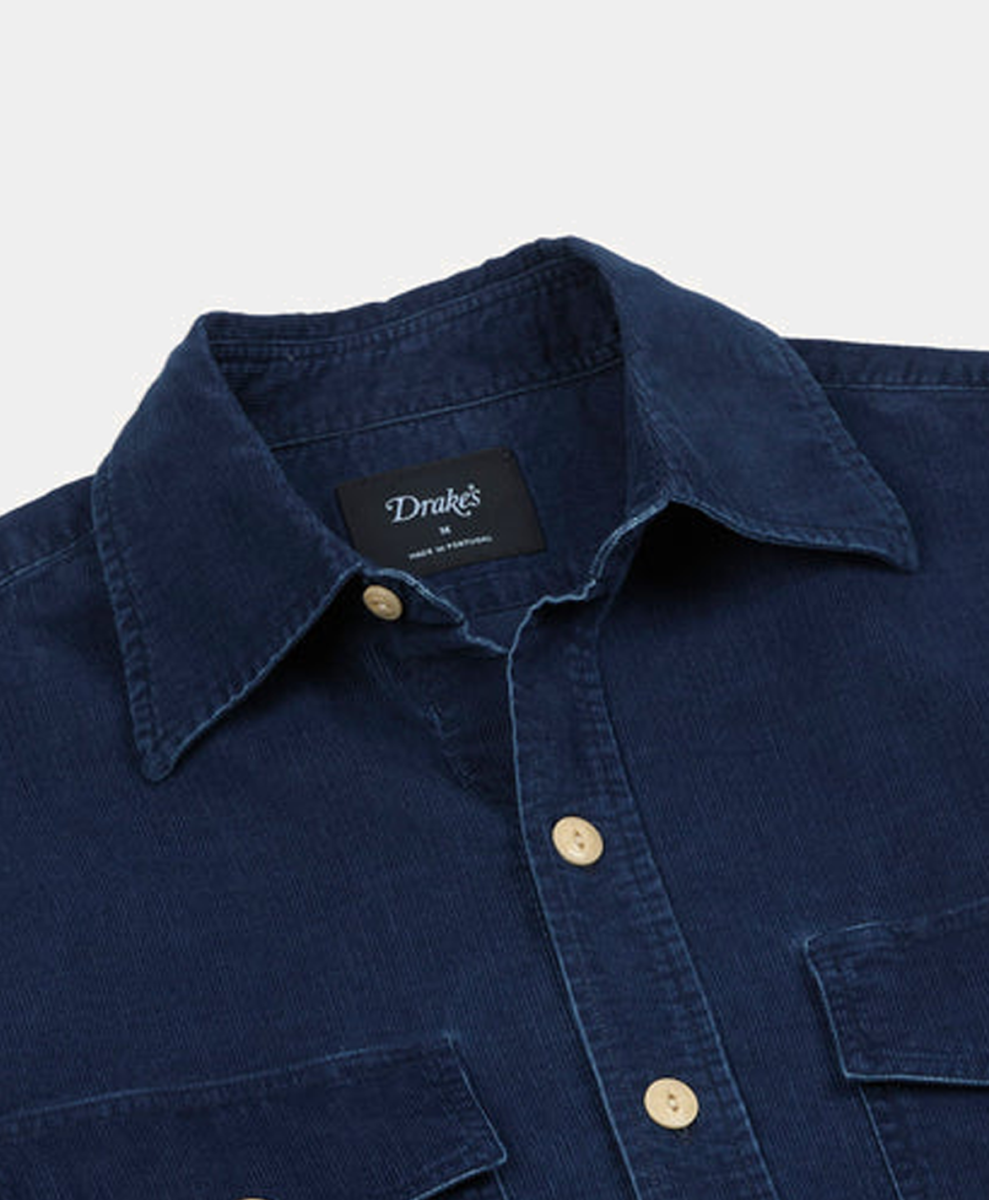
Corduroy overshirt
A good layering piece needs to know its place. A corduroy overshirt understands the assignment perfectly, occupying the useful middle ground between shirt and jacket.
In early autumn, it's substantial enough to work as lightweight outerwear, particularly when worn over a plain tee. Later, it becomes a textured mid-layer beneath a roomy coat. The fabric brings some much-needed depth to simple outfits too, meaning you can stick to muted colours without everything looking flat.
Go slightly relaxed with the fit. You want enough space for a lightweight knit underneath without so much fabric that it bunches awkwardly beneath your outerwear.
Raglan overcoat
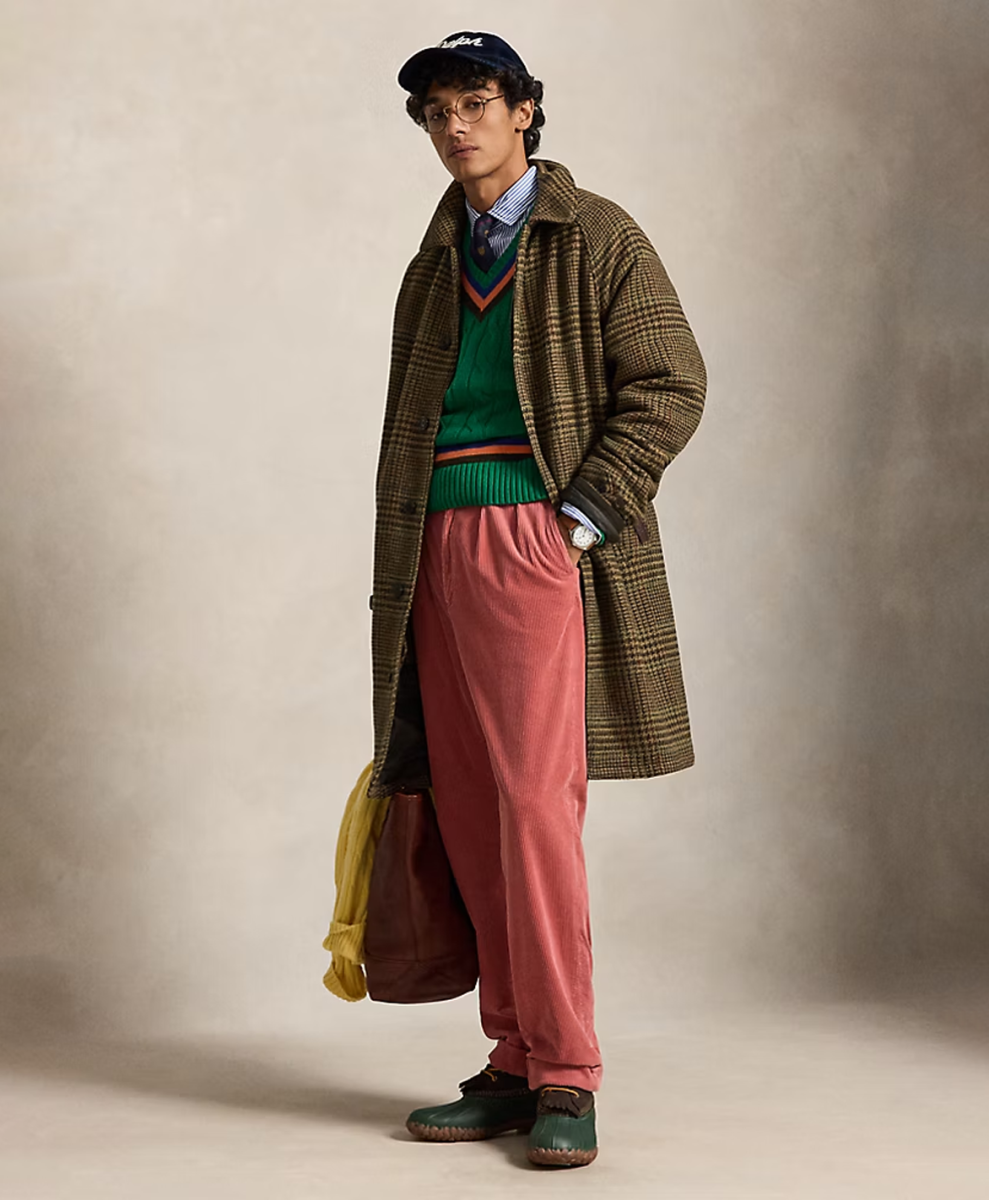
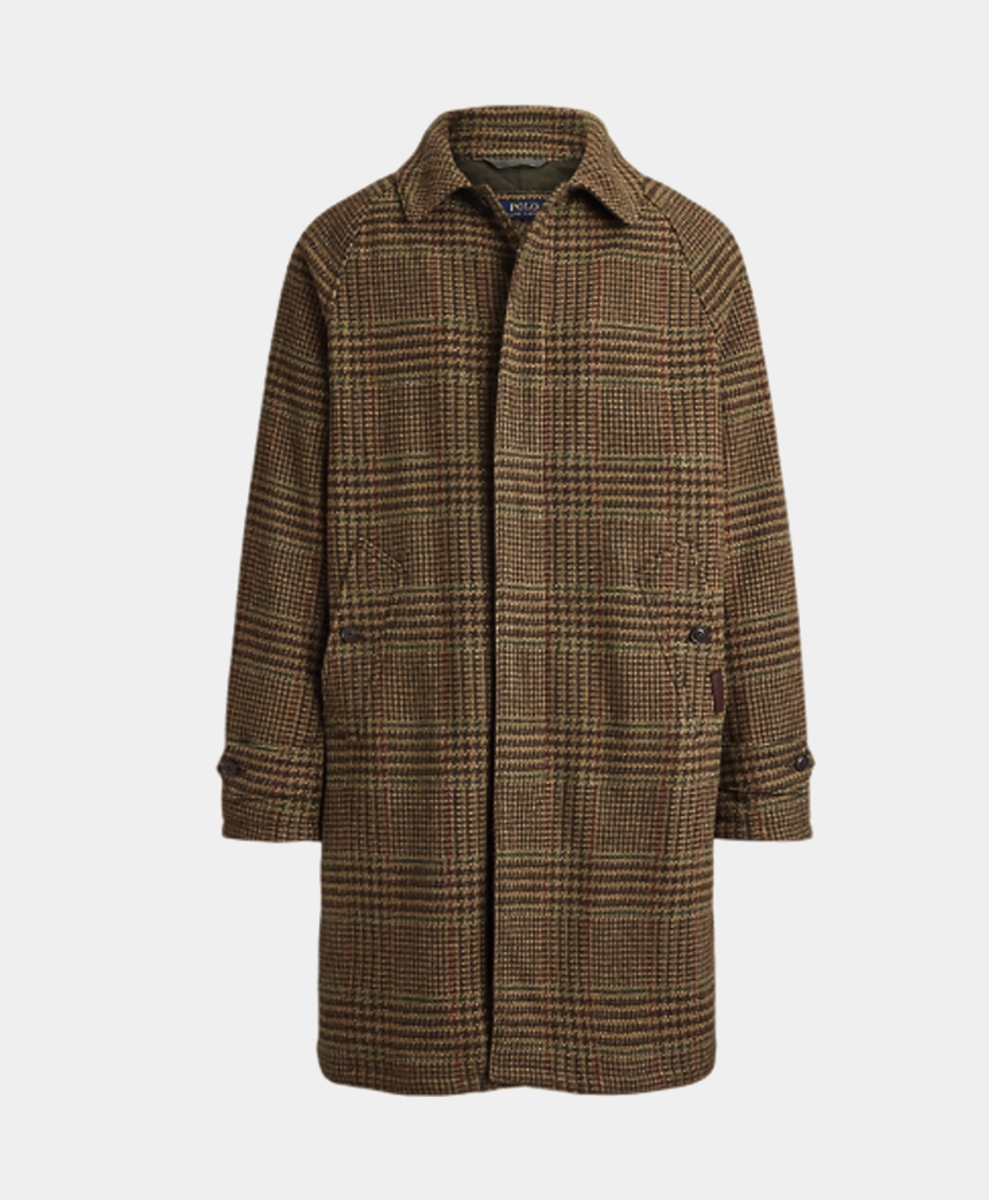
An overcoat is only as useful as the amount of clothing you can comfortably fit beneath it. This is why we're particularly fond of raglan styles.
Unlike a sharply structured coat with set-in sleeves, a raglan overcoat tends to have a softer shoulder and more forgiving shape. That makes it much easier to accommodate chunky knitwear, cardigans and even lightweight jackets underneath.
It's also one of the easiest ways to make several casual layers look considered. A tee, cardigan and worker jacket can feel decidedly workwear-heavy on their own. Throw a long wool coat over the top and suddenly the whole thing looks a lot more polished.
Fine-gauge crewneck knit
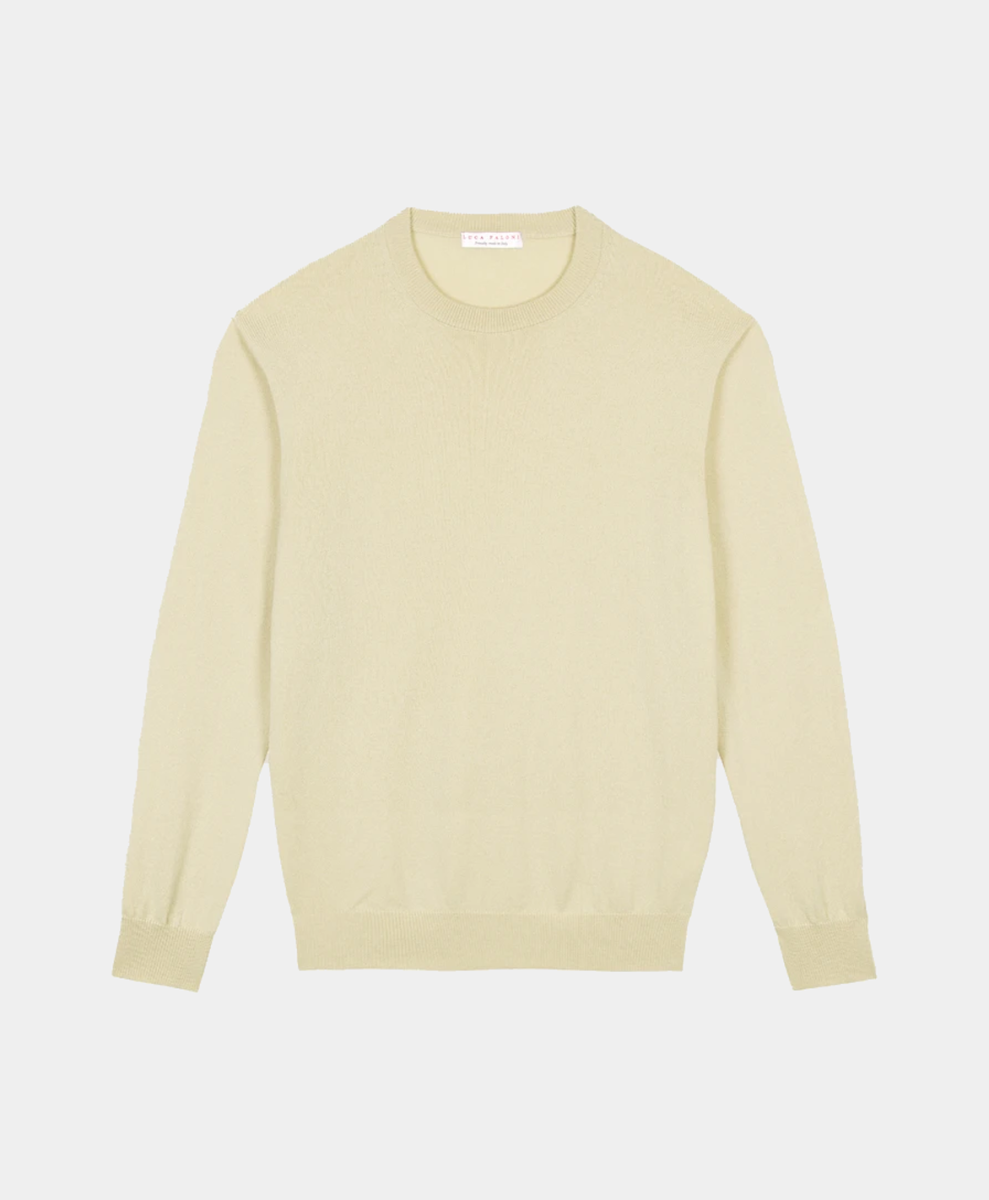
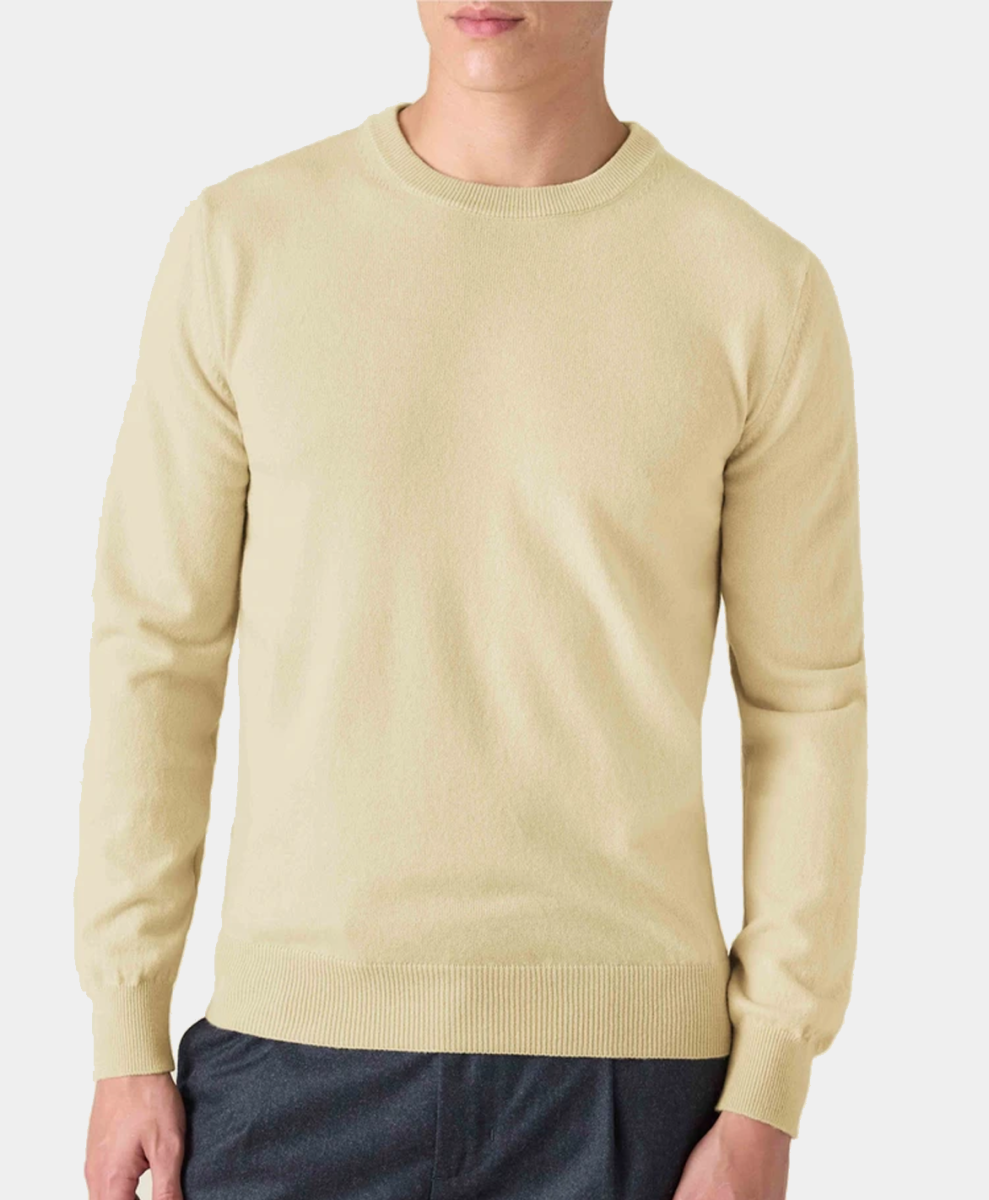
Not all knitwear needs to be thick enough to survive a Scandinavian winter. In fact, when it comes to layering, a lightweight crewneck is often far more useful.
Fine-gauge merino or cashmere provides warmth without much bulk, which means it can sit comfortably beneath overshirts, worker jackets and coats. You can wear it directly over a tee or layer a shirt underneath when you want something slightly smarter.
Stick to versatile colours such as navy, charcoal, brown or grey and you'll struggle to find an autumn or winter outfit it can't slot into.
Mohair cardigan
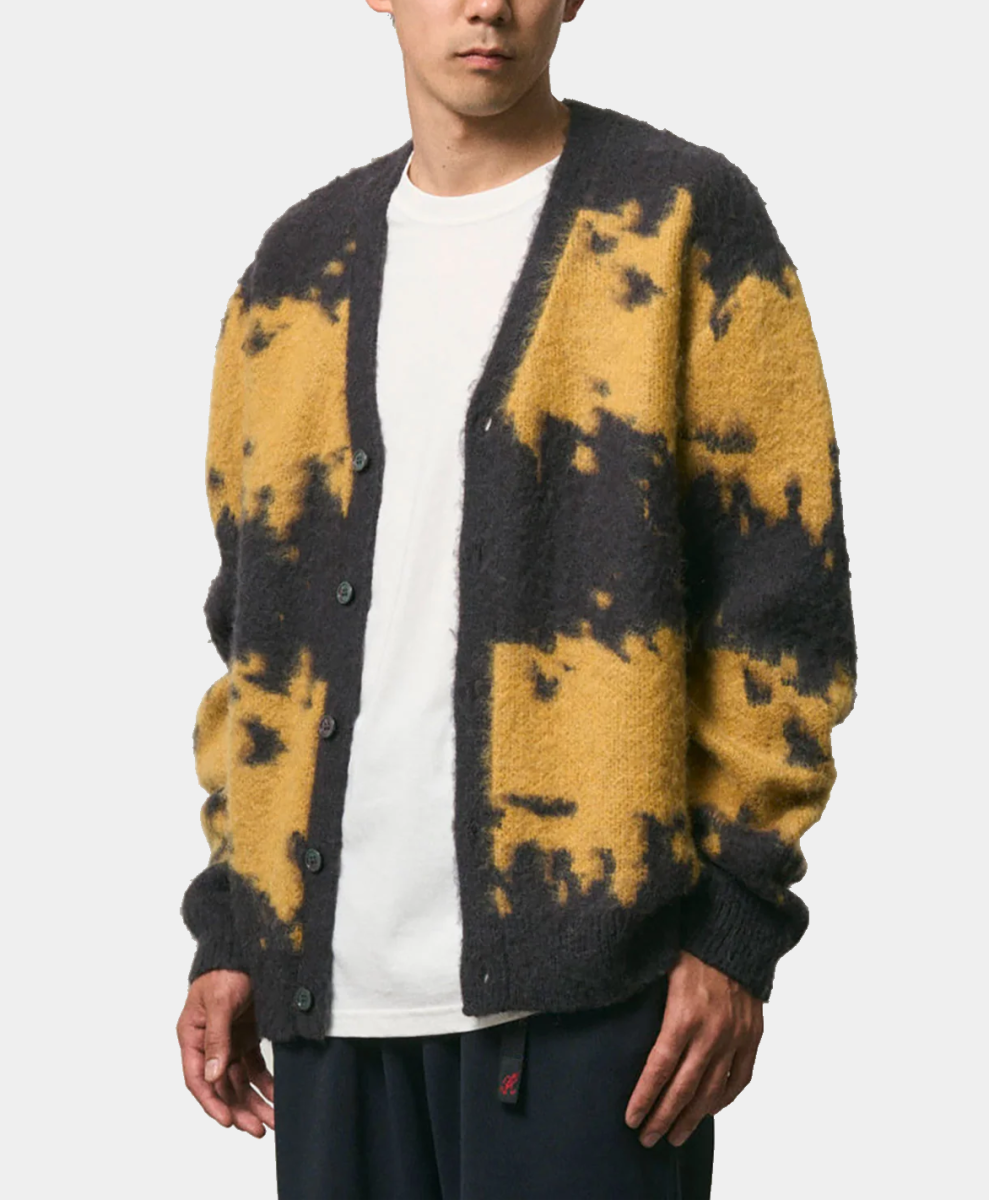
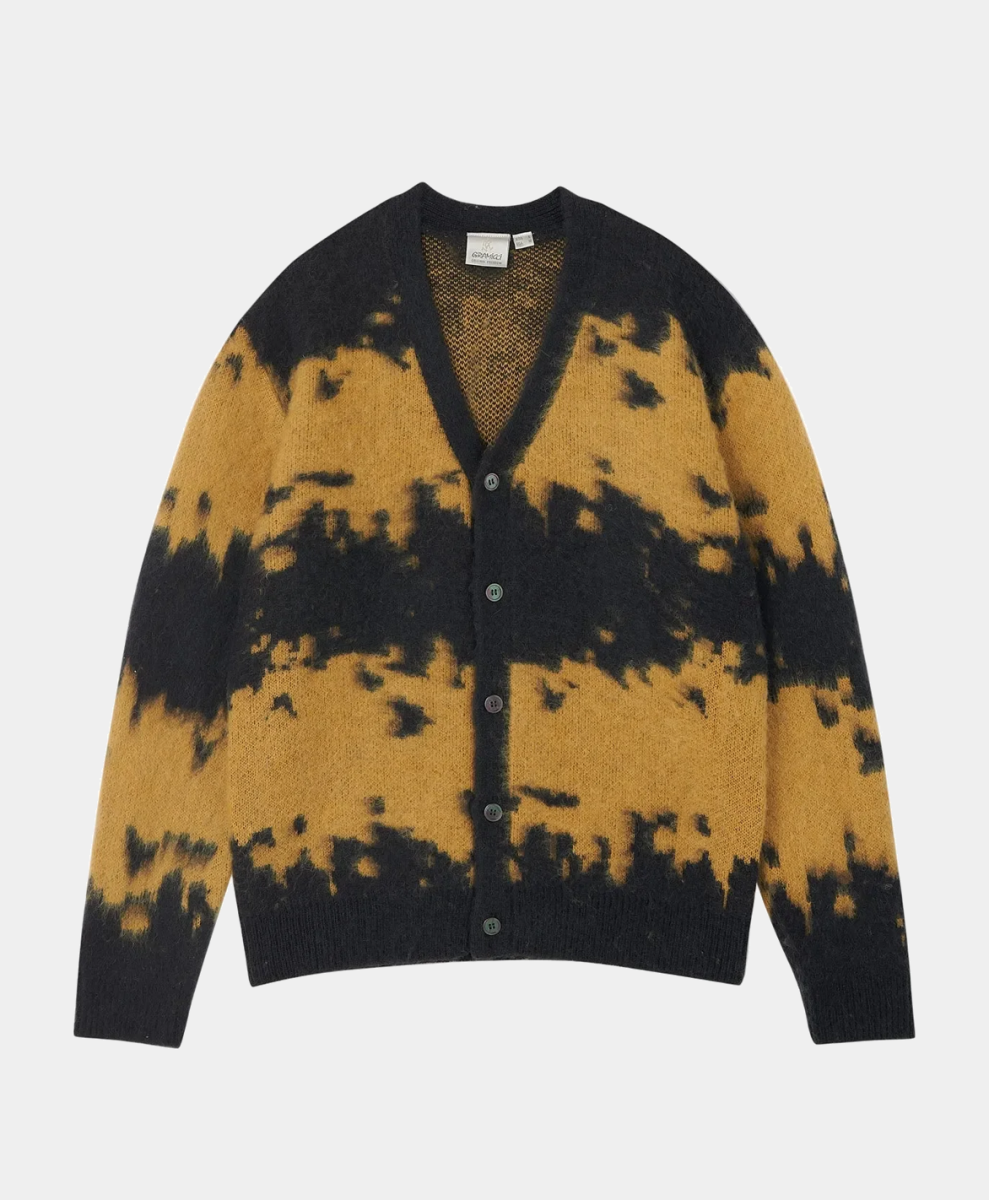
Layering isn't purely about insulation. It's also one of the best opportunities you'll get to play with texture, and few fabrics bring as much of it as mohair.
A fuzzy cardigan immediately adds depth to otherwise simple combinations. Wear one over a plain white tee with relaxed trousers when the weather is mild, then use it as a mid-layer beneath a roomy coat once winter arrives.
It's also a good place to introduce some colour. Because only portions of the cardigan might be visible beneath your outerwear, you can afford to go slightly brighter or bolder than you normally would.
Worker jacket
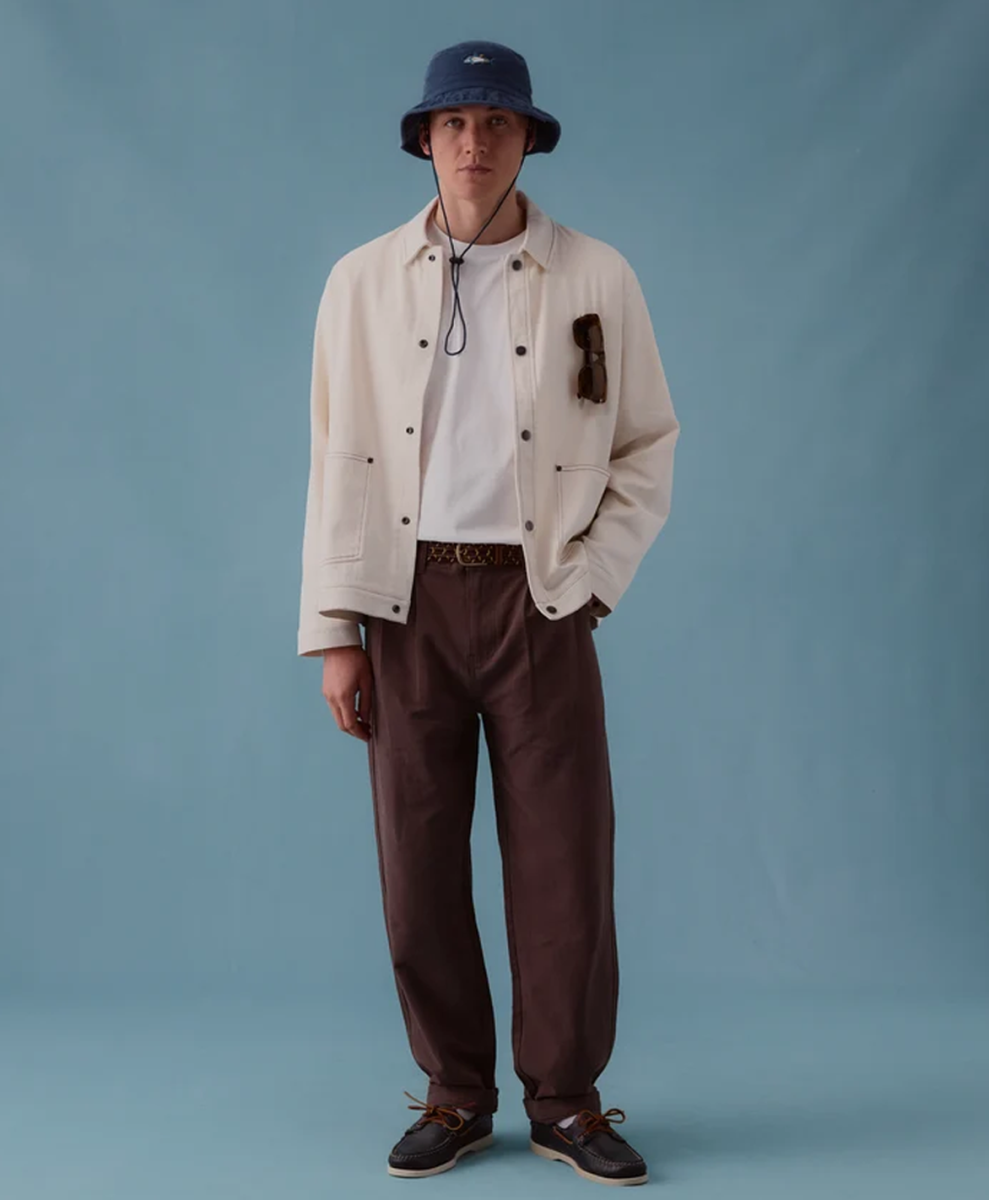
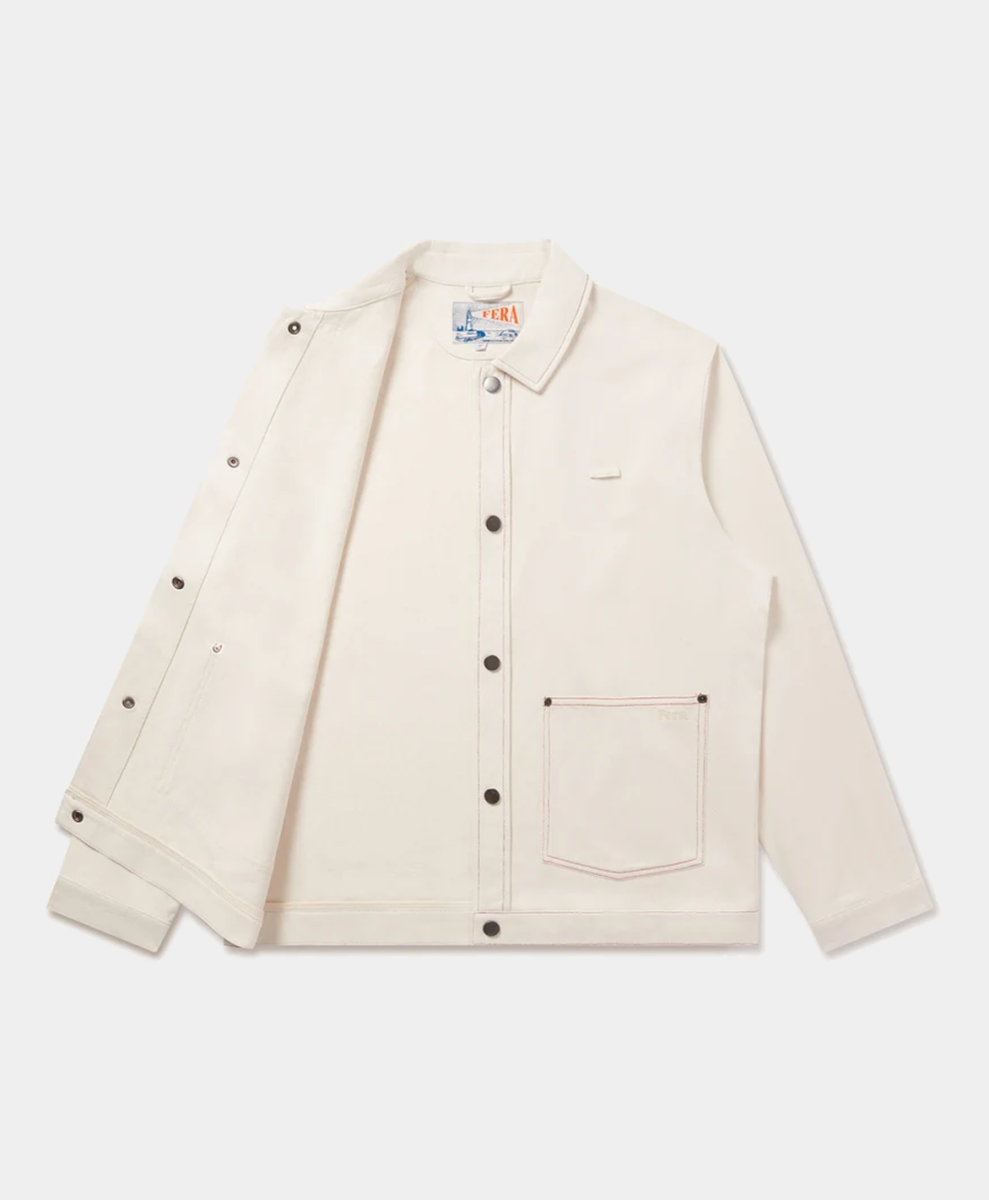
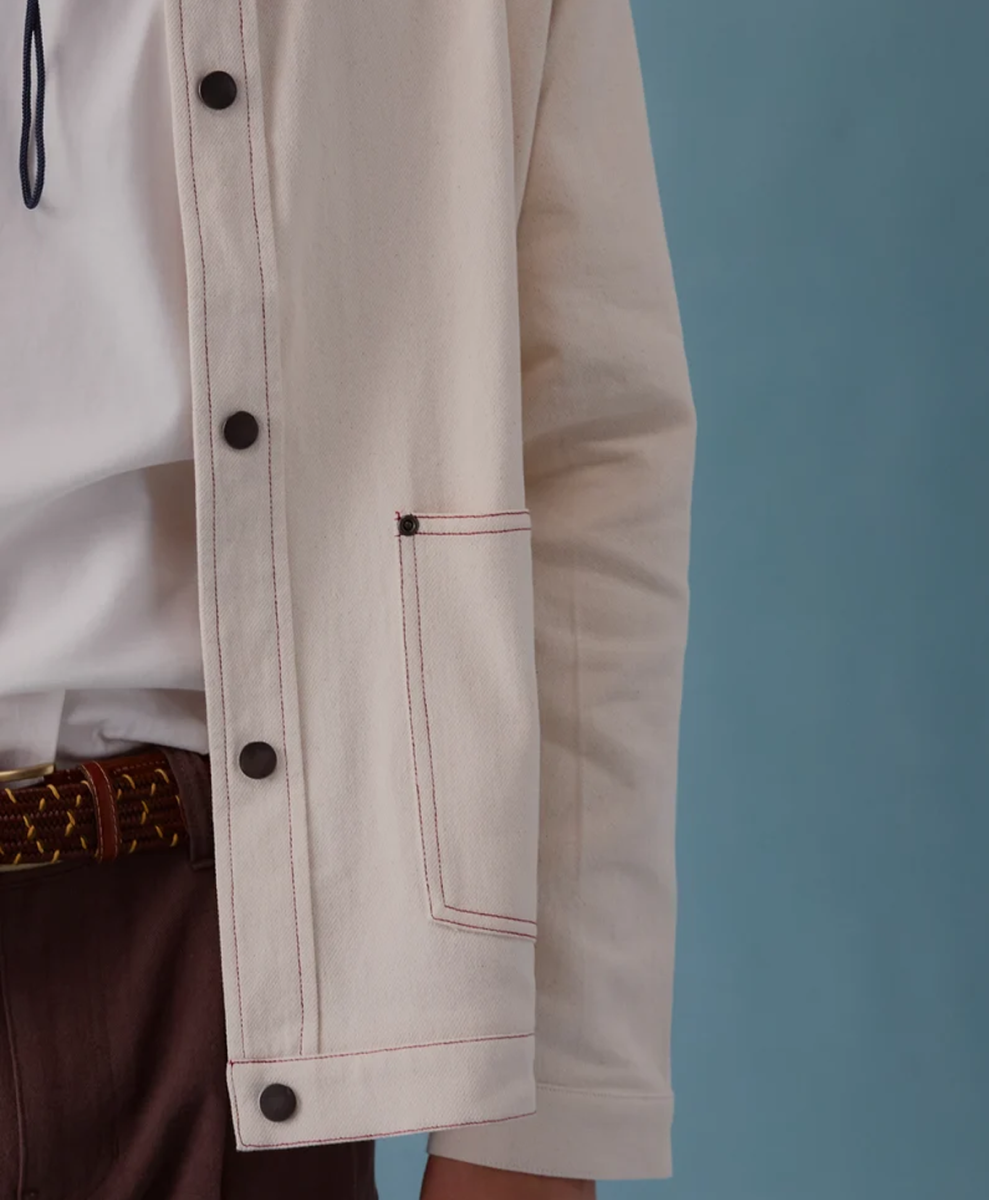
Worker jackets weren't invented with fashion-forward layering in mind, but the qualities that made them useful on the job happen to make them excellent for it.
They're generally unstructured, roomy through the body and straightforward in design. This means there's plenty of space underneath for tees, shirts and knitwear, while the lack of padding or bulky construction allows them to slip beneath larger coats when required.
Cotton twill and canvas versions are particularly useful. Wear one as your outermost layer through early autumn, then demote it to mid-layer duty when temperatures start to fall.
Wax-cotton jacket
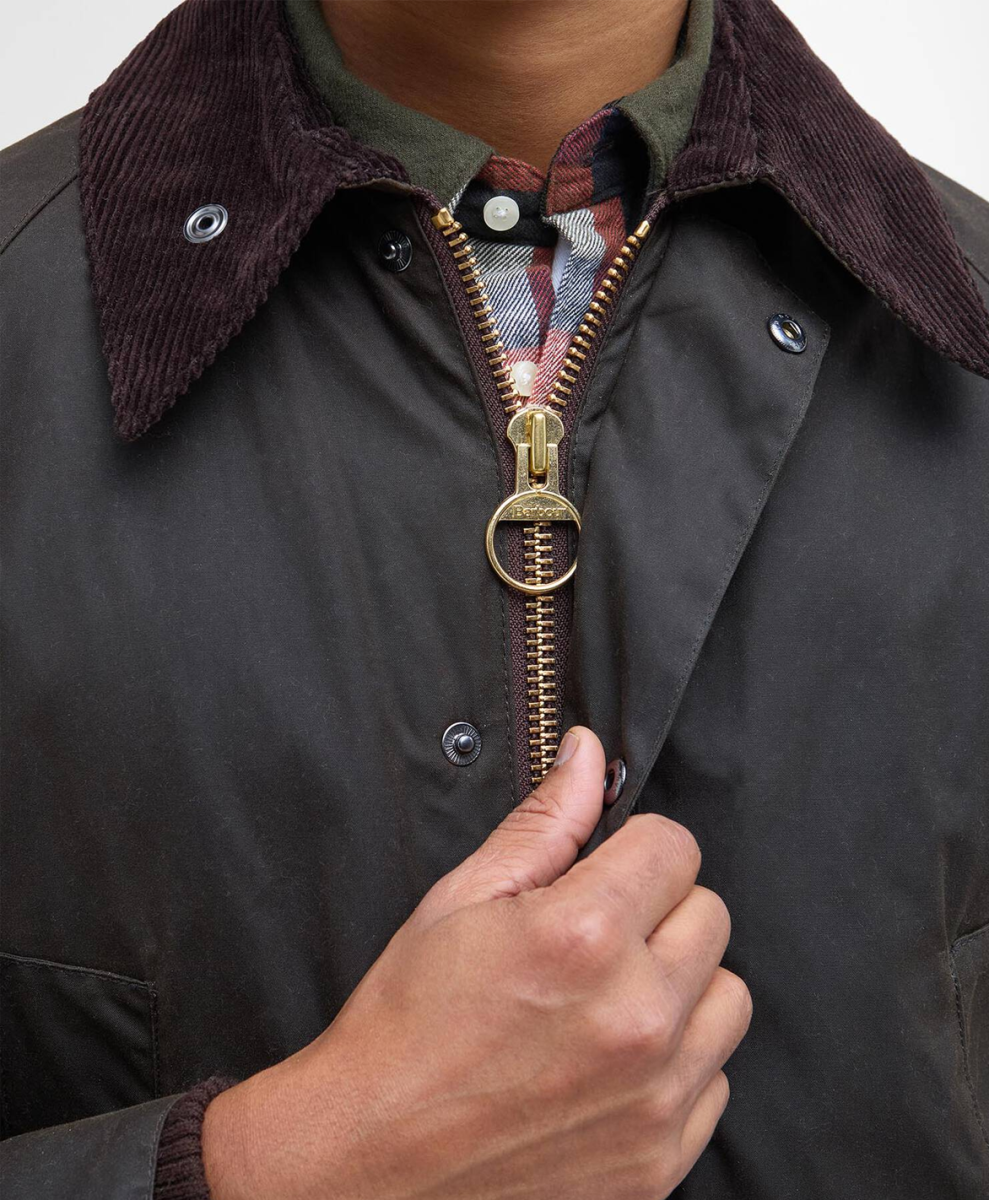
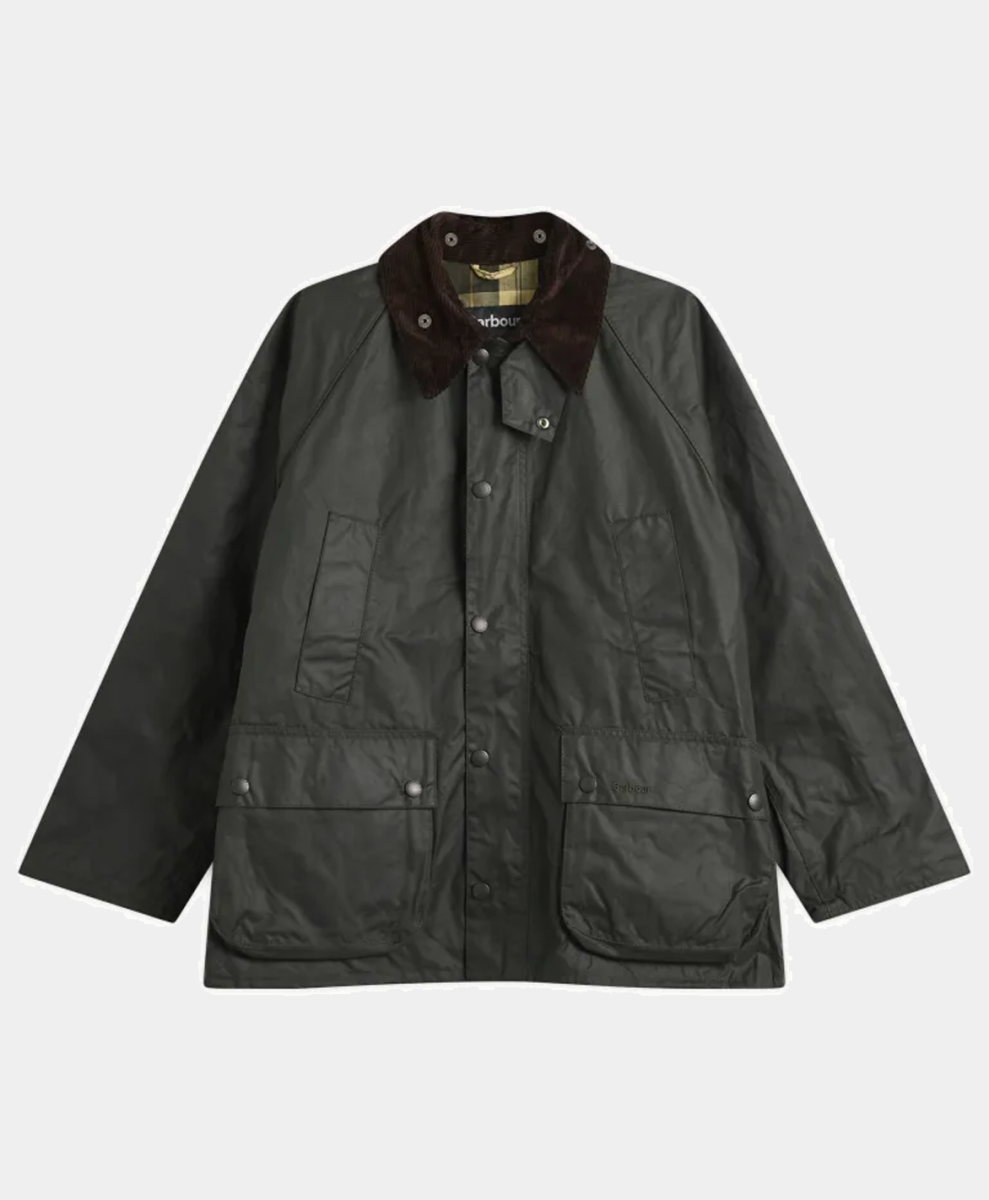
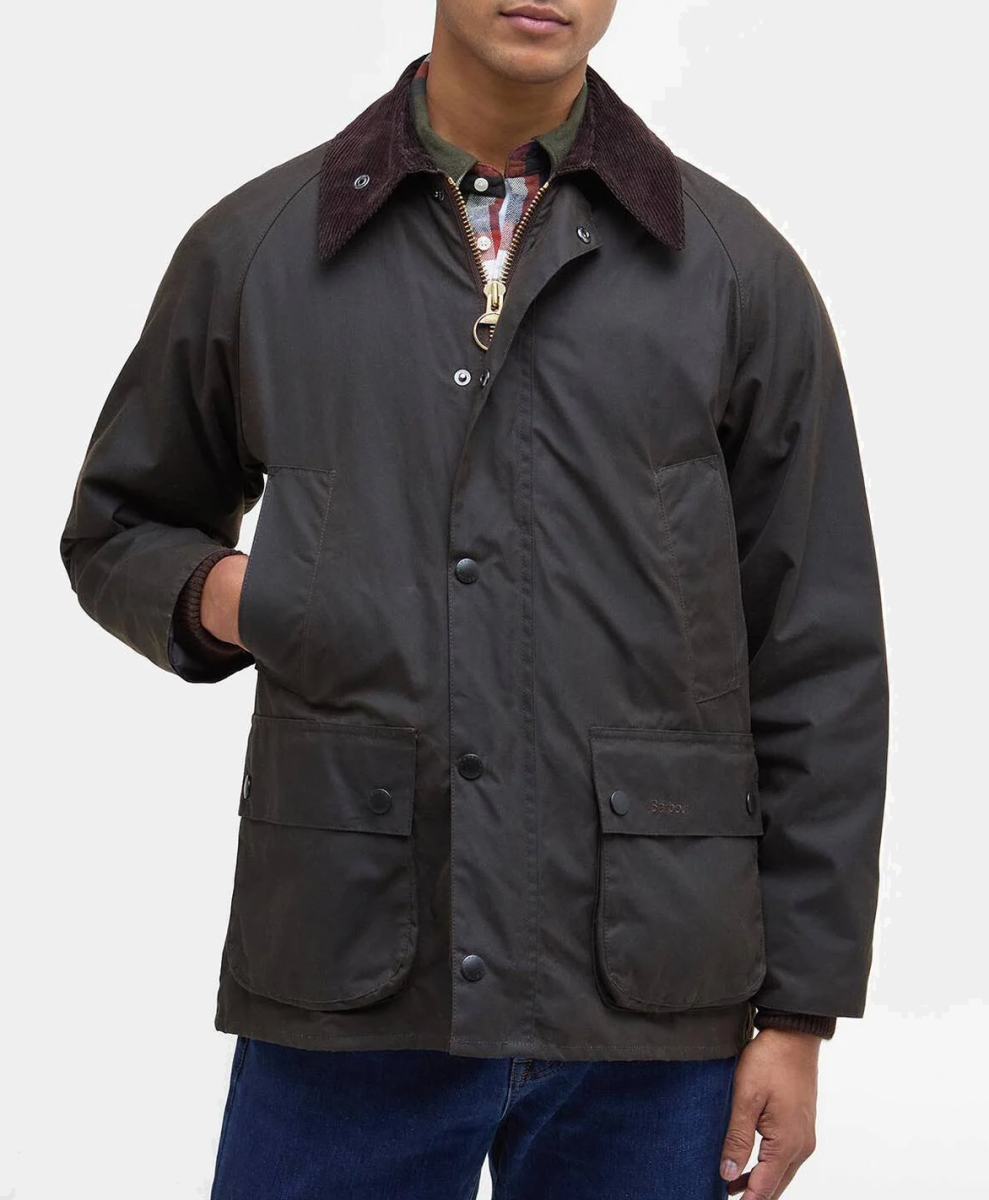
Layers are little use if the first spell of rain soaks straight through them. That's where a wax-cotton jacket earns its keep.
A classic waxed jacket provides a useful barrier against wind and showers without the technical appearance of a waterproof shell. More importantly, many traditional styles are cut generously enough to accommodate plenty underneath.
A fine knit will see you through milder days, while a down liner vest can transform the same jacket into something capable of handling much colder conditions. Add a scarf when necessary and you've got a system that will cover a sizeable chunk of the British winter.
Quarter-zip
Yes, everyone suddenly owns one. There's a reason for that.
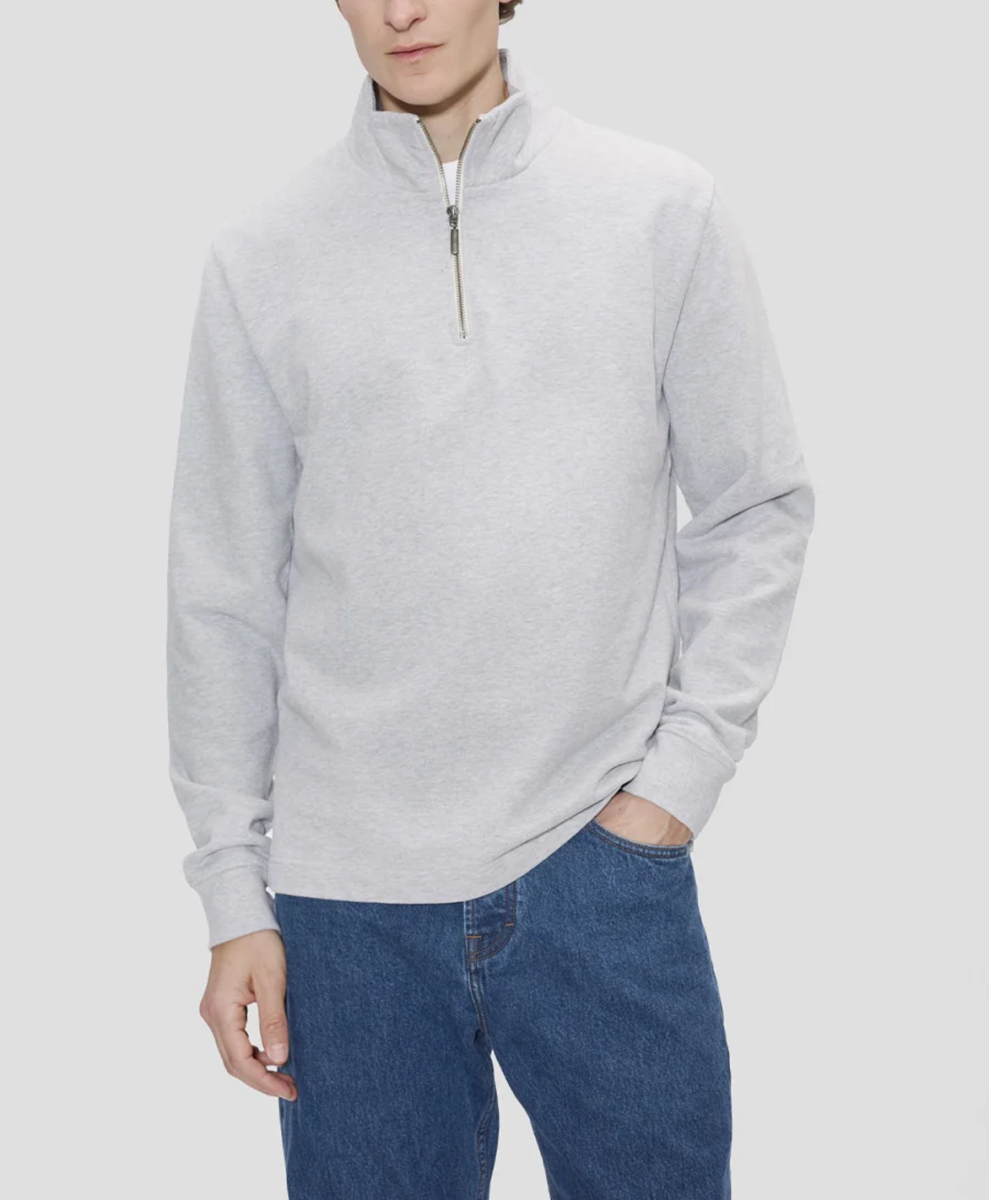
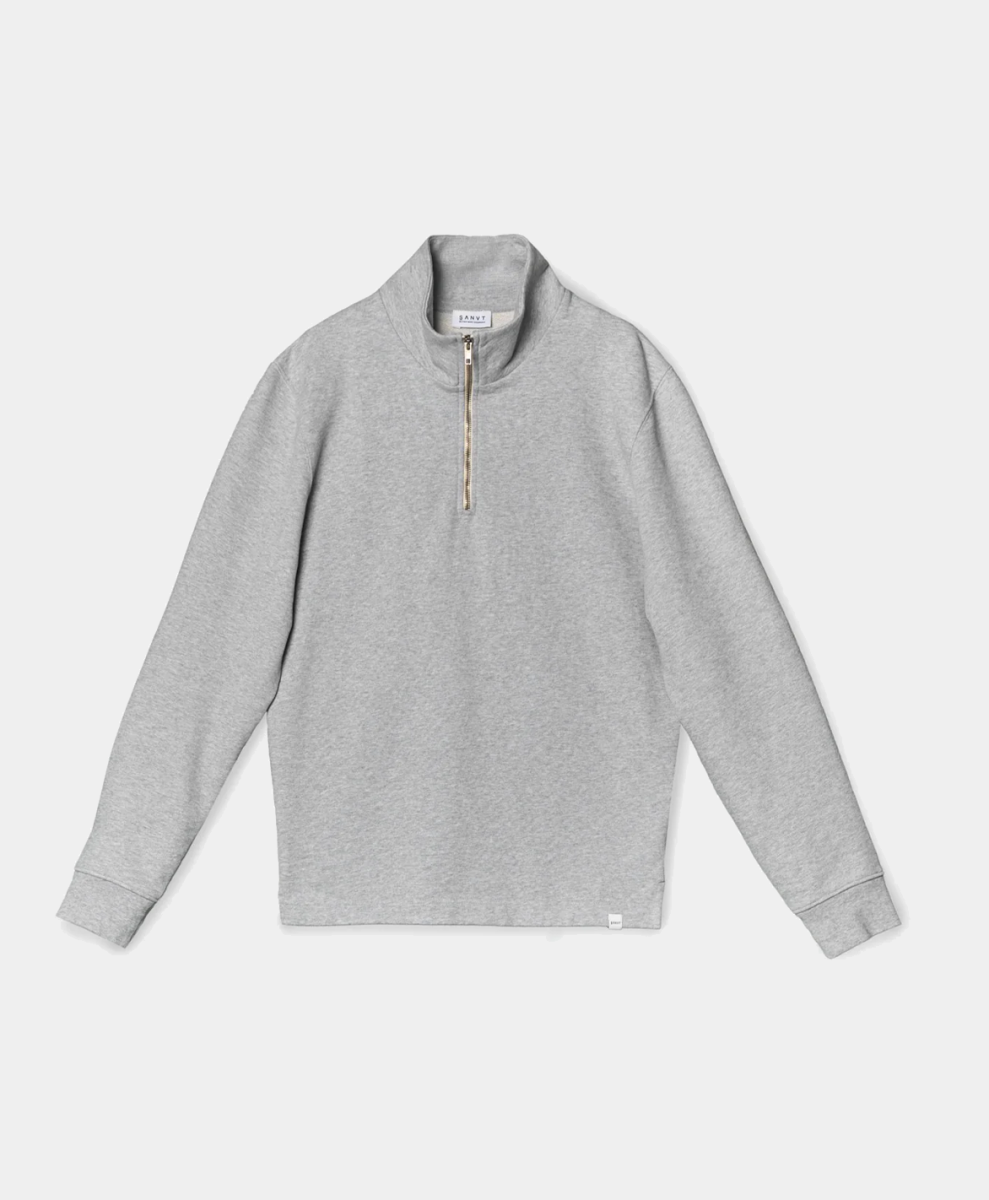
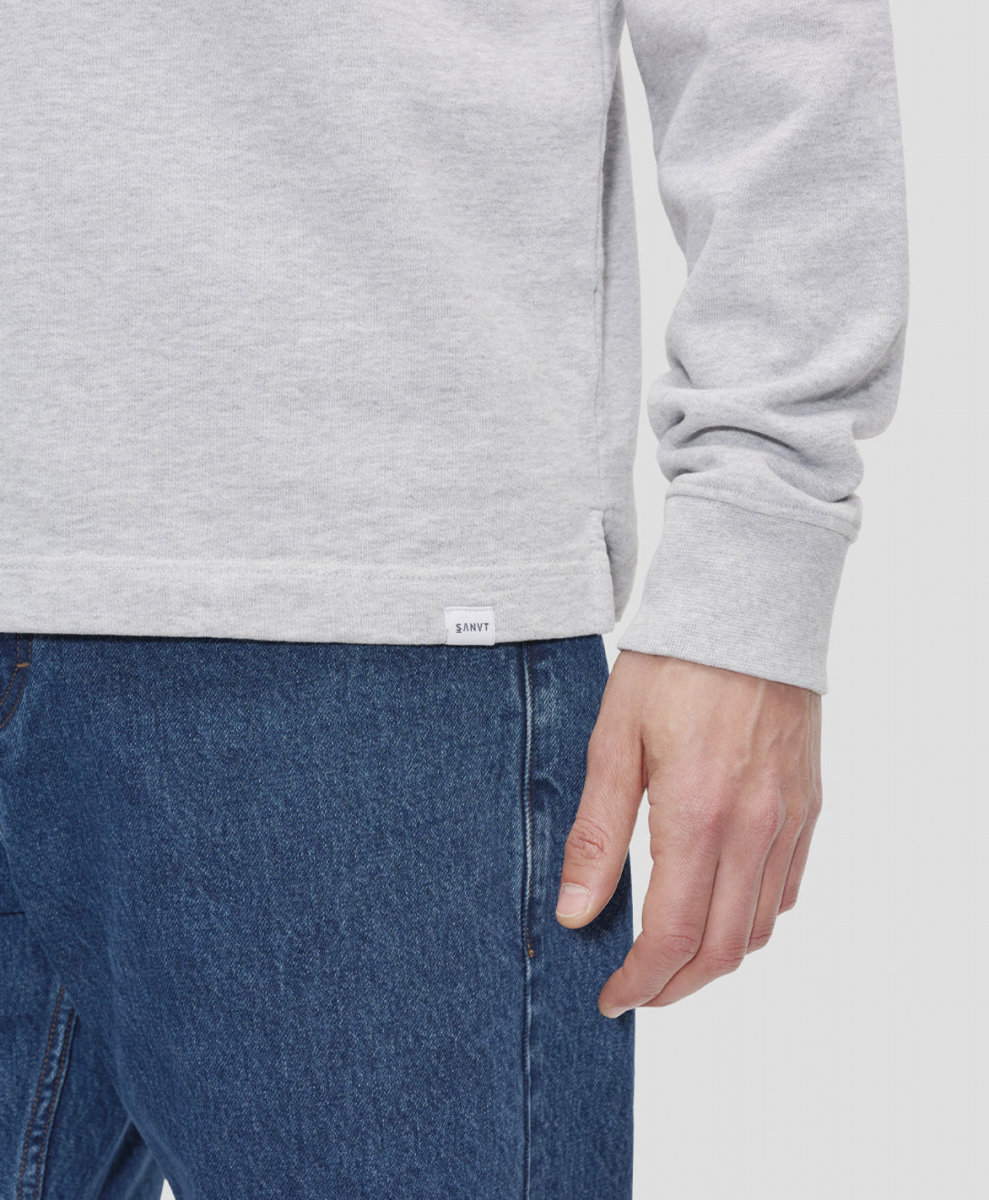
The quarter-zip occupies a useful space between a straightforward crewneck and something more structured. The raised collar adds another element around the neckline when worn beneath a coat, while the zip allows you to alter the shape depending on what's underneath.
Wear it open over a white tee for a casual look, or zip it higher when the temperature drops. Keep the knit relatively lightweight and it'll work beneath almost any jacket without leaving you feeling like the Michelin Man.
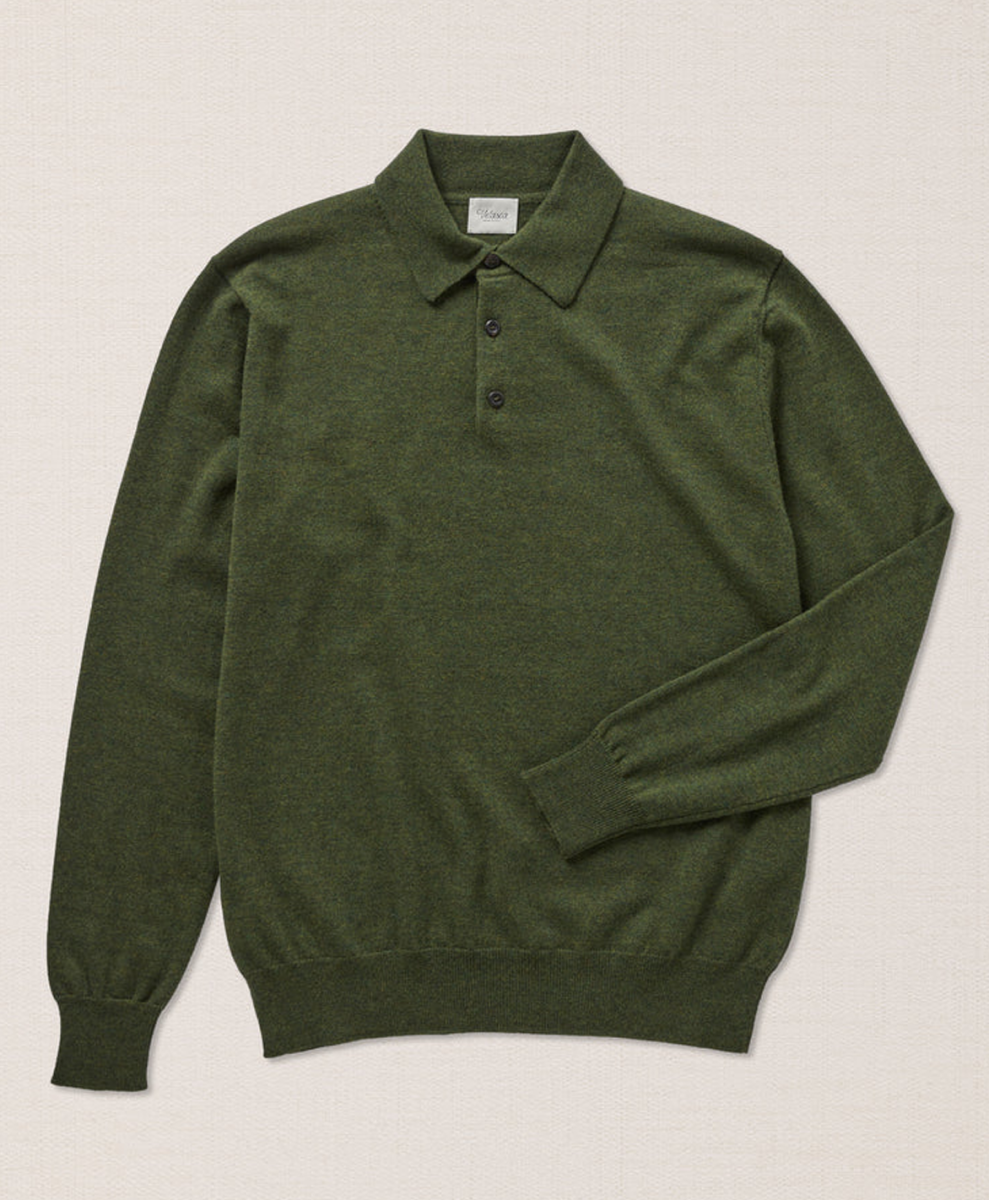
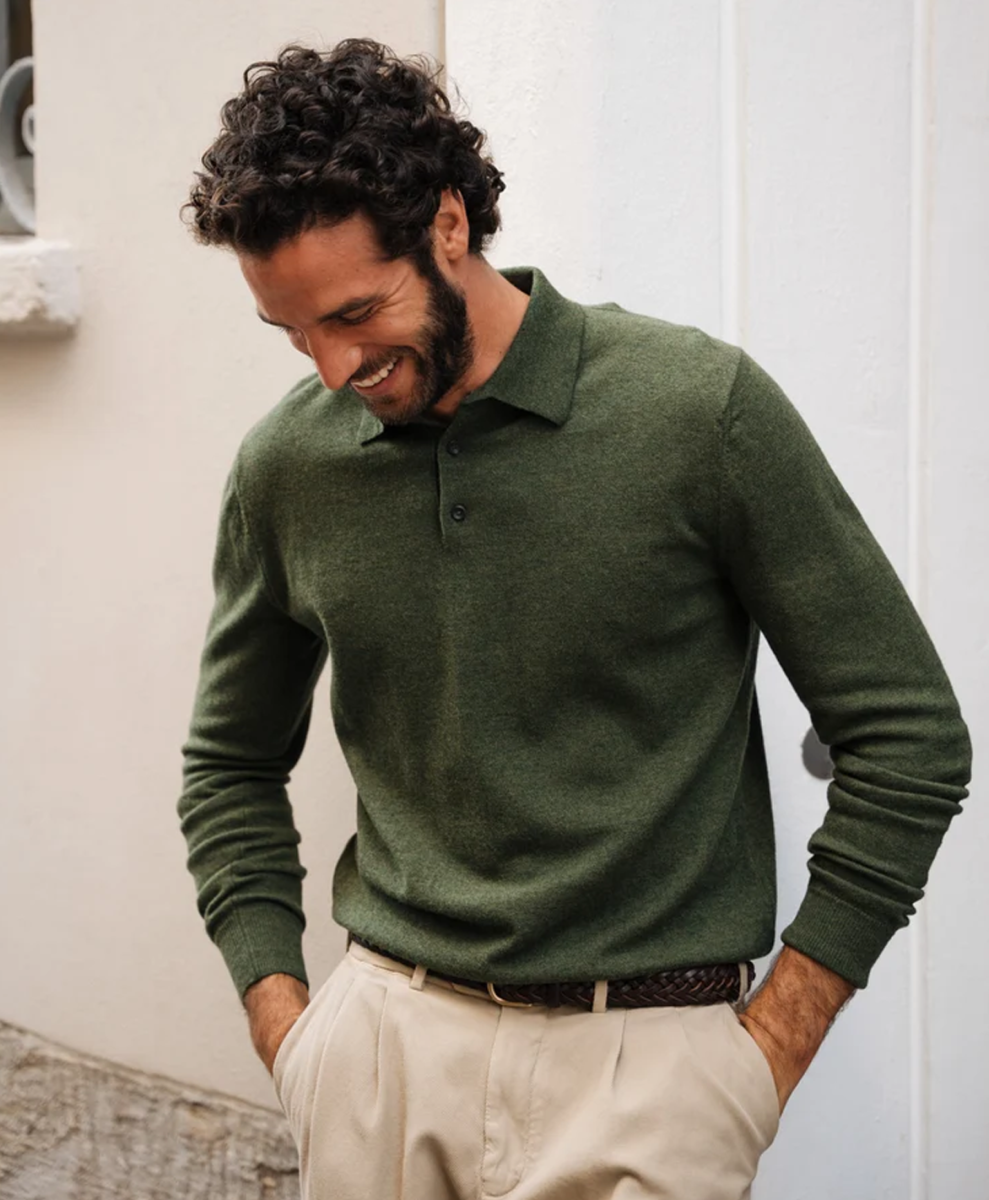
Knitted polo
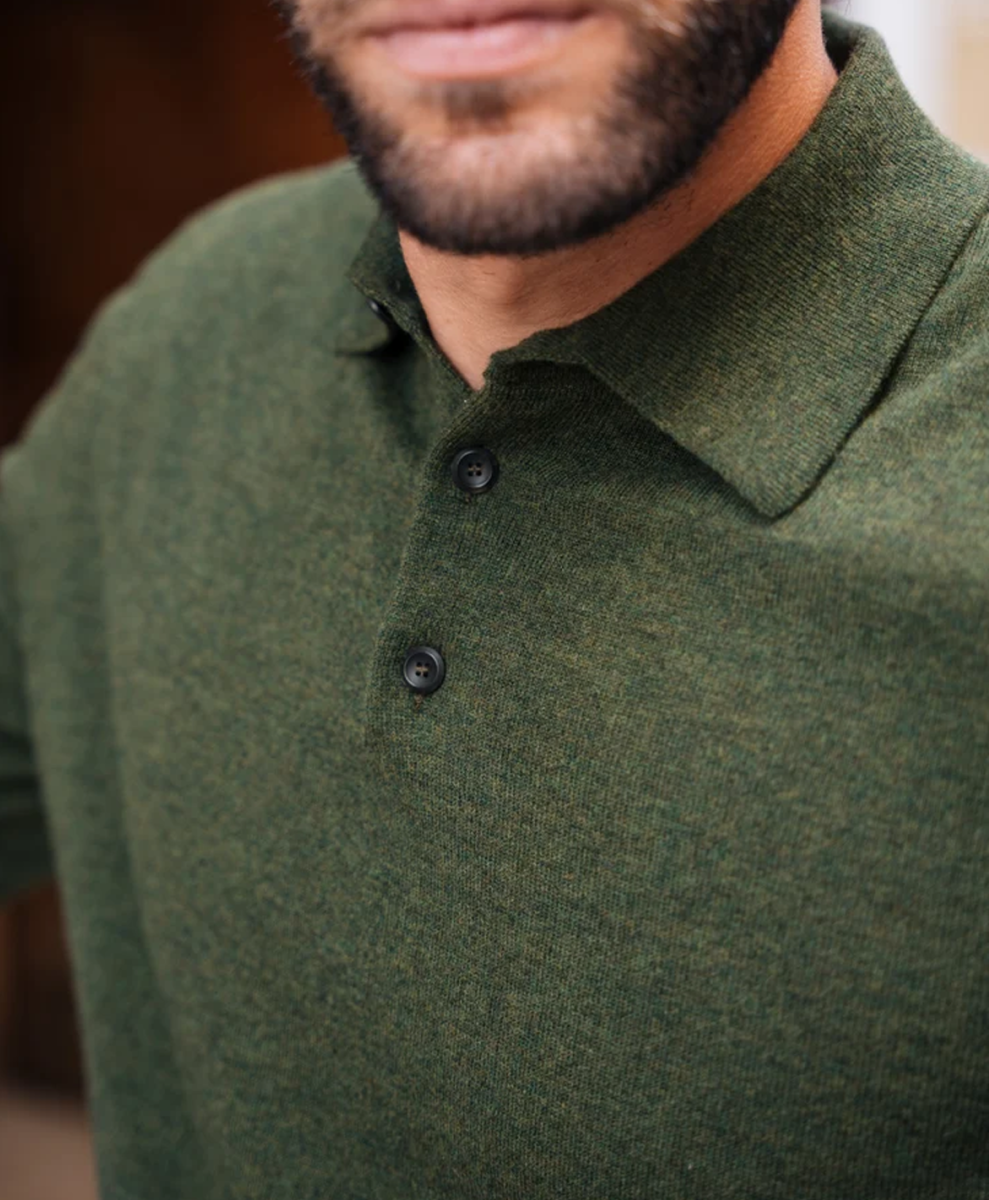
When a crewneck feels a little plain but a shirt feels too formal, reach for a knitted polo.
The collar gives an outfit some structure and creates another visible layer beneath jackets and coats, but the soft knitted construction keeps things relaxed. Fine-gauge versions are particularly useful because they can be treated much like a long-sleeved tee, slipping easily beneath overshirts, cardigans and outerwear.
They also work particularly well with tailoring. Try one beneath an unstructured blazer or wool overcoat when you want to look put together without reaching for a shirt and tie.
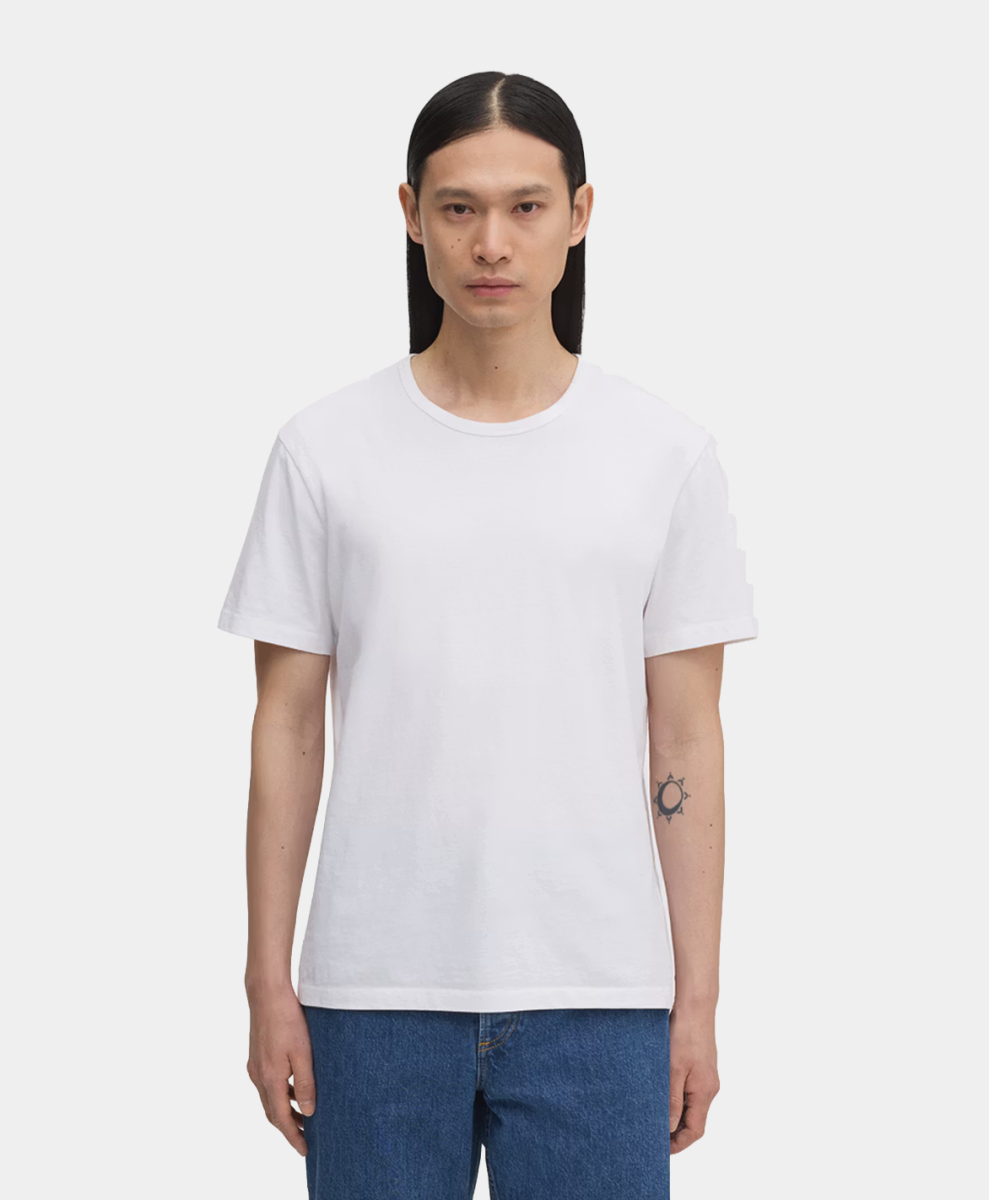
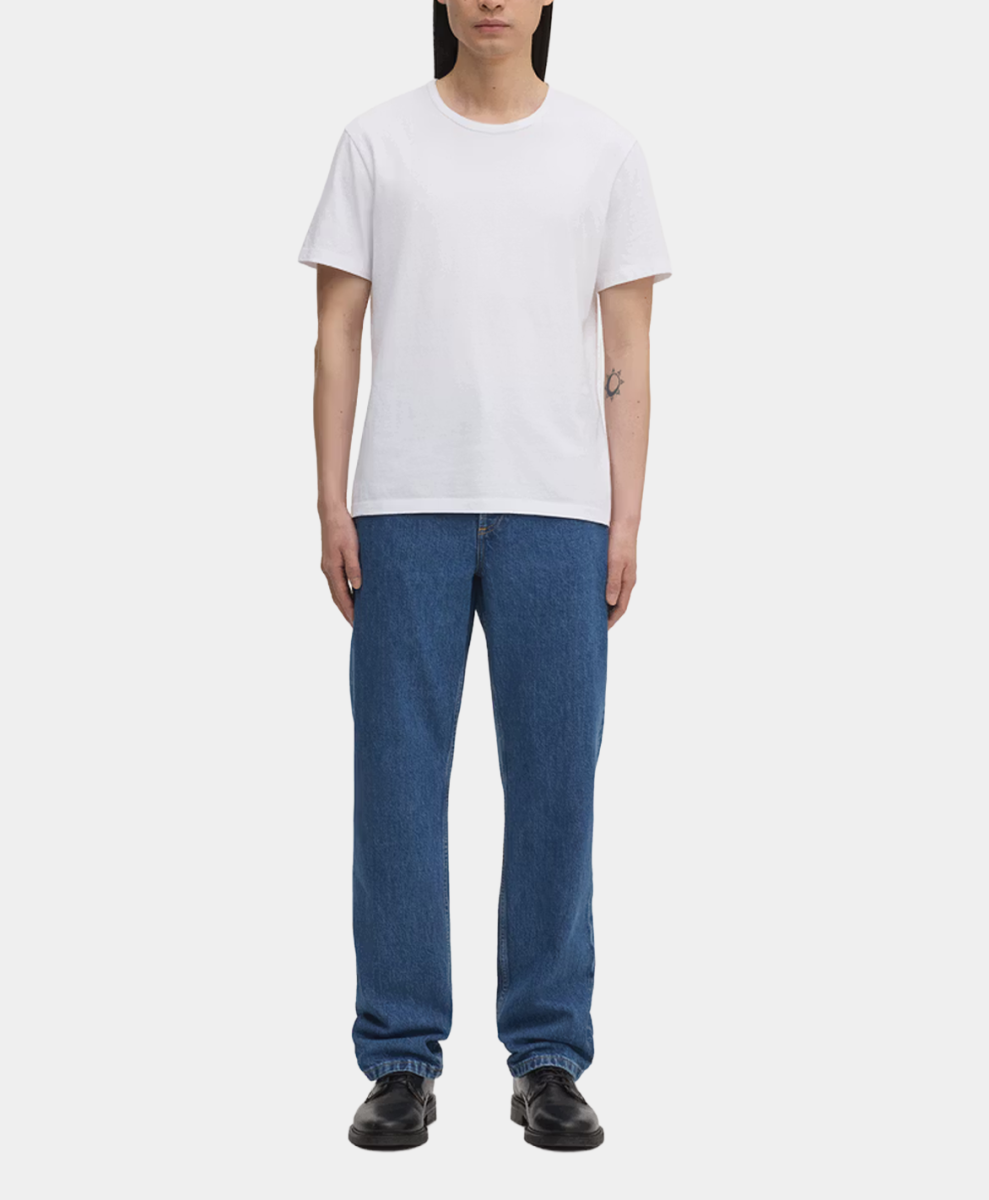
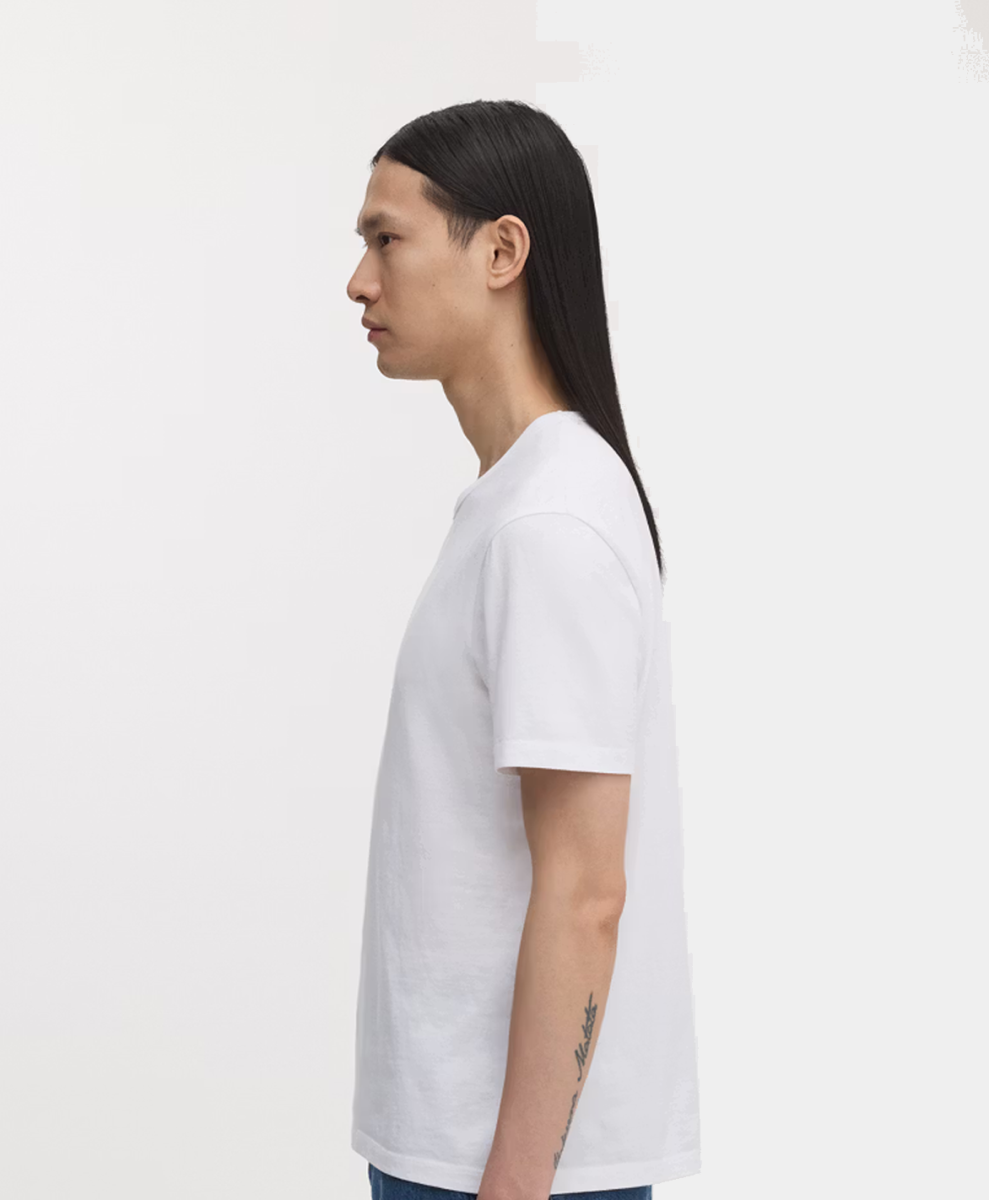
Plain white tee
Not particularly exciting, granted, but arguably the most important piece on this list.
A plain white T-shirt gives almost every layering combination somewhere sensible to start. Wear it beneath an open overshirt, cardigan or quarter-zip, allowing a little white to show at the neckline and hem. That small contrast can help separate darker layers and make the whole outfit feel more deliberate.
Weight matters here. Something substantial enough to hold its shape will work better than a flimsy undershirt, particularly when parts of it are going to remain visible. Find one with a neckline you like, buy several, and consider the foundations covered.