Shoes have a way of multiplying. You buy a pair for work, another for weekends, something vaguely respectable for weddings and then several pairs of trainers that, despite looking suspiciously similar, apparently perform completely different functions. Before long, they're taking over your spare room.
It doesn’t have to be this way. Certain shoes are simply more versatile than others, capable of slotting into multiple outfits, dress codes and seasons without looking like a compromise. These are the pairs worth spending your money on – particularly if you’re trying to build a smaller, harder-working wardrobe.
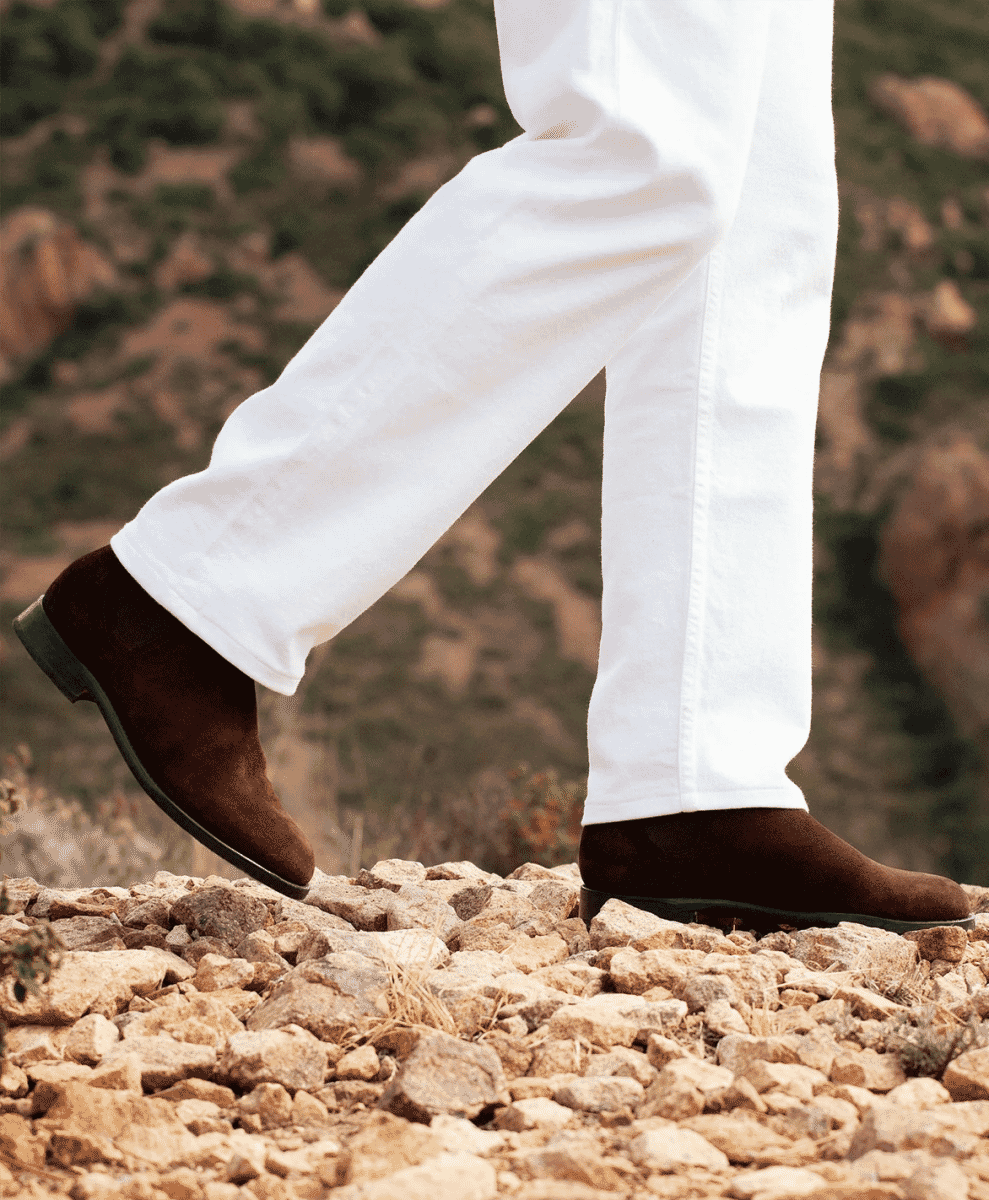
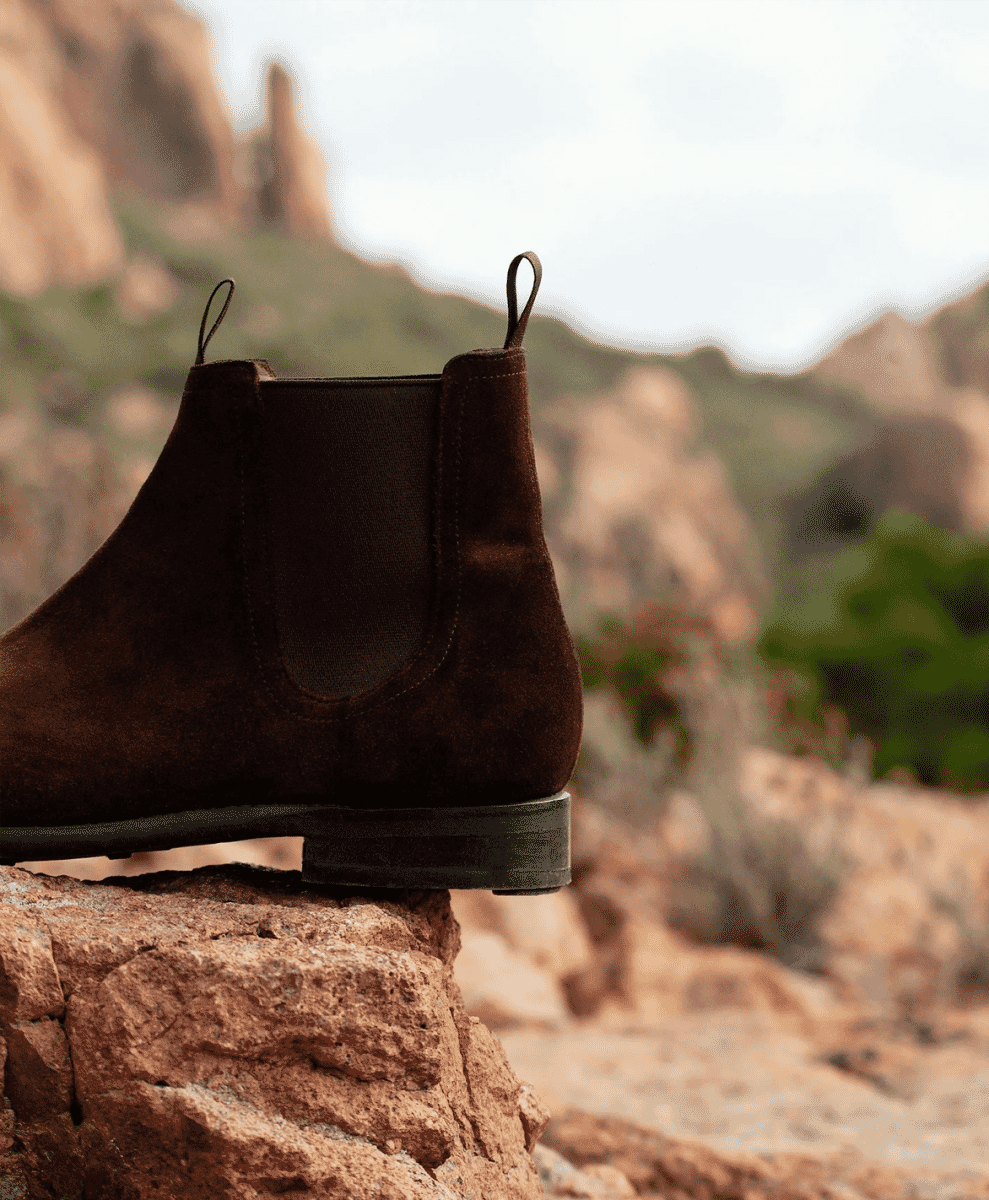
The most versatile shoes for men tend to occupy the fertile ground between smart and casual. They’re simple, relatively understated and largely immune to the whims of fashion. From canvas plimsolls and suede loafers to chunky moc-toe shoes and Chelsea work boots, these are the footwear styles that earn their keep.
What makes a shoe versatile?
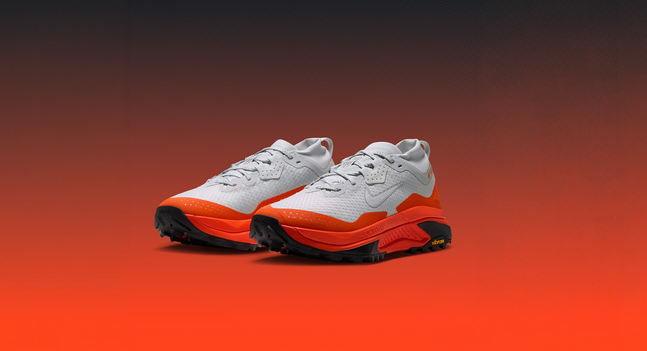
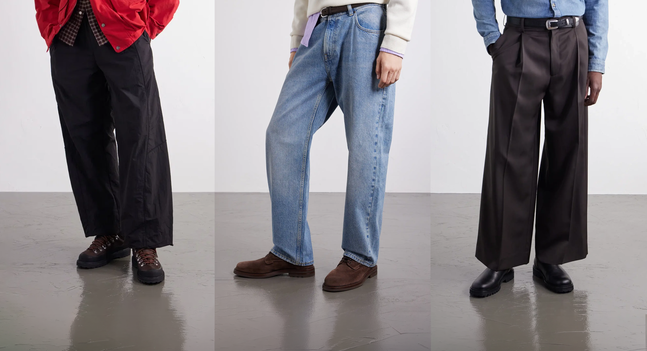
Versatility mostly comes down to avoiding extremes. A razor-sharp Oxford might look fantastic with formal tailoring, but considerably less convincing with faded jeans. Likewise, an enormous technical trail shoe has its place, but that place probably isn’t underneath a pair of pleated wool trousers.
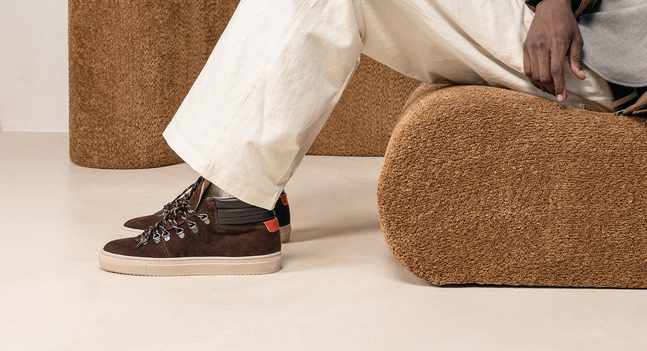
The sweet spot is somewhere in between. Look for balanced shapes that aren’t excessively slim or bulky, minimal branding and relatively simple detailing. Colour matters too. Black, white, brown, navy and earthy neutrals are easiest to combine with the rest of a wardrobe.
Materials should be similarly adaptable. Smooth leather is an obvious choice, but suede is arguably even better at bridging smart and casual. Canvas works across much of the warmer half of the year, while substantial leather and rubber soles make sense when the weather turns.
Ultimately, the most versatile shoes are the ones that don’t dictate what you wear with them.
The key styles to know
Canvas plimsoll
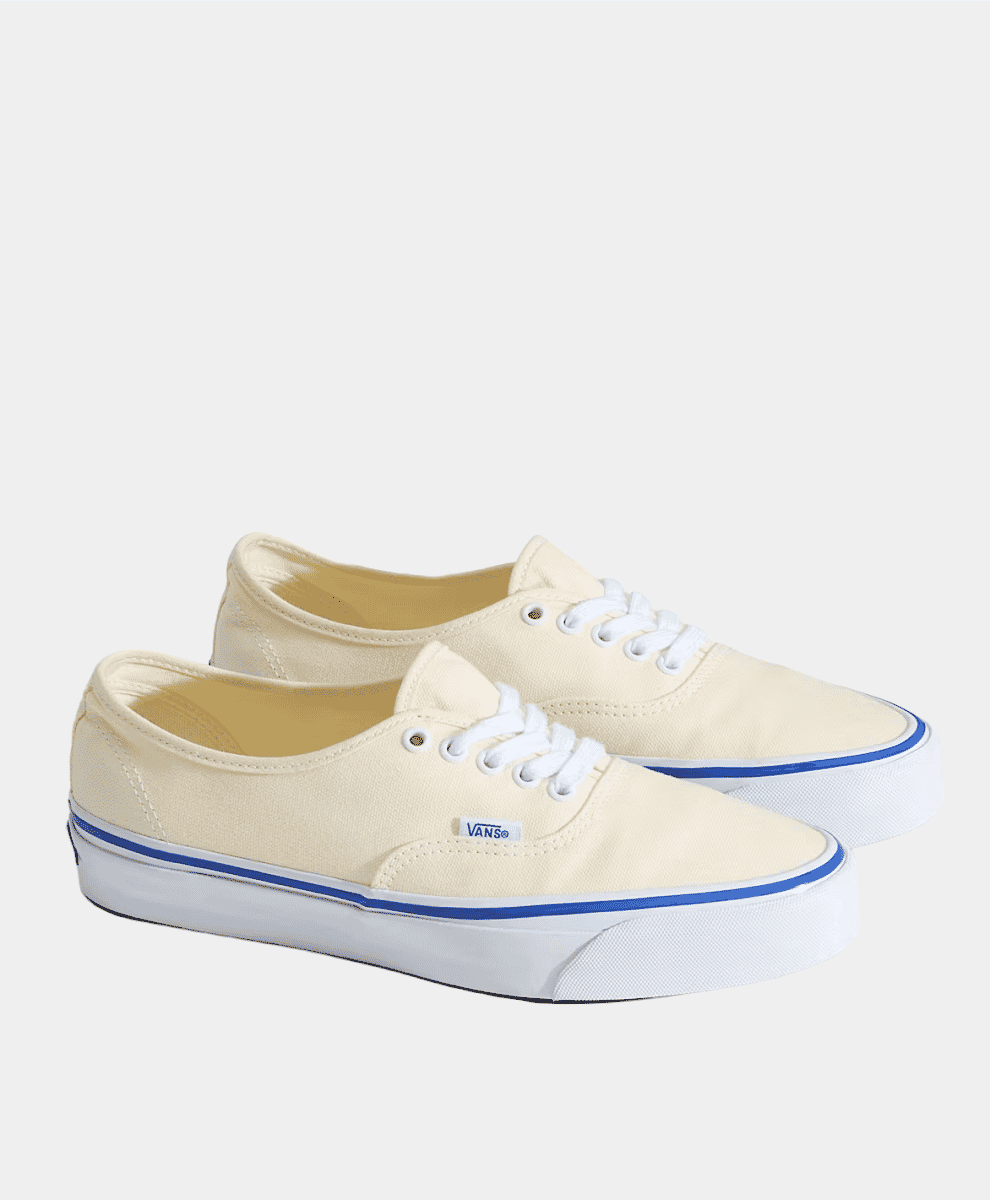
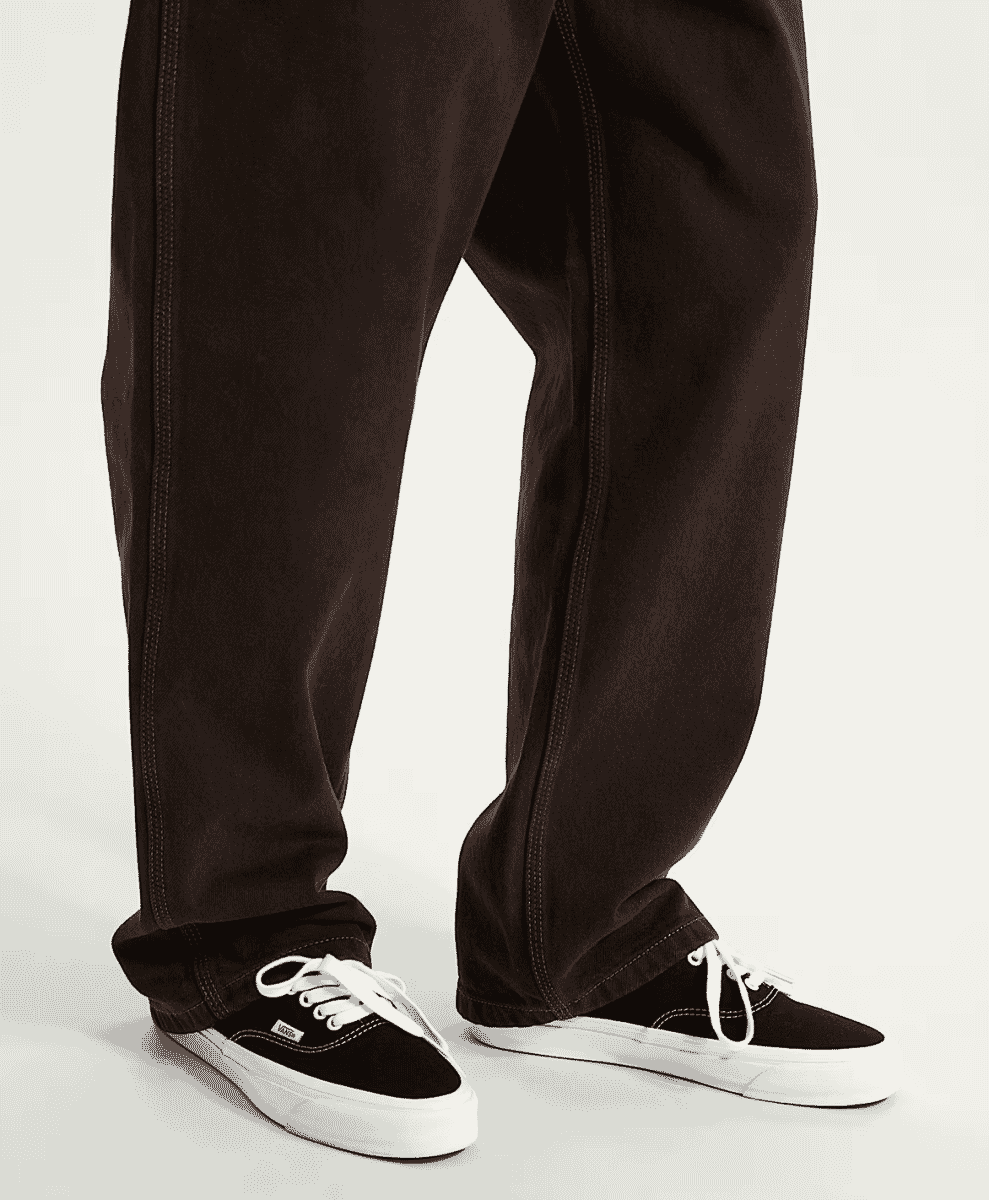
There’s a reason shoes like the Vans Authentic and Converse Chuck Taylor have barely changed in decades. A simple canvas upper, rubber sole and minimal detailing leave very little to clash with the rest of an outfit.
They’re natural partners for jeans, shorts and chinos, but their simplicity means they can work with slightly smarter pieces too. Try a pair of black or off-white canvas plimsolls with relaxed pleated trousers and an Oxford shirt, for example. They’re inexpensive, easy to replace and tend to look better once they’ve been knocked around a little. Just don’t expect them to see you comfortably through a British winter.
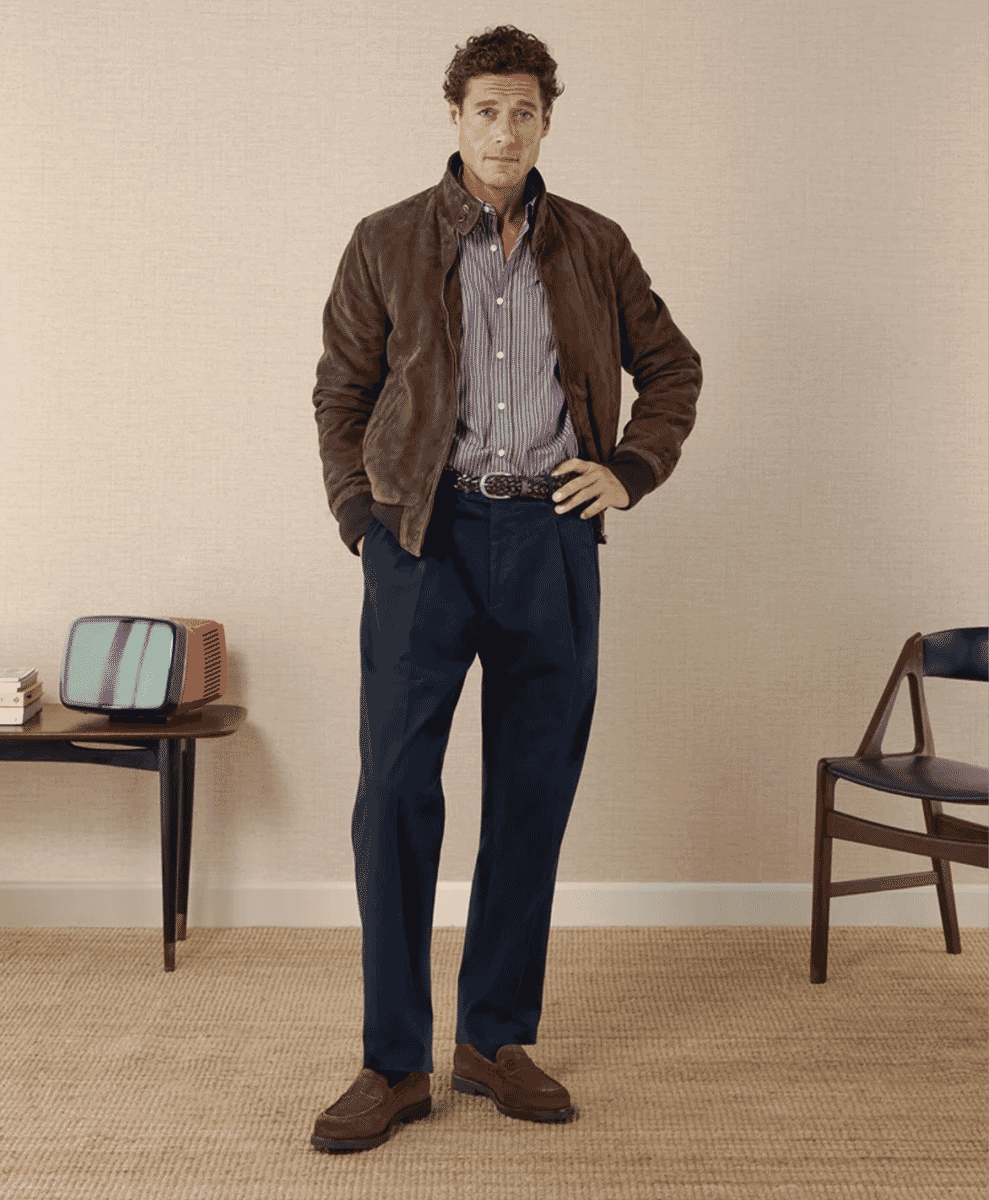
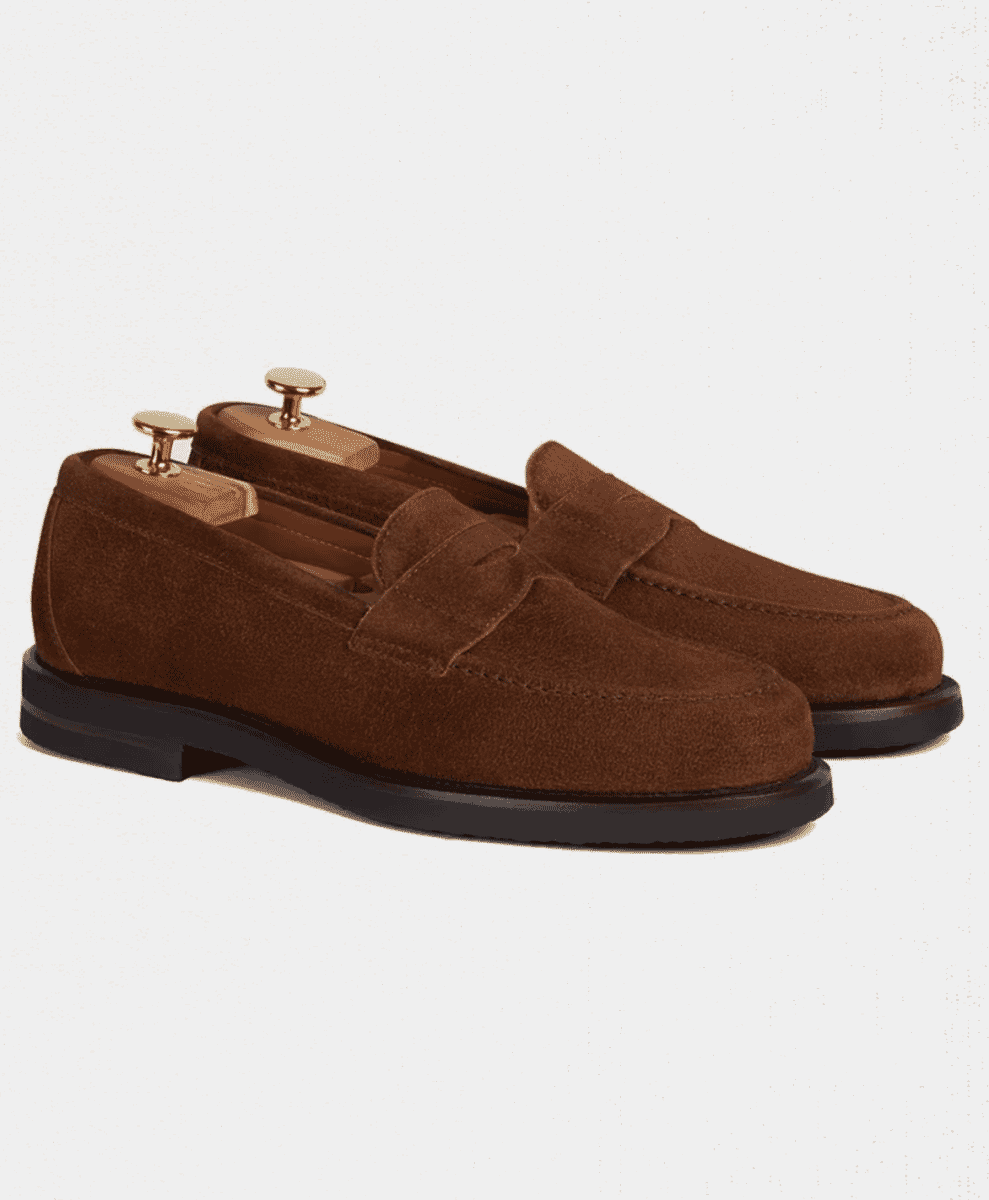
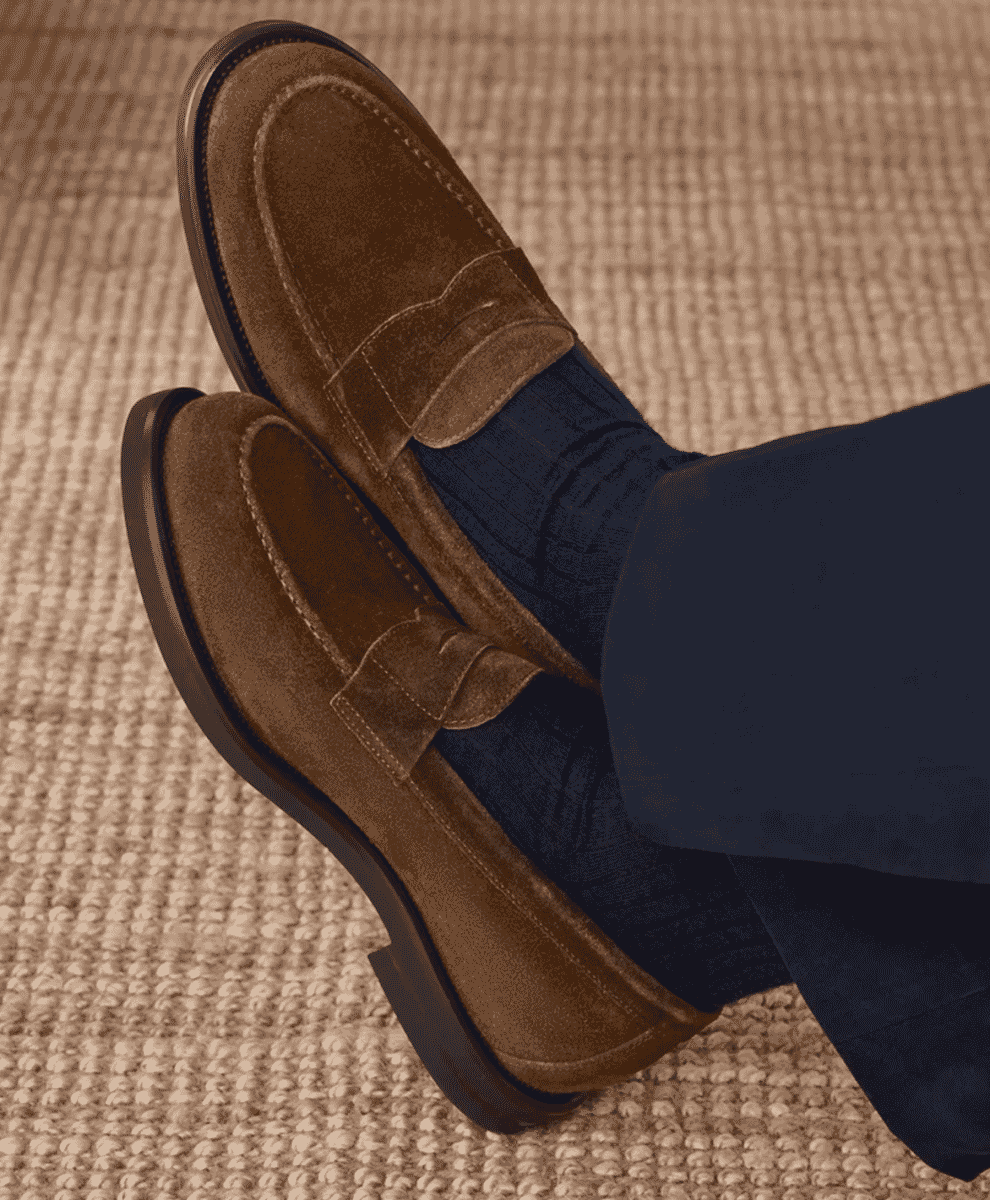
Suede loafer
The loafer is already one of menswear’s great all-rounders, but switching polished leather for suede makes it even easier to wear casually. The softer texture takes some of the formality out of the shoe, allowing it to sit comfortably alongside jeans and chinos while remaining smart enough for tailoring.
Brown is the obvious choice, with chocolate and tobacco shades particularly useful. Wear yours with socks and trousers through autumn, then lose the socks and pair them with linen or shorts when summer arrives. Few shoes move between seasons and dress codes quite so effortlessly.
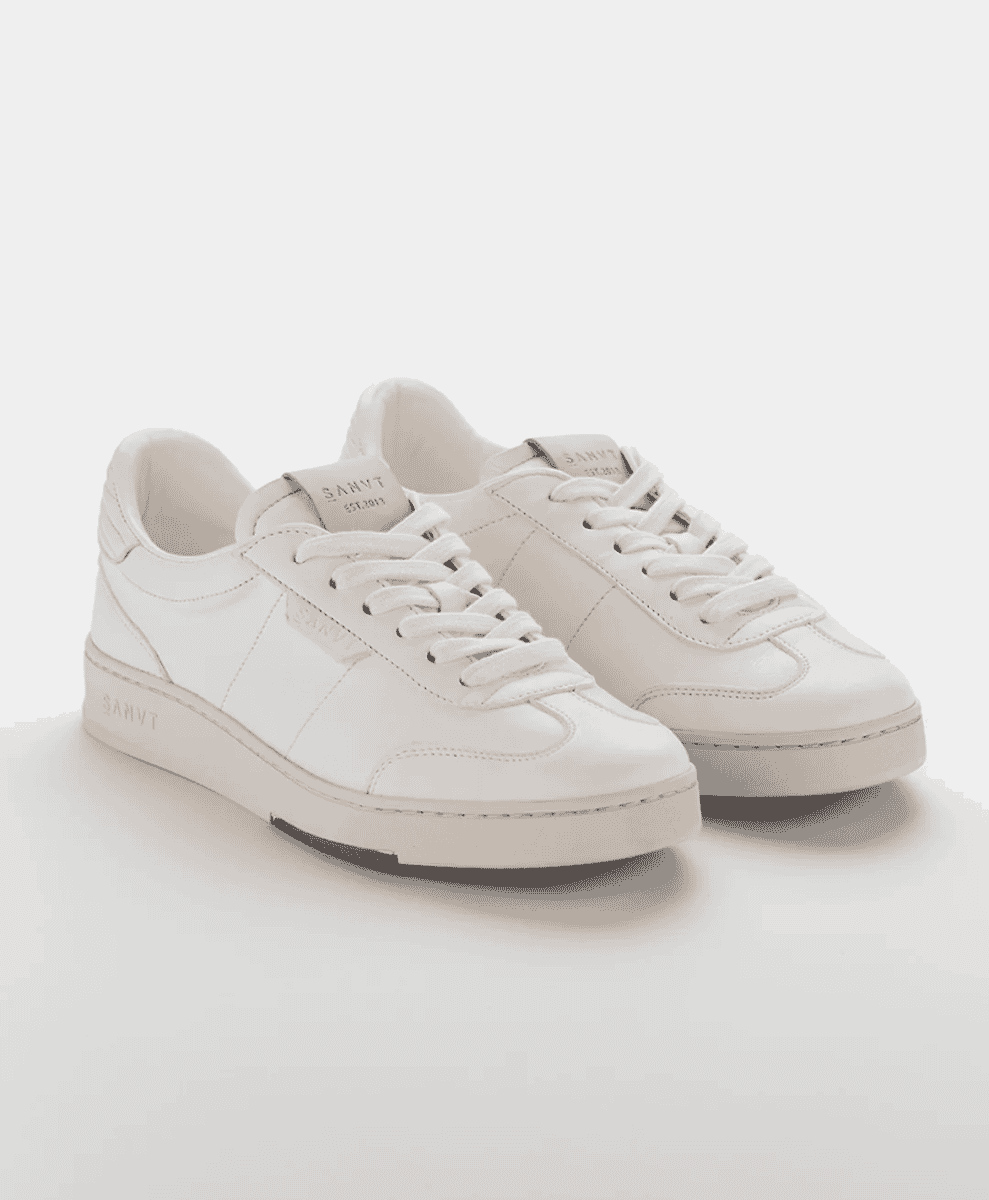
Minimalist leather sneaker
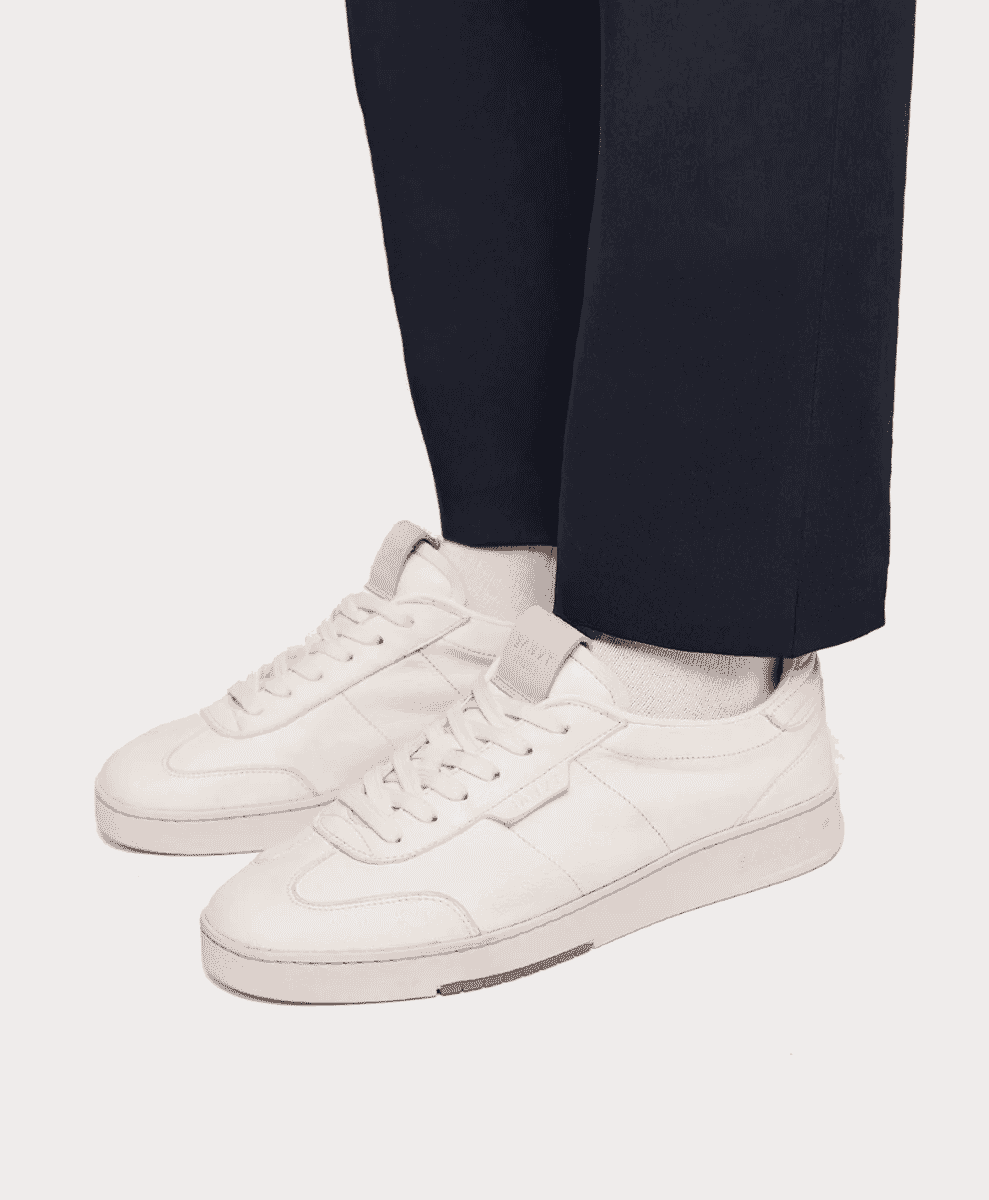
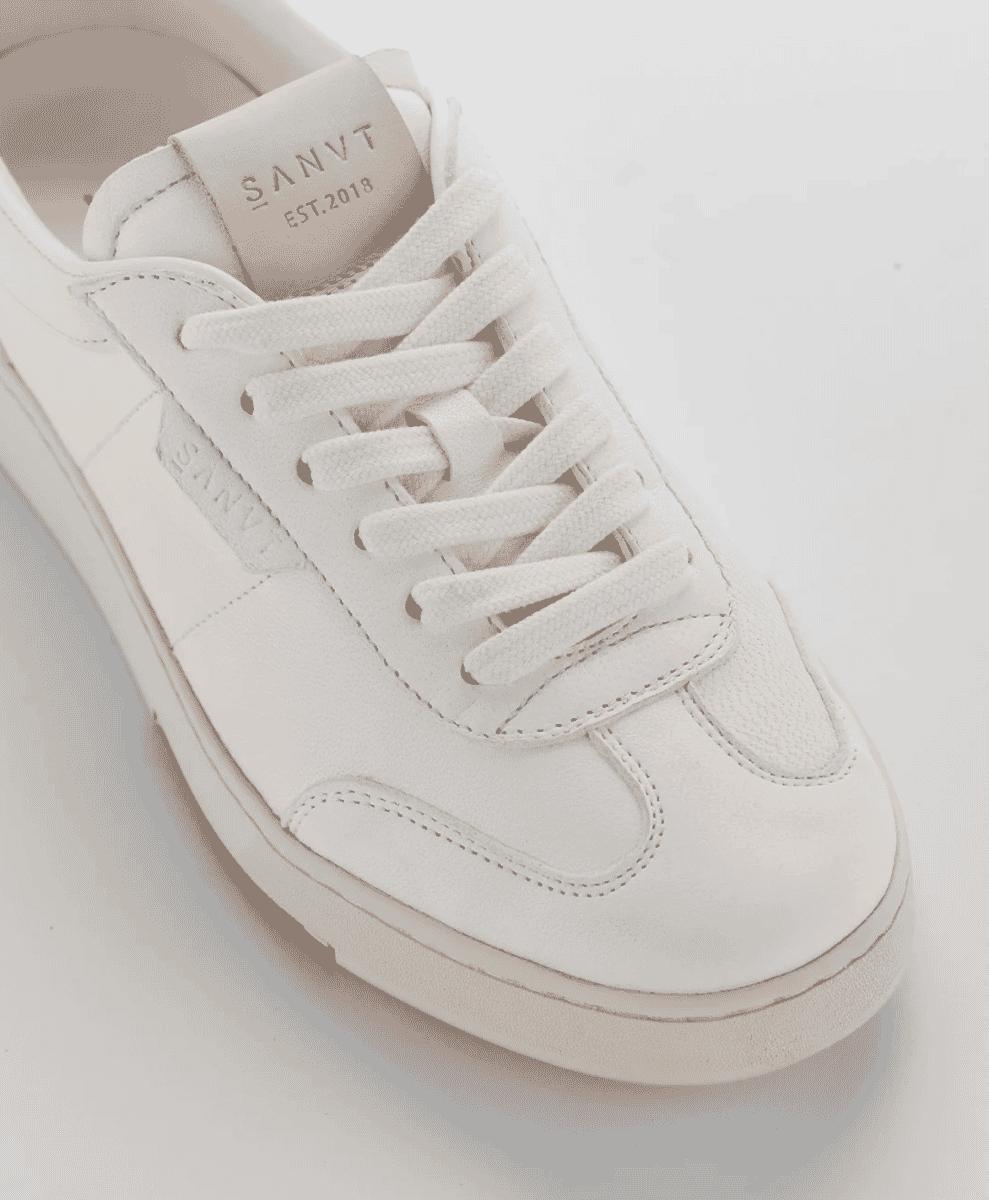
Strip a trainer back to its basic components and you’re left with something remarkably adaptable. The Common Projects Achilles Low established the modern luxury template, but classics such as the Adidas Stan Smith and Samba perform a similar role at considerably less expense.
The important thing is restraint. Stick to relatively slim silhouettes, limited branding and neutral colours and they’ll work with almost anything casual or smart-casual. Jeans are obvious, but chinos, cords and relaxed tailoring are all fair game too. White leather remains the classic choice, although black, cream and dark brown can be even easier to keep looking respectable.
Moc-toe Derby
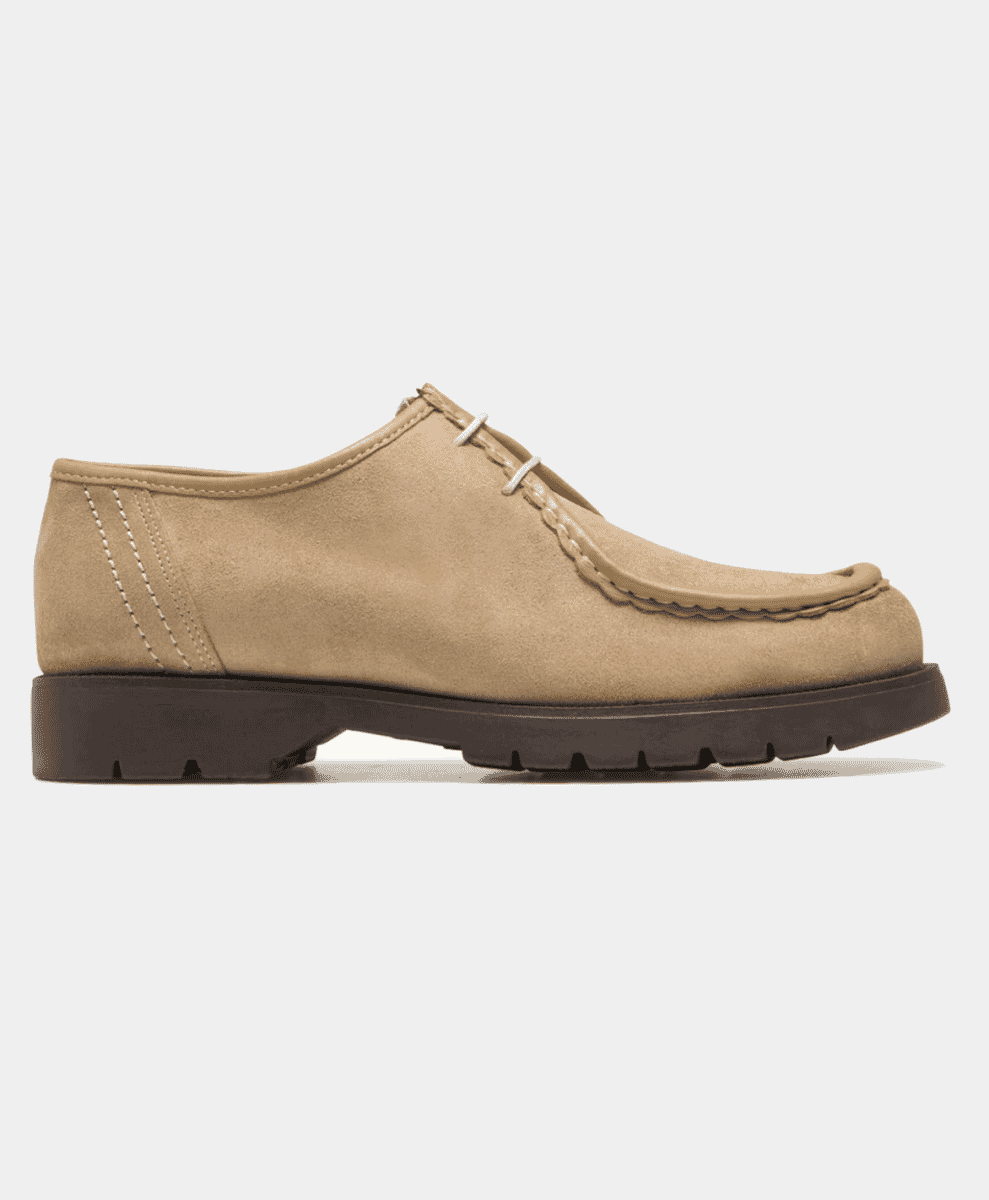
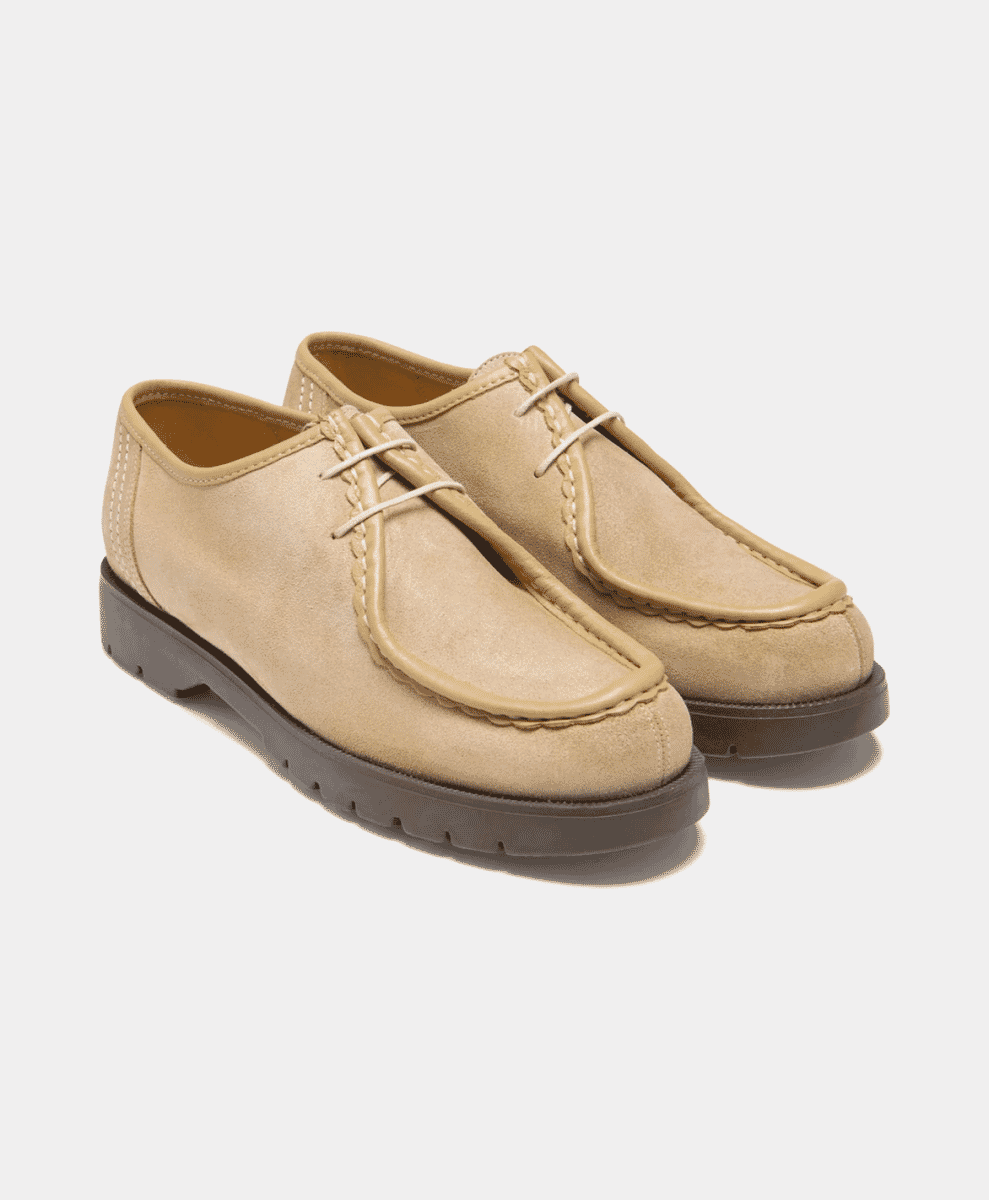
If a traditional Derby feels slightly too smart, add a substantial rubber sole and a moccasin-style upper. Shoes such as the Paraboot Michael and Kleman Padror occupy a useful middle ground between proper shoes and boots, with enough bulk to anchor jeans and workwear without becoming cumbersome.
The Wallabee sits somewhere nearby too, albeit with a softer, more casual construction. What these shoes share is a broad, rounded shape and practical feel that works particularly well with contemporary relaxed trousers. Wear them with denim, cords, fatigues or chinos, and they’ll happily take you through most of the year.
Lugged deck shoe
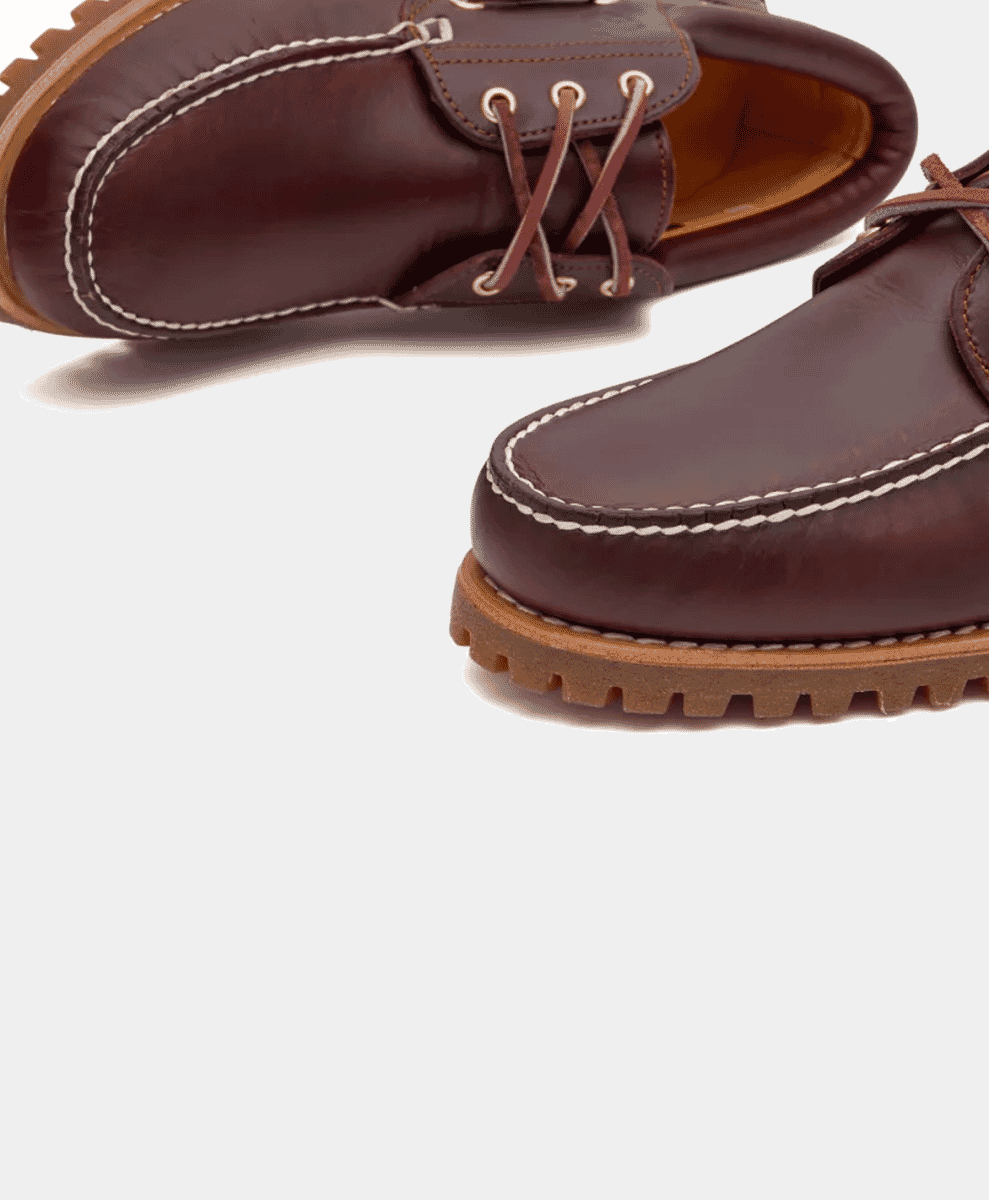
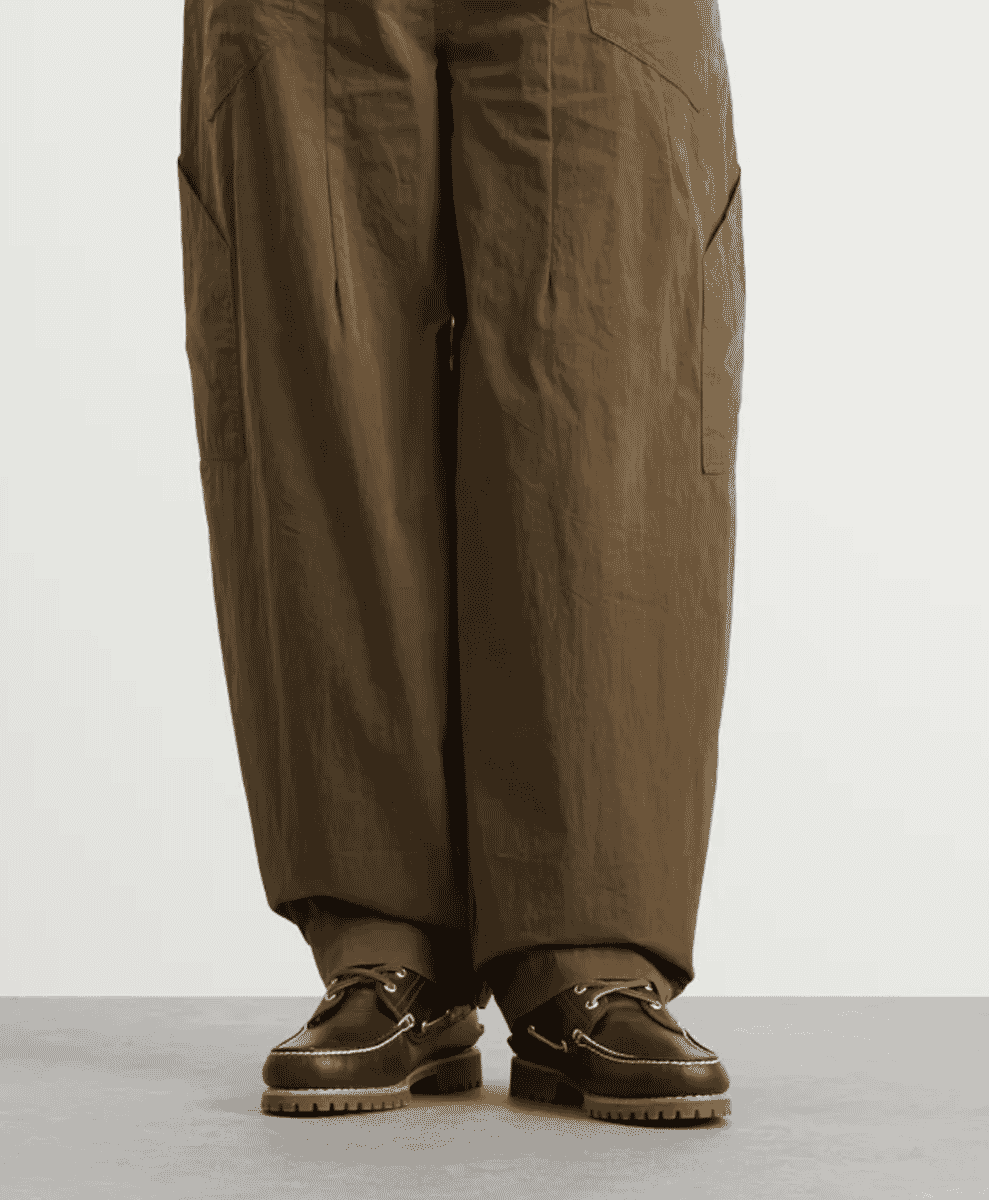
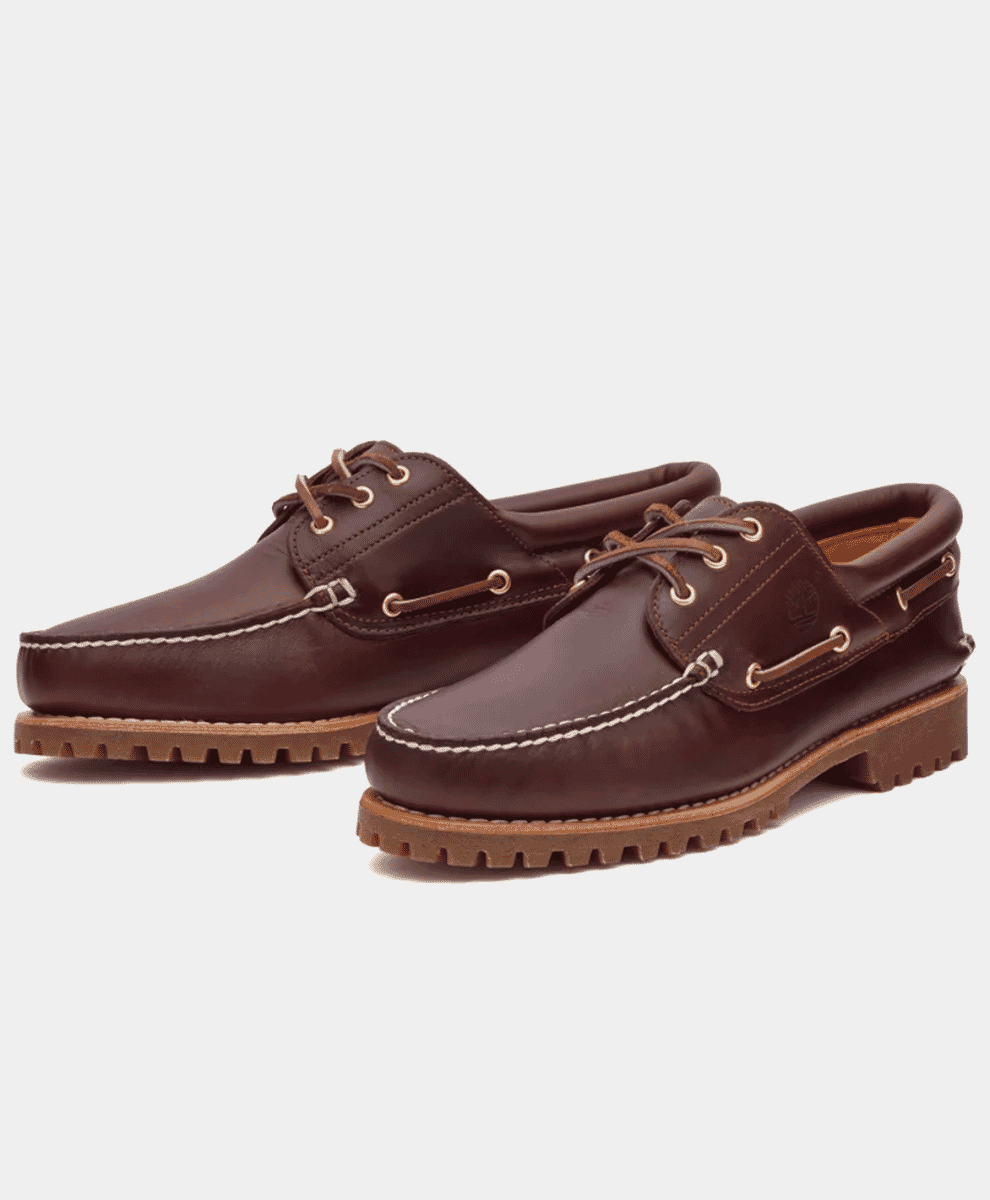
The traditional boat shoe is built for summer, but give it a chunky, grippy outsole and suddenly it becomes a much more useful proposition. Timberland’s lugged styles are a good example, retaining the familiar moccasin construction and lacing while adding some welcome substance underneath.
That extra visual weight means they work particularly well with denim, fatigues, cords and heavier chinos, while the nautical DNA keeps them relaxed enough for shorts when the weather improves. Brown leather is the obvious option. It’ll take a beating, develop character with age and save you worrying about every scuff and scrape.
Chelsea work boots
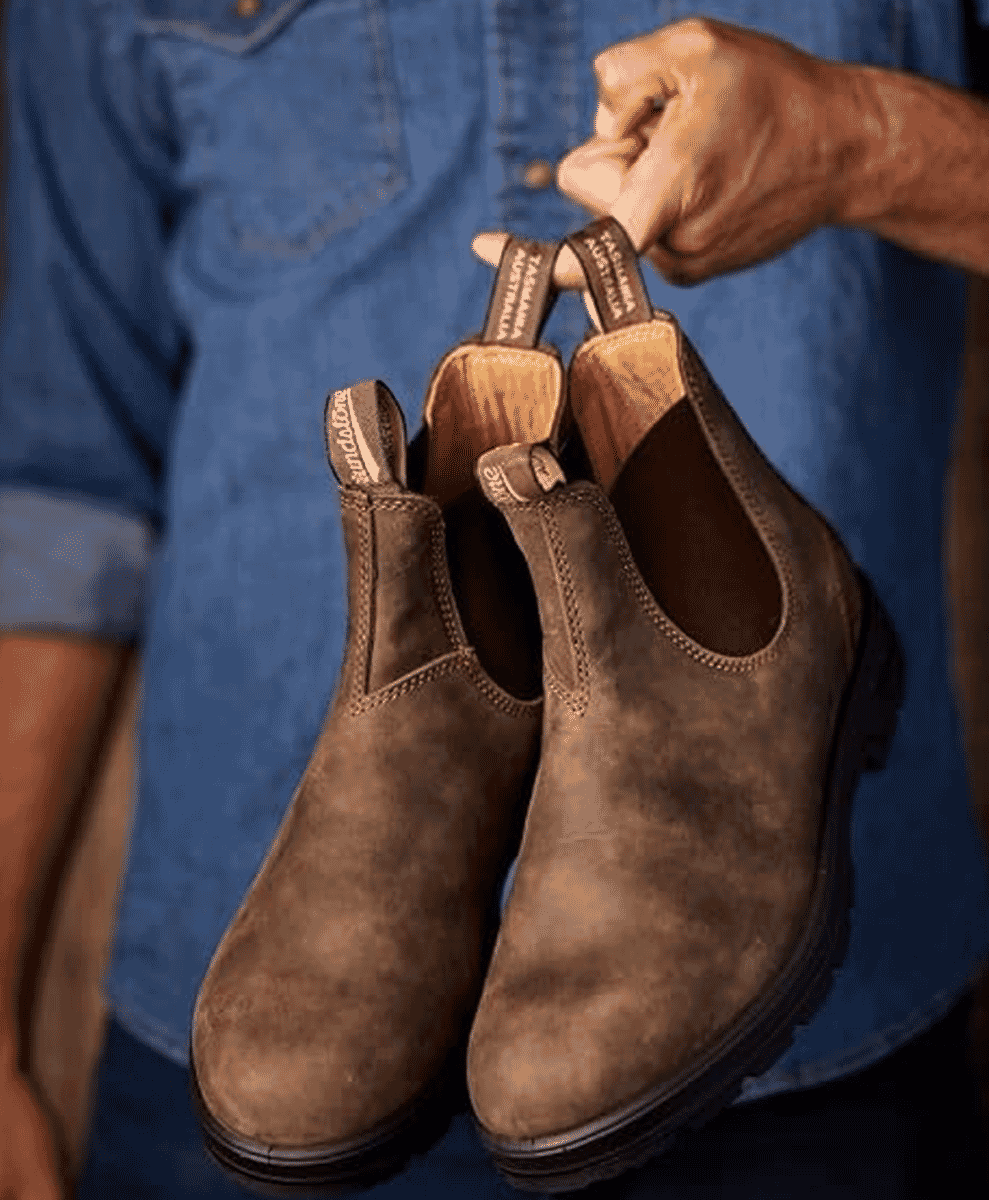
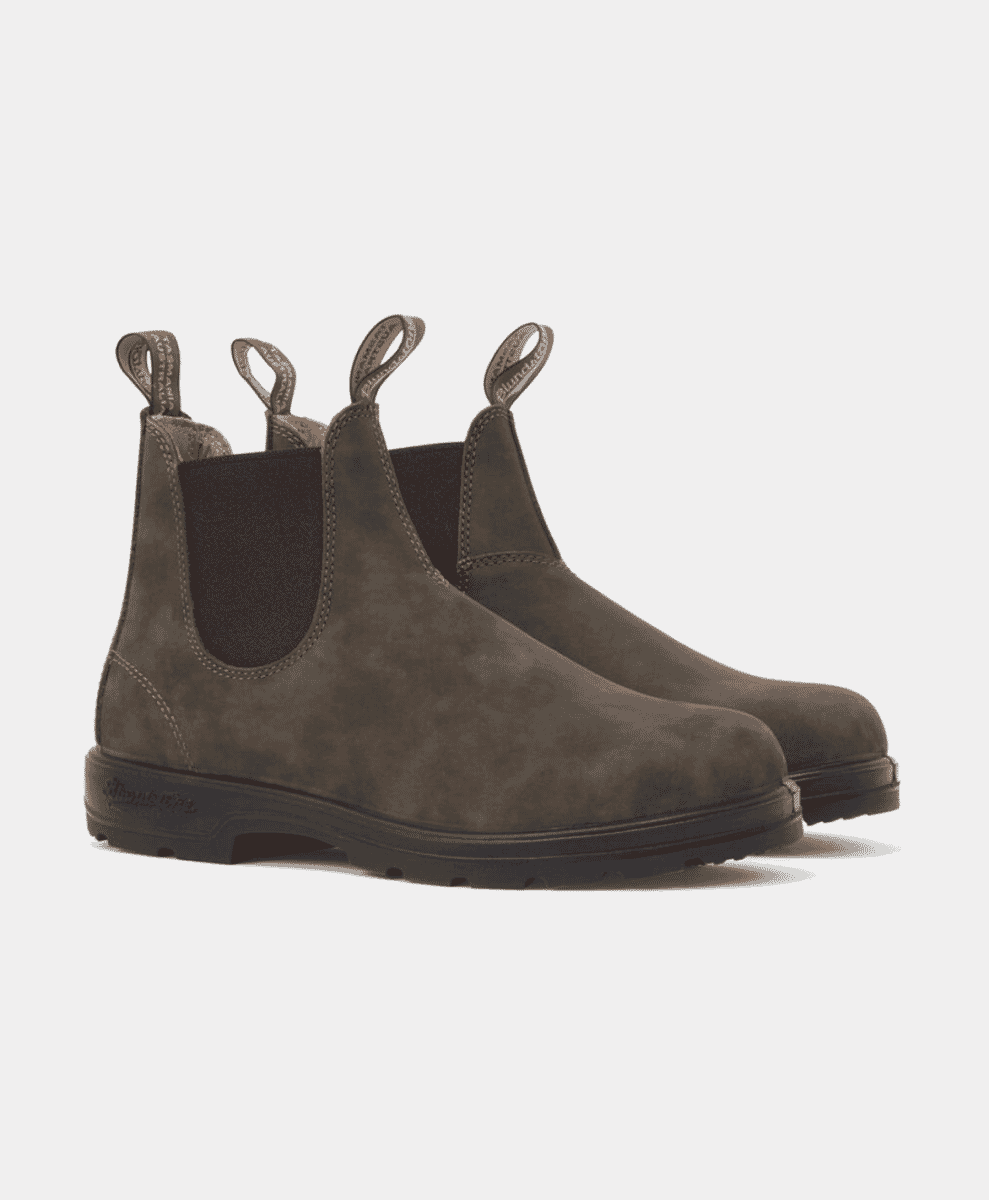
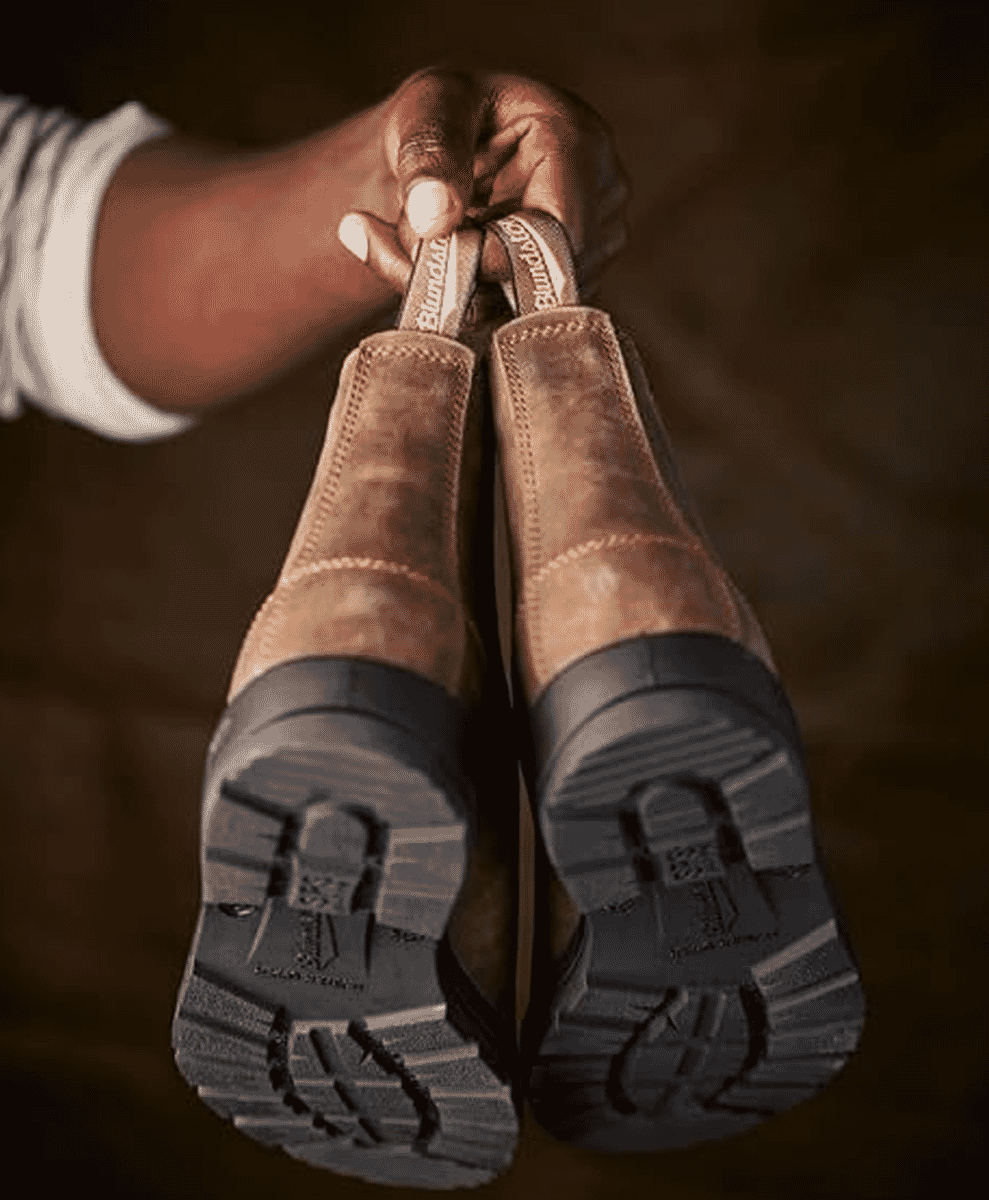
Forget the pointy Chelsea boots beloved of indie bands circa 2007. The versions worth owning today are altogether more substantial. Think Blundstone: rounded toes, thick rubber soles and sturdy leather uppers built primarily with practicality in mind.
That utilitarian simplicity is precisely what makes them so versatile. They’re easy to pull on, comfortable enough to walk in and capable of dealing with rain, mud and general abuse. More importantly, they look good with almost everything. Wear them beneath jeans, fatigues, cords or wide-leg trousers. Buy them because they’re practical; keep wearing them because you discover they work with half your wardrobe.
Suede-panelled retro runners
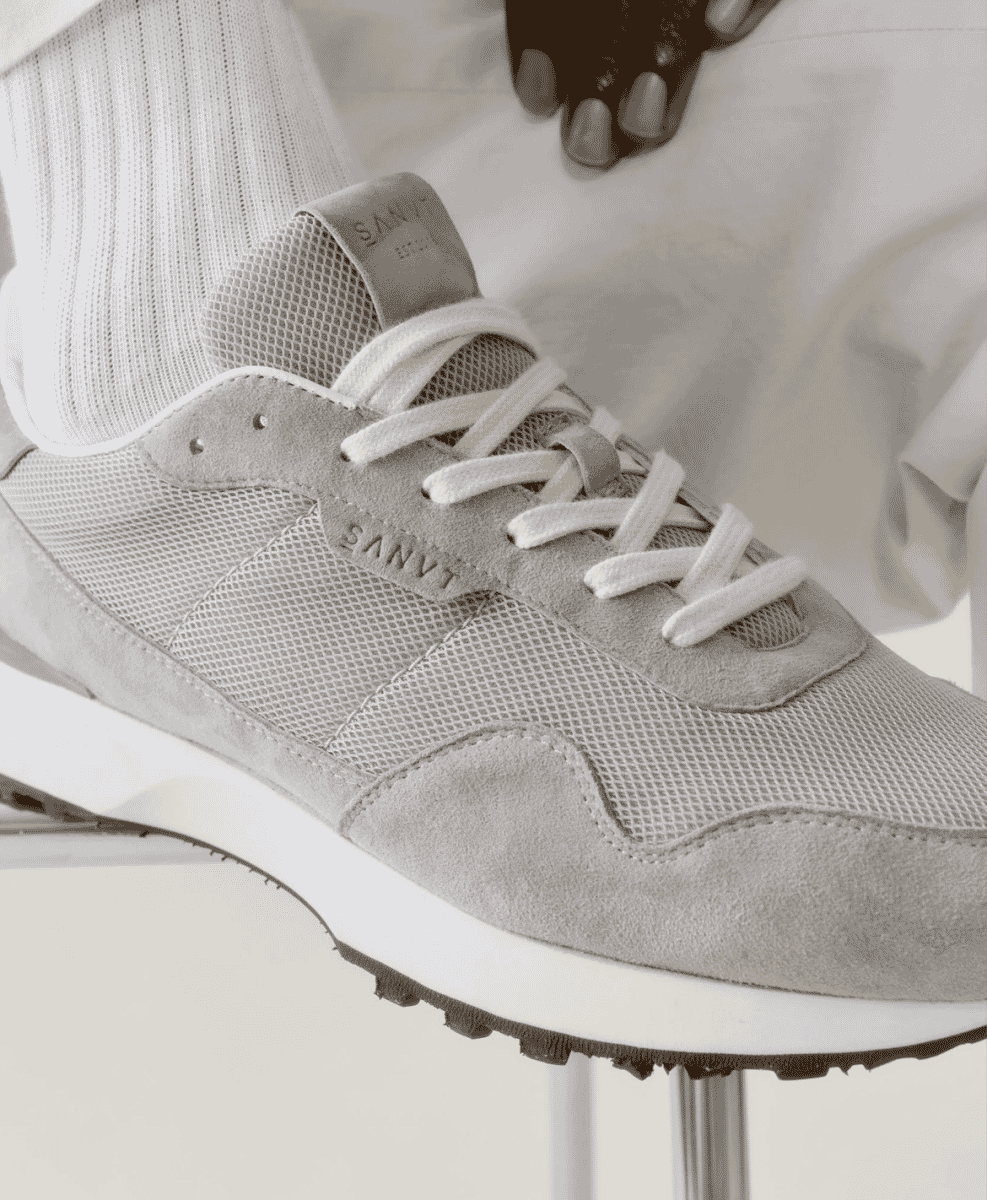
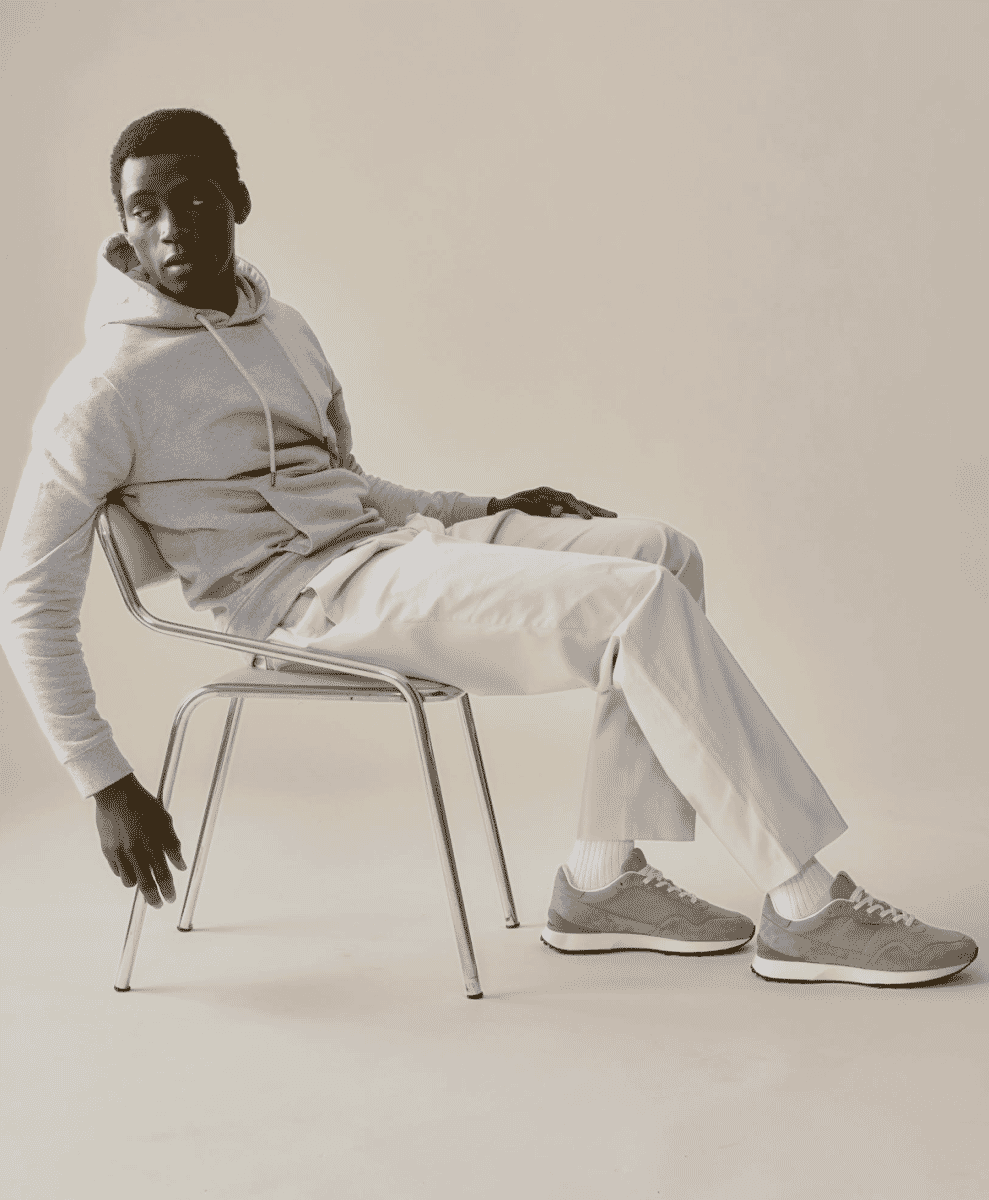
Running shoes have become progressively more technical, but some of the most wearable models still look like they belong somewhere around 1987. Suede-panelled retro runners from the likes of New Balance, Saucony and ASICS combine sporty comfort with enough texture and restraint to function as everyday shoes.
Grey is particularly useful, as are muted combinations of navy, cream and brown. Unlike brightly coloured performance trainers, these quieter designs complement an outfit rather than dominating it. Jeans, fatigues and shorts are straightforward territory, but they’re equally effective beneath smarter, wider trousers where a traditional shoe might feel overly formal.
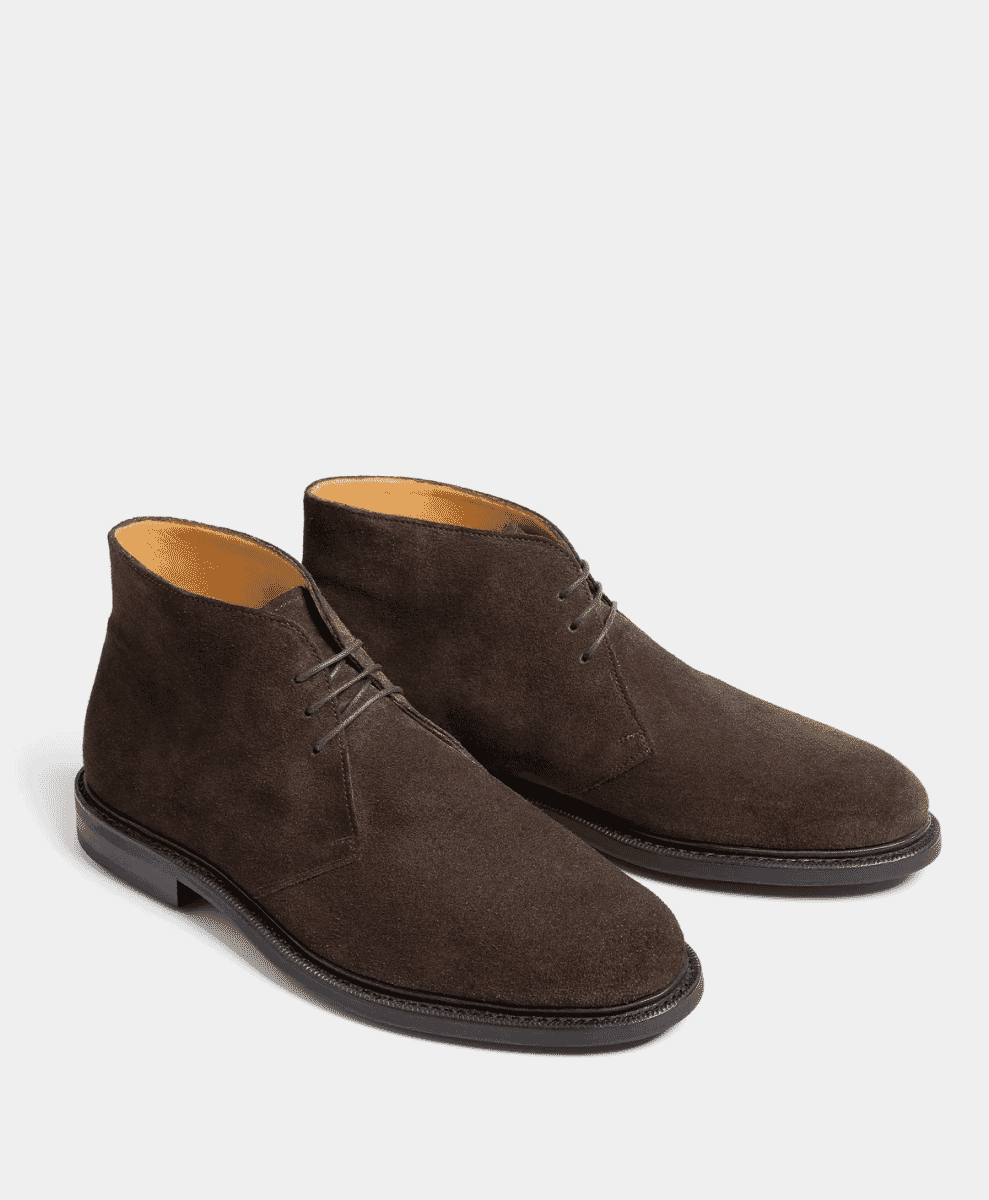
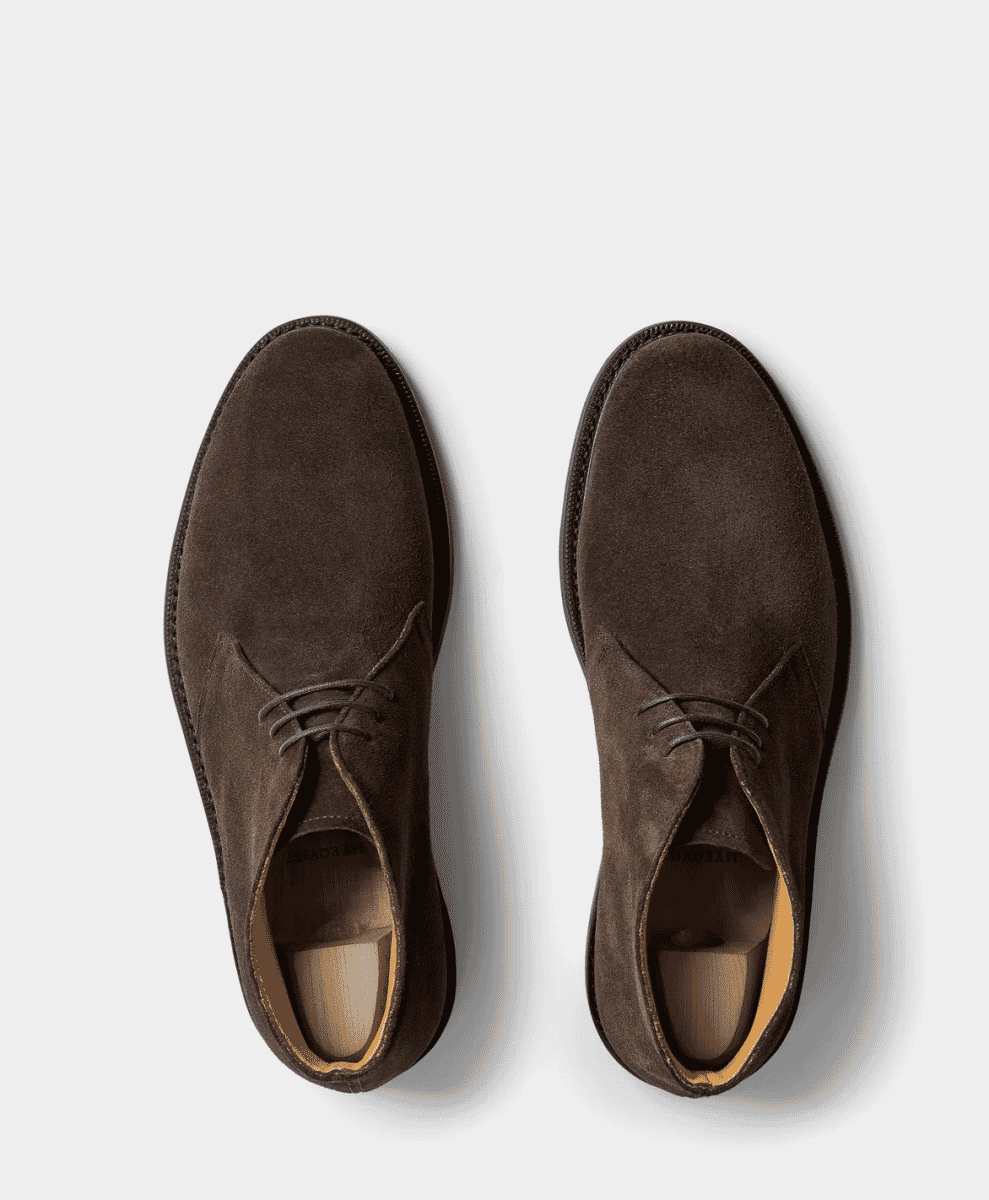
Desert boots
Few shoes demonstrate the value of simplicity quite like the desert boot. Two or three eyelets, an ankle-height suede upper and a straightforward sole: there isn’t much to them, which is precisely the point.
The Clarks Desert Boot remains the benchmark, and a pair in sand, tobacco or dark brown suede can cover an impressive amount of ground. They’re relaxed enough for denim but sufficiently tidy for chinos and casual tailoring, making them particularly useful when sneakers feel too informal and proper shoes too much. The only real weakness is wet weather, so treat the suede properly or save them for drier days.