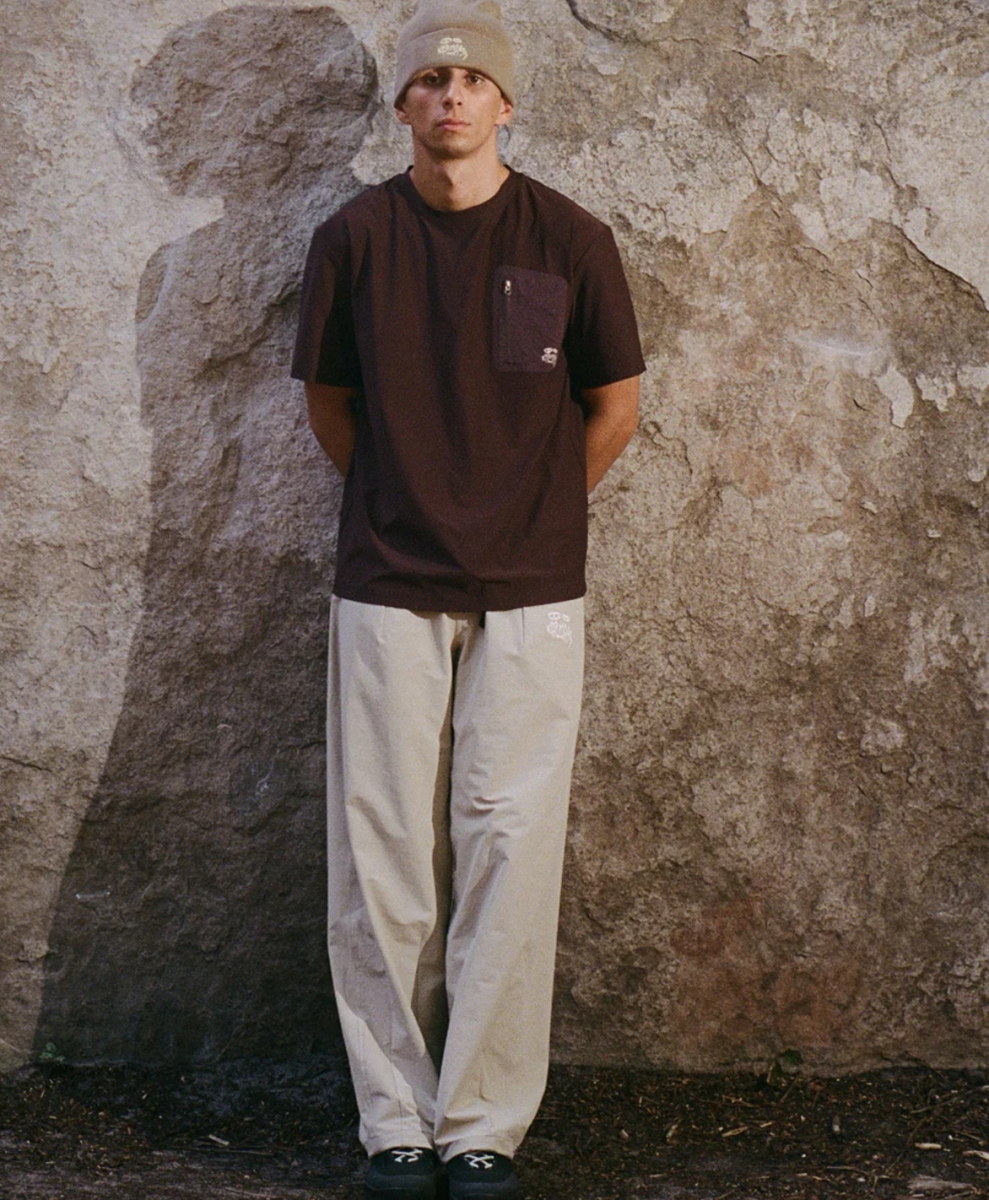
There’s a particular type of trouser cropping up with increasing regularity in menswear at the moment. It’s loose but not shapeless, usually made from some sort of hard-wearing cotton, ripstop or technical fabric, and there’s a good chance it has an elasticated waist, a gusseted crotch and a strip of webbing dangling around somewhere at the front.
Bouldering pants have been around for decades, but right now they feel unusually relevant away from the wall. That makes sense. Menswear has spent the past few years getting progressively looser and more outdoorsy (thanks, gorpcore), while increasingly looking to functional clothing for inspiration. These roomy bottoms tick all three boxes.
The important distinction is that you don’t actually need to know what a crimp or a GriGri is to wear them. We’re approaching these trousers primarily as casual clothing rather than specialist climbing equipment. If you do happen to spend your weekends dangling from pieces of gritstone, great. But the real appeal here is comfort, practicality and an easy-going shape that works particularly well with the rest of a modern casual wardrobe.
Table of Contents
What are bouldering pants?
There’s no strict definition, but the blueprint is easy enough to recognise.
Bouldering requires freedom of movement, so bouldering pants tend to be roomy through the seat and thigh. Many have a gusseted crotch, articulated knees or stretch woven into the fabric, allowing the wearer to move their legs without the trousers pulling against them.
Then there’s the waistband. Integrated webbing belts and elasticated sections are common, partly because they allow quick adjustment without the bulk of a conventional leather belt. Adjustable cuffs are another recurring feature, allowing climbers to keep excess fabric away from their feet.
Fabrics need to withstand scraping against rock too, hence the prevalence of tough cotton twill, ripstop and abrasion-resistant synthetics.
Put all of those things together and you end up with a pretty compelling everyday trouser. They’re comfortable, durable and practical, with a relaxed silhouette that happens to slot neatly into contemporary menswear. Wear them with a heavyweight T-shirt and retro running shoes in summer, or throw on a fleece, shell and pair of approach shoes when the weather turns.
Why are they trending?
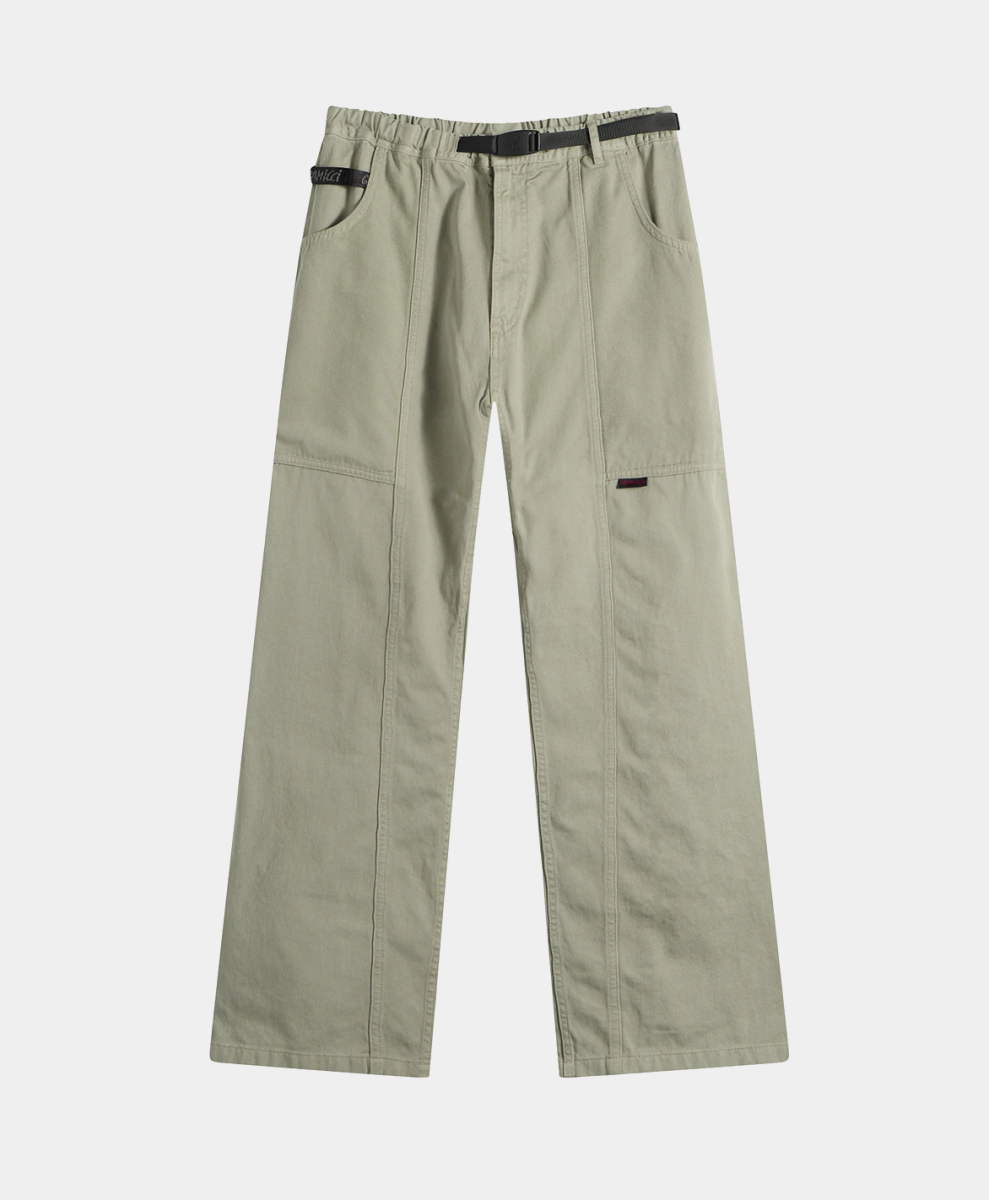
Bouldering pants haven't suddenly appeared from nowhere. Gramicci has been making its G-Pant since the early 1980s, when climber Mike Graham created a pair of trousers better suited to the exaggerated movements required on rock. The resulting design combined a roomy shape with an integrated nylon belt and diamond-shaped crotch gusset – features that remain central to the G-Pant today. What has changed is the clothing surrounding them.
The boundaries between outdoor clothing and fashion have become increasingly fuzzy. Trail shoes are worn in cities, technical shells have become everyday outerwear and carabiners routinely carry keys rather than climbing equipment. At the same time, trouser silhouettes have moved away from slim chinos and jeans towards roomier, more functional shapes.
Bouldering pants sit comfortably at the intersection. They have the visual interest and outdoorsy credentials menswear currently likes, but they're considerably easier to wear than some of gorpcore's more technical extremes.
There’s also something pleasantly straightforward about them. A pair of loose cotton climbing pants with an integrated belt does essentially the same job as a chino, only with more room to move and a more easygoing vibe.
The best brands for bouldering pants
Gramicci
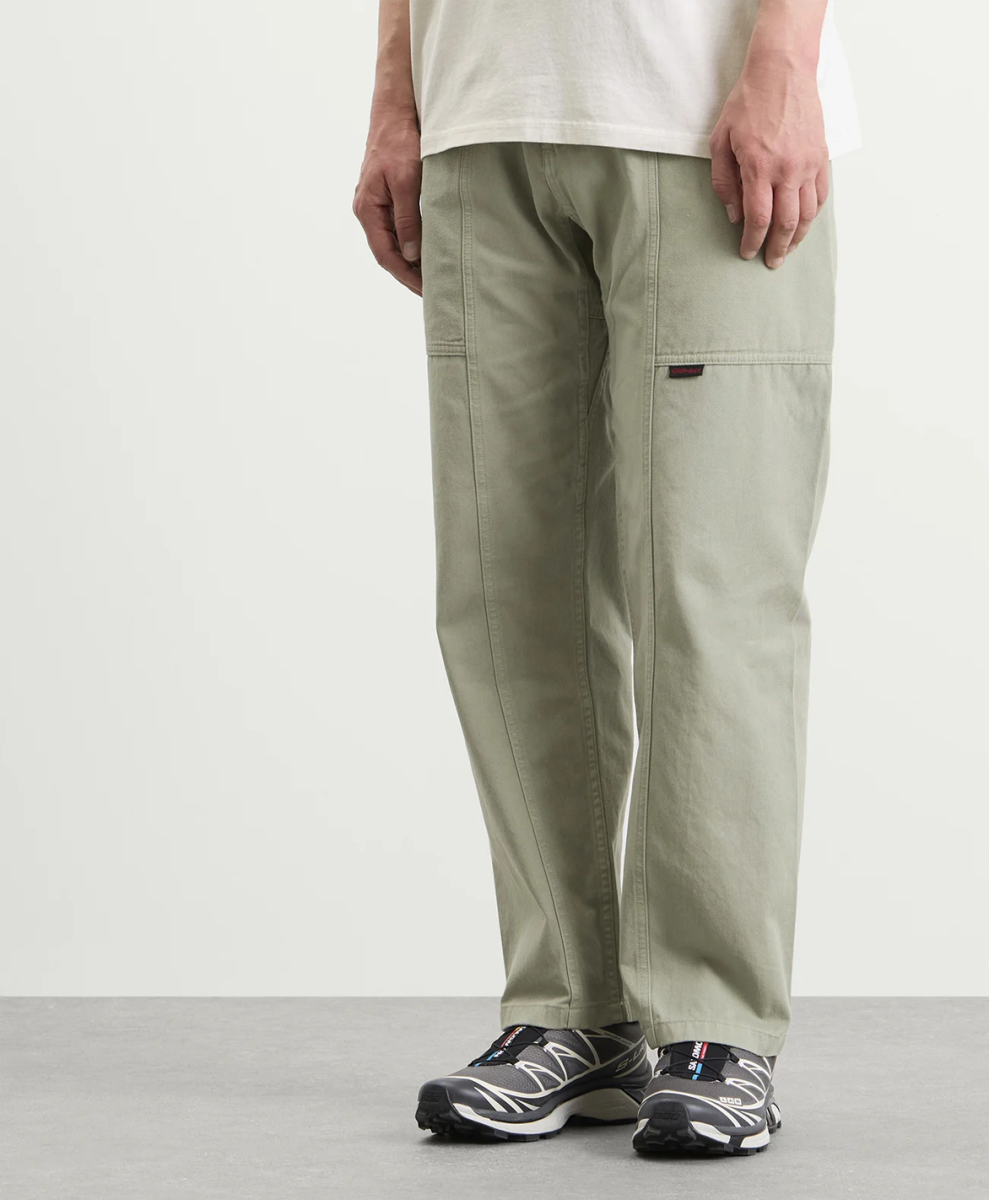
If there’s one brand responsible for the climbing-pant-as-casual-trouser, it’s Gramicci. The Californian label's G-Pant has been around since the early 1980s, retaining the same fundamental formula of hard-wearing cotton twill, relaxed fit, diamond-shaped crotch gusset and integrated nylon belt.
It’s the benchmark for this particular look and arguably still the easiest place to start. The shape is distinctive without feeling costume-y, the branding is minimal and there are enough colours and variations to make finding the right pair relatively painless. The newer Straight Fit is particularly relevant if you want something wider and more contemporary.
and wander
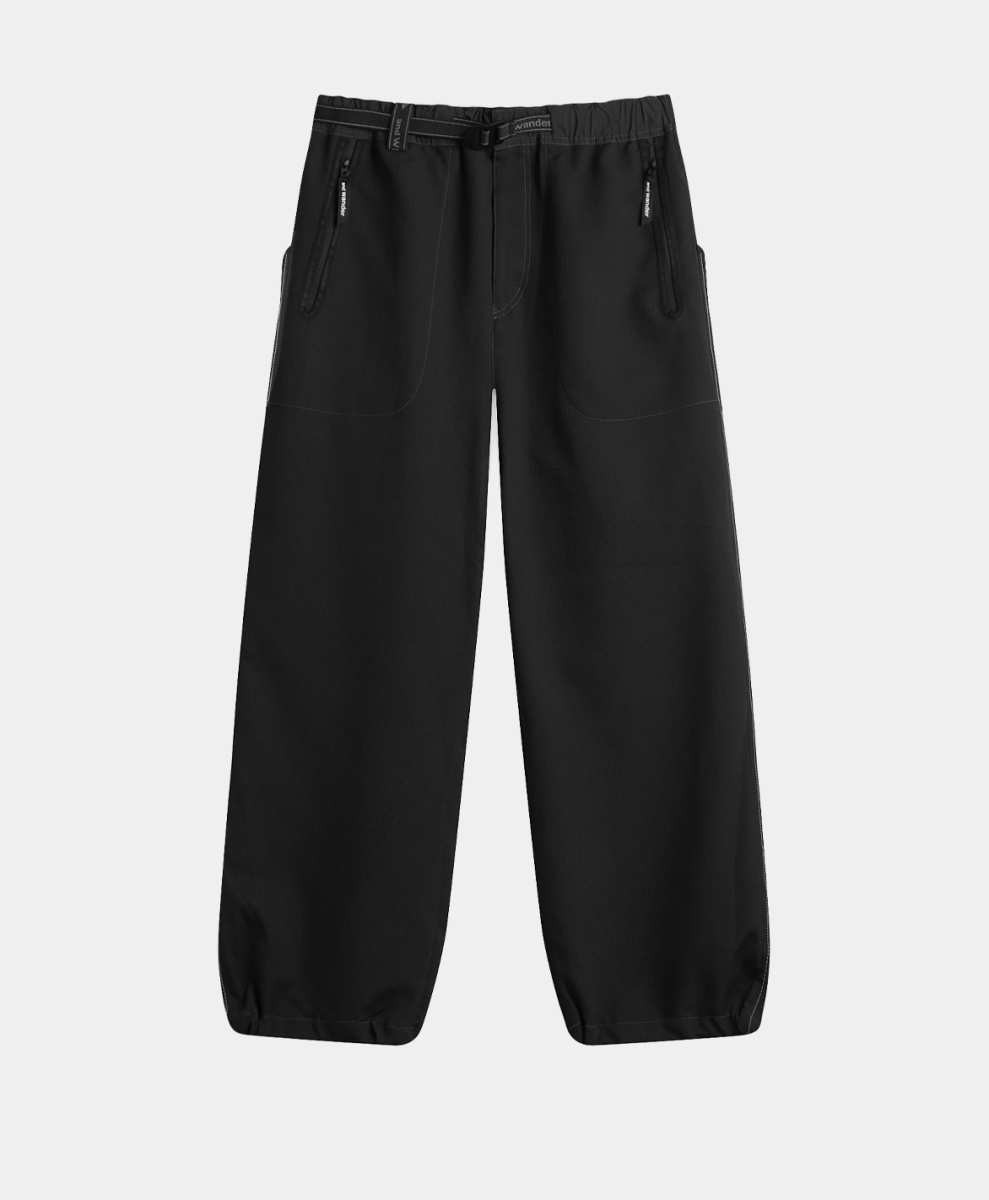
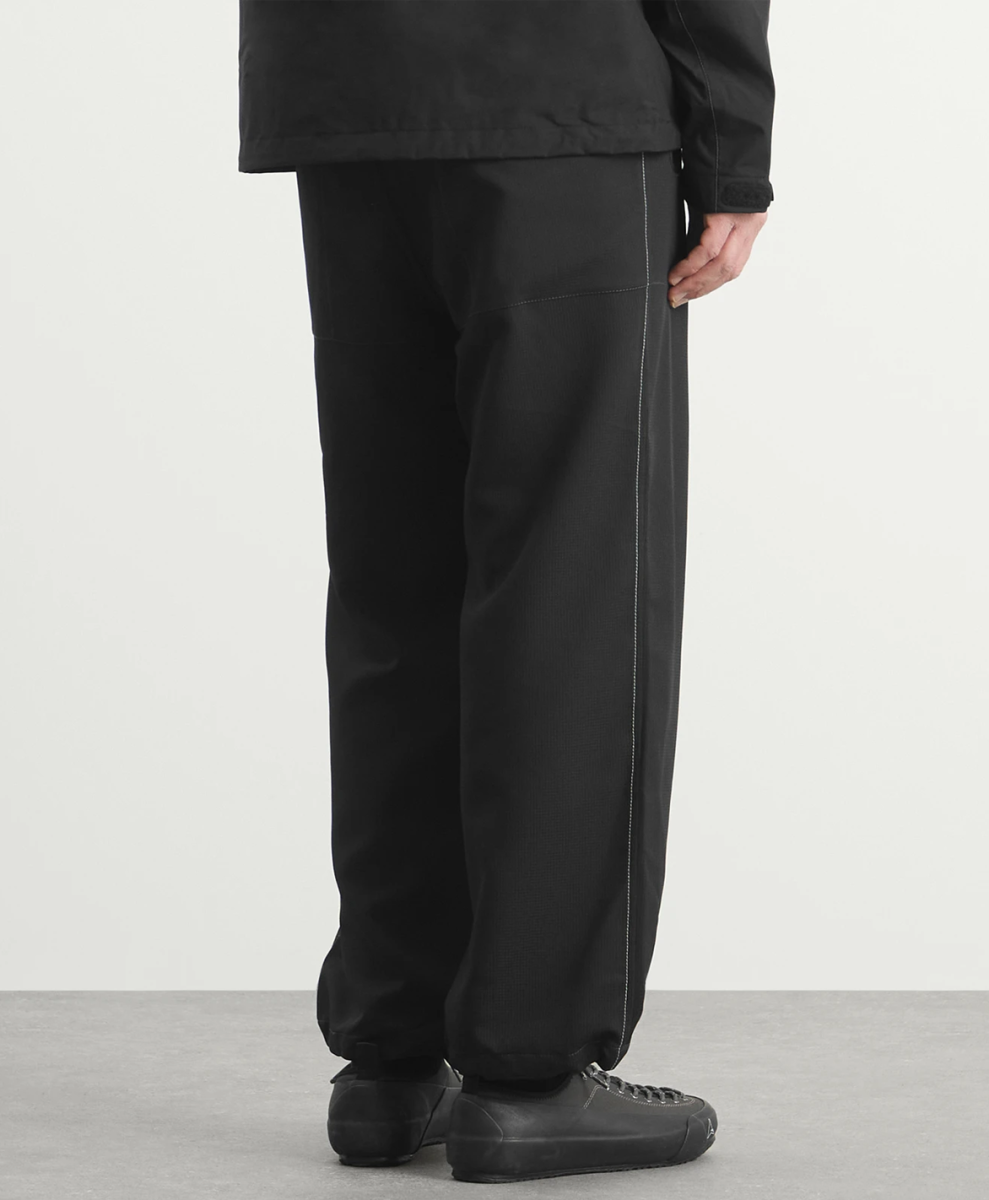
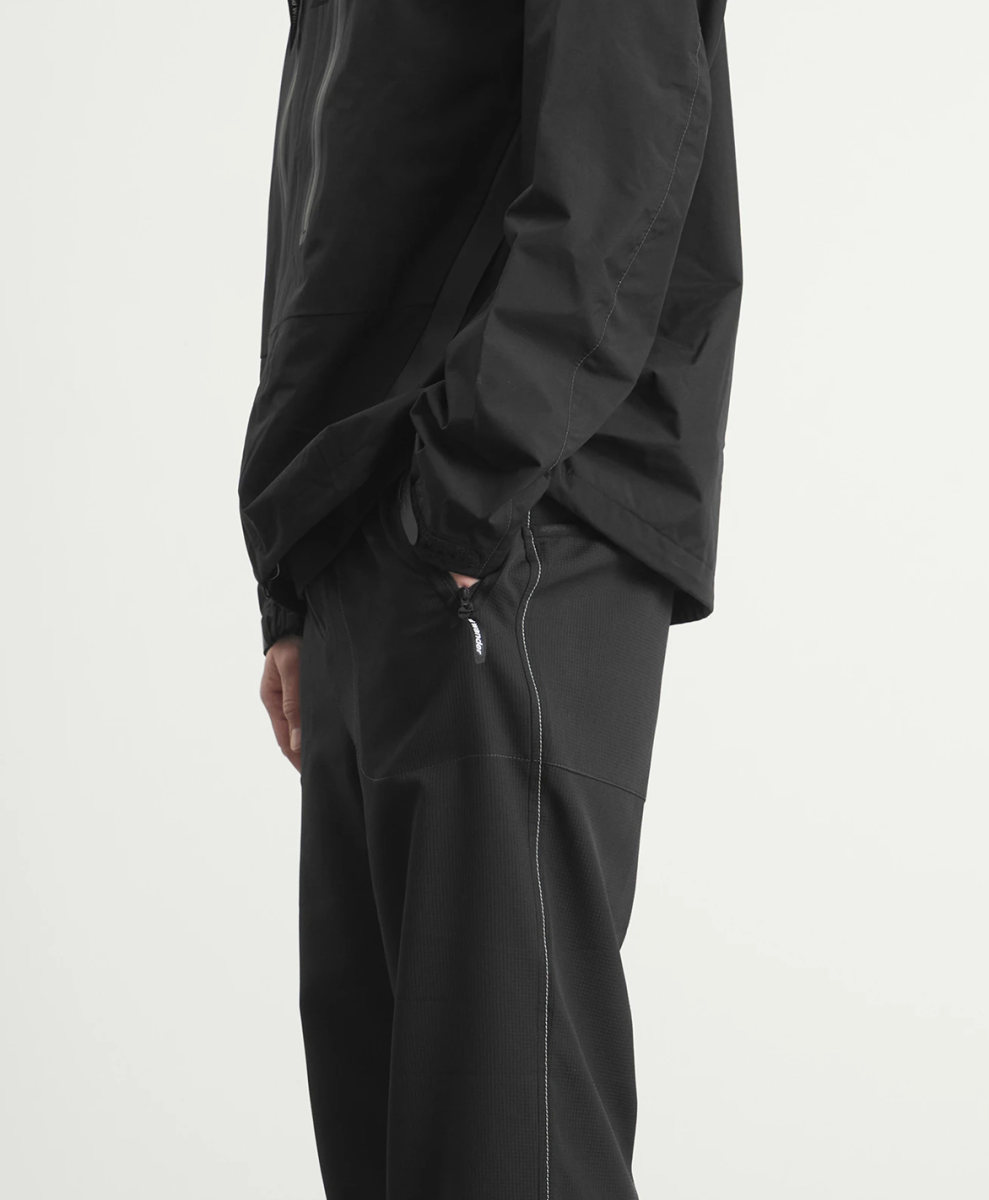
Japanese outdoor label and wander occupies the sweet spot between genuine outdoor equipment and fashion, which makes it particularly well suited to this list.
Its trousers tend to take familiar climbing and hiking details and push them in a more directional direction through unusual fabrics, exaggerated shapes and technical detailing. The brand has even collaborated with Gramicci on its own interpretation of the G-Pant, retaining features such as the gusset and webbing belt while introducing technical fabric and reflective detailing.
Arc’teryx
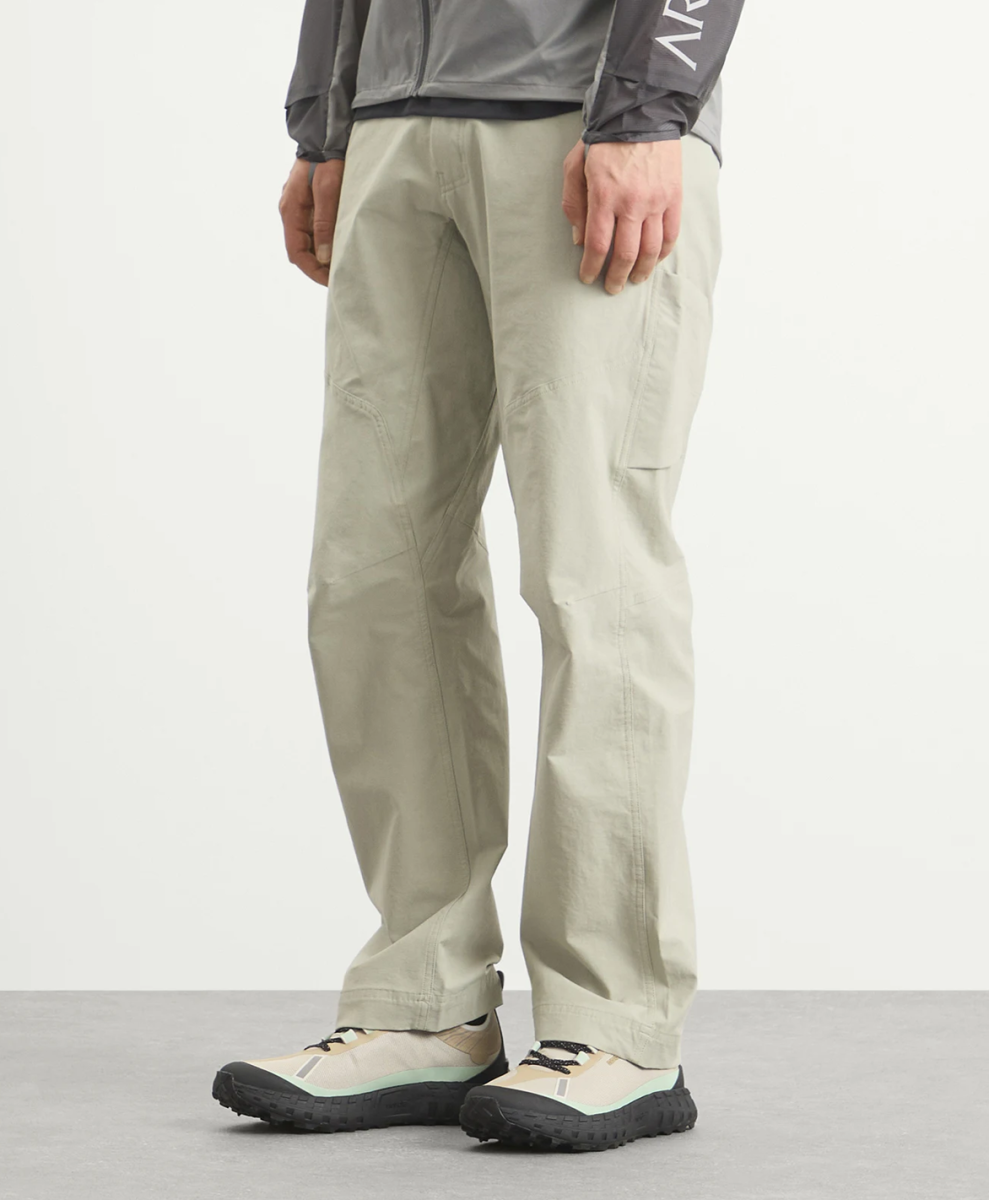
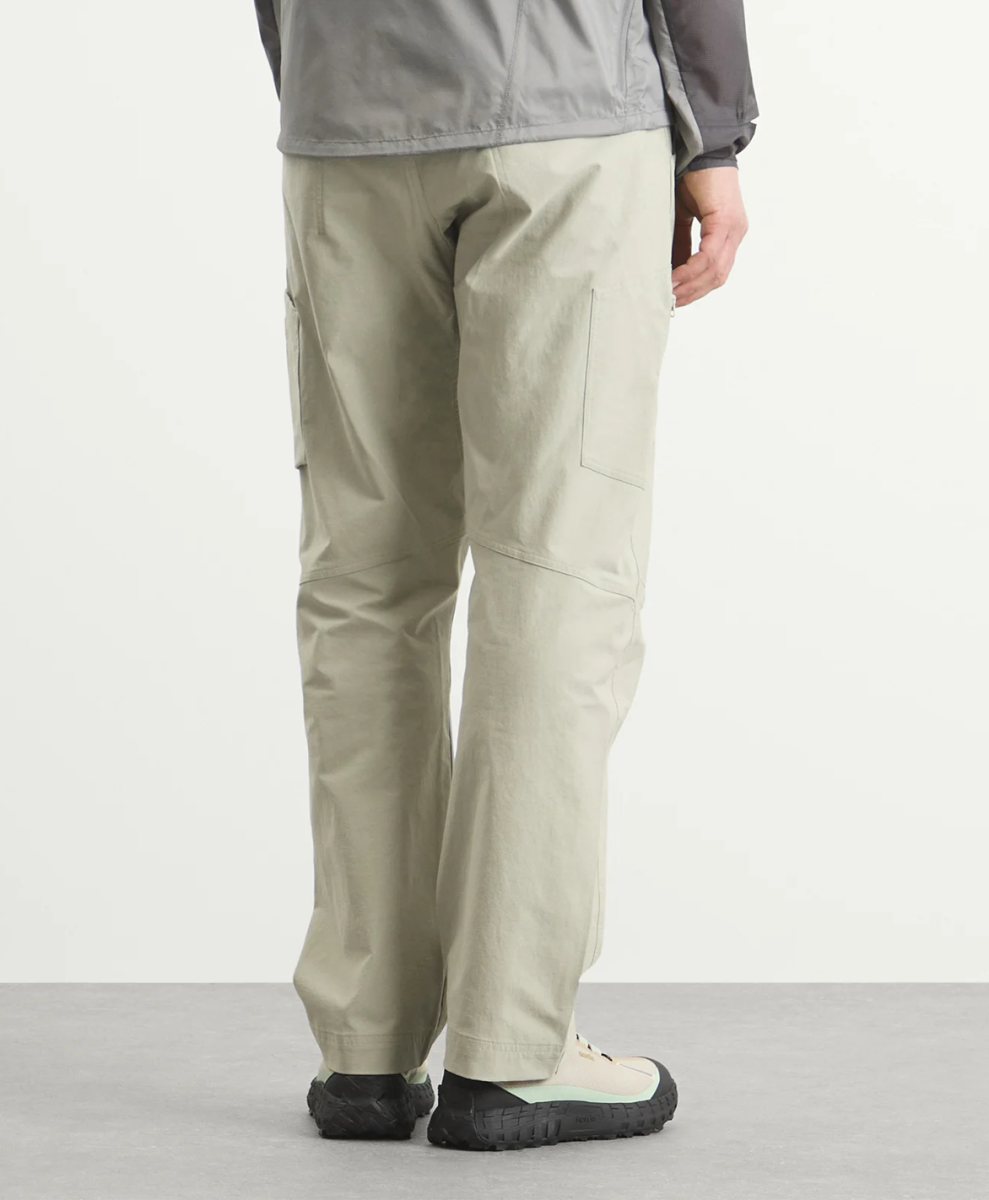
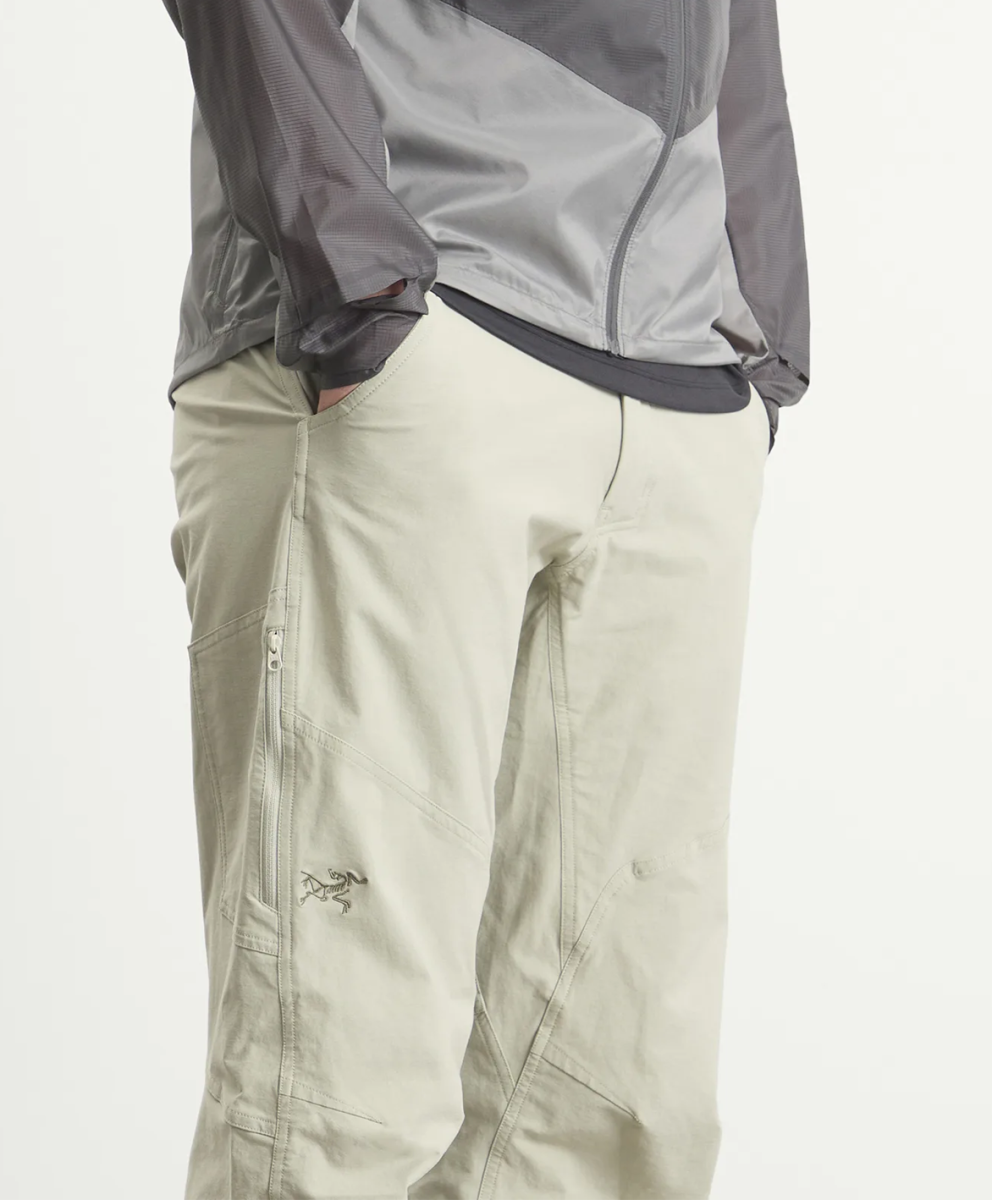
Arc’teryx sits towards the genuinely technical end of this list. Its Gamma trousers, for example, are purpose-built for climbing, combining abrasion-resistant four-way-stretch softshell fabric with weather protection and an unrestricted cut.
That performance focus gives them a noticeably cleaner, more technical appearance than cotton climbing pants. They work particularly well if your wardrobe already leans towards shells, technical fleeces and trail footwear, but they're restrained enough to wear with relatively normal clothes too.
Blacksmith Store
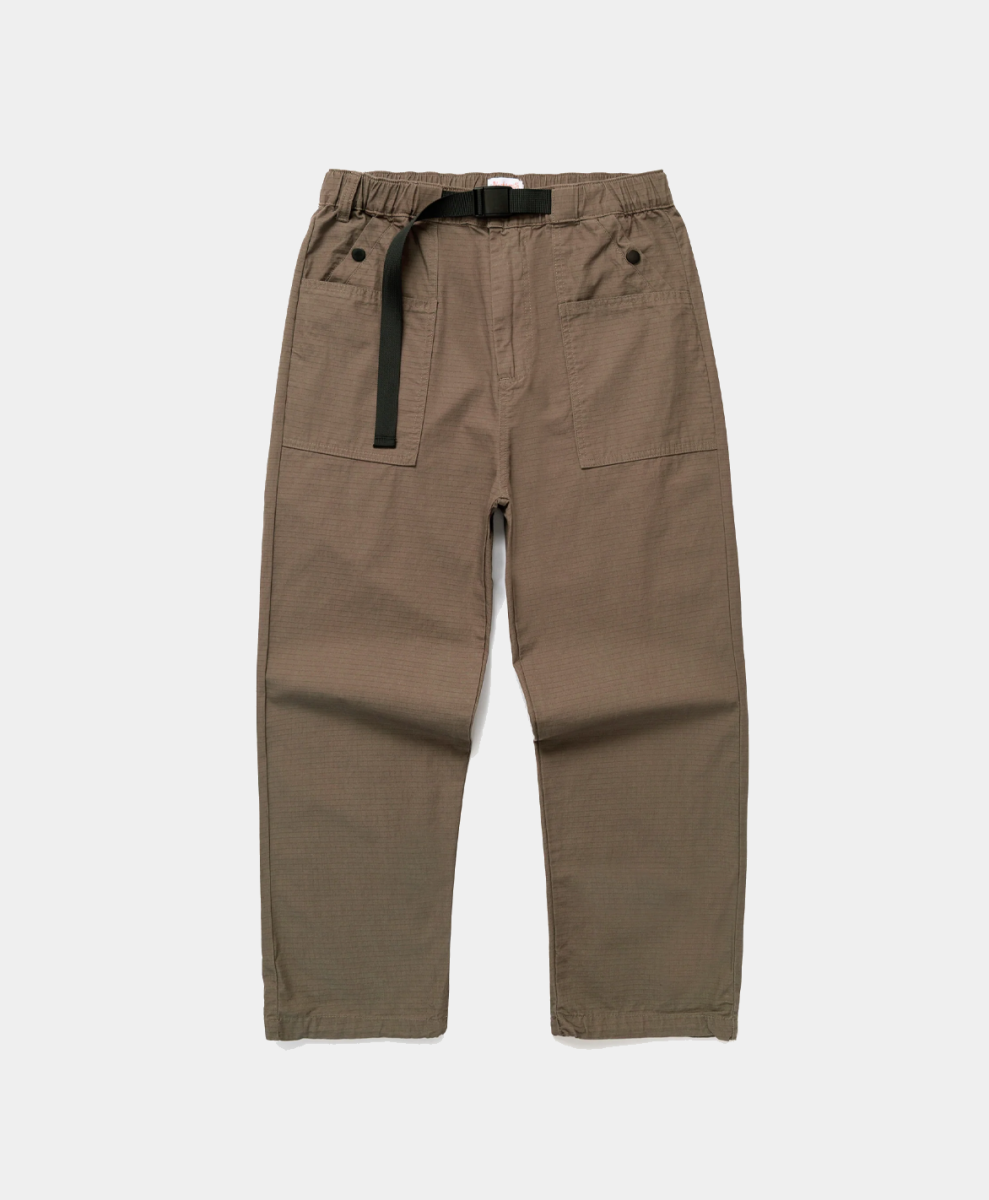
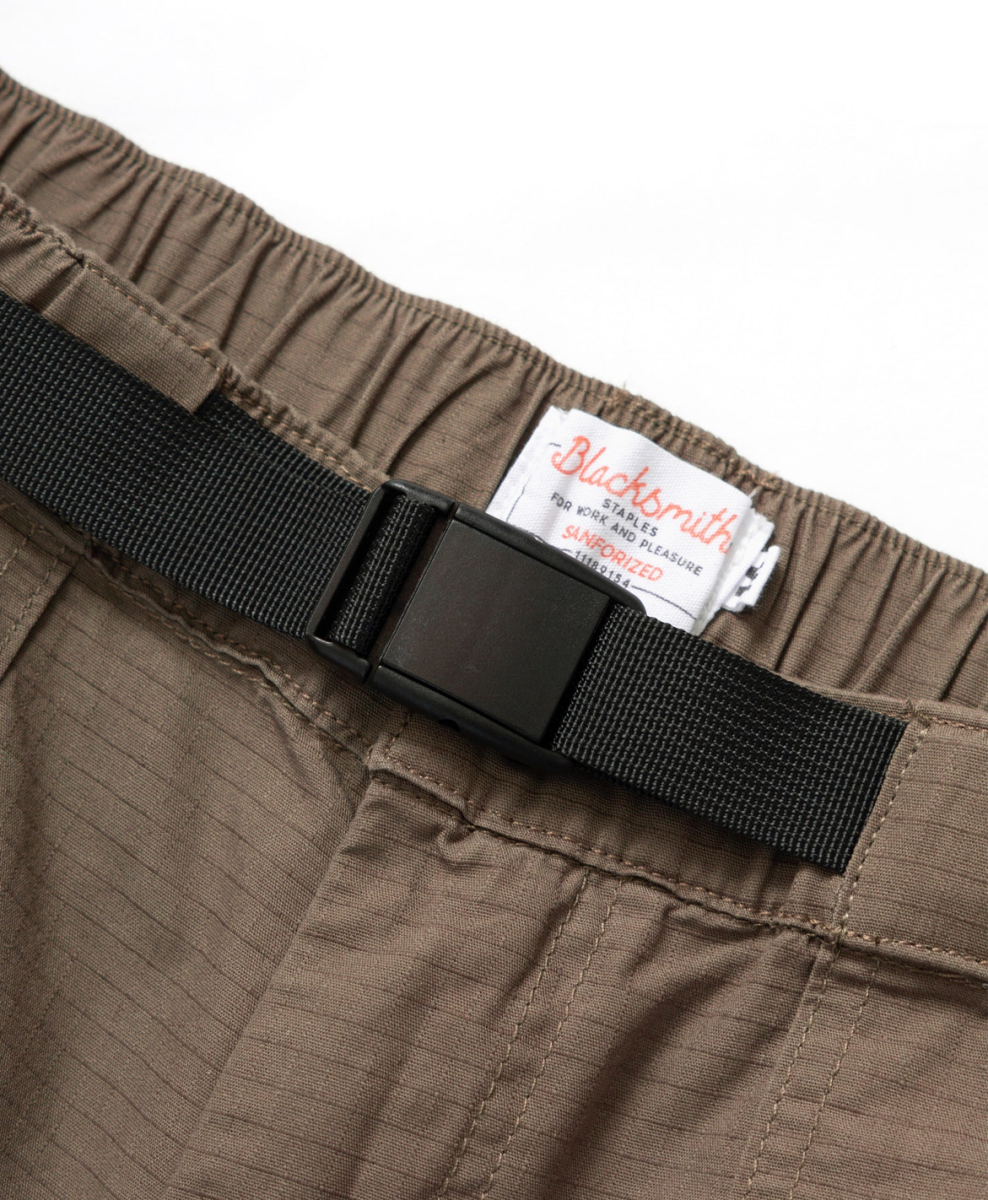
Blacksmith's Climbing Pant gets straight to the point. Made from cotton ripstop, it combines a relaxed fit with an integrated adjustable belt, layered pockets and toggle-adjustable cuffs.
The result is exactly the sort of trouser we're talking about: ostensibly outdoorsy but easy to incorporate into an everyday outfit. They're relatively understated too, making them a good alternative if you like the Gramicci look but fancy something slightly less ubiquitous.
Mellow Clo
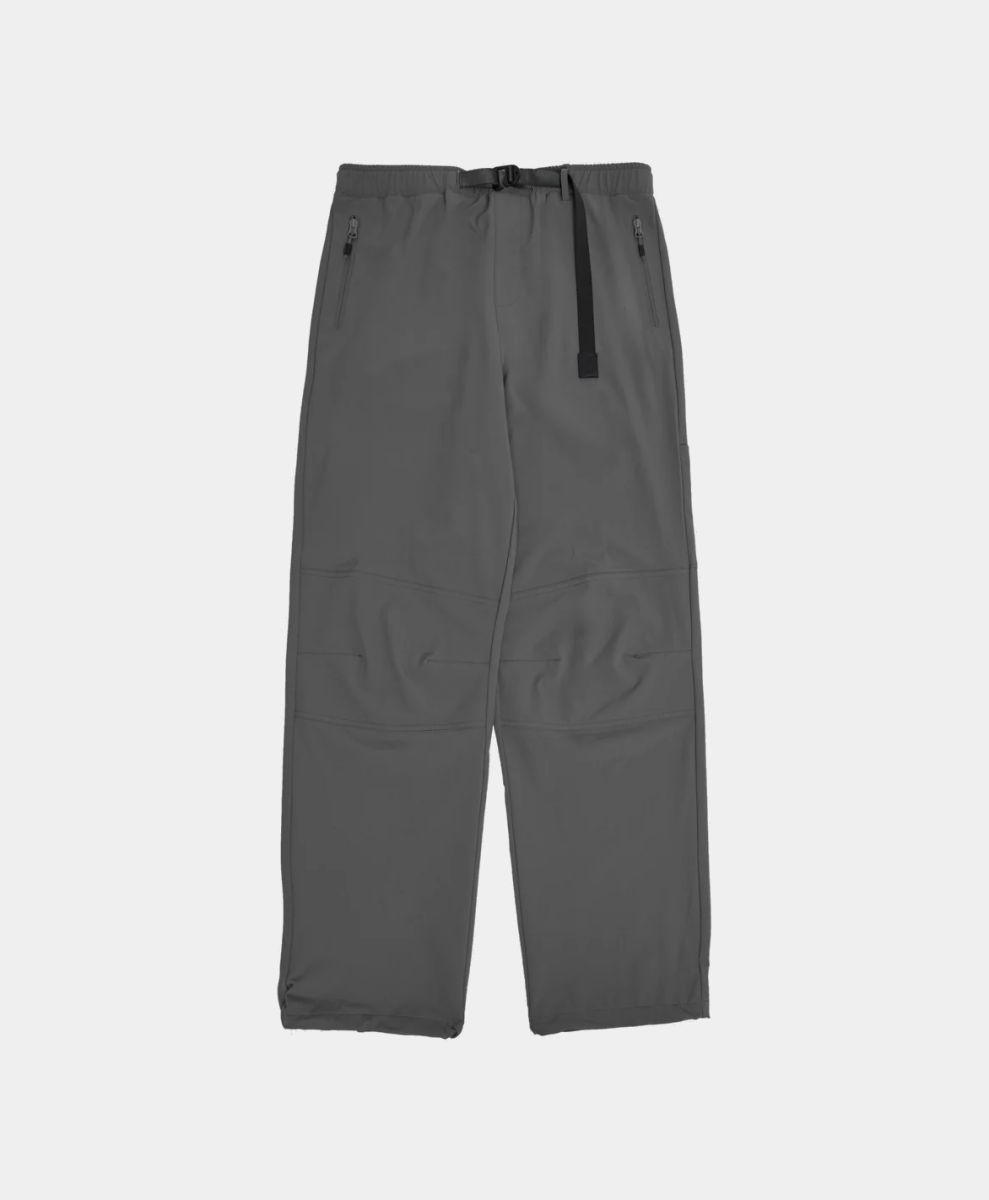
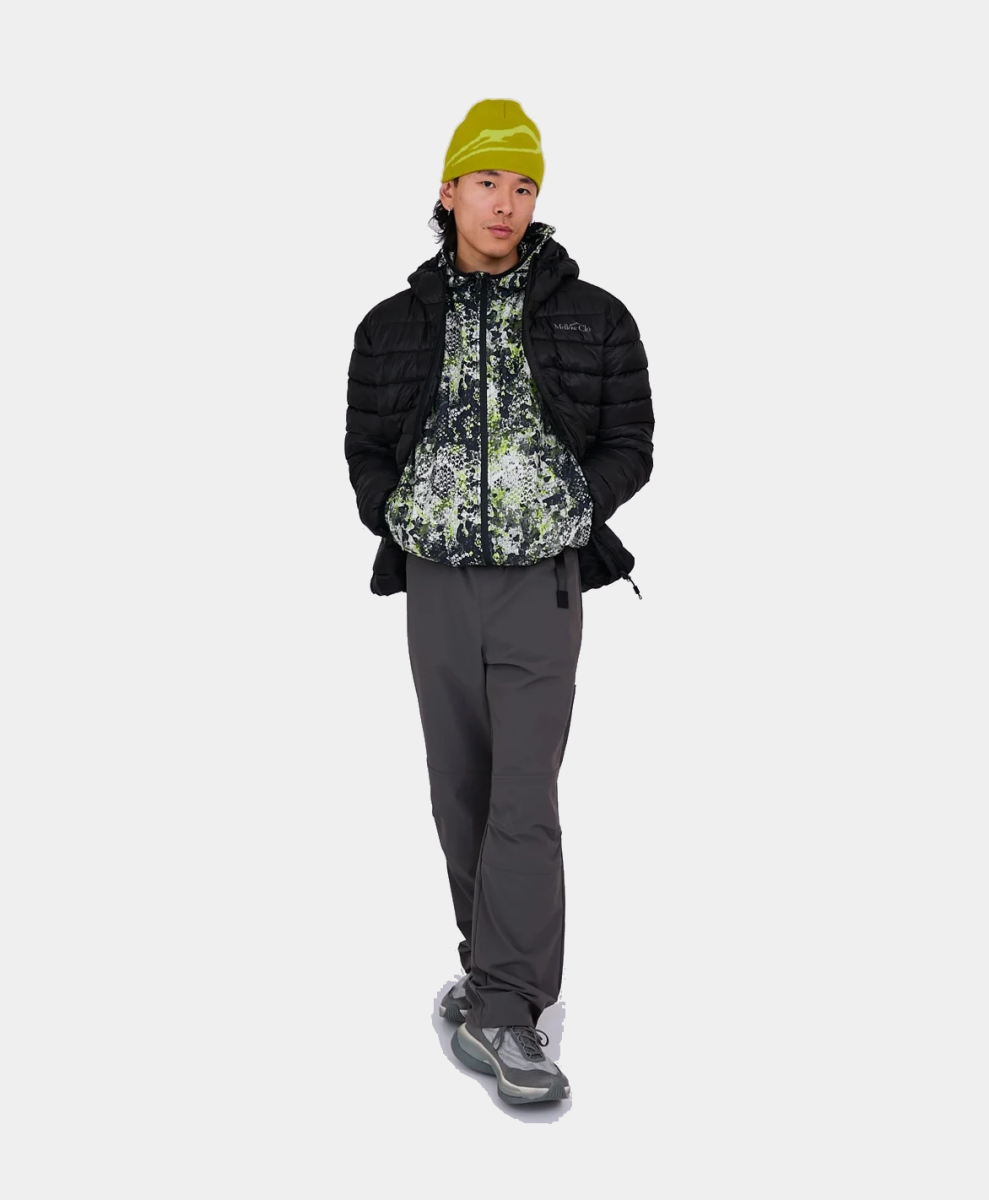
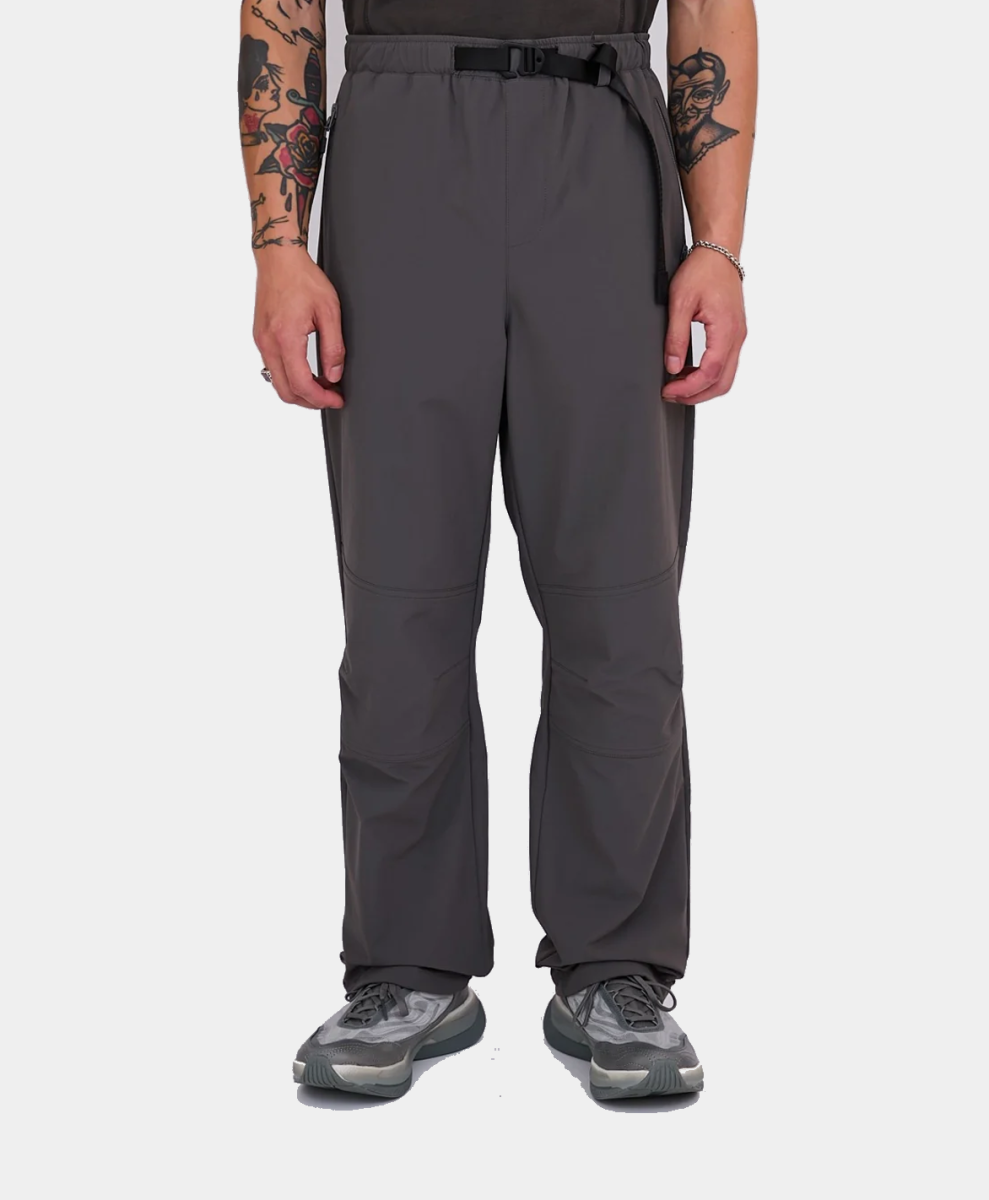
Mellow Clo's Boulder Trouser is explicitly designed with rock climbing in mind, but you'd be forgiven for assuming it was simply a particularly nice pair of technical casual trousers.
There's stretch nylon, an integrated belt, knee panelling, adjustable cuffs and even a dedicated chalk-brush pocket, all wrapped up in a loose silhouette that looks perfectly at home away from the climbing wall.
They're a good example of why this style translates so well to everyday use: almost every performance feature also happens to make them more comfortable or useful for simply walking around in.
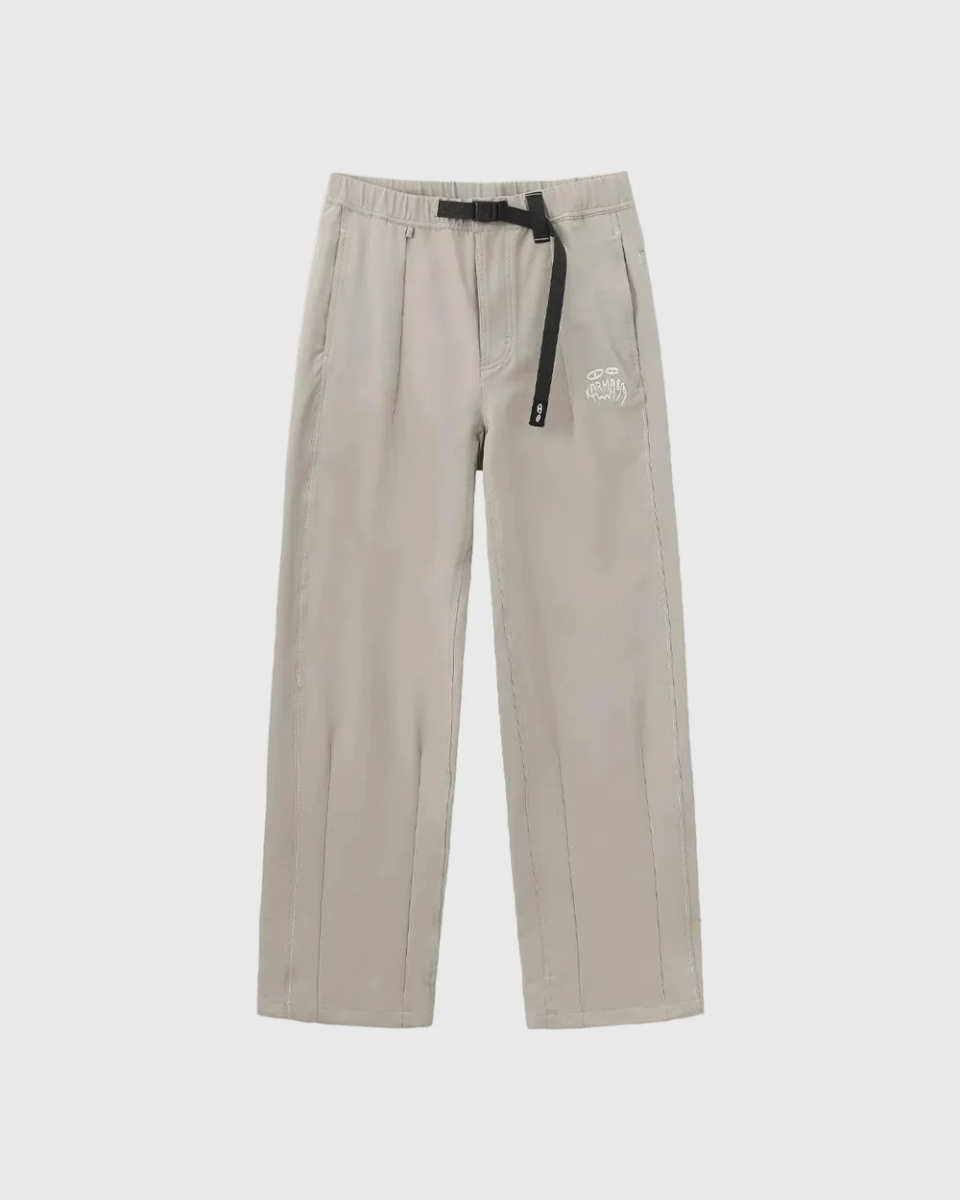
Karma8a
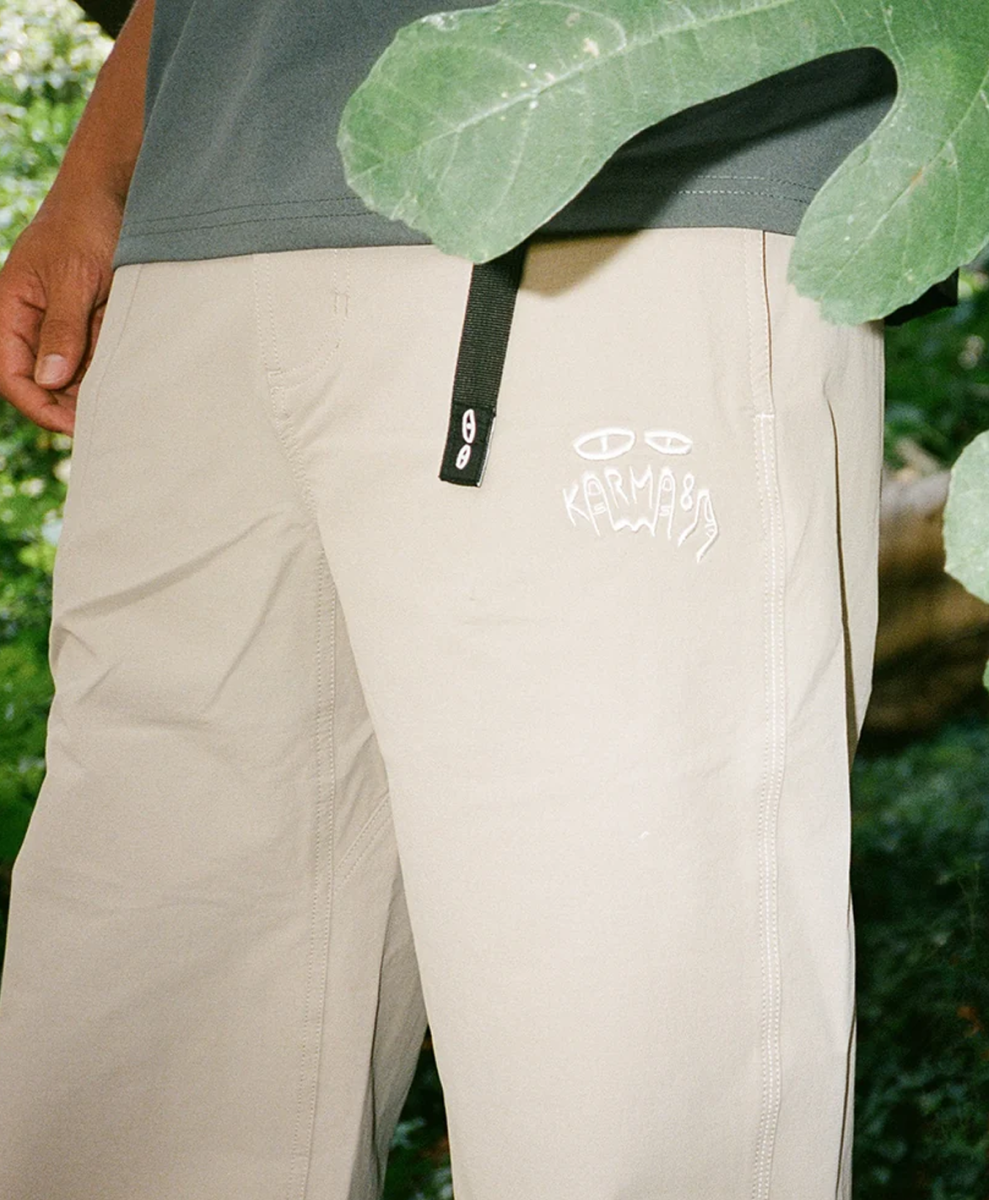
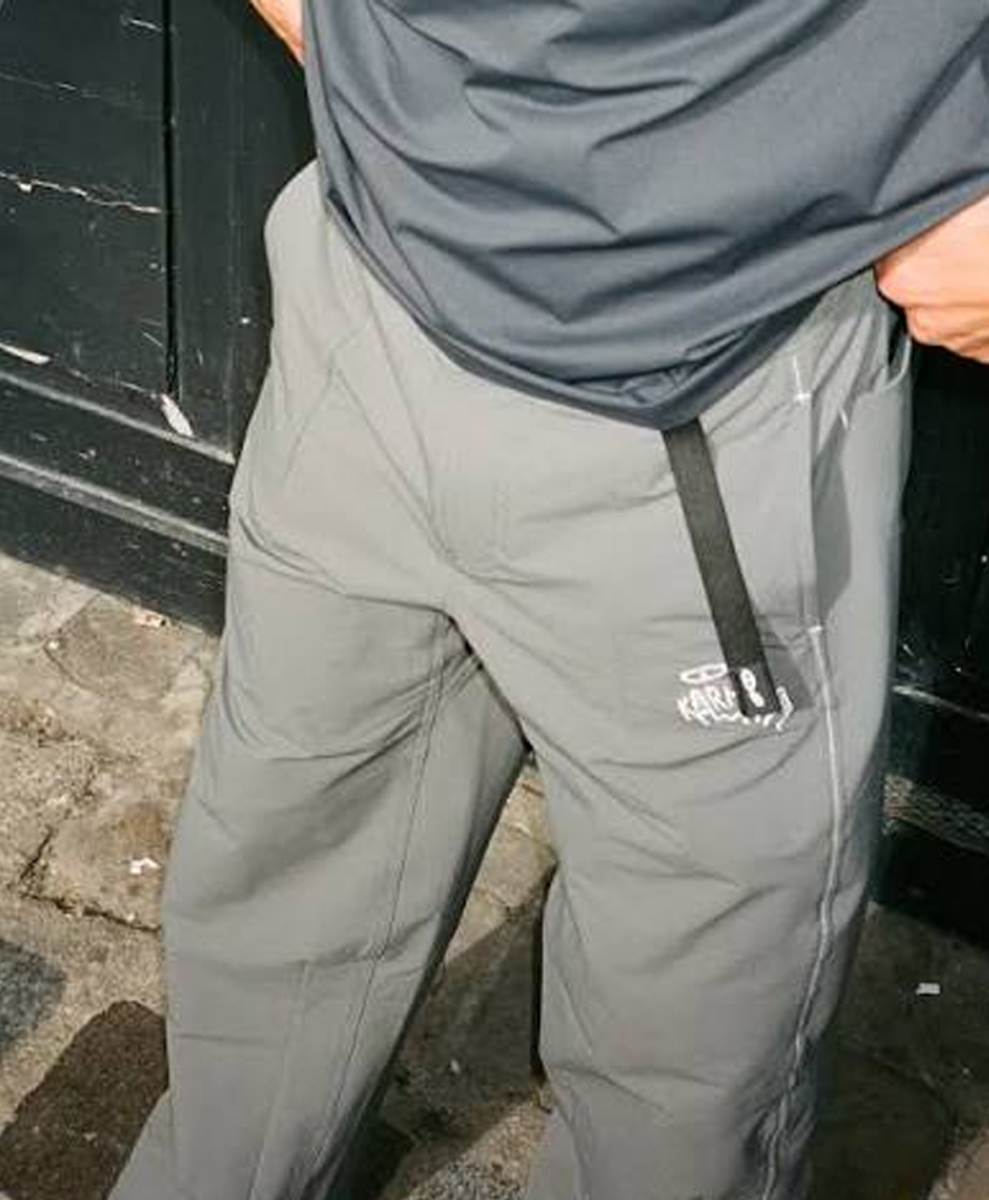
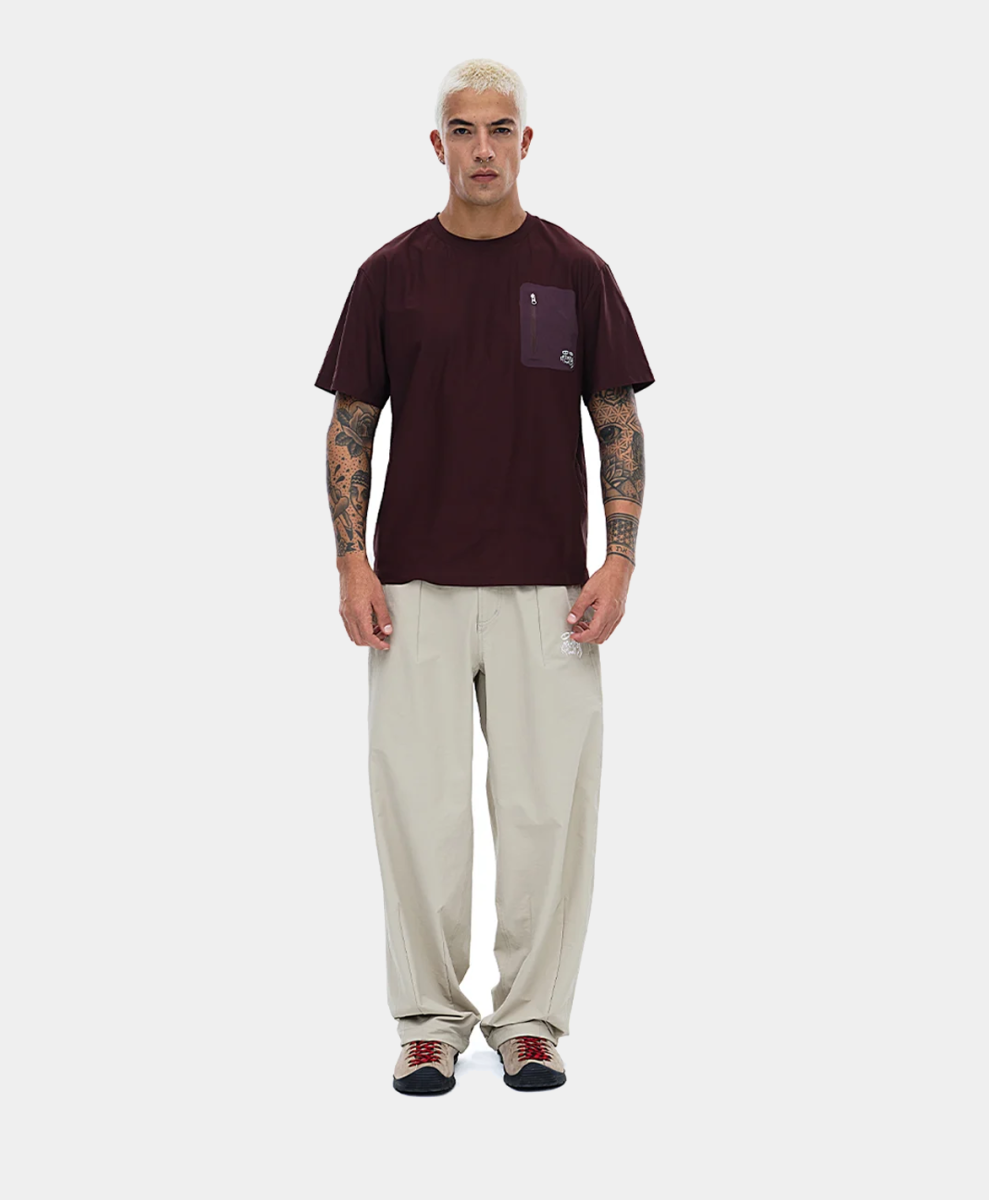
Karma8a is perhaps the purest bouldering brand here. Climbing culture is central to the label, but its clothes have the graphics, proportions and styling of contemporary streetwear rather than looking like conventional outdoor kit.
The trousers are particularly good. Its Victor Pro Climbing Pants combine a straight leg and gusseted crotch with four-way-stretch, abrasion-resistant fabric and an elasticated waistband with integrated belt. It’s climbing equipment you could quite happily wear without going anywhere near a climbing wall.
Purple Mountain Observatory
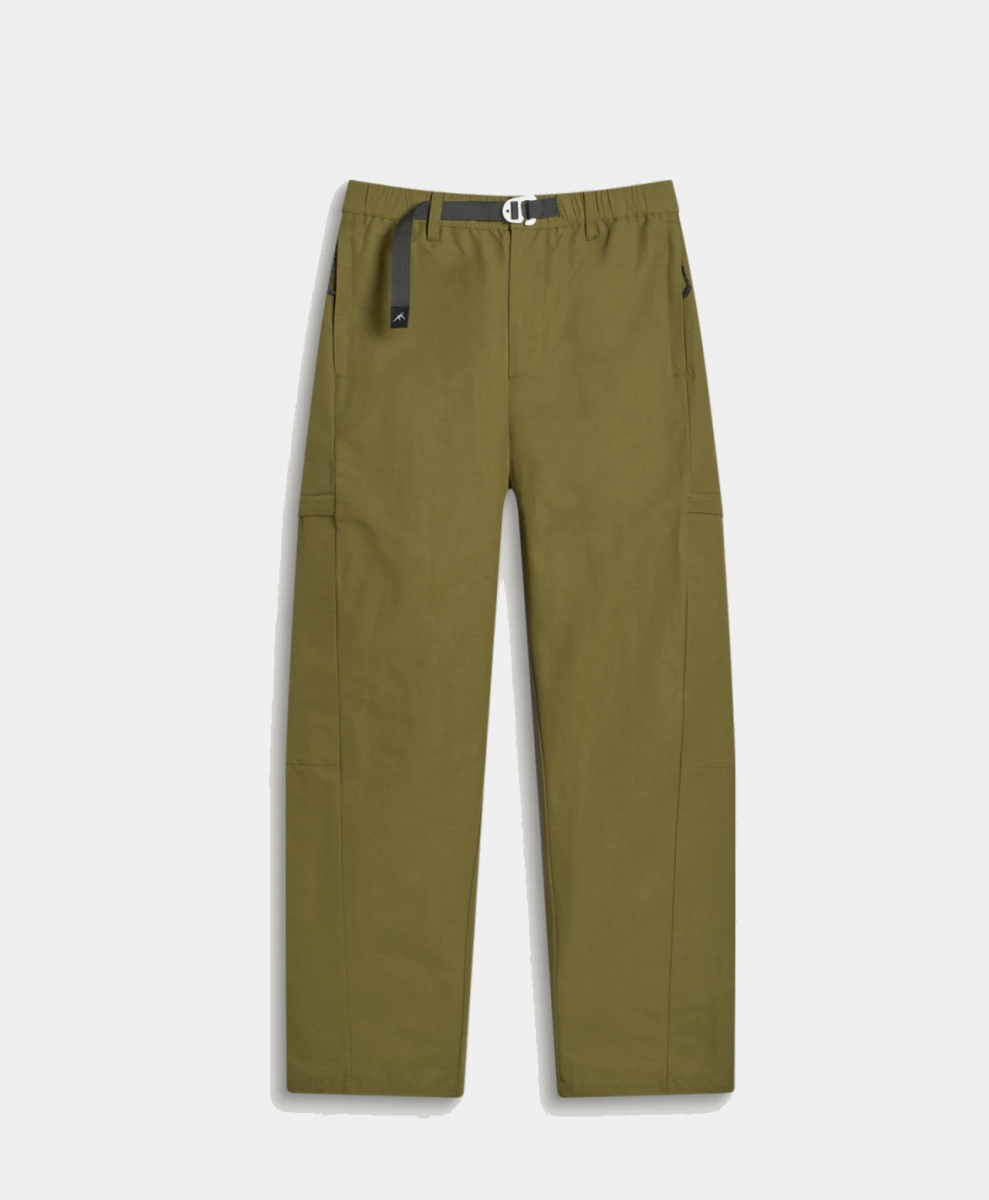
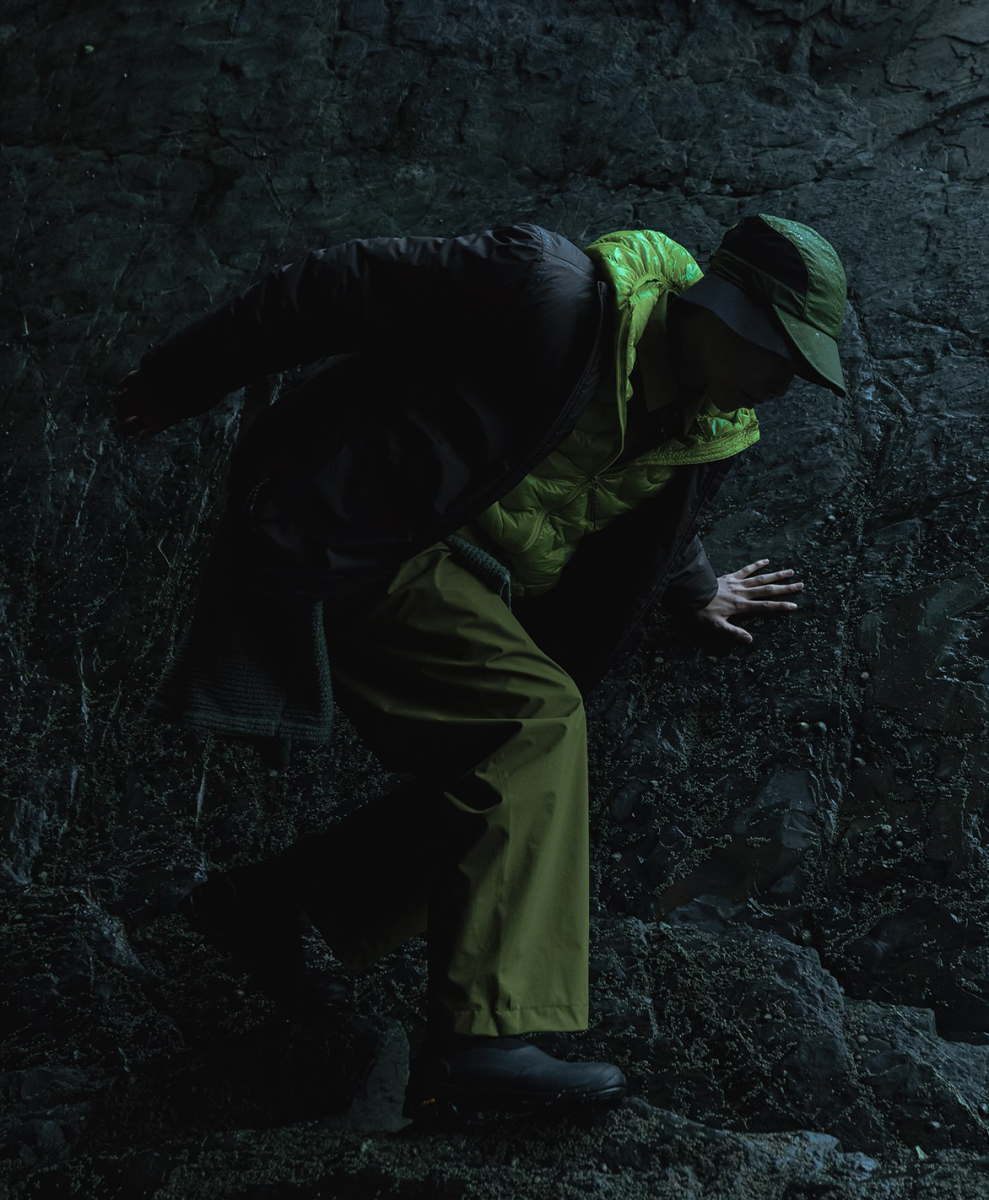
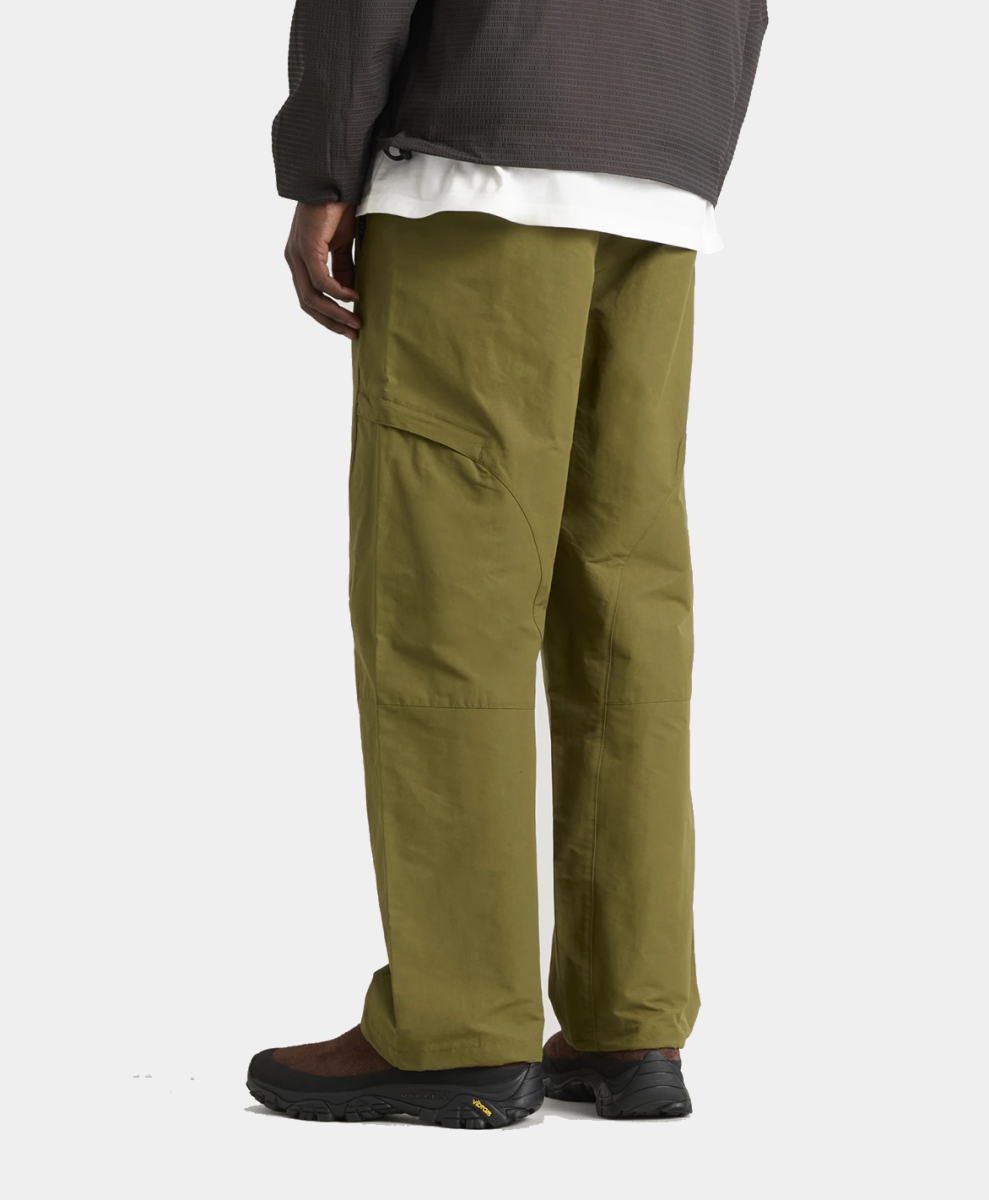
British label Purple Mountain Observatory describes itself as existing somewhere between nature and the urban landscape, which neatly explains why its trousers work here.
Rather than producing straightforward climbing pants, PMO plays around with the broader vocabulary of outdoor legwear: relaxed cuts, technical fabrics, articulated knees, webbing adjusters and utility pockets. Styles such as the Terrain Pant have featured an integrated grosgrain belt, darted knees and adjustable cuffs, giving you the climbing aesthetic without looking overly specialised.
Nike ACG
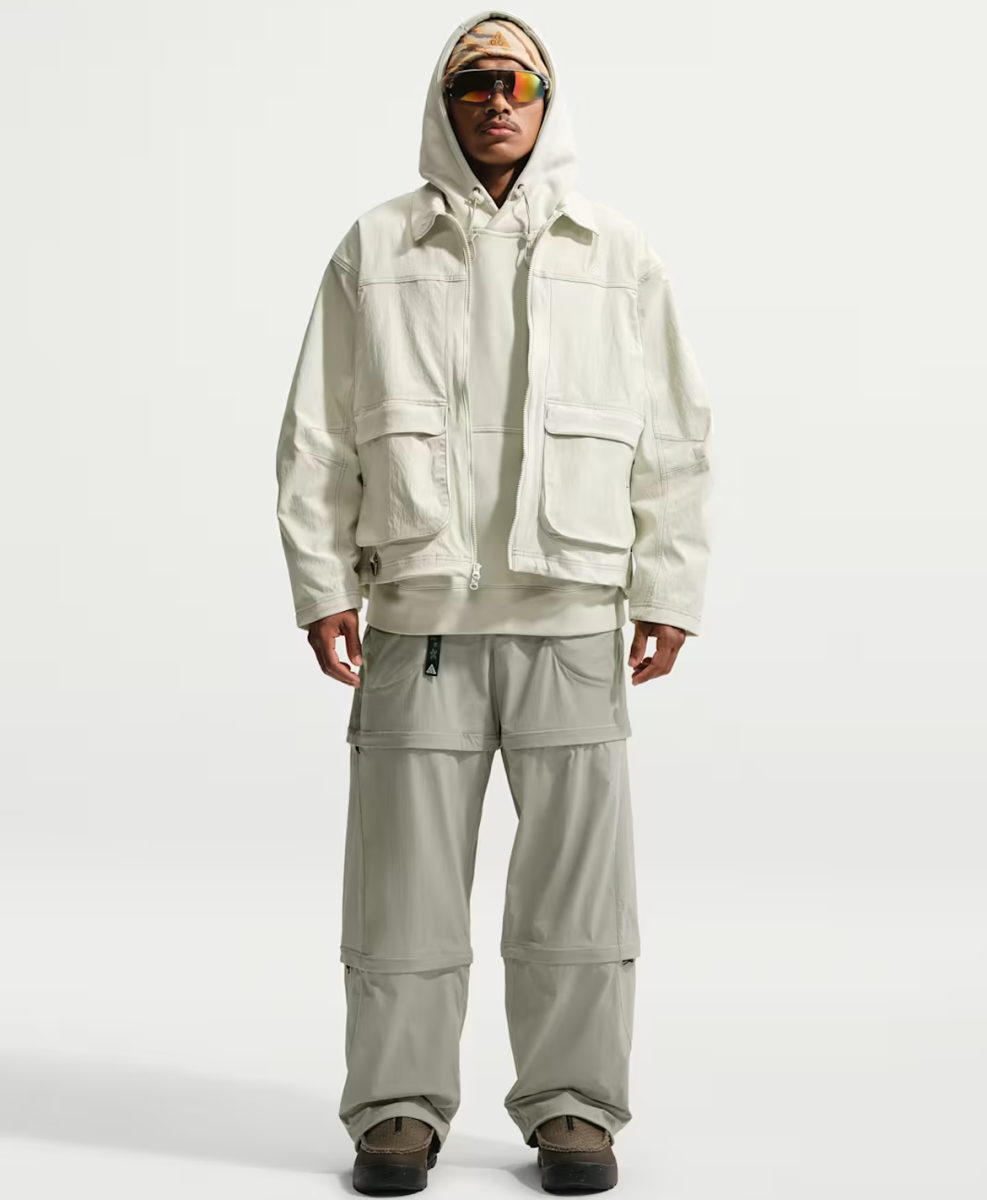
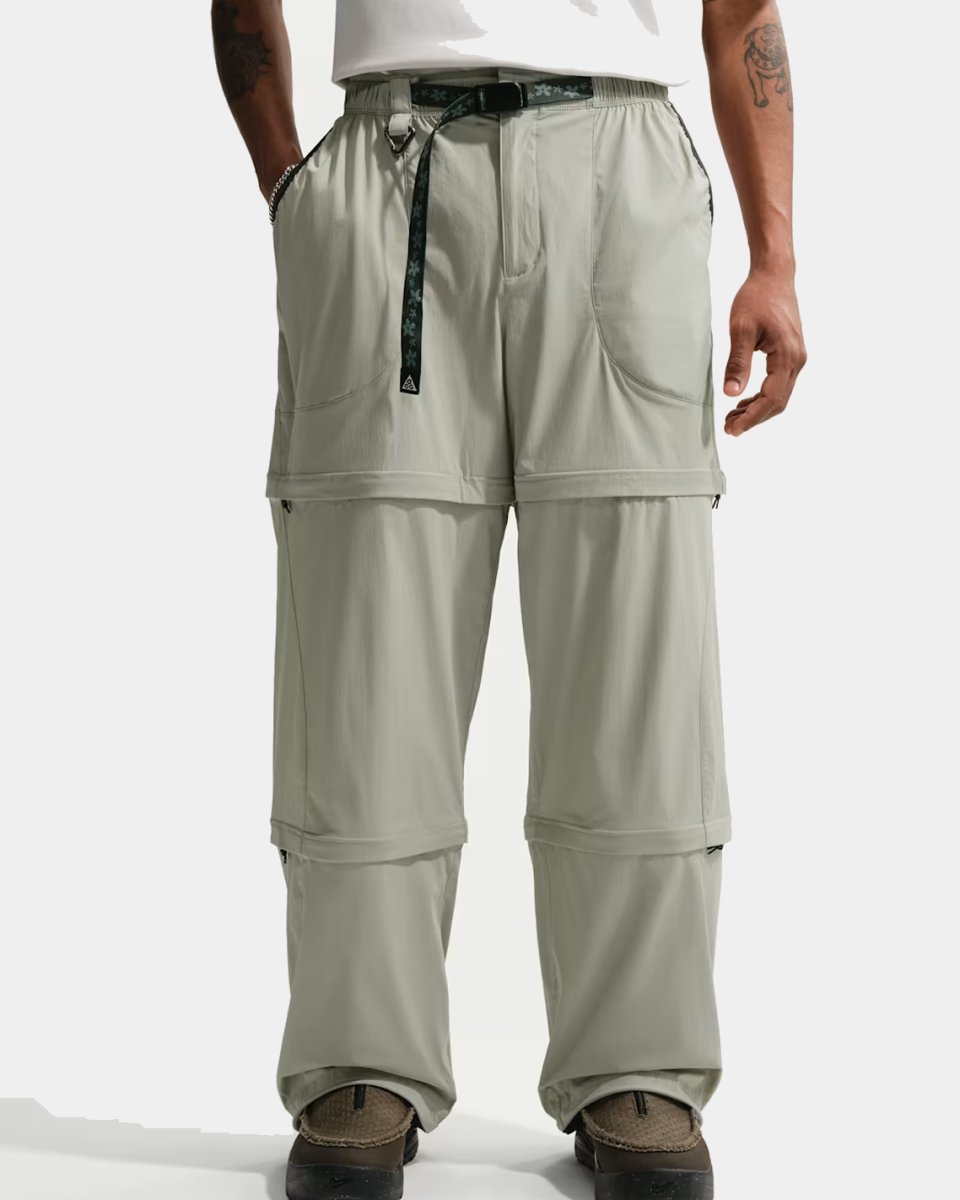
Nike's All Conditions Gear line has been borrowing from climbing, hiking and general outdoor culture since long before gorpcore had a name.
The Smith Summit trousers are a particularly good fit for this look. They're loose through the leg and feature an elasticated waistband, webbing belt, gusset, articulated knees and abrasion-resistant Cordura reinforcement. They can even be zipped off into shorts.
Patagonia
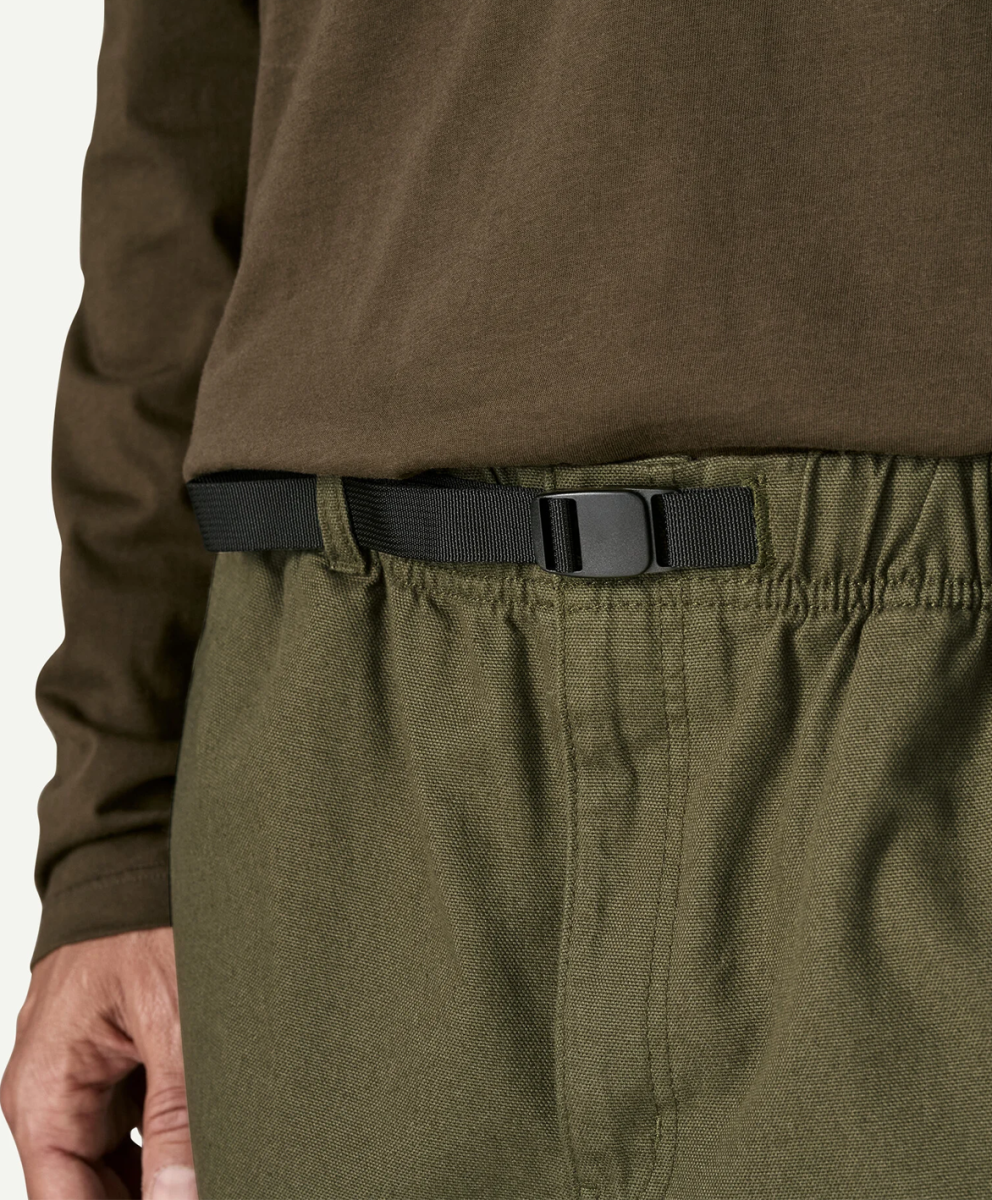
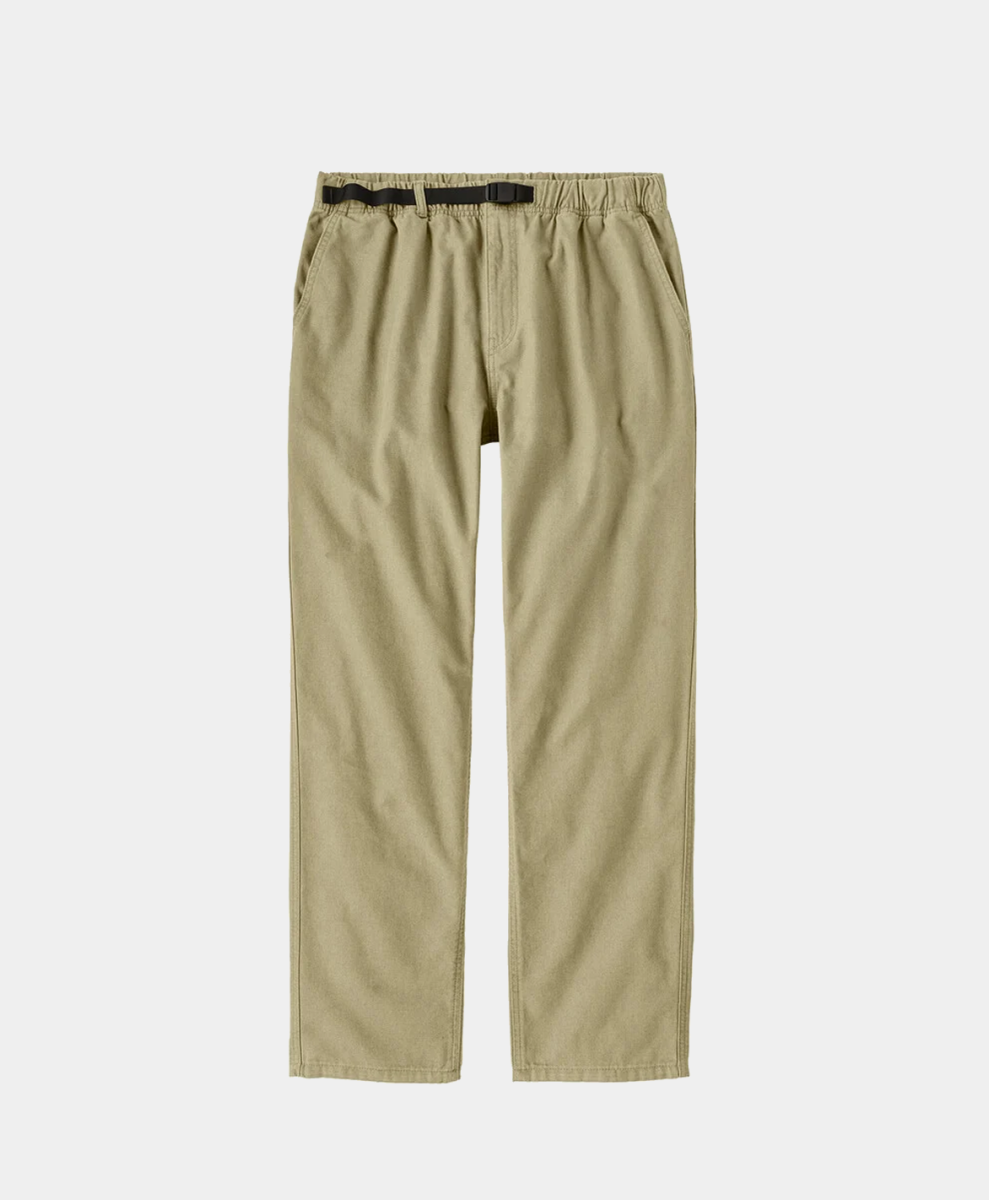
Patagonia is one of the more climbing-focused names on this list, with an entire selection of trousers intended for life on rock. Fortunately, many of them work perfectly well at ground level too.
The Venga is perhaps the easiest to incorporate into an everyday wardrobe, using a cotton-rich stretch fabric alongside a gusseted crotch, articulated construction and adjustable cuffs. Look towards styles such as the RPS if you want something lighter and more technical.