There are few things more satisfying than owning a piece of clothing that looks better after ten years than it did on the day you bought it. Not everything in your wardrobe has to remain box-fresh. In fact, some of the best menswear actively benefits from a bit of abuse. We're talking raw jeans that fade in all the right places, leather that develops a rich patina, and jackets that become softer, more comfortable and more characterful with every passing year.
Of course, there's a difference between ageing gracefully and simply falling apart. Cheap materials and poor construction rarely improve with time, but the right fabrics, finishes and manufacturing techniques can turn everyday wear and tear into something worth celebrating.
So, before you retire that scuffed jacket or replace those faded trousers, consider this: they might only just be hitting their stride. Here are nine menswear essentials that prove the best things in life aren't always new.
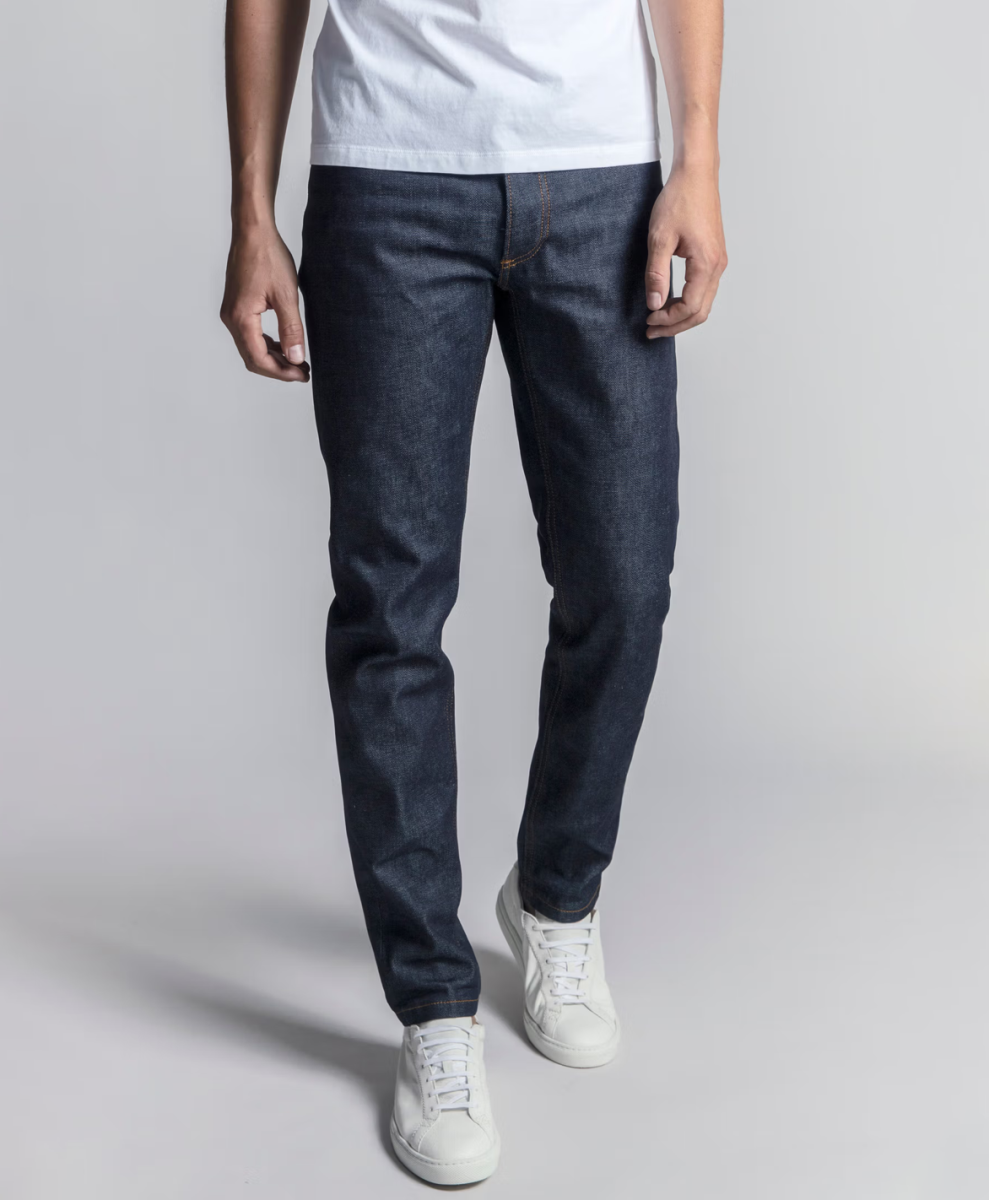
Raw denim jeans
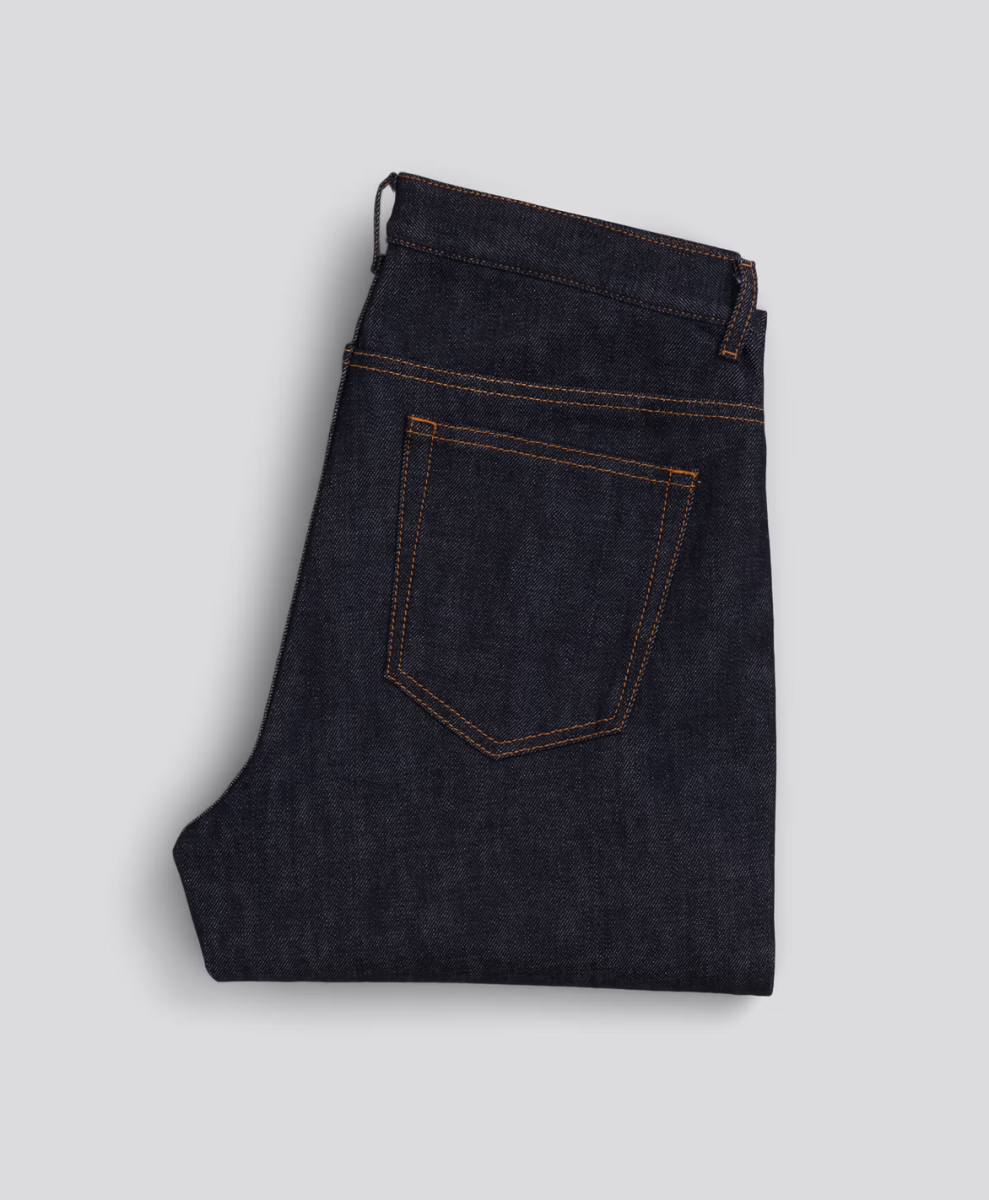
There's a reason denim enthusiasts spend years wearing the same pair of jeans, documenting every crease and fade like proud parents charting their child's development. Raw denim starts life stiff, dark and relatively uniform, but gradually transforms into something completely unique to the wearer.
As the indigo wears away, lighter areas emerge around the knees, thighs and pockets. Whiskers develop across the lap, honeycomb patterns form behind the knees, and the fabric gradually softens and moulds to the body. The result is a pair of jeans that tells the story of how they've been worn.
Japanese selvedge denim is particularly prized for this, but the principle applies to any good-quality raw denim. Wear it often, wash it when necessary and resist the temptation to baby it. The whole point is to make it your own.
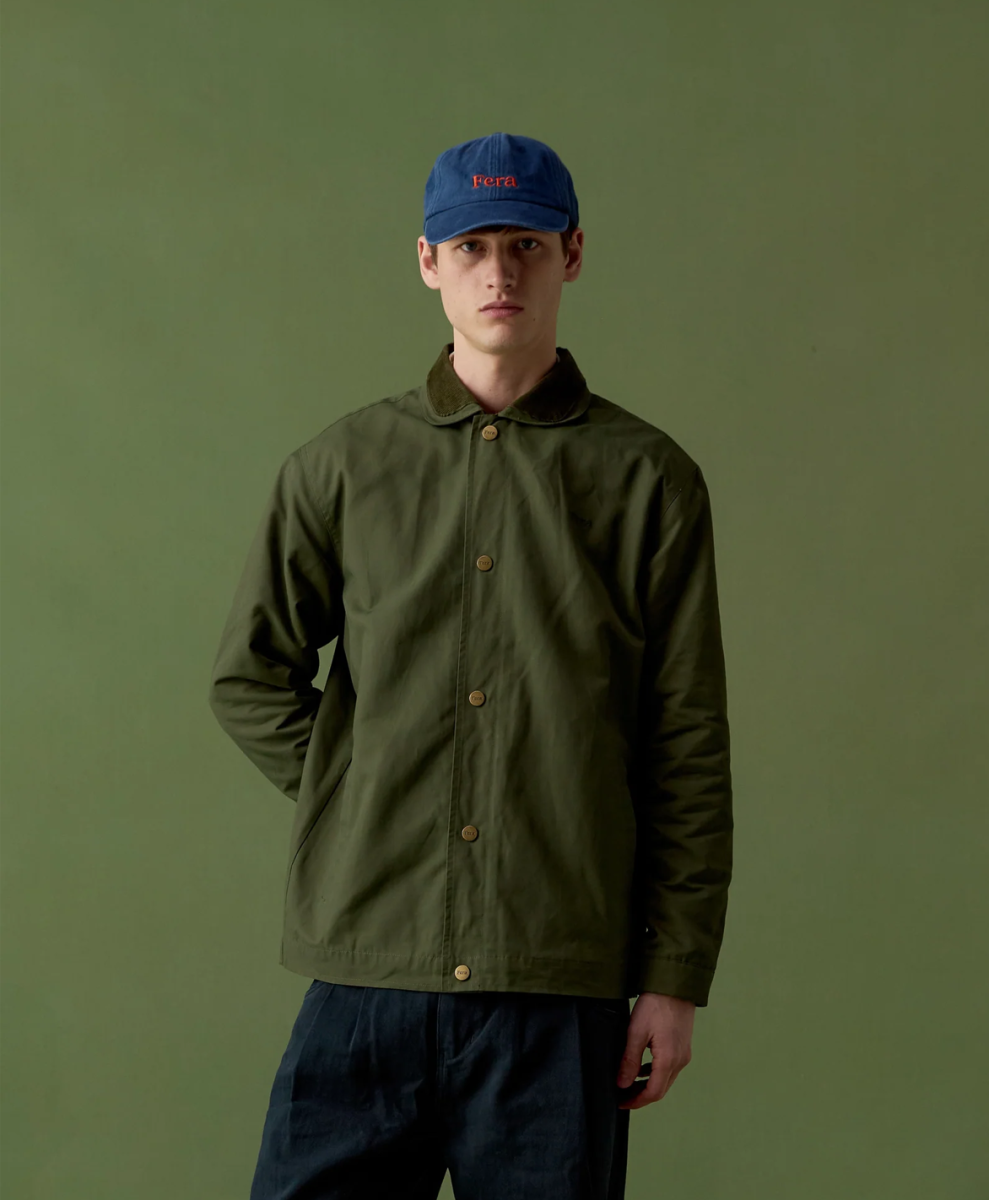
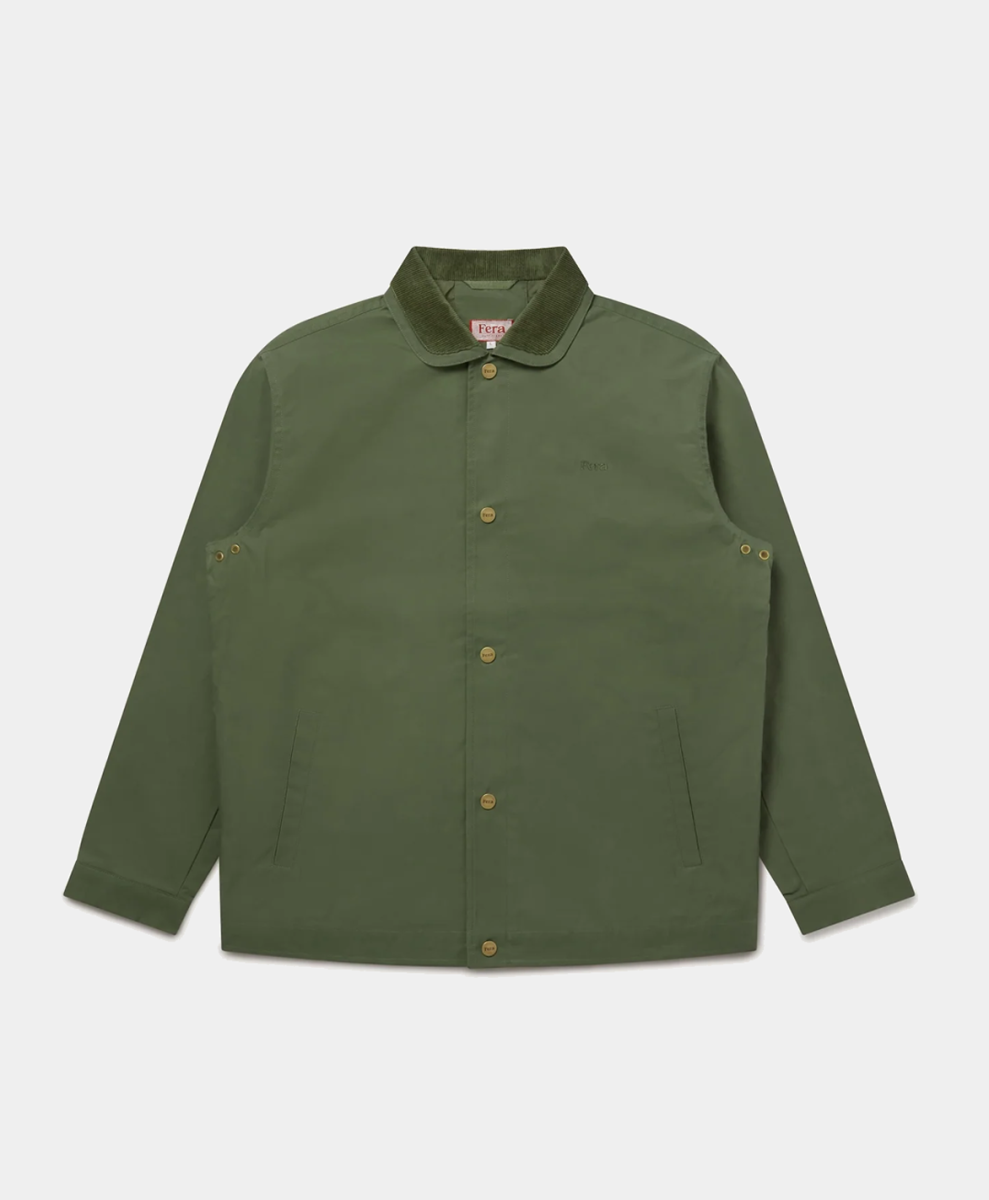
Waxed cotton jacket
A brand-new waxed cotton jacket can look a little too pristine for something originally intended to keep farmers, fishermen and motorcyclists dry. Give it a few years, however, and things start to get interesting.
The waxed finish develops creases and variations in colour, particularly around the elbows, shoulders and pockets. The fabric softens, the jacket begins to conform to the body, and what was once a fairly stiff piece of outerwear becomes something altogether more comfortable and characterful.
Barbour is the obvious reference point here, with vintage Bedales and Beauforts demonstrating just how good these jackets can look after decades of use, but there are plenty of great Barbour alternatives too. Better still, they're relatively easy to maintain. A fresh coat of wax restores weather resistance, while repairs and patches can add another layer of personality.
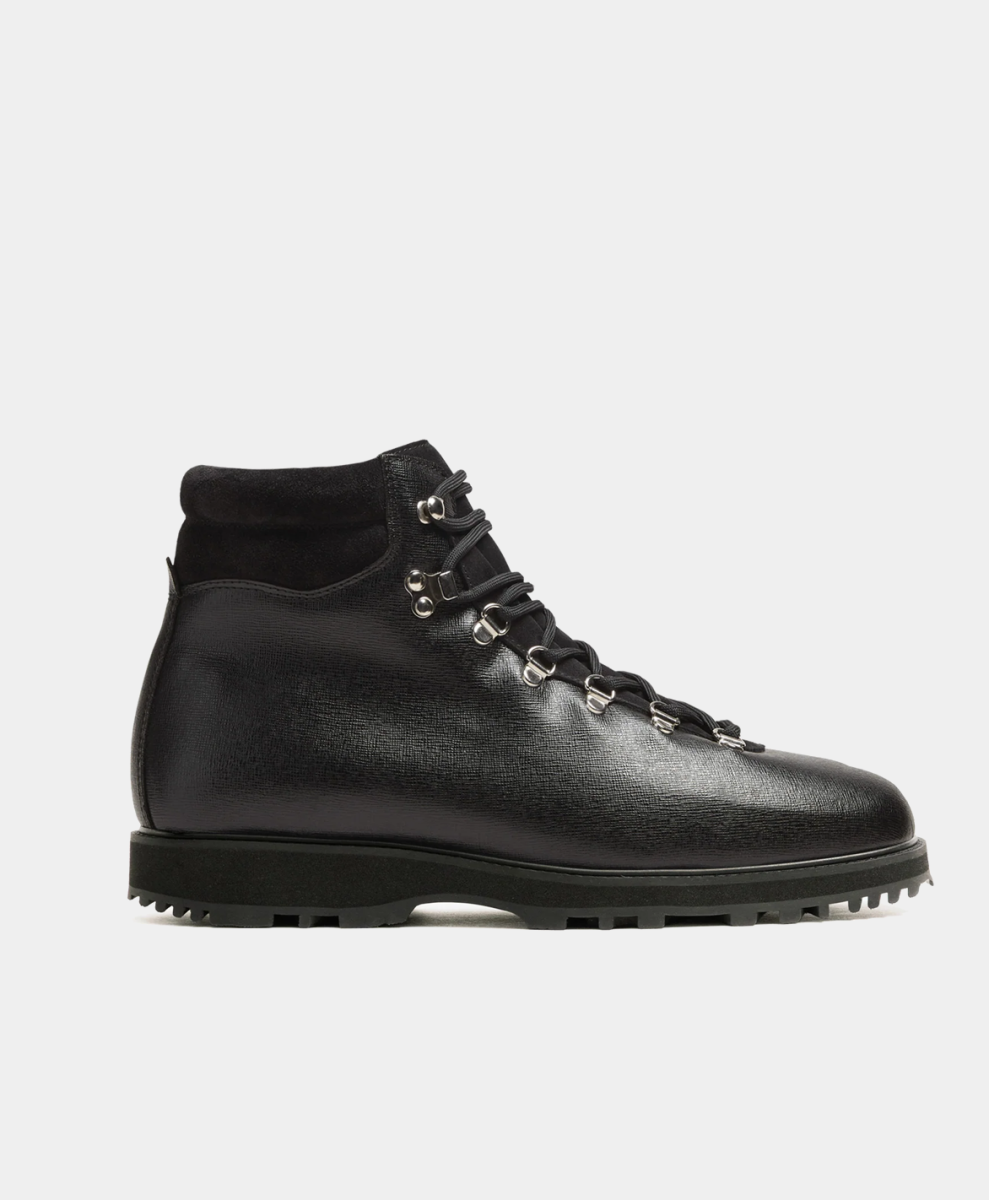
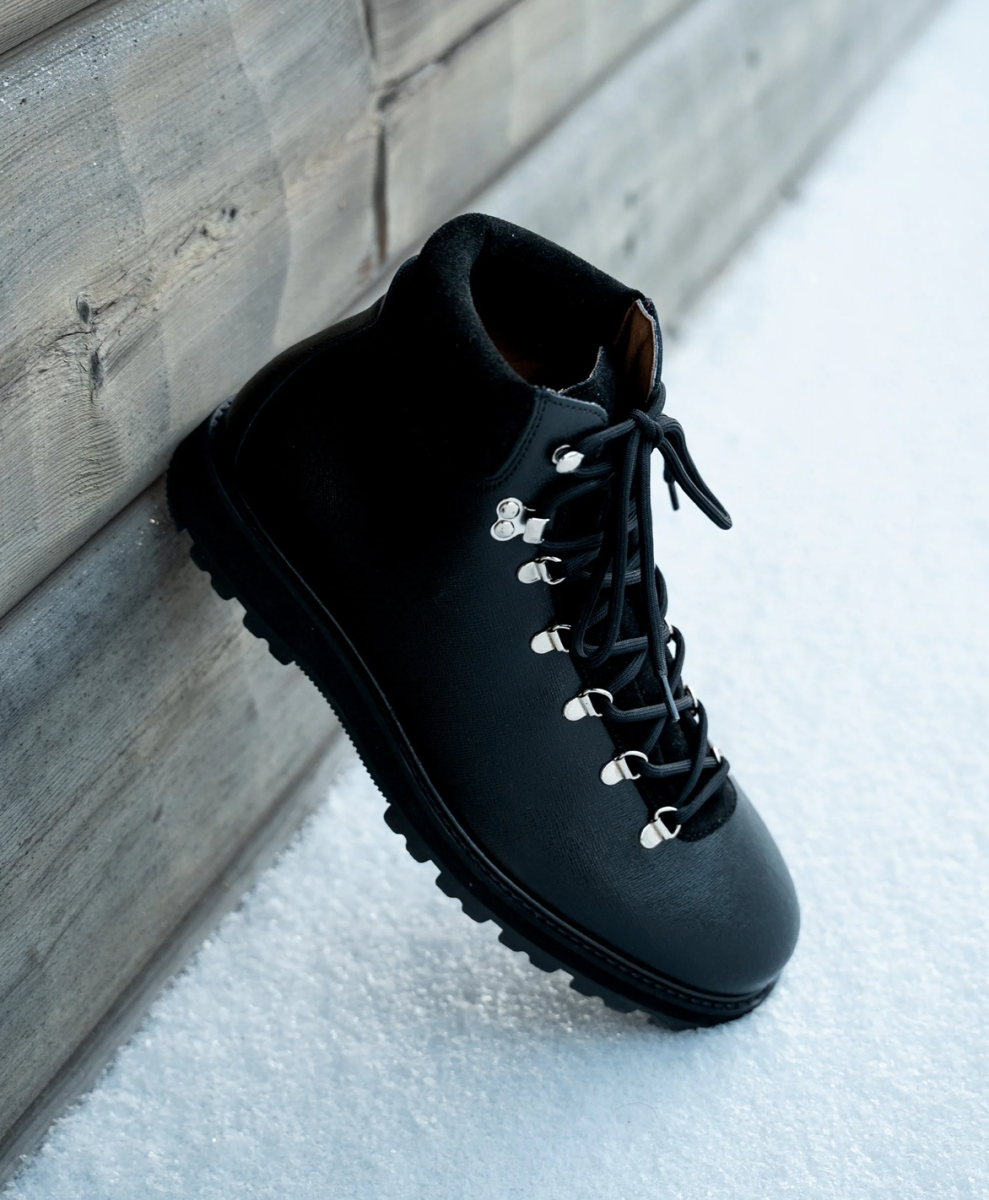
Full-grain leather boots
A decent pair of leather boots should be viewed as a long-term investment rather than a seasonal purchase. Particularly if they're made from full-grain leather, which retains the hide's natural surface and has the potential to develop a beautiful patina over time.
As the boots are worn, the leather creases and softens, gradually taking on the shape of the foot. Oils, sunlight and everyday handling can alter its colour, creating subtle variations in tone and texture. Certain leathers, particularly pull-up varieties, exaggerate this effect to spectacular results.
Brands such as Red Wing, Viberg and Tricker's have built devoted followings partly because their boots look so good after years of use. Look for quality Goodyear-welt construction and replaceable soles, keep the leather conditioned, and don't panic when the first scuff appears. It's the beginning of the good bit.
Leather jacket
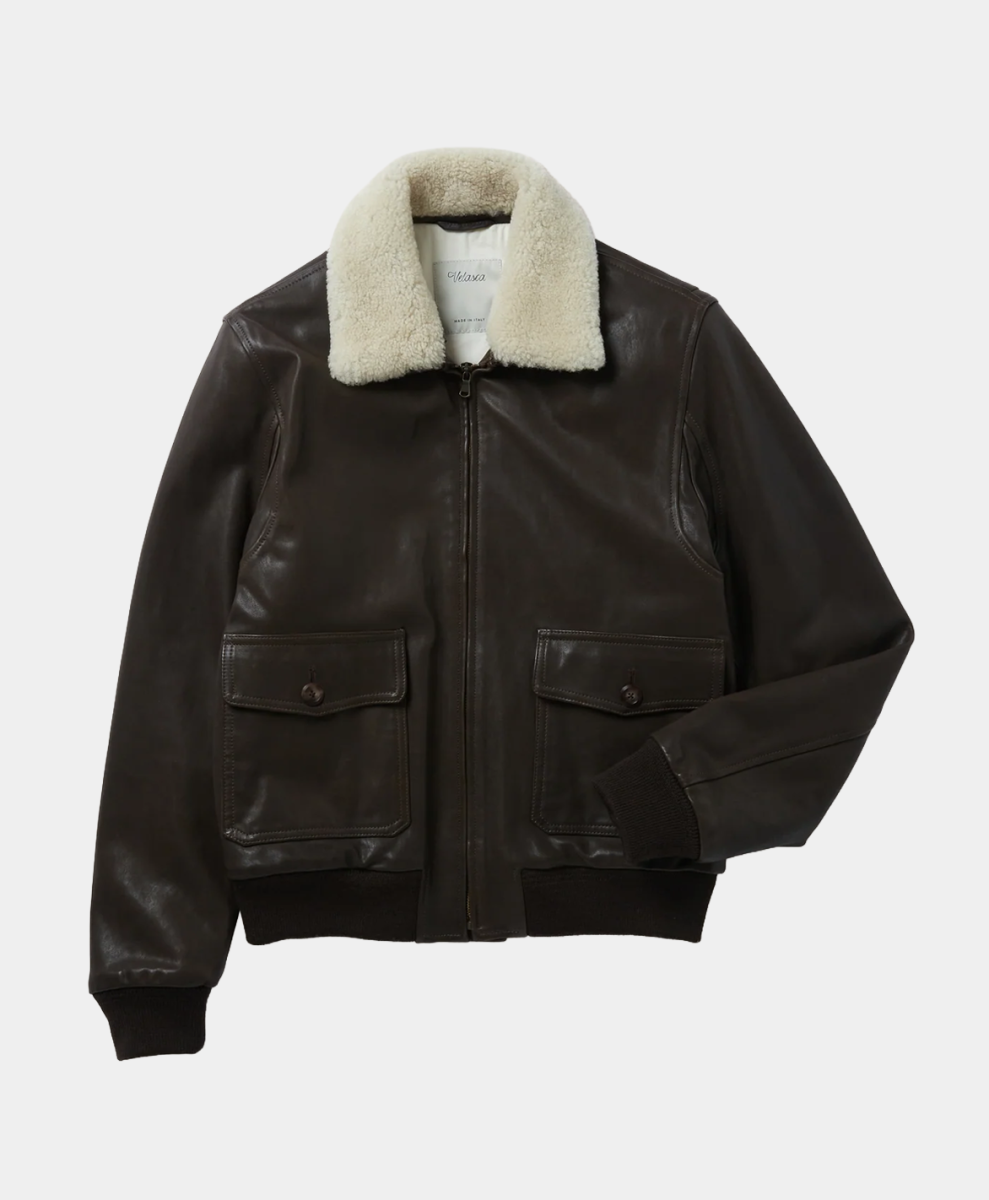
There's something faintly ridiculous about buying a leather jacket that's already been artificially distressed. Particularly when the real thing is so much more interesting.
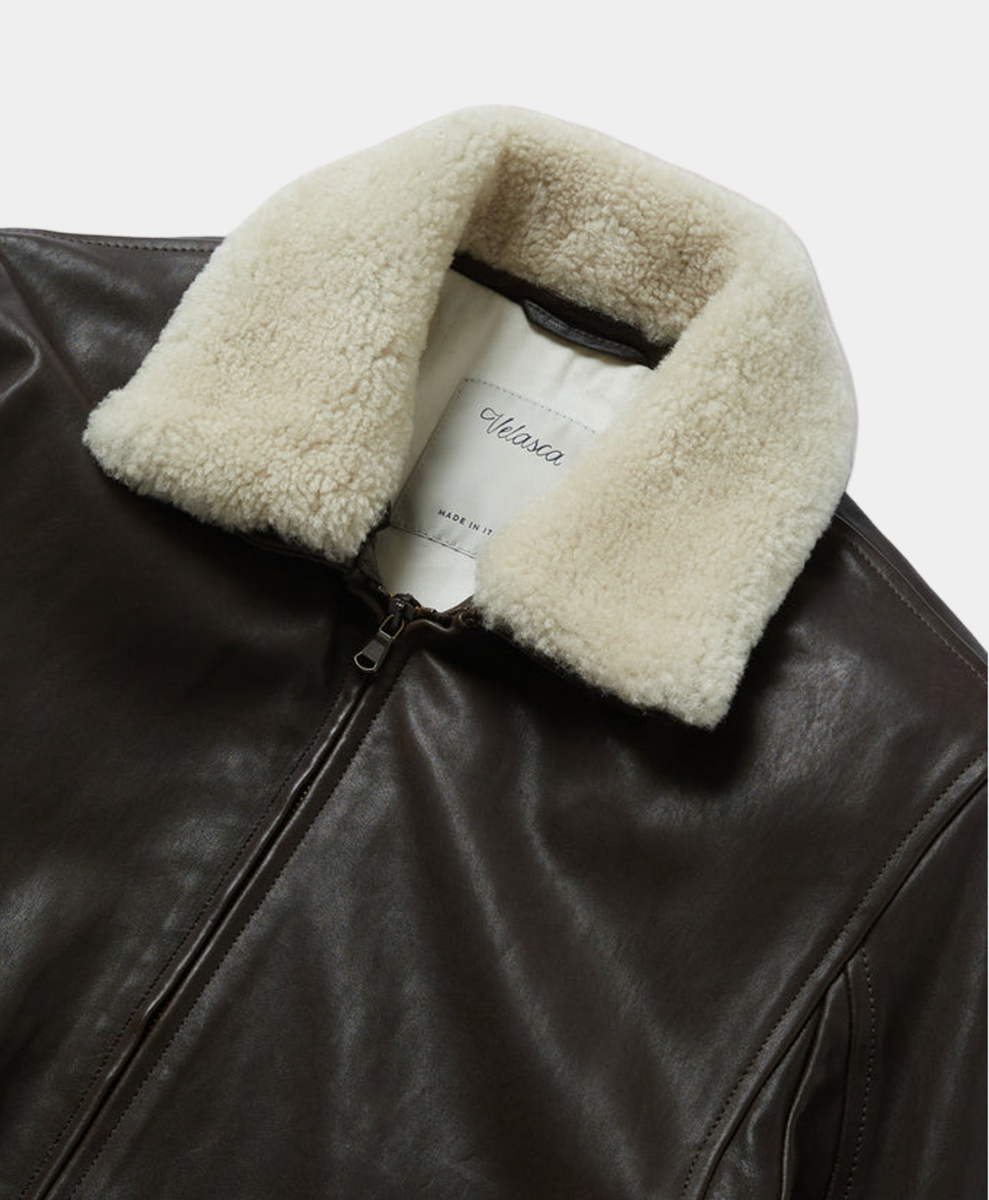
A well-made leather jacket changes considerably with wear. The material softens, creases form around the elbows and shoulders, and the surface develops subtle variations in colour and sheen. Over time, the jacket begins to mould to the wearer's body, creating a fit and appearance that can't be replicated straight off the rail.
Horsehide and vegetable-tanned leathers are especially interesting in this respect, although different finishes will age in different ways. The key is to choose a relatively timeless style and commit to wearing it. A good leather jacket shouldn't look like a museum exhibit. It should look like it's been places.
Field jacket
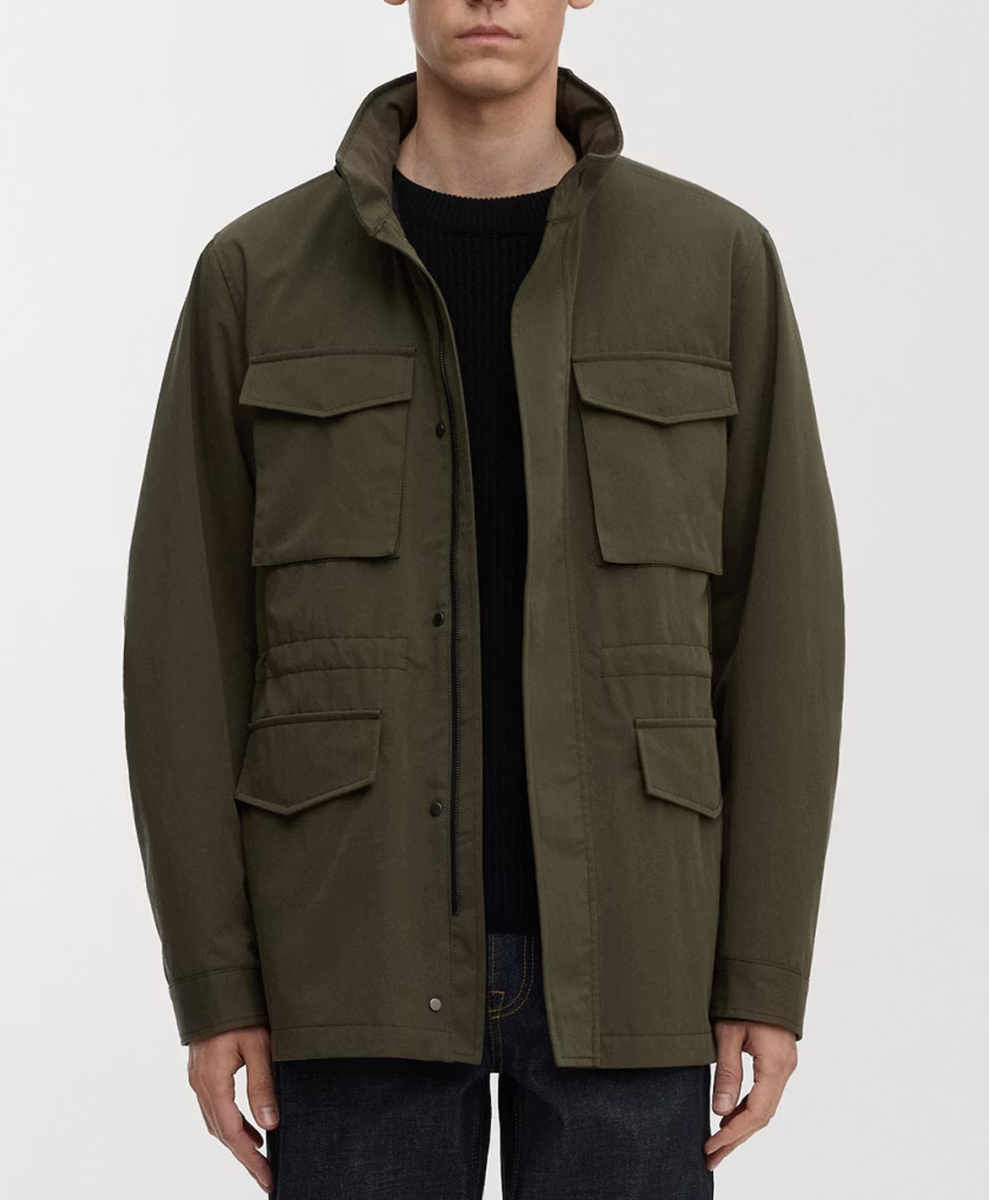
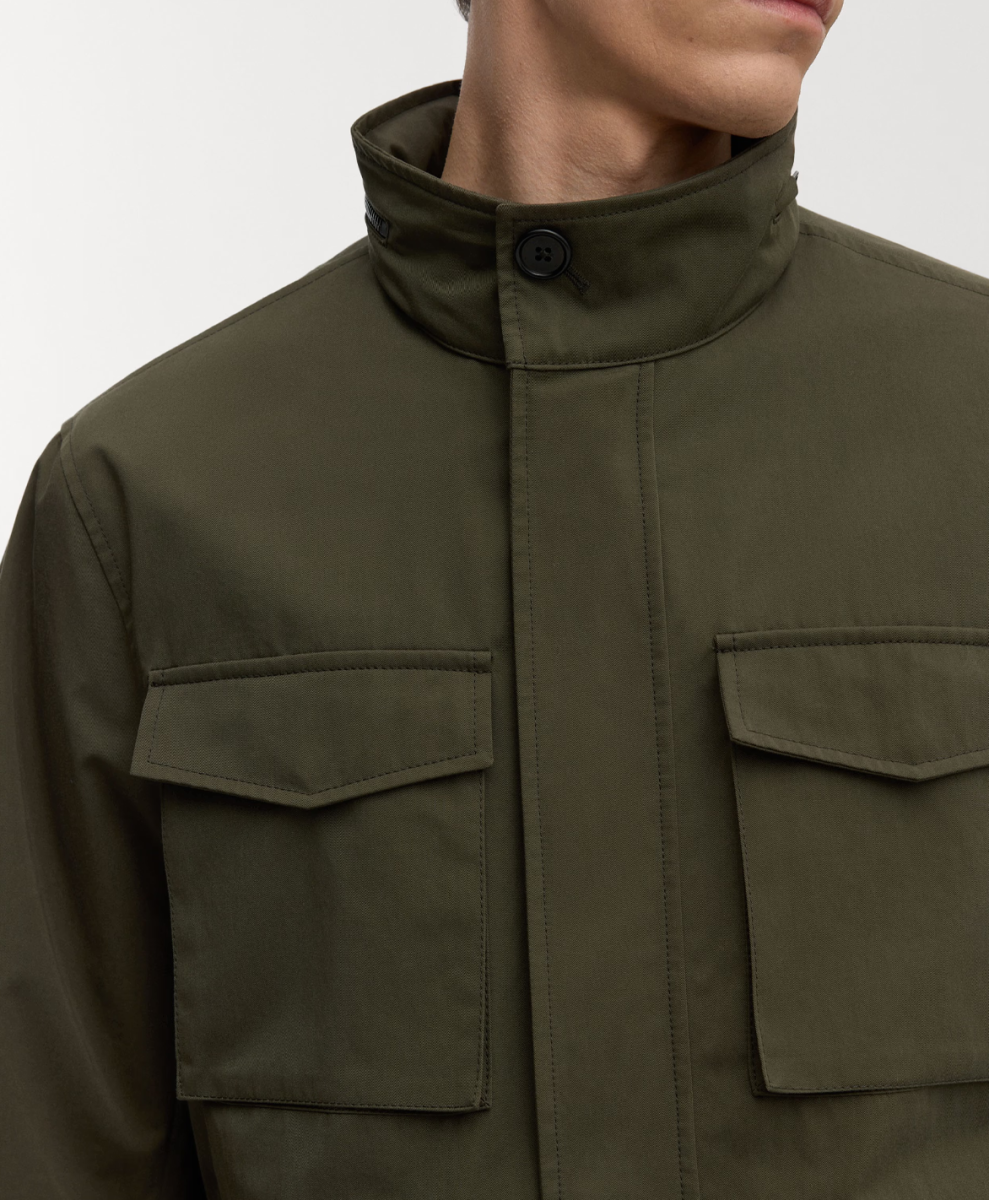
Military clothing has always been a rich source of inspiration for menswear, and few garments demonstrate its enduring appeal better than the field jacket. Originally built for practicality rather than appearance, these hard-wearing cotton jackets have a knack for looking better once they've seen a bit of action.
The classic M-65 is a prime example. Its cotton-nylon shell gradually becomes softer and more relaxed, while olive and khaki shades can fade beautifully with repeated washing and exposure to sunlight. Creases develop around the pockets and sleeves, giving the garment a naturally lived-in appearance.
Vintage military surplus is an excellent place to start, but contemporary interpretations can work just as well. The important thing is to avoid anything too delicate or overly complicated. A field jacket should be something you can throw on without thinking, not another garment to worry about damaging.
Canvas work trousers
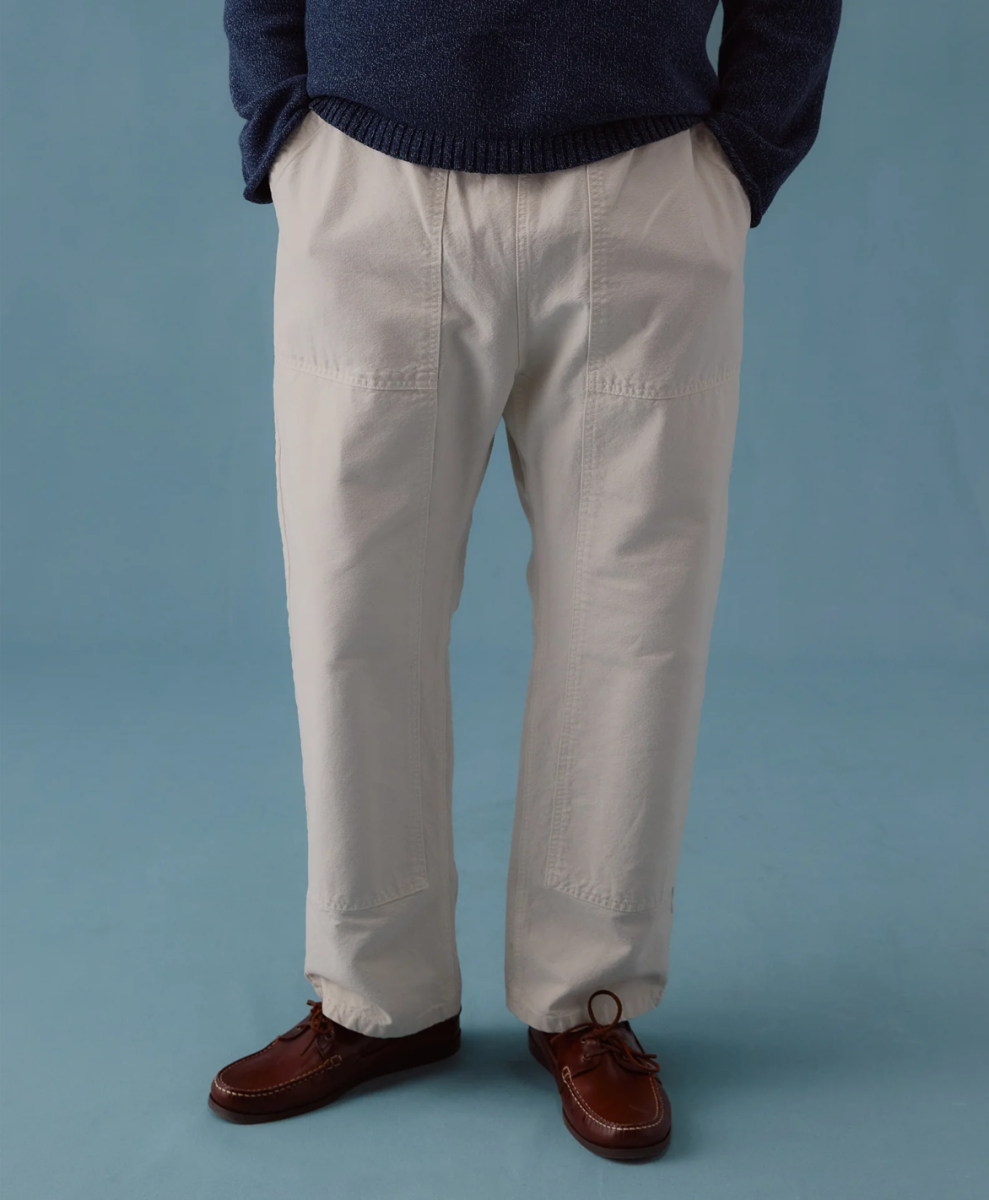
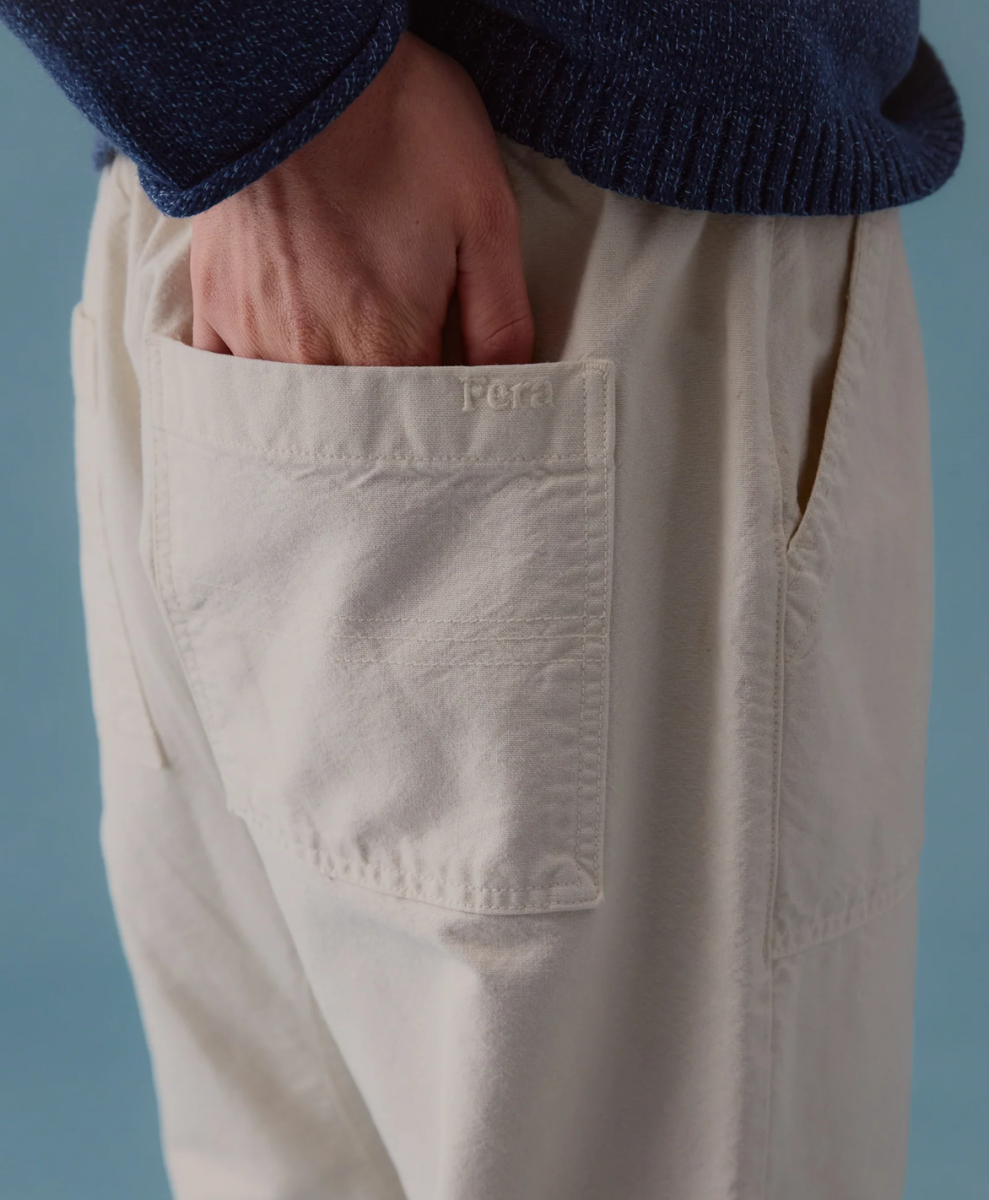
Duck canvas is not a fabric that makes a particularly charming first impression. It's stiff, heavy and can initially feel like you're wearing a pair of cardboard boxes. Stick with it, though, and the rewards are considerable.
Originally used for workwear because of its strength and resistance to abrasion, cotton duck gradually softens with wear and washing. The fabric becomes more comfortable, the colour fades in high-contact areas, and creases develop around the knees, pockets and seat.
Carhartt's double-knee trousers are perhaps the most recognisable example, with well-worn vintage pairs now commanding surprisingly high prices on the resale market. It's a curious situation when trousers that have spent a decade being battered on building sites become desirable fashion objects, but that's menswear for you.
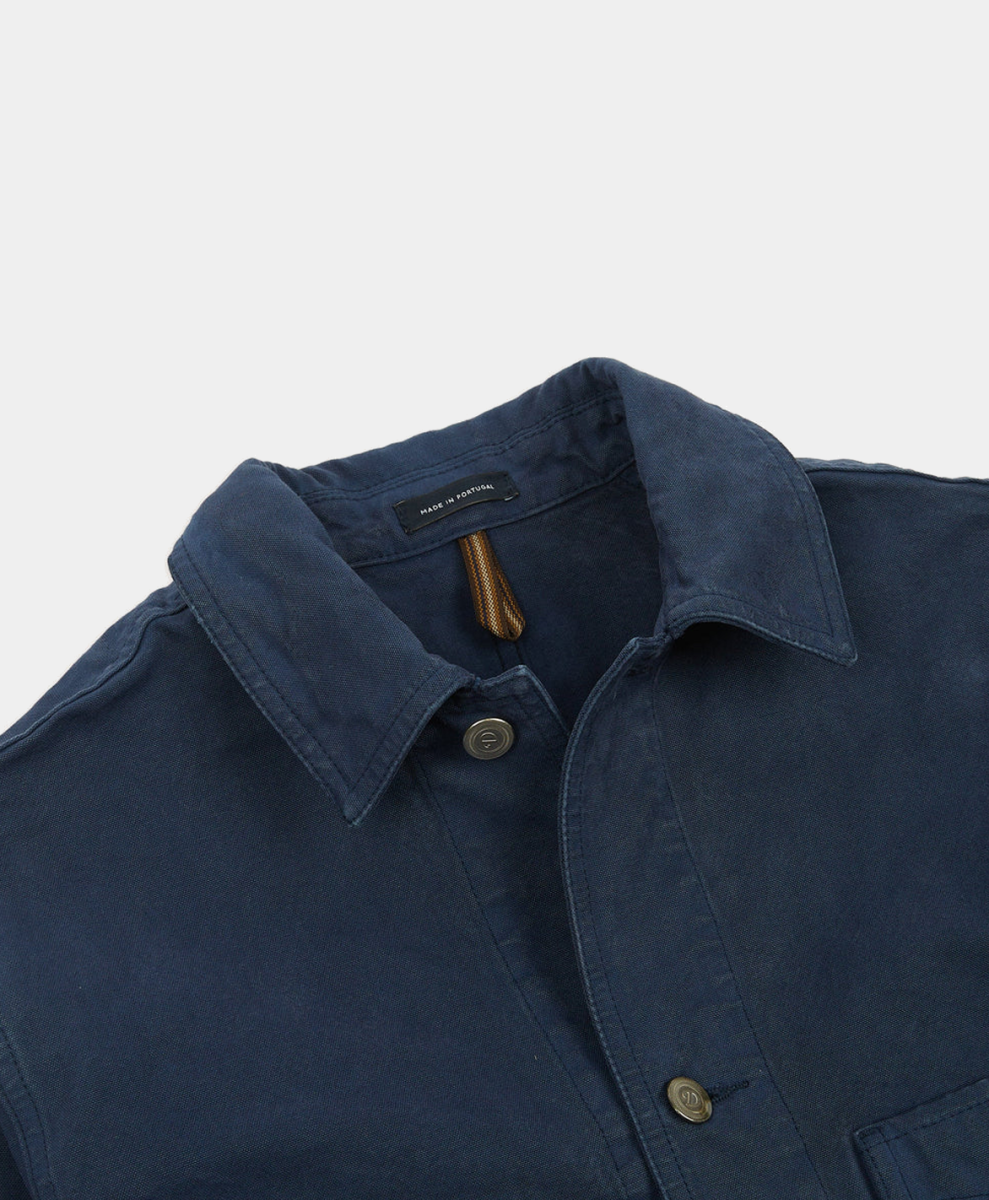
Chore coat
The chore coat is another garment that owes its existence to people who were far too busy working to concern themselves with whether their clothes had developed a pleasing patina.
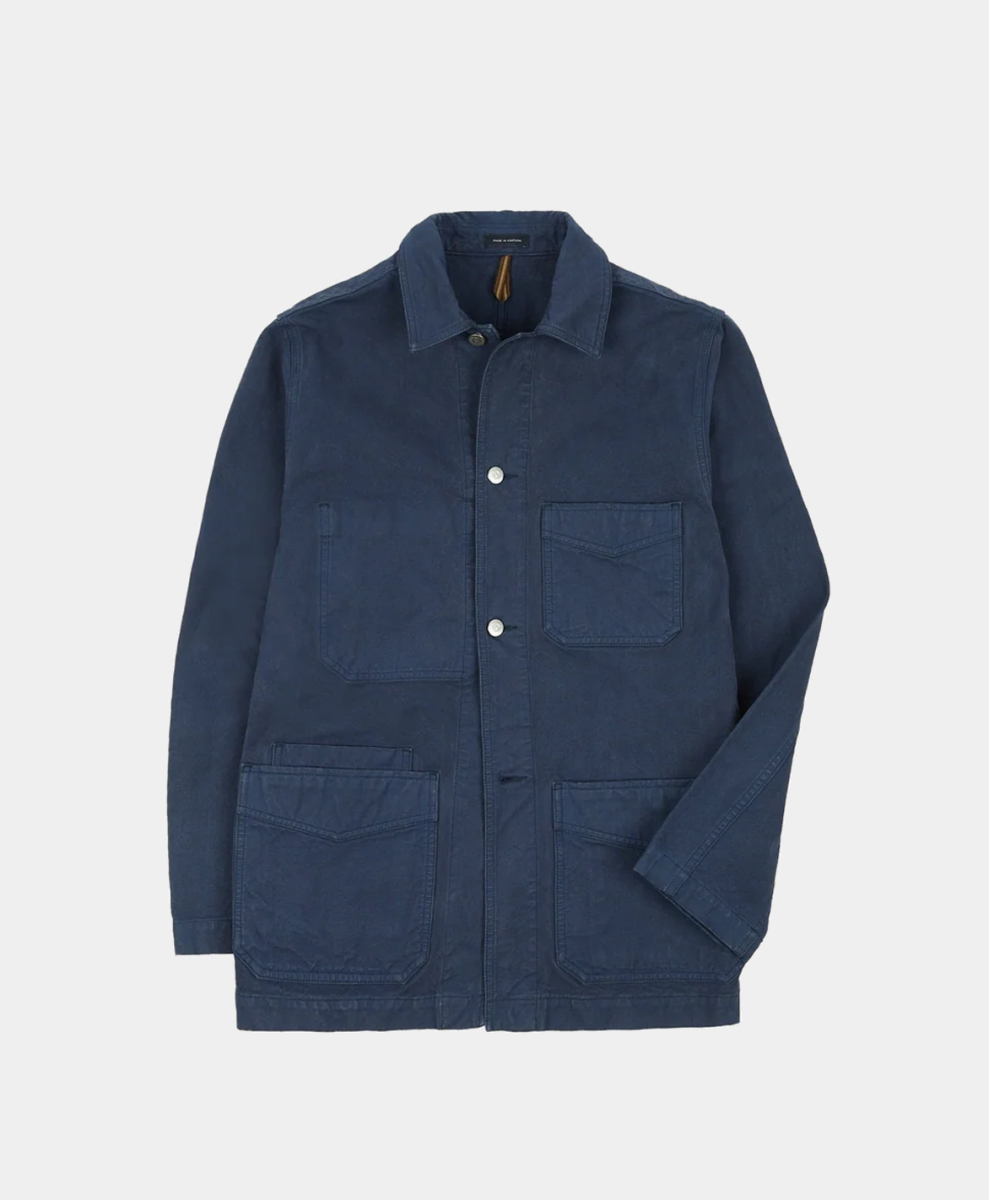
Traditional French bleu de travail jackets, American railroad coats and other utilitarian styles were designed to withstand repeated wear, washing and physical labour. Made from sturdy cotton twill, moleskin or canvas, they gradually soften and fade, developing a character that's difficult to reproduce artificially.
The beauty of a good chore coat lies in its simplicity. A straightforward shape, a few generously sized patch pockets and a durable fabric are really all that's required. As the material relaxes and the colour becomes less uniform, the jacket takes on a casual, unstudied quality that only improves with age.
Cotton baseball cap
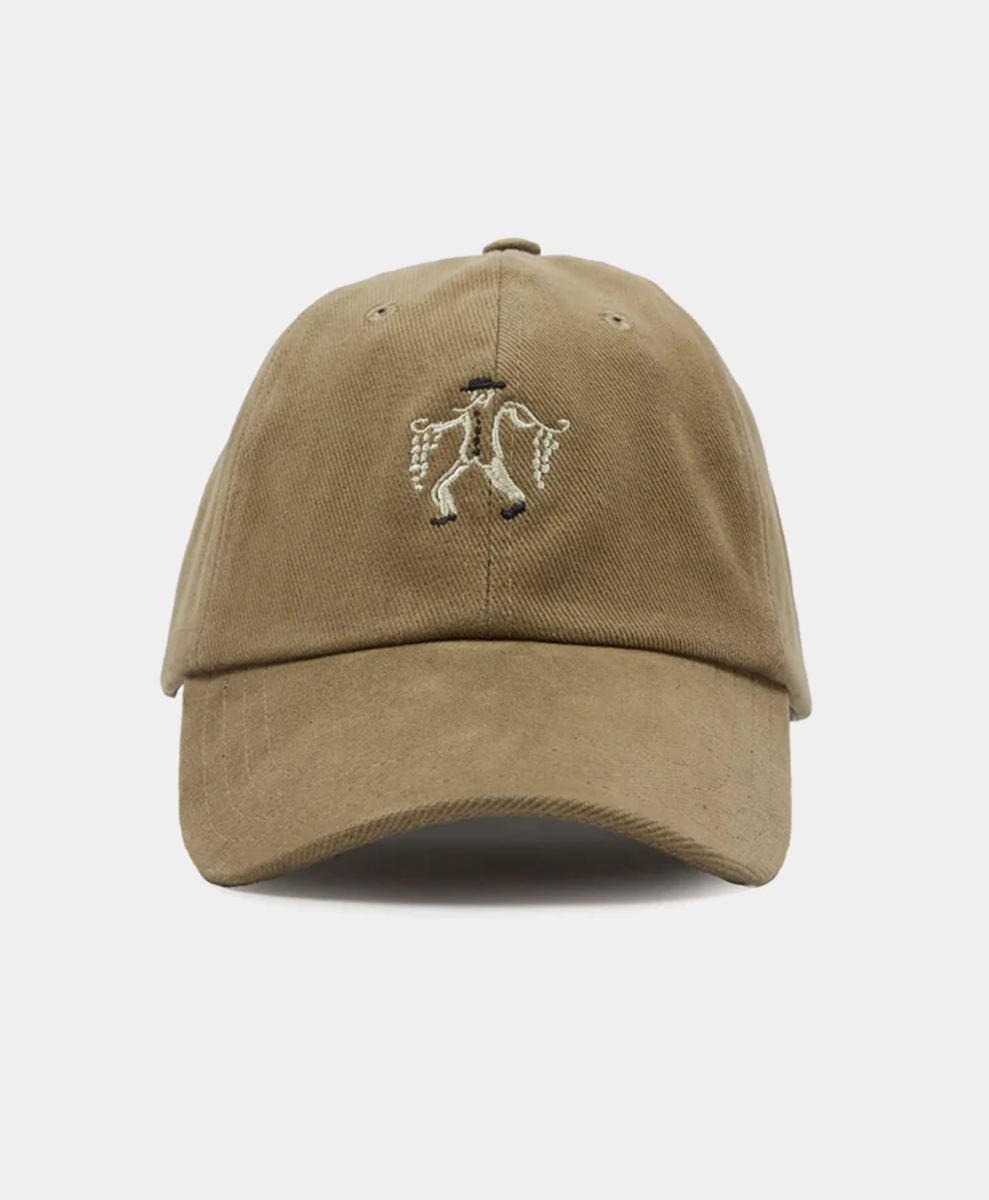
Not every item that improves with age needs to cost several hundred pounds or require a specialist maintenance routine. Sometimes all it takes is a humble cotton baseball cap and a few summers' worth of sunshine.
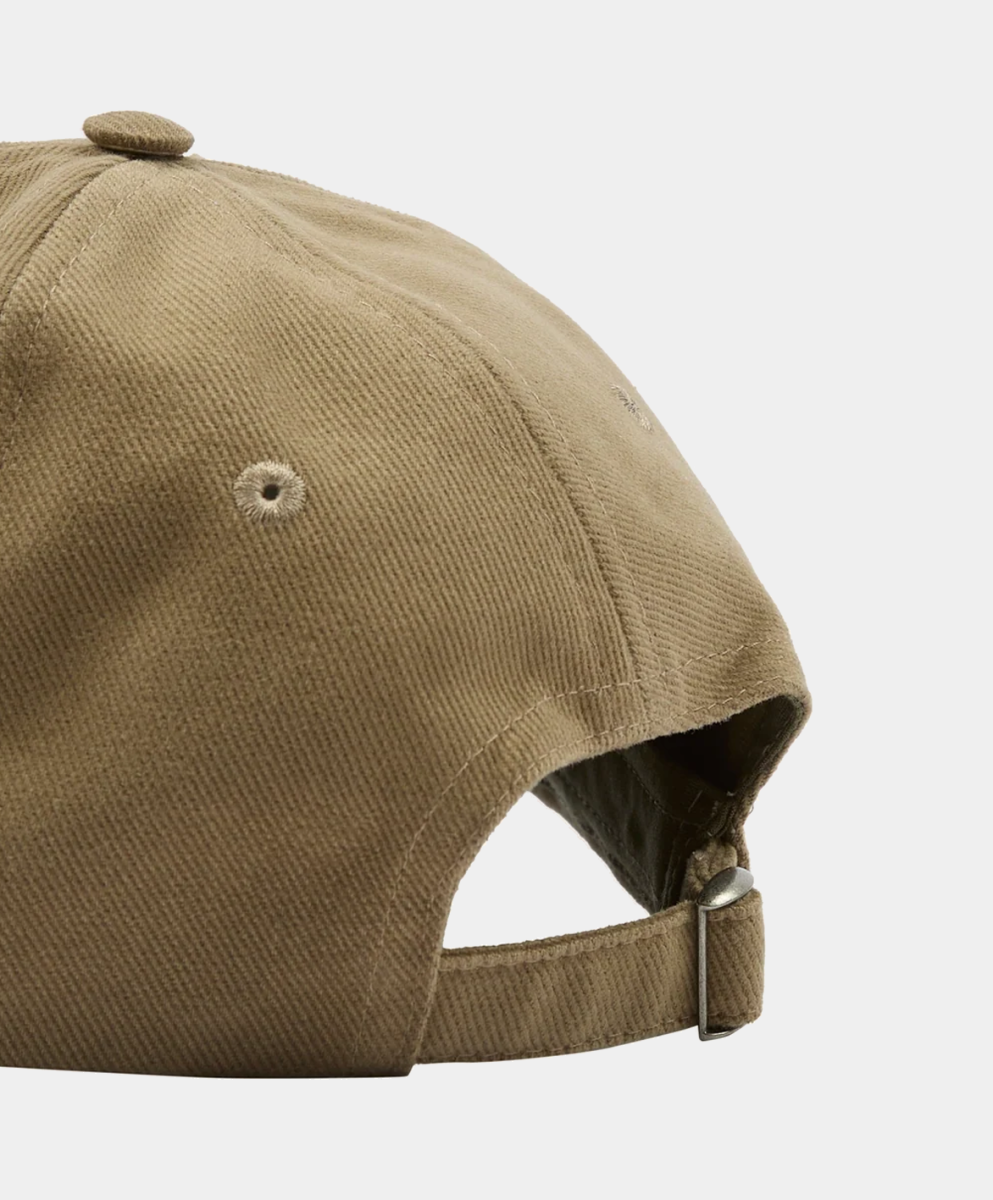
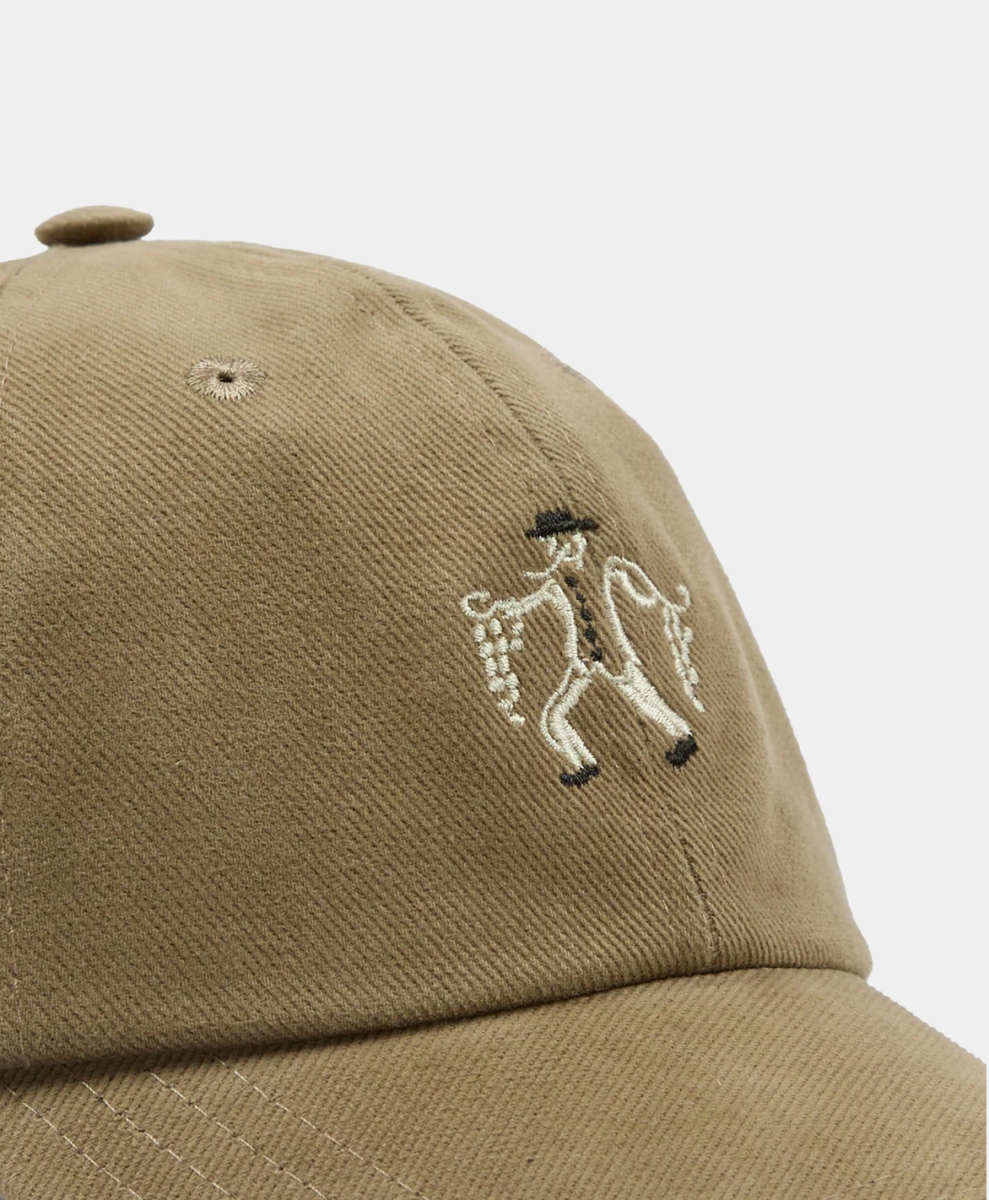
A good cotton twill cap gradually fades, particularly across the crown and brim, while the fabric softens and conforms to the shape of the head. Dark colours such as navy, black and olive tend to show the transformation most clearly, developing a washed-out appearance that looks considerably more relaxed than the original.
Unstructured caps are especially good candidates, as they don't rely on rigid internal components to maintain their shape. Just keep it reasonably clean. There's a fine line between charmingly sun-faded and something that ought to be handled with surgical gloves.
Leather weekend bag
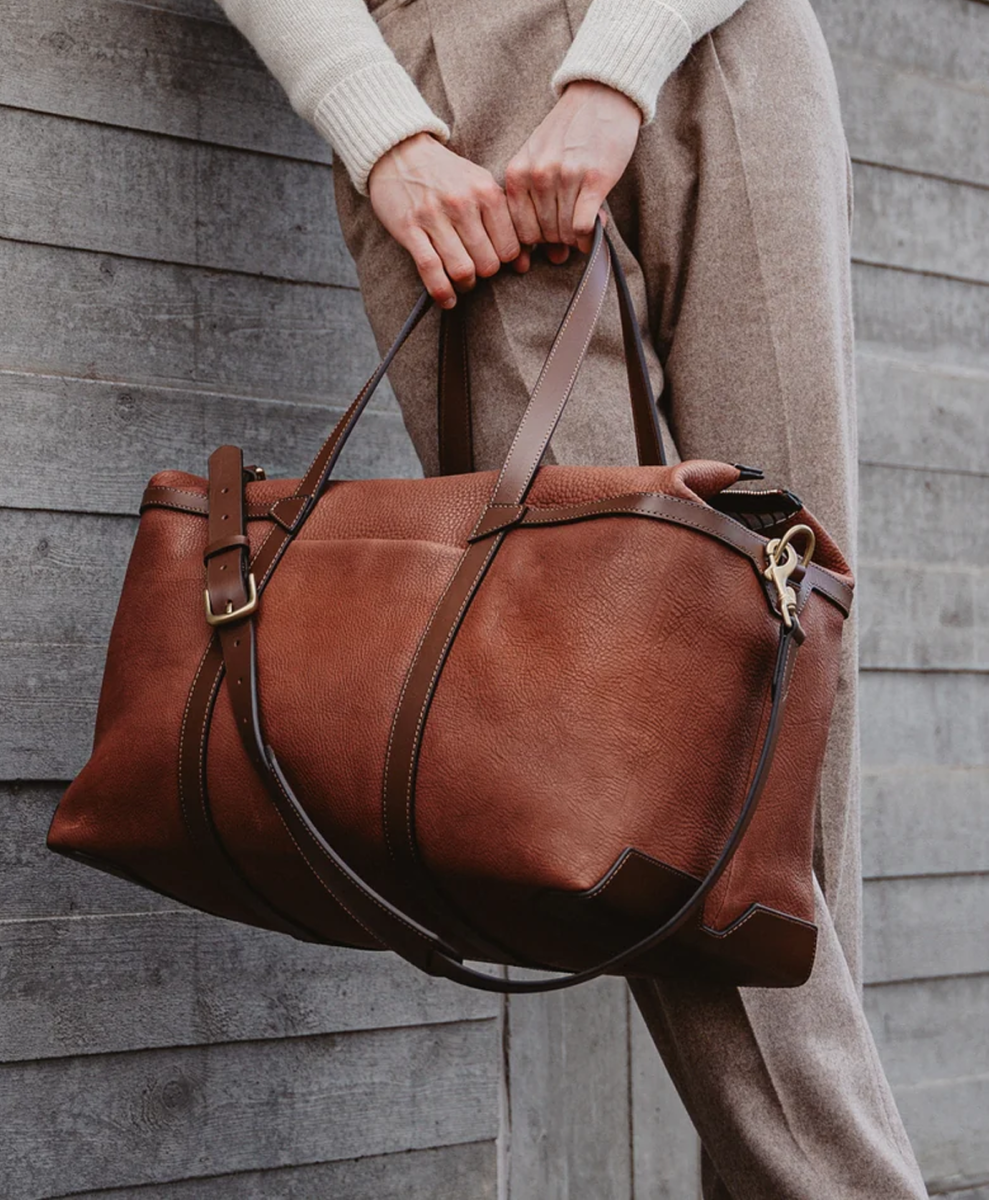
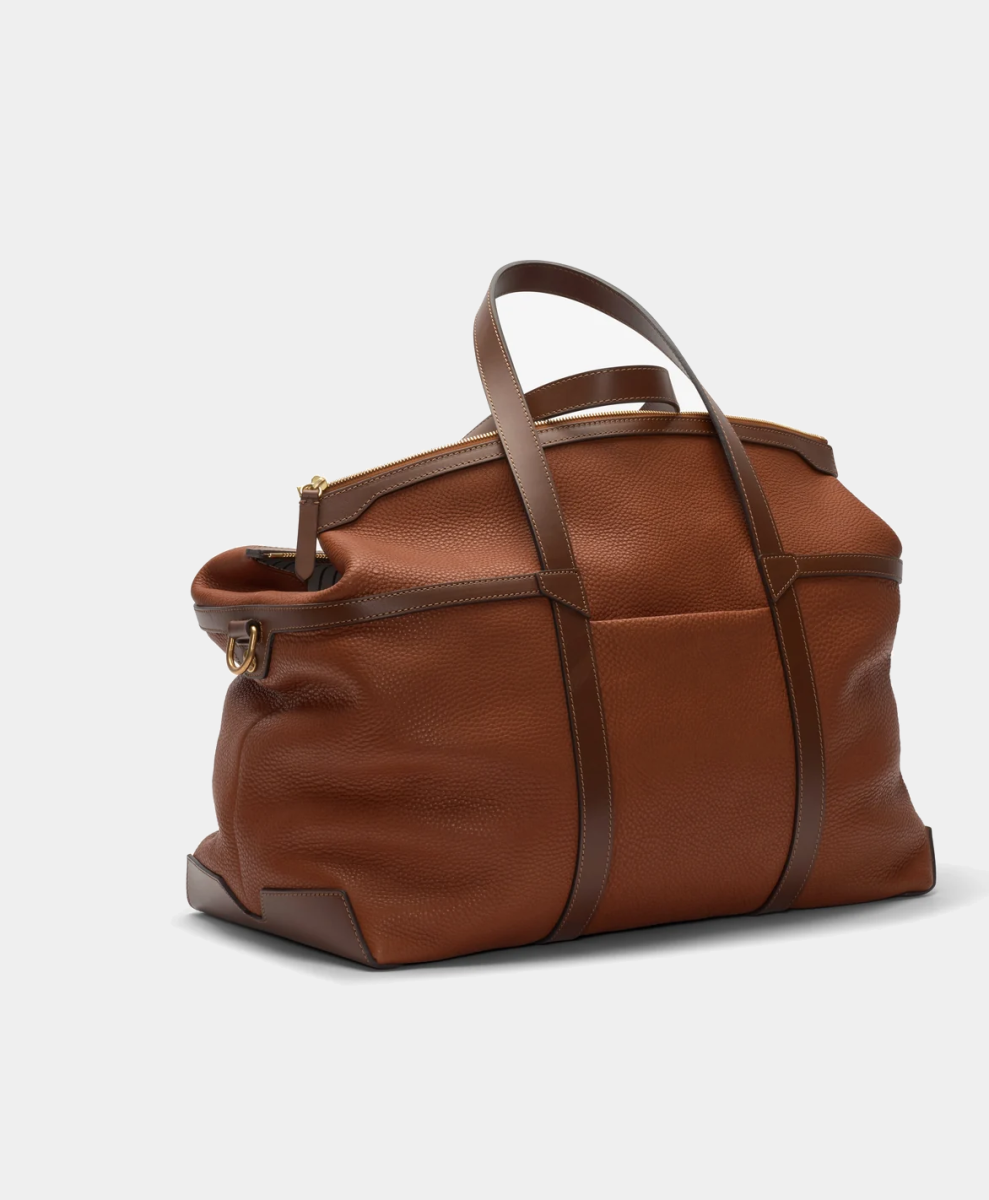
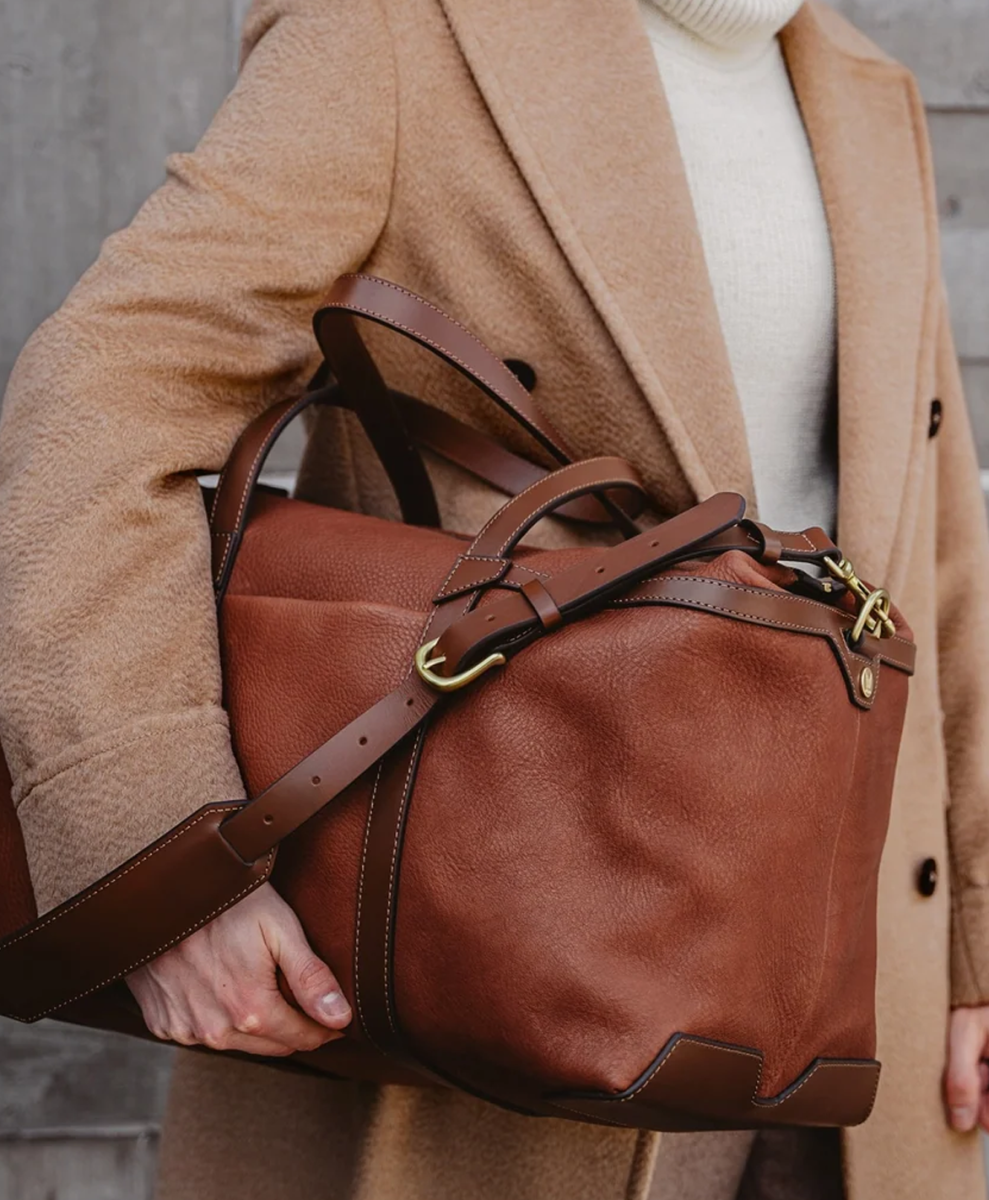
A leather weekend bag is one of those rare accessories that can genuinely improve with every trip. Provided it's made from the right material, the years spent being shoved into overhead lockers, car boots and hotel wardrobes can actually work in its favour.
Full-grain leather, particularly vegetable-tanned varieties, develops a rich patina as it's exposed to light, oils and regular handling. The handles darken, the body softens and small scuffs and creases accumulate, gradually giving the bag a distinctive appearance.
Unlike heavily coated or corrected-grain leather, which can eventually crack or peel, good-quality leather has the potential to age gracefully for decades with appropriate care. Look for sturdy stitching, reliable hardware and a relatively simple design. The best examples eventually become the sort of thing you hope to pass down rather than replace.