Summer is the season that exposes weaknesses in a wardrobe. In winter, you can hide behind layers and texture. The best big coats do a lot of the hard work for you. But once temperatures climb, every garment has to work harder. Fabrics matter more. Fit matters more. Proportion matters more. And perhaps most importantly, restraint matters more. This is where jackets become useful.
The best light jackets aren't really about warmth. It’s about shape, practicality and giving an outfit a sense of intention. You throw one on because a T-shirt alone can sometimes feel unfinished, even in hot weather. The right lightweight layer gives structure without making you sweat through your clothes by lunchtime.
What is a summer jacket?
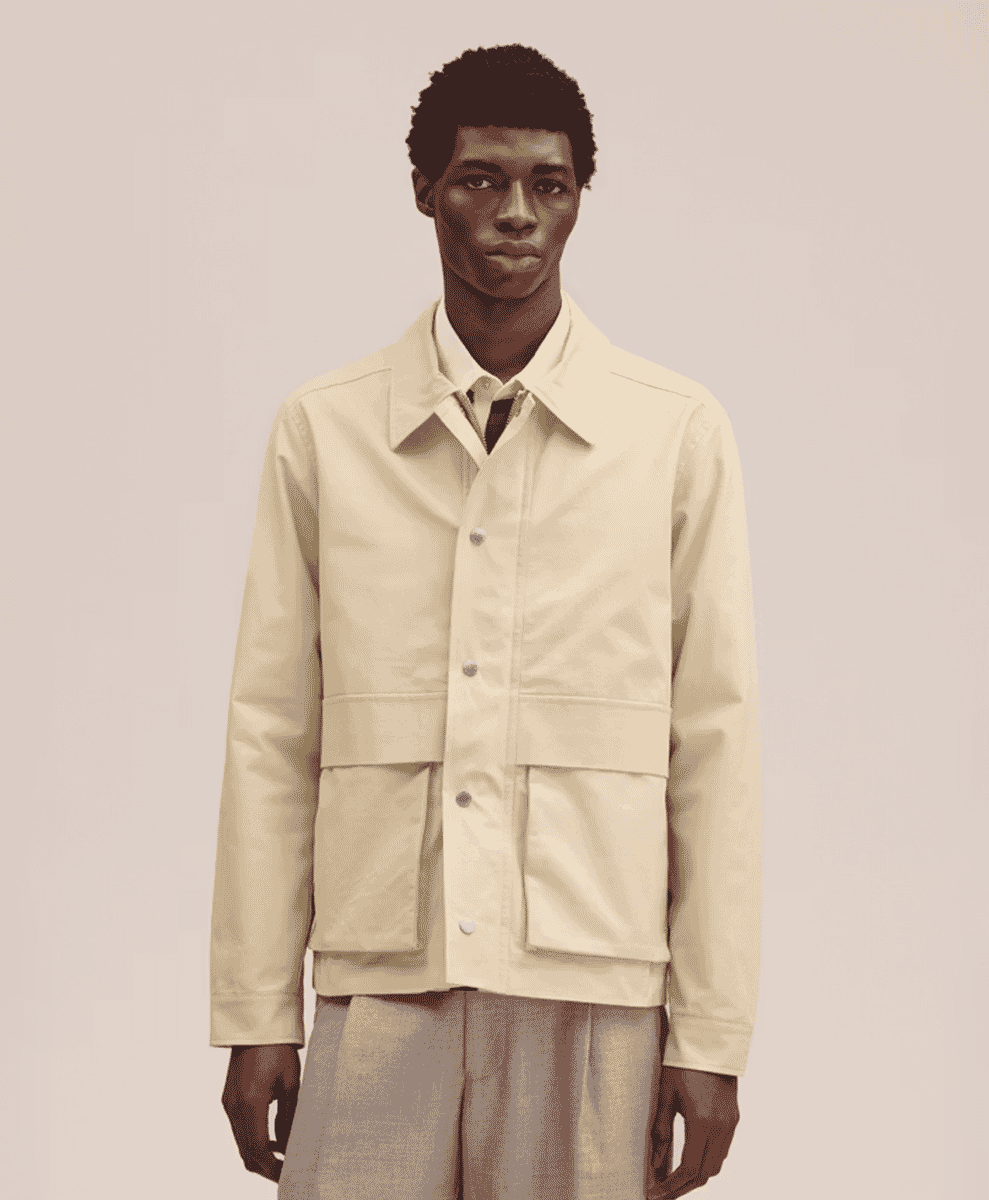
The difference comes down to fabric and construction. Good summer jackets are breathable, lightweight and easy to wear. Linen, cotton poplin, seersucker and lightweight technical fabrics all work because they allow airflow while still holding some shape. Heavy padding and thick synthetics tend to defeat the point.
Perhaps most importantly, a summer jacket gives simple warm-weather clothing a bit more intention. A T-shirt and trousers on their own can sometimes feel flat. Throw on the right lightweight jacket and suddenly the whole outfit feels more considered.
These are the styles worth knowing.
Summer jackets for men: 10 of the best
Harrington jacket
There’s a reason the Harrington jacket never disappears for very long. It occupies one of the most useful spaces in menswear: casual but tidy. Sporty but grown-up. It works because it doesn’t try too hard to communicate anything. A good one simply looks correct.
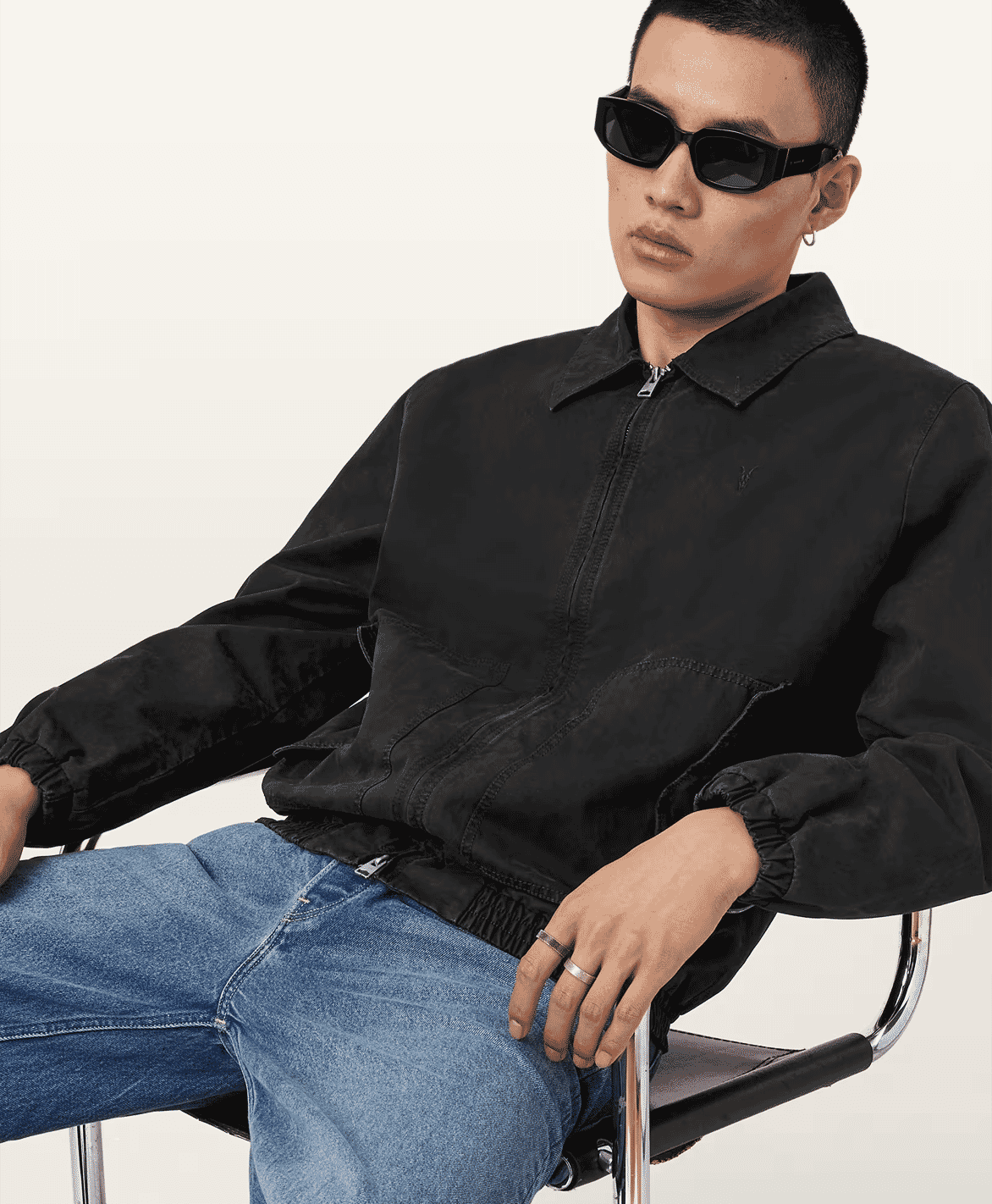
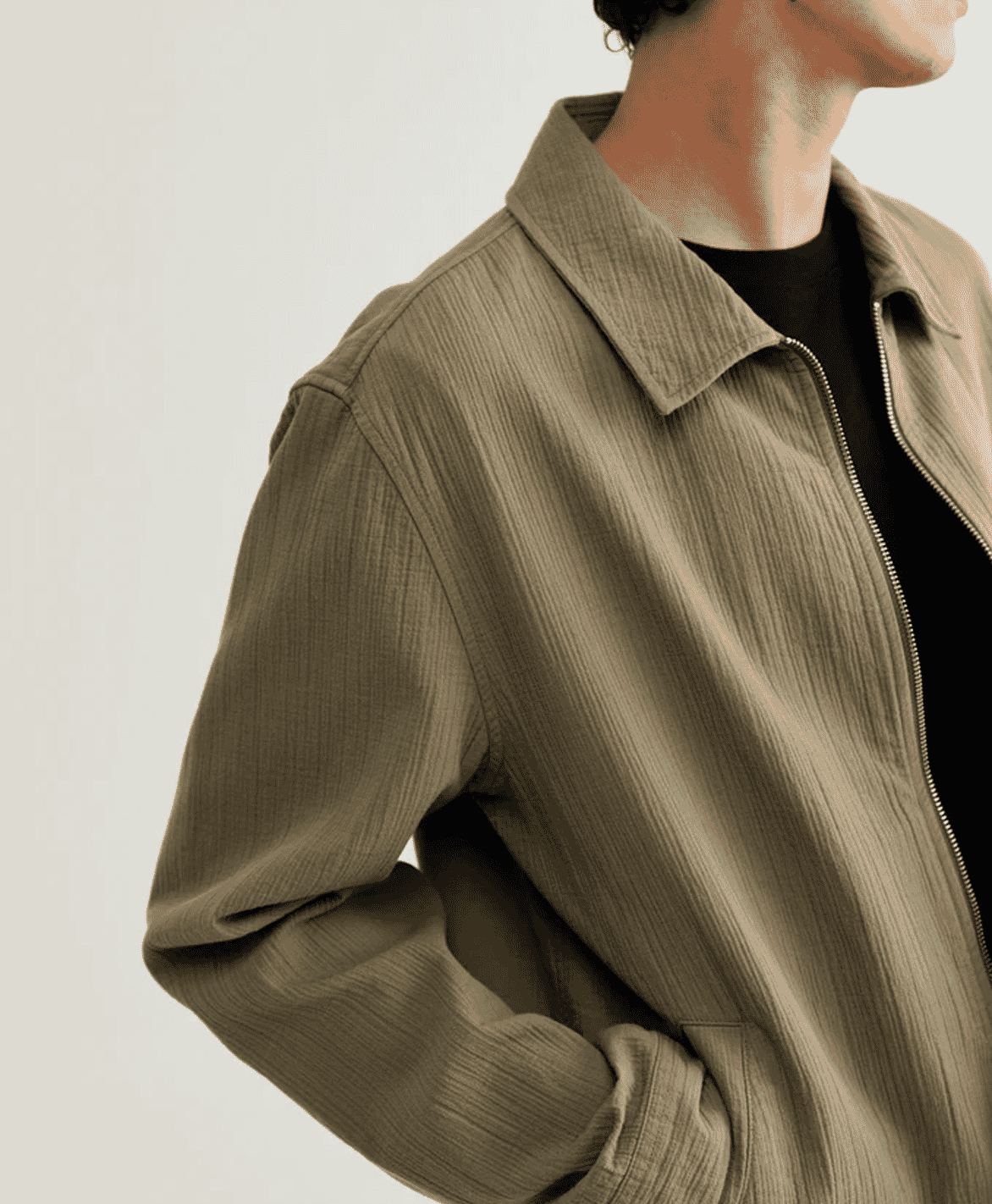
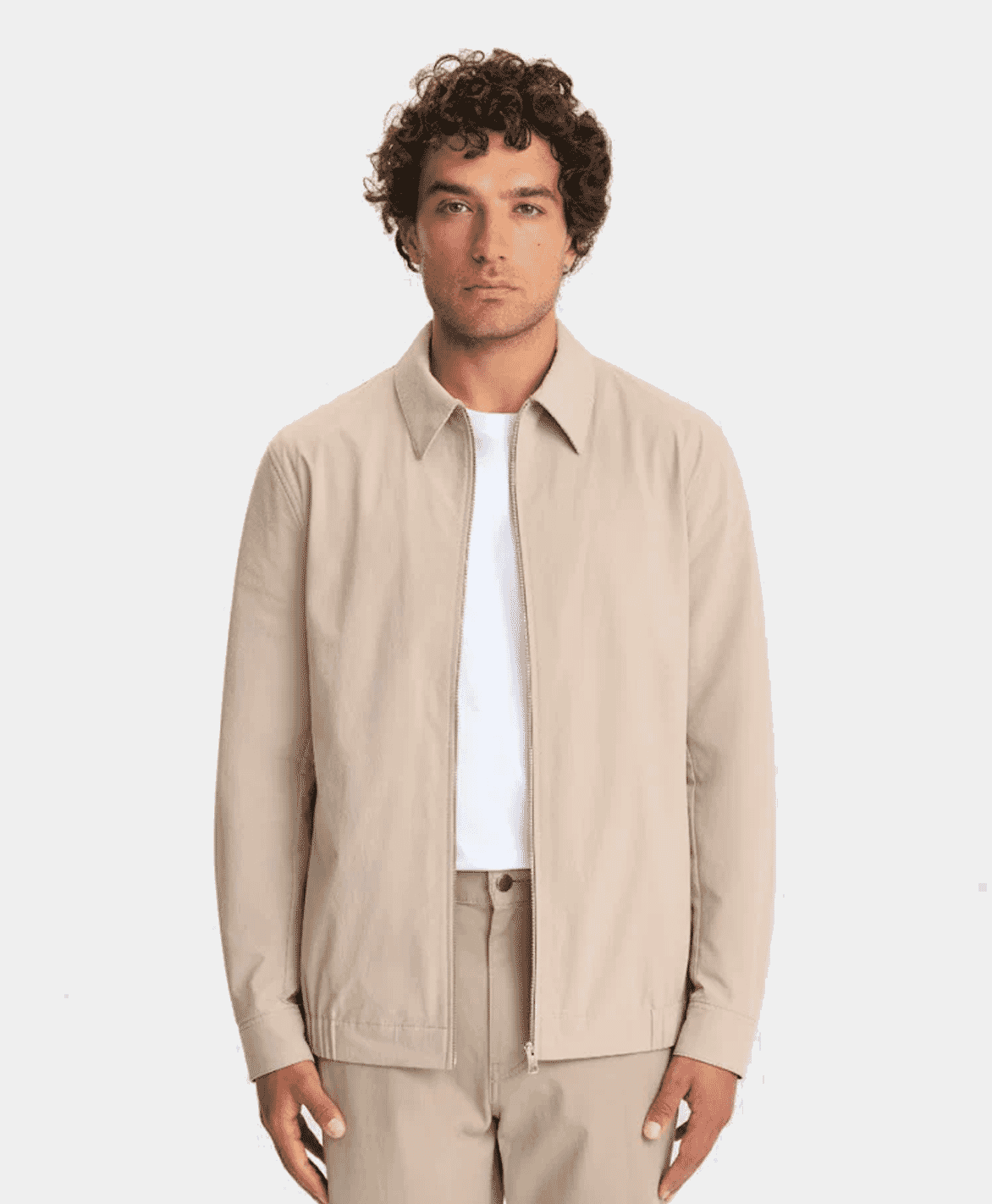
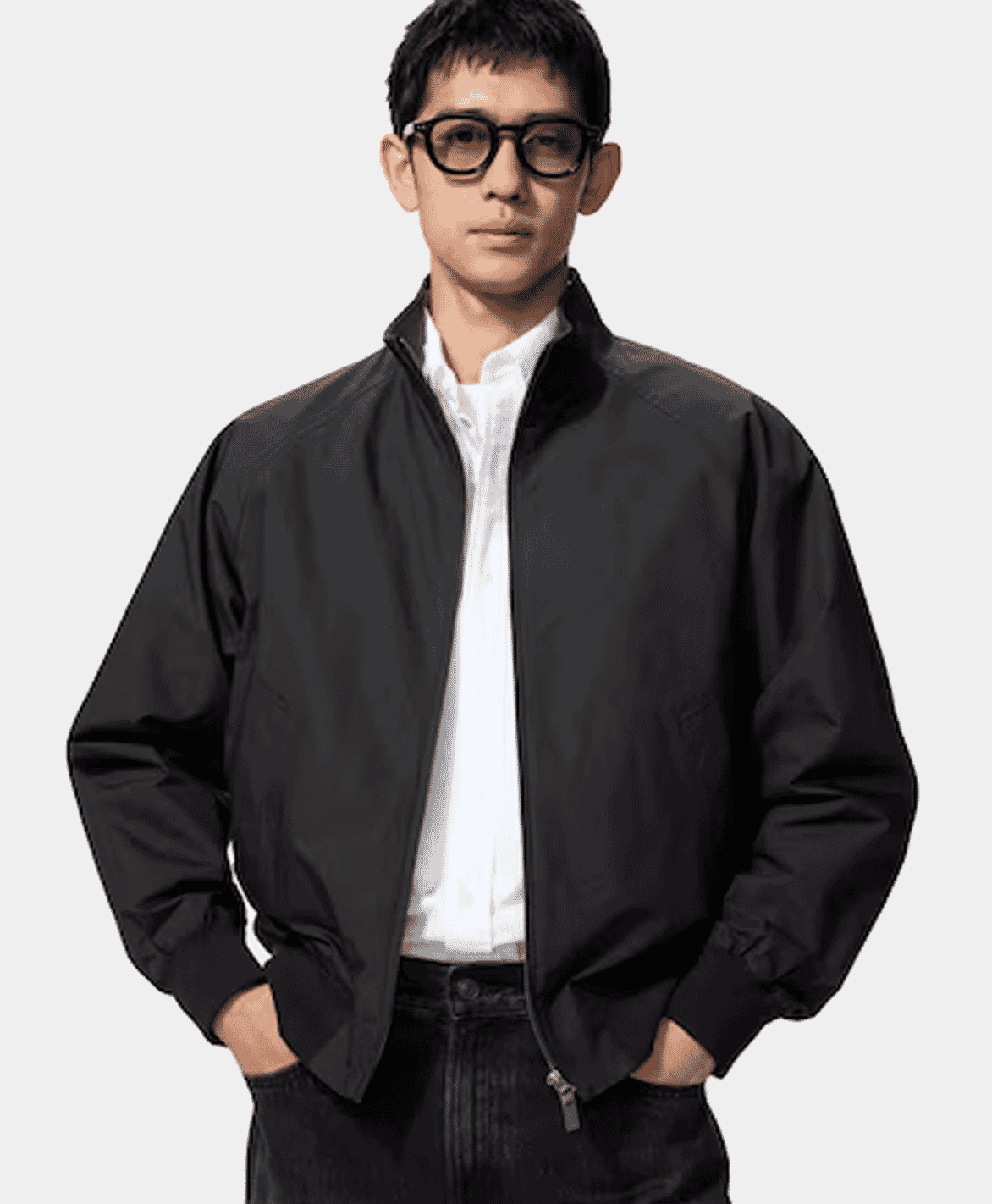
The original versions were golf jackets – short, lightweight and designed for movement – but over time the style became attached to almost every subculture imaginable: Ivy League dressers, mods, punks, Britpop musicians. The fact that it survived all of them says something about the design itself.
For summer, the key is fabric. Heavy polyester versions tend to feel clammy and cheap. Better tospend a bit more and look for breathable cotton, cotton-nylon blends or technical fabrics with some texture. The shape matters too. Slightly relaxed is good. Overly slim tends to make Harringtons feel dated now.
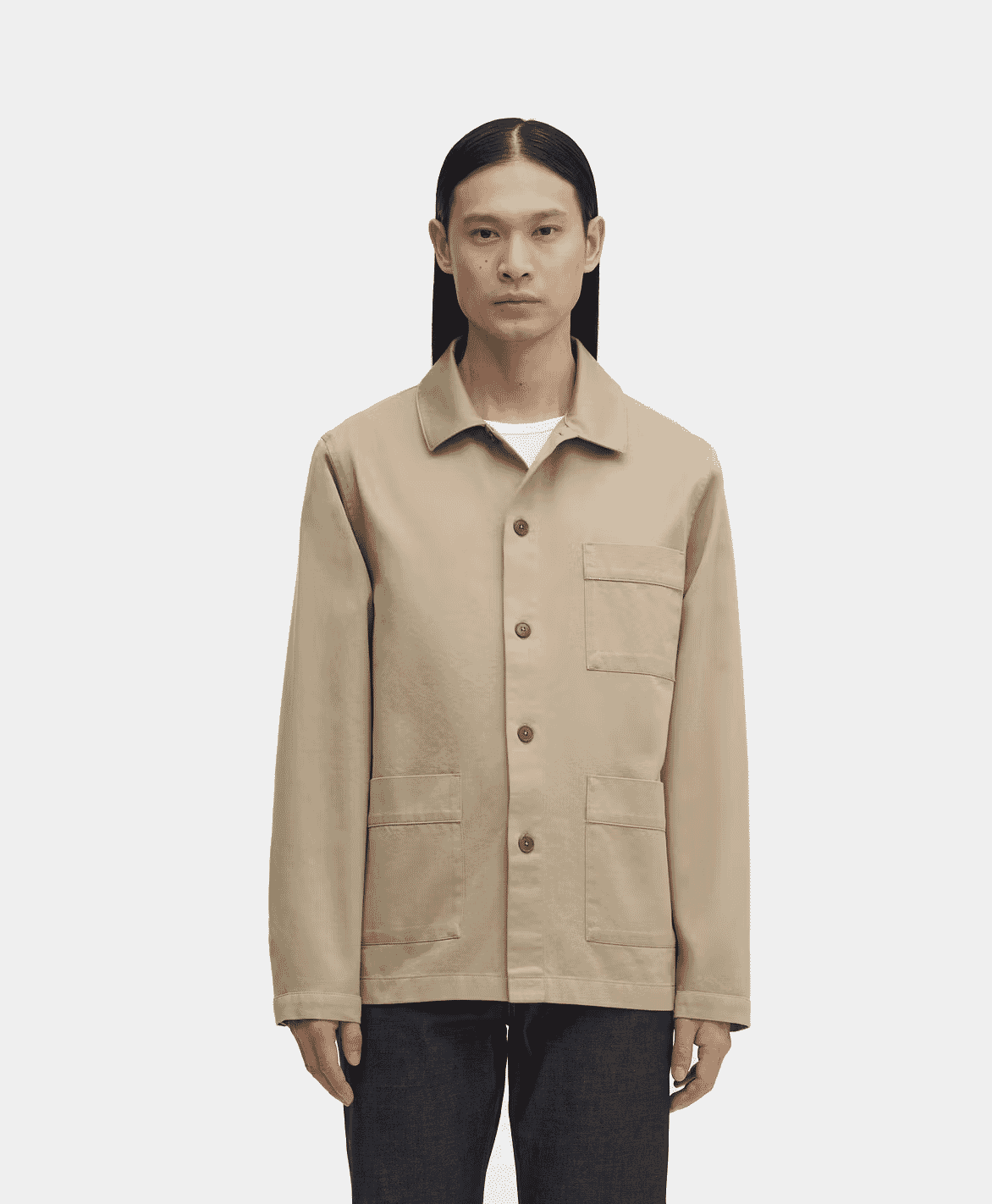
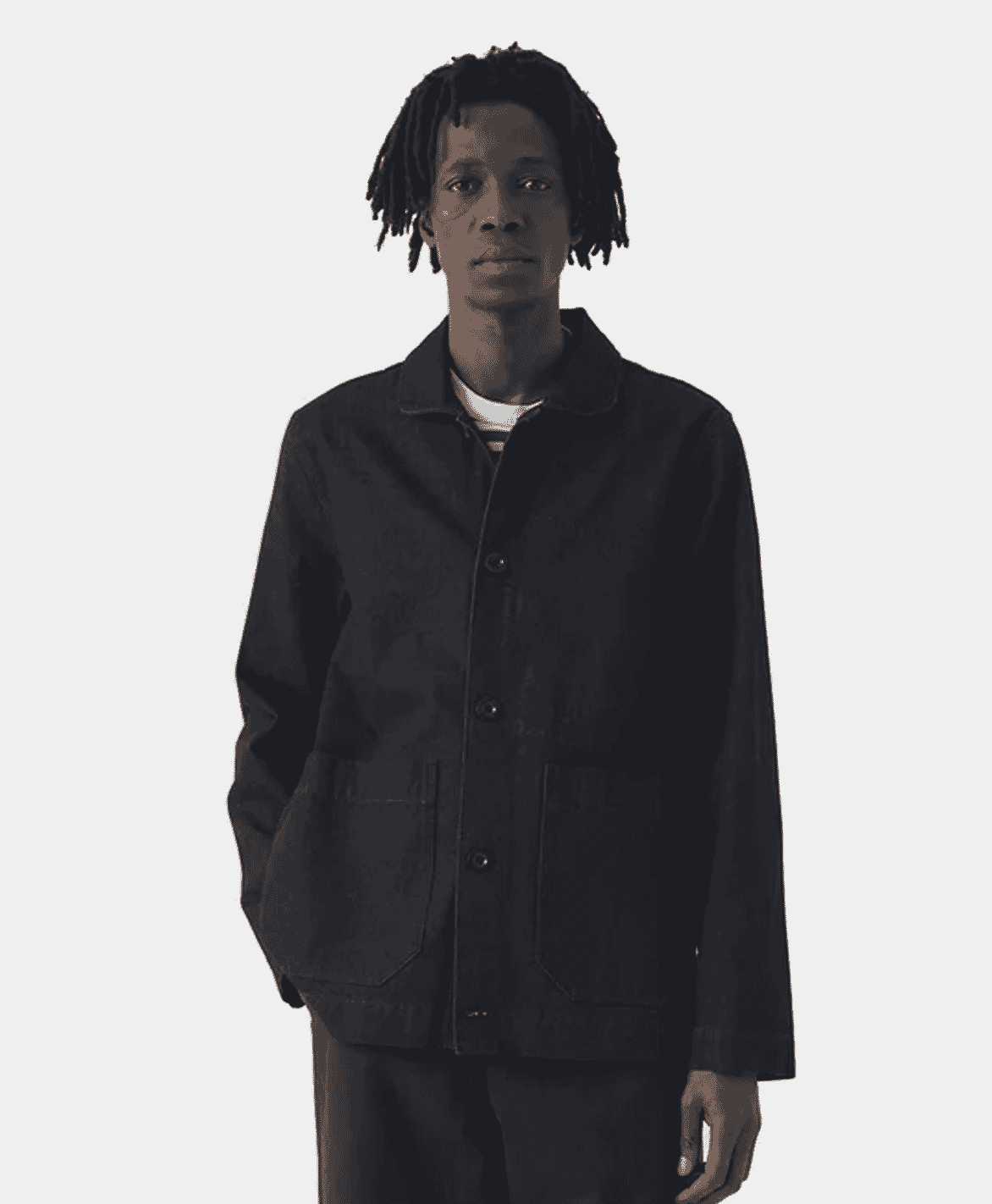
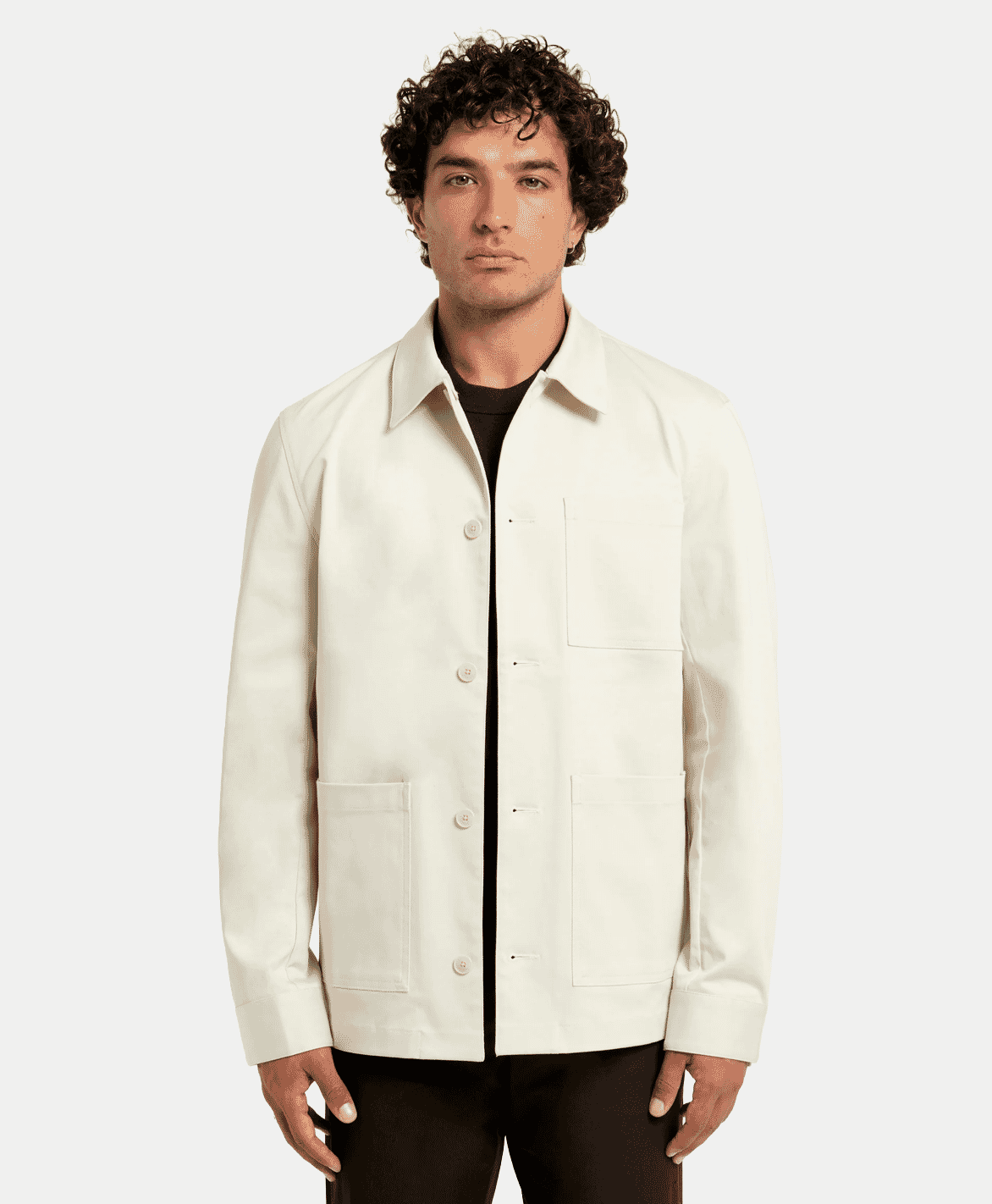
Chore jacket
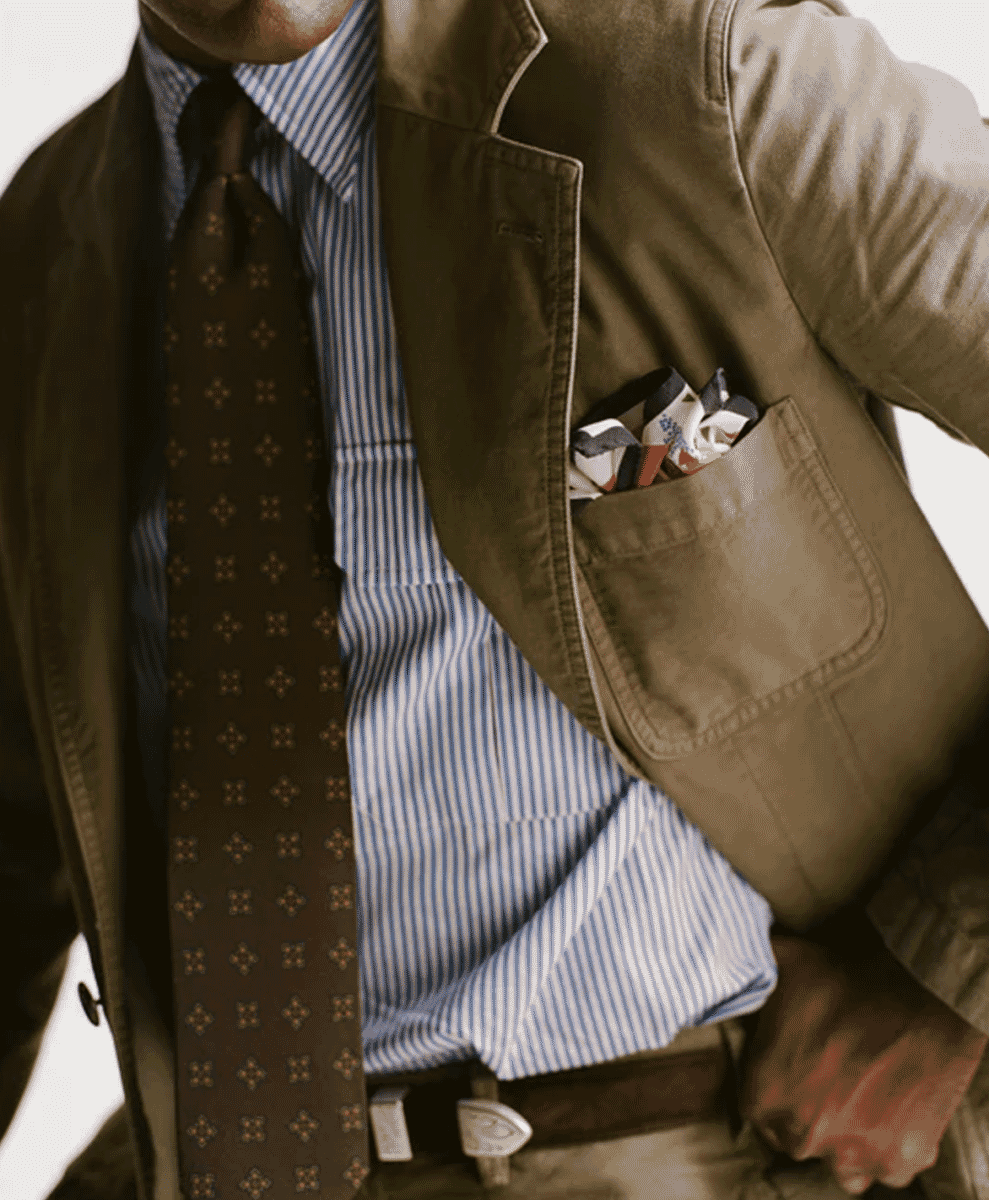
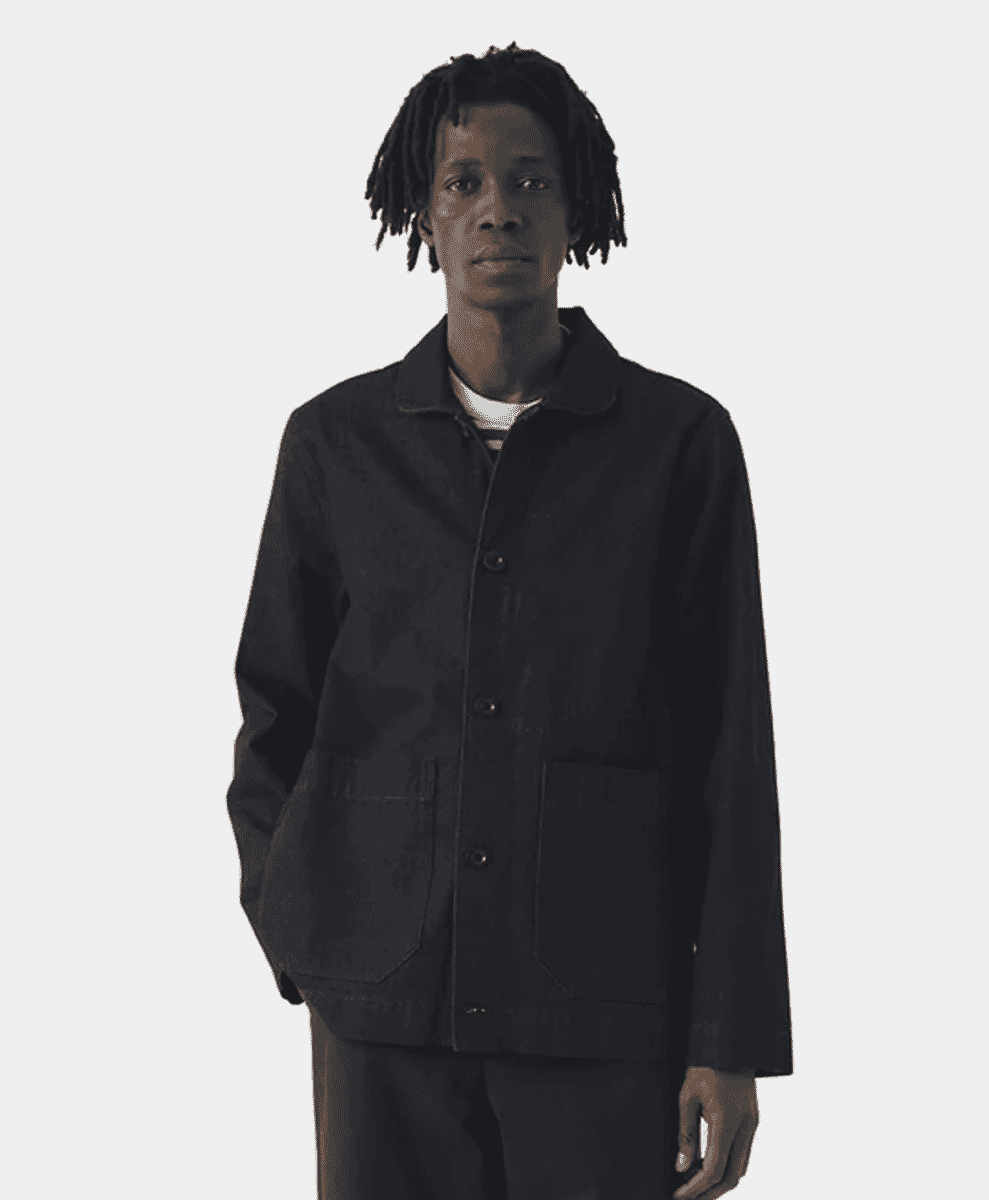
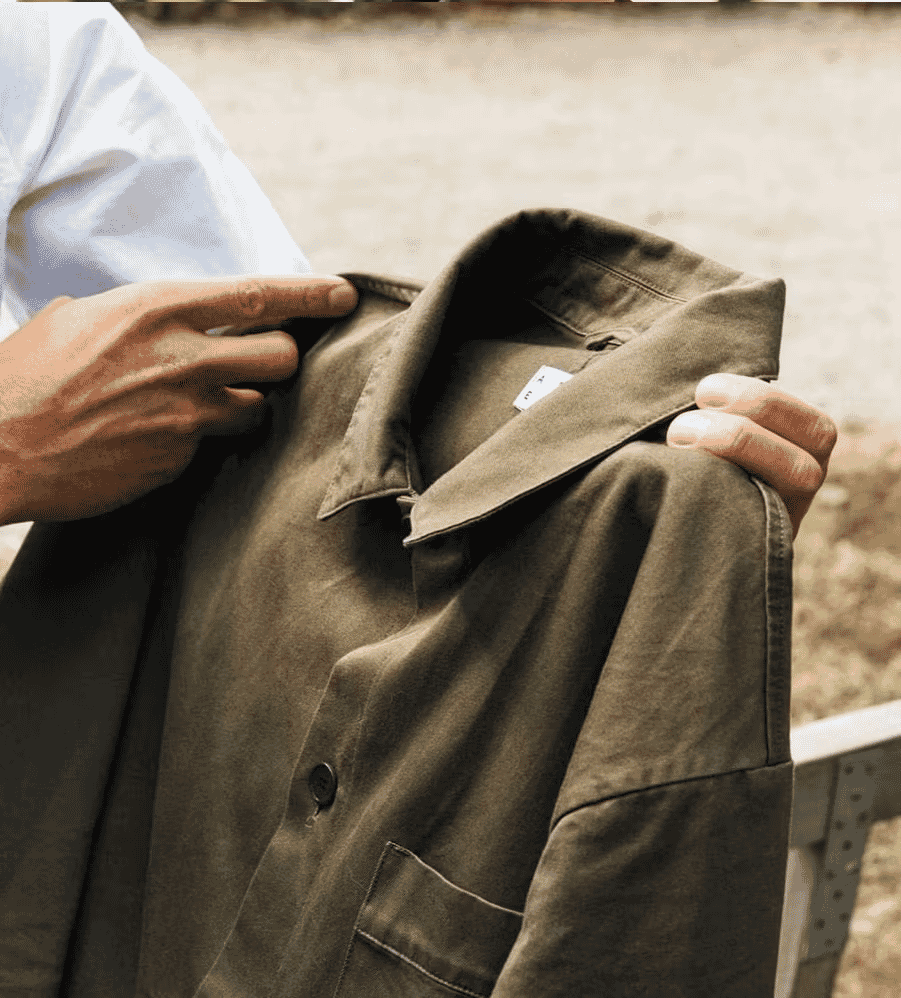
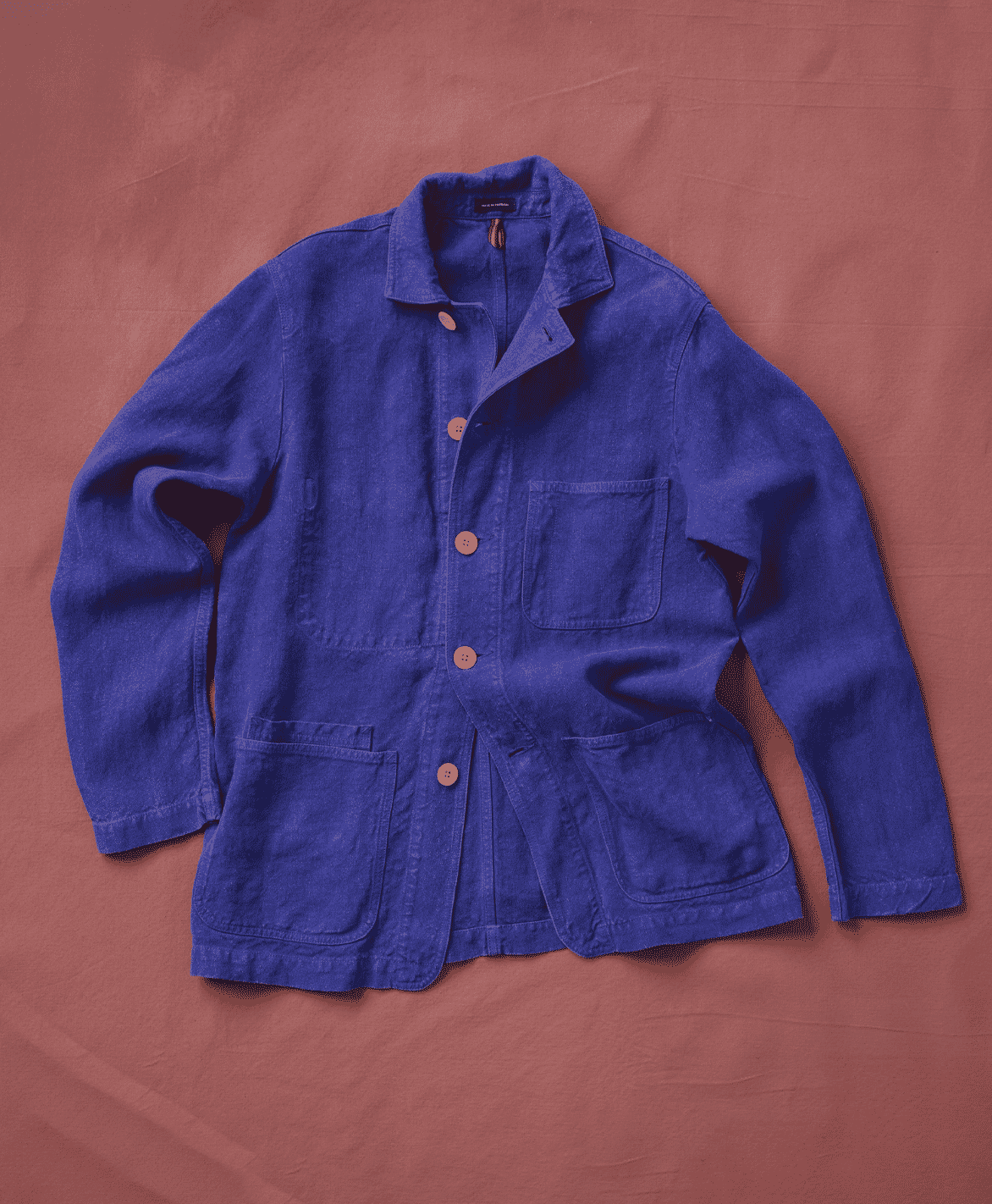
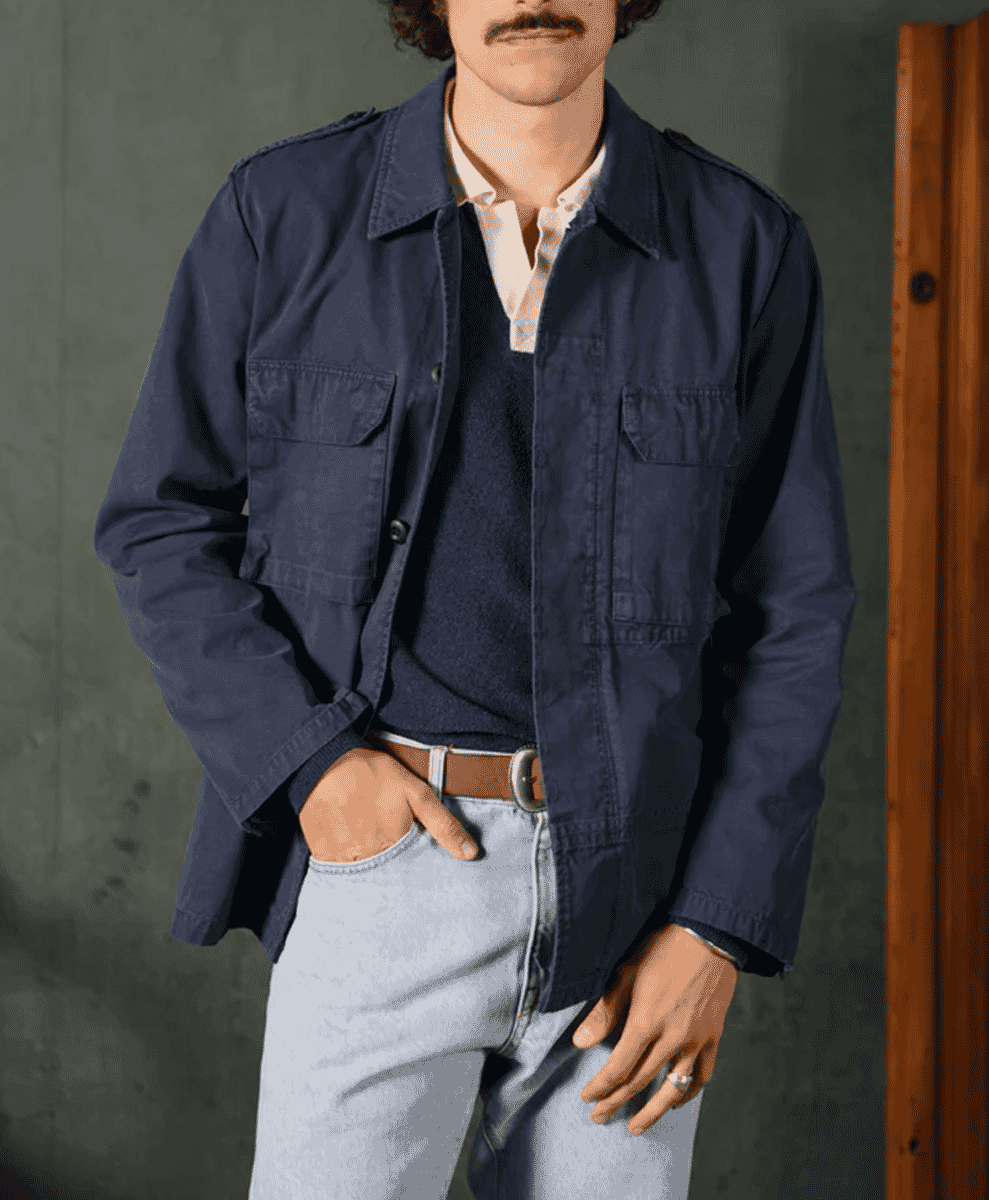
The chore jacket is one of those garments menswear people like because it solves multiple problems at once. It’s structured enough to sharpen casual clothes, but softer and less formal than tailoring. Essentially, it functions as an informal blazer.
Originally French workwear, the classic version was cut roomy so labourers could move comfortably while layering underneath. That practicality is what gives the jacket its charm today. Large patch pockets, simple construction and durable fabrics feel honest in a way modern fashion often doesn’t.
Summer versions work best in washed cotton twill, herringbone or linen. The slightly rumpled look suits the jacket. In fact, a chore coat often looks better once it has softened and faded a little.
It’s also one of the easiest jackets to style. You can wear one with drawstring trousers and sandals or jeans and loafers. Very few garments bridge those worlds convincingly.
Overshirt
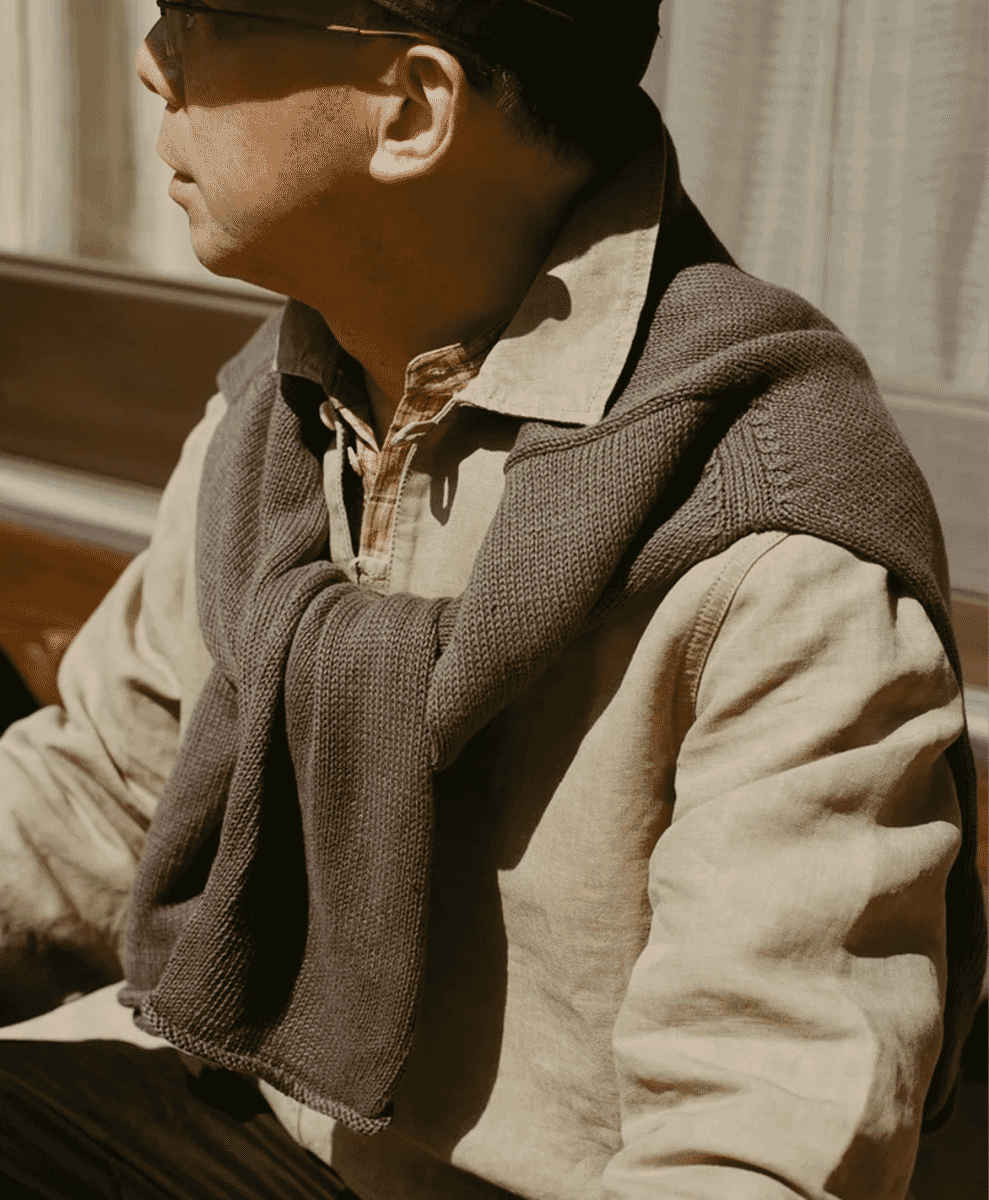
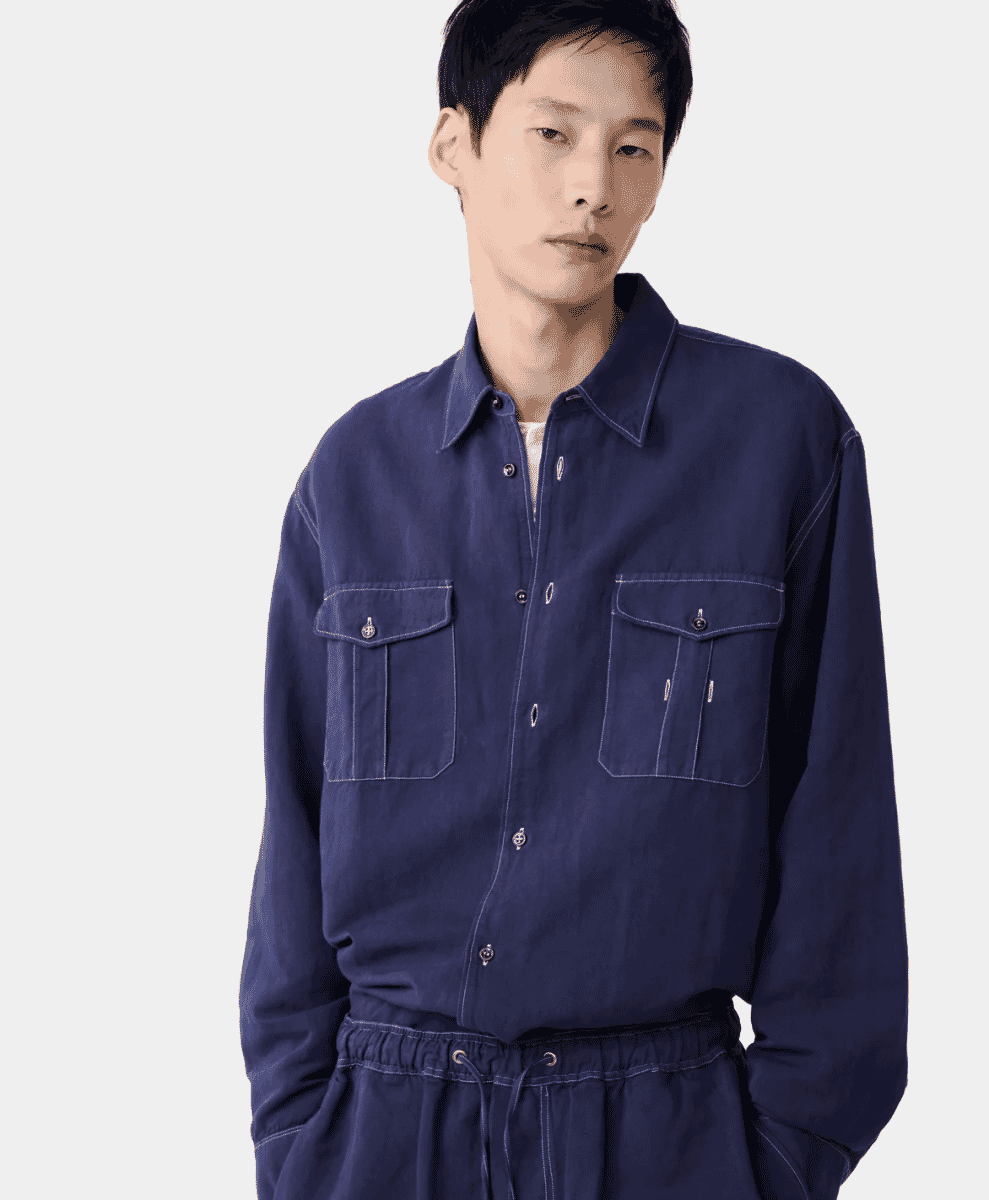
Menswear spent about a decade trying to convince people the overshirt was revolutionary, when in reality it’s just a very practical middle layer. Still, practicality matters.
The appeal comes down to versatility. An overshirt gives you some of the visual structure of a jacket without the weight or formality. It’s ideal for awkward in-between weather – cool mornings, warm afternoons, long summer evenings outside a pub.
Thick wool versions defeat the point in summer. Better to look for linen blends, lightweight cotton ripstop, seersucker or washed poplin.
The other important thing is length. Overshirts should generally sit slightly shorter than traditional shirts but longer than bombers or Harringtons. You want enough drape for layering without making it look like you accidentally wore two shirts at once.

Linen blazer
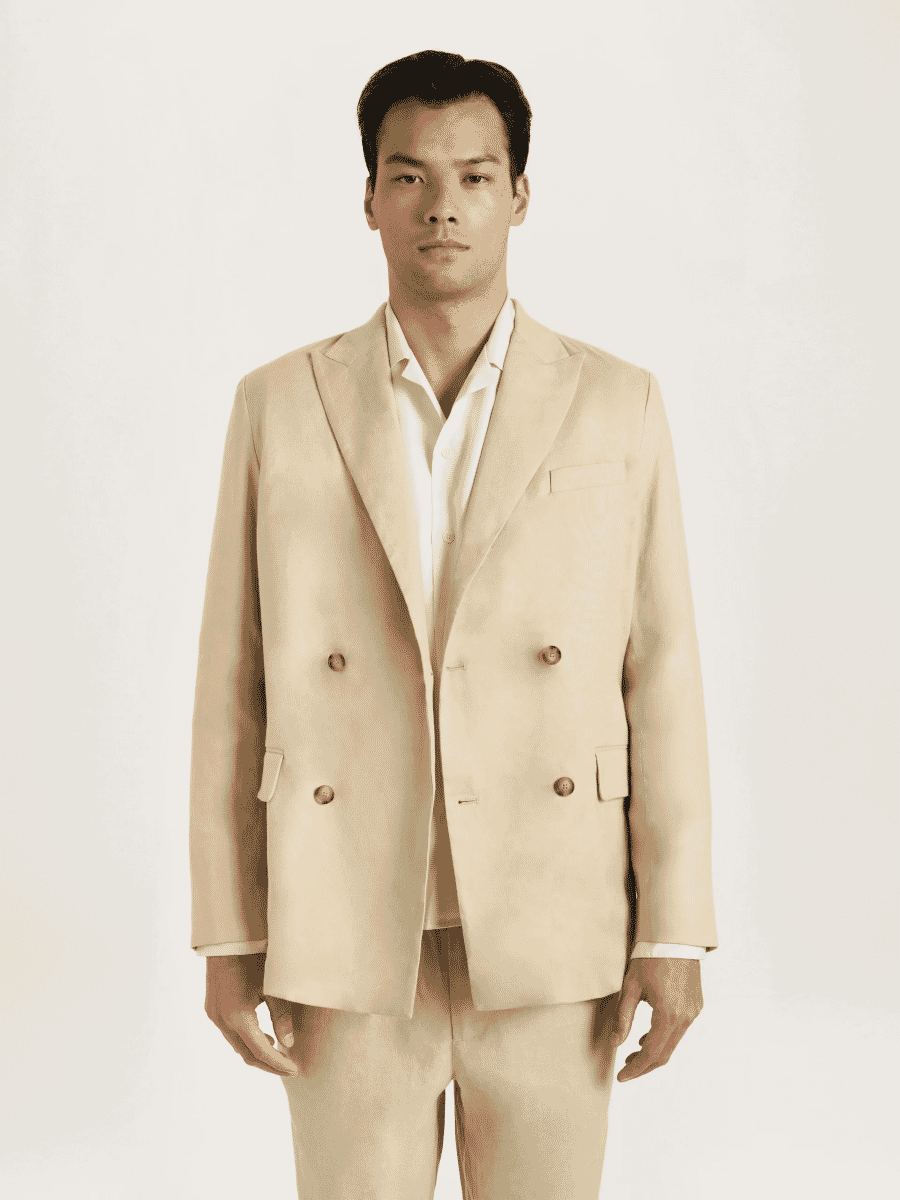
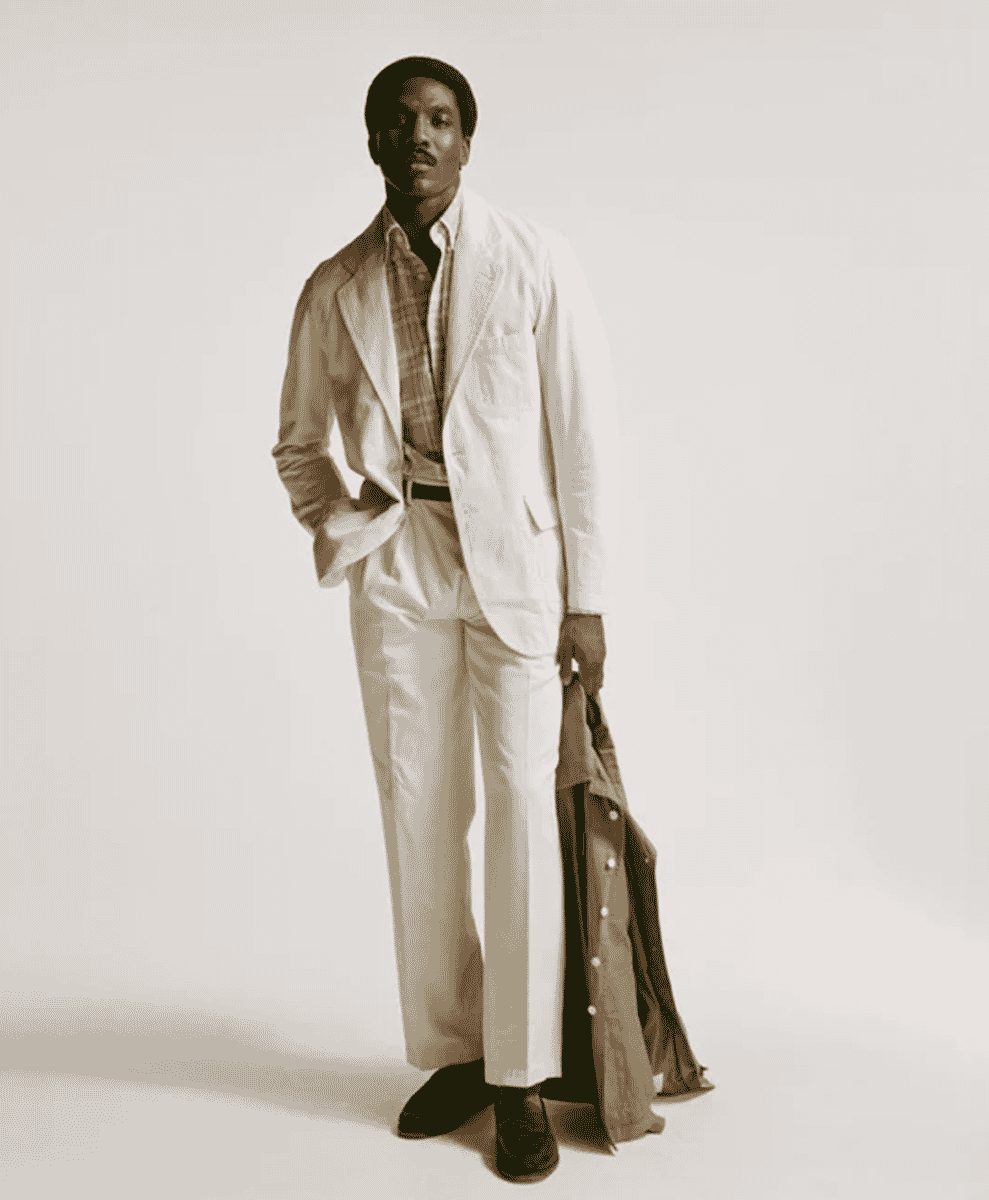
Many men avoid summer tailoring because they associate blazers with structure, stiffness and overheating. But that’s mostly a fabric problem.
Linen changes the entire mood of tailoring. It softens everything – physically and visually. The wrinkles people complain about are precisely what make it attractive. A linen blazer is supposed to collapse slightly. It should move with you rather than sit on the body like armour.
The best versions are lightly constructed with soft shoulders and patch pockets. Southern Italian tailoring houses understand this especially well. The jacket should feel relaxed enough to wear with drawstring trousers and suede loafers, not just office clothes.
There’s also something inherently elegant about slightly rumpled linen in summer. It suggests you’re more interested in comfort and ease than appearing pristine. In modern menswear, that’s usually a good instinct.
Coach jacket
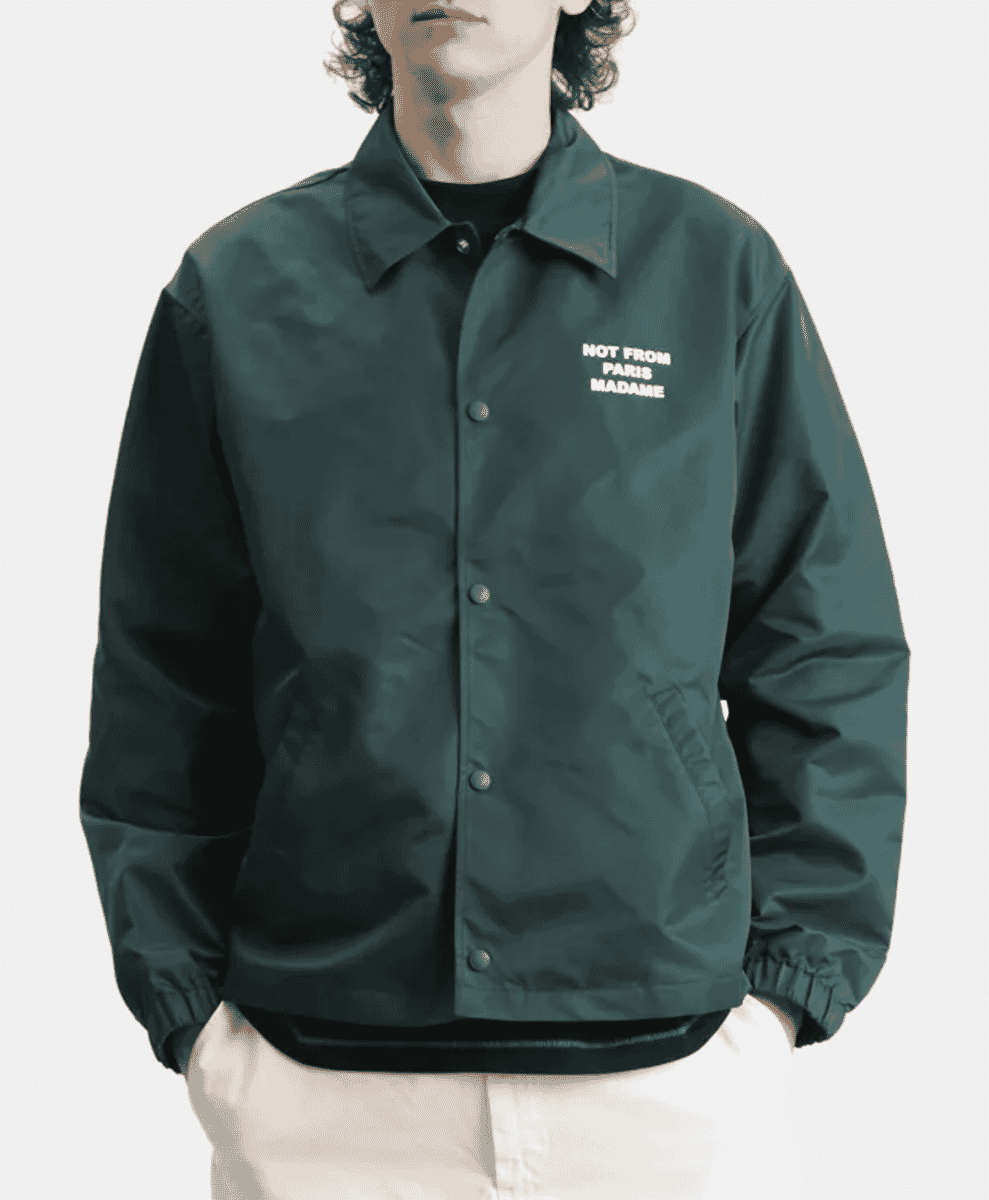
The coach jacket is proof that sportswear can become elegant through simplification. The original versions were literal sideline jackets worn by American coaches – lightweight nylon shells designed to be practical rather than stylish. But stripped of logos and excessive detailing, the silhouette became surprisingly versatile.
What makes the coach jacket useful in summer is how little space it occupies physically or visually. It’s light, easy to carry and layers over almost anything. Unlike bombers or denim jackets, it doesn’t add much bulk.
The cleaner the design, the better. A plain navy or black coach jacket with minimal branding will age much more gracefully than something overly technical or trend-driven.
There’s a nice tension in wearing one with smarter clothing too. Wool trousers and loafers paired with a nylon coach jacket feels modern because it balances formality against utility.
Safari jacket
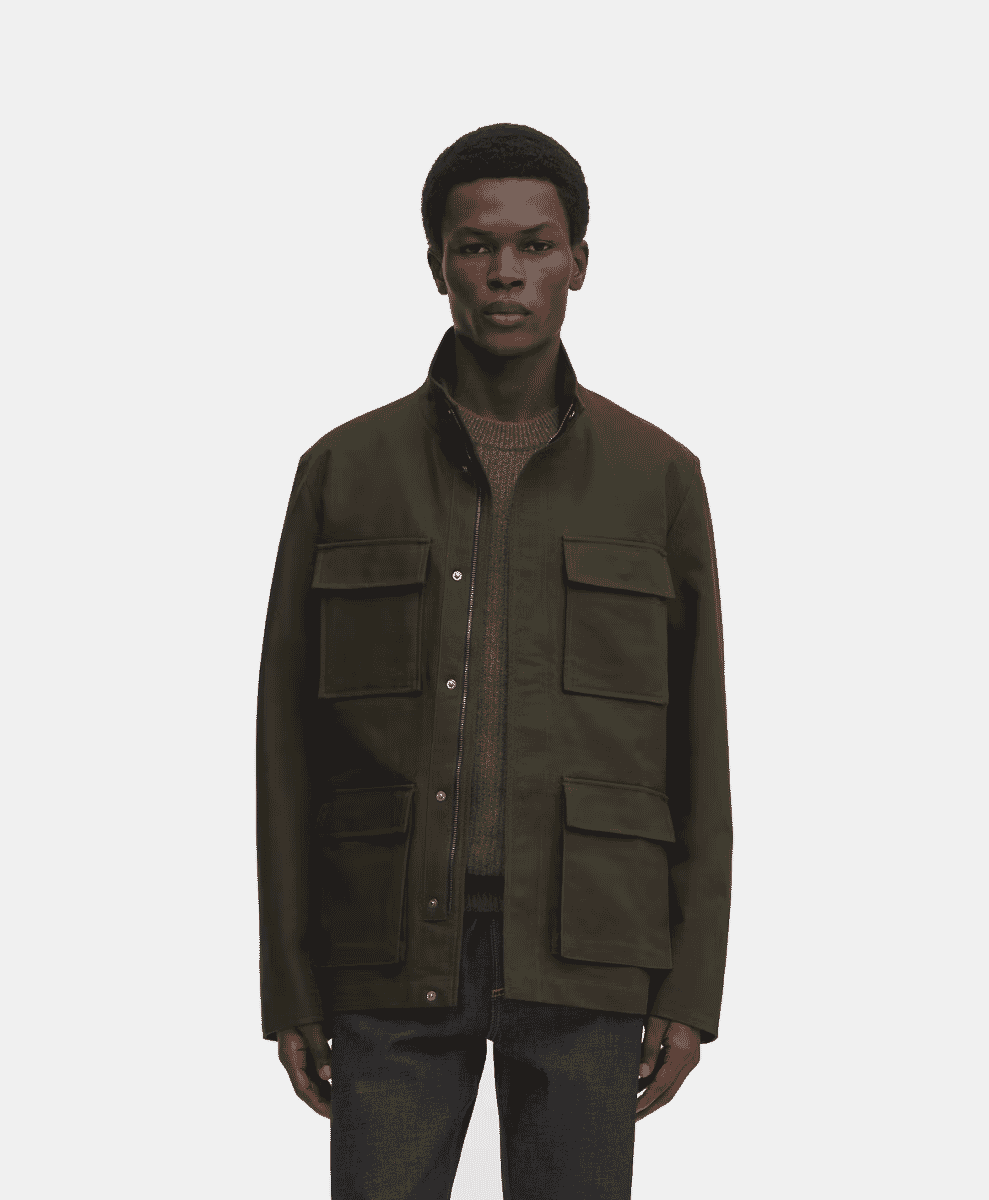
The safari jacket sits in slightly dangerous territory because it can veer into costume if handled badly. But when done well, it’s one of the most elegant casual jackets a man can own.
The style emerged from military and expedition clothing designed for hot climates, which explains the practical details: bellows pockets, waist belts, breathable fabrics. But what keeps it relevant is the silhouette. A safari jacket gives shape to summer clothing without relying on heavy tailoring.
The trick is subtlety. Avoid anything too fitted or overly theatrical. Soft linen and washed cotton work best because they tone down the military associations.
There’s a distinctly Mediterranean quality to a good safari jacket. You can imagine it equally at home in Naples, Marrakech or the South of France. Few garments travel that well stylistically.
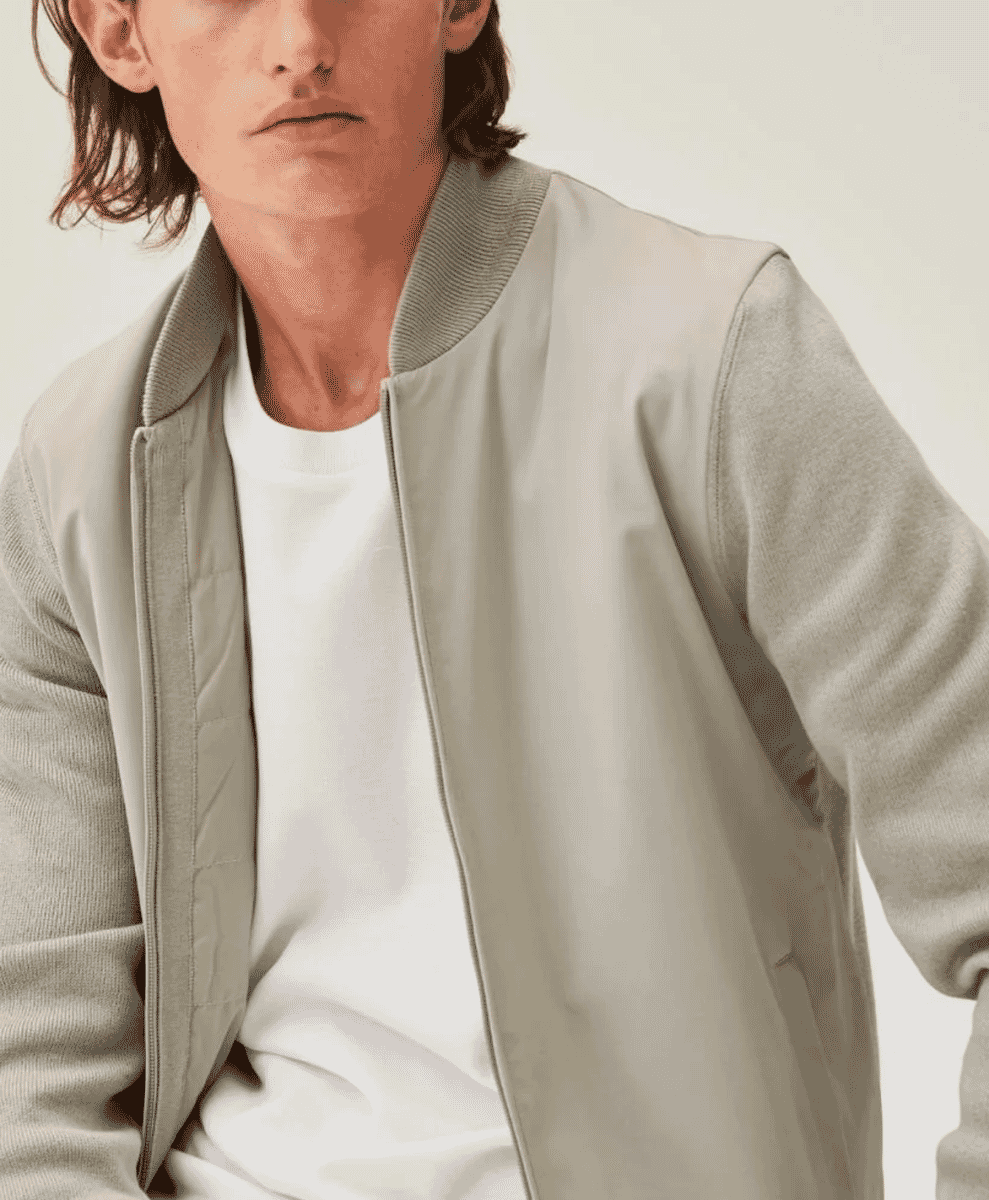
Lightweight bomber jacket
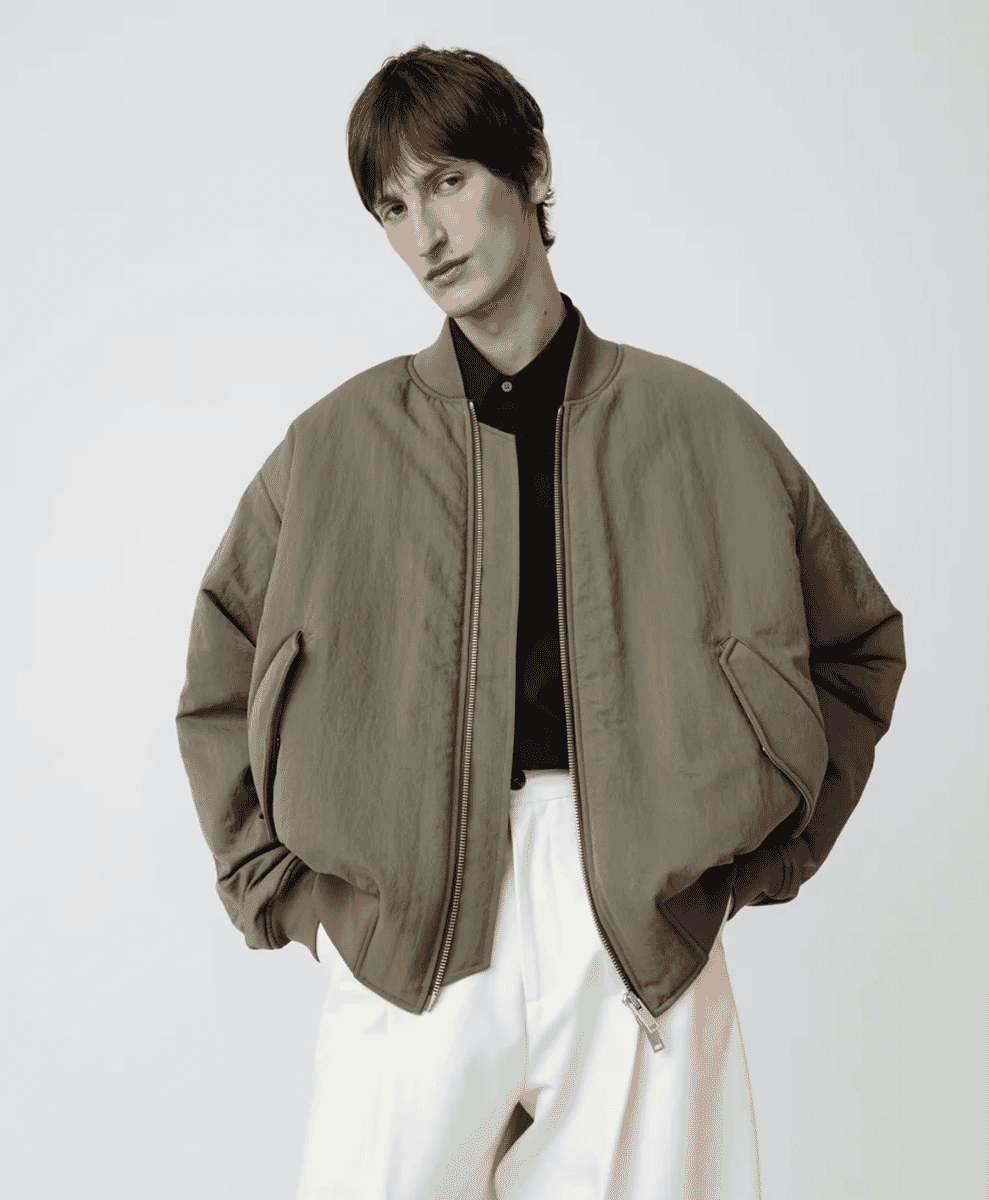
The bomber suffers from the same problem as the puffer jacket: many people only think of the exaggerated versions. Heavy MA-1 flight jackets have their place, but they’re not especially useful once temperatures rise.
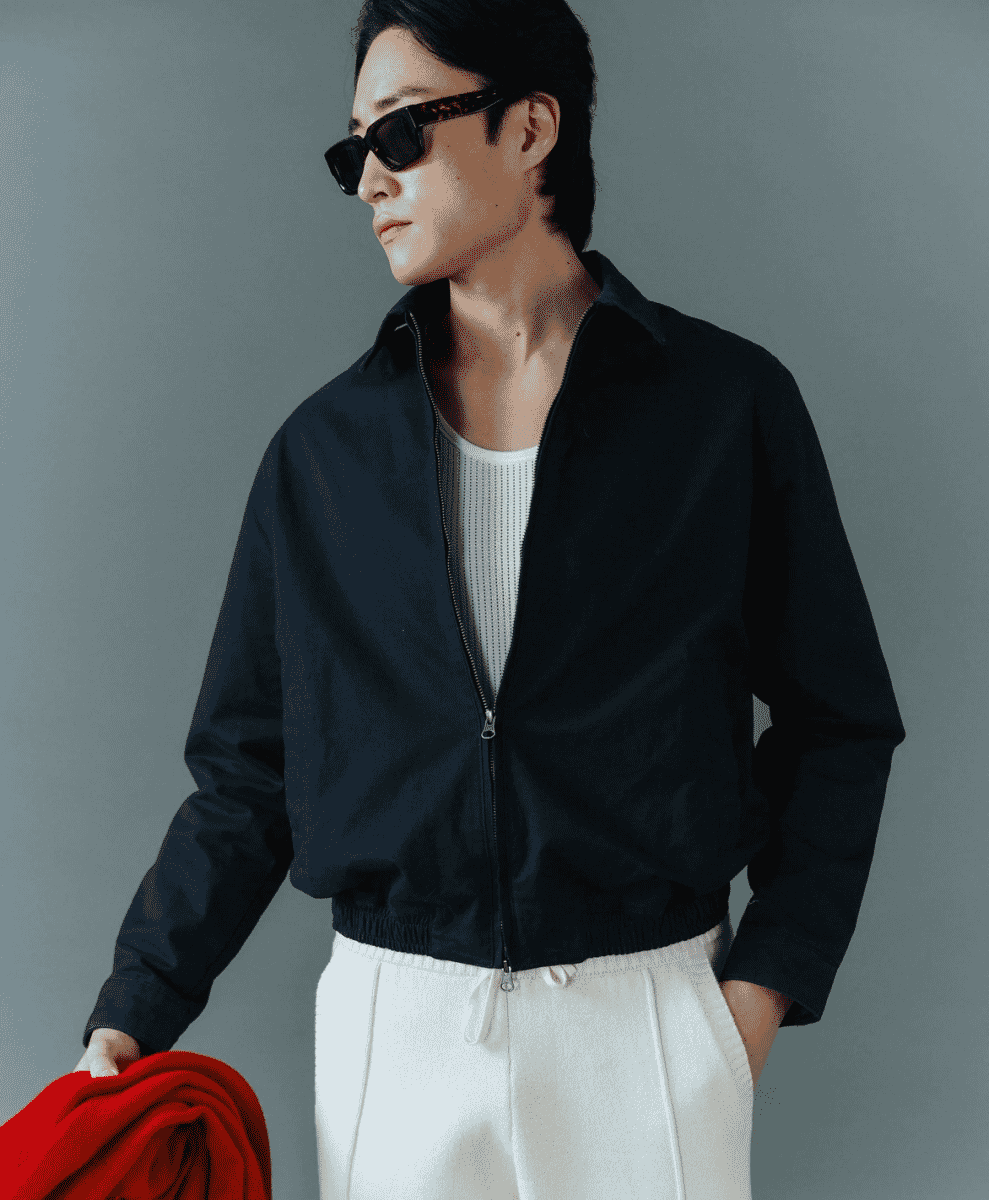
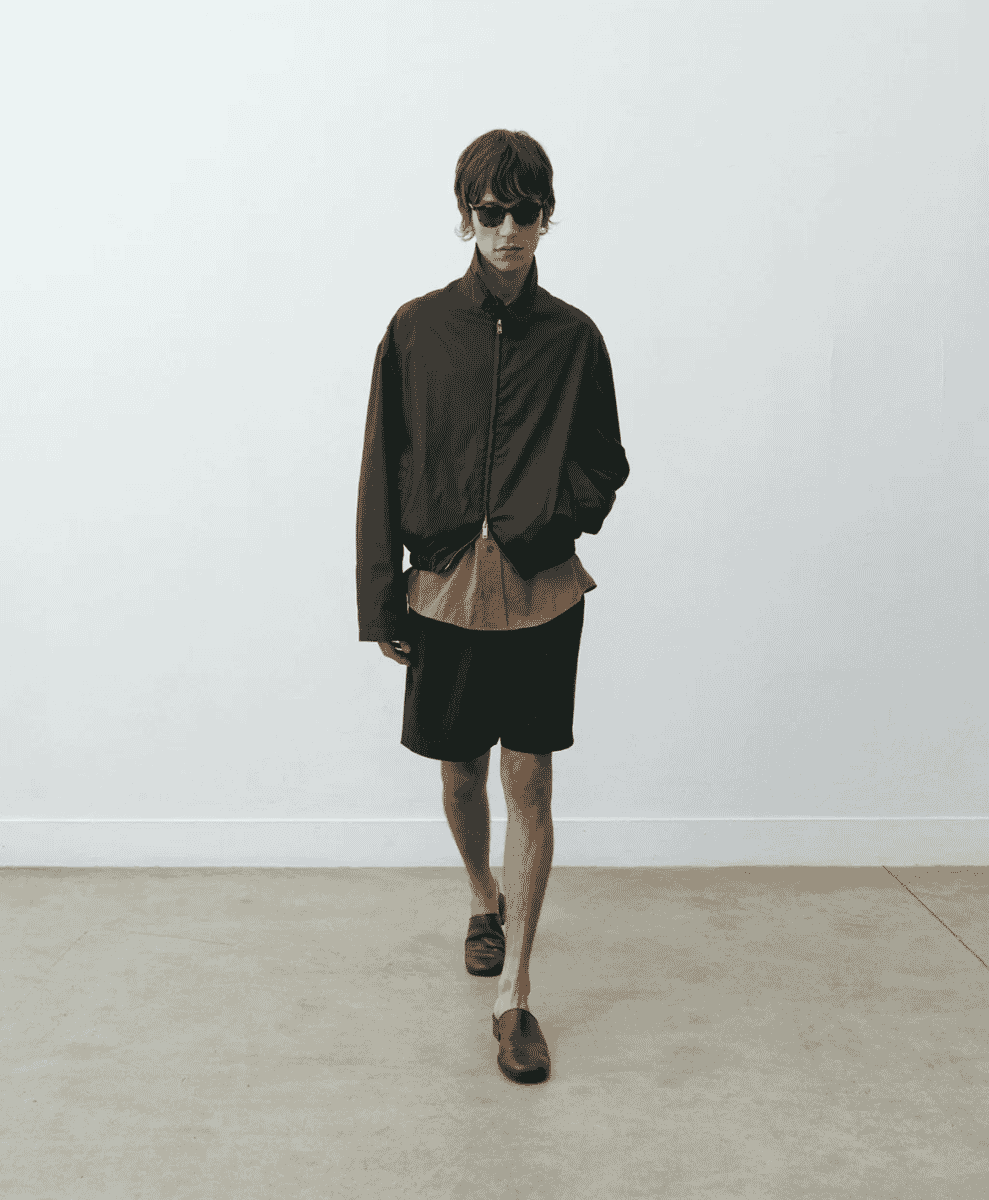
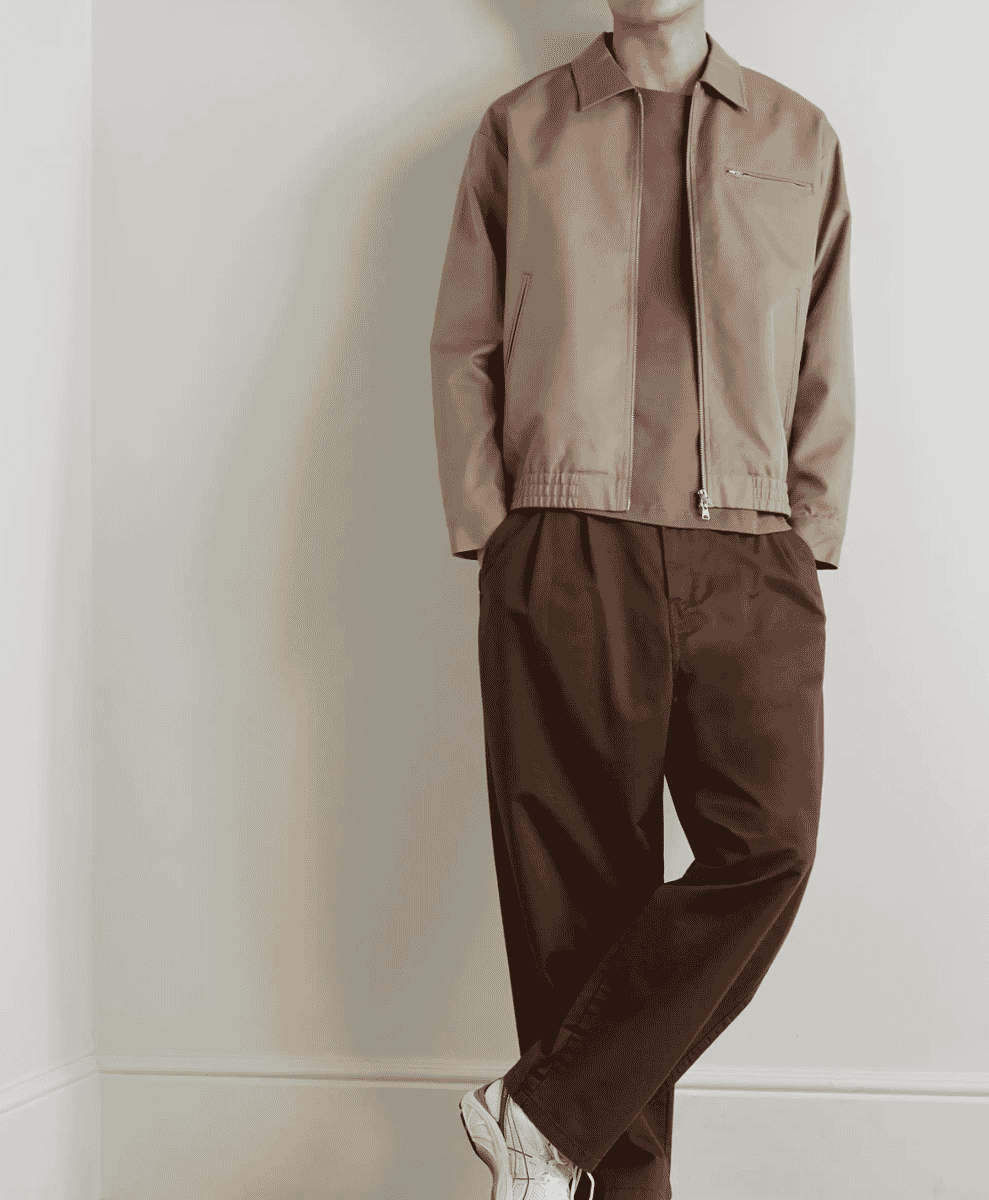
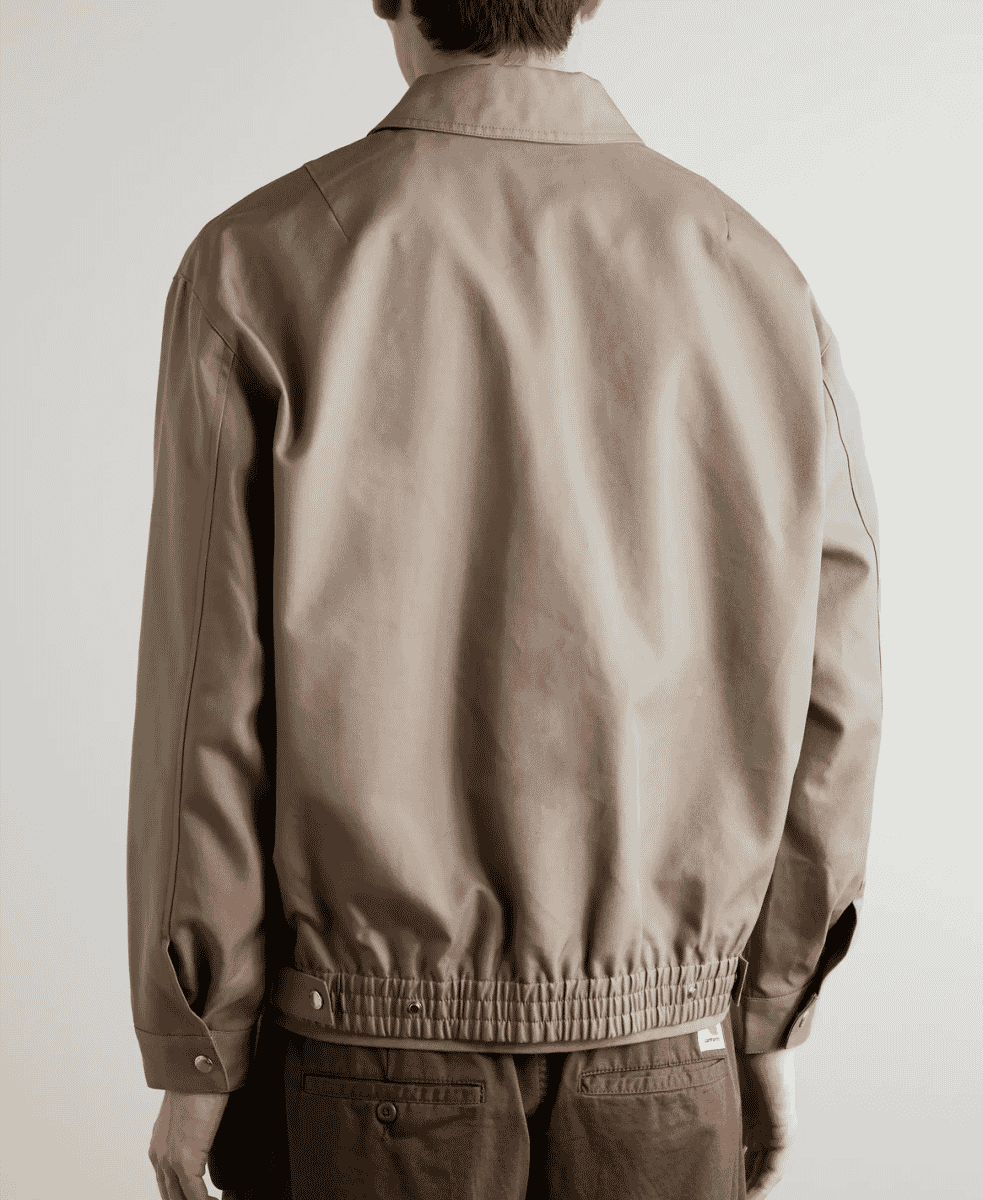
A summer bomber should feel pared back. Lightweight cotton, technical nylon or linen blends all work well. The best examples are clean and understated, almost architectural in shape.
One reason bombers remain popular is because they flatter most body types. The cropped length visually lengthens the legs, while the ribbed hem creates shape without aggressive tailoring.
Minimalist brands tend to do this style particularly well because they understand restraint. A simple zip-front bomber in navy or olive can become the backbone of an entire summer wardrobe.
Technical shell jacket
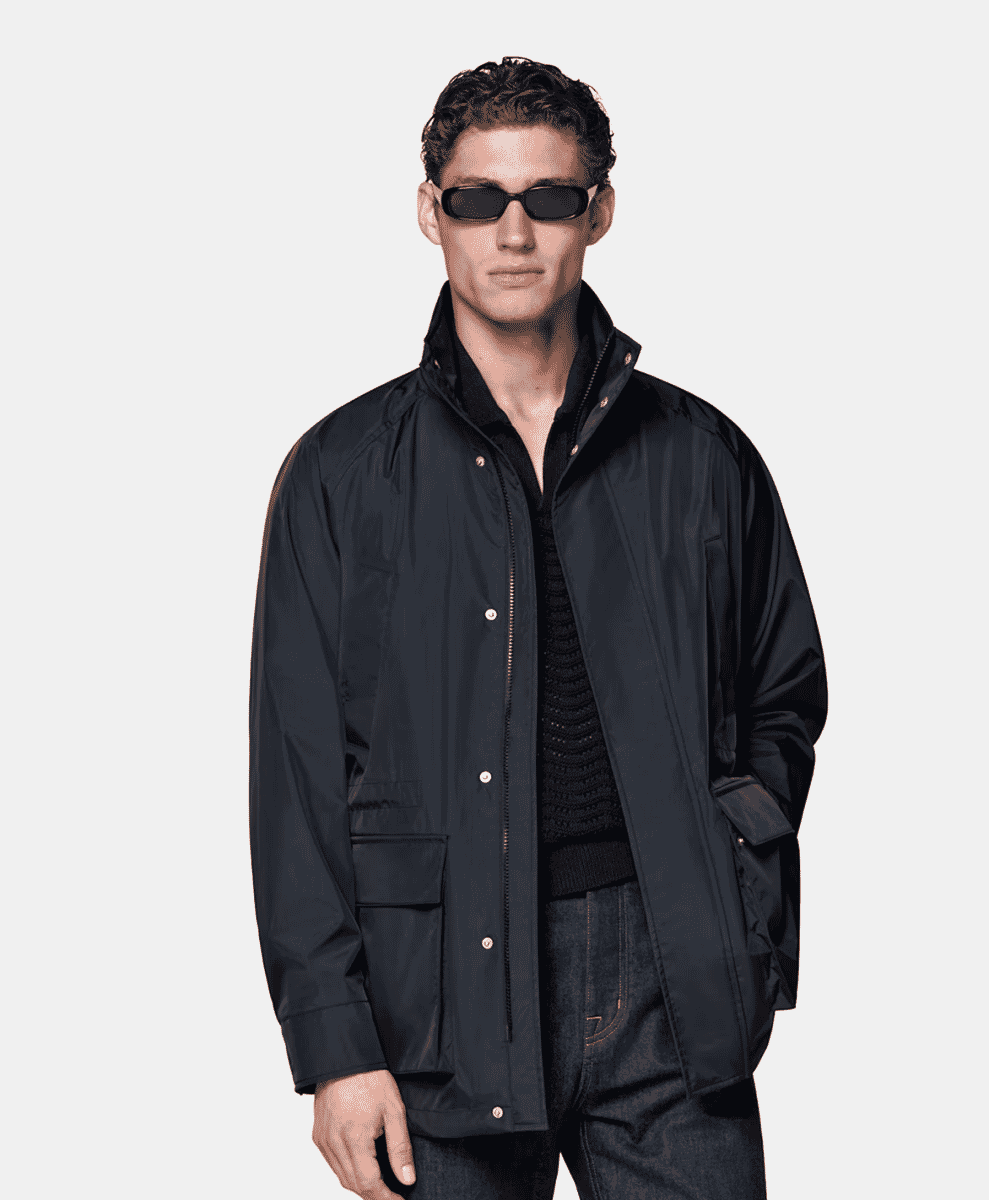
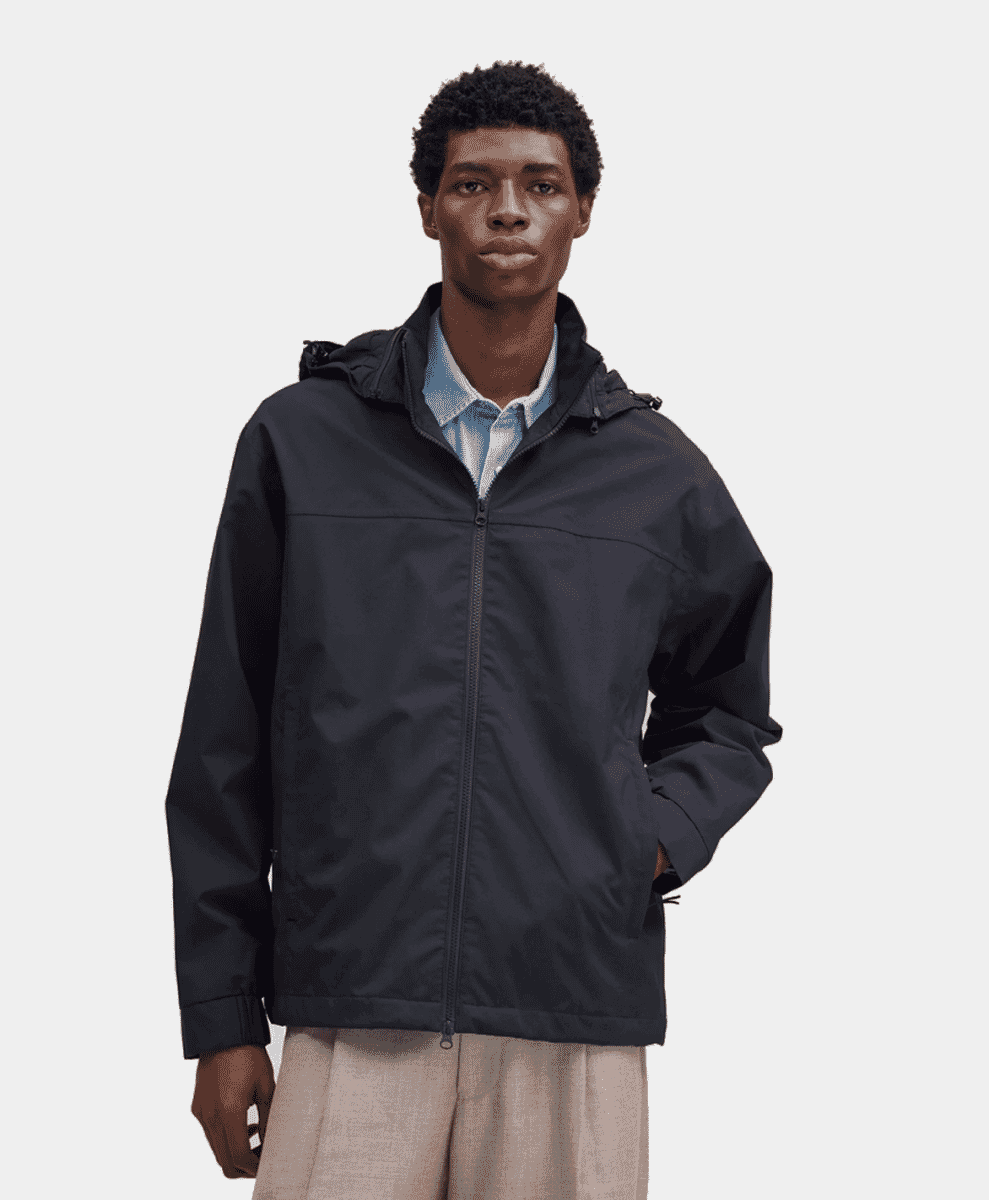
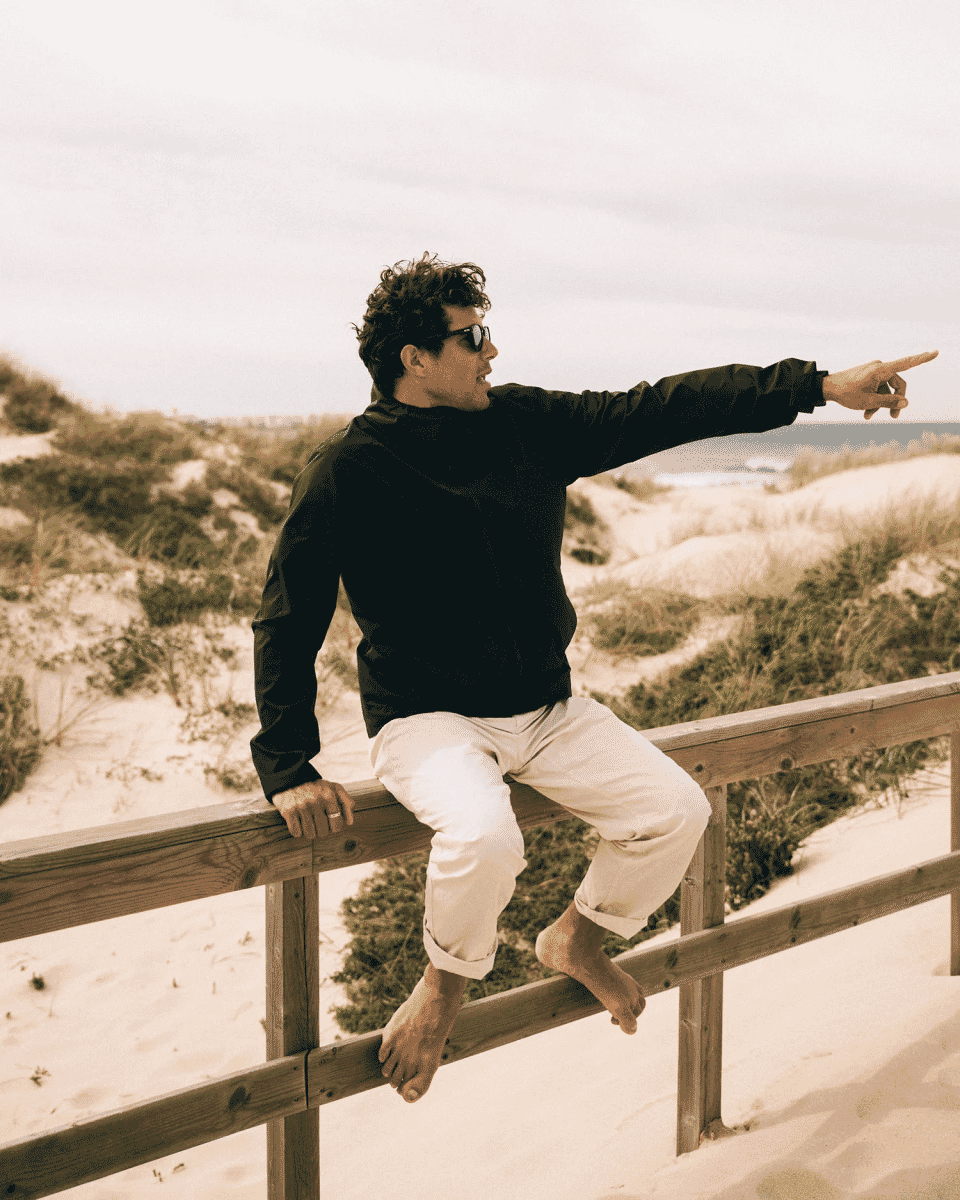
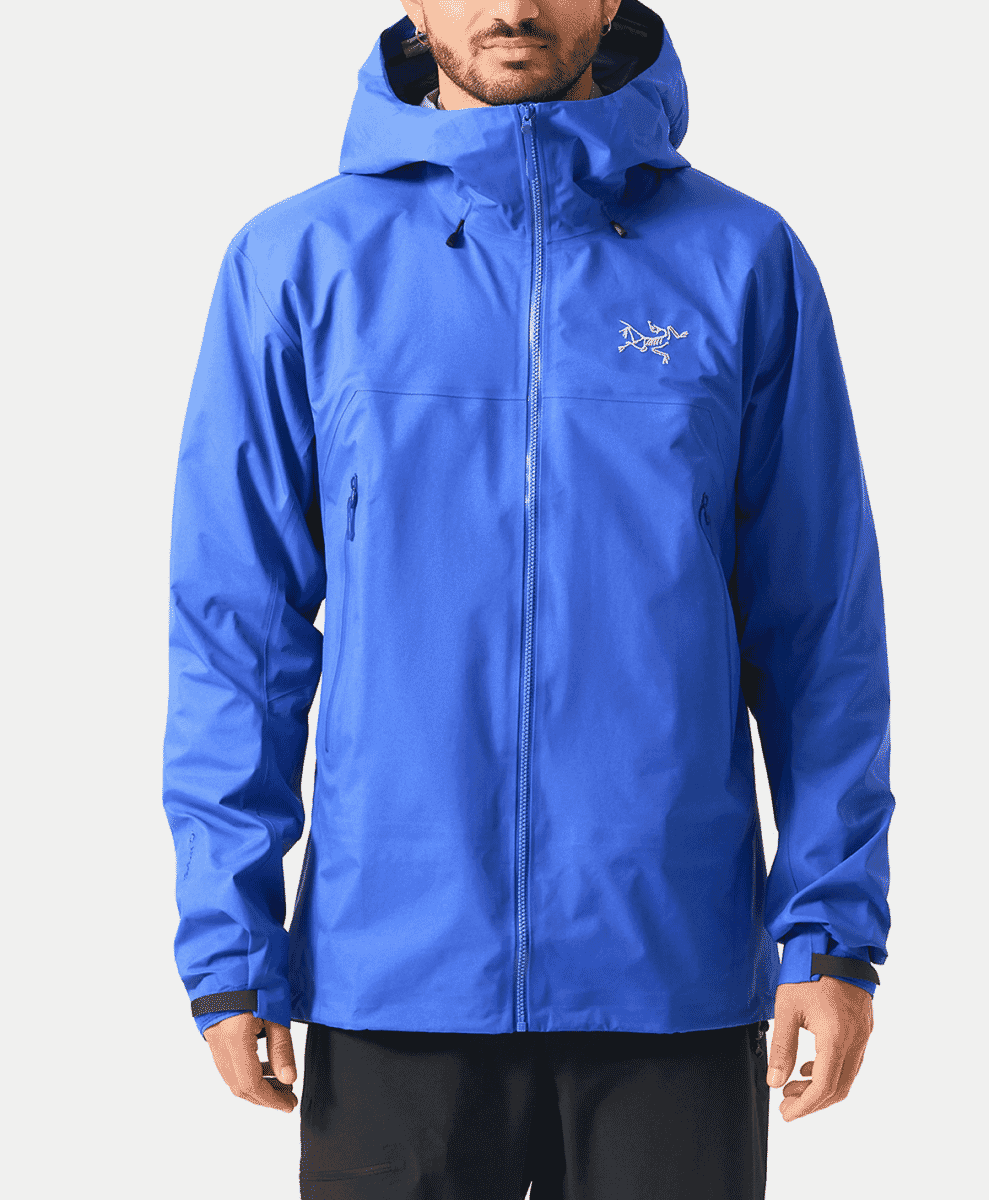
Modern technical outerwear has quietly become one of the most influential categories in menswear. Not because everyone suddenly started climbing mountains (although that kind of is what happened), but because the fabrics genuinely solve problems.
British summers are unpredictable enough that carrying a lightweight shell often makes sense. The challenge is avoiding the overly outdoorsy look that makes you appear as though you’re perpetually on your way to Snowdonia.
This is where brands like Arc'teryx and Goldwin succeed. The best technical jackets today are stripped back and refined. Quiet colours, clean lines, minimal logos.
There’s also a broader shift happening in menswear where practicality itself has become aesthetically desirable. Technical shells communicate preparedness and movement in a way traditional tailoring often can’t.
Denim jacket
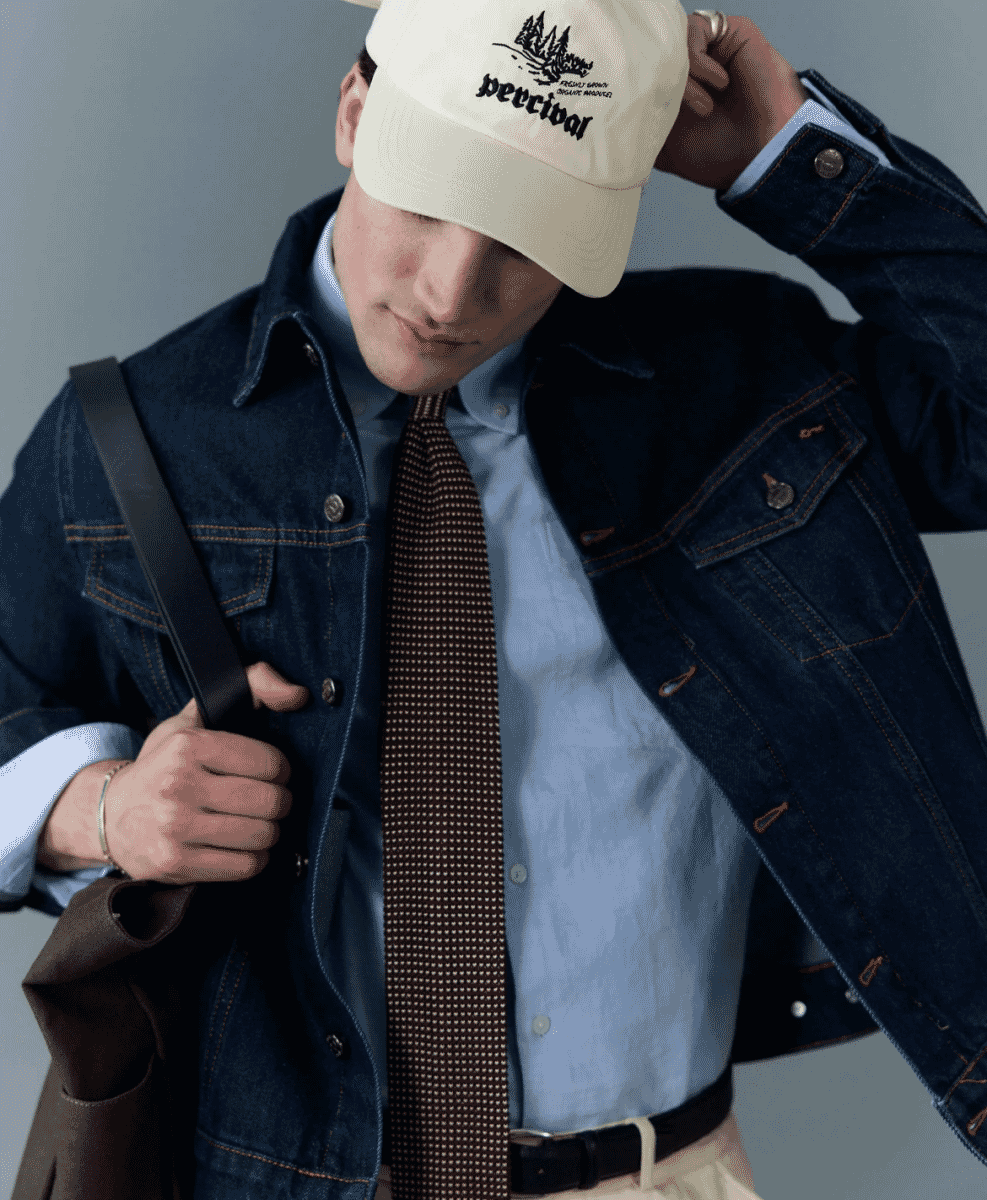
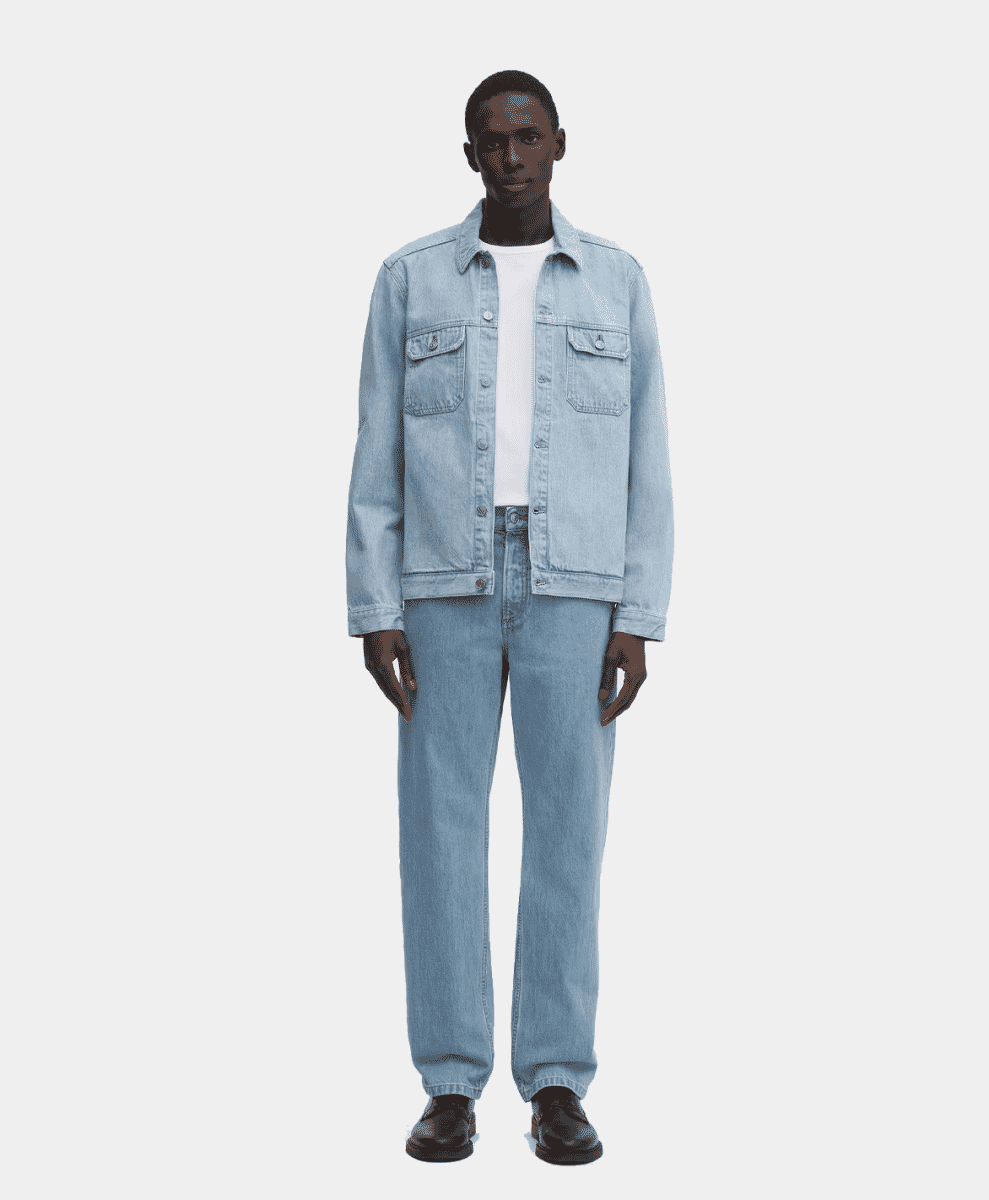
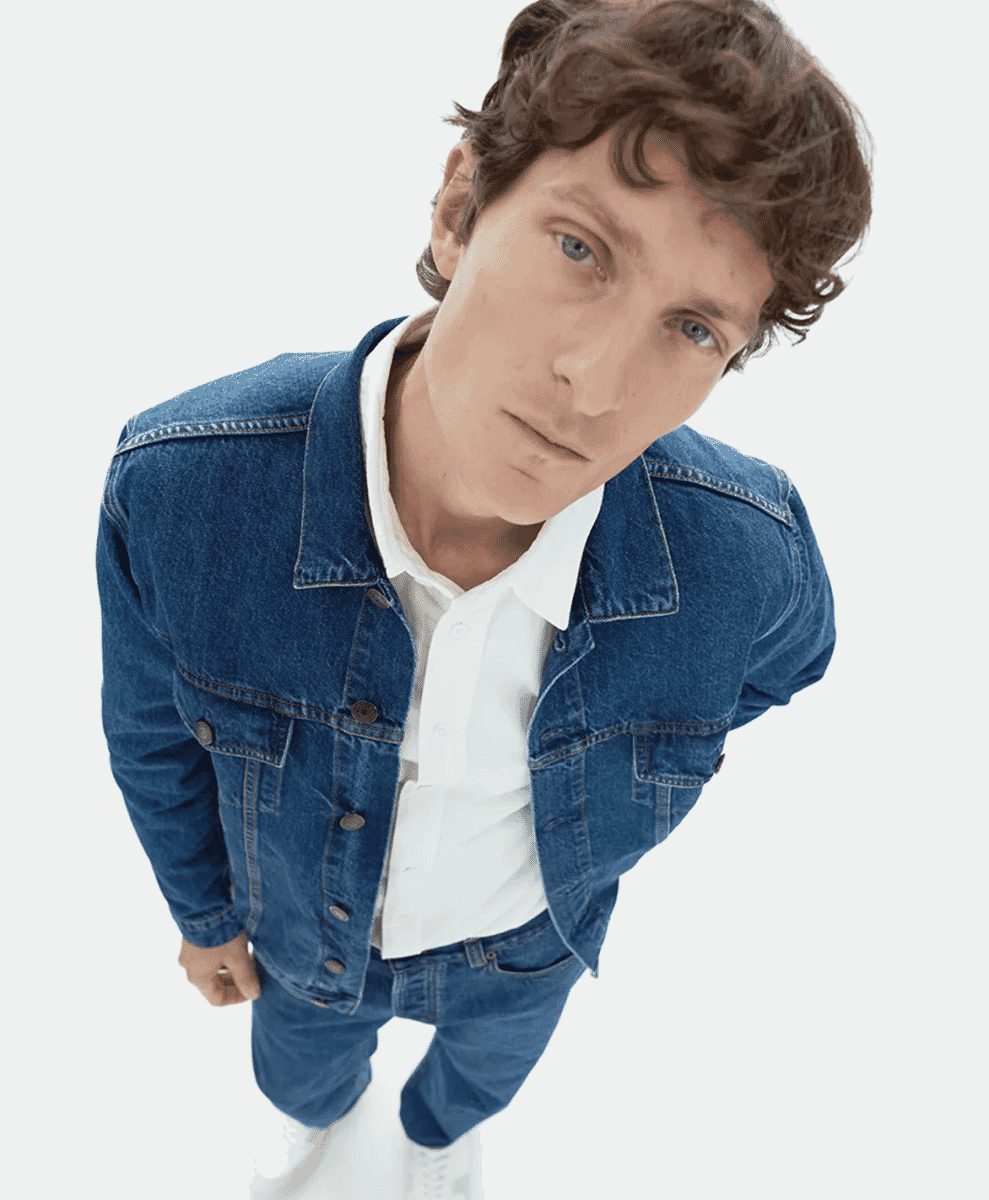
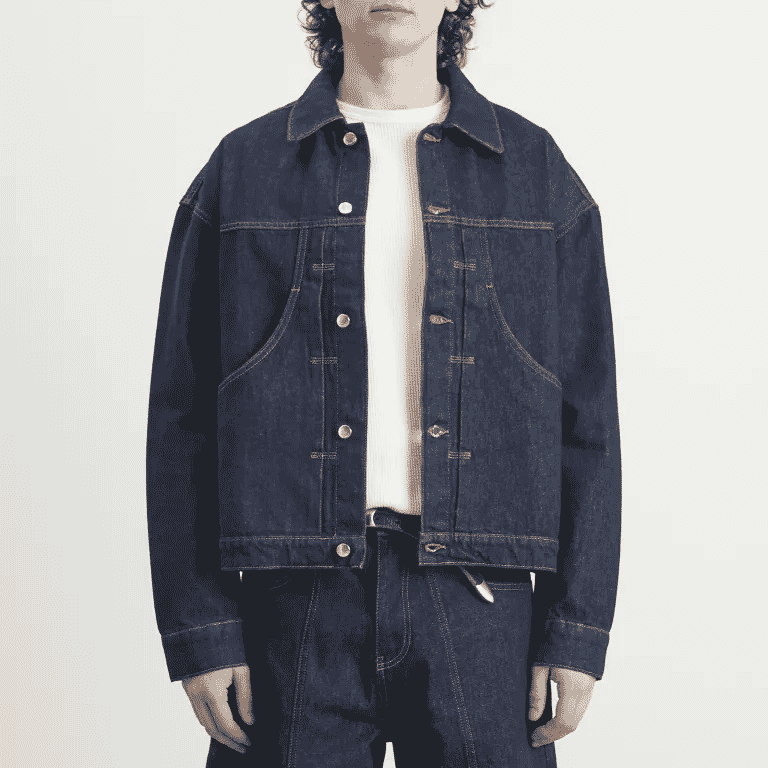
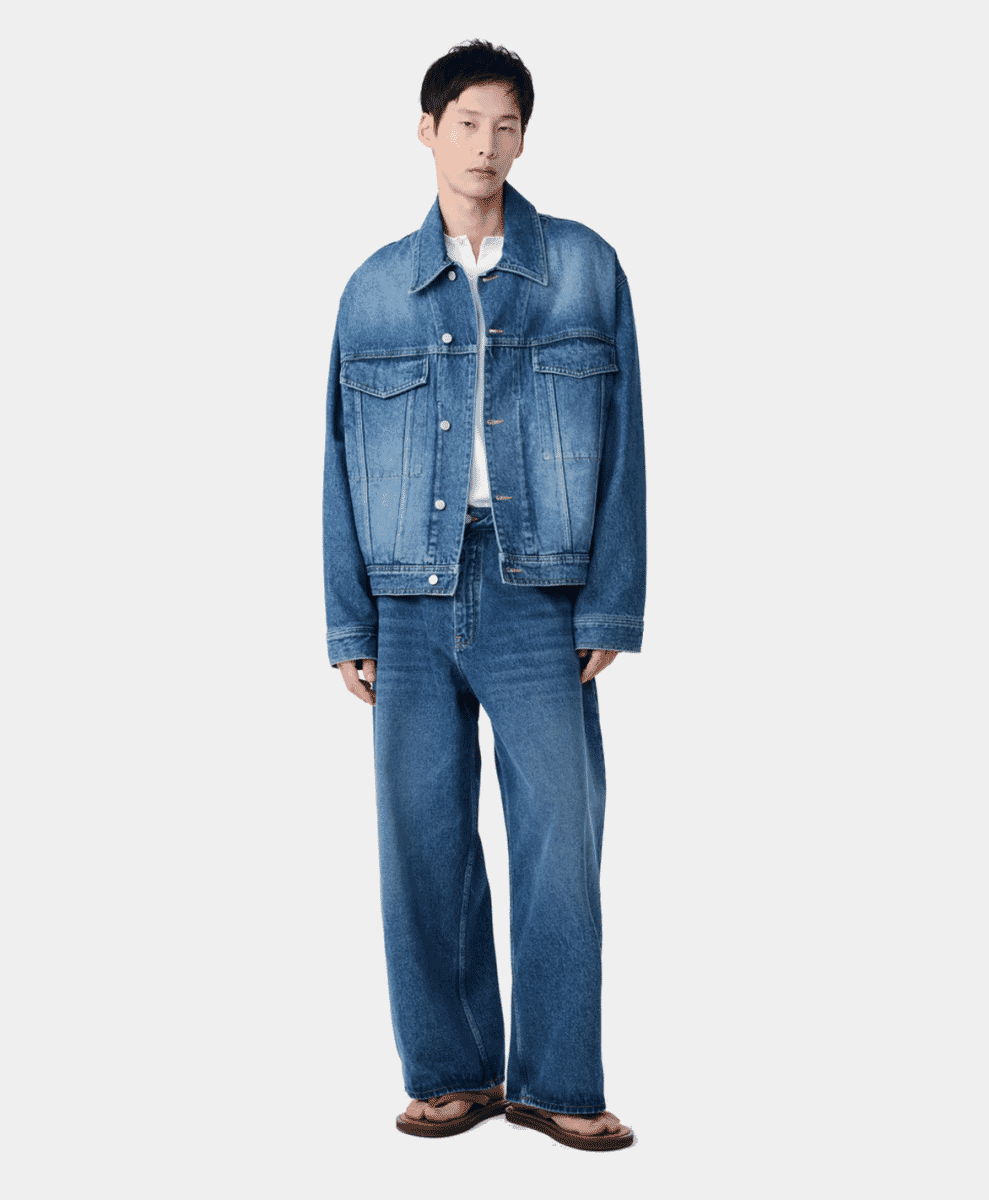
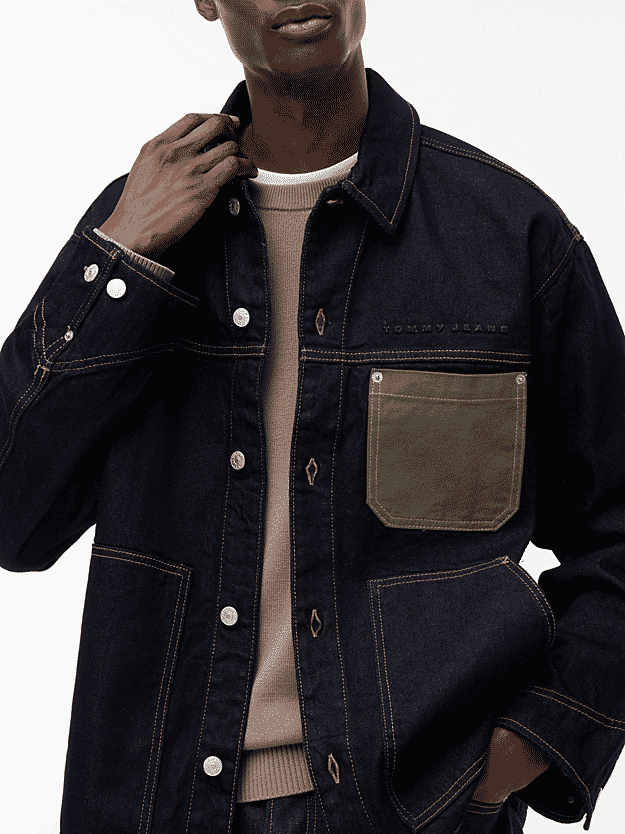
The denim jacket persists because denim itself ages beautifully. Unlike many fabrics, it generally improves with wear. Fading, creasing and softening become part of the garment’s appeal.
For summer, weight and wash are everything. Heavy raw selvedge denim can feel punishing in warm weather, whereas washed lightweight denim feels much easier and more relaxed. Ecru or faded indigo versions work especially well because they reflect light rather than absorbing heat.
Fit matters too. Slightly boxy is usually preferable. Modern denim jackets shouldn’t cling to the body like late-2000s indie-rock tailoring.
A good denim jacket also occupies an interesting stylistic middle ground. It’s rugged, but not aggressively masculine. Casual, but not sloppy. That balance is what keeps it relevant decade after decade.
Suede jacket
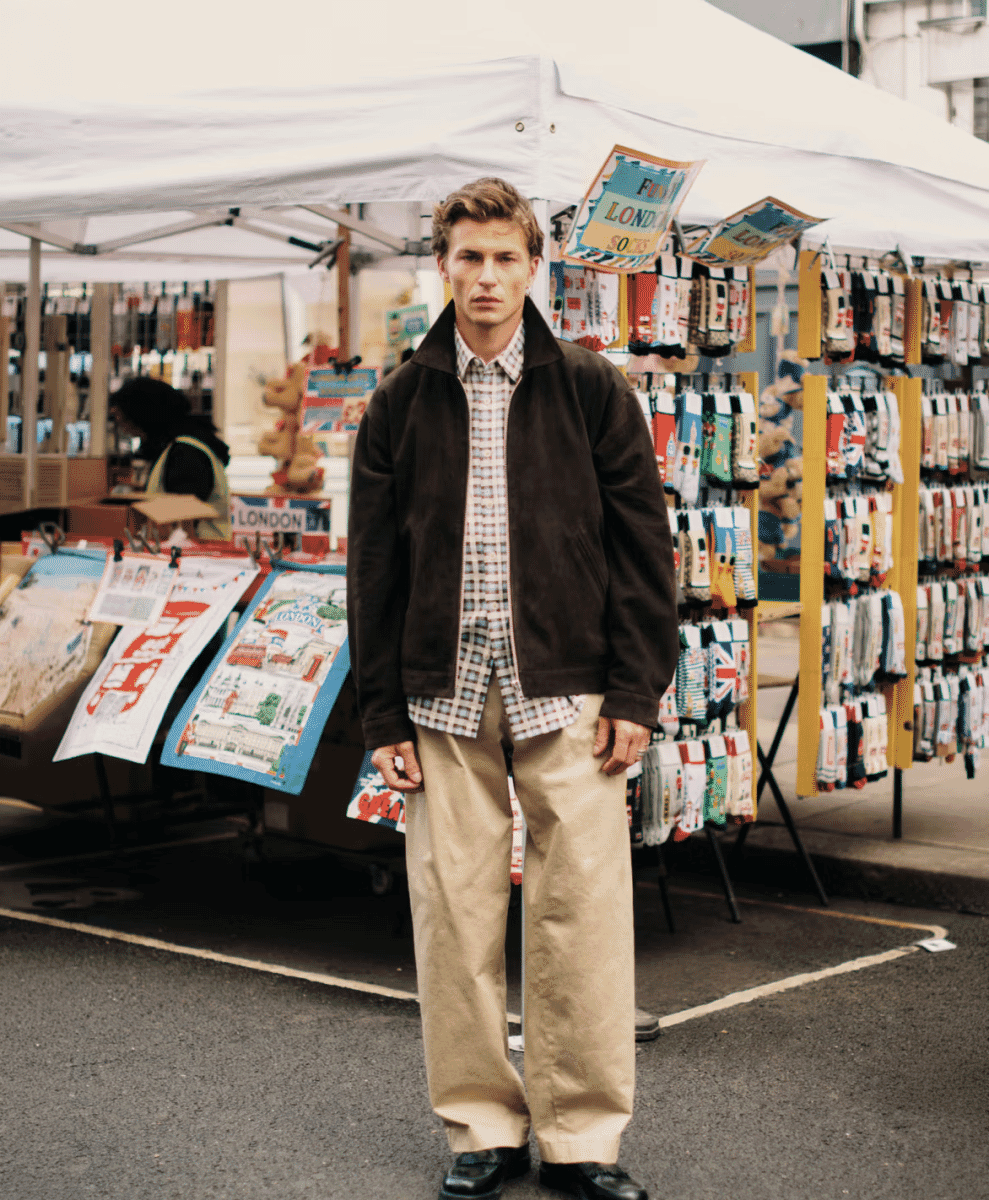
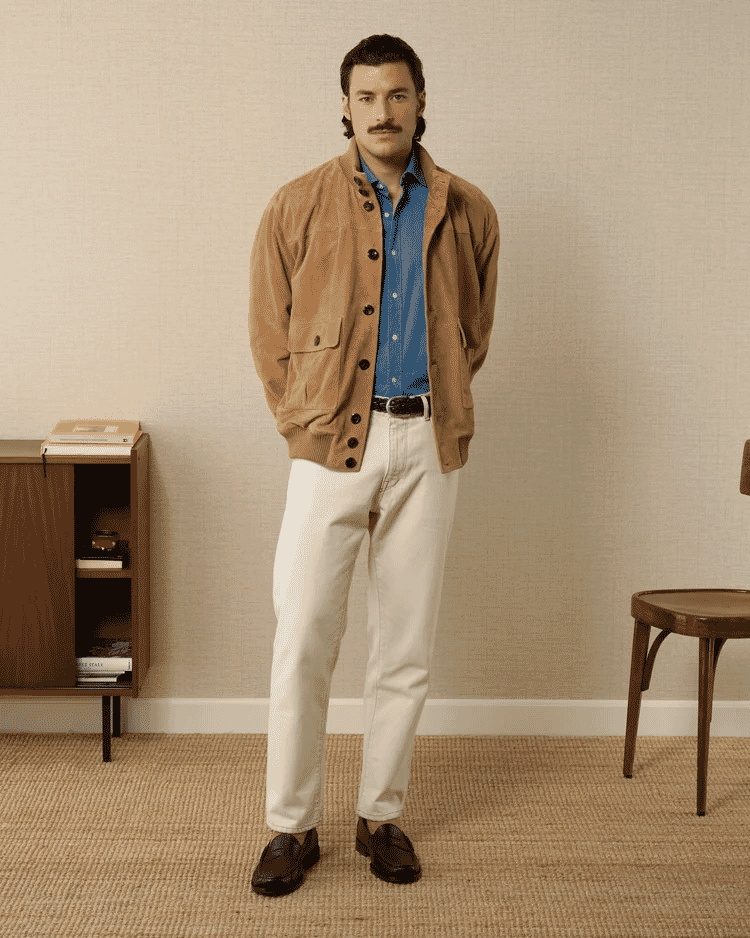
Suede sounds impractical for summer until you remember that many lightweight suede jackets were originally designed for warm Mediterranean climates. Unlined suede breathes more than people assume.
The appeal here is texture. Summer clothing can sometimes look visually flat because lighter fabrics naturally have less heft. Suede adds richness without requiring heavy layering.
The best versions are simple zip-front blousons in tobacco, sand or dark chocolate. Minimal hardware, clean lines, soft drape. The jacket should feel relaxed rather than flashy.
There’s also an undeniable luxury to suede that’s difficult to replicate elsewhere. Even a plain outfit – white T-shirt, pleated trousers, loafers – suddenly feels considered once you add a good suede jacket.
Complete your summer look with our pick of the best retro-inspired sunglasses for men.