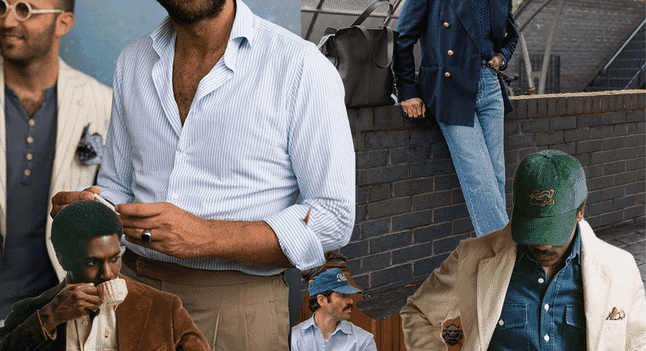
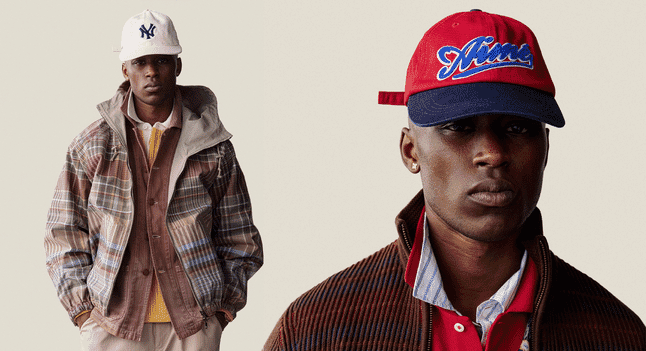
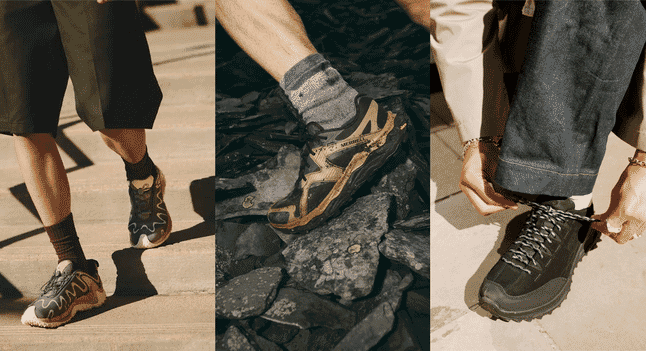
The suit is the default men's wedding garb for a reason: it solves a problem. It coordinates colour, fabric and proportion in one move, which makes it easy to look appropriate without thinking too hard. That’s useful when the expectation is not just to be presentable, but to show a degree of respect for the setting.
But the suit is not the only way to meet that expectation. Men's dress codes have softened over time, even if the underlying standard has not. You’re still expected to look considered. The difference is that you’re no longer required to express that through a traditional matching two-piece.
If you remove the structure of a suit, something has to take its place. Otherwise, the outfit collapses into something that looks like everyday wear. The way to think about this is not as dressing down, but as redistributing formality. Instead of relying on uniformity, you rely on fabric, fit and texture. Those become the tools that hold everything together.
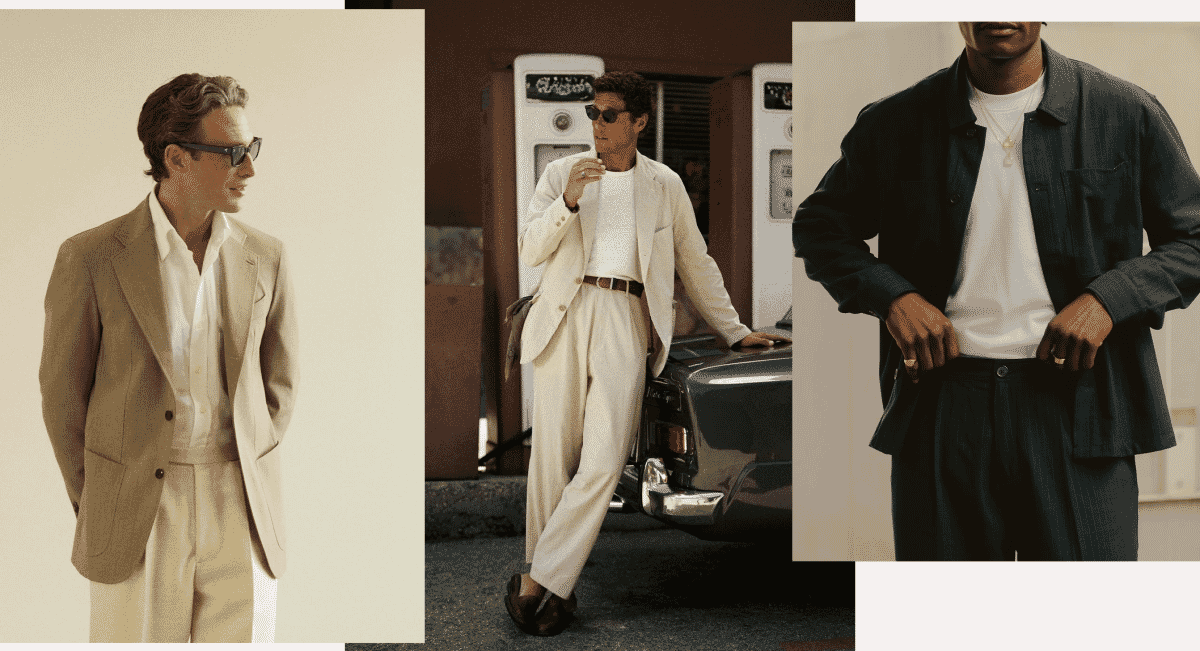
@bergandberg, @buckmason, @juliusgod
What “not a suit” actually means
“Not a suit” doesn’t mean anything goes. There are still boundaries.
You’re not necessarily wearing a matching jacket and trouser in the same cloth. That’s the clearest distinction. But you are still dressed up. The outfit should read as intentional from a distance, not something assembled in a rush.
A jacket is usually necessary. It frames the outfit and signals that the occasion matters. There are exceptions, particularly in very relaxed settings, but even if you're deciding what to wear to a summer wedding, the dress code still probably calls for that extra layer.
Trousers also need to feel deliberate. This is where many outfits fall apart. If the trousers look like an afterthought, the whole thing does.
There’s historical precedent for this approach. Before the business suit became dominant, men regularly wore odd jackets with contrasting trousers for social occasions – casual suits, if you will. The idea that formality requires a matching set is relatively modern.
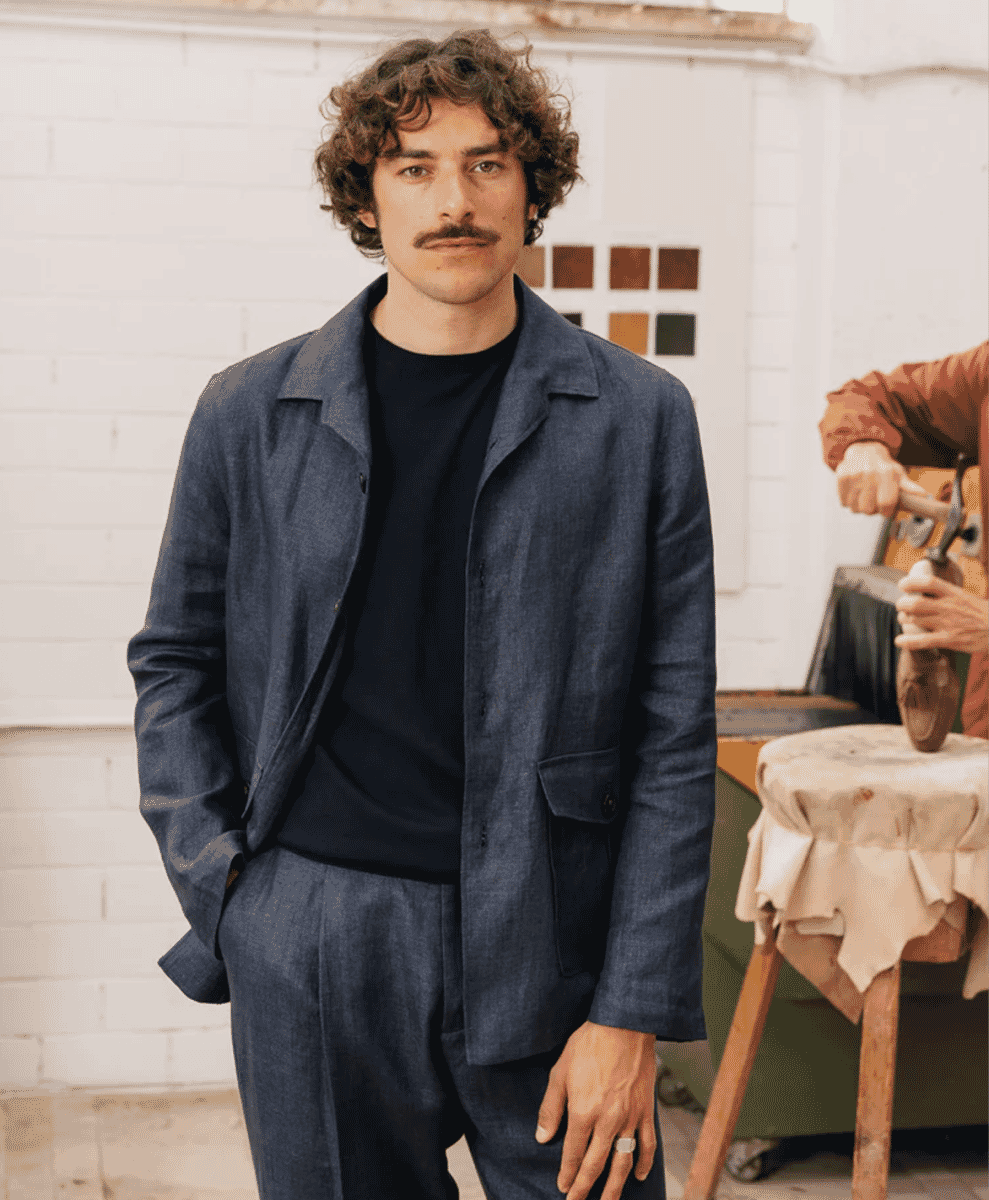
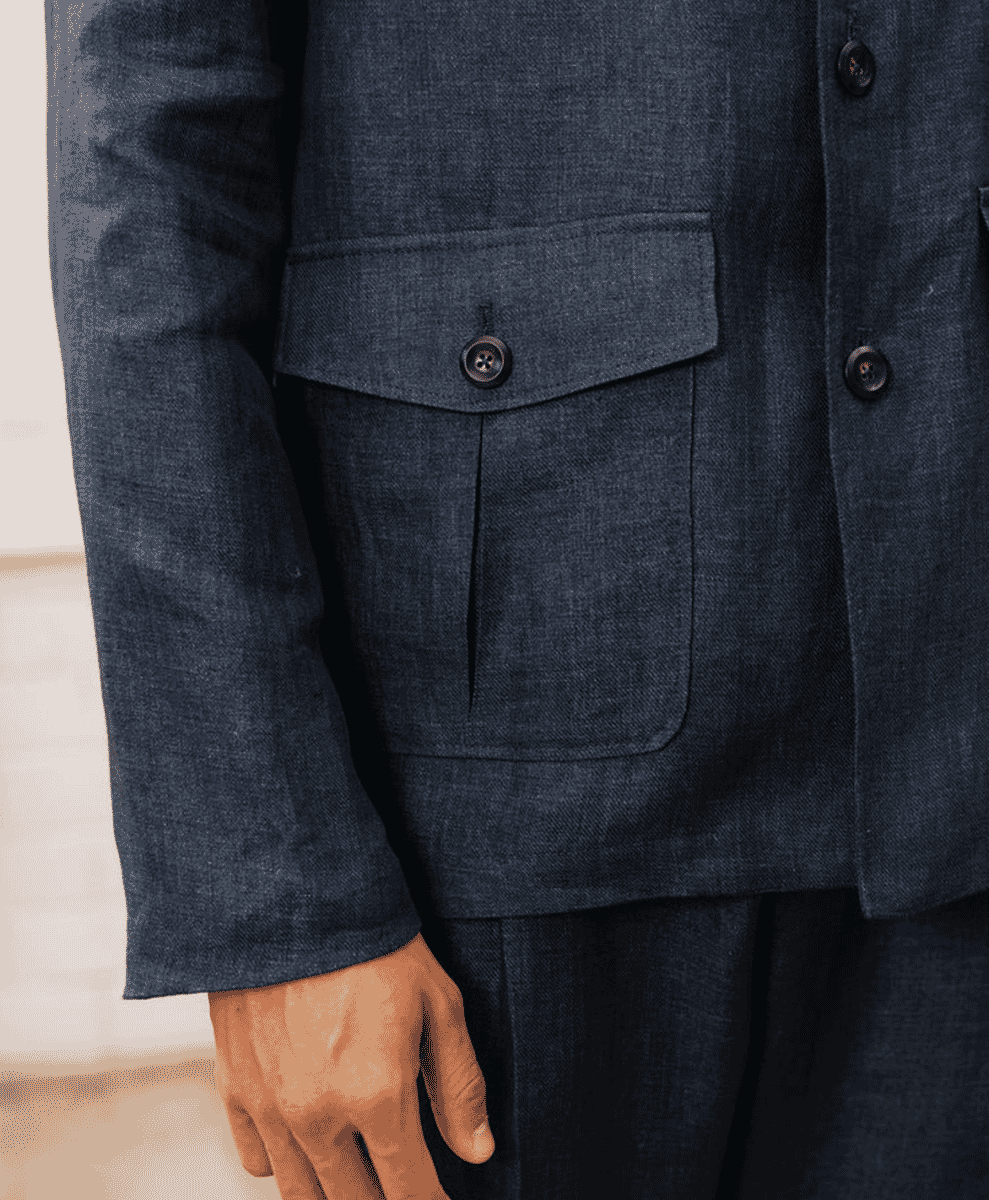
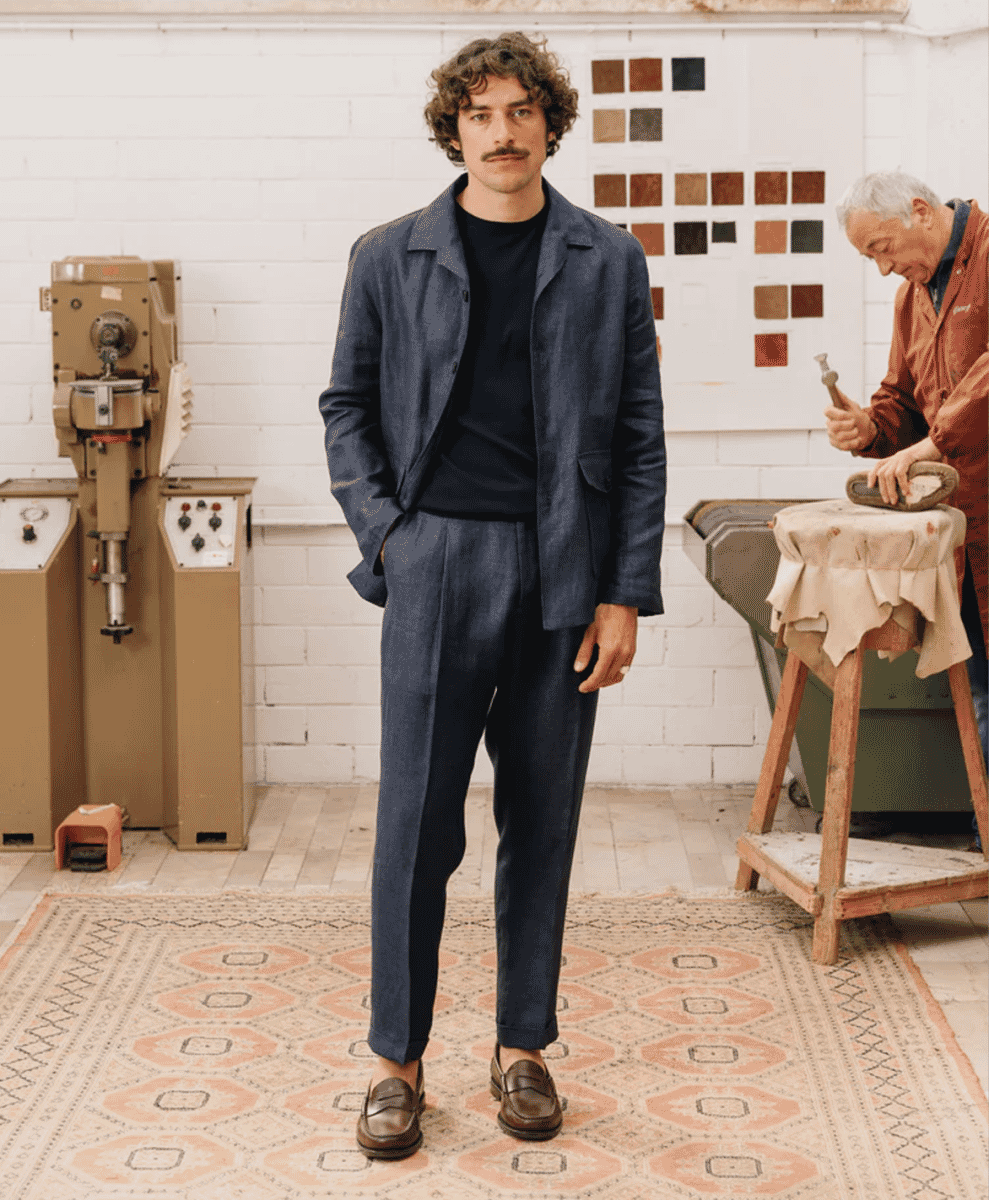
The jacket – soft tailoring
The jacket does most of the work, so it’s where you should focus your attention.
Soft tailoring changes how a garment behaves. Remove the heavy canvassing, padding and lining, and the jacket starts to move with the body. It creases, drapes and settles in a way that feels more natural. That shift alone makes it better suited to a social environment.
There are a few ways to approach this.
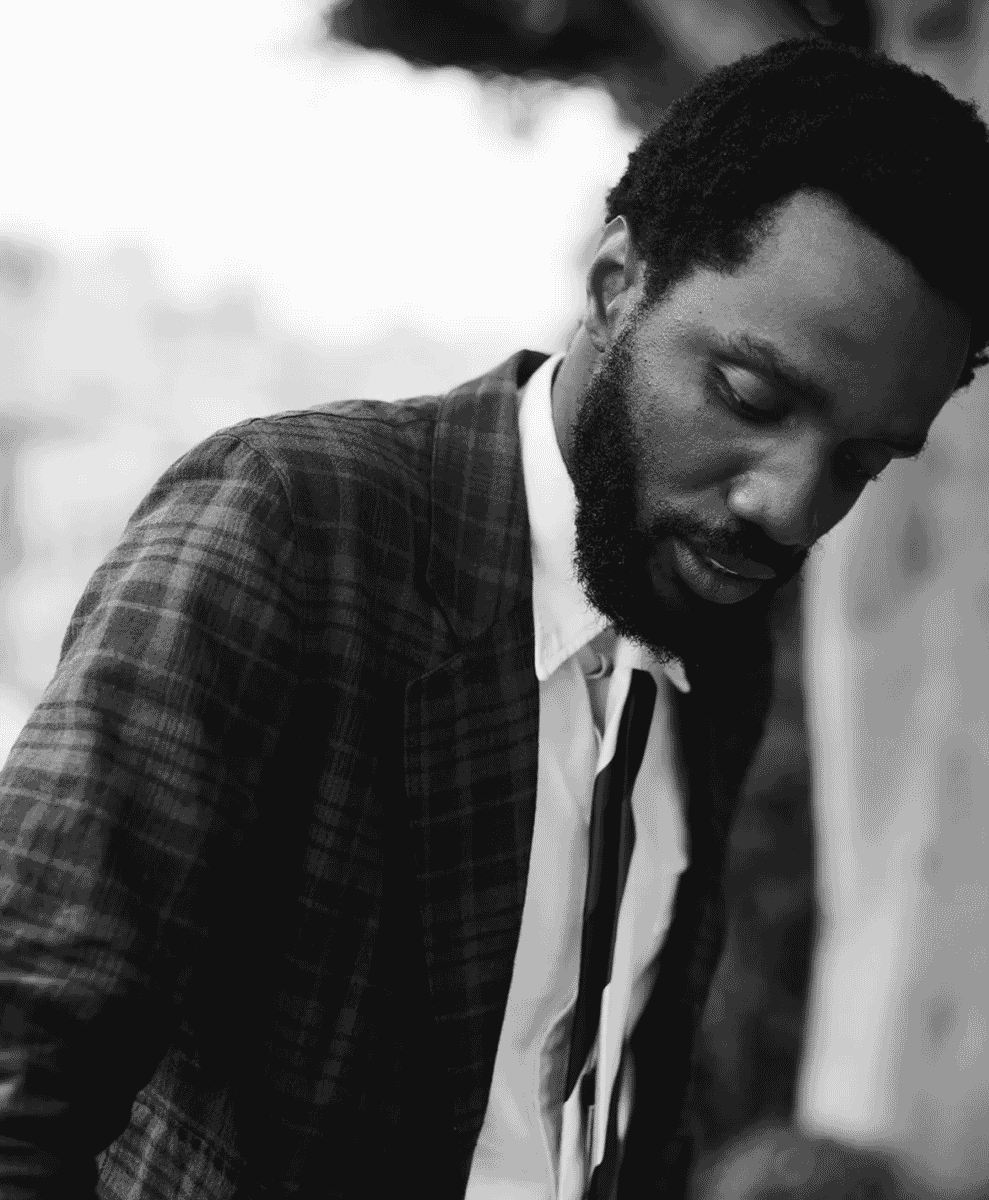
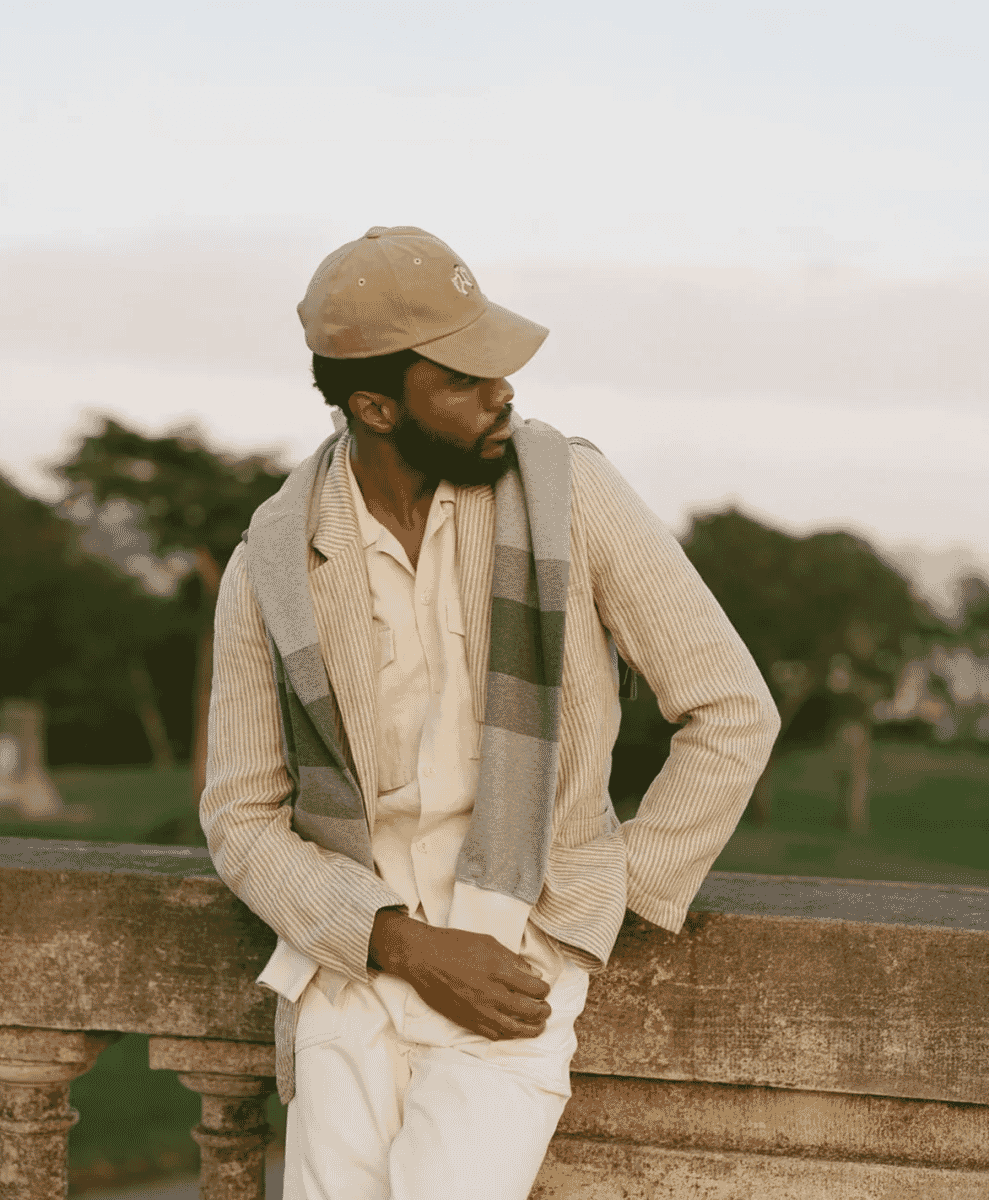
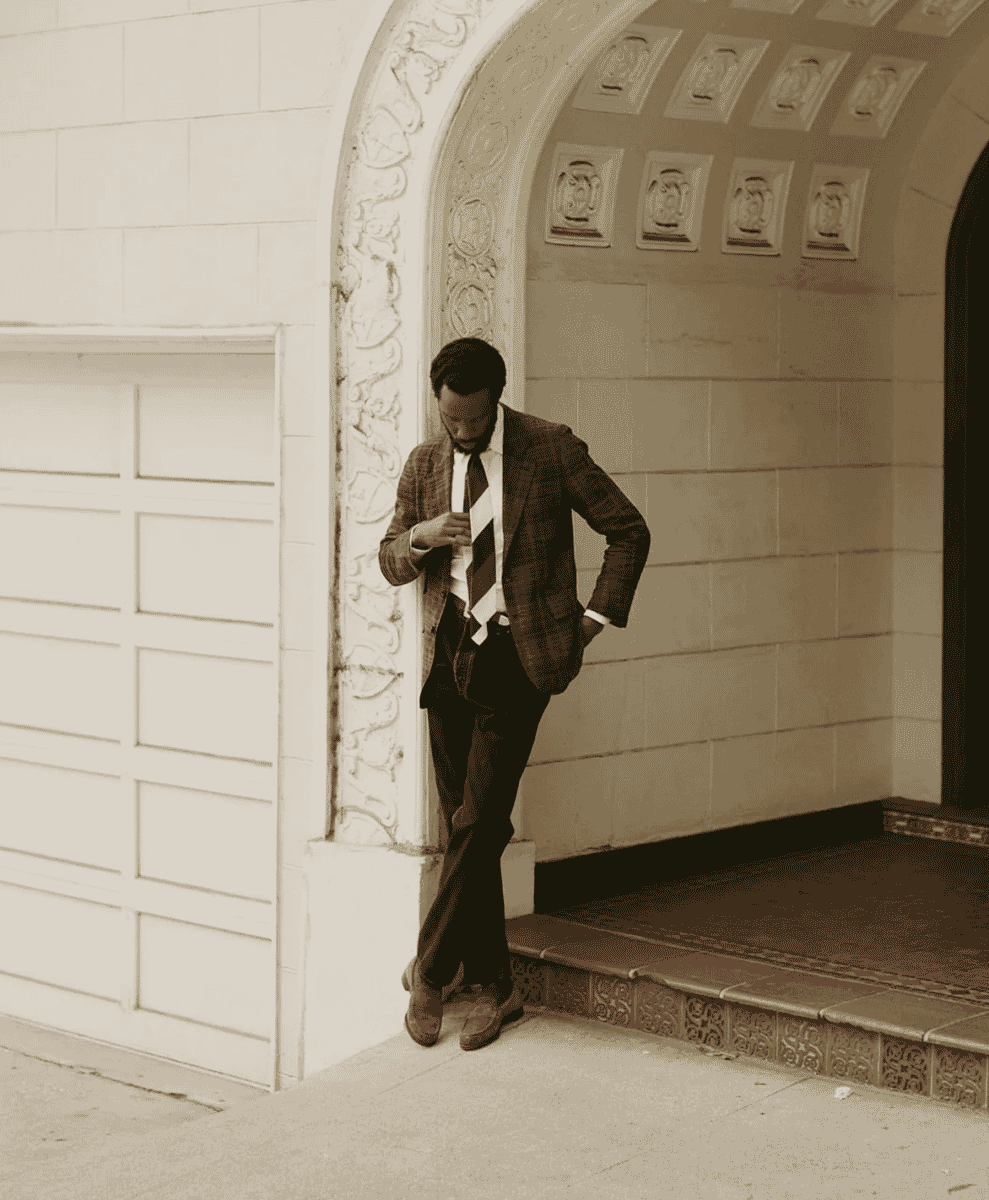
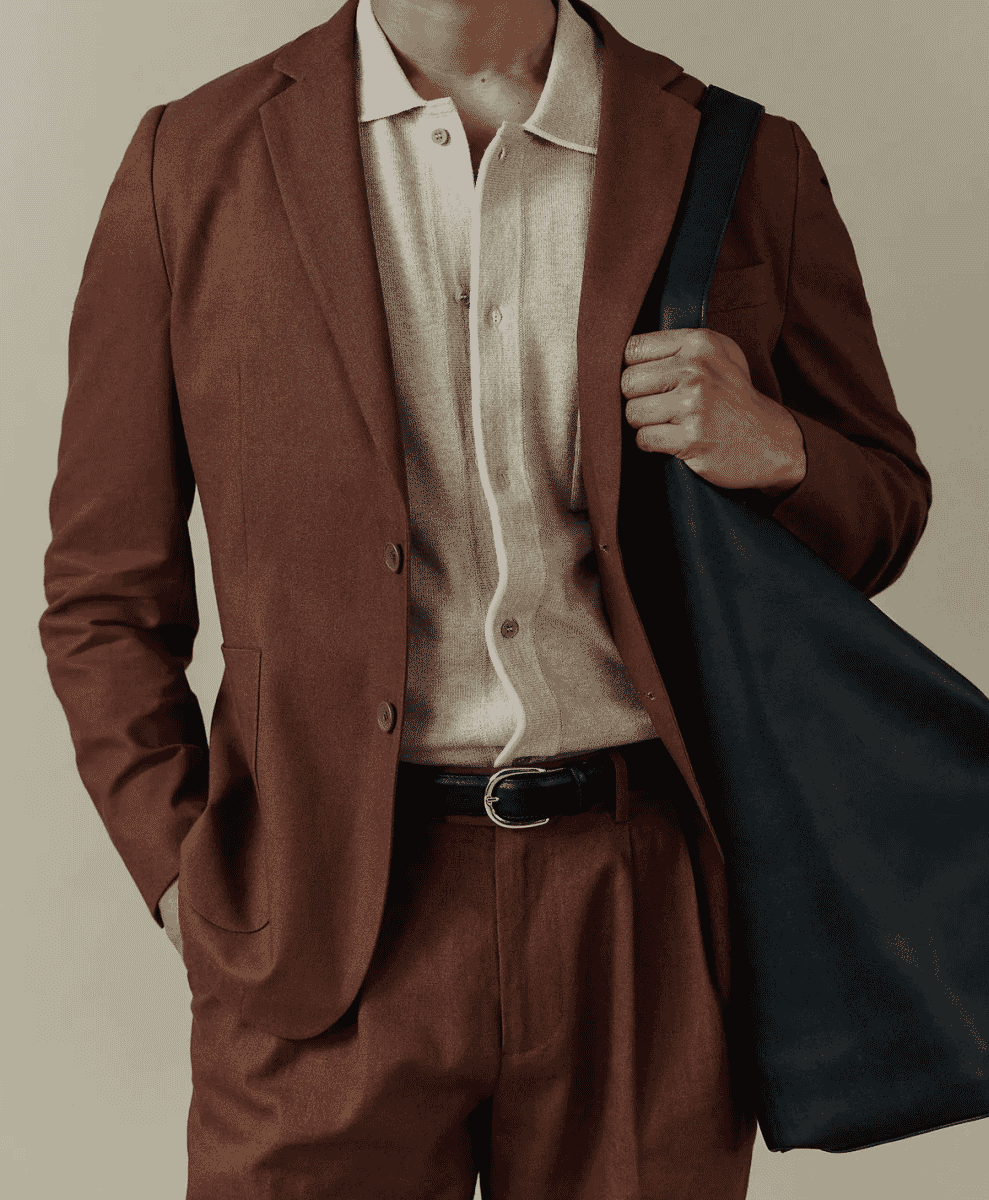
A deconstructed blazer in a lightweight wool or cotton gives you the familiarity of tailoring without the rigidity. It still has lapels and pockets, but it doesn’t feel like office wear.
Lightweight tailoring in linen or linen blends is another option. Linen has a tendency to crease, but that’s part of its appeal. It reads as relaxed, even when the cut is sharp.
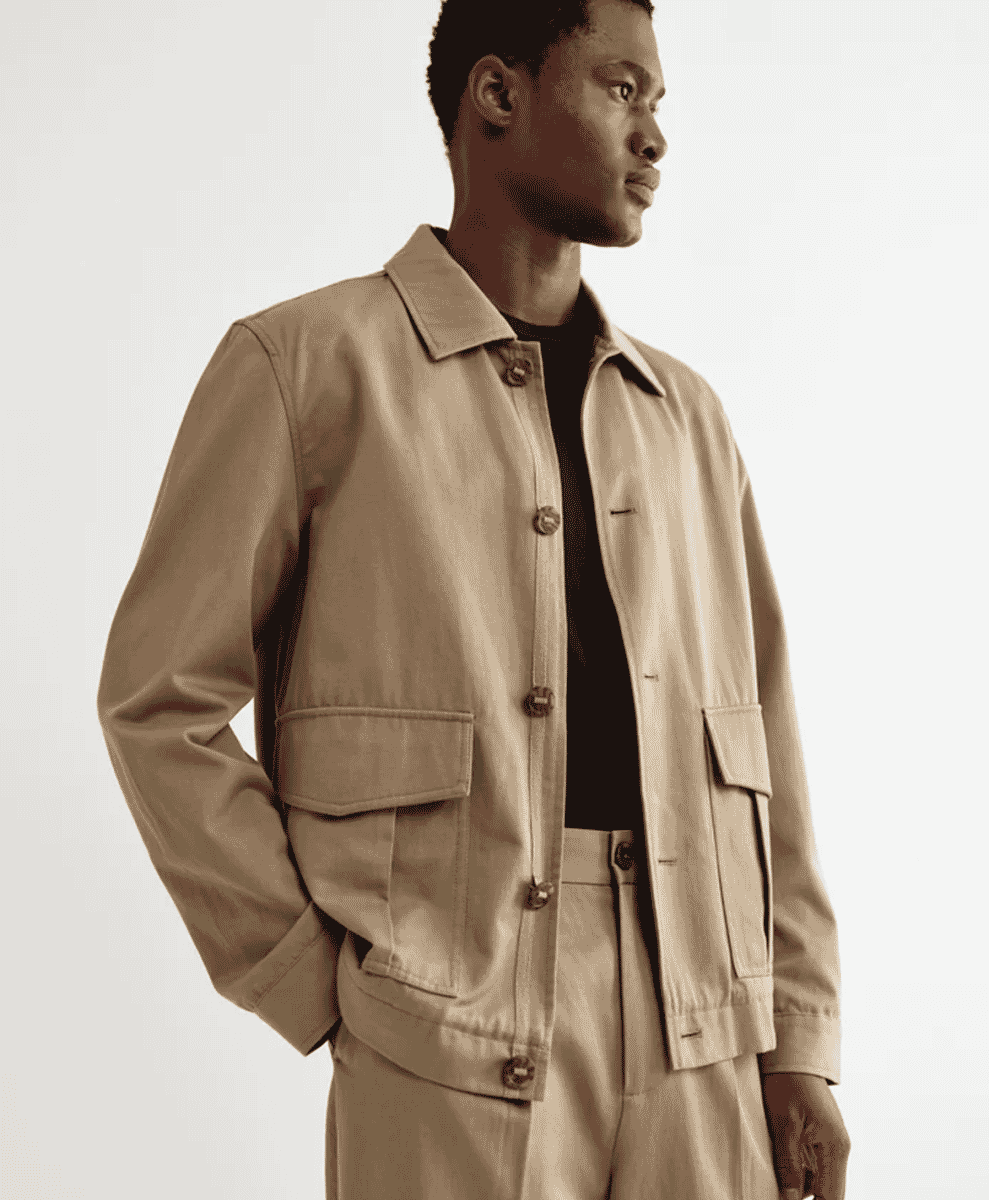
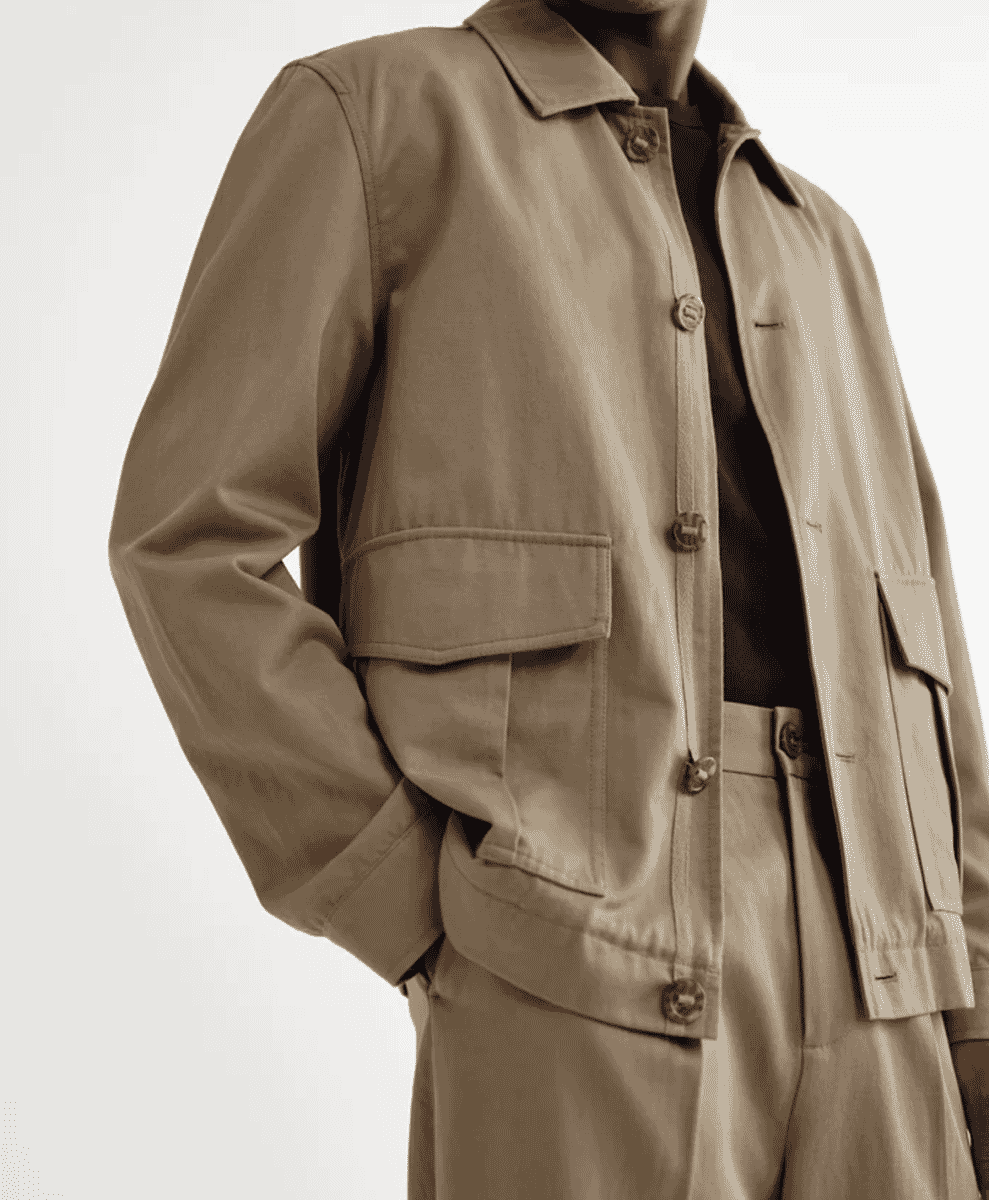
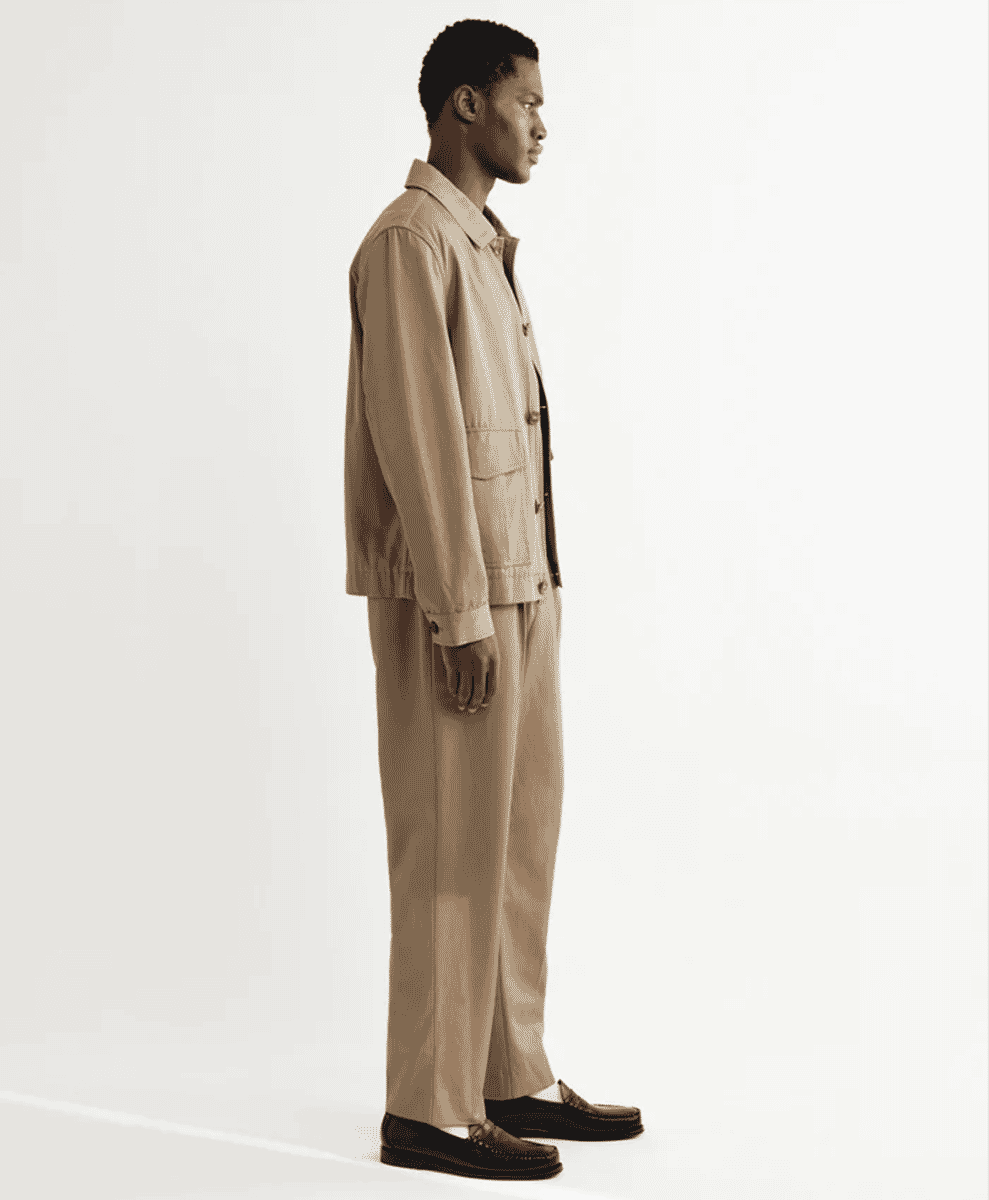
Then there are chore jackets made in elevated fabrics. The silhouette is simpler, but the material does the work. A cotton twill or textured wool version can hold its own in a more formal setting, provided everything else is considered.
The key is that the jacket should look intentional, not like you’ve swapped out a suit jacket for something casual.
Trousers – getting the balance right
Trousers are often treated as secondary, but they determine how the outfit sits.
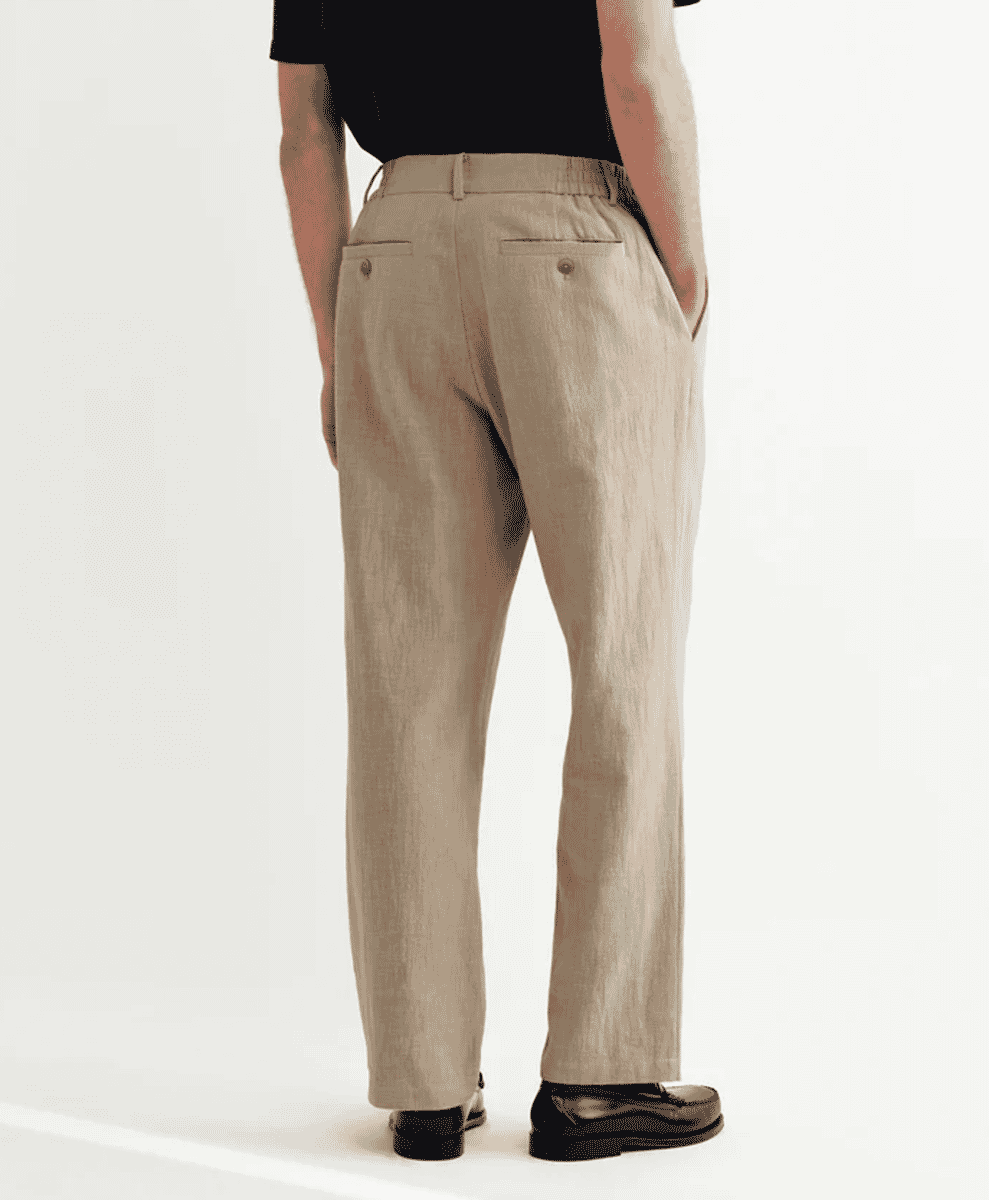
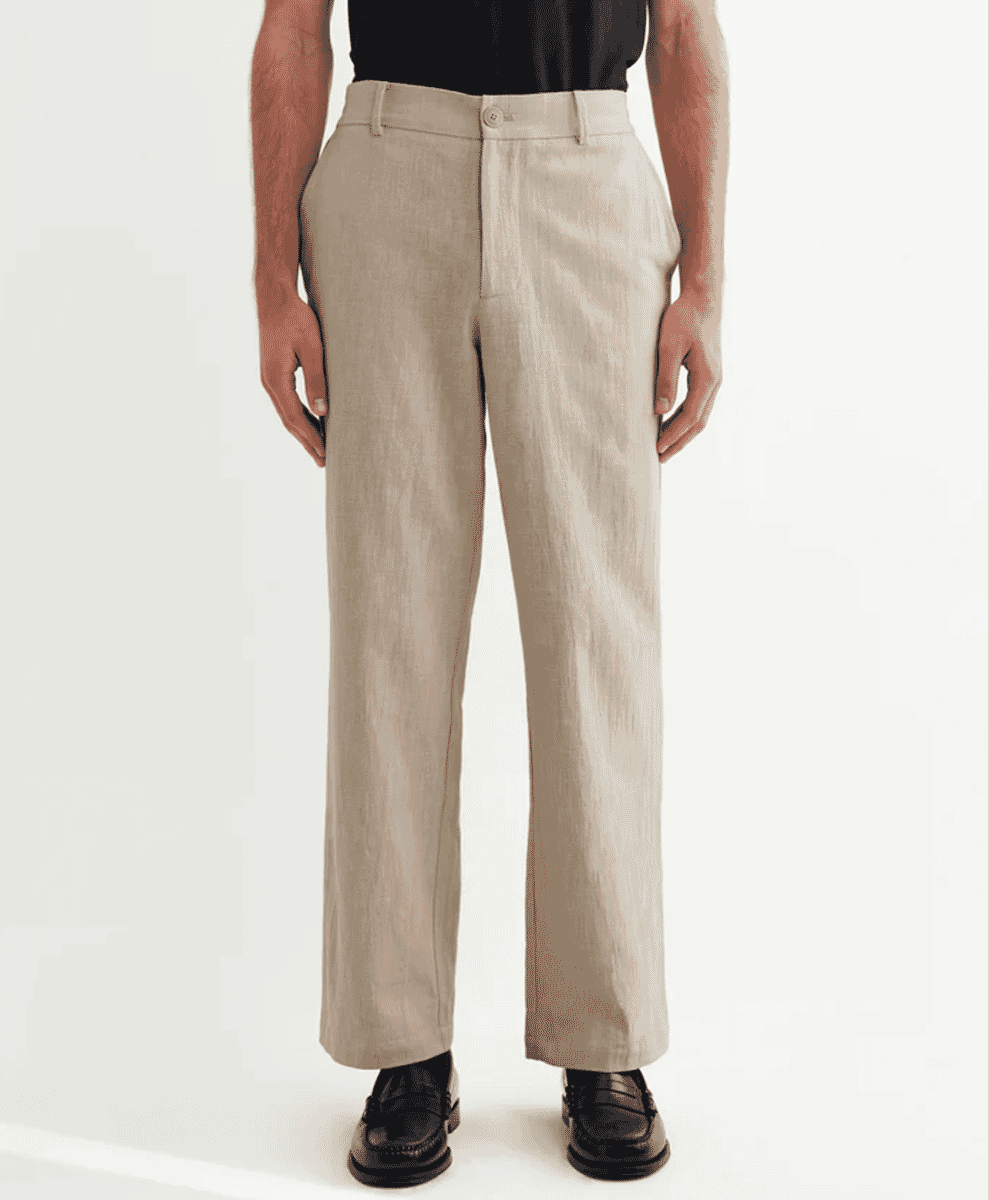
A good starting point is a pair of tailored trousers in a contrasting fabric. Wool, cotton or linen can all work, depending on the season. The important thing is that they have structure and drape.
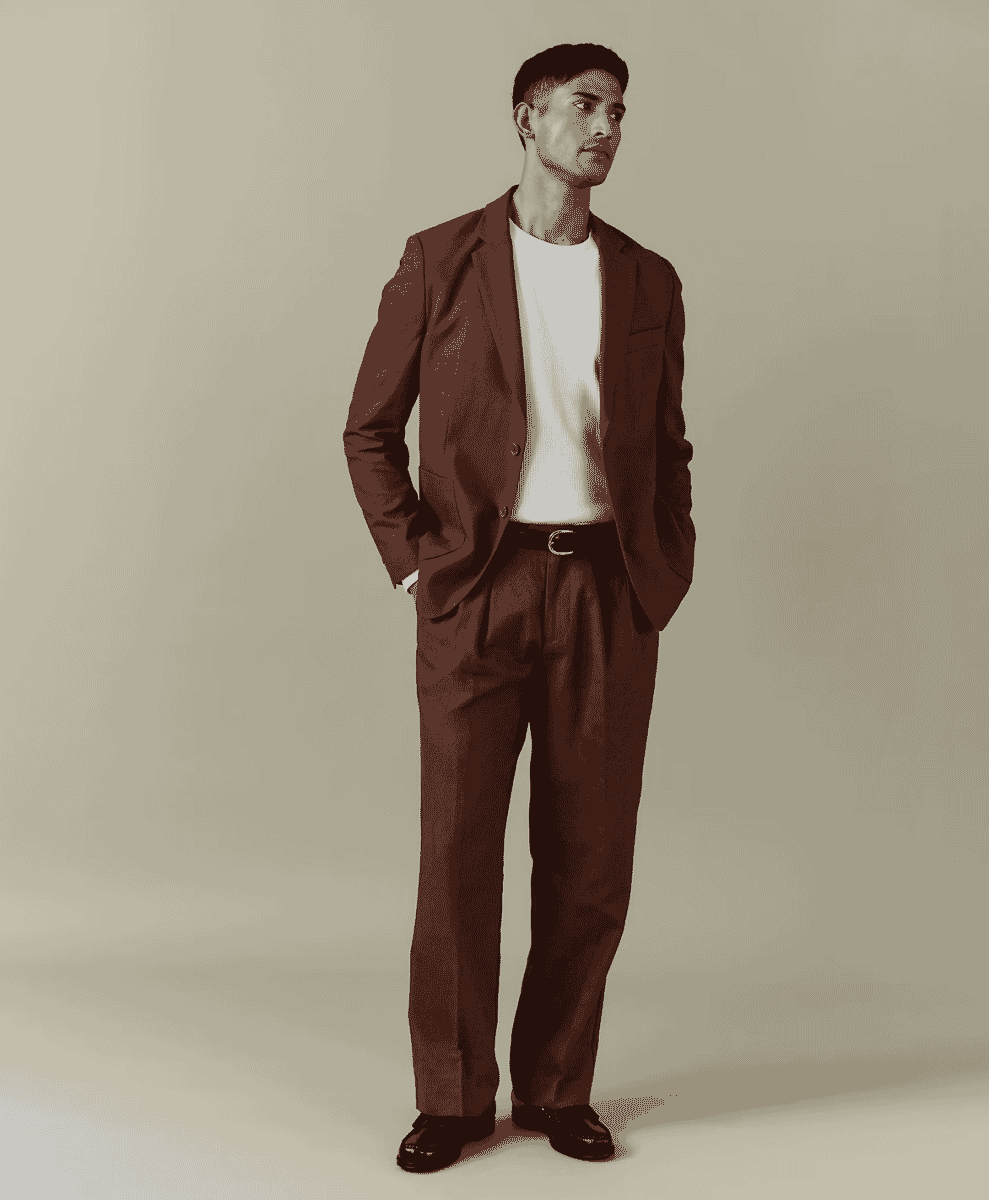
Pleated chinos are another strong option. The pleats give shape through the hips and thighs, which allows the fabric to fall cleanly. Flat-front trousers can look too pared back, especially when paired with a softer jacket.
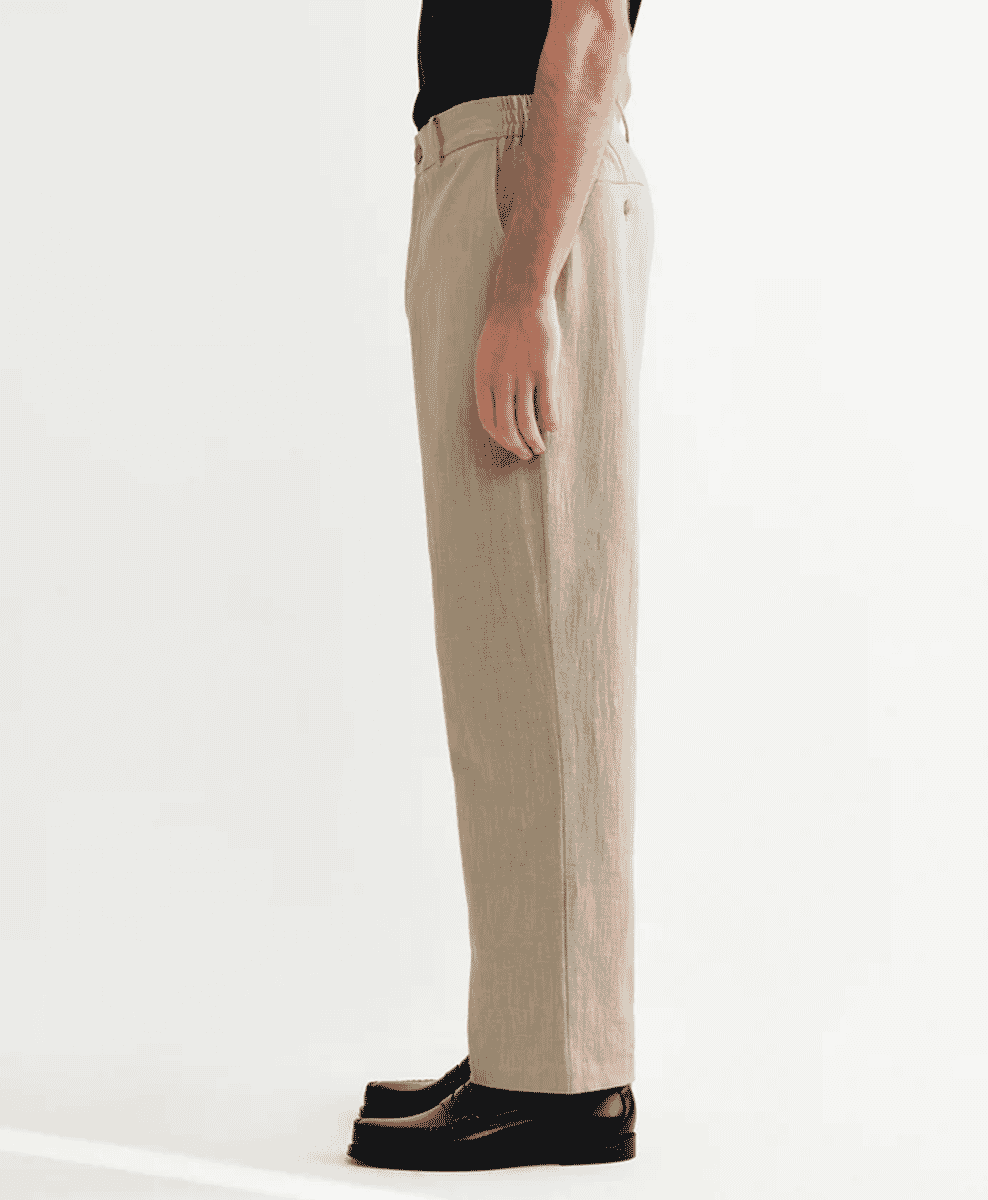
Linen trousers work well for summer weddings, but they need to be cut properly. Too slim and they lose their drape. Too loose and they look careless.
Silhouette matters more than people think. A slightly fuller leg tends to look more intentional than a narrow one. It creates a clean line from waist to hem, which helps balance the relaxed nature of the jacket.
Jeans rarely work in this context. The issue isn’t just formality, but surface texture. Denim has a distinct character that’s hard to reconcile with the rest of the outfit.
Fabric as formality
When you remove the uniform cloth of a suit, fabric becomes the thing that signals formality.
A crisp poplin shirt feels different from an open-weave linen one. A matte cotton jacket reads differently to a wool with a slight sheen. These are small distinctions, but they add up.
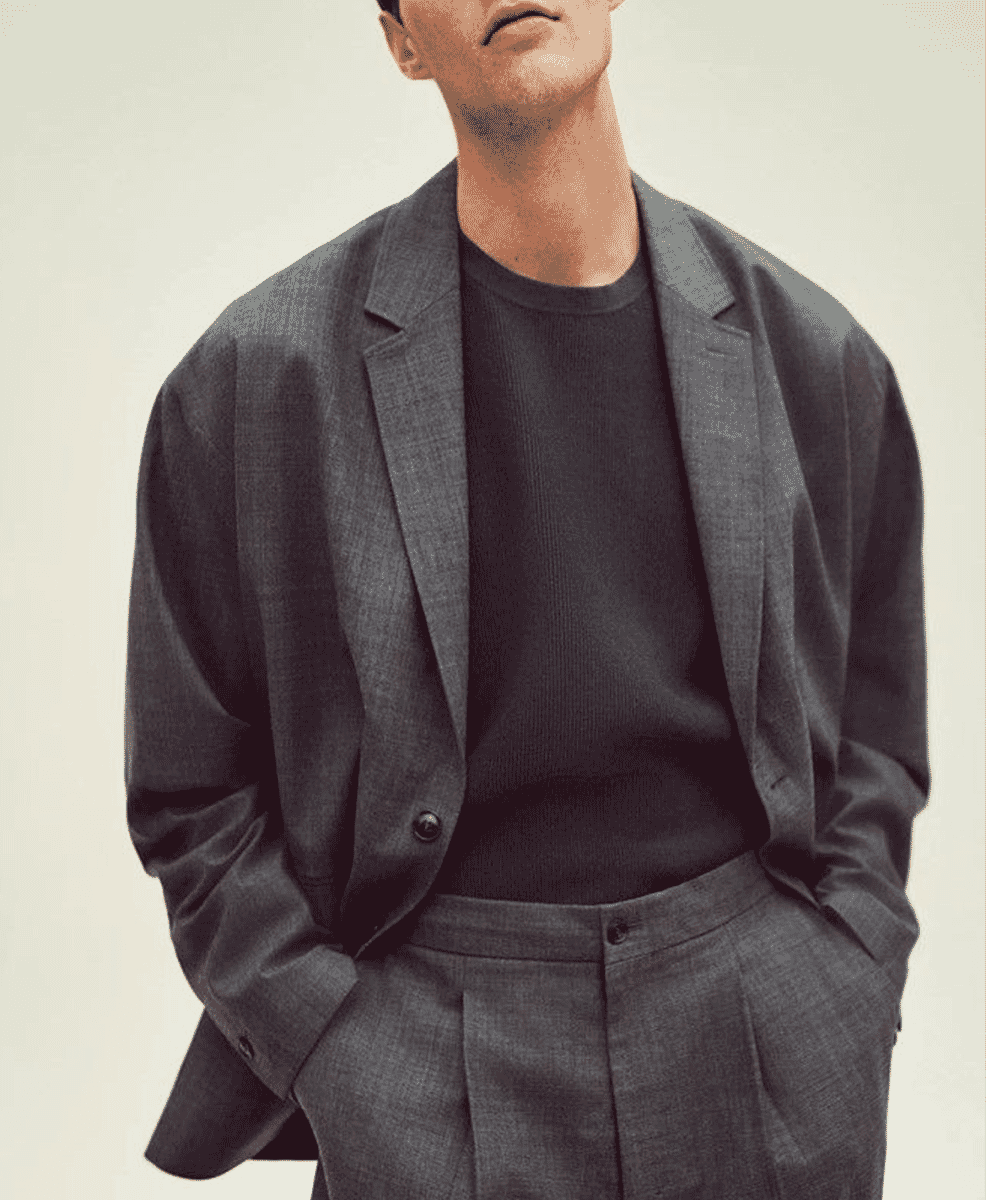
Texture is particularly useful. A hopsack wool jacket, for example, has an open weave that catches light in a subtle way. It feels more relaxed than a smooth worsted, even if the cut is similar.
Weight also plays a role. Lightweight fabrics tend to move more, which gives the outfit a softer appearance. Heavier fabrics hold their shape and feel more formal.
The goal is not to match everything perfectly, but to create a sense of coherence. The fabrics should speak the same language, even if they’re not identical.
Shirts and alternatives
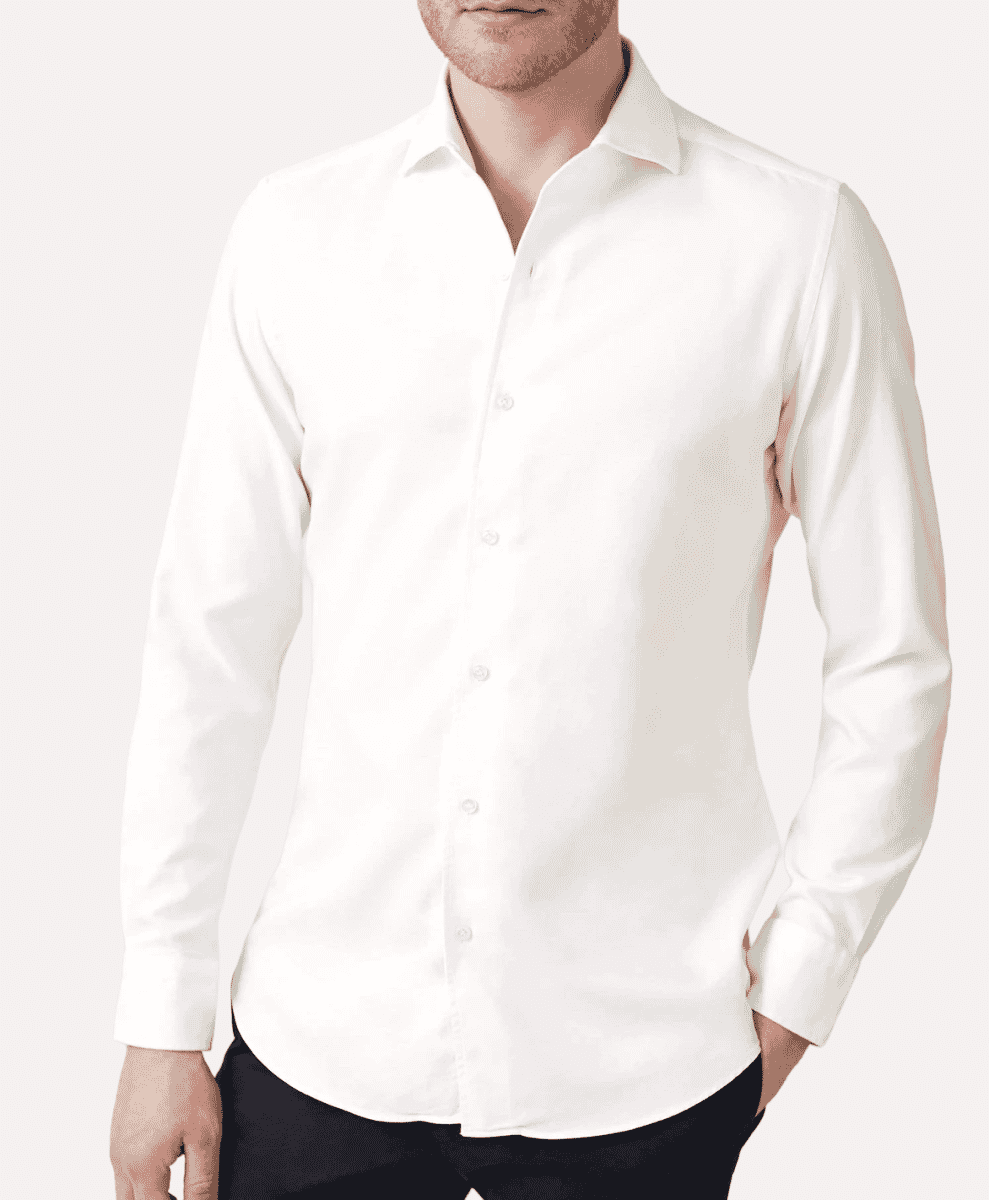
A standard dress shirt can work, but it’s not always the best option.
An Oxford cloth button-down has more texture and a softer collar, which pairs well with unstructured jackets. It feels dressed up without being stiff.
Linen shirts are useful in warmer weather. The collar tends to sit more casually, which complements the rest of the outfit.
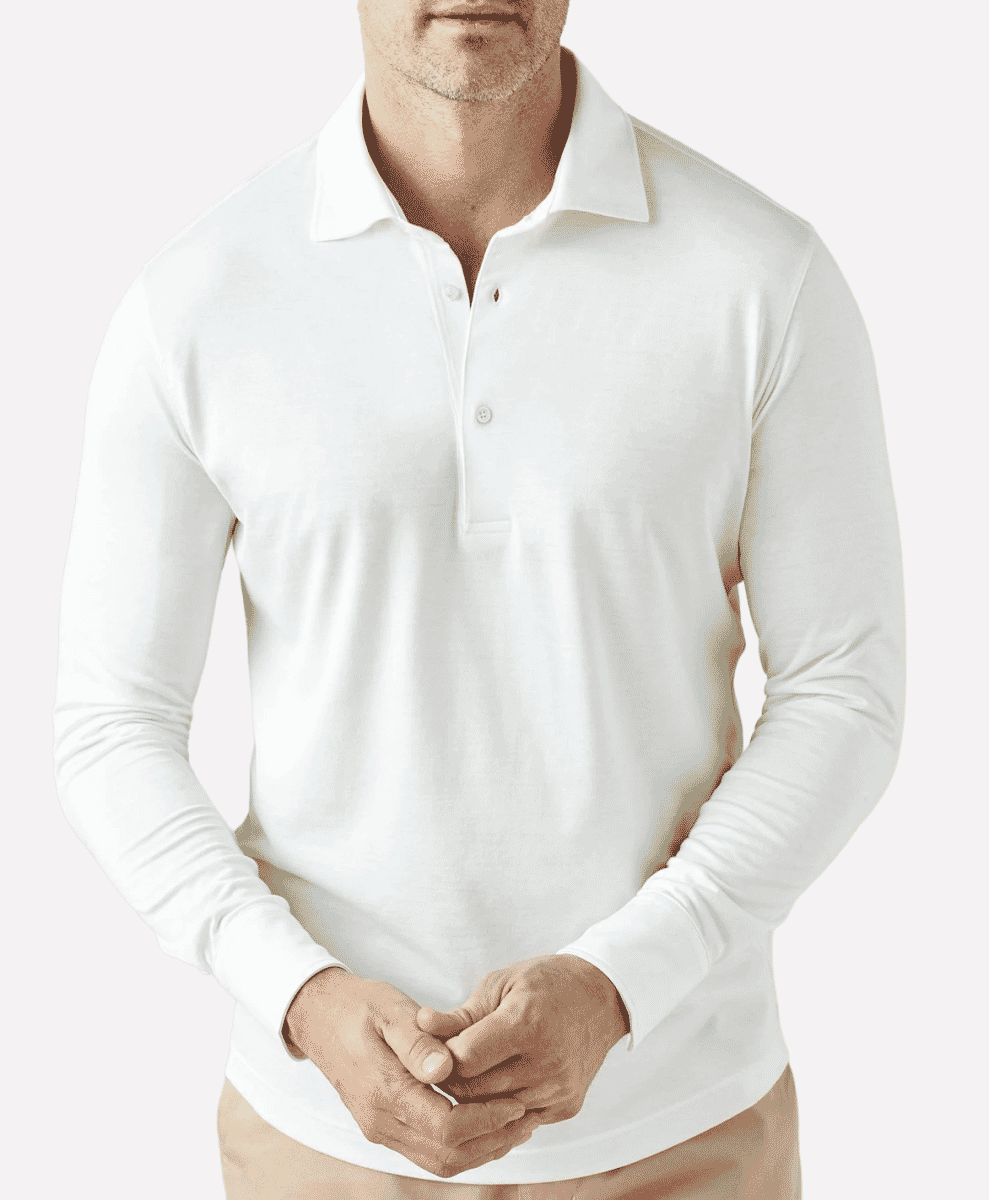
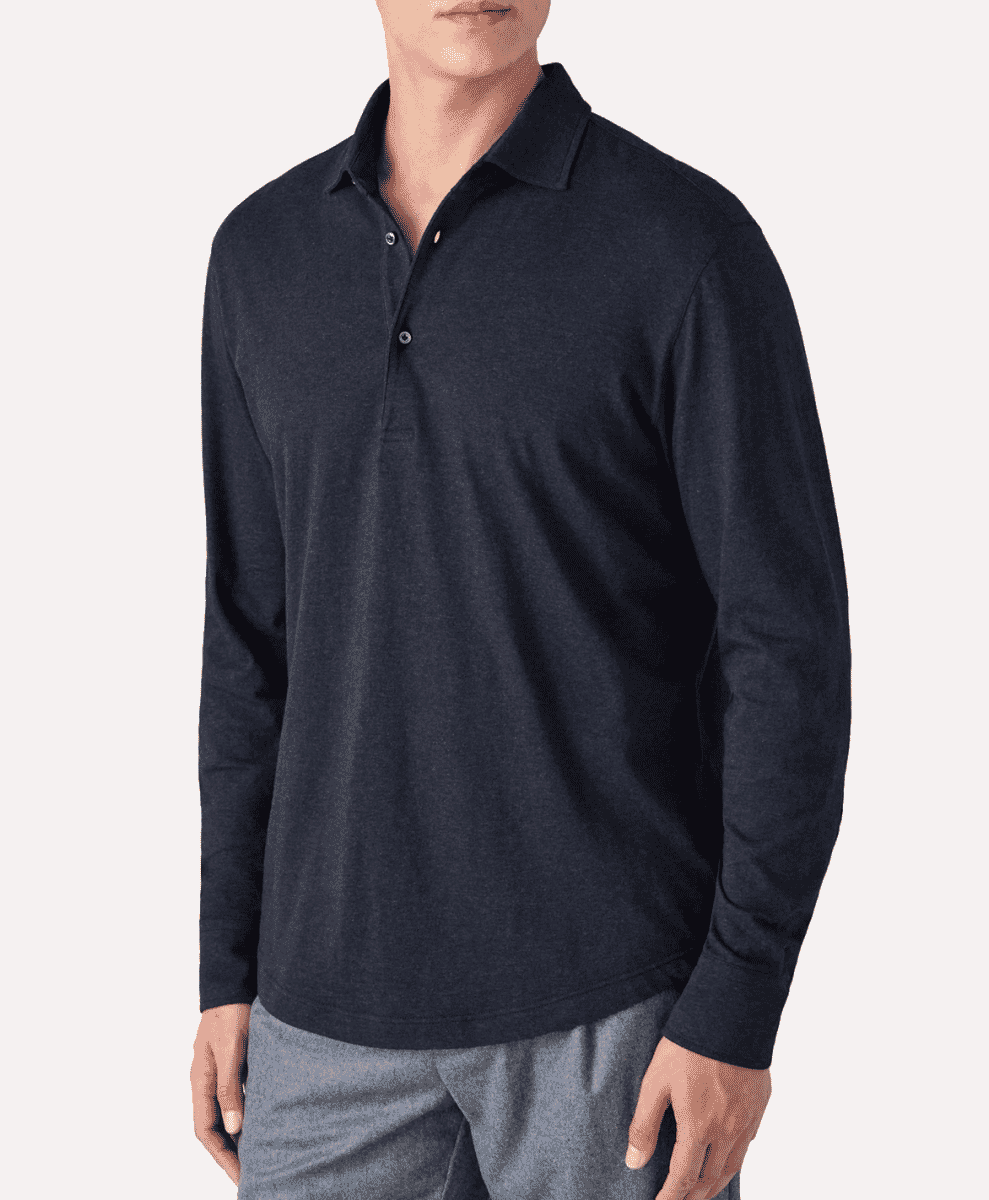
Knitted polos or fine gauge knits are another alternative. They remove the sharpness of a woven shirt, which can make the outfit feel more cohesive.
The main consideration is how the shirt interacts with the jacket. A rigid collar under a soft jacket can look slightly out of place. Softer fabrics tend to integrate better.
Footwear
Footwear anchors the outfit.
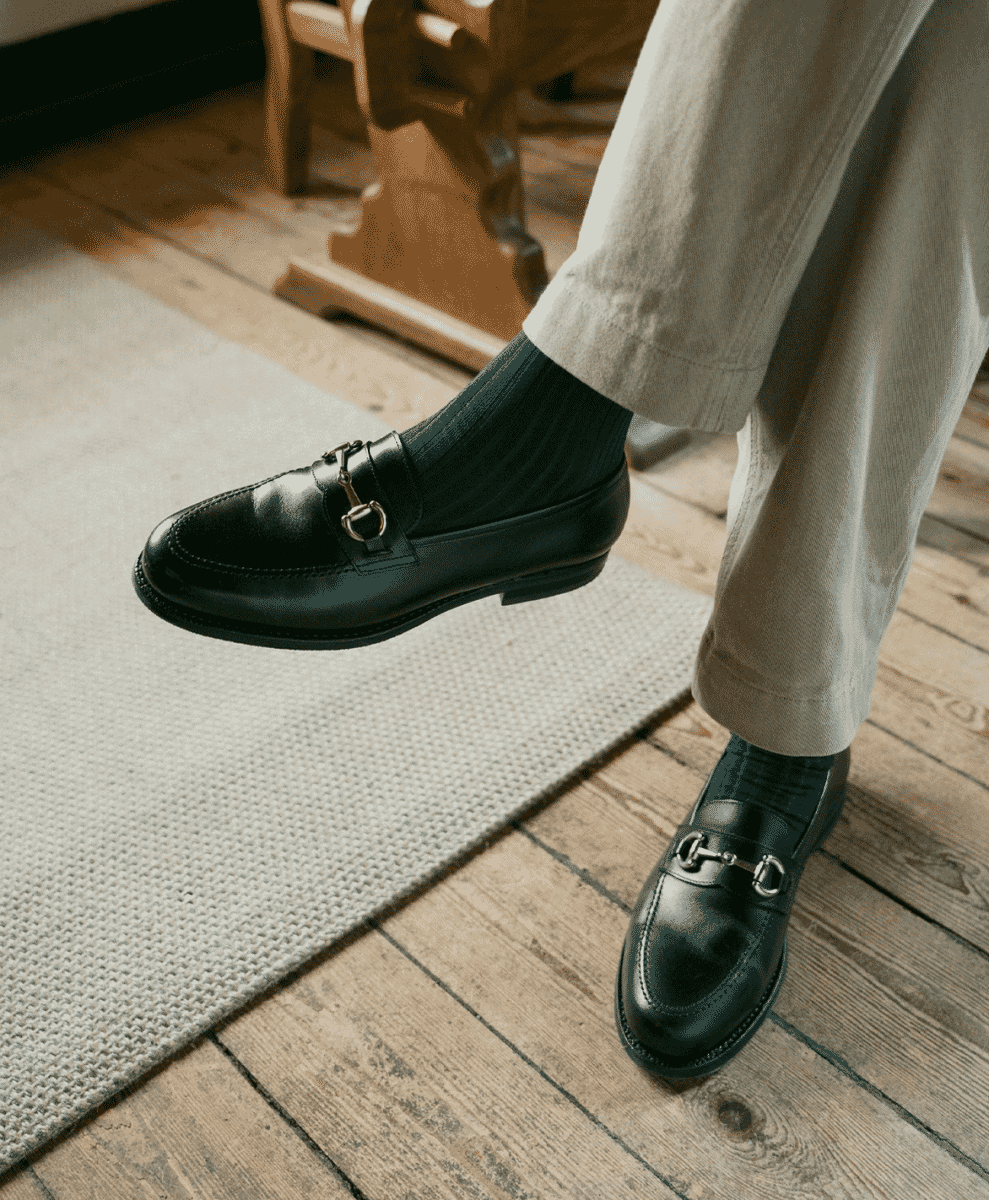
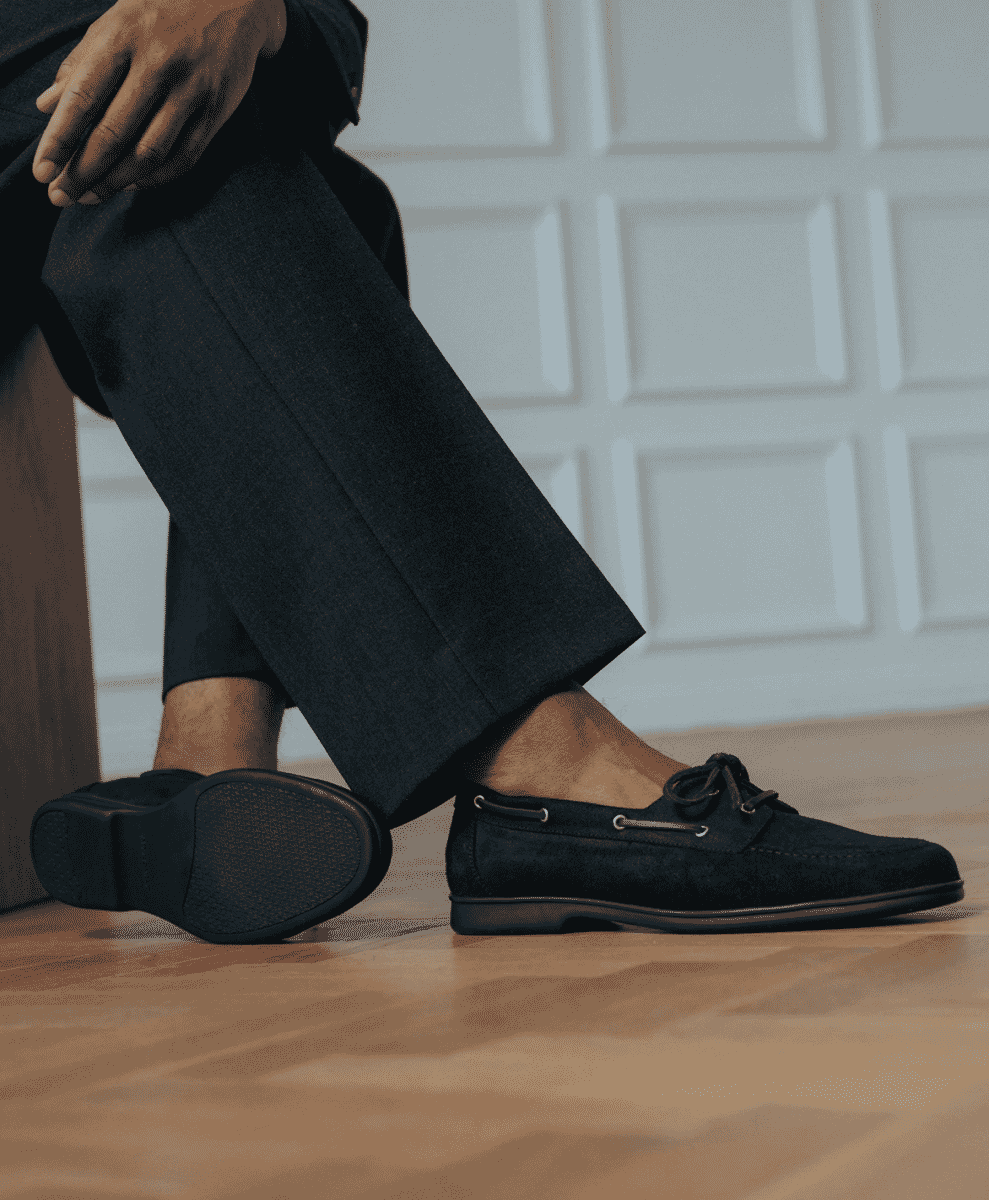
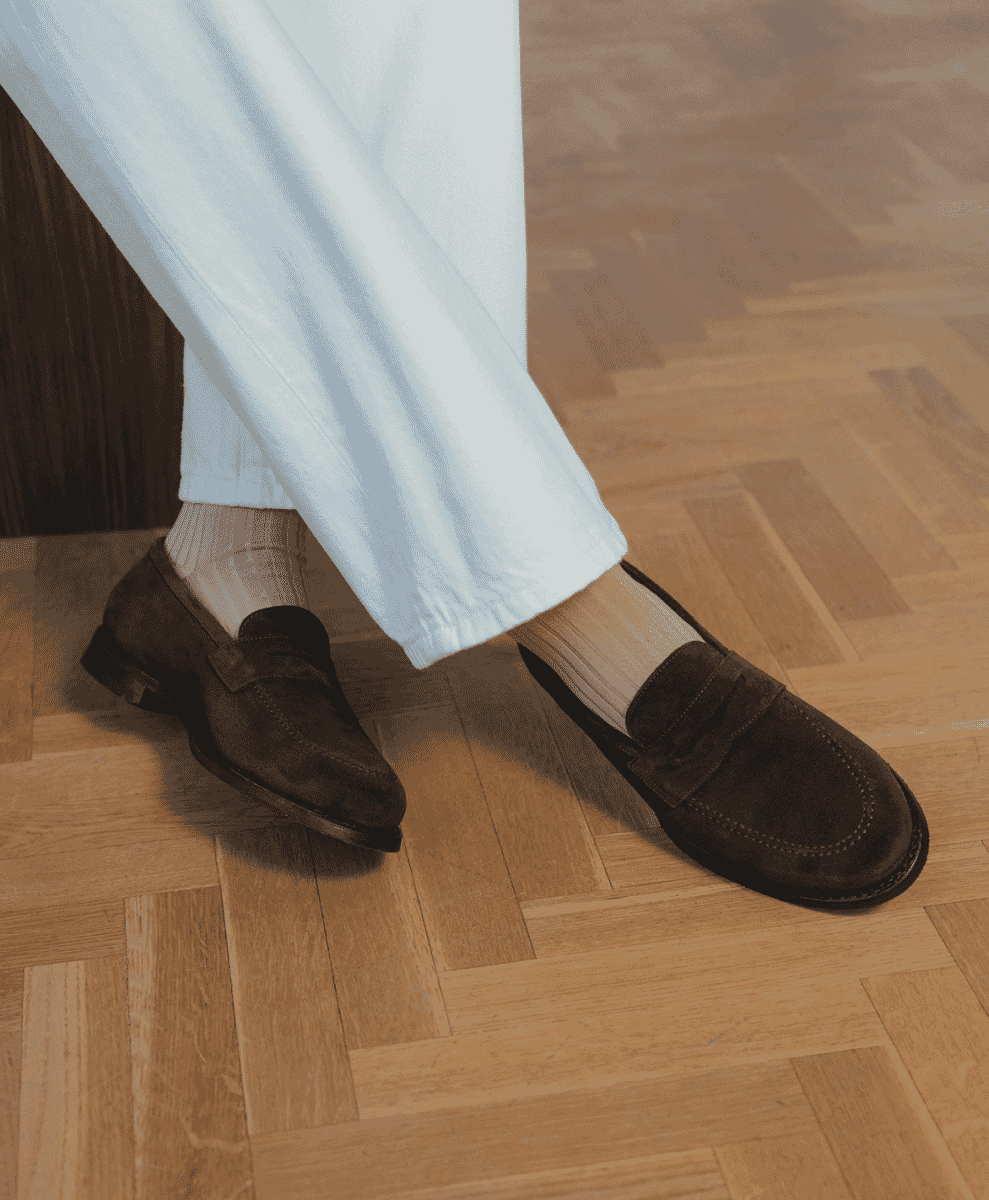
Loafers are the most straightforward choice. They’re easy to wear and sit comfortably between formal and casual. Suede versions are softer, while smooth leather feels slightly more dressed up.
Simple leather shoes, such as derbies, also work well. They provide structure without being overly formal.
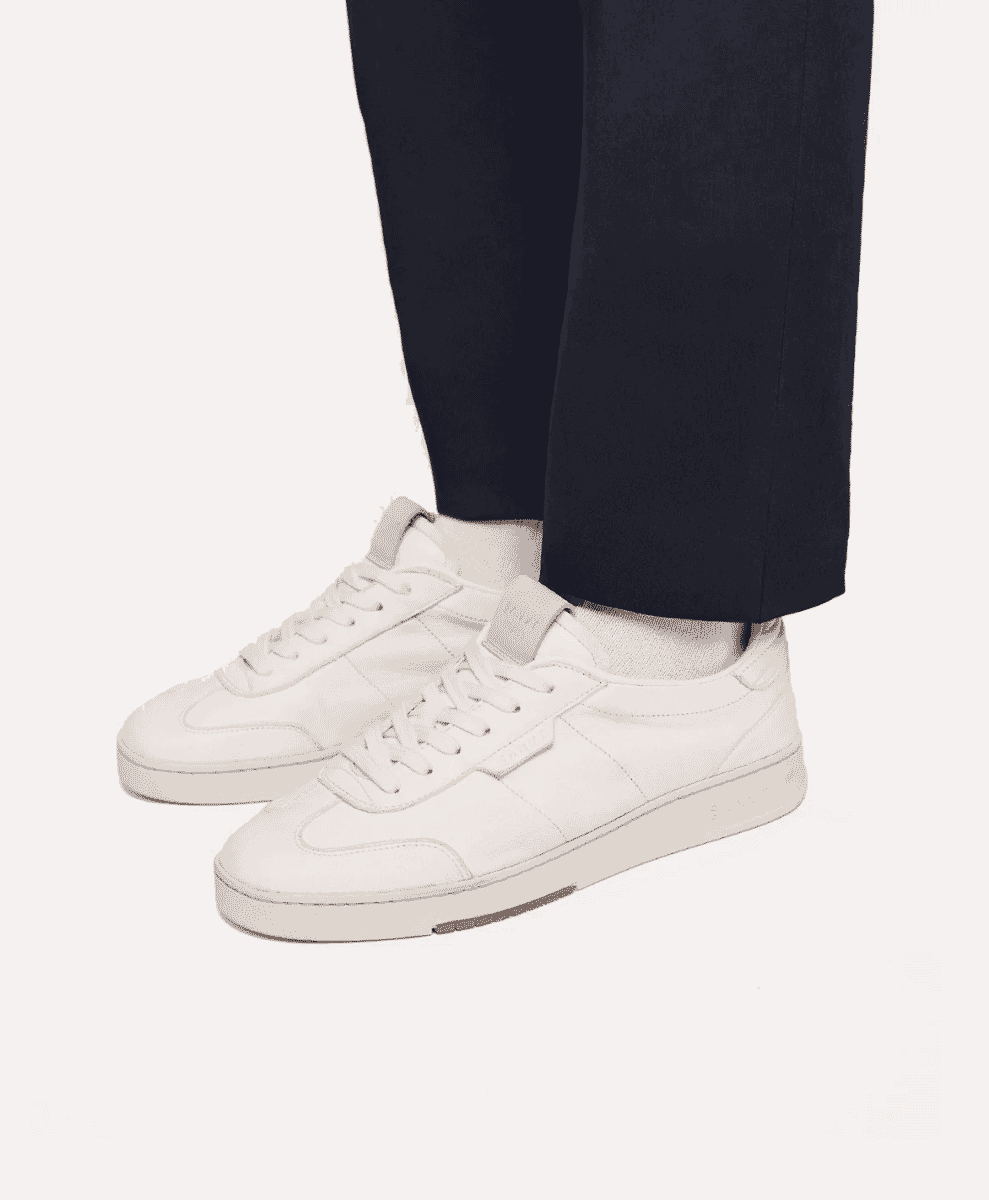
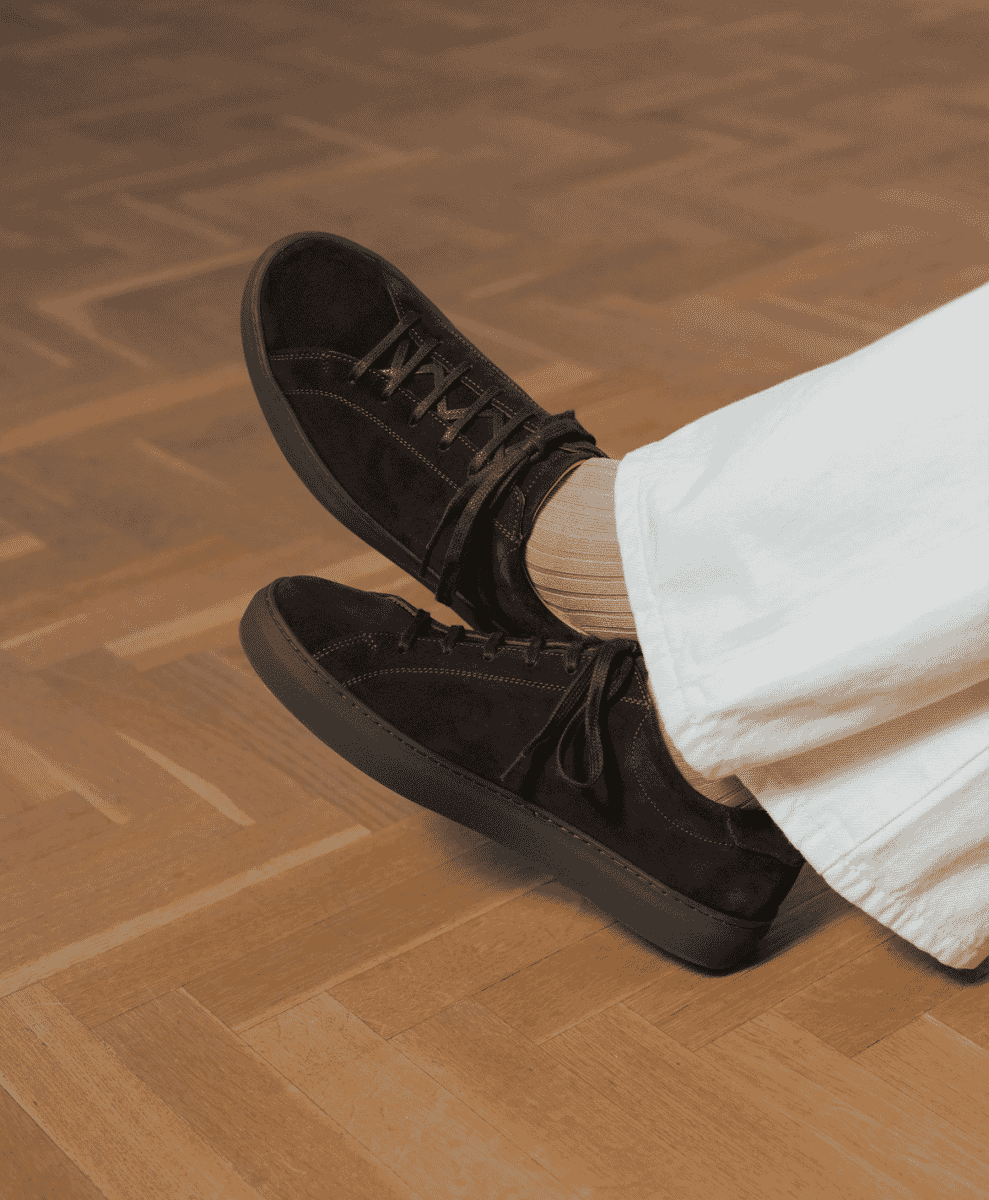
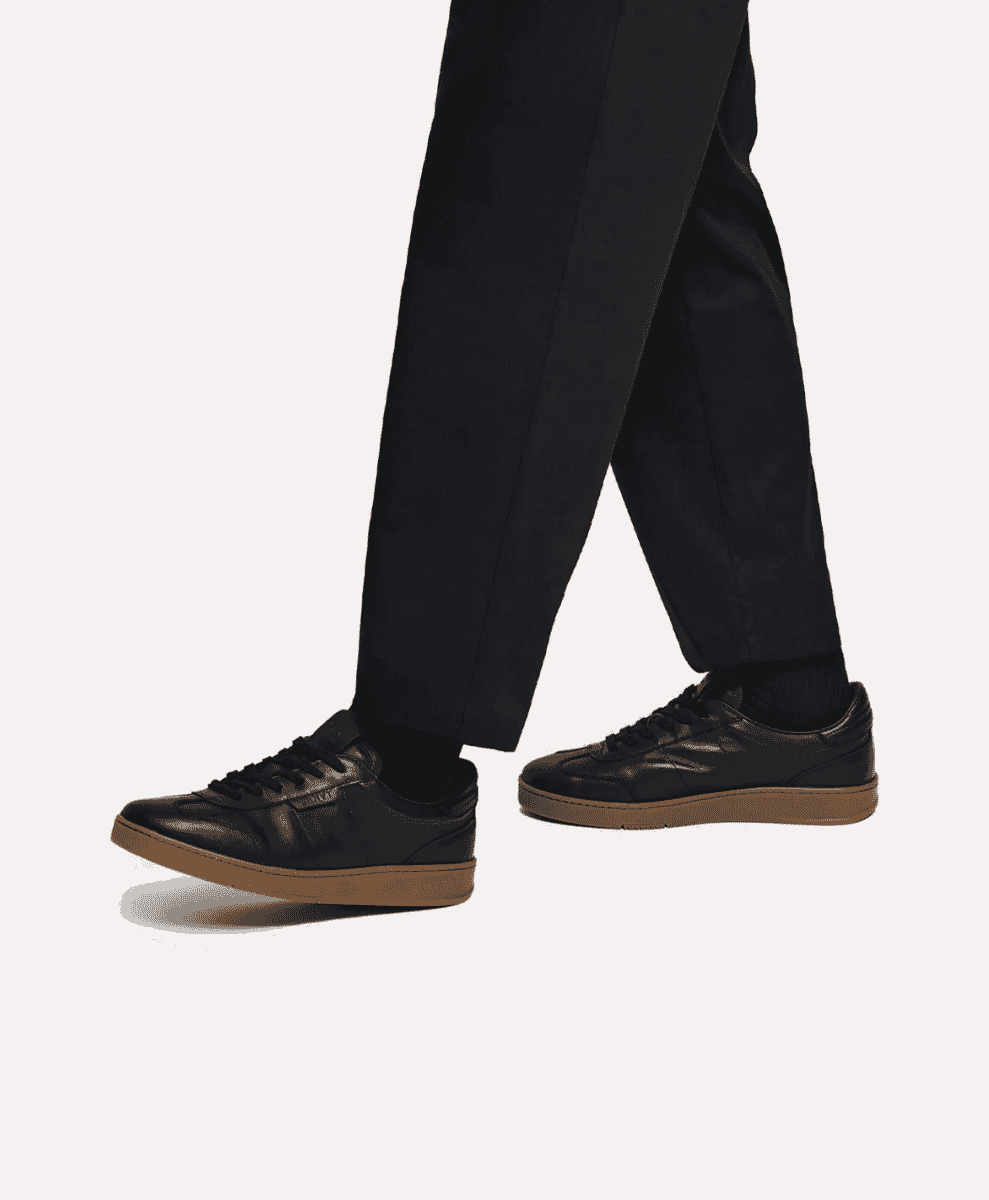
Minimal trainers can work in very relaxed settings, but they require care. The design needs to be clean, and the rest of the outfit has to support the decision. Otherwise, it can look like an afterthought.
Shoes often determine how the outfit is read. You can get a lot right, but if the footwear is off, the whole thing shifts.
Colour and palette
Colour is less about making a statement and more about maintaining balance.
Earth tones and washed neutrals tend to work well. They’re easy to combine and don’t draw too much attention.
Strong, corporate colours can feel out of place when the structure of a suit is removed. A dark navy jacket with contrasting trousers, for example, can look like a suit that’s been split apart.
Seasonality matters. Lighter tones in summer, deeper tones in cooler months. This isn’t a strict rule, but it helps keep the outfit in context.
The aim is harmony, not contrast for its own sake.
Outfit formulas
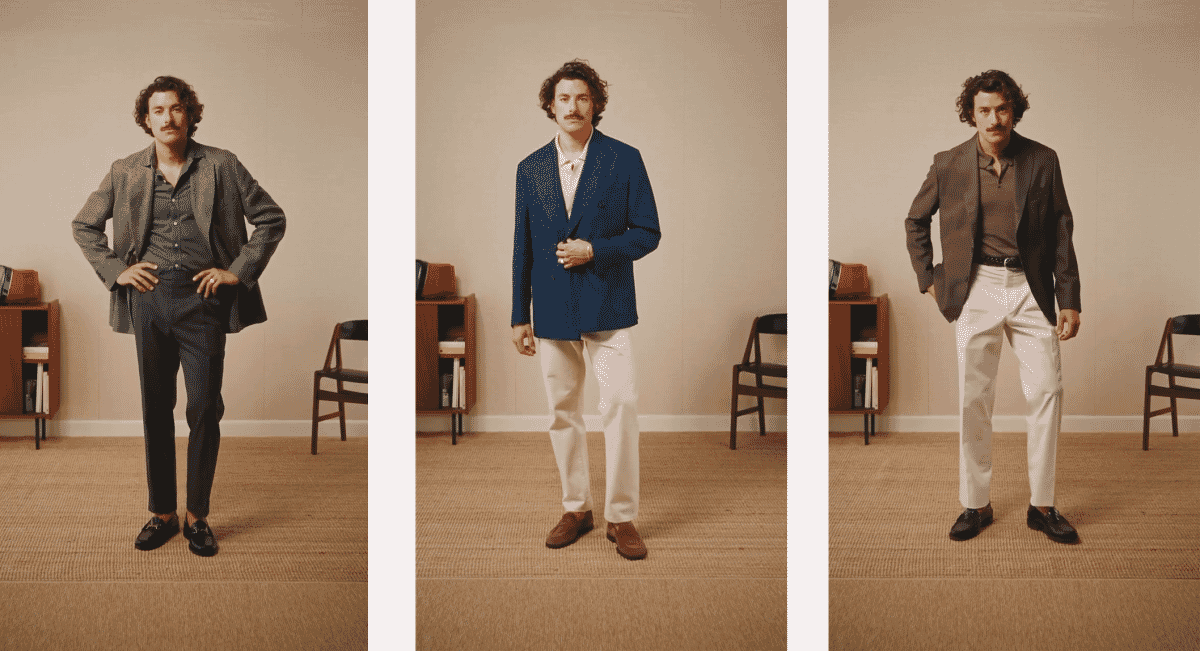
A few combinations illustrate how this works in practice.
A linen jacket with pleated cotton trousers and loafers is a reliable option for summer. The fabrics are light, but the structure of the trousers keeps everything grounded.
A hopsack wool blazer with wool trousers and an Oxford shirt works across a range of settings. The texture of the jacket adds interest, while the rest of the outfit remains simple.
A chore jacket in a refined fabric, paired with tailored trousers and a knitted polo, offers a slightly different silhouette. It feels less traditional, but still considered.
Each of these works because the elements are in balance. No single piece is doing all the work.
What to avoid
Some combinations are harder to pull off.
Near-matching separates can look like a failed suit. If the colours are too close, it creates visual confusion.
Overly slim fits tend to exaggerate the casualness of the outfit. They remove the sense of drape that helps signal formality.
Shiny or synthetic-looking fabrics can appear cheap, especially in daylight.
Office-style “smart casual” often misses the mark. It’s designed for a different context, and it shows.
FAQs
Can I wear a blazer and trousers that almost match?
It’s better to avoid it. When the colours are too close but not identical, it looks like a suit that’s been split apart. Either go for a clear contrast or commit to a full suit. The in-between tends to read as a mistake rather than a choice.
Do I need to wear a jacket at all?
In most cases, yes. A jacket signals that you’ve dressed for the occasion. There are exceptions – beach weddings, very relaxed outdoor settings – but if you’re unsure, a lightweight, unstructured jacket is usually the safest option.
Are jeans ever acceptable?
Rarely. The issue isn’t just formality, but texture. Denim has a distinct, casual character that’s hard to reconcile with tailoring. Even when the rest of the outfit is strong, jeans tend to pull it in the wrong direction.
Can I wear trainers to a wedding?
Only in specific contexts. The setting has to be relaxed, and the trainers need to be minimal and in good condition. Even then, they should feel like a deliberate choice, not a default. In most cases, a simple leather shoe or loafer is easier to get right.
Should I wear a tie with this kind of outfit?
You can, but you don’t have to. A tie adds formality, which can be useful if the rest of the outfit is quite relaxed. If you do wear one, choose something with texture – silk knit, grenadine, or a matte fabric – so it sits comfortably with softer tailoring.
What’s the safest option if I don’t want to get it wrong?
A soft, unstructured blazer in a versatile fabric, paired with tailored trousers, a simple shirt and leather shoes. Keep the colours restrained and the fit balanced. It’s not the most expressive option, but it’s reliable across most settings.
How do I know if I’ve gone too casual?
Step back and look at the outfit as a whole. If it resembles something you’d wear day-to-day, it’s probably too casual. A wedding outfit should feel like a step up – not necessarily formal in the traditional sense, but clearly considered.