When it’s 30 degrees outside, there’s only so much you can do with a white T-shirt, shorts and shoes. Autumn, on the other hand, gives you options. Proper outerwear comes back into play, texture becomes relevant again, and you can start layering without immediately regretting it.
For autumn 2026, there’s plenty to get excited about. Menswear’s obsession with ultra-minimalist neutrals is loosening its grip, making way for stronger colours like royal blue and acid green. Ivy League prep is back in the form of rugby shirts and quarter-zips, while workwear and outdoor clothing continue to bleed into everyday wardrobes. Fits are still relaxed, but they’re becoming more considered too – think straight, roomy jeans rather than puddles of fabric around the ankles.
Then there are the materials. Corduroy, raw denim and boiled wool bring texture, while Gore-Tex and ripstop continue to make the case for clothes that actually do something.
It’s a lot to take in, so we’ve boiled autumn 2026 down to the pieces, shoes, accessories, colours and fabrics worth knowing about.
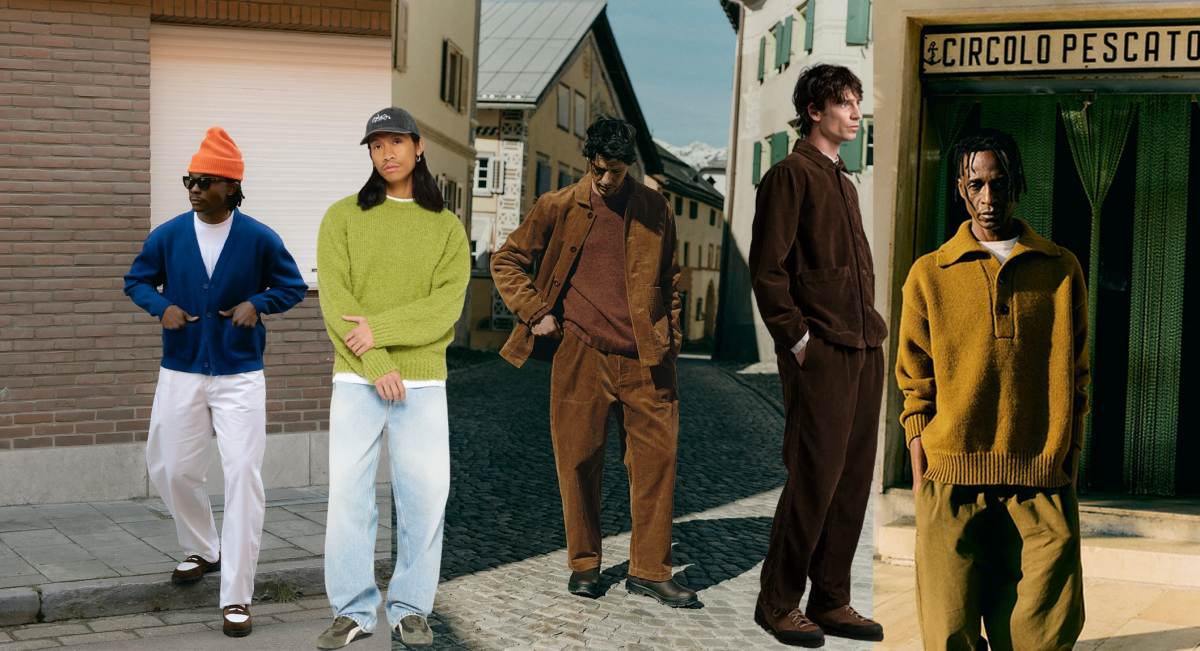
The big picture
If the last few years have been about loosening menswear up, autumn 2026 is where things begin to settle. The skinny silhouettes of the 2010s remain largely in the rear-view mirror for now, but the answer is no longer necessarily to go as enormous as possible either. Trousers are still roomy, jackets are still relaxed and coats still have plenty of volume, but things generally feel easier and less exaggerated. Current interest in higher rises, fuller thighs and straight, 1990s-influenced legwear is a good example of where things have landed.
There’s also more character creeping back in. After years of tasteful beige, navy and grey, colour is becoming harder to ignore. Rich autumnal shades like chocolate and ochre sit alongside jolts of royal blue and acidic green. Texture is doing similar work, with fuzzy wool, corduroy, washed canvas and denim making even straightforward outfits feel more interesting.
Prep is part of the equation too, but thankfully this doesn’t mean going full Carlton Banks. Rugby shirts, quarter-zips, loafers, cords and baseball caps are being worn more loosely and mixed with workwear, sportswear and outdoor gear.
And that's perhaps the biggest takeaway for autumn 2026: the boundaries are increasingly irrelevant. A waxed hunting jacket can sit above technical running shoes. A rugby shirt works with work pants. Gore-Tex can share an outfit with cashmere. The interesting bit is how you put it all together.
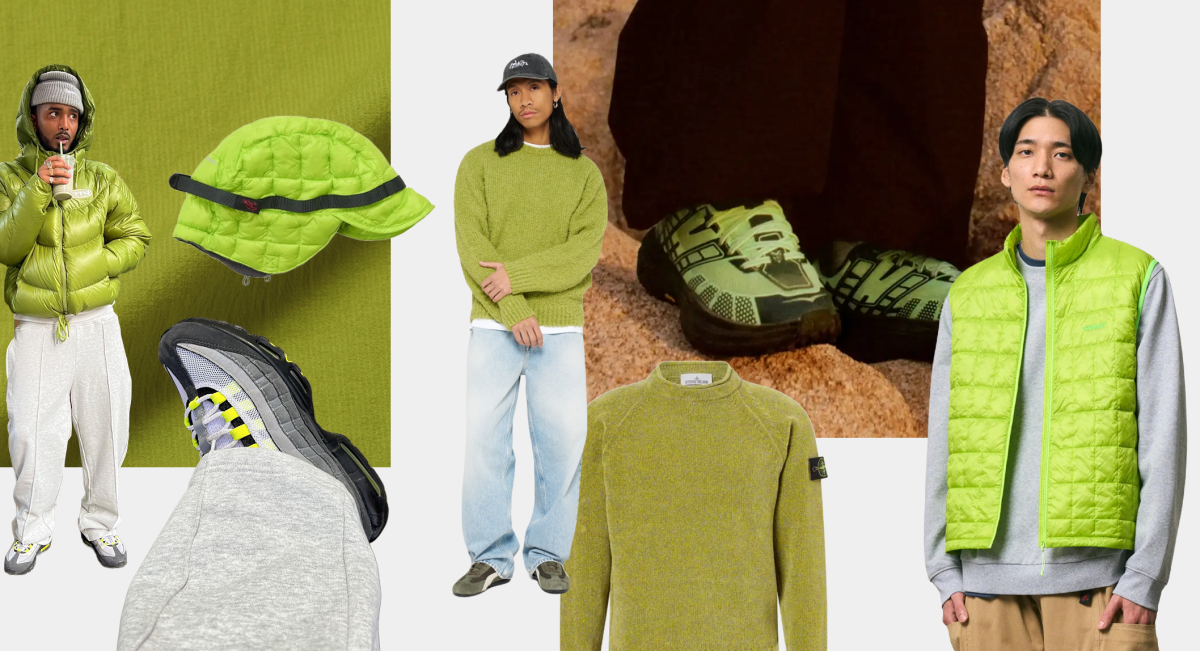
Left to right, @hellacreps, Gramicci G-Zero PrimaLoft Hat, Edwin Dun Textured Sweater, STONE ISLAND Mouliné Cotton Chenille Knit Jumper, HOKA Speedgoat 2, Gramicci G-Zero PrimaLoft Vest
Key colours
Acid green
Autumn colours traditionally come from roughly the same place: fallen leaves, wet earth and the contents of a root-vegetable drawer. Acid green does not.
That's precisely why it works. Stronger colour has returned to the conversation for AW26, with designers and retailers moving beyond the subdued palettes that have dominated much of menswear in recent years. Acidic green is the most confrontational version of that shift.
The trick is dosage. Unless you're feeling particularly adventurous, don't build an entire outfit around it. Use acid green as a flash against neutral clothing instead – a beanie with a grey coat, a fleece beneath a navy shell, or socks peeking out between dark trousers and shoes.
Brown is particularly good alongside it, as is charcoal. The clash between earthy, traditional colours and something almost synthetic is exactly what makes it interesting.
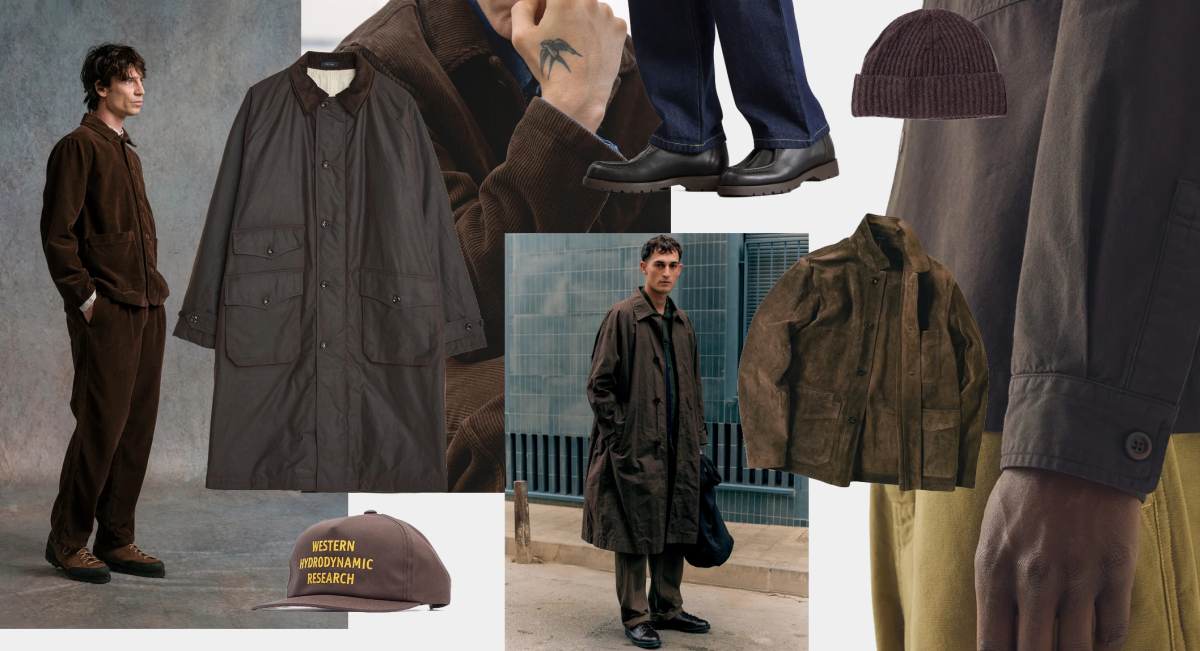
Left to right, Kestin Doune Pant in Peat 8-Wale Organic Corduroy, Drake's Brown Waxed Cotton Service Mac, Western Hydrodynamic Research/Headwear, Toast Waxed Cotton Trench Coat, KLEMAN PADROR Brown Shoes, Drake's Chocolate Brown Heavyweight Suede Five-Pocket Chore Jacket, Pittari Watch Cap - Bournville, Toast Elis Garment Dyed Oxford Shirt
Chocolate
If you buy one colour this autumn, make it brown. More specifically, make it chocolate.
Deep brown has been gaining ground for several seasons, but it feels particularly relevant now because it works with virtually everything else happening in menswear. It's softer than black, warmer than navy and looks excellent across leather, wool, corduroy and suede.
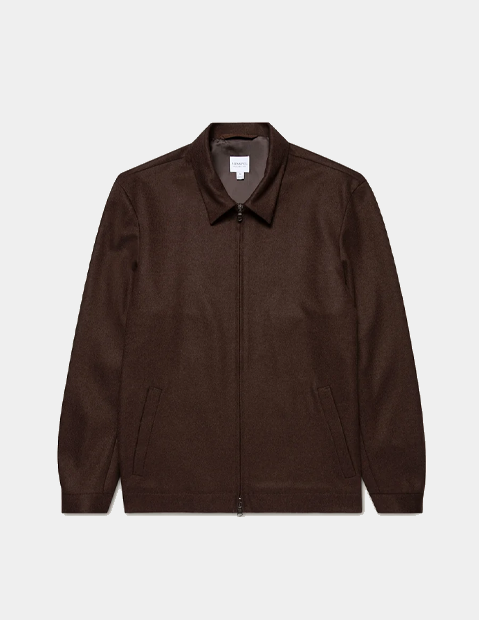
Treat it as a neutral rather than an accent. A chocolate overcoat can replace camel. Dark brown trousers can do much of the work of navy. A brown suede jacket works with blue denim, ecru, grey and olive without requiring much thought.
It also gets better when different shades are combined. Tobacco suede, chocolate wool and ecru cotton in the same outfit shouldn't work as well as they do, but here we are.
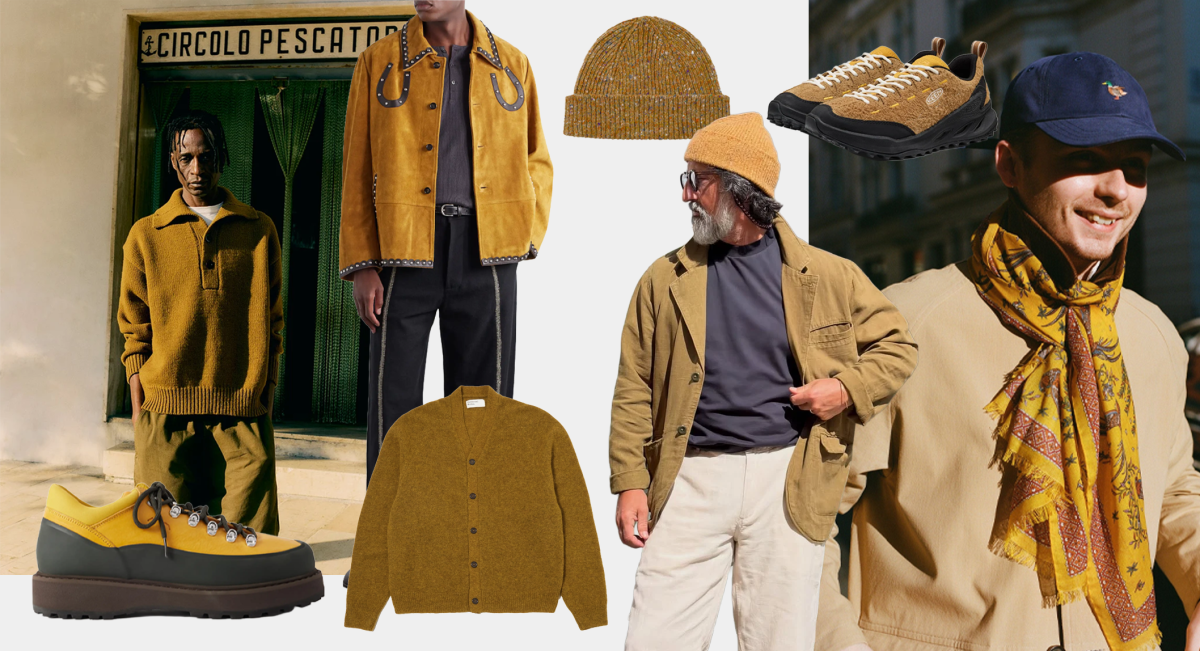
Left to right, DIEMMECornaro Rubber-Trimmed Leather Hiking Boots, Toast Half Placket Wool Pullover, BODE Carson Studded Leather-Trimmed Suede Jacket, USKEES Speckled Donegal Wool Hat, Universal Works Gold David Cardigan, KEEN Jasper Zionic Sneaker, Drake's Yellow Birds of Paradise Print Wool Silk Scarf, Drake's Reversible Linen–Cotton Raglan Mac
Ochre
Yellow can be difficult. Ochre is yellow with the volume turned down.
Its earthy brown undertone makes it particularly well suited to autumn, sitting naturally alongside indigo denim, chocolate, olive, navy and ecru. It's also a colour that benefits enormously from texture.
Think corduroy trousers, brushed knitwear, suede footwear or a boiled-wool half-zip rather than a smooth yellow cotton shirt. The slightly uneven surfaces give the colour more depth and stop it feeling overly bright.
If your wardrobe is mostly neutrals, ochre is a useful stepping stone towards stronger colour. It's noticeable without being obnoxious, seasonal without looking like you've deliberately dressed to match the leaves.
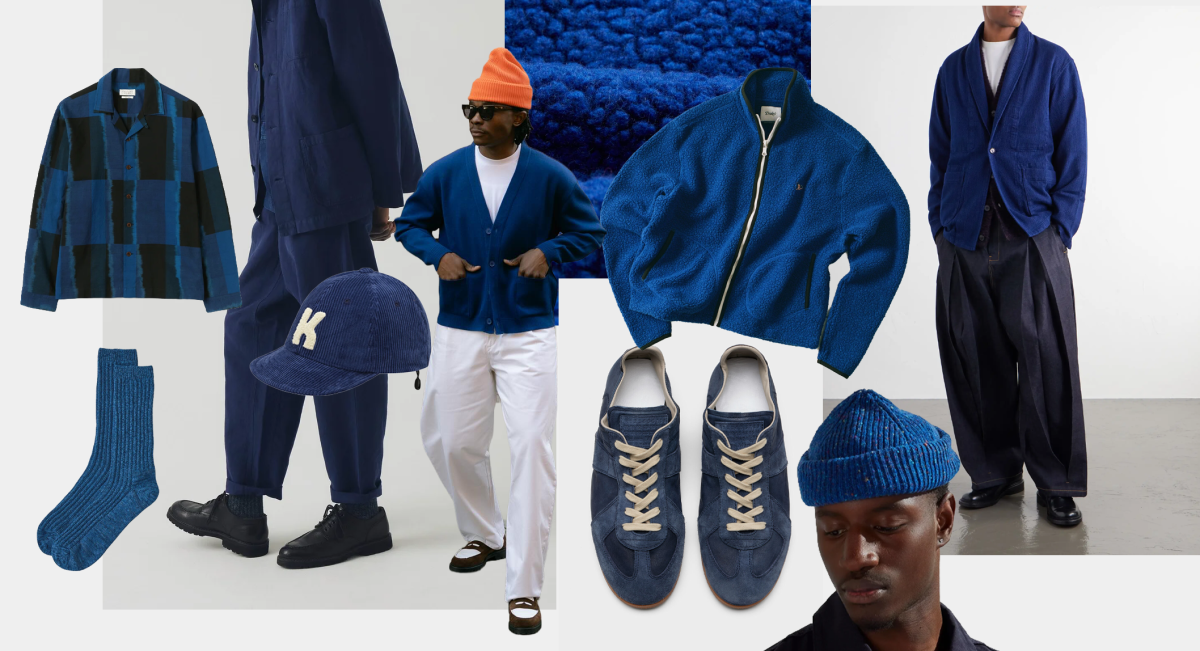
Left to right, TOAST Sobremesa Cotton Ikat Shirt, TOAST Ribbed Cotton Marl Socks, Kappy corduroy Logo Cap Blue, Blue Boucle Wool Zip Fleece Jacket, TOAST Alfie Garment Dyed Herringbone Trousers, @juliusgod, Maison Margiela Replica Soft Sneaker, BLUE BLUE JAPAN Sashiko-Cotton Blazer, Uskees Speckled Donegal Wool Hat Ultra Blue
Royal blue
Navy is useful. Royal blue is fun.
Menswear has spent a long time convincing itself that the safest colour is automatically the most stylish one, which is why wardrobes have become increasingly populated by shades that could reasonably be described as "stone". Royal blue offers some resistance.
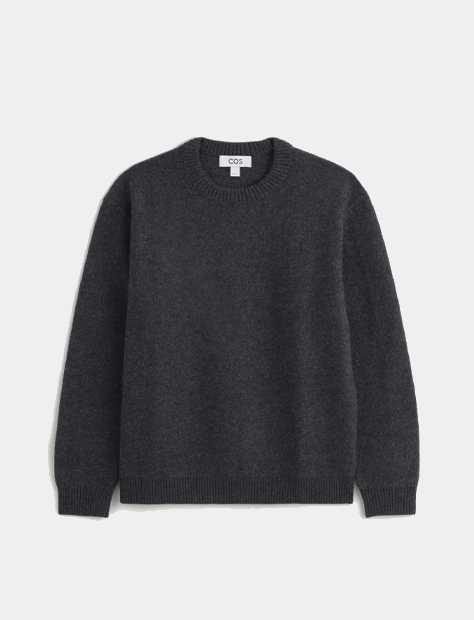
It's bright, clean and difficult to ignore, but surprisingly straightforward to wear. Grey is probably its best partner, followed closely by brown, ecru and faded denim.
The easiest approach is one substantial block of colour. A royal-blue sweater beneath a grey coat, for example, or a bright fleece with brown trousers. Avoid scattering little blue accents throughout the outfit. One confident hit generally looks better than trying to colour-coordinate yourself from head to toe.
Key fabrics
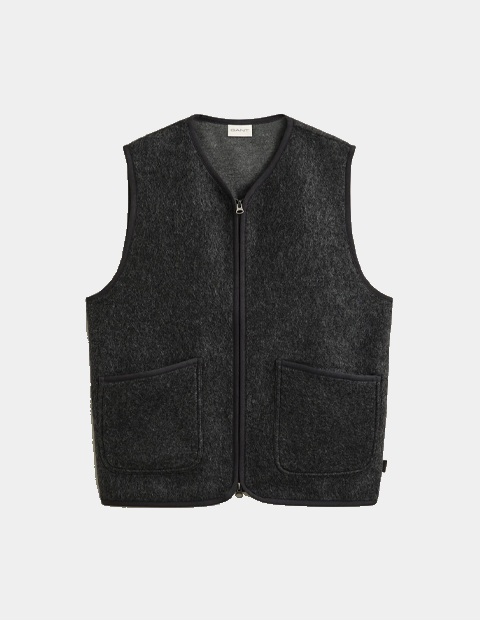
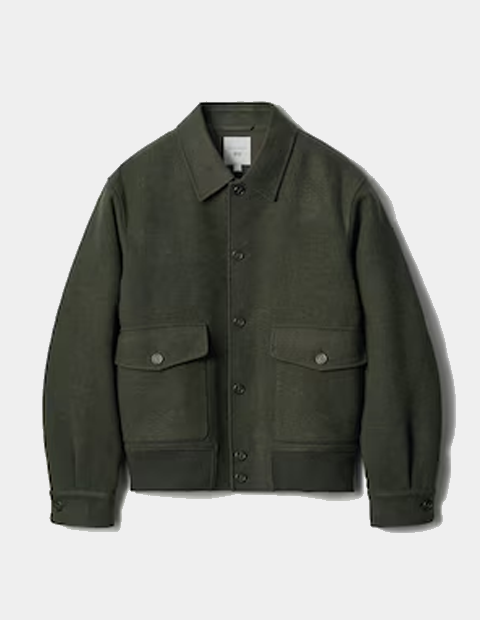
Boiled wool
Boiled wool is what happens when wool is deliberately subjected to the sort of laundry treatment you'd normally be trying desperately to avoid.
Heat, water and agitation cause knitted wool to shrink and felt, creating a denser fabric with a soft, slightly fuzzy surface. The result is warm and substantial without necessarily requiring lots of additional structure or lining.
That makes it perfect for the sort of relaxed clothing that feels right in autumn 2026. Half-zips, overshirts, cardigans and simple jackets all benefit from boiled wool's ability to hold a shape while still feeling soft.
Texture is the main attraction. In a season filled with relatively straightforward silhouettes, tactile fabrics provide interest without requiring patterns, graphics or elaborate details. A plain brown boiled-wool jacket simply has more going on than the same garment in smooth cotton.
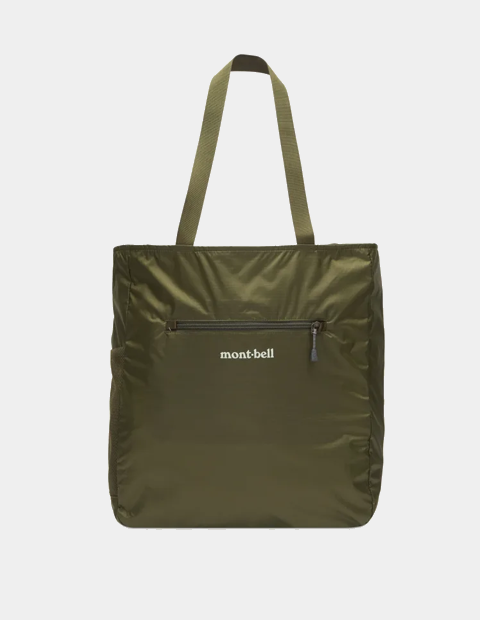
Ripstop
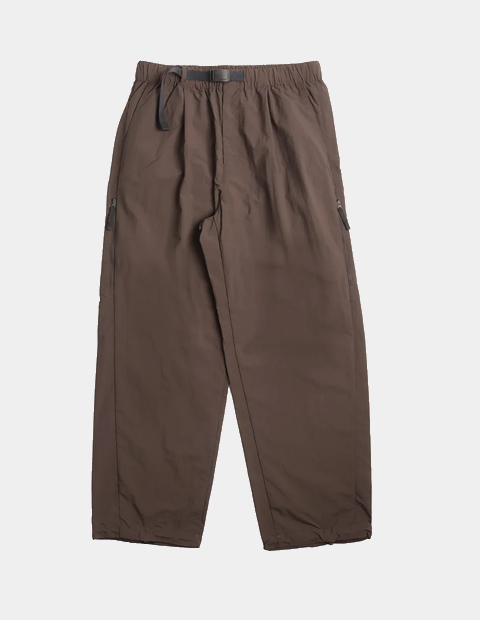
Look closely at a piece of ripstop and you'll see the grid.
Those thicker reinforcement threads are woven into the fabric at regular intervals to help prevent small tears from spreading, hence the name. Its roots lie in military and outdoor equipment, but ripstop has long since escaped into everyday clothing.
It's particularly effective for autumn because it provides texture without weight. Cargo trousers, overshirts, lightweight shells and bags all benefit from that subtle gridded surface.
And while heritage fabrics dominate much of the season, ripstop stops things becoming overly nostalgic. Put ripstop trousers beneath a wool coat, or a technical overshirt above jeans, and suddenly an otherwise traditional outfit feels considerably more contemporary.
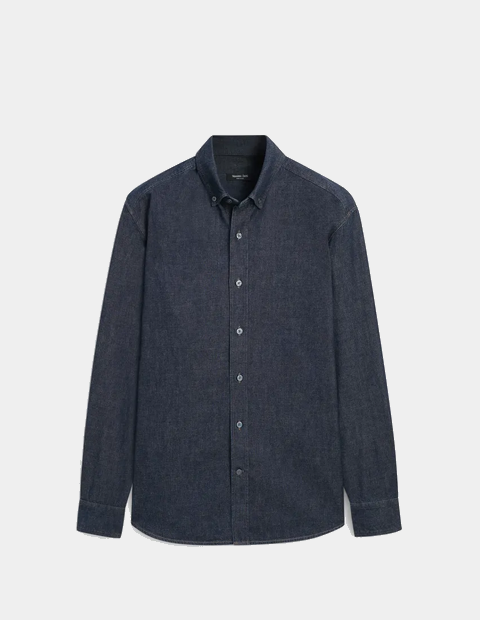
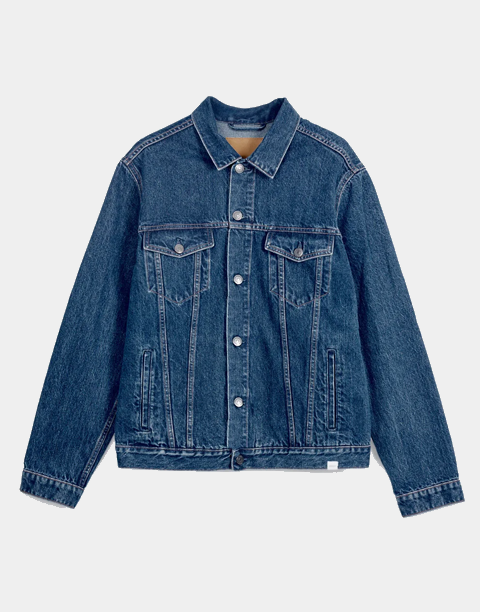
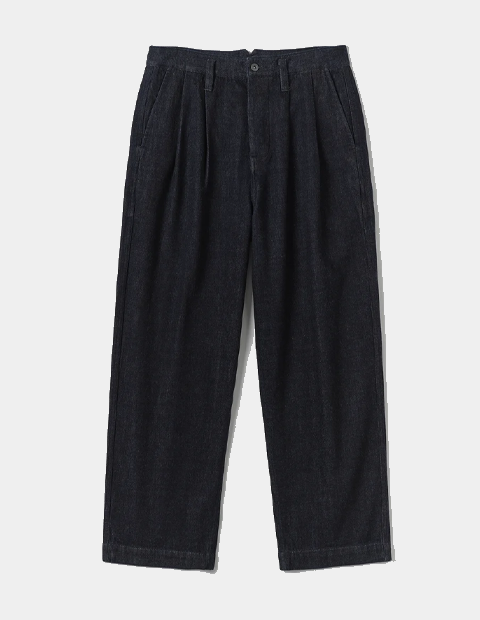
Denim
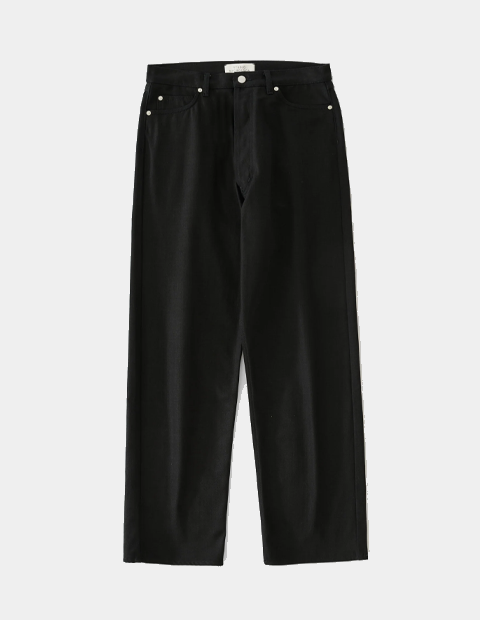
Denim hardly qualifies as a new trend. Human civilisation may collapse before men stop wearing jeans. What changes is how the fabric is being used.
For autumn 2026, darker denim and relaxed silhouettes are particularly relevant, while selvedge and vintage-inspired jeans remain firmly in the conversation. But it's worth looking beyond trousers too.
Raw denim chore jackets, truckers and overshirts provide exactly the sort of weight and texture that works well at this time of year. Dark indigo also pairs beautifully with virtually every important colour of the season, from chocolate and ochre to ecru and royal blue.
Double denim is fair game too. Just don't obsess about matching the washes. A dark jacket with faded jeans generally looks more natural than trying to construct a Canadian tuxedo from precisely the same bolt of cloth.
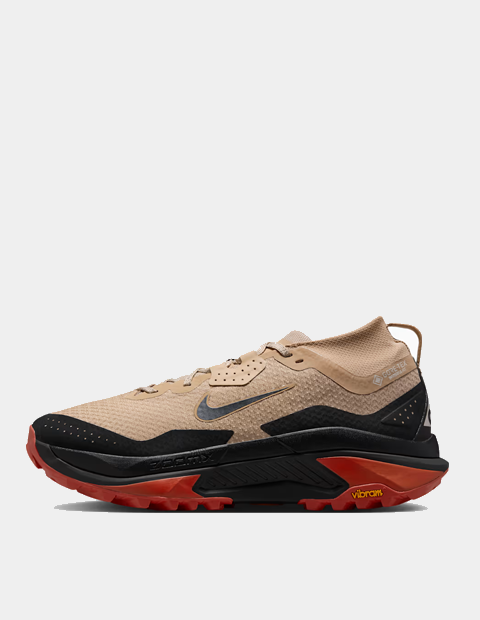
Gore-Tex
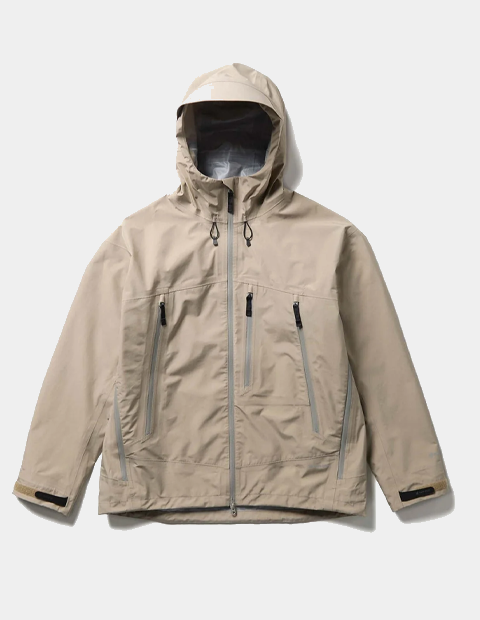
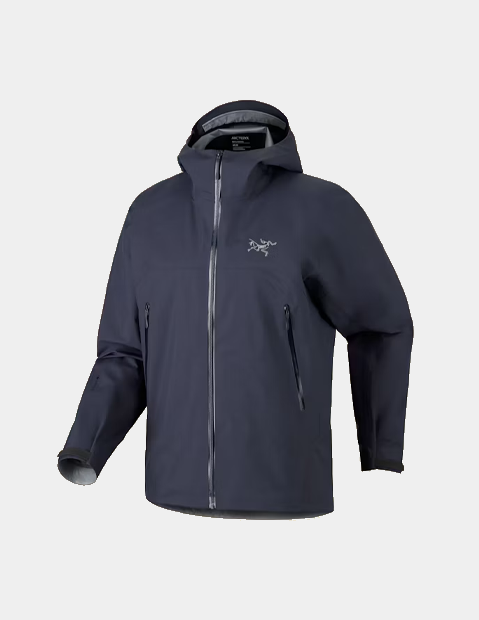
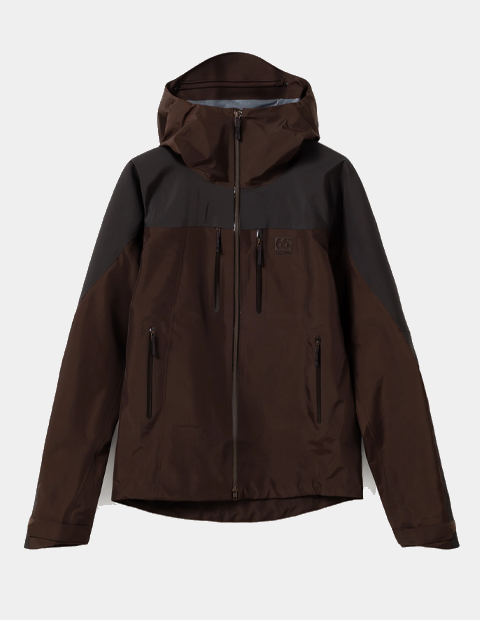
There was a time when wearing Gore-Tex around town suggested you were either lost or taking the possibility of rain extremely seriously. Those days are gone.
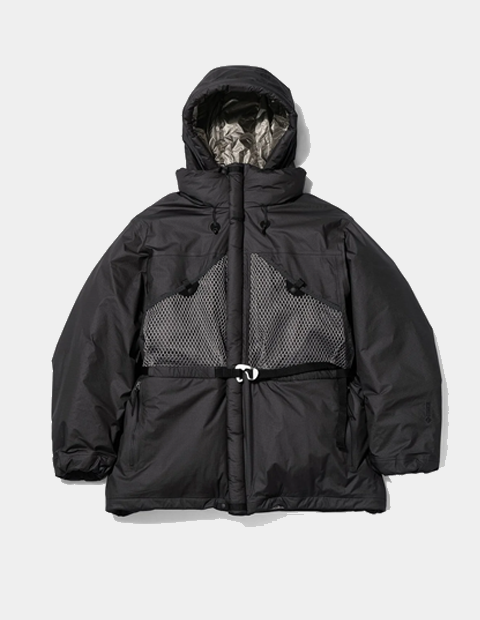
Outdoor clothing is now thoroughly embedded in mainstream menswear, and Gore-Tex remains its most recognisable fabric technology. Waterproof shells are the obvious application, but the membrane is increasingly common in everyday footwear too, allowing sneakers and casual shoes to survive the sort of weather that would destroy their conventional equivalents.
That's particularly useful in autumn, when "chance of showers" becomes less a forecast and more a general state of being.
You don't need to dress head to toe like you're preparing to summit something. In fact, Gore-Tex is most interesting when mixed with less technical clothing: a shell over wool trousers, waterproof approach shoes with raw denim, or a technical cap alongside a wax jacket.
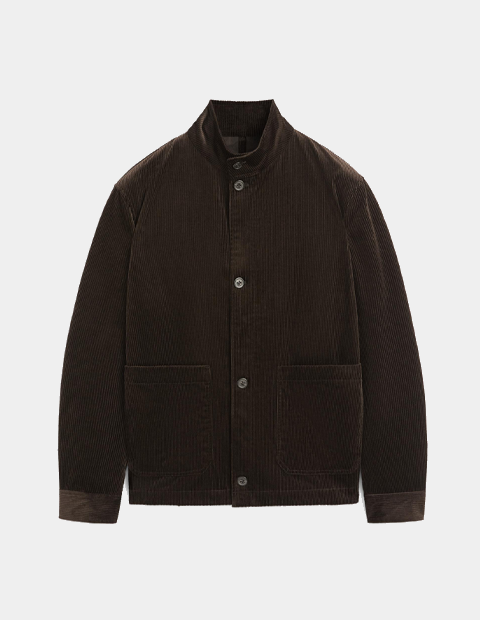
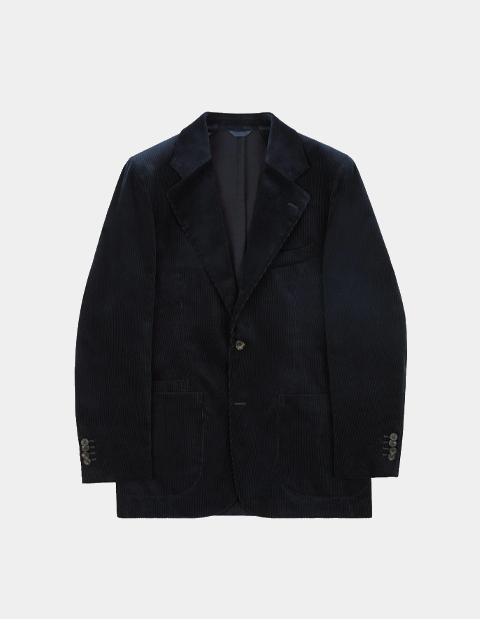
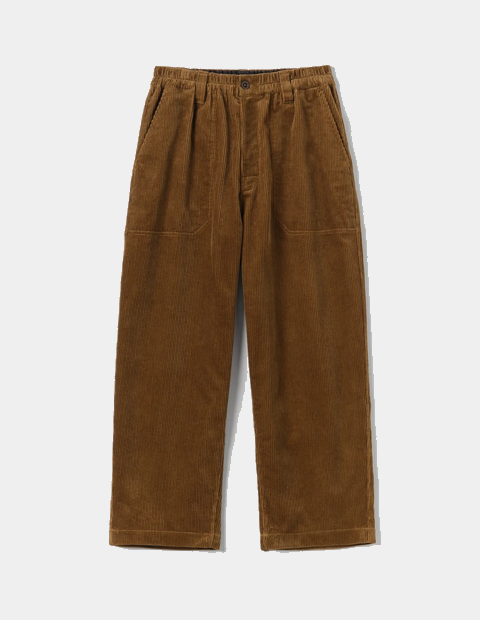
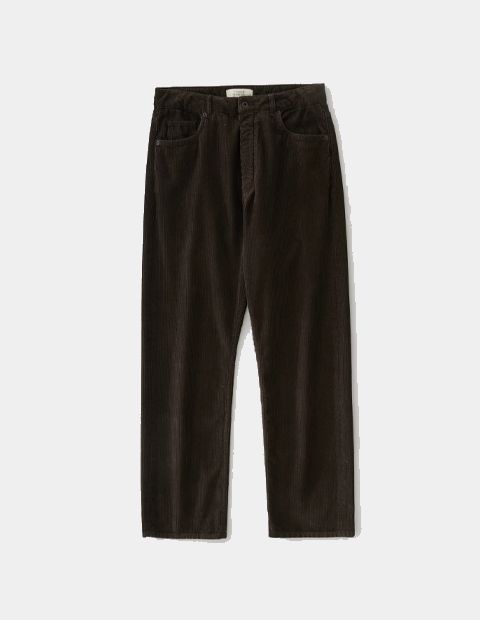
Corduroy
Few fabrics announce autumn quite as efficiently as corduroy.
It's warm, soft, durable and has enough visual texture to make even a simple pair of trousers interesting. More importantly, it sits right at the intersection of several things happening in menswear for autumn 2026.
There's the revival of prep, where cord has always been at home. There's renewed enthusiasm for tactile materials. There's the ongoing influence of vintage workwear. And there's the move towards rich, earthy colours that look particularly good rendered in those distinctive raised ribs.
Wide-wale corduroy is especially appealing. It has more presence than fine needlecord and works brilliantly for relaxed trousers, overshirts and casual jackets.
Brown is foolproof, but don't stop there. Ochre, olive, burgundy, navy and even ecru all make sense. Wear corduroy with denim, wool, suede or waxed cotton and you've basically assembled autumn in fabric form.
Key clothing
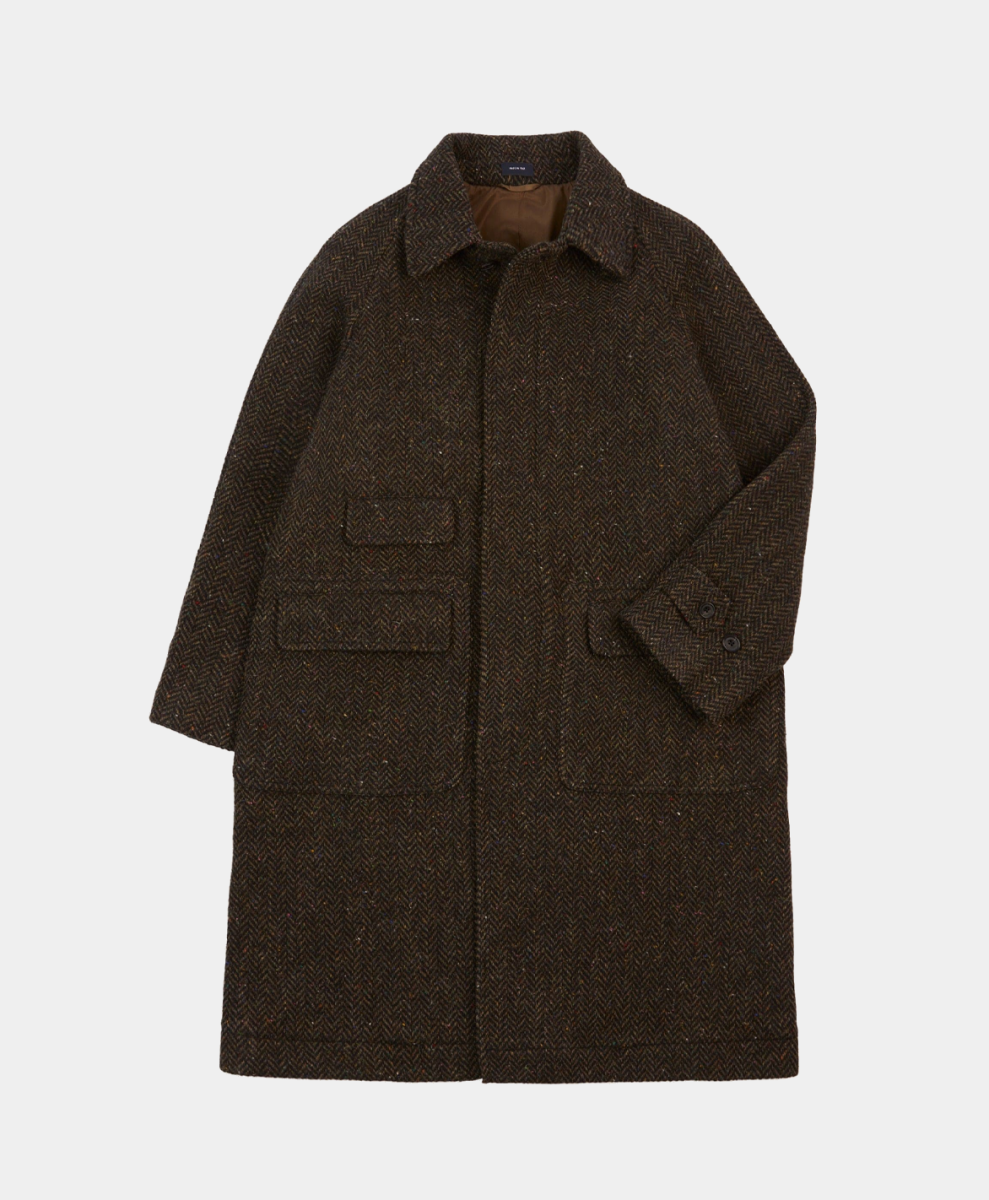
Raglan overcoat
There are coats that complete an outfit, and there are coats that are the outfit. A long raglan overcoat falls firmly into the latter camp.
The appeal is mostly in the shape. Unlike a traditionally tailored coat with a structured shoulder, a raglan sleeve extends towards the collar, creating a softer, more rounded silhouette. Go roomy and knee-length and the result feels suitably dramatic without straying into costume territory.
This type of coat also makes perfect sense alongside the wider proportions that have become standard in menswear. Relaxed jeans, wide chinos and chunky shoes can look bottom-heavy beneath a short, slim coat. A generous raglan balances everything out.
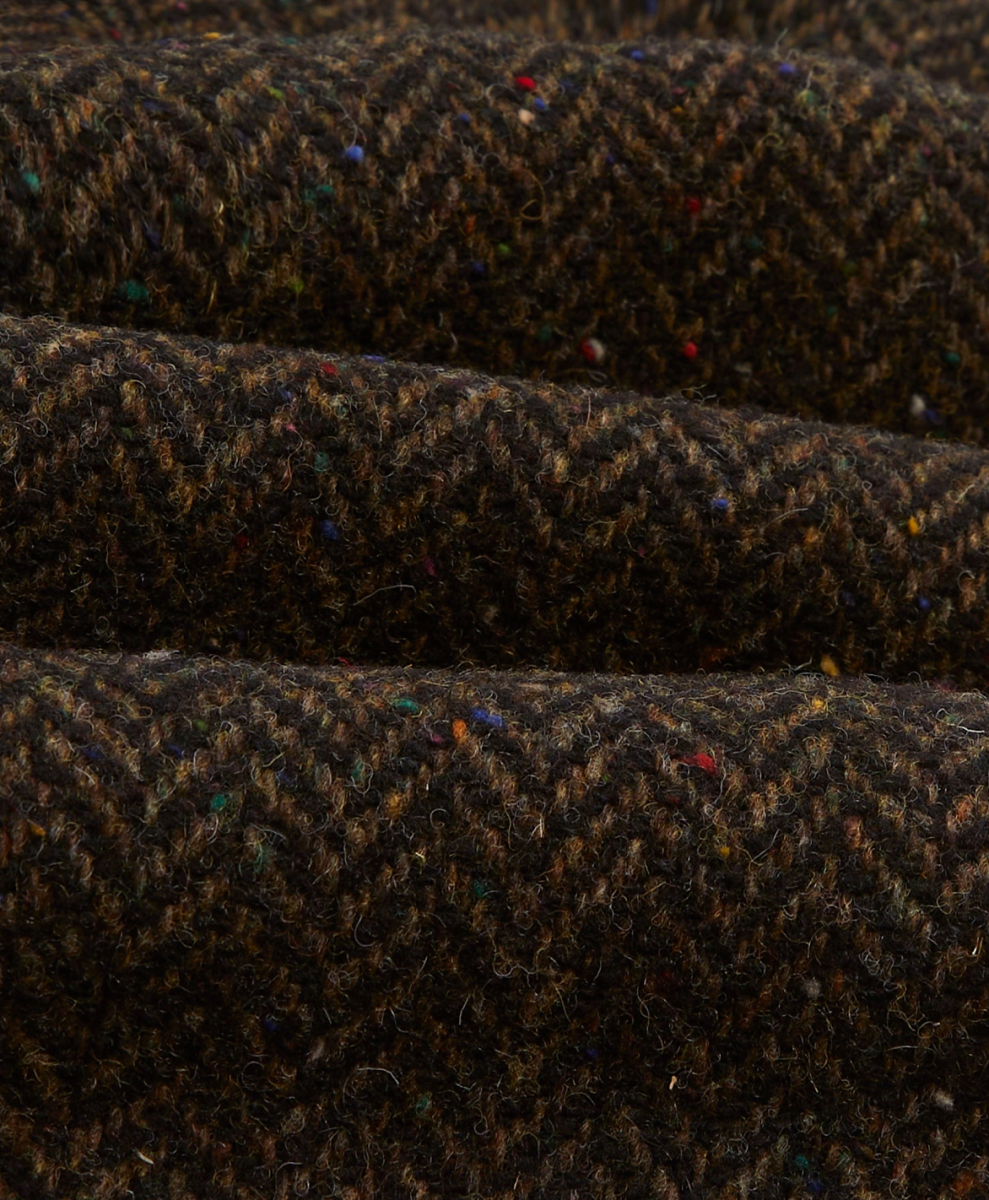
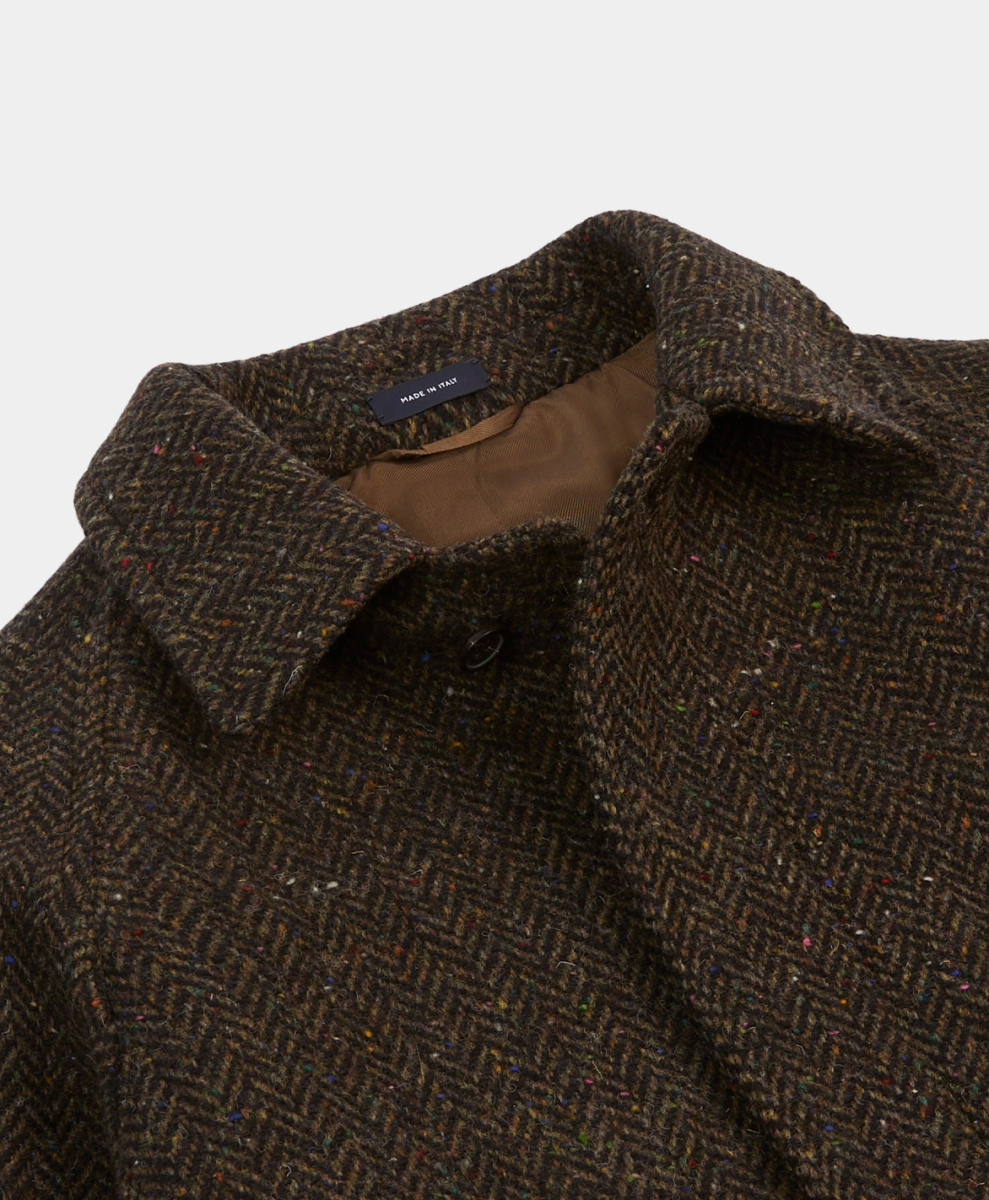
Grey and camel are difficult to beat, but dark brown, herringbone and subtle checks offer something a little more interesting. Wear one over tailoring if you must, but we prefer them with jeans, chunky knitwear and substantial shoes. The beauty is that they make even the simplest combination look considered.
Wax jacket
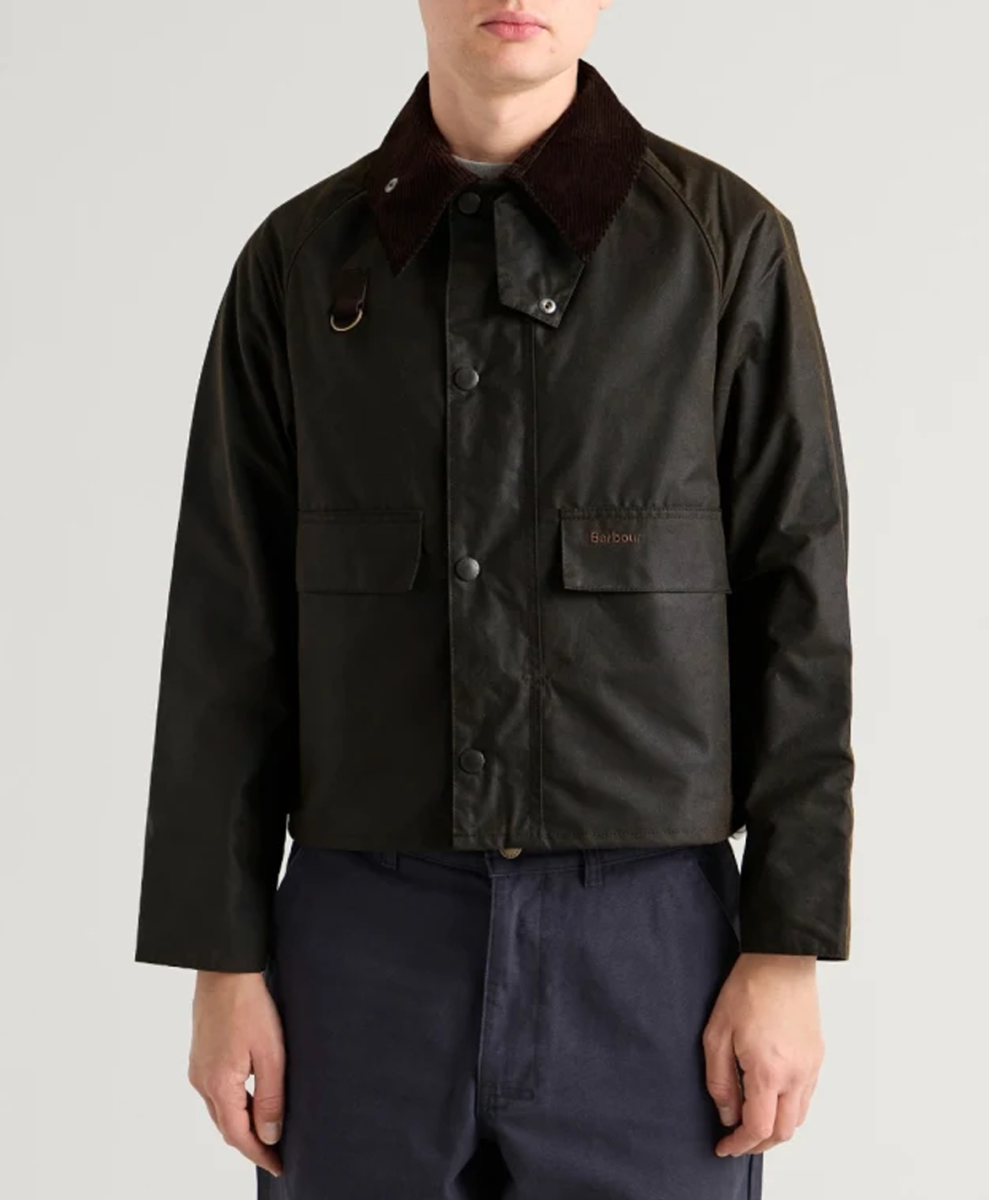
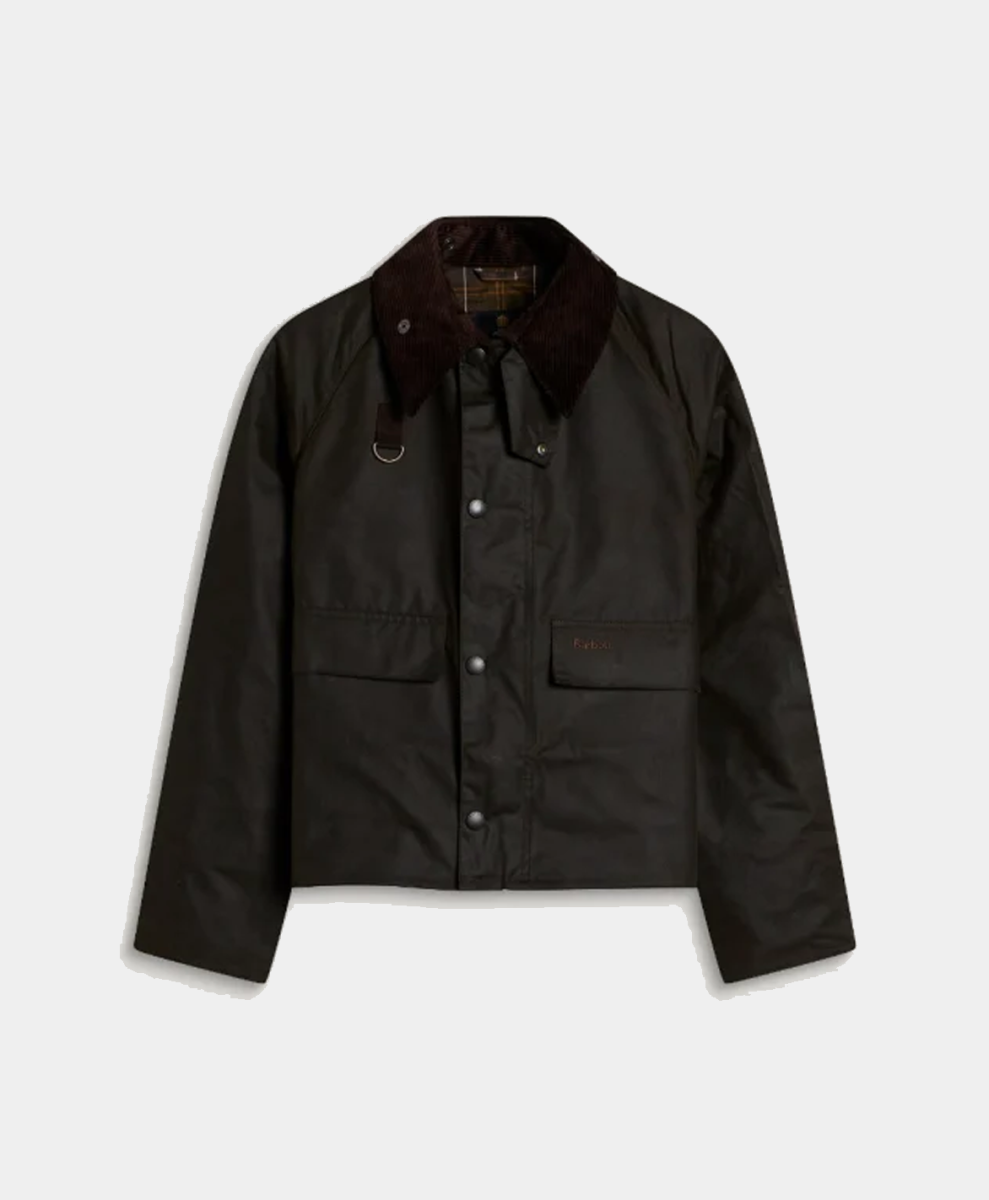
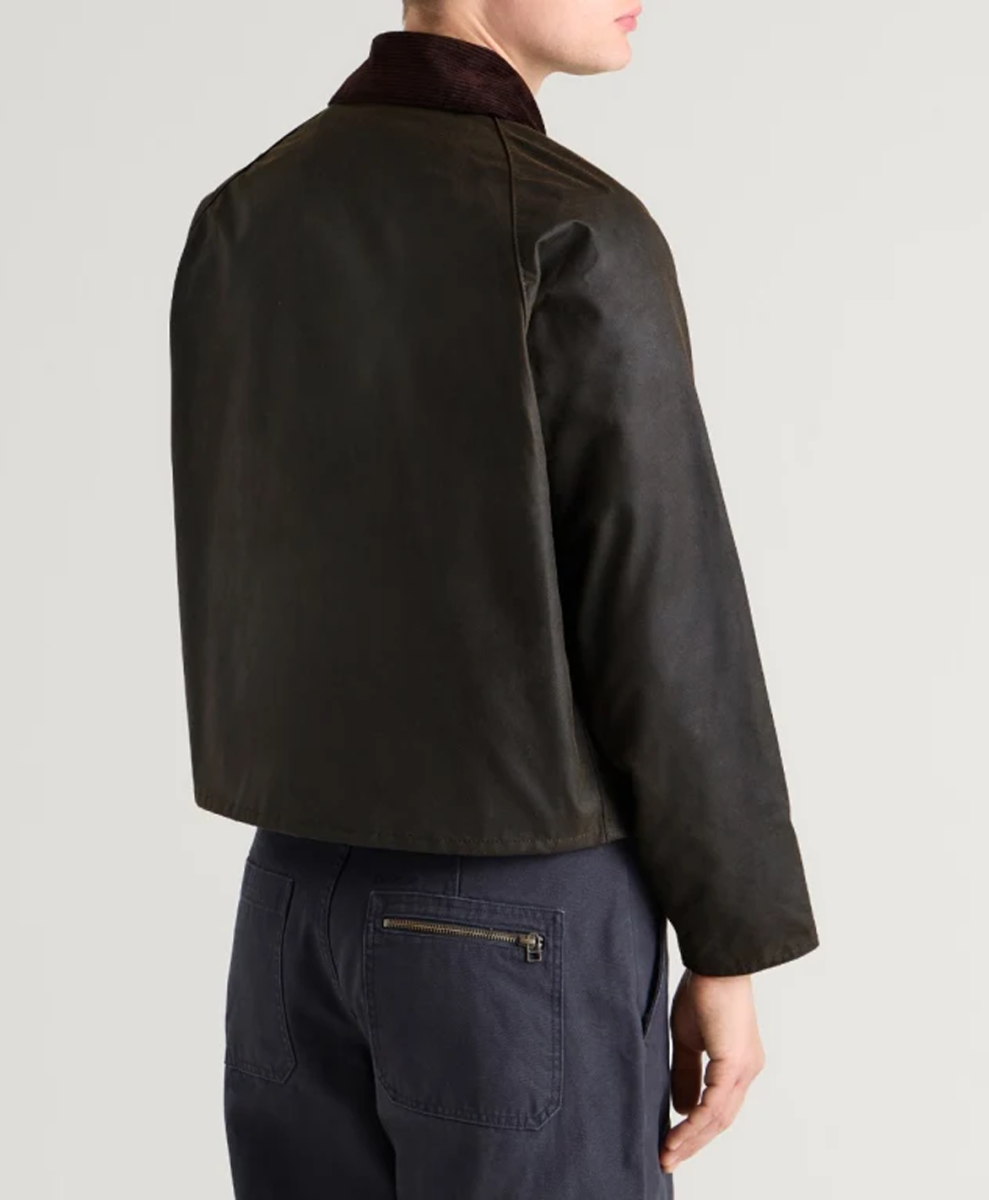
The wax jacket spent years saddled with associations of muddy Land Rovers, spaniels and people who know what a ha-ha is. Then menswear got hold of it again.
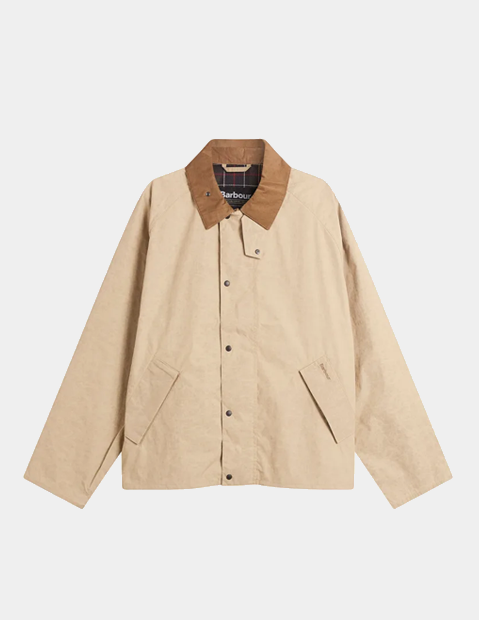
Country clothing has been steadily filtering back into mainstream fashion, and the wax jacket is arguably its most wearable export. Brands including Barbour and Filson never stopped making them, while labels like Drake's have helped demonstrate just how good this type of outerwear can look away from an actual field.
It helps that waxed cotton gets better with age. Creases appear, the colour shifts and scuffs accumulate, giving the jacket character in a way that pristine technical outerwear rarely does.
The best versions for 2026 are relaxed rather than fitted, with roomy patch pockets and enough space underneath for knitwear. Olive is the obvious choice, but dark brown, black and even navy work too. Treat it less like specialist countrywear and more like a slightly weatherproof chore jacket and it's surprisingly difficult to get wrong.
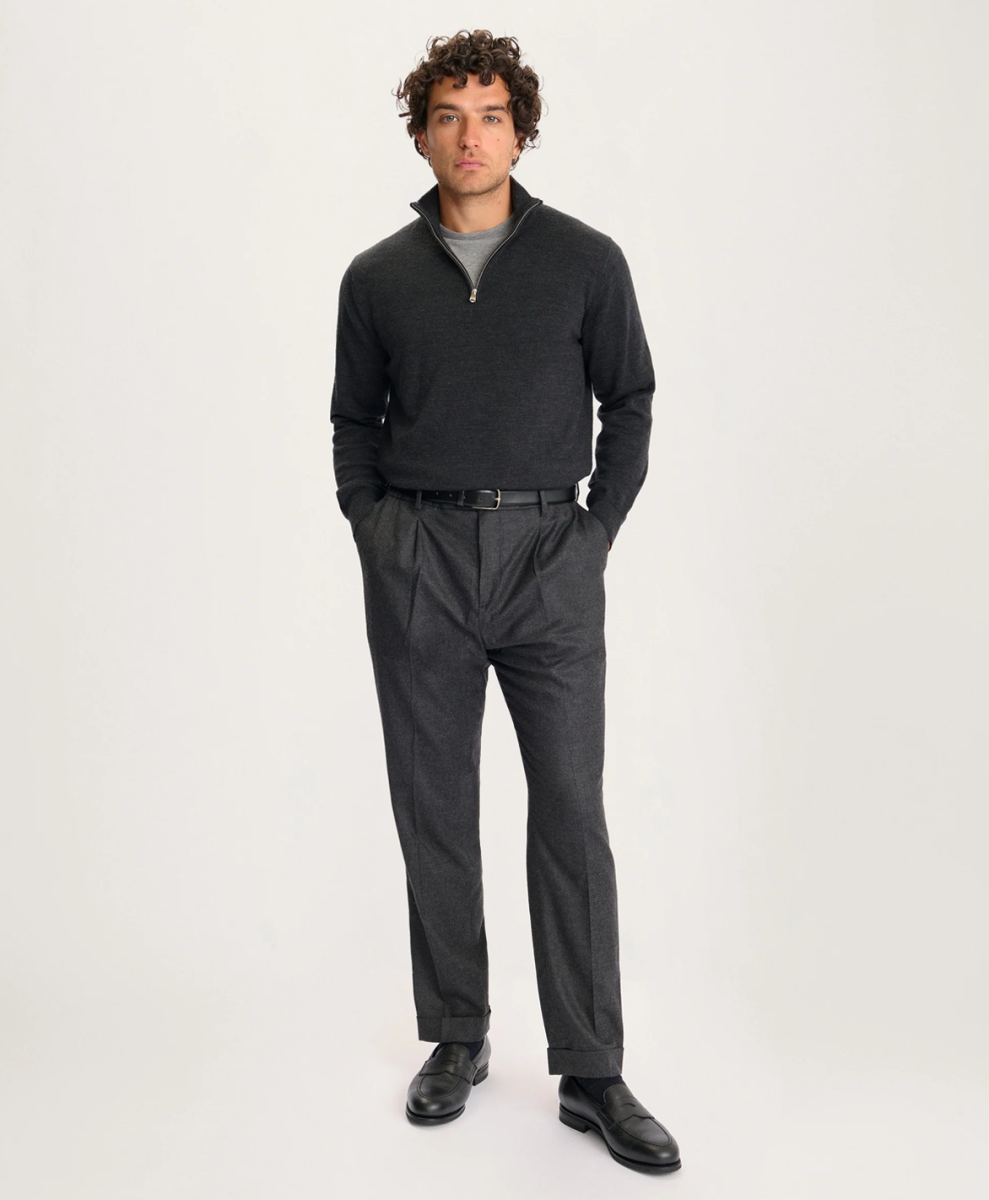
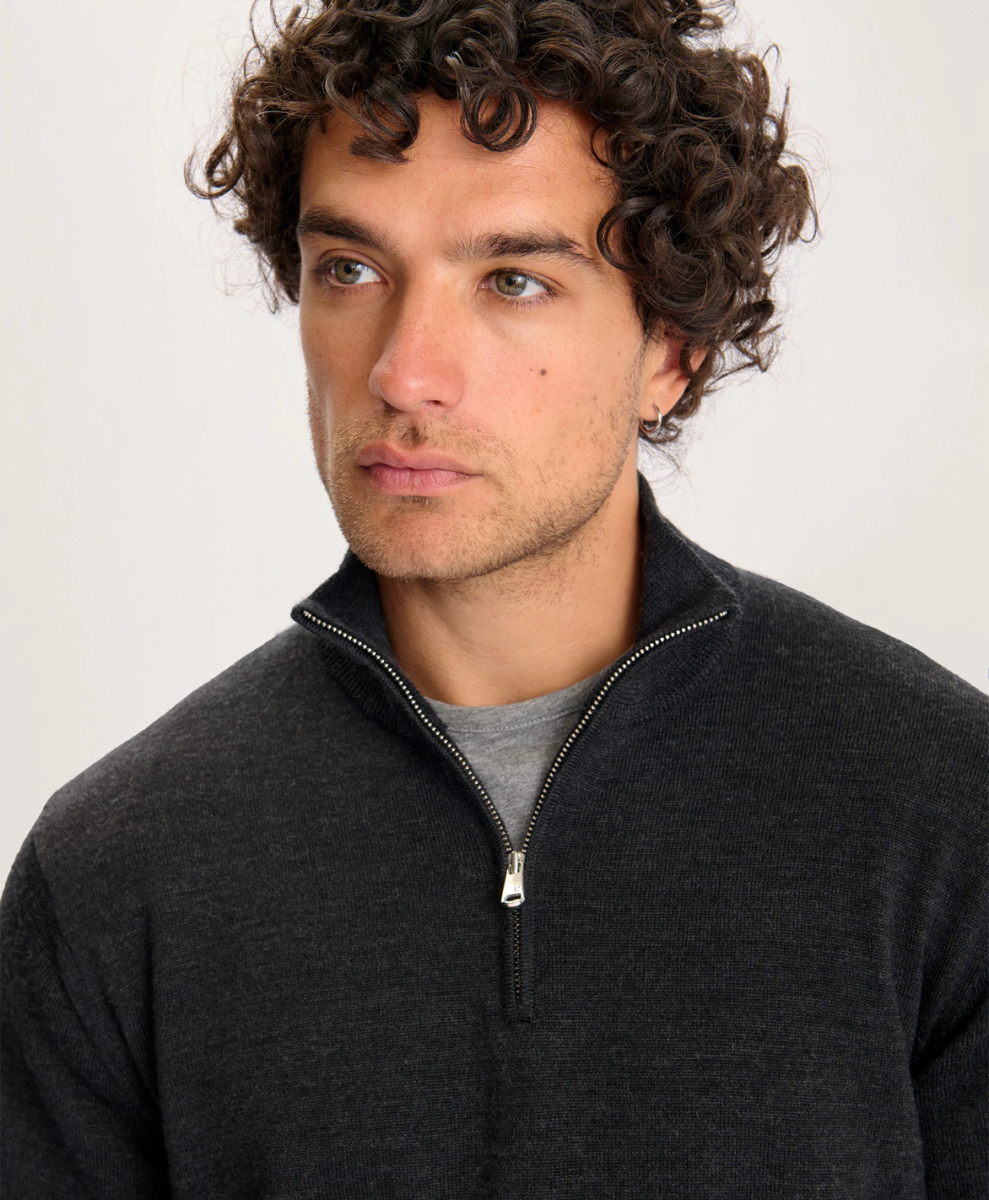
Quarter-zip top
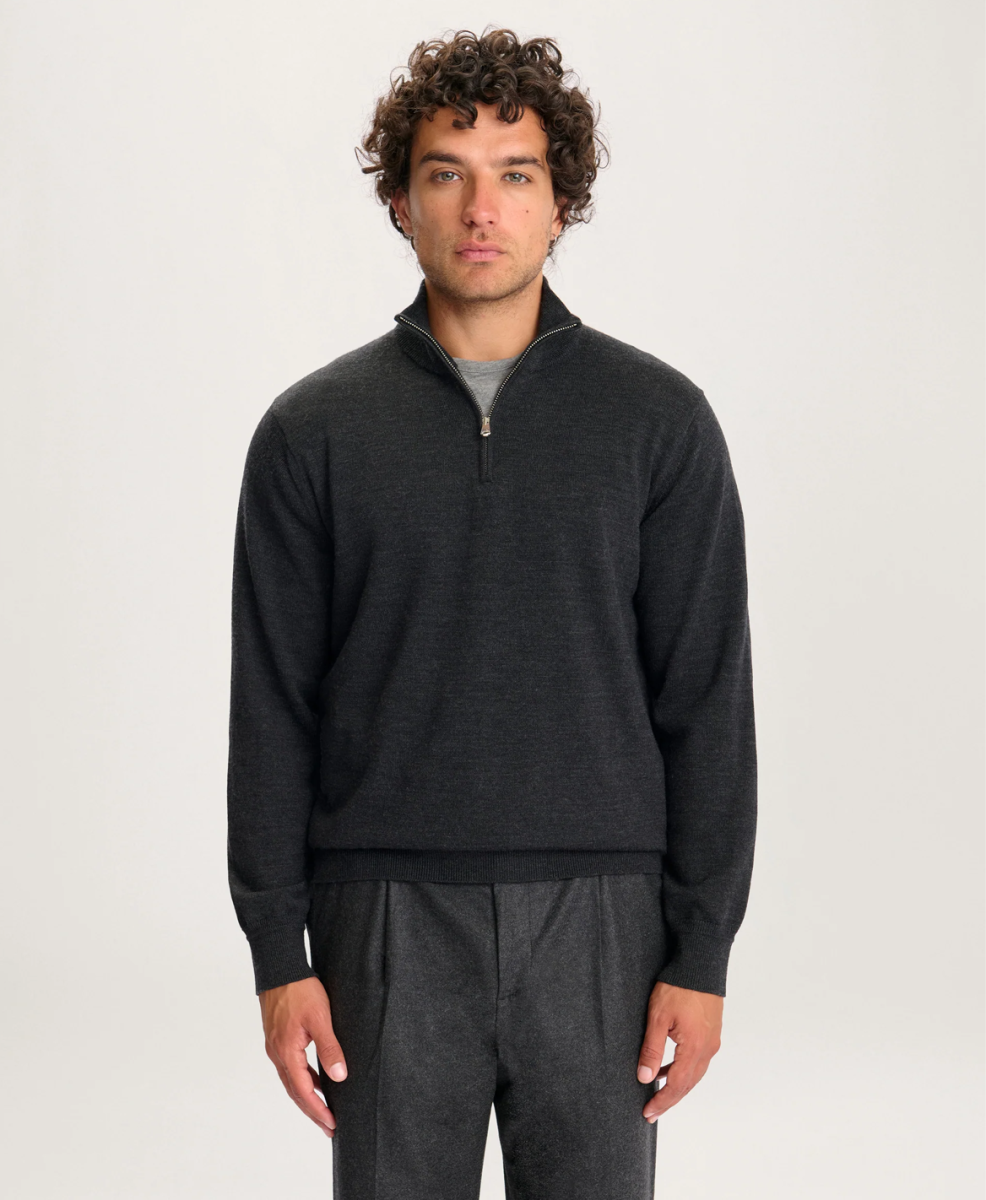
Bad news for anyone who spent the last decade associating quarter-zips exclusively with middle managers: they're good now.
Or, more accurately, they were always good. The problem was the thin, body-hugging merino versions worn over business shirts. Today's quarter-zip is a different proposition. It's chunkier, looser and more tactile, sitting somewhere between a sweater and a piece of casual outerwear.
Look for substantial wool, fleece or heavy cotton, with a relaxed fit and a collar that has enough structure to stand up when partially zipped. It's an easy way to introduce some shape around the neckline and works particularly well beneath an overcoat or wax jacket.
The quarter-zip also feeds neatly into menswear's renewed interest in preppy and outdoorsy clothing without leaning too heavily into either. Wear one with straight jeans and sneakers, or cords and chunky derbies. Just leave the gingham shirt at home.
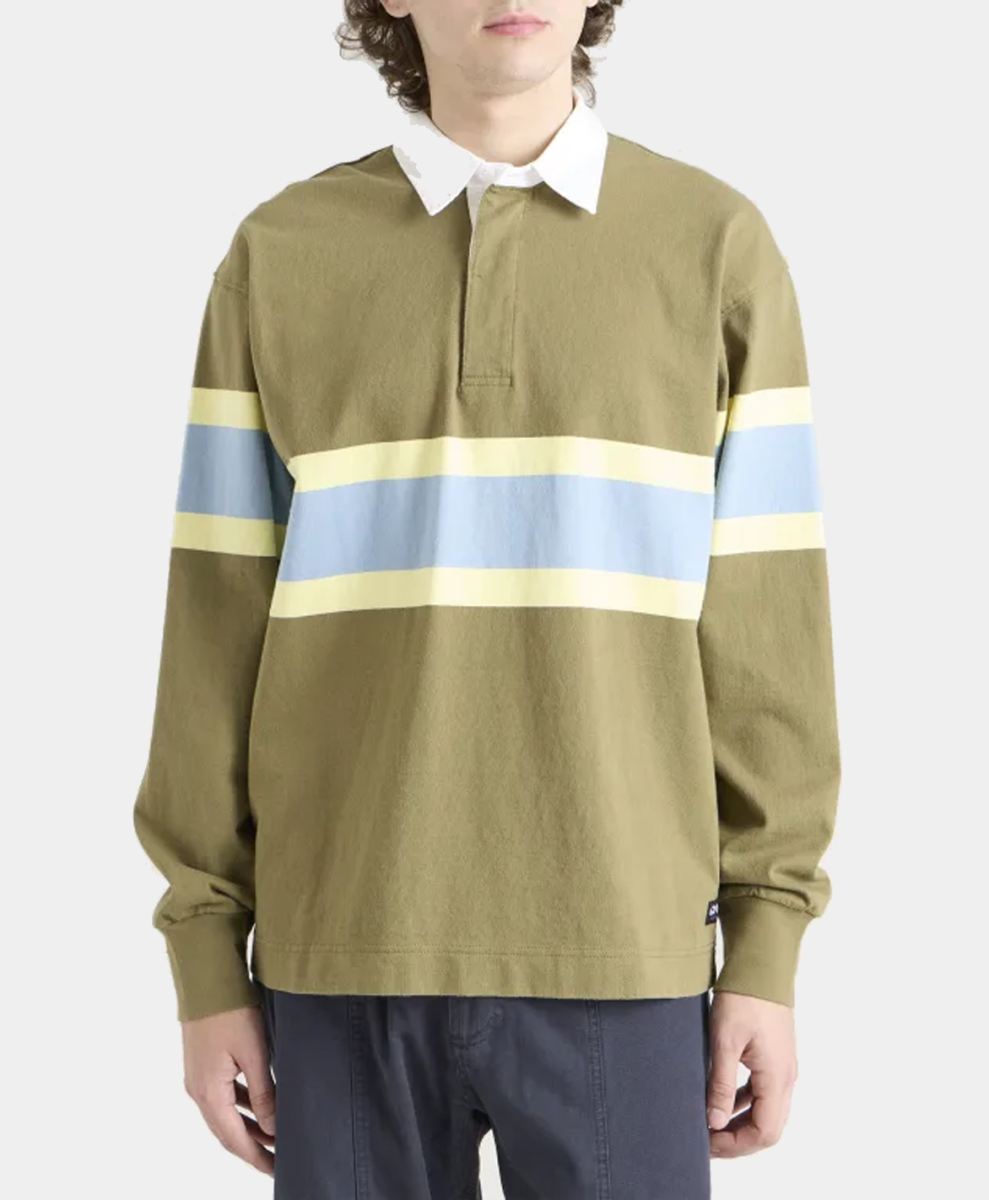
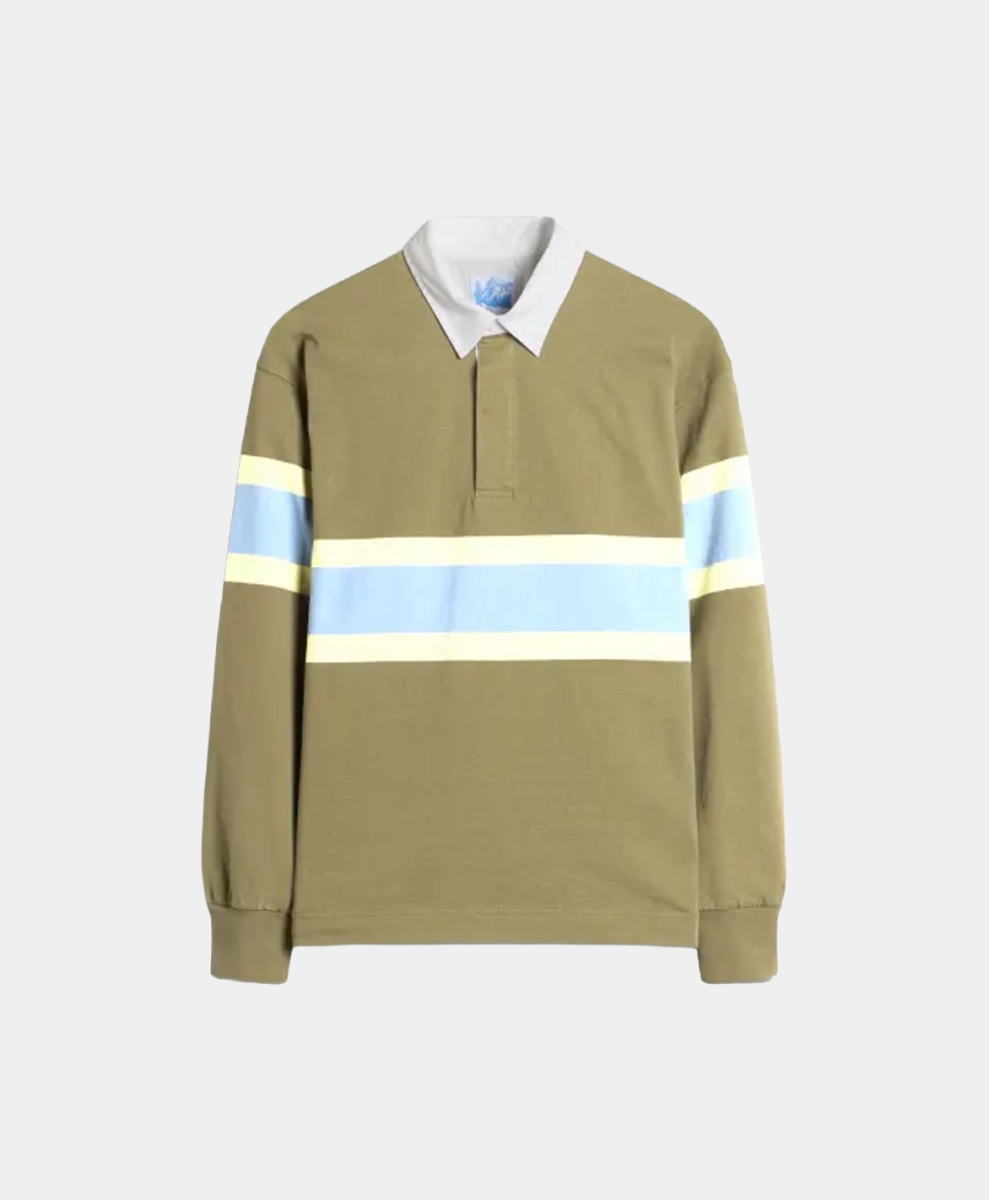
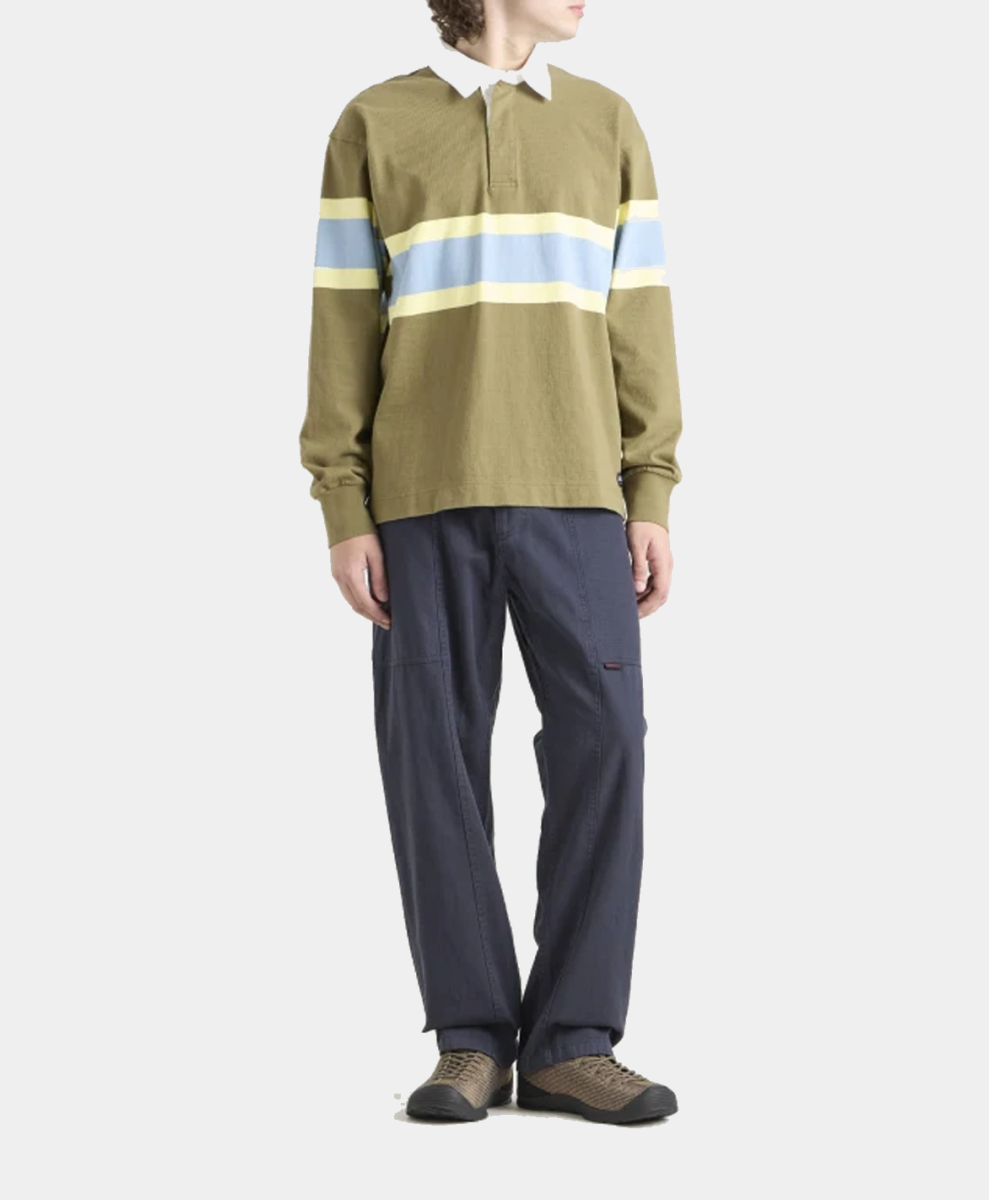
Rugby shirt
Menswear's current preppy phase is less yacht club, more rummaging through the good bit of a 1990s Ralph Lauren catalogue. And few garments sum that up better than the rugby shirt.
The difference this time is in the styling. Rather than chinos and boat shoes, they're being thrown together with washed denim, workwear and technical footwear.
The best rugby shirts have some heft to them. Look for dense cotton jersey, a proper woven collar and a relaxed cut. Bold horizontal stripes are the classic choice, but solid versions in washed-out colours are easier to integrate into a restrained wardrobe.
They're useful at this point in the year too. Substantial enough to function as a light layer on warmer autumn days, but thin enough to disappear beneath a coat once temperatures drop.
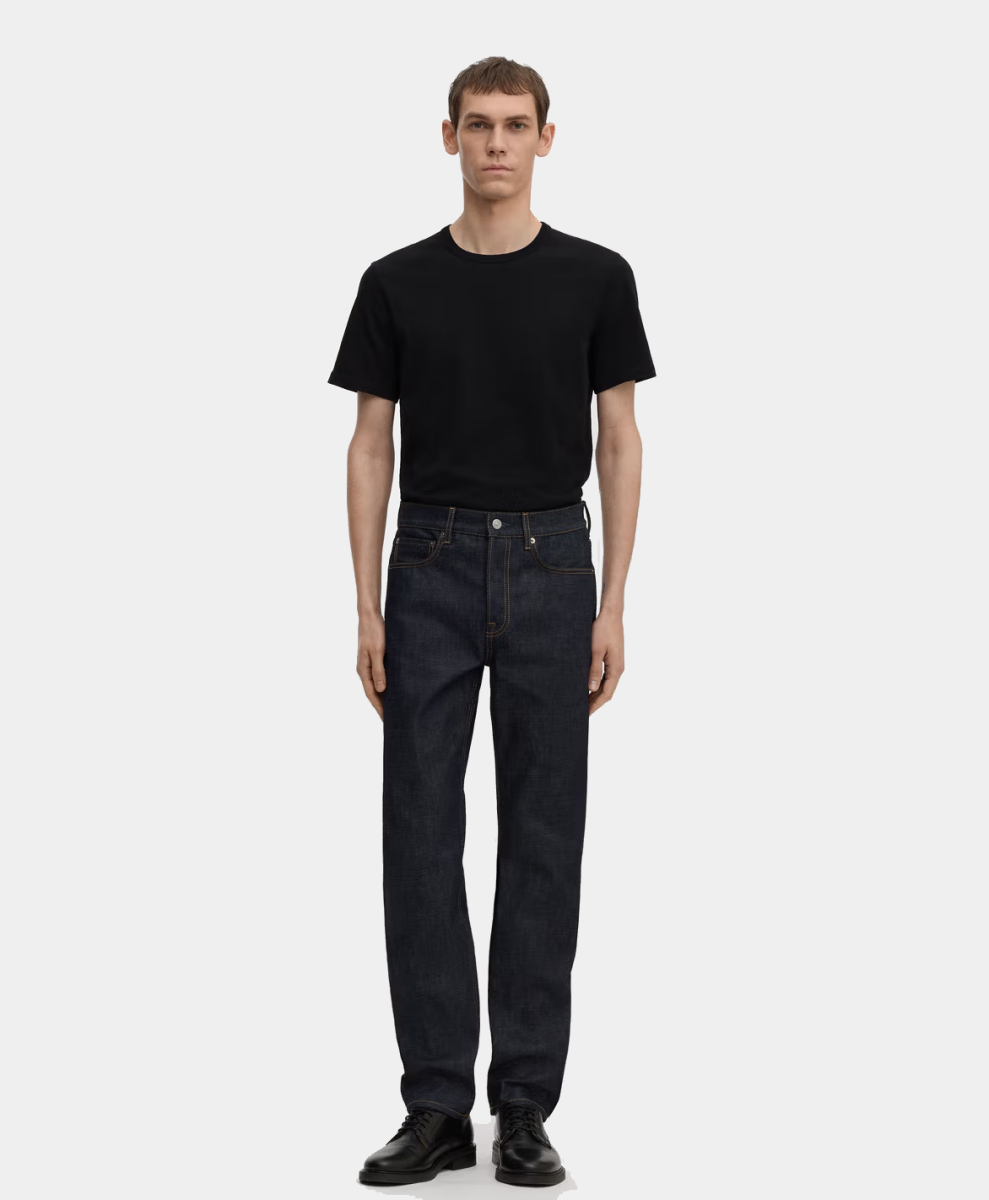
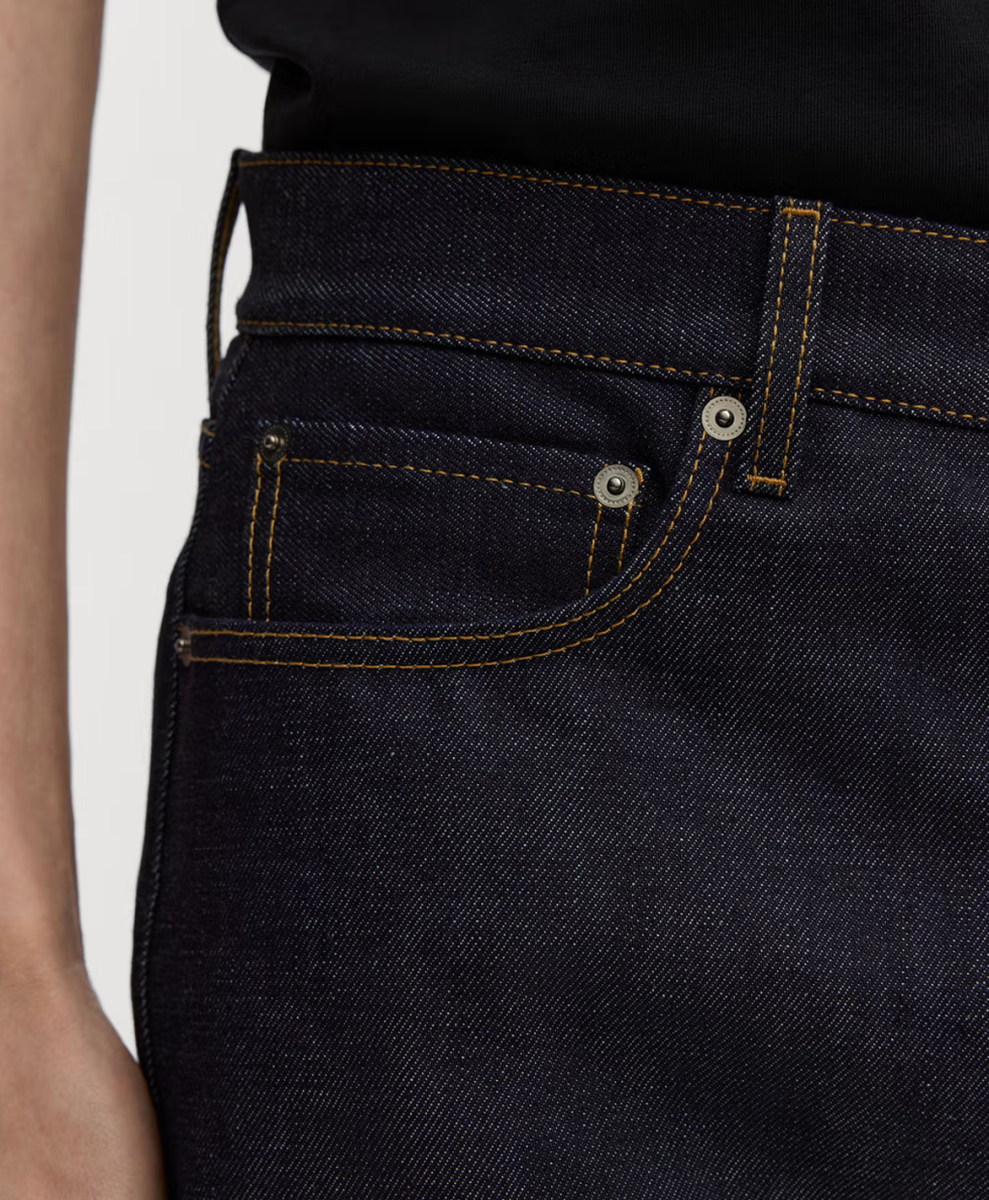
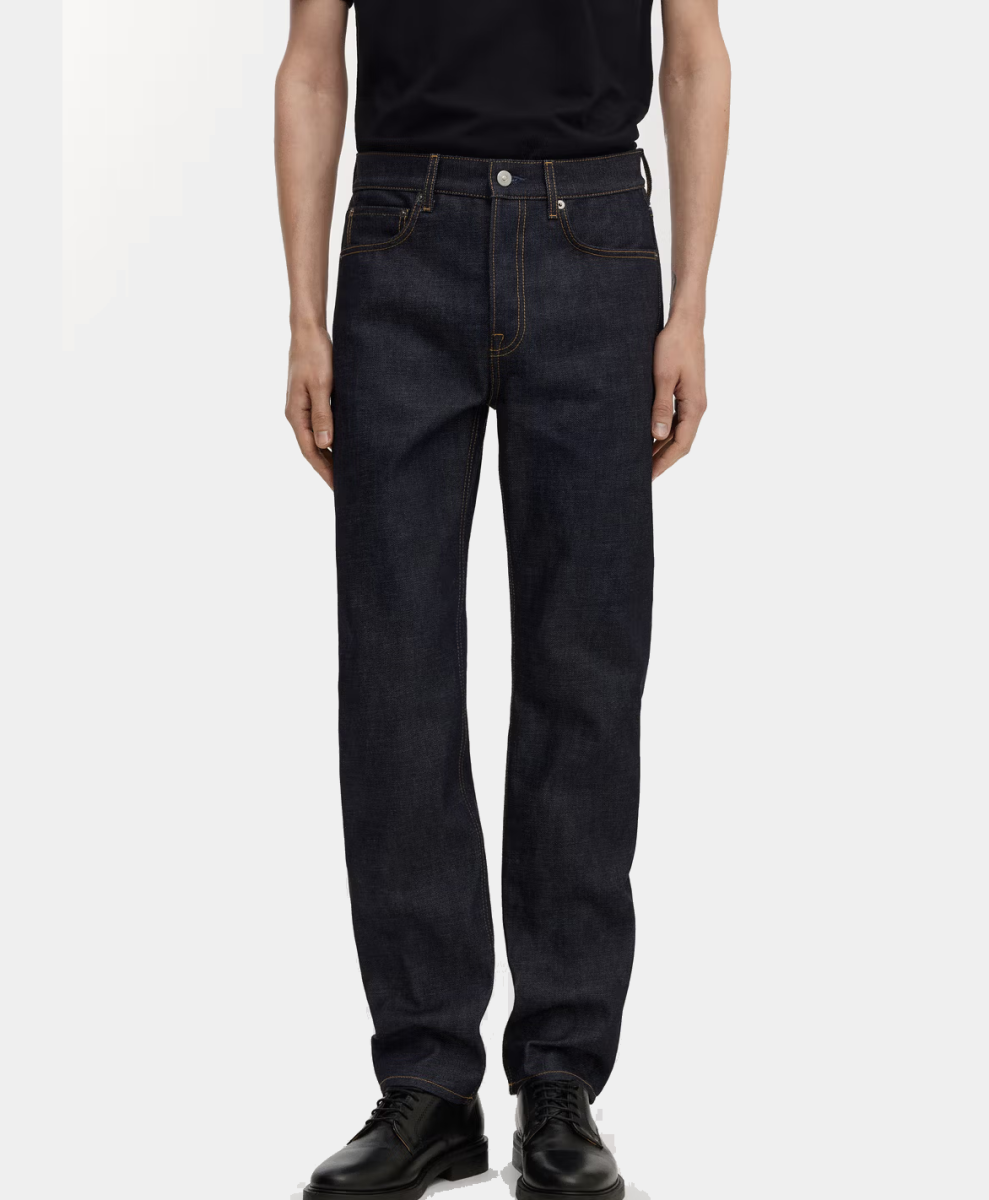
Relaxed-fit raw denim
Skinny jeans aren't dead – fashion rarely kills anything completely – but they're no longer dictating how the average pair of jeans should look. The prevailing shape for autumn 2026 is much more forgiving: higher rise, more room through the thigh and a relatively straight leg.
Raw denim is our preferred way to approach it. Partly because dark indigo looks fantastic alongside autumn colours, but mainly because raw jeans become better the more you wear them. The stiff fabric gradually softens, creases establish themselves and the denim fades according to how you live in it.
The trick is getting the cut right. Relaxed doesn't have to mean enormous. Look for something that falls cleanly from the thigh without tapering aggressively or swallowing your shoes.
Selvedge is nice if your budget allows, but it isn't essential. What's more important is a decent weight of denim, a dark untreated wash and a shape you won't be embarrassed to look at in photographs five years from now.
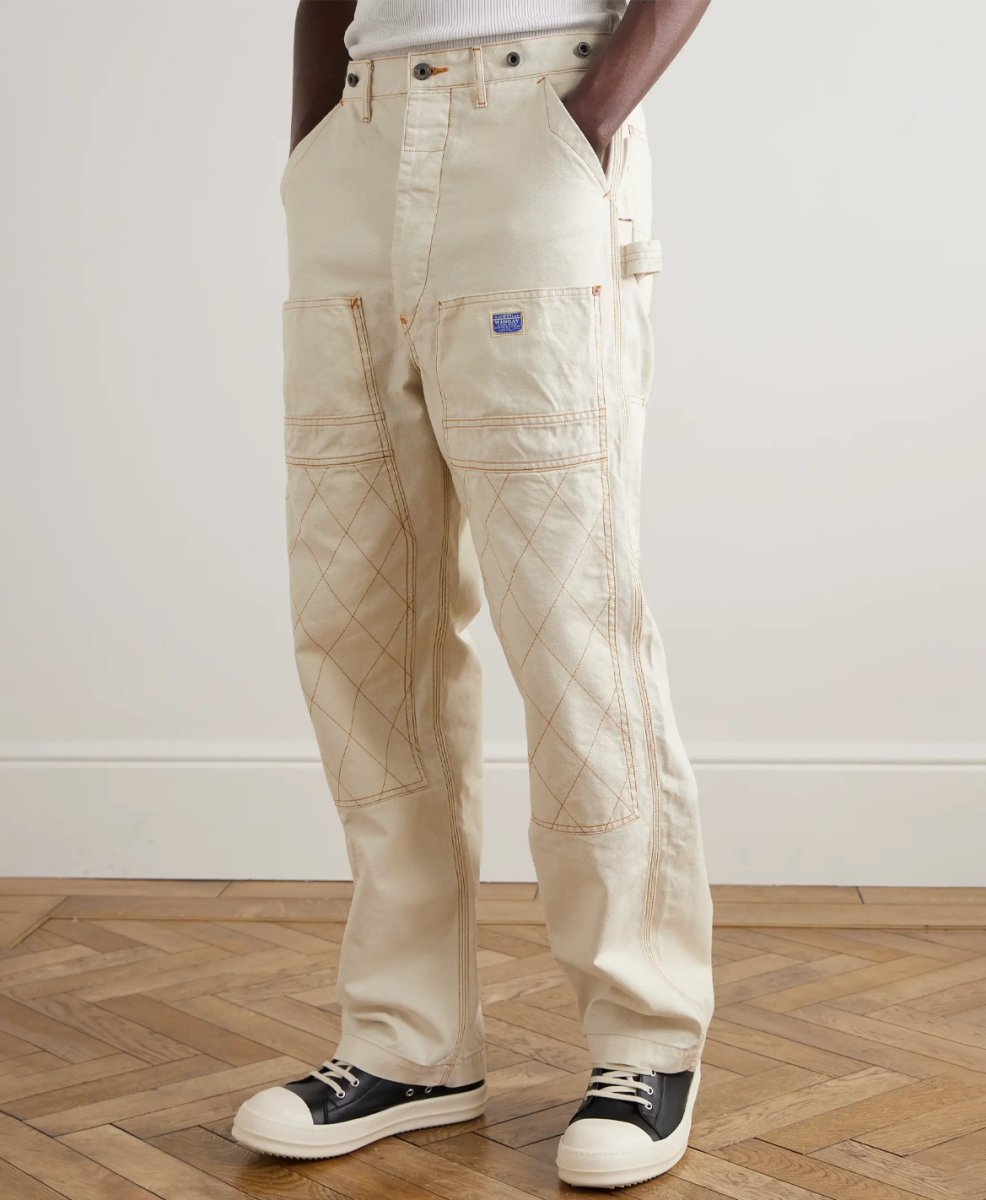
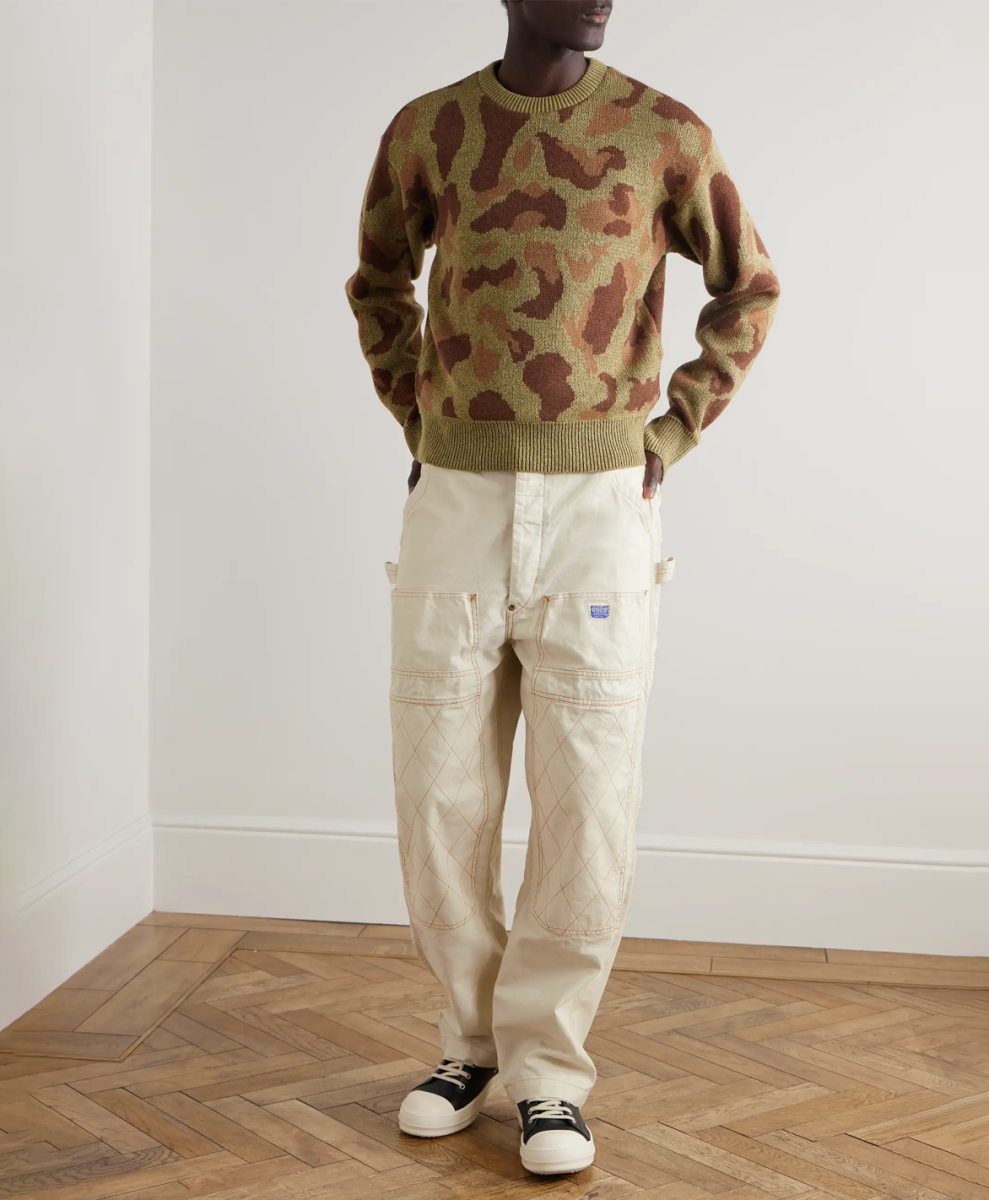
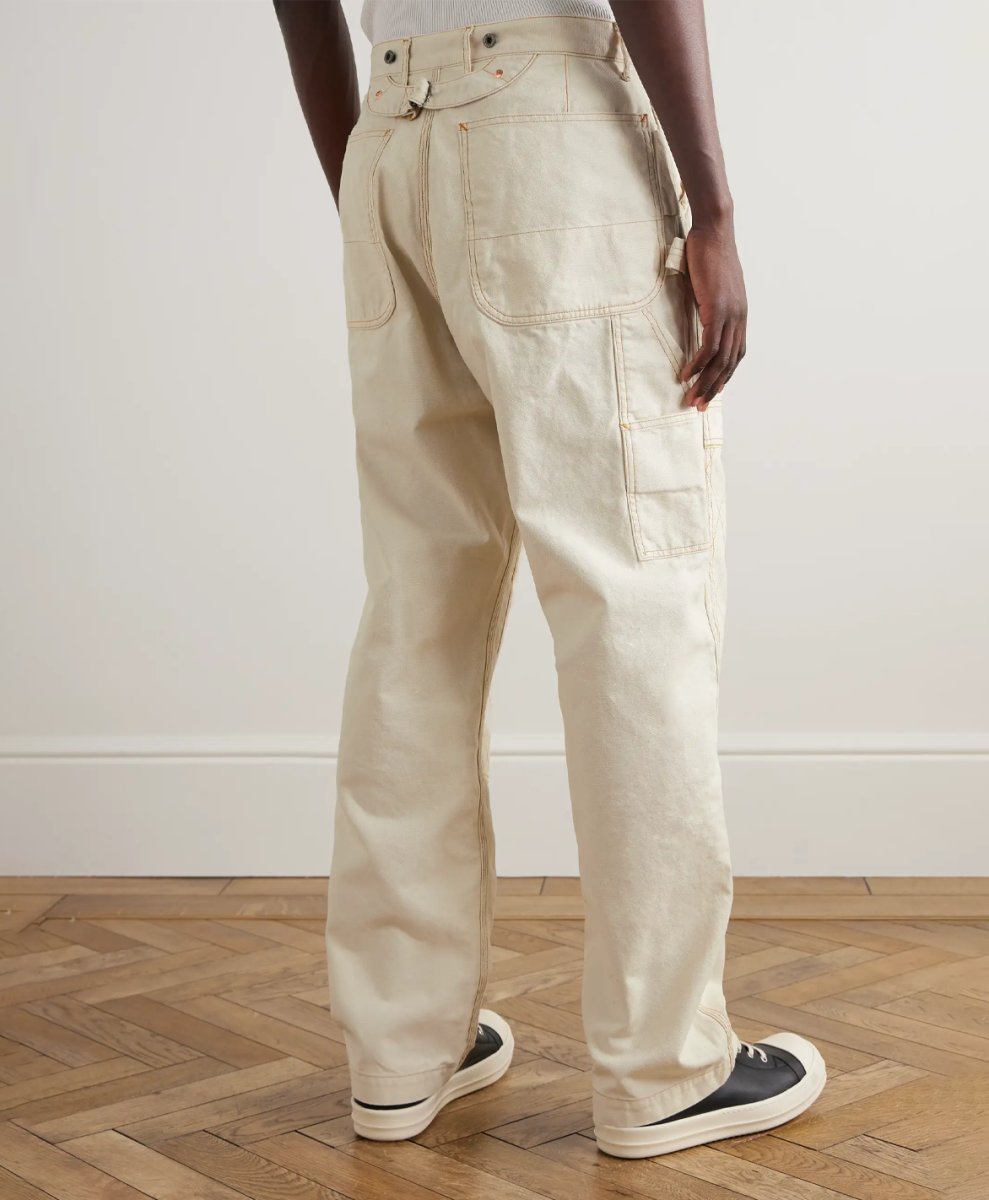
Ecru work pants
White trousers after summer sounds like the sort of thing that should require a villa on Lake Como. Ecru work pants are different.
Natural, unbleached cotton has a warmer tone than optic white, which makes it surprisingly easy to wear when the weather turns. Add a substantial canvas or twill construction and practical workwear details – patch pockets, hammer loops, double knees – and there's nothing remotely summery about it.
They're particularly useful because autumn wardrobes tend to get dark quickly. Navy jackets, brown knitwear, olive outerwear and black shoes all benefit from having something lighter underneath.
Think painter pants, fatigues and carpenter trousers rather than crisp white chinos. A relaxed straight leg is the sweet spot, particularly with chunkier shoes.
They'll get dirty. That's fine. In fact, they're arguably better once they do. Ecru work trousers aren't supposed to remain pristine; a few marks and washes are what stop them looking like you've accidentally worn your summer holiday trousers in November.
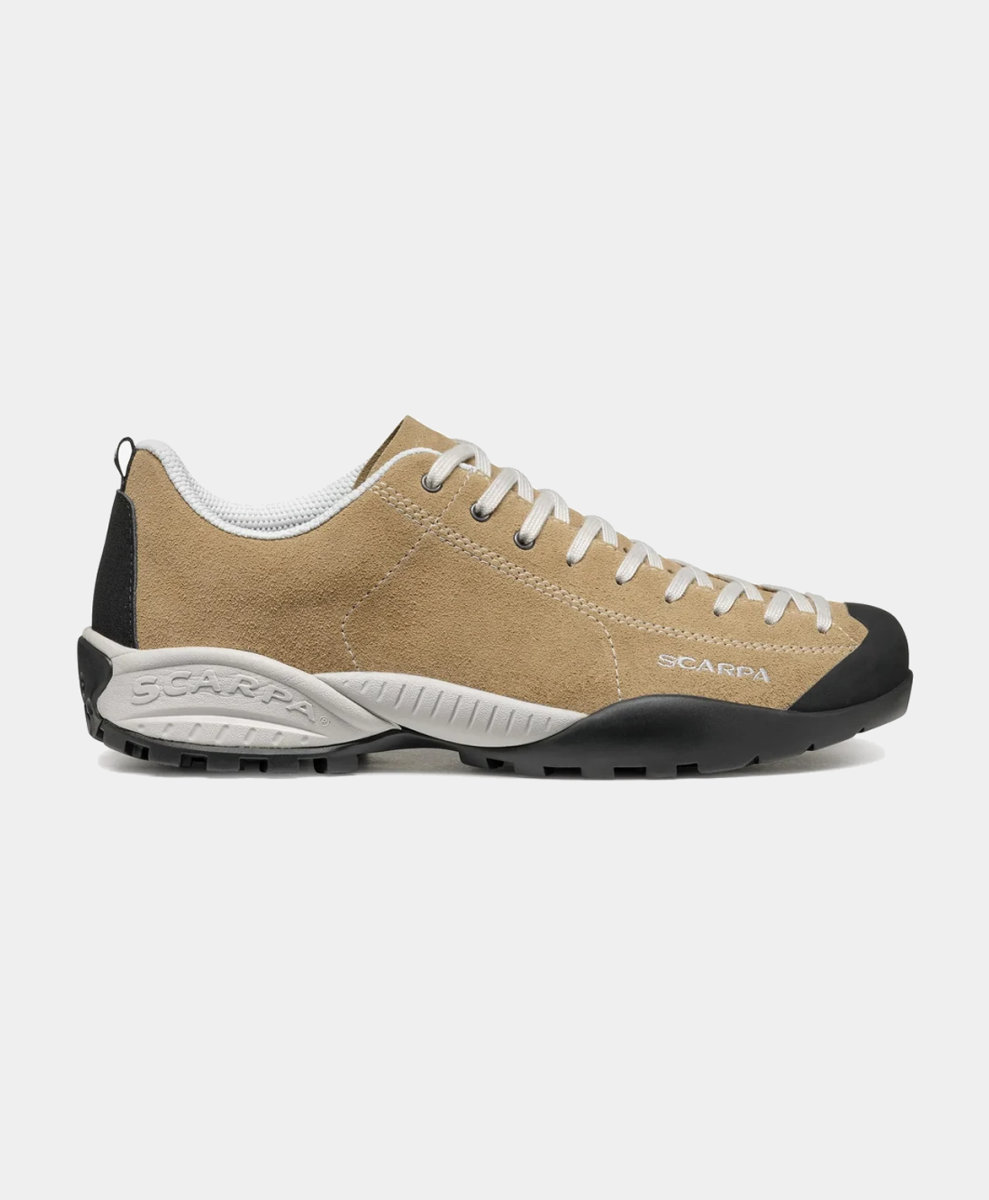
Key footwear
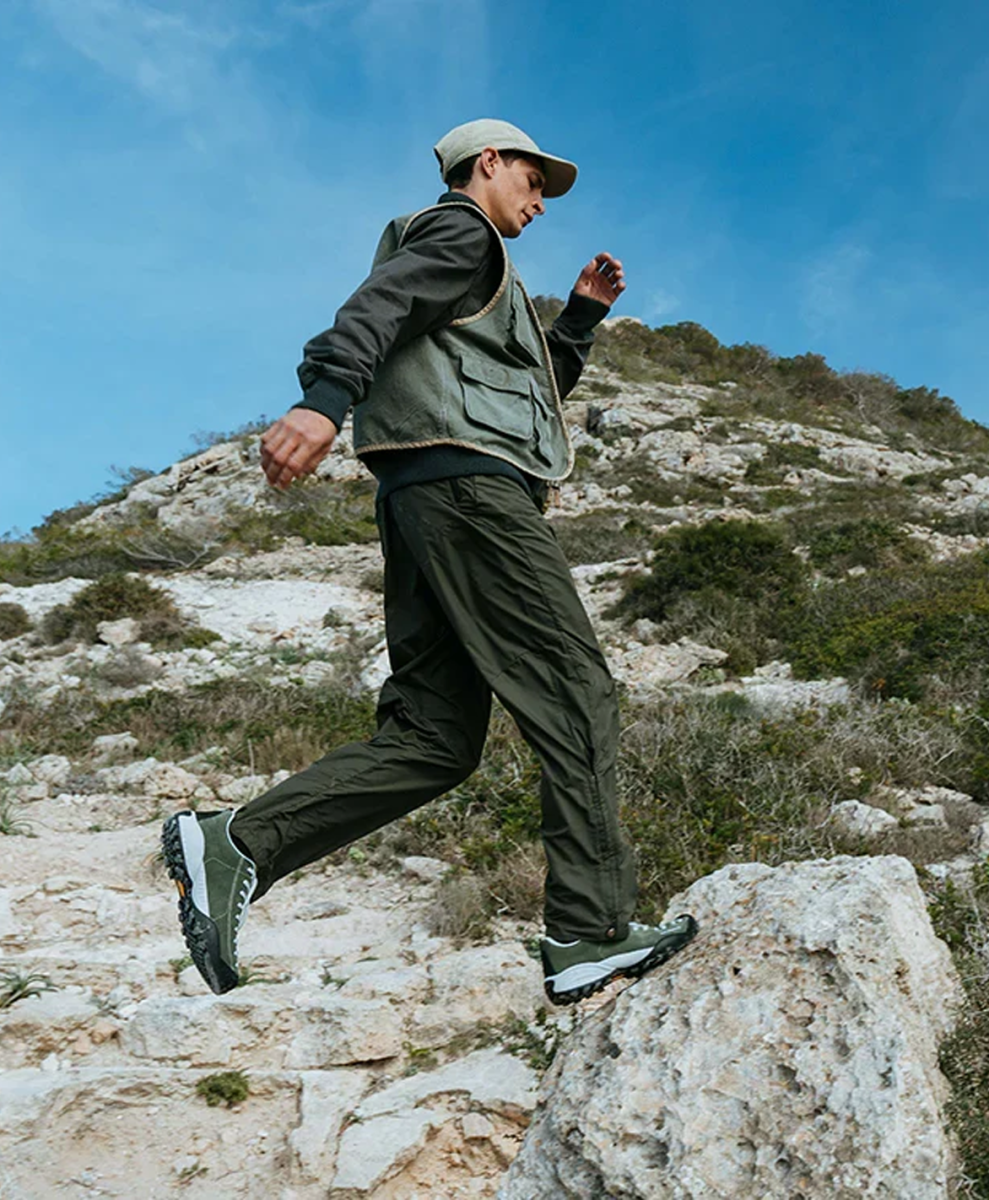
Approach shoes
Approach shoes were originally created to deal with the awkward bit between leaving the car and reaching the climb. Now they're just as likely to encounter a flat white as a rock face.
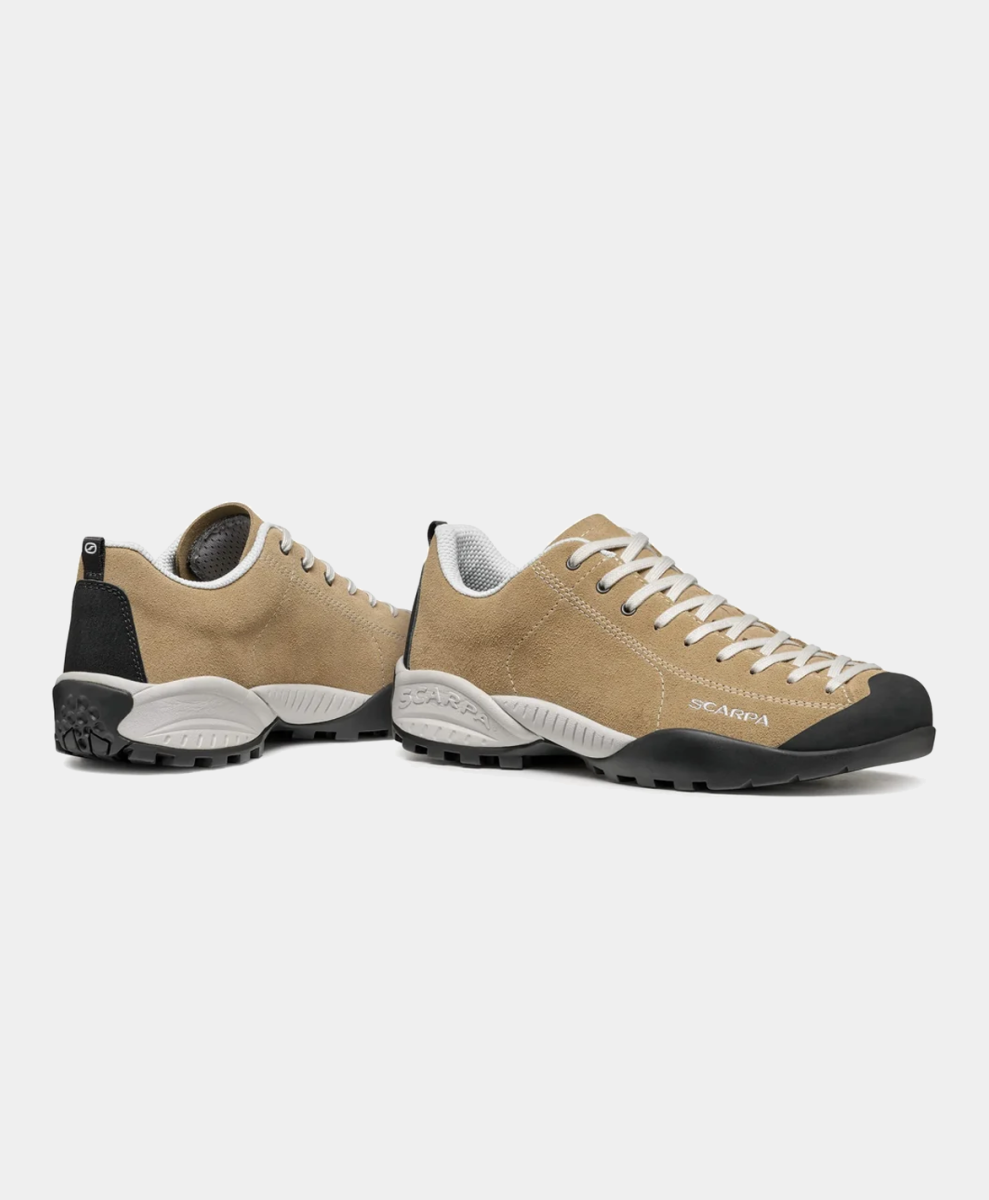
Sitting somewhere between hiking footwear and climbing shoes, they're generally low-cut, grippy and relatively streamlined, often with rubber extending around the toe and lacing running further down the foot than you'd find on a conventional hiking shoe.
That unusual shape is precisely why fashion has become interested in them. After years of bulbous trail runners dominating outdoors-influenced footwear, approach shoes offer something lower and slightly less obvious.
Scarpa's Mojito is arguably the archetype, but brands including La Sportiva and Arc'teryx offer their own takes, while fashion-led outdoor labels have pushed similar shapes further into everyday wardrobes.
They're practical too. Wear them with jeans, fatigues, cords or ecru work trousers and you've got an autumn shoe capable of handling considerably more than a suede sneaker.
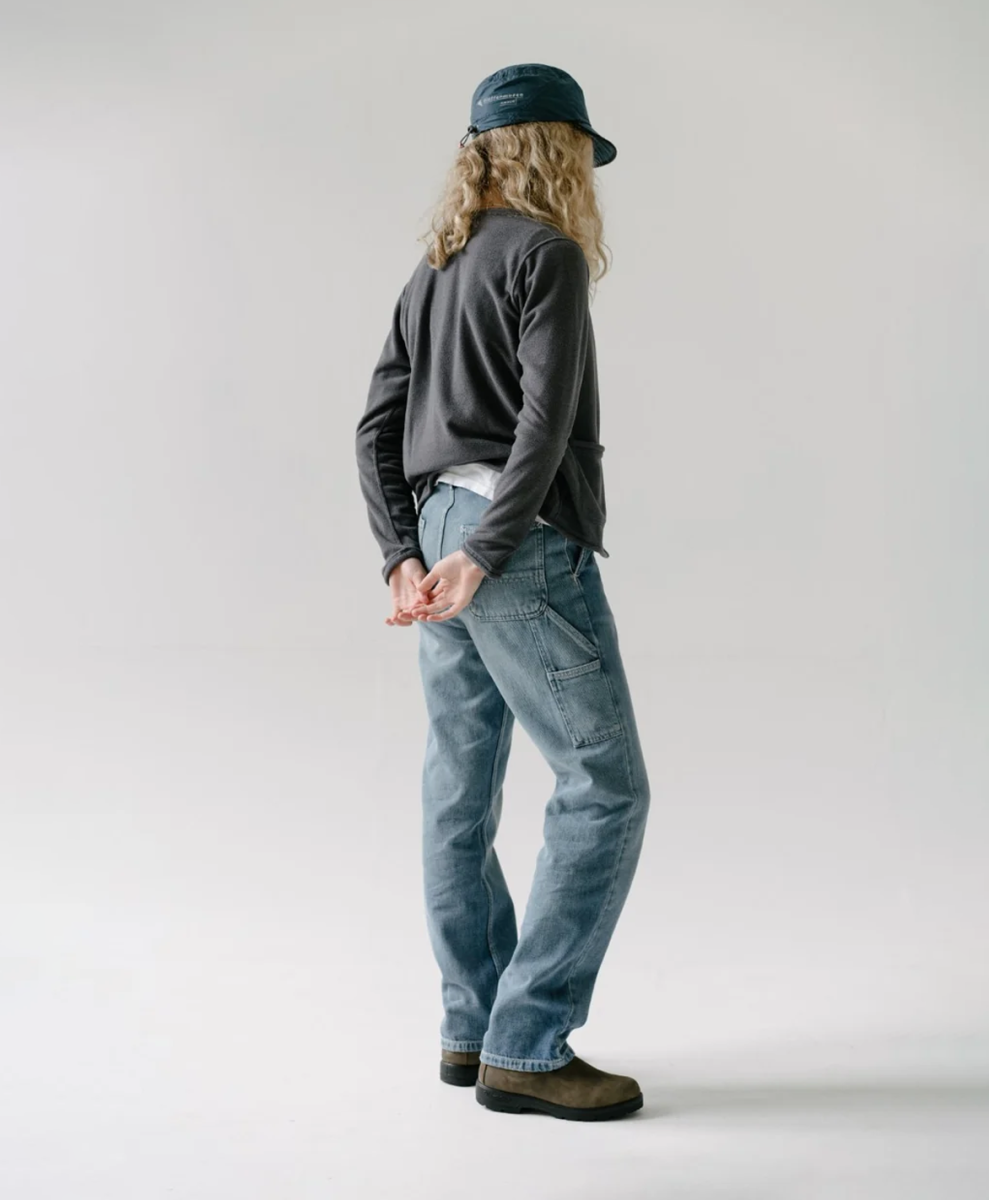
Pull-on work boots
The sleek Chelsea boot has had its moment. Its chunkier, more practical cousin is taking over.
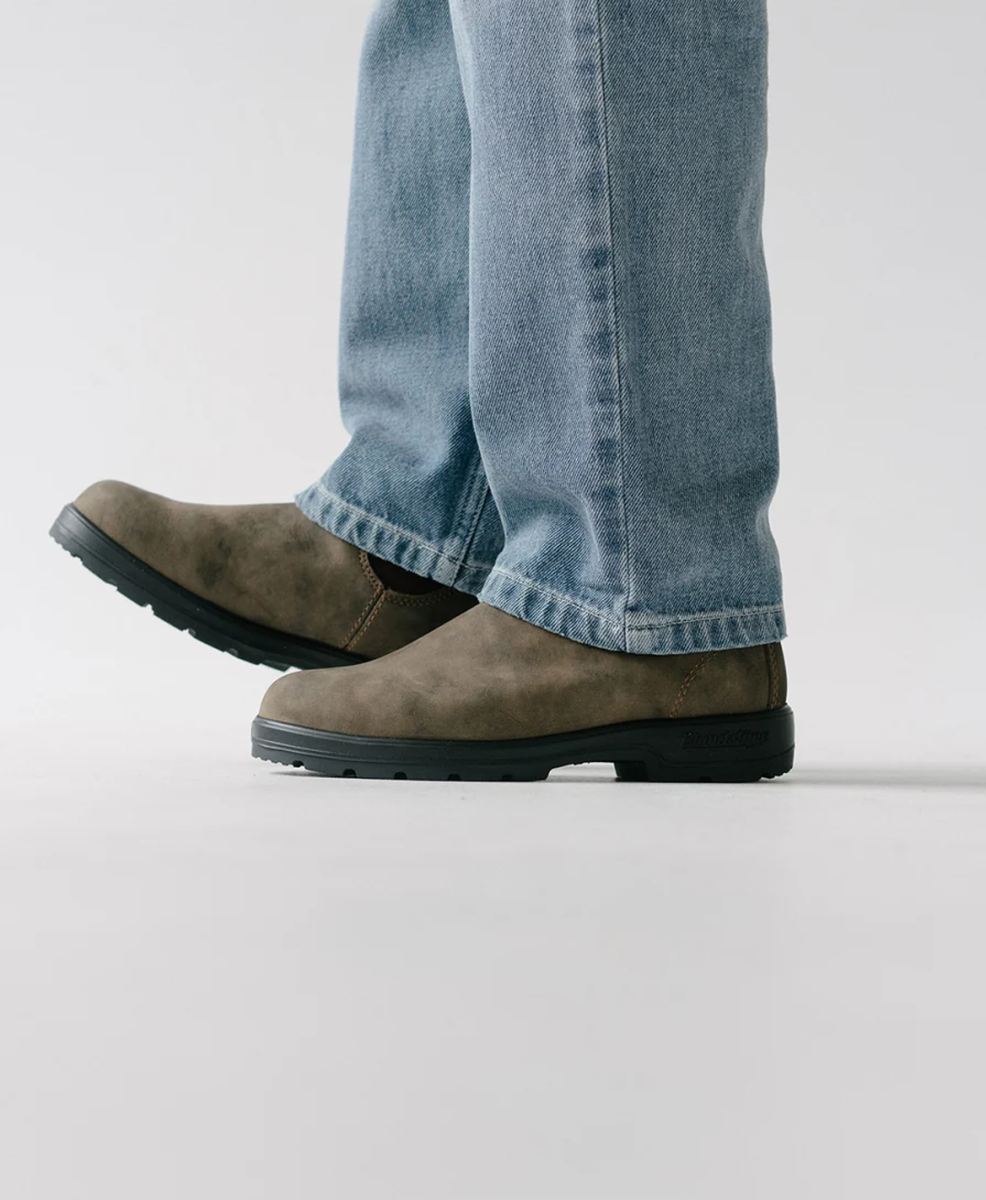
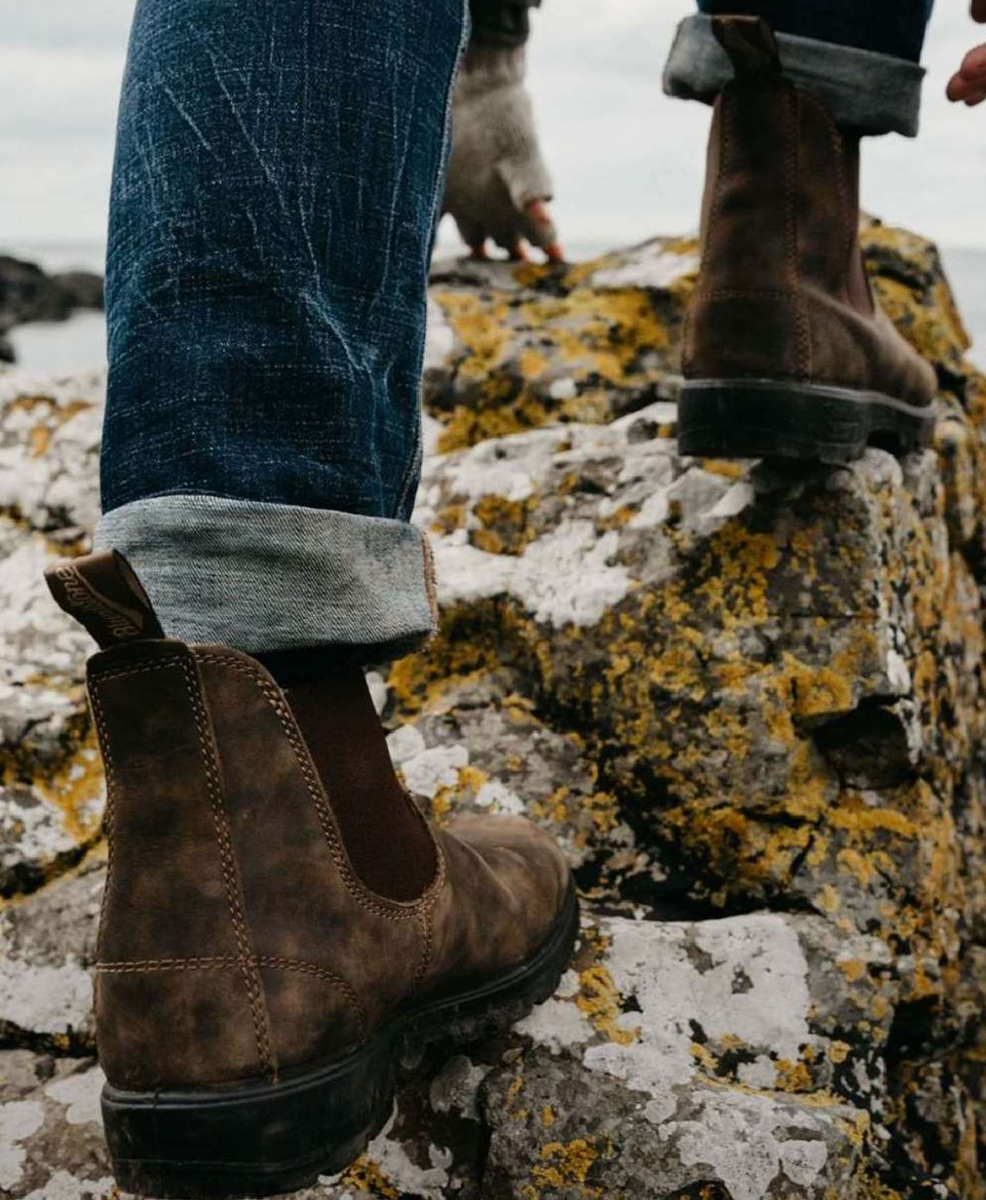
Pull-on work boots follow roughly the same formula – ankle height, elasticated sides, no laces – but that's where the similarities end. Think rounded toes, thick soles and leather designed to tolerate rain, mud and general mistreatment.
Blundstone is the obvious reference point. The Australian brand's boots have spent decades doing actual work, which gives them the sort of authenticity fashion brands spend enormous amounts of money trying to manufacture.
They're also exceptionally easy to wear. The visual weight works with relaxed jeans and work trousers, while the absence of fussy detailing means they don't fight with the rest of an outfit.
Buy brown or black, don't obsess over keeping them spotless, and wear them until they're completely knackered. Few types of footwear look better for having had a difficult life.
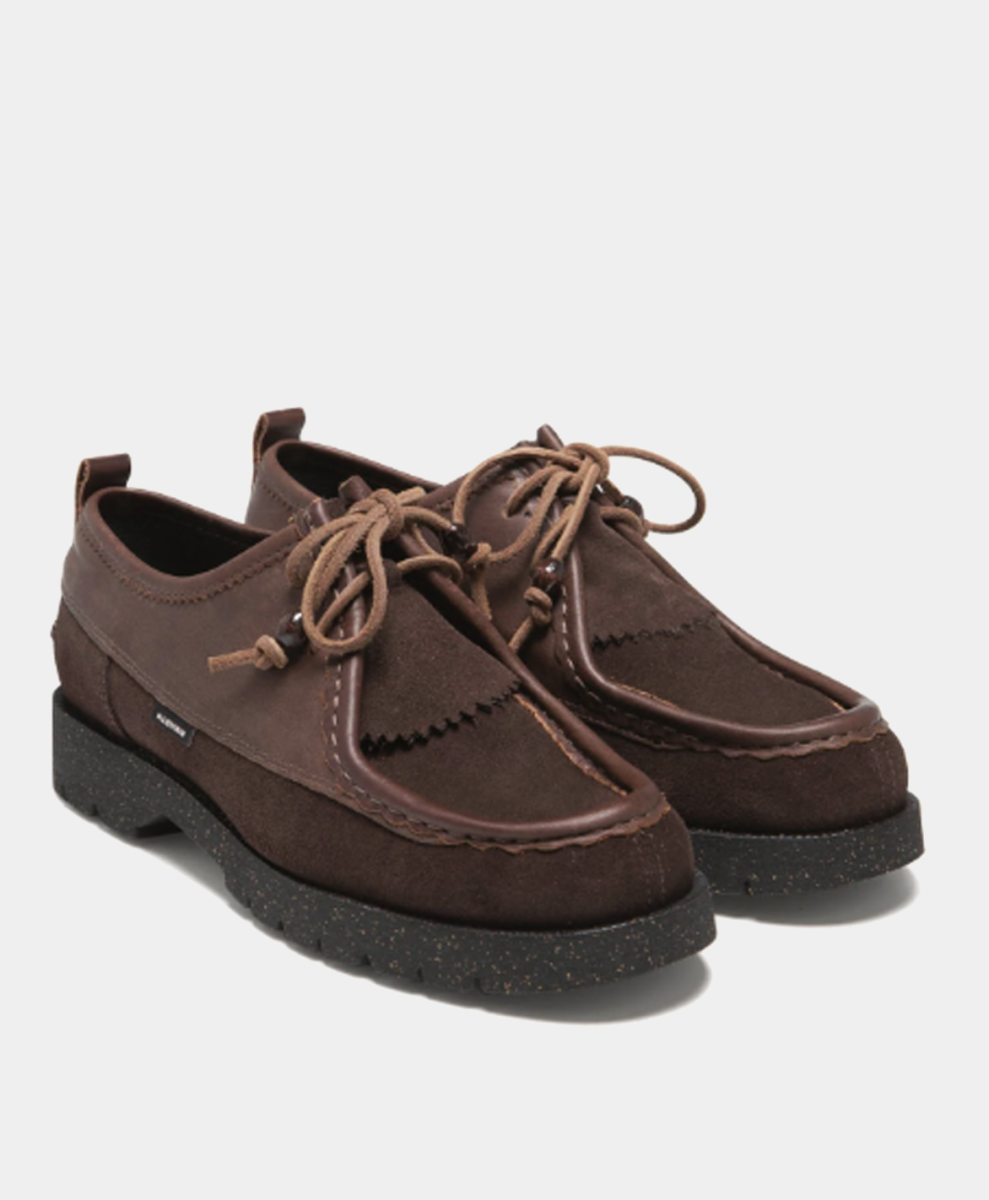
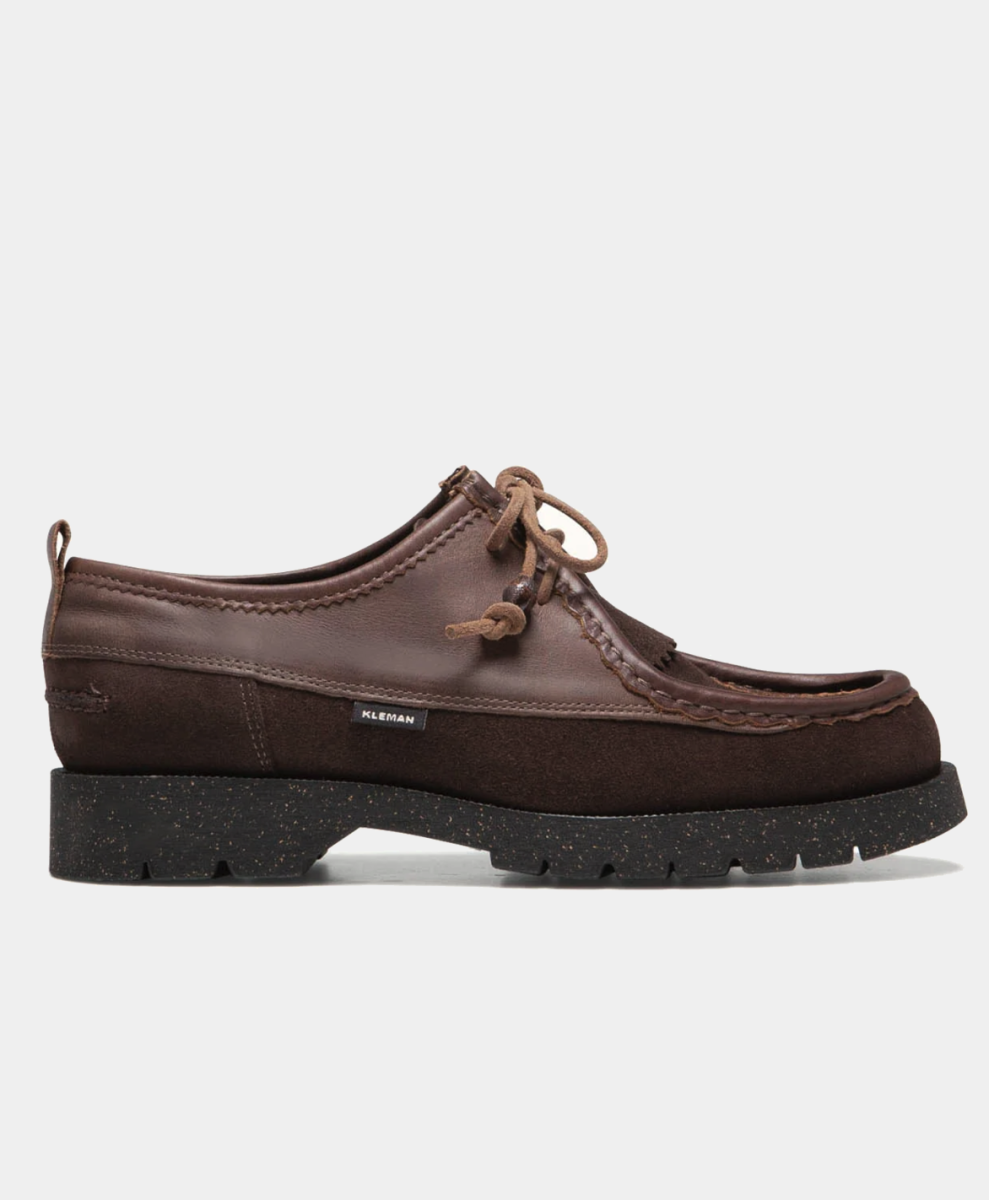
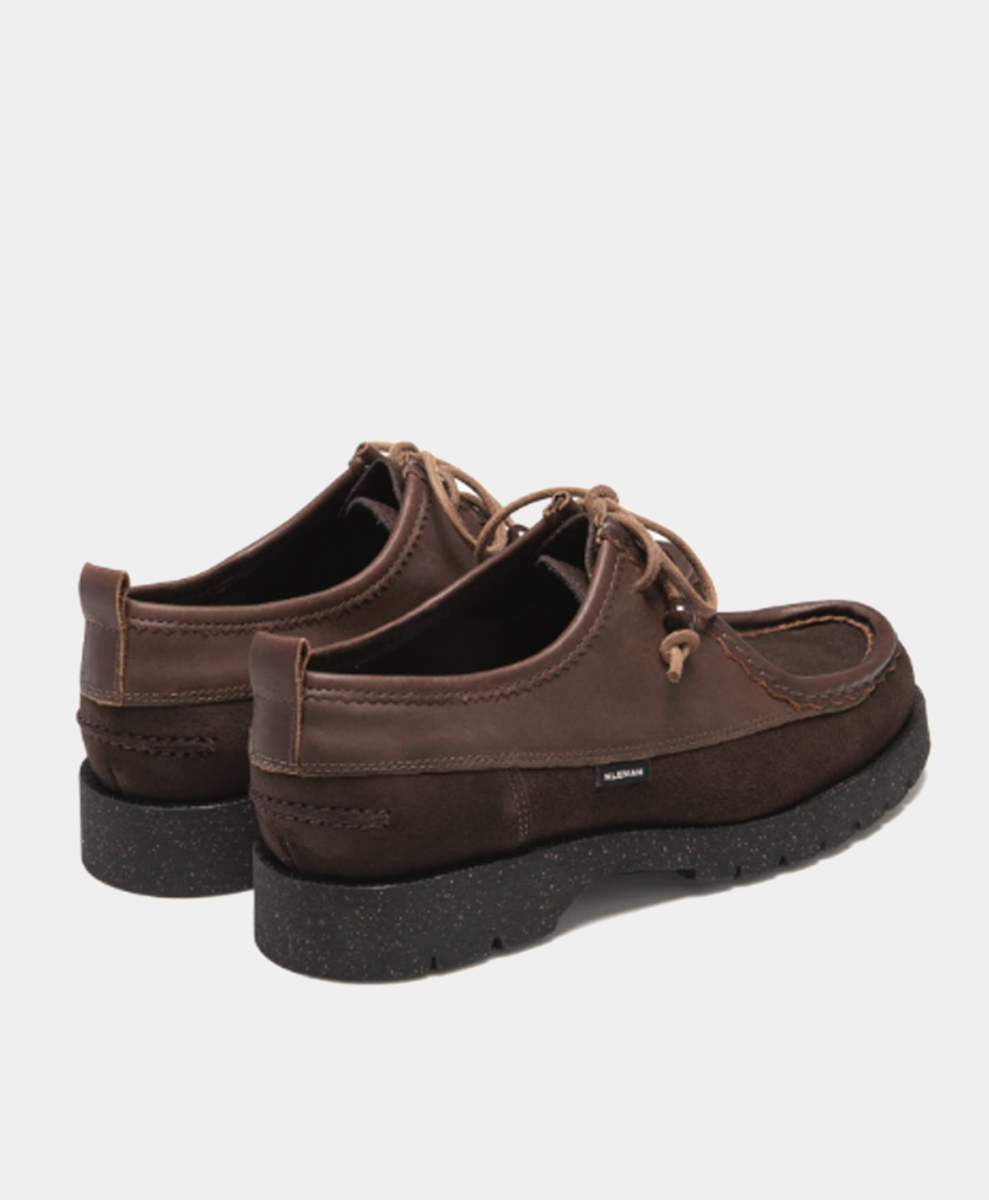
Tyrolean derbies
Once you start noticing Tyrolean shoes, they're suddenly everywhere.
The basic design has its roots in Alpine footwear, typically combining an apron toe with substantial leather uppers and a thick rubber sole. Paraboot's Michael is the benchmark, but there are plenty of alternatives from brands including Kleman.
Their current popularity makes sense when you look at what's happening above ankle level. Wider trousers need a certain amount of visual weight underneath them, and a slim dress shoe can sometimes look lost. The broad, rounded proportions of a Tyrolean derby provide balance without requiring you to wear a massive sneaker.
They're versatile too. A dark brown pair can move between denim, cords, fatigues and even relaxed tailoring without much trouble.
If loafers feel slightly too polished and work boots too heavy, this is the useful bit of middle ground.
Technical running shoes
The easiest way to make running shoes fashionable used to be to stop running in them. That's changed.
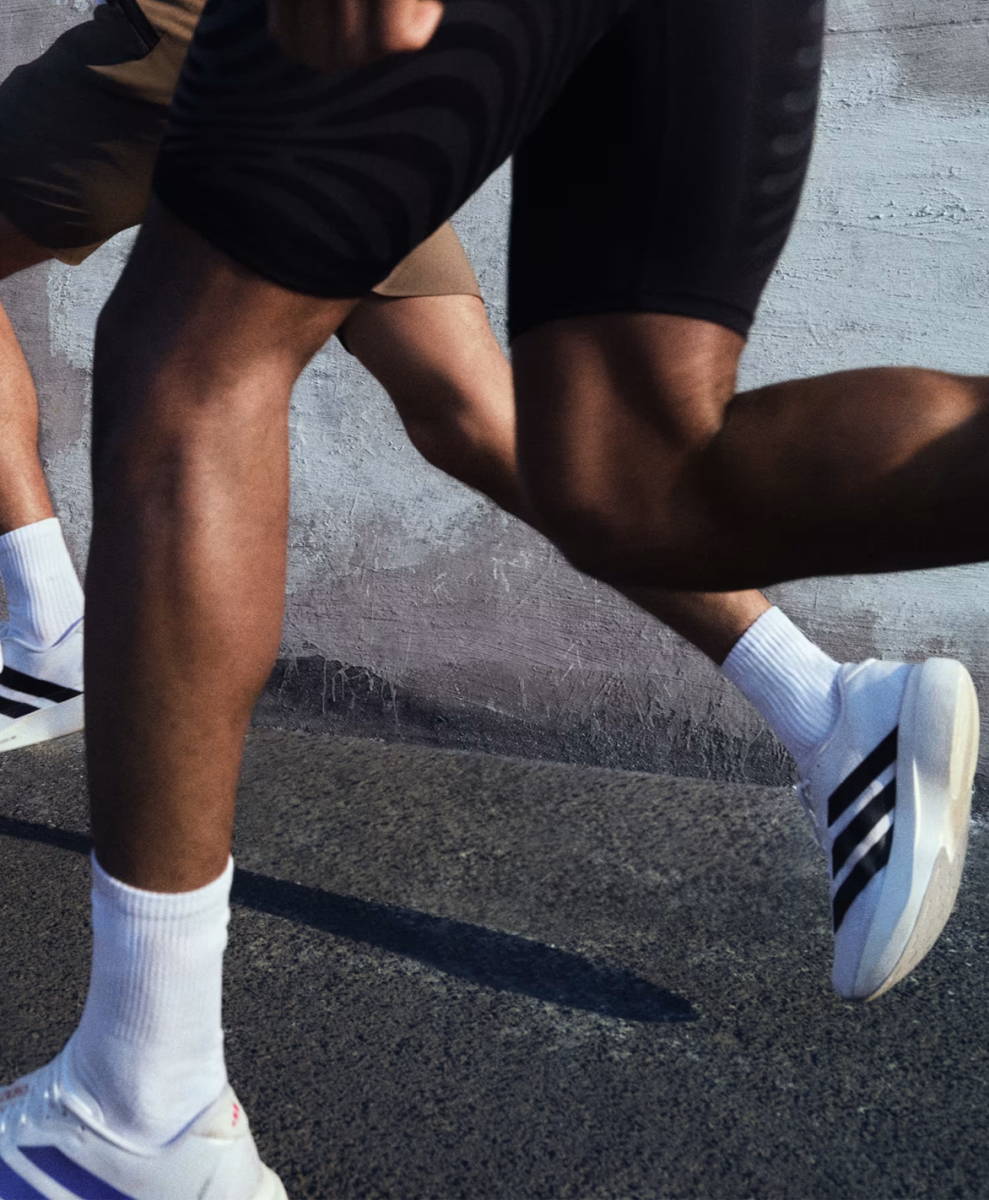
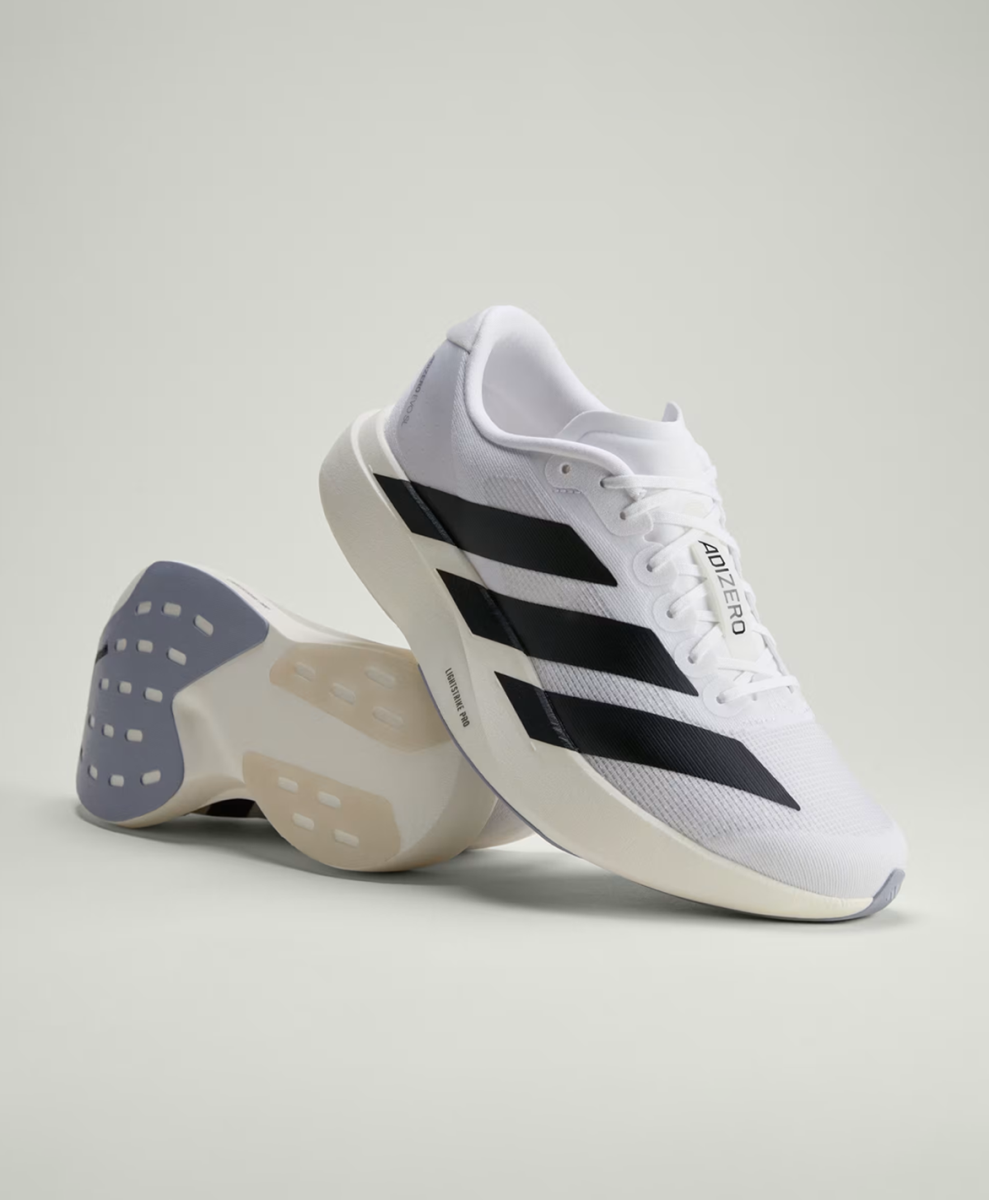
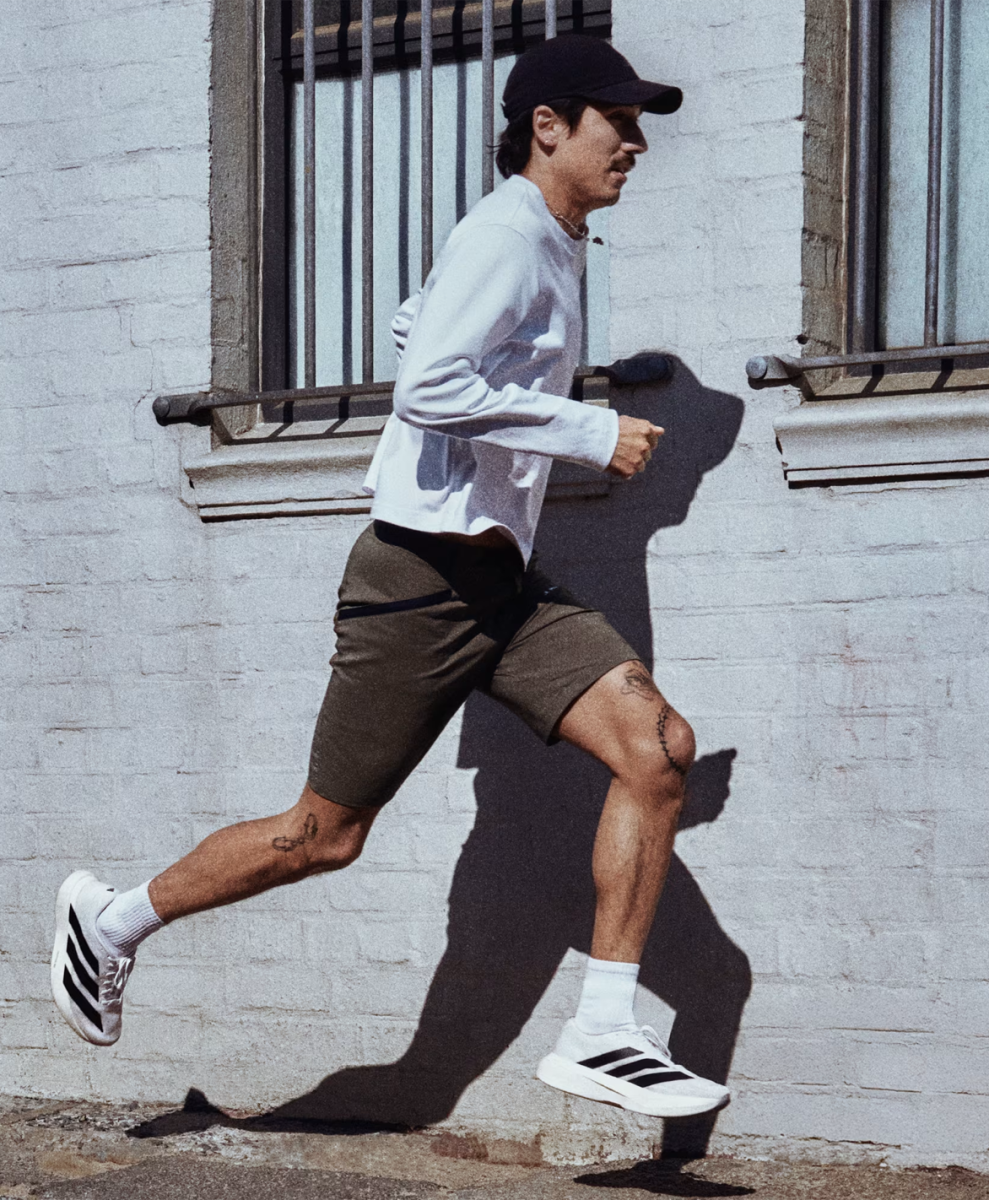
The distinction between performance footwear and lifestyle sneakers has become increasingly blurry, and some of the most interesting casual shoes now are genuine running models. Hoka, ASICS, Salomon, Mizuno and On all make highly technical footwear that has escaped its original sporting context.
The important distinction is that these aren't retro "running-inspired" sneakers. They're actual performance shoes, complete with oversized midsoles, mesh uppers, technical foams and occasionally fairly strange geometry.
That complexity works particularly well against simple autumn clothing. Relaxed jeans, a grey raglan coat and a pair of aggressively modern runners is often more interesting than playing it safe with leather sneakers.
Better still, they're comfortable. Fashion doesn't always provide opportunities to dress well while essentially walking around on two pieces of mattress foam, so enjoy it while you can.
GATs
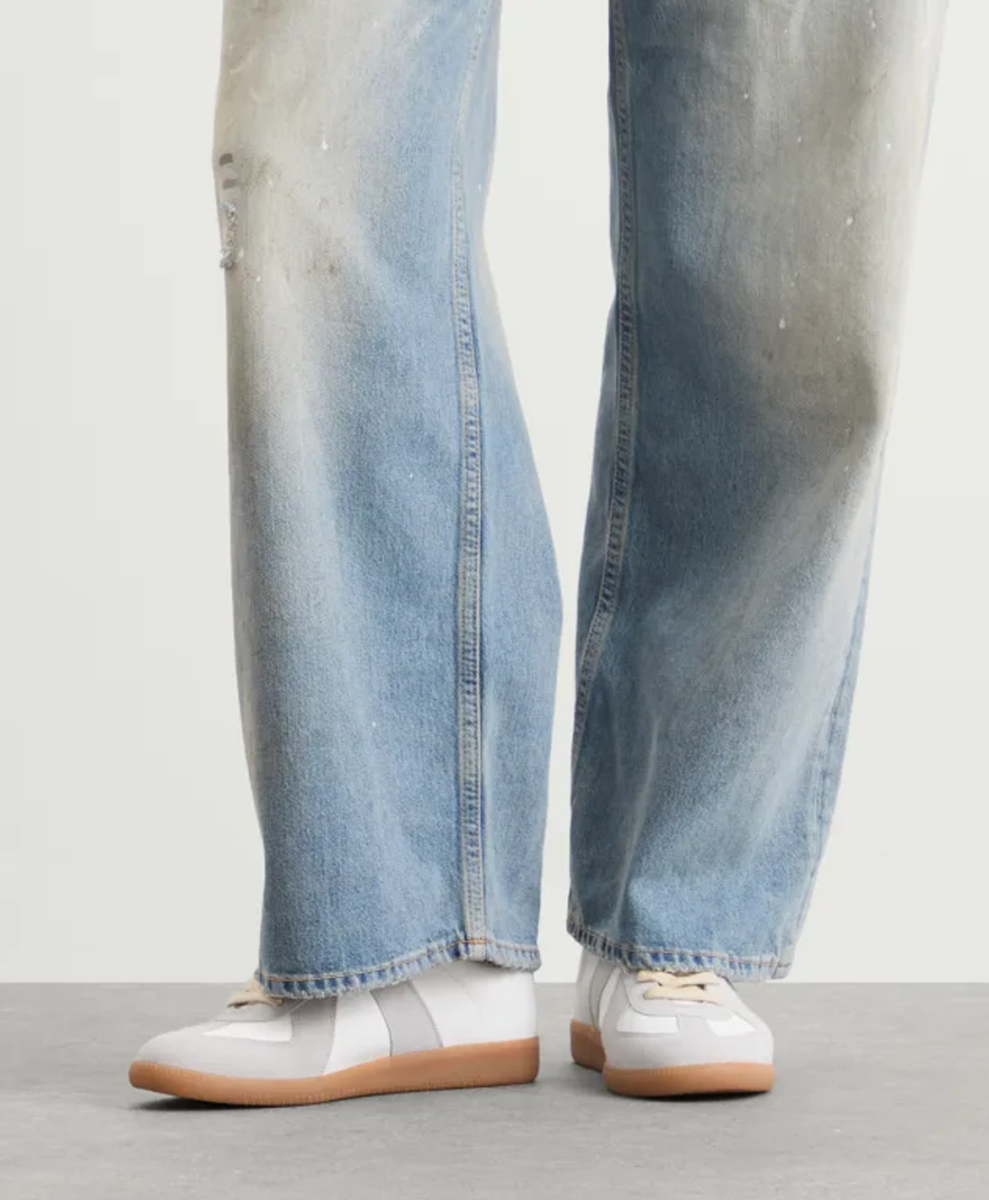
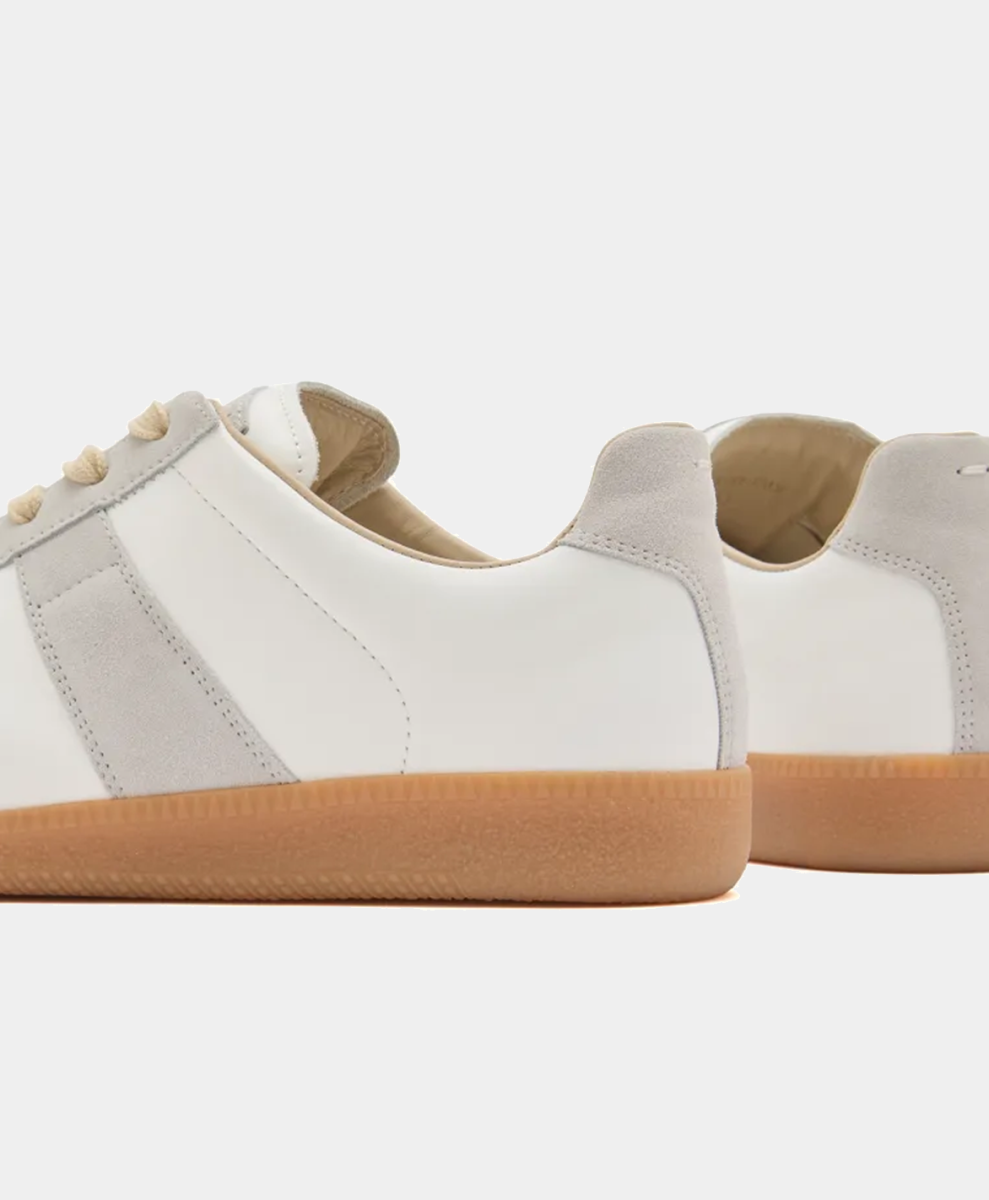
At the opposite end of the sneaker spectrum sits the German Army Trainer.
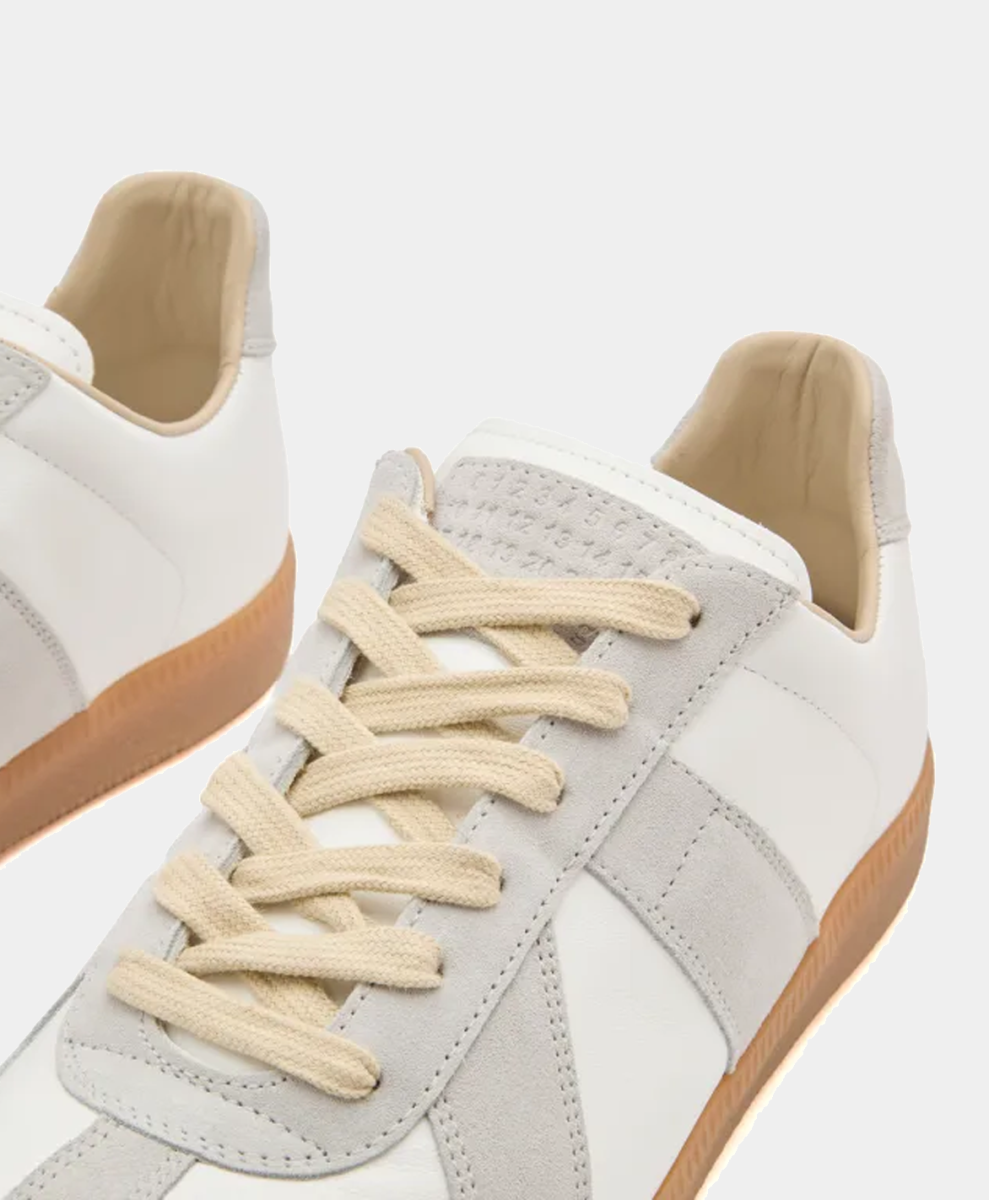
Originally developed as an indoor training shoe for the German military, the GAT has been endlessly reinterpreted since, most famously by Maison Margiela. Its appeal lies in how little there is to it: low-profile shape, leather upper, suede overlays and a simple gum sole.
That's useful right now. Sneakers have spent years getting increasingly complicated, whether through trail-running technology or deliberately exaggerated proportions. The GAT feels like a palate cleanser.
It also offers an alternative to the Adidas Samba without feeling quite so ubiquitous. Wear a pair beneath relaxed jeans or wide trousers and the slim silhouette provides a neat contrast without looking dainty.
White and grey is the classic combination. You could experiment with colour, but that rather misses the point. The GAT is good because it doesn't try particularly hard.
Key accessories
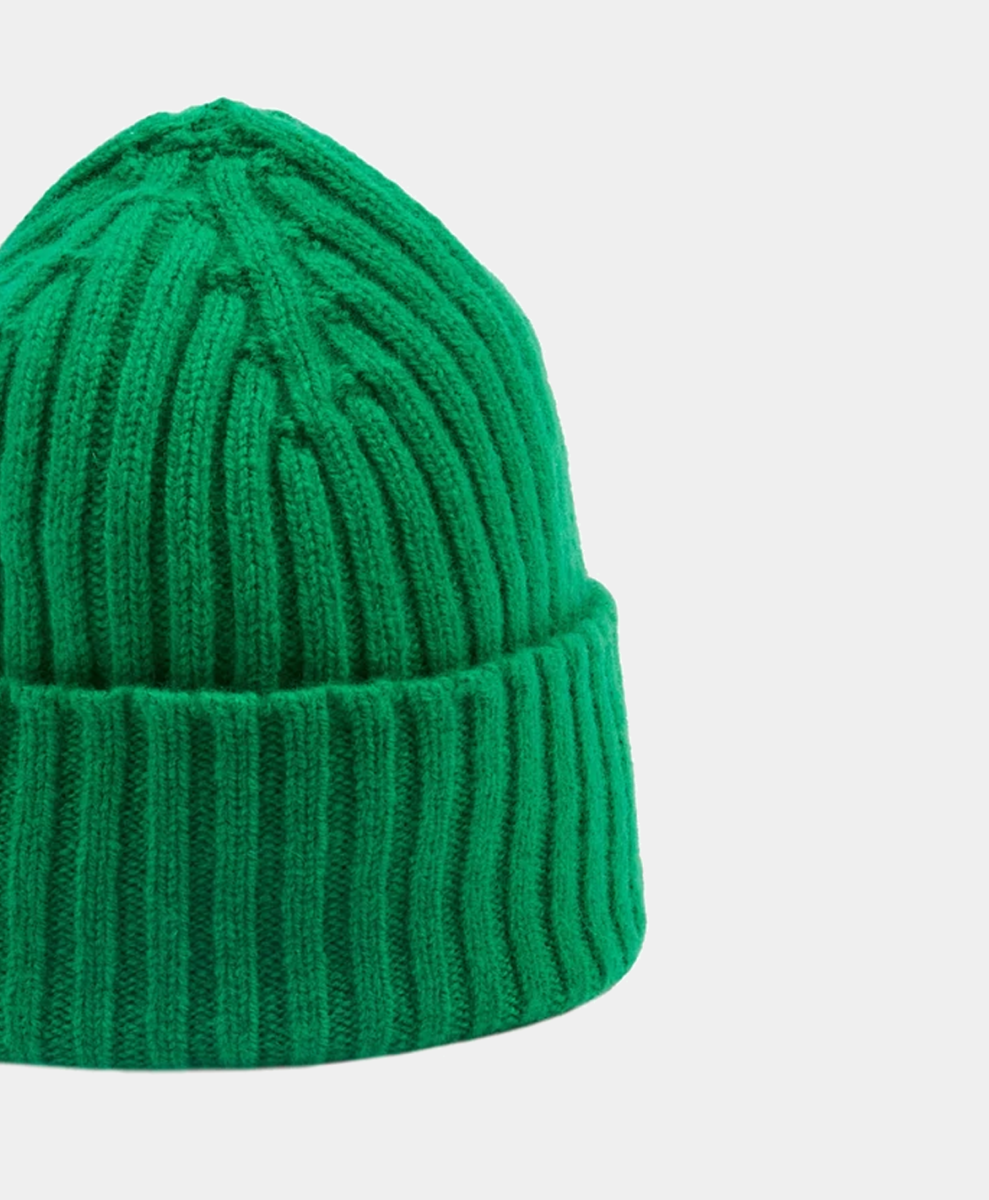
Colour-pop beanie
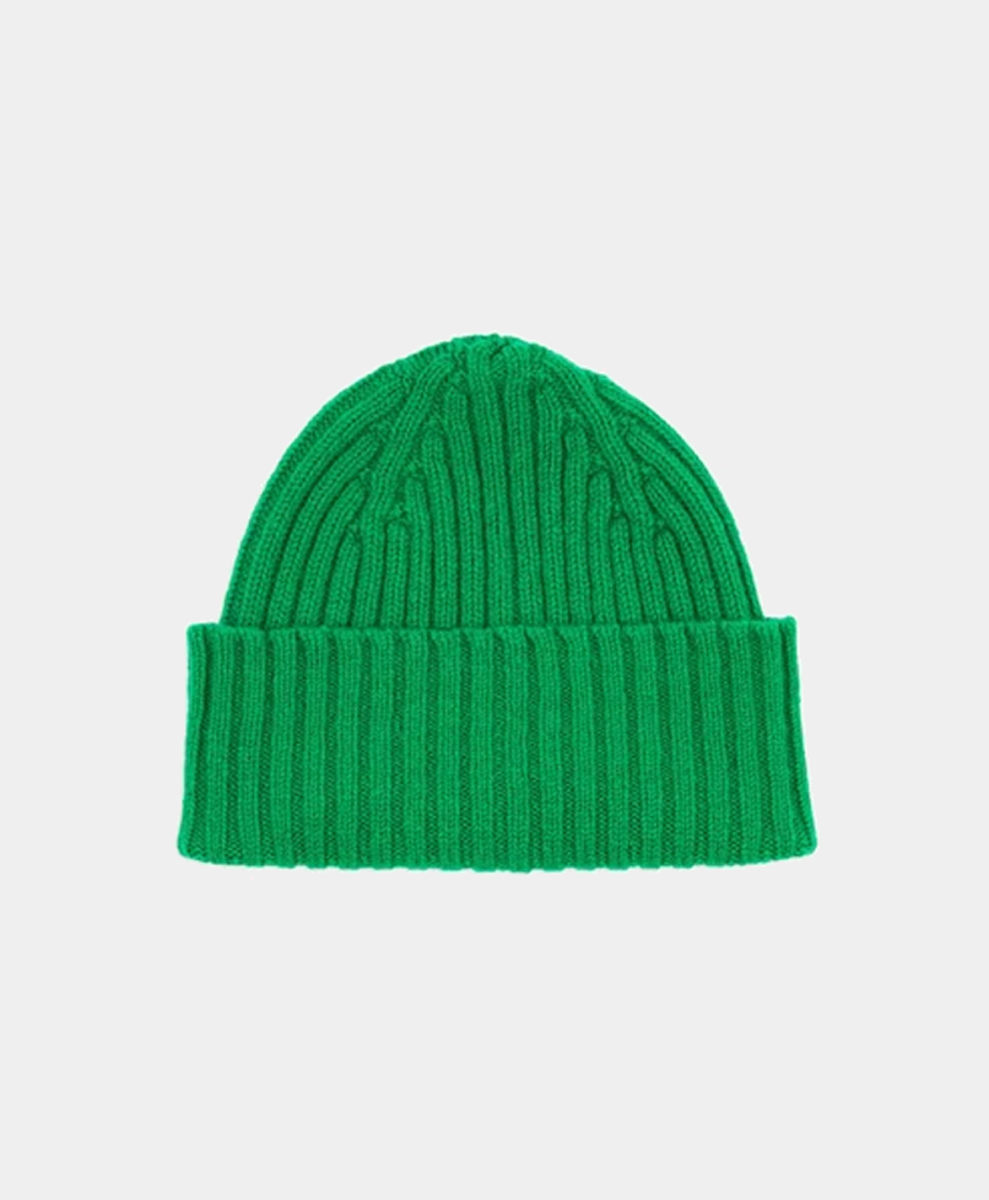
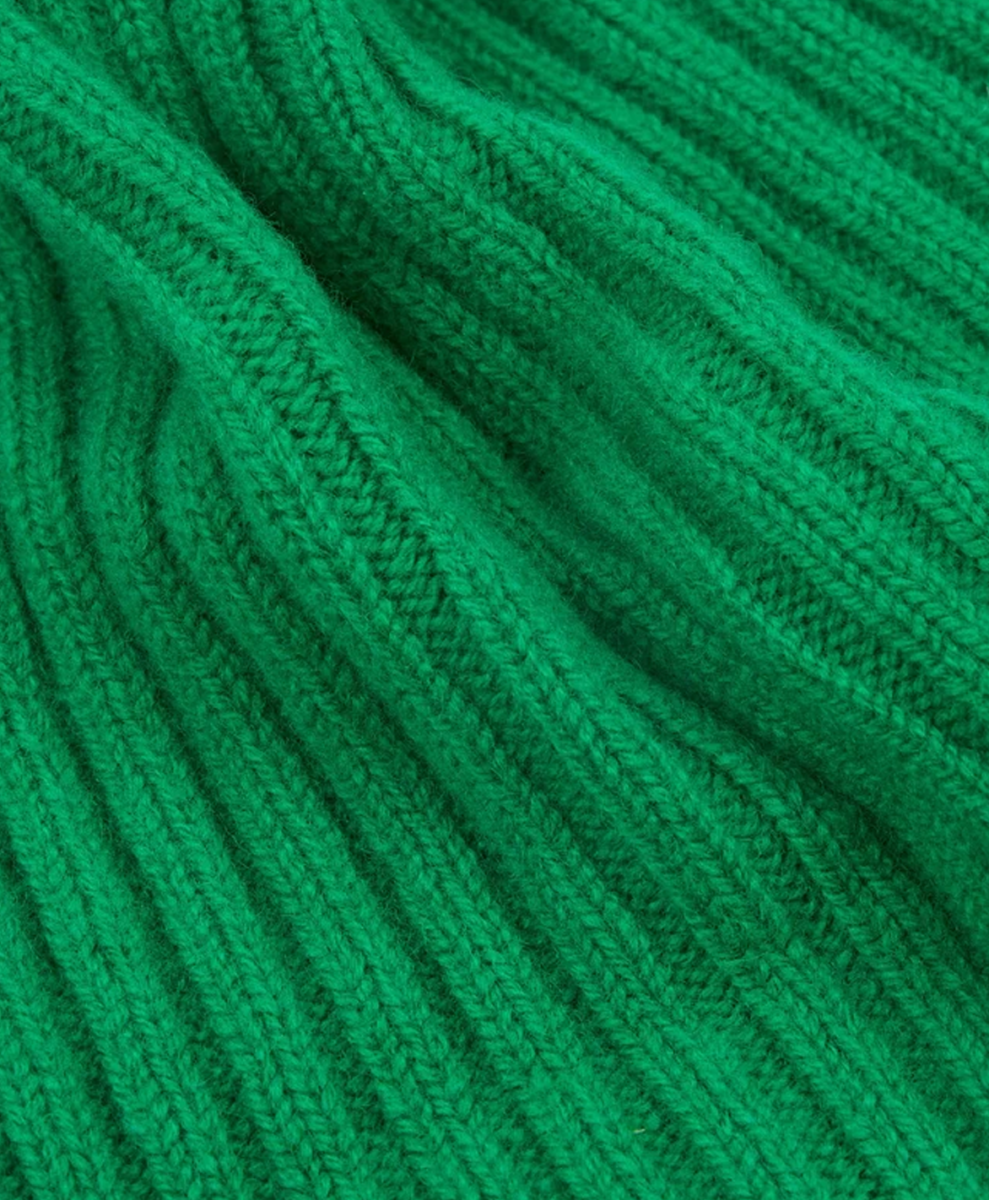
You don't need to dress like a packet of highlighters to acknowledge that colour is back. Sometimes a hat will do.
A brightly coloured beanie is one of the easiest ways to break up autumn's inevitable sea of brown, grey, olive and navy. Acid green is particularly effective, but cobalt blue, orange, red and yellow can perform the same job.
Keep everything else relatively restrained and let the hat provide the punctuation. It's considerably cheaper than discovering six months from now that perhaps you didn't need an electric-green overcoat after all.
Cashmere scarf
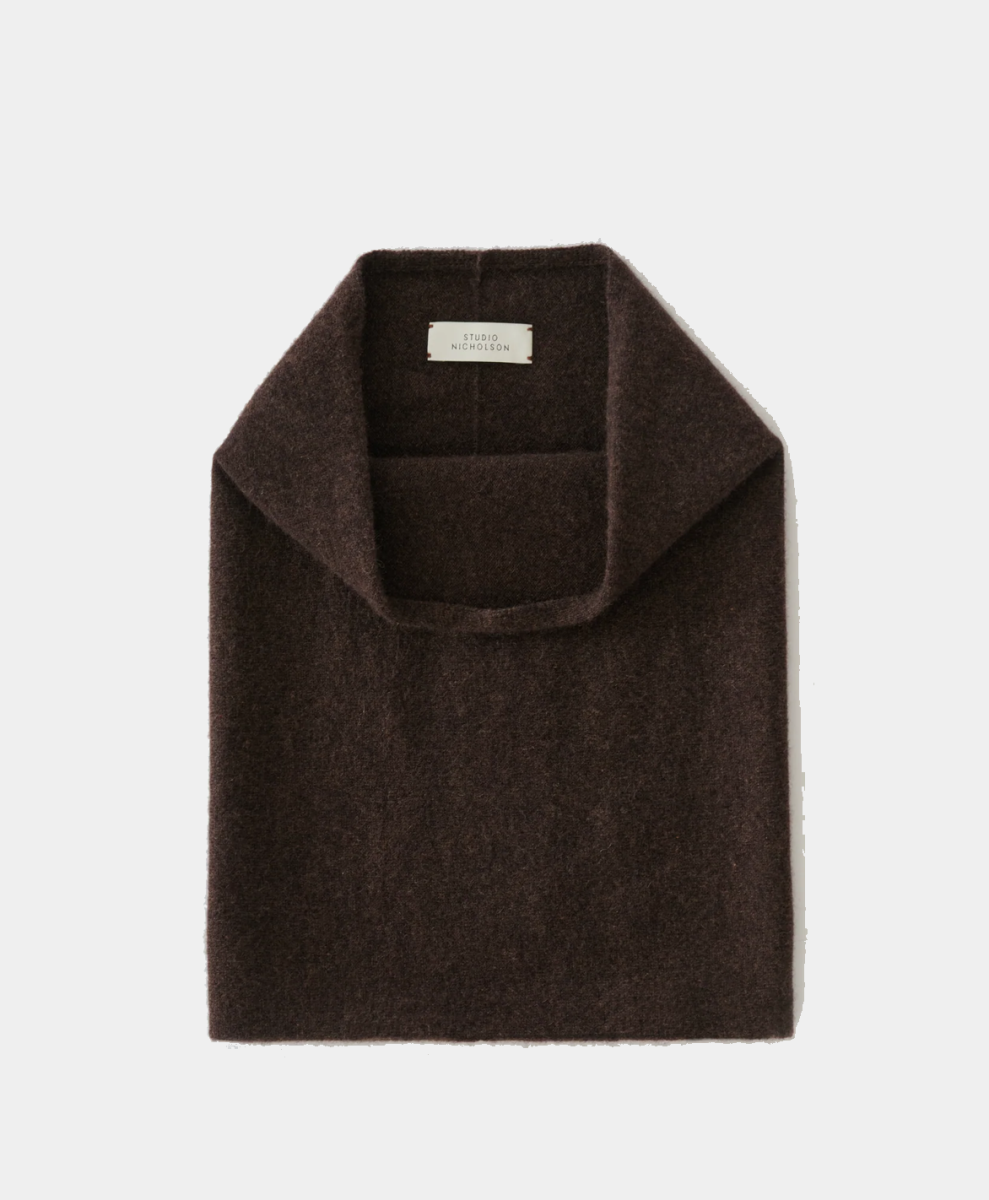
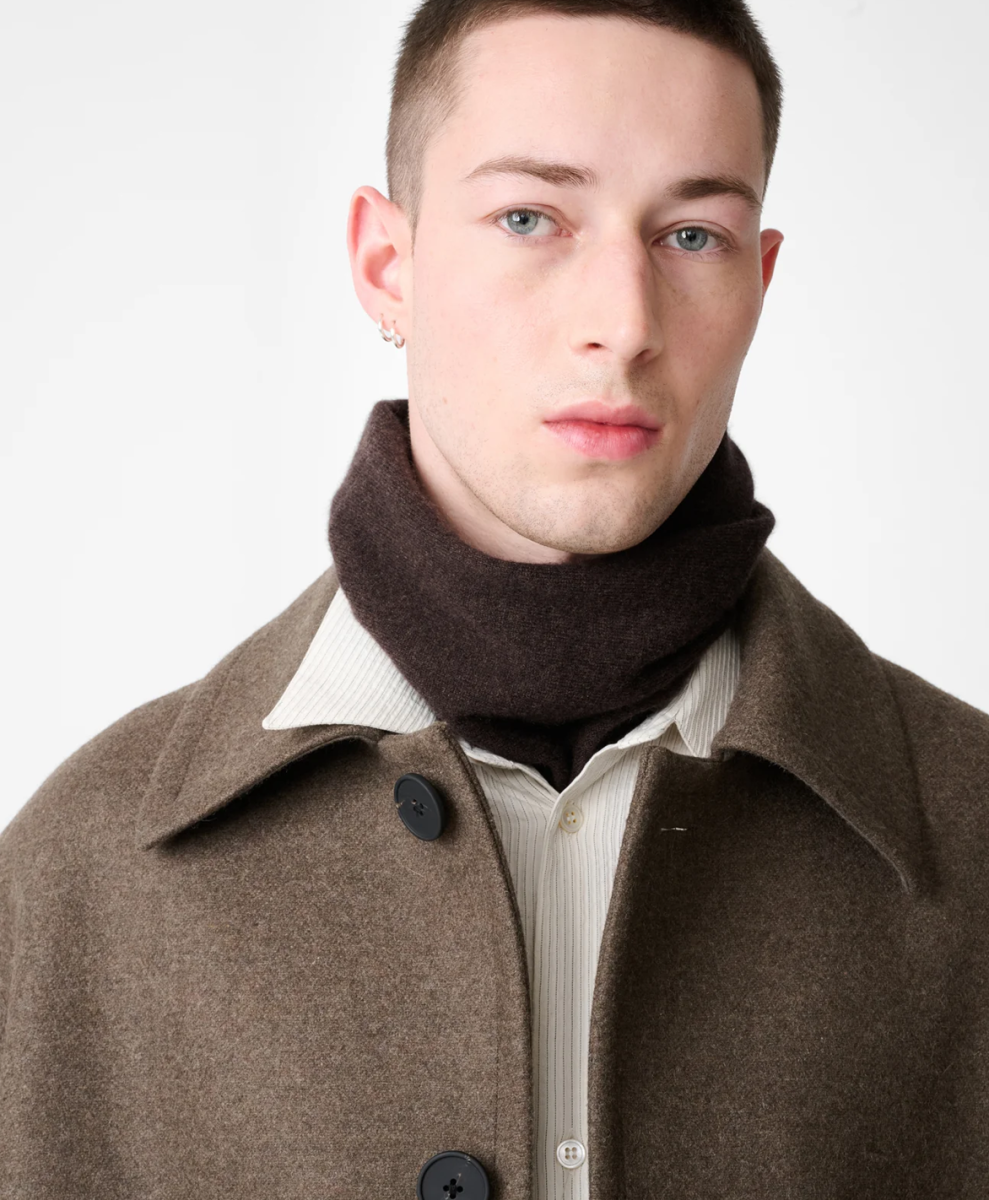
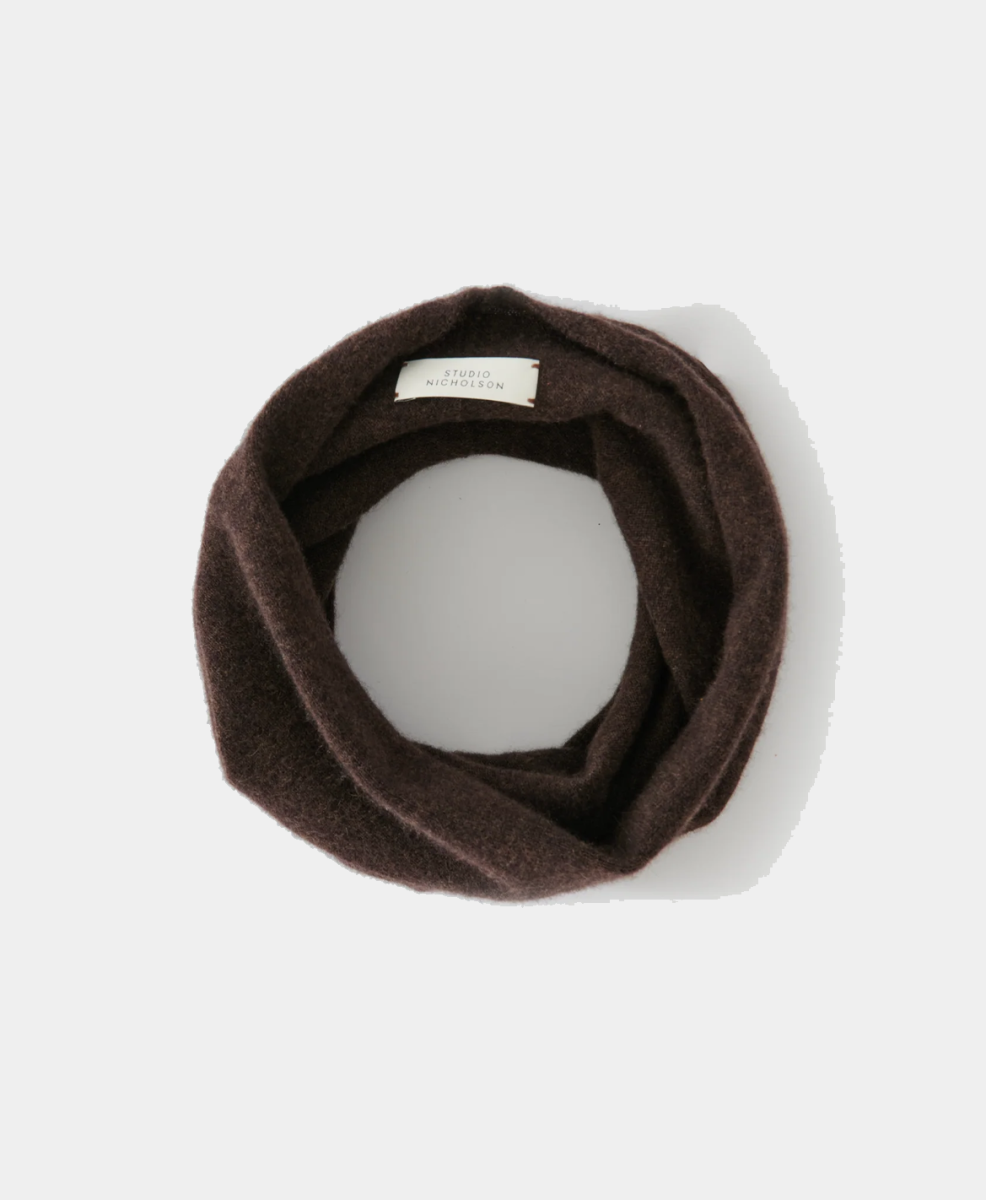
Some trends require explanation. A soft scarf when it's cold outside isn't one of them.
Cashmere makes sense because it provides significant warmth without the bulk and scratchiness of some heavier wool scarves. It also adds a little luxury to outfits without resorting to logos or conspicuous branding.
Grey, camel, navy and chocolate are the obvious choices, while a larger brushed version can bring some useful texture to a plain overcoat. Buy a good one and look after it and there's no reason it shouldn't still be around long after anyone has stopped talking about autumn 2026.
Worn-in baseball cap
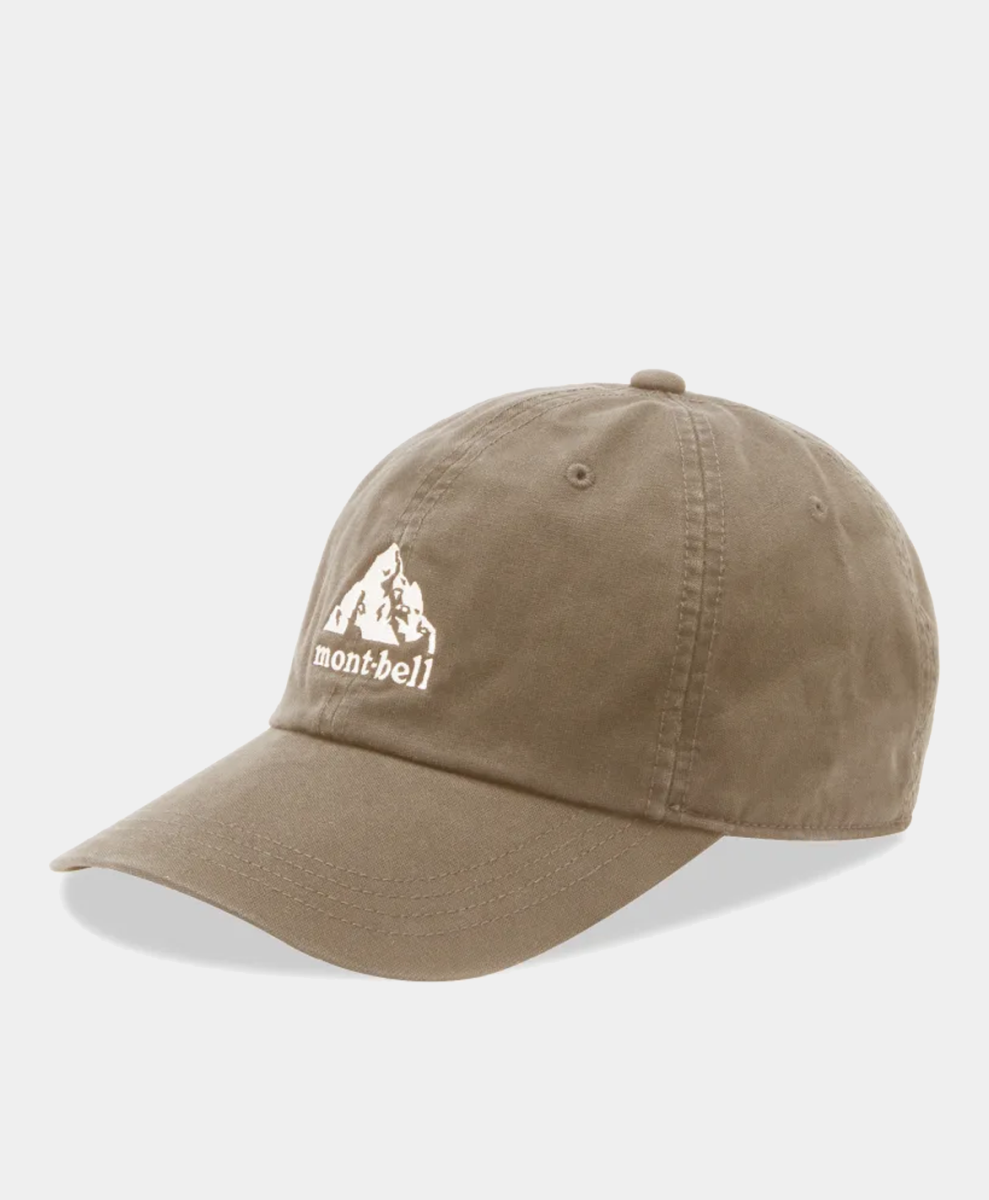
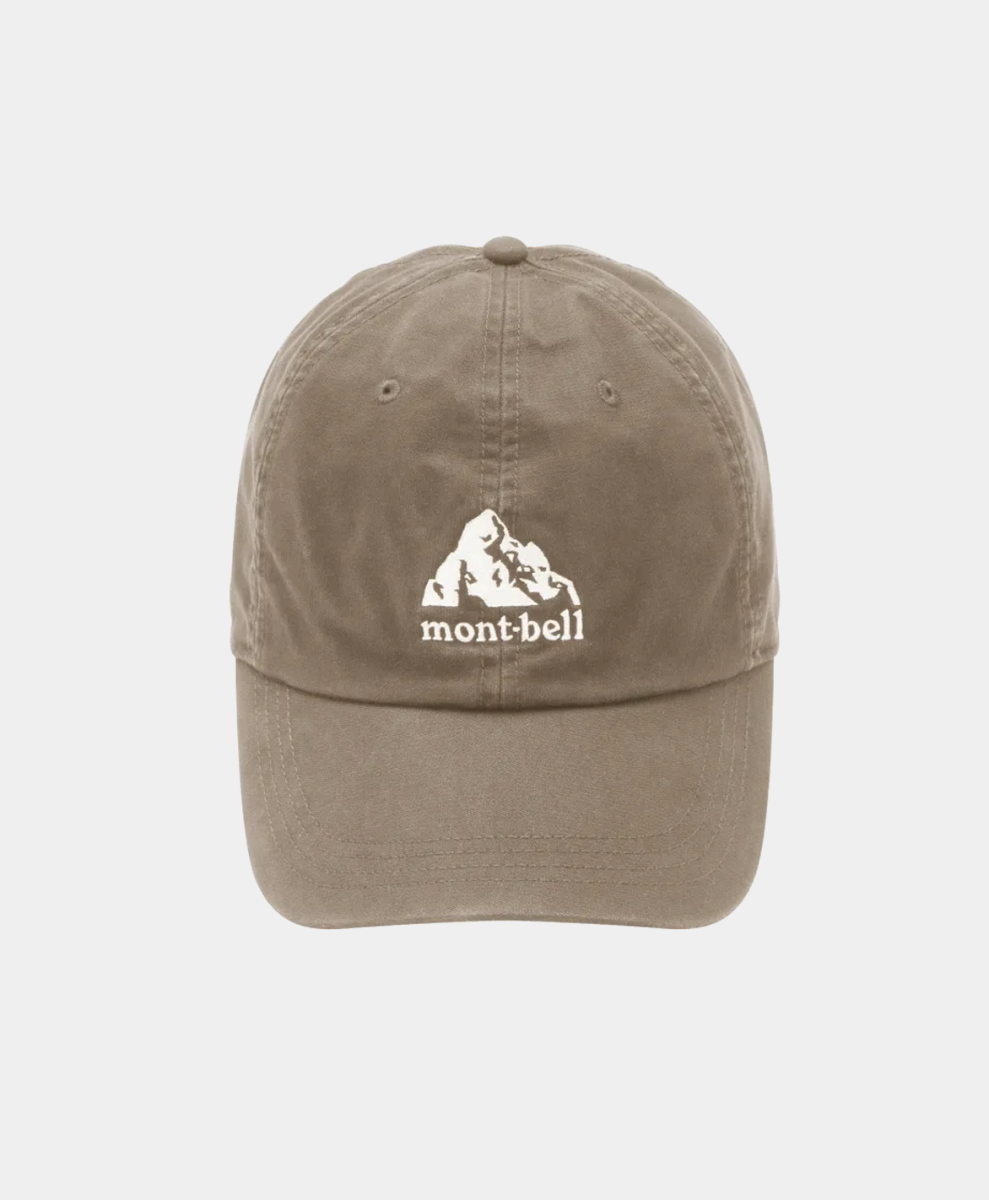
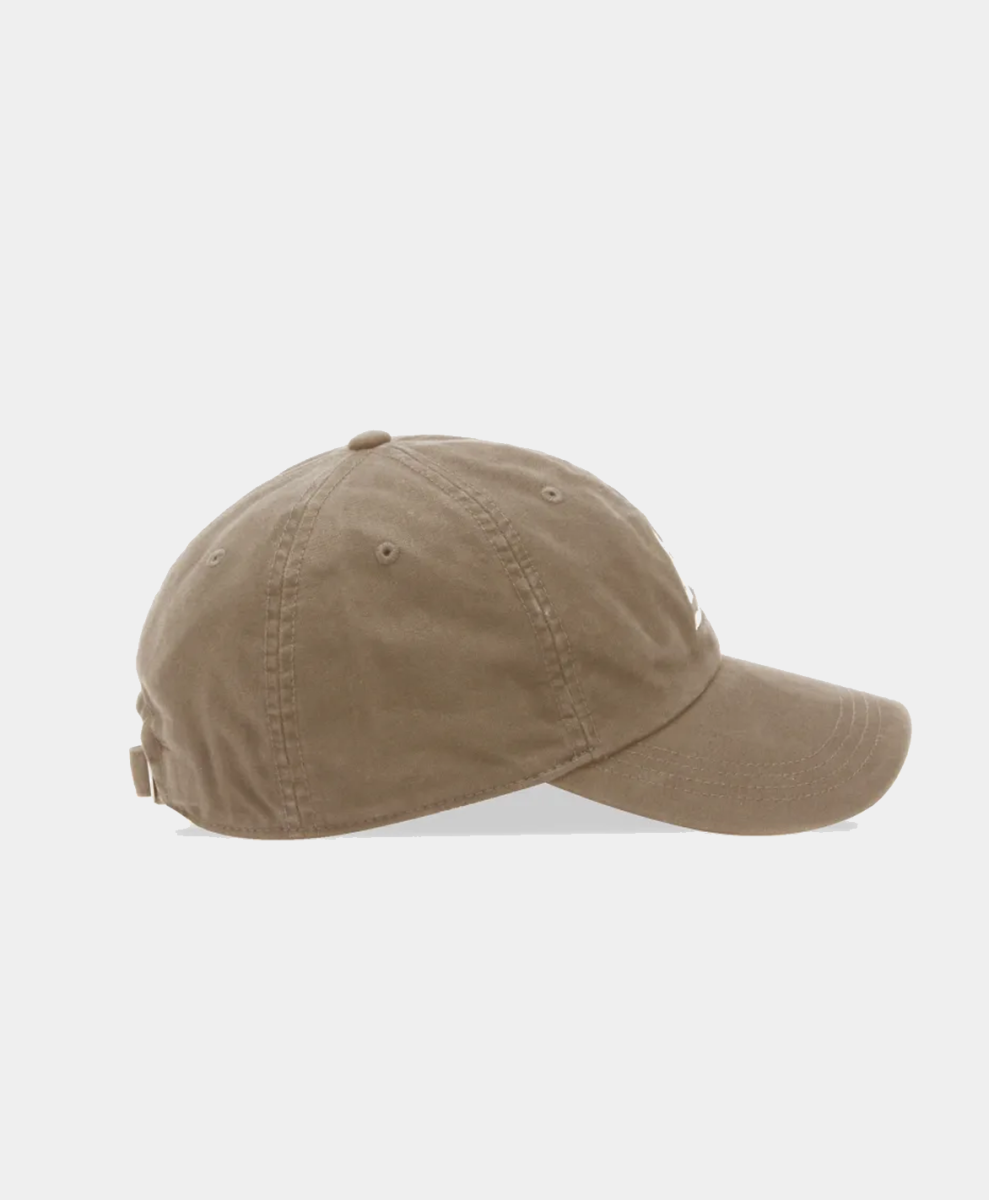
Pristine caps have their place, but washed cotton, faded colours and slightly battered brims fit much better with menswear's current appetite for clothes that feel lived in. Think vintage sports caps, old promotional headwear and deliberately washed-out versions from contemporary brands.
The styling is important. Put one with an overcoat, knitwear or wax jacket rather than a hoodie and sneakers and it becomes less sportswear, more casual counterpoint.
Just be careful with artificially distressed versions. There's a fine line between pleasantly faded and looking like you've been attacked by a lawnmower.
Light-tint sunglasses
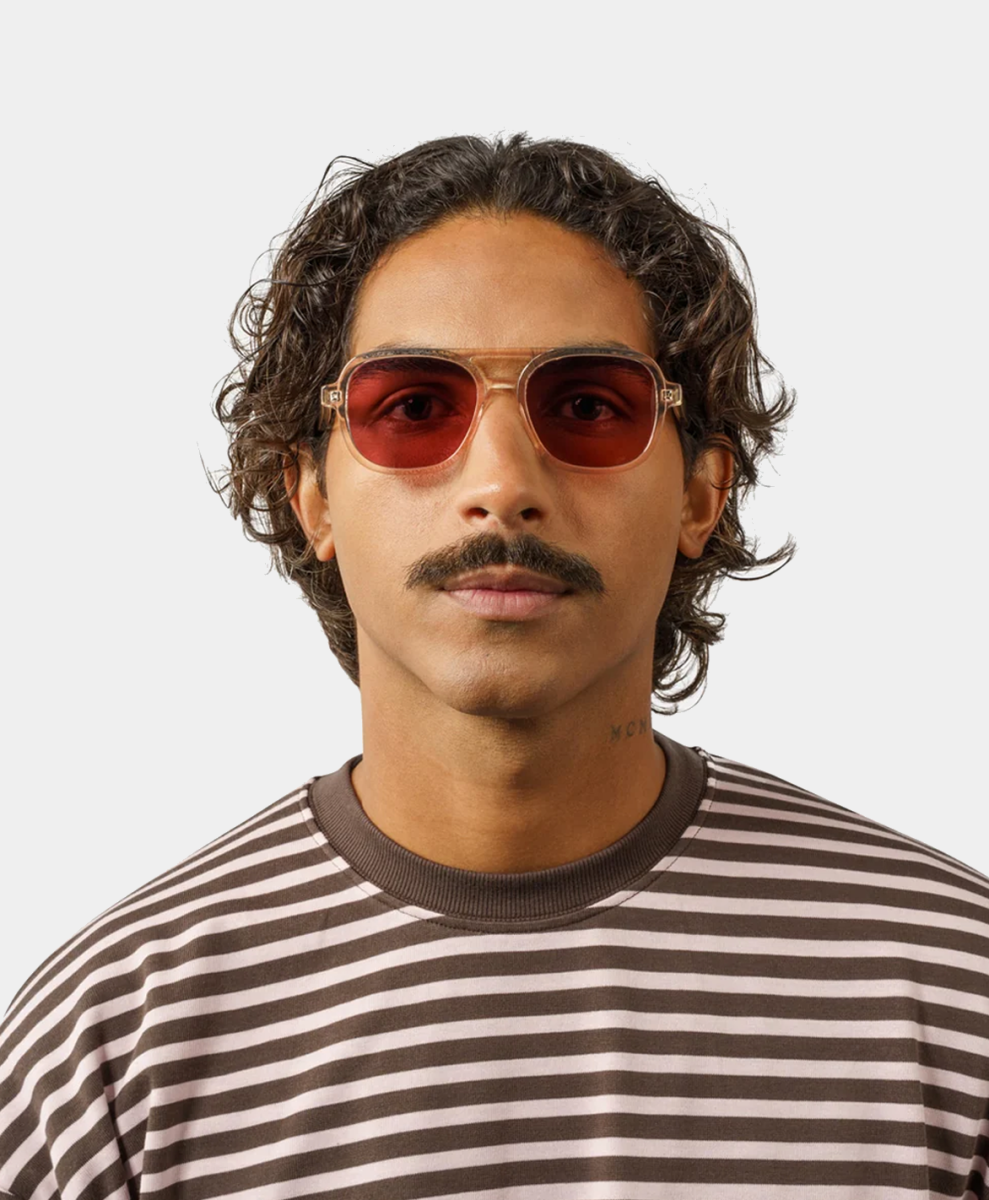
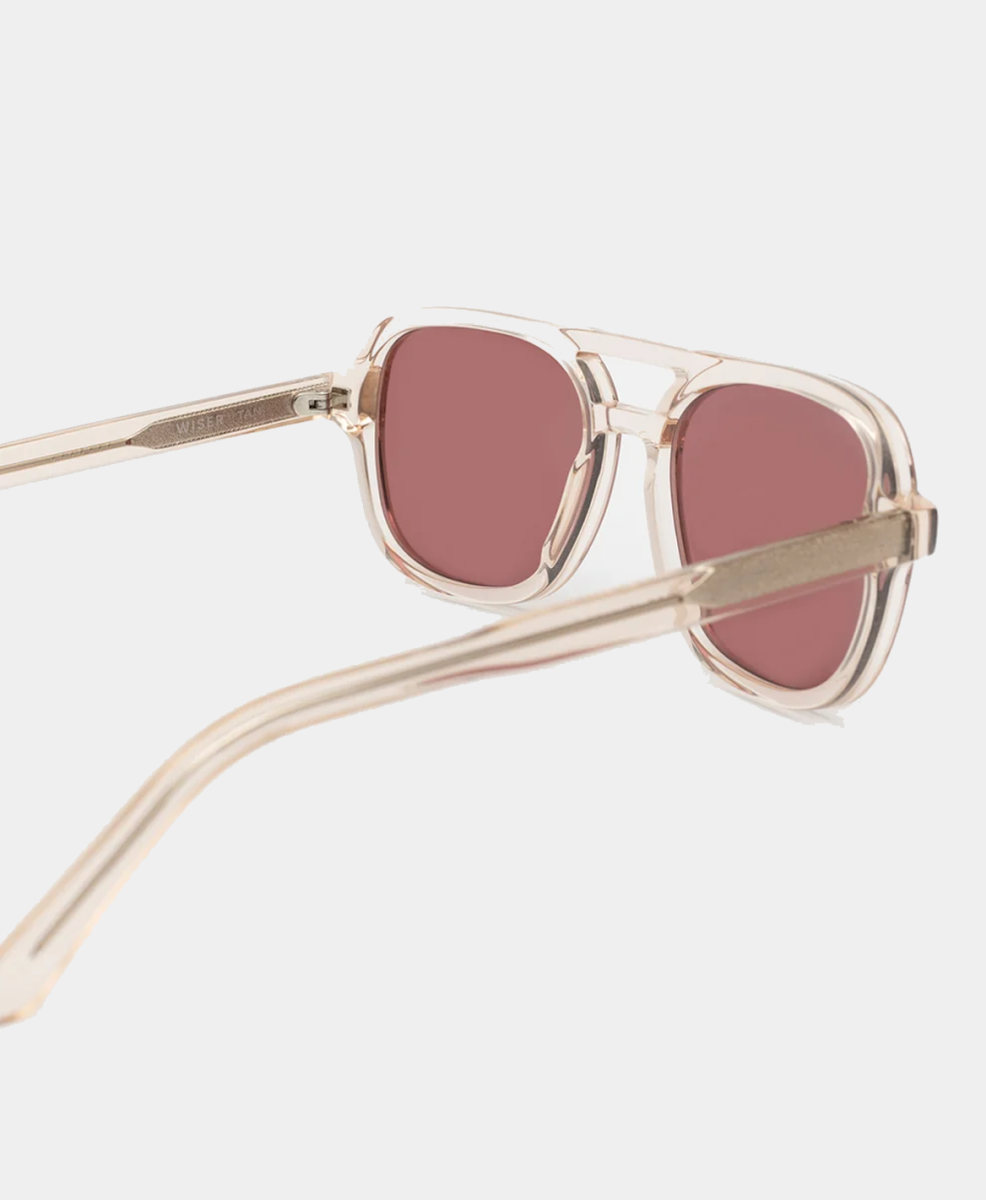
Sunglasses don't have to disappear the moment summer does. They just need to become slightly less sunglass-y.
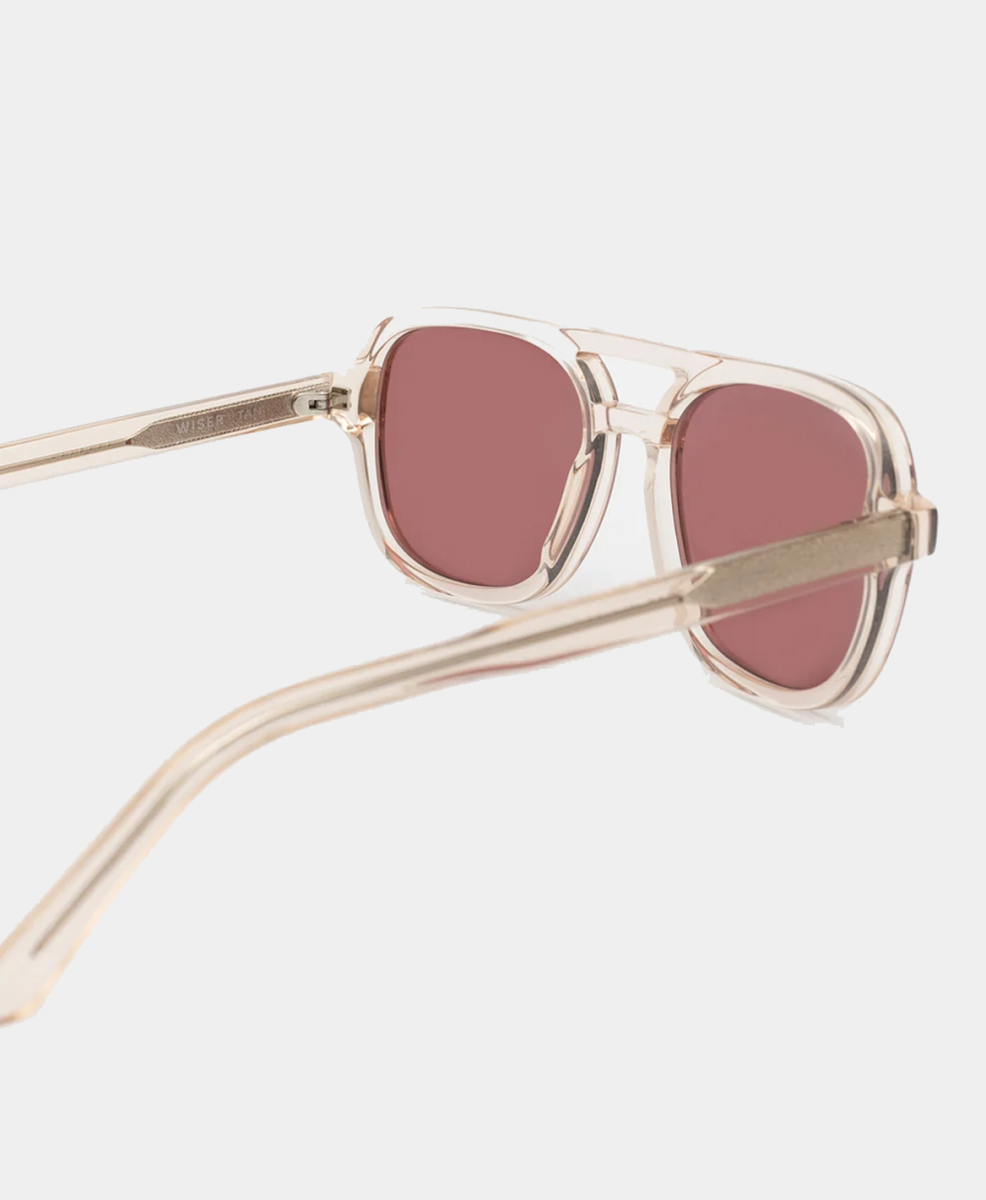
Lightly tinted lenses in amber, yellow, pale blue and smoke are ideal for autumn because they take the edge off brightness without making a grey Newcastle afternoon look like midnight. They also allow the eyes to remain visible, which gives them a completely different character to dark summer lenses.
Thin metal frames work particularly well, as do understated acetate shapes. The overall effect should feel more 1970s intellectual than celebrity attempting to leave a restaurant unnoticed.
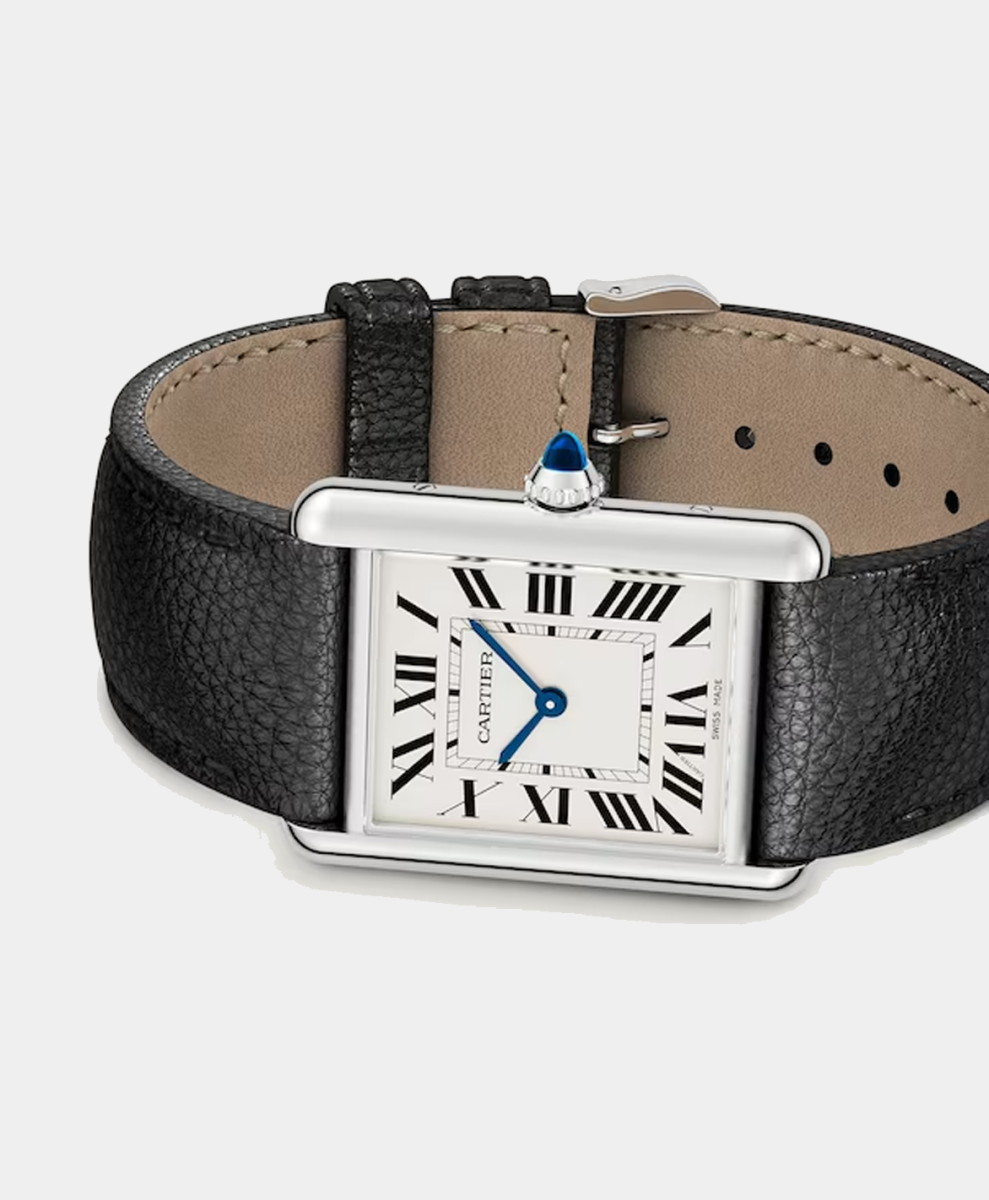
Slim dress watch
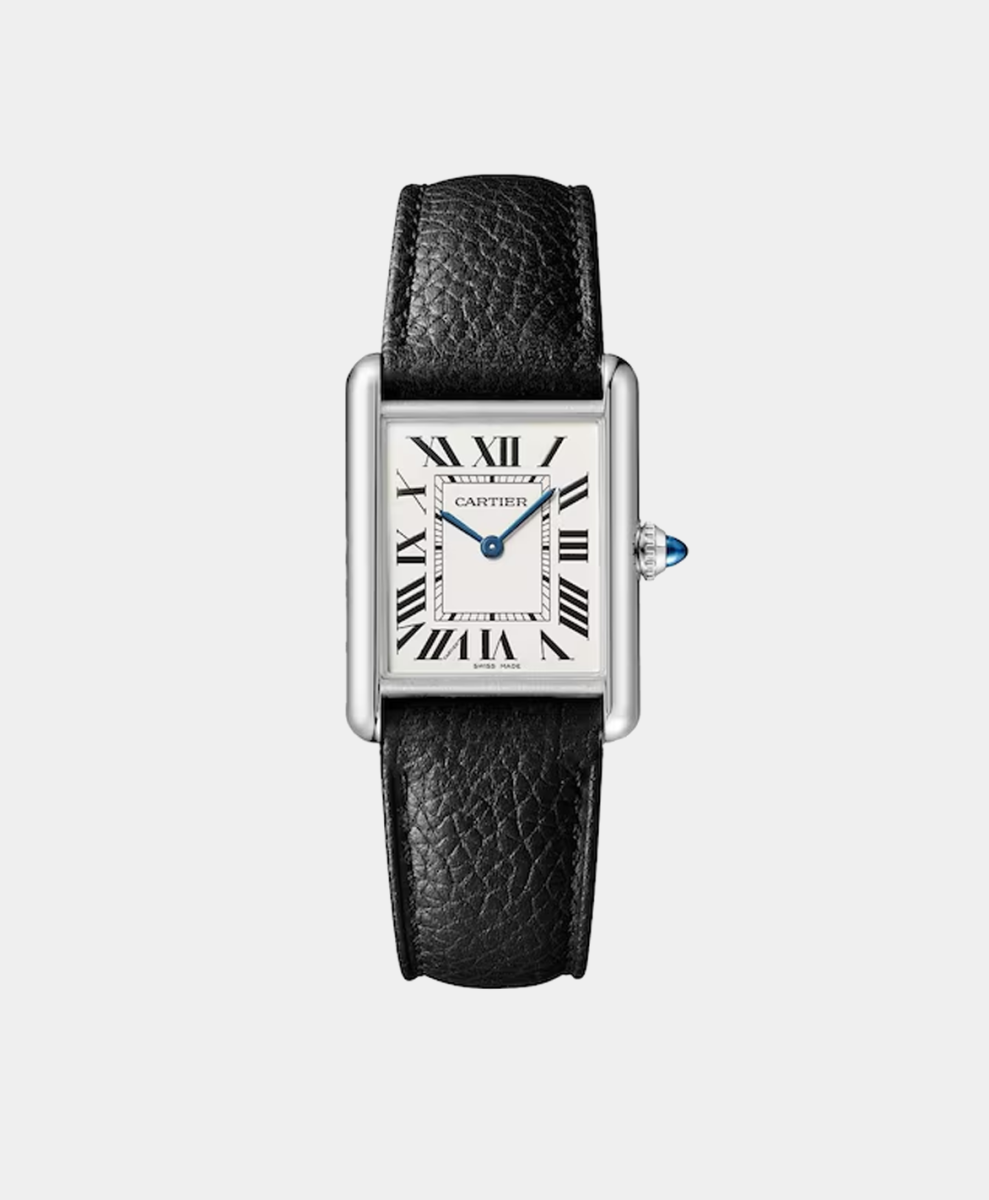
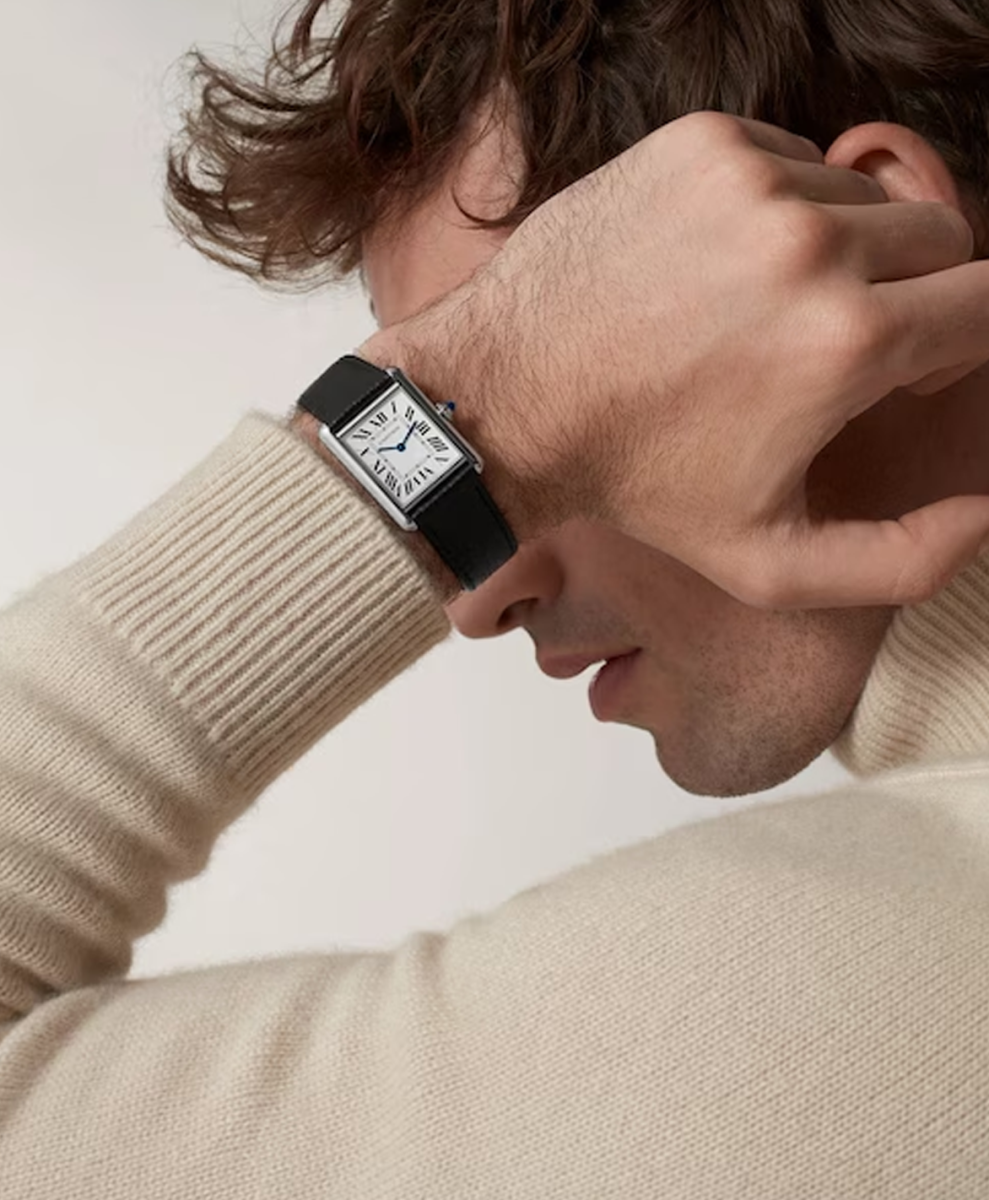
After years of wrists being dominated by large dive watches and hulking integrated-bracelet sports models, small watches feel interesting again.
A slim dress watch offers precisely the opposite experience. Modest case, uncomplicated dial, leather strap. Something that quietly slips underneath the cuff of a sweater rather than requiring the sleeve to navigate around it.
Vintage watches are particularly good territory here, but you don't need to go old. Look for cases somewhere around the mid-30mm mark, simple indices and as little unnecessary information on the dial as possible.
The Cartier Tank is the obvious reference point, but vintage Omega and Longines pieces demonstrate how much character can be squeezed into very little wrist real estate.