The cardigan has spent a lot of time fighting an image problem. For years, it was difficult to look at one without thinking of geography teachers, grandads or Kurt Cobain – depending on the fit, colour and general state of disrepair. But menswear has finally come back around to the idea, and for good reason.
A good cardigan is one of the most useful pieces of knitwear you can own. It does everything a crew-neck sweater does, but with more layering potential and considerably more personality. Wear one open over a T-shirt and jeans, button it up beneath a coat, or use a chunky version in place of a lightweight jacket when the weather allows.
The trick is getting the styling right. Cuts are generally roomier than they once were, trousers are wider and the best cardigans tend to look better slightly relaxed rather than neat and fitted. With that in mind, here are the styles, combinations and simple rules worth knowing.
Table of Contents
- How should a men’s cardigan fit?
- The cardigan styles worth knowing
- How to wear a cardigan: 8 outfits that always work
- What to wear under a cardigan
- What shoes work with a cardigan?
- Cardigan styling mistakes to avoid
How should a men’s cardigan fit?
There’s no single correct answer. A fine-gauge merino cardigan worn with tailoring should fit differently to a chunky lambswool version thrown over a T-shirt, so concentrate on proportion rather than chasing one supposedly perfect silhouette.
As a general rule, avoid anything excessively tight. A cardigan should have enough room to accommodate whatever you’re wearing beneath it without pulling at the buttons or clinging around the torso. Even relatively smart versions tend to look better with a little ease through the body.
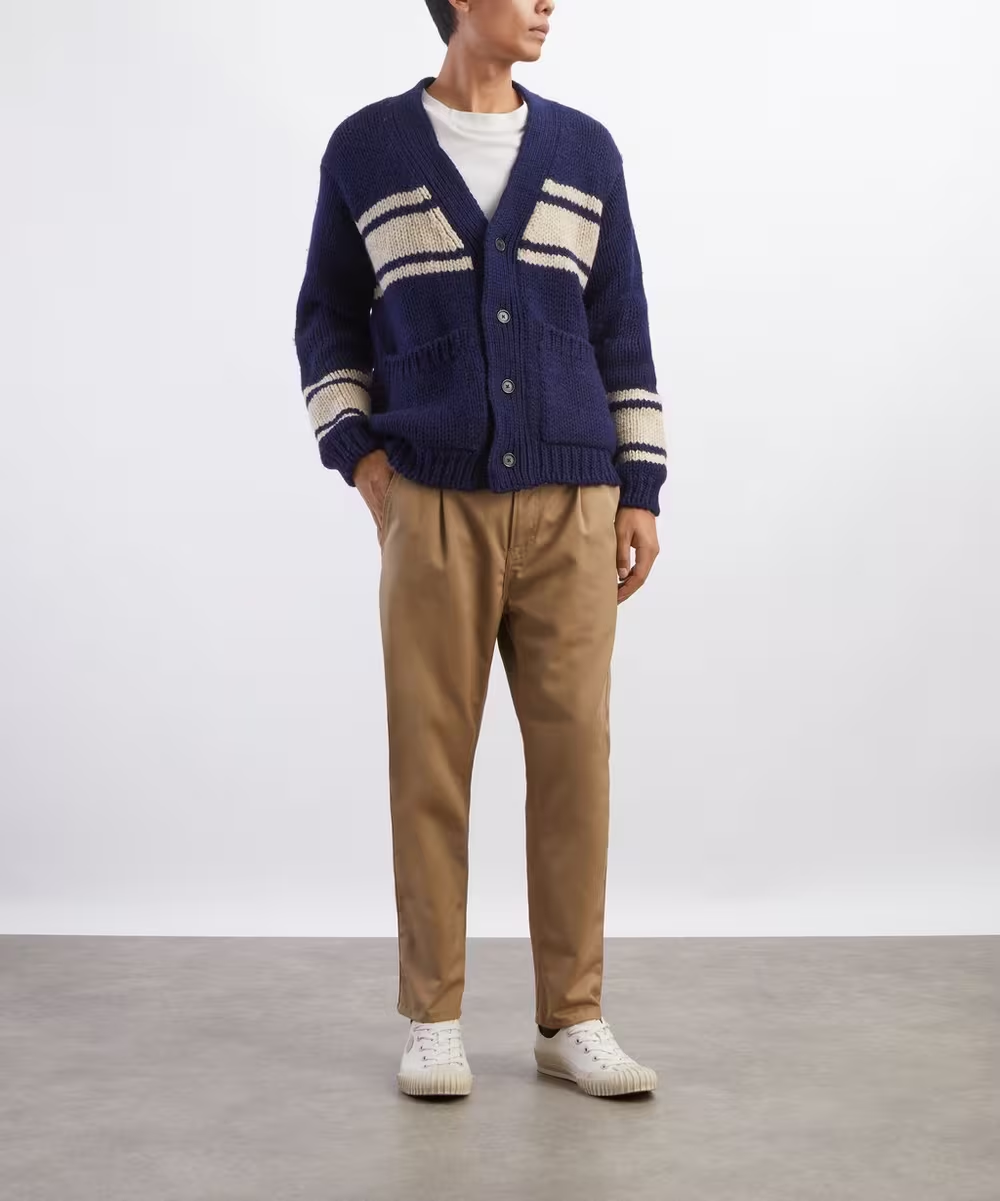
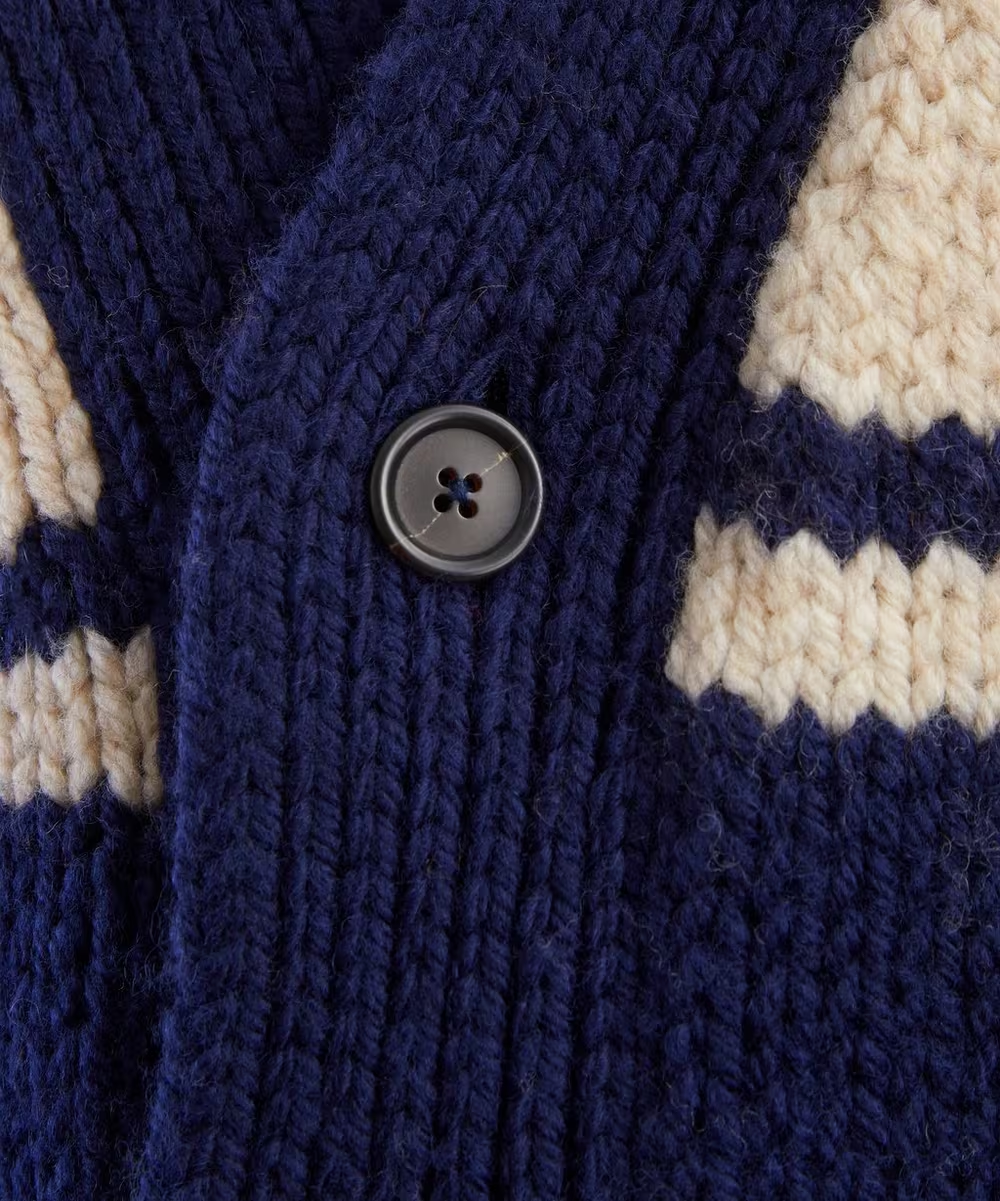
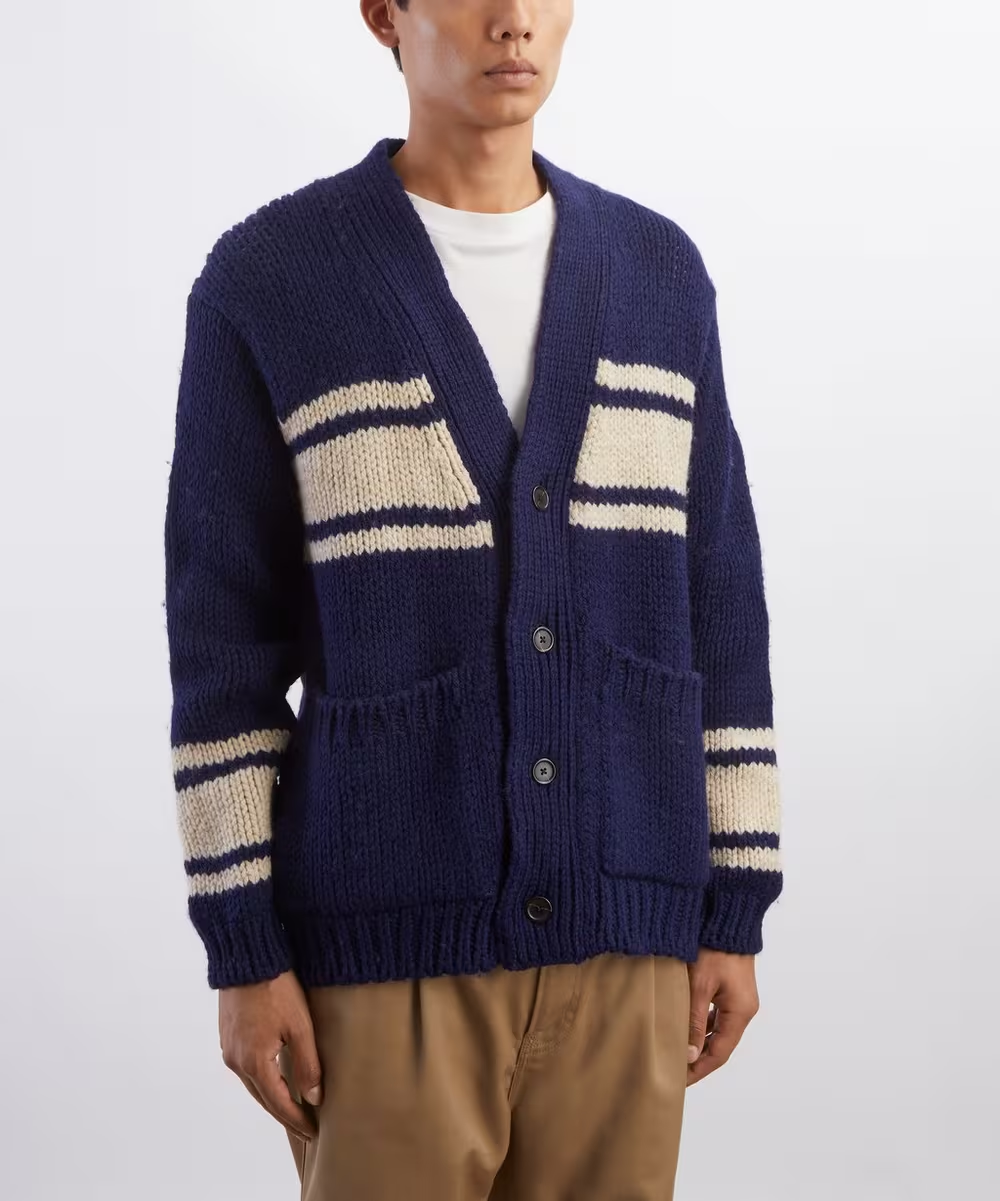
For chunkier styles, you can afford to go looser still. A slightly dropped shoulder and relaxed fit will make a heavyweight cardigan feel more like a knitted jacket, which opens up plenty of possibilities for layering.
Length matters too. Most cardigans should finish somewhere around the hips. Go much longer and you start drifting into dressing-gown territory, while anything too cropped can be difficult to layer unless that’s specifically the look you’re going for.
The cardigan styles worth knowing
Classic V-neck
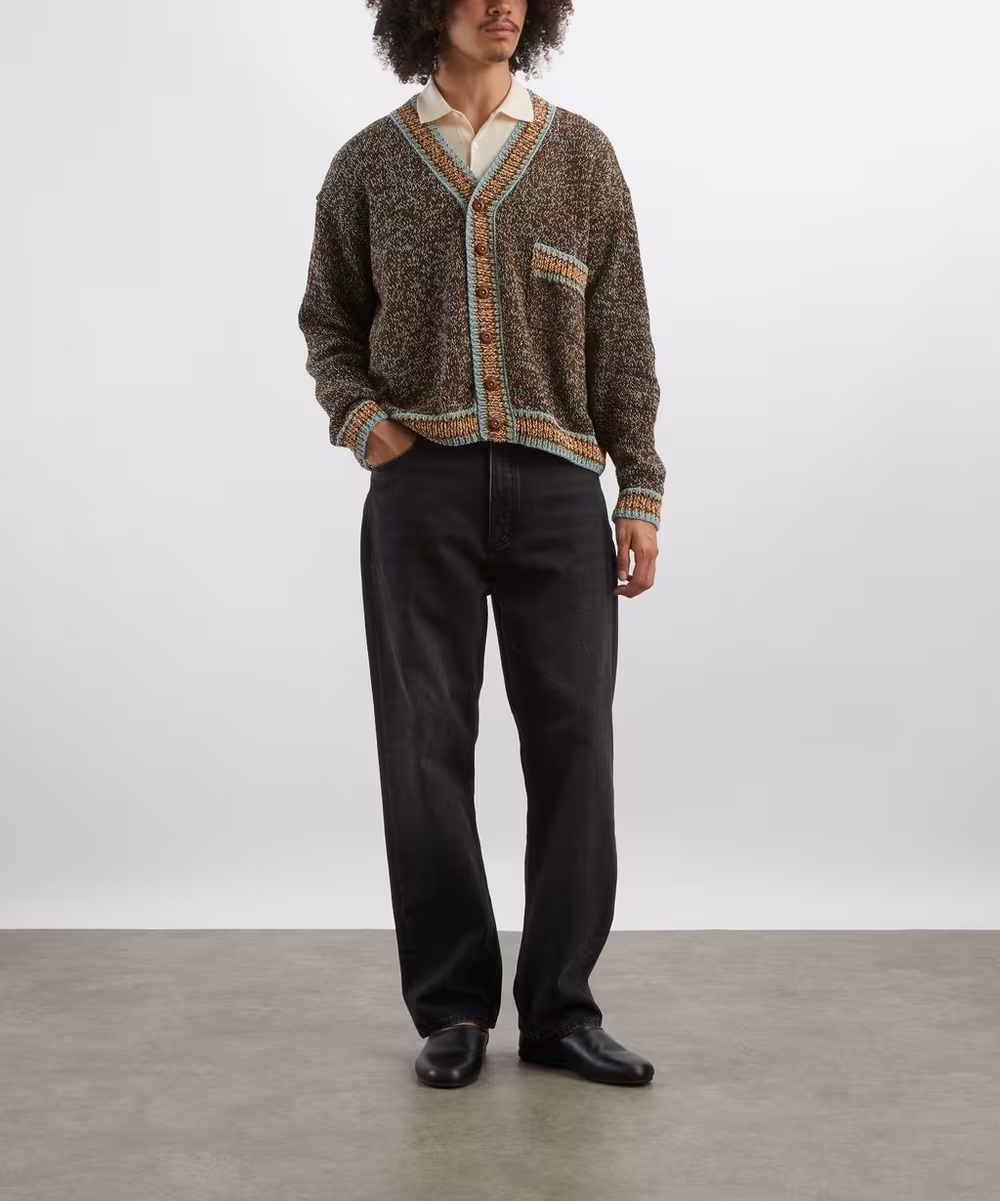
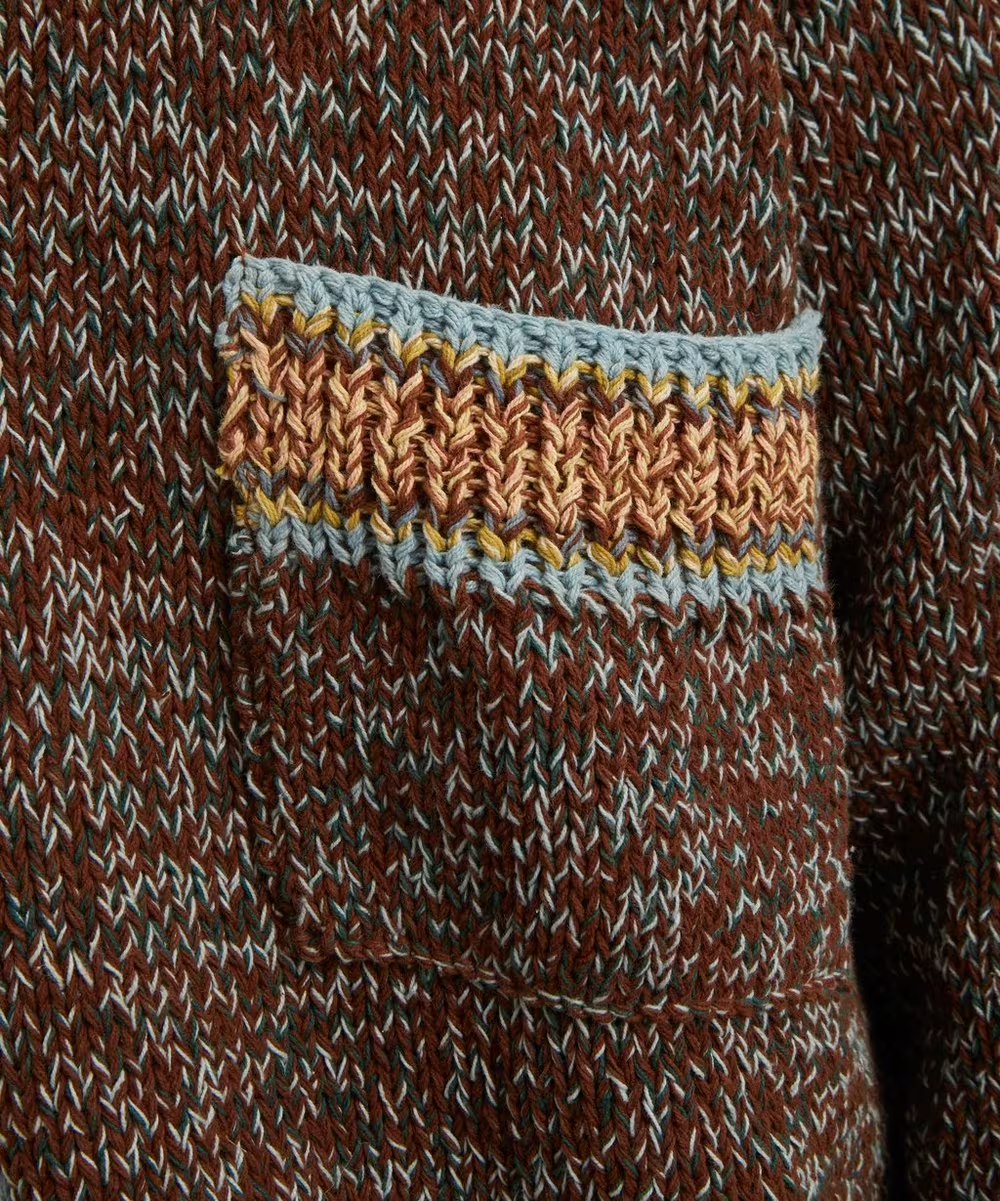
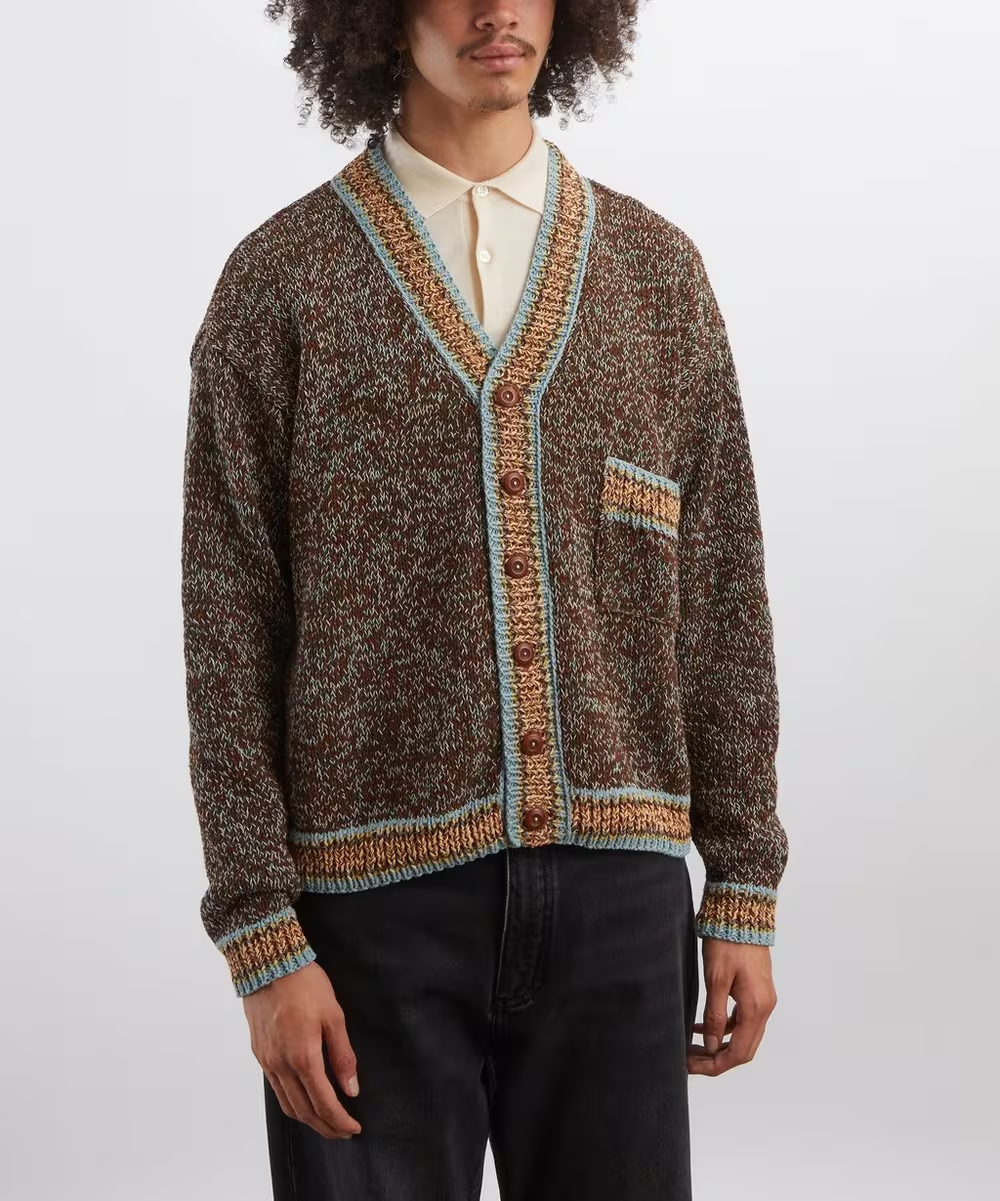
This is the cardigan in its purest form: buttons down the front, a V-shaped neckline and relatively little else going on. Fine-gauge versions can replace a crew neck in smarter outfits, while heavier wool options work well with casual staples such as denim, chinos and Oxford shirts.
For maximum versatility, stick to understated colours like navy, charcoal, brown or oatmeal. Or don’t. A cardigan is also one of the easiest places to introduce a bit of colour or pattern.
Chunky cardigan
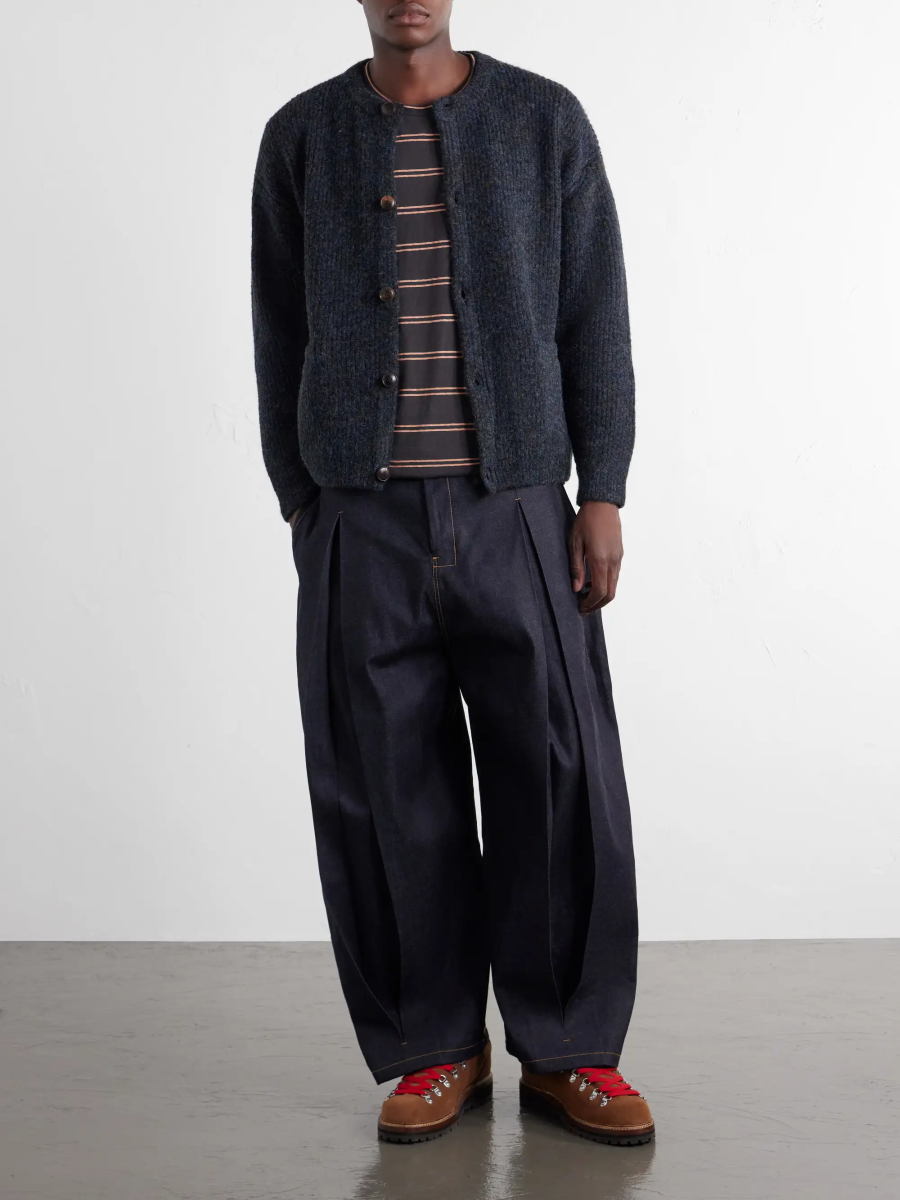
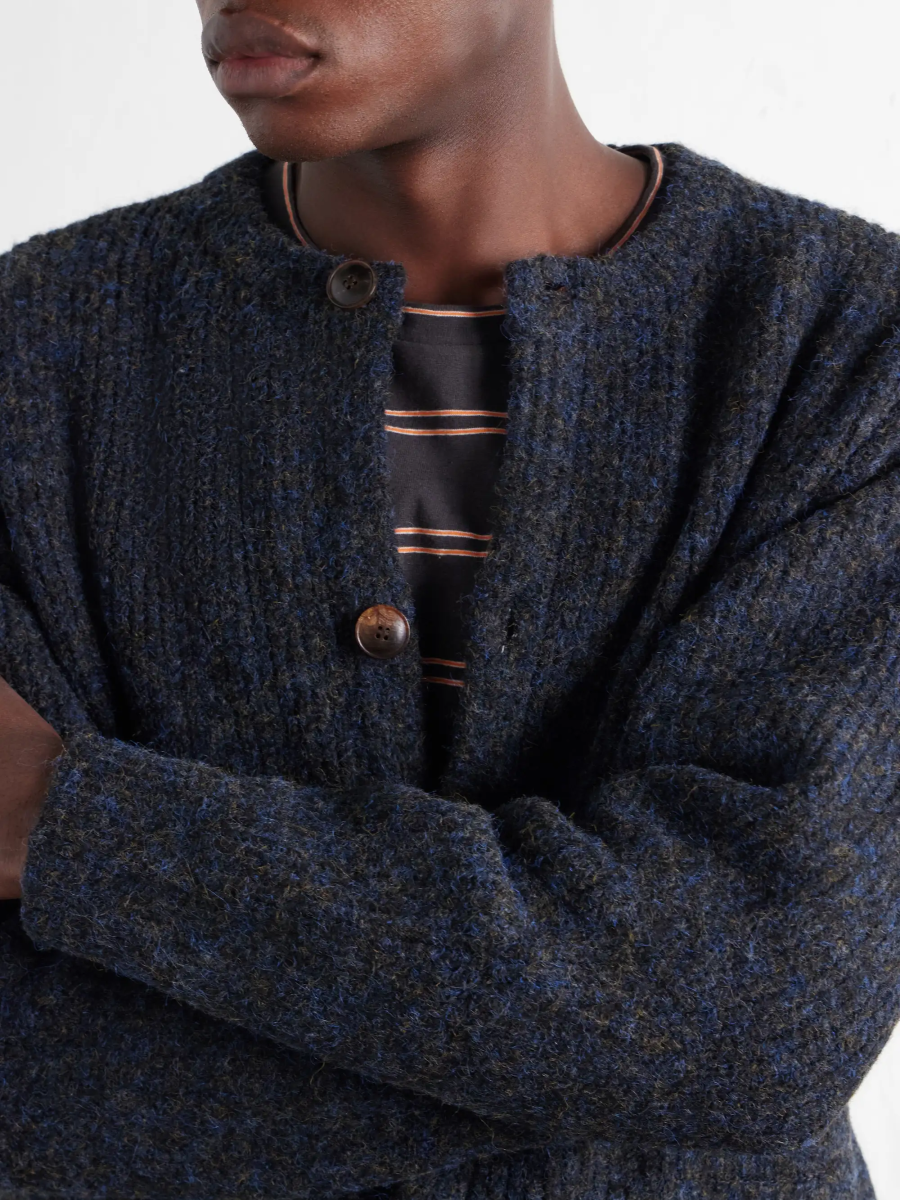
A substantial cardigan in heavy wool can effectively replace a jacket during the transitional months. Look for texture, a relaxed cut and big buttons, then wear it over everything from plain tees to flannel shirts.
These styles tend to look particularly good with heavier legwear too. Think raw denim, cords, canvas trousers and anything else substantial enough to hold its own against all that knitwear.
Shawl-collar cardigan
The shawl-collar cardigan sits somewhere between knitwear and outerwear. The rolled collar gives it more structure than a standard V-neck, making it a good option when you want something relaxed but still relatively put together.
It works particularly well with workwear and Ivy League-inspired pieces: Oxford shirts, chinos, denim, loafers and sturdy leather boots.
Collared cardigan
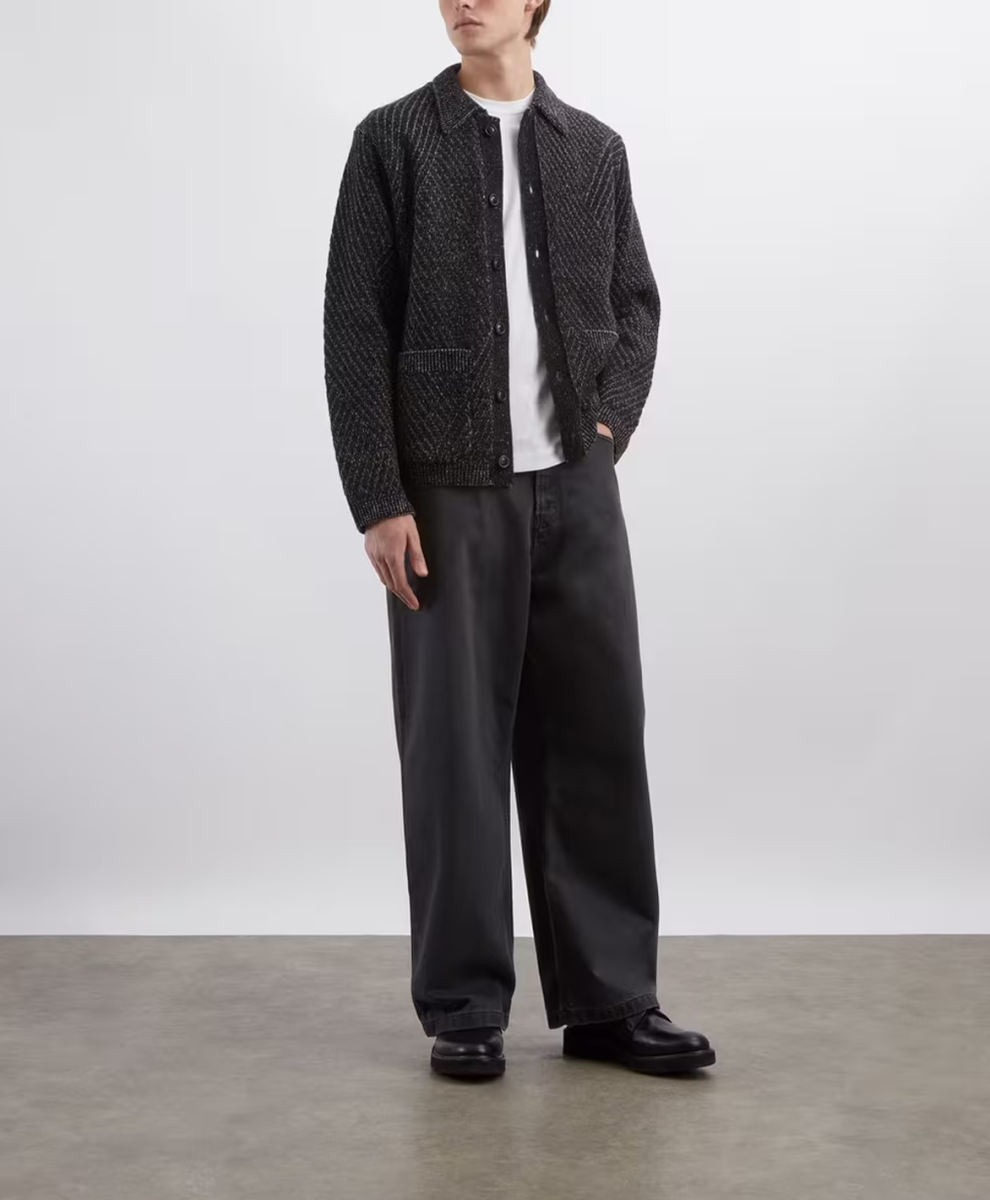
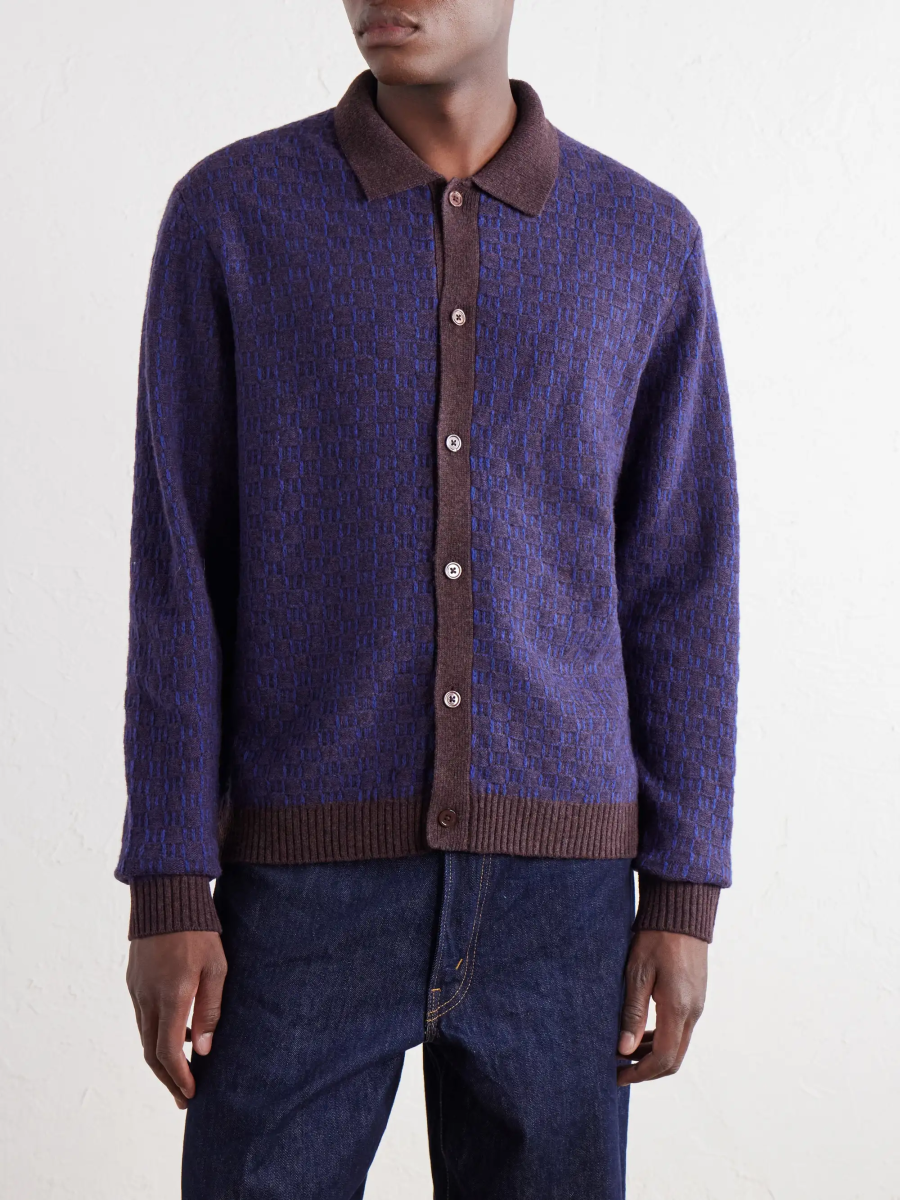
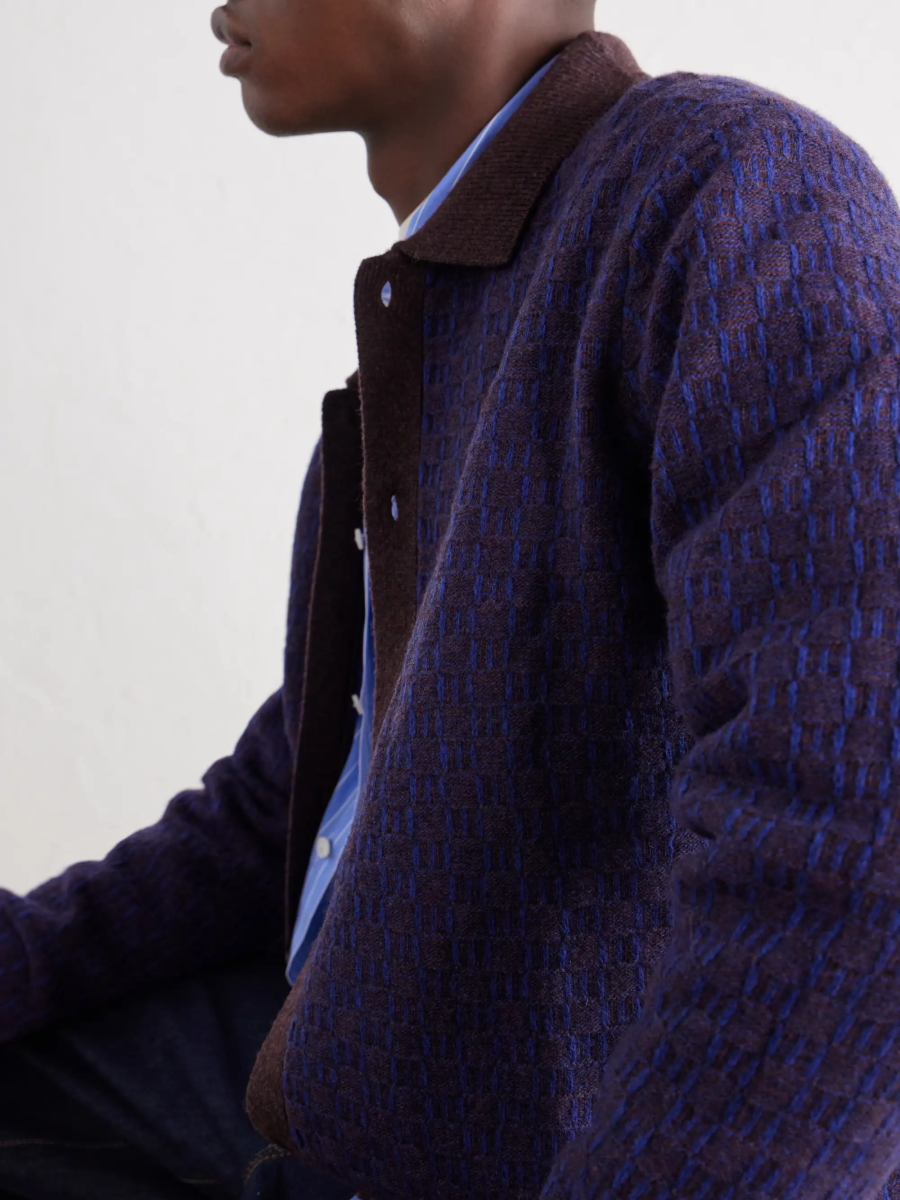
One of the easiest ways to make a cardigan feel more contemporary is to add a collar. Depending on the design, the result can resemble anything from a knitted polo to a soft, unstructured jacket.
That makes it particularly useful for smart-casual outfits. Wear one buttoned with tailored trousers and loafers, or leave it open over a tee for something more relaxed.
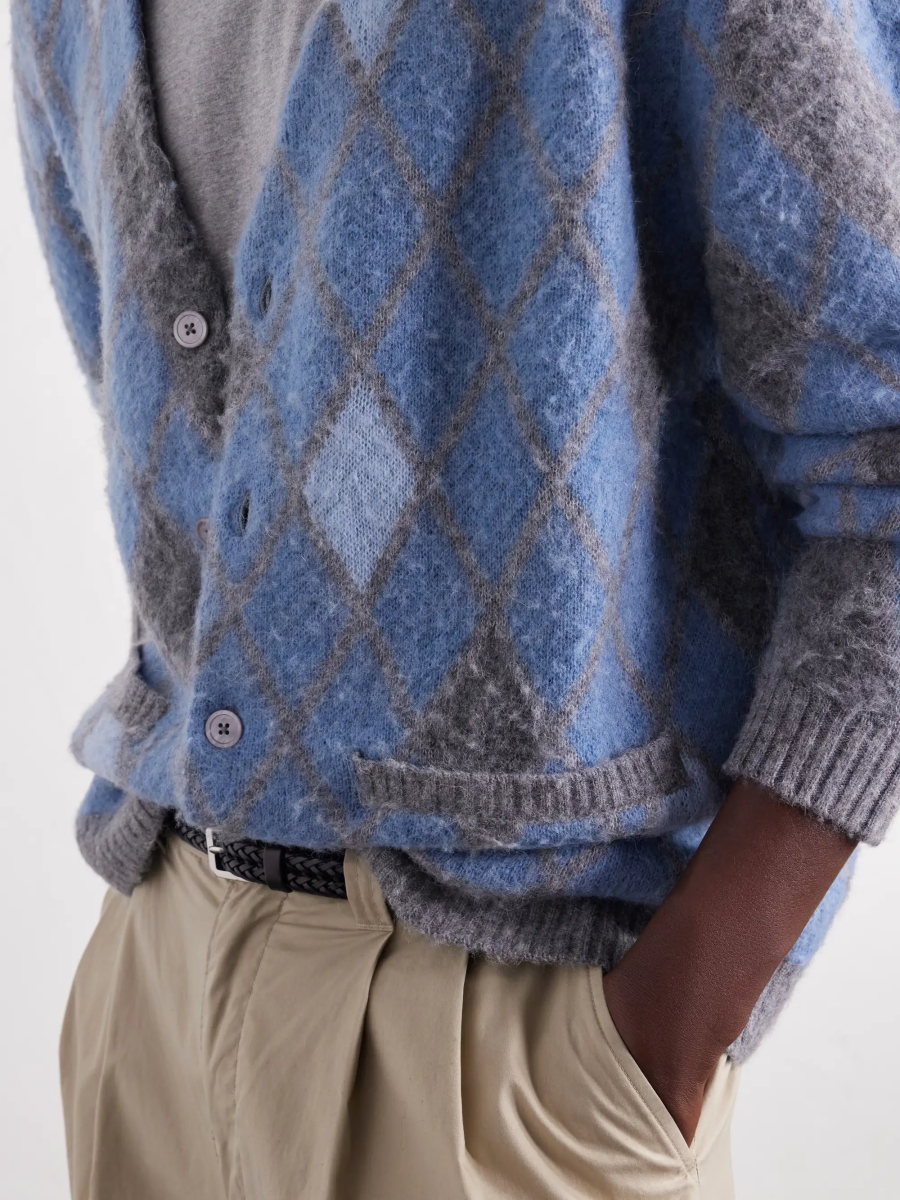
Fuzzy cardigan
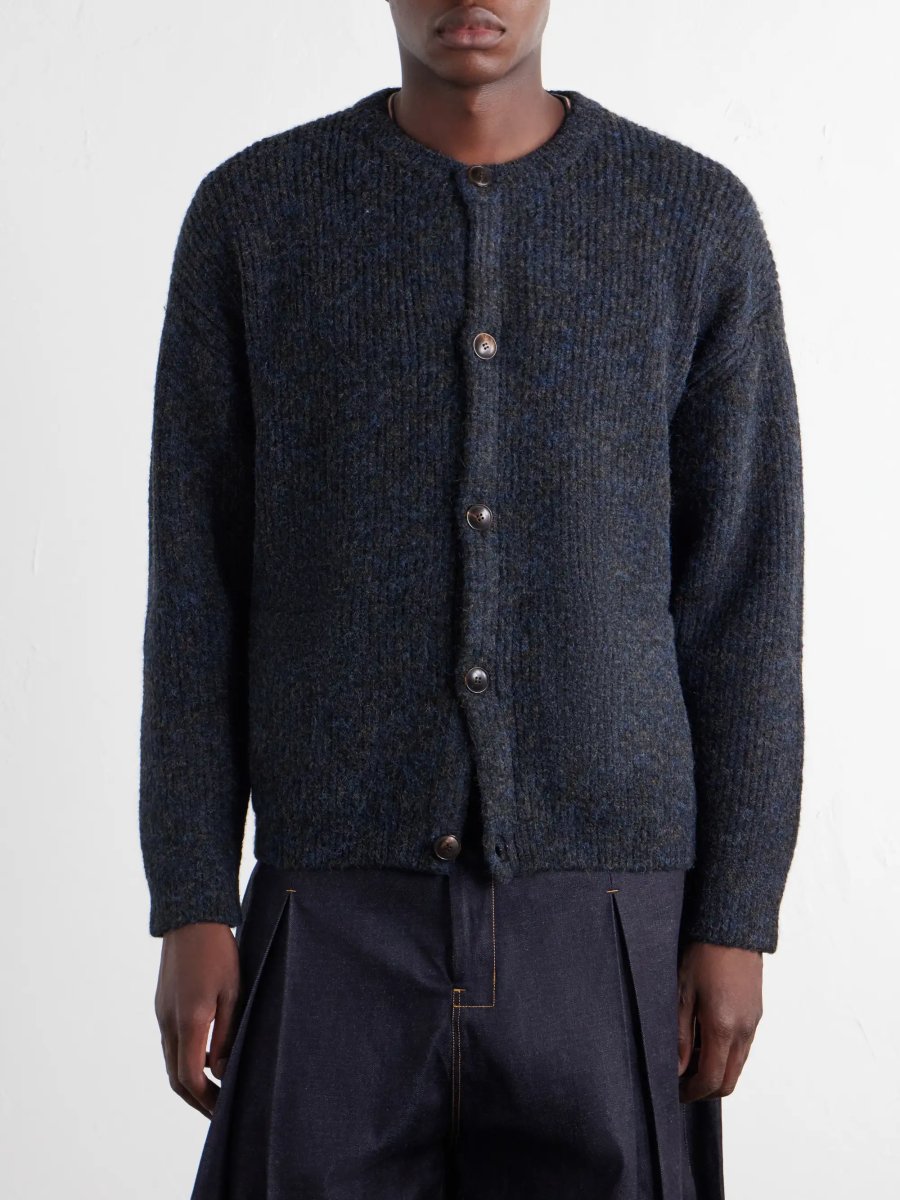
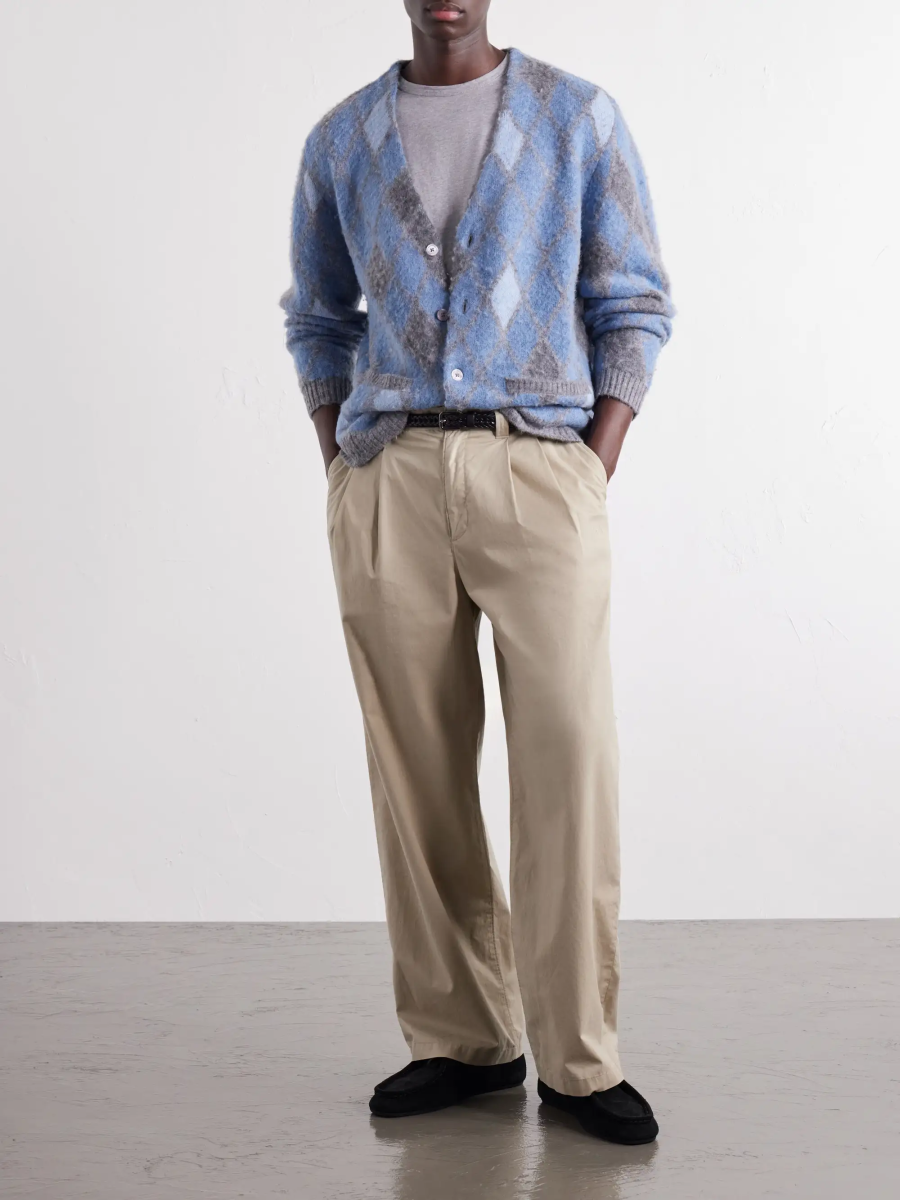
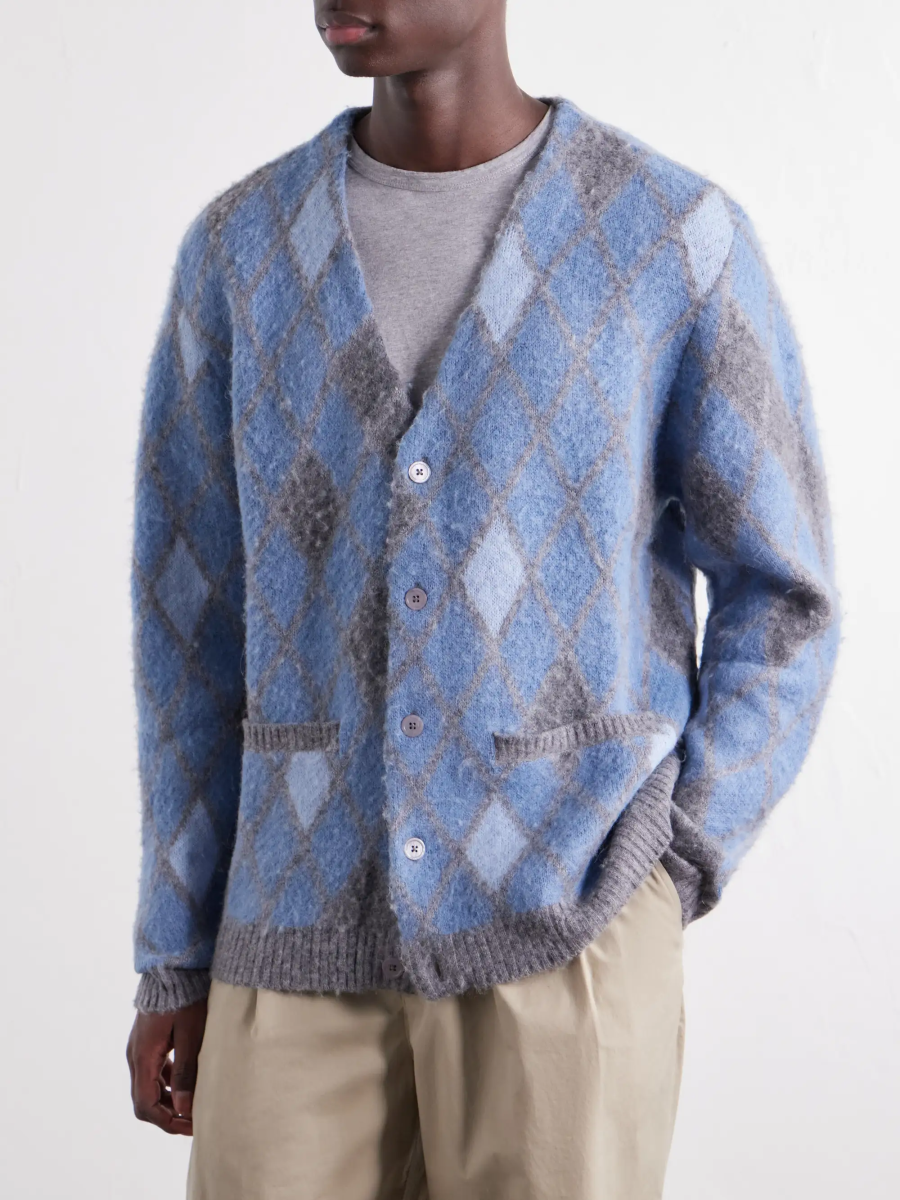
Mohair and brushed-wool cardigans bring texture to otherwise simple outfits. They’re also closely associated with the grungier end of cardigan history, which is useful if pristine merino feels a little too polite.
Because there’s already plenty happening with the fabric, keep the rest of the outfit relatively restrained. Straight-leg jeans, simple trousers and plain tees will do the job.
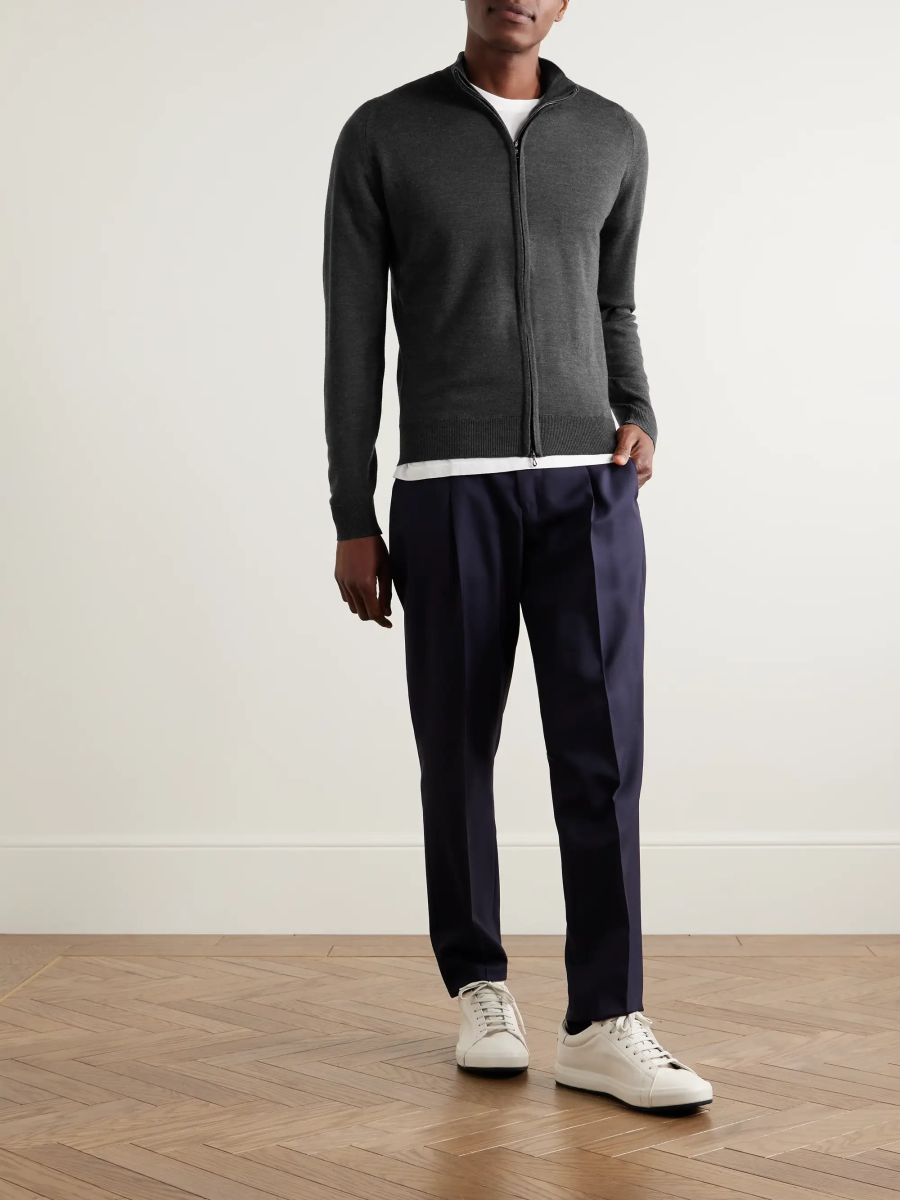
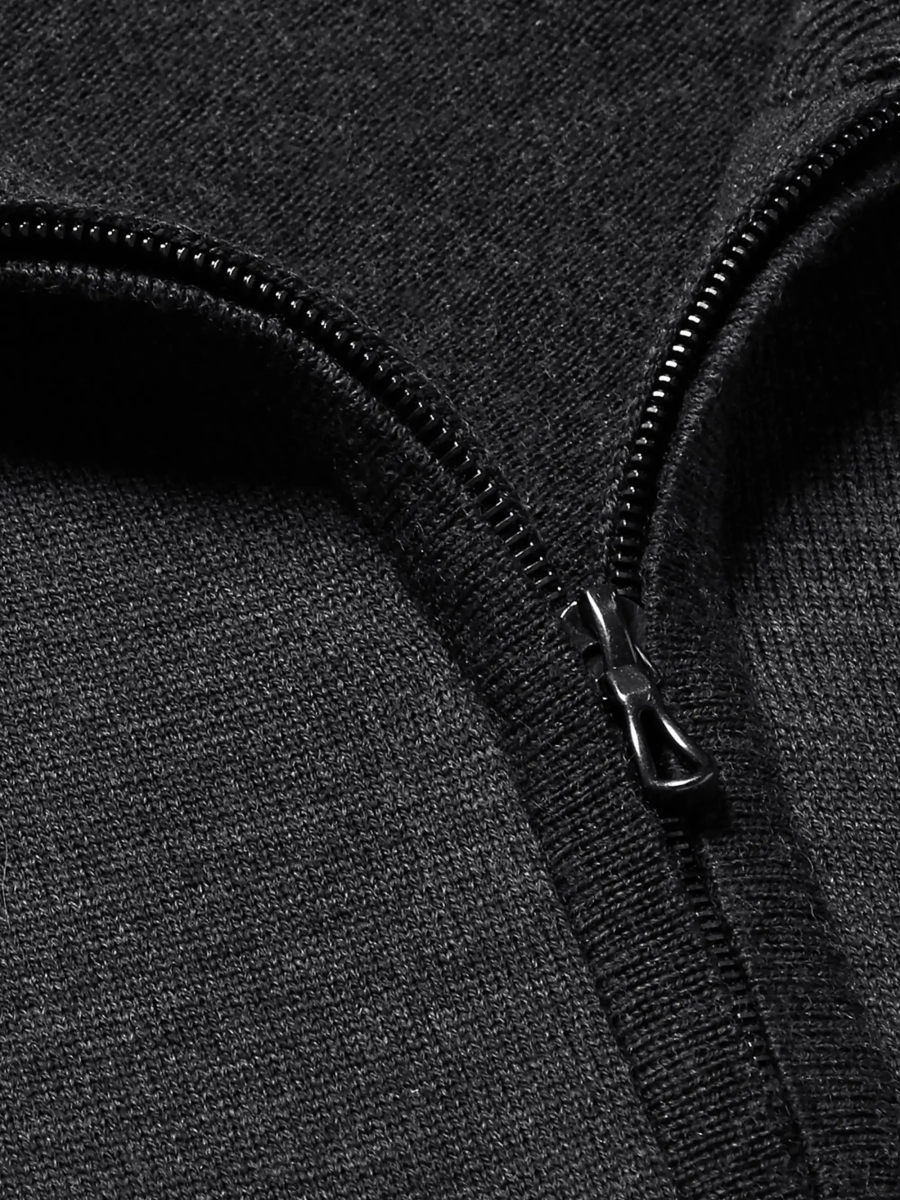
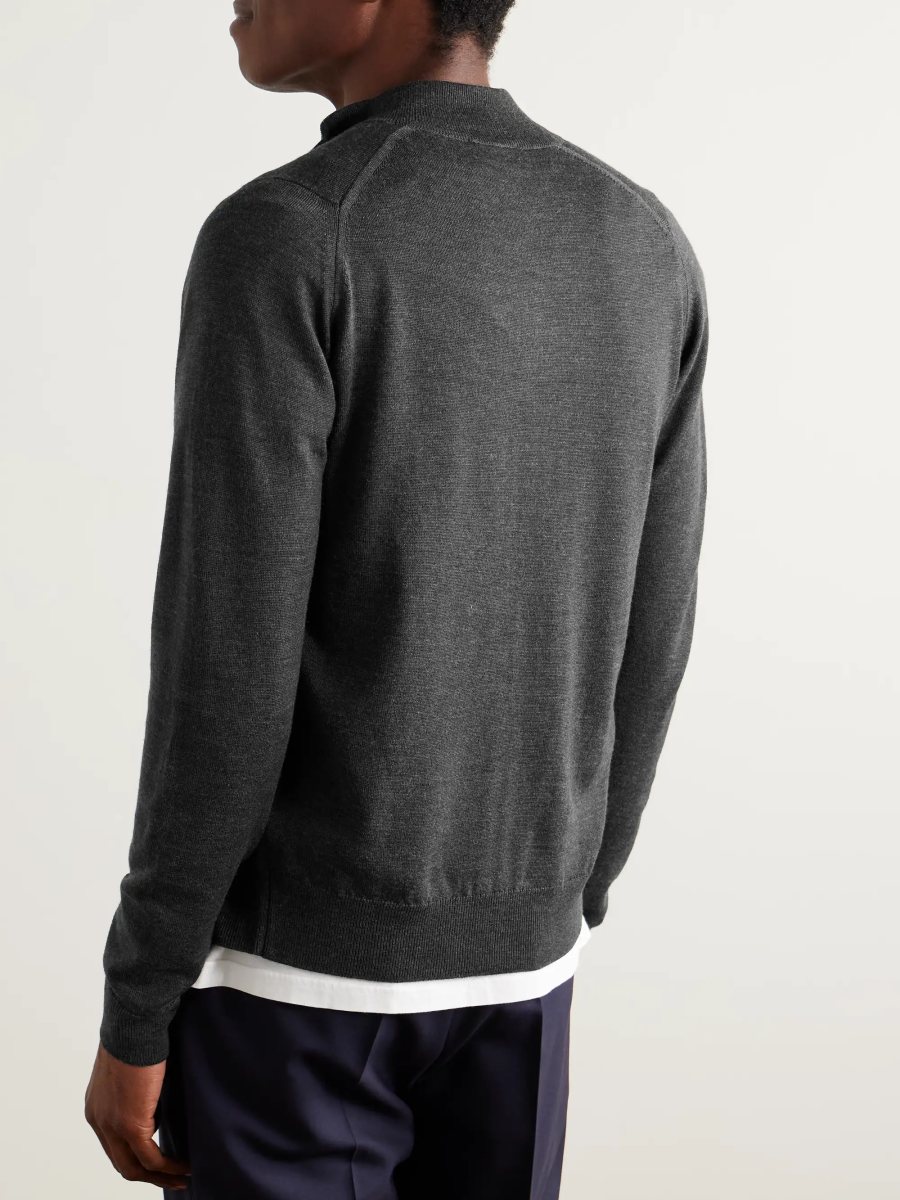
Zip cardigan
Technically, cardigan purists may take issue, but the zip-through knit performs much the same role. It’s easy to layer, smarter than a sweatshirt and can function as light outerwear in mild weather.
Look for versions with simple two-way zips and minimal detailing. Worn with relaxed trousers and a T-shirt, they make a good alternative to the ubiquitous quarter-zip.

How to wear a cardigan: 8 outfits that always work
Cardigan + white T-shirt + relaxed jeans
You could spend a lot of time overthinking cardigan styling, but there’s really no need. A plain white T-shirt, relaxed jeans and a cardigan is about as straightforward as it gets.
The key is making sure the proportions agree with each other. If the cardigan is loose and slouchy, the jeans should have enough width to balance it out. Finish with simple sneakers, loafers or suede shoes depending on how dressed-up you want things to feel.
This is also a good blank canvas for a more interesting cardigan. Pattern, colour and shaggy texture are much easier to handle when everything else is deliberately simple.
Cardigan + Oxford shirt + chinos
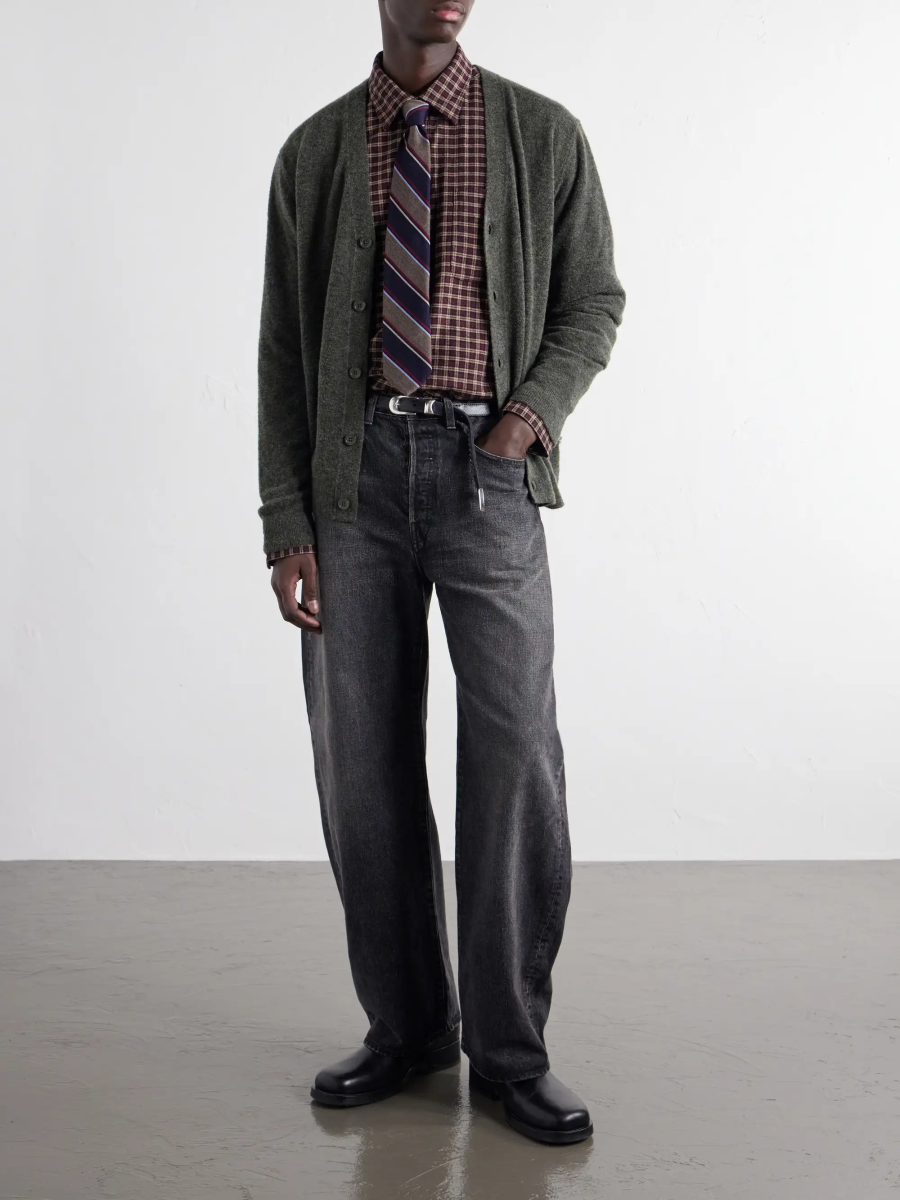
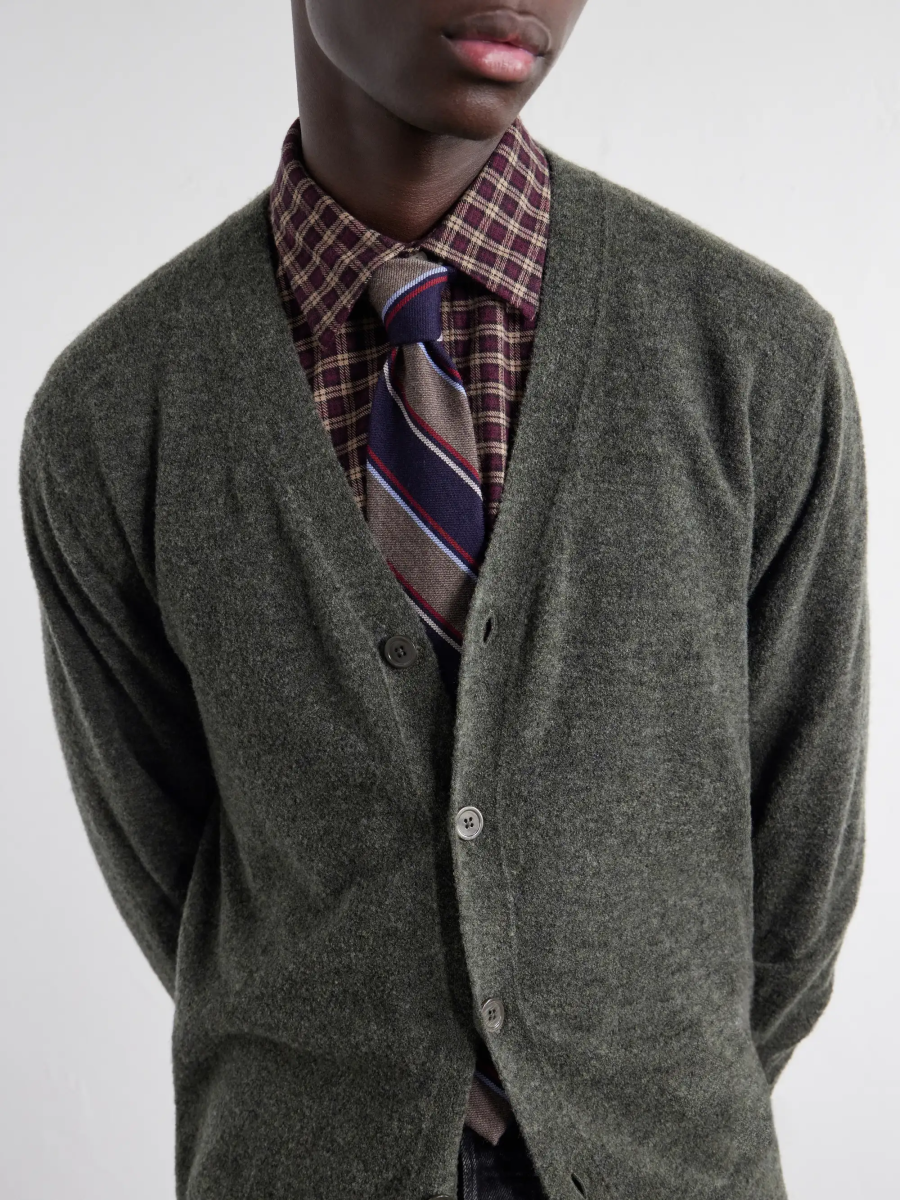
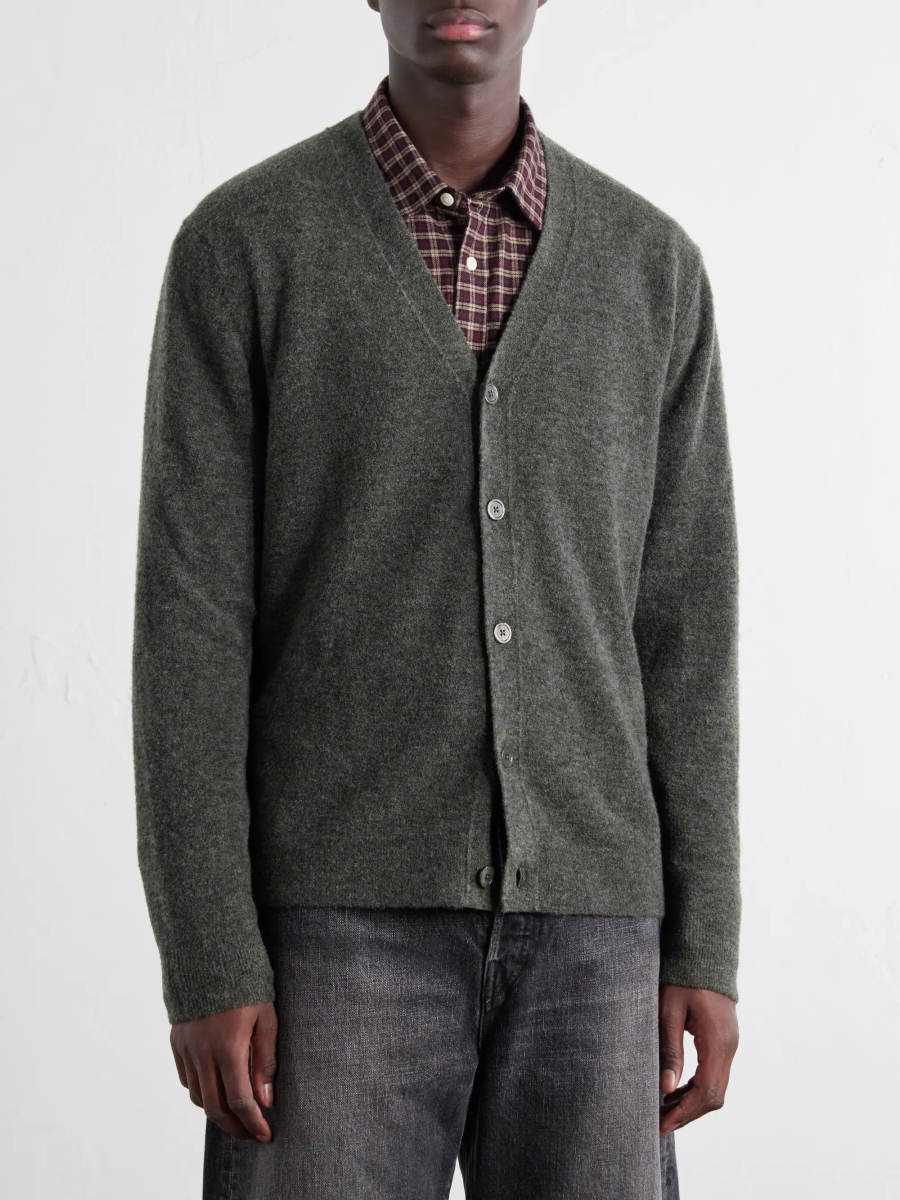
For something a little smarter, lean into the cardigan’s preppy associations. An Oxford shirt and chinos make natural partners, particularly with a mid-weight V-neck cardigan layered over the top.
You don’t need to go full Ivy League. Keep the shirt untucked, choose chinos with a relaxed or straight leg and finish with loafers, Derbies or even simple canvas sneakers.
A navy, grey or oatmeal cardigan will keep things classic, while a stronger colour can stop the combination feeling overly conservative.
Chunky cardigan + workwear
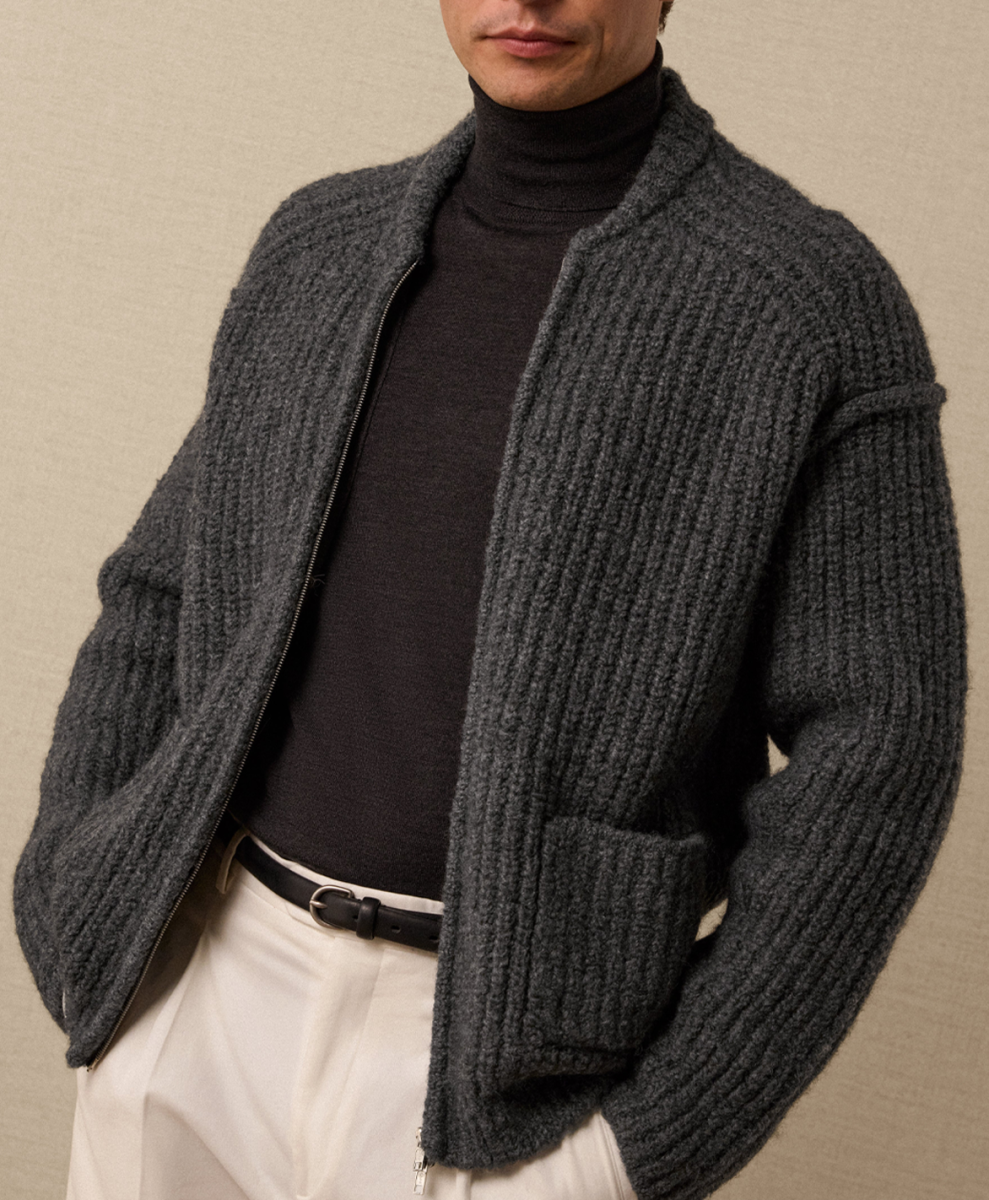
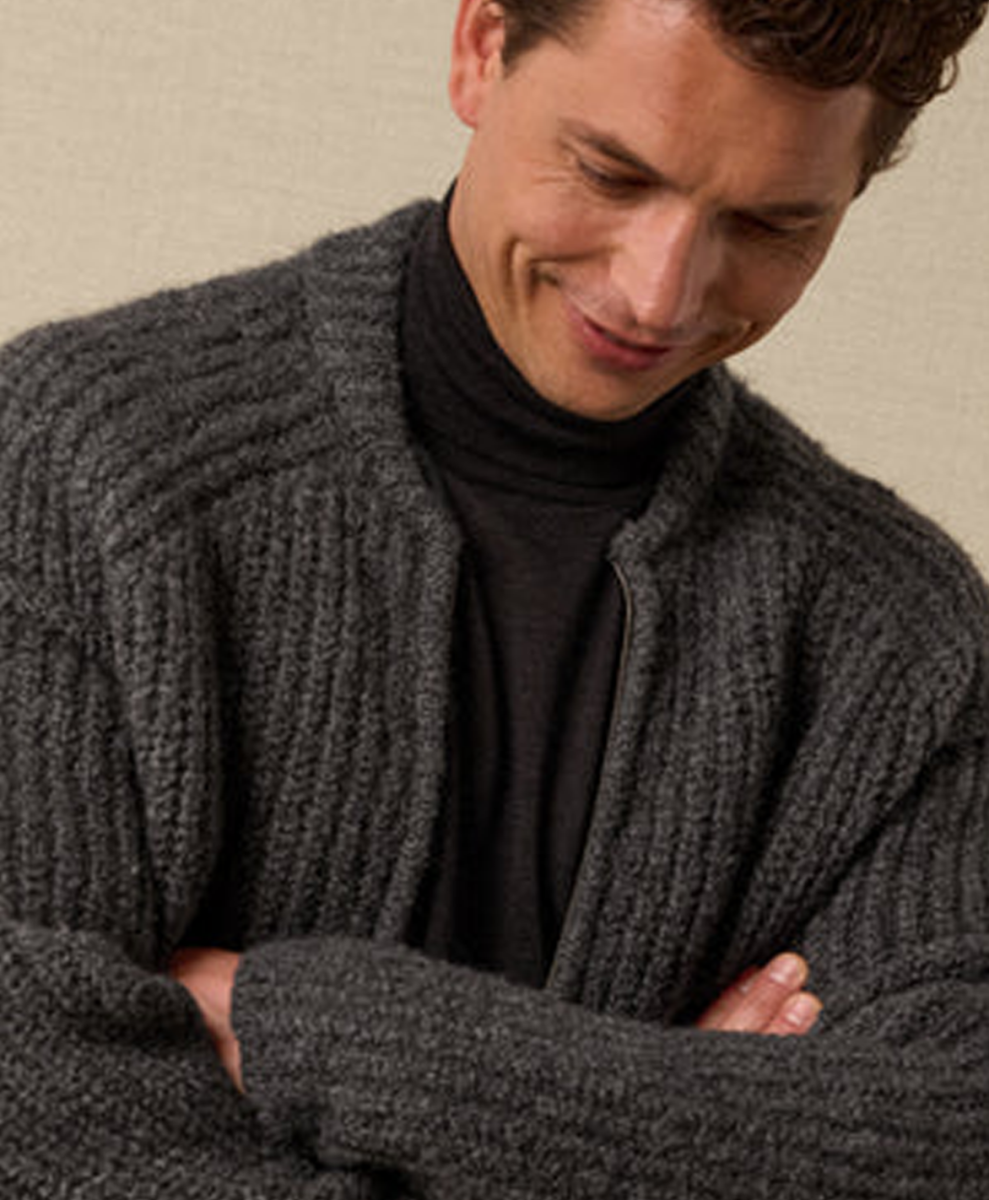
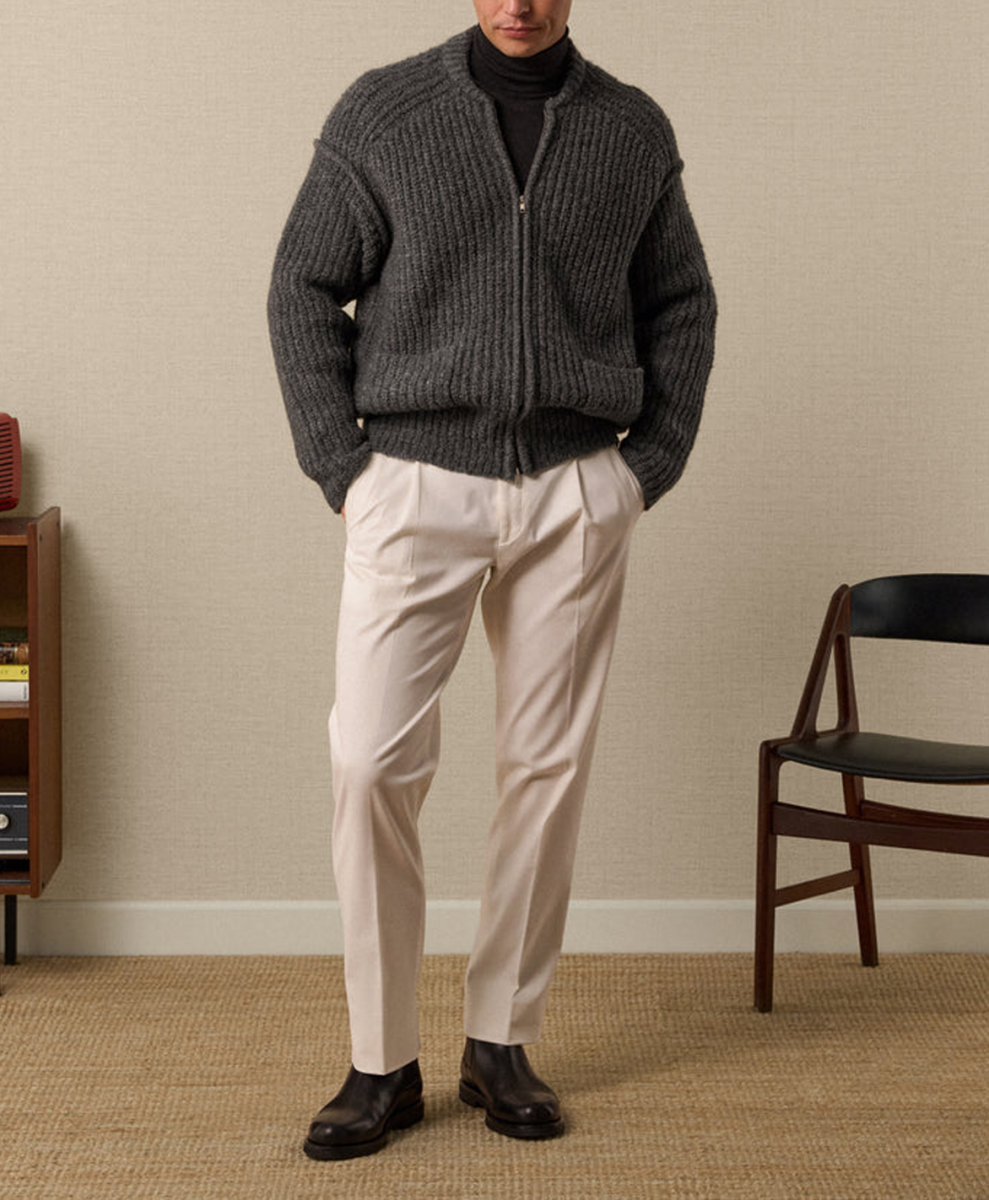
Chunky knitwear and workwear make sense together. Both are practical, tactile and generally look better with age, so try a heavyweight cardigan with raw denim, fatigue pants or canvas trousers.
Underneath, keep things straightforward with a plain tee, chambray shirt or Oxford. On your feet, moc-toe boots, service boots or chunky Derbies will continue the theme without making the whole thing look like costume.
This is one of the easiest ways to wear a cardigan as outerwear too. Just make sure the knit is substantial enough to hold its shape.
Cardigan + wide-leg trousers
Cardigans lend themselves particularly well to the relaxed proportions that have become standard in contemporary menswear. A roomy cardigan paired with wide-leg trousers creates a soft silhouette that feels comfortable without looking sloppy.
The important thing is to maintain some structure. A tucked T-shirt can create a clear break between top and bottom, while trousers with a defined crease or slightly heavier fabric will prevent the outfit becoming too shapeless.
Keep the footwear relatively substantial. Retro sneakers, loafers, Tyrolean shoes and chunky Derbies all work well.
Cardigan + tailoring
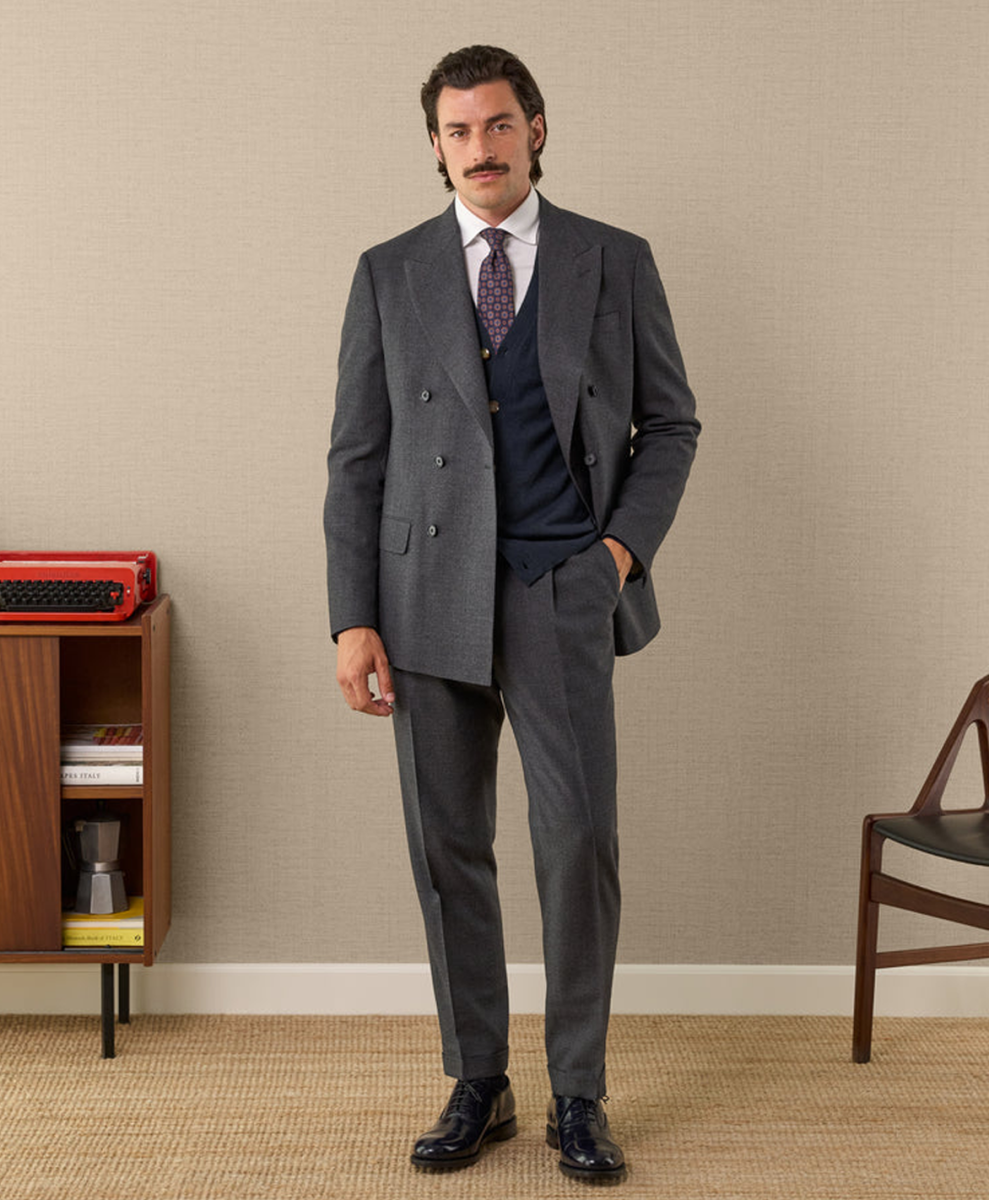
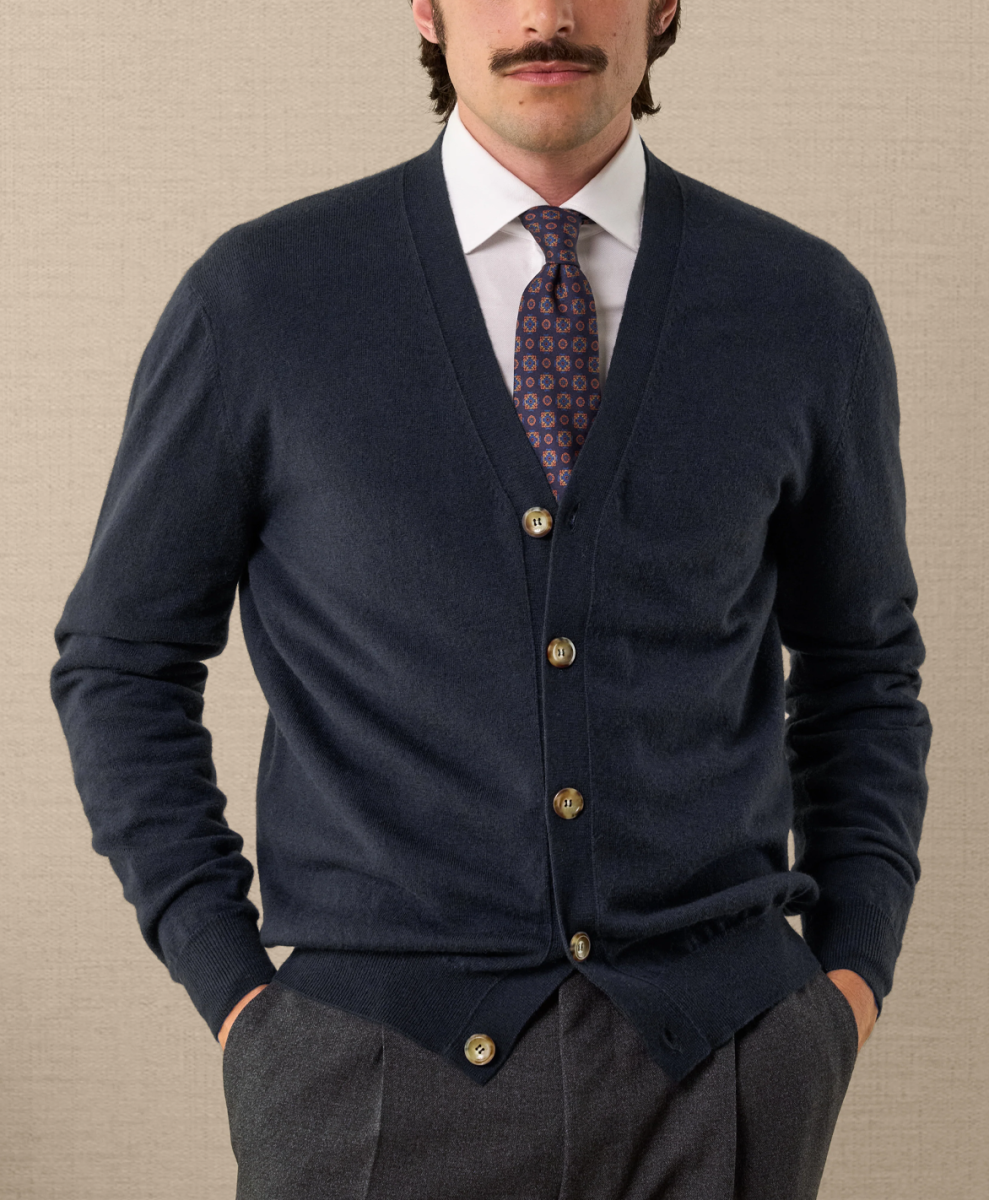
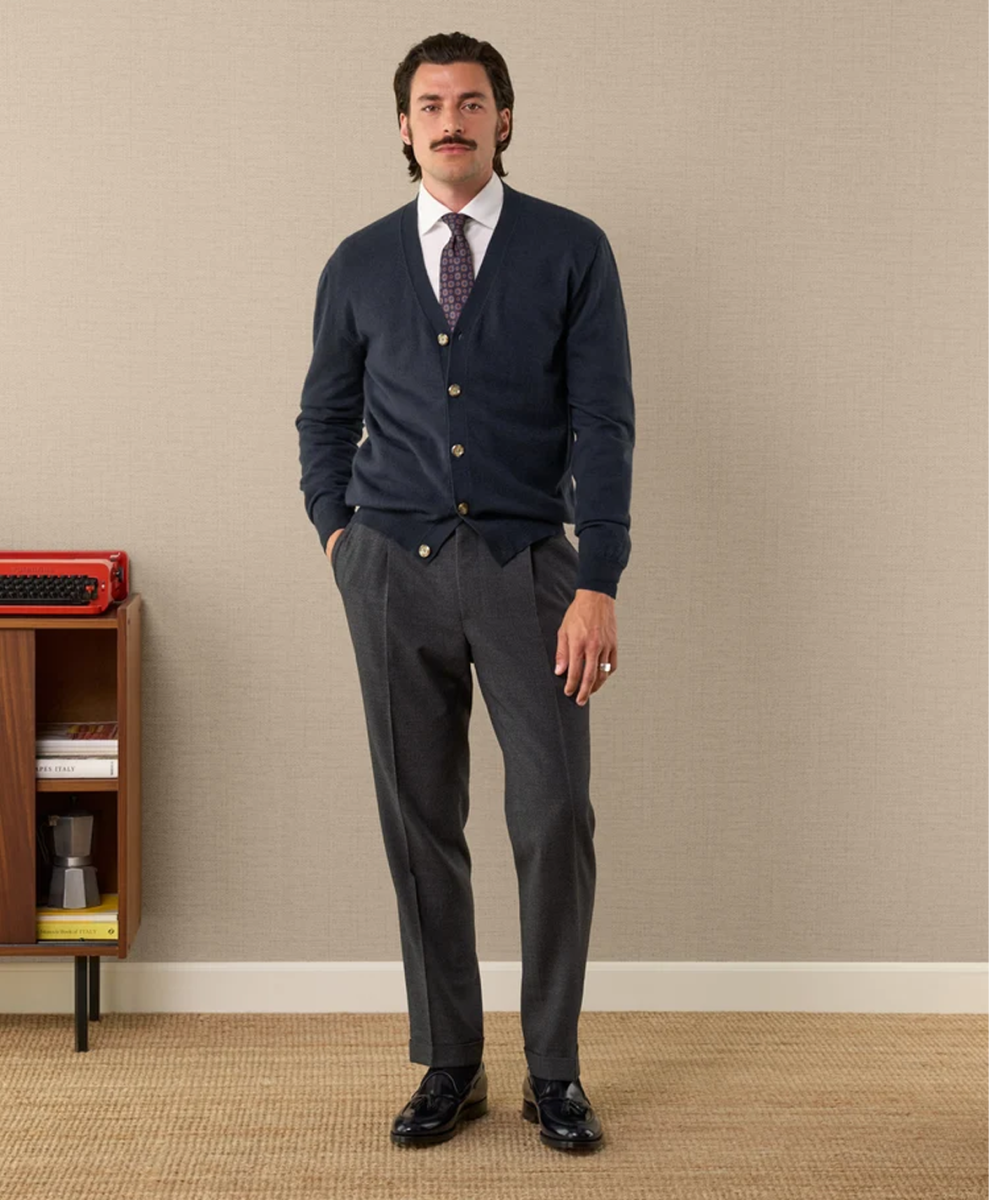
A cardigan can occupy much the same territory as a waistcoat or fine-gauge crew neck when worn with tailoring. Choose something relatively lightweight and understated, then layer it beneath an unstructured blazer or suit jacket.
Alternatively, lose the jacket entirely. A smart cardigan worn buttoned over a shirt and paired with tailored trousers is relaxed enough for dinner but polished enough for plenty of modern offices.
This works best when the cardigan isn’t too bulky. Fine merino, cashmere and lightweight wool are all good options.
Statement cardigan + simple basics
Patterned cardigans are a useful way to introduce some personality without having to build an entire outfit around loud clothing. The trick is letting the knit do most of the work.
Take a bold geometric, Fair Isle or heavily patterned cardigan and surround it with relatively quiet pieces: a plain tee, simple denim or trousers and understated footwear.
The same applies to colour. A bright red or cobalt cardigan is considerably easier to wear when everything around it is navy, grey, cream or denim blue.


Fuzzy cardigan + tonal layers
A shaggy mohair or brushed-wool cardigan already brings plenty of visual interest, so it works well as part of a restrained tonal outfit.
Try brown with ecru and beige, charcoal with washed black, or navy with different shades of blue. The colours don’t need to match exactly. In fact, slight variations usually make the outfit look better.
Texture becomes the point here. Denim, suede, wool and brushed cotton will all play nicely with the cardigan without fighting for attention.
Lightweight cardigan + summer trousers
Cardigans aren’t exclusively cold-weather clothing. A lightweight cotton, linen-blend or fine merino version is useful on cool summer evenings and holidays when the temperature drops after sunset.
Wear one open over a vest or T-shirt with loose linen trousers, drawstring pants or relaxed chinos. Alternatively, button it up and wear it as the main layer.
Finish with loafers, deck shoes, espadrilles or minimal sneakers and you have an easy warm-weather outfit that doesn’t rely on another overshirt.
What to wear under a cardigan
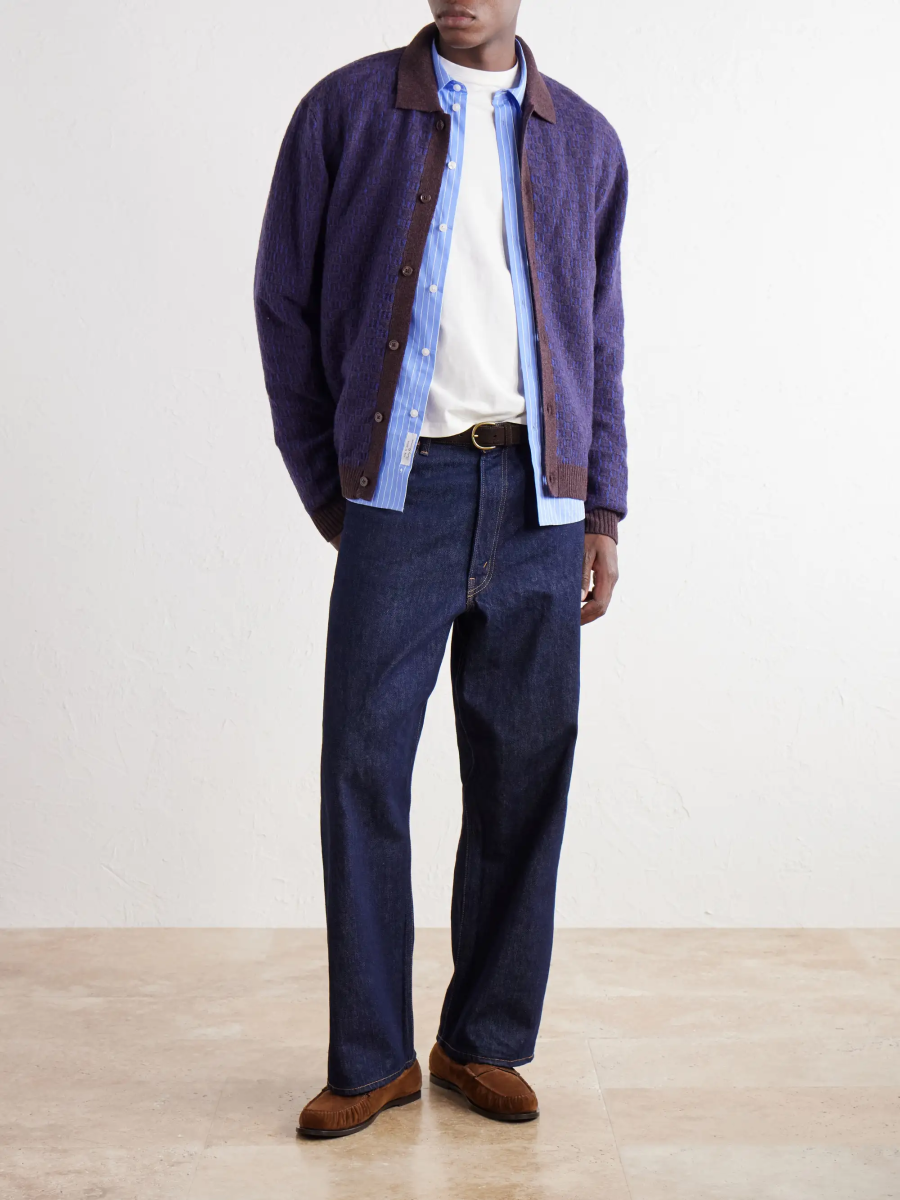
One of the cardigan’s biggest advantages is that almost anything can go underneath it.
A plain T-shirt is the easiest option and generally the best place to start. White works with virtually everything, but grey, navy, black and muted colours are just as useful.
For something smarter, try an Oxford or chambray shirt. Leaving the cardigan open keeps things casual, while buttoning it up gives you a more traditional preppy look.
Polo shirts work too, particularly beneath collared or zip cardigans, but pay attention to the collars. Too many competing layers around the neck can quickly become messy.
You can even layer knitwear beneath knitwear. A fine-gauge roll neck under a cardigan is an excellent cold-weather combination, provided the outer knit is roomy enough to accommodate it.
What shoes work with a cardigan?
Pretty much anything, within reason. The important thing is matching the footwear to the rest of the outfit rather than the cardigan itself.
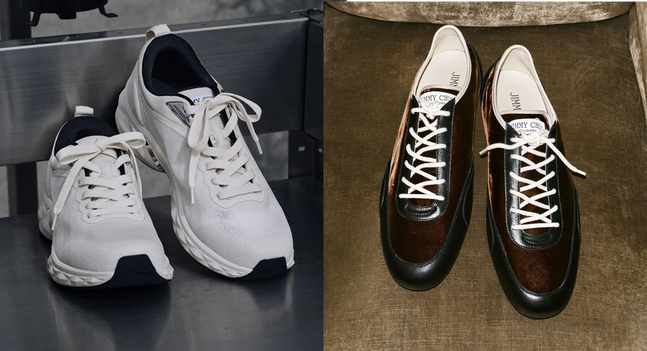
Sneakers work naturally with casual cardigan outfits, particularly retro runners, simple leather styles and classic canvas shoes. Loafers are a good fit for the cardigan’s preppy side and work particularly well with chinos, denim and tailored trousers.
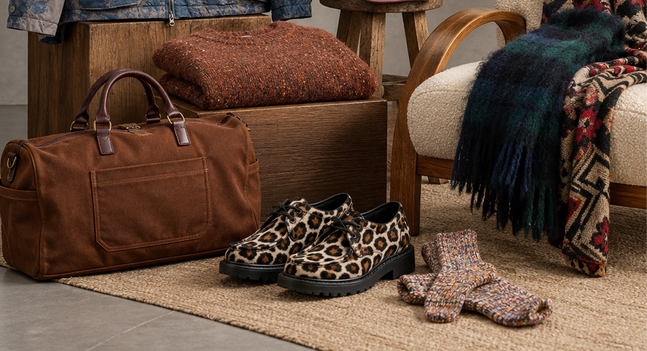
For something slightly chunkier, try Tyrolean shoes or substantial Derbies. Their heavier proportions complement relaxed trousers and thick knitwear particularly well.
Boots make sense when the cardigan is being worn as part of a more substantial autumn or winter outfit. Suede chukkas, moc-toe boots and simple leather work boots are all difficult to get wrong.
Cardigan styling mistakes to avoid
Going too tight
The fitted cardigan had its moment, but squeezing yourself into thin knitwear generally looks dated now. A little room through the body makes a cardigan easier to layer and considerably more forgiving.
That doesn’t mean everything has to be oversized. Aim for relaxed rather than enormous.
Ignoring the rest of the silhouette
An oversized cardigan, skin-tight jeans and tiny shoes will leave the outfit feeling top-heavy. Likewise, an extremely neat cardigan can look lost alongside enormous trousers.
Think about the silhouette as a whole. The individual pieces don’t have to share exactly the same fit, but they should feel as though they belong in the same outfit.
Overcomplicating it
A cardigan already adds more detail than a standard crew neck, particularly if it’s textured, patterned or brightly coloured. You don’t necessarily need another five statement pieces fighting with it.
When in doubt, make the cardigan the interesting part and keep everything else straightforward.
Treating it like formalwear
Yes, cardigans can look smart. No, this doesn’t mean you need to dress like you’re attending a country-club AGM.
The cardigan is at its best when there’s a little contrast. Wear a neat merino version with washed denim, a chunky shawl collar with smarter trousers, or a preppy cardigan with casual sneakers. It stops the piece feeling too prim and makes it much easier to incorporate into an everyday wardrobe.